Overview
Microtubules are dynamic, hollow cylindrical structures that form a critical component of the eukaryotic cytoskeleton. These protein polymers, composed of α- and β-tubulin heterodimers, serve as the structural backbone for numerous cellular processes including intracellular transport, cell division, and maintenance of cell shape. Understanding microtubules is essential for Cell Biology mastery, as they represent one of the three major cytoskeletal elements alongside microfilaments and intermediate filaments. Their unique properties—including dynamic instability, polarity, and the ability to serve as tracks for motor proteins—make them indispensable for cellular function and a frequent target for both therapeutic drugs and MCAT examination questions.
For the MCAT, microtubules represent a medium-yield topic that appears consistently across multiple question formats. Test-makers favor microtubules because they integrate structural biology, biochemistry, and cellular physiology in ways that test higher-order thinking. Questions may present experimental scenarios involving microtubule-disrupting drugs like colchicine or taxol, ask students to predict outcomes of mutations in tubulin genes, or require analysis of mitotic spindle formation. The topic bridges foundational cell biology with clinically relevant applications, making it ideal for passage-based questions that assess both content knowledge and analytical reasoning.
The study of Microtubules Biology connects directly to major MCAT themes including cell division (mitosis and meiosis), intracellular trafficking, cell signaling, and even neurobiology. Microtubules form the mitotic spindle that segregates chromosomes, create the structural framework of cilia and flagella that enable cell motility, and provide highways for kinesin and dynein motor proteins to transport vesicles and organelles. This interconnectedness means that mastering microtubules enhances understanding of numerous other high-yield topics, making it a strategic investment of study time for comprehensive Biology preparation.
Learning Objectives
- [ ] Define microtubules using accurate Biology terminology, including their molecular composition and structural organization
- [ ] Explain why microtubules matter for the MCAT, including their frequency in exam questions and clinical relevance
- [ ] Apply microtubules concepts to exam-style questions involving experimental scenarios and drug mechanisms
- [ ] Identify common mistakes related to microtubules, particularly regarding polarity, dynamic instability, and motor protein directionality
- [ ] Connect microtubules to related Biology concepts including other cytoskeletal elements, cell division, and intracellular transport
- [ ] Analyze the role of microtubule-organizing centers (MTOCs) in cellular architecture and function
- [ ] Predict the cellular consequences of microtubule disruption by pharmacological agents
- [ ] Compare and contrast the structure and function of microtubules with microfilaments and intermediate filaments
Prerequisites
- Protein structure and polymerization: Understanding how monomeric subunits assemble into larger structures is essential for comprehending tubulin polymerization and microtubule dynamics
- GTP hydrolysis and energy coupling: Microtubule assembly is coupled to GTP binding and hydrolysis, requiring knowledge of nucleotide triphosphates as energy sources
- Basic cell structure: Familiarity with organelles, the cytoplasm, and the concept of the cytoskeleton provides context for where and why microtubules function
- Mitosis and meiosis fundamentals: Since microtubules form the mitotic spindle, basic knowledge of cell division stages is necessary to appreciate their critical role
- Membrane-bound organelles: Understanding vesicular transport and organelle distribution helps contextualize microtubule-based trafficking systems
Why This Topic Matters
Clinical and Real-World Significance
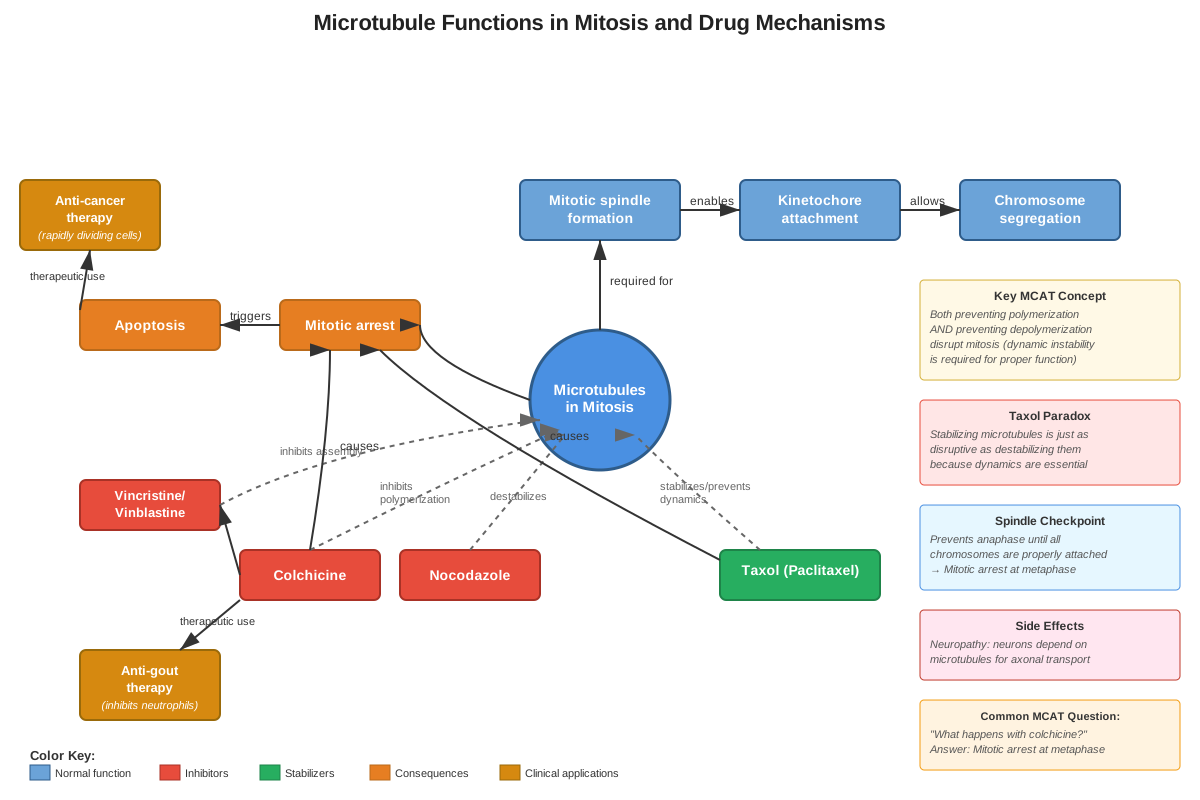
Microtubules serve as targets for numerous clinically important drugs, making them directly relevant to medical practice. Chemotherapeutic agents like paclitaxel (Taxol) stabilize microtubules and prevent their depolymerization, effectively arresting rapidly dividing cancer cells in mitosis. Conversely, vinca alkaloids (vincristine, vinblastine) prevent microtubule polymerization, achieving similar anti-cancer effects through a different mechanism. Colchicine, used to treat gout, also disrupts microtubule assembly and reduces inflammatory cell migration. Understanding microtubule biology is essential for comprehending how these medications work, their side effects (such as peripheral neuropathy from disrupted axonal transport), and why they preferentially affect dividing cells.
Beyond pharmacology, microtubule dysfunction underlies several human diseases. Mutations affecting dynein proteins cause primary ciliary dyskinesia, leading to chronic respiratory infections and infertility due to immotile cilia and flagella. Neurodegenerative diseases including Alzheimer's disease involve disruption of microtubule-associated proteins (MAPs) like tau, which normally stabilize neuronal microtubules. When tau becomes hyperphosphorylated, it detaches from microtubules and aggregates into neurofibrillary tangles, contributing to neuronal death. These clinical connections make microtubules a favorite topic for MCAT passages that integrate basic science with medical applications.
MCAT Examination Statistics
Microtubules appear in approximately 3-5% of MCAT Biology questions, with higher representation in passage-based questions than discrete items. The topic most frequently appears in contexts involving:
- Cell division passages requiring analysis of mitotic spindle function or drug effects on dividing cells
- Experimental design questions testing understanding of microtubule dynamics and polymerization assays
- Motor protein questions assessing knowledge of kinesin and dynein directionality and cargo transport
- Comparative biology passages contrasting cytoskeletal elements or examining ciliary/flagellar structure
Questions typically test conceptual understanding rather than rote memorization, requiring students to apply knowledge of microtubule properties to novel scenarios. The MCAT favors questions that integrate microtubules with other topics, such as asking how disrupting microtubules would affect vesicle trafficking to the Golgi apparatus or predicting the outcome of expressing a non-hydrolyzable GTP analog in cells.
Core Concepts
Molecular Structure and Composition
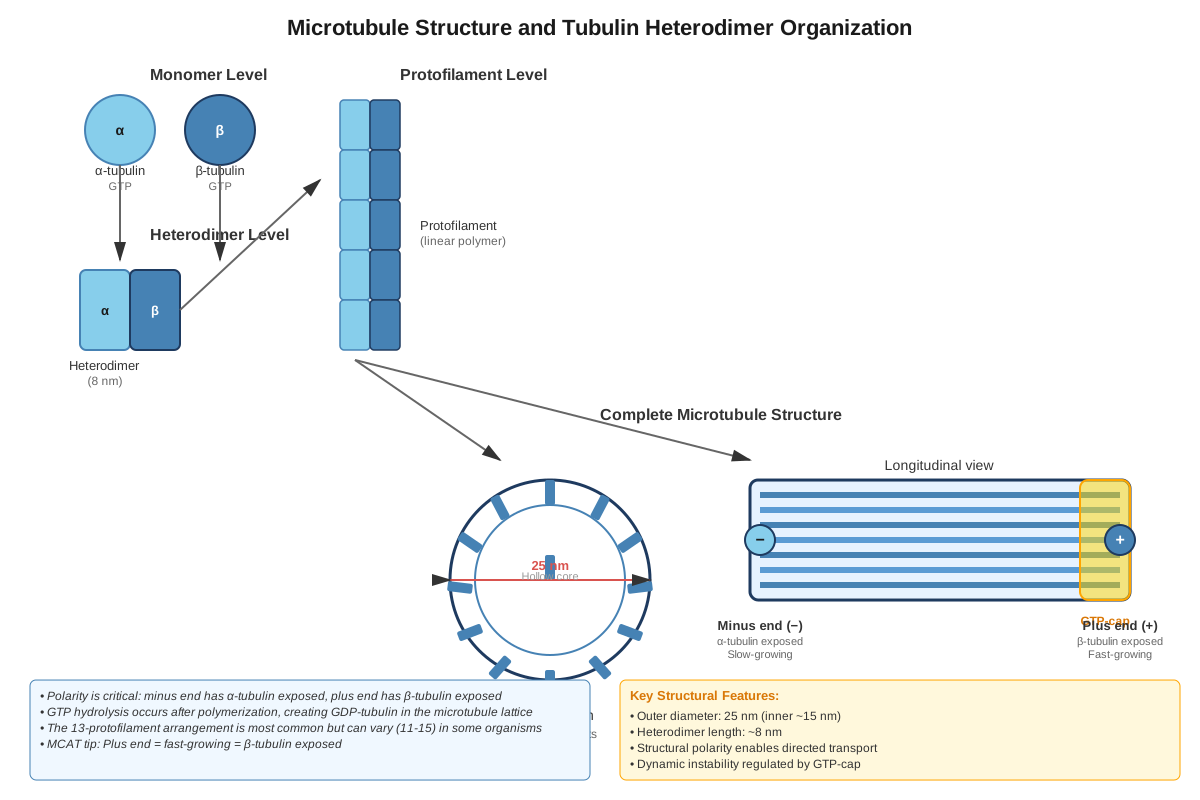
Microtubules are hollow, cylindrical polymers with an outer diameter of approximately 25 nanometers and a wall thickness of about 5 nanometers. The fundamental building block is the tubulin heterodimer, consisting of one α-tubulin and one β-tubulin subunit tightly bound together. Each tubulin monomer is a globular protein of approximately 55 kilodaltons that binds one molecule of GTP. These heterodimers assemble head-to-tail to form linear protofilaments, and typically 13 protofilaments associate laterally to form the hollow cylindrical structure of a complete microtubule.
The arrangement of tubulin heterodimers creates inherent structural polarity in microtubules. The minus end (or slow-growing end) exposes α-tubulin subunits, while the plus end (or fast-growing end) exposes β-tubulin subunits. This polarity is functionally critical because it determines the directionality of motor protein movement and influences polymerization dynamics. In most cells, microtubule minus ends are anchored at the microtubule-organizing center (MTOC), typically the centrosome, while plus ends extend outward toward the cell periphery.
Dynamic Instability and Polymerization
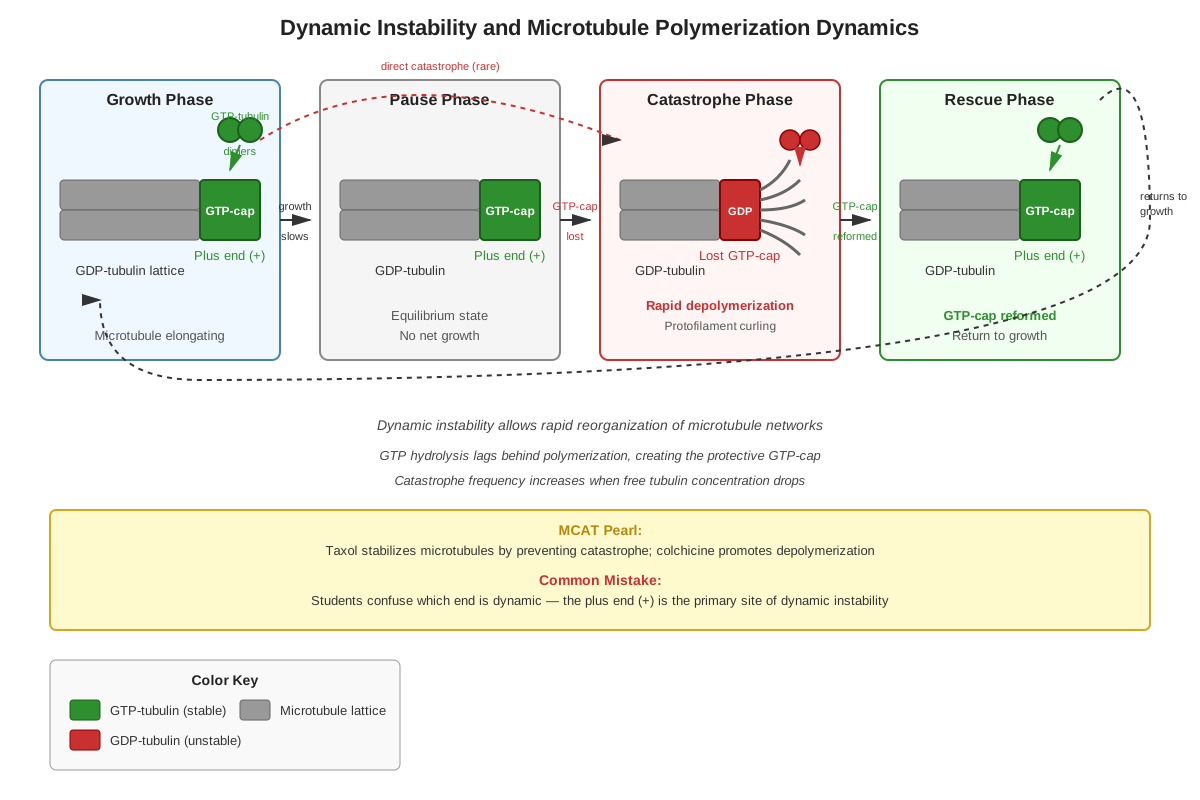
One of the most remarkable properties of microtubules is dynamic instability—the ability to switch stochastically between phases of growth (polymerization) and rapid shrinkage (depolymerization). This behavior arises from the GTP hydrolysis cycle coupled to tubulin addition. When a GTP-bound tubulin heterodimer adds to the plus end of a microtubule, the β-tubulin subunit hydrolyzes its bound GTP to GDP shortly after incorporation. This creates a microtubule lattice composed primarily of GDP-tubulin, capped by a small region of GTP-tubulin at the growing end called the GTP cap.
The GTP cap stabilizes the microtubule structure. If tubulin addition occurs faster than GTP hydrolysis, the cap grows and the microtubule continues polymerizing. However, if GTP hydrolysis catches up to the growing end and the cap is lost, the GDP-tubulin lattice becomes unstable and rapidly depolymerizes in a process called catastrophe. Occasionally, a shrinking microtubule can be stabilized and resume growth in an event called rescue. This dynamic instability allows cells to rapidly reorganize their microtubule networks in response to changing needs, such as during mitosis or cell migration.
| Microtubule State | GTP Status | Stability | Growth Rate |
|---|---|---|---|
| Growing (GTP cap present) | GTP-bound tubulin at plus end | Stable | Fast addition at plus end |
| Catastrophe | GTP cap lost | Unstable | Rapid depolymerization |
| Shrinking | GDP-tubulin exposed | Very unstable | Fast loss of subunits |
| Rescue | GTP cap reformed | Stabilizing | Transition to growth |
Microtubule-Organizing Centers
The centrosome serves as the primary MTOC in animal cells, consisting of two centrioles surrounded by pericentriolar material rich in γ-tubulin ring complexes. These γ-tubulin complexes nucleate microtubule assembly, serving as templates from which new microtubules grow. The minus ends of microtubules remain anchored at the centrosome, while plus ends extend outward, creating a radial array that organizes the cytoplasm.
During cell division, the centrosome duplicates, and the two centrosomes migrate to opposite poles of the cell, organizing the mitotic spindle. This bipolar array of microtubules is essential for chromosome segregation. Three types of microtubules comprise the mitotic spindle:
- Astral microtubules: Extend from centrosomes toward the cell cortex, positioning the spindle and helping determine the cleavage plane
- Kinetochore microtubules: Attach to kinetochores on chromosomes, directly mediating chromosome movement
- Polar (interpolar) microtubules: Extend from each centrosome toward the cell center, overlapping with microtubules from the opposite pole to maintain spindle structure
Motor Proteins and Intracellular Transport
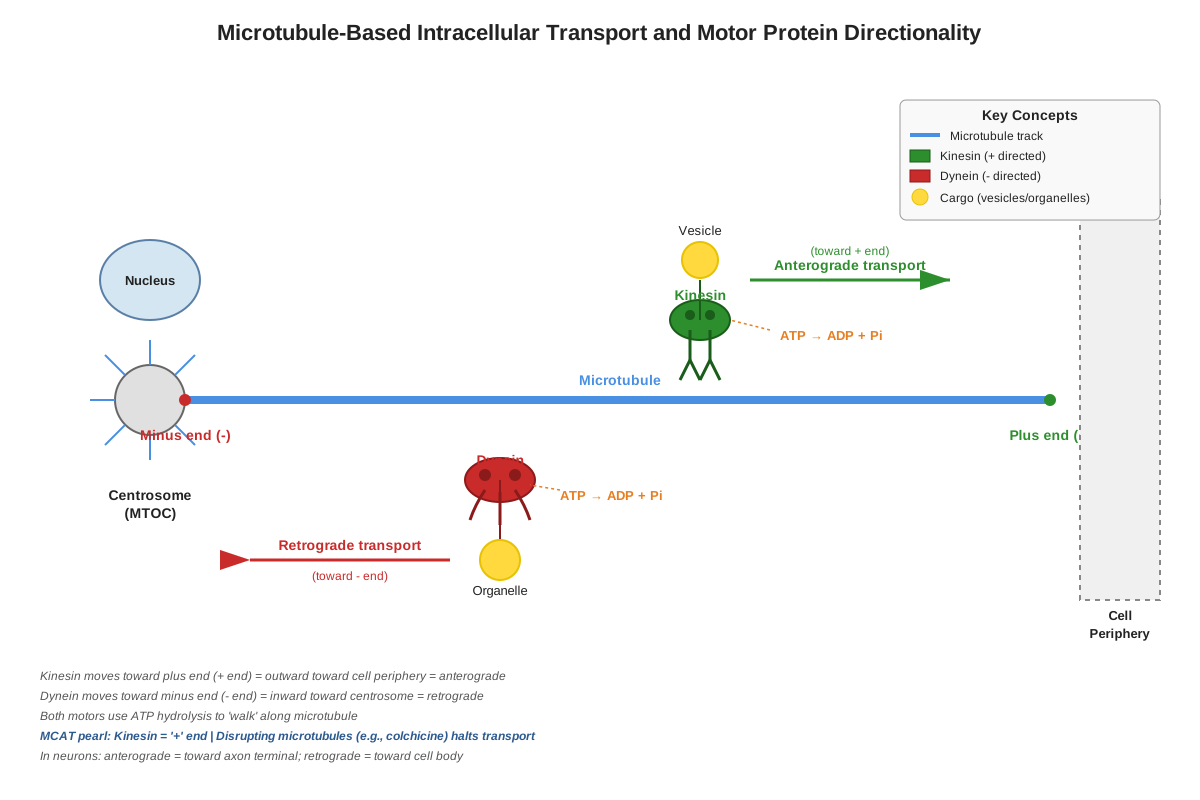
Microtubules serve as tracks for two families of motor proteins: kinesins and dyneins. These ATP-powered molecular motors transport cargo including vesicles, organelles, and protein complexes along microtubules. Understanding motor protein directionality is crucial for MCAT success:
- Kinesins (most family members): Move toward the plus end (anterograde transport, toward cell periphery)
- Cytoplasmic dynein: Moves toward the minus end (retrograde transport, toward cell center/nucleus)
This directional transport system enables cells to maintain proper organelle distribution. For example, in neurons, kinesins transport newly synthesized proteins and vesicles from the cell body down the axon toward the synapse, while dynein returns used materials and signaling endosomes back to the cell body for degradation or recycling. Disruption of this transport system, as occurs with some dynein mutations or when microtubules are destabilized, leads to accumulation of cargo and cellular dysfunction.
Microtubule-Associated Proteins (MAPs)
Microtubule-associated proteins regulate microtubule dynamics, stability, and interactions with other cellular components. Major MAP families include:
- Structural MAPs (MAP1, MAP2, MAP4, tau): Bind along the microtubule lattice and stabilize the structure, reducing the frequency of catastrophe events
- Plus-end tracking proteins (+TIPs): Accumulate at growing plus ends and regulate interactions with the cell cortex, other cytoskeletal elements, and signaling molecules
- Severing proteins (katanin, spastin): Cut microtubules into shorter fragments, increasing the number of microtubule ends and promoting reorganization
The protein tau deserves special mention due to its clinical significance. Predominantly expressed in neurons, tau stabilizes axonal microtubules. In Alzheimer's disease and related tauopathies, hyperphosphorylated tau detaches from microtubules and aggregates, disrupting axonal transport and contributing to neurodegeneration.
Specialized Microtubule Structures
Cilia and flagella are specialized structures built on a microtubule scaffold called the axoneme. The axoneme consists of nine outer doublet microtubules surrounding a central pair, forming the characteristic "9+2" arrangement. Dynein arms attached to the outer doublets use ATP hydrolysis to generate sliding forces between adjacent doublets; this sliding is converted to bending by structural constraints, producing the beating motion of cilia and flagella.
Primary cilia are non-motile, solitary cilia present on most vertebrate cells that function as sensory organelles, detecting chemical and mechanical signals. They lack the central pair of microtubules (9+0 arrangement) and dynein arms. Primary cilia play crucial roles in development and tissue homeostasis; defects in primary cilia cause ciliopathies including polycystic kidney disease and Bardet-Biedl syndrome.
Concept Relationships
The concepts within microtubule biology form an interconnected network centered on the relationship between structure and function. Tubulin heterodimer structure → determines → microtubule polarity → which dictates → motor protein directionality → enabling → organized intracellular transport. Simultaneously, GTP binding and hydrolysis → drives → dynamic instability → allowing → rapid microtubule reorganization → essential for → mitotic spindle formation and function.
Microtubules connect to prerequisite knowledge of protein structure through the polymerization of tubulin subunits, and to energy metabolism through GTP hydrolysis. They link forward to cell division topics, as the mitotic spindle is entirely composed of microtubules and associated proteins. The motor protein systems connect microtubules to membrane trafficking and organelle biology, since vesicles moving between the ER, Golgi, and plasma membrane travel along microtubule tracks.
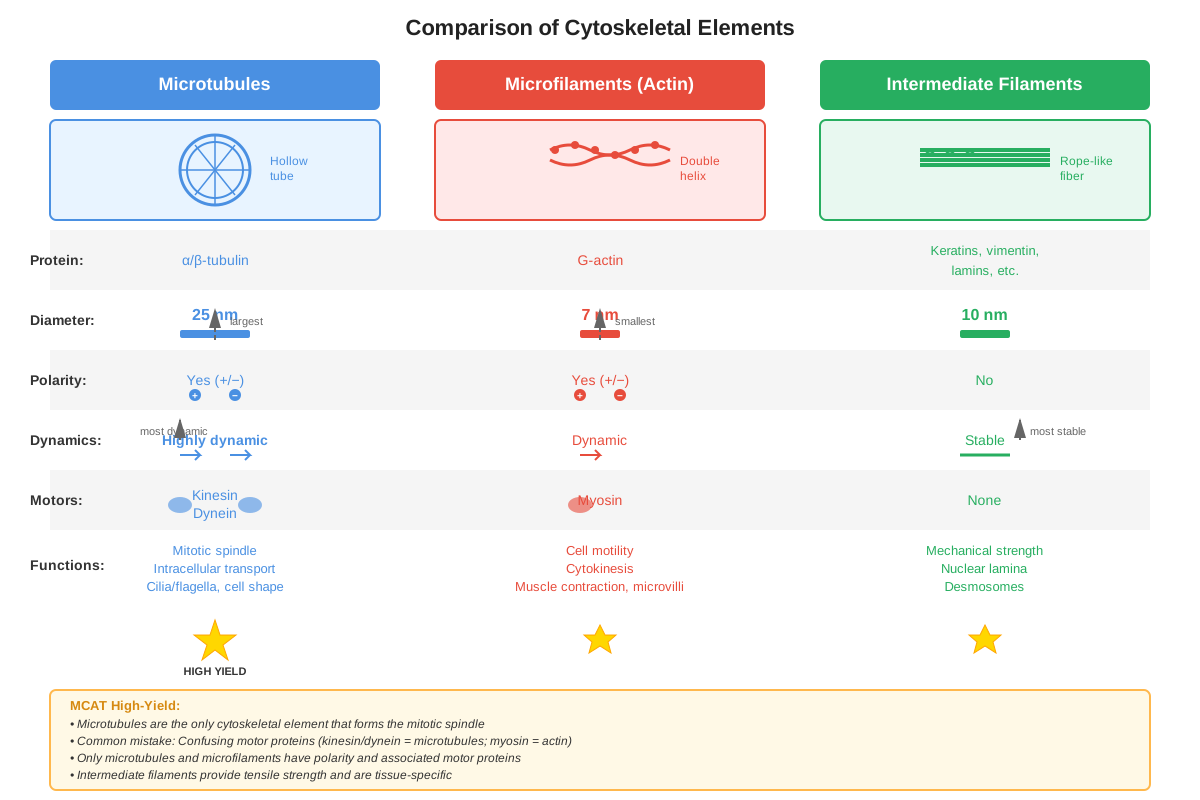
Within the broader cytoskeleton, microtubules complement microfilaments (actin filaments) and intermediate filaments. While microfilaments provide mechanical strength and drive cell motility through actin polymerization, microtubules primarily organize the cytoplasm and enable long-distance transport. Intermediate filaments provide tensile strength and structural stability. These three systems interact: for example, microtubules and actin filaments coordinate during cell migration, with microtubules organizing the overall cell polarity and actin driving membrane protrusion at the leading edge.
The clinical relevance of microtubules connects to pharmacology (chemotherapeutic agents), neurobiology (axonal transport and tau pathology), and developmental biology (ciliopathies). Understanding how drugs like taxol stabilize microtubules requires integrating knowledge of dynamic instability, while comprehending primary ciliary dyskinesia requires understanding the axoneme structure and dynein function.
Quick check — test yourself on Microtubules so far.
Try Flashcards →High-Yield Facts
⭐ Microtubules are composed of α- and β-tubulin heterodimers that polymerize into hollow cylinders typically containing 13 protofilaments
⭐ Microtubules exhibit structural polarity: minus ends expose α-tubulin and are typically anchored at the centrosome, while plus ends expose β-tubulin and extend toward the cell periphery
⭐ Dynamic instability results from GTP hydrolysis by β-tubulin after incorporation into the microtubule; loss of the GTP cap causes catastrophic depolymerization
⭐ Kinesins generally move toward the plus end (anterograde, toward cell periphery), while cytoplasmic dynein moves toward the minus end (retrograde, toward cell center)
⭐ The mitotic spindle consists of three microtubule types: astral (positioning), kinetochore (chromosome attachment), and polar (spindle structure)
- Taxol (paclitaxel) stabilizes microtubules and prevents depolymerization, arresting cells in mitosis
- Colchicine and vinca alkaloids prevent microtubule polymerization, also disrupting cell division
- The centrosome contains γ-tubulin ring complexes that nucleate microtubule assembly
- Cilia and flagella contain a "9+2" axoneme structure (nine outer doublet microtubules plus two central singlets)
- Primary cilia have a "9+0" structure, lack dynein arms, and function as sensory organelles rather than motile structures
- Microtubule-associated proteins (MAPs) like tau stabilize microtubules by binding along the lattice and reducing catastrophe frequency
- Dynein arms in the axoneme generate sliding forces between adjacent microtubule doublets, producing ciliary and flagellar beating
- Neurons rely heavily on microtubule-based transport; disruption causes accumulation of cargo and neurodegeneration
- During mitosis, kinetochore microtubules shorten at their plus ends (at the kinetochore) to pull chromosomes toward spindle poles
- Microtubules are more rigid than actin filaments and better suited for long-distance transport and structural organization
Common Misconceptions
Misconception: All kinesins move toward the plus end and all dyneins move toward the minus end.
Correction: While most kinesins move toward the plus end and cytoplasmic dynein moves toward the minus end, some kinesin family members (like kinesin-14) actually move toward the minus end. The MCAT typically focuses on the predominant directionalities, but be aware that exceptions exist.
Misconception: Microtubules are static structures that provide rigid scaffolding for the cell.
Correction: Microtubules are highly dynamic structures that constantly undergo polymerization and depolymerization through dynamic instability. This dynamic behavior is essential for their function, particularly during mitosis when the microtubule network must rapidly reorganize to form the spindle.
Misconception: GTP hydrolysis provides the energy for microtubule polymerization.
Correction: GTP hydrolysis does not directly power polymerization; rather, tubulin-GTP has higher affinity for the microtubule end than tubulin-GDP. The energy from GTP hydrolysis is stored in the lattice as conformational strain, which is released during depolymerization. Polymerization itself is thermodynamically favorable when tubulin-GTP concentration is high.
Misconception: The centrosome is required for microtubule formation.
Correction: While the centrosome is the primary MTOC in animal cells and greatly facilitates microtubule nucleation, microtubules can form without centrosomes. Plant cells lack centrosomes entirely and nucleate microtubules from other sites. Even in animal cells, microtubules can be nucleated from the Golgi apparatus and other locations.
Misconception: Taxol and colchicine have the same mechanism of action because both disrupt cell division.
Correction: These drugs have opposite mechanisms. Taxol stabilizes microtubules and prevents depolymerization, while colchicine prevents polymerization. Both disrupt the dynamic instability required for proper spindle function, but through different mechanisms. This distinction is frequently tested on the MCAT.
Misconception: All cilia and flagella have the same "9+2" microtubule structure.
Correction: Motile cilia and flagella have the "9+2" arrangement with dynein arms, but primary (non-motile) cilia have a "9+0" structure lacking the central pair and dynein arms. This structural difference reflects their different functions: motility versus sensory reception.
Misconception: Motor proteins "walk" along microtubules by continuously hydrolyzing ATP.
Correction: While motor proteins do hydrolyze ATP to generate movement, they undergo a coordinated cycle of ATP binding, hydrolysis, and product release that is coupled to conformational changes in the motor domain. The process is more precisely described as a mechanochemical cycle rather than simple continuous ATP hydrolysis.
Worked Examples
Example 1: Experimental Analysis of Microtubule Dynamics
Question: Researchers treat cultured cells with a drug that prevents GTP hydrolysis by β-tubulin. Which of the following outcomes would most likely occur?
A) Microtubules would immediately depolymerize
B) Microtubules would become more stable and resistant to depolymerization
C) Microtubule polymerization would be completely prevented
D) Motor protein movement along microtubules would cease
Worked Solution:
Step 1: Recall the role of GTP hydrolysis in microtubule dynamics. β-tubulin hydrolyzes GTP to GDP after incorporation into the microtubule lattice. This creates a GDP-tubulin core that is inherently unstable, capped by a stabilizing GTP-tubulin cap at the growing plus end.
Step 2: Consider what happens if GTP hydrolysis is prevented. Tubulin would remain in the GTP-bound state after incorporation. The entire microtubule lattice would consist of GTP-tubulin rather than GDP-tubulin.
Step 3: Evaluate the stability implications. GTP-tubulin is more stable than GDP-tubulin. Without hydrolysis to GDP, the microtubule would lack the conformational strain that makes the GDP-tubulin lattice prone to catastrophic depolymerization.
Step 4: Eliminate incorrect answers:
- (A) is incorrect because GTP-tubulin is more stable, not less stable
- (C) is incorrect because GTP binding (not hydrolysis) is required for polymerization
- (D) is incorrect because motor proteins use ATP, not GTP, for movement
Answer: B - Preventing GTP hydrolysis would create microtubules composed entirely of stable GTP-tubulin, making them resistant to depolymerization and eliminating dynamic instability. This connects to how taxol works: while taxol doesn't prevent GTP hydrolysis, it similarly stabilizes the microtubule lattice.
Example 2: Clinical Application of Microtubule Biology
Question: A patient with cancer is treated with vincristine, a drug that prevents tubulin polymerization. The patient develops peripheral neuropathy as a side effect. Which of the following best explains this adverse effect?
A) Neurons cannot divide, leading to neuronal death
B) Axonal transport is disrupted, causing accumulation of proteins and organelles
C) Neurotransmitter release is blocked at synapses
D) Myelin sheaths degenerate due to loss of structural support
Worked Solution:
Step 1: Understand the drug mechanism. Vincristine prevents tubulin polymerization, disrupting microtubule formation and destabilizing existing microtubules.
Step 2: Consider the unique features of neurons. Neurons are post-mitotic cells that do not divide, so disruption of cell division cannot explain the neuropathy. However, neurons have extremely long axons (up to 1 meter in humans) that require robust intracellular transport systems.
Step 3: Connect microtubules to neuronal function. Microtubules serve as tracks for kinesin and dynein motor proteins that transport vesicles, organelles, proteins, and other cargo between the cell body and distant axon terminals. This transport is essential for neuronal function and survival.
Step 4: Predict the consequence of microtubule disruption. Without functional microtubules, axonal transport would fail. Newly synthesized proteins and organelles could not reach the axon terminal, and used materials could not return to the cell body for degradation. This would cause accumulation of cargo, energy depletion, and eventual axonal dysfunction.
Step 5: Evaluate the answers:
- (A) is incorrect because neurons don't divide
- (C) is incorrect because neurotransmitter release depends on calcium influx and vesicle fusion, not directly on microtubules
- (D) is incorrect because myelin is produced by glial cells, not maintained by neuronal microtubules
Answer: B - Disruption of microtubules impairs axonal transport, causing accumulation of proteins and organelles and leading to peripheral neuropathy. This is why many microtubule-targeting chemotherapy drugs cause peripheral neuropathy as a dose-limiting side effect. The example illustrates how understanding microtubule function enables prediction of drug side effects, a common MCAT question type.
Exam Strategy
Approaching MCAT Microtubule Questions
When encountering microtubule questions on the MCAT, first identify the specific aspect being tested: structure, dynamics, motor proteins, or clinical application. Questions about structure typically require knowledge of tubulin composition and polarity. Questions about dynamics focus on GTP hydrolysis and dynamic instability. Questions about motor proteins test directionality and cargo transport. Questions about drugs require understanding of mechanisms and cellular consequences.
Exam Tip: If a passage describes an experimental manipulation of microtubules, immediately ask yourself: "How will this affect dynamic instability?" and "How will this affect cell division?" These are the two most common angles for MCAT questions.
Trigger Words and Phrases
Watch for these high-yield trigger words that signal microtubule-related content:
- "Spindle formation" or "mitotic spindle" → Think about the three types of spindle microtubules and their functions
- "Anterograde transport" → Kinesin moving toward plus end
- "Retrograde transport" → Dynein moving toward minus end
- "Taxol" or "paclitaxel" → Stabilizes microtubules, prevents depolymerization
- "Colchicine" or "vinca alkaloids" → Prevents polymerization
- "Centrosome" or "MTOC" → Microtubule nucleation and organization
- "Ciliary" or "flagellar" → Think about 9+2 axoneme structure and dynein
Process-of-Elimination Strategies
For questions about motor protein directionality, eliminate answers that confuse kinesin and dynein directions. Remember: Kinesin goes to the Kortex (periphery, plus end). For drug mechanism questions, eliminate answers that confuse stabilization with destabilization. For questions about cell division, eliminate answers that ignore the requirement for dynamic microtubules—both excessive stabilization and complete depolymerization disrupt mitosis.
When passages present experimental data about microtubule length or dynamics, look for the control condition and compare systematically. If microtubules are longer, something is either promoting polymerization or preventing depolymerization. If they're shorter, the opposite is true. Use this logic to eliminate mechanistically inconsistent answers.
Time Allocation
Microtubule questions typically require 60-90 seconds for discrete questions and 90-120 seconds for passage-based questions. If you immediately recognize the concept being tested (e.g., motor protein directionality), answer quickly and move on. If the question requires integration of multiple concepts (e.g., predicting the effect of a novel drug based on its mechanism), allocate more time for systematic reasoning. Don't get bogged down trying to recall obscure details about specific MAP proteins—the MCAT tests core concepts, not minutiae.
Memory Techniques
Mnemonics for Key Concepts
"Kinesins Kick to the Periphery" - Reminds you that kinesins move toward the plus end at the cell periphery (anterograde transport)
"Dynein Drags to the Depot" - Dynein moves toward the minus end at the centrosome/cell center (retrograde transport), like dragging cargo back to a central depot
"GTP Grows, GDP Goes" - GTP-bound tubulin promotes growth; GDP-tubulin leads to depolymerization
"TAXol TAcks down" - Taxol stabilizes (tacks down) microtubules, preventing depolymerization
"COLchicine COLlapses" - Colchicine causes microtubules to collapse by preventing polymerization
"Nine Plus Two Makes Cilia Move" - The 9+2 axoneme structure is found in motile cilia and flagella
Visualization Strategies
Visualize microtubules as railroad tracks extending from a central station (centrosome) to the city outskirts (cell periphery). Kinesin trains carry cargo outbound toward the suburbs, while dynein trains return cargo to the central station. This metaphor helps remember directionality and the role of microtubules in organizing cellular space.
For dynamic instability, imagine a growing tower of blocks (polymerizing microtubule) with a special golden cap (GTP cap) on top that keeps it stable. If you remove blocks faster than you add them, the golden cap falls off, and the entire tower rapidly collapses (catastrophe). This visualization captures the essence of how GTP hydrolysis and dynamic instability work.
For the mitotic spindle, visualize two magnetic poles (centrosomes) with strings (microtubules) extending between them and attaching to beads (chromosomes). Some strings extend to the beads (kinetochore microtubules), some extend toward the cell edge (astral microtubules), and some overlap in the middle (polar microtubules). This mental image helps recall the three spindle microtubule types and their arrangements.
Acronym for Microtubule Functions
"MOST" captures the major functions:
- Mitosis (spindle formation)
- Organization (cell shape and cytoplasmic organization)
- Structure (cilia and flagella)
- Transport (intracellular trafficking)
Summary
Microtubules are dynamic, polarized polymers of α- and β-tubulin heterodimers that form hollow cylindrical structures essential for eukaryotic cell function. Their structural polarity—with minus ends typically anchored at the centrosome and plus ends extending toward the cell periphery—determines motor protein directionality and organizes the cytoplasm. Dynamic instability, driven by GTP hydrolysis by β-tubulin after incorporation, allows rapid reorganization of the microtubule network in response to cellular needs. Microtubules serve as tracks for kinesin (plus-end directed) and dynein (minus-end directed) motor proteins that transport cargo throughout the cell. During mitosis, microtubules reorganize to form the spindle apparatus, with astral, kinetochore, and polar microtubules working together to segregate chromosomes. Specialized microtubule structures including the 9+2 axoneme of motile cilia and flagella enable cell motility and fluid movement. Clinically, microtubules are targets for chemotherapeutic drugs like taxol (stabilizes) and vinca alkaloids (prevents polymerization), and their dysfunction contributes to diseases ranging from cancer to neurodegeneration. For MCAT success, focus on understanding dynamic instability, motor protein directionality, spindle function, and drug mechanisms rather than memorizing structural details.
Key Takeaways
- Microtubules are polarized structures composed of α/β-tubulin heterodimers, with minus ends at the centrosome and plus ends at the periphery
- Dynamic instability results from GTP hydrolysis creating an unstable GDP-tubulin lattice capped by stabilizing GTP-tubulin
- Kinesins move toward plus ends (anterograde), while cytoplasmic dynein moves toward minus ends (retrograde)
- The mitotic spindle contains three microtubule types: astral (positioning), kinetochore (chromosome attachment), and polar (structure)
- Taxol stabilizes microtubules preventing depolymerization; colchicine and vinca alkaloids prevent polymerization—both disrupt mitosis
- Motile cilia and flagella have 9+2 axonemes with dynein arms; primary cilia have 9+0 structure and serve sensory functions
- Microtubule disruption causes peripheral neuropathy by impairing axonal transport, explaining chemotherapy side effects
Related Topics
Microfilaments (Actin Filaments): Understanding actin complements microtubule knowledge and enables comparison of cytoskeletal elements. Actin filaments are thinner, more flexible, and primarily involved in cell motility and mechanical strength rather than long-distance transport.
Cell Division (Mitosis and Meiosis): Mastering microtubules provides the foundation for understanding spindle formation and chromosome segregation, central to cell division. The mitotic spindle checkpoint monitors kinetochore-microtubule attachments.
Motor Proteins: Deep dives into kinesin and dynein structure, ATP hydrolysis cycles, and cargo recognition build on microtubule knowledge. Understanding how these motors convert chemical energy to mechanical work is high-yield for biochemistry questions.
Cell Signaling: Primary cilia function as signaling hubs, particularly for Hedgehog signaling during development. Understanding ciliary structure enables comprehension of how signaling molecules concentrate in this compartment.
Neurobiology: Axonal transport, synaptic vesicle trafficking, and neurodegenerative diseases all depend on microtubule function. This connection makes microtubules relevant for both cell biology and neuroscience MCAT content.
Pharmacology: Microtubule-targeting drugs illustrate principles of mechanism-based therapeutics and structure-function relationships. This topic bridges basic science and clinical medicine, a favorite MCAT integration.
Practice CTA
Now that you've mastered the core concepts of microtubule biology, it's time to reinforce your understanding through active practice. Attempt the practice questions and flashcards associated with this topic to test your ability to apply these concepts in exam-style scenarios. Focus particularly on questions involving experimental manipulations, drug mechanisms, and motor protein directionality—these represent the highest-yield question types. Remember that understanding microtubules provides a foundation for numerous other topics including cell division, intracellular transport, and pharmacology. Your investment in mastering this material will pay dividends across multiple sections of the MCAT. Challenge yourself to explain these concepts aloud or teach them to a study partner—active recall and teaching are among the most effective study strategies for long-term retention and deep understanding.
Sign up free to keep reading
Create a free AnvayaPrep account to finish this MCAT guide on Microtubules — plus flashcards and practice questions.