Overview
Motor proteins are specialized molecular machines that convert chemical energy stored in ATP into mechanical work, enabling directed movement along cytoskeletal filaments within cells. These remarkable proteins serve as the cell's transportation system, cargo carriers, and force generators, orchestrating everything from chromosome segregation during mitosis to the beating of cilia and flagella. Understanding motor proteins is fundamental to Cell Biology and represents a critical intersection of biochemistry, molecular biology, and physiology that appears regularly on the MCAT.
For the MCAT, motor proteins exemplify several testable principles: energy transduction, protein structure-function relationships, cellular organization, and the molecular basis of movement. Questions involving motor proteins frequently appear in passages discussing cell division, intracellular transport, muscle contraction, or genetic diseases affecting cellular motility. The MCAT tests not only factual knowledge about specific motor proteins but also the ability to apply mechanistic understanding to novel scenarios, interpret experimental data, and connect molecular events to cellular and organismal phenotypes.
Motor proteins bridge multiple Biology concepts tested on the MCAT, including cytoskeletal dynamics, ATP hydrolysis and energy coupling, protein conformational changes, vesicular transport, and signal transduction. Mastery of this topic provides essential context for understanding neuronal function, muscle physiology, cell division, and developmental biology—all high-yield areas for the exam. The mechanistic details of how motor proteins work also reinforce broader biochemical principles about how proteins harness chemical energy to perform biological work.
Learning Objectives
- [ ] Define Motor proteins using accurate Biology terminology
- [ ] Explain why Motor proteins matters for the MCAT
- [ ] Apply Motor proteins to exam-style questions
- [ ] Identify common mistakes related to Motor proteins
- [ ] Connect Motor proteins to related Biology concepts
- [ ] Compare and contrast the three major families of motor proteins (myosins, kinesins, and dyneins)
- [ ] Describe the mechanochemical cycle of motor protein movement along cytoskeletal tracks
- [ ] Predict the cellular consequences of motor protein dysfunction based on their specific roles
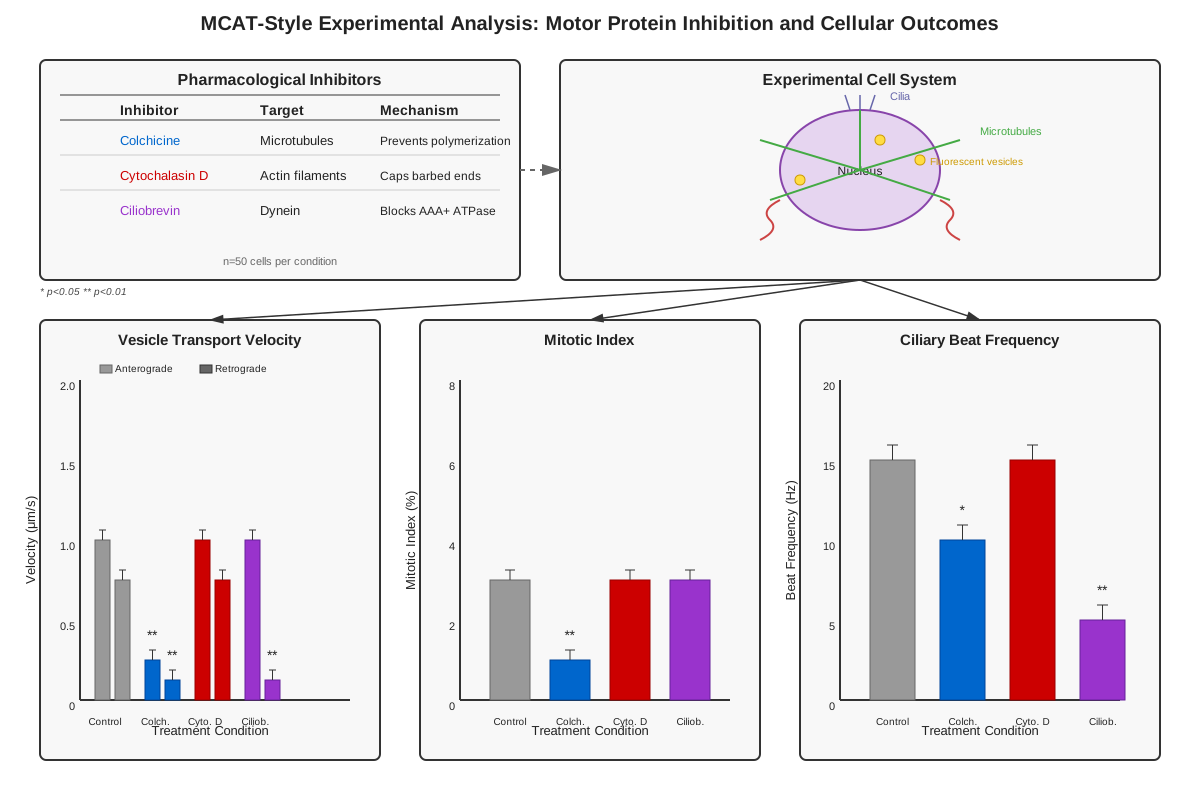
- [ ] Analyze experimental data involving motor protein inhibition or mutation
Prerequisites
- ATP structure and hydrolysis: Motor proteins use ATP as their energy source; understanding the energetics of ATP hydrolysis is essential for comprehending how chemical energy converts to mechanical work
- Protein structure and conformational changes: Motor proteins function through coordinated structural changes; knowledge of protein domains and allosteric regulation is necessary
- Cytoskeletal components (microtubules and actin filaments): Motor proteins move along these tracks; familiarity with their structure, polarity, and organization is required
- Basic cell structure and organelles: Motor proteins transport cargo between cellular compartments; understanding cellular organization provides context for their functions
- Enzyme kinetics fundamentals: Motor proteins are ATPases; basic enzyme concepts help explain their catalytic cycles
Why This Topic Matters
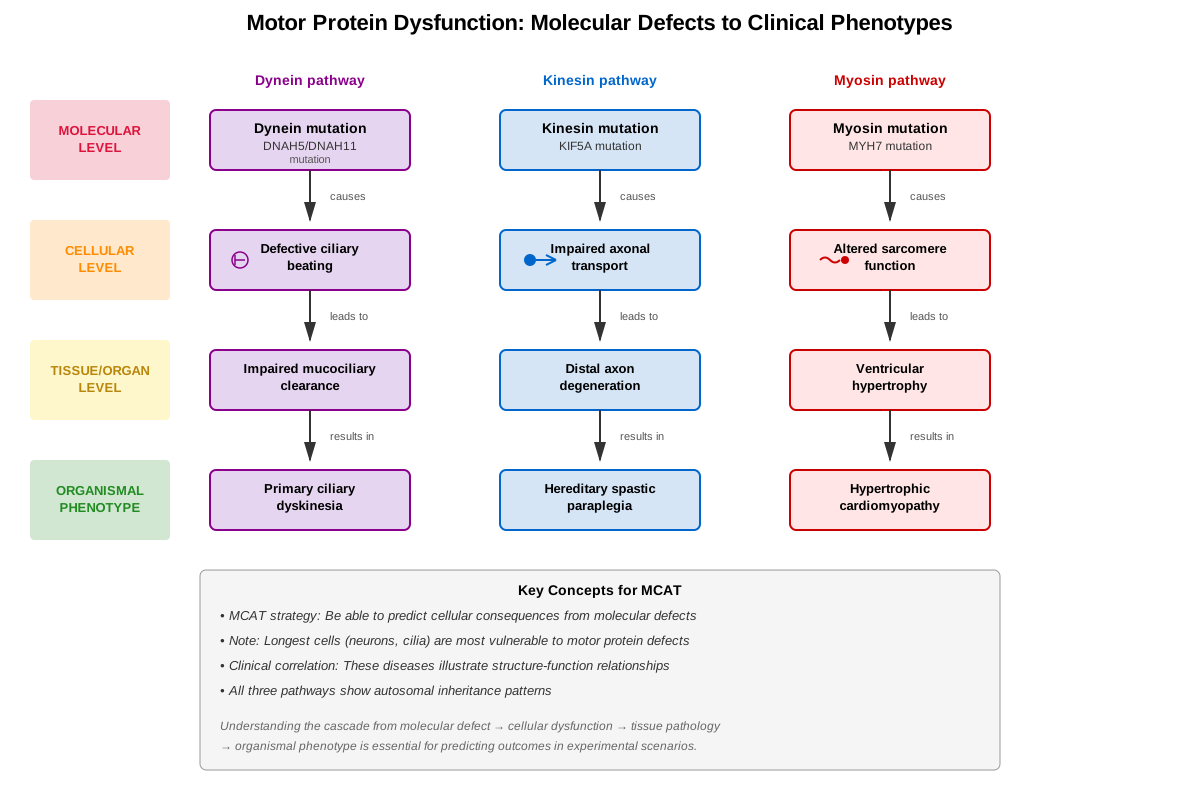
Motor proteins are clinically significant because mutations affecting these proteins cause numerous human diseases. Primary ciliary dyskinesia results from defective dynein arms in cilia, causing chronic respiratory infections and infertility. Certain forms of hereditary spastic paraplegia stem from kinesin mutations affecting axonal transport. Myosin mutations cause various cardiomyopathies and hearing loss. Understanding motor protein function is essential for comprehending disease mechanisms and potential therapeutic interventions.
On the MCAT, motor proteins appear with moderate frequency across multiple question formats. Approximately 2-4 questions per exam directly or indirectly test motor protein knowledge. These questions most commonly appear in Cell Biology passages (40% of occurrences), followed by passages integrating physiology and biochemistry (35%), and standalone questions (25%). The MCAT favors questions that test mechanistic understanding over pure memorization—expect to analyze experimental manipulations, interpret data about motor protein function, or predict consequences of motor protein inhibition.
Motor protein questions typically appear in passages describing: (1) cell division and chromosome segregation, (2) intracellular transport and vesicle trafficking, (3) ciliary or flagellar function, (4) muscle contraction mechanisms, (5) neuronal transport and axonal function, or (6) experimental studies using motor protein inhibitors or fluorescent tracking. The MCAT particularly favors questions requiring students to connect molecular mechanisms to cellular phenotypes or to interpret how disrupting motor proteins affects specific cellular processes.
Core Concepts
Definition and General Properties
Motor proteins are a superfamily of enzymes that bind to and move along cytoskeletal filaments by coupling ATP hydrolysis to conformational changes that generate force and directed movement. These proteins function as molecular motors, converting chemical energy into mechanical work with remarkable efficiency. All motor proteins share several fundamental characteristics: they possess an ATPase domain that hydrolyzes ATP, a binding domain that attaches to cytoskeletal tracks, and undergo cyclical conformational changes that produce movement.
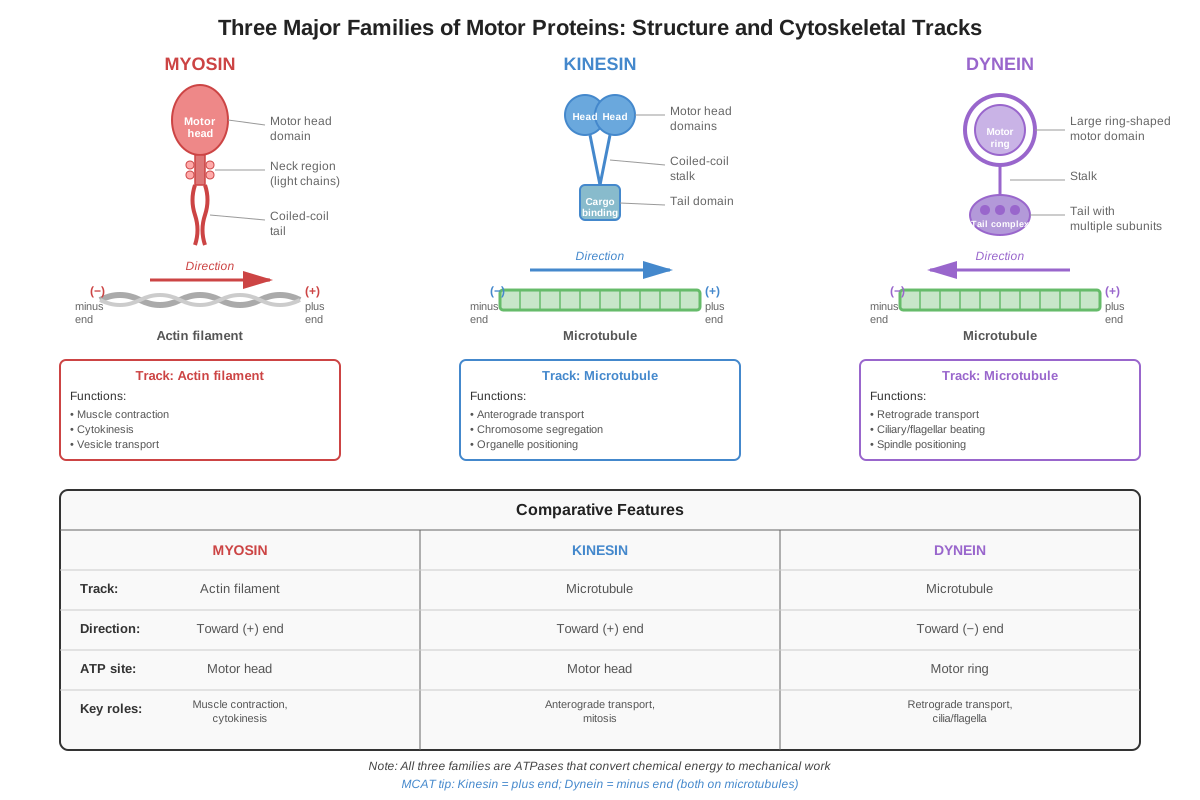
The three major families of motor proteins are myosins (which move along actin filaments), kinesins (which typically move toward the plus end of microtubules), and dyneins (which move toward the minus end of microtubules). Each family contains multiple members with specialized functions, but all operate through similar mechanochemical principles. Motor proteins exhibit processivity—the ability to take multiple steps along their track before detaching—which varies considerably among different motor proteins depending on their cellular roles.
Myosin Family
Myosins constitute a diverse superfamily of actin-based motor proteins with at least 35 different classes identified in eukaryotes. The most extensively studied is myosin II, the motor protein responsible for muscle contraction. Myosin II molecules consist of two heavy chains, each with a globular head domain (containing the actin-binding site and ATPase activity) and a long α-helical tail that forms a coiled-coil structure. The head domain also contains a lever arm that amplifies small conformational changes into larger movements.
The myosin mechanochemical cycle proceeds through distinct steps:
- ATP binding: ATP binds to the myosin head, causing it to release from actin
- ATP hydrolysis: ATP is hydrolyzed to ADP + Pi, causing the myosin head to adopt a "cocked" conformation with high potential energy
- Actin binding: The myosin head binds weakly to actin while still holding ADP + Pi
- Power stroke: Pi release triggers a conformational change that produces the power stroke, moving the actin filament
- ADP release: ADP dissociates, leaving myosin tightly bound to actin (rigor state)
Myosin V represents another important class, functioning in intracellular cargo transport rather than contraction. Unlike myosin II, myosin V is highly processive, taking many steps along actin filaments while carrying vesicles and organelles. This processivity results from its two heads working in a "hand-over-hand" mechanism, ensuring that at least one head remains attached to actin at all times.
Kinesin Family
Kinesins are microtubule-based motor proteins that predominantly move toward the plus end (typically oriented toward the cell periphery). The kinesin superfamily contains over 45 members in mammals, classified into 14-15 families. Kinesin-1 (conventional kinesin) is the founding member and most thoroughly characterized. It consists of two heavy chains, each with an N-terminal motor domain, a central stalk, and a C-terminal tail domain that binds cargo.
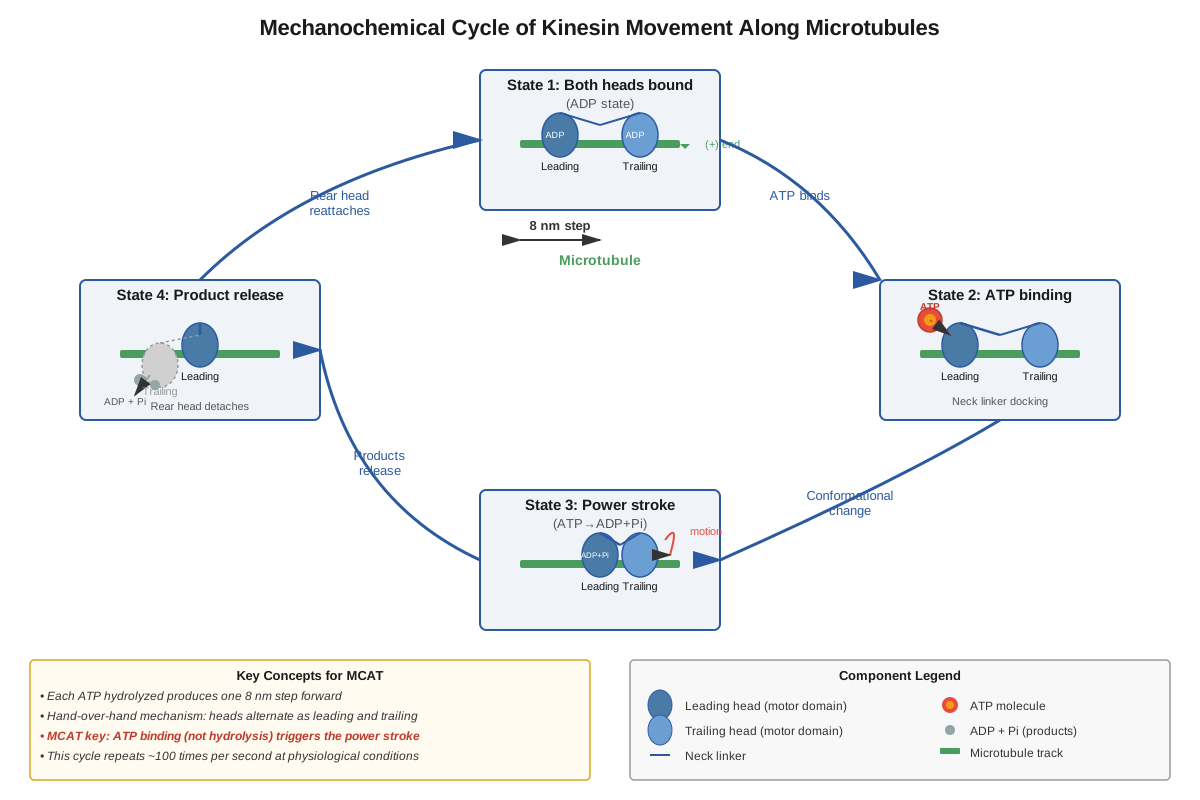
Kinesin-1 moves processively along microtubules through a hand-over-hand mechanism:
- One motor domain binds tightly to the microtubule while the other is detached
- ATP binding to the bound head causes a conformational change that swings the detached head forward
- The forward head binds to the next tubulin binding site (8 nm ahead)
- ATP hydrolysis and product release cause the rear head to detach
- The cycle repeats, with the two heads alternating as the leading head
This mechanism allows kinesin-1 to take approximately 100 steps before detaching, traveling distances up to 1 μm. Kinesins transport various cargoes including vesicles, organelles, protein complexes, and mRNA. Different kinesin family members have specialized functions: some participate in chromosome segregation during mitosis, others regulate microtubule dynamics, and some move toward the minus end (like kinesin-14).
Dynein Family
Dyneins are large, complex motor proteins that move toward the minus end of microtubules (typically oriented toward the cell center). Two major types exist: cytoplasmic dyneins and axonemal dyneins. Cytoplasmic dynein is responsible for retrograde transport (moving cargo from cell periphery toward the nucleus) and plays crucial roles in organelle positioning, mitotic spindle organization, and nuclear migration. Axonemal dyneins power the beating of cilia and flagella.
Dynein structure is considerably more complex than kinesin or myosin. The motor domain consists of a ring of six AAA+ (ATPases Associated with various cellular Activities) domains, with ATP hydrolysis occurring primarily at specific sites within this ring. A microtubule-binding stalk projects from the ring, and conformational changes in the AAA+ ring alter the stalk's affinity for microtubules and produce force.
Cytoplasmic dynein requires an additional protein complex called dynactin for most of its functions. Dynactin enhances dynein's processivity, helps link dynein to cargo, and coordinates dynein activity. This dynein-dynactin complex is essential for retrograde axonal transport, Golgi apparatus positioning, and pulling chromosomes toward spindle poles during mitosis.
Axonemal dyneins are organized in the "9+2" structure of cilia and flagella, where nine outer microtubule doublets surround a central pair. Dynein arms extend from each doublet and interact with the adjacent doublet. When dyneins generate force, they cause microtubules to slide past each other; because the microtubules are anchored at their base, this sliding converts to bending, producing the characteristic beating motion.
Motor Protein Regulation and Cargo Specificity
Motor protein activity is tightly regulated through multiple mechanisms. Phosphorylation can activate or inhibit motor proteins—for example, myosin light chain phosphorylation by myosin light chain kinase (MLCK) activates smooth muscle myosin II. Calcium ions regulate many motor proteins indirectly through calcium-binding proteins like calmodulin. Adaptor proteins link motor proteins to specific cargoes and can regulate motor activity.
Cargo specificity is achieved through specialized adaptor proteins and cargo-binding domains. Different kinesins bind different cargoes through their tail domains, which recognize specific receptors on vesicles or organelles. This specificity ensures that particular cargoes are transported to appropriate cellular locations. Some cargoes simultaneously bind both plus-end-directed (kinesin) and minus-end-directed (dynein) motors, with regulatory mechanisms determining which motor is active at any given time.
Comparison of Major Motor Protein Families
| Feature | Myosin | Kinesin | Dynein |
|---|---|---|---|
| Track | Actin filaments | Microtubules | Microtubules |
| Direction | Toward plus end (most) | Toward plus end (most) | Toward minus end |
| Step size | ~5-10 nm | ~8 nm | ~8 nm |
| Processivity | Low (myosin II), High (myosin V) | High | Moderate (high with dynactin) |
| ATP per step | 1 | 1 | 1-4 (complex) |
| Speed | Variable (0.05-60 μm/s) | ~1 μm/s | ~1 μm/s |
| Primary functions | Muscle contraction, cytokinesis, cargo transport | Anterograde transport, mitosis | Retrograde transport, ciliary beating, mitosis |
| Structure | Two-headed (myosin II, V) | Two-headed | Multi-headed complex |
Concept Relationships
Motor proteins function within an integrated cellular transport system where multiple concepts interconnect. The cytoskeleton provides the structural tracks (actin filaments and microtubules) along which motor proteins move, with the polarity of these filaments determining the direction of motor protein movement. ATP hydrolysis provides the energy that motor proteins convert into mechanical work through conformational changes in their protein structure—this exemplifies the fundamental biochemical principle of energy coupling.
The relationship flows: Cytoskeletal polarity → determines → Motor protein directionality → enables → Vectorial cargo transport → supports → Cellular organization and function. Additionally, Motor protein regulation ← controlled by ← Signaling pathways (calcium, phosphorylation) → coordinates → Cellular responses (muscle contraction, cell division).
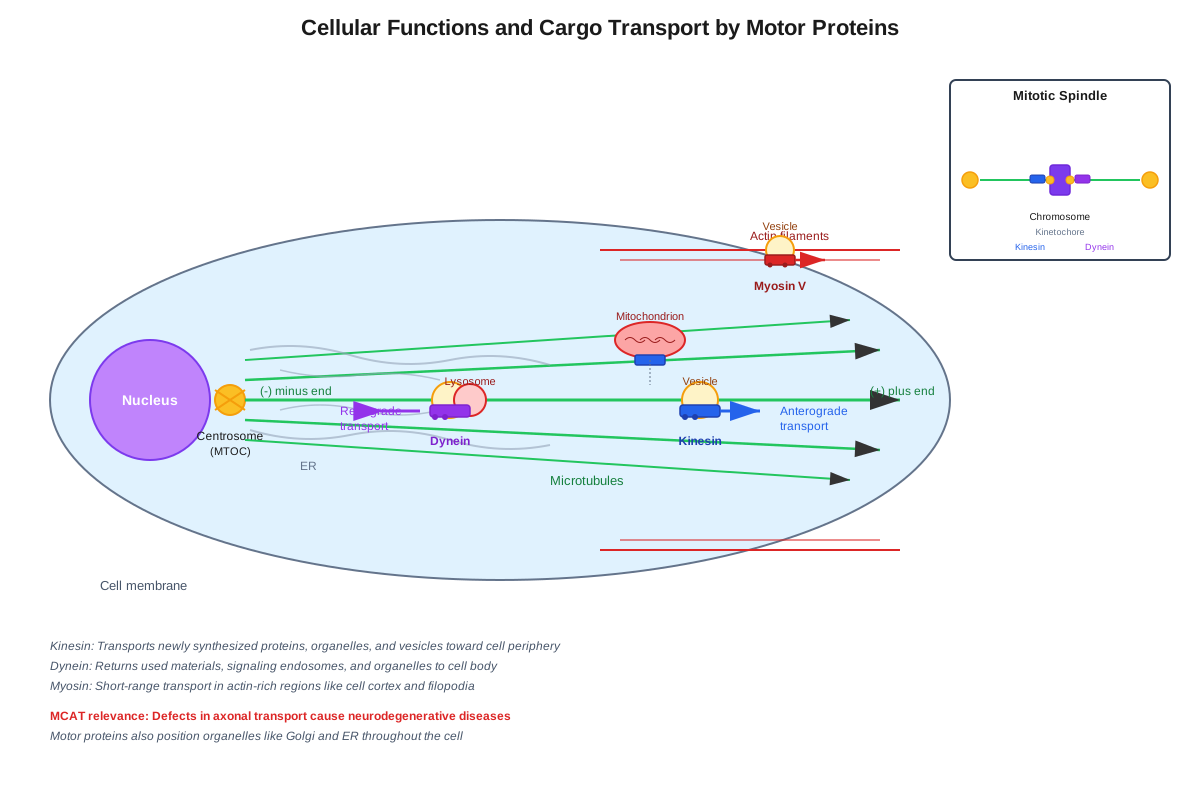
Motor proteins connect to cell division through their roles in chromosome segregation (kinesins and dyneins move chromosomes along spindle microtubules) and cytokinesis (myosin II generates the contractile force for the cleavage furrow). They link to membrane trafficking by transporting vesicles between organelles, supporting the secretory pathway and endocytosis. In neurons, motor proteins enable axonal transport, moving neurotransmitter vesicles, mitochondria, and other components bidirectionally along axons—kinesins for anterograde transport and dyneins for retrograde transport.
The concept of processivity relates to motor protein function: highly processive motors (kinesin-1, myosin V) can transport cargo long distances without detaching, while non-processive motors (myosin II) work collectively in large arrays. This connects to the principle that protein function depends on structure and cellular context—the same basic motor mechanism is adapted for different purposes through structural variations and regulatory mechanisms.
Quick check — test yourself on Motor proteins so far.
Try Flashcards →High-Yield Facts
⭐ Myosins move along actin filaments, while kinesins and dyneins move along microtubules—this fundamental distinction determines their cellular locations and functions.
⭐ Kinesins typically move toward the plus end of microtubules (anterograde, toward cell periphery), while dyneins move toward the minus end (retrograde, toward cell center)—this directional specificity enables bidirectional transport.
⭐ All motor proteins couple ATP hydrolysis to conformational changes that generate force—they are ATPases that convert chemical energy to mechanical work.
⭐ Motor proteins exhibit polarity-dependent movement—they can distinguish between the plus and minus ends of cytoskeletal filaments and move in specific directions.
⭐ Myosin II is responsible for muscle contraction and cytokinesis—it forms bipolar filaments that slide actin filaments past each other.
- Kinesin-1 is the primary motor for anterograde axonal transport, moving vesicles and organelles from the cell body toward axon terminals.
- Cytoplasmic dynein requires dynactin for most cellular functions and is essential for retrograde axonal transport and mitotic spindle organization.
- Axonemal dyneins power ciliary and flagellar beating through coordinated sliding of microtubule doublets.
- Motor proteins are processive to varying degrees: kinesin-1 and myosin V take many steps before detaching, while myosin II is non-processive and requires many molecules working together.
- Colchicine and nocodazole disrupt microtubules and therefore inhibit kinesin and dynein function, while cytochalasin disrupts actin filaments and inhibits myosin function.
- Motor protein mutations cause human diseases including cardiomyopathies (myosin mutations), primary ciliary dyskinesia (dynein mutations), and hereditary spastic paraplegia (kinesin mutations).
- The power stroke of myosin occurs when inorganic phosphate (Pi) is released after ATP hydrolysis, causing a conformational change that moves the lever arm.
Common Misconceptions
Misconception: All motor proteins move in the same direction along their tracks.
Correction: Motor proteins exhibit directional specificity based on their structure. Most kinesins move toward the plus end of microtubules, dyneins move toward the minus end, and most myosins move toward the plus end of actin filaments. This directional diversity enables bidirectional transport within cells.
Misconception: Motor proteins continuously consume ATP while moving.
Correction: Motor proteins hydrolyze one ATP molecule per step along their track. The mechanochemical cycle is tightly coupled to ATP binding, hydrolysis, and product release. When not moving, motor proteins are not continuously hydrolyzing ATP—the cycle only proceeds when the motor is actively stepping.
Misconception: Myosin is only involved in muscle contraction.
Correction: While myosin II is indeed the motor protein for muscle contraction, the myosin superfamily contains many members with diverse functions. Myosin V transports cargo along actin filaments, myosin VI moves toward the minus end of actin (opposite to most myosins), and various myosins participate in cell migration, endocytosis, and maintaining cell shape.
Misconception: Motor proteins can move along any cytoskeletal filament.
Correction: Motor proteins are highly specific for their tracks. Myosins only move along actin filaments, while kinesins and dyneins only move along microtubules. This specificity arises from the precise structural complementarity between the motor protein's binding domain and its specific cytoskeletal track.
Misconception: The power stroke occurs when ATP binds to the motor protein.
Correction: ATP binding actually causes motor proteins to release from their track. The power stroke occurs later in the cycle—for myosin, it happens when inorganic phosphate (Pi) is released after ATP hydrolysis. This timing ensures that force generation occurs when the motor is firmly attached to its track.
Misconception: All motor proteins are equally processive.
Correction: Processivity varies dramatically among motor proteins. Kinesin-1 can take ~100 steps before detaching (highly processive), while myosin II typically takes only one step before detaching (non-processive). Processivity depends on the motor's structure and function—motors transporting cargo long distances tend to be highly processive, while motors generating force in large arrays (like muscle myosin) need not be processive.
Worked Examples
Example 1: Analyzing Motor Protein Function in Axonal Transport
Question: A researcher treats cultured neurons with a drug that specifically inhibits kinesin function without affecting dynein. Which of the following observations would most likely result?
A) Accumulation of mitochondria and vesicles in the axon terminals
B) Accumulation of mitochondria and vesicles in the cell body
C) Complete cessation of all axonal transport
D) No change in organelle distribution
Solution:
Step 1: Identify the functions of the motor proteins involved.
- Kinesins primarily mediate anterograde transport (cell body → axon terminals)
- Dyneins primarily mediate retrograde transport (axon terminals → cell body)
Step 2: Predict the consequence of kinesin inhibition.
- Without functional kinesin, newly synthesized organelles and vesicles cannot move from the cell body toward axon terminals
- These materials will accumulate where they are synthesized—in the cell body
- Dynein remains functional, so retrograde transport continues
Step 3: Evaluate each answer choice.
- A) Incorrect—without kinesin, materials cannot reach terminals to accumulate there
- B) Correct—materials synthesized in the cell body cannot be transported anterogradely and will accumulate there
- C) Incorrect—dynein-mediated retrograde transport continues
- D) Incorrect—blocking anterograde transport will significantly alter organelle distribution
Answer: B
Connection to learning objectives: This example demonstrates applying motor protein knowledge to predict cellular consequences of motor protein dysfunction, a common MCAT question type. It requires understanding directional specificity and the complementary roles of different motor proteins.
Example 2: Interpreting Motor Protein Experimental Data
Question: Researchers measure the velocity of kinesin movement along microtubules at different ATP concentrations and obtain the following data:
- [ATP] = 10 μM: velocity = 0.2 μm/s
- [ATP] = 50 μM: velocity = 0.6 μm/s
- [ATP] = 200 μM: velocity = 0.9 μm/s
- [ATP] = 1000 μM: velocity = 1.0 μm/s
- [ATP] = 5000 μM: velocity = 1.0 μm/s
Which statement best explains these results?
A) Kinesin velocity increases linearly with ATP concentration
B) Kinesin exhibits Michaelis-Menten kinetics with respect to ATP
C) ATP concentration does not affect kinesin velocity
D) Kinesin is inhibited by high ATP concentrations
Solution:
Step 1: Analyze the pattern in the data.
- At low [ATP], velocity increases substantially as [ATP] increases
- At high [ATP], velocity plateaus and no longer increases
- This is characteristic of saturation kinetics
Step 2: Recall enzyme kinetics principles.
- Motor proteins are ATPases—enzymes that hydrolyze ATP
- Enzymes following Michaelis-Menten kinetics show increasing reaction rate with increasing substrate concentration until saturation
- At saturation, all enzyme active sites are occupied, and rate plateaus at Vmax
Step 3: Apply to motor proteins.
- Kinesin velocity depends on how quickly it can complete its mechanochemical cycle
- At low [ATP], ATP binding is rate-limiting—increasing [ATP] increases velocity
- At high [ATP], ATP binding is no longer limiting; other steps in the cycle (conformational changes, product release) become rate-limiting
- The velocity plateaus at the maximum rate determined by these other steps
Step 4: Evaluate answer choices.
- A) Incorrect—the relationship is not linear; it plateaus
- B) Correct—the data show saturation kinetics characteristic of Michaelis-Menten behavior
- C) Incorrect—velocity clearly changes with [ATP] at lower concentrations
- D) Incorrect—high [ATP] doesn't inhibit; velocity simply plateaus at Vmax
Answer: B
Connection to learning objectives: This example integrates motor protein biology with enzyme kinetics, demonstrating how motor proteins function as ATPases. It requires interpreting experimental data and connecting molecular mechanisms to measurable outcomes—a high-yield MCAT skill.
Exam Strategy
When approaching MCAT questions about motor proteins, first identify which motor protein family is involved (myosin, kinesin, or dynein) and which cytoskeletal track it uses. This immediately narrows down possible functions and directions of movement. Watch for trigger words: "anterograde" or "toward cell periphery" suggests kinesin; "retrograde" or "toward cell center" suggests dynein; "muscle contraction" or "actin-based" suggests myosin.
For passage-based questions, carefully note any experimental manipulations. If a passage describes inhibiting microtubules (colchicine, nocodazole), both kinesin and dynein functions will be affected. If actin is disrupted (cytochalasin), myosin functions are affected. When passages describe motor protein mutations or knockouts, systematically consider all functions of that motor protein to predict phenotypes.
Process-of-elimination strategies are particularly effective for motor protein questions. If a question asks about microtubule-based transport and an answer choice mentions actin, eliminate it immediately. If asked about retrograde transport and an answer mentions kinesin moving cargo toward the cell periphery, eliminate it. Use the fundamental properties (track specificity, directional movement, ATP dependence) as filters.
Time allocation for motor protein questions should follow standard MCAT strategy: 1-1.5 minutes for standalone questions, 1.5-2 minutes for passage-based questions. Don't get bogged down in trying to recall every detail about motor protein structure—focus on functional consequences and directional specificity, which are most commonly tested. If a question requires detailed structural knowledge not provided in the passage, it's likely testing reasoning rather than memorization.
Memory Techniques
Mnemonic for motor protein tracks and directions:
"My Kin Dines" = Myosin on actin, Kinesin toward plus end (periphery), Dynein toward minus end (center)
Mnemonic for the myosin mechanochemical cycle:
"A Happy Athlete Performs Awesome Runs"
- ATP binding (release from actin)
- Hydrolysis (cocking)
- Actin binding
- Pi release (power stroke)
- ADP release
- Rigor state
Visualization strategy for directional transport:
Picture a cell with the nucleus at the center and the plasma membrane at the periphery. Imagine microtubules as roads radiating from the nucleus (minus end) to the periphery (plus end). Visualize kinesin as a delivery truck carrying packages outward (anterograde), and dynein as a garbage truck bringing waste inward (retrograde). This spatial visualization helps remember directional specificity.
Acronym for motor protein functions:
"MCAT" for motor protein roles:
- Mitosis (chromosome segregation)
- Cargo transport
- Axonal transport
- Transport in cilia/flagella (or Think muscle contraction)
Memory aid for processivity:
"Long Distance Runners are Processive"—motors that need to transport cargo long distances (kinesin-1 in axons, myosin V in cells) are highly processive. Motors working in teams (muscle myosin II) don't need to be processive.
Summary
Motor proteins are ATP-dependent molecular machines that convert chemical energy into directed movement along cytoskeletal filaments. The three major families—myosins (actin-based), kinesins (microtubule-based, plus-end-directed), and dyneins (microtubule-based, minus-end-directed)—share common mechanistic principles but serve distinct cellular functions. All motor proteins operate through mechanochemical cycles coupling ATP hydrolysis to conformational changes that generate force and movement. Myosin II powers muscle contraction and cytokinesis, kinesins mediate anterograde transport and participate in mitosis, and dyneins enable retrograde transport and ciliary beating. Motor protein function depends on track specificity, directional movement, processivity, and regulation through phosphorylation and adaptor proteins. Understanding motor proteins requires integrating knowledge of protein structure, enzyme kinetics, cytoskeletal organization, and cellular physiology. For the MCAT, focus on distinguishing the three motor protein families, predicting consequences of motor protein dysfunction, and connecting molecular mechanisms to cellular and organismal phenotypes.
Key Takeaways
- Motor proteins convert ATP hydrolysis into directed movement along cytoskeletal filaments through conformational changes
- Myosins move on actin filaments; kinesins and dyneins move on microtubules with opposite directionality
- Kinesins typically mediate anterograde transport (toward plus end/cell periphery); dyneins mediate retrograde transport (toward minus end/cell center)
- Motor proteins exhibit varying processivity depending on their cellular functions—long-distance cargo transporters are highly processive
- The mechanochemical cycle couples ATP binding, hydrolysis, and product release to attachment, force generation, and detachment from cytoskeletal tracks
- Motor proteins are essential for muscle contraction, cell division, intracellular transport, and ciliary/flagellar beating
- Mutations in motor proteins cause human diseases affecting cardiac function, ciliary motility, and neuronal transport
Related Topics
Cytoskeleton structure and dynamics: Understanding actin filament and microtubule organization, polymerization, and polarity provides essential context for motor protein function and is frequently tested alongside motor proteins on the MCAT.
Muscle contraction physiology: The sliding filament mechanism and excitation-contraction coupling build directly on myosin II function, representing a high-yield integration of molecular and physiological concepts.
Cell division and mitosis: Motor proteins play critical roles in chromosome segregation and cytokinesis; mastering motor proteins enables deeper understanding of how cells divide.
Membrane trafficking and the secretory pathway: Kinesin and dynein-mediated vesicle transport supports the movement of materials between organelles, connecting motor proteins to cell biology and biochemistry.
Neuronal structure and function: Axonal transport depends entirely on motor proteins; understanding this connection is essential for neurobiology questions on the MCAT.
Cilia and flagella structure: The 9+2 arrangement and dynein-powered beating mechanism represents a specialized application of motor protein function with clinical relevance.
Practice CTA
Now that you've mastered the core concepts of motor proteins, reinforce your understanding by attempting practice questions and reviewing flashcards on this topic. Focus on questions requiring you to predict experimental outcomes, interpret data, and connect molecular mechanisms to cellular phenotypes—these question types mirror actual MCAT passages. Remember that motor proteins exemplify fundamental principles of energy transduction and protein function that extend far beyond this single topic. Your investment in understanding motor proteins will pay dividends across multiple areas of the MCAT Biology section. Stay motivated—mastering complex molecular mechanisms like motor protein function demonstrates the analytical thinking that leads to top MCAT scores!
Sign up free to keep reading
Create a free AnvayaPrep account to finish this MCAT guide on Motor proteins — plus flashcards and practice questions.