Overview
Mitochondria are double-membraned organelles found in nearly all eukaryotic cells, serving as the primary sites of cellular respiration and ATP production. Often referred to as the "powerhouses of the cell," these dynamic organelles convert chemical energy stored in nutrients into adenosine triphosphate (ATP), the universal energy currency that powers virtually all cellular processes. Beyond energy production, mitochondria play crucial roles in calcium homeostasis, apoptosis regulation, heat generation, and various metabolic pathways including portions of the urea cycle and heme synthesis.
For the MCAT, understanding mitochondria biology extends far beyond memorizing their structure. Test-makers frequently integrate mitochondrial function into passages about metabolism, cellular respiration, genetics, and disease pathology. Questions may require students to trace electron flow through the electron transport chain, predict the effects of mitochondrial dysfunction on cellular processes, or analyze experimental data involving mitochondrial inhibitors. The mitochondria MCAT content bridges multiple disciplines—connecting biochemistry (metabolic pathways), biology (organelle structure and function), and even organic chemistry (redox reactions).
Within the broader context of cell biology, mitochondria represent a critical intersection point where structure determines function. Their unique double-membrane architecture creates distinct compartments essential for establishing the proton gradient that drives ATP synthesis. Furthermore, mitochondria's bacterial evolutionary origin—evidenced by their circular DNA, 70S ribosomes, and binary fission reproduction—connects cellular biology to evolutionary biology and genetics. Understanding mitochondrial structure and function provides the foundation for comprehending cellular energetics, a theme that permeates MCAT passages across biological and biochemical sciences.
Learning Objectives
- [ ] Define Mitochondria using accurate Biology terminology
- [ ] Explain why Mitochondria matters for the MCAT
- [ ] Apply Mitochondria to exam-style questions
- [ ] Identify common mistakes related to Mitochondria
- [ ] Connect Mitochondria to related Biology concepts
- [ ] Describe the structural components of mitochondria and relate each structure to its specific function
- [ ] Trace the flow of electrons and protons through the electron transport chain and explain how this generates ATP
- [ ] Analyze how mitochondrial dysfunction affects cellular metabolism and organism health
- [ ] Compare and contrast mitochondrial DNA inheritance patterns with nuclear DNA inheritance
Prerequisites
- Basic cell structure: Understanding of eukaryotic cell organization is necessary to contextualize where mitochondria fit within the cellular architecture and how they interact with other organelles
- Cellular respiration overview: Familiarity with glycolysis, the citric acid cycle, and oxidative phosphorylation provides the metabolic context for mitochondrial function
- Membrane structure: Knowledge of phospholipid bilayers and membrane proteins is essential for understanding mitochondrial membrane organization and transport
- Basic biochemistry: Understanding of ATP structure, redox reactions, and enzyme function enables comprehension of energy transformation processes
- pH and electrochemical gradients: Grasp of concentration gradients and proton-motive force is critical for understanding chemiosmosis
Why This Topic Matters
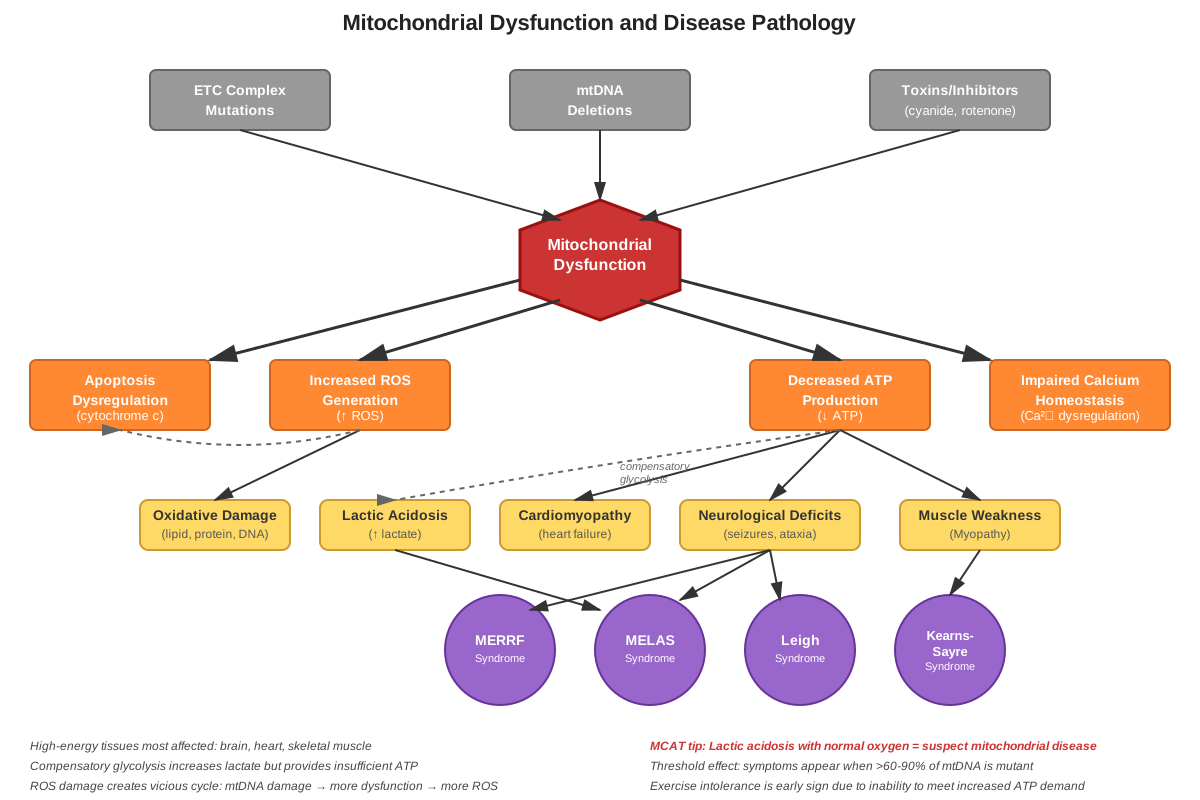
Mitochondrial dysfunction underlies numerous human diseases, making this topic clinically relevant beyond its biochemical importance. Mitochondrial myopathies, neurodegenerative diseases like Parkinson's and Alzheimer's, and metabolic disorders all involve impaired mitochondrial function. Additionally, the role of mitochondria in apoptosis connects this organelle to cancer biology, as cancer cells often exhibit altered mitochondrial metabolism (the Warburg effect). Understanding mitochondria also illuminates aging processes, as accumulated mitochondrial DNA mutations and declining mitochondrial function contribute to age-related cellular decline.
On the MCAT, mitochondria-related content appears in approximately 8-12% of biological sciences questions, either as the primary focus or as part of broader metabolism passages. Questions typically fall into several categories: structure-function relationships (identifying which mitochondrial component performs a specific role), experimental analysis (interpreting data from studies using mitochondrial inhibitors or uncouplers), metabolic integration (connecting mitochondrial processes to whole-cell metabolism), and genetics (understanding maternal inheritance patterns or mitochondrial DNA mutations). The MCAT frequently presents passages describing experimental manipulations of mitochondrial function, requiring students to predict outcomes or interpret results.
Common passage contexts include: research studies investigating metabolic diseases, experiments using inhibitors like cyanide or oligomycin, comparative physiology examining mitochondrial density in different tissue types, and evolutionary biology passages discussing endosymbiotic theory. Discrete questions often test knowledge of mitochondrial structure, the number of ATP molecules produced during cellular respiration, or the consequences of specific enzyme deficiencies. The interdisciplinary nature of mitochondrial biology makes it an ideal topic for integrated MCAT passages that span biochemistry, cell biology, and physiology.
Core Concepts
Mitochondrial Structure and Organization
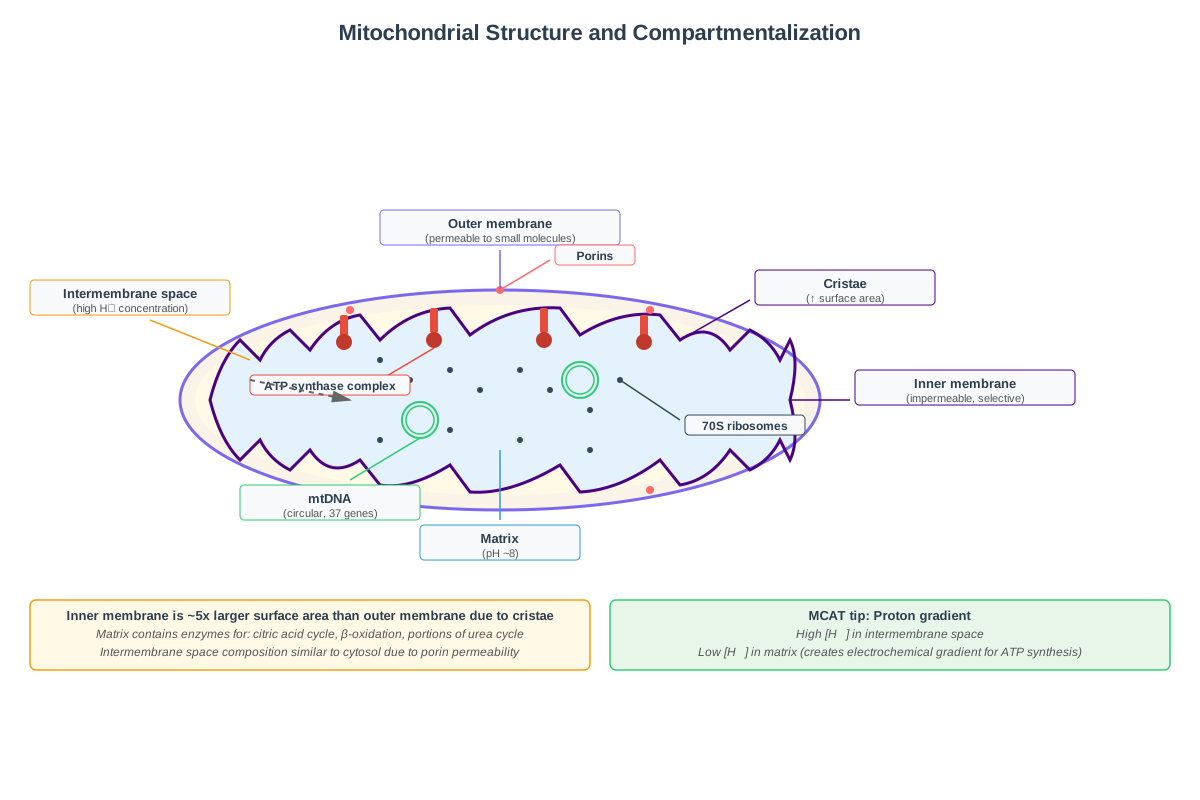
Mitochondria are characterized by a distinctive double-membrane structure that creates four distinct compartments, each with specialized functions. The outer mitochondrial membrane is smooth and highly permeable due to abundant porin proteins (also called voltage-dependent anion channels or VDACs), which allow molecules up to approximately 5,000 daltons to pass freely. This permeability makes the intermembrane space chemically similar to the cytosol for small molecules.
The inner mitochondrial membrane is highly selective and impermeable to most molecules, including protons. This membrane is extensively folded into structures called cristae, which dramatically increase surface area for housing the electron transport chain complexes and ATP synthase. The cristae structure is not merely a passive folding but represents a dynamic architecture that can remodel in response to metabolic demands. The inner membrane contains approximately 75% protein by mass—one of the highest protein-to-lipid ratios of any biological membrane—reflecting its intensive metabolic activity.
The intermembrane space lies between the outer and inner membranes and serves as a reservoir for protons pumped from the matrix during electron transport. The accumulation of protons in this space creates both a concentration gradient (ΔpH) and an electrical gradient (ΔΨ), collectively termed the proton-motive force or electrochemical gradient. This gradient stores potential energy that drives ATP synthesis.
The mitochondrial matrix is the innermost compartment, containing a concentrated mixture of hundreds of enzymes, mitochondrial DNA (mtDNA), mitochondrial ribosomes (70S), tRNAs, and various cofactors. The matrix houses the enzymes of the citric acid cycle (Krebs cycle), fatty acid β-oxidation, and portions of amino acid metabolism. The matrix also contains multiple copies of circular, double-stranded mitochondrial DNA, which encodes 13 proteins (all components of the electron transport chain), 22 tRNAs, and 2 rRNAs.
Mitochondrial Genome and Inheritance
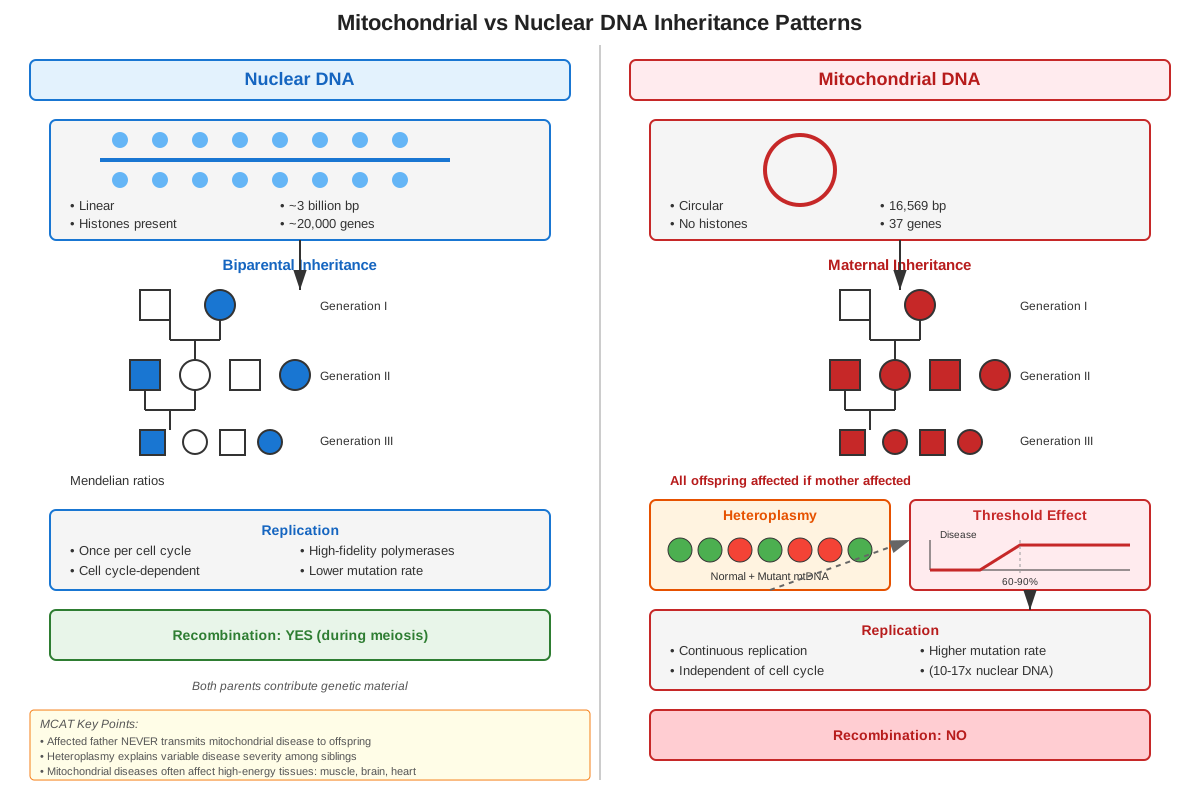
Mitochondrial DNA represents a unique genetic system within eukaryotic cells. Unlike nuclear DNA, mtDNA is circular, lacks histones, has minimal non-coding sequences, and replicates independently of the cell cycle. Human mtDNA contains approximately 16,500 base pairs encoding 37 genes. The high mutation rate of mtDNA (10-17 times higher than nuclear DNA) results from the oxidative environment within mitochondria, limited DNA repair mechanisms, and lack of protective histones.
Maternal inheritance is a hallmark of mitochondrial genetics. During fertilization, the egg contributes approximately 100,000 mitochondria while sperm mitochondria (located in the midpiece) are typically destroyed after fertilization through ubiquitin-mediated degradation. This results in offspring inheriting mitochondria exclusively from their mother. This inheritance pattern has important implications for genetic counseling and evolutionary studies (mitochondrial Eve concept).
Heteroplasmy refers to the presence of both normal and mutant mtDNA within a single cell or organism. Because each cell contains hundreds to thousands of mitochondria, and each mitochondrion contains multiple mtDNA copies, mutations can exist in varying proportions. The threshold effect describes how mitochondrial diseases typically manifest only when the proportion of mutant mtDNA exceeds a critical threshold (often 60-90%), below which normal mitochondria can compensate for defective ones.
Energy Production and Cellular Respiration
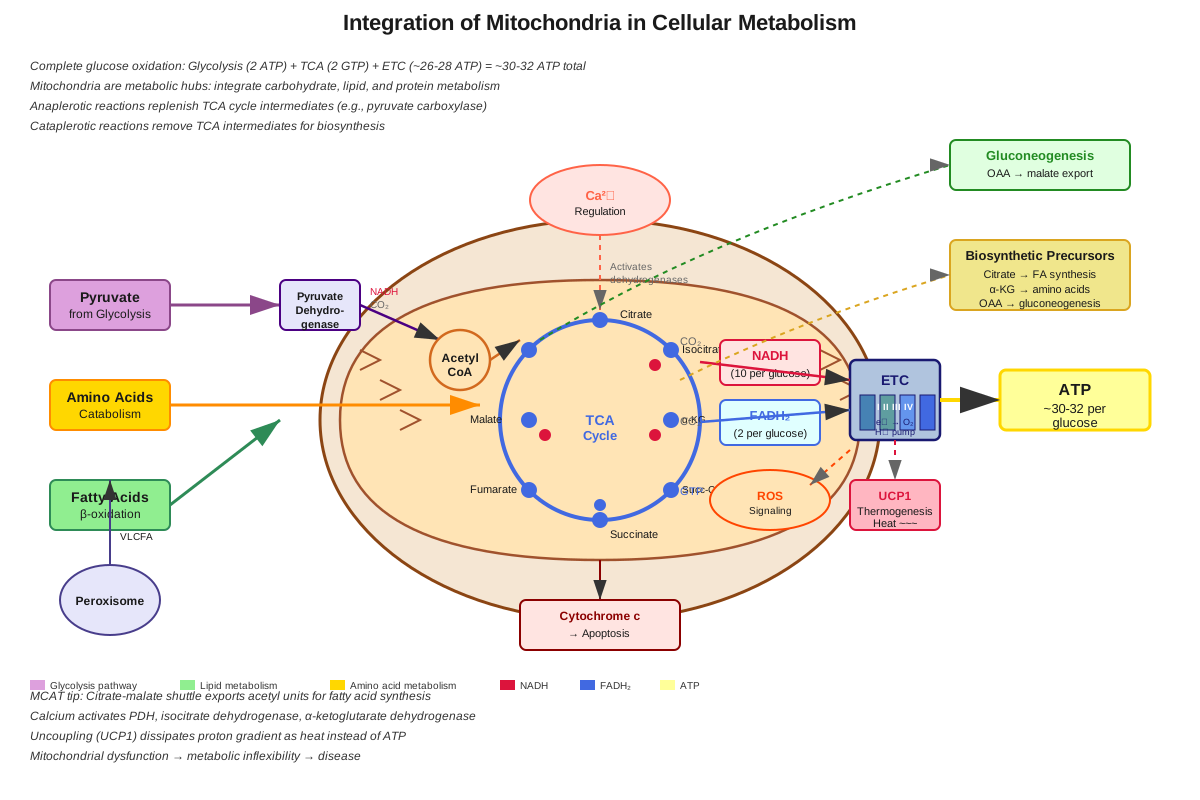
Mitochondria are the primary sites of oxidative phosphorylation, the process that generates the majority of cellular ATP. This process couples the oxidation of NADH and FADH₂ (produced during glycolysis, pyruvate oxidation, and the citric acid cycle) to the phosphorylation of ADP to form ATP.
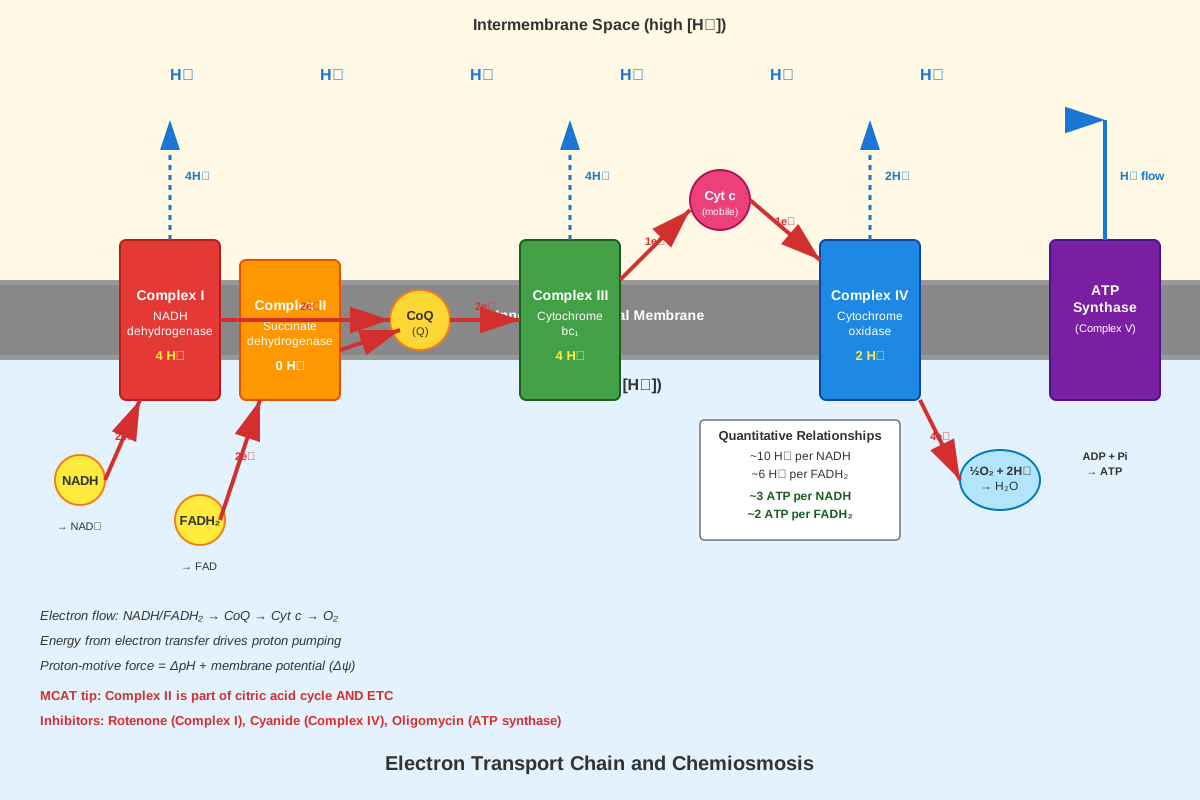
The electron transport chain (ETC) consists of four major protein complexes (I, II, III, and IV) embedded in the inner mitochondrial membrane, plus two mobile electron carriers (coenzyme Q and cytochrome c):
- Complex I (NADH dehydrogenase): Accepts electrons from NADH, pumps 4 protons into the intermembrane space
- Complex II (Succinate dehydrogenase): Accepts electrons from FADH₂, does not pump protons (also part of the citric acid cycle)
- Complex III (Cytochrome bc₁ complex): Transfers electrons from coenzyme Q to cytochrome c, pumps 4 protons
- Complex IV (Cytochrome c oxidase): Transfers electrons to oxygen (the final electron acceptor), pumps 2 protons
Coenzyme Q (ubiquinone) is a lipid-soluble electron carrier that shuttles electrons from Complexes I and II to Complex III. Cytochrome c is a small, water-soluble protein that transfers electrons from Complex III to Complex IV.
The electron transport chain creates a proton gradient with approximately 10 protons pumped per NADH oxidized (4 from Complex I, 4 from Complex III, 2 from Complex IV) and 6 protons per FADH₂ (bypassing Complex I). This gradient represents stored energy in two forms: a pH gradient (matrix is more basic) and an electrical gradient (matrix is more negative).
ATP synthase (Complex V) harnesses the proton-motive force to synthesize ATP through a process called chemiosmosis. This remarkable molecular machine consists of two main components: F₀ (a membrane-embedded proton channel) and F₁ (a catalytic domain extending into the matrix). As protons flow down their electrochemical gradient through F₀, the resulting rotation drives conformational changes in F₁ that catalyze ATP synthesis. Approximately 3-4 protons must flow through ATP synthase to generate one ATP molecule.
ATP Yield Calculations
Understanding the complete ATP yield from glucose oxidation is essential for MCAT success:
| Process | Location | ATP by Substrate-Level Phosphorylation | NADH Produced | FADH₂ Produced |
|---|---|---|---|---|
| Glycolysis | Cytoplasm | 2 ATP | 2 NADH | 0 |
| Pyruvate → Acetyl-CoA (×2) | Mitochondrial matrix | 0 | 2 NADH | 0 |
| Citric Acid Cycle (×2) | Mitochondrial matrix | 2 ATP (GTP) | 6 NADH | 2 FADH₂ |
The theoretical maximum ATP yield is approximately 30-32 ATP per glucose, though the actual yield is closer to 30 ATP due to:
- Energy costs of transporting pyruvate and ADP/ATP across mitochondrial membranes
- Proton leak across the inner membrane
- Use of the proton gradient for other purposes (calcium transport, metabolite transport)
The malate-aspartate shuttle (in heart and liver) and glycerol-3-phosphate shuttle (in skeletal muscle and brain) transfer electrons from cytoplasmic NADH into mitochondria, with different ATP yields (2.5 vs. 1.5 ATP per cytoplasmic NADH).
Mitochondrial Dynamics and Quality Control
Mitochondria are dynamic organelles that constantly undergo fusion and fission, processes that maintain mitochondrial health and distribute mitochondria throughout the cell. Mitochondrial fusion merges two mitochondria into one, allowing content mixing and complementation of damaged components. Mitochondrial fission divides mitochondria, enabling distribution to daughter cells during division and segregation of damaged portions for degradation.
Mitophagy is the selective autophagy of damaged mitochondria. The PINK1-Parkin pathway represents the best-characterized mitophagy mechanism: when mitochondrial membrane potential drops (indicating dysfunction), PINK1 accumulates on the outer membrane and recruits Parkin, an E3 ubiquitin ligase. Parkin ubiquitinates outer membrane proteins, marking the mitochondrion for autophagic degradation. Mutations in PINK1 or Parkin cause familial forms of Parkinson's disease, highlighting the importance of mitochondrial quality control.
Additional Mitochondrial Functions
Beyond ATP production, mitochondria perform numerous essential functions:
- Calcium buffering: Mitochondria sequester calcium ions, regulating cytoplasmic calcium concentrations and modulating cellular signaling
- Apoptosis regulation: Mitochondria release cytochrome c and other pro-apoptotic factors when triggered, initiating programmed cell death
- Thermogenesis: In brown adipose tissue, uncoupling protein 1 (UCP1) allows protons to bypass ATP synthase, dissipating energy as heat
- Metabolic integration: Mitochondria house portions of the urea cycle, heme synthesis, steroid hormone synthesis, and amino acid metabolism
- Reactive oxygen species (ROS) production: Electron leakage from the ETC generates superoxide radicals, which function in signaling but can cause oxidative damage
Concept Relationships
The structural organization of mitochondria directly enables their functional capabilities. The double-membrane architecture → creates distinct compartments → enabling establishment of the proton gradient → which drives ATP synthesis through chemiosmosis. The extensive cristae folding → increases surface area → accommodates more ETC complexes and ATP synthase → enhances ATP production capacity.
Mitochondrial function integrates with broader cellular metabolism: Glycolysis (cytoplasm) → produces pyruvate → which enters mitochondria → undergoes oxidation to acetyl-CoA → feeds into the citric acid cycle → generates NADH and FADH₂ → which donate electrons to the ETC → driving oxidative phosphorylation. This metabolic integration means that mitochondrial dysfunction → impairs ATP production → affects all energy-dependent cellular processes → manifests as disease, particularly in high-energy tissues (brain, heart, muscle).
The bacterial evolutionary origin of mitochondria (endosymbiotic theory) → explains their unique features: circular DNA, 70S ribosomes, double membranes, and binary fission reproduction. This evolutionary relationship → connects to maternal inheritance patterns → which affects genetic counseling for mitochondrial diseases → and enables evolutionary tracing through mitochondrial DNA analysis.
Mitochondrial quality control mechanisms → maintain cellular health: Fusion allows complementation of damaged components → while fission segregates damaged portions → which are eliminated through mitophagy → preventing accumulation of dysfunctional mitochondria → maintaining cellular energy homeostasis. Failure of these quality control mechanisms → leads to mitochondrial diseases → particularly neurodegenerative disorders.
High-Yield Facts
⭐ Mitochondria have a double membrane structure with the inner membrane folded into cristae, housing the electron transport chain and ATP synthase
⭐ The electron transport chain pumps protons from the matrix to the intermembrane space, creating an electrochemical gradient (proton-motive force) that drives ATP synthesis
⭐ Complete oxidation of one glucose molecule yields approximately 30-32 ATP through cellular respiration (glycolysis + citric acid cycle + oxidative phosphorylation)
⭐ Mitochondrial DNA is circular, maternally inherited, and encodes 13 proteins (all ETC components), 22 tRNAs, and 2 rRNAs
⭐ Complex IV (cytochrome c oxidase) transfers electrons to oxygen, the final electron acceptor, forming water
- The intermembrane space has a lower pH (more acidic) than the matrix due to proton accumulation
- NADH generates approximately 2.5 ATP while FADH₂ generates approximately 1.5 ATP through oxidative phosphorylation
- Mitochondria contain 70S ribosomes (like bacteria) rather than the 80S ribosomes found in the eukaryotic cytoplasm
- Brown adipose tissue mitochondria contain uncoupling protein 1 (UCP1), which dissipates the proton gradient as heat rather than ATP
- Mitochondrial diseases typically affect high-energy tissues first: brain, heart, skeletal muscle, and sensory organs
- The threshold effect means mitochondrial disease symptoms appear only when mutant mtDNA exceeds 60-90% of total mtDNA
- Cytochrome c release from mitochondria into the cytoplasm triggers the intrinsic apoptosis pathway
- Mitochondria can occupy 20-25% of cell volume in highly metabolically active cells like cardiac myocytes
- The P/O ratio (ATP produced per oxygen atom reduced) is approximately 2.5 for NADH and 1.5 for FADH₂
- Reactive oxygen species (ROS) are primarily generated at Complexes I and III when electrons leak to oxygen prematurely
Quick check — test yourself on Mitochondria so far.
Try Flashcards →Common Misconceptions
Misconception: Mitochondria only produce ATP and have no other cellular functions.
Correction: While ATP production is their primary function, mitochondria also regulate calcium homeostasis, control apoptosis, generate heat (in brown adipose tissue), participate in heme synthesis, contribute to the urea cycle, and produce reactive oxygen species for signaling. This multifunctionality explains why mitochondrial dysfunction causes diverse symptoms across multiple organ systems.
Misconception: The electron transport chain directly produces ATP.
Correction: The electron transport chain does not directly synthesize ATP. Instead, it pumps protons across the inner mitochondrial membrane, creating an electrochemical gradient. ATP synthase (Complex V) then uses this gradient to drive ATP synthesis through chemiosmosis. This indirect coupling is crucial—it allows the energy from electron transport to be stored as a gradient and then used flexibly for ATP synthesis or other processes.
Misconception: All cells contain the same number of mitochondria.
Correction: Mitochondrial number varies dramatically based on cellular energy demands. Metabolically active cells like cardiac myocytes and hepatocytes contain thousands of mitochondria, while less active cells may contain only a few hundred. Red blood cells lack mitochondria entirely, relying exclusively on glycolysis for ATP. This variation reflects the principle that structure and quantity match function.
Misconception: FADH₂ and NADH produce the same amount of ATP.
Correction: FADH₂ generates approximately 1.5 ATP while NADH generates approximately 2.5 ATP because FADH₂ donates electrons to Complex II, bypassing Complex I. Since Complex I pumps 4 protons and Complex II pumps none, FADH₂ oxidation results in fewer protons pumped across the membrane, yielding less ATP per molecule oxidized.
Misconception: Mitochondrial DNA mutations follow Mendelian inheritance patterns.
Correction: Mitochondrial DNA exhibits maternal inheritance because offspring receive mitochondria almost exclusively from the egg cell. Additionally, heteroplasmy (mixture of normal and mutant mtDNA) and random segregation during cell division create non-Mendelian inheritance patterns. The threshold effect means disease expression depends on the proportion of mutant mtDNA, not simple dominant/recessive relationships.
Misconception: The intermembrane space and the matrix have the same pH.
Correction: The intermembrane space is more acidic (lower pH, approximately 7.0) than the matrix (higher pH, approximately 7.8) due to proton pumping by the electron transport chain. This pH gradient is a critical component of the proton-motive force that drives ATP synthesis. The approximately 0.8 pH unit difference represents a significant energy storage mechanism.
Misconception: Oxygen is required for the citric acid cycle to function.
Correction: While the citric acid cycle itself does not directly use oxygen, it requires NAD⁺ and FAD to accept electrons. Under anaerobic conditions, the electron transport chain cannot regenerate NAD⁺ from NADH (since oxygen is the final electron acceptor), causing NAD⁺ depletion and citric acid cycle shutdown. Thus, oxygen is indirectly required to maintain the cycle's operation by regenerating electron acceptors.
Worked Examples
Example 1: Mitochondrial Inhibitor Analysis
Question: A researcher treats isolated mitochondria with oligomycin, a specific inhibitor of ATP synthase. Predict the effects on: (A) oxygen consumption, (B) proton gradient, (C) ATP production, and (D) NADH levels. Explain your reasoning.
Solution:
Step 1: Identify what oligomycin does
Oligomycin blocks ATP synthase (Complex V), preventing protons from flowing through the F₀ channel back into the matrix. This prevents ATP synthesis from ADP and inorganic phosphate.
Step 2: Analyze effect on ATP production (C)
ATP production will decrease dramatically (approaching zero) because ATP synthase is the only mechanism for generating ATP through oxidative phosphorylation. While substrate-level phosphorylation in glycolysis and the citric acid cycle continues, the vast majority of cellular ATP comes from oxidative phosphorylation.
Step 3: Analyze effect on proton gradient (B)
The proton gradient will increase initially then reach a maximum. Without protons flowing back through ATP synthase, the gradient builds up as the ETC continues pumping protons. However, this increasing gradient creates back-pressure that eventually inhibits further proton pumping.
Step 4: Analyze effect on oxygen consumption (A)
Oxygen consumption will decrease significantly. As the proton gradient builds, it becomes increasingly difficult for the ETC complexes to pump additional protons against the steep gradient. This creates a traffic jam in the electron transport chain, slowing electron flow and reducing oxygen consumption. The ETC and ATP synthase are coupled—blocking one affects the other.
Step 5: Analyze effect on NADH levels (D)
NADH levels will increase (accumulate) because the slowed electron transport chain cannot oxidize NADH to NAD⁺ efficiently. This NADH accumulation will feedback-inhibit the citric acid cycle and other NADH-producing reactions.
Key Concept: This example illustrates the coupling between electron transport and ATP synthesis. When ATP synthase is blocked, the entire system backs up, demonstrating that these processes are interdependent, not independent.
Example 2: Clinical Vignette - Mitochondrial Disease
Question: A 12-year-old patient presents with progressive muscle weakness, exercise intolerance, and hearing loss. Family history reveals that the patient's mother and maternal grandmother experienced similar symptoms, while the patient's father and paternal relatives are unaffected. Muscle biopsy shows "ragged red fibers" (abnormal mitochondrial accumulation). Laboratory studies show elevated blood lactate levels, particularly after exercise.
(A) What inheritance pattern explains the family history?
(B) Why does this patient have elevated lactate levels?
(C) Why are symptoms particularly severe in muscle tissue?
(D) What is the likely cellular mechanism underlying the "ragged red fibers"?
Solution:
Part A: Inheritance Pattern
The family history demonstrates maternal inheritance, characteristic of mitochondrial DNA mutations. All offspring of affected mothers may be affected, while offspring of affected fathers are never affected. This pattern occurs because mitochondria (and their DNA) are inherited almost exclusively from the egg cell, not the sperm.
The variable severity among affected family members likely reflects heteroplasmy—different proportions of mutant versus normal mtDNA in different individuals. Random segregation of mitochondria during cell division can lead to varying ratios of normal to mutant mitochondria in different tissues and individuals.
Part B: Elevated Lactate
Elevated lactate results from impaired oxidative phosphorylation due to defective mitochondria. When the electron transport chain cannot function properly:
- NADH accumulates because it cannot be efficiently oxidized
- NAD⁺ becomes depleted
- The citric acid cycle slows due to lack of NAD⁺
- Pyruvate cannot enter the citric acid cycle efficiently
- Pyruvate is shunted to lactate production (via lactate dehydrogenase) to regenerate NAD⁺ for glycolysis
- Lactate accumulates in blood, particularly during exercise when ATP demand increases
This represents a compensatory shift toward anaerobic metabolism when oxidative phosphorylation fails.
Part C: Muscle Tissue Severity
Symptoms are severe in muscle tissue because skeletal muscle has extremely high energy demands, particularly during exercise. Muscle contraction requires massive amounts of ATP for:
- Myosin-actin cross-bridge cycling
- Calcium pumping back into the sarcoplasmic reticulum
- Maintaining ion gradients across the sarcolemma
Tissues with high metabolic rates (muscle, brain, heart, sensory organs) are most vulnerable to mitochondrial dysfunction because they cannot meet their ATP requirements when oxidative phosphorylation is impaired. This explains why mitochondrial diseases typically present with myopathy, encephalopathy, cardiomyopathy, and sensory deficits.
Part D: Ragged Red Fibers
"Ragged red fibers" result from abnormal proliferation of mitochondria in muscle cells. When mitochondria are dysfunctional, cells attempt to compensate by increasing mitochondrial number (mitochondrial biogenesis). These accumulated mitochondria appear as irregular red deposits in muscle fibers when stained with modified Gomori trichrome stain.
This compensatory response is ultimately insufficient because the newly produced mitochondria also carry the mtDNA mutation (due to heteroplasmy), so increasing their number cannot fully restore normal ATP production.
Key Concepts: This example integrates mitochondrial genetics (maternal inheritance, heteroplasmy), metabolism (shift to anaerobic metabolism), and pathophysiology (tissue-specific vulnerability based on energy demands).
Exam Strategy
When approaching MCAT questions about mitochondria, first identify the question type: structure-function relationships, metabolic calculations, experimental analysis, or genetics. For structure-function questions, mentally visualize the mitochondrion and trace the path of electrons, protons, or metabolites through the relevant compartments.
Trigger words and phrases to recognize:
- "Proton gradient," "electrochemical gradient," or "proton-motive force" → Think about the intermembrane space being more acidic and positively charged relative to the matrix
- "Uncoupler" or "uncoupling agent" → These allow protons to bypass ATP synthase, dissipating the gradient as heat without producing ATP
- "Maternal inheritance" or "mother's side of the family" → Indicates mitochondrial DNA involvement
- "High-energy tissues" or "metabolically active cells" → Expect these to be most affected by mitochondrial dysfunction
- "Oxygen consumption" → Directly related to electron transport chain activity
- "Ragged red fibers" → Classic histological finding in mitochondrial myopathies
Process-of-elimination strategies:
- For ATP yield questions, eliminate answers that exceed 32 ATP per glucose (the theoretical maximum) or that suggest glycolysis alone produces most ATP
- For inheritance questions, eliminate Mendelian patterns (dominant/recessive) when mitochondrial DNA is involved
- For inhibitor questions, eliminate answers suggesting that blocking one component of the ETC won't affect others (they're coupled)
- For localization questions, remember: glycolysis = cytoplasm; citric acid cycle = matrix; ETC = inner membrane; fatty acid synthesis = cytoplasm
Time allocation advice: Mitochondrial questions often appear in passages with experimental data or clinical vignettes. Spend 1-2 minutes understanding the experimental setup or clinical presentation before attempting questions. For discrete questions, if you can't immediately recall the answer, sketch a quick mitochondrion diagram to orient yourself—this 10-second investment often triggers recall and prevents careless errors.
When passages describe experiments with mitochondrial inhibitors or uncouplers, create a quick table tracking what happens to: (1) proton gradient, (2) oxygen consumption, (3) ATP production, and (4) NADH/FADH₂ levels. This systematic approach prevents confusion and helps you predict downstream effects.
Memory Techniques
Mnemonic for Electron Transport Chain Complexes:
"Nancy Saw Queen Catherine Crying Outside"
- NADH dehydrogenase (Complex I)
- Succinate dehydrogenase (Complex II)
- Q = Coenzyme Q (ubiquinone)
- Cytochrome bc₁ (Complex III)
- Cytochrome c
- Oxygen (final electron acceptor at Complex IV)
Mnemonic for Proton Pumping:
"4-0-4-2" = The number of protons pumped by each complex
- Complex I: 4 protons
- Complex II: 0 protons (doesn't pump)
- Complex III: 4 protons
- Complex IV: 2 protons
Visualization Strategy for Chemiosmosis:
Imagine a hydroelectric dam: The proton gradient is like water held behind the dam (potential energy), and ATP synthase is like a turbine—as protons flow through (like water flowing through the turbine), mechanical rotation drives ATP synthesis (like generating electricity). This analogy helps remember that the gradient stores energy and ATP synthase converts it to chemical energy.
Acronym for Mitochondrial Functions:
"MATCH" the mitochondria to their functions:
- Metabolism (citric acid cycle, β-oxidation)
- Apoptosis regulation
- Thermogenesis (in brown fat)
- Calcium buffering
- Heme synthesis (partial)
Memory aid for Maternal Inheritance:
"Mother's Mighty Mitochondria" - The alliteration emphasizes that mitochondria come from mother, and "mighty" reminds you that there are many mitochondria (hundreds to thousands) per cell, explaining heteroplasmy.
Spatial Memory Technique:
Mentally organize mitochondrial components from outside to inside:
- Outer membrane = permeable (think "outer = open")
- Intermembrane space = acidic, proton-rich (think "in-between = acidic")
- Inner membrane = impermeable, cristae, ETC (think "inner = intricate")
- Matrix = basic pH, enzymes, DNA (think "matrix = machinery")
Summary
Mitochondria are double-membraned organelles that serve as the primary sites of ATP production through oxidative phosphorylation, earning their designation as cellular powerhouses. Their unique structure—featuring an outer membrane, intermembrane space, extensively folded inner membrane (cristae), and matrix—creates the compartmentalization necessary for establishing the proton-motive force that drives ATP synthesis. The electron transport chain, embedded in the inner membrane, oxidizes NADH and FADH₂ while pumping protons into the intermembrane space, creating an electrochemical gradient. ATP synthase harnesses this gradient through chemiosmosis to phosphorylate ADP to ATP, yielding approximately 30-32 ATP per glucose molecule. Mitochondria contain their own circular DNA, inherited maternally, which encodes 13 essential electron transport chain proteins. Beyond energy production, mitochondria regulate calcium homeostasis, control apoptosis, generate heat in brown adipose tissue, and participate in various metabolic pathways. Mitochondrial dysfunction particularly affects high-energy tissues (brain, heart, muscle) and underlies numerous human diseases. For MCAT success, students must understand mitochondrial structure-function relationships, trace electron and proton flow through the ETC, calculate ATP yields, recognize maternal inheritance patterns, and predict the effects of mitochondrial inhibitors or uncouplers on cellular metabolism.
Key Takeaways
- Mitochondria's double-membrane structure with cristae creates distinct compartments essential for establishing the proton gradient that drives ATP synthesis through chemiosmosis
- The electron transport chain couples NADH/FADH₂ oxidation to proton pumping, creating an electrochemical gradient (proton-motive force) across the inner mitochondrial membrane
- Complete glucose oxidation yields approximately 30-32 ATP, with the vast majority produced through mitochondrial oxidative phosphorylation rather than substrate-level phosphorylation
- Mitochondrial DNA is circular, maternally inherited, and exhibits heteroplasmy and threshold effects that create non-Mendelian inheritance patterns
- Mitochondrial dysfunction disproportionately affects high-energy tissues (brain, heart, skeletal muscle) due to their dependence on oxidative phosphorylation for ATP production
- Beyond ATP production, mitochondria regulate apoptosis, buffer calcium, generate heat, and participate in diverse metabolic pathways including heme synthesis and the urea cycle
- Understanding the coupling between electron transport and ATP synthesis is crucial for predicting the effects of inhibitors, uncouplers, and metabolic perturbations on mitochondrial function
Related Topics
Cellular Respiration Pathways: Glycolysis, pyruvate oxidation, and the citric acid cycle provide the NADH and FADH₂ that fuel mitochondrial ATP production. Mastering mitochondrial function enables deeper understanding of how these pathways integrate to extract energy from nutrients.
Membrane Transport: Understanding how pyruvate, fatty acids, and other metabolites cross mitochondrial membranes through specific transporters connects to broader principles of membrane biology and cellular compartmentalization.
Metabolic Regulation: Mitochondrial function is tightly regulated by energy status (ATP/ADP ratio), calcium levels, and hormonal signals. This connects to endocrinology and whole-organism metabolism.
Evolutionary Biology: The endosymbiotic theory explaining mitochondrial origin from ancient bacteria provides context for understanding mitochondrial structure, genetics, and reproduction, connecting cell biology to evolutionary principles.
Genetics and Inheritance: Mitochondrial genetics introduces non-Mendelian inheritance patterns, heteroplasmy, and the threshold effect, expanding understanding beyond nuclear genetics.
Apoptosis and Cell Death: Mitochondria's central role in the intrinsic apoptosis pathway connects to cancer biology, development, and tissue homeostasis.
Practice CTA
Now that you've mastered the core concepts of mitochondrial structure and function, it's time to reinforce your understanding through active practice. Challenge yourself with MCAT-style practice questions that test your ability to apply these concepts in experimental and clinical contexts. Use flashcards to drill high-yield facts, particularly ATP yield calculations, ETC complex functions, and inheritance patterns. Remember, understanding mitochondria provides the foundation for comprehending cellular energetics—a theme that appears throughout the MCAT biological sciences section. The time invested in truly mastering this topic will pay dividends across multiple question types and passages. You've got this!
Sign up free to keep reading
Create a free AnvayaPrep account to finish this MCAT guide on Mitochondria — plus flashcards and practice questions.