Overview
The plasma membrane structure is one of the most fundamental concepts in Cell Biology and serves as a cornerstone for understanding cellular function, transport mechanisms, and cell signaling—all high-yield topics for the MCAT. The plasma membrane, also known as the cell membrane, acts as the selective barrier that separates the internal cellular environment from the external surroundings, maintaining homeostasis while allowing controlled communication and exchange with the extracellular space. Understanding its molecular architecture is essential for comprehending how cells regulate their internal composition, respond to external signals, and interact with their environment.
For the MCAT, plasma membrane structure appears frequently across multiple sections, particularly in Biology passages involving cell physiology, transport mechanisms, signal transduction, and even in biochemistry contexts discussing lipid metabolism and membrane proteins. The fluid mosaic model, first proposed by Singer and Nicolson in 1972, remains the prevailing framework for understanding membrane organization and is explicitly tested on the exam. Questions may present experimental scenarios involving membrane permeability, protein localization, or the effects of temperature and cholesterol on membrane fluidity—all of which require solid foundational knowledge of membrane composition and architecture.
The plasma membrane structure connects to numerous other biological concepts including passive and active transport, endocytosis and exocytosis, cell signaling cascades, membrane potential in neurons, and the structure of organellar membranes. Mastery of this topic provides the foundation for understanding how cells maintain distinct internal environments, how drugs and toxins interact with cells, and how diseases can result from membrane dysfunction. This interconnectedness makes plasma membrane structure a medium-importance topic that appears in approximately 3-5 questions per MCAT exam, either as the primary focus or as background knowledge necessary to answer questions about related processes.
Learning Objectives
- [ ] Define plasma membrane structure using accurate Biology terminology, including the fluid mosaic model and its key components
- [ ] Explain why plasma membrane structure matters for the MCAT, including its appearance in passages and discrete questions
- [ ] Apply plasma membrane structure knowledge to exam-style questions involving membrane permeability, fluidity, and protein function
- [ ] Identify common mistakes related to plasma membrane structure, particularly regarding lipid movement and protein mobility
- [ ] Connect plasma membrane structure to related Biology concepts including transport mechanisms, cell signaling, and membrane potential
- [ ] Analyze how changes in membrane composition affect membrane properties and cellular function
- [ ] Predict the location and orientation of membrane components based on their chemical properties
- [ ] Evaluate experimental data related to membrane structure and draw appropriate conclusions
Prerequisites
- Basic chemistry of lipids: Understanding of fatty acids, glycerol, phosphate groups, and amphipathic molecules is essential for comprehending phospholipid structure and bilayer formation
- Protein structure: Knowledge of primary through quaternary structure, hydrophobic and hydrophilic amino acids, and protein domains enables understanding of how membrane proteins are organized and function
- Chemical bonding and intermolecular forces: Familiarity with hydrogen bonds, van der Waals forces, and hydrophobic interactions explains membrane stability and fluidity
- Basic cell structure: General awareness of cellular organization provides context for where and why the plasma membrane functions as it does
Why This Topic Matters
Clinical and Real-World Significance
Plasma membrane structure is directly relevant to numerous clinical conditions and therapeutic interventions. Cystic fibrosis results from a defective membrane protein (CFTR channel), while familial hypercholesterolemia involves dysfunctional LDL receptors in the plasma membrane. Many drugs, including anesthetics, work by altering membrane properties or interacting with membrane receptors. Understanding membrane structure explains why certain molecules can cross cell membranes while others cannot, which is fundamental to pharmacology and drug design. Additionally, viral entry into cells (including SARS-CoV-2) depends on interactions with membrane proteins, making this knowledge relevant to understanding infectious disease mechanisms.
MCAT Exam Statistics
Plasma membrane structure appears in approximately 3-5 questions per MCAT exam, representing roughly 2-3% of the Biological and Biochemical Foundations section. Questions typically appear in three formats: discrete questions testing direct knowledge of membrane components, passage-based questions requiring application of membrane principles to experimental scenarios, and questions where membrane knowledge is prerequisite to understanding transport or signaling processes. The topic frequently appears in passages about drug permeability, membrane protein research, or cellular responses to environmental changes.
Common Exam Contexts
The MCAT commonly presents plasma membrane structure in passages describing: (1) experiments measuring membrane fluidity under different conditions, (2) studies of protein localization using fluorescence microscopy, (3) investigations of drug permeability across membranes, (4) research on membrane receptor function and signaling, and (5) comparative studies of membrane composition across different cell types or organisms. Questions may ask students to predict experimental outcomes, interpret data about membrane properties, or explain why certain molecules can or cannot cross membranes based on their chemical properties.
Core Concepts
The Fluid Mosaic Model
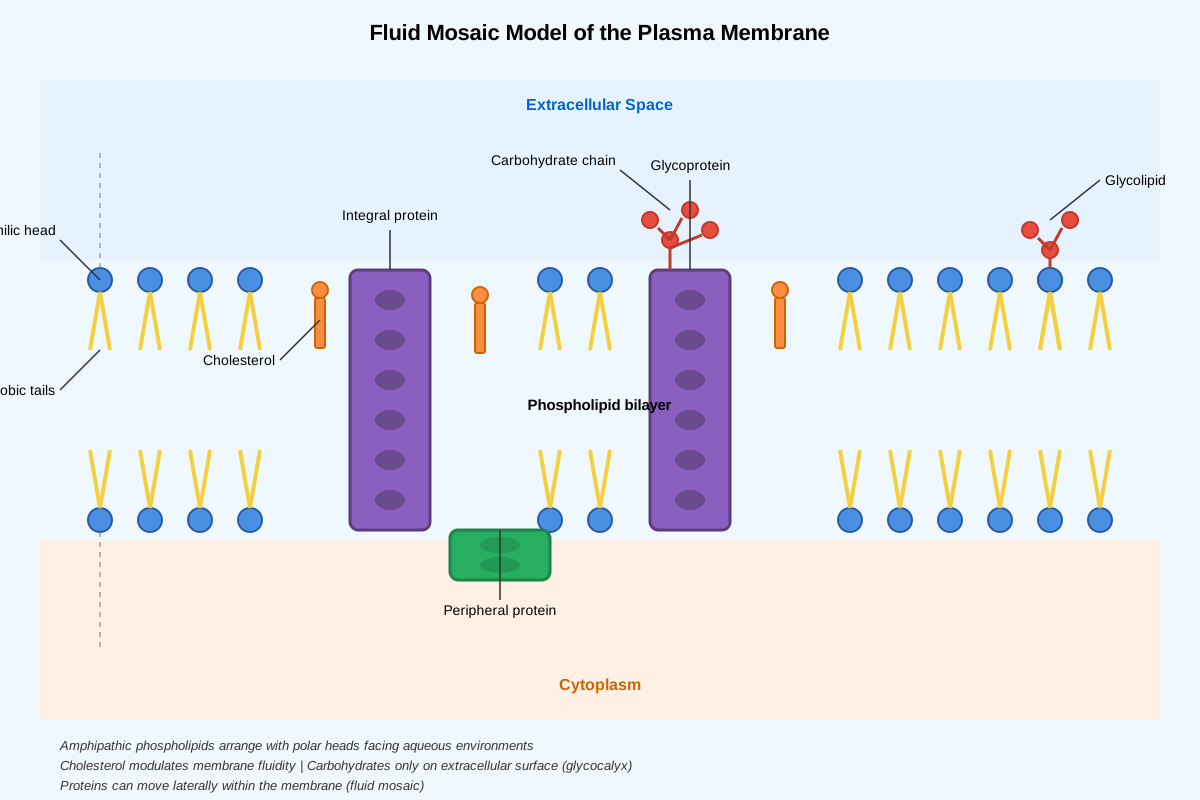
The fluid mosaic model represents the current understanding of plasma membrane structure and describes the membrane as a dynamic, two-dimensional fluid composed primarily of phospholipids with embedded proteins. The term "fluid" refers to the lateral movement of membrane components within the plane of the membrane, while "mosaic" describes the heterogeneous distribution of proteins and other molecules throughout the lipid bilayer. This model replaced earlier static conceptions of membrane structure and accurately explains observed membrane properties including selective permeability, protein mobility, and membrane fusion events.
The fluid nature of the membrane allows for several critical cellular processes: membrane proteins can diffuse laterally to interact with one another, damaged membrane regions can be repaired through lipid movement, and membranes can fuse during exocytosis and endocytosis. However, this fluidity is regulated—membranes are not completely liquid but rather exist in a state between solid and liquid, with fluidity varying based on temperature, lipid composition, and cholesterol content.
Phospholipid Bilayer
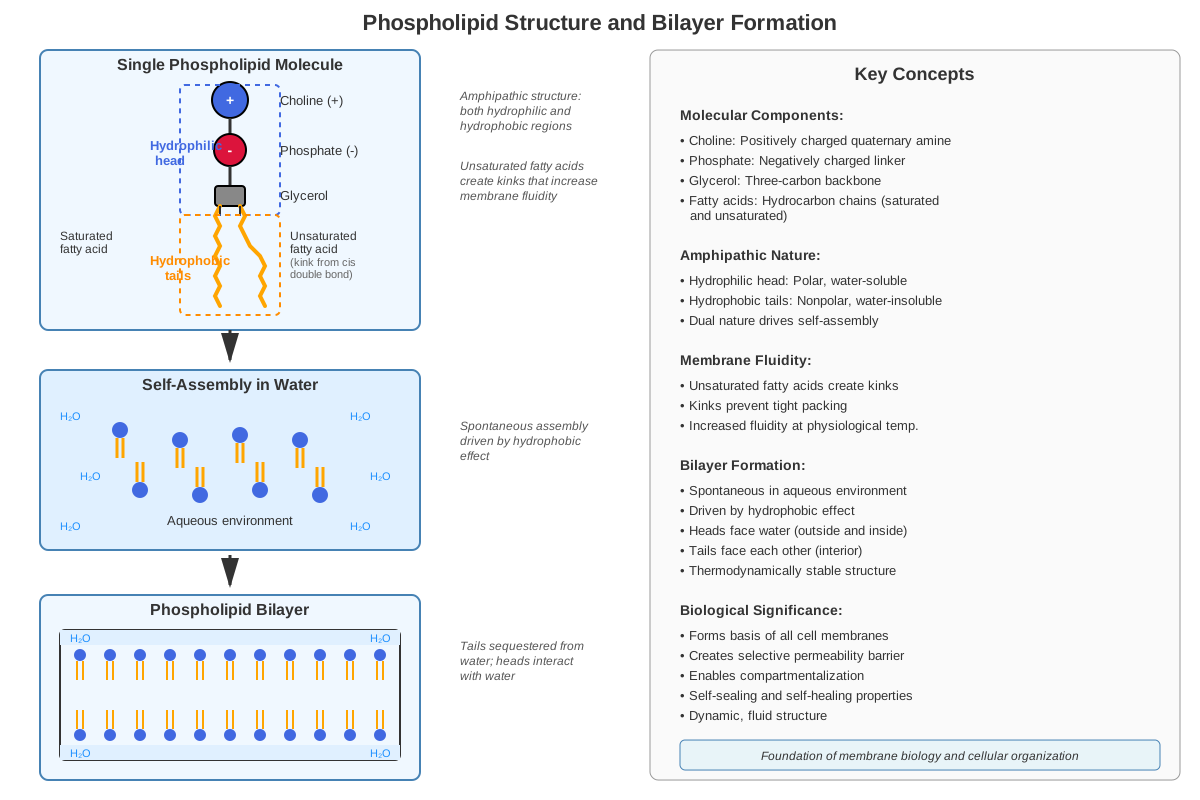
The structural foundation of the plasma membrane is the phospholipid bilayer, composed of two layers of amphipathic phospholipid molecules arranged with their hydrophobic fatty acid tails facing inward and their hydrophilic phosphate-containing heads facing the aqueous environments on both sides. This arrangement is thermodynamically favorable because it minimizes unfavorable interactions between hydrophobic tails and water while maximizing favorable interactions between hydrophilic heads and water.
Each phospholipid molecule consists of:
- A glycerol or sphingosine backbone
- Two fatty acid chains (hydrophobic tails)
- A phosphate group (part of the hydrophilic head)
- An additional polar or charged group attached to the phosphate
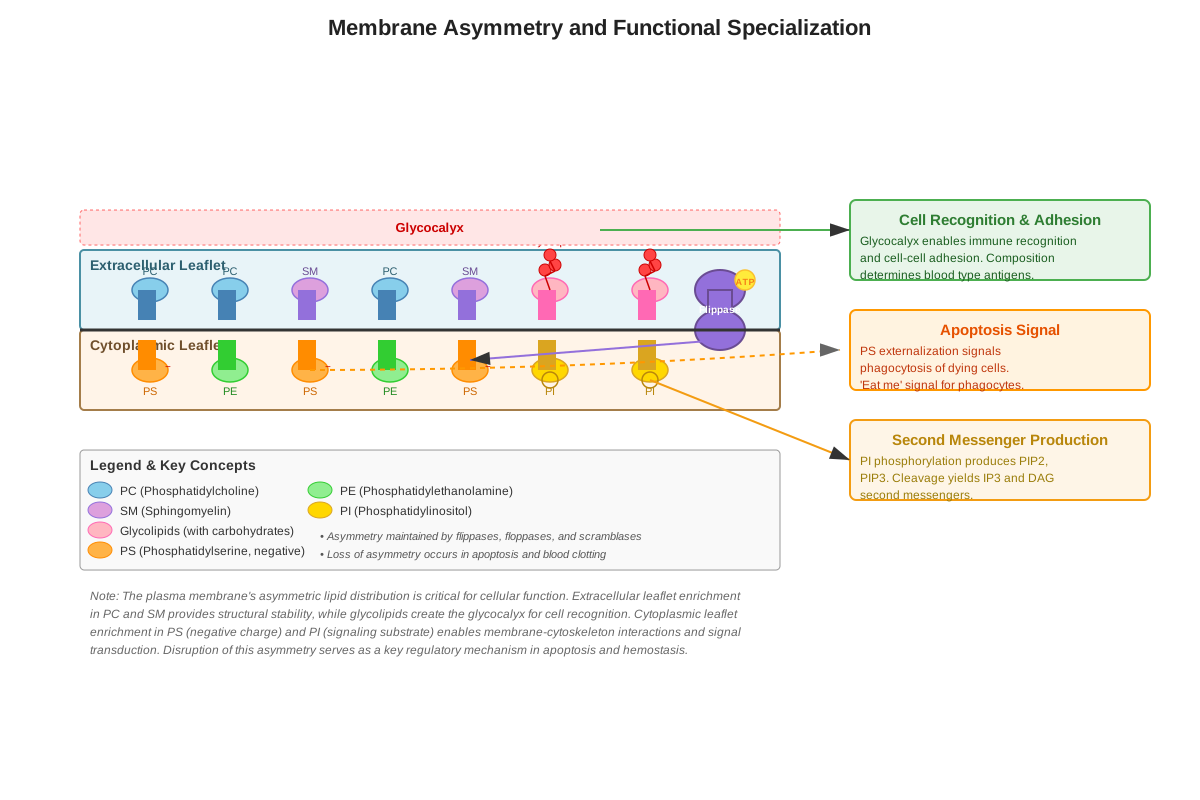
Common phospholipids in mammalian plasma membranes include phosphatidylcholine, phosphatidylethanolamine, phosphatidylserine, and sphingomyelin. The specific composition varies between the inner and outer leaflets of the bilayer, creating membrane asymmetry. For example, phosphatidylserine is predominantly found in the inner leaflet, and its appearance on the outer surface serves as a signal for apoptosis or cell removal by phagocytes.
Membrane Fluidity Factors
Membrane fluidity—the ease with which lipids and proteins move within the membrane—is influenced by several factors:
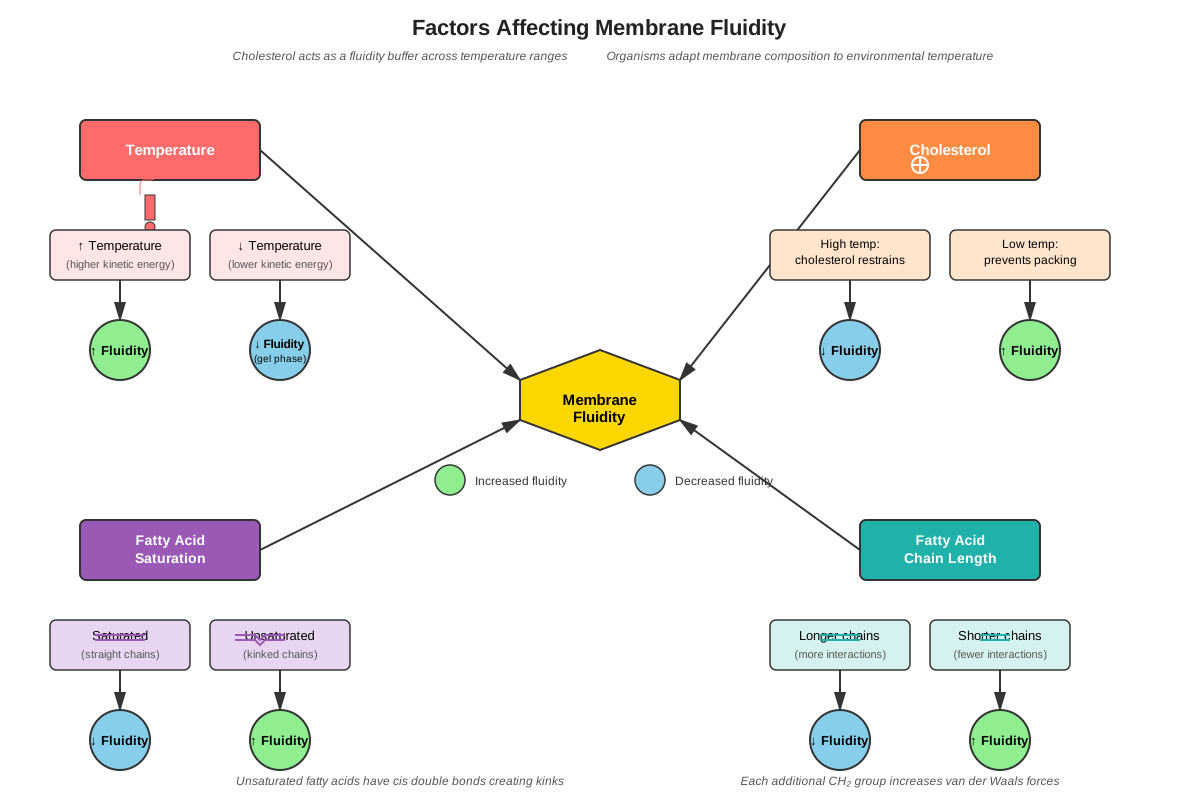
Temperature: Higher temperatures increase kinetic energy, promoting greater molecular movement and increased fluidity. Lower temperatures decrease fluidity, potentially causing membranes to transition to a more rigid, gel-like state. Organisms adapted to different temperatures adjust their membrane composition accordingly.
Fatty acid saturation: Saturated fatty acids (no double bonds) pack tightly together due to their straight structure, decreasing fluidity. Unsaturated fatty acids contain one or more double bonds that create kinks in the hydrocarbon chains, preventing tight packing and increasing fluidity. Membranes in cold-adapted organisms typically contain higher proportions of unsaturated fatty acids.
Fatty acid chain length: Longer fatty acid chains have more van der Waals interactions with neighboring chains, decreasing fluidity. Shorter chains have fewer interactions and increase fluidity.
Cholesterol content: Cholesterol molecules are interspersed among phospholipids in animal cell membranes, where they serve as "fluidity buffers." At high temperatures, cholesterol restrains phospholipid movement and decreases fluidity. At low temperatures, cholesterol prevents tight packing of fatty acid chains and maintains fluidity. This bidirectional effect helps maintain relatively constant membrane fluidity across temperature ranges.
| Factor | Effect on Fluidity | Mechanism |
|---|---|---|
| Increased temperature | Increases | Greater kinetic energy and molecular motion |
| Unsaturated fatty acids | Increases | Kinks prevent tight packing |
| Saturated fatty acids | Decreases | Straight chains pack tightly |
| Longer fatty acid chains | Decreases | More van der Waals interactions |
| Cholesterol (high temp) | Decreases | Restrains phospholipid movement |
| Cholesterol (low temp) | Increases | Prevents tight packing |
Membrane Proteins
Membrane proteins constitute approximately 50% of membrane mass (though only about 2% by number due to their larger size compared to lipids) and perform most membrane functions. These proteins are classified based on their association with the membrane:
Integral membrane proteins (also called intrinsic proteins) are permanently embedded in the lipid bilayer. Transmembrane proteins are a subset of integral proteins that span the entire membrane, with portions exposed on both sides. These proteins contain hydrophobic amino acid regions that interact with the fatty acid tails of phospholipids and hydrophilic regions that interact with the aqueous environments. Transmembrane proteins often form channels, carriers, or receptors and cannot be removed from the membrane without disrupting the bilayer (typically requiring detergents).
Peripheral membrane proteins (also called extrinsic proteins) are temporarily associated with the membrane surface or with integral proteins through weak interactions such as hydrogen bonds or electrostatic interactions. These proteins can be removed from the membrane using changes in pH or ionic strength without disrupting the bilayer structure. Many peripheral proteins are involved in cell signaling or maintaining cell shape.
Membrane proteins serve six major functions:
- Transport: Channels and carriers facilitate movement of substances across the membrane
- Enzymatic activity: Membrane-bound enzymes catalyze reactions at the membrane surface
- Signal transduction: Receptors bind extracellular signals and transmit information into the cell
- Cell-cell recognition: Glycoproteins serve as identification tags
- Intercellular joining: Proteins form junctions between adjacent cells
- Attachment to cytoskeleton: Proteins anchor the membrane to internal structural elements
Membrane Carbohydrates
Glycolipids and glycoproteins are membrane components with attached carbohydrate chains, collectively forming the glycocalyx—a carbohydrate-rich layer on the extracellular surface of the plasma membrane. These carbohydrates are always found on the extracellular side of the membrane, never on the cytoplasmic side, contributing to membrane asymmetry.
The glycocalyx serves several functions:
- Cell-cell recognition and adhesion
- Protection of the cell surface from mechanical and chemical damage
- Immune system recognition (self vs. non-self)
- Binding sites for signaling molecules and pathogens
Blood type antigens (A, B, O) are examples of glycolipids that differ in their carbohydrate composition, demonstrating the importance of membrane carbohydrates in cell recognition.
Membrane Asymmetry
The two leaflets of the plasma membrane differ in lipid and protein composition, creating membrane asymmetry. This asymmetry is functionally important and actively maintained by the cell:
- The outer leaflet is enriched in phosphatidylcholine and sphingomyelin
- The inner leaflet is enriched in phosphatidylserine and phosphatidylethanolamine
- All carbohydrate groups face the extracellular space
- Different proteins are localized to different membrane faces
Maintaining this asymmetry requires energy, as lipids naturally tend to flip between leaflets (a process called "flip-flop") over time. Enzymes called flippases and floppases actively transport specific phospholipids between leaflets, while scramblases facilitate bidirectional movement. Loss of asymmetry, particularly externalization of phosphatidylserine, signals apoptosis or cellular damage.
Concept Relationships
The plasma membrane structure concepts form an interconnected network where each component influences the others. The phospholipid bilayer serves as the foundational structure → which determines membrane fluidity → which affects membrane protein mobility and function → which enables transport, signaling, and recognition functions. Cholesterol modulates the phospholipid bilayer properties → affecting overall membrane fluidity → which influences protein function and membrane stability.
Membrane asymmetry results from the specific arrangement of phospholipids, proteins, and carbohydrates → creating distinct inner and outer leaflet compositions → enabling different functions on each membrane face → supporting processes like cell signaling (receptors on outer surface) and cytoskeletal attachment (proteins on inner surface).
The amphipathic nature of phospholipids → drives spontaneous bilayer formation → creating a selective barrier → necessitating membrane proteins for transport → connecting to topics of passive and active transport, osmosis, and membrane potential.
Membrane carbohydrates (glycocalyx) → provide cell recognition capabilities → enabling immune system function and cell-cell adhesion → connecting to immunology and tissue organization topics.
Temperature and lipid composition → affect membrane fluidity → influence protein mobility and membrane permeability → impact cellular responses to environmental changes → connecting to homeostasis and adaptation concepts.
Quick check — test yourself on Plasma membrane structure so far.
Try Flashcards →High-Yield Facts
⭐ The fluid mosaic model describes the plasma membrane as a dynamic structure with laterally mobile phospholipids and proteins embedded in or associated with a phospholipid bilayer.
⭐ Phospholipids are amphipathic molecules with hydrophilic heads facing aqueous environments and hydrophobic tails forming the membrane interior.
⭐ Unsaturated fatty acids increase membrane fluidity due to kinks from double bonds, while saturated fatty acids decrease fluidity by packing tightly.
⭐ Cholesterol acts as a fluidity buffer, decreasing fluidity at high temperatures and increasing fluidity at low temperatures.
⭐ Integral (intrinsic) membrane proteins are embedded in the bilayer and require detergents for removal, while peripheral (extrinsic) proteins associate with the surface and can be removed with pH or salt changes.
- Membrane asymmetry is actively maintained, with phosphatidylserine predominantly on the inner leaflet; its externalization signals apoptosis.
- The glycocalyx (carbohydrate layer) is found exclusively on the extracellular surface and functions in cell recognition and protection.
- Transmembrane proteins span the entire membrane with hydrophobic regions in the lipid bilayer and hydrophilic regions exposed to aqueous environments.
- Longer fatty acid chains decrease membrane fluidity due to increased van der Waals interactions between adjacent chains.
- Membrane proteins constitute approximately 50% of membrane mass but only 2% by number of molecules.
- Flip-flop movement of phospholipids between leaflets is rare and slow without enzymatic assistance (flippases, floppases, scramblases).
- The plasma membrane is approximately 7-8 nanometers thick.
Common Misconceptions
Misconception: The plasma membrane is a static, rigid structure with fixed protein positions.
Correction: The fluid mosaic model emphasizes that the membrane is dynamic, with both lipids and proteins capable of lateral movement within the plane of the membrane. This fluidity is essential for membrane function, including protein interactions, membrane fusion, and cellular responses to signals.
Misconception: Cholesterol always decreases membrane fluidity.
Correction: Cholesterol has a bidirectional effect on fluidity depending on temperature. At high temperatures, cholesterol restrains phospholipid movement and decreases fluidity. At low temperatures, cholesterol prevents tight packing of fatty acids and increases fluidity, acting as a "fluidity buffer" that maintains relatively constant membrane properties across temperature ranges.
Misconception: All membrane proteins can freely diffuse throughout the entire membrane.
Correction: While many membrane proteins can move laterally within the membrane, their movement is often restricted by attachments to the cytoskeleton, interactions with other proteins, or confinement to specific membrane domains (lipid rafts). Some proteins are essentially immobile due to these constraints.
Misconception: Phospholipids frequently flip-flop between the inner and outer leaflets of the bilayer.
Correction: Spontaneous flip-flop of phospholipids is extremely rare (occurring on a timescale of hours to days) because it requires the hydrophilic head group to pass through the hydrophobic membrane interior. Rapid flip-flop requires specific enzymes (flippases, floppases, scramblases) and energy input.
Misconception: The membrane composition is identical on both sides (inner and outer leaflets).
Correction: The plasma membrane exhibits significant asymmetry, with different phospholipid compositions in each leaflet and all carbohydrates facing the extracellular space. This asymmetry is functionally important and actively maintained by the cell.
Misconception: Peripheral proteins are partially embedded in the lipid bilayer.
Correction: Peripheral proteins are not embedded in the bilayer at all; they associate with the membrane surface through weak interactions with integral proteins or with the polar head groups of phospholipids. They can be removed without disrupting the bilayer structure.
Misconception: Increasing temperature always improves membrane function.
Correction: While increasing temperature increases fluidity, excessive fluidity can compromise membrane integrity and function. Membranes require optimal fluidity—too rigid and transport/signaling is impaired; too fluid and the membrane loses its barrier function. Cells adjust lipid composition to maintain optimal fluidity at their normal operating temperature.
Worked Examples
Example 1: Predicting Membrane Permeability
Question: A researcher is studying the permeability of artificial lipid bilayers to various molecules. Rank the following molecules from most to least permeable across a pure phospholipid bilayer: glucose (polar, uncharged), O₂ (nonpolar), Na⁺ (charged ion), and testosterone (nonpolar steroid hormone).
Solution:
Step 1: Identify the key principle. The phospholipid bilayer's hydrophobic interior creates a barrier to polar and charged molecules while allowing nonpolar molecules to pass freely.
Step 2: Categorize each molecule by its chemical properties:
- O₂: Small, nonpolar gas molecule
- Testosterone: Large, nonpolar steroid hormone
- Glucose: Polar, uncharged molecule with multiple hydroxyl groups
- Na⁺: Small but charged ion
Step 3: Apply permeability principles:
- Nonpolar molecules can dissolve in the hydrophobic membrane interior and cross easily
- Small nonpolar molecules cross faster than large nonpolar molecules
- Polar molecules have difficulty crossing due to the hydrophobic interior
- Charged molecules (ions) have the greatest difficulty crossing due to both charge and polarity
Step 4: Rank from most to least permeable:
- O₂ (most permeable): Small and nonpolar, crosses very rapidly
- Testosterone: Nonpolar but larger than O₂, crosses readily but more slowly
- Glucose: Polar with multiple hydroxyl groups, very low permeability
- Na⁺ (least permeable): Charged ion, essentially impermeable without transport proteins
Key Takeaway: This example demonstrates how membrane structure (hydrophobic interior) determines selective permeability based on molecular properties. This principle underlies why cells require transport proteins for ions and polar molecules—a connection to the transport mechanisms topic.
Example 2: Analyzing Membrane Fluidity Experiment
Question: Researchers prepare two artificial membranes: Membrane A contains phospholipids with predominantly saturated 16-carbon fatty acid chains, while Membrane B contains phospholipids with predominantly unsaturated 16-carbon fatty acid chains (one double bond per chain). Both membranes are maintained at 37°C. The researchers then measure the lateral diffusion rate of a fluorescently labeled lipid in each membrane. Predict which membrane will show faster lipid diffusion and explain your reasoning. What would happen if both membranes were cooled to 4°C?
Solution:
Step 1: Identify relevant factors affecting membrane fluidity. Fatty acid saturation is the variable being tested, with chain length and temperature held constant initially.
Step 2: Apply the principle of fatty acid saturation effects:
- Saturated fatty acids have no double bonds, creating straight chains that pack tightly together
- Tight packing increases van der Waals interactions between adjacent chains
- This decreases membrane fluidity and slows lateral diffusion
- Unsaturated fatty acids have double bonds that create kinks in the chains
- Kinks prevent tight packing and reduce van der Waals interactions
- This increases membrane fluidity and allows faster lateral diffusion
Step 3: Predict results at 37°C:
Membrane B (unsaturated fatty acids) will show faster lateral diffusion of the fluorescent lipid because the unsaturated fatty acids create a more fluid membrane environment.
Step 4: Predict results at 4°C:
At the lower temperature:
- Both membranes will show decreased fluidity due to reduced kinetic energy
- Membrane A (saturated) may undergo a phase transition to a gel-like state where lipids are essentially immobile
- Membrane B (unsaturated) will remain more fluid even at low temperature, though less fluid than at 37°C
- The difference in diffusion rates between the two membranes will be even more pronounced at 4°C
Step 5: Connect to biological relevance:
This explains why organisms adapted to cold environments (cold-water fish, bacteria in Arctic soil) have membranes enriched in unsaturated fatty acids—to maintain adequate membrane fluidity at low temperatures. Conversely, thermophilic organisms have more saturated fatty acids to prevent excessive fluidity at high temperatures.
Key Takeaway: This example demonstrates how membrane composition affects physical properties (fluidity) and how organisms adapt membrane composition to environmental conditions. It connects plasma membrane structure to homeostasis and evolutionary adaptation.
Exam Strategy
Approaching MCAT Questions on Plasma Membrane Structure
When encountering plasma membrane questions on the MCAT, follow this systematic approach:
- Identify the question type: Is it asking about membrane composition, fluidity, protein function, or permeability? Each requires different knowledge application.
- Look for trigger words: "Amphipathic," "hydrophobic," "hydrophilic," "integral," "peripheral," "fluidity," "saturation," "cholesterol," and "glycocalyx" signal specific concepts that should guide your answer.
- Consider the chemical properties: Many questions hinge on understanding hydrophobic vs. hydrophilic interactions. Ask yourself: "Where would this molecule be located based on its polarity?"
- Apply the fluid mosaic model: Remember that the membrane is dynamic, not static. Questions about protein movement, membrane fusion, or lipid distribution often test this understanding.
Process of Elimination Tips
- Eliminate answers suggesting phospholipids frequently flip-flop between leaflets without enzymatic assistance—this is energetically unfavorable and rare.
- Eliminate answers placing carbohydrates on the cytoplasmic side of the membrane—they are always extracellular.
- Eliminate answers suggesting cholesterol has only one effect on fluidity—its bidirectional effect is a key concept.
- Eliminate answers confusing integral and peripheral proteins—if the answer suggests removing an integral protein without disrupting the membrane, it's wrong.
- Eliminate answers suggesting charged or large polar molecules cross membranes easily—they require transport proteins.
Time Allocation
For discrete questions on plasma membrane structure, spend 45-60 seconds. These typically test direct knowledge and don't require extensive reasoning. For passage-based questions, allocate 1-1.5 minutes per question, as you'll need to integrate passage information with your foundational knowledge. If a question asks you to predict experimental outcomes based on membrane properties, take the full time to work through the logic systematically—these questions reward careful reasoning over quick guessing.
Red Flag Phrases
Watch for these phrases that often indicate the correct answer:
- "Amphipathic molecules" → thinking about phospholipid orientation
- "Lateral diffusion" → fluid mosaic model and membrane dynamics
- "Hydrophobic regions" → location within the membrane interior
- "Extracellular surface" → glycocalyx, carbohydrates, or outer leaflet composition
- "Temperature-dependent" → membrane fluidity concepts
Memory Techniques
Mnemonic for Phospholipid Orientation
"Heads Out, Tails In" - The hydrophilic heads face the aqueous environments (outside and inside the cell), while the hydrophobic tails face each other in the membrane interior.
Mnemonic for Factors Increasing Fluidity
"CUTS" fluidity:
- Cholesterol (at low temperatures)
- Unsaturated fatty acids
- Temperature (higher)
- Shorter fatty acid chains
Acronym for Membrane Protein Functions
"TESTER":
- Transport
- Enzymatic activity
- Signal transduction
- Tags for cell recognition (glycoproteins)
- Extracellular joining (cell-cell connections)
- Relationship to cytoskeleton (attachment)
Visualization Strategy for Membrane Asymmetry
Picture a cell as a house: the outside (extracellular) is decorated with carbohydrate ornaments (glycocalyx) that identify the house and protect it. The inside (cytoplasmic) has structural supports (cytoskeleton attachments) and phosphatidylserine that, if it appears outside, signals "this house is being demolished" (apoptosis).
Cholesterol Memory Aid
Think of cholesterol as a "fluidity thermostat": it keeps the membrane from getting too fluid when it's hot and too rigid when it's cold, maintaining a comfortable middle ground.
Summary
Plasma membrane structure, described by the fluid mosaic model, consists of a phospholipid bilayer with embedded and associated proteins, forming a selective barrier that separates cellular contents from the external environment. The amphipathic nature of phospholipids drives spontaneous bilayer formation with hydrophobic tails facing inward and hydrophilic heads facing aqueous environments. Membrane fluidity, influenced by temperature, fatty acid saturation, chain length, and cholesterol content, is essential for proper membrane function. Integral membrane proteins are embedded in the bilayer and perform most membrane functions including transport, signaling, and enzymatic activity, while peripheral proteins associate with the membrane surface. Membrane asymmetry, with different lipid and protein compositions in each leaflet and carbohydrates exclusively on the extracellular surface, is actively maintained and functionally important. Understanding these structural features explains membrane permeability, protein function, and cellular responses to environmental changes—all critical for MCAT success.
Key Takeaways
- The fluid mosaic model describes the plasma membrane as a dynamic phospholipid bilayer with mobile proteins, not a static structure
- Amphipathic phospholipids spontaneously form bilayers with hydrophobic tails inward and hydrophilic heads facing aqueous environments
- Membrane fluidity increases with unsaturated fatty acids, shorter chains, and higher temperatures; cholesterol buffers fluidity changes
- Integral proteins are embedded in the bilayer (requiring detergents for removal), while peripheral proteins associate with the surface (removed by pH/salt changes)
- Membrane asymmetry is actively maintained, with phosphatidylserine on the inner leaflet and all carbohydrates on the extracellular surface
- Selective permeability results from the hydrophobic membrane interior, which allows nonpolar molecules to cross but blocks polar and charged molecules
- Understanding membrane structure is essential for comprehending transport mechanisms, cell signaling, and membrane potential—all high-yield MCAT topics
Related Topics
Membrane Transport Mechanisms: Building on plasma membrane structure, this topic covers how substances cross membranes through passive diffusion, facilitated diffusion, active transport, and bulk transport. Understanding membrane structure explains why different transport mechanisms are necessary for different molecules.
Cell Signaling and Signal Transduction: Membrane receptors, a type of integral membrane protein, initiate signaling cascades. Mastering membrane structure provides the foundation for understanding how signals are received and transmitted across the membrane.
Membrane Potential and Action Potentials: The selective permeability of membranes to different ions, determined by membrane structure and ion channels, creates electrical gradients essential for neuron function. This topic directly builds on membrane structure principles.
Organellar Membranes: The plasma membrane structure principles apply to internal membranes of organelles (mitochondria, endoplasmic reticulum, Golgi), though with different protein and lipid compositions suited to their specific functions.
Lipid Metabolism: Understanding phospholipid and cholesterol synthesis connects to membrane structure, explaining how cells produce and modify their membrane components.
Practice CTA
Now that you've mastered the foundational concepts of plasma membrane structure, it's time to reinforce your learning through active practice. Attempt the practice questions and flashcards associated with this topic to test your understanding and identify any remaining gaps. Remember, the MCAT rewards not just knowledge but the ability to apply that knowledge under time pressure—practice is what builds that skill. Each question you work through strengthens your neural pathways and increases your confidence for test day. You've built a solid foundation; now make it unshakeable through deliberate practice!
Sign up free to keep reading
Create a free AnvayaPrep account to finish this MCAT guide on Plasma membrane structure — plus flashcards and practice questions.