Overview
Receptor-mediated endocytosis is a highly selective cellular transport mechanism that allows cells to internalize specific macromolecules from the extracellular environment. Unlike other forms of endocytosis that capture materials indiscriminately, this process relies on the binding of ligands to specialized membrane receptors, triggering the formation of coated vesicles that bring cargo into the cell. This sophisticated system enables cells to regulate the uptake of essential nutrients like cholesterol (via LDL receptors), hormones such as insulin, and iron-carrying transferrin, while maintaining precise control over what enters the cellular interior.
For the MCAT, receptor-mediated endocytosis represents a critical intersection of cell biology, membrane dynamics, and molecular recognition. This topic frequently appears in passages discussing cellular signaling, lipid metabolism, viral entry mechanisms, and genetic disorders affecting membrane transport. Understanding this process requires integrating knowledge of protein structure, membrane composition, energy requirements, and vesicular trafficking—all high-yield areas for the Biology section of the exam. The MCAT particularly favors questions that test students' ability to predict outcomes when receptor function is compromised or when competitive inhibitors block ligand binding.
The broader significance of receptor-mediated endocytosis extends throughout Biology and connects to multiple testable concepts. It exemplifies how cells maintain homeostasis through selective permeability, demonstrates the importance of protein-ligand interactions in physiological processes, and illustrates how genetic mutations can disrupt normal cellular function. This mechanism also serves as a gateway for understanding pathological processes, including how certain viruses exploit cellular machinery for infection and how cholesterol metabolism disorders like familial hypercholesterolemia arise from defective LDL receptors.
Learning Objectives
- [ ] Define receptor-mediated endocytosis using accurate Biology terminology
- [ ] Explain why receptor-mediated endocytosis matters for the MCAT
- [ ] Apply receptor-mediated endocytosis to exam-style questions
- [ ] Identify common mistakes related to receptor-mediated endocytosis
- [ ] Connect receptor-mediated endocytosis to related Biology concepts
- [ ] Describe the step-by-step molecular mechanism of receptor-mediated endocytosis, including the role of clathrin and adaptor proteins
- [ ] Compare and contrast receptor-mediated endocytosis with other forms of endocytosis (phagocytosis and pinocytosis)
- [ ] Predict the cellular and physiological consequences of defective receptor-mediated endocytosis in disease states
Prerequisites
- Plasma membrane structure: Understanding phospholipid bilayers, membrane proteins, and fluid mosaic model is essential because receptor-mediated endocytosis involves membrane invagination and receptor proteins embedded in the lipid bilayer
- Protein structure and function: Knowledge of protein domains, binding sites, and conformational changes is necessary to understand how receptors recognize and bind specific ligands
- Vesicular transport: Familiarity with vesicle formation, budding, and fusion processes provides the foundation for understanding how endocytic vesicles form and traffic within cells
- ATP and cellular energy: Recognition that endocytosis is an active process requiring energy expenditure helps explain why this mechanism depends on cellular metabolism
- Ligand-receptor interactions: Understanding binding specificity, affinity, and saturation kinetics is crucial for predicting how receptor-mediated endocytosis responds to varying ligand concentrations
Why This Topic Matters
Clinical and Real-World Significance
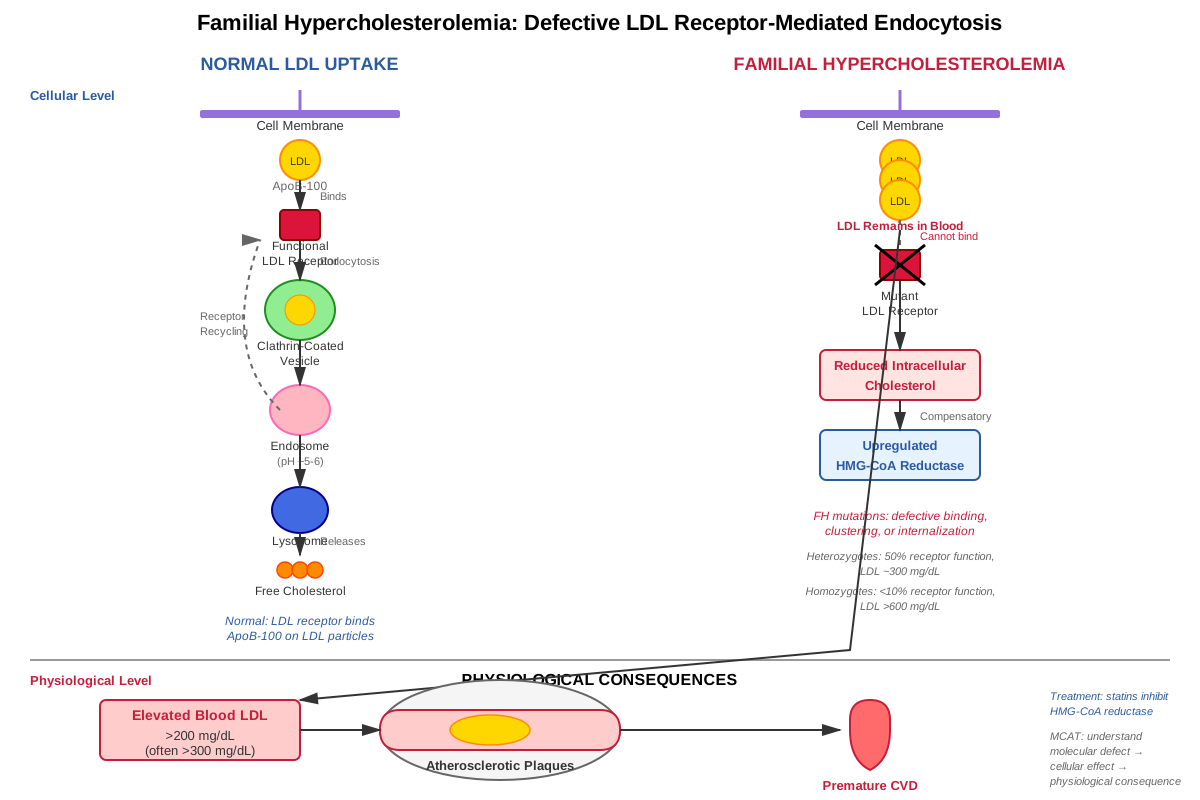
Receptor-mediated endocytosis plays vital roles in human health and disease. Familial hypercholesterolemia, a genetic disorder affecting approximately 1 in 500 people, results from mutations in LDL receptors that prevent normal cholesterol uptake, leading to dangerously elevated blood cholesterol levels and premature cardiovascular disease. This mechanism also explains how cells acquire iron through transferrin receptors, making it essential for understanding iron metabolism disorders. Additionally, many viruses—including influenza, HIV, and SARS-CoV-2—hijack receptor-mediated endocytosis to gain entry into host cells, making this process central to understanding viral pathogenesis and developing antiviral therapies.
MCAT Exam Statistics and Question Types
Receptor-mediated endocytosis appears in approximately 3-5% of MCAT Biology passages, typically integrated into broader topics like cell signaling, membrane transport, or metabolism. Questions most commonly test:
- Identification of the process from experimental descriptions
- Prediction of outcomes when receptors are mutated or blocked
- Comparison with other transport mechanisms
- Analysis of data showing ligand uptake kinetics
- Application to disease mechanisms or drug delivery systems
Common Exam Passage Contexts
This topic frequently appears in passages describing:
- Cholesterol metabolism and cardiovascular disease research
- Viral entry mechanisms and antiviral drug development
- Targeted drug delivery using nanoparticles or antibody conjugates
- Genetic disorders affecting membrane receptors
- Experimental studies using fluorescently labeled ligands to track cellular uptake
- Iron homeostasis and transferrin receptor regulation
Core Concepts
Definition and Fundamental Mechanism
Receptor-mediated endocytosis is a form of endocytosis in which cells internalize specific molecules (ligands) by the inward budding of plasma membrane vesicles containing receptors bound to the attached molecules. This process represents the most selective form of endocytosis, allowing cells to concentrate specific substances from the extracellular fluid even when those substances are present at very low concentrations. The selectivity arises from the high affinity and specificity of membrane receptors for their cognate ligands, enabling cells to discriminate between different extracellular molecules with remarkable precision.
The fundamental principle underlying this mechanism is molecular recognition: transmembrane receptor proteins possess extracellular domains that specifically bind target ligands, while their cytoplasmic domains interact with intracellular machinery that drives vesicle formation. This dual functionality allows receptors to serve as both recognition molecules and sorting signals, coupling ligand binding at the cell surface to internalization into the cytoplasm.
Step-by-Step Molecular Process
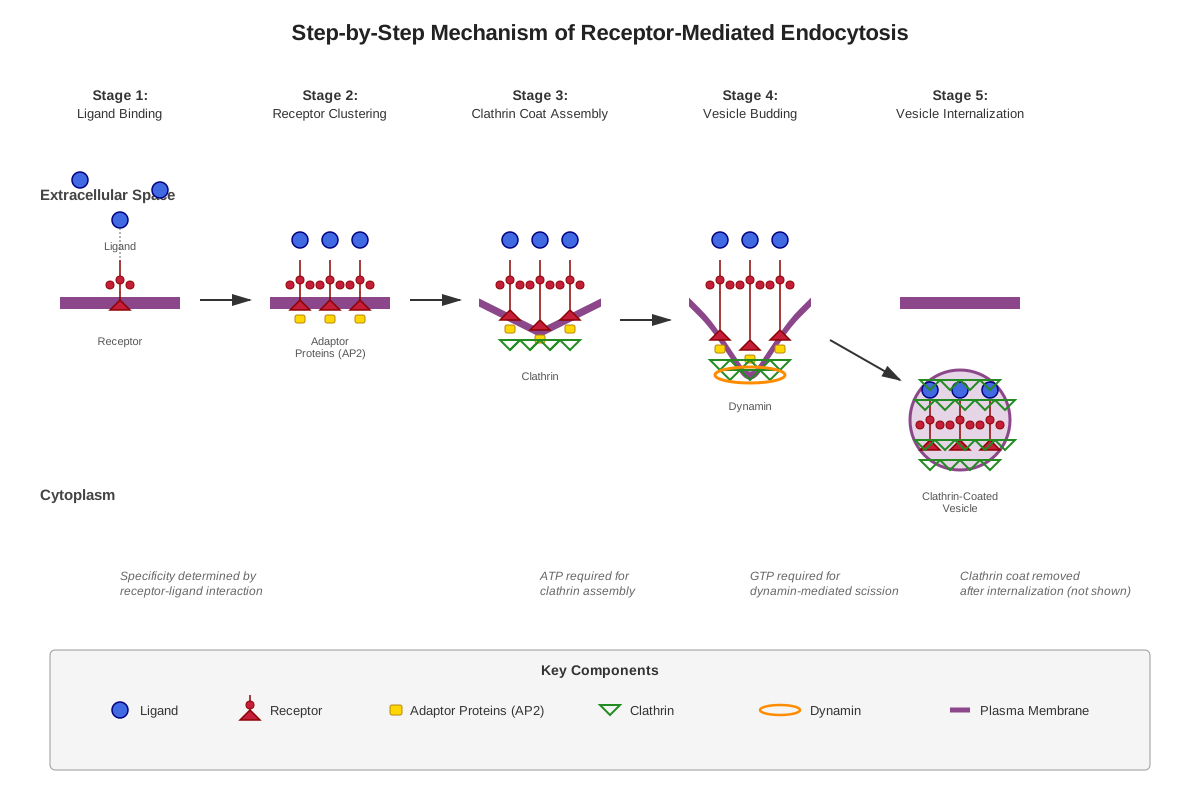
The complete receptor-mediated endocytosis cycle proceeds through several distinct stages:
- Ligand Binding: Specific ligands in the extracellular fluid bind to their corresponding receptors on the plasma membrane. This binding typically occurs with high affinity (Kd in the nanomolar range) and follows saturation kinetics—as ligand concentration increases, binding sites become occupied until all receptors are saturated.
- Receptor Clustering: Upon ligand binding, receptors migrate laterally within the fluid plasma membrane and concentrate in specialized regions called coated pits. These regions are characterized by a cytoplasmic coat composed primarily of the protein clathrin. The clustering process is facilitated by adaptor proteins (particularly AP-2 complexes) that recognize specific amino acid sequences in the cytoplasmic tails of receptors.
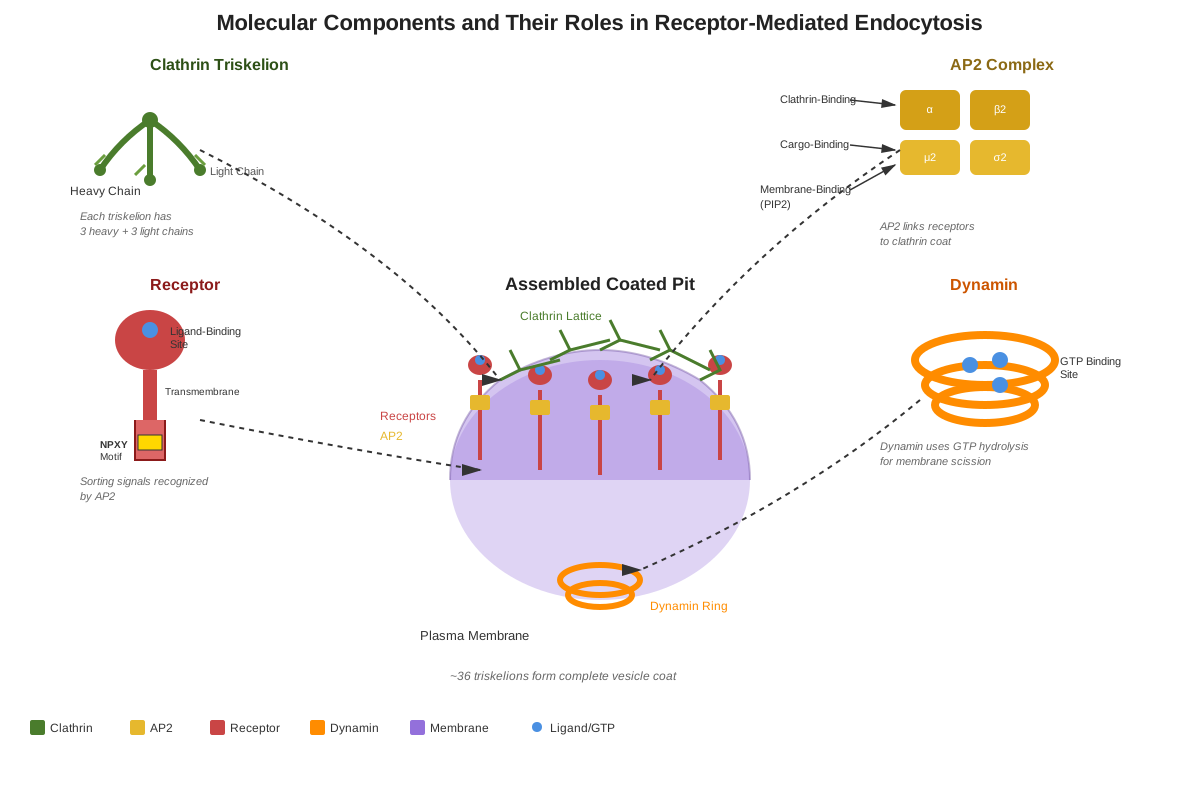
- Clathrin Coat Assembly: Clathrin molecules, each consisting of three heavy chains and three light chains forming a three-legged structure called a triskelion, assemble into a polyhedral lattice on the cytoplasmic face of the membrane. This assembly is not spontaneous but requires adaptor proteins that link clathrin to both the membrane lipids and the cytoplasmic domains of receptors. The clathrin coat provides mechanical force to deform the membrane.
- Membrane Invagination: As more clathrin triskelions join the lattice, the coated pit deepens, forming an invagination that extends into the cytoplasm. The growing clathrin cage progressively curves the membrane, concentrating receptor-ligand complexes within the forming vesicle.
- Vesicle Scission: The deeply invaginated coated pit eventually pinches off from the plasma membrane through the action of the GTPase dynamin. Dynamin assembles into a helical collar around the neck of the budding vesicle and, upon GTP hydrolysis, undergoes a conformational change that constricts and severs the membrane connection, releasing a free clathrin-coated vesicle into the cytoplasm.
- Uncoating: Shortly after formation, the clathrin coat disassembles through the action of uncoating ATPases (such as Hsc70), releasing clathrin triskelions back into the cytoplasm for reuse. This uncoating is essential for the subsequent fusion of the vesicle with target organelles.
- Vesicle Fusion and Cargo Sorting: The uncoated vesicle fuses with an early endosome, a sorting compartment with a mildly acidic interior (pH ~6.0-6.5). The lower pH causes many ligands to dissociate from their receptors. Receptors are then sorted: some return to the plasma membrane for reuse (receptor recycling), while others proceed to lysosomes for degradation. Ligands typically continue to late endosomes and ultimately to lysosomes, where they are degraded by hydrolytic enzymes.
Key Molecular Players
| Component | Function | Significance |
|---|---|---|
| Transmembrane receptors | Recognize and bind specific ligands; contain cytoplasmic sorting signals | Provide selectivity; mutations cause disease |
| Clathrin | Forms polyhedral coat that deforms membrane | Provides mechanical force for vesicle formation |
| Adaptor proteins (AP-2) | Link clathrin to membrane and receptors | Couple cargo selection to coat assembly |
| Dynamin | GTPase that mediates vesicle scission | Essential for vesicle release; requires GTP hydrolysis |
| Hsc70 | ATPase that removes clathrin coat | Enables vesicle fusion with endosomes |
| Early endosomes | Sorting compartment with acidic pH | Separates receptors from ligands for recycling or degradation |
Classic Examples of Receptor-Mediated Endocytosis
LDL Receptor and Cholesterol Uptake: The most extensively studied example involves the low-density lipoprotein (LDL) receptor, which binds cholesterol-carrying LDL particles. Each LDL particle contains approximately 1,500 cholesterol ester molecules surrounded by a phospholipid shell with embedded apolipoprotein B-100, which the LDL receptor recognizes. After endocytosis and delivery to lysosomes, cholesterol esters are hydrolyzed to free cholesterol, which the cell uses for membrane synthesis or hormone production. The LDL receptor is then recycled to the cell surface. This system allows cells to obtain cholesterol efficiently even when blood LDL concentrations are low. Mutations in the LDL receptor cause familial hypercholesterolemia, demonstrating the clinical importance of this pathway.
Transferrin Receptor and Iron Uptake: Cells acquire iron through the transferrin receptor, which binds iron-loaded transferrin (diferric transferrin) at neutral pH. After endocytosis, the acidic environment of the early endosome causes iron release from transferrin, but the transferrin protein remains bound to its receptor. Both receptor and iron-free transferrin (apotransferrin) recycle to the cell surface, where neutral pH causes apotransferrin to dissociate. This elegant system allows continuous iron uptake while recycling both the receptor and the carrier protein.
Insulin Receptor: Though primarily known for its signaling function, the insulin receptor also undergoes receptor-mediated endocytosis after insulin binding. This internalization serves multiple purposes: it terminates insulin signaling, allows receptor degradation to downregulate cellular insulin sensitivity, and may facilitate some intracellular signaling events.
Energy Requirements and Regulation
Receptor-mediated endocytosis is an active process requiring ATP at multiple steps. GTP hydrolysis by dynamin powers vesicle scission, while ATP hydrolysis by Hsc70 drives clathrin uncoating. Additional energy is required for maintaining the proton gradient in endosomes and for vesicle trafficking along cytoskeletal elements. Cells can regulate this process by controlling receptor expression levels, modulating receptor affinity through post-translational modifications, or altering the rate of receptor recycling versus degradation.
Comparison with Other Forms of Endocytosis
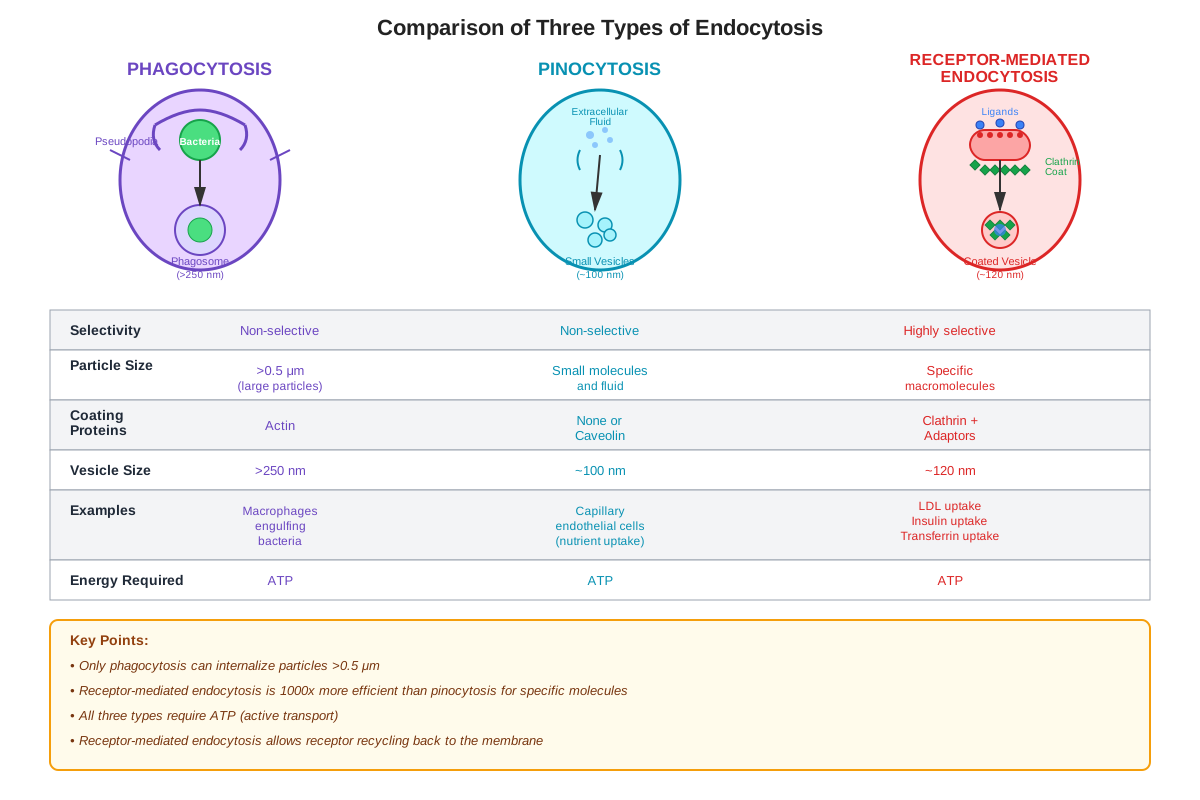
| Feature | Receptor-Mediated Endocytosis | Phagocytosis | Pinocytosis |
|---|---|---|---|
| Selectivity | Highly selective (specific ligands) | Selective (large particles) | Non-selective (bulk fluid) |
| Vesicle size | Small (~100-150 nm) | Large (>250 nm) | Small (~100 nm) |
| Coating protein | Clathrin | Actin | Variable or none |
| Primary function | Nutrient uptake, signaling regulation | Pathogen clearance, debris removal | Fluid sampling, nutrient uptake |
| Cell types | All nucleated cells | Specialized cells (macrophages, neutrophils) | All cells |
| Trigger | Ligand-receptor binding | Particle binding to surface receptors | Constitutive or stimulated |
This comparison highlights that receptor-mediated endocytosis occupies a unique niche: it combines the selectivity of receptor-based recognition with the efficiency of vesicular transport, allowing cells to concentrate specific molecules from dilute extracellular solutions.
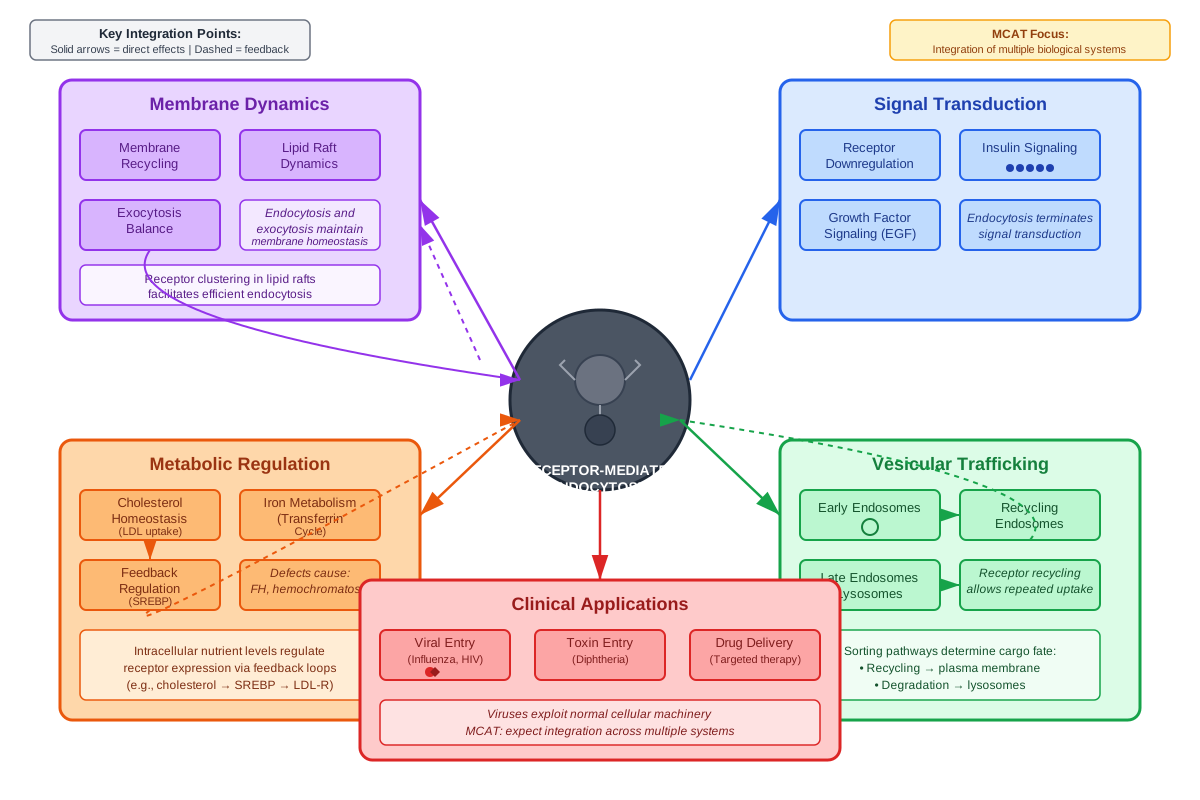
Concept Relationships
Receptor-mediated endocytosis integrates multiple fundamental biological concepts into a coherent functional system. The process begins with ligand-receptor interactions, which depend on principles of protein structure and molecular recognition. The specificity of binding reflects complementary shapes and chemical properties between ligand and receptor binding sites, illustrating how protein structure determines function.
The clustering of receptors in coated pits demonstrates membrane fluidity and lateral diffusion of membrane proteins, core concepts from the fluid mosaic model. This lateral movement is possible because membrane proteins float within the lipid bilayer, allowing them to concentrate in specific regions when recruited by cytoplasmic adaptor proteins.
The formation of clathrin-coated vesicles exemplifies protein self-assembly and membrane dynamics. Clathrin triskelions spontaneously assemble into geometric lattices when properly oriented by adaptor proteins, demonstrating how complex cellular structures can arise from the intrinsic properties of their molecular components. The membrane deformation required for vesicle formation illustrates membrane flexibility and the energy costs of creating high-curvature structures.
Energy metabolism connects directly to receptor-mediated endocytosis through the requirement for ATP and GTP hydrolysis. This energy dependence links the process to cellular respiration and explains why endocytosis rates decline when cells are metabolically compromised.
The endosomal sorting system demonstrates intracellular trafficking and pH regulation. The acidification of endosomes by proton pumps creates an environment that facilitates ligand-receptor dissociation, while specific sorting signals on receptor cytoplasmic tails direct them to different destinations (recycling versus degradation). This sorting process connects to concepts of protein targeting and organelle identity.
Relationship map: Ligand-receptor binding → Receptor clustering in coated pits → Clathrin coat assembly (requires ATP) → Membrane invagination → Dynamin-mediated scission (requires GTP) → Clathrin uncoating (requires ATP) → Fusion with early endosomes → pH-dependent ligand dissociation → Receptor recycling OR degradation → Ligand degradation in lysosomes
This pathway also connects to broader physiological systems: cholesterol homeostasis (through LDL receptors), iron metabolism (through transferrin receptors), hormone signaling (through insulin and other hormone receptors), and immune function (through antibody-mediated uptake of antigens).
Quick check — test yourself on Receptor mediated endocytosis so far.
Try Flashcards →High-Yield Facts
⭐ Receptor-mediated endocytosis is the most selective form of endocytosis, using specific receptor-ligand interactions to concentrate particular molecules from the extracellular environment even at very low concentrations.
⭐ Clathrin-coated pits are the characteristic structural feature of receptor-mediated endocytosis, with clathrin forming a polyhedral lattice that mechanically deforms the membrane to create vesicles.
⭐ Dynamin is the GTPase responsible for vesicle scission, forming a collar around the neck of budding vesicles and using GTP hydrolysis to pinch off the vesicle from the plasma membrane.
⭐ Familial hypercholesterolemia results from mutations in LDL receptors, preventing normal cholesterol uptake and causing dangerously elevated blood cholesterol levels—a classic example of receptor-mediated endocytosis dysfunction.
⭐ The acidic pH of early endosomes (pH 6.0-6.5) causes ligand dissociation from receptors, enabling receptor recycling while ligands proceed to lysosomes for degradation.
- Adaptor proteins (AP-2 complexes) link clathrin to both membrane lipids and receptor cytoplasmic tails, coupling cargo selection to coat assembly.
- Receptor-mediated endocytosis requires ATP at multiple steps, including clathrin uncoating and maintaining endosomal pH gradients, making it an active transport process.
- Many viruses exploit receptor-mediated endocytosis to enter host cells, including influenza virus (via sialic acid receptors) and HIV (via CD4 and co-receptors).
- Transferrin receptors recycle to the cell surface after delivering iron, demonstrating that not all receptors are degraded after endocytosis.
- Coated pits occupy approximately 2% of the plasma membrane surface but account for the majority of receptor-mediated endocytosis events.
- The entire receptor-mediated endocytosis cycle (from ligand binding to receptor return) typically takes 10-20 minutes in mammalian cells.
- Receptor downregulation can occur when receptors are sorted to lysosomes for degradation rather than being recycled, providing a mechanism for cells to adjust their sensitivity to extracellular signals.
Common Misconceptions
Misconception: Receptor-mediated endocytosis is the same as active transport across membranes.
Correction: While both require energy, they are fundamentally different processes. Active transport moves individual molecules across the membrane through transmembrane proteins (like pumps or carriers), whereas receptor-mediated endocytosis internalizes molecules by engulfing them in membrane vesicles. Active transport changes the location of molecules relative to the membrane; endocytosis brings molecules inside membrane-bound compartments.
Misconception: All endocytosed receptors are degraded in lysosomes.
Correction: Many receptors are recycled back to the plasma membrane after delivering their cargo to endosomes. The LDL receptor, for example, can complete hundreds of cycles of endocytosis and recycling during its lifetime. Only when receptors are specifically sorted to late endosomes and lysosomes (often as a regulatory mechanism) are they degraded. The fate of each receptor depends on sorting signals in its cytoplasmic tail.
Misconception: Clathrin directly binds to receptors in the plasma membrane.
Correction: Clathrin does not directly recognize or bind to receptors. Instead, adaptor proteins (particularly AP-2 complexes) serve as intermediaries, binding both to specific sequences in receptor cytoplasmic tails and to clathrin. This indirect interaction allows the cell to regulate which receptors are included in coated pits and provides flexibility in cargo selection.
Misconception: Receptor-mediated endocytosis only occurs when ligands are present.
Correction: While ligand binding often increases the rate of receptor endocytosis, many receptors undergo constitutive (continuous) endocytosis even in the absence of ligands. The presence of ligands may accelerate clustering in coated pits or prevent receptor recycling, but the basic machinery operates continuously. Some receptors cycle between the plasma membrane and endosomes regardless of ligand occupancy.
Misconception: The acidic pH in endosomes degrades the internalized ligands.
Correction: The mildly acidic pH of early endosomes (pH 6.0-6.5) is sufficient to disrupt many ligand-receptor interactions but is not acidic enough to degrade proteins or other macromolecules. Actual degradation occurs in lysosomes, which have a much lower pH (4.5-5.0) and contain hydrolytic enzymes. The endosomal pH serves primarily as a sorting mechanism, not a degradative environment.
Misconception: Receptor-mediated endocytosis can transport molecules against their concentration gradient across the membrane.
Correction: This process does not transport molecules across the membrane in the traditional sense—it internalizes them within membrane-bound vesicles. The molecules remain topologically outside the cytoplasm (inside vesicles) until the vesicle membrane is disrupted or its contents are transported across the vesicle membrane by other mechanisms. The process does concentrate specific molecules from dilute extracellular solutions, but this is different from active transport across a membrane.
Worked Examples
Example 1: LDL Receptor Mutation Analysis
Question: A patient presents with blood cholesterol levels of 600 mg/dL (normal: <200 mg/dL). Genetic analysis reveals a mutation in the LDL receptor gene that produces a receptor with a normal extracellular domain but a truncated cytoplasmic tail lacking the last 50 amino acids. Explain why this mutation causes elevated cholesterol levels.
Solution:
Step 1 - Identify the normal function: The LDL receptor normally binds LDL particles (containing cholesterol) at the cell surface and undergoes receptor-mediated endocytosis to deliver cholesterol to cells.
Step 2 - Analyze the mutation's location: The mutation affects the cytoplasmic tail, not the extracellular ligand-binding domain. This means the receptor can still bind LDL normally at the cell surface.
Step 3 - Determine the functional consequence: The cytoplasmic tail contains specific amino acid sequences (internalization signals) that adaptor proteins (AP-2) recognize to recruit receptors into clathrin-coated pits. Without these signals, the mutant receptor cannot cluster in coated pits.
Step 4 - Predict the cellular outcome: Even though mutant receptors bind LDL at the cell surface, they cannot be internalized through receptor-mediated endocytosis. LDL particles remain in the bloodstream rather than being taken up by cells.
Step 5 - Connect to the clinical presentation: Because cells cannot acquire cholesterol efficiently through the LDL receptor pathway, blood cholesterol levels remain dangerously elevated. This is a form of familial hypercholesterolemia caused by defective receptor internalization rather than defective ligand binding.
Key concept tested: Understanding that receptor-mediated endocytosis requires both ligand binding (extracellular domain function) AND proper cytoplasmic signals for internalization. This question tests the ability to predict phenotypes from molecular defects.
Example 2: Experimental Analysis of Endocytosis Kinetics
Question: Researchers incubate cells with fluorescently labeled transferrin at 37°C and measure intracellular fluorescence over time. They observe that fluorescence increases rapidly for the first 10 minutes, then plateaus. When they remove extracellular transferrin at 20 minutes, intracellular fluorescence decreases gradually. At 4°C, no fluorescence accumulates inside cells even after 60 minutes. Explain these observations.
Solution:
Observation 1 - Rapid initial increase: At 37°C, transferrin binds to transferrin receptors and undergoes receptor-mediated endocytosis. The rapid increase reflects active internalization of receptor-ligand complexes into endocytic vesicles and endosomes.
Observation 2 - Plateau phase: The plateau occurs because the system reaches steady state. Receptors are being internalized and recycled at equal rates. All available receptors are cycling between the plasma membrane and endosomes, so the total amount of intracellular transferrin remains constant. This demonstrates receptor recycling—transferrin receptors return to the surface after delivering their cargo.
Observation 3 - Fluorescence decrease after removal: When extracellular transferrin is removed, receptors continue to recycle to the cell surface but no longer bind new fluorescent transferrin. The decrease in intracellular fluorescence indicates that internalized transferrin is being released (in endosomes, the acidic pH causes iron release and transferrin dissociation) and the apotransferrin is exiting the cell when receptors recycle. This confirms that transferrin itself is recycled along with its receptor.
Observation 4 - No uptake at 4°C: At 4°C, membrane fluidity is greatly reduced and ATP-dependent processes are inhibited. Receptor-mediated endocytosis requires membrane deformation, dynamin-mediated scission (requiring GTP hydrolysis), and clathrin uncoating (requiring ATP hydrolysis). The temperature dependence confirms that this is an active, energy-requiring process, not passive diffusion.
Key concepts tested: This question integrates kinetics, energy requirements, receptor recycling, and experimental interpretation—all high-yield for MCAT passages involving receptor-mediated endocytosis.
Exam Strategy
Approaching MCAT Questions on Receptor-Mediated Endocytosis
When encountering questions on this topic, first identify whether the question asks about:
- Mechanism (steps in the process, molecular players)
- Selectivity (why certain molecules are internalized)
- Energy requirements (active vs. passive, ATP/GTP dependence)
- Regulation (receptor recycling vs. degradation, upregulation/downregulation)
- Pathology (disease states resulting from defective endocytosis)
Trigger Words and Phrases
Watch for these terms that signal receptor-mediated endocytosis:
- "Specific uptake" or "selective internalization"
- "Coated pits" or "clathrin"
- "LDL receptor," "transferrin receptor," or other named receptors
- "Receptor recycling"
- "Familial hypercholesterolemia"
- "Ligand-receptor complex"
- "Endosomal sorting"
- "Dynamin" or "GTPase activity"
Process-of-Elimination Tips
Eliminate answers that suggest:
- Receptor-mediated endocytosis is passive or doesn't require energy
- All receptors are degraded after one round of endocytosis
- The process is non-selective or takes up bulk fluid
- Clathrin directly binds receptors (it requires adaptor proteins)
- The process transports molecules directly across the membrane into the cytoplasm
Favor answers that emphasize:
- Specificity based on receptor-ligand interactions
- Energy requirements (ATP, GTP)
- Receptor recycling as a common outcome
- The role of pH changes in endosomes for ligand-receptor dissociation
- Clathrin-coated vesicles as the characteristic structure
Time Allocation Advice
For discrete questions on receptor-mediated endocytosis, allocate 60-90 seconds. These questions typically test straightforward recall of mechanism or comparison with other transport processes.
For passage-based questions, spend 2-3 minutes analyzing experimental data or clinical scenarios. Focus on:
- Identifying which step in the process is being studied or disrupted
- Connecting molecular defects to cellular or physiological outcomes
- Interpreting kinetic data (saturation, temperature dependence, competitive inhibition)
If a question seems complex, break it down: What is the normal function? What is disrupted? What would be the logical consequence? This systematic approach prevents errors from incomplete analysis.
Memory Techniques
Mnemonic for the Endocytosis Sequence
"Lovely Cells Can Invite Very Unusual Visitors"
- Ligand binding
- Clustering in coated pits
- Clathrin coat assembly
- Invagination
- Vesicle scission (dynamin)
- Uncoating
- Vesicle fusion with endosomes
Visualization Strategy
Picture a cellular "fishing net" (clathrin coat) that only catches specific "fish" (ligands bound to receptors). The net forms a basket that pinches off, bringing the catch inside. Once inside, the net is removed and reused, while the fish are sorted—some parts are kept (receptors recycled), others are sent to the "processing plant" (lysosomes) for breakdown.
Acronym for Key Molecular Players
"CAD Helps Endocytosis"
- Clathrin (forms the coat)
- Adaptor proteins (link clathrin to receptors)
- Dynamin (pinches off vesicles)
- Hsc70 (removes clathrin coat)
- Endosomes (sorting compartments)
Remembering LDL Receptor Recycling
Think "LDL receptors are LOYAL"—they return to the surface to work again, unlike their cargo which is degraded. This helps remember that receptors typically recycle while ligands are degraded.
pH Values Memory Aid
"Early is SIX, Late is FIVE, Lysosome FOUR-point-FIVE"
- Early endosomes: pH ~6.0
- Late endosomes: pH ~5.0
- Lysosomes: pH ~4.5
This descending pH gradient helps remember the progressive acidification along the endocytic pathway.
Summary
Receptor-mediated endocytosis is a selective, energy-dependent process that allows cells to internalize specific macromolecules by recognizing them through membrane-bound receptors. The process proceeds through distinct stages: ligand binding to receptors, clustering in clathrin-coated pits, membrane invagination driven by clathrin coat assembly, vesicle scission mediated by dynamin, clathrin uncoating, and fusion with early endosomes where acidic pH facilitates ligand-receptor dissociation. This mechanism enables efficient uptake of essential nutrients like cholesterol (via LDL receptors) and iron (via transferrin receptors) while maintaining cellular control over what enters the cell. The process requires ATP and GTP at multiple steps, distinguishing it from passive transport. Receptors typically recycle to the plasma membrane for reuse, though they can be directed to lysosomes for degradation as a regulatory mechanism. Defects in receptor-mediated endocytosis cause diseases like familial hypercholesterolemia and provide entry routes for certain viruses. For the MCAT, understanding this process requires integrating concepts of membrane dynamics, protein-ligand interactions, energy metabolism, and intracellular trafficking.
Key Takeaways
- Receptor-mediated endocytosis is highly selective, using specific receptor-ligand interactions to concentrate particular molecules from dilute extracellular solutions, distinguishing it from non-selective pinocytosis
- Clathrin-coated pits and dynamin-mediated scission are the structural and mechanistic hallmarks of this process, with clathrin providing mechanical force for membrane deformation and dynamin executing vesicle release
- The process is energy-dependent, requiring ATP for clathrin uncoating and maintaining pH gradients, and GTP for dynamin-mediated scission, making it an active transport mechanism
- Receptor recycling is the norm, with most receptors returning to the plasma membrane after delivering cargo to endosomes, allowing cells to maintain receptor populations without constant synthesis
- Acidic pH in endosomes facilitates ligand-receptor dissociation, enabling receptors to recycle while ligands proceed to lysosomes for degradation
- Familial hypercholesterolemia exemplifies receptor-mediated endocytosis dysfunction, resulting from LDL receptor mutations that prevent normal cholesterol uptake
- Many viruses exploit this pathway for cell entry, making receptor-mediated endocytosis relevant to understanding infectious disease mechanisms and developing therapeutic interventions
Related Topics
Exocytosis and Vesicular Trafficking: Understanding how vesicles fuse with target membranes and release contents complements knowledge of endocytosis, completing the picture of vesicular transport. Mastering receptor-mediated endocytosis provides the foundation for understanding the reverse process.
Lysosomal Storage Diseases: These genetic disorders result from defective lysosomal enzymes, causing accumulation of undegraded materials in lysosomes. Since receptor-mediated endocytosis delivers cargo to lysosomes, understanding this pathway is essential for comprehending these diseases.
Cell Signaling and Receptor Downregulation: Many signaling receptors undergo endocytosis after ligand binding, terminating signals and regulating cellular sensitivity. This topic extends receptor-mediated endocytosis concepts to signal transduction.
Cholesterol Metabolism and Lipoproteins: The LDL receptor pathway is central to cholesterol homeostasis. Deeper study of lipid metabolism builds on the receptor-mediated endocytosis foundation established here.
Viral Entry Mechanisms: Many viruses use receptor-mediated endocytosis to enter cells. Understanding this pathway enables comprehension of viral pathogenesis and antiviral strategies.
Membrane Trafficking and Protein Sorting: The broader topic of how proteins and lipids are sorted and transported between organelles includes receptor-mediated endocytosis as one component of the cellular trafficking network.
Practice CTA
Now that you've mastered the core concepts of receptor-mediated endocytosis, it's time to reinforce your understanding through active practice. Attempt the practice questions and flashcards associated with this topic to test your ability to apply these concepts in exam-style scenarios. Focus particularly on questions involving experimental interpretation, disease mechanisms, and comparisons with other transport processes—these represent the most common MCAT question types for this material. Remember, understanding the mechanism is just the first step; being able to apply that knowledge under timed conditions is what leads to MCAT success. You've built a strong foundation—now strengthen it through deliberate practice!
Sign up free to keep reading
Create a free AnvayaPrep account to finish this MCAT guide on Receptor mediated endocytosis — plus flashcards and practice questions.