Overview
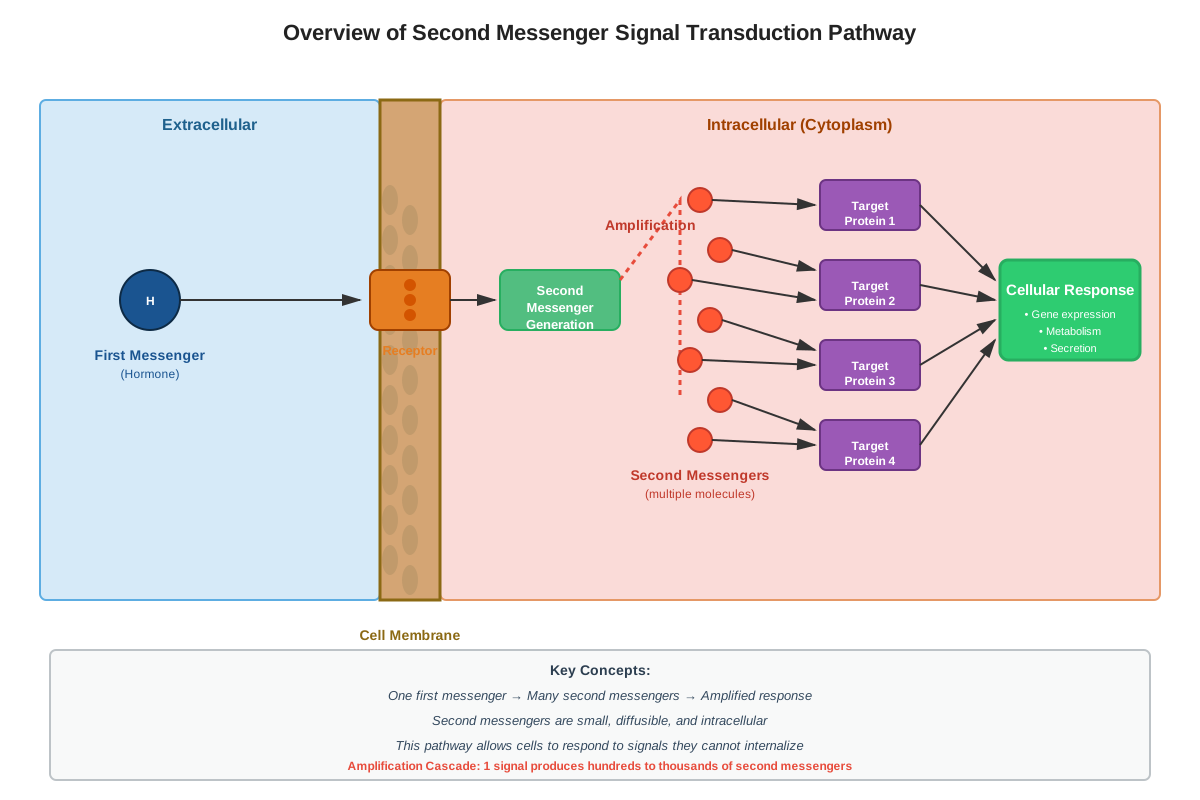
Second messengers are small, intracellular signaling molecules that relay signals received at receptors on the cell surface to target molecules inside the cell, typically in the cytoplasm or nucleus. These molecules serve as critical intermediaries in cell signaling pathways, amplifying the initial signal and enabling a single extracellular stimulus to produce widespread intracellular effects. When a first messenger (such as a hormone, neurotransmitter, or growth factor) binds to a cell surface receptor, it triggers the production or release of second messengers, which then propagate the signal through various biochemical cascades.
Understanding second messengers is essential for the MCAT because they represent a fundamental mechanism by which cells respond to their environment and coordinate complex physiological processes. Questions involving second messenger systems frequently appear in both the Biological and Biochemical Foundations of Living Systems section and passages that integrate endocrinology, neuroscience, and cellular physiology. The MCAT tests not only the identification of specific second messengers but also the ability to trace signal transduction pathways from receptor activation through downstream cellular responses.
Second messengers bridge multiple high-yield MCAT topics including G-protein coupled receptors (GPCRs), enzyme-linked receptors, hormone action, neuronal signaling, and metabolic regulation. Mastery of this topic enables students to understand how cells translate external signals into coordinated responses such as muscle contraction, neurotransmitter release, gene transcription, and metabolic shifts. The concept also connects directly to pharmacology passages, as many drugs target components of second messenger pathways to achieve therapeutic effects.
Learning Objectives
- [ ] Define second messengers using accurate Biology terminology
- [ ] Explain why second messengers matter for the MCAT
- [ ] Apply second messengers to exam-style questions
- [ ] Identify common mistakes related to second messengers
- [ ] Connect second messengers to related Biology concepts
- [ ] Compare and contrast the mechanisms of action of major second messenger systems (cAMP, cGMP, Ca²⁺, IP₃, DAG)
- [ ] Trace complete signal transduction pathways from receptor activation through cellular response
- [ ] Predict the physiological consequences of disruptions in second messenger signaling
Prerequisites
- Cell membrane structure and function: Understanding lipid bilayers is essential because second messengers must navigate or be generated within membrane environments
- Protein structure and enzyme function: Second messenger systems rely heavily on conformational changes in proteins and enzymatic cascades
- Basic biochemistry of phosphorylation: Many second messenger effects involve kinase activation and protein phosphorylation
- Receptor types (GPCRs, receptor tyrosine kinases): Second messengers are generated downstream of receptor activation
- Basic endocrinology: Hormones frequently act as first messengers that trigger second messenger cascades
Why This Topic Matters
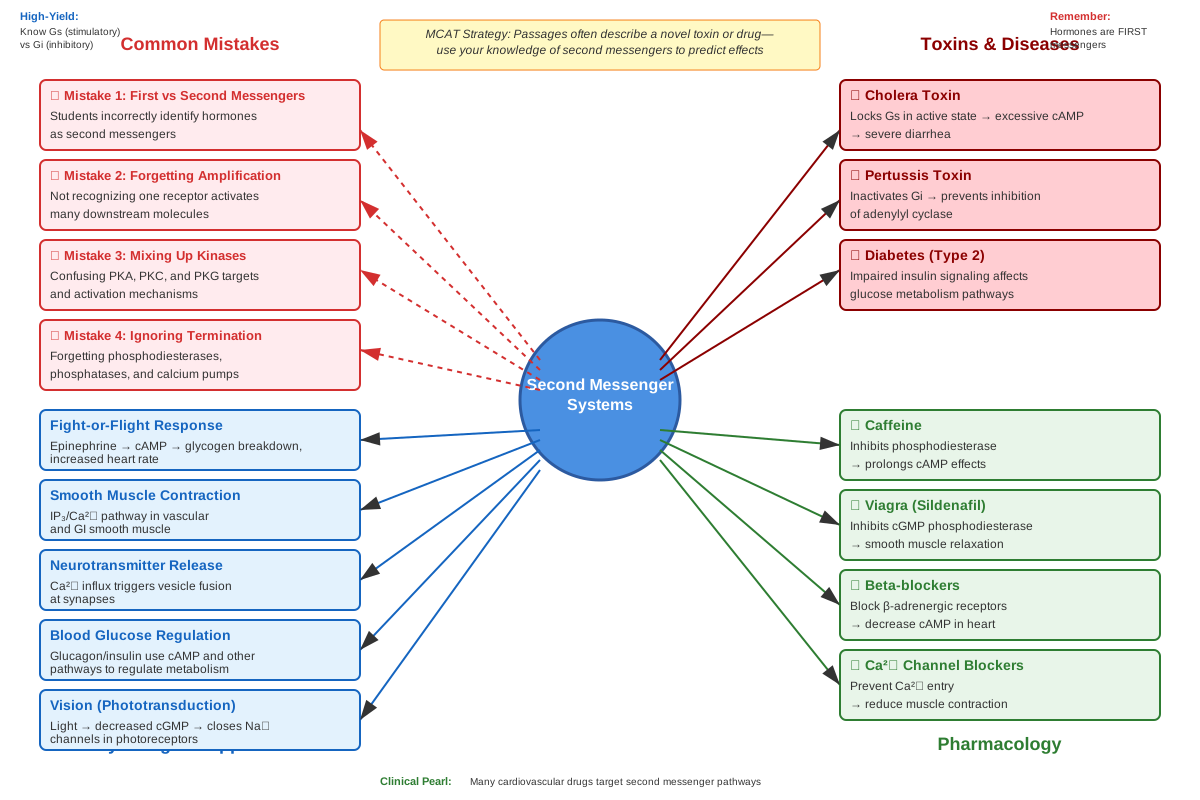
Second messenger systems are clinically significant because dysregulation of these pathways underlies numerous disease states. For example, cholera toxin locks G-proteins in their active state, causing excessive cAMP production and resulting in severe diarrhea. Viagra (sildenafil) works by inhibiting the enzyme that degrades cGMP, prolonging smooth muscle relaxation. Many cancer therapies target receptor tyrosine kinases and their downstream signaling cascades. Understanding these mechanisms is crucial for interpreting pharmacological interventions and pathophysiology.
On the MCAT, second messenger questions appear with moderate frequency (approximately 2-4 questions per exam) and typically manifest in several formats: discrete questions testing knowledge of specific pathways, passage-based questions requiring students to trace signal transduction cascades, and experimental passages where students must interpret data about pathway manipulation. The topic frequently appears integrated with endocrinology (hormone action), neuroscience (neurotransmitter signaling), and metabolism (regulation of glycogen breakdown and synthesis).
Common MCAT passage scenarios include: experimental manipulations of signaling pathways using inhibitors or activators, clinical vignettes describing hormone disorders, research passages investigating novel receptors or signaling molecules, and comparative physiology passages examining how different cell types respond to the same signal. Students must be prepared to identify which second messenger system is involved, predict downstream effects, and understand how pathway components interact.
Core Concepts
Definition and Function of Second Messengers
Second messengers are small, diffusible molecules produced or released in response to extracellular signal binding to cell surface receptors. Unlike first messengers (the original extracellular signals like hormones or neurotransmitters that cannot cross the plasma membrane), second messengers operate within the cell to relay and amplify signals. The key characteristics of second messengers include: rapid production or release following receptor activation, ability to diffuse through the cytoplasm, capacity for signal amplification (one receptor can generate many second messenger molecules), and reversibility through degradation or sequestration mechanisms.
The fundamental purpose of second messenger systems is signal transduction—converting an extracellular signal into an intracellular response. This system allows cells to respond to signals that cannot directly enter the cell due to the hydrophobic barrier of the plasma membrane. Second messengers also provide amplification: a single hormone molecule binding to one receptor can generate hundreds or thousands of second messenger molecules, creating a cascade effect that magnifies the original signal.
Cyclic AMP (cAMP)
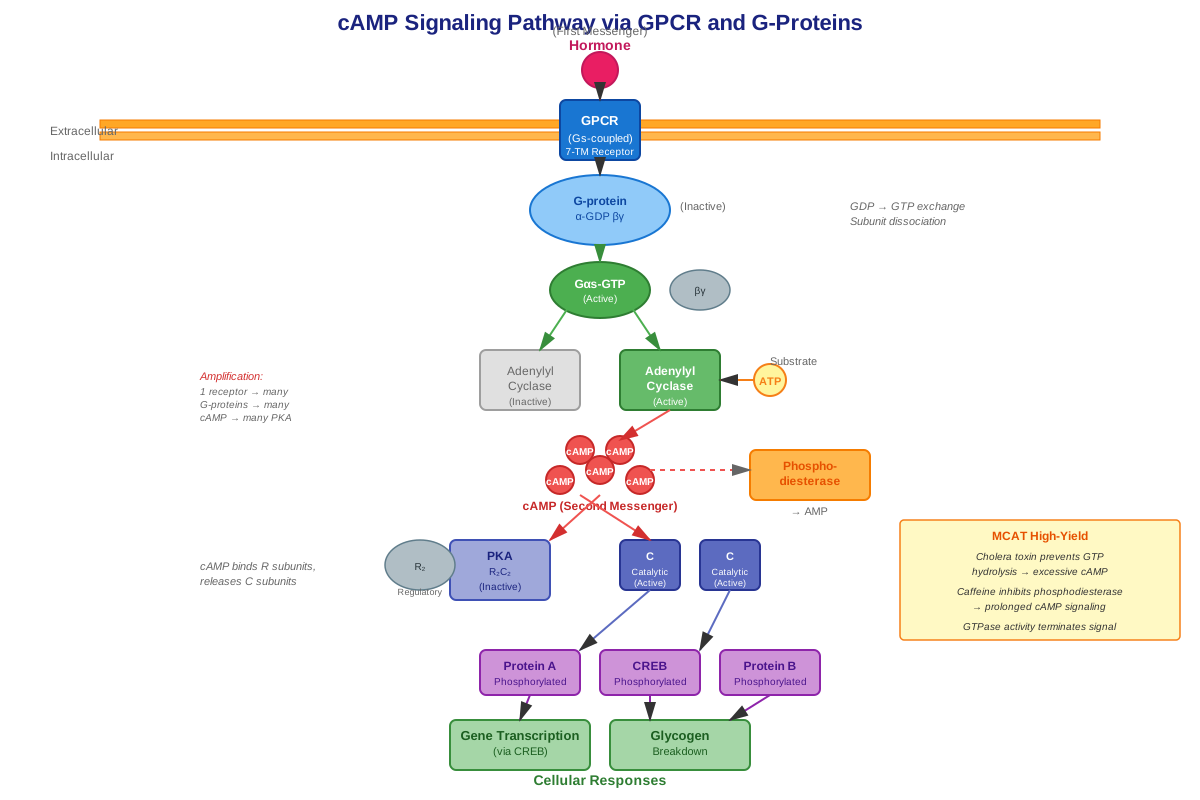
Cyclic adenosine monophosphate (cAMP) is one of the most important and well-studied second messengers in Cell Biology. It is synthesized from ATP by the enzyme adenylyl cyclase (also called adenylate cyclase), which is activated by G-proteins, specifically the Gs (stimulatory) subtype. When a hormone or neurotransmitter binds to a GPCR coupled to Gs, the activated G-protein stimulates adenylyl cyclase to convert ATP to cAMP.
The cAMP pathway follows this sequence:
- First messenger binds to GPCR
- Receptor undergoes conformational change and activates Gs protein
- Gs protein (specifically the α subunit bound to GTP) activates adenylyl cyclase
- Adenylyl cyclase converts ATP → cAMP + PPi
- cAMP activates protein kinase A (PKA)
- PKA phosphorylates target proteins, altering their activity
- Phosphodiesterase degrades cAMP to 5'-AMP, terminating the signal
PKA is a tetrameric enzyme consisting of two regulatory subunits and two catalytic subunits. When cAMP binds to the regulatory subunits, the catalytic subunits are released and become active, phosphorylating serine and threonine residues on target proteins. Classic examples of cAMP signaling include epinephrine-induced glycogen breakdown in muscle and liver, and glucagon-induced gluconeogenesis in liver.
Cyclic GMP (cGMP)
Cyclic guanosine monophosphate (cGMP) functions similarly to cAMP but is produced by guanylyl cyclase from GTP. There are two forms of guanylyl cyclase: membrane-bound (activated by peptide hormones like atrial natriuretic peptide) and soluble (activated by nitric oxide). The cGMP pathway is particularly important in smooth muscle relaxation, phototransduction in the retina, and regulation of vascular tone.
In smooth muscle cells, nitric oxide (NO) diffuses into the cell and activates soluble guanylyl cyclase, increasing cGMP levels. cGMP then activates protein kinase G (PKG), which phosphorylates proteins that promote muscle relaxation. The enzyme phosphodiesterase type 5 (PDE5) degrades cGMP; inhibition of PDE5 by drugs like sildenafil prolongs cGMP signaling and maintains smooth muscle relaxation.
Calcium Ions (Ca²⁺)
Calcium ions serve as versatile second messengers with roles in muscle contraction, neurotransmitter release, enzyme activation, and gene transcription. Cells maintain very low cytoplasmic Ca²⁺ concentrations (approximately 100 nM) compared to extracellular fluid (approximately 1-2 mM) and intracellular stores in the endoplasmic/sarcoplasmic reticulum. This steep concentration gradient allows Ca²⁺ to function as an effective signal.
Ca²⁺ signaling can be initiated through multiple mechanisms:
- Voltage-gated calcium channels: Depolarization opens channels, allowing Ca²⁺ influx
- Ligand-gated calcium channels: Neurotransmitter binding opens channels
- IP₃-gated channels: IP₃ binds to receptors on the ER, releasing stored Ca²⁺
- Calcium-induced calcium release: Ca²⁺ itself triggers more Ca²⁺ release (important in muscle)
Once elevated, Ca²⁺ exerts effects by binding to calmodulin, a calcium-binding protein that undergoes conformational change when bound to Ca²⁺. The Ca²⁺-calmodulin complex activates various target proteins, most notably calmodulin-dependent protein kinases (CaM kinases) and myosin light chain kinase (in smooth muscle contraction). Ca²⁺ is removed from the cytoplasm by Ca²⁺-ATPase pumps and Na⁺/Ca²⁺ exchangers, restoring basal levels.
Inositol Trisphosphate (IP₃) and Diacylglycerol (DAG)
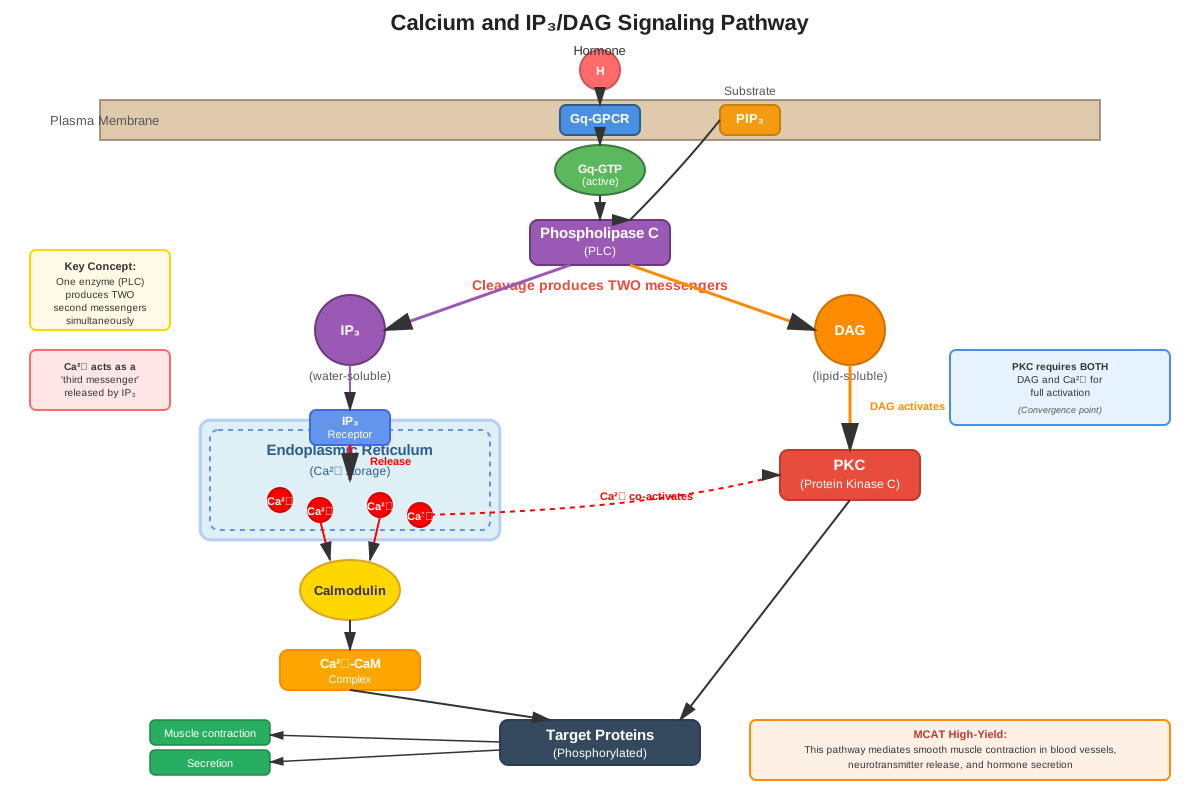
The phospholipase C (PLC) pathway generates two second messengers simultaneously: inositol 1,4,5-trisphosphate (IP₃) and diacylglycerol (DAG). This pathway is activated when hormones or neurotransmitters bind to GPCRs coupled to Gq proteins or to receptor tyrosine kinases.
The IP₃/DAG pathway proceeds as follows:
- Receptor activation stimulates phospholipase C
- PLC cleaves the membrane phospholipid phosphatidylinositol 4,5-bisphosphate (PIP₂)
- This produces IP₃ (water-soluble) and DAG (membrane-associated)
- IP₃ diffuses through cytoplasm and binds to IP₃ receptors on the ER
- IP₃ receptor channels open, releasing Ca²⁺ from ER stores
- DAG remains in the membrane and activates protein kinase C (PKC)
- PKC activity is enhanced by Ca²⁺ and phosphatidylserine
PKC phosphorylates numerous target proteins, affecting processes like cell growth, differentiation, and secretion. The IP₃/DAG system is particularly important in immune cell activation, smooth muscle contraction, and neuronal signaling. IP₃ is rapidly dephosphorylated by phosphatases, while DAG is phosphorylated to phosphatidic acid or converted to arachidonic acid.
Signal Amplification and Cascade Effects
A defining feature of second messenger systems is signal amplification. Each step in the cascade can amplify the signal exponentially:
- One hormone molecule activates one receptor
- One receptor can activate multiple G-proteins
- One G-protein can activate adenylyl cyclase, which produces many cAMP molecules
- Each cAMP molecule can activate PKA
- Each PKA can phosphorylate many target proteins
- Each phosphorylated enzyme can catalyze many reactions
This cascade can amplify the original signal by factors of 10⁶ or more, allowing cells to respond dramatically to minute concentrations of extracellular signals.
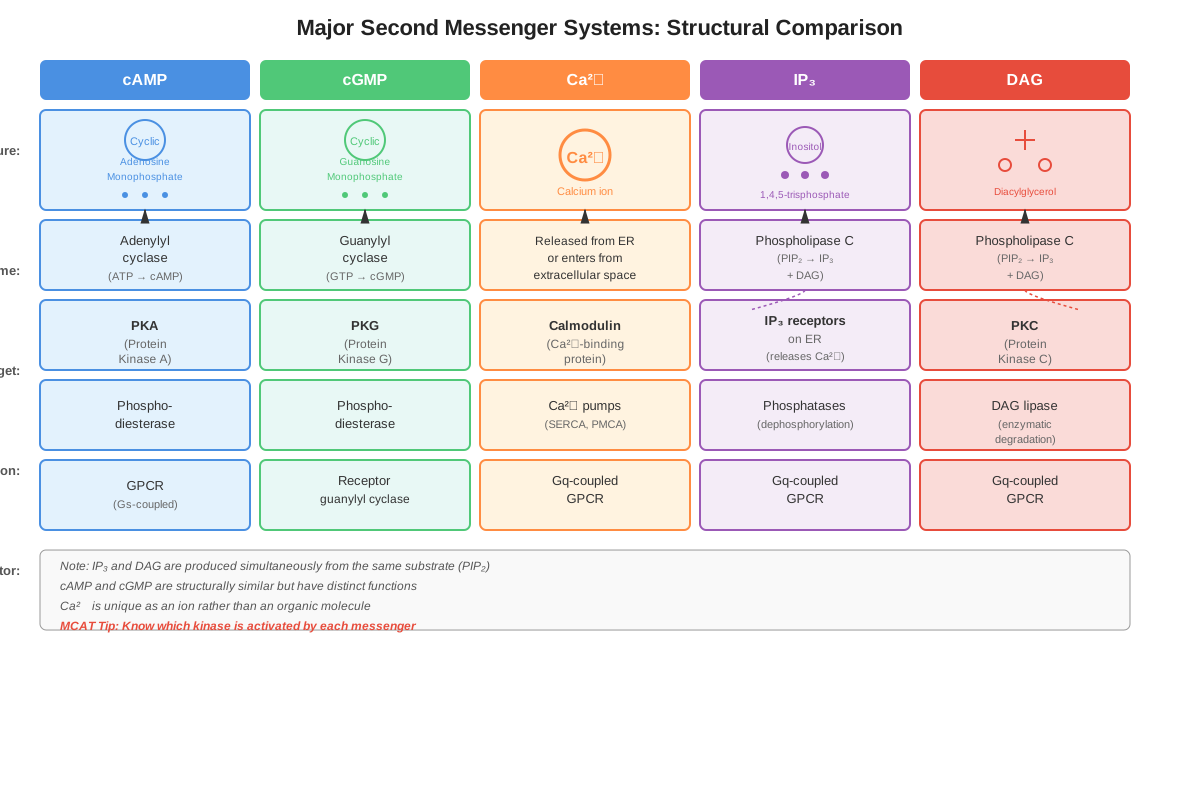
Comparison of Major Second Messenger Systems
| Second Messenger | Synthesized From | Synthesizing Enzyme | Primary Target | Degrading Enzyme | Key Functions |
|---|---|---|---|---|---|
| cAMP | ATP | Adenylyl cyclase | Protein kinase A (PKA) | Phosphodiesterase | Glycogen metabolism, gene transcription |
| cGMP | GTP | Guanylyl cyclase | Protein kinase G (PKG) | Phosphodiesterase (PDE5) | Smooth muscle relaxation, vision |
| Ca²⁺ | Extracellular/ER stores | N/A (released through channels) | Calmodulin, troponin C | Ca²⁺-ATPase pumps | Muscle contraction, secretion, enzyme activation |
| IP₃ | PIP₂ | Phospholipase C | IP₃ receptors on ER | Phosphatases | Ca²⁺ release from stores |
| DAG | PIP₂ | Phospholipase C | Protein kinase C (PKC) | DAG kinase, lipase | Cell growth, differentiation, secretion |
Concept Relationships
Second messenger systems are interconnected both within themselves and with broader cellular processes. The relationship begins with receptor activation → G-protein or enzyme activation → second messenger production → protein kinase activation → protein phosphorylation → cellular response.
Within second messenger systems, cross-talk is common. For example, the IP₃/DAG pathway produces IP₃, which releases Ca²⁺, and this Ca²⁺ enhances PKC activity (which is activated by DAG). Similarly, Ca²⁺-calmodulin can regulate adenylyl cyclase activity, creating interactions between the cAMP and Ca²⁺ systems. Some phosphodiesterases are activated by Ca²⁺-calmodulin, linking Ca²⁺ signaling to cAMP degradation.
Second messengers connect to prerequisite topics through multiple pathways. Membrane structure is essential because DAG remains membrane-associated and PIP₂ is a membrane phospholipid. Enzyme function underlies every step, from adenylyl cyclase to protein kinases to phosphatases. Receptor biology is the initiating event for all second messenger cascades.
Second messengers also connect forward to advanced topics: metabolic regulation (cAMP regulates glycogen metabolism), muscle physiology (Ca²⁺ triggers contraction), neuroscience (second messengers mediate synaptic plasticity), endocrinology (hormone action depends on second messengers), and pharmacology (many drugs target second messenger pathways).
The relationship map: First messenger (hormone/neurotransmitter) → Receptor (GPCR/RTK) → Transducer (G-protein/enzyme) → Effector enzyme (adenylyl cyclase/phospholipase C/guanylyl cyclase) → Second messenger (cAMP/IP₃/DAG/Ca²⁺/cGMP) → Target protein (kinases/calmodulin) → Phosphorylation cascade → Cellular response (metabolism/contraction/secretion/transcription) → Signal termination (phosphodiesterases/phosphatases/pumps).
Quick check — test yourself on Second messengers so far.
Try Flashcards →High-Yield Facts
⭐ cAMP is synthesized from ATP by adenylyl cyclase and degraded by phosphodiesterase; it primarily activates protein kinase A (PKA).
⭐ Calcium ions function as second messengers by binding to calmodulin, which then activates various target proteins including CaM kinases.
⭐ Phospholipase C cleaves PIP₂ to generate two second messengers: IP₃ (which releases Ca²⁺ from ER) and DAG (which activates PKC).
⭐ Gs proteins stimulate adenylyl cyclase (increasing cAMP), while Gi proteins inhibit adenylyl cyclase (decreasing cAMP).
⭐ Signal amplification occurs at each step of second messenger cascades, allowing one hormone molecule to generate thousands of product molecules.
- cGMP is produced by guanylyl cyclase and is particularly important in smooth muscle relaxation and phototransduction.
- Protein kinase A phosphorylates serine and threonine residues on target proteins, altering their activity.
- Cholera toxin prevents GTP hydrolysis by Gs proteins, causing constitutive adenylyl cyclase activation and excessive cAMP production.
- Pertussis toxin prevents Gi protein activation, blocking inhibition of adenylyl cyclase.
- Nitric oxide (NO) activates soluble guanylyl cyclase, increasing cGMP levels in smooth muscle cells.
- The IP₃ receptor is a ligand-gated calcium channel located on the endoplasmic reticulum membrane.
- Protein kinase C requires both DAG and Ca²⁺ for full activation, integrating two signaling pathways.
- Caffeine and theophylline are phosphodiesterase inhibitors that prolong cAMP signaling.
- Ryanodine receptors mediate calcium-induced calcium release in muscle cells.
- Second messenger systems can be terminated by enzyme degradation (phosphodiesterases), sequestration (Ca²⁺ pumps), or dephosphorylation (phosphatases).
Common Misconceptions
Misconception: Second messengers are always proteins or peptides. → Correction: Second messengers are small molecules (cAMP, cGMP, Ca²⁺, IP₃, DAG), not proteins. The proteins involved are the enzymes that produce them and the targets they activate.
Misconception: cAMP and cGMP have identical functions and mechanisms. → Correction: While structurally similar, cAMP and cGMP activate different protein kinases (PKA vs. PKG), are produced by different enzymes (adenylyl cyclase vs. guanylyl cyclase), and have distinct physiological roles.
Misconception: Calcium always enters the cell from outside to function as a second messenger. → Correction: Calcium can be released from intracellular stores (ER/SR) via IP₃ receptors or ryanodine receptors, or it can enter from extracellular space through voltage-gated or ligand-gated channels. Both sources are important.
Misconception: All GPCRs activate the same second messenger pathway. → Correction: Different GPCRs couple to different G-proteins (Gs, Gi, Gq, etc.), which activate different pathways. Gs activates adenylyl cyclase (cAMP), Gq activates phospholipase C (IP₃/DAG), and Gi inhibits adenylyl cyclase.
Misconception: Second messenger signaling is irreversible once initiated. → Correction: Second messenger systems have multiple termination mechanisms including phosphodiesterases (degrade cyclic nucleotides), phosphatases (remove phosphate groups), and pumps/exchangers (remove Ca²⁺). This reversibility allows cells to respond dynamically to changing signals.
Misconception: DAG and IP₃ are produced by separate pathways. → Correction: DAG and IP₃ are produced simultaneously from the same substrate (PIP₂) by the same enzyme (phospholipase C), making them coordinated second messengers.
Misconception: Protein kinases activated by second messengers only have one target protein. → Correction: Protein kinases like PKA, PKG, and PKC phosphorylate multiple target proteins, allowing one second messenger to coordinate diverse cellular responses simultaneously.
Worked Examples
Example 1: Epinephrine-Induced Glycogen Breakdown
Question: A researcher adds epinephrine to liver cells and observes rapid glycogen breakdown. Trace the complete signaling pathway from hormone binding to glycogen degradation, identifying all second messengers and enzymes involved.
Solution:
Step 1: Identify the receptor and initial activation.
Epinephrine binds to β-adrenergic receptors on liver cell membranes. These are GPCRs coupled to Gs proteins.
Step 2: Trace G-protein activation.
Receptor binding causes a conformational change that activates the Gs protein. The α subunit exchanges GDP for GTP and dissociates from βγ subunits.
Step 3: Identify second messenger production.
The activated Gs-α subunit stimulates adenylyl cyclase, which converts ATP to cAMP (the second messenger).
Step 4: Identify the second messenger target.
cAMP binds to the regulatory subunits of protein kinase A (PKA), releasing active catalytic subunits.
Step 5: Trace the phosphorylation cascade.
Active PKA phosphorylates two key enzymes:
- Phosphorylase kinase (activating it)
- Glycogen synthase (inactivating it)
Step 6: Identify the final effect.
Activated phosphorylase kinase phosphorylates glycogen phosphorylase, converting it from the inactive b form to the active a form. Glycogen phosphorylase a breaks down glycogen to glucose-1-phosphate.
Step 7: Note signal amplification.
One epinephrine molecule can activate one receptor, which activates multiple Gs proteins, each activating adenylyl cyclase to produce many cAMP molecules. Each PKA phosphorylates multiple phosphorylase kinases, each of which activates multiple glycogen phosphorylases, each of which breaks down many glycogen molecules. The amplification factor can exceed 10⁶.
Step 8: Identify termination mechanisms.
The signal is terminated by: (1) GTPase activity of Gs-α hydrolyzing GTP to GDP, (2) phosphodiesterase degrading cAMP to 5'-AMP, and (3) protein phosphatases removing phosphate groups from phosphorylated enzymes.
Connection to learning objectives: This example demonstrates the complete pathway from first messenger to cellular response, illustrates signal amplification, and shows how second messengers coordinate metabolic responses.
Example 2: Smooth Muscle Contraction via IP₃/DAG Pathway
Question: A pharmaceutical company is developing a drug that blocks phospholipase C in smooth muscle cells. Predict the effects on smooth muscle contraction when a hormone that normally causes contraction (such as angiotensin II) is present.
Solution:
Step 1: Identify the normal pathway.
Angiotensin II binds to AT₁ receptors, which are GPCRs coupled to Gq proteins. Activated Gq stimulates phospholipase C (PLC).
Step 2: Determine what PLC normally does.
PLC cleaves PIP₂ (a membrane phospholipid) into two second messengers: IP₃ (water-soluble) and DAG (membrane-bound).
Step 3: Trace IP₃ effects.
IP₃ diffuses to the endoplasmic reticulum and binds to IP₃ receptors, which are ligand-gated Ca²⁺ channels. This releases Ca²⁺ from ER stores into the cytoplasm.
Step 4: Trace Ca²⁺ effects on contraction.
Elevated cytoplasmic Ca²⁺ binds to calmodulin. The Ca²⁺-calmodulin complex activates myosin light chain kinase (MLCK), which phosphorylates myosin light chains, enabling myosin-actin interaction and muscle contraction.
Step 5: Trace DAG effects.
DAG activates protein kinase C (PKC), which phosphorylates various proteins that enhance and sustain the contractile response.
Step 6: Predict drug effects.
If the drug blocks PLC, then:
- No IP₃ is produced → No Ca²⁺ release from ER → Reduced cytoplasmic Ca²⁺
- No DAG is produced → No PKC activation → Loss of PKC-mediated enhancement
- Result: Severely impaired or absent smooth muscle contraction in response to angiotensin II
Step 7: Consider alternative pathways.
Some Ca²⁺ might still enter through voltage-gated channels if the cell is depolarized, but the IP₃-mediated Ca²⁺ release is a major component of the response. The drug would significantly reduce but might not completely eliminate contraction.
Step 8: Clinical relevance.
This mechanism explains how drugs targeting the IP₃/DAG pathway could be used as smooth muscle relaxants for conditions like hypertension or asthma.
Connection to learning objectives: This example requires understanding of the IP₃/DAG pathway, predicting consequences of pathway disruption, and connecting second messengers to physiological responses—all key MCAT skills.
Exam Strategy
When approaching MCAT questions on second messengers, first identify the receptor type mentioned in the question stem or passage. GPCRs typically signal through second messengers, while receptor tyrosine kinases may use different mechanisms (though some activate phospholipase C). Look for trigger words like "hormone," "neurotransmitter," "GPCR," "adenylyl cyclase," "phospholipase C," or specific second messenger names.
For pathway-tracing questions, work systematically from receptor to response: receptor → transducer (G-protein) → effector enzyme → second messenger → target protein → phosphorylation → cellular response. Draw a quick diagram if needed. Remember that the MCAT often tests understanding of where in the pathway an experimental manipulation occurs.
Process-of-elimination strategies for second messenger questions:
- If the question mentions cAMP, look for answers involving PKA, adenylyl cyclase, or Gs/Gi proteins
- If Ca²⁺ is mentioned, look for calmodulin, muscle contraction, or secretion
- If IP₃ appears, expect Ca²⁺ release from ER and often PKC activation (via DAG)
- If the question describes smooth muscle relaxation, think cGMP and nitric oxide
- Eliminate answers that confuse first messengers (hormones) with second messengers (cAMP, Ca²⁺, etc.)
Time allocation: Discrete questions on second messengers should take 60-90 seconds. For passage-based questions, spend 30-45 seconds identifying which second messenger system is involved, then 60-90 seconds per question applying that knowledge. If a question requires tracing a complete pathway, budget 90-120 seconds.
Watch for questions that test signal termination—these are high-yield but often overlooked. Know that phosphodiesterases degrade cyclic nucleotides, phosphatases remove phosphate groups, and pumps/exchangers remove Ca²⁺. Questions about toxins (cholera, pertussis) or drugs (caffeine, sildenafil) frequently test understanding of these termination mechanisms.
Memory Techniques
Mnemonic for major second messengers: "Can I Dig Cyclic Compounds?"
- Ca²⁺ (Calcium)
- IP₃ (Inositol trisphosphate)
- DAG (Diacylglycerol)
- CAMP (Cyclic AMP)
- CGMP (Cyclic GMP)
Mnemonic for cAMP pathway: "Gorgeous Adenylyl Creates Awesome PKA"
- Gs protein
- Adenylyl cyclase
- CAMP
- Activates
- Protein Kinase A
Mnemonic for IP₃/DAG pathway: "Please Cut PIP₂ Into Delicious Calcium"
- Phospholipase C
- PIP₂ (substrate)
- IP₃
- DAG
- Calcium (released by IP₃)
Visualization for signal amplification: Picture a pyramid or cascade waterfall. One molecule at the top (hormone) triggers multiple molecules at the next level (G-proteins), which trigger even more at the next level (cAMP), continuing to expand exponentially until thousands of molecules are affected at the bottom (final cellular response).
Acronym for G-protein types: "Silly Goats Quit Immediately"
- Stimulatory (Gs) - increases cAMP
- Go (other functions)
- Quick (Gq) - activates phospholipase C
- Inhibitory (Gi) - decreases cAMP
Memory aid for Ca²⁺ binding proteins: Think "CALModulin keeps you CALM" - calmodulin is the main Ca²⁺-binding protein that mediates most Ca²⁺ effects (except in muscle, where troponin C is also important).
Summary
Second messengers are intracellular signaling molecules that relay signals from cell surface receptors to target proteins within the cell, enabling cells to respond to extracellular signals that cannot cross the plasma membrane. The major second messengers—cAMP, cGMP, Ca²⁺, IP₃, and DAG—each have distinct synthesis pathways, target proteins, and degradation mechanisms, but all share the ability to amplify signals and coordinate cellular responses. cAMP is produced by adenylyl cyclase and activates PKA; cGMP is produced by guanylyl cyclase and activates PKG; Ca²⁺ is released from stores or enters from outside and binds calmodulin; IP₃ and DAG are produced together by phospholipase C, with IP₃ releasing Ca²⁺ and DAG activating PKC. These systems are interconnected through cross-talk mechanisms and are terminated by specific enzymes including phosphodiesterases, phosphatases, and Ca²⁺ pumps. Understanding second messenger pathways is essential for MCAT success because they integrate multiple high-yield topics including receptor biology, enzyme function, metabolic regulation, and pharmacology.
Key Takeaways
- Second messengers (cAMP, cGMP, Ca²⁺, IP₃, DAG) are small intracellular molecules that relay and amplify signals from cell surface receptors to target proteins
- cAMP is synthesized by adenylyl cyclase (activated by Gs proteins) and primarily activates protein kinase A (PKA)
- The phospholipase C pathway produces two second messengers simultaneously: IP₃ (releases Ca²⁺ from ER) and DAG (activates PKC)
- Calcium ions function as versatile second messengers by binding to calmodulin, which then activates various target proteins
- Signal amplification is a defining feature of second messenger cascades, with each step potentially amplifying the signal by factors of 10 or more
- Second messenger systems are terminated by specific mechanisms: phosphodiesterases (degrade cyclic nucleotides), phosphatases (dephosphorylate proteins), and pumps (remove Ca²⁺)
- Understanding second messenger pathways enables prediction of cellular responses to hormones, neurotransmitters, and pharmacological agents—a critical MCAT skill
Related Topics
G-Protein Coupled Receptors (GPCRs): The primary receptor type that initiates second messenger cascades; understanding GPCR structure and G-protein subtypes (Gs, Gi, Gq) is essential for predicting which second messenger pathway will be activated.
Receptor Tyrosine Kinases: Alternative receptor class that can activate phospholipase C and generate IP₃/DAG, connecting growth factor signaling to second messenger systems.
Metabolic Regulation: Second messengers, particularly cAMP and Ca²⁺, regulate key metabolic enzymes controlling glycogen metabolism, gluconeogenesis, and lipolysis.
Muscle Physiology: Ca²⁺ as a second messenger is central to both skeletal and smooth muscle contraction mechanisms, connecting cellular signaling to tissue-level function.
Neurotransmission and Synaptic Plasticity: Second messengers mediate slow synaptic responses and long-term changes in synaptic strength, bridging cellular and systems neuroscience.
Pharmacology: Many drugs target second messenger pathways (beta-blockers, PDE inhibitors, calcium channel blockers), making this topic essential for understanding drug mechanisms.
Mastering second messengers provides the foundation for understanding how cells integrate and respond to complex environmental signals, a theme that appears throughout MCAT biology and biochemistry content.
Practice CTA
Now that you have thoroughly reviewed second messengers, test your understanding with practice questions and flashcards. Focus on tracing complete pathways from receptor activation through cellular response, and practice predicting the effects of pathway manipulations. The more you apply these concepts to MCAT-style questions, the more automatic your recognition of second messenger systems will become. Remember: understanding the logic of these pathways is more valuable than pure memorization. You've got this!
Sign up free to keep reading
Create a free AnvayaPrep account to finish this MCAT guide on Second messengers — plus flashcards and practice questions.