Overview
Fungi represent a distinct kingdom of eukaryotic organisms that play critical roles in ecosystems, human health, and disease. Unlike plants, fungi are heterotrophic organisms that obtain nutrients through absorption rather than photosynthesis, and unlike animals, they possess cell walls composed primarily of chitin. Understanding fungi basics is essential for MCAT success because these organisms frequently appear in passages related to microbiology, infectious disease, ecology, and cellular biology. The MCAT tests not only the structural and functional characteristics of fungi but also their interactions with other organisms, their role in disease pathogenesis, and their unique cellular features that distinguish them from bacteria, plants, and animals.
For the MCAT Biology section, fungi serve as an important bridge between prokaryotic and eukaryotic concepts. Questions may require students to differentiate fungal cells from bacterial cells, understand antifungal drug mechanisms, or analyze ecological relationships involving decomposition and nutrient cycling. Fungi basics MCAT content typically appears in passages discussing opportunistic infections in immunocompromised patients, antibiotic resistance, or experimental research involving model organisms like Saccharomyces cerevisiae (baker's yeast). The ability to quickly identify fungal characteristics and apply this knowledge to novel scenarios is a valuable skill that can improve performance across multiple MCAT sections.
The study of fungi connects to broader biological principles including cell structure, metabolism, reproduction, evolution, and ecology. Fungi demonstrate both sexual and asexual reproduction strategies, exhibit diverse morphological forms, and have evolved sophisticated mechanisms for nutrient acquisition and environmental adaptation. Mastering fungi basics provides foundational knowledge for understanding more complex topics such as symbiotic relationships (mycorrhizae, lichens), pathogenic mechanisms, and biotechnological applications that may appear in MCAT passages.
Learning Objectives
- [ ] Define Fungi basics using accurate Biology terminology
- [ ] Explain why Fungi basics matters for the MCAT
- [ ] Apply Fungi basics to exam-style questions
- [ ] Identify common mistakes related to Fungi basics
- [ ] Connect Fungi basics to related Biology concepts
- [ ] Compare and contrast fungal cell structure with bacterial and plant cells
- [ ] Describe the major reproductive strategies employed by fungi
- [ ] Analyze the ecological and medical significance of fungal organisms
Prerequisites
- Eukaryotic cell structure: Understanding organelles, membrane-bound nuclei, and cellular compartmentalization is essential for recognizing what makes fungi eukaryotic organisms
- Cell wall composition: Knowledge of different cell wall materials (cellulose in plants, peptidoglycan in bacteria) helps distinguish fungal chitin-based walls
- Basic metabolism: Familiarity with heterotrophic nutrition and aerobic respiration provides context for fungal energy acquisition
- Prokaryote vs. eukaryote distinctions: This foundational concept enables proper classification and comparison of fungi with bacteria
- Basic taxonomy: Understanding kingdom-level classification helps position fungi within the tree of life
Why This Topic Matters
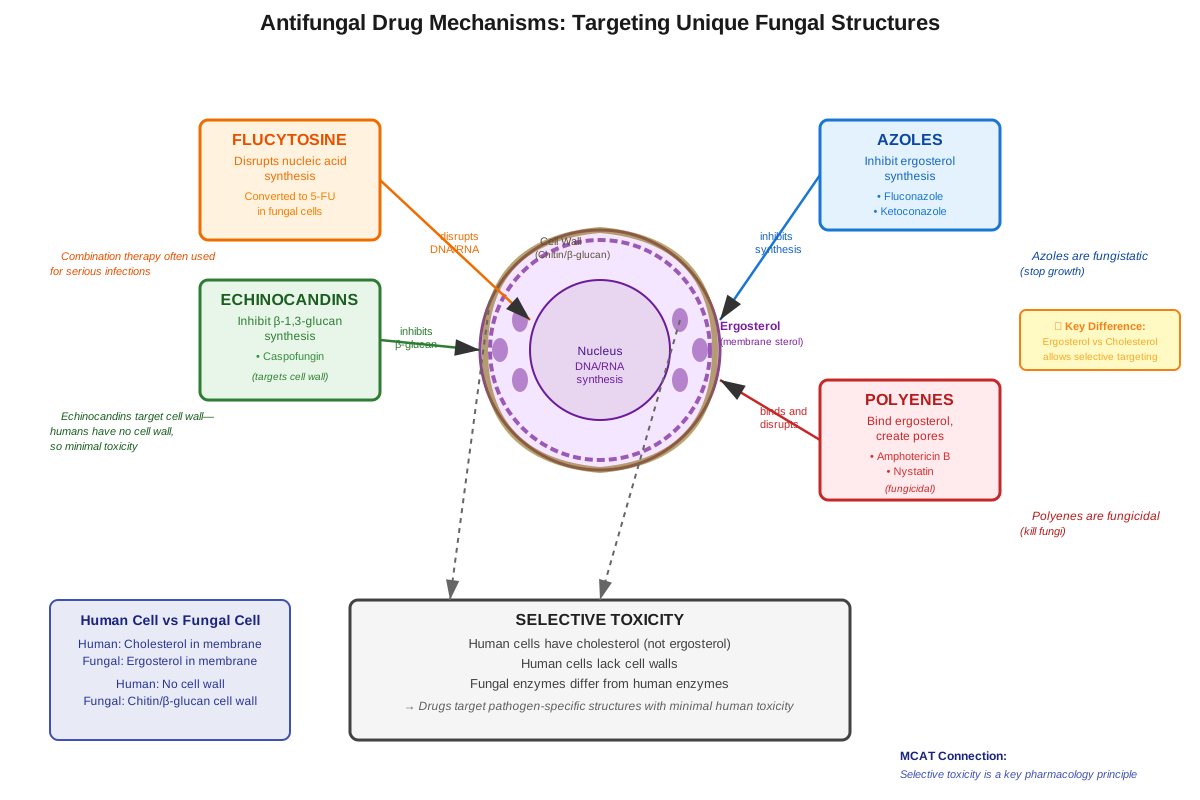
Fungi basics holds significant clinical relevance because fungal infections (mycoses) represent important causes of human disease, particularly in immunocompromised populations. Conditions such as candidiasis, aspergillosis, and cryptococcal meningitis appear frequently in medical contexts and MCAT passages. Understanding fungal cell structure is crucial for comprehending how antifungal medications work—many target the unique components of fungal cells, such as ergosterol in cell membranes or chitin in cell walls, allowing selective toxicity that spares human cells.
From an exam statistics perspective, fungi appear in approximately 5-8% of MCAT Biology passages, typically within microbiology units or integrated passages combining multiple biological concepts. Questions may be direct (identifying fungal characteristics) or indirect (analyzing experimental data involving fungal model organisms, interpreting graphs showing fungal growth, or evaluating treatment options for fungal infections). The MCAT particularly favors questions that require students to apply knowledge rather than simply recall facts, such as predicting the effect of a novel antifungal compound or explaining why certain antibiotics don't affect fungal infections.
Common passage contexts include: ecological studies of decomposition and nutrient cycling, research using yeast as a model organism for eukaryotic cell processes, clinical vignettes involving opportunistic infections, and biotechnology applications such as fermentation or protein production. The ability to quickly recognize fungal characteristics and distinguish them from bacteria or other microorganisms can save valuable time and improve accuracy on test day.
Core Concepts
Kingdom Fungi: Defining Characteristics
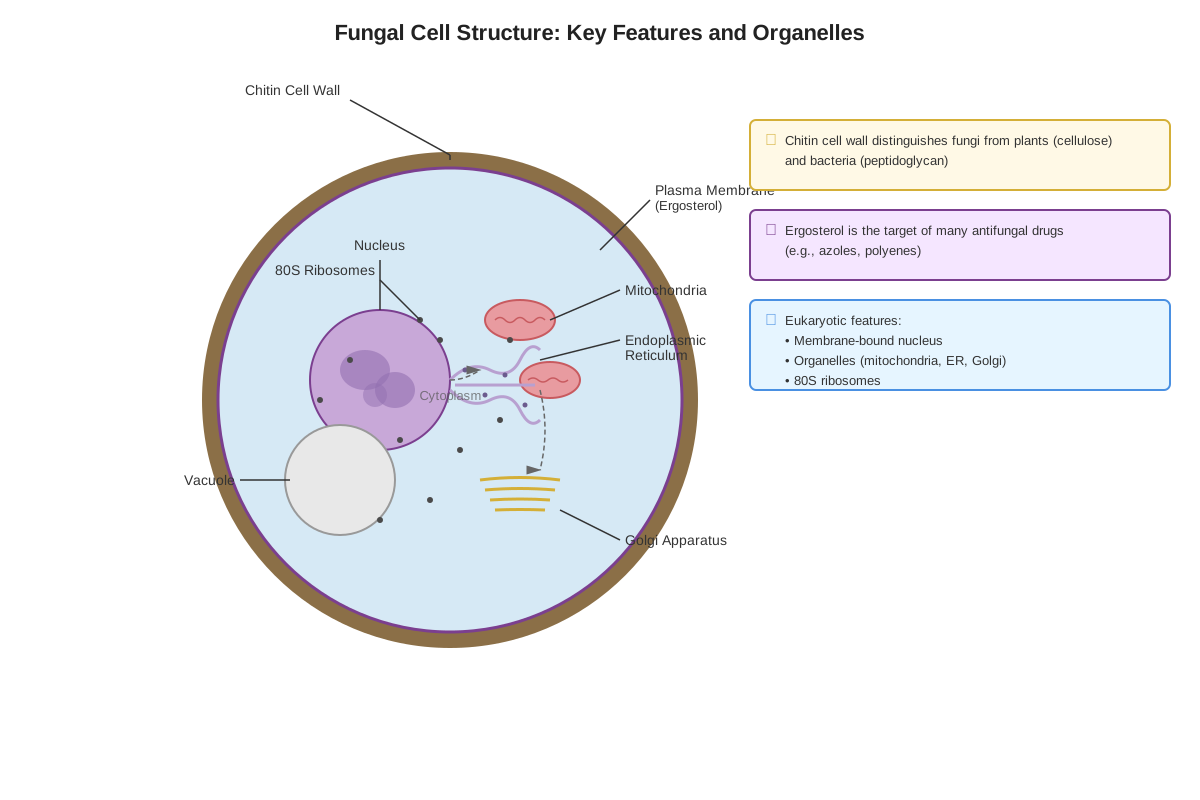
Fungi constitute a distinct kingdom of eukaryotic organisms with several defining features that distinguish them from all other life forms. As eukaryotes, fungal cells contain membrane-bound organelles including a nucleus, mitochondria, endoplasmic reticulum, and Golgi apparatus. However, fungi possess unique characteristics that set them apart from plants, animals, and protists.
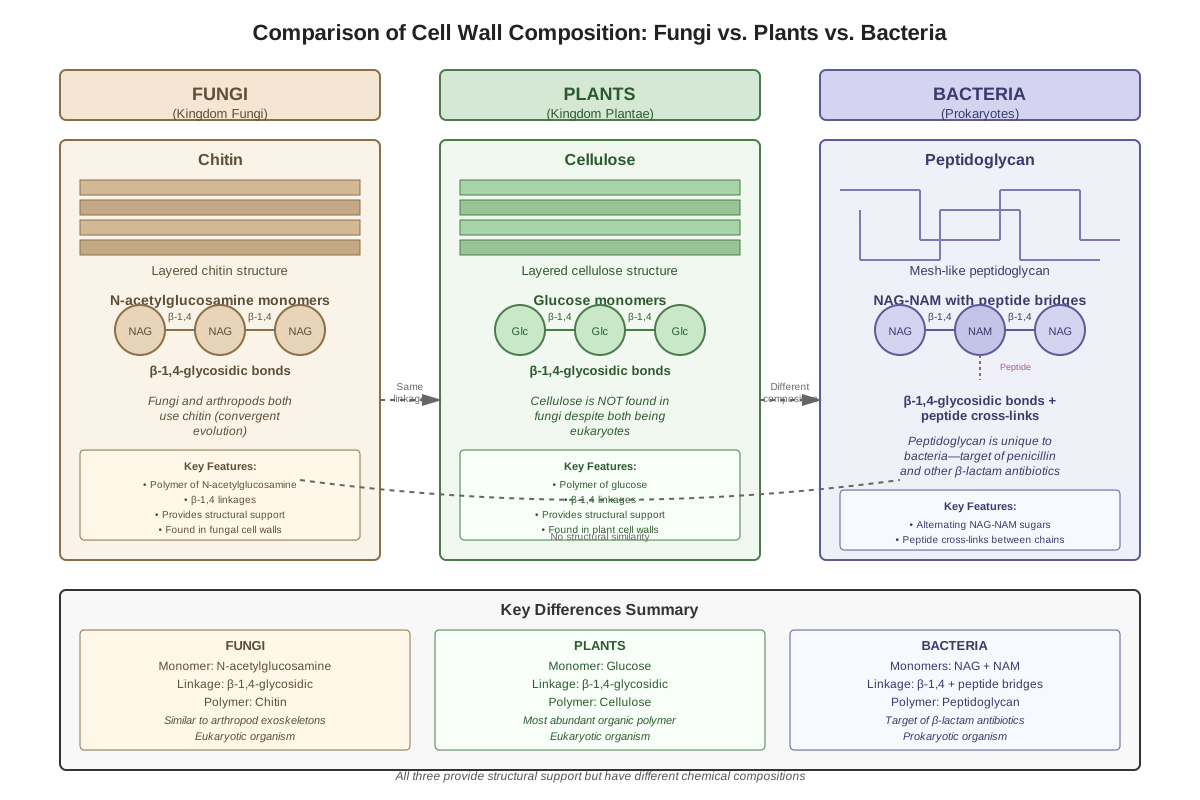
The most distinctive structural feature of fungi is their cell wall composed primarily of chitin, a nitrogen-containing polysaccharide also found in arthropod exoskeletons. This contrasts sharply with plant cell walls (made of cellulose) and bacterial cell walls (made of peptidoglycan). The chitinous cell wall provides structural support and protection while remaining flexible enough to accommodate growth and environmental changes.
Fungi are obligate heterotrophs, meaning they cannot produce their own food through photosynthesis and must obtain organic compounds from external sources. Unlike animals that ingest food and digest it internally, fungi employ absorptive nutrition—they secrete digestive enzymes (exoenzymes) into their environment to break down complex organic molecules externally, then absorb the resulting simple compounds across their cell membranes. This mode of nutrition makes fungi essential decomposers in ecosystems.
Fungal Cell Structure
The fungal cell membrane contains ergosterol as its primary sterol, which differs from the cholesterol found in animal cell membranes. This distinction is medically significant because many antifungal drugs (such as amphotericin B and azoles) specifically target ergosterol synthesis or function, allowing selective toxicity against fungal cells without harming human cells.
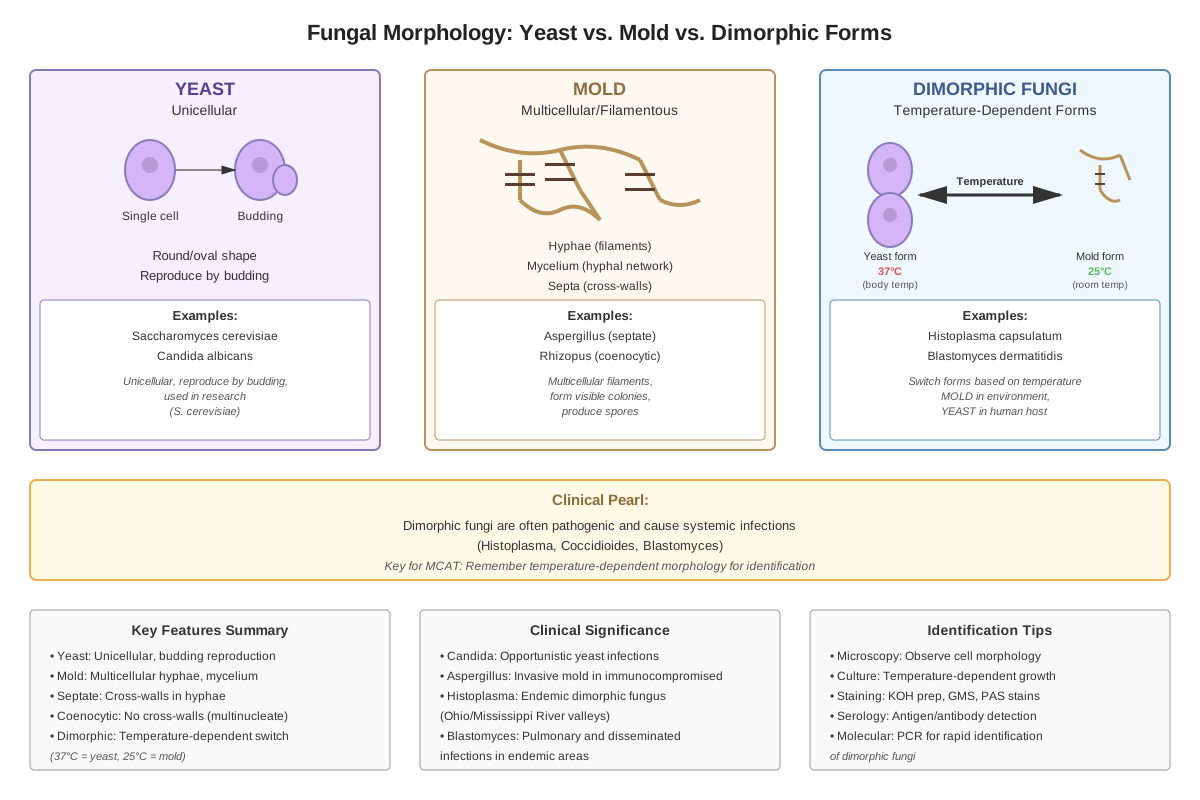
Most fungi are multicellular organisms, though some (like yeasts) exist as single cells. The basic structural unit of multicellular fungi is the hypha (plural: hyphae), a tubular filament that grows at its tip and branches to form a network. A mass of hyphae collectively forms a mycelium, which represents the main body of the fungus. The mycelium typically grows through substrate (soil, wood, organic matter), maximizing surface area for nutrient absorption.
Hyphae can be classified as either septate (divided by cross-walls called septa that compartmentalize the hypha into cells) or coenocytic (lacking septa, forming a continuous multinucleate cytoplasm). Septa are not completely closed; they contain pores that allow cytoplasm, organelles, and even nuclei to move between compartments. This structural organization enables efficient nutrient distribution throughout the mycelium.
Fungal Reproduction
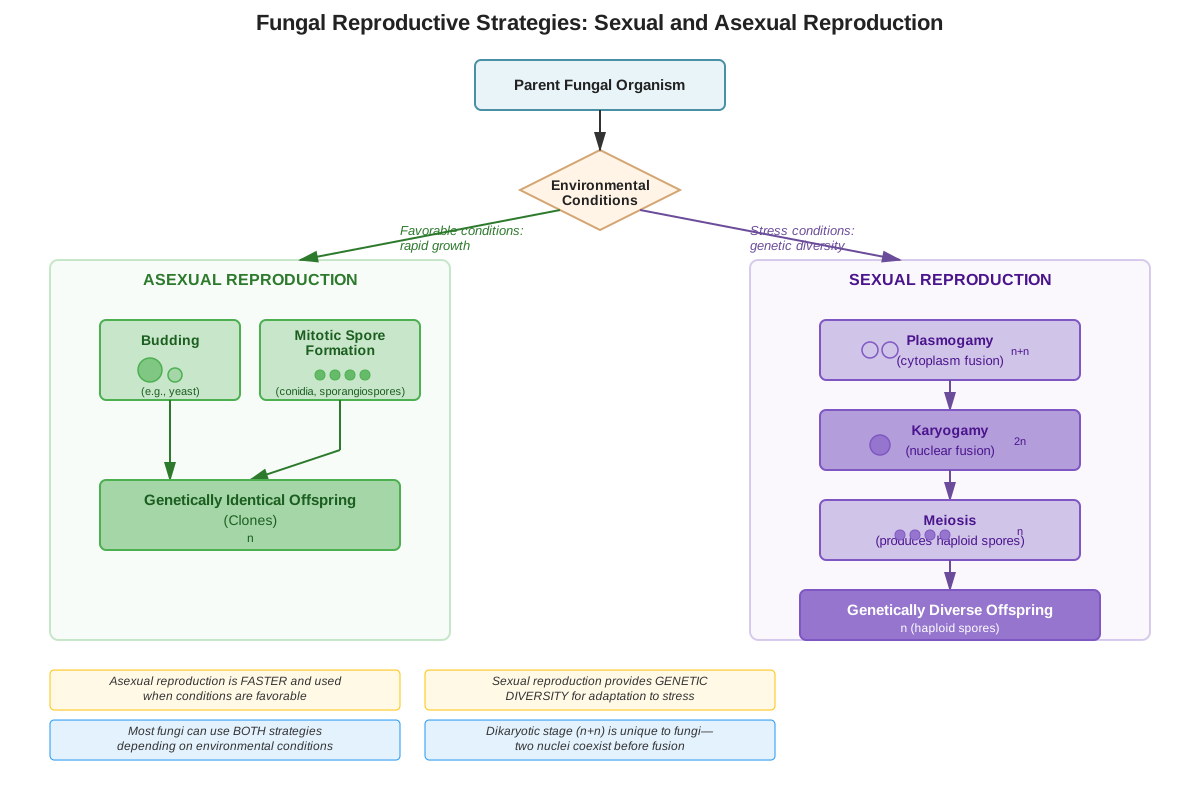
Fungi exhibit remarkable reproductive versatility, capable of both asexual and sexual reproduction. This flexibility allows fungi to rapidly colonize favorable environments while maintaining genetic diversity for long-term adaptation.
Asexual reproduction occurs through several mechanisms:
- Budding: Common in yeasts, where a small outgrowth (bud) forms on the parent cell, enlarges, and eventually separates
- Fragmentation: Hyphae break into pieces, each capable of growing into a new mycelium
- Spore production: Specialized structures produce asexual spores (conidia) that disperse and germinate under favorable conditions
Sexual reproduction in fungi involves the fusion of specialized hyphae from compatible mating types (not male/female, but typically designated as + and - strains). The process occurs in stages:
- Plasmogamy: Fusion of cytoplasm from two parent cells, creating a cell with two distinct nuclei (dikaryotic stage)
- Karyogamy: Fusion of the two nuclei, forming a diploid zygote
- Meiosis: The diploid nucleus undergoes meiosis to produce haploid spores
- Spore dispersal and germination: Spores spread to new locations and develop into new haploid mycelia
Most fungi spend the majority of their life cycle in the haploid state, with the diploid phase being brief and occurring only during sexual reproduction. This contrasts with animals, which are predominantly diploid.
Major Fungal Groups
While detailed taxonomy is beyond MCAT scope, recognizing major fungal groups helps contextualize passages:
| Group | Key Features | Examples |
|---|---|---|
| Yeasts | Unicellular; reproduce by budding | Saccharomyces cerevisiae, Candida albicans |
| Molds | Multicellular; form visible mycelia | Penicillium, Aspergillus |
| Mushrooms | Produce large fruiting bodies (basidiocarps) | Agaricus (common mushroom) |
| Dimorphic fungi | Switch between yeast and mold forms depending on conditions | Histoplasma, Coccidioides |
Dimorphic fungi are particularly important medically because they often exist as molds in the environment but convert to yeast forms at body temperature during infection, a transition that enhances pathogenicity.
Ecological and Medical Significance
Fungi serve as primary decomposers in ecosystems, breaking down dead organic matter and recycling nutrients. Without fungi, dead plant material would accumulate, and essential nutrients would remain locked in unusable forms. This decomposition role connects fungi to carbon and nitrogen cycles, topics that may appear in MCAT ecology passages.
Many fungi form mutualistic relationships with other organisms. Mycorrhizae are symbiotic associations between fungi and plant roots where the fungus provides enhanced water and mineral absorption while receiving carbohydrates from the plant. Lichens represent symbioses between fungi and photosynthetic partners (algae or cyanobacteria), allowing colonization of harsh environments.
Medically, fungi cause various mycoses (fungal infections) ranging from superficial (athlete's foot, ringworm) to systemic and life-threatening (cryptococcal meningitis, invasive aspergillosis). Opportunistic fungal infections particularly affect immunocompromised patients, including those with HIV/AIDS, cancer patients receiving chemotherapy, and organ transplant recipients on immunosuppressive drugs.
Concept Relationships
The core concepts of fungi basics interconnect to form a comprehensive understanding of these organisms. The eukaryotic cell structure of fungi, including membrane-bound organelles and a true nucleus, enables complex cellular processes and distinguishes fungi from prokaryotic bacteria. This eukaryotic nature directly relates to fungal reproduction strategies, as fungi can undergo meiosis and maintain both haploid and diploid phases, unlike bacteria which reproduce through binary fission.
The chitinous cell wall and ergosterol-containing membrane represent structural features that connect to both ecological function and medical applications. These unique structures enable absorptive nutrition by providing protection while secreting enzymes, and they serve as targets for antifungal medications. The relationship flows: unique structure → enables specific function → creates vulnerability to targeted drugs.
Fungal morphology (unicellular yeasts vs. multicellular molds with hyphae and mycelia) connects directly to reproductive strategies and ecological roles. Mycelial growth maximizes surface area for nutrient absorption, supporting the decomposer role, while spore production enables dispersal and colonization of new environments. The concept map follows: morphology → determines surface area → affects nutrient acquisition → influences ecological niche.
The distinction between asexual and sexual reproduction relates to evolutionary adaptation: asexual reproduction allows rapid population expansion in favorable conditions, while sexual reproduction generates genetic diversity for long-term survival. This connects to the broader biological principle that organisms balance reproductive speed with genetic variation.
Understanding dimorphic fungi requires integrating multiple concepts: these organisms demonstrate phenotypic plasticity (environmental response), connect morphology to pathogenicity (yeast form in human body), and illustrate how temperature affects gene expression and cellular structure. This integration exemplifies how MCAT passages may combine multiple biological concepts within a fungal context.
Quick check — test yourself on Fungi basics so far.
Try Flashcards →High-Yield Facts
⭐ Fungi are eukaryotic heterotrophs with cell walls made of chitin, distinguishing them from plants (cellulose walls) and bacteria (peptidoglycan walls)
⭐ Fungal cell membranes contain ergosterol instead of cholesterol, making ergosterol a target for antifungal drugs like amphotericin B and azole medications
⭐ Fungi use absorptive nutrition by secreting exoenzymes to digest material externally, then absorbing the breakdown products
⭐ The basic structural unit of multicellular fungi is the hypha; a network of hyphae forms a mycelium
⭐ Fungi spend most of their life cycle in the haploid state, with brief diploid phases during sexual reproduction
- Fungi can reproduce both asexually (budding, fragmentation, asexual spores) and sexually (involving plasmogamy, karyogamy, and meiosis)
- Yeasts are unicellular fungi that reproduce primarily through budding, while molds are multicellular with visible mycelia
- Dimorphic fungi can switch between yeast and mold forms depending on environmental conditions, particularly temperature
- Fungi serve as essential decomposers in ecosystems, breaking down dead organic matter and recycling nutrients
- Opportunistic fungal infections primarily affect immunocompromised patients and can cause serious systemic disease
- Antibacterial antibiotics do not affect fungi because fungi lack peptidoglycan cell walls and have eukaryotic cellular machinery
- Mycorrhizae represent mutualistic relationships between fungi and plant roots, enhancing nutrient absorption for both partners
Common Misconceptions
Misconception: Fungi are plants because they don't move and often grow in soil.
Correction: Fungi belong to a completely separate kingdom from plants. Unlike plants, fungi are heterotrophs (cannot photosynthesize), have chitin cell walls instead of cellulose, and store energy as glycogen rather than starch. The lack of chloroplasts and inability to produce their own food fundamentally distinguishes fungi from plants.
Misconception: All fungi are multicellular organisms.
Correction: While many fungi are multicellular (molds, mushrooms), yeasts are unicellular fungi that exist as single cells and reproduce through budding. Some fungi are dimorphic and can exist in either unicellular or multicellular forms depending on environmental conditions.
Misconception: Antibiotics that kill bacteria will also kill fungi because both are microorganisms.
Correction: Most antibacterial antibiotics target structures or processes unique to bacteria (peptidoglycan synthesis, 70S ribosomes, bacterial DNA gyrase). Since fungi are eukaryotes with different cellular structures, these antibiotics are ineffective against fungal infections. Antifungal medications must target fungal-specific features like ergosterol or chitin.
Misconception: Fungal infections are always superficial and not serious.
Correction: While some fungal infections affect only skin or nails (dermatophytes causing athlete's foot or ringworm), systemic fungal infections can be life-threatening, especially in immunocompromised patients. Invasive aspergillosis, cryptococcal meningitis, and disseminated candidiasis have high mortality rates if untreated.
Misconception: Fungi reproduce only through spores.
Correction: Fungi employ multiple reproductive strategies including budding (yeasts), fragmentation of hyphae, production of asexual spores (conidia), and sexual reproduction involving spore formation after meiosis. The diversity of reproductive mechanisms contributes to fungal success in various environments.
Misconception: The mushroom is the entire fungal organism.
Correction: The mushroom (fruiting body or basidiocarp) is only the reproductive structure of the fungus, analogous to a flower on a plant. The main body of the fungus is the mycelium, an extensive network of hyphae growing underground or through substrate, which may be much larger than the visible mushroom.
Worked Examples
Example 1: Distinguishing Microorganisms
Question: A researcher isolates three microorganisms from different environments and performs structural analysis. Organism A has a peptidoglycan cell wall and no membrane-bound organelles. Organism B has a cellulose cell wall, chloroplasts, and a nucleus. Organism C has a chitin cell wall, a nucleus, and mitochondria but no chloroplasts. Which organism is most likely a fungus, and what key features support this identification?
Solution:
Step 1: Analyze each organism's characteristics systematically.
Organism A: Peptidoglycan cell wall + no membrane-bound organelles → These are defining features of bacteria (prokaryotes). Peptidoglycan is unique to bacterial cell walls.
Organism B: Cellulose cell wall + chloroplasts + nucleus → These characteristics identify this as a plant or plant-like protist. Cellulose walls and chloroplasts for photosynthesis are plant features.
Organism C: Chitin cell wall + nucleus + mitochondria + no chloroplasts → This combination identifies a fungus.
Step 2: Confirm fungal identification with key features.
The chitin cell wall is the most distinctive feature, as this polysaccharide is characteristic of fungi (and arthropod exoskeletons) but not found in plants or bacteria. The presence of a nucleus and mitochondria confirms eukaryotic status, distinguishing it from bacteria. The absence of chloroplasts indicates heterotrophic nutrition, distinguishing it from plants.
Step 3: Connect to broader concepts.
This organism must obtain nutrients through absorption rather than photosynthesis or ingestion. If examined further, we would expect to find ergosterol in its cell membrane and evidence of either hyphal structure (if multicellular) or budding (if a yeast).
Answer: Organism C is most likely a fungus. The chitin cell wall is the definitive characteristic, while the eukaryotic features (nucleus, mitochondria) and lack of photosynthetic capability (no chloroplasts) support this classification.
Example 2: Antifungal Drug Mechanism
Question: A new antifungal medication is being tested for treatment of systemic candidiasis. The drug specifically inhibits ergosterol synthesis in fungal cell membranes. Explain why this drug would be effective against fungal infections but have minimal toxicity to human cells. What cellular process would be most directly affected by reduced ergosterol levels?
Solution:
Step 1: Identify the key difference between fungal and human cell membranes.
Fungal cell membranes contain ergosterol as their primary sterol, while human cell membranes contain cholesterol. This biochemical difference is crucial for selective toxicity.
Step 2: Explain the mechanism of selective toxicity.
Because the drug specifically targets ergosterol synthesis, it will disrupt fungal cell membrane integrity and function without affecting human cholesterol synthesis or membrane structure. This selectivity is essential for an effective antifungal agent—it must kill or inhibit the pathogen without harming the host.
Step 3: Determine the cellular consequences of ergosterol depletion.
Ergosterol is essential for maintaining proper membrane fluidity, permeability, and integrity in fungal cells. It also plays roles in membrane protein function and cell division. Reduced ergosterol levels would lead to:
- Increased membrane permeability, causing leakage of cellular contents
- Impaired membrane protein function
- Disrupted cell division and growth
- Ultimately, fungal cell death or growth inhibition
Step 4: Connect to clinical application.
This mechanism is similar to azole antifungals (fluconazole, itraconazole) which inhibit ergosterol synthesis by blocking the enzyme lanosterol 14α-demethylase. The drug would be particularly useful for treating systemic infections like candidiasis because it can selectively target fungal cells throughout the body without causing significant damage to human tissues.
Answer: The drug would be effective against fungi but minimally toxic to humans because fungal membranes contain ergosterol while human membranes contain cholesterol. By specifically inhibiting ergosterol synthesis, the drug selectively damages fungal cell membranes, causing increased permeability, impaired function, and cell death, while leaving human cell membranes unaffected. Membrane integrity and permeability would be most directly affected.
Exam Strategy
When approaching MCAT questions on fungi basics, begin by identifying whether the question requires recognition of fungal characteristics, comparison with other organisms, or application to a novel scenario. Look for trigger words such as "chitin," "ergosterol," "mycelium," "hyphae," "heterotrophic," "absorptive nutrition," or "eukaryotic microorganism" that signal fungal content.
For comparison questions, create a mental table distinguishing fungi from bacteria and plants:
- Cell wall composition: chitin (fungi) vs. peptidoglycan (bacteria) vs. cellulose (plants)
- Cellular organization: eukaryotic (fungi) vs. prokaryotic (bacteria)
- Nutrition: heterotrophic absorption (fungi) vs. autotrophic (plants)
- Membrane sterols: ergosterol (fungi) vs. none (bacteria) vs. various phytosterols (plants)
When passages describe experimental organisms, recognize that Saccharomyces cerevisiae (baker's yeast) is a common model organism for studying eukaryotic cell processes. Questions may test whether you understand that findings in yeast can often be extrapolated to other eukaryotes, including humans, because of conserved cellular machinery.
For clinical vignettes involving infections, use process of elimination by recognizing that:
- If antibacterial antibiotics are ineffective, consider fungal infection
- If the patient is immunocompromised, opportunistic fungal infections become more likely
- If the infection involves skin/nails and is described as superficial, think dermatophytes
- If systemic infection in an immunocompromised patient, consider Candida, Aspergillus, or Cryptococcus
Time allocation: Straightforward identification questions should take 30-45 seconds. Passage-based questions requiring integration of fungal concepts with experimental data may require 60-90 seconds. Don't get bogged down trying to recall obscure fungal species names—the MCAT focuses on general principles and characteristics rather than detailed taxonomy.
Watch for questions that test understanding of why certain treatments work or don't work. These often hinge on recognizing structural or biochemical differences between fungi and other organisms. If a question asks why a particular antibiotic doesn't treat a fungal infection, immediately think about the target of that antibiotic and whether fungi possess that target.
Memory Techniques
CHITIN mnemonic for key fungal characteristics:
- Cell wall (chitin-based)
- Heterotrophic nutrition
- Includes both unicellular and multicellular forms
- Target of antifungals (ergosterol)
- Important decomposers
- Nucleus present (eukaryotic)
"Fungi ABSORB" for nutritional strategy:
- Absorptive nutrition
- Break down externally
- Secrete exoenzymes
- Organic matter required
- Recycle nutrients
- Benefit ecosystems
Visualization strategy: Picture a mushroom with visible parts above ground (fruiting body) and imagine an extensive underground network (mycelium) spreading through soil. This reinforces that the mycelium is the main body, while the mushroom is just the reproductive structure. Visualize the mycelium as a network of tubes (hyphae) secreting enzymes outward and absorbing nutrients inward.
"Every Fungus Needs Chitin" to remember that ergosterol and chitin are the two unique structural components targeted by antifungal drugs.
For reproductive strategies, remember "ASAP":
- Asexual: fast, no genetic variation
- Sexual: slower, creates variation
- Adaptation: sexual reproduction provides
- Population expansion: asexual reproduction enables
Summary
Fungi represent a distinct kingdom of eukaryotic, heterotrophic organisms characterized by chitin cell walls, ergosterol-containing membranes, and absorptive nutrition through external enzymatic digestion. These organisms exist in diverse forms including unicellular yeasts and multicellular molds with hyphal networks forming mycelia. Fungi employ both asexual reproduction (budding, fragmentation, asexual spores) for rapid colonization and sexual reproduction (involving plasmogamy, karyogamy, and meiosis) for genetic diversity, spending most of their life cycle in the haploid state. Their unique structural features distinguish them from bacteria (prokaryotic, peptidoglycan walls) and plants (autotrophic, cellulose walls) while providing targets for selective antifungal medications. Ecologically, fungi serve as essential decomposers and form mutualistic relationships like mycorrhizae, while medically they cause opportunistic infections particularly dangerous to immunocompromised patients. Understanding these fundamental characteristics enables MCAT success on questions involving microbial identification, drug mechanisms, ecological relationships, and experimental analysis using fungal model organisms.
Key Takeaways
- Fungi are eukaryotic heterotrophs with chitin cell walls and ergosterol-containing membranes, making them distinct from bacteria, plants, and animals
- Absorptive nutrition through secreted exoenzymes defines fungal feeding strategy and supports their role as ecosystem decomposers
- Multicellular fungi consist of hyphae (tubular filaments) that collectively form mycelia (the main fungal body)
- Both asexual and sexual reproduction occur in fungi, with most of the life cycle spent in the haploid state
- Ergosterol and chitin serve as targets for antifungal medications, enabling selective toxicity against fungal cells
- Yeasts are unicellular fungi, while molds are multicellular; dimorphic fungi can switch between forms
- Opportunistic fungal infections pose serious risks to immunocompromised patients and require antifungal rather than antibacterial treatment
Related Topics
Prokaryotic vs. Eukaryotic Cells: Mastering fungi basics reinforces understanding of eukaryotic cellular organization and enables comparison with bacterial structure, essential for microbiology questions.
Cell Membrane Structure and Function: The unique presence of ergosterol in fungal membranes connects to broader concepts of membrane composition, fluidity, and selective permeability.
Antimicrobial Resistance and Drug Mechanisms: Understanding how antifungal drugs target specific fungal structures provides a foundation for studying antibiotic mechanisms and resistance patterns.
Ecological Relationships: Fungal roles as decomposers and mutualistic partners (mycorrhizae, lichens) connect to ecosystem dynamics, nutrient cycling, and symbiosis concepts.
Immune System and Opportunistic Infections: Fungal pathogenesis in immunocompromised patients relates to innate and adaptive immunity, particularly cell-mediated immune responses.
Practice CTA
Now that you've mastered the fundamentals of fungi basics, it's time to solidify your understanding through active practice. Challenge yourself with MCAT-style practice questions that require you to apply these concepts to novel scenarios, analyze experimental data involving fungal organisms, and distinguish fungi from other microorganisms under time pressure. Use flashcards to reinforce high-yield facts, particularly the structural differences between fungi, bacteria, and plants, and the mechanisms of antifungal drugs. Remember, the MCAT rewards not just knowledge but the ability to apply that knowledge quickly and accurately—practice is what transforms understanding into test-day success. You've built a strong foundation; now strengthen it through deliberate practice!
Sign up free to keep reading
Create a free AnvayaPrep account to finish this MCAT guide on Fungi basics — plus flashcards and practice questions.