Overview
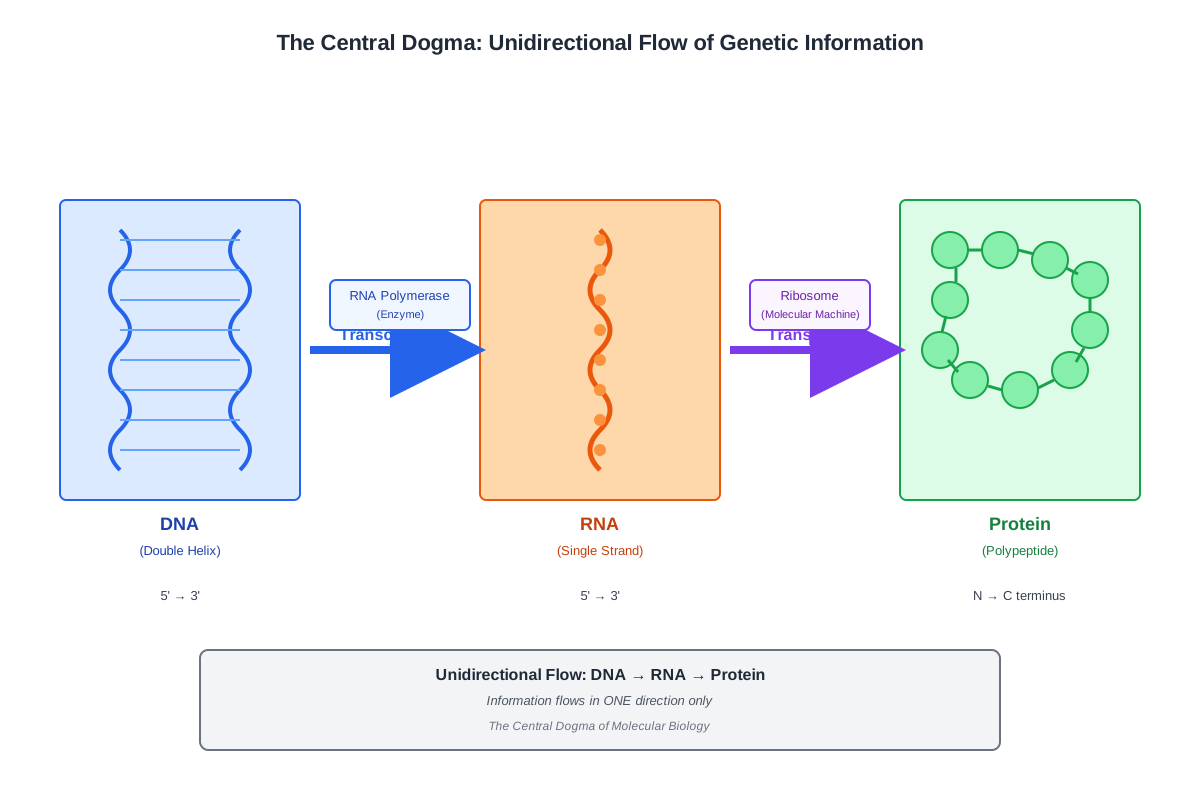
The central dogma of molecular biology describes the fundamental flow of genetic information within biological systems. First articulated by Francis Crick in 1958, this principle states that genetic information flows from DNA to RNA to protein, establishing the foundational framework for understanding how genes direct cellular function. This unidirectional flow—DNA → RNA → protein—represents one of the most important concepts in Biology and serves as the organizing principle for Molecular Biology and Genetics.
For the MCAT, the central dogma is not merely a historical concept but a critical framework that appears across multiple question types and passages. Understanding this principle enables students to tackle questions about gene expression, protein synthesis, mutations, genetic regulation, and biotechnology applications. The central dogma MCAT questions frequently test students' ability to predict the consequences of disruptions at various stages of information flow, interpret experimental data involving transcription or translation, and apply molecular principles to clinical scenarios.
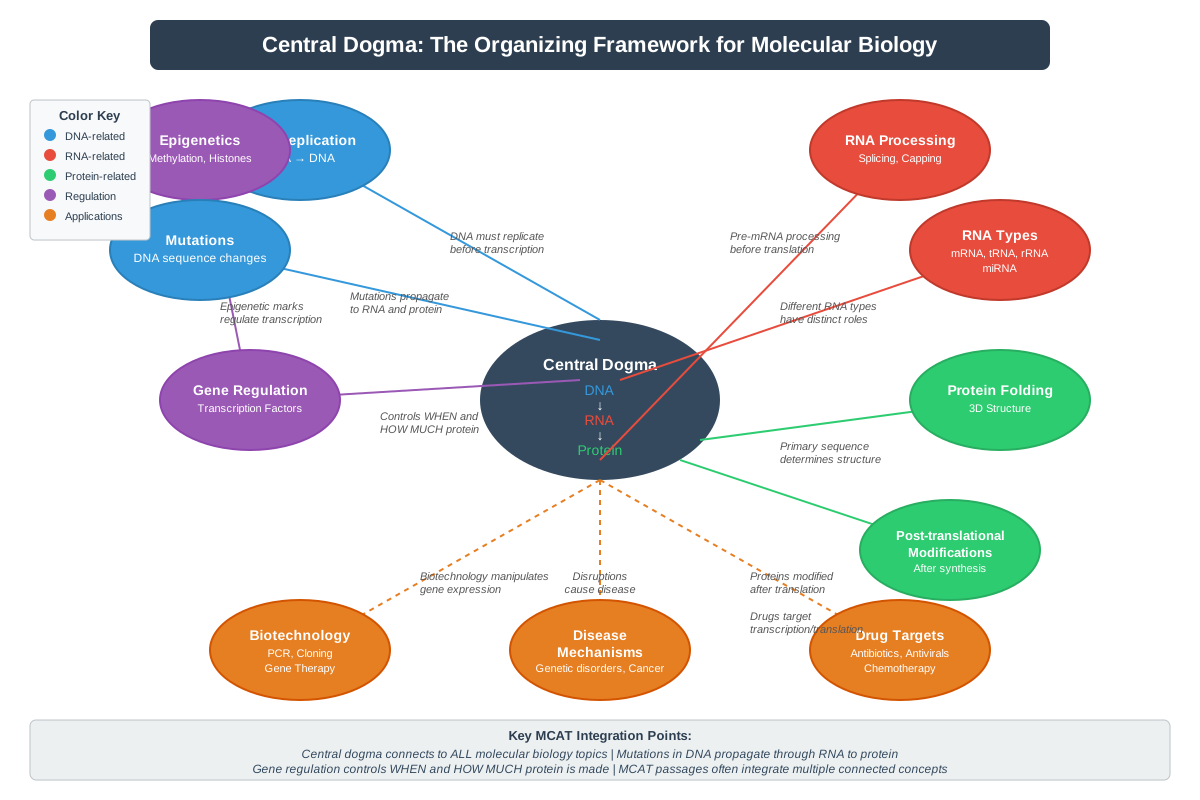
The central dogma connects to virtually every other topic in molecular biology, including DNA replication, gene regulation, genetic mutations, recombinant DNA technology, and cellular signaling. Mastery of this concept provides the foundation for understanding how genetic information stored in DNA ultimately determines cellular phenotype and organism characteristics. This topic bridges biochemistry and genetics, making it essential for integrated MCAT passages that combine multiple disciplines.
Learning Objectives
- [ ] Define Central dogma using accurate Biology terminology
- [ ] Explain why Central dogma matters for the MCAT
- [ ] Apply Central dogma to exam-style questions
- [ ] Identify common mistakes related to Central dogma
- [ ] Connect Central dogma to related Biology concepts
- [ ] Distinguish between the classical central dogma and exceptions (reverse transcription, RNA replication)
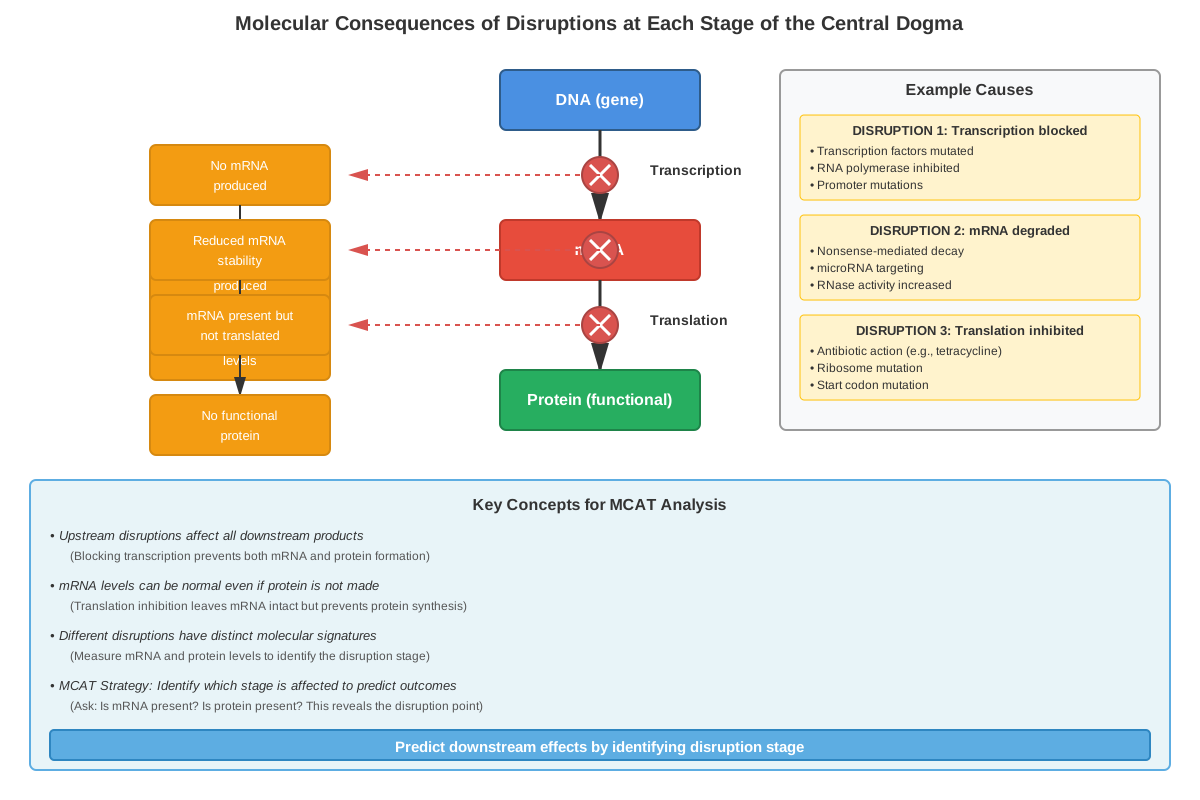
- [ ] Predict the molecular consequences of disruptions at each stage of information flow
- [ ] Analyze experimental scenarios to determine which step of the central dogma is affected
Prerequisites
- DNA structure and base pairing: Understanding the double helix, complementary base pairing (A-T, G-C), and antiparallel strands is essential for comprehending how DNA serves as the template for RNA synthesis
- RNA structure and types: Knowledge of RNA nucleotides, single-stranded structure, and the existence of mRNA, tRNA, and rRNA provides context for transcription products and translation machinery
- Protein structure basics: Familiarity with amino acids, peptide bonds, and primary structure enables understanding of how nucleotide sequences ultimately specify protein sequences
- Basic enzyme function: Recognition that biological processes require enzymatic catalysis helps explain the roles of RNA polymerase and ribosomes in information transfer
- Cell structure: Understanding the distinction between nucleus and cytoplasm in eukaryotes clarifies where transcription and translation occur
Why This Topic Matters
The central dogma represents a unifying principle in biology that explains how genotype determines phenotype at the molecular level. Clinically, disruptions in the central dogma underlie numerous diseases: mutations in DNA cause genetic disorders, aberrant RNA processing contributes to cancer, and defective protein synthesis results in conditions like cystic fibrosis. Understanding this flow of information is essential for comprehending how antibiotics work (many target bacterial ribosomes), how viruses replicate (some use reverse transcription), and how gene therapy approaches aim to correct genetic defects.
On the MCAT, central dogma concepts appear in approximately 10-15% of Biological and Biochemical Foundations questions. These questions commonly present as:
- Passage-based questions analyzing experimental manipulations of transcription or translation
- Discrete questions testing knowledge of information flow direction and molecular products
- Data interpretation questions requiring students to predict outcomes when specific steps are inhibited
- Clinical vignettes describing genetic diseases or pharmaceutical interventions
The MCAT frequently integrates central dogma with other topics, such as presenting a passage about a novel antibiotic that inhibits translation, then asking questions that require understanding both the central dogma and bacterial cell biology. Questions may also involve biotechnology applications like PCR, cloning, or CRISPR, all of which manipulate the central dogma pathway.
Core Concepts
The Classical Central Dogma
The central dogma establishes that genetic information flows in one direction: DNA → RNA → protein. This principle consists of three major processes:
- Replication: DNA → DNA (copying genetic information for cell division)
- Transcription: DNA → RNA (creating an RNA copy of genetic information)
- Translation: RNA → protein (using RNA information to synthesize proteins)
The term "dogma" is somewhat misleading, as Crick later acknowledged; it represents a fundamental principle rather than an unquestionable truth. The central dogma specifically addresses the transfer of sequential information (the order of nucleotides or amino acids) rather than the transfer of matter or energy.
DNA Replication: Maintaining Genetic Information
While not always included in simplified versions of the central dogma, DNA replication represents the process by which genetic information is duplicated before cell division. This semiconservative process uses each DNA strand as a template to synthesize a complementary strand, ensuring that genetic information is preserved across generations. Key enzymes include:
- DNA helicase: Unwinds the double helix
- DNA polymerase: Synthesizes new DNA strands in the 5' to 3' direction
- Primase: Creates RNA primers to initiate synthesis
- Ligase: Joins Okazaki fragments on the lagging strand
For the MCAT, understanding that DNA replication maintains the information reservoir is crucial for questions about cell division, mutations, and DNA repair mechanisms.
Transcription: DNA to RNA
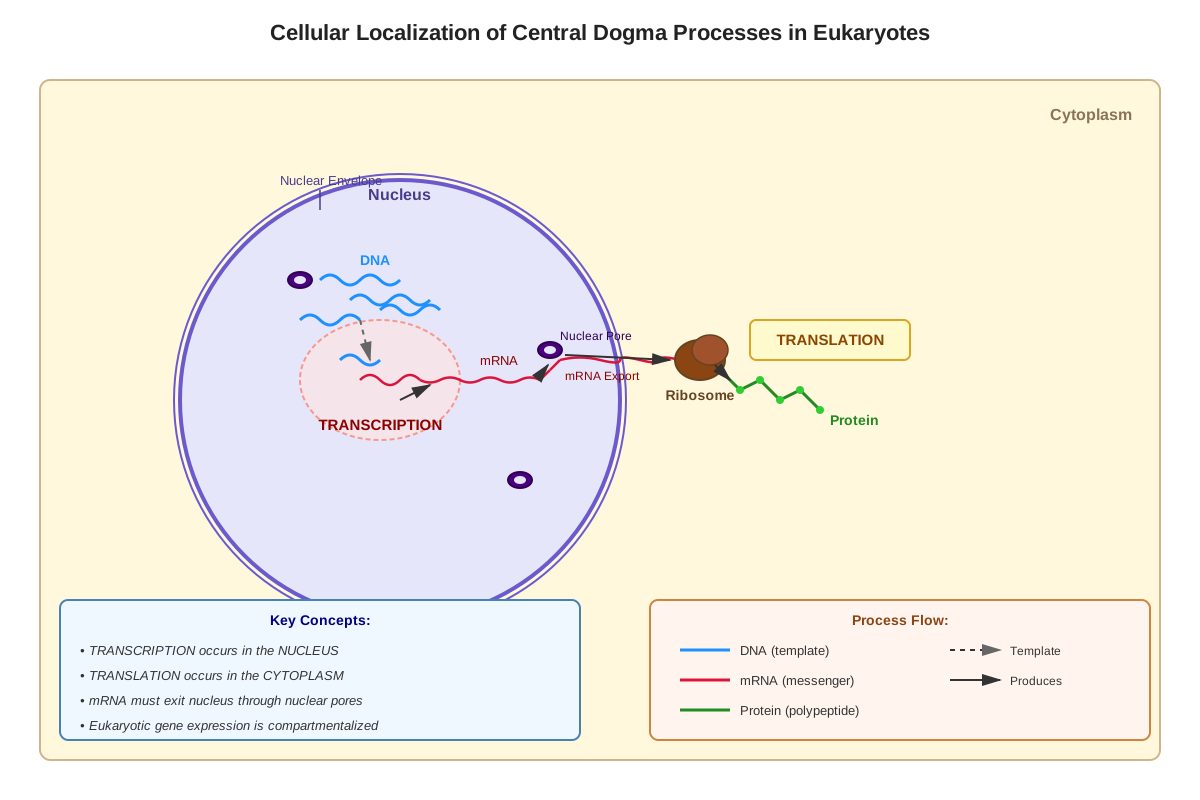
Transcription is the process of synthesizing RNA from a DNA template. This occurs in the nucleus of eukaryotic cells and involves several stages:
Initiation: RNA polymerase binds to the promoter region of DNA (often containing a TATA box in eukaryotes). Transcription factors assist in positioning RNA polymerase at the correct start site.
Elongation: RNA polymerase moves along the DNA template strand (3' to 5' direction), synthesizing a complementary RNA strand in the 5' to 3' direction. Unlike DNA replication, transcription:
- Uses ribonucleotides (containing ribose sugar)
- Incorporates uracil (U) instead of thymine (T)
- Does not require a primer
- Only copies one strand (the template strand)
Termination: In prokaryotes, termination occurs at specific sequences that cause RNA polymerase to dissociate. In eukaryotes, the process is more complex, involving cleavage and polyadenylation signals.
The RNA product of transcription is called the primary transcript or pre-mRNA in eukaryotes. This molecule undergoes extensive processing before becoming mature mRNA.
RNA Processing in Eukaryotes
Eukaryotic pre-mRNA undergoes three major modifications before leaving the nucleus:
- 5' capping: Addition of a 7-methylguanosine cap protects the mRNA from degradation and assists in ribosome binding
- 3' polyadenylation: Addition of approximately 200 adenine nucleotides (poly-A tail) enhances stability and facilitates translation
- Splicing: Removal of non-coding sequences (introns) and joining of coding sequences (exons) by the spliceosome
Alternative splicing allows a single gene to produce multiple protein variants by including or excluding different exons, significantly expanding proteomic diversity without increasing genome size. This concept frequently appears in MCAT questions about gene regulation and protein diversity.
Translation: RNA to Protein
Translation converts the nucleotide sequence of mRNA into the amino acid sequence of a protein. This process occurs at ribosomes in the cytoplasm (or on the rough endoplasmic reticulum for proteins destined for secretion or membrane insertion).
The genetic code serves as the dictionary for translation:
- Codons are three-nucleotide sequences in mRNA
- Each codon specifies one amino acid (or a stop signal)
- The code is degenerate (multiple codons can specify the same amino acid)
- The code is nearly universal across all organisms
- Start codon: AUG (codes for methionine)
- Stop codons: UAA, UAG, UGA
Translation stages:
Initiation: The small ribosomal subunit binds to the mRNA at the 5' cap and scans for the start codon (AUG). The initiator tRNA (carrying methionine) binds to the start codon, and the large ribosomal subunit joins to form the complete ribosome. The ribosome has three sites:
- A site (aminoacyl): Accepts incoming tRNA
- P site (peptidyl): Holds tRNA attached to the growing peptide chain
- E site (exit): Releases empty tRNA
Elongation: The ribosome moves along the mRNA in the 5' to 3' direction, reading codons sequentially. For each codon:
- A tRNA with the complementary anticodon enters the A site
- Peptidyl transferase (a ribozyme) catalyzes peptide bond formation
- The ribosome translocates, moving the tRNA from A to P to E sites
- The process repeats
Termination: When a stop codon enters the A site, release factors bind instead of tRNA, causing the ribosome to release the completed polypeptide and dissociate from the mRNA.
Exceptions to the Central Dogma
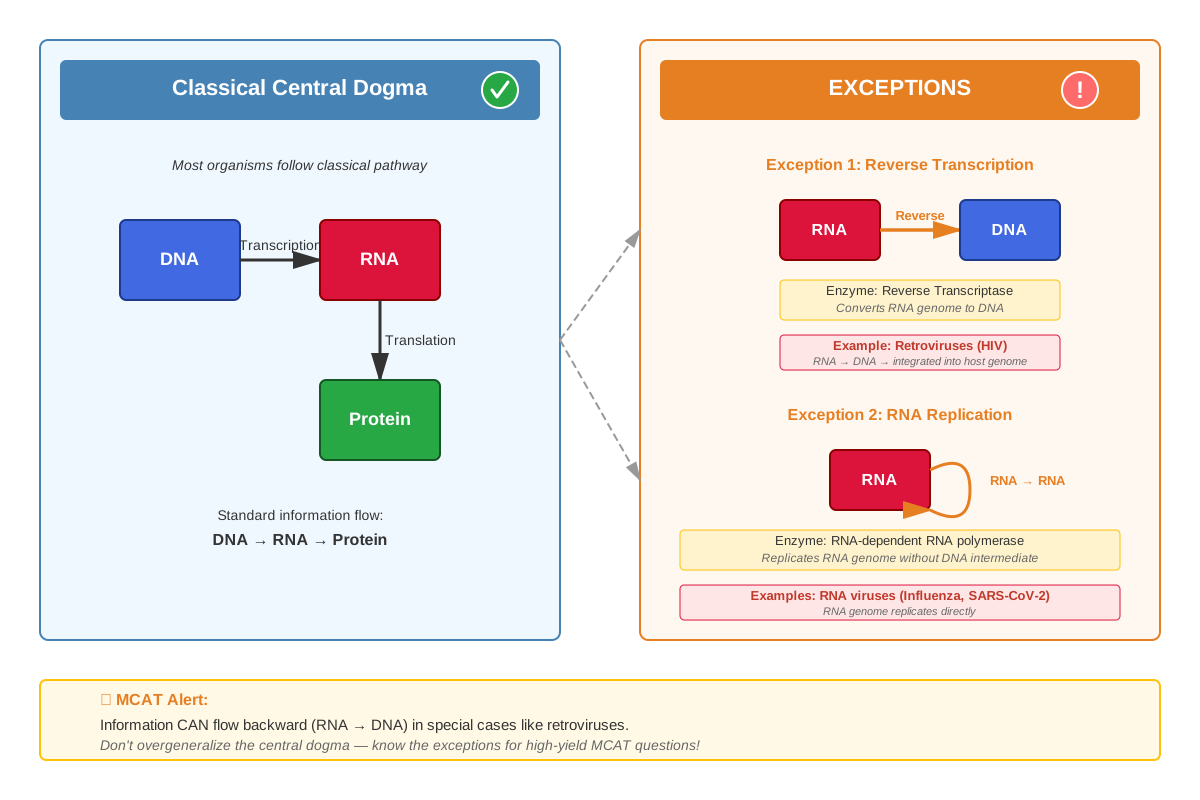
While the classical central dogma describes the predominant flow of genetic information, several important exceptions exist:
Reverse transcription: RNA → DNA, catalyzed by reverse transcriptase in retroviruses (like HIV) and in the synthesis of telomeres by telomerase. This process allows RNA viruses to integrate into host genomes and is exploited in molecular biology techniques like RT-PCR and cDNA library construction.
RNA replication: RNA → RNA, occurring in RNA viruses that use RNA-dependent RNA polymerase to replicate their genomes without a DNA intermediate.
Direct RNA to RNA information transfer: Some RNA molecules can serve as templates for other RNAs, though this is less common.
These exceptions are MCAT-relevant, particularly in virology questions and biotechnology applications. Understanding that reverse transcription violates the classical central dogma helps students recognize why retroviruses are unique and why reverse transcriptase is a valuable research tool.
Comparison of Transcription and Translation
| Feature | Transcription | Translation |
|---|---|---|
| Template | DNA (template strand) | mRNA |
| Product | RNA | Protein (polypeptide) |
| Location (eukaryotes) | Nucleus | Cytoplasm/RER |
| Key enzyme/structure | RNA polymerase | Ribosome |
| Monomers used | Ribonucleotides (ATP, GTP, CTP, UTP) | Amino acids |
| Direction of synthesis | 5' to 3' | N-terminus to C-terminus |
| Energy source | Nucleotide triphosphates | GTP hydrolysis |
| Adaptor molecule | None | tRNA |
Concept Relationships
The central dogma serves as the organizing framework connecting multiple molecular biology concepts. DNA replication ensures that genetic information is preserved and transmitted to daughter cells, maintaining the information reservoir from which transcription draws. Transcription converts the stable, archived information in DNA into the more dynamic, working copy in RNA form. This RNA then directs translation, where the nucleotide language is converted into the amino acid language of proteins.
Gene regulation operates at multiple points along the central dogma pathway. Transcriptional regulation controls which genes are transcribed and at what rate, while translational regulation determines which mRNAs are translated and how efficiently. Epigenetic modifications affect transcription without changing DNA sequence, and RNA interference can degrade mRNA before translation occurs.
Mutations in DNA can propagate through the central dogma: a point mutation in DNA becomes a point mutation in mRNA, which may result in an amino acid substitution in the protein (missense), a premature stop codon (nonsense), or no change (silent). Understanding this flow helps predict phenotypic consequences of genetic changes.
The central dogma connects to biotechnology applications: PCR amplifies DNA, RT-PCR uses reverse transcription to study RNA, and recombinant DNA technology manipulates the central dogma to produce desired proteins. Antibiotics often target bacterial ribosomes (translation), while some antiviral drugs inhibit reverse transcriptase or viral proteases that process translated proteins.
Relationship map:
DNA (information storage) → Replication → DNA copies (cell division)
DNA → Transcription → RNA → Processing (eukaryotes) → mature mRNA → Translation → Protein → Post-translational modifications → Functional protein → Cellular phenotype
This pathway is regulated by: Transcription factors → RNA polymerase activity; Splicing factors → Alternative splicing; Translation factors → Ribosome activity; Chaperones → Protein folding
High-Yield Facts
⭐ The central dogma describes information flow as DNA → RNA → protein, with DNA serving as the stable information archive and proteins as the functional effectors
⭐ Transcription produces RNA complementary to the DNA template strand, synthesized in the 5' to 3' direction by RNA polymerase
⭐ Translation reads mRNA codons in the 5' to 3' direction, synthesizing proteins from N-terminus to C-terminus at ribosomes
⭐ The genetic code is degenerate (multiple codons per amino acid), nearly universal, and non-overlapping
⭐ Reverse transcription (RNA → DNA) is the major exception to the classical central dogma, occurring in retroviruses and telomerase activity
- Eukaryotic mRNA processing includes 5' capping, 3' polyadenylation, and splicing of introns from exons
- Alternative splicing allows one gene to produce multiple protein variants, increasing proteomic diversity
- The start codon AUG codes for methionine and establishes the reading frame for translation
- Stop codons (UAA, UAG, UGA) do not code for amino acids but signal translation termination
- Prokaryotic transcription and translation can occur simultaneously because both happen in the cytoplasm, while eukaryotic transcription (nucleus) and translation (cytoplasm) are spatially separated
- tRNA molecules serve as adaptors, with anticodons complementary to mRNA codons and amino acids attached to their 3' ends
- Mutations in DNA can be silent (no amino acid change), missense (different amino acid), or nonsense (premature stop codon)
Quick check — test yourself on Central dogma so far.
Try Flashcards →Common Misconceptions
Misconception: The central dogma means that information can only flow from DNA to RNA to protein, with no exceptions.
Correction: While this represents the predominant flow, important exceptions exist. Reverse transcription (RNA → DNA) occurs in retroviruses and telomerase activity. RNA viruses can replicate their RNA genomes directly (RNA → RNA). The central dogma describes the general rule, but biological systems have evolved mechanisms that violate it under specific circumstances.
Misconception: Both DNA strands are transcribed for every gene.
Correction: For any given gene, only one DNA strand serves as the template for transcription—this is called the template strand or antisense strand. The other strand, called the coding strand or sense strand, has the same sequence as the RNA product (except T instead of U). However, different genes on the same chromosome may use different strands as templates.
Misconception: mRNA sequence is identical to the DNA coding strand.
Correction: The mRNA sequence is nearly identical to the DNA coding strand, but with two key differences: (1) RNA contains uracil (U) instead of thymine (T), and (2) in eukaryotes, the mRNA is processed (introns removed, exons spliced together), so it doesn't contain all sequences present in the gene. The mRNA is complementary to the template strand.
Misconception: Translation reads mRNA in the 3' to 5' direction because DNA is read 3' to 5' during transcription.
Correction: Both transcription and translation proceed in the same directional relationship to their templates. RNA polymerase reads the DNA template strand in the 3' to 5' direction while synthesizing RNA in the 5' to 3' direction. Similarly, ribosomes read mRNA in the 5' to 3' direction while synthesizing protein from N-terminus to C-terminus. The mRNA is read in the same direction it was synthesized.
Misconception: Each codon codes for a unique amino acid (one-to-one relationship).
Correction: The genetic code is degenerate, meaning multiple codons can specify the same amino acid. For example, leucine is coded by six different codons (UUA, UUG, CUU, CUC, CUA, CUG). This degeneracy provides some protection against mutations, as changes in the third codon position often don't change the amino acid (wobble position). Only methionine (AUG) and tryptophan (UGG) have single codons.
Misconception: Proteins are the final product and don't undergo further modifications.
Correction: Many proteins undergo extensive post-translational modifications after translation completes. These include phosphorylation, glycosylation, acetylation, proteolytic cleavage, and disulfide bond formation. These modifications are essential for protein function, localization, and regulation. While not part of the central dogma itself, post-translational modifications represent an additional layer of information processing beyond the DNA sequence.
Worked Examples
Example 1: Predicting Mutation Consequences
Question: A mutation in a bacterial gene changes a single DNA nucleotide from adenine (A) to guanine (G) in the coding strand. The original codon in the mRNA was 5'-UAC-3', which codes for tyrosine. What is the new mRNA codon, and what amino acid does it specify? What type of mutation is this?
Solution:
Step 1: Understand the relationship between DNA strands and mRNA.
- The coding strand has the same sequence as mRNA (except T instead of U)
- If the coding strand originally had TAC, the mRNA has UAC
- The template strand (complementary to coding strand) would be ATG
Step 2: Apply the mutation.
- Original coding strand: 5'-TAC-3'
- Mutated coding strand: 5'-TGC-3' (A changed to G)
- The template strand changes from ATG to ACG
Step 3: Determine the new mRNA sequence.
- mRNA is complementary to the template strand
- New template strand: 3'-ACG-5'
- New mRNA codon: 5'-UGC-3'
Step 4: Identify the amino acid.
- Using the genetic code, UGC codes for cysteine
- Original: UAC → tyrosine
- New: UGC → cysteine
Step 5: Classify the mutation.
- This is a missense mutation because one amino acid (tyrosine) is replaced by a different amino acid (cysteine)
- This could affect protein function, especially since tyrosine (polar, aromatic) and cysteine (contains sulfhydryl group) have different chemical properties
Key concept: This example demonstrates how information flows through the central dogma: DNA mutation → mRNA change → amino acid substitution → potential protein dysfunction. Understanding this flow is essential for predicting phenotypic consequences of genetic changes.
Example 2: Analyzing an Experimental Intervention
Question: Researchers studying a eukaryotic cell line add a drug that specifically inhibits RNA polymerase II but does not affect RNA polymerase I or III. They then measure the levels of various cellular components over the next 24 hours. Which of the following would you expect to decrease first?
A) Ribosomal RNA levels
B) Transfer RNA levels
C) Messenger RNA levels
D) Ribosome number
Solution:
Step 1: Recall the functions of different RNA polymerases in eukaryotes.
- RNA polymerase I: transcribes most ribosomal RNA genes (rRNA)
- RNA polymerase II: transcribes messenger RNA genes (mRNA) and some non-coding RNAs
- RNA polymerase III: transcribes transfer RNA genes (tRNA) and 5S rRNA
Step 2: Determine what is directly affected by the drug.
- The drug inhibits RNA polymerase II
- This directly prevents mRNA transcription
- rRNA and tRNA transcription continue normally
Step 3: Consider the stability and turnover of different molecules.
- mRNA is relatively unstable, with half-lives ranging from minutes to hours
- rRNA and tRNA are very stable, with half-lives of days
- Ribosomes are stable protein-RNA complexes
Step 4: Predict the temporal sequence of effects.
- mRNA levels would decrease first because:
1. New mRNA synthesis is blocked
2. Existing mRNA is degraded relatively quickly
- rRNA levels (choice A) would remain stable because RNA pol I is unaffected
- tRNA levels (choice B) would remain stable because RNA pol III is unaffected
- Ribosome numbers (choice D) would eventually decrease, but only after mRNA depletion affects synthesis of ribosomal proteins
Answer: C) Messenger RNA levels
Key concept: This example illustrates how understanding the central dogma helps predict experimental outcomes. Knowing which polymerase transcribes which RNA type, and understanding the relative stability of different molecules, allows prediction of temporal effects. This type of reasoning is common in MCAT passages describing experimental manipulations.
Exam Strategy
When approaching central dogma MCAT questions, use this systematic approach:
1. Identify which step of the central dogma is being tested: Questions may focus on transcription, translation, or the overall flow. Look for trigger words:
- Transcription triggers: "RNA polymerase," "promoter," "template strand," "primary transcript," "splicing"
- Translation triggers: "ribosome," "codon," "anticodon," "tRNA," "peptide bond," "start codon"
- Overall flow triggers: "gene expression," "information flow," "from DNA to protein"
2. Determine the cellular location: Eukaryotic questions often test whether students know that transcription occurs in the nucleus while translation occurs in the cytoplasm. Prokaryotic questions may test that both processes occur in the cytoplasm and can be coupled.
3. Track directionality carefully:
- DNA and RNA synthesis always proceed 5' to 3'
- Template strands are read 3' to 5'
- mRNA is read 5' to 3' during translation
- Proteins are synthesized N-terminus to C-terminus
- Drawing a quick diagram with directional arrows can prevent errors
4. For mutation questions, trace the flow: DNA change → mRNA change → amino acid change → protein function change. Eliminate answer choices that skip steps or reverse the flow.
5. Watch for exception scenarios: If a question mentions viruses, retroviruses, or reverse transcriptase, recognize that reverse transcription (RNA → DNA) is occurring. This is a common way the MCAT tests whether students understand exceptions to the classical dogma.
6. Use process of elimination for genetic code questions:
- Eliminate answers that confuse codons (mRNA) with anticodons (tRNA)
- Remember that the genetic code is degenerate—multiple codons can specify the same amino acid
- Start codon is always AUG; stop codons are UAA, UAG, UGA
7. Time allocation: Most central dogma questions can be answered in 60-90 seconds. If a question requires more time, it likely involves:
- Complex passage integration
- Multi-step reasoning through mutation consequences
- Data interpretation from experimental results
Exam Tip: If a passage describes an experiment affecting "gene expression," immediately consider which step of the central dogma is being manipulated. Many passages test whether students can identify that a drug affecting "protein synthesis" is targeting translation, not transcription.
Memory Techniques
For the central dogma flow:
"Dogs Run Pretty" = DNA → RNA → Protein
For RNA polymerase types in eukaryotes:
"I, II, III = rRNA, mRNA, tRNA"
- Polymerase I makes rRNA (both have vertical lines in the letters)
- Polymerase II makes mRNA (both have two vertical lines)
- Polymerase III makes tRNA (both have three vertical lines)
For stop codons:
"U Are Annoying, U Are Gross, U Go Away" = UAA, UAG, UGA
Or simply: "U Are Away" (all stop codons start with U and contain A)
For transcription vs. translation directionality:
Visualize a factory assembly line moving left to right:
- Raw materials (nucleotides or amino acids) enter from the right
- The product (RNA or protein) grows toward the right (5' to 3' or N to C)
- The template (DNA or mRNA) is read from right to left (3' to 5' or 5' to 3')
For complementary base pairing:
"Apple Tree, Car Garage" = A pairs with T (or U in RNA), C pairs with G
For the genetic code properties:
"DUNU" = Degenerate, Universal, Non-overlapping, Unambiguous
- Degenerate: multiple codons per amino acid
- Universal: same code in nearly all organisms
- Non-overlapping: each nucleotide is part of only one codon
- Unambiguous: each codon specifies only one amino acid
For remembering that reverse transcription is the exception:
Think of HIV (a retrovirus): Has Information Violating the central dogma (RNA → DNA)
Summary
The central dogma of molecular biology establishes the fundamental principle that genetic information flows from DNA to RNA to protein, providing the framework for understanding gene expression and cellular function. DNA serves as the stable repository of genetic information, which is transcribed into RNA by RNA polymerase. In eukaryotes, this primary transcript undergoes processing (capping, polyadenylation, and splicing) before the mature mRNA is exported to the cytoplasm. Translation then converts the nucleotide sequence of mRNA into the amino acid sequence of proteins at ribosomes, using tRNA molecules as adaptors and the genetic code as the translation dictionary. While this unidirectional flow represents the predominant pathway, important exceptions exist, particularly reverse transcription in retroviruses. Understanding the central dogma enables prediction of how mutations propagate through the system, how experimental interventions affect gene expression, and how various regulatory mechanisms control cellular phenotype. For the MCAT, mastery of this concept is essential for answering questions across molecular biology, genetics, and biochemistry, particularly those involving experimental analysis, mutation consequences, and biotechnology applications.
Key Takeaways
- The central dogma describes information flow as DNA → RNA → protein, with each step catalyzed by specific molecular machinery (RNA polymerase for transcription, ribosomes for translation)
- Transcription produces RNA complementary to the DNA template strand, while translation converts mRNA codons into amino acid sequences using the genetic code
- Eukaryotic gene expression involves spatial separation (transcription in nucleus, translation in cytoplasm) and RNA processing (capping, polyadenylation, splicing), while prokaryotic transcription and translation can occur simultaneously
- The genetic code is degenerate (multiple codons per amino acid), nearly universal, and uses AUG as the start codon and UAA, UAG, UGA as stop codons
- Reverse transcription (RNA → DNA) represents the major exception to the classical central dogma, occurring in retroviruses and telomerase activity
- Mutations in DNA propagate through the central dogma pathway, potentially causing changes in mRNA sequence and amino acid substitutions that affect protein function
- Understanding the central dogma enables prediction of experimental outcomes, analysis of genetic diseases, and comprehension of biotechnology applications tested on the MCAT
Related Topics
Gene Regulation: Building on the central dogma, gene regulation examines how cells control which genes are transcribed and translated, and at what levels. This includes transcription factors, enhancers, silencers, and epigenetic modifications. Mastering the central dogma provides the foundation for understanding what is being regulated.
Mutations and DNA Repair: Understanding how changes in DNA sequence propagate through transcription and translation to affect protein function. This topic extends the central dogma by examining what happens when errors occur and how cells correct them.
Recombinant DNA Technology: Techniques like PCR, cloning, and gene therapy directly manipulate the central dogma pathway. Understanding the basic flow of genetic information is essential for comprehending how these technologies work.
Viral Replication: Different viruses exploit or violate the central dogma in various ways. DNA viruses follow the classical pathway, while RNA viruses and retroviruses use alternative mechanisms. This topic tests understanding of both the rule and its exceptions.
Post-Translational Modifications: After translation produces a polypeptide, many proteins undergo modifications that affect their function, localization, or stability. This represents an additional layer of information processing beyond the central dogma itself.
Practice CTA
Now that you've mastered the central dogma, test your understanding with practice questions and flashcards. Focus on questions that require you to trace information flow through multiple steps, predict consequences of experimental interventions, and identify exceptions to the classical pathway. The central dogma appears in numerous MCAT contexts, so practicing with diverse question types will solidify your mastery. Remember: understanding this foundational concept will enhance your performance across all molecular biology and genetics questions. You've got this!
Sign up free to keep reading
Create a free AnvayaPrep account to finish this MCAT guide on Central dogma — plus flashcards and practice questions.