Overview
Gene regulation in eukaryotes represents one of the most sophisticated and multilayered control systems in biology, governing when, where, and how much of each gene product is expressed in complex organisms. Unlike prokaryotes, which primarily regulate gene expression at the transcriptional level through operons, eukaryotic cells employ an elaborate array of regulatory mechanisms spanning from chromatin remodeling to post-translational modifications. This complexity reflects the developmental and functional specialization required in multicellular organisms, where identical genomes must produce dramatically different cell types—a neuron and a hepatocyte contain the same DNA yet express vastly different proteins.
For the MCAT, understanding gene regulation in eukaryotes is essential because it bridges molecular biology, genetics, and cellular physiology while appearing frequently in both passage-based and discrete questions. The exam tests not only the mechanisms themselves but also the ability to predict outcomes of regulatory disruptions, interpret experimental data involving gene expression, and connect molecular events to phenotypic consequences. Questions often present scenarios involving development, cancer biology, or cellular differentiation—all contexts where eukaryotic gene regulation plays a central role.
This topic integrates seamlessly with broader Molecular Biology and Genetics concepts including DNA structure, transcription, translation, cell cycle regulation, and signal transduction. Mastery of eukaryotic gene regulation provides the foundation for understanding how cells respond to environmental signals, how development proceeds in a coordinated fashion, and how regulatory failures contribute to disease states—particularly cancer, which the MCAT frequently emphasizes. The hierarchical nature of eukaryotic regulation, from epigenetic modifications through post-translational control, exemplifies the systems-level thinking that the MCAT rewards.
Learning Objectives
- [ ] Define gene regulation in eukaryotes using accurate Biology terminology
- [ ] Explain why gene regulation in eukaryotes matters for the MCAT
- [ ] Apply gene regulation in eukaryotes to exam-style questions
- [ ] Identify common mistakes related to gene regulation in eukaryotes
- [ ] Connect gene regulation in eukaryotes to related Biology concepts
- [ ] Compare and contrast the multiple levels of eukaryotic gene regulation and predict which level would be most efficient for different cellular needs
- [ ] Analyze experimental scenarios involving chromatin modifications, transcription factors, and RNA processing to determine effects on gene expression
- [ ] Evaluate how disruptions in specific regulatory mechanisms contribute to disease phenotypes, particularly in cancer biology
Prerequisites
- DNA structure and organization: Understanding nucleosomes, histones, and chromatin structure is essential because eukaryotic gene regulation begins with chromatin accessibility
- Central dogma (transcription and translation): Gene regulation modulates these fundamental processes, so knowing the baseline mechanisms is required to understand regulatory interventions
- Protein structure and function: Many regulatory molecules are proteins (transcription factors, enzymes), and understanding their structure-function relationships clarifies regulatory mechanisms
- Cell signaling basics: External signals often trigger gene regulatory cascades, connecting extracellular information to nuclear gene expression changes
- Basic genetics terminology: Terms like allele, promoter, enhancer, and gene expression must be familiar to discuss regulatory mechanisms efficiently
Why This Topic Matters
Clinical and Real-World Significance
Eukaryotic gene regulation underlies virtually every aspect of human health and disease. During embryonic development, precise temporal and spatial gene expression patterns orchestrate the formation of tissues and organs—disruptions cause developmental disorders. In adult organisms, gene regulation enables cellular differentiation, immune responses, wound healing, and metabolic adaptation. Cancer fundamentally represents a disease of dysregulated gene expression, where oncogenes become inappropriately activated and tumor suppressors are silenced through regulatory mechanisms like DNA methylation and histone modification. Understanding these mechanisms has enabled therapeutic interventions including histone deacetylase (HDAC) inhibitors and DNA methyltransferase inhibitors used in cancer treatment.
MCAT Exam Statistics and Question Types
Gene regulation in eukaryotes appears in approximately 3-5% of MCAT Biology questions, with medium-to-high difficulty. The topic most commonly appears in:
- Passage-based questions presenting experimental data on chromatin immunoprecipitation (ChIP), reporter gene assays, or RNA expression studies
- Questions integrating gene regulation with cancer biology, asking students to predict effects of mutations in regulatory regions or transcription factors
- Developmental biology scenarios requiring understanding of how differential gene expression produces specialized cell types
- Discrete questions testing knowledge of specific mechanisms like alternative splicing, enhancer function, or epigenetic modifications
The MCAT particularly favors questions requiring students to interpret data, predict outcomes of regulatory disruptions, or explain how multiple regulatory levels coordinate to produce specific expression patterns. Questions rarely ask for simple recall but instead test conceptual understanding and application.
Common Exam Passage Contexts
- Experiments manipulating transcription factor binding sites and measuring downstream gene expression
- Studies examining histone modifications or DNA methylation patterns in normal versus cancer cells
- Developmental biology passages describing how morphogen gradients establish differential gene expression
- Signal transduction cascades culminating in altered transcription factor activity
- Alternative splicing patterns in different tissues or disease states
Core Concepts
Levels of Eukaryotic Gene Regulation
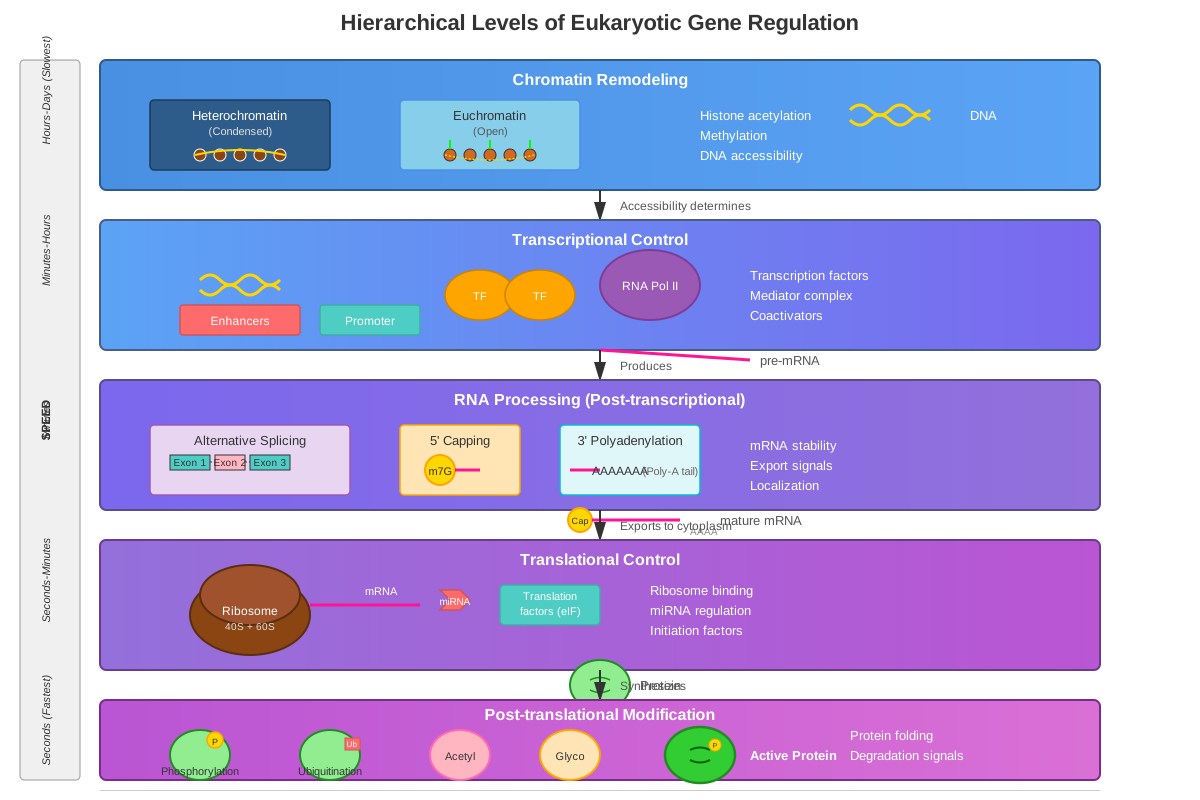
Gene regulation in eukaryotes occurs at multiple hierarchical levels, each offering distinct advantages for controlling gene expression. This multilayered approach provides both fine-tuned control and rapid response capabilities. The major regulatory levels include:
- Chromatin structure and accessibility (epigenetic regulation)
- Transcriptional control (initiation and elongation)
- Post-transcriptional processing (RNA splicing, capping, polyadenylation)
- RNA stability and localization
- Translational control
- Post-translational modifications
Each level represents a potential regulatory checkpoint, and cells often employ multiple levels simultaneously for critical genes.
Chromatin Remodeling and Epigenetic Regulation
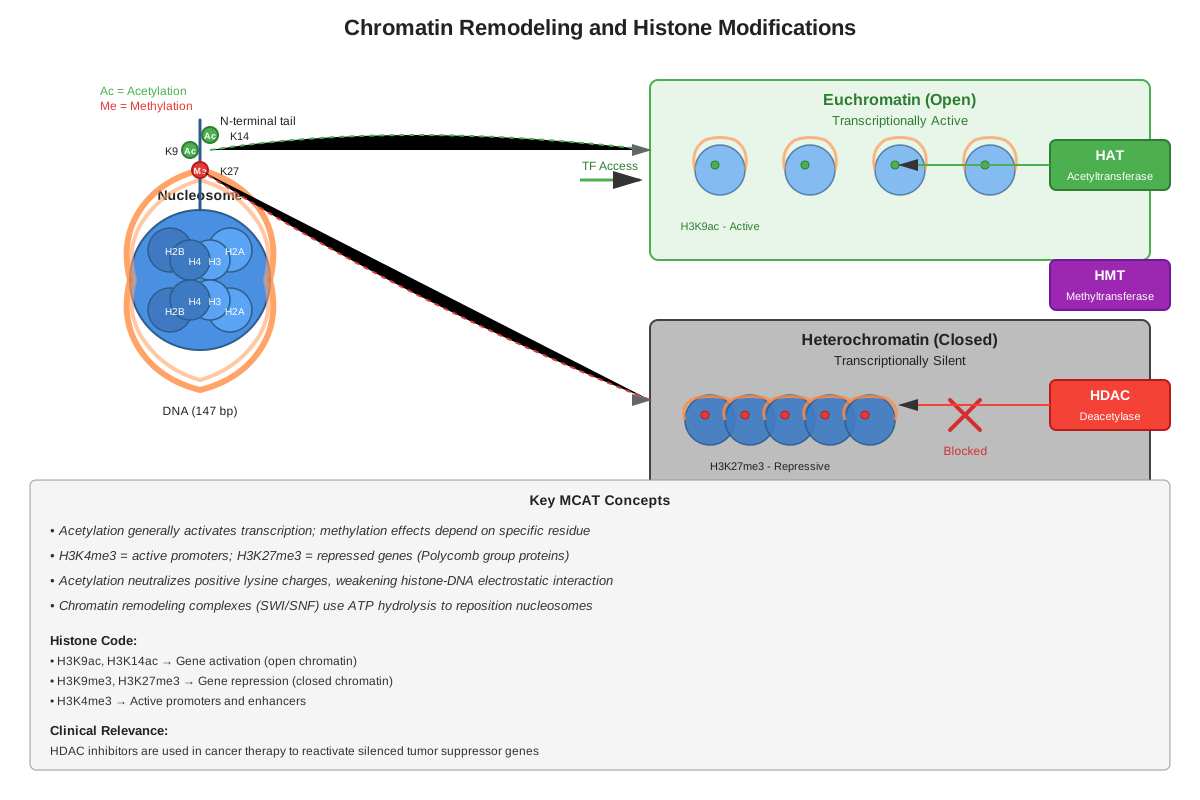
Chromatin structure represents the first and most fundamental level of eukaryotic gene regulation. DNA wrapped around histone octamers forms nucleosomes, which can be tightly packed (heterochromatin, transcriptionally inactive) or loosely arranged (euchromatin, transcriptionally accessible). The accessibility of DNA to transcriptional machinery depends critically on chromatin state.
Histone modifications alter chromatin structure through covalent modifications to histone tail amino acids:
| Modification | Effect on Transcription | Mechanism |
|---|---|---|
| Histone acetylation | Activates | Neutralizes positive charges, loosens DNA-histone interaction |
| Histone deacetylation | Represses | Restores positive charges, tightens DNA binding |
| H3K4 methylation | Activates | Recruits transcriptional activators |
| H3K9 methylation | Represses | Recruits heterochromatin proteins |
| H3K27 methylation | Represses | Polycomb-mediated silencing |
Histone acetyltransferases (HATs) add acetyl groups to lysine residues, while histone deacetylases (HDACs) remove them. These enzymes are often recruited by transcription factors, linking sequence-specific DNA binding to chromatin modification.
DNA methylation involves adding methyl groups to cytosine bases, particularly in CpG dinucleotides (cytosine-guanine sequences). In mammals, DNA methylation typically represses transcription by:
- Directly blocking transcription factor binding
- Recruiting methyl-binding proteins that compact chromatin
- Establishing heritable silencing patterns (epigenetic inheritance)
CpG islands—regions rich in CpG dinucleotides—are often found in gene promoters. Methylation of CpG islands silences associated genes, a mechanism frequently exploited in cancer to inactivate tumor suppressor genes.
Chromatin remodeling complexes use ATP hydrolysis to physically reposition, eject, or restructure nucleosomes, making DNA accessible or inaccessible to transcriptional machinery. These complexes respond to cellular signals and work coordinately with histone-modifying enzymes.
Transcriptional Regulation
Transcriptional control in eukaryotes involves complex interactions between DNA regulatory sequences and protein factors. Unlike prokaryotic operons, eukaryotic genes are individually regulated with sophisticated enhancer and promoter architecture.
Core promoter elements include:
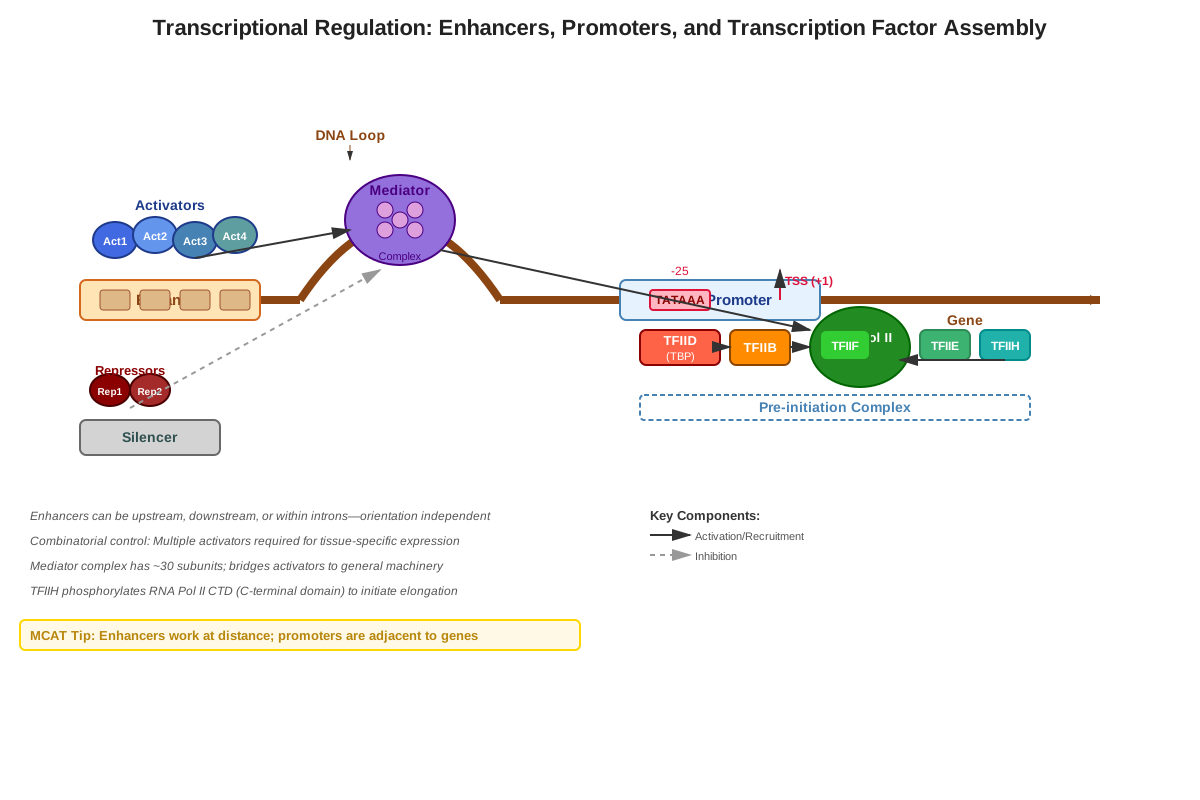
- TATA box: Located ~25-30 base pairs upstream of transcription start site, binds TATA-binding protein (TBP)
- Initiator (Inr): Surrounds transcription start site
- CAAT box and GC box: Upstream elements that bind specific transcription factors
Transcription factors are proteins that bind DNA regulatory sequences and modulate transcription:
- General (basal) transcription factors: Required for all RNA polymerase II transcription; include TFIIA, TFIIB, TFIID (contains TBP), TFIIE, TFIIF, and TFIIH
- Specific transcription factors: Bind enhancers or promoters of particular genes; contain DNA-binding domains and activation/repression domains
Enhancers are DNA sequences that increase transcription rates and can function at great distances (thousands of base pairs) from promoters, in either orientation. They work by:
- Binding transcription factors (activators)
- Looping DNA to bring activators near the promoter
- Recruiting coactivators and chromatin remodeling complexes
- Stabilizing the transcriptional machinery
Silencers function analogously to enhancers but decrease transcription by binding repressor proteins.
Mediator complex serves as a bridge between transcription factors bound at enhancers and RNA polymerase II at the promoter, integrating multiple regulatory signals.
The transcriptional regulation process:
- Chromatin remodeling makes DNA accessible
- Specific transcription factors bind enhancers/promoters
- Coactivators and chromatin modifiers are recruited
- General transcription factors assemble at core promoter
- RNA polymerase II is recruited and phosphorylated
- Transcription initiates and elongates
Post-Transcriptional Regulation
RNA processing provides multiple regulatory opportunities unique to eukaryotes:
5' capping: Addition of 7-methylguanosine cap protects mRNA from degradation and facilitates ribosome binding. Regulation of capping enzymes affects mRNA stability.
3' polyadenylation: Addition of poly(A) tail enhances mRNA stability and translation. Alternative polyadenylation sites can produce mRNAs with different 3' UTRs, affecting stability and localization.
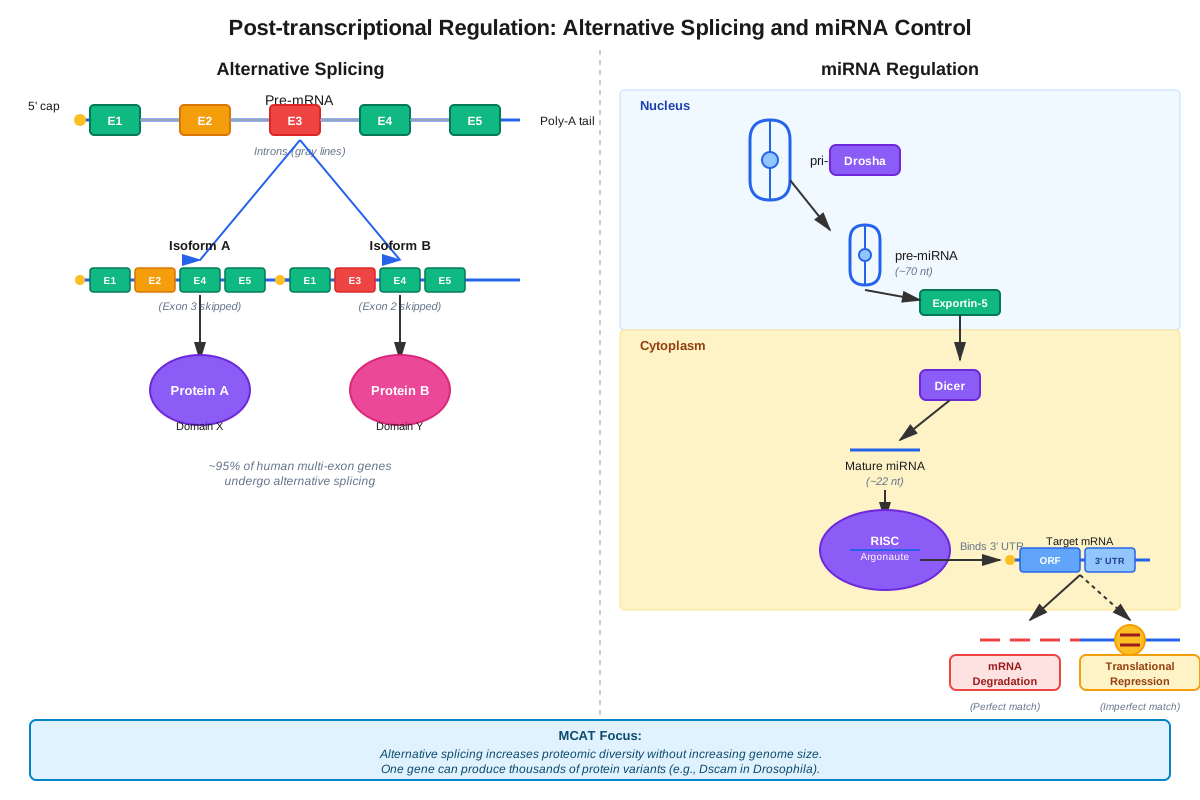
Alternative splicing represents a major source of protein diversity, allowing one gene to produce multiple protein isoforms:
- Exon skipping/inclusion: Specific exons included or excluded
- Alternative 5' or 3' splice sites: Different splice site usage
- Intron retention: Introns remain in mature mRNA
- Mutually exclusive exons: Only one of several exons included
Splicing regulation involves:
- SR proteins (serine/arginine-rich): Promote exon inclusion by binding exonic splicing enhancers (ESEs)
- hnRNPs (heterogeneous nuclear ribonucleoproteins): Often promote exon skipping by binding exonic splicing silencers (ESSs)
- Tissue-specific splicing factors that create cell-type-specific isoforms
RNA stability is regulated by:
- RNA-binding proteins that stabilize or destabilize transcripts
- microRNAs (miRNAs): Small non-coding RNAs (~22 nucleotides) that bind complementary sequences in mRNA 3' UTRs, causing translational repression or mRNA degradation
- AU-rich elements (AREs) in 3' UTRs that promote rapid mRNA decay
Translational and Post-Translational Regulation
Translational control modulates protein synthesis without changing mRNA levels:
- 5' UTR structure: Secondary structures (e.g., hairpins) can block ribosome scanning
- Internal ribosome entry sites (IRES): Allow cap-independent translation
- Upstream open reading frames (uORFs): Small ORFs in 5' UTR that reduce translation of main ORF
- RNA-binding proteins: Can block or enhance ribosome access
- miRNAs: Repress translation by preventing ribosome assembly
Post-translational modifications regulate protein activity, localization, and stability:
- Phosphorylation: Activates or inactivates proteins; reversible
- Ubiquitination: Marks proteins for proteasomal degradation
- Acetylation, methylation, SUMOylation: Modify protein function and interactions
- Proteolytic cleavage: Activates zymogens or removes regulatory domains
Coordinate Gene Regulation
Eukaryotic cells coordinate expression of functionally related genes through several mechanisms:
Combinatorial control: Multiple transcription factors bind near a gene, and their combined presence/absence determines expression. This allows precise spatiotemporal control with a limited number of factors.
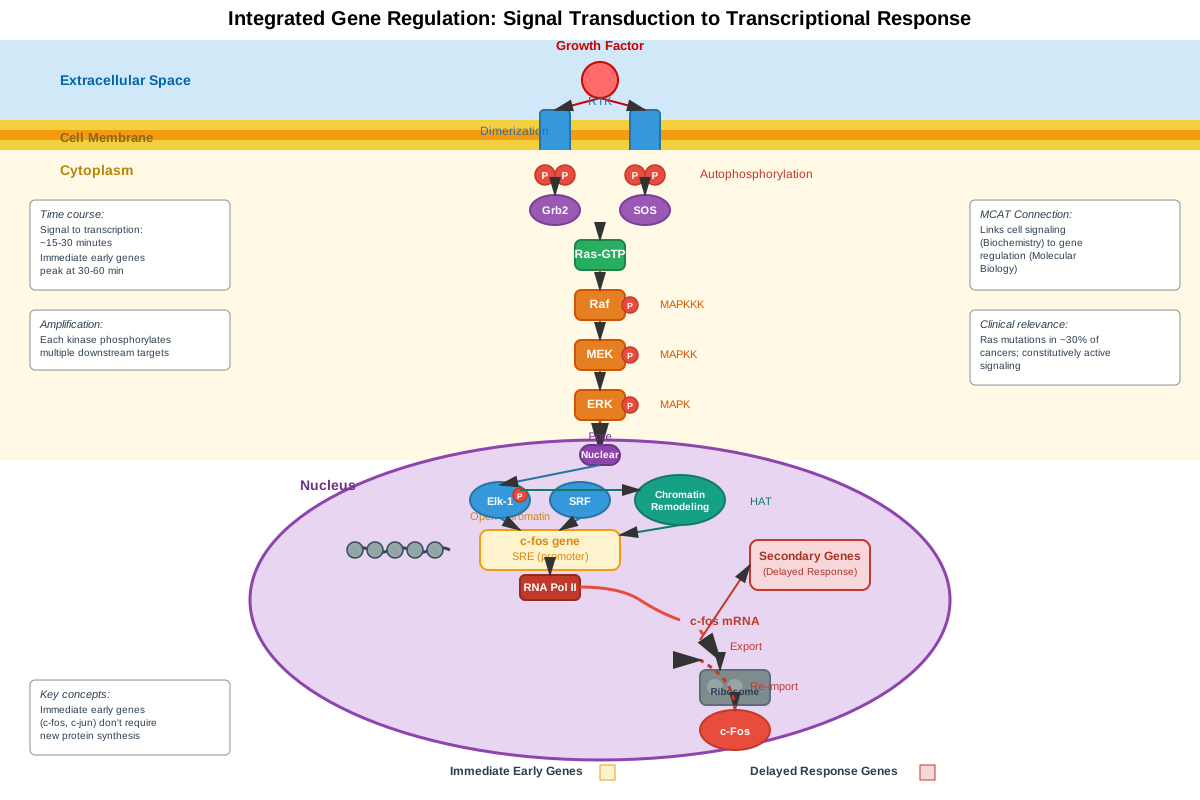
Signal transduction pathways: Extracellular signals activate cascades that ultimately modify transcription factors, coordinating expression of target genes. Examples include:
- Steroid hormone receptors: Lipophilic hormones cross membranes, bind intracellular receptors that become transcription factors
- Receptor tyrosine kinases (RTKs): Activate MAP kinase cascades that phosphorylate transcription factors
- JAK-STAT pathway: Cytokine receptors activate STATs that translocate to nucleus
Common regulatory elements: Genes co-regulated in response to specific signals share binding sites for the same transcription factors (e.g., heat shock elements in heat shock genes).
Concept Relationships
The concepts within eukaryotic gene regulation form an integrated hierarchy. Chromatin structure represents the foundational level—genes must be accessible before any transcription can occur. Epigenetic modifications (DNA methylation and histone modifications) establish long-term chromatin states that are often heritable through cell divisions, providing cellular memory of gene expression patterns. These modifications create the context in which transcriptional regulation operates.
Transcriptional control integrates multiple signals through combinatorial interactions of transcription factors at enhancers and promoters. This level provides the primary on/off switch for most genes and determines the rate of primary transcript production. The resulting pre-mRNA then undergoes post-transcriptional processing, where alternative splicing decisions can dramatically alter the protein product. RNA stability mechanisms determine how long transcripts persist, effectively amplifying or dampening transcriptional signals.
Translational control provides rapid response capability—existing mRNAs can be quickly mobilized or silenced without requiring new transcription. Finally, post-translational modifications offer the fastest regulatory responses, instantly activating or inactivating proteins already present in cells.
This hierarchical organization connects to prerequisite knowledge: DNA structure determines how chromatin forms; transcription mechanisms are the targets of transcriptional regulation; translation is modulated by translational control; protein structure determines how post-translational modifications affect function.
The regulatory cascade often follows this pattern:
External signal → Signal transduction → Transcription factor modification → Chromatin remodeling → Transcription initiation → RNA processing → mRNA stability → Translation → Post-translational modification → Protein activity
Understanding these connections enables prediction of how perturbations at one level affect downstream processes—a key MCAT skill.
High-Yield Facts
⭐ Histone acetylation activates transcription by neutralizing positive charges on lysine residues, loosening DNA-histone interactions and making DNA accessible to transcriptional machinery.
⭐ DNA methylation at CpG islands typically silences gene expression and is a common mechanism for tumor suppressor inactivation in cancer.
⭐ Enhancers can function at great distances from promoters (thousands of base pairs away) and in either orientation, working through DNA looping to bring transcription factors near the promoter.
⭐ Alternative splicing allows one gene to produce multiple protein isoforms, dramatically increasing proteomic diversity without expanding genome size.
⭐ microRNAs (miRNAs) regulate gene expression post-transcriptionally by binding complementary sequences in target mRNA 3' UTRs, causing translational repression or mRNA degradation.
- Euchromatin is transcriptionally active (loosely packed), while heterochromatin is transcriptionally silent (tightly packed).
- Steroid hormones regulate transcription by crossing cell membranes, binding intracellular receptors that function as transcription factors.
- The mediator complex bridges transcription factors and RNA polymerase II, integrating regulatory signals from multiple enhancers.
- Poly(A) tail length affects mRNA stability and translation efficiency—longer tails generally correlate with greater stability.
- Combinatorial control allows precise gene regulation with a limited number of transcription factors, as different combinations produce different outcomes.
- Histone deacetylases (HDACs) repress transcription and are therapeutic targets in cancer treatment.
- CpG islands are often found in gene promoters and remain unmethylated in active genes but become methylated during silencing.
- SR proteins promote exon inclusion during alternative splicing by binding exonic splicing enhancers.
- Phosphorylation of RNA polymerase II C-terminal domain (CTD) is required for transcriptional elongation and couples transcription to RNA processing.
- Ubiquitination marks proteins for proteasomal degradation, providing a mechanism for rapid protein turnover.
Quick check — test yourself on Gene regulation in eukaryotes so far.
Try Flashcards →Common Misconceptions
Misconception: Eukaryotic gene regulation works like prokaryotic operons with polycistronic mRNAs.
Correction: Eukaryotic genes are individually transcribed as monocistronic mRNAs. Coordinate regulation occurs through shared regulatory elements (like enhancers) rather than operons. Each gene has its own promoter and produces a separate mRNA.
Misconception: DNA methylation directly prevents RNA polymerase from binding DNA.
Correction: DNA methylation primarily works by recruiting methyl-binding proteins that compact chromatin and by blocking transcription factor binding sites. The physical presence of methyl groups can interfere with some transcription factor binding, but the major effect is through recruited repressor complexes.
Misconception: Enhancers must be located upstream (5') of the genes they regulate.
Correction: Enhancers can be located upstream, downstream, or within introns of target genes, and can function from distances of thousands to millions of base pairs away. DNA looping brings enhancer-bound factors into proximity with promoters regardless of linear distance or orientation.
Misconception: Alternative splicing only involves including or excluding entire exons.
Correction: Alternative splicing includes multiple mechanisms: exon skipping/inclusion, alternative 5' or 3' splice sites (producing longer or shorter exons), intron retention, and mutually exclusive exon usage. The diversity of splicing patterns is much greater than simple exon inclusion/exclusion.
Misconception: Gene expression is primarily controlled at the transcriptional level, making post-transcriptional regulation relatively unimportant.
Correction: Post-transcriptional regulation (RNA processing, stability, localization, and translational control) is crucial for fine-tuning gene expression, enabling rapid responses, and creating tissue-specific protein isoforms. Many genes are regulated predominantly at post-transcriptional levels, particularly in neurons and during development.
Misconception: All histone modifications either activate or repress transcription uniformly.
Correction: The effect of histone modifications depends on which residue is modified and the type of modification. For example, H3K4 methylation activates transcription, while H3K9 and H3K27 methylation repress it. The "histone code" hypothesis suggests that combinations of modifications are read by specific proteins to produce distinct outcomes.
Misconception: Epigenetic modifications are permanent and cannot be reversed.
Correction: Epigenetic modifications are reversible through enzymes like histone acetyltransferases/deacetylases and DNA methyltransferases/demethylases. This reversibility allows cells to respond to environmental changes and enables reprogramming during development. However, some epigenetic marks are stable through many cell divisions, providing cellular memory.
Worked Examples
Example 1: Chromatin Modification and Cancer
Scenario: A researcher studies a tumor suppressor gene (Gene X) in normal cells versus cancer cells. In normal cells, the Gene X promoter CpG island is unmethylated and histone H3 lysine 4 (H3K4) is trimethylated. In cancer cells, the CpG island is heavily methylated and H3K9 is trimethylated. Gene X mRNA levels are high in normal cells but undetectable in cancer cells.
Question: Explain the molecular basis for Gene X silencing in cancer cells and predict the effect of treating cancer cells with a DNA methyltransferase inhibitor.
Solution:
Step 1: Analyze the chromatin state in normal cells.
- Unmethylated CpG island: DNA is accessible; transcription factors can bind
- H3K4 trimethylation: Active chromatin mark associated with transcriptional activation
- Result: Gene X is actively transcribed (high mRNA levels)
Step 2: Analyze the chromatin state in cancer cells.
- Methylated CpG island: Recruits methyl-binding proteins and repressor complexes; blocks transcription factor binding
- H3K9 trimethylation: Repressive chromatin mark associated with heterochromatin formation
- Result: Gene X promoter is in closed chromatin configuration, inaccessible to transcriptional machinery (no mRNA)
Step 3: Identify the mechanism of silencing.
Gene X is silenced through epigenetic repression—DNA methylation and repressive histone modifications create heterochromatin at the promoter. This is a common mechanism for tumor suppressor inactivation in cancer, providing a "second hit" alternative to genetic mutation.
Step 4: Predict the effect of DNA methyltransferase inhibitor treatment.
- Inhibiting DNA methyltransferases prevents maintenance of DNA methylation
- Through cell divisions, methylation patterns would be diluted (passive demethylation)
- Reduced methylation would decrease recruitment of repressor complexes
- Chromatin would become more accessible
- Prediction: Gene X expression would be partially or fully restored in cancer cells
Connection to learning objectives: This example demonstrates how multiple regulatory levels (DNA methylation and histone modification) coordinate to silence genes, how regulatory disruptions contribute to cancer, and how to analyze experimental data on chromatin states.
Example 2: Alternative Splicing and Tissue-Specific Expression
Scenario: Gene Y produces two protein isoforms through alternative splicing. The pre-mRNA contains exons 1-2-3-4-5. In muscle cells, all exons are included, producing Isoform A (200 amino acids). In liver cells, exon 3 is skipped, producing Isoform B (150 amino acids). Exon 3 contains a domain required for calcium binding. Researchers identify an exonic splicing enhancer (ESE) in exon 3 and find that SR protein X is highly expressed in muscle but absent in liver.
Question: Explain the molecular mechanism producing tissue-specific isoforms and predict the effect of expressing SR protein X in liver cells.
Solution:
Step 1: Understand the splicing pattern.
- Muscle: Exons 1-2-3-4-5 included → Isoform A (with calcium-binding domain)
- Liver: Exons 1-2-4-5 included (exon 3 skipped) → Isoform B (without calcium-binding domain)
- The difference is exon 3 inclusion/exclusion
Step 2: Identify the regulatory mechanism.
- Exon 3 contains an ESE (exonic splicing enhancer)
- ESEs recruit SR proteins that promote exon inclusion by stabilizing spliceosome assembly
- SR protein X is present in muscle (where exon 3 is included) but absent in liver (where exon 3 is skipped)
Step 3: Explain the tissue-specific mechanism.
In muscle cells:
- SR protein X binds the ESE in exon 3
- SR protein X recruits splicing machinery to the flanking splice sites
- Exon 3 is recognized and included in mature mRNA
- Result: Isoform A with calcium-binding domain (functionally important for muscle contraction)
In liver cells:
- SR protein X is absent
- ESE in exon 3 is not bound by activating factors
- Splicing machinery skips exon 3, joining exon 2 directly to exon 4
- Result: Isoform B without calcium-binding domain (calcium binding not required for liver function)
Step 4: Predict the effect of expressing SR protein X in liver.
- SR protein X would bind the ESE in exon 3
- This would promote exon 3 inclusion during splicing
- Prediction: Liver cells would produce Isoform A (with exon 3) instead of Isoform B
- The liver would express the calcium-binding isoform normally restricted to muscle
Broader significance: This demonstrates how tissue-specific expression of splicing factors creates protein diversity from a single gene, allowing functional specialization without requiring separate genes. This mechanism is crucial for development and cell differentiation.
Connection to learning objectives: This example illustrates post-transcriptional regulation through alternative splicing, shows how regulatory proteins (SR proteins) control splicing decisions, and demonstrates application to experimental scenarios.
Exam Strategy
Approaching MCAT Questions on Gene Regulation
Step 1: Identify the regulatory level
MCAT questions often test whether students can distinguish between regulatory levels. When reading a question, immediately identify which level is involved:
- Chromatin/epigenetic (methylation, acetylation, chromatin remodeling)
- Transcriptional (transcription factors, enhancers, promoters)
- Post-transcriptional (splicing, RNA stability, miRNA)
- Translational (ribosome access, translation factors)
- Post-translational (phosphorylation, ubiquitination)
Step 2: Determine the direction of regulation
Identify whether the mechanism activates or represses expression:
- Activation: acetylation, H3K4 methylation, transcriptional activators, mRNA stabilization
- Repression: deacetylation, DNA methylation, H3K9/H3K27 methylation, transcriptional repressors, miRNAs
Step 3: Consider the time scale
Different regulatory levels operate on different time scales:
- Fastest: Post-translational modifications (seconds to minutes)
- Fast: Translational control (minutes)
- Moderate: Transcriptional changes (minutes to hours)
- Slow: Epigenetic remodeling (hours to days)
Questions asking about rapid responses favor post-translational or translational mechanisms, while developmental questions favor transcriptional and epigenetic mechanisms.
Trigger Words and Phrases
Watch for these high-yield terms that signal specific concepts:
- "Methylation of CpG islands" → Gene silencing, likely tumor suppressor inactivation
- "Histone acetylation" → Transcriptional activation
- "Enhancer" → Distant regulatory element, DNA looping, tissue-specific expression
- "Alternative splicing" → Multiple isoforms from one gene, tissue-specific variants
- "miRNA" or "microRNA" → Post-transcriptional repression, 3' UTR binding
- "Chromatin remodeling" → ATP-dependent nucleosome repositioning
- "Transcription factor phosphorylation" → Signal transduction affecting gene expression
- "Poly(A) tail" → mRNA stability and translation efficiency
- "Heterochromatin" → Transcriptionally silent, tightly packed
- "Euchromatin" → Transcriptionally active, loosely packed
Process-of-Elimination Tips
For mechanism questions:
- Eliminate options describing prokaryotic mechanisms (operons, polycistronic mRNA)
- Eliminate options that confuse regulatory levels (e.g., claiming DNA methylation directly blocks RNA polymerase)
- Eliminate options that reverse cause and effect (e.g., claiming transcription causes chromatin opening rather than the reverse)
For prediction questions:
- Eliminate options that ignore the hierarchical nature of regulation (e.g., claiming mRNA changes without transcriptional changes when the mechanism is transcriptional)
- Eliminate options that predict opposite effects (e.g., claiming acetylation represses transcription)
For experimental interpretation questions:
- Eliminate options that don't match the data (e.g., claiming a gene is active when mRNA levels are undetectable)
- Eliminate options that invoke unnecessary complexity when simpler explanations suffice
Time Allocation
For passage-based questions on gene regulation:
- Spend 1-2 minutes reading the passage, focusing on experimental design and key results
- Identify the regulatory level(s) being studied
- For each question, spend 60-90 seconds
- If a question requires detailed analysis of multiple regulatory steps, budget up to 2 minutes
For discrete questions:
- Aim for 60 seconds per question
- If you don't immediately recognize the concept, use process of elimination rather than spending excessive time
Memory Techniques
Mnemonic for Histone Modifications
"Acetyl Activates, Methyl is Mixed"
- Acetylation → Always activates transcription (loosens chromatin)
- Methylation → Mixed effects depending on residue:
- H3K4-me → Activates (remember: "K4 is 4ward-thinking, active")
- H3K9-me → Represses (remember: "K9 is a guard dog, repressive")
- H3K27-me → Represses (remember: "K27 is 2-7 times more repressive")
Acronym for Transcription Factor Components
"DNA-BAT" for transcription factor domains:
- DNA-binding domain
- Basic region (in some DNA-binding domains)
- Activation domain (or repression domain)
- Transactivation domain (alternative term for activation domain)
Visualization for Enhancer Function
Visualize enhancers as "molecular magnets" that bend DNA into loops, bringing distant regulatory proteins close to the promoter. Imagine the DNA as a flexible ribbon that can fold back on itself, with the enhancer and promoter coming together like two ends of a horseshoe magnet attracting each other.
Mnemonic for Alternative Splicing Types
"SKAI" for alternative splicing mechanisms:
- Skipping (exon skipping/inclusion)
- Kompeting sites (alternative 5' or 3' splice sites)
- Alternative polyadenylation
- Intron retention
Memory Aid for Regulatory Hierarchy
"Chrome Transcribes RNA, Then Translates Proteins"
- Chrome → Chromatin remodeling (first level)
- Transcribes → Transcriptional control
- RNA → RNA processing and stability
- Translates → Translational control
- Proteins → Post-translational modifications
This sequence reflects the temporal order of regulatory opportunities from DNA to functional protein.
Acronym for SR Protein Function
"SR Sees Exons"
- SR proteins
- Splicing
- Exonic splicing enhancers
- Exon inclusion
This reminds you that SR proteins bind ESEs and promote exon inclusion.
Summary
Gene regulation in eukaryotes represents a sophisticated, multilayered control system essential for cellular differentiation, development, and responses to environmental signals. Unlike prokaryotes, eukaryotic regulation spans from chromatin accessibility through post-translational modifications, providing both long-term stability and rapid response capabilities. Epigenetic mechanisms—DNA methylation and histone modifications—establish heritable chromatin states that determine gene accessibility. Transcriptional control integrates multiple signals through combinatorial interactions of transcription factors at enhancers and promoters, with enhancers functioning at great distances through DNA looping. Post-transcriptional regulation, particularly alternative splicing, generates protein diversity from limited genetic information, while RNA stability mechanisms and miRNAs fine-tune expression levels. Translational and post-translational controls provide the fastest regulatory responses. For the MCAT, understanding these mechanisms enables prediction of regulatory outcomes, interpretation of experimental data, and connection of molecular events to phenotypic consequences, particularly in cancer and developmental biology contexts. Success requires recognizing which regulatory level is involved, determining whether mechanisms activate or repress expression, and applying hierarchical thinking to predict downstream effects.
Key Takeaways
- Eukaryotic gene regulation occurs at multiple hierarchical levels: chromatin structure, transcription, RNA processing, RNA stability, translation, and post-translational modification—each providing distinct regulatory opportunities
- Histone acetylation activates transcription by loosening chromatin, while DNA methylation at CpG islands silences genes, a mechanism frequently disrupted in cancer
- Enhancers regulate transcription from great distances through DNA looping, enabling tissue-specific and developmental gene expression patterns
- Alternative splicing produces multiple protein isoforms from single genes, dramatically increasing proteomic diversity and enabling tissue-specific protein variants
- microRNAs regulate gene expression post-transcriptionally by binding mRNA 3' UTRs, causing translational repression or degradation
- Combinatorial control allows precise regulation with limited transcription factors, as different combinations produce different expression outcomes
- Understanding regulatory hierarchies enables prediction of how perturbations at one level affect downstream processes—a critical MCAT skill for experimental interpretation and clinical reasoning
Related Topics
Signal Transduction Pathways: Mastering gene regulation enables understanding of how extracellular signals ultimately alter gene expression through cascades that modify transcription factors. Topics include RTK pathways, steroid hormone signaling, and JAK-STAT signaling.
Cancer Biology: Gene regulation connects directly to oncogenesis, as cancer involves dysregulated expression of oncogenes and tumor suppressors through mutations in regulatory regions, epigenetic silencing, and altered transcription factor activity.
Developmental Biology: Understanding gene regulation is essential for studying how differential gene expression produces specialized cell types from identical genomes, including concepts like morphogen gradients and master regulatory transcription factors.
Cell Cycle Regulation: The cell cycle is controlled through regulated expression of cyclins and CDKs, connecting gene regulation to cell division control and cancer biology.
Immunology: Immune cell development and function depend heavily on regulated gene expression, including V(D)J recombination, cytokine-induced transcription, and class switching in B cells.
Practice CTA
Now that you've mastered the core concepts of eukaryotic gene regulation, it's time to solidify your understanding through active practice. Attempt the practice questions and flashcards associated with this topic to test your ability to apply these concepts to MCAT-style scenarios. Focus particularly on questions requiring you to interpret experimental data, predict outcomes of regulatory disruptions, and connect molecular mechanisms to phenotypic consequences. Remember that the MCAT rewards not just knowledge but the ability to reason through novel scenarios using fundamental principles. Each practice question you work through strengthens your pattern recognition and builds the confidence needed for test day success. You've built a strong foundation—now apply it!
Sign up free to keep reading
Create a free AnvayaPrep account to finish this MCAT guide on Gene regulation in eukaryotes — plus flashcards and practice questions.