Overview
Gene regulation in prokaryotes represents one of the most elegant and efficient systems in molecular biology, allowing bacterial cells to rapidly respond to environmental changes by controlling which genes are expressed at any given time. Unlike eukaryotes, prokaryotic organisms lack a nuclear membrane and possess circular DNA organized into operons—clusters of functionally related genes controlled by a single promoter. This organizational strategy enables coordinated regulation of metabolic pathways, allowing bacteria to conserve energy by producing proteins only when needed.
For the MCAT, understanding prokaryotic gene regulation is essential because it exemplifies fundamental principles of molecular biology and genetics that appear across multiple question types. The Biology section frequently tests the lac operon, trp operon, and general mechanisms of transcriptional control through passages describing experimental manipulations or mutations affecting bacterial growth. These questions assess not only memorization but also the ability to predict phenotypic outcomes from genetic changes—a critical skill for medical school coursework in genetics, pharmacology, and microbiology.
Prokaryotic gene regulation connects to broader biological themes including cellular metabolism, protein synthesis, evolutionary adaptation, and the central dogma of molecular biology. The efficiency of bacterial regulatory systems has made them invaluable tools in biotechnology and genetic engineering, with applications ranging from recombinant protein production to CRISPR technology. Mastering this topic provides the foundation for understanding more complex eukaryotic regulation, epigenetics, and the molecular basis of disease states involving dysregulated gene expression.
Learning Objectives
- [ ] Define gene regulation in prokaryotes using accurate Biology terminology
- [ ] Explain why gene regulation in prokaryotes matters for the MCAT
- [ ] Apply gene regulation in prokaryotes to exam-style questions
- [ ] Identify common mistakes related to gene regulation in prokaryotes
- [ ] Connect gene regulation in prokaryotes to related Biology concepts
- [ ] Distinguish between positive and negative regulation mechanisms in bacterial operons
- [ ] Predict the effects of specific mutations on operon function and bacterial phenotype
- [ ] Analyze experimental data involving gene expression patterns in prokaryotes
Prerequisites
- Transcription and translation mechanisms: Understanding the basic process of gene expression is essential for comprehending how regulation occurs at the transcriptional level
- DNA structure and organization: Knowledge of promoters, operators, and coding sequences provides the structural framework for understanding regulatory elements
- Protein-DNA interactions: Familiarity with how proteins bind specific DNA sequences explains how regulatory proteins control transcription
- Basic enzyme kinetics and metabolism: Understanding metabolic pathways helps explain why certain genes need coordinated regulation
- Central dogma of molecular biology: The flow of genetic information from DNA to RNA to protein establishes the context for regulatory control points
Why This Topic Matters
Prokaryotic gene regulation has profound clinical significance in medicine. Antibiotic resistance mechanisms often involve altered gene expression, where bacteria upregulate efflux pumps or modify drug targets through regulatory changes. Understanding how bacteria control virulence factor expression helps explain pathogenesis and informs therapeutic strategies. The principles learned from bacterial systems have directly enabled modern biotechnology, including the production of insulin, growth hormone, and other therapeutic proteins in bacterial expression systems.
On the MCAT, gene regulation in prokaryotes appears with medium frequency but high impact. Approximately 2-4 questions per exam directly test this content, typically through passage-based questions in the Biological and Biochemical Foundations section. Questions commonly present experimental scenarios involving mutant bacterial strains, growth conditions with different nutrients, or molecular biology techniques measuring gene expression. The MCAT favors questions requiring students to interpret data, predict outcomes of genetic manipulations, or explain the logic behind regulatory mechanisms rather than simple recall.
Common exam presentations include passages describing: (1) mutations in regulatory genes or operator sequences with questions about resulting phenotypes, (2) experiments measuring β-galactosidase activity under various conditions, (3) comparative analysis of inducible versus repressible systems, and (4) biotechnology applications requiring controlled gene expression. Discrete questions may test the distinction between positive and negative regulation or ask students to identify the functional consequence of specific molecular changes.
Core Concepts
Fundamental Principles of Prokaryotic Gene Regulation
Gene regulation in prokaryotes refers to the mechanisms by which bacterial cells control the timing, location, and amount of gene expression. Unlike constitutive genes that are continuously expressed, regulated genes respond to environmental signals. Prokaryotic regulation occurs primarily at the transcriptional level, making it rapid and energy-efficient. The key principle is that bacteria produce enzymes only when substrates are available (inducible systems) or stop producing enzymes when end products accumulate (repressible systems).
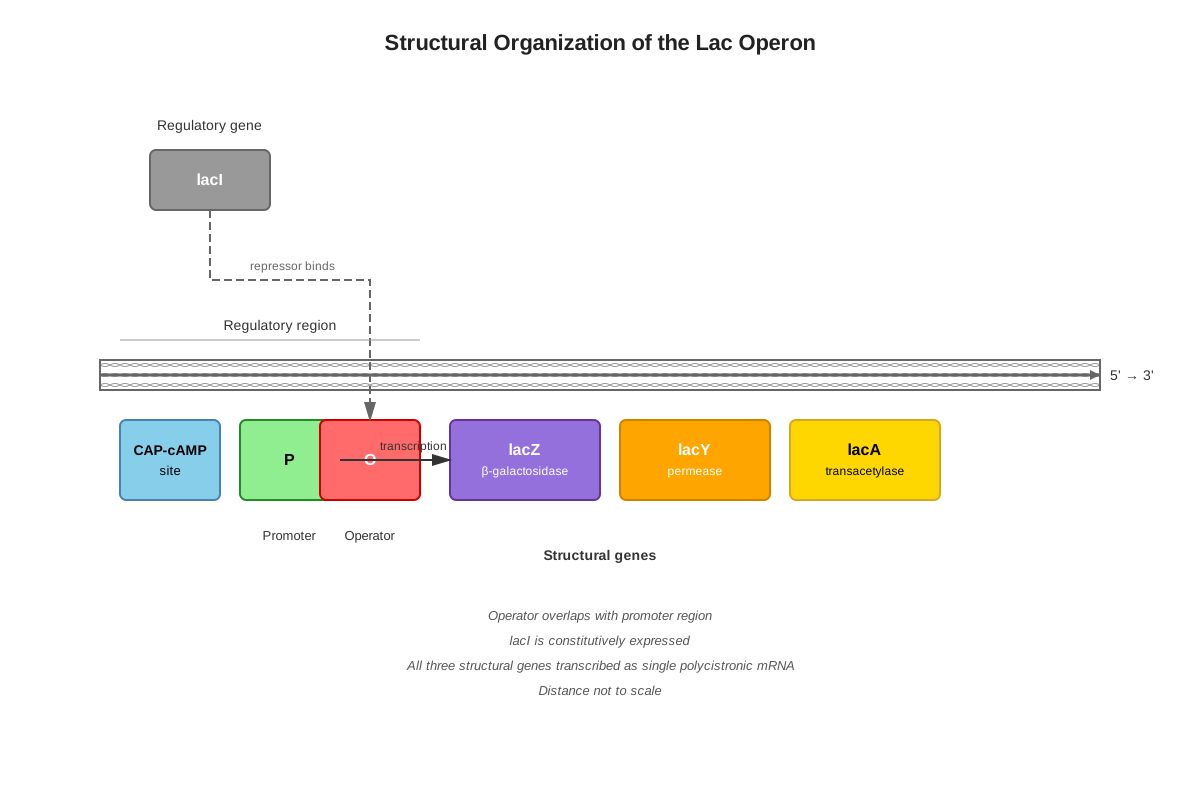
The operon model, proposed by François Jacob and Jacques Monod in 1961, explains how multiple genes encoding enzymes in a metabolic pathway are coordinately regulated. An operon consists of:
- Promoter: DNA sequence where RNA polymerase binds to initiate transcription
- Operator: DNA sequence where regulatory proteins bind to control access to the promoter
- Structural genes: Coding sequences for enzymes or proteins in the pathway
- Regulatory gene: Separate gene encoding a regulatory protein (repressor or activator)
The Lac Operon: Negative Inducible Regulation
The lac operon in Escherichia coli exemplifies negative inducible regulation, controlling the metabolism of lactose. This system contains three structural genes: lacZ (encodes β-galactosidase, which cleaves lactose into glucose and galactose), lacY (encodes permease, which transports lactose into the cell), and lacA (encodes transacetylase, which modifies lactose metabolites).
Mechanism in the absence of lactose:
- The lacI regulatory gene constitutively produces lac repressor protein
- Repressor binds to the operator sequence, physically blocking RNA polymerase
- Transcription of structural genes is prevented
- No lactose-metabolizing enzymes are produced
Mechanism in the presence of lactose:
- Lactose (or allolactose, its metabolic derivative) acts as an inducer
- Inducer binds to the repressor, causing a conformational change
- Repressor releases from the operator
- RNA polymerase can now transcribe the structural genes
- Lactose-metabolizing enzymes are produced
This represents negative regulation because the regulatory protein (repressor) inhibits transcription. It is inducible because the substrate (lactose) triggers gene expression.
Catabolite Repression and Positive Regulation
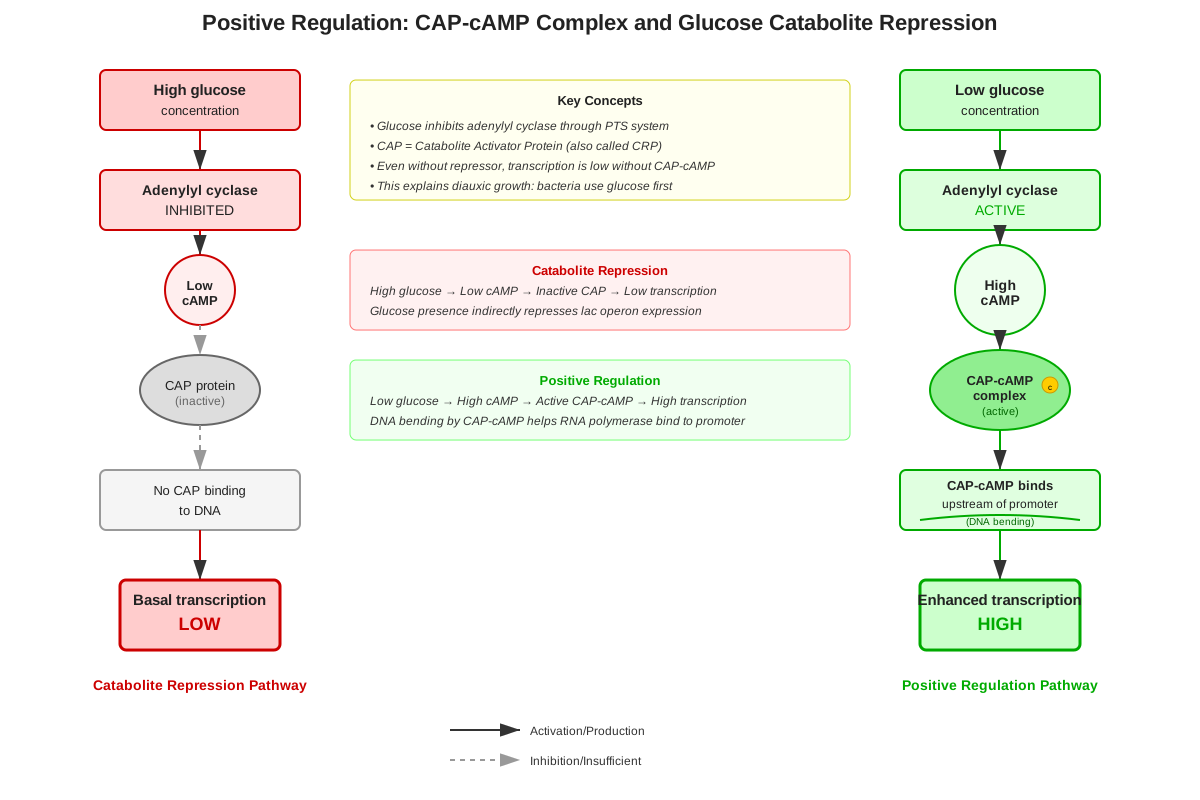
The lac operon also demonstrates positive regulation through catabolite activator protein (CAP), also called cAMP receptor protein (CRP). This mechanism ensures glucose is preferentially metabolized over lactose—a phenomenon called the glucose effect or catabolite repression.
Mechanism:
- When glucose is low, adenylyl cyclase produces cyclic AMP (cAMP)
- cAMP binds to CAP, forming the cAMP-CAP complex
- This complex binds near the promoter, enhancing RNA polymerase binding
- Transcription rate increases significantly
When glucose is high:
- cAMP levels drop
- CAP cannot bind DNA effectively
- Even if lactose is present and repressor is inactive, transcription remains low
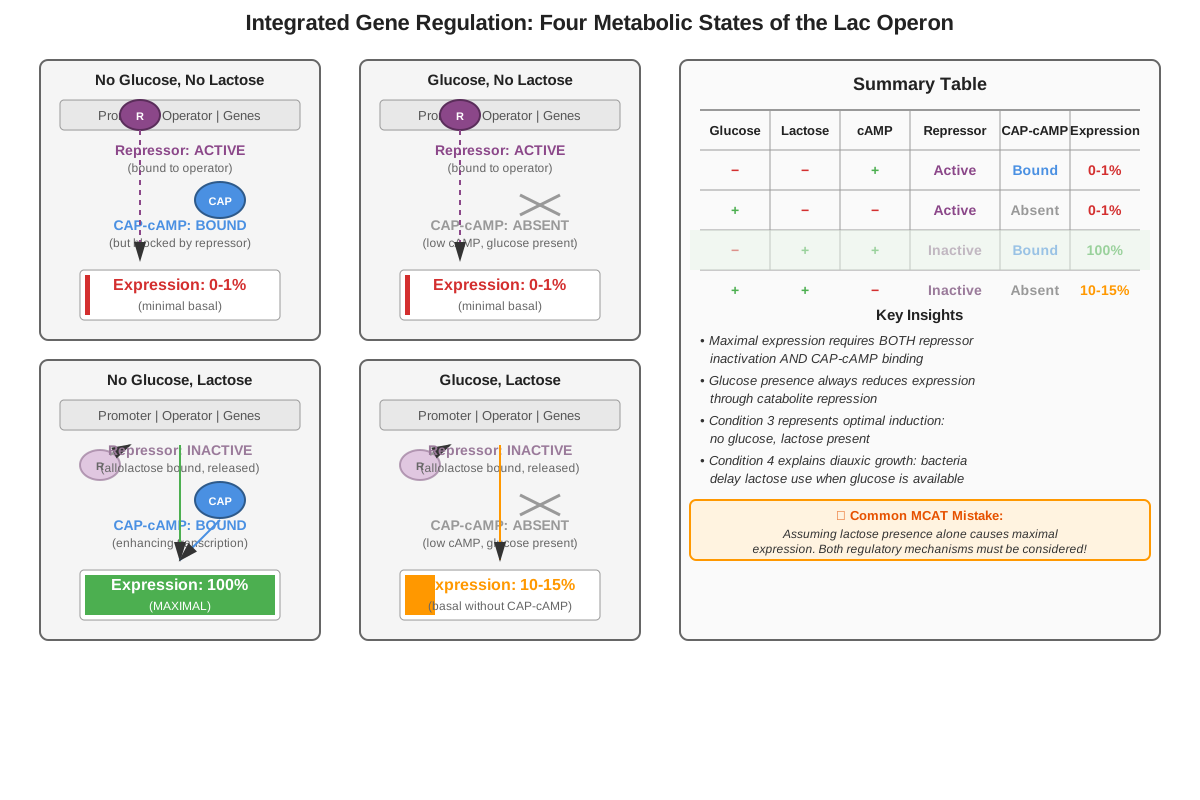
This creates a hierarchy of sugar utilization. Maximum lac operon expression requires both lactose presence (to inactivate repressor) and glucose absence (to activate CAP-cAMP). This dual control exemplifies how bacteria integrate multiple environmental signals.
| Condition | Glucose | Lactose | cAMP-CAP | Repressor | Transcription Level |
|---|---|---|---|---|---|
| 1 | High | Absent | Inactive | Active | None |
| 2 | High | Present | Inactive | Inactive | Low |
| 3 | Low | Absent | Active | Active | None |
| 4 | Low | Present | Active | Inactive | High |
The Trp Operon: Negative Repressible Regulation
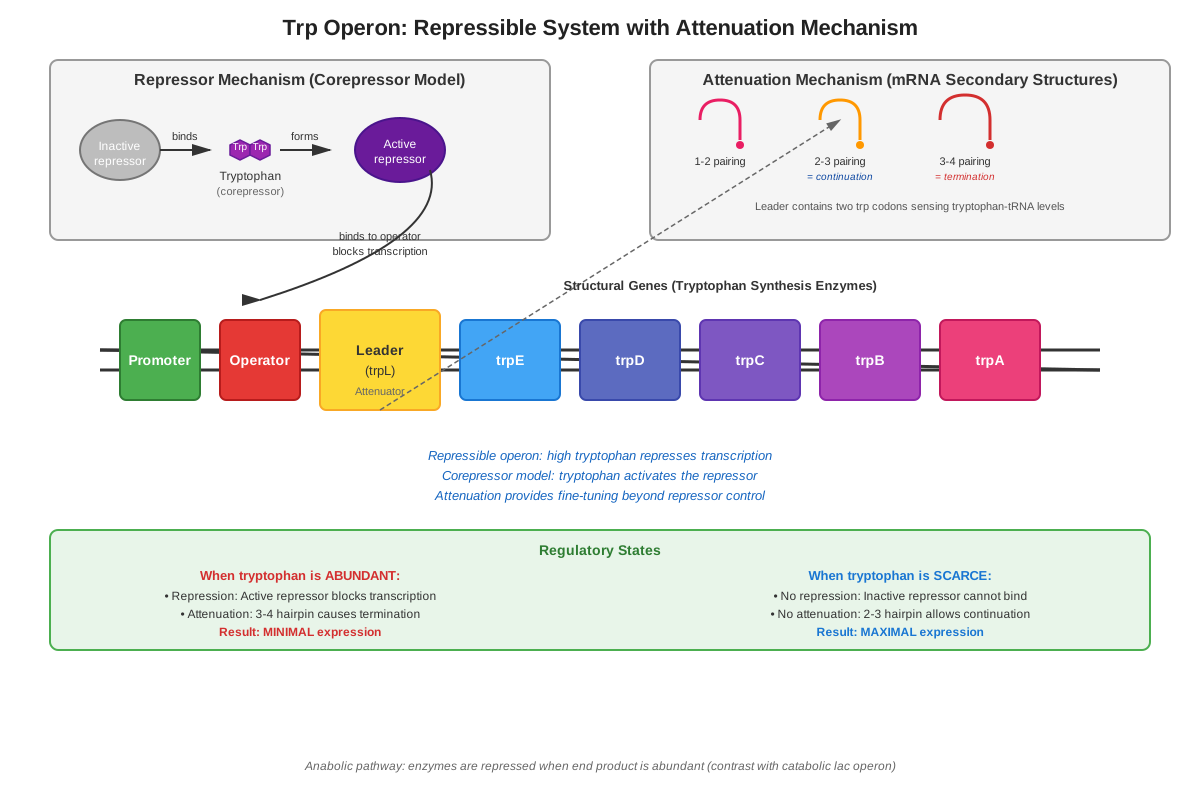
The trp operon controls tryptophan biosynthesis and exemplifies negative repressible regulation. This operon contains five structural genes (trpE, trpD, trpC, trpB, trpA) encoding enzymes that synthesize tryptophan from chorismate.
Mechanism when tryptophan is absent:
- The trp repressor protein (encoded by trpR) is produced but inactive
- Inactive repressor cannot bind the operator
- RNA polymerase transcribes structural genes
- Tryptophan biosynthetic enzymes are produced
Mechanism when tryptophan is present:
- Tryptophan acts as a corepressor
- Tryptophan binds to the inactive repressor
- This binding activates the repressor, enabling DNA binding
- Active repressor binds the operator, blocking transcription
- No biosynthetic enzymes are produced
This represents negative regulation (repressor inhibits transcription) that is repressible (the end product shuts down its own synthesis). This feedback inhibition conserves cellular resources when tryptophan is available from the environment.
Attenuation: A Secondary Control Mechanism
The trp operon also employs attenuation, a unique regulatory mechanism based on coupled transcription-translation in prokaryotes. Between the operator and the first structural gene lies a leader sequence (trpL) containing:
- A short open reading frame with two adjacent tryptophan codons
- Four regions that can form alternative secondary structures in the mRNA
Mechanism when tryptophan is abundant:
- Ribosome translates the leader peptide quickly (tryptophan-tRNA is available)
- Ribosome position allows formation of a terminator hairpin (regions 3-4)
- Transcription terminates prematurely
- Structural genes are not transcribed
Mechanism when tryptophan is scarce:
- Ribosome stalls at tryptophan codons (tryptophan-tRNA is limited)
- Ribosome position allows formation of an antiterminator hairpin (regions 2-3)
- Transcription continues through structural genes
- Biosynthetic enzymes are produced
Attenuation provides fine-tuning beyond the on/off switch of repressor control, allowing graded responses to tryptophan availability.
Positive Regulation Systems
While negative regulation (repressors) is common, some operons use positive regulation where an activator protein must bind DNA to enable transcription. The ara operon (arabinose metabolism) demonstrates both positive and negative regulation by the same protein, AraC.
In the absence of arabinose:
- AraC acts as a repressor, binding to operator sites and forming a DNA loop
- Transcription is blocked
In the presence of arabinose:
- Arabinose binds AraC, changing its conformation
- AraC now acts as an activator, binding near the promoter
- Transcription is enhanced
This dual functionality illustrates the sophistication of prokaryotic regulatory mechanisms.
Regulatory Mutations and Their Phenotypes
Understanding mutations in regulatory elements is crucial for MCAT questions:
Operator mutations (o^c, constitutive):
- Repressor cannot bind the mutant operator
- Genes are expressed continuously regardless of inducer/corepressor
- Cis-acting (affects only genes on the same DNA molecule)
Repressor mutations (i^-, loss of function):
- Repressor cannot bind DNA
- Genes are expressed continuously
- Trans-acting (affects genes on any DNA molecule in the cell)
Super-repressor mutations (i^s):
- Repressor cannot bind inducer/corepressor
- In inducible systems: genes never expressed (always repressed)
- In repressible systems: genes always expressed (cannot be repressed)
- Trans-acting
Promoter mutations (p^-):
- RNA polymerase cannot bind effectively
- Transcription is reduced or absent
- Cis-acting
Concept Relationships
The concepts within prokaryotic gene regulation form an integrated system. The operon structure provides the physical framework → enabling coordinate regulation of functionally related genes → which allows rapid metabolic adaptation to environmental changes. Negative regulation (repressors) → prevents wasteful expression → conserving cellular energy, while positive regulation (activators) → enhances transcription → when specific conditions are met. The lac operon demonstrates how dual control (negative and positive) → creates a hierarchical response → prioritizing glucose metabolism over alternative sugars.
These prokaryotic concepts connect to prerequisite knowledge: DNA-protein interactions → enable repressor and activator binding → which controls transcription initiation → affecting mRNA production → ultimately determining protein levels through translation. The efficiency of prokaryotic regulation relates to their lack of nuclear compartmentalization → allowing coupled transcription-translation → enabling mechanisms like attenuation.
Prokaryotic gene regulation connects forward to eukaryotic regulation, where similar principles apply but with added complexity (chromatin remodeling, enhancers, alternative splicing). Understanding bacterial operons provides the foundation for comprehending biotechnology applications (expression vectors, recombinant proteins), antibiotic resistance mechanisms (regulated efflux pumps), and evolutionary biology (adaptive gene expression). The logic of feedback regulation in operons parallels enzyme regulation through allosteric control and hormonal regulation in multicellular organisms.
Quick check — test yourself on Gene regulation in prokaryotes so far.
Try Flashcards →High-Yield Facts
⭐ The lac operon requires both lactose presence (to inactivate repressor) AND glucose absence (to activate CAP-cAMP) for maximum expression
⭐ Operator mutations (o^c) are cis-acting and cannot be complemented in trans; repressor mutations (i^-) are trans-acting and can be complemented
⭐ The trp operon is repressible (turned off by tryptophan), while the lac operon is inducible (turned on by lactose)
⭐ Catabolite repression ensures glucose is metabolized preferentially over other sugars through cAMP-CAP positive regulation
⭐ Attenuation in the trp operon depends on coupled transcription-translation, which occurs only in prokaryotes
- Negative regulation involves repressors that block transcription; positive regulation involves activators that enhance transcription
- Inducible operons control catabolic pathways (breaking down nutrients); repressible operons control anabolic pathways (synthesizing molecules)
- The lac repressor is constitutively produced from the lacI gene, which has its own promoter
- Allolactose (not lactose itself) is the true inducer of the lac operon, produced by basal β-galactosidase activity
- Super-repressor mutations (i^s) in the lac operon prevent induction even when lactose is present
- The trp repressor is inactive without tryptophan; tryptophan acts as a corepressor to activate it
- Polycistronic mRNA (encoding multiple proteins) is characteristic of prokaryotic operons but rare in eukaryotes
- CAP-cAMP binding site is upstream of the lac promoter; CAP binding bends DNA to facilitate RNA polymerase binding
Common Misconceptions
Misconception: Lactose directly binds to and inactivates the lac repressor.
Correction: Allolactose, a metabolic derivative of lactose produced by basal β-galactosidase activity, is the actual inducer molecule that binds the repressor. This distinction matters because it explains how the system can initially respond to lactose.
Misconception: The trp operon works the same way as the lac operon, just with a different sugar.
Correction: The trp operon is fundamentally different—it is repressible (turned off by its end product) and controls biosynthesis, while the lac operon is inducible (turned on by its substrate) and controls catabolism. Tryptophan activates the repressor, whereas lactose inactivates the repressor.
Misconception: When glucose is present, the lac operon is completely shut off.
Correction: When glucose is present, cAMP levels are low, reducing CAP-cAMP activation, but if lactose is also present, the repressor is still inactive. The operon is transcribed at low levels—not completely off, but significantly reduced compared to when glucose is absent.
Misconception: Operator mutations can be complemented by introducing a wild-type operator on a plasmid.
Correction: Operator sequences are cis-acting elements that only affect genes on the same DNA molecule. A wild-type operator on a plasmid cannot regulate genes on the chromosome with a mutant operator. Only trans-acting factors (like repressor proteins) can be complemented.
Misconception: Attenuation is a backup mechanism that only works when the repressor fails.
Correction: Attenuation is an independent, fine-tuning mechanism that works in addition to repressor control. Even when the repressor is inactive (allowing transcription to begin), attenuation can still terminate transcription prematurely based on tryptophan availability, providing graded rather than all-or-none control.
Misconception: All prokaryotic gene regulation occurs through operons.
Correction: While operons are common for coordinately regulated genes, prokaryotes also use other regulatory mechanisms including alternative sigma factors (changing RNA polymerase specificity), riboswitches (RNA-based regulation), small regulatory RNAs, and post-transcriptional control. Operons are just one important strategy.
Misconception: The CAP-cAMP system only affects the lac operon.
Correction: CAP-cAMP is a global regulatory system affecting many operons involved in catabolism of alternative carbon sources (arabinose, maltose, galactose). This system coordinates cellular responses to glucose availability across multiple metabolic pathways.
Worked Examples
Example 1: Predicting Phenotypes from Lac Operon Mutations
Question: A bacterial strain has the genotype i^+ o^c Z^+ Y^+ on the chromosome and i^+ o^+ Z^- Y^+ on a plasmid. Predict the expression of β-galactosidase (Z gene product) in the presence and absence of lactose.
Solution:
Step 1: Analyze the chromosomal genotype (i^+ o^c Z^+ Y^+)
- i^+: produces functional repressor
- o^c: constitutive operator mutation—repressor cannot bind
- Z^+: functional β-galactosidase gene
- Because the operator is constitutive, the chromosomal Z gene is expressed continuously regardless of lactose
Step 2: Analyze the plasmid genotype (i^+ o^+ Z^- Y^+)
- i^+: produces additional functional repressor (trans-acting)
- o^+: normal operator
- Z^-: non-functional β-galactosidase gene
- The plasmid Z gene cannot produce functional enzyme even if transcribed
Step 3: Consider trans versus cis effects
- The repressor from both i^+ genes acts in trans (can regulate any DNA molecule)
- The o^c mutation is cis-acting (only affects genes on the same DNA molecule)
- The repressor cannot bind the chromosomal o^c, but can bind the plasmid o^+
Step 4: Determine expression patterns
- Without lactose: Chromosomal Z^+ is expressed (constitutive due to o^c); plasmid Z^- is repressed but non-functional anyway
- With lactose: Chromosomal Z^+ is expressed (still constitutive); plasmid Z^- is derepressed but still non-functional
Answer: β-galactosidase is produced constitutively (in both presence and absence of lactose) because the functional Z gene is linked to a constitutive operator mutation.
Key Learning Point: This example demonstrates the critical distinction between cis-acting (operator) and trans-acting (repressor) elements, a frequent MCAT testing point.
Example 2: Analyzing Trp Operon Regulation with Attenuation
Question: Researchers create a mutant E. coli strain where the leader peptide sequence of the trp operon is changed so that it contains no tryptophan codons. Predict how this mutation affects trp operon expression when tryptophan is scarce versus abundant.
Solution:
Step 1: Review normal attenuation mechanism
- When tryptophan is scarce: ribosome stalls at trp codons → allows 2-3 antiterminator hairpin → transcription continues
- When tryptophan is abundant: ribosome proceeds quickly → allows 3-4 terminator hairpin → transcription terminates
Step 2: Analyze the mutation's effect
- Without tryptophan codons, the ribosome never stalls regardless of tryptophan availability
- The ribosome will always proceed quickly through the leader peptide
Step 3: Predict hairpin formation
- With rapid ribosome movement, regions 3-4 will form the terminator hairpin
- This occurs even when tryptophan is scarce
Step 4: Consider repressor control
- The repressor mechanism remains intact
- When tryptophan is scarce: repressor is inactive, transcription begins, but attenuation terminates it prematurely
- When tryptophan is abundant: repressor is active, blocking transcription initiation
Step 5: Determine overall expression
- When tryptophan is scarce: Reduced expression compared to wild-type because attenuation inappropriately terminates transcription even though the cell needs tryptophan biosynthesis
- When tryptophan is abundant: No expression (same as wild-type) because repressor blocks transcription
Answer: The mutation impairs the cell's ability to produce tryptophan biosynthetic enzymes when tryptophan is scarce, potentially causing tryptophan auxotrophy (requirement for external tryptophan). This demonstrates that attenuation provides essential fine-tuning beyond simple repressor control.
Key Learning Point: This example illustrates how attenuation depends on the specific sequence of the leader peptide and the coupling of transcription and translation unique to prokaryotes. It also shows how multiple regulatory mechanisms work together to optimize gene expression.
Exam Strategy
When approaching MCAT questions on prokaryotic gene regulation, first identify whether the question involves an inducible or repressible system. Trigger words include: "lactose" or "substrate" (suggests inducible), "tryptophan" or "end product" (suggests repressible), "glucose effect" or "catabolite repression" (indicates CAP-cAMP involvement), and "attenuation" (specific to trp operon).
For mutation analysis questions, immediately determine whether the mutation is cis-acting (operator, promoter—affects only same DNA molecule) or trans-acting (repressor, activator—affects all DNA molecules). This distinction eliminates wrong answers in complementation questions. Draw a quick diagram showing which genes are on the chromosome versus plasmid, and track each regulatory element separately.
When passages present experimental data (enzyme activity, growth curves, mRNA levels), create a mental or written table organizing conditions (glucose present/absent, lactose present/absent) and predictions. Compare predictions to data to identify the mutation or mechanism being tested. Process of elimination: if a question asks about maximum lac operon expression, eliminate any answer that doesn't require both lactose presence AND glucose absence.
For questions involving multiple mutations, work systematically through each genetic element: promoter → operator → repressor → structural genes. Predict the phenotype at each step before looking at answer choices. Time allocation: spend 1-1.5 minutes per discrete question, 8-10 minutes per passage with 5-6 questions. If a question requires drawing out a complex genetic scenario, it's worth the 30 seconds to sketch it.
Watch for questions that test conceptual understanding rather than memorization: "Why would a bacterium benefit from catabolite repression?" requires understanding metabolic efficiency, not just knowing the mechanism. The MCAT favors questions asking "what would happen if..." or "which mutation would cause..." over simple definition recall.
Memory Techniques
LAC operon mnemonic - "LAC Loves Lactose":
- Lactose present → Activates (inducible) → Catabolism
- Repressor is Inactivated by Inducer
- Needs CAP-CAMP when glucose is Clear (absent)
TRP operon mnemonic - "TRP Turns off Production":
- Tryptophan present → Turns off (repressible)
- Repressor needs coRepressor
- Production (anabolic) pathway
Attenuation mechanism - "2-3 GO, 3-4 STOP":
- Regions 2-3 form antiterminator → transcription GOes
- Regions 3-4 form terminator → transcription STOPs
- Ribosome position determines which forms
Cis vs Trans - "CIS is SAME":
- CIS-acting affects SAME DNA molecule (operator, promoter)
- TRANS-acting TRANSFERS between molecules (proteins)
CAP-cAMP visualization: Picture a CAP on a bottle—you need to remove it (glucose) to access the contents (activate transcription). When glucose is high, the CAP stays on; when glucose is low, cAMP removes the CAP.
Operon type memory:
- INducible = INtake (catabolic, breaking down nutrients coming IN)
- REpressible = RElease (anabolic, REleasing/building molecules)
Summary
Prokaryotic gene regulation exemplifies biological efficiency through coordinated control of functionally related genes organized into operons. The lac operon demonstrates negative inducible regulation, where lactose inactivates a repressor, combined with positive regulation through CAP-cAMP that ensures glucose preference. The trp operon illustrates negative repressible regulation, where tryptophan activates a repressor, supplemented by attenuation for fine-tuning. These systems allow bacteria to rapidly adapt gene expression to environmental conditions, producing enzymes only when needed. Understanding the distinction between cis-acting elements (operators, promoters) and trans-acting factors (repressors, activators) is essential for predicting phenotypes of regulatory mutations. The MCAT tests these concepts through experimental scenarios requiring students to integrate knowledge of operon structure, regulatory mechanisms, and metabolic logic to predict outcomes and interpret data.
Key Takeaways
- Prokaryotic operons coordinate expression of multiple genes through shared regulatory elements (promoter, operator)
- The lac operon is negatively regulated (repressor) and inducible (activated by lactose); maximum expression requires lactose presence AND glucose absence (CAP-cAMP)
- The trp operon is negatively regulated (repressor) and repressible (inactivated by tryptophan); attenuation provides additional fine-tuning
- Operator and promoter mutations are cis-acting (affect only same DNA molecule); repressor and activator mutations are trans-acting (affect all DNA molecules)
- Catabolite repression through CAP-cAMP creates a hierarchy of sugar utilization, prioritizing glucose metabolism
- Inducible operons typically control catabolic pathways; repressible operons typically control anabolic pathways
- Understanding regulatory logic (why bacteria regulate genes this way) is as important as memorizing mechanisms for MCAT success
Related Topics
Eukaryotic Gene Regulation: Building on prokaryotic principles, eukaryotic regulation involves chromatin remodeling, transcription factors, enhancers, and post-transcriptional control. Mastering prokaryotic operons provides the foundation for understanding these more complex mechanisms.
Biotechnology and Recombinant DNA: Prokaryotic expression systems use inducible promoters (like lac) to control production of recombinant proteins. Understanding operon regulation is essential for comprehending how insulin, growth hormone, and other therapeutics are produced.
Bacterial Genetics and Horizontal Gene Transfer: Regulatory elements on plasmids and their interaction with chromosomal genes relate to antibiotic resistance spread and bacterial adaptation.
Enzyme Regulation: The logic of feedback inhibition in operons parallels allosteric regulation and competitive inhibition in enzyme kinetics, connecting molecular biology to biochemistry.
Evolutionary Biology: Gene regulation mechanisms represent evolutionary adaptations to environmental niches, connecting molecular biology to natural selection and adaptation.
Practice CTA
Now that you've mastered the core concepts of prokaryotic gene regulation, it's time to solidify your understanding through active practice. Work through the practice questions to test your ability to apply these concepts to MCAT-style scenarios, and use the flashcards to reinforce high-yield facts and distinctions. Remember, the MCAT rewards not just knowledge but the ability to reason through novel situations—each practice question is an opportunity to strengthen that critical skill. You've built a strong foundation; now make it unshakeable through deliberate practice!
Sign up free to keep reading
Create a free AnvayaPrep account to finish this MCAT guide on Gene regulation in prokaryotes — plus flashcards and practice questions.