Overview
Recombinant DNA technology represents one of the most transformative innovations in modern Biology, enabling scientists to combine genetic material from different sources to create novel DNA sequences with desired properties. This powerful molecular technique involves isolating DNA fragments from one organism and inserting them into the genome of another organism, typically using vectors such as plasmids or viruses. The resulting hybrid DNA molecule can be replicated and expressed in host cells, producing proteins or traits that would not naturally occur in that organism. Recombinant DNA technology forms the foundation of genetic engineering, biotechnology, and modern pharmaceutical production, making it an indispensable tool in research, medicine, and industry.
For the MCAT, Recombinant DNA is a high-yield topic that appears frequently in both passage-based and discrete questions within the Biological and Biochemical Foundations of Living Systems section. The exam tests not only the technical understanding of how recombinant DNA is created but also the ability to analyze experimental designs, interpret results from molecular biology experiments, and understand the applications of this technology in medicine and research. Questions often present scenarios involving gene cloning, protein production, or genetic modification, requiring students to integrate knowledge of DNA structure, enzyme function, gene expression, and laboratory techniques.
Understanding recombinant DNA technology connects multiple domains within Molecular Biology and Genetics, including DNA replication, transcription, translation, bacterial transformation, and gene regulation. This topic serves as a bridge between basic molecular mechanisms and their practical applications, requiring students to think critically about how fundamental biological processes can be manipulated for specific purposes. Mastery of recombinant DNA concepts enables students to approach complex experimental passages with confidence and provides essential context for understanding modern medical advances such as insulin production, gene therapy, and vaccine development.
Learning Objectives
- [ ] Define Recombinant DNA using accurate Biology terminology
- [ ] Explain why Recombinant DNA matters for the MCAT
- [ ] Apply Recombinant DNA to exam-style questions
- [ ] Identify common mistakes related to Recombinant DNA
- [ ] Connect Recombinant DNA to related Biology concepts
- [ ] Describe the step-by-step process of creating recombinant DNA molecules
- [ ] Explain the function and characteristics of restriction enzymes and DNA ligase in recombinant DNA technology
- [ ] Analyze experimental scenarios involving gene cloning and identify appropriate vectors, selection methods, and screening techniques
- [ ] Evaluate the advantages and limitations of different cloning vectors and host organisms
Prerequisites
- DNA structure and replication: Understanding the double helix structure, complementary base pairing, and antiparallel orientation is essential for comprehending how DNA fragments are joined and replicated
- Central Dogma (transcription and translation): Knowledge of gene expression is necessary to understand how recombinant genes produce desired proteins in host cells
- Bacterial cell structure: Familiarity with plasmids, bacterial chromosomes, and transformation processes provides context for the most common cloning systems
- Enzyme function: Basic understanding of how enzymes catalyze reactions helps explain the mechanisms of restriction enzymes and DNA ligase
- Gene regulation: Knowledge of promoters, operators, and regulatory elements is needed to understand how recombinant genes are controlled in host cells
Why This Topic Matters
Recombinant DNA technology has revolutionized medicine and biotechnology, making it clinically and practically significant. The production of human insulin using recombinant bacteria transformed diabetes treatment, eliminating the need for animal-derived insulin and reducing allergic reactions. Similarly, recombinant DNA techniques enable the production of growth hormones, clotting factors for hemophilia patients, vaccines (including the hepatitis B vaccine), and monoclonal antibodies for cancer therapy. Gene therapy approaches for genetic disorders rely entirely on recombinant DNA methods to deliver functional genes to patients. Understanding these applications helps students appreciate the real-world impact of molecular biology concepts.
On the MCAT, recombinant DNA appears in approximately 3-5% of Biological and Biochemical Foundations questions, making it a high-yield topic that warrants thorough preparation. Questions typically appear in two formats: passage-based questions that describe experimental procedures involving gene cloning or protein expression, and discrete questions testing knowledge of specific techniques or enzymes. The AAMC frequently presents scenarios where students must identify the correct restriction enzyme for a cloning experiment, predict the outcome of a transformation procedure, or explain why a particular selection method would or would not work.
Common exam passage themes include: describing a novel gene cloning experiment and asking students to identify missing steps or predict results; presenting data from gel electrophoresis or bacterial colony screening and requiring interpretation; describing protein purification from recombinant bacteria and testing understanding of expression systems; and presenting genetic engineering applications in medicine or agriculture and asking students to evaluate the methodology. Students who master recombinant DNA concepts gain a significant advantage in tackling these complex, multi-step reasoning questions that integrate multiple molecular biology principles.
Core Concepts
Definition and Fundamental Principles
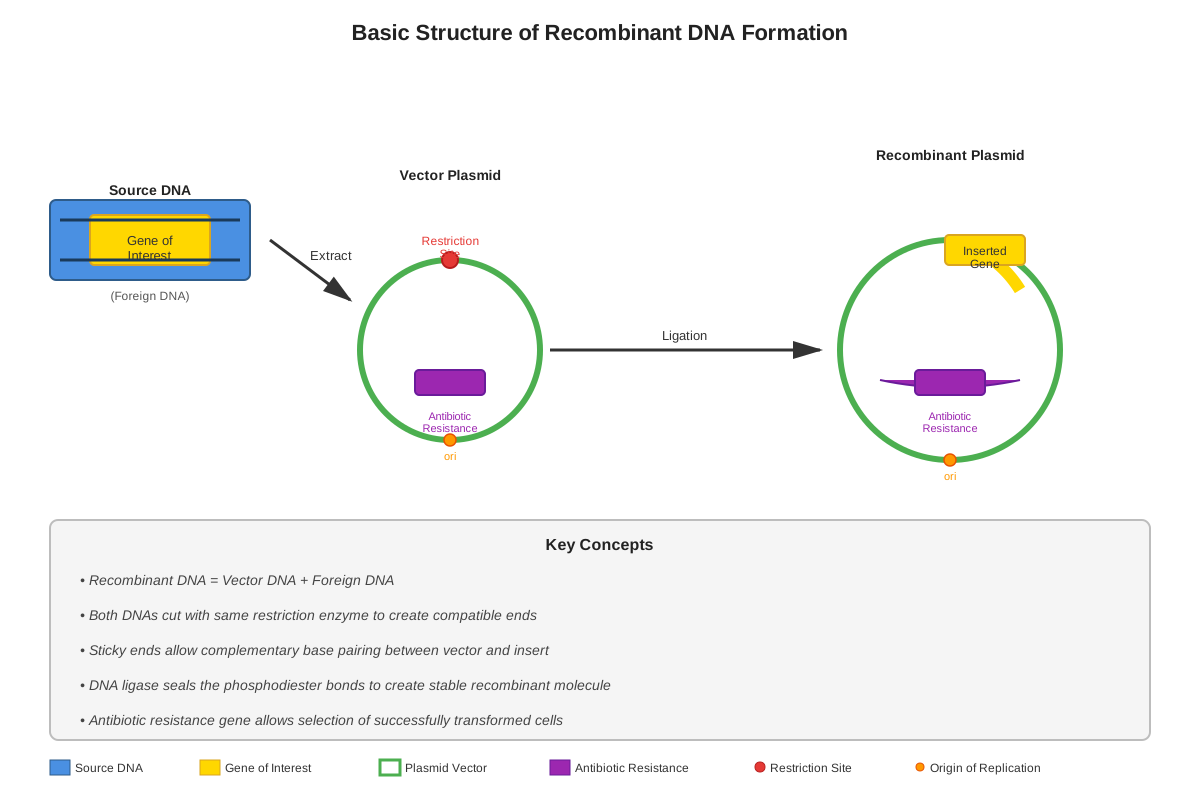
Recombinant DNA is a DNA molecule created by combining genetic material from two or more different sources, resulting in sequences that do not naturally occur together. This artificial construct typically consists of a vector (carrier DNA molecule) and an insert (foreign DNA fragment of interest). The fundamental principle underlying recombinant DNA technology is that DNA from all organisms shares the same basic structure and follows universal base-pairing rules, allowing DNA from different species to be joined together and replicated in a host organism. This universality of the genetic code means that a human gene can be expressed in bacterial cells, producing the same protein it would in human cells.
The creation of recombinant DNA relies on the complementary nature of DNA strands and the ability of certain enzymes to cut and join DNA molecules at specific locations. When DNA fragments with compatible ends are brought together under appropriate conditions, they can form stable hydrogen bonds between complementary bases. The enzyme DNA ligase then catalyzes the formation of phosphodiester bonds between adjacent nucleotides, permanently joining the fragments into a continuous DNA molecule. This recombinant molecule can then be introduced into host cells where it replicates along with the host's own DNA.
Restriction Enzymes (Restriction Endonucleases)
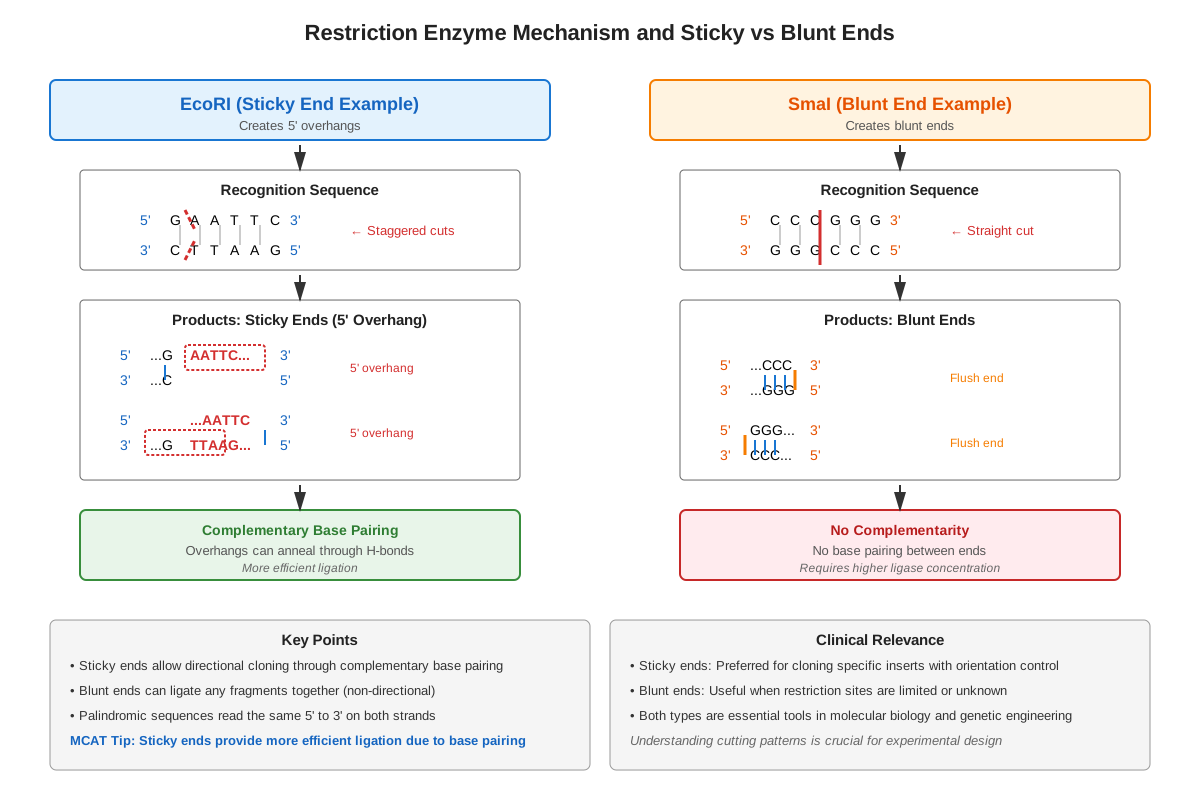
Restriction enzymes are bacterial proteins that recognize specific DNA sequences (typically 4-8 base pairs long) and cleave the phosphodiester backbone at or near these recognition sites. These enzymes evolved as a bacterial defense mechanism against viral DNA, but molecular biologists have repurposed them as precise molecular scissors for cutting DNA at predictable locations. Each restriction enzyme recognizes a specific palindromic sequence—a sequence that reads the same on both strands when read in the 5' to 3' direction.
Restriction enzymes produce two types of cuts:
- Sticky ends (cohesive ends): Staggered cuts that leave short single-stranded overhangs at each end of the DNA fragment. These overhangs are complementary to each other and can base-pair with any other DNA fragment cut with the same enzyme, facilitating the joining of DNA from different sources.
- Blunt ends: Straight cuts that produce no overhangs, leaving both strands of equal length. Blunt ends can be joined to any other blunt end but with lower efficiency than sticky ends.
Common restriction enzymes tested on the MCAT include EcoRI (recognizes GAATTC), BamHI (recognizes GGATCC), and PstI (recognizes CTGCAG). The naming convention uses italicized letters: the first letter represents the genus, the next two letters represent the species, the fourth letter (if present) represents the strain, and Roman numerals indicate the order of discovery from that strain.
Vectors and Cloning Systems
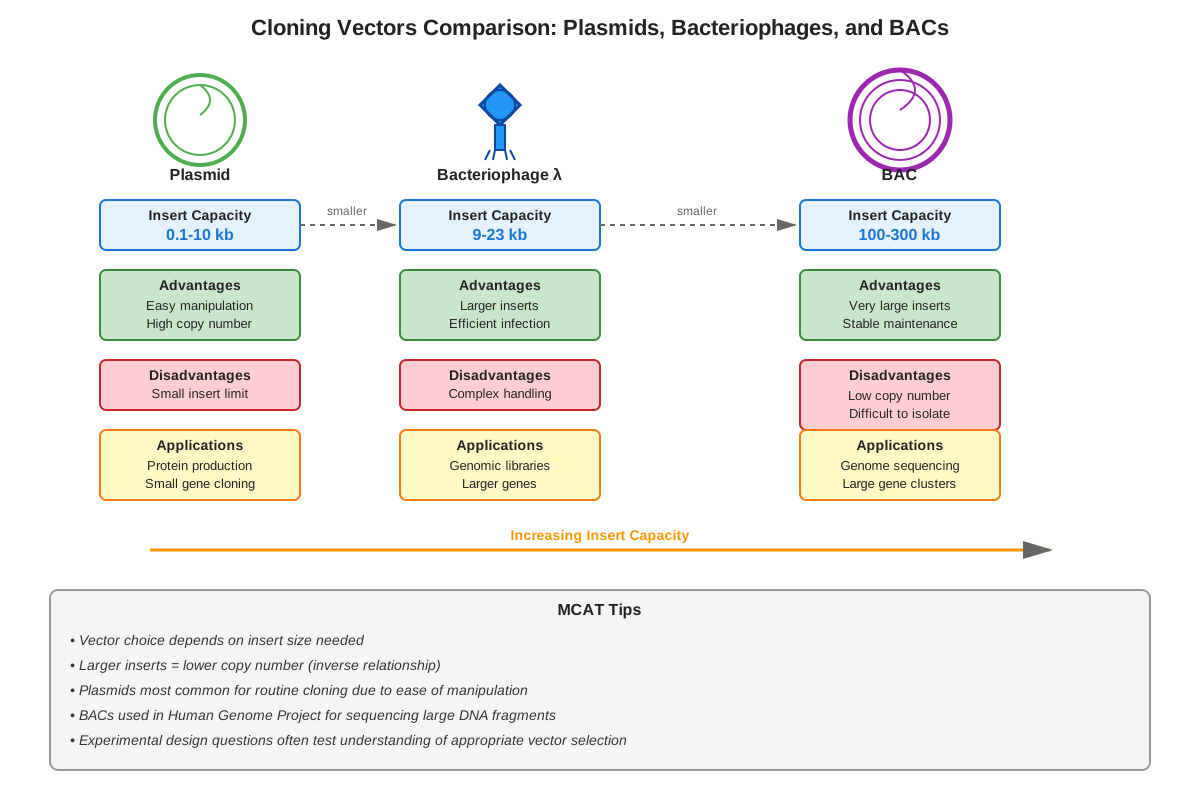
A vector is a DNA molecule used to carry foreign DNA into a host cell where it can be replicated and expressed. Vectors must possess several key features: an origin of replication (ori) that allows autonomous replication in the host cell, selectable markers (usually antibiotic resistance genes) that enable identification of cells containing the vector, and a multiple cloning site (MCS) or polylinker containing recognition sequences for several different restriction enzymes where foreign DNA can be inserted.
| Vector Type | Size Capacity | Host Organism | Common Applications |
|---|---|---|---|
| Plasmids | 1-10 kb | Bacteria (E. coli) | Gene cloning, protein expression, small inserts |
| Bacteriophages (λ phage) | 10-20 kb | Bacteria | Genomic libraries, medium inserts |
| Cosmids | 35-45 kb | Bacteria | Genomic libraries, large inserts |
| Bacterial Artificial Chromosomes (BACs) | 100-300 kb | Bacteria | Genome sequencing projects, very large inserts |
| Yeast Artificial Chromosomes (YACs) | 100-1000 kb | Yeast | Human genome project, extremely large inserts |
| Viral vectors | Varies | Mammalian cells | Gene therapy, vaccine production |
Plasmids are the most commonly used vectors for basic recombinant DNA work. These small, circular, double-stranded DNA molecules exist naturally in bacteria and replicate independently of the bacterial chromosome. The most famous plasmid, pBR322, contains genes for ampicillin and tetracycline resistance, allowing for selection of transformed bacteria. Modern plasmids often include additional features such as lac promoter sequences for inducible gene expression and lacZ gene fragments for blue-white screening.
The Recombinant DNA Creation Process
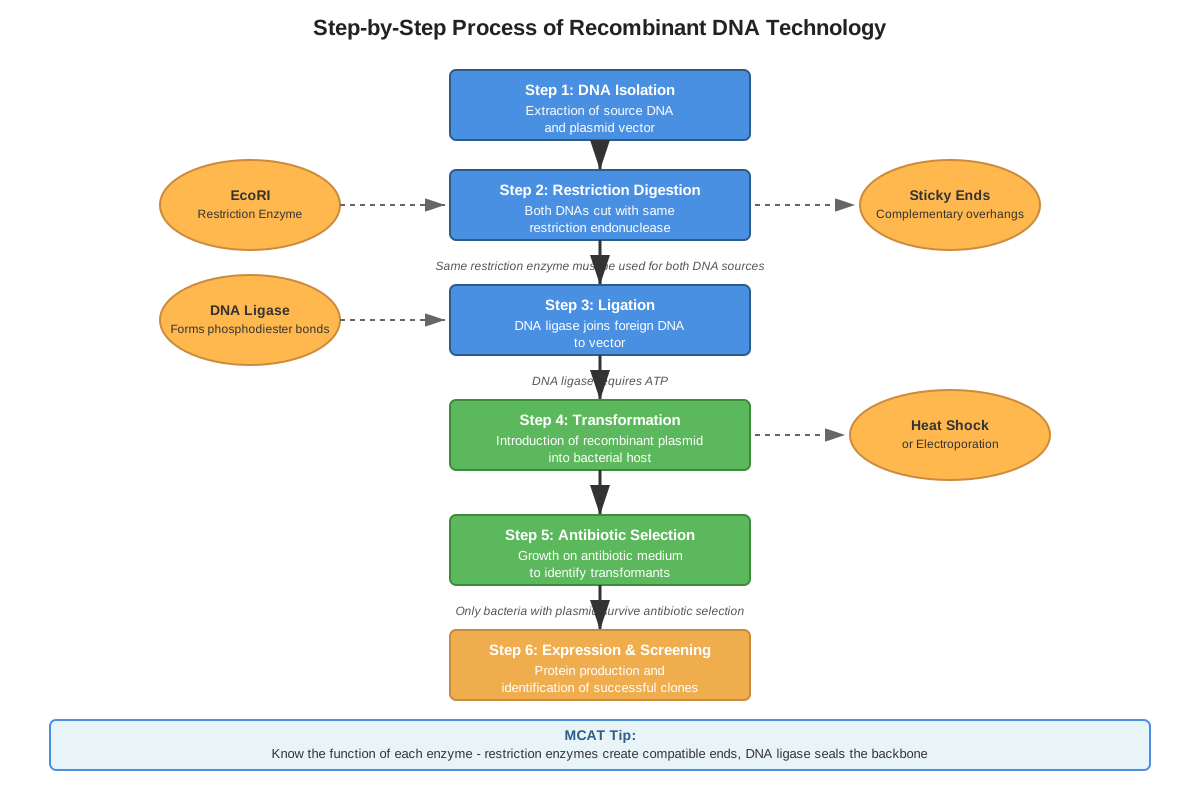
The systematic creation of recombinant DNA follows a multi-step process:
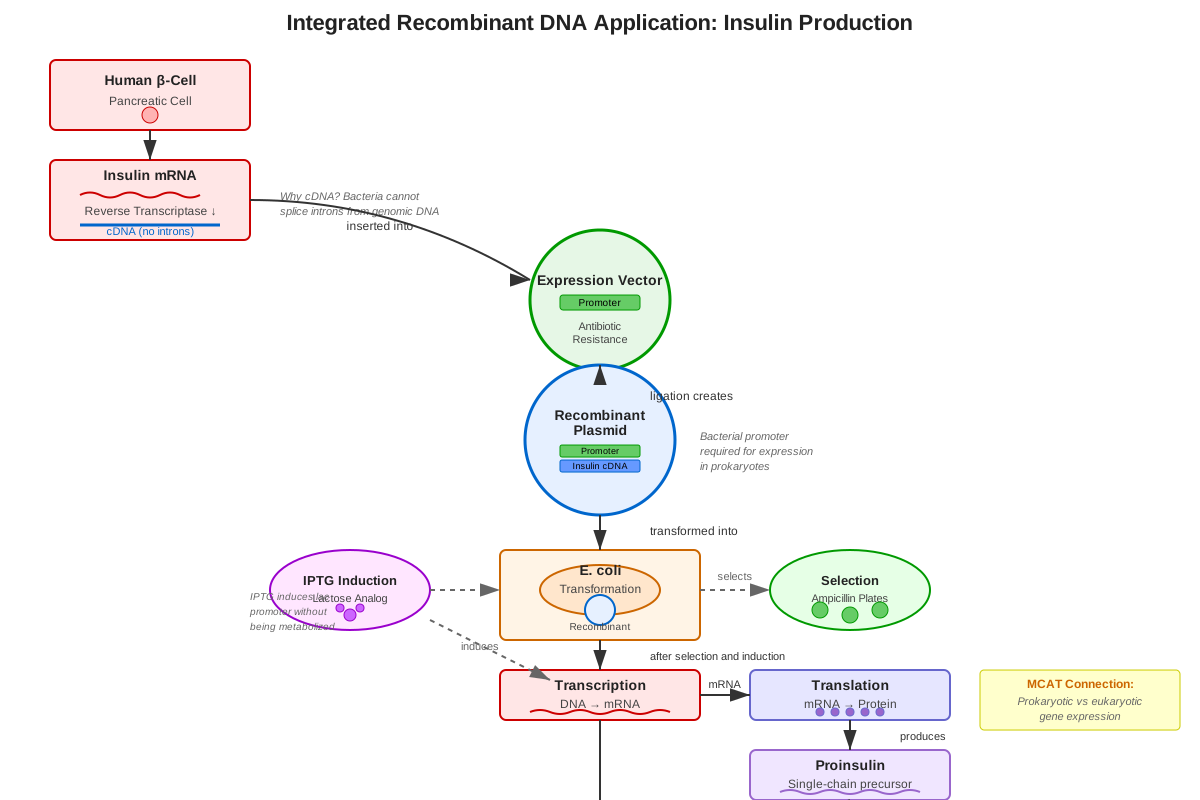
- Isolation of target DNA: The gene or DNA sequence of interest is obtained either by extraction from genomic DNA, synthesis by reverse transcriptase from mRNA (creating complementary DNA or cDNA), or chemical synthesis.
- Digestion with restriction enzymes: Both the target DNA and the vector are cut with the same restriction enzyme(s) to create compatible ends. Using the same enzyme ensures that the overhangs are complementary and can base-pair.
- Ligation: The digested vector and insert are mixed together with DNA ligase enzyme, which catalyzes the formation of phosphodiester bonds between the 3'-OH and 5'-phosphate groups of adjacent nucleotides, sealing the sugar-phosphate backbone.
- Transformation: The recombinant DNA molecule is introduced into host cells (usually bacteria) through transformation (uptake of naked DNA), transduction (delivery via viral vector), or transfection (introduction into eukaryotic cells).
- Selection: Host cells are grown on media containing antibiotics or other selective agents. Only cells that have taken up the vector (which carries antibiotic resistance genes) will survive and form colonies.
- Screening: Colonies are tested to identify those containing recombinant plasmids (vector + insert) rather than just re-ligated empty vector. Common screening methods include blue-white screening, colony PCR, and restriction digest analysis.
Selection and Screening Methods
Antibiotic selection is the primary method for identifying transformed cells. When bacteria are plated on media containing an antibiotic (such as ampicillin), only cells containing the plasmid with the resistance gene will survive and grow into visible colonies. Non-transformed cells die, effectively eliminating them from the population.
Blue-white screening provides a second level of selection to distinguish between recombinant plasmids (containing insert) and non-recombinant plasmids (empty vector that re-ligated without insert). This technique uses the lacZ gene, which encodes β-galactosidase enzyme. The multiple cloning site is positioned within the lacZ gene. When the vector contains no insert, the intact lacZ gene produces functional β-galactosidase, which cleaves the substrate X-gal (added to the growth medium) to produce a blue product—colonies appear blue. When an insert disrupts the lacZ gene, no functional enzyme is produced, and colonies remain white. Therefore, white colonies contain recombinant DNA while blue colonies contain only re-ligated vector.
Replica plating allows screening of many colonies simultaneously by transferring bacteria from a master plate to multiple replica plates containing different selective media. This technique helps identify clones with specific characteristics without destroying the original colonies.
Expression Systems and Protein Production
Creating recombinant DNA is only the first step; expressing the cloned gene to produce protein requires additional considerations. Expression vectors contain not only the basic vector elements but also regulatory sequences that control transcription and translation of the inserted gene. Key elements include:
- Promoter: A DNA sequence that recruits RNA polymerase to initiate transcription. The lac promoter is commonly used because it can be induced by adding IPTG (isopropyl β-D-1-thiogalactopyranoside), allowing controlled timing of protein production.
- Ribosome binding site (RBS): In bacteria, the Shine-Dalgarno sequence positions the ribosome correctly on the mRNA for translation initiation.
- Terminator: A sequence that signals the end of transcription, ensuring proper mRNA formation.
- Purification tags: Short peptide sequences (such as His-tag, FLAG-tag, or GST-tag) added to the recombinant protein to facilitate purification using affinity chromatography.
When expressing eukaryotic genes in bacterial systems, several challenges arise. Bacteria lack the machinery for post-translational modifications such as glycosylation, phosphorylation, or proper protein folding that many eukaryotic proteins require for function. Additionally, eukaryotic genes contain introns that bacteria cannot splice out. To overcome this, scientists use cDNA (complementary DNA) synthesized from mature mRNA, which contains only exons and can be directly translated by bacterial ribosomes.
Applications in Medicine and Research
Recombinant DNA technology has enabled numerous medical breakthroughs. Recombinant insulin production in E. coli was the first major pharmaceutical application, approved in 1982. The human insulin gene is inserted into bacterial plasmids, and the bacteria produce human insulin protein that is then purified for therapeutic use. This approach provides unlimited quantities of insulin identical to human insulin, avoiding the allergic reactions some patients experienced with animal-derived insulin.
Gene therapy uses recombinant viral vectors to deliver functional genes to patients with genetic disorders. For example, severe combined immunodeficiency (SCID) caused by adenosine deaminase deficiency can be treated by introducing a functional ADA gene into the patient's bone marrow cells using a retroviral vector. The recombinant virus infects the cells and integrates the therapeutic gene into the genome, potentially providing a permanent cure.
Vaccine production has been revolutionized by recombinant DNA technology. The hepatitis B vaccine consists of a viral surface protein produced in yeast cells transformed with the gene encoding that protein. This approach is safer than traditional vaccines made from killed or attenuated viruses because no infectious viral particles are involved in production.
Concept Relationships
The concepts within recombinant DNA technology form an interconnected network where each component depends on others. Restriction enzymes enable the precise cutting of DNA → creating compatible ends → which allows DNA ligase to join vector and insert → forming recombinant DNA molecules → that are introduced into host cells through transformation → where selectable markers enable identification of transformed cells → and screening methods distinguish recombinant from non-recombinant plasmids → allowing isolation of clones containing the desired gene → which can be expressed using appropriate regulatory elements → to produce recombinant proteins for research or therapeutic use.
Recombinant DNA technology connects to prerequisite topics in essential ways. Understanding DNA structure is necessary because the complementary base pairing between sticky ends drives the annealing of insert and vector. Knowledge of DNA replication explains how recombinant plasmids are copied in host cells, with the origin of replication serving as the starting point for DNA polymerase. The Central Dogma (transcription and translation) underlies the expression of cloned genes, with promoters controlling transcription and ribosome binding sites controlling translation. Bacterial transformation mechanisms explain how plasmids enter cells, whether through natural competence, heat shock, or electroporation.
This topic also connects forward to advanced concepts. Understanding recombinant DNA is essential for comprehending PCR (polymerase chain reaction), which amplifies specific DNA sequences without cloning. DNA sequencing technologies often require cloning DNA fragments into vectors before sequencing. CRISPR-Cas9 gene editing represents an evolution of recombinant DNA technology, allowing precise genome editing rather than just gene addition. Genomic libraries and cDNA libraries are collections of recombinant clones representing an organism's entire genome or transcriptome, respectively.
High-Yield Facts
⭐ Restriction enzymes recognize palindromic sequences and cut DNA to produce either sticky ends (with overhangs) or blunt ends (no overhangs); sticky ends facilitate more efficient ligation because complementary overhangs can base-pair.
⭐ DNA ligase catalyzes formation of phosphodiester bonds between the 3'-OH and 5'-phosphate of adjacent nucleotides, sealing nicks in the DNA backbone to create continuous recombinant DNA molecules.
⭐ Plasmid vectors must contain three essential elements: an origin of replication (for autonomous replication), selectable markers (usually antibiotic resistance genes), and a multiple cloning site (for insert integration).
⭐ Blue-white screening uses the lacZ gene: intact lacZ (no insert) produces β-galactosidase that cleaves X-gal to produce blue colonies; disrupted lacZ (insert present) produces white colonies containing recombinant DNA.
⭐ cDNA (complementary DNA) is synthesized from mRNA using reverse transcriptase and contains only exons, making it suitable for expression in bacteria that cannot splice introns from eukaryotic genes.
- Transformation efficiency is increased by making bacterial cells competent through calcium chloride treatment or electroporation, which temporarily disrupts the cell membrane to allow plasmid entry.
- The same restriction enzyme must be used to cut both vector and insert to ensure compatible complementary overhangs that can base-pair during ligation.
- Antibiotic selection eliminates non-transformed bacteria, but additional screening is needed to distinguish recombinant plasmids from re-ligated empty vectors.
- Expression vectors contain regulatory elements (promoter, ribosome binding site, terminator) in addition to basic cloning vector elements to enable transcription and translation of the inserted gene.
- Bacterial expression systems cannot perform post-translational modifications like glycosylation; eukaryotic expression systems (yeast, insect, or mammalian cells) are required for proteins needing these modifications.
- The lac promoter is inducible by IPTG, allowing researchers to control the timing of recombinant protein expression and prevent toxic effects of constitutive expression.
- Restriction enzyme names follow a convention: genus (1 letter), species (2 letters), strain (1 letter if applicable), and order of discovery (Roman numeral).
Quick check — test yourself on Recombinant DNA so far.
Try Flashcards →Common Misconceptions
Misconception: DNA ligase can join any two DNA fragments together regardless of their end structure.
Correction: DNA ligase can only seal nicks in the sugar-phosphate backbone where a 3'-OH and 5'-phosphate are adjacent. For blunt ends or non-complementary sticky ends, the fragments must first be positioned correctly (blunt ends) or have complementary overhangs that base-pair (sticky ends). Ligase cannot create bonds between incompatible ends.
Misconception: All bacteria that grow on antibiotic-containing plates contain recombinant DNA with the desired insert.
Correction: Antibiotic selection only identifies transformed bacteria (those that took up any plasmid). Many colonies contain re-ligated empty vector without insert. Additional screening methods like blue-white screening, colony PCR, or restriction digest analysis are necessary to identify truly recombinant clones.
Misconception: Restriction enzymes cut DNA randomly at any location.
Correction: Restriction enzymes are highly sequence-specific, recognizing and cutting only at particular palindromic sequences (typically 4-8 bp long). Each enzyme has a defined recognition sequence and cutting pattern. This specificity is what makes them useful for creating predictable, compatible ends for cloning.
Misconception: Any gene from any organism can be directly cloned and expressed in bacteria to produce functional protein.
Correction: While bacterial systems can transcribe and translate many genes, eukaryotic genes often require modifications. Introns must be removed (using cDNA instead of genomic DNA), and proteins requiring post-translational modifications may be non-functional when produced in bacteria. Additionally, some proteins are toxic to bacteria or form insoluble inclusion bodies.
Misconception: The insert DNA and vector DNA will always ligate together in the correct orientation.
Correction: When using a single restriction enzyme to cut both vector and insert, the insert can ligate in either orientation (forward or reverse). This may or may not affect function depending on the application. To ensure directional cloning, two different restriction enzymes are used to create non-compatible ends at each side of the insert.
Misconception: Transformation is 100% efficient, so all bacteria in the culture will contain the plasmid.
Correction: Transformation efficiency is typically quite low (10^4 to 10^9 transformants per microgram of DNA, depending on method). Most bacteria in the culture do not take up plasmid DNA, which is why antibiotic selection is essential to eliminate non-transformed cells and enrich for those containing the plasmid.
Misconception: Recombinant DNA technology can only be used with bacterial systems.
Correction: While bacteria (especially E. coli) are the most common hosts, recombinant DNA technology is used with many organisms including yeast, insect cells, mammalian cells, and even whole organisms (transgenic plants and animals). The choice of host depends on the application and the requirements of the protein being produced.
Worked Examples
Example 1: Designing a Cloning Experiment
Scenario: A researcher wants to clone a 2.5 kb human gene into a plasmid vector to produce the protein in E. coli. The plasmid contains an ampicillin resistance gene and a multiple cloning site within the lacZ gene. The researcher has access to various restriction enzymes. The human gene is present in a genomic DNA sample.
Question: What steps should the researcher follow, and what considerations are important for success?
Solution:
Step 1 - Choose appropriate DNA source: Since the goal is bacterial expression and the gene is human (eukaryotic), the researcher should not use genomic DNA directly because it will contain introns that bacteria cannot splice. Instead, the researcher should:
- Isolate mRNA from human cells expressing this gene
- Use reverse transcriptase to synthesize cDNA from the mRNA
- This cDNA will contain only exons and can be translated by bacterial ribosomes
Step 2 - Select restriction enzymes: The researcher should choose an enzyme that:
- Cuts once in the multiple cloning site of the vector
- Does not cut within the gene of interest (check the gene sequence for restriction sites)
- Produces sticky ends for efficient ligation (preferred over blunt ends)
- For example, if EcoRI cuts in the MCS but not in the gene, use EcoRI
Step 3 - Digest vector and insert:
- Cut the plasmid with EcoRI, which will linearize the circular plasmid and create compatible sticky ends
- Cut the cDNA with EcoRI to create matching sticky ends
- Treat the digested vector with alkaline phosphatase to remove 5'-phosphate groups, preventing vector self-ligation
Step 4 - Ligation:
- Mix digested vector and insert in a 1:3 molar ratio (excess insert increases probability of insert-vector ligation)
- Add DNA ligase and incubate at 16°C overnight
- DNA ligase will seal the phosphodiester backbone where compatible ends have base-paired
Step 5 - Transformation:
- Transform competent E. coli cells with the ligation mixture
- Use heat shock or electroporation to facilitate plasmid uptake
Step 6 - Selection:
- Plate transformed bacteria on agar containing ampicillin and X-gal
- Only bacteria with plasmid (recombinant or not) will survive on ampicillin
- White colonies indicate recombinant plasmids (lacZ disrupted by insert)
- Blue colonies indicate re-ligated empty vector (intact lacZ)
Step 7 - Screening:
- Pick white colonies and grow in liquid culture
- Isolate plasmid DNA and perform restriction digest with EcoRI
- Run digest products on agarose gel
- Correct clones will show two bands: vector (size of original plasmid) and insert (2.5 kb)
- Confirm by DNA sequencing
Key considerations: Using cDNA instead of genomic DNA is critical for bacterial expression. Blue-white screening provides preliminary identification but must be confirmed by restriction analysis. The orientation of the insert matters if the goal is protein expression—the gene must be in the correct orientation relative to the promoter.
Example 2: Interpreting Experimental Results
Scenario: A student performs a cloning experiment to insert a 1.5 kb gene into a 4.0 kb plasmid vector using BamHI restriction enzyme. After transformation and selection on ampicillin plates with X-gal, the student observes:
- Plate A (transformation with ligation mixture): 50 white colonies, 200 blue colonies
- Plate B (transformation with uncut plasmid): 1000 blue colonies
- Plate C (transformation with no DNA): 0 colonies
The student picks 5 white colonies, isolates plasmid DNA, digests with BamHI, and runs the products on an agarose gel. The results show:
- Colony 1: Two bands at 4.0 kb and 1.5 kb
- Colony 2: Two bands at 4.0 kb and 1.5 kb
- Colony 3: One band at 4.0 kb
- Colony 4: Two bands at 4.0 kb and 1.5 kb
- Colony 5: Two bands at 4.0 kb and 2.0 kb
Questions:
A) What do the results from Plates B and C indicate about the experiment?
B) Why are there both white and blue colonies on Plate A?
C) Which colonies contain the correct recombinant plasmid?
D) What might explain the results from colonies 3 and 5?
Solution:
Answer A: Plate C (no DNA control) shows zero colonies, confirming that the ampicillin selection is working—only bacteria with the resistance gene survive. Plate B (uncut plasmid) shows many blue colonies, demonstrating that: (1) the transformation procedure works efficiently, (2) the plasmid can replicate in the bacteria, and (3) the intact lacZ gene produces functional β-galactosidase (blue color). The absence of white colonies on Plate B confirms that white color specifically indicates lacZ disruption by insert.
Answer B: Blue colonies on Plate A result from bacteria that took up re-ligated empty vector (no insert). When the vector is cut with BamHI and then ligated without insert, the compatible sticky ends can base-pair and ligate back together, restoring the circular plasmid with intact lacZ gene. White colonies result from bacteria that took up recombinant plasmids where the insert disrupted the lacZ gene. The ratio of blue to white colonies (200:50 or 4:1) indicates that vector self-ligation is more efficient than insert-vector ligation, which is common. This ratio could be improved by treating the digested vector with alkaline phosphatase to prevent self-ligation.
Answer C: Colonies 1, 2, and 4 contain the correct recombinant plasmid. When digested with BamHI, these plasmids release the insert, producing two bands: the 4.0 kb vector and the 1.5 kb insert. The total size (5.5 kb) matches the expected size of vector + insert. These colonies should be saved and one should be selected for further work.
Answer D:
- Colony 3 shows only a 4.0 kb band, indicating it contains re-ligated empty vector with no insert. This colony appeared white due to a false positive in blue-white screening (possible causes: spontaneous lacZ mutation, incomplete X-gal metabolism, or contamination). This demonstrates why restriction digest confirmation is essential—blue-white screening alone is not 100% reliable.
- Colony 5 shows bands at 4.0 kb and 2.0 kb (total 6.0 kb), indicating it contains an insert, but the insert is 2.0 kb instead of the expected 1.5 kb. Possible explanations include: (1) the wrong DNA fragment was cloned, (2) two copies of a 1.0 kb fragment ligated together before inserting into the vector, or (3) the insert contains an internal BamHI site that was not accounted for, causing it to be cut into two pieces during the digest (though this would produce three bands, not two). This clone should be sequenced to determine what was actually cloned.
Key learning points: Control plates are essential for interpreting results. Blue-white screening is useful but not definitive—restriction digest analysis provides confirmation. Not all white colonies contain the correct insert, and unexpected band patterns require investigation. Understanding the expected sizes and patterns allows identification of correct clones and troubleshooting of problems.
Exam Strategy
When approaching MCAT questions on recombinant DNA, first identify the question type: Is it asking about the process/technique, the purpose/application, or interpretation of experimental results? For process questions, mentally walk through the steps in order (isolate DNA → digest → ligate → transform → select → screen) and identify which step is being tested. For application questions, consider what the goal is (gene cloning, protein production, gene therapy) and what requirements that goal imposes on the system.
Trigger words and phrases to watch for:
- "Sticky ends" or "cohesive ends" → think about complementary base pairing and the need for the same restriction enzyme to cut both vector and insert
- "Selectable marker" → antibiotic resistance genes that allow identification of transformed cells
- "Blue-white screening" → lacZ gene, β-galactosidase, X-gal substrate; white = recombinant, blue = no insert
- "Expression vector" → must contain promoter, ribosome binding site, and terminator in addition to basic vector elements
- "cDNA" → synthesized from mRNA using reverse transcriptase; contains only exons, no introns
- "Transformation efficiency" → percentage of cells that take up plasmid; always less than 100%, requiring selection
- "Competent cells" → bacteria treated to increase permeability and transformation efficiency
Process-of-elimination strategies:
- Eliminate answers that violate the directionality of DNA (5' to 3' synthesis, antiparallel strands)
- Eliminate answers that suggest restriction enzymes cut randomly or that DNA ligase can join incompatible ends
- Eliminate answers that confuse selection (antibiotic resistance) with screening (identifying recombinant vs. non-recombinant)
- Eliminate answers that suggest bacteria can splice introns or perform complex post-translational modifications
- For experimental design questions, eliminate answers that skip essential steps (e.g., suggesting transformation without prior ligation)
Time allocation advice: Recombinant DNA questions often appear in passages describing multi-step experiments. Spend 30-45 seconds creating a mental flowchart of the experimental design before attempting questions. For discrete questions, 30-45 seconds should suffice. If a question requires detailed analysis of gel electrophoresis results or colony screening data, allocate up to 90 seconds. Don't get bogged down trying to remember every specific restriction enzyme name—focus on the principles (recognition sequences, sticky vs. blunt ends) rather than memorizing details.
Exam Tip: When a passage describes a cloning experiment, immediately identify: (1) What is being cloned? (2) What vector is being used? (3) What host organism? (4) What is the selection method? (5) What is the screening method? Having these five elements clear will help you answer most questions about that passage.
Memory Techniques
Mnemonic for the cloning process - "I Don't Like Talking To Silly Scientists":
- Isolate DNA
- Digest with restriction enzymes
- Ligate insert and vector
- Transform into host cells
- Test with selection (antibiotic)
- Screen for recombinants
- Sequence to confirm
Mnemonic for essential vector elements - "OMS":
- Origin of replication
- Multiple cloning site
- Selectable marker
Visualization for sticky ends: Picture a zipper with teeth (the complementary overhangs) that can only zip together when the teeth match. Different restriction enzymes create different "teeth patterns" that only match if the same enzyme was used.
Visualization for blue-white screening: Picture a gene as a sentence. When the lacZ "sentence" is complete (no insert), it makes sense and produces a functional protein (blue). When an insert interrupts the sentence (recombinant), the sentence is nonsense and produces no functional protein (white). White = Winner (has the insert you want).
Acronym for restriction enzyme naming - "GSSN":
- Genus (1st letter)
- Species (2nd and 3rd letters)
- Strain (4th letter, if present)
- Number (Roman numeral for order of discovery)
Memory aid for cDNA: "cDNA = Copy DNA" - it's a DNA copy of mRNA, containing only the coding sequence (exons) without introns. Think "c" for "coding" or "complementary."
Summary
Recombinant DNA technology is the foundation of modern molecular biology, enabling the combination of genetic material from different sources to create novel DNA molecules with desired properties. The process involves using restriction enzymes to cut DNA at specific palindromic sequences, creating compatible sticky or blunt ends that can be joined by DNA ligase to form recombinant molecules. These molecules are typically constructed using plasmid vectors containing essential elements (origin of replication, selectable markers, and multiple cloning sites) and are introduced into bacterial host cells through transformation. Selection using antibiotic resistance identifies transformed cells, while screening methods like blue-white screening distinguish recombinant plasmids from re-ligated empty vectors. For protein expression, additional regulatory elements (promoters, ribosome binding sites, terminators) are required, and eukaryotic genes must be converted to cDNA to remove introns before bacterial expression. This technology has revolutionized medicine through production of recombinant insulin, vaccines, and gene therapy vectors. For the MCAT, students must understand not only the technical steps but also the underlying molecular principles, the purpose of each component, and how to interpret experimental results from cloning experiments.
Key Takeaways
- Recombinant DNA combines genetic material from different sources using restriction enzymes (to cut at specific sequences) and DNA ligase (to join compatible ends), creating novel DNA molecules that can be replicated in host cells
- Vectors must contain three essential elements: origin of replication (for autonomous replication), selectable markers (for identifying transformed cells), and multiple cloning sites (for insert integration)
- The same restriction enzyme must cut both vector and insert to create compatible complementary overhangs that enable efficient ligation through base pairing
- Selection (antibiotic resistance) identifies transformed cells, but additional screening (blue-white screening, restriction analysis) is required to distinguish recombinant from non-recombinant plasmids
- cDNA synthesized from mRNA using reverse transcriptase is required for bacterial expression of eukaryotic genes because bacteria cannot splice introns
- Blue-white screening uses lacZ disruption: intact lacZ produces β-galactosidase that cleaves X-gal to produce blue colonies (no insert), while disrupted lacZ produces white colonies (recombinant with insert)
- Expression vectors require regulatory elements (promoter, ribosome binding site, terminator) beyond basic cloning vector elements to enable transcription and translation of inserted genes
Related Topics
Polymerase Chain Reaction (PCR): This technique amplifies specific DNA sequences without cloning, using repeated cycles of denaturation, annealing, and extension. Understanding recombinant DNA provides the foundation for comprehending how primers bind to template DNA and how DNA polymerase synthesizes new strands. PCR is often used to generate DNA fragments for cloning or to screen bacterial colonies for inserts.
DNA Sequencing: Modern sequencing technologies often require cloning DNA fragments into vectors before sequencing reactions. The Sanger sequencing method uses dideoxynucleotides and DNA polymerase, concepts that build on understanding of DNA synthesis. Next-generation sequencing has revolutionized genomics but still relies on many recombinant DNA principles.
CRISPR-Cas9 Gene Editing: This revolutionary technology enables precise genome editing by cutting DNA at specific locations (similar to restriction enzymes but programmable) and either disrupting genes or inserting new sequences. Understanding recombinant DNA provides context for how guide RNAs direct Cas9 to target sites and how donor DNA templates can be integrated.
Genomic and cDNA Libraries: These are collections of recombinant clones representing an organism's entire genome (genomic library) or all expressed genes (cDNA library). Creating and screening these libraries requires mastery of all recombinant DNA techniques and provides a bridge to understanding genome-wide studies.
Protein Purification and Characterization: After producing recombinant proteins, they must be purified and characterized. Techniques like affinity chromatography (using His-tags or other fusion tags), SDS-PAGE, and Western blotting build on recombinant DNA concepts and are frequently tested on the MCAT.
Practice CTA
Now that you've mastered the core concepts of recombinant DNA technology, it's time to reinforce your understanding through active practice. Work through the practice questions to apply these concepts to MCAT-style scenarios, and use the flashcards to solidify your memory of key terms, enzymes, and processes. Remember that recombinant DNA questions often integrate multiple concepts—restriction enzymes, vectors, selection, screening, and gene expression—so practice identifying which principle is being tested in each question. The more you practice analyzing experimental designs and interpreting results, the more confident you'll become in tackling these high-yield questions on test day. You've built a strong foundation—now strengthen it through deliberate practice!
Sign up free to keep reading
Create a free AnvayaPrep account to finish this MCAT guide on Recombinant DNA — plus flashcards and practice questions.