Overview
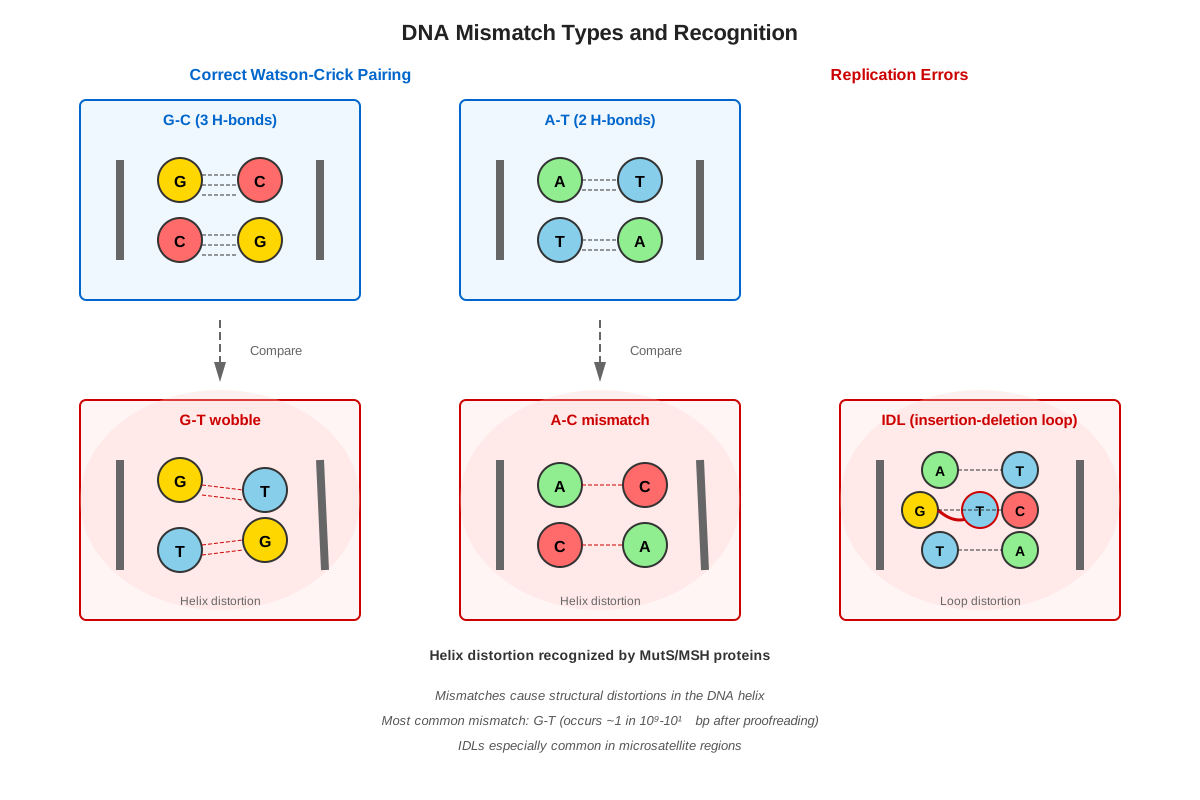
Mismatch repair is a critical DNA repair mechanism that corrects errors made during DNA replication that escape the proofreading function of DNA polymerase. While DNA polymerase has a 3' to 5' exonuclease activity that catches most replication errors, approximately one error per 10^9 to 10^10 base pairs still slips through. Without mismatch repair, these errors would accumulate, leading to mutation rates incompatible with life. This system recognizes and removes incorrectly paired nucleotides, then resynthesizes the DNA strand correctly, maintaining genomic integrity across cell divisions.
For the MCAT, understanding mismatch repair is essential because it bridges multiple high-yield concepts in Molecular Biology and Genetics. Questions frequently test students' ability to distinguish between different DNA repair pathways, understand the consequences of repair system failures, and connect molecular mechanisms to disease states. The topic appears in both passage-based and discrete questions, often integrated with cancer biology, mutation rates, and inheritance patterns. Students must grasp not only the mechanism itself but also how defects in this system lead to specific clinical phenotypes, particularly hereditary nonpolyposis colorectal cancer (HNPCC or Lynch syndrome).
Within the broader landscape of Biology, mismatch repair represents one of several quality control mechanisms that cells employ to maintain genetic fidelity. It connects directly to DNA replication, cell cycle checkpoints, cancer biology, and evolutionary concepts. Understanding this repair pathway provides insight into how cells balance the need for genetic stability with the evolutionary advantage of controlled mutation rates. The system's sophistication—including strand discrimination mechanisms and coordination with cell cycle machinery—exemplifies the elegant complexity of cellular processes that the MCAT frequently tests.
Learning Objectives
- [ ] Define Mismatch repair using accurate Biology terminology
- [ ] Explain why Mismatch repair matters for the MCAT
- [ ] Apply Mismatch repair to exam-style questions
- [ ] Identify common mistakes related to Mismatch repair
- [ ] Connect Mismatch repair to related Biology concepts
- [ ] Describe the step-by-step mechanism of mismatch repair in prokaryotes and eukaryotes
- [ ] Explain how cells distinguish between the parental and newly synthesized DNA strands
- [ ] Analyze the clinical consequences of mismatch repair deficiency, particularly Lynch syndrome
- [ ] Compare and contrast mismatch repair with other DNA repair mechanisms
Prerequisites
- DNA structure and base pairing rules: Understanding Watson-Crick base pairing is essential to recognize what constitutes a "mismatch" (e.g., G-T instead of G-C)
- DNA replication mechanism: Knowledge of semiconservative replication, leading and lagging strands, and DNA polymerase function provides context for when mismatches occur
- DNA polymerase proofreading: Familiarity with the 3' to 5' exonuclease activity helps distinguish what errors mismatch repair must address versus what polymerase catches
- Basic enzyme function: Understanding how enzymes recognize substrates and catalyze reactions is necessary to comprehend repair protein activities
- Cell cycle basics: Knowledge of S phase and cell cycle checkpoints helps explain when mismatch repair operates and its coordination with cell division
Why This Topic Matters
Clinical Significance
Defects in mismatch repair genes cause Lynch syndrome (hereditary nonpolyposis colorectal cancer), one of the most common inherited cancer predisposition syndromes, affecting approximately 1 in 300 individuals. Patients with Lynch syndrome have a 70-80% lifetime risk of colorectal cancer and elevated risks for endometrial, ovarian, gastric, and other cancers. The molecular signature of mismatch repair deficiency—microsatellite instability—serves as both a diagnostic marker and a predictor of response to immunotherapy. Understanding this connection between molecular mechanism and clinical phenotype represents exactly the type of integration the MCAT rewards.
MCAT Exam Statistics
Mismatch repair appears in approximately 2-4% of MCAT questions, typically within the Biological and Biochemical Foundations of Living Systems section. Questions most commonly appear as:
- Passage-based questions integrating cancer genetics and molecular mechanisms (60%)
- Discrete questions testing knowledge of DNA repair pathways (25%)
- Experimental analysis questions involving mutation rates or repair-deficient cell lines (15%)
The topic frequently appears alongside questions about tumor suppressor genes, mutation accumulation, and inheritance patterns. High-scoring students recognize that mismatch repair questions often test the ability to distinguish between different repair mechanisms and predict phenotypic consequences of system failures.
Common Exam Contexts
On the MCAT, mismatch repair typically appears in passages describing:
- Cancer genetics research involving microsatellite instability
- Experiments comparing mutation rates in wild-type versus repair-deficient organisms
- Evolutionary studies examining mutation rates across species
- Clinical vignettes describing familial cancer syndromes
- Molecular biology experiments tracking DNA repair in real-time
Core Concepts
Definition and Function of Mismatch Repair
Mismatch repair is a post-replicative DNA repair mechanism that identifies and corrects base-base mismatches and insertion-deletion loops (IDLs) that arise during DNA replication and escape the proofreading activity of DNA polymerase. The system operates on the principle of recognizing distortions in the DNA double helix caused by non-Watson-Crick base pairing, then removing a segment of the newly synthesized strand containing the error and resynthesizing it correctly.
The primary function extends beyond simple error correction. Mismatch repair also:
- Suppresses recombination between non-identical DNA sequences (homeologous recombination)
- Participates in cell cycle checkpoint activation when repair cannot be completed
- Contributes to somatic hypermutation and class switch recombination in immune cells
- Influences DNA damage signaling pathways
Mechanism in Prokaryotes (E. coli Model)
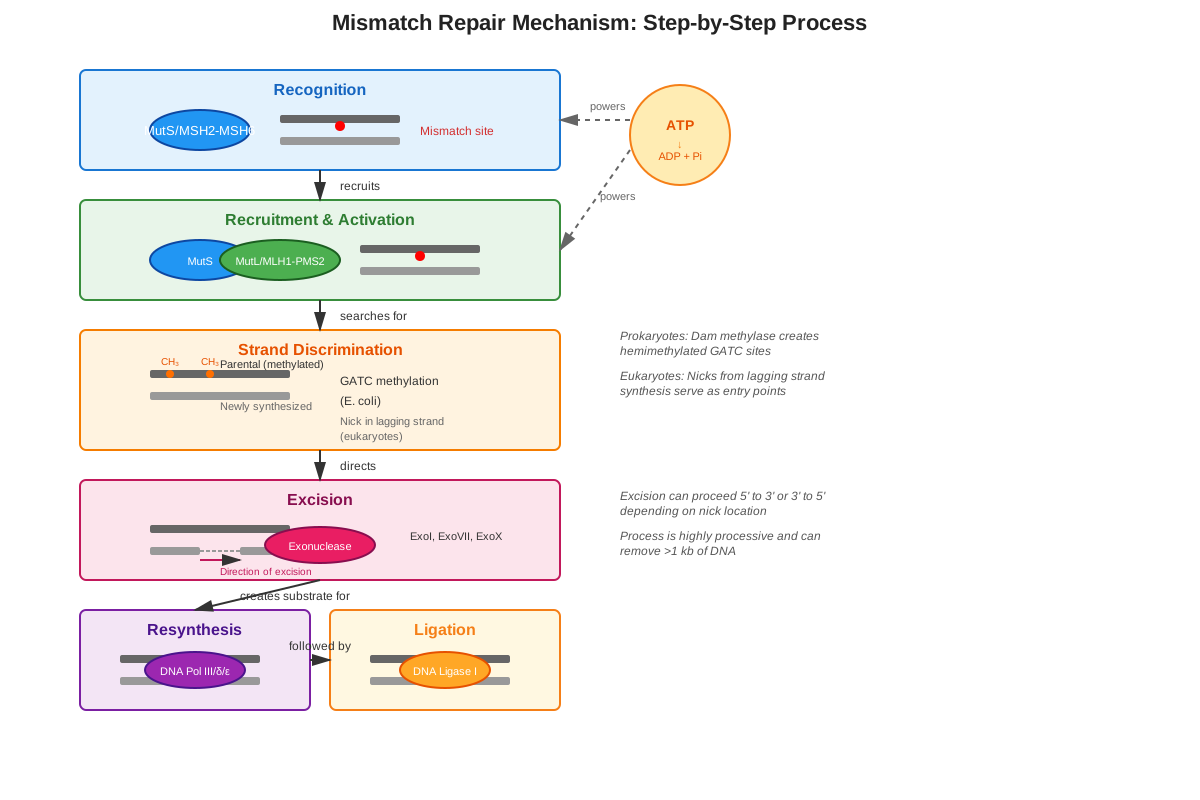
The prokaryotic mismatch repair system, best characterized in Escherichia coli, involves three key proteins: MutS, MutL, and MutH. The mechanism proceeds through distinct phases:
Recognition Phase:
- MutS homodimer scans DNA and recognizes mismatched base pairs or small IDLs
- Upon binding a mismatch, MutS undergoes conformational change and exchanges ADP for ATP
- The MutS-mismatch complex forms a sliding clamp that can move along DNA
Recruitment and Strand Discrimination:
- MutL homodimer is recruited to the MutS-mismatch complex
- The MutS-MutL complex searches for hemimethylated GATC sequences
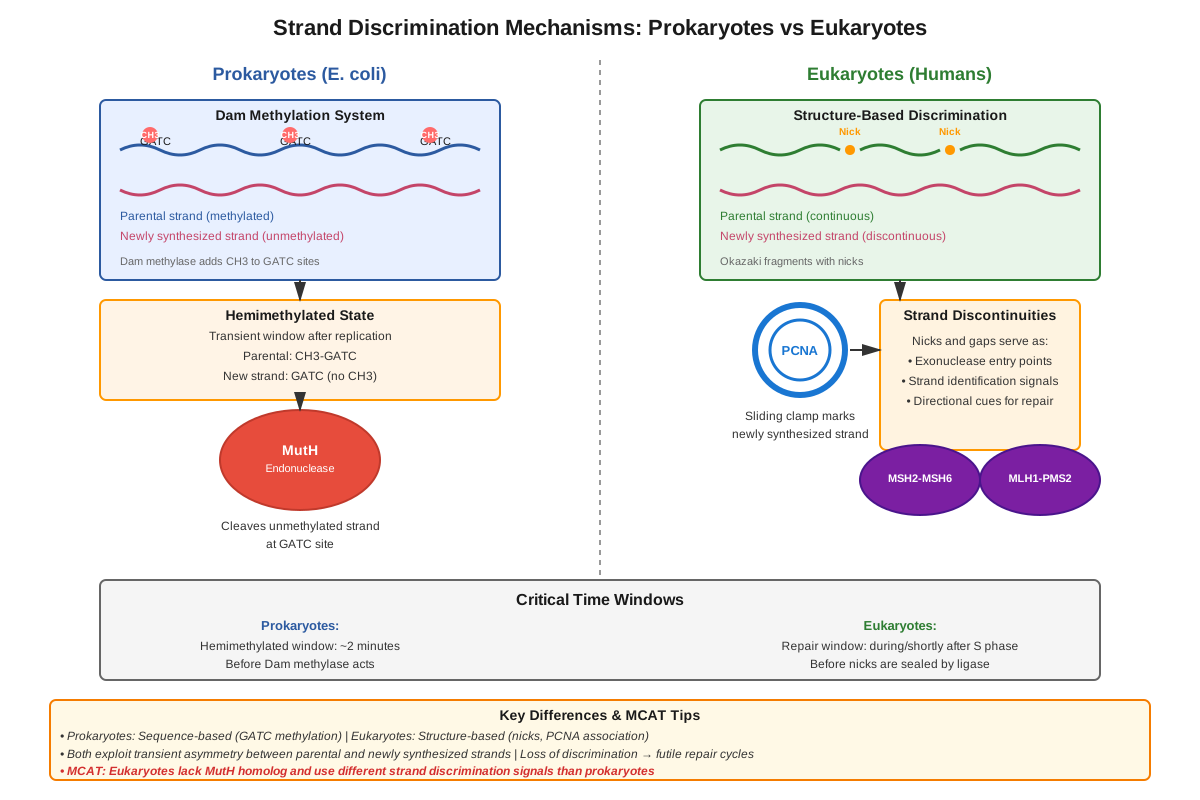
- In E. coli, DNA adenine methylase (Dam) methylates adenine in GATC sequences, but newly replicated DNA remains temporarily unmethylated
- MutH endonuclease is activated by the MutS-MutL complex at hemimethylated GATC sites
- MutH cleaves the unmethylated (newly synthesized) strand, marking it for repair
Excision and Resynthesis:
- Helicases (UvrD/helicase II) unwind DNA from the nick toward and past the mismatch
- Exonucleases (ExoI, ExoVII, ExoX, or RecJ) degrade the unwound single strand
- Single-strand binding protein (SSB) protects the template strand
- DNA polymerase III resynthesizes the excised region
- DNA ligase seals the remaining nick
Mechanism in Eukaryotes
Eukaryotic mismatch repair shares fundamental similarities with the prokaryotic system but differs in key details. Humans possess multiple MutS homologs (MSH) and MutL homologs (MLH/PMS):
Key Proteins:
- MSH2-MSH6 (MutSα): Recognizes base-base mismatches and small (1-2 nucleotide) IDLs
- MSH2-MSH3 (MutSβ): Recognizes larger IDLs
- MLH1-PMS2 (MutLα): Primary MutL homolog with endonuclease activity
- MLH1-PMS1 (MutLβ) and MLH1-MLH3 (MutLγ): Additional MutL complexes with specialized functions
Strand Discrimination in Eukaryotes:
Unlike prokaryotes, eukaryotes lack Dam methylase and hemimethylated GATC sequences. Instead, strand discrimination relies on:
- Strand discontinuities: Nicks and gaps present in newly synthesized DNA (Okazaki fragment junctions on lagging strand, random nicks on leading strand)
- PCNA interaction: Proliferating cell nuclear antigen (PCNA), loaded during replication, marks the newly synthesized strand
- Temporal proximity: Repair occurs shortly after replication while strand identity remains clear
Eukaryotic Repair Steps:
- MutSα or MutSβ recognizes and binds the mismatch
- MutLα is recruited, forming a ternary complex
- The complex translocates to find a strand break (nick)
- MutLα's endonuclease activity creates an additional nick if needed
- Exonuclease 1 (EXO1) performs 5' to 3' excision from the nick past the mismatch
- Replication protein A (RPA) protects single-stranded DNA
- DNA polymerase δ (with PCNA) resynthesizes the excised region
- DNA ligase I seals the nick
Microsatellite Instability
Microsatellites are repetitive DNA sequences consisting of 1-6 base pair units repeated multiple times (e.g., (CA)n or (GAA)n). DNA polymerase frequently makes slippage errors in these regions, creating insertion or deletion loops. Mismatch repair normally corrects these errors efficiently.
When mismatch repair is defective, microsatellite regions accumulate mutations, leading to microsatellite instability (MSI). This phenomenon serves as a molecular marker for mismatch repair deficiency:
- MSI-High (MSI-H): Instability in ≥30% of tested microsatellite markers, indicating mismatch repair deficiency
- MSI-Low (MSI-L): Instability in <30% of markers
- Microsatellite stable (MSS): No instability detected
MSI testing is clinically important for:
- Diagnosing Lynch syndrome
- Predicting response to immune checkpoint inhibitors (MSI-H tumors respond well to anti-PD-1 therapy)
- Determining prognosis in colorectal cancer
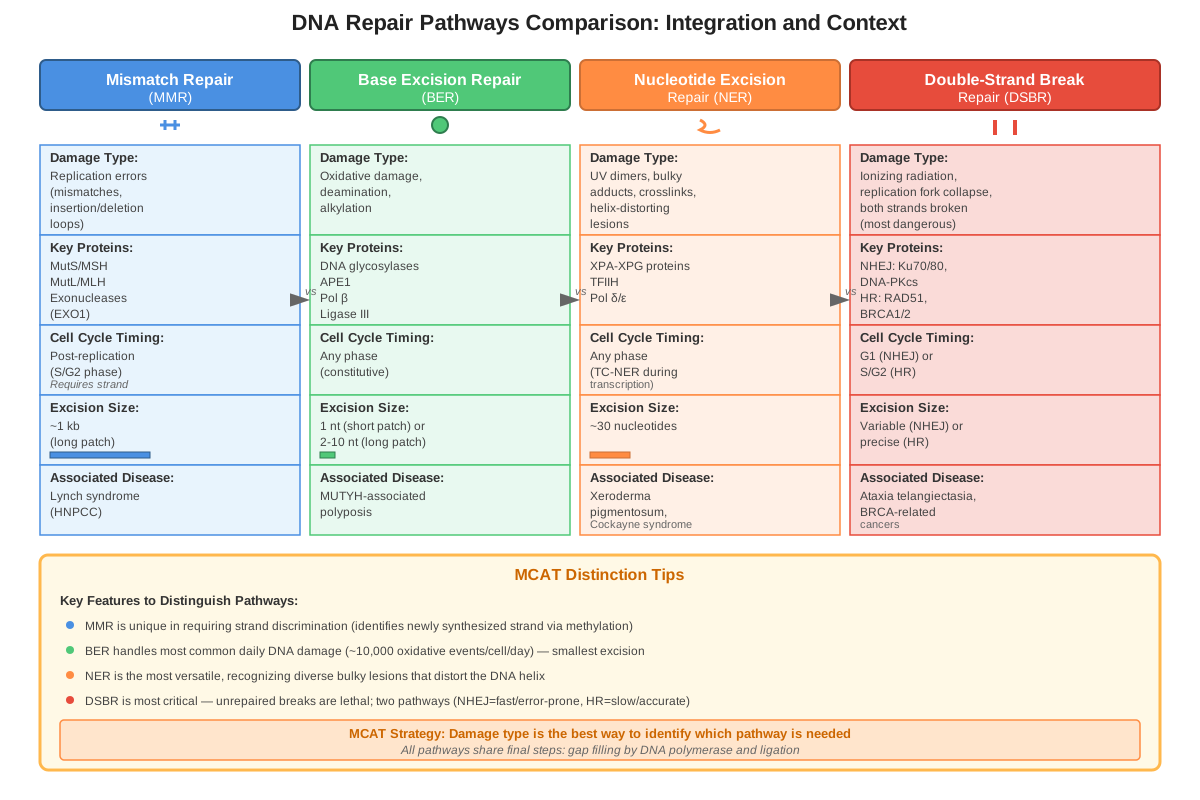
Comparison of DNA Repair Mechanisms
| Feature | Mismatch Repair | Base Excision Repair | Nucleotide Excision Repair |
|---|---|---|---|
| Timing | Post-replication | Any time | Any time |
| Substrate | Base-base mismatches, IDLs | Damaged/modified single bases | Bulky DNA lesions, thymine dimers |
| Recognition | Helix distortion | Specific glycosylases | Helix distortion |
| Excision size | 100-1000+ nucleotides | 1 nucleotide | ~30 nucleotides |
| Key proteins | MSH2, MSH6, MLH1, PMS2 | Glycosylases, APE1, Pol β | XPA-XPG, TFIIH |
| Strand discrimination | Nicks, PCNA | Not needed (damage on one strand) | Not needed (damage on one strand) |
Clinical Consequences of Mismatch Repair Deficiency
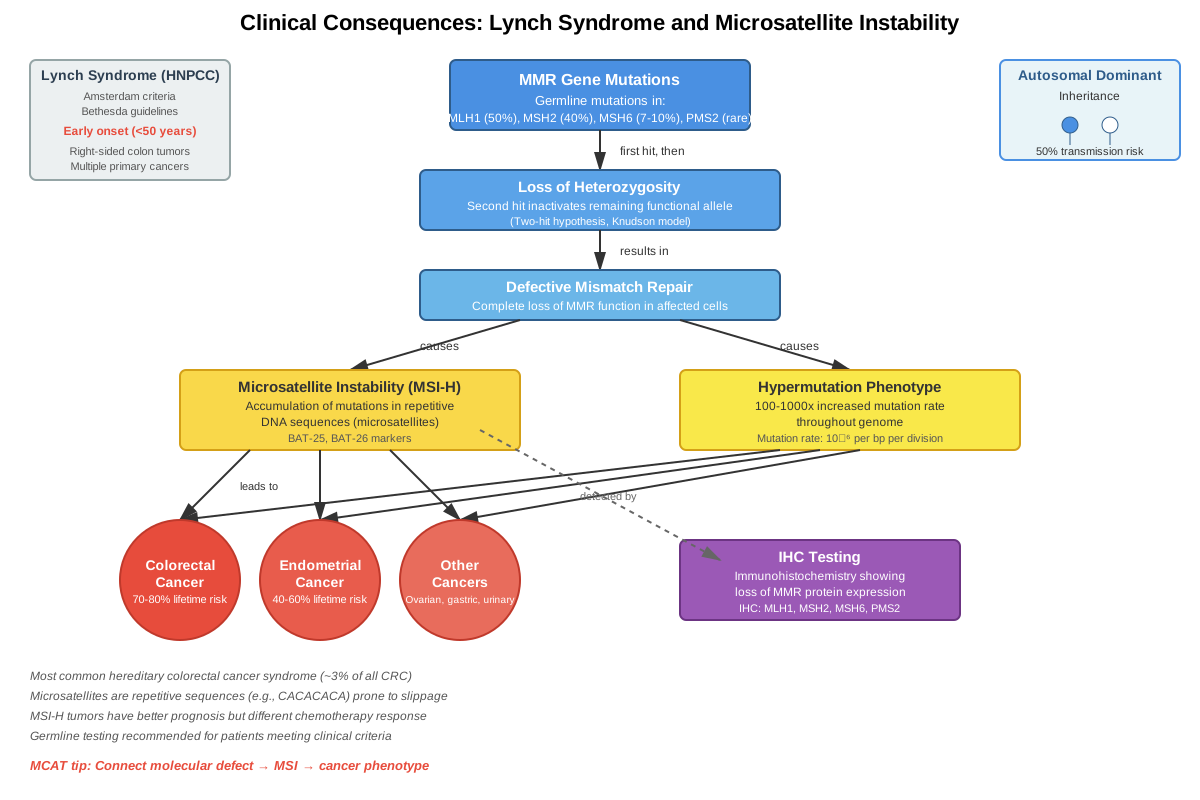
Lynch Syndrome results from germline mutations in mismatch repair genes (MLH1, MSH2, MSH6, PMS2) or the EPCAM gene (which silences MSH2). The syndrome follows an autosomal dominant inheritance pattern with high penetrance:
Cancer Risks:
- Colorectal cancer: 50-80% lifetime risk (general population: 5%)
- Endometrial cancer: 40-60% lifetime risk in women
- Ovarian cancer: 10-15% lifetime risk
- Gastric, small bowel, urinary tract, brain, and sebaceous tumors: elevated risks
Molecular Characteristics:
- Tumors display MSI-H phenotype
- Accumulation of mutations in genes with repetitive sequences (e.g., TGF-β receptor II, BAX)
- Earlier age of onset compared to sporadic cancers
- Better prognosis than microsatellite-stable colorectal cancers
- Enhanced response to immunotherapy due to high mutational burden
Mismatch Repair and Evolution
Mismatch repair systems are highly conserved across all domains of life, reflecting their fundamental importance. However, mutation rates vary across species, partly due to differences in repair efficiency:
- Hypermutator phenotypes: Some bacteria temporarily downregulate mismatch repair under stress, increasing mutation rates to enhance adaptation
- Evolutionary trade-off: Perfect repair would prevent all evolution; some baseline mutation rate is necessary
- Cancer-evolution parallel: Mismatch repair deficiency creates a "mutator phenotype" that accelerates tumor evolution and drug resistance
Concept Relationships
The concepts within mismatch repair form an interconnected network. Recognition of mismatches by MSH proteins → recruitment of MLH proteins → strand discrimination through nicks and PCNA → excision by exonucleases → resynthesis by DNA polymerase → ligation to complete repair. Each step depends on the previous one, creating a sequential pathway.
Mismatch repair connects to prerequisite knowledge through multiple pathways. DNA replication creates the substrate for mismatch repair (newly synthesized DNA with errors), while DNA polymerase proofreading determines which errors reach the mismatch repair system. The cell cycle provides temporal context—mismatch repair operates primarily in S and G2 phases, and unrepaired mismatches can trigger cell cycle checkpoints.
Related topics branch outward from mismatch repair. Other DNA repair mechanisms (base excision repair, nucleotide excision repair, double-strand break repair) handle different types of DNA damage, creating a comprehensive cellular defense system. Cancer biology connects through Lynch syndrome and the mutator phenotype concept. Tumor immunology links through the relationship between MSI-H tumors and immunotherapy response. Genetics and inheritance relates through the autosomal dominant pattern of Lynch syndrome and genetic counseling implications.
The relationship map: DNA Replication Errors → Mismatch Recognition (MSH proteins) → MLH Recruitment → Strand Discrimination → Excision → Resynthesis → Completed Repair → Genomic Stability → Cancer Prevention. When this pathway fails: Mismatch Repair Deficiency → Microsatellite Instability → Mutator Phenotype → Lynch Syndrome → Multiple Cancer Types.
High-Yield Facts
⭐ Mismatch repair corrects errors that escape DNA polymerase proofreading, reducing mutation rates by 100-1000 fold
⭐ In prokaryotes, strand discrimination relies on hemimethylated GATC sequences; in eukaryotes, it relies on strand discontinuities and PCNA
⭐ Lynch syndrome results from germline mutations in mismatch repair genes (MLH1, MSH2, MSH6, PMS2) and follows autosomal dominant inheritance
⭐ Microsatellite instability (MSI-H) is the molecular signature of mismatch repair deficiency and predicts response to immunotherapy
⭐ MSH2-MSH6 (MutSα) recognizes base-base mismatches and small IDLs; MSH2-MSH3 (MutSβ) recognizes larger IDLs
- MLH1-PMS2 (MutLα) possesses endonuclease activity and is the primary MutL homolog in humans
- Mismatch repair excises 100-1000+ nucleotides, much larger than base excision repair (1 nucleotide) or nucleotide excision repair (~30 nucleotides)
- Exonuclease 1 (EXO1) performs the excision step in eukaryotic mismatch repair, working in the 5' to 3' direction
- DNA polymerase δ (with PCNA) performs resynthesis during mismatch repair in eukaryotes
- Mismatch repair deficiency creates a "mutator phenotype" with 100-1000 fold increased mutation rate
- Unrepaired mismatches can trigger cell cycle checkpoints and apoptosis through p53-dependent pathways
- Mismatch repair proteins also suppress recombination between non-identical (homeologous) DNA sequences
Quick check — test yourself on Mismatch repair so far.
Try Flashcards →Common Misconceptions
Misconception: Mismatch repair only fixes mistakes made during DNA replication.
Correction: While mismatch repair primarily addresses replication errors, it also corrects mismatches arising from other sources, including recombination between slightly divergent DNA sequences and spontaneous base modifications. The system recognizes structural distortions in DNA regardless of origin.
Misconception: Mismatch repair can distinguish the correct base from the incorrect base.
Correction: Mismatch repair cannot determine which base is "correct" based on the mismatch itself. Instead, it identifies which strand is newly synthesized (and therefore likely contains the error) versus which is the parental template strand. The system removes and replaces the newly synthesized strand segment, trusting the template strand is correct.
Misconception: All DNA repair mechanisms work the same way.
Correction: Different DNA repair pathways address different types of damage using distinct mechanisms. Base excision repair removes single damaged bases, nucleotide excision repair removes bulky lesions, double-strand break repair fixes breaks in both strands, and mismatch repair corrects base-base mismatches and IDLs. Each uses different recognition proteins, excision sizes, and repair strategies.
Misconception: Lynch syndrome is a recessive disorder because both alleles must be mutated for cancer to develop.
Correction: Lynch syndrome follows autosomal dominant inheritance for the cancer predisposition syndrome itself. Individuals inherit one mutated mismatch repair allele and have significantly elevated cancer risk. Tumor development requires loss of the second allele (following Knudson's two-hit hypothesis), but the syndrome inheritance pattern is dominant because one mutated allele substantially increases cancer risk.
Misconception: Microsatellite instability means the entire genome is unstable.
Correction: Microsatellite instability specifically refers to increased mutation rates in repetitive microsatellite sequences, which are particularly prone to polymerase slippage errors. While mismatch repair deficiency increases mutation rates throughout the genome, the effect is most dramatic and easily detected in microsatellite regions. Other genomic regions also accumulate mutations, but at lower rates.
Misconception: Higher mutation rates are always harmful.
Correction: While excessive mutation rates cause disease (as in Lynch syndrome), some baseline mutation rate is necessary for evolution and adaptation. Organisms balance the need for genetic stability with the evolutionary advantage of genetic variation. Some bacteria even temporarily increase mutation rates under stress to enhance adaptation, demonstrating that mutation rates can be evolutionarily optimized.
Worked Examples
Example 1: Experimental Analysis
Question: Researchers create two strains of E. coli: Strain A (wild-type) and Strain B (MutS deletion). They culture both strains for 1000 generations and sequence a 1000 base pair region of genomic DNA. Strain A shows an average of 0.1 mutations per 1000 bp, while Strain B shows 100 mutations per 1000 bp. A student concludes that DNA polymerase proofreading is defective in Strain B. Is this conclusion correct? Explain.
Analysis:
First, identify what MutS does: MutS is the mismatch recognition protein in prokaryotic mismatch repair. Deletion of MutS eliminates mismatch repair function.
Second, consider what DNA polymerase proofreading does: The 3' to 5' exonuclease activity of DNA polymerase catches most replication errors immediately during synthesis.
Third, analyze the mutation rates: Strain B shows a 1000-fold increase in mutations compared to wild-type. This magnitude is consistent with loss of mismatch repair, which typically reduces mutation rates by 100-1000 fold.
Fourth, evaluate the student's conclusion: The conclusion is incorrect. The increased mutation rate in Strain B results from loss of mismatch repair (due to MutS deletion), not from defective polymerase proofreading. DNA polymerase proofreading is still functional in Strain B—it catches most errors during replication. However, the errors that escape proofreading are no longer corrected by mismatch repair, leading to the dramatically elevated mutation rate.
Correct interpretation: The 1000-fold increase in mutation rate demonstrates the critical role of mismatch repair in maintaining genomic stability. Errors that escape DNA polymerase proofreading (approximately 1 in 10^7 base pairs) are normally corrected by mismatch repair. Without MutS, these errors persist as mutations, revealing the true error rate of DNA polymerase after proofreading but before mismatch repair.
Connection to learning objectives: This example demonstrates how to apply mismatch repair concepts to experimental data, distinguish between different error-correction mechanisms (proofreading vs. mismatch repair), and quantitatively analyze mutation rates.
Example 2: Clinical Vignette
Question: A 35-year-old woman presents with colorectal cancer. Family history reveals her father had colorectal cancer at age 40, her paternal aunt had endometrial cancer at age 45, and her paternal grandfather had gastric cancer at age 50. Tumor analysis shows microsatellite instability-high (MSI-H) and loss of MLH1 and PMS2 protein expression by immunohistochemistry. Germline genetic testing identifies a heterozygous pathogenic variant in MLH1.
(a) Explain the molecular mechanism leading from the MLH1 mutation to MSI-H.
(b) Why are both MLH1 and PMS2 absent in the tumor despite only MLH1 being mutated?
(c) Predict this patient's response to anti-PD-1 immunotherapy compared to a patient with microsatellite-stable colorectal cancer.
Analysis:
(a) Molecular mechanism:
The patient inherited one mutated MLH1 allele (germline mutation). In normal cells, the remaining wild-type allele provides sufficient mismatch repair function. However, in the tumor, the second MLH1 allele was lost or inactivated (second hit), eliminating all MLH1 function. Without MLH1, the MutLα complex (MLH1-PMS2) cannot form, and mismatch repair is defective. DNA polymerase continues making errors during replication, particularly slippage errors in microsatellite regions. These errors are not corrected, leading to insertions and deletions that change microsatellite lengths—the definition of microsatellite instability. The MSI-H phenotype indicates that ≥30% of tested microsatellites show instability, confirming severe mismatch repair deficiency.
(b) Loss of both proteins:
MLH1 and PMS2 form an obligate heterodimer (MutLα complex). PMS2 protein stability depends on its interaction with MLH1. When MLH1 is absent due to biallelic inactivation, PMS2 cannot form a stable complex and is rapidly degraded by cellular proteases. Therefore, loss of MLH1 leads to secondary loss of PMS2 protein, even though PMS2 itself is not mutated. This explains why immunohistochemistry shows loss of both proteins. This pattern (loss of both MLH1 and PMS2) helps distinguish MLH1 mutations from PMS2 mutations (which would show loss of PMS2 but retained MLH1).
(c) Immunotherapy response prediction:
MSI-H tumors respond dramatically better to anti-PD-1 immunotherapy than microsatellite-stable (MSS) tumors. The mechanism involves:
- Mismatch repair deficiency causes high mutational burden (100-1000 fold increased mutation rate)
- Many mutations create novel proteins (neoantigens) that differ from normal self-proteins
- These neoantigens are presented on MHC molecules and recognized as foreign by T cells
- Tumors upregulate PD-L1 to suppress T cell responses (immune checkpoint)
- Anti-PD-1 therapy blocks this checkpoint, unleashing T cell attack against the neoantigen-rich tumor
This patient's MSI-H tumor would be predicted to show a 40-50% response rate to anti-PD-1 therapy, compared to <5% for MSS colorectal cancer. This represents one of the most dramatic predictive biomarkers in oncology.
Connection to learning objectives: This example integrates mismatch repair mechanism, genetics (two-hit hypothesis), protein complex stability, clinical phenotype (Lynch syndrome), and therapeutic implications, demonstrating the comprehensive understanding required for MCAT success.
Exam Strategy
Approaching MCAT Questions on Mismatch Repair
Step 1: Identify the question type
- Mechanism questions: Focus on the sequential steps and proteins involved
- Comparison questions: Distinguish mismatch repair from other repair pathways
- Clinical questions: Connect molecular defects to Lynch syndrome phenotype
- Experimental questions: Analyze mutation rate data or repair-deficient cell lines
Step 2: Recognize trigger words and phrases
- "Post-replicative repair" → mismatch repair
- "Microsatellite instability" → mismatch repair deficiency
- "Lynch syndrome" or "HNPCC" → germline mismatch repair mutations
- "MSH" or "MLH" proteins → mismatch repair components
- "Strand discrimination" → key challenge in mismatch repair
- "Hemimethylated GATC" → prokaryotic strand discrimination
- "PCNA" in repair context → eukaryotic mismatch repair
- "Mutator phenotype" → repair deficiency causing increased mutation rate
Step 3: Apply process-of-elimination strategies
- Eliminate answers confusing mismatch repair with base excision repair (single base damage)
- Eliminate answers confusing mismatch repair with nucleotide excision repair (bulky lesions, UV damage)
- Eliminate answers suggesting mismatch repair occurs before replication (it's post-replicative)
- Eliminate answers claiming mismatch repair can identify the "correct" base without strand discrimination
- Eliminate answers describing recessive inheritance for Lynch syndrome (it's autosomal dominant)
Step 4: Time allocation
- Discrete questions: 60-90 seconds (straightforward recall or simple application)
- Passage-based questions: 90-120 seconds (requires integrating passage information with mismatch repair knowledge)
- Complex experimental analysis: 120-150 seconds (may require calculations or multi-step reasoning)
Common Question Formats
Format 1: Mechanism sequence
"Which of the following occurs FIRST in eukaryotic mismatch repair?"
Strategy: Know the order—recognition (MSH) → recruitment (MLH) → strand discrimination → excision → resynthesis → ligation
Format 2: Protein function
"A mutation inactivating MSH6 would most directly affect which step?"
Strategy: MSH6 is part of MutSα (MSH2-MSH6), which recognizes mismatches—this is the recognition step
Format 3: Clinical correlation
"A patient with Lynch syndrome would most likely exhibit..."
Strategy: Connect to MSI-H, multiple cancer types, autosomal dominant inheritance, early onset
Format 4: Experimental interpretation
"Cells lacking functional MLH1 show increased mutation rates. This is most likely because..."
Strategy: MLH1 is essential for mismatch repair; without it, replication errors persist as mutations
Memory Techniques
Mnemonics
"MSH Makes Sense Here" - Remember that MSH proteins are the Mismatch recognition proteins (they "make sense" of what's wrong)
"MLH Must Ligate Holes" - MLH proteins coordinate the repair process that ultimately leads to Ligation of the repaired strand
"PCNA Points to Correct New strand" - PCNA helps identify the New strand in eukaryotic strand discrimination
"GATC Guards Against Terrible Changes" - GATC methylation in prokaryotes helps distinguish strands and prevent mutations (Terrible Changes)
"Lynch Leads to Lots of Lesions" - Lynch syndrome causes Loss of mismatch repair, leading to Lots of mutations
Visualization Strategy
Picture a proofreader reviewing a newly typed document:
- The original document = template strand
- The newly typed copy = newly synthesized strand
- Typos that the typist missed = mismatches that escaped polymerase proofreading
- The proofreader (MSH proteins) identifies errors by comparing to the original
- The editor (MLH proteins) coordinates correction
- The correction process involves erasing (excision) and retyping (resynthesis) the section containing the error
- The key challenge: knowing which is the original vs. the copy (strand discrimination)
Acronym for Lynch Syndrome Cancers
"CEOUS" - Common cancers in Lynch syndrome:
- Colorectal
- Endometrial
- Ovarian
- Urinary tract
- Stomach (gastric)
Sequential Memory Aid
"Really Smart Editors Rarely Leave Mistakes" - Steps in mismatch repair:
- Recognition (MSH proteins bind mismatch)
- Signal (conformational change, ATP exchange)
- Enlist help (MLH recruitment)
- Resolve strand identity (discrimination)
- Lose the error (excision)
- Make it right (resynthesis and ligation)
Summary
Mismatch repair is a post-replicative DNA repair mechanism that corrects base-base mismatches and insertion-deletion loops that escape DNA polymerase proofreading, reducing mutation rates by 100-1000 fold. The system operates through sequential steps: recognition by MSH proteins (MutSα or MutSβ in eukaryotes), recruitment of MLH proteins (primarily MutLα), strand discrimination to identify the newly synthesized strand, excision of the error-containing segment by exonucleases, resynthesis by DNA polymerase, and ligation. Prokaryotes use hemimethylated GATC sequences for strand discrimination, while eukaryotes rely on strand discontinuities and PCNA. Defects in mismatch repair genes cause Lynch syndrome, an autosomal dominant cancer predisposition syndrome characterized by microsatellite instability (MSI-H) and elevated risks for colorectal, endometrial, and other cancers. MSI-H tumors respond exceptionally well to immunotherapy due to high mutational burden and neoantigen production. For the MCAT, students must understand the mechanism, distinguish mismatch repair from other repair pathways, connect molecular defects to clinical phenotypes, and analyze experimental data involving mutation rates and repair-deficient systems.
Key Takeaways
- Mismatch repair corrects replication errors after DNA polymerase proofreading, reducing mutation rates 100-1000 fold through recognition, excision, and resynthesis
- MSH proteins recognize mismatches; MLH proteins coordinate repair; strand discrimination identifies which strand to repair
- Prokaryotes use hemimethylated GATC sequences for strand discrimination; eukaryotes use strand discontinuities and PCNA
- Lynch syndrome results from germline mismatch repair mutations (MLH1, MSH2, MSH6, PMS2), follows autosomal dominant inheritance, and causes multiple cancer types
- Microsatellite instability (MSI-H) is the molecular signature of mismatch repair deficiency and predicts excellent response to immunotherapy
- Mismatch repair differs from other repair mechanisms in timing (post-replicative), substrate (mismatches and IDLs), and excision size (100-1000+ nucleotides)
- Understanding mismatch repair requires integrating molecular mechanism, genetics, cancer biology, and clinical applications—exactly the type of synthesis the MCAT rewards
Related Topics
DNA Replication: Mastering mismatch repair builds directly on understanding how DNA polymerase synthesizes new strands and why errors occur, particularly at microsatellite sequences. This connection helps explain when and why mismatch repair is needed.
Other DNA Repair Mechanisms: Base excision repair, nucleotide excision repair, and double-strand break repair complement mismatch repair to form a comprehensive cellular defense system. Comparing these mechanisms strengthens understanding of each.
Cell Cycle and Checkpoints: Mismatch repair operates primarily in S and G2 phases, and unrepaired mismatches activate checkpoints. Understanding this temporal coordination connects molecular mechanisms to cell cycle regulation.
Cancer Biology and Tumor Suppressor Genes: Lynch syndrome exemplifies how loss of genome maintenance genes leads to cancer. This connects to broader concepts of the two-hit hypothesis, tumor evolution, and cancer genetics.
Tumor Immunology: The relationship between MSI-H tumors and immunotherapy response illustrates how molecular defects create therapeutic vulnerabilities, connecting molecular biology to clinical oncology.
Evolutionary Biology: Mutation rates, mutator phenotypes, and the evolutionary trade-off between stability and adaptability provide broader context for understanding why mismatch repair systems evolved and how they're regulated.
Practice CTA
Now that you've mastered the core concepts of mismatch repair, it's time to solidify your understanding through active practice. Work through the practice questions to test your ability to apply these concepts in MCAT-style scenarios. Use the flashcards to reinforce key facts, mechanisms, and clinical correlations. Remember, understanding the mechanism is just the beginning—MCAT success requires the ability to apply this knowledge quickly and accurately under exam conditions. Focus particularly on distinguishing mismatch repair from other repair pathways, connecting molecular defects to clinical phenotypes, and analyzing experimental data. You've built a strong foundation—now practice will transform that knowledge into test-day confidence and points!
Sign up free to keep reading
Create a free AnvayaPrep account to finish this MCAT guide on Mismatch repair — plus flashcards and practice questions.