Overview
Transcription factors are proteins that regulate gene expression by binding to specific DNA sequences, thereby controlling the rate at which genetic information is transcribed from DNA to messenger RNA (mRNA). These regulatory proteins serve as molecular switches that can activate or repress transcription, allowing cells to respond to developmental signals, environmental changes, and physiological needs. Understanding transcription factors is fundamental to grasping how cells differentiate, how organisms develop from a single fertilized egg into complex multicellular beings, and how diseases like cancer arise when gene regulation goes awry.
For the MCAT, transcription factors Biology represents a high-yield topic that bridges multiple disciplines tested on the exam. Questions frequently integrate molecular biology concepts with cellular processes, developmental biology, and even behavioral science when discussing how environmental factors influence gene expression. The MCAT tests not only the structural and functional aspects of transcription factors but also their role in broader biological systems, making this topic essential for both the Biological and Biochemical Foundations of Living Systems section and passages that explore experimental techniques in Molecular Biology and Genetics.
The study of transcription factors connects intimately with other core Biology concepts including DNA structure, RNA polymerase function, gene regulation mechanisms, cell signaling pathways, and cellular differentiation. Mastery of this topic enables students to understand how a single genome can give rise to hundreds of different cell types, each with distinct functions and protein expression profiles. This knowledge forms the foundation for understanding epigenetics, cancer biology, developmental disorders, and modern therapeutic approaches that target gene expression.
Learning Objectives
- [ ] Define transcription factors using accurate Biology terminology
- [ ] Explain why transcription factors matters for the MCAT
- [ ] Apply transcription factors to exam-style questions
- [ ] Identify common mistakes related to transcription factors
- [ ] Connect transcription factors to related Biology concepts
- [ ] Distinguish between general and specific transcription factors and their respective roles
- [ ] Analyze how transcription factor mutations can lead to disease states
- [ ] Predict the effects of transcription factor binding on gene expression patterns
- [ ] Evaluate experimental data involving transcription factor activity
Prerequisites
- DNA structure and organization: Understanding the double helix, major and minor grooves, and chromatin structure is essential because transcription factors must access specific DNA sequences
- Central Dogma of Molecular Biology: Knowledge of DNA → RNA → protein flow is necessary to understand where transcription factors act in gene expression
- Protein structure: Familiarity with protein domains and tertiary structure helps explain how transcription factors recognize and bind DNA
- Basic gene structure: Understanding promoters, enhancers, and coding regions provides context for where transcription factors bind
- RNA polymerase function: Knowledge of how RNA polymerase initiates transcription is required to understand how transcription factors regulate this process
Why This Topic Matters
Transcription factors MCAT questions appear with high frequency because they integrate multiple testable concepts. Research analyzing recent MCAT exams suggests that gene regulation topics, including transcription factors, appear in approximately 15-20% of Biological and Biochemical Foundations passages. These questions test not only factual recall but also experimental interpretation, data analysis, and application of concepts to novel scenarios.
Clinically, transcription factors are implicated in numerous disease states. Cancer often results from mutations in transcription factors that normally control cell cycle genes (such as p53, often called the "guardian of the genome"). Developmental disorders like holoprosencephaly can result from mutations in transcription factors essential for brain development. Understanding transcription factors also illuminates how hormones work—many hormones (like steroid hormones) function by binding to receptor proteins that act as transcription factors, directly linking endocrinology to molecular biology.
On the MCAT, transcription factors commonly appear in passages describing:
- Experimental manipulations of gene expression
- Developmental biology scenarios examining cell differentiation
- Cancer biology passages exploring oncogenes and tumor suppressors
- Hormone signaling cascades
- Evolutionary biology questions about gene regulation conservation
- Technique-based passages involving reporter genes, gel shift assays, or chromatin immunoprecipitation
The topic's integrative nature makes it ideal for testing critical thinking and the ability to apply molecular concepts to physiological and pathological contexts.
Core Concepts
Definition and Basic Function
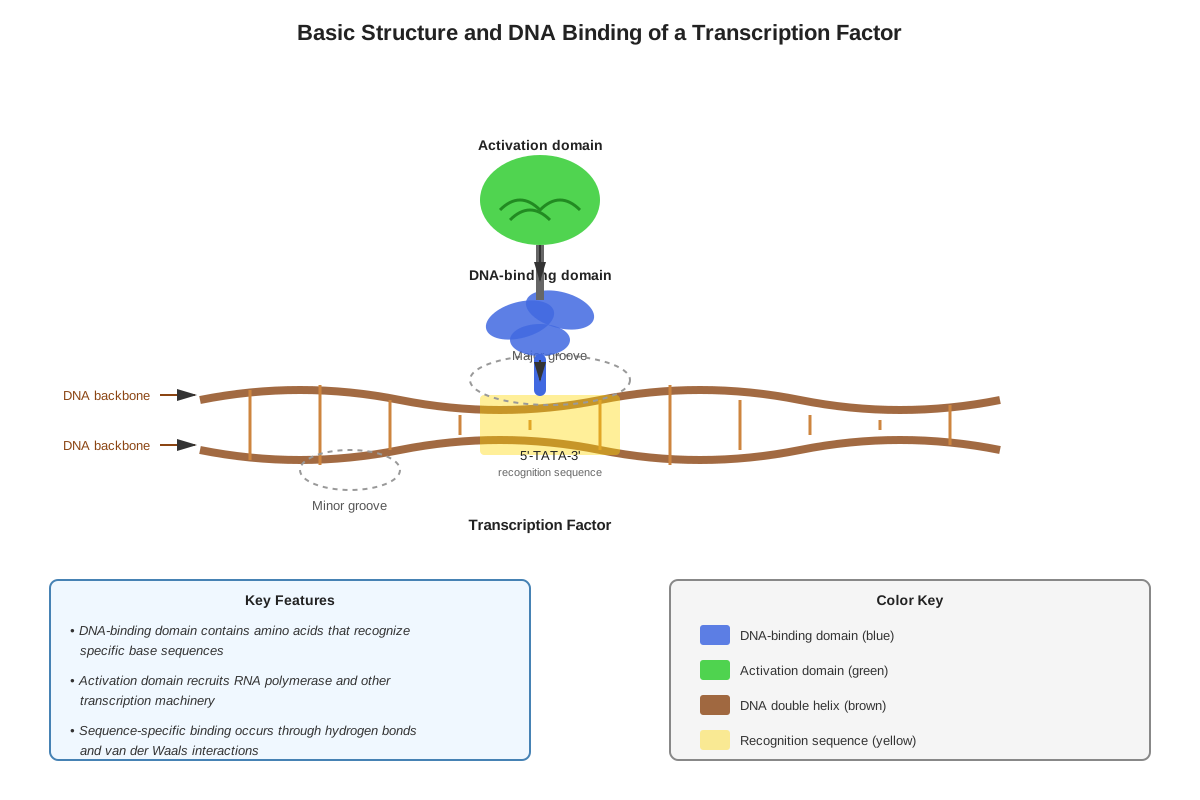
Transcription factors are proteins that bind to specific DNA sequences in or near genes to regulate the rate of transcription by RNA polymerase. These regulatory proteins contain at least two functional domains: a DNA-binding domain that recognizes specific nucleotide sequences, and an activation domain (or repression domain) that interacts with other proteins to influence transcription rates. The DNA-binding domain typically recognizes sequences in the major groove of DNA, where the chemical signatures of base pairs are most accessible.
Transcription factors do not work in isolation. They function as part of complex regulatory networks where multiple factors cooperate or compete for binding sites, creating sophisticated control systems that allow precise temporal and spatial control of gene expression. This combinatorial control explains how the human genome, containing approximately 20,000-25,000 genes, can generate the enormous diversity of cell types and responses observed in human physiology.
Classes of Transcription Factors
Transcription factors can be categorized in several ways, but two major classifications are particularly important for the MCAT:
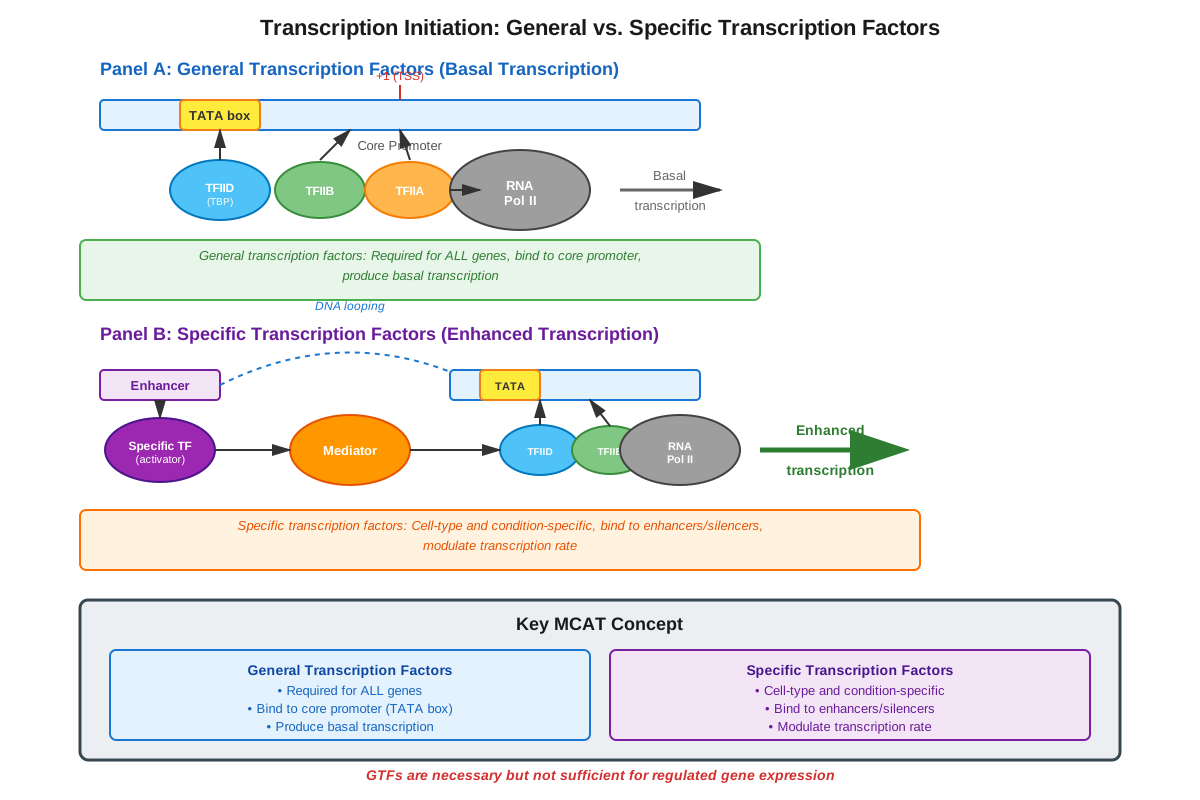
General (Basal) Transcription Factors are required for transcription of all genes transcribed by RNA polymerase II. These factors include:
- TFIIA, TFIIB, TFIID, TFIIE, TFIIF, and TFIIH
- They assemble at the TATA box (a promoter element with the sequence TATAAA located approximately 25 base pairs upstream of the transcription start site)
- TFIID contains the TATA-binding protein (TBP), which binds the TATA box and causes DNA to bend, facilitating assembly of the transcription initiation complex
- These factors alone produce only basal (low-level) transcription
Specific (Regulatory) Transcription Factors bind to particular DNA sequences and regulate specific genes or gene sets:
- These are the factors typically meant when discussing "transcription factors" in most contexts
- They bind to enhancers (regulatory sequences that can be thousands of base pairs away from the promoter) and proximal control elements (regulatory sequences near the promoter)
- They can be activators (increase transcription rate) or repressors (decrease transcription rate)
- Examples include steroid hormone receptors, homeodomain proteins, and tissue-specific factors
DNA-Binding Domains
Transcription factors employ several structural motifs to bind DNA. Understanding these structures helps explain specificity and regulation:
| DNA-Binding Motif | Structure | Example Factors | Key Features |
|---|---|---|---|
| Helix-turn-helix | Two α-helices connected by a short turn | Homeodomain proteins (Hox genes), lac repressor | Recognition helix fits into major groove |
| Zinc finger | Zinc ion coordinated by cysteine and histidine residues | Steroid hormone receptors, Sp1 | Multiple fingers can bind extended sequences |
| Leucine zipper | Leucine residues create dimerization interface | c-Fos, c-Jun, C/EBP | Forms dimers; basic region binds DNA |
| Helix-loop-helix | Two α-helices connected by a loop | MyoD, myogenin | Often forms heterodimers |
| β-sheet | β-strands interact with DNA | TATA-binding protein | Can cause significant DNA bending |
Mechanism of Action
The process by which transcription factors regulate gene expression involves several steps:
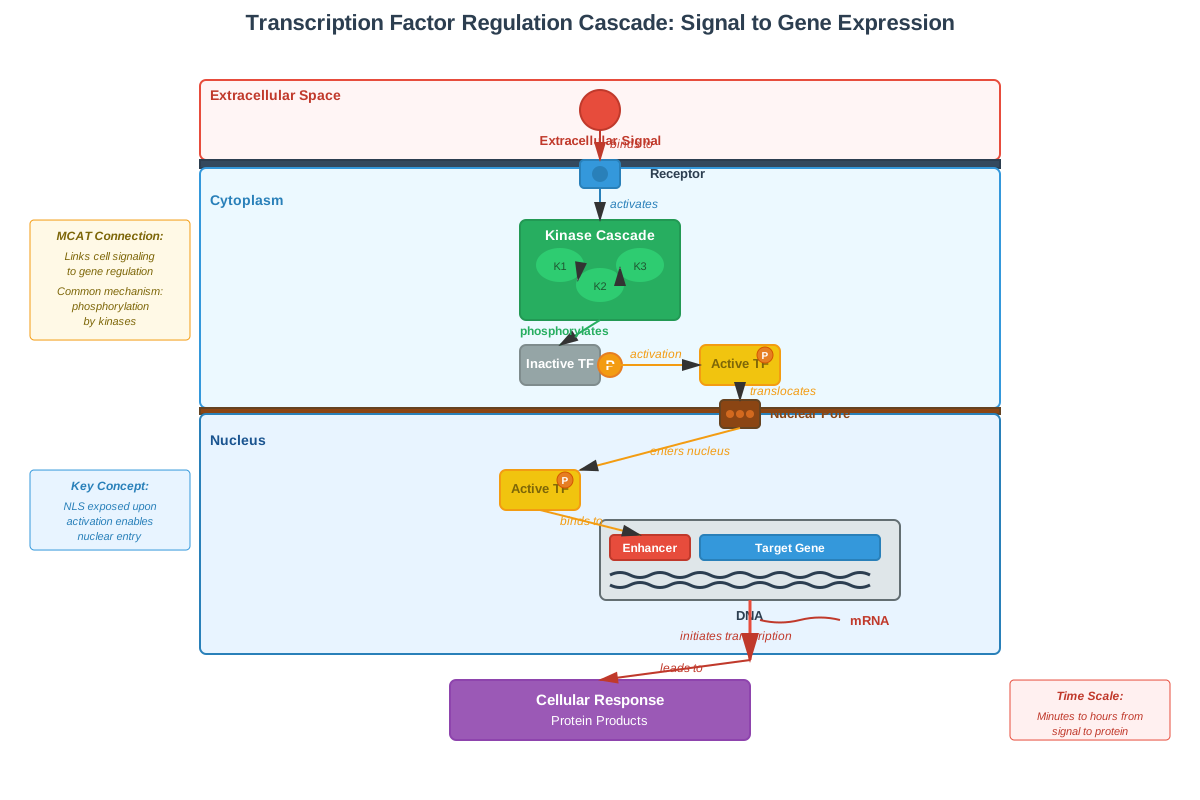
- Signal Reception: Many transcription factors are activated by cellular signals (hormones, growth factors, stress signals)
- Nuclear Localization: Some transcription factors reside in the cytoplasm until activated, then translocate to the nucleus
- DNA Binding: The transcription factor recognizes and binds its specific DNA sequence (response element)
- Protein-Protein Interactions: The activation or repression domain interacts with:
- Mediator complex: A large protein complex that bridges transcription factors and RNA polymerase II
- Coactivators: Proteins that enhance transcription factor activity
- Corepressors: Proteins that suppress transcription factor activity
- Chromatin remodeling complexes: Alter chromatin structure to make DNA more or less accessible
- Transcription Modulation: RNA polymerase II recruitment and activity is increased (activation) or decreased (repression)
Activators vs. Repressors
Transcriptional activators increase gene expression through several mechanisms:
- Recruiting RNA polymerase II to the promoter
- Recruiting histone acetyltransferases (HATs) that add acetyl groups to histones, loosening chromatin structure
- Stabilizing the transcription initiation complex
- Facilitating promoter clearance (the transition from initiation to elongation)
Transcriptional repressors decrease gene expression by:
- Competing with activators for DNA binding sites
- Recruiting histone deacetylases (HDACs) that remove acetyl groups, compacting chromatin
- Interfering with activator function through protein-protein interactions
- Blocking RNA polymerase access to the promoter
Combinatorial Control
Gene expression is rarely controlled by a single transcription factor. Instead, combinatorial control allows sophisticated regulation:
- Multiple transcription factors bind near a single gene
- The combination of factors present determines whether and how strongly a gene is expressed
- This explains how different cell types can have different expression patterns despite having identical genomes
- Enhancers often contain binding sites for multiple transcription factors, creating "enhanceosomes" where cooperative binding occurs
Regulation of Transcription Factor Activity
Transcription factors themselves are regulated through multiple mechanisms:
Post-translational modifications:
- Phosphorylation can activate or inactivate transcription factors
- Acetylation can affect DNA binding or protein-protein interactions
- Ubiquitination can target transcription factors for degradation
Ligand binding:
- Steroid hormone receptors are transcription factors activated by hormone binding
- The hormone-receptor complex translocates to the nucleus and binds DNA
Protein-protein interactions:
- Some transcription factors require dimerization to bind DNA
- Inhibitory proteins can sequester transcription factors in the cytoplasm
Localization:
- Nuclear import and export regulate which transcription factors have access to DNA
- Example: NF-κB is held in the cytoplasm by IκB; upon activation, IκB is degraded and NF-κB enters the nucleus
Concept Relationships
The study of transcription factors sits at the intersection of multiple biological concepts, creating a web of interconnected knowledge essential for MCAT success.
Within gene regulation: Transcription factors → bind to promoters and enhancers → recruit or block RNA polymerase → determine mRNA levels → control protein expression. This represents the primary regulatory mechanism for gene expression in eukaryotes.
Connection to chromatin structure: Transcription factors → recruit chromatin remodeling complexes → alter histone modifications → change DNA accessibility → enable or prevent transcription. This links transcription factors to epigenetics, as chromatin modifications can be inherited through cell divisions.
Connection to cell signaling: Extracellular signals → activate signaling cascades → modify transcription factors → change gene expression → alter cell behavior. This pathway connects cell biology to molecular biology, explaining how cells respond to their environment.
Connection to development: Morphogen gradients → activate different transcription factors at different concentrations → establish position-specific gene expression → determine cell fate. This explains how a single genome produces diverse cell types during embryonic development.
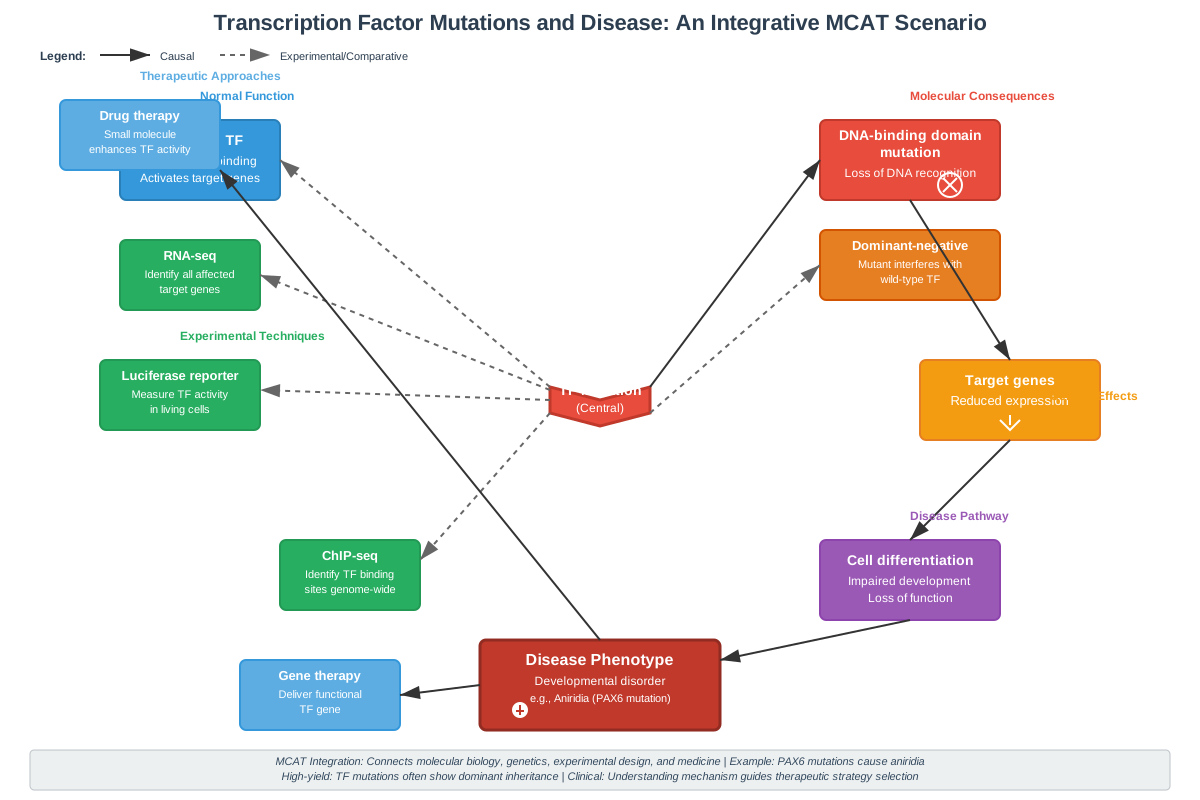
Connection to disease: Mutations in transcription factors → dysregulated gene expression → abnormal cell behavior → disease states (cancer, developmental disorders). Understanding this connection is crucial for medical applications.
Connection to evolution: Transcription factor binding sites → evolve more rapidly than coding sequences → create phenotypic diversity → drive evolutionary change. Changes in gene regulation, rather than changes in genes themselves, often underlie evolutionary innovations.
The relationship map: DNA structure → transcription factor binding → recruitment of transcriptional machinery → chromatin remodeling → RNA polymerase activity → mRNA production → protein synthesis → cellular phenotype → organismal traits.
High-Yield Facts
⭐ Transcription factors bind to specific DNA sequences in the major groove, where base pair identity is most easily distinguished
⭐ General transcription factors (TFIIA, TFIIB, TFIID, etc.) are required for basal transcription of all RNA polymerase II genes, while specific transcription factors regulate particular genes
⭐ The TATA box (TATAAA sequence) is located approximately 25 base pairs upstream of the transcription start site and is bound by TBP (TATA-binding protein), a component of TFIID
⭐ Enhancers can be located thousands of base pairs away from the promoter they regulate and can function in either orientation; DNA looping brings enhancer-bound transcription factors into proximity with the promoter
⭐ Steroid hormone receptors are transcription factors that reside in the cytoplasm until hormone binding, then translocate to the nucleus to regulate gene expression
- Transcription factors contain at least two domains: a DNA-binding domain and an activation or repression domain
- Common DNA-binding motifs include helix-turn-helix, zinc finger, leucine zipper, and helix-loop-helix structures
- Combinatorial control allows different combinations of transcription factors to produce different expression patterns from the same gene
- Transcriptional activators often recruit histone acetyltransferases (HATs), while repressors recruit histone deacetylases (HDACs)
- Homeodomain proteins (encoded by Hox genes) are transcription factors crucial for establishing body plan during development
- The p53 protein is a transcription factor that activates genes involved in cell cycle arrest and apoptosis; it is mutated in over 50% of human cancers
- Transcription factors can be regulated by phosphorylation, ligand binding, protein-protein interactions, and subcellular localization
- NF-κB is a transcription factor involved in immune responses that is normally sequestered in the cytoplasm by IκB protein
Quick check — test yourself on Transcription factors so far.
Try Flashcards →Common Misconceptions
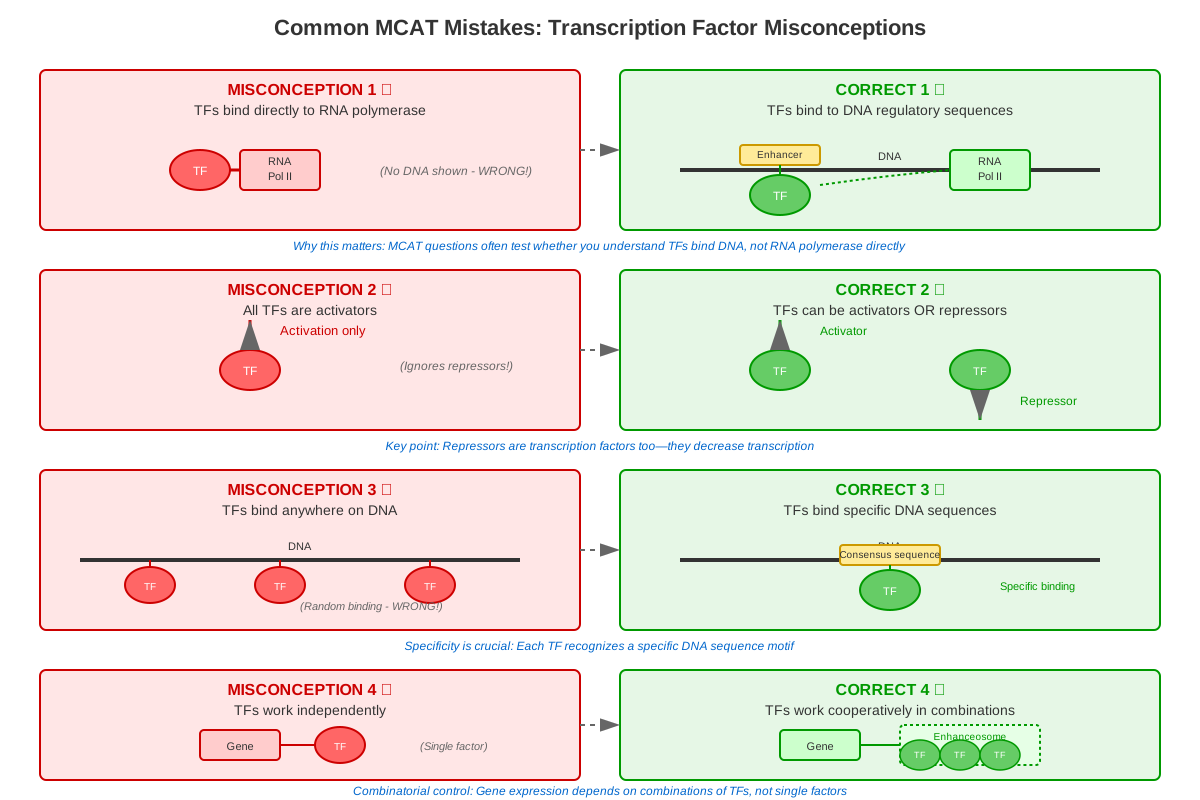
Misconception: Transcription factors are enzymes that synthesize RNA.
Correction: Transcription factors are regulatory proteins that bind DNA and modulate transcription rates, but they do not synthesize RNA themselves. RNA polymerase is the enzyme that catalyzes RNA synthesis. Transcription factors regulate RNA polymerase recruitment and activity.
Misconception: Each gene is controlled by a single, specific transcription factor.
Correction: Most genes are regulated by multiple transcription factors working in combination. This combinatorial control allows for sophisticated, context-dependent regulation. Different combinations of transcription factors can produce different expression levels or patterns from the same gene.
Misconception: Transcription factors only bind to promoters.
Correction: While transcription factors do bind to promoter regions, they also bind to enhancers (which can be thousands of base pairs away from the gene they regulate), silencers (which repress transcription), and other regulatory elements. DNA looping brings distant regulatory elements into contact with promoters.
Misconception: All transcription factors increase gene expression.
Correction: Transcription factors can be activators (increase transcription) or repressors (decrease transcription). Some transcription factors can function as either activators or repressors depending on cellular context, cofactors present, or post-translational modifications.
Misconception: General transcription factors are sufficient for high levels of gene expression.
Correction: General transcription factors produce only basal (low-level) transcription. High levels of gene expression require specific transcription factors that bind to enhancers and other regulatory elements. General transcription factors are necessary but not sufficient for robust gene expression.
Misconception: Transcription factors bind to the minor groove of DNA.
Correction: Most transcription factors bind to the major groove of DNA, where the chemical signatures of base pairs (hydrogen bond donors and acceptors) are most accessible and distinguishable. The major groove provides more information about base pair identity than the minor groove.
Misconception: Hormone receptors and transcription factors are completely separate classes of proteins.
Correction: Many hormone receptors, particularly steroid hormone receptors (for estrogen, testosterone, cortisol, etc.), ARE transcription factors. Upon hormone binding, these receptors translocate to the nucleus and directly bind DNA to regulate gene expression, integrating endocrine signaling with gene regulation.
Worked Examples
Example 1: Steroid Hormone Signaling and Transcription
Question: A researcher is studying the effects of cortisol on liver cells. She observes that cortisol treatment leads to increased expression of genes involved in gluconeogenesis within 30 minutes. The researcher adds a protein synthesis inhibitor before cortisol treatment and finds that gluconeogenesis genes are still activated. Which of the following best explains these observations?
A) Cortisol activates a membrane receptor that triggers a phosphorylation cascade
B) Cortisol binds to a cytoplasmic receptor that functions as a transcription factor
C) Cortisol directly binds to DNA to activate transcription
D) Cortisol activates pre-existing enzymes involved in gluconeogenesis
Worked Solution:
Step 1: Identify the key observations
- Cortisol increases gene expression (transcriptional effect)
- Effect occurs within 30 minutes (relatively rapid)
- Effect persists even when protein synthesis is blocked
Step 2: Analyze what the protein synthesis inhibitor tells us
- If the effect still occurs when new protein synthesis is blocked, the signaling pathway must use pre-existing proteins
- This rules out pathways that require synthesis of new signaling proteins
Step 3: Recall cortisol's mechanism of action
- Cortisol is a steroid hormone
- Steroid hormones are lipophilic and can cross the plasma membrane
- Steroid hormone receptors are transcription factors that exist in the cell before hormone arrival
Step 4: Evaluate each answer choice
- A) Incorrect: Membrane receptors would typically require a signaling cascade that might involve protein synthesis; also, steroid hormones don't use membrane receptors
- B) Correct: Cortisol binds to the glucocorticoid receptor in the cytoplasm; this receptor is a pre-existing transcription factor that, upon hormone binding, translocates to the nucleus and activates gene expression without requiring new protein synthesis
- C) Incorrect: Hormones don't directly bind DNA; they bind to receptor proteins that then bind DNA
- D) Incorrect: The question states that gene expression increases, indicating a transcriptional effect, not just enzyme activation
Answer: B
Connection to learning objectives: This example demonstrates how transcription factors integrate with cell signaling (connecting transcription factors to related Biology concepts) and shows a common MCAT question format that tests mechanism understanding (applying transcription factors to exam-style questions).
Example 2: Experimental Analysis of Transcription Factor Function
Question: Researchers are studying a transcription factor called TF-X. They perform the following experiments:
Experiment 1: Cells are transfected with a reporter gene containing the TF-X binding site upstream of a luciferase gene. High luciferase activity is observed.
Experiment 2: The same reporter construct is used, but cells are also transfected with a plasmid expressing a mutant TF-X that can bind DNA but lacks its C-terminal domain. Luciferase activity decreases to near-baseline levels.
Experiment 3: Chromatin immunoprecipitation (ChIP) shows that both wild-type and mutant TF-X bind to the reporter gene promoter.
What can be concluded about TF-X?
A) The C-terminal domain is required for DNA binding
B) The C-terminal domain contains the activation domain
C) Mutant TF-X cannot enter the nucleus
D) TF-X functions as a transcriptional repressor
Worked Solution:
Step 1: Analyze Experiment 1
- TF-X binding site + luciferase reporter → high luciferase activity
- This indicates TF-X is a transcriptional activator (increases expression)
Step 2: Analyze Experiment 2
- Mutant TF-X (lacking C-terminal domain) → decreased luciferase activity
- The mutant appears to interfere with normal TF-X function
- This suggests the C-terminal domain is important for activation
Step 3: Analyze Experiment 3
- ChIP shows both wild-type and mutant TF-X bind DNA
- This means the DNA-binding domain is intact in the mutant
- The mutant's inability to activate transcription is not due to inability to bind DNA
Step 4: Integrate all observations
- Mutant TF-X can bind DNA (Exp 3) but cannot activate transcription (Exp 2)
- The missing C-terminal domain must therefore contain the activation function
- The mutant likely acts as a dominant-negative, occupying binding sites without activating transcription
Step 5: Evaluate answer choices
- A) Incorrect: Experiment 3 shows the mutant CAN bind DNA
- B) Correct: The C-terminal domain must contain the activation domain since its absence eliminates transcriptional activation while DNA binding remains intact
- C) Incorrect: If the mutant couldn't enter the nucleus, it wouldn't bind to the reporter gene (contradicts Exp 3)
- D) Incorrect: Experiment 1 shows TF-X increases expression, making it an activator, not a repressor
Answer: B
Connection to learning objectives: This example requires applying knowledge of transcription factor structure (DNA-binding domain vs. activation domain) to interpret experimental data, demonstrating how to apply transcription factors to exam-style questions and connecting to experimental techniques commonly tested on the MCAT.
Exam Strategy
When approaching MCAT questions about transcription factors, employ these strategic approaches:
Identify the question type first:
- Mechanism questions: Focus on the steps from signal to gene expression change
- Structure-function questions: Consider which domain (DNA-binding vs. activation/repression) is relevant
- Experimental questions: Determine what each manipulation tells you about transcription factor function
- Disease/clinical questions: Think about how dysregulation leads to pathology
Watch for trigger words and phrases:
- "Upstream regulatory sequence" or "enhancer" → transcription factor binding site
- "Hormone-responsive gene" → likely involves a receptor that functions as a transcription factor
- "Cell-type specific expression" → combinatorial control by multiple transcription factors
- "Constitutive expression" → may indicate loss of normal transcriptional repression
- "Chromatin remodeling" → transcription factors recruiting HATs or HDACs
- "Nuclear translocation" → regulation of transcription factor localization
Process of elimination strategies:
- Eliminate answers that confuse transcription factors with RNA polymerase (transcription factors don't synthesize RNA)
- Eliminate answers that suggest transcription factors work alone (usually multiple factors cooperate)
- Eliminate answers that place transcription factor binding in the wrong location (they bind DNA, not RNA)
- For steroid hormone questions, eliminate answers involving membrane receptors or second messengers
Time allocation advice:
- Spend 30-45 seconds identifying what aspect of transcription factors is being tested
- For passage-based questions, locate the relevant experimental data before reading all answer choices
- If a question involves multiple steps (signal → transcription factor → gene expression → phenotype), quickly map out the pathway before selecting an answer
- Don't get bogged down in memorizing every transcription factor name; focus on general principles and mechanisms
Common question formats to expect:
- Experimental interpretation: Given data about gene expression changes, identify the role of a transcription factor
- Mechanism tracing: Follow a signal from extracellular stimulus through transcription factor activation to gene expression
- Mutation analysis: Predict the effect of a mutation in a transcription factor or its binding site
- Comparative questions: Distinguish between general and specific transcription factors, or between activators and repressors
Exam Tip: If a question describes a protein that "binds DNA and regulates gene expression," it's describing a transcription factor, even if it doesn't use that exact term. Look for functional descriptions rather than relying solely on terminology.
Memory Techniques
Mnemonic for General Transcription Factors: "A Big Dog Eats Fresh Ham"
- A = TFIIA
- Big = TFIIB
- Dog = TFIID (contains TBP, binds TATA box)
- Eats = TFIIE
- Fresh = TFIIF
- Ham = TFIIH
Mnemonic for DNA-Binding Motifs: "He Zipped Loops Beautifully"
- Helix-turn-helix
- Zinc finger
- Leucine zipper
- Beta-sheet (as in TBP)
- (Helix-loop-helix is embedded in "Loops")
Visualization for Enhancer Function:
Picture DNA as a string with beads (transcription factors) attached at distant points. When you bring your hands together, the string loops and the distant beads come close to each other—this is how enhancers thousands of base pairs away can influence promoters through DNA looping.
Acronym for Transcription Factor Regulation: "PLLM" (pronounced "plum")
- Phosphorylation
- Ligand binding
- Localization (nuclear import/export)
- Multimerization (dimerization)
Memory aid for Activators vs. Repressors:
- Activators Add Acetyl groups (recruit HATs) → "A's" together
- Repressors Remove acetyl groups (recruit HDACs) → "R's" together
- Acetylation = loose chromatin = active transcription
- Deacetylation = tight chromatin = repressed transcription
Conceptual anchor for Combinatorial Control:
Think of transcription factors as letters and genes as words. Just as different combinations of letters create different words with different meanings, different combinations of transcription factors create different expression patterns with different cellular outcomes. The same "letters" (transcription factors) can be combined differently in different cell types.
Summary
Transcription factors are regulatory proteins that control gene expression by binding to specific DNA sequences and modulating RNA polymerase activity. These proteins contain distinct functional domains—a DNA-binding domain that recognizes specific nucleotide sequences and an activation or repression domain that influences transcription rates. General transcription factors are required for basal transcription of all RNA polymerase II genes, while specific transcription factors regulate particular genes in response to developmental, environmental, or physiological signals. Transcription factors employ various DNA-binding motifs including helix-turn-helix, zinc finger, leucine zipper, and helix-loop-helix structures. They regulate transcription through multiple mechanisms: recruiting RNA polymerase, modifying chromatin structure via histone-modifying enzymes, and interacting with coactivators or corepressors. Combinatorial control—where multiple transcription factors work together—allows sophisticated regulation and explains how a single genome produces diverse cell types. Transcription factor activity is itself regulated through post-translational modifications, ligand binding, protein-protein interactions, and subcellular localization. Understanding transcription factors is essential for the MCAT because they integrate molecular biology with cell signaling, development, and disease mechanisms, appearing frequently in passages that test experimental interpretation and mechanistic reasoning.
Key Takeaways
- Transcription factors are regulatory proteins with DNA-binding domains and activation/repression domains that control gene expression by modulating RNA polymerase activity
- General transcription factors (TFIIA-TFIIH) are required for basal transcription, while specific transcription factors regulate particular genes and enable high-level expression
- Transcription factors bind to promoters, enhancers, and other regulatory elements; enhancers can be thousands of base pairs away and function through DNA looping
- Combinatorial control allows multiple transcription factors to work together, producing different expression patterns from the same gene in different cellular contexts
- Transcription factor activity is regulated through phosphorylation, ligand binding (as with steroid hormone receptors), protein-protein interactions, and nuclear localization
- Activators recruit histone acetyltransferases (HATs) to loosen chromatin, while repressors recruit histone deacetylases (HDACs) to compact chromatin
- Mutations in transcription factors can cause cancer (p53), developmental disorders (Hox genes), and other diseases, making them clinically relevant and high-yield for the MCAT
Related Topics
Gene Regulation in Prokaryotes: Understanding the lac operon and trp operon provides contrast to eukaryotic transcription factor mechanisms, highlighting evolutionary differences in gene regulation strategies. Mastering transcription factors in eukaryotes makes prokaryotic regulation easier to understand through comparison.
Epigenetics and Chromatin Remodeling: Transcription factors recruit chromatin-modifying enzymes, making epigenetics a natural extension. Understanding how histone modifications and DNA methylation affect gene expression builds directly on transcription factor knowledge.
Cell Signaling Pathways: Many signaling cascades culminate in transcription factor activation, connecting extracellular signals to gene expression changes. Mastering transcription factors enables deeper understanding of how cells respond to hormones, growth factors, and stress signals.
Developmental Biology: Homeotic genes and morphogen gradients work through transcription factors to establish body plans and cell fates. Understanding transcription factors is prerequisite knowledge for comprehending how organisms develop from single cells.
Cancer Biology: Oncogenes and tumor suppressors often encode transcription factors or proteins that regulate them. Knowledge of normal transcription factor function is essential for understanding how dysregulation leads to malignancy.
Biotechnology and Genetic Engineering: Reporter genes, inducible expression systems, and gene therapy approaches all leverage transcription factor biology. Understanding these proteins enables comprehension of modern molecular biology techniques.
Practice CTA
Now that you've mastered the core concepts of transcription factors, it's time to solidify your understanding through active practice. Attempt the practice questions and flashcards associated with this topic to test your ability to apply these concepts in exam-style scenarios. Focus particularly on questions that integrate transcription factors with cell signaling, development, or experimental techniques—these interdisciplinary questions are where the MCAT truly tests your mastery. Remember, understanding transcription factors gives you a powerful framework for approaching gene regulation questions, which represent a significant portion of the Biology section. Your investment in mastering this topic will pay dividends across multiple question types and passages. Keep pushing forward—you're building the foundation for MCAT success!
Sign up free to keep reading
Create a free AnvayaPrep account to finish this MCAT guide on Transcription factors — plus flashcards and practice questions.