Overview
Actin and myosin are two essential contractile proteins that form the molecular basis of muscle contraction and various cellular movements. These proteins work together in a highly coordinated manner to generate force and movement through a process known as the sliding filament mechanism. Understanding actin and myosin Biology is fundamental to comprehending not only muscle physiology but also cellular processes such as cytokinesis, cell motility, and intracellular transport. For the MCAT, this topic bridges molecular biology, cell biology, and physiology, making it a high-yield area that frequently appears in both passage-based and discrete questions.
The interaction between actin and myosin represents one of the most elegant examples of how molecular structure determines biological function. Myosin acts as a molecular motor that uses ATP hydrolysis to generate force, while actin provides the structural framework along which myosin moves. This partnership is crucial in skeletal, cardiac, and smooth muscle tissue, each with unique regulatory mechanisms that students must distinguish. The Actin and myosin MCAT content typically focuses on the molecular mechanism of contraction, the role of calcium and regulatory proteins, and the energetics of muscle function.
Within the broader context of Physiology and Organ Systems, actin and myosin serve as the foundation for understanding muscle tissue function, which connects to cardiovascular physiology, respiratory mechanics, digestive motility, and even neurological control of movement. Mastery of this topic enables students to tackle complex integrated questions that span multiple organ systems and requires understanding both the microscopic molecular events and their macroscopic physiological consequences in Biology.
Learning Objectives
- [ ] Define actin and myosin using accurate Biology terminology
- [ ] Explain why actin and myosin matters for the MCAT
- [ ] Apply actin and myosin to exam-style questions
- [ ] Identify common mistakes related to actin and myosin
- [ ] Connect actin and myosin to related Biology concepts
- [ ] Describe the molecular mechanism of the sliding filament theory in detail
- [ ] Differentiate between the regulatory mechanisms in skeletal, cardiac, and smooth muscle
- [ ] Explain the role of ATP in the cross-bridge cycle and predict consequences of ATP depletion
- [ ] Analyze the structural features of sarcomeres and relate them to muscle contraction efficiency
Prerequisites
- Basic protein structure: Understanding of primary through quaternary structure is essential for comprehending how actin and myosin fold and interact
- ATP and cellular energetics: Knowledge of ATP hydrolysis and energy release is necessary to understand the power stroke mechanism
- Cell membrane physiology: Familiarity with action potentials and calcium signaling underlies the excitation-contraction coupling process
- Basic muscle anatomy: Recognition of muscle tissue types and their general organization provides context for molecular mechanisms
- Enzyme kinetics: Understanding of how proteins can act as molecular motors with catalytic activity helps explain myosin function
Why This Topic Matters
Actin and myosin are clinically significant because dysfunction in these proteins or their regulatory systems leads to numerous pathological conditions. Muscular dystrophies, cardiomyopathies, and various myopathies result from mutations in genes encoding contractile proteins or their associated regulatory molecules. Understanding the normal mechanism of muscle contraction is essential for comprehending how these diseases manifest and how therapeutic interventions might work. Additionally, drugs that affect muscle contraction (such as calcium channel blockers, muscle relaxants, and cardiac glycosides) are frequently tested on the MCAT in both biological and biochemical contexts.
On the MCAT, actin and myosin appear with moderate to high frequency, particularly in the Biological and Biochemical Foundations of Living Systems section. Questions typically fall into several categories: discrete questions testing knowledge of the sliding filament mechanism, passage-based questions integrating muscle physiology with experimental data, and questions connecting muscle contraction to broader physiological processes like exercise physiology or cardiac function. Approximately 2-4 questions per exam directly or indirectly test this content, making it a reliable source of points for well-prepared students.
This topic commonly appears in MCAT passages describing experimental manipulations of muscle tissue, clinical vignettes involving muscle disorders, or research studies examining contractile protein function. Students should expect to interpret graphs showing force-length relationships, analyze the effects of calcium concentration on contraction, or predict outcomes of ATP depletion. The interdisciplinary nature of this topic means it can appear alongside questions about neurophysiology (motor neurons), cardiovascular physiology (cardiac muscle), or even cell biology (cytoskeletal dynamics).
Core Concepts
Structure of Actin
Actin exists in two forms: globular actin (G-actin) and filamentous actin (F-actin). G-actin is a 42-kDa monomeric protein that polymerizes to form F-actin, a helical polymer that resembles two strands of beads twisted together. Each G-actin monomer contains a binding site for myosin, though these sites are regulated by accessory proteins. F-actin forms the thin filaments of muscle sarcomeres and provides the track along which myosin motors move during contraction.
The thin filament is not composed solely of actin; it also contains two critical regulatory proteins: tropomyosin and troponin. Tropomyosin is a rod-shaped protein that lies in the groove of the actin helix, physically blocking myosin-binding sites on actin in the relaxed state. The troponin complex consists of three subunits: troponin T (binds tropomyosin), troponin I (inhibits actin-myosin interaction), and troponin C (binds calcium ions). This regulatory system is essential for calcium-dependent control of muscle contraction.
Structure of Myosin
Myosin is a large hexameric protein (approximately 500 kDa) consisting of two heavy chains and four light chains. The heavy chains form a long tail region that associates with other myosin molecules to create the thick filament, and two globular head regions that contain both the actin-binding site and the ATP-binding site. The myosin head acts as an ATPase enzyme, hydrolyzing ATP to generate the energy needed for the power stroke. The neck region of myosin acts as a lever arm that amplifies small conformational changes in the head into larger movements.
Myosin molecules are arranged in thick filaments with their heads projecting outward in a helical pattern, allowing them to interact with surrounding thin filaments. The central region of the thick filament (the M-line) contains only myosin tails, while the heads extend toward the Z-discs. This arrangement is crucial for the bidirectional contraction of sarcomeres. Different isoforms of myosin exist in different muscle types, with variations in ATPase activity that determine contraction speed.
The Sarcomere: Structural Organization
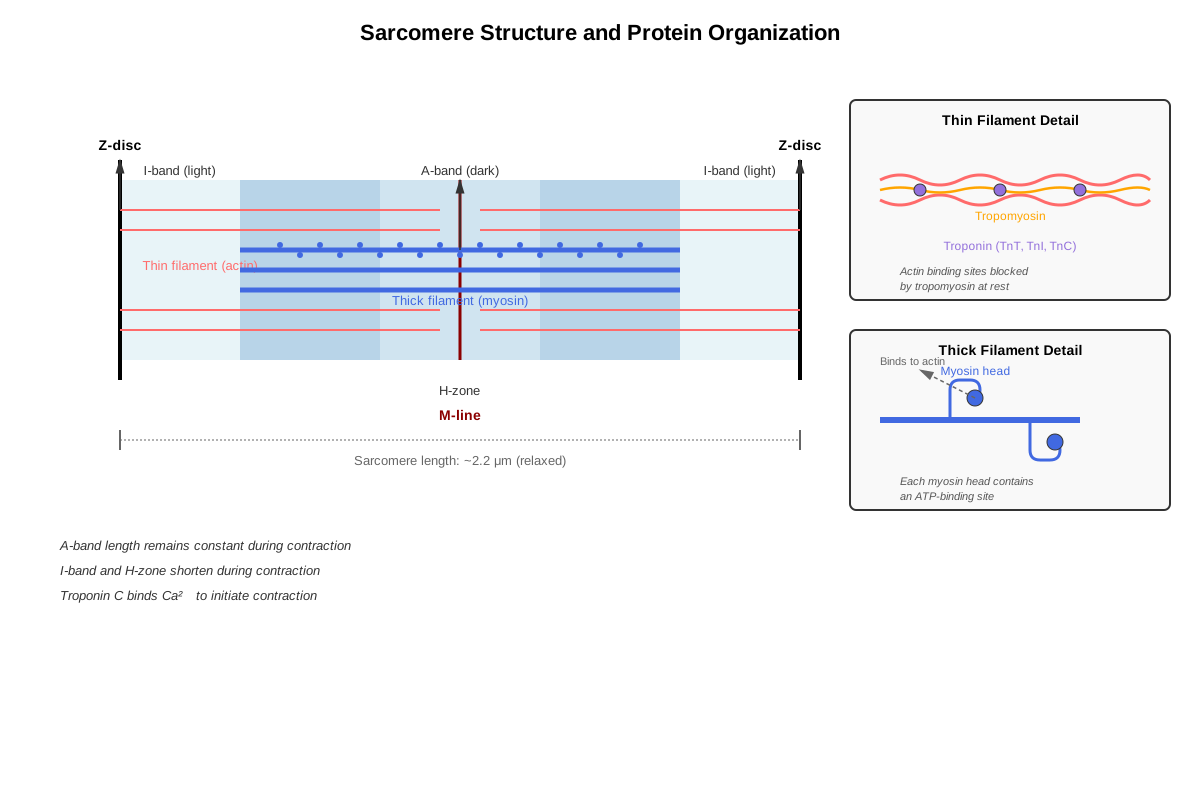
The sarcomere is the fundamental contractile unit of striated muscle (skeletal and cardiac), defined as the region between two Z-discs (or Z-lines). Understanding sarcomere structure is essential for comprehending how actin and myosin generate force:
| Component | Description | Function |
|---|---|---|
| Z-disc | Protein structure anchoring thin filaments | Defines sarcomere boundaries; transmits force |
| I-band | Light band containing only thin filaments | Shortens during contraction |
| A-band | Dark band containing thick filaments (and overlapping thin filaments) | Remains constant length during contraction |
| H-zone | Central region of A-band with only thick filaments | Shortens during contraction |
| M-line | Central line where thick filaments are anchored | Maintains thick filament alignment |
During contraction, the I-band and H-zone shorten as thin filaments slide past thick filaments, while the A-band remains constant. This observation led to the sliding filament theory, which states that muscle contraction occurs through the sliding of actin filaments past myosin filaments without either filament shortening.
The Cross-Bridge Cycle
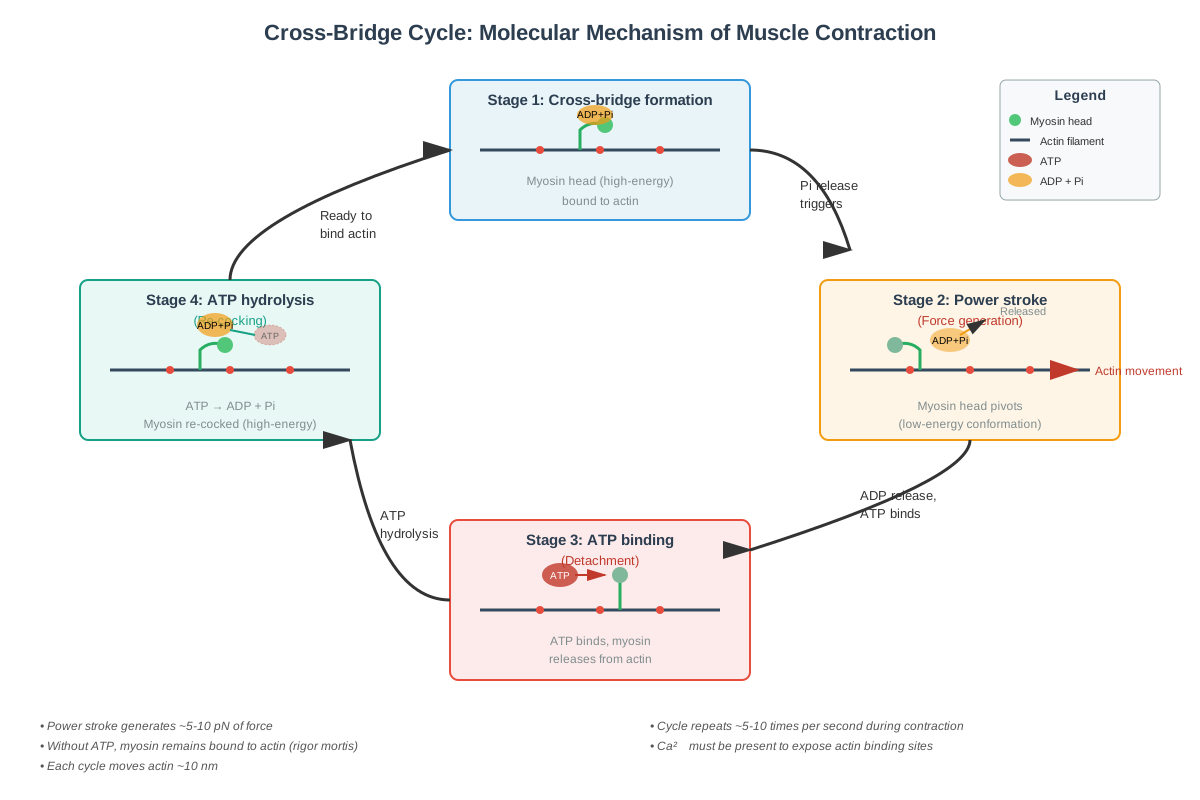
The molecular mechanism of muscle contraction occurs through a repeating sequence called the cross-bridge cycle. This cycle describes how myosin heads bind to actin, generate force, and then detach to repeat the process:
- Rigor state: Myosin head is tightly bound to actin with no nucleotide in the active site (this state occurs in rigor mortis when ATP is depleted)
- ATP binding: ATP binds to the myosin head, causing a conformational change that reduces myosin's affinity for actin, leading to detachment
- ATP hydrolysis: Myosin hydrolyzes ATP to ADP + Pi, which remain bound to the myosin head. This hydrolysis causes the myosin head to cock into a high-energy "cocked" position
- Cross-bridge formation: The energized myosin head binds weakly to a new position on the actin filament (further along toward the plus end)
- Power stroke: Release of Pi triggers a conformational change in which the myosin head pivots, pulling the actin filament toward the M-line. This is the force-generating step
- ADP release: ADP is released, and the myosin head remains tightly bound to actin, returning to the rigor state
The cycle repeats as long as ATP and calcium are available. Each cycle moves the actin filament approximately 10 nanometers. Multiple myosin heads cycle asynchronously, ensuring continuous force generation.
Excitation-Contraction Coupling
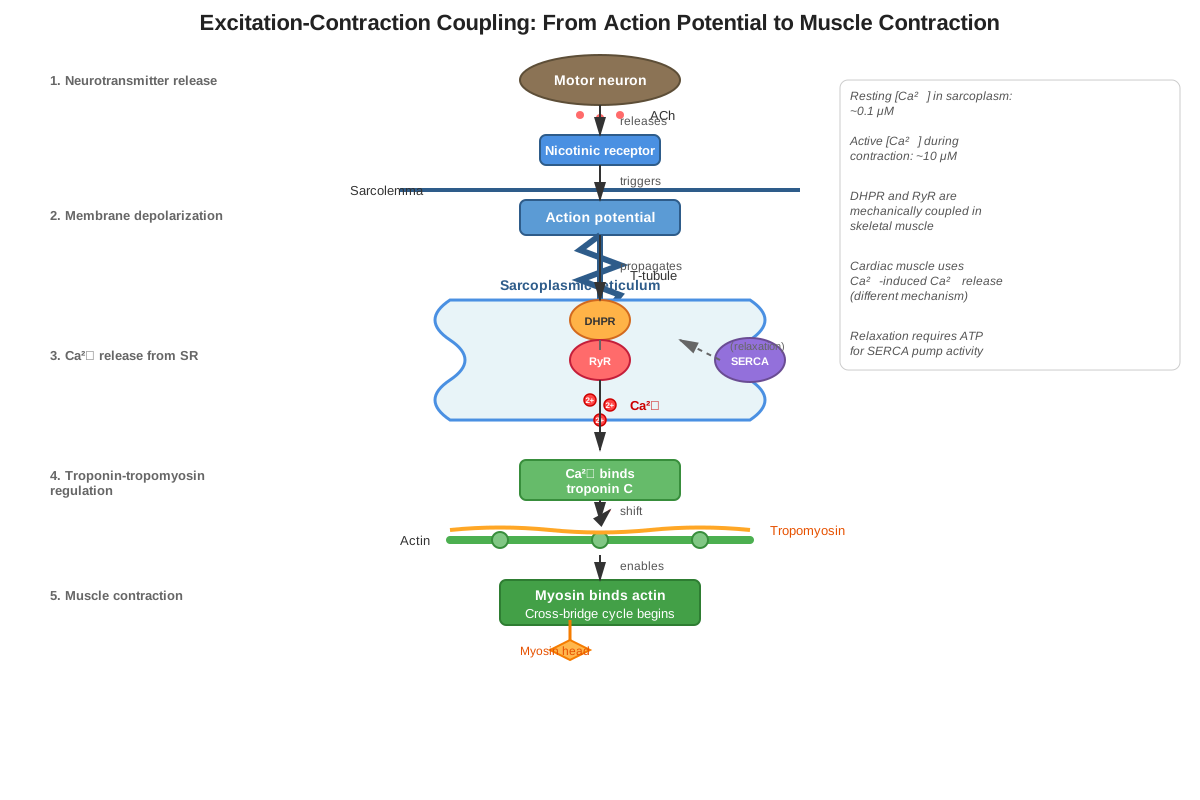
Excitation-contraction coupling is the process by which an electrical signal (action potential) in a muscle fiber is converted into mechanical contraction. This process differs slightly between muscle types but follows a general pattern in skeletal muscle:
- An action potential travels along the sarcolemma (muscle cell membrane) and into the T-tubules (transverse tubules), which are invaginations of the sarcolemma that penetrate deep into the muscle fiber
- The T-tubule membrane contains voltage-sensitive dihydropyridine receptors (DHPR), which undergo conformational changes in response to depolarization
- DHPR physically interacts with ryanodine receptors (RyR) on the sarcoplasmic reticulum (SR) membrane, causing them to open
- Calcium ions stored in the SR (at concentrations ~10,000 times higher than cytoplasm) flood into the cytoplasm
- Calcium binds to troponin C, causing a conformational change in the troponin complex
- This conformational change moves tropomyosin away from myosin-binding sites on actin
- Myosin heads can now bind to actin, and the cross-bridge cycle proceeds
- Relaxation occurs when calcium is actively pumped back into the SR by SERCA pumps (Sarco/Endoplasmic Reticulum Calcium ATPase), requiring ATP
Regulation of Muscle Contraction
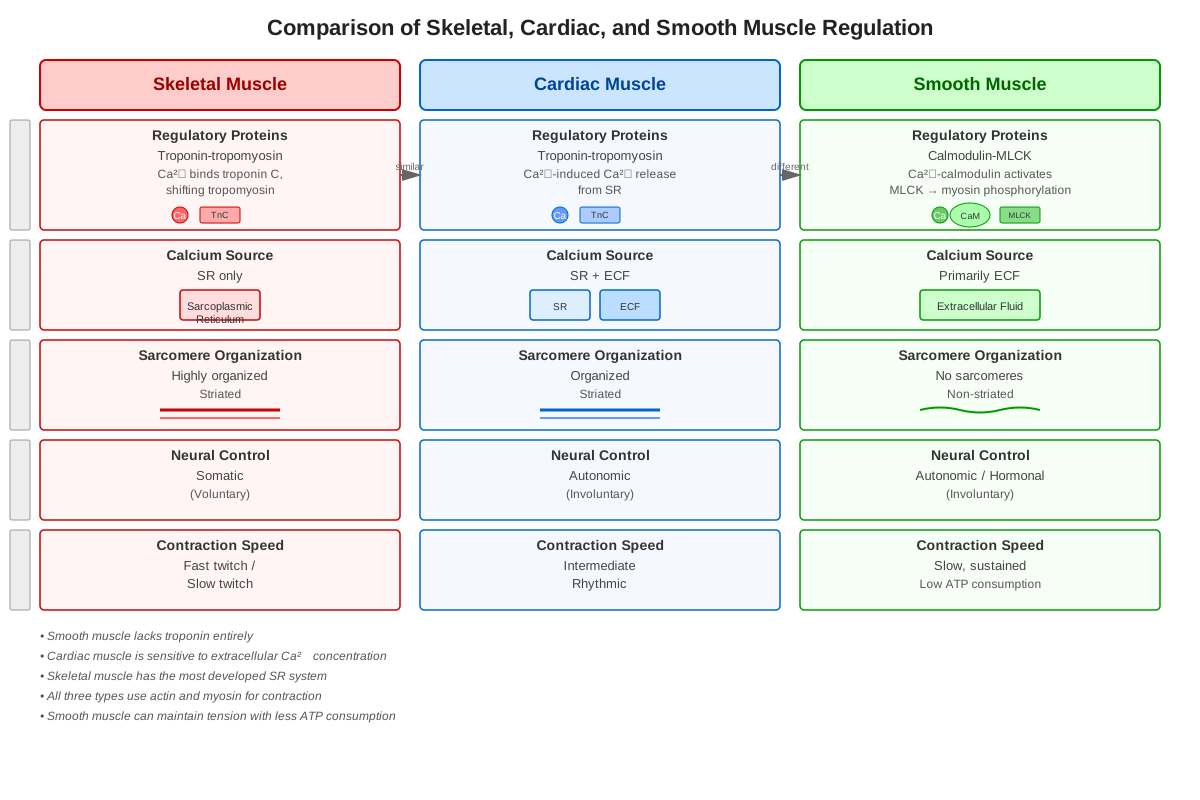
The regulation of actin-myosin interaction differs between muscle types:
Skeletal muscle: Uses the troponin-tropomyosin system described above. Contraction is "all-or-none" at the level of individual muscle fibers, though graded contraction of whole muscles occurs through recruitment of additional motor units and temporal summation.
Cardiac muscle: Also uses troponin-tropomyosin regulation but has important differences. Cardiac muscle requires extracellular calcium influx through L-type calcium channels to trigger calcium-induced calcium release from the SR. This creates a longer action potential and refractory period, preventing tetanic contractions that would be fatal.
Smooth muscle: Lacks troponin and uses a different regulatory mechanism. Calcium binds to calmodulin, and the calcium-calmodulin complex activates myosin light chain kinase (MLCK). MLCK phosphorylates the myosin light chains, enabling myosin to bind actin and generate force. Relaxation occurs when myosin light chain phosphatase dephosphorylates myosin. This mechanism allows for sustained, low-energy contractions.
Energetics of Muscle Contraction
ATP is absolutely required for muscle contraction and relaxation. The major ATP-consuming processes include:
- Myosin ATPase activity: Powers the cross-bridge cycle (approximately 1 ATP per cycle per myosin head)
- SERCA pumps: Actively transport calcium back into the SR during relaxation (approximately 2 calcium ions per ATP)
- Na+/K+ ATPase: Maintains resting membrane potential between contractions
Muscle cells maintain ATP levels through multiple pathways: immediate use of stored ATP (sufficient for ~2 seconds), phosphocreatine system (rapid ATP regeneration for ~10 seconds), anaerobic glycolysis (fast but produces lactate), and oxidative phosphorylation (sustainable but requires oxygen). During ATP depletion (as in death), muscles enter rigor mortis because myosin heads cannot detach from actin without ATP binding.
Concept Relationships
The core concepts of actin and myosin are hierarchically organized, with molecular structure determining function at progressively larger scales. At the molecular level, the structure of actin (thin filament) and myosin (thick filament) → determines their ability to interact through the cross-bridge cycle → which generates force through the power stroke mechanism → leading to sliding of filaments past each other → resulting in sarcomere shortening → producing muscle contraction.
The regulatory pathway flows from electrical to chemical to mechanical events: action potential → depolarization of T-tubules → calcium release from SR → calcium binding to troponin C → tropomyosin movement → myosin-binding site exposure → cross-bridge formation → contraction. This sequence connects neurophysiology (action potentials) to cell biology (calcium signaling) to biochemistry (ATP hydrolysis) to physiology (muscle contraction).
The energetics of contraction connects to cellular metabolism: ATP availability → determines cross-bridge cycling rate → which determines contraction velocity and force → while ATP depletion → prevents myosin detachment → causing rigor. This relationship explains why muscle fatigue occurs and why rigor mortis develops after death.
Different muscle types share the fundamental actin-myosin mechanism but diverge in their regulatory systems: skeletal muscle uses troponin-based regulation for rapid, voluntary control; cardiac muscle uses modified troponin regulation with calcium-induced calcium release for rhythmic, involuntary contraction; smooth muscle uses calmodulin-MLCK regulation for sustained, involuntary contraction. These variations connect to the different physiological roles of each muscle type.
Quick check — test yourself on Actin and myosin so far.
Try Flashcards →High-Yield Facts
⭐ The power stroke occurs when inorganic phosphate (Pi) is released from myosin, causing the myosin head to pivot and pull the actin filament toward the M-line
⭐ ATP binding to myosin causes myosin to detach from actin; without ATP, myosin remains bound (rigor state)
⭐ Calcium binding to troponin C causes tropomyosin to move away from myosin-binding sites on actin, permitting cross-bridge formation
⭐ During muscle contraction, the A-band remains constant in length while the I-band and H-zone shorten
⭐ In skeletal muscle, the dihydropyridine receptor (DHPR) physically interacts with the ryanodine receptor (RyR) to release calcium from the sarcoplasmic reticulum
- Each myosin head hydrolyzes approximately 5-10 ATP molecules per second during active contraction
- The sarcomere is the region between two Z-discs and represents the fundamental contractile unit
- Tropomyosin is a rod-shaped protein that blocks myosin-binding sites on actin in the relaxed state
- Smooth muscle regulation involves calcium-calmodulin activation of myosin light chain kinase (MLCK)
- The sarcoplasmic reticulum stores calcium at concentrations approximately 10,000 times higher than the cytoplasm
- Rigor mortis occurs because ATP depletion prevents myosin heads from detaching from actin
- The M-line is the central region of the sarcomere where thick filaments are anchored together
- SERCA pumps use ATP to actively transport calcium back into the sarcoplasmic reticulum during relaxation
- Cardiac muscle requires extracellular calcium influx to trigger calcium-induced calcium release
- The troponin complex consists of three subunits: troponin T (binds tropomyosin), troponin I (inhibitory), and troponin C (binds calcium)
Common Misconceptions
Misconception: Actin and myosin filaments themselves shorten during muscle contraction.
Correction: The filaments do not change length; instead, they slide past each other. This is why the A-band (thick filament length) remains constant while the I-band and H-zone shorten. The sliding filament theory specifically states that contraction occurs through relative movement, not filament shortening.
Misconception: ATP is required for muscle contraction (the power stroke).
Correction: ATP is actually required for muscle relaxation (myosin detachment from actin). The power stroke is driven by the release of inorganic phosphate from myosin, which occurs after ATP has already been hydrolyzed. ATP binding causes detachment, and ATP hydrolysis cocks the myosin head into the high-energy state, but the actual force generation occurs during Pi release.
Misconception: Calcium directly binds to actin or myosin to initiate contraction.
Correction: In skeletal and cardiac muscle, calcium binds to troponin C (a regulatory protein), not to actin or myosin directly. This binding causes a conformational change that moves tropomyosin, exposing myosin-binding sites on actin. In smooth muscle, calcium binds to calmodulin, which then activates myosin light chain kinase.
Misconception: All muscle types use the same regulatory mechanism for contraction.
Correction: Skeletal and cardiac muscle use troponin-tropomyosin regulation, while smooth muscle uses a completely different mechanism involving calmodulin and myosin light chain kinase. Additionally, cardiac muscle requires extracellular calcium influx, while skeletal muscle does not. These differences are functionally important and frequently tested.
Misconception: The myosin head can bind to actin at any time during the cross-bridge cycle.
Correction: Myosin can only bind to actin when it is in the high-energy, cocked conformation (after ATP hydrolysis) and when the binding sites on actin are exposed (when calcium has bound to troponin C and moved tropomyosin). The cycle is highly ordered and regulated at multiple steps.
Misconception: Muscle relaxation is a passive process that doesn't require energy.
Correction: Relaxation is an active, energy-requiring process. SERCA pumps must use ATP to transport calcium back into the sarcoplasmic reticulum against its concentration gradient. Without ATP, muscles cannot relax, which is why rigor mortis occurs after death when ATP is depleted.
Worked Examples
Example 1: Predicting the Effects of a Toxin
Question: A researcher is studying a novel toxin that prevents the release of inorganic phosphate (Pi) from myosin after ATP hydrolysis. What would be the effect of this toxin on muscle contraction?
Step 1 - Identify the normal function: In the normal cross-bridge cycle, after ATP is hydrolyzed to ADP + Pi, the myosin head is in a high-energy, cocked position. When myosin binds to actin, the release of Pi triggers the power stroke, which generates force.
Step 2 - Predict the consequence of blocking Pi release: If Pi cannot be released, the myosin head would remain in the high-energy, cocked position even after binding to actin. The power stroke would not occur because Pi release is the trigger for the conformational change that generates force.
Step 3 - Consider the broader implications: Myosin heads would bind to actin but would not generate force. The muscle would be unable to contract effectively. Additionally, because the myosin heads would remain bound to actin (they need to complete the power stroke and release ADP before ATP can bind and cause detachment), the muscle might become rigid, similar to rigor mortis but through a different mechanism.
Answer: The toxin would prevent muscle contraction by blocking the power stroke. Myosin heads would bind to actin but would not generate force because Pi release is required to trigger the conformational change that pulls the actin filament. This demonstrates that ATP hydrolysis alone is insufficient for contraction; the products must be released in the correct sequence.
Connection to learning objectives: This example applies knowledge of the cross-bridge cycle to predict the outcome of an experimental manipulation, a common MCAT question type. It also illustrates the importance of understanding the sequence of events rather than just memorizing that "ATP is needed for contraction."
Example 2: Analyzing a Length-Tension Relationship
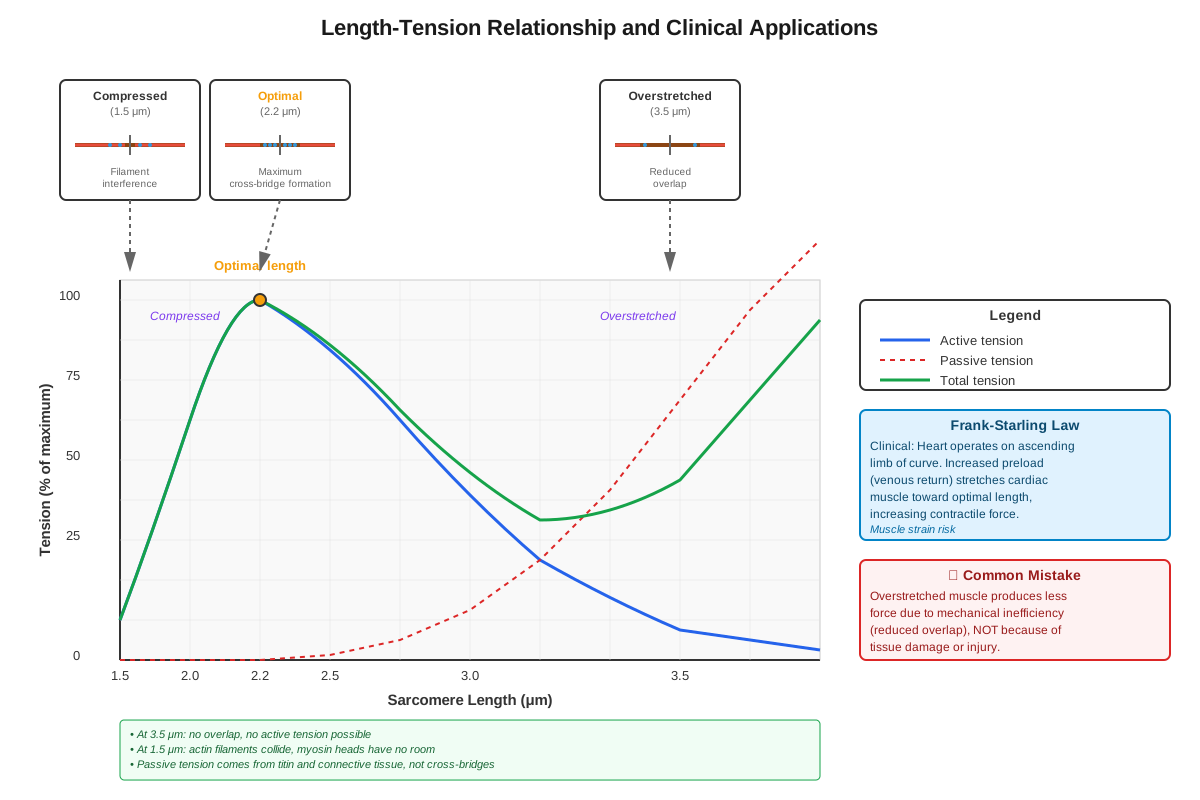
Question: A physiologist measures the force generated by a muscle fiber at different sarcomere lengths and obtains the following results: maximum force at 2.2 μm sarcomere length, reduced force at 1.5 μm, and reduced force at 3.5 μm. Explain these observations in terms of actin-myosin overlap.
Step 1 - Recall optimal sarcomere structure: At optimal length (~2.0-2.2 μm), there is maximal overlap between thick and thin filaments, allowing the maximum number of myosin heads to form cross-bridges with actin. The thin filaments from opposite sides of the sarcomere do not overlap with each other, and all myosin heads have access to actin-binding sites.
Step 2 - Analyze the short sarcomere (1.5 μm): At this length, the sarcomere is over-contracted. The thin filaments from opposite sides of the sarcomere overlap with each other in the center, interfering with cross-bridge formation. Additionally, the thick filaments may be compressed against the Z-discs, causing structural disruption. Both factors reduce the number of productive cross-bridges, decreasing force.
Step 3 - Analyze the long sarcomere (3.5 μm): At this length, the sarcomere is over-stretched. There is minimal overlap between thick and thin filaments, meaning fewer myosin heads can reach actin-binding sites. The number of possible cross-bridges is reduced, decreasing force generation. At extreme lengths, there might be no overlap at all, producing zero force.
Step 4 - Connect to the sliding filament theory: These observations support the sliding filament theory because force generation depends on the degree of overlap between filaments, not on any intrinsic change in the filaments themselves. The A-band remains constant at all lengths, confirming that thick filaments don't change length.
Answer: Force generation depends on the number of possible cross-bridges, which is determined by actin-myosin overlap. At optimal length (2.2 μm), overlap is maximal without interference. At short lengths (1.5 μm), thin filaments interfere with each other, reducing productive cross-bridges. At long lengths (3.5 μm), there is insufficient overlap for myosin heads to reach actin. This length-tension relationship is a direct consequence of the sliding filament mechanism.
Connection to learning objectives: This example requires applying knowledge of sarcomere structure to interpret experimental data, connecting molecular mechanisms to physiological measurements. It also demonstrates how to approach graph-based questions that are common in MCAT passages.
Exam Strategy
When approaching MCAT questions on actin and myosin, first identify whether the question is asking about structure, mechanism, regulation, or energetics. Structure questions often require knowledge of sarcomere organization and which bands change during contraction. Mechanism questions focus on the cross-bridge cycle and the role of ATP. Regulation questions test understanding of calcium's role and differences between muscle types. Energetics questions involve ATP requirements and the consequences of ATP depletion.
Trigger words and phrases to watch for:
- "Rigor" or "rigor mortis" → think about ATP depletion preventing myosin detachment
- "Calcium" → consider whether the question is about troponin (skeletal/cardiac) or calmodulin (smooth muscle)
- "Power stroke" → this is the force-generating step triggered by Pi release, not ATP hydrolysis
- "Sliding filament" → remember that filaments slide past each other without changing length
- "A-band," "I-band," "H-zone" → know which regions change during contraction (I-band and H-zone shorten; A-band stays constant)
- "Relaxation" → this is an active process requiring ATP for calcium reuptake
- "Smooth muscle" → uses a different regulatory mechanism (calmodulin-MLCK, not troponin)
For process-of-elimination, be suspicious of answer choices that suggest:
- Filaments themselves shorten during contraction
- ATP is directly required for the power stroke
- Calcium binds directly to actin or myosin in skeletal muscle
- Muscle relaxation is passive and doesn't require energy
- All muscle types use identical regulatory mechanisms
Time allocation: Most discrete questions on this topic can be answered in 60-90 seconds if you have solid foundational knowledge. Passage-based questions may require 90-120 seconds, as you'll need to integrate the passage information with your background knowledge. Don't spend excessive time trying to visualize the entire sarcomere; focus on the specific aspect the question is testing.
Memory Techniques
Mnemonic for the cross-bridge cycle sequence: "Really Awesome Teachers Help People Achieve"
- Rigor state (myosin bound to actin, no nucleotide)
- ATP binding (causes detachment)
- TTP hydrolysis (cocks the myosin head)
- Head binds to actin (cross-bridge formation)
- Power stroke (Pi release triggers force generation)
- ADP release (returns to rigor state)
Mnemonic for troponin subunits: "TIC"
- Troponin T binds Tropomyosin
- Troponin I is Inhibitory
- Troponin C binds Calcium
Visualization for sarcomere changes: Picture a sarcomere as a zipper. During contraction, the zipper teeth (actin and myosin) slide together, making the zipper shorter, but the individual teeth don't change size. The A-band is like the metal teeth that stay the same length, while the I-band and H-zone are the gaps that get smaller.
Acronym for ATP functions in muscle: "DRP"
- Detachment (ATP binding causes myosin to release from actin)
- Recocking (ATP hydrolysis energizes the myosin head)
- Pumping (ATP powers SERCA pumps for relaxation)
Memory aid for muscle type regulation:
- Skeletal = Troponin (both start with letters from the beginning of the alphabet)
- Smooth = Calmodulin (both start with letters from the middle/end of the alphabet)
- Cardiac = Troponin + Calcium influx (combines elements of both)
Summary
Actin and myosin are the fundamental contractile proteins that generate force in muscle tissue through the sliding filament mechanism. Myosin, the molecular motor protein, uses ATP hydrolysis to power a cyclic interaction with actin filaments, producing the power stroke that generates force. The cross-bridge cycle requires ATP for myosin detachment and recocking, while the power stroke itself is triggered by inorganic phosphate release. Muscle contraction is regulated by calcium, which in skeletal and cardiac muscle binds to troponin C, causing tropomyosin to move and expose myosin-binding sites on actin. Smooth muscle uses a different mechanism involving calcium-calmodulin activation of myosin light chain kinase. The sarcomere, bounded by Z-discs, is the fundamental contractile unit, and during contraction, the I-band and H-zone shorten while the A-band remains constant, confirming that filaments slide past each other without changing length. Understanding the energetics is crucial: ATP is required for both contraction (cross-bridge cycling) and relaxation (calcium reuptake by SERCA pumps), and ATP depletion leads to rigor. For the MCAT, students must be able to distinguish between muscle types, predict the effects of disrupting specific steps in the contraction cycle, and interpret experimental data related to muscle physiology.
Key Takeaways
- The sliding filament theory states that muscle contraction occurs through actin and myosin filaments sliding past each other without the filaments themselves shortening; the A-band remains constant while the I-band and H-zone shorten
- ATP binding causes myosin to detach from actin, while the power stroke (force generation) is triggered by inorganic phosphate release after ATP has been hydrolyzed
- Calcium regulation differs between muscle types: skeletal and cardiac muscle use troponin-tropomyosin, while smooth muscle uses calmodulin-myosin light chain kinase
- The cross-bridge cycle is a repeating sequence of ATP binding, hydrolysis, cross-bridge formation, power stroke, and product release that generates continuous force
- Muscle relaxation is an active, ATP-requiring process involving SERCA pumps that transport calcium back into the sarcoplasmic reticulum
- Rigor mortis occurs because ATP depletion prevents myosin heads from detaching from actin, leaving muscles in a contracted state
- The sarcomere is the fundamental contractile unit defined as the region between two Z-discs, and optimal force generation occurs at sarcomere lengths of approximately 2.0-2.2 μm where actin-myosin overlap is maximal
Related Topics
Muscle Tissue Types and Histology: Understanding the structural differences between skeletal, cardiac, and smooth muscle at the tissue level builds on the molecular mechanisms of actin and myosin. This includes the organization of sarcomeres, the presence or absence of striations, and the arrangement of cells.
Excitation-Contraction Coupling in Detail: A deeper exploration of how electrical signals are converted to mechanical contraction, including the roles of T-tubules, dihydropyridine receptors, ryanodine receptors, and the sarcoplasmic reticulum. This topic expands on the calcium signaling aspects introduced here.
Cardiac Physiology: The unique properties of cardiac muscle, including the cardiac action potential, the role of gap junctions, and the Frank-Starling mechanism, all depend on understanding actin-myosin interactions. Mastering this topic enables comprehension of how the heart functions as a pump.
Smooth Muscle Physiology: The regulation of smooth muscle in various organs (blood vessels, digestive tract, airways) involves the calmodulin-MLCK pathway introduced here. Understanding this mechanism is essential for comprehending blood pressure regulation and digestive motility.
Motor Unit Recruitment and Muscle Mechanics: How individual muscle fibers are organized into motor units and how the nervous system controls force production through recruitment and rate coding builds directly on understanding the molecular basis of contraction.
Cellular Cytoskeleton: Actin and myosin are not limited to muscle cells; they also play crucial roles in cell division (cytokinesis), cell motility, and intracellular transport in all cell types. Understanding muscle contraction provides a foundation for these broader cellular processes.
Practice CTA
Now that you have mastered the molecular mechanisms of actin and myosin, it's time to solidify your understanding through active practice. Attempt the practice questions and flashcards associated with this topic to test your ability to apply these concepts in exam-style scenarios. Focus particularly on questions that require you to predict outcomes of experimental manipulations or interpret physiological data, as these question types frequently appear on the MCAT. Remember, understanding the "why" behind each step of the cross-bridge cycle and regulatory mechanisms will enable you to tackle even novel questions with confidence. Your investment in mastering this foundational topic will pay dividends across multiple areas of the MCAT Biology section!
Sign up free to keep reading
Create a free AnvayaPrep account to finish this MCAT guide on Actin and myosin — plus flashcards and practice questions.