Overview
Antidiuretic hormone (ADH), also known as vasopressin, stands as one of the most clinically and physiologically significant hormones tested on the MCAT. This peptide hormone, synthesized in the hypothalamus and released from the posterior pituitary gland, plays a central role in maintaining body fluid homeostasis by regulating water reabsorption in the kidneys. Understanding ADH requires integration of multiple biological systems: the endocrine system's hormone signaling pathways, the renal system's filtration and reabsorption mechanisms, and the nervous system's role in detecting and responding to osmotic changes.
For MCAT Biology preparation, ADH represents a high-yield topic that frequently appears in passages involving Physiology and Organ Systems, particularly those addressing fluid balance, blood pressure regulation, and homeostatic mechanisms. The hormone's mechanism of action exemplifies key principles of cell signaling, including G-protein coupled receptor activation, second messenger systems, and gene expression regulation. Questions about ADH often require students to integrate knowledge across multiple organ systems and apply physiological principles to clinical scenarios involving dehydration, diabetes insipidus, or syndrome of inappropriate ADH secretion (SIADH).
The study of ADH Biology connects fundamentally to broader concepts in human physiology, including osmolarity regulation, blood pressure control, and the renin-angiotensin-aldosterone system (RAAS). Mastery of ADH mechanisms provides essential foundation for understanding how the body maintains homeostasis in response to changing environmental conditions and physiological stressors. This topic bridges endocrinology, nephrology, and neuroscience, making it an ideal subject for interdisciplinary MCAT passages that test multiple competencies simultaneously.
Learning Objectives
- [ ] Define ADH using accurate Biology terminology, including its alternative name, site of synthesis, and site of release
- [ ] Explain why ADH matters for the MCAT, including its frequency in exam passages and integration with other physiological systems
- [ ] Apply ADH concepts to exam-style questions involving clinical scenarios, experimental data, and homeostatic disruptions
- [ ] Identify common mistakes related to ADH, particularly regarding its mechanism of action and regulation
- [ ] Connect ADH to related Biology concepts, including osmolarity, kidney function, and other hormonal systems
- [ ] Describe the complete signaling pathway from ADH receptor binding to physiological effect at the molecular level
- [ ] Analyze the feedback mechanisms that regulate ADH secretion and predict physiological responses to various stimuli
- [ ] Differentiate between conditions of ADH excess and deficiency, explaining the pathophysiology of each
Prerequisites
- Basic endocrine system organization: Understanding hormone classification (peptide vs. steroid), synthesis, and general mechanisms of action is essential for comprehending ADH's peptide hormone characteristics
- Kidney anatomy and nephron structure: Knowledge of nephron segments (proximal tubule, loop of Henle, distal tubule, collecting duct) is necessary to understand where ADH acts
- Osmosis and osmolarity concepts: Familiarity with water movement across membranes and concentration gradients underlies ADH's role in water balance
- Cell signaling fundamentals: Understanding receptor types, second messengers (particularly cAMP), and signal transduction cascades is required for ADH's mechanism of action
- Blood pressure regulation basics: General knowledge of factors affecting blood pressure helps contextualize ADH's cardiovascular effects
Why This Topic Matters
ADH represents a cornerstone of renal physiology and endocrine regulation, making it clinically relevant to numerous medical conditions. Disorders of ADH function, including diabetes insipidus (insufficient ADH or receptor response) and SIADH (excessive ADH secretion), cause significant morbidity and require prompt medical intervention. Understanding ADH is essential for managing patients with fluid and electrolyte imbalances, postoperative complications, and certain malignancies that produce ectopic ADH.
On the MCAT, ADH appears with moderate to high frequency, particularly in passages within the Biological and Biochemical Foundations of Living Systems section. Exam statistics indicate that ADH-related questions appear in approximately 5-8% of physiology passages, often integrated with kidney function, homeostasis, or endocrine regulation themes. Questions may present experimental data showing ADH effects on urine concentration, clinical vignettes requiring diagnosis of ADH disorders, or passages exploring the molecular mechanisms of aquaporin regulation.
Common MCAT passage formats involving ADH include: experimental studies measuring urine osmolarity under various conditions; clinical cases presenting with polyuria (excessive urination) or hyponatremia (low blood sodium); comparative physiology passages examining water balance in different organisms; and molecular biology passages investigating aquaporin gene expression or receptor signaling pathways. The interdisciplinary nature of ADH makes it ideal for passages that test multiple competencies, including data interpretation, experimental design analysis, and application of physiological principles to novel situations.
Core Concepts
Structure and Synthesis of ADH
Antidiuretic hormone (ADH), also called vasopressin, is a nine-amino-acid peptide hormone with a molecular weight of approximately 1,084 daltons. The hormone contains a disulfide bridge between two cysteine residues, which is critical for its biological activity. As a peptide hormone, ADH is synthesized as a larger precursor molecule (prepro-hormone) that undergoes post-translational processing to yield the active hormone.
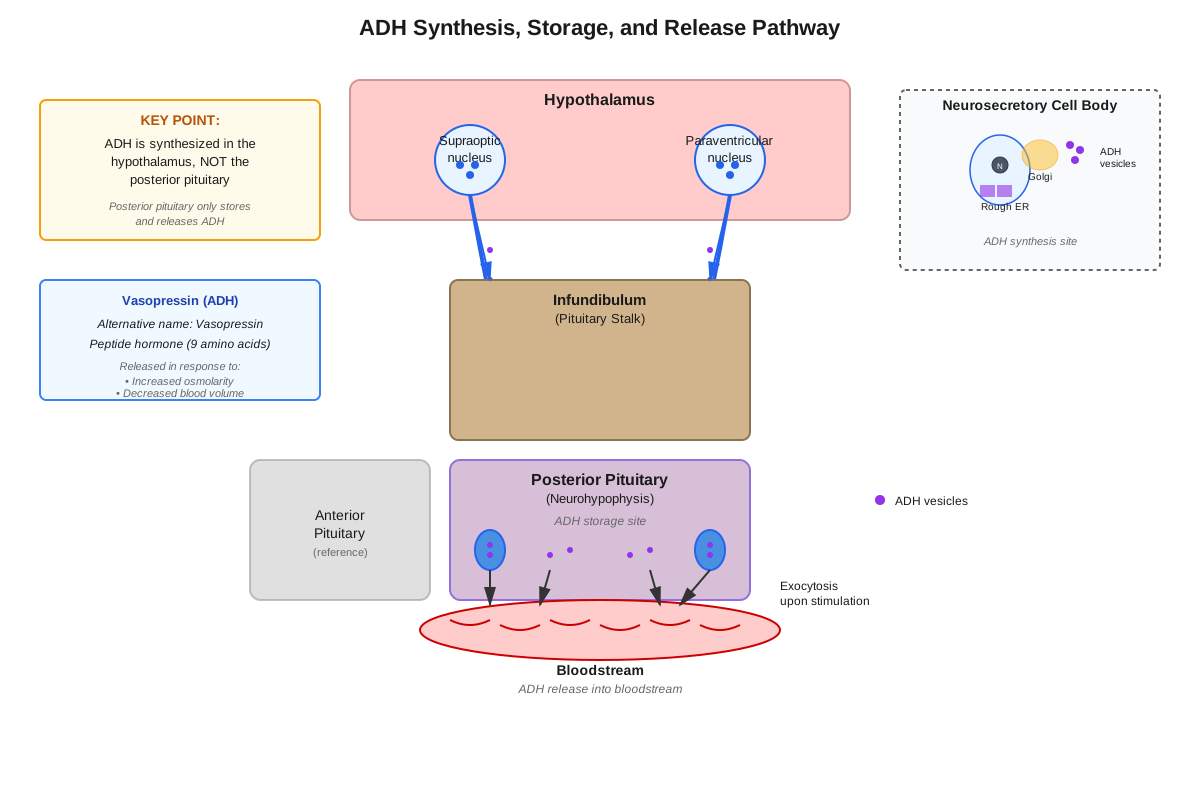
ADH synthesis occurs in specialized neurons called magnocellular neurosecretory cells located in the supraoptic nucleus and paraventricular nucleus of the hypothalamus. These neurons extend long axons that project through the infundibulum (pituitary stalk) to terminate in the posterior pituitary gland (neurohypophysis). The hormone is packaged into secretory vesicles along with a carrier protein called neurophysin II and transported down the axons via axoplasmic flow. Upon appropriate stimulation, these vesicles fuse with the axon terminal membrane in the posterior pituitary, releasing ADH directly into the bloodstream.
Regulation of ADH Secretion
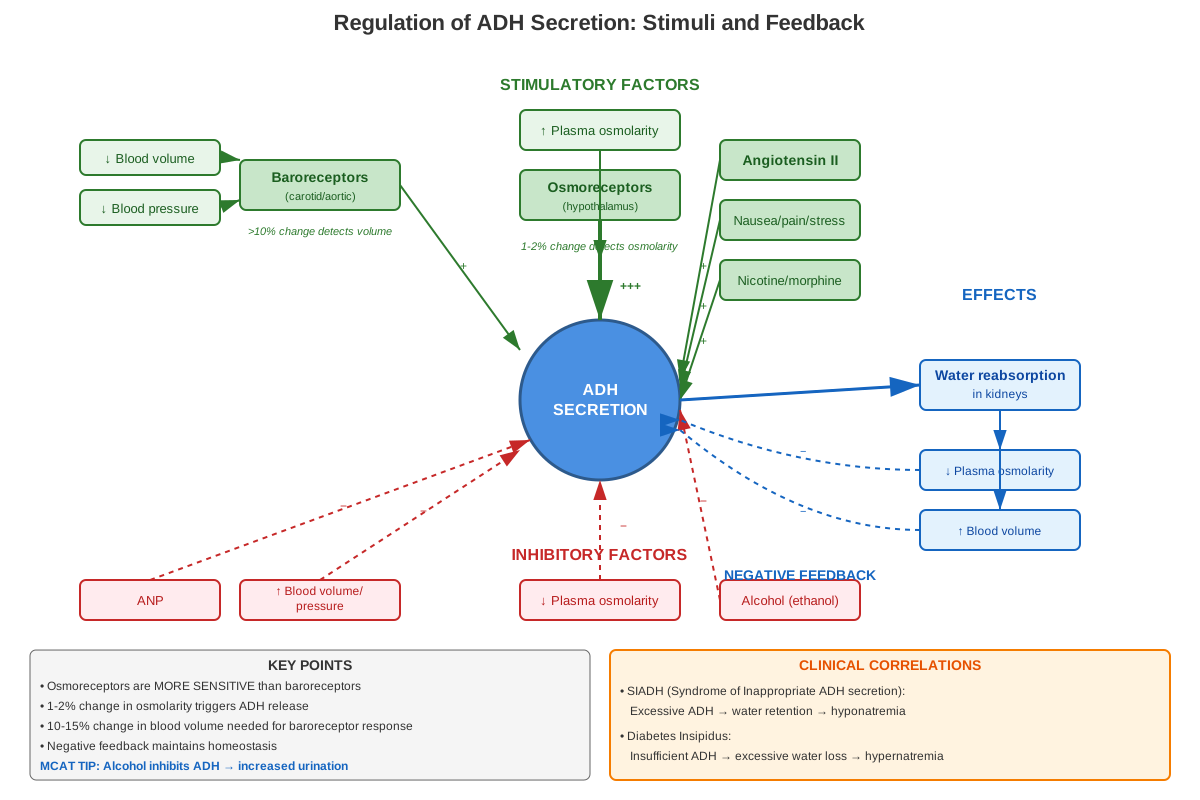
ADH release is primarily regulated by two physiological parameters: plasma osmolarity and blood volume/pressure. These regulatory mechanisms ensure appropriate water retention or excretion to maintain homeostasis.
Osmotic regulation represents the most sensitive control mechanism. Specialized neurons called osmoreceptors, located in the hypothalamus (particularly the organum vasculosum of the lamina terminalis, or OVLT), detect changes in plasma osmolarity. When plasma osmolarity increases above the normal range (approximately 280-295 mOsm/kg), indicating relative dehydration, osmoreceptors shrink due to water efflux. This cellular shrinkage triggers action potentials that stimulate ADH release. Even a 1-2% increase in plasma osmolarity can significantly increase ADH secretion. Conversely, decreased plasma osmolarity (indicating excess water) inhibits ADH release.
Volume/pressure regulation provides a secondary but important control mechanism. Baroreceptors in the left atrium, carotid sinus, and aortic arch detect changes in blood volume and pressure. Decreased blood volume (hypovolemia) or decreased blood pressure (hypotension) reduces baroreceptor firing, which disinhibits ADH secretion through reduced vagal nerve activity. This mechanism requires more substantial changes (typically 10-15% decrease in blood volume) to significantly affect ADH release compared to osmotic regulation, but it becomes critically important during hemorrhage or severe dehydration.
Additional factors influencing ADH secretion include:
- Angiotensin II: stimulates ADH release, linking the RAAS to water conservation
- Nausea: potent stimulus for ADH release
- Stress and pain: increase ADH secretion
- Alcohol: inhibits ADH release, explaining increased urination after alcohol consumption
- Certain medications: nicotine stimulates release; some drugs (like lithium) can interfere with ADH action
Mechanism of Action at the Cellular Level
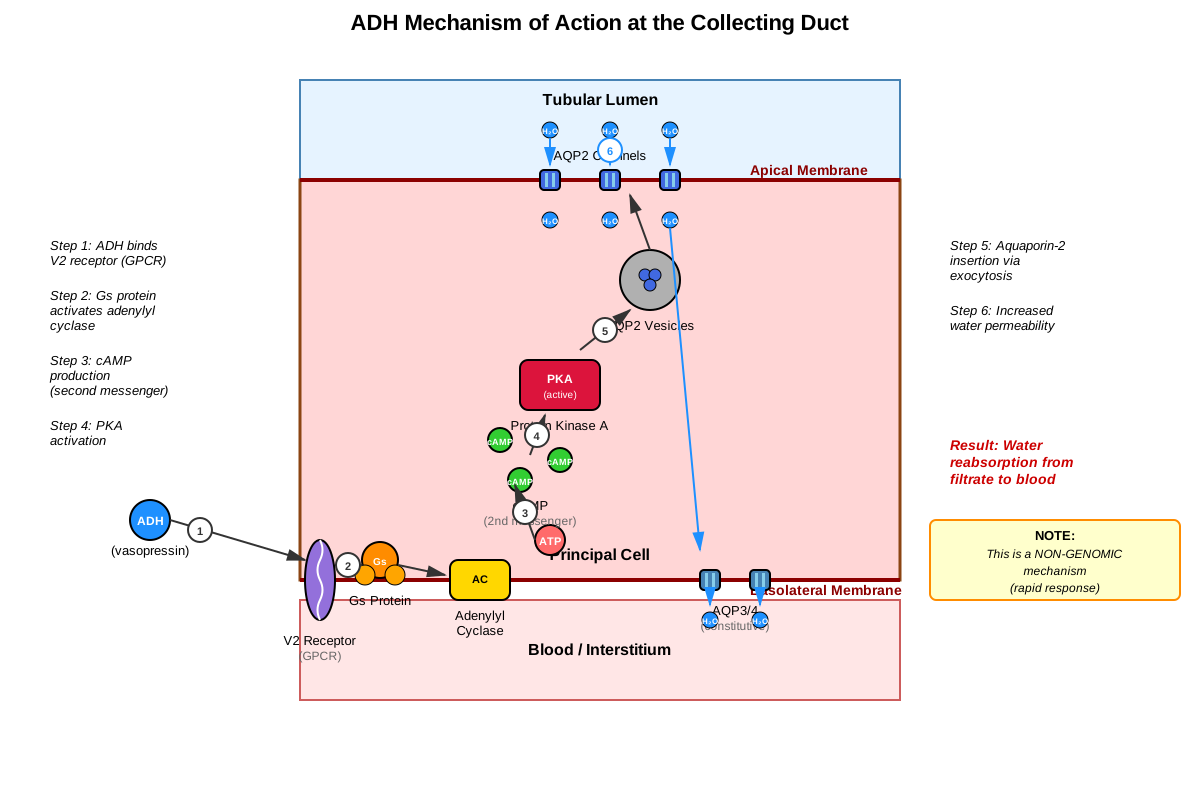
ADH exerts its primary effects on the collecting duct of the nephron, though it also affects the distal convoluted tubule to a lesser extent. The hormone's mechanism involves a classic G-protein coupled receptor (GPCR) signaling cascade that ultimately increases water permeability of the collecting duct epithelium.
The V2 receptor (vasopressin receptor type 2) on the basolateral membrane of collecting duct principal cells binds ADH with high affinity. This receptor is coupled to a Gs protein, which upon activation stimulates adenylyl cyclase to convert ATP to cyclic AMP (cAMP). The elevated cAMP activates protein kinase A (PKA), which phosphorylates multiple target proteins.
The critical downstream effect involves aquaporin-2 (AQP2) water channels. In the absence of ADH, AQP2 channels are sequestered in intracellular vesicles within the cytoplasm. PKA phosphorylation triggers the fusion of these vesicles with the apical (luminal) membrane of the collecting duct cells, inserting functional water channels into the membrane. This process, called membrane trafficking or exocytosis, dramatically increases the water permeability of the apical membrane.
With AQP2 channels present in the apical membrane, water can move from the tubular fluid (which is hypotonic relative to the medullary interstitium) through the collecting duct cells and exit via constitutively expressed aquaporin-3 (AQP3) and aquaporin-4 (AQP4) channels on the basolateral membrane. This water is then reabsorbed into the bloodstream via the vasa recta capillaries.
When ADH levels decrease, the signaling cascade reverses: AQP2 channels are removed from the apical membrane through endocytosis and returned to intracellular storage vesicles. This reduces water permeability, allowing the production of dilute urine.
Physiological Effects of ADH
The primary physiological effect of ADH is antidiuresis—the reduction of urine volume through increased water reabsorption. This effect concentrates the urine while diluting the blood plasma, thereby decreasing plasma osmolarity and increasing blood volume.
| Condition | ADH Level | Collecting Duct Permeability | Urine Volume | Urine Osmolarity | Plasma Osmolarity |
|---|---|---|---|---|---|
| Dehydration | High | High | Low | High (concentrated) | Decreases toward normal |
| Overhydration | Low | Low | High | Low (dilute) | Increases toward normal |
| Normal hydration | Moderate | Moderate | Moderate | Moderate | Normal (280-295 mOsm/kg) |
Beyond its renal effects, ADH has important cardiovascular effects, particularly at higher concentrations. The hormone binds to V1 receptors on vascular smooth muscle cells, causing vasoconstriction through a different signaling pathway involving phospholipase C, IP3, and increased intracellular calcium. This vasoconstriction increases peripheral resistance and blood pressure, which is why the hormone is also called vasopressin. However, the concentrations required for significant vasoconstriction are typically higher than those needed for antidiuretic effects.
Clinical Disorders of ADH
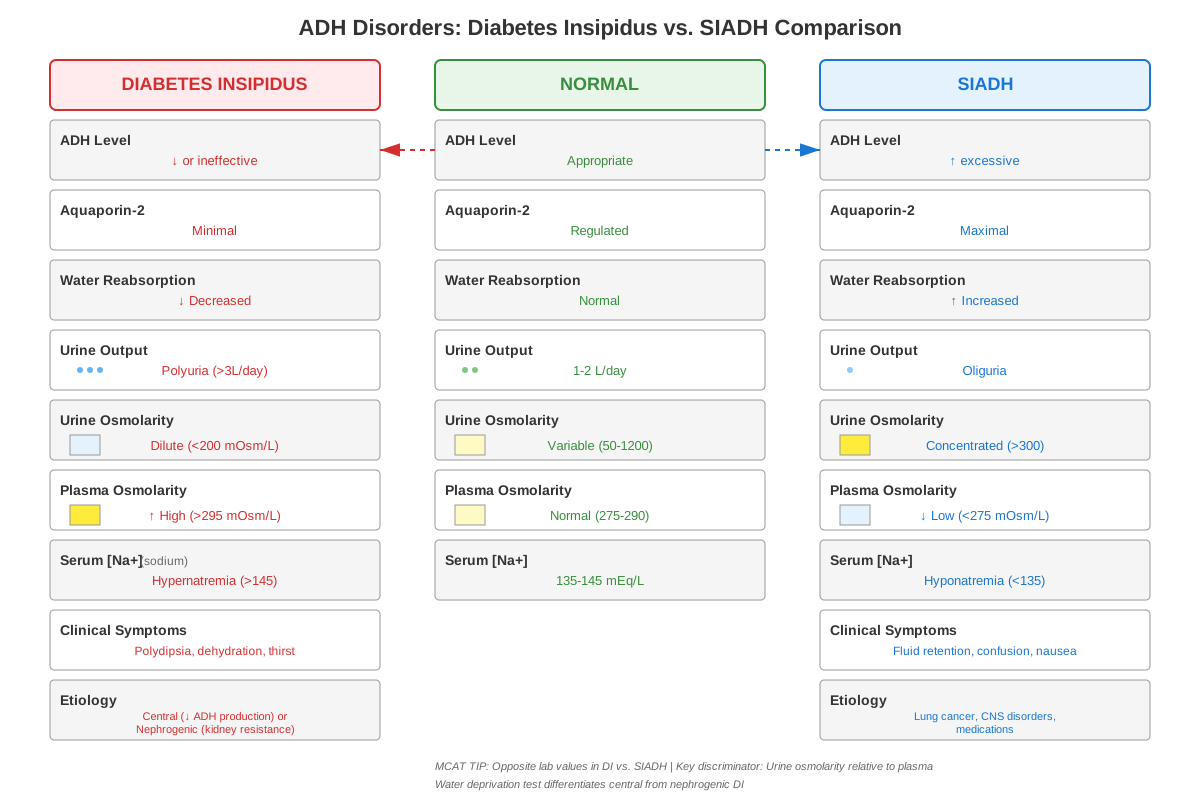
Diabetes insipidus (DI) results from either insufficient ADH production (central DI) or kidney resistance to ADH (nephrogenic DI). Central DI can result from head trauma, pituitary surgery, tumors, or genetic defects affecting ADH synthesis. Nephrogenic DI may be caused by genetic mutations in the V2 receptor or AQP2 genes, chronic kidney disease, or medications like lithium. Both forms present with polyuria (excessive urine production, often 3-20 liters per day) and polydipsia (excessive thirst). The urine is characteristically dilute (low osmolarity, typically <200 mOsm/kg) despite elevated plasma osmolarity. The water deprivation test helps distinguish between central and nephrogenic forms: patients with central DI respond to exogenous ADH (desmopressin) with decreased urine output and increased urine osmolarity, while those with nephrogenic DI show little response.
Syndrome of inappropriate ADH secretion (SIADH) involves excessive ADH release despite normal or low plasma osmolarity. Causes include small cell lung cancer (which can produce ectopic ADH), central nervous system disorders, pulmonary diseases, and certain medications. SIADH leads to water retention, resulting in hyponatremia (low plasma sodium concentration), concentrated urine despite low plasma osmolarity, and potential neurological symptoms from cerebral edema. Treatment focuses on addressing the underlying cause and restricting fluid intake.
Concept Relationships
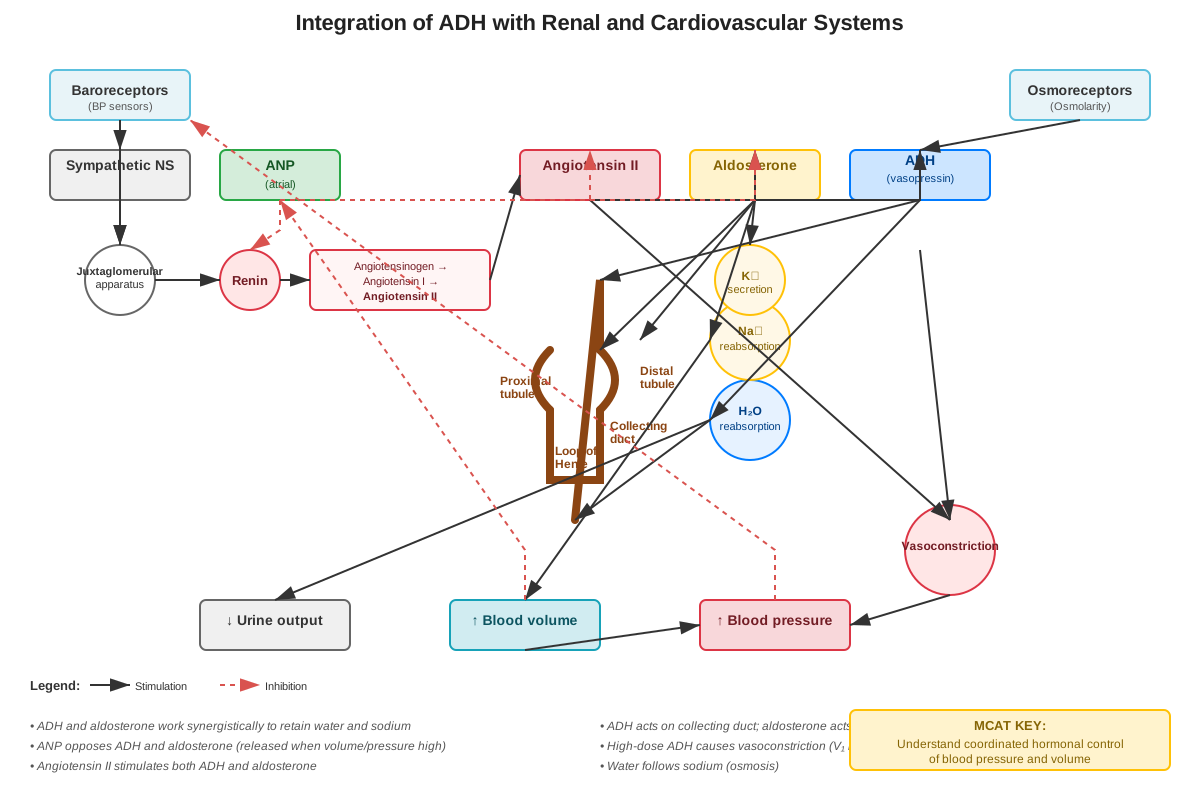
The regulation and effects of ADH integrate multiple physiological systems in a coordinated homeostatic response. Plasma osmolarity changes → detected by hypothalamic osmoreceptors → stimulate or inhibit ADH synthesis and release → ADH travels through bloodstream → binds V2 receptors on collecting duct cells → activates cAMP/PKA signaling cascade → causes AQP2 insertion into apical membrane → increases water reabsorption → produces concentrated urine and diluted plasma → restores normal osmolarity → provides negative feedback to osmoreceptors.
ADH function connects intimately with the renin-angiotensin-aldosterone system (RAAS). While aldosterone primarily regulates sodium reabsorption (with water following passively), ADH directly regulates water reabsorption independent of sodium. However, these systems interact: angiotensin II stimulates ADH release, and both hormones work synergistically to restore blood volume during hypovolemia. The distinction is crucial: aldosterone acts primarily on the distal tubule and collecting duct to increase sodium reabsorption, while ADH acts on the collecting duct to increase water permeability.
The relationship between ADH and atrial natriuretic peptide (ANP) represents an antagonistic interaction. ANP, released from atrial myocytes in response to atrial stretch (indicating increased blood volume), inhibits ADH release and promotes sodium and water excretion. This creates a balanced system: ADH conserves water when volume is low, while ANP promotes water loss when volume is excessive.
Understanding ADH requires integration with kidney countercurrent multiplication mechanisms. The medullary osmotic gradient (created by the loop of Henle and maintained by the vasa recta) provides the driving force for water reabsorption when ADH increases collecting duct permeability. Without this gradient, ADH would be ineffective; without ADH, the gradient would be wasted as water would not be reabsorbed despite favorable osmotic conditions.
Quick check — test yourself on ADH so far.
Try Flashcards →High-Yield Facts
⭐ ADH is synthesized in the hypothalamus (supraoptic and paraventricular nuclei) but released from the posterior pituitary gland
⭐ The primary stimulus for ADH release is increased plasma osmolarity (detected by hypothalamic osmoreceptors); decreased blood volume/pressure provides secondary stimulation
⭐ ADH acts on V2 receptors in the collecting duct, activating a cAMP/PKA pathway that causes insertion of aquaporin-2 water channels into the apical membrane
⭐ ADH increases water reabsorption, producing concentrated urine and diluting the blood plasma
⭐ Diabetes insipidus (insufficient ADH or response) causes polyuria with dilute urine; SIADH (excessive ADH) causes water retention and hyponatremia
- ADH is a 9-amino-acid peptide hormone, also called vasopressin
- Alcohol inhibits ADH release, explaining increased urination after alcohol consumption
- The V1 receptor mediates vasoconstriction effects of ADH on vascular smooth muscle
- Aquaporin-2 is the ADH-regulated water channel; aquaporin-3 and aquaporin-4 are constitutively expressed on the basolateral membrane
- A 1-2% increase in plasma osmolarity significantly increases ADH secretion, while 10-15% decrease in blood volume is needed for volume-mediated ADH release
- Nephrogenic diabetes insipidus can be caused by lithium, which interferes with ADH signaling
- The water deprivation test distinguishes central DI (responds to exogenous ADH) from nephrogenic DI (does not respond)
- Small cell lung cancer can produce ectopic ADH, causing SIADH
- ADH increases urea reabsorption in the collecting duct, contributing to the medullary osmotic gradient
- Desmopressin (DDAVP) is a synthetic ADH analog used to treat central diabetes insipidus and has minimal V1 receptor activity
Common Misconceptions
Misconception: ADH is produced and released from the posterior pituitary gland.
Correction: ADH is synthesized in hypothalamic neurons (supraoptic and paraventricular nuclei) and only released from the posterior pituitary, where the axon terminals of these neurons terminate. The posterior pituitary is neural tissue, not glandular tissue, and does not synthesize hormones.
Misconception: ADH causes the kidneys to reabsorb more sodium, which then causes water to follow.
Correction: ADH directly increases water permeability by inserting aquaporin-2 channels into the collecting duct apical membrane, allowing water reabsorption independent of sodium movement. This distinguishes ADH from aldosterone, which primarily affects sodium reabsorption. ADH's effect is on water permeability, not sodium transport.
Misconception: Diabetes insipidus and diabetes mellitus are related conditions involving insulin and blood sugar.
Correction: Diabetes insipidus has no relationship to insulin or glucose metabolism. The term "diabetes" simply means "excessive urination." Diabetes insipidus results from ADH deficiency or resistance, while diabetes mellitus involves insulin and glucose regulation. The similar names reflect only the symptom of polyuria, not underlying mechanisms.
Misconception: ADH acts on the proximal tubule where most water reabsorption occurs.
Correction: While approximately 65-70% of filtered water is reabsorbed in the proximal tubule, this reabsorption is constitutive (always occurring) and not regulated by ADH. ADH specifically acts on the collecting duct (and to a lesser extent the distal tubule) to provide regulated, variable water reabsorption that adjusts to the body's hydration status.
Misconception: In SIADH, patients produce large volumes of concentrated urine.
Correction: In SIADH, excessive ADH causes excessive water retention, leading to small volumes of concentrated urine despite low plasma osmolarity (when the body should be producing dilute urine). The concentrated urine is inappropriate given the diluted plasma state. Conversely, diabetes insipidus produces large volumes of dilute urine.
Misconception: ADH and aldosterone have the same function and work through the same mechanism.
Correction: While both hormones affect fluid balance, they work through different mechanisms and have distinct primary effects. Aldosterone (a steroid hormone) increases sodium reabsorption in the distal tubule and collecting duct through genomic mechanisms, with water following passively. ADH (a peptide hormone) directly increases water permeability through non-genomic insertion of aquaporin channels. Aldosterone affects sodium balance primarily; ADH affects water balance primarily.
Worked Examples
Example 1: Clinical Vignette Analysis
Question: A 45-year-old man presents to the emergency department complaining of excessive thirst and urination. He reports producing approximately 8 liters of urine daily. Laboratory tests reveal: plasma osmolarity 310 mOsm/kg (elevated), urine osmolarity 150 mOsm/kg (low), plasma sodium 148 mEq/L (elevated). A water deprivation test is performed, and after 6 hours, his urine osmolarity remains at 160 mOsm/kg. Administration of desmopressin (synthetic ADH) results in urine osmolarity increasing to 600 mOsm/kg within 2 hours. What is the most likely diagnosis?
Analysis:
Let's systematically evaluate the clinical findings:
- Symptoms: Polyuria (8 L/day, normal is 1-2 L) and polydipsia indicate a water balance disorder
- Plasma osmolarity: Elevated (310 vs. normal 280-295), indicating relative dehydration
- Urine osmolarity: Low (150 vs. expected >600 in dehydration), indicating inability to concentrate urine
- Plasma sodium: Elevated, consistent with water loss exceeding sodium loss
The combination of high plasma osmolarity with dilute urine suggests ADH deficiency or resistance. The water deprivation test helps distinguish between causes:
- During water deprivation: Urine remains dilute (160 mOsm/kg), indicating the kidneys cannot concentrate urine despite strong physiological stimulus (elevated plasma osmolarity)
- After desmopressin administration: Urine osmolarity increases dramatically (to 600 mOsm/kg), indicating the kidneys CAN respond to ADH when it is provided exogenously
Conclusion: This response pattern indicates central diabetes insipidus. The patient's kidneys have functional V2 receptors and aquaporin-2 channels (evidenced by response to desmopressin) but insufficient endogenous ADH production. If this were nephrogenic diabetes insipidus, desmopressin would not increase urine osmolarity because the kidneys would be resistant to ADH regardless of its source.
Key reasoning: The critical distinction is the response to exogenous ADH. Central DI responds; nephrogenic DI does not. This connects to the learning objective of applying ADH concepts to clinical scenarios.
Example 2: Experimental Data Interpretation
Question: Researchers conduct an experiment measuring urine flow rate and urine osmolarity in subjects under different conditions. The data shows:
- Condition A: Urine flow 15 mL/min, urine osmolarity 100 mOsm/kg
- Condition B: Urine flow 1 mL/min, urine osmolarity 1200 mOsm/kg
- Condition C: Urine flow 2 mL/min, urine osmolarity 300 mOsm/kg
Plasma osmolarity is measured at 290 mOsm/kg in all conditions. Which condition most likely represents a state of high ADH secretion, and what would you expect regarding aquaporin-2 localization in collecting duct cells?
Analysis:
First, let's understand the relationship between ADH, urine flow, and urine osmolarity:
- High ADH → increased water reabsorption → low urine flow + high urine osmolarity (concentrated)
- Low ADH → decreased water reabsorption → high urine flow + low urine osmolarity (dilute)
Evaluating each condition:
Condition A: Very high urine flow (15 mL/min, about 21 L/day) with very low osmolarity (100 mOsm/kg) indicates minimal water reabsorption. This represents low or absent ADH, as would occur with water loading, alcohol consumption, or diabetes insipidus.
Condition B: Very low urine flow (1 mL/min, about 1.4 L/day) with very high osmolarity (1200 mOsm/kg) indicates maximal water reabsorption. This represents high ADH secretion, as would occur during dehydration or water deprivation.
Condition C: Moderate values represent an intermediate state with moderate ADH levels.
Answer: Condition B represents high ADH secretion.
Aquaporin-2 localization in Condition B: With high ADH levels, the cAMP/PKA signaling cascade would be maximally activated. This would cause:
- Maximum insertion of aquaporin-2 channels into the apical membrane of collecting duct principal cells
- Minimal aquaporin-2 in intracellular vesicles
- High water permeability of the apical membrane
- Efficient water movement from tubular fluid through the cells into the medullary interstitium
In contrast, Condition A would show aquaporin-2 predominantly sequestered in intracellular vesicles with minimal apical membrane expression.
Key reasoning: This example integrates understanding of ADH's mechanism (aquaporin insertion), its physiological effects (urine concentration), and interpretation of experimental data—all high-yield skills for MCAT passages.
Exam Strategy
When approaching MCAT questions about ADH, begin by identifying the physiological state described: Is the body in a state of dehydration (high osmolarity, low volume) or overhydration (low osmolarity, high volume)? This immediately tells you whether ADH should be high or low. Then trace the expected consequences through the signaling pathway to the physiological outcome.
Trigger words and phrases that signal ADH involvement include:
- "Water balance," "fluid homeostasis," "osmolarity regulation"
- "Concentrated urine," "dilute urine," "urine volume"
- "Collecting duct," "aquaporin," "water channels"
- "Polyuria" (excessive urination), "polydipsia" (excessive thirst)
- "Posterior pituitary," "neurohypophysis," "hypothalamus"
- "Dehydration," "water deprivation," "hemorrhage"
- Clinical terms: "diabetes insipidus," "SIADH," "hyponatremia"
Process-of-elimination strategies:
- Eliminate answers confusing ADH with aldosterone: If an answer choice suggests ADH primarily affects sodium reabsorption or acts through mineralocorticoid receptors, eliminate it
- Eliminate answers placing ADH synthesis in the wrong location: ADH is NOT made in the posterior pituitary; it's made in the hypothalamus
- Eliminate answers suggesting ADH acts on the proximal tubule: ADH's regulated effects occur in the collecting duct
- Watch for reversed cause-and-effect: ADH is released in response to high osmolarity; it doesn't cause high osmolarity
Time allocation: ADH questions typically require 60-90 seconds. Spend 20-30 seconds identifying the physiological state and what ADH level should be, then 30-40 seconds tracing through the mechanism or evaluating answer choices. If a passage presents experimental data, spend extra time ensuring you understand what variables are being manipulated versus measured.
Exam Tip: When passages present clinical cases with lab values, immediately compare plasma osmolarity to urine osmolarity. If plasma osmolarity is high but urine osmolarity is low, suspect diabetes insipidus. If plasma osmolarity is low but urine osmolarity is high, suspect SIADH. This quick assessment often points you toward the correct answer.
Memory Techniques
Mnemonic for ADH stimuli: "HOPS"
- High osmolarity (primary stimulus)
- Osmoreceptors (detection mechanism)
- Pressure decrease (secondary stimulus via baroreceptors)
- Stress, pain, nausea (additional stimuli)
Mnemonic for ADH pathway: "CAMP Aqua"
- CAMP (second messenger)
- Adenylyl cyclase (enzyme activated)
- Membrane insertion (of aquaporins)
- PKA (protein kinase A, activated by cAMP)
- Aquaporin-2 (the water channel inserted)
Visualization strategy for ADH mechanism: Picture a warehouse (collecting duct cell) full of boxes (vesicles containing aquaporin-2 channels). When the ADH signal arrives (like a delivery order), forklifts (molecular motors) move boxes from storage to the loading dock (apical membrane), where they open and deploy water channels. When ADH signal stops, the forklifts retrieve the boxes back into storage.
Acronym for diabetes insipidus types: "CAN'T"
- Central: ADH Not produced
- Nephrogenic: Target (kidney) doesn't respond
Memory aid for distinguishing DI from SIADH:
- DI = Dilute In (dilute urine going in to the toilet)
- SIADH = Small Intense (small volume, intensely concentrated urine)
Summary
Antidiuretic hormone (ADH) represents a critical regulatory hormone that maintains water homeostasis through its effects on kidney collecting duct water permeability. Synthesized in hypothalamic neurons and released from the posterior pituitary, ADH responds primarily to increased plasma osmolarity detected by osmoreceptors and secondarily to decreased blood volume detected by baroreceptors. The hormone binds V2 receptors on collecting duct principal cells, activating a cAMP/PKA signaling cascade that causes insertion of aquaporin-2 water channels into the apical membrane. This increases water reabsorption, producing concentrated urine and diluting plasma to restore normal osmolarity. Clinical disorders include diabetes insipidus (insufficient ADH or response, causing polyuria with dilute urine) and SIADH (excessive ADH, causing water retention and hyponatremia). For MCAT success, students must understand ADH's synthesis location, regulatory stimuli, molecular mechanism involving aquaporins, physiological effects on urine concentration, and clinical presentations of ADH disorders. The ability to integrate ADH function with kidney physiology, osmolarity regulation, and other hormonal systems is essential for answering interdisciplinary passages.
Key Takeaways
- ADH is synthesized in the hypothalamus (supraoptic and paraventricular nuclei) but released from the posterior pituitary gland in response to increased plasma osmolarity or decreased blood volume
- The primary mechanism involves V2 receptor activation, cAMP/PKA signaling, and insertion of aquaporin-2 water channels into the collecting duct apical membrane
- ADH increases water reabsorption, producing concentrated urine (high osmolarity, low volume) and diluting blood plasma
- Diabetes insipidus results from ADH deficiency (central) or kidney resistance (nephrogenic), causing polyuria with dilute urine despite dehydration
- SIADH involves excessive ADH secretion, causing water retention, hyponatremia, and inappropriately concentrated urine despite low plasma osmolarity
- ADH function integrates with the RAAS, atrial natriuretic peptide, and the kidney's countercurrent multiplication system to maintain fluid homeostasis
- The water deprivation test with desmopressin administration distinguishes central DI (responds to exogenous ADH) from nephrogenic DI (does not respond)
Related Topics
Aldosterone and the Renin-Angiotensin-Aldosterone System (RAAS): Understanding aldosterone's role in sodium reabsorption complements ADH knowledge and clarifies how the body coordinates sodium and water balance through distinct but interacting mechanisms. Mastering ADH provides foundation for understanding the integrated response to hypovolemia.
Kidney Physiology and Nephron Function: Detailed study of nephron segments, filtration, reabsorption, and secretion processes builds on ADH concepts. Understanding the countercurrent multiplication system and medullary osmotic gradient is essential for appreciating how ADH's effects are achieved.
Atrial Natriuretic Peptide (ANP): This hormone antagonizes ADH effects, promoting sodium and water excretion when blood volume is excessive. Understanding both hormones reveals the balanced regulation of fluid homeostasis.
Osmolarity and Tonicity: Deeper exploration of osmotic principles, including calculations and clinical applications, extends ADH knowledge to broader contexts of fluid and electrolyte balance.
Endocrine System Integration: Studying how multiple hormones (ADH, aldosterone, ANP, cortisol) coordinate to maintain homeostasis demonstrates systems-level thinking essential for MCAT success.
Practice CTA
Now that you've mastered the core concepts of ADH, it's time to reinforce your understanding through active practice. Challenge yourself with MCAT-style practice questions that test your ability to apply ADH concepts to clinical vignettes, experimental data, and novel scenarios. Use flashcards to drill high-yield facts, particularly the signaling pathway steps and clinical disorder characteristics. Remember: understanding ADH thoroughly not only prepares you for direct questions about this hormone but also strengthens your grasp of endocrine regulation, kidney physiology, and homeostatic mechanisms—all frequently tested on the MCAT. Your investment in mastering this topic will pay dividends across multiple question types and passages. Keep pushing forward—you're building the comprehensive knowledge base that leads to MCAT success!
Sign up free to keep reading
Create a free AnvayaPrep account to finish this MCAT guide on ADH — plus flashcards and practice questions.