Overview
The adrenal glands are paired endocrine organs that sit atop each kidney and play critical roles in stress response, metabolism, immune function, and cardiovascular regulation. These small but mighty glands consist of two functionally distinct regions: the outer adrenal cortex and the inner adrenal medulla. The cortex produces steroid hormones (corticosteroids) including glucocorticoids, mineralocorticoids, and sex hormones, while the medulla secretes catecholamines (epinephrine and norepinephrine). Understanding adrenal gland biology is essential for the MCAT because these structures integrate multiple physiological systems—endocrine signaling, nervous system function, metabolism, and homeostasis—making them frequent subjects in both discrete questions and passage-based items.
For the MCAT, adrenal gland content appears across multiple contexts within Biology and Physiology and Organ Systems. Questions may test hormone synthesis pathways, feedback mechanisms involving the hypothalamic-pituitary-adrenal (HPA) axis, physiological responses to stress, or clinical scenarios involving adrenal dysfunction. The adrenal glands exemplify how the endocrine and nervous systems coordinate to maintain homeostasis, particularly during acute stress (fight-or-flight response) and chronic stress adaptation. This topic connects directly to concepts in biochemistry (steroid hormone synthesis from cholesterol), neuroscience (sympathetic nervous system activation), and metabolism (gluconeogenesis, glycogenolysis).
The adrenal gland MCAT content bridges foundational knowledge of hormone action with clinical reasoning. Students must understand not only the anatomical organization and hormone products but also the regulatory mechanisms, target tissues, and physiological consequences of both hypo- and hyperfunction. This topic frequently appears in passages describing stress responses, metabolic disorders, blood pressure regulation, and electrolyte balance—making it a medium-yield but highly integrative subject that rewards comprehensive understanding.
Learning Objectives
- [ ] Define adrenal gland using accurate Biology terminology
- [ ] Explain why adrenal gland matters for the MCAT
- [ ] Apply adrenal gland concepts to exam-style questions
- [ ] Identify common mistakes related to adrenal gland physiology
- [ ] Connect adrenal gland function to related Biology concepts
- [ ] Distinguish between the hormones produced by the adrenal cortex versus the adrenal medulla
- [ ] Trace the regulatory pathways controlling adrenal hormone secretion, including the HPA axis and sympathetic nervous system
- [ ] Predict the physiological consequences of adrenal hormone excess or deficiency
- [ ] Analyze clinical vignettes involving adrenal pathology using integrated knowledge of endocrine physiology
Prerequisites
- Basic endocrine system organization: Understanding hormone classification (peptide vs. steroid), mechanisms of action (membrane receptors vs. intracellular receptors), and feedback loops is essential for comprehending adrenal hormone regulation
- Autonomic nervous system anatomy: Knowledge of sympathetic and parasympathetic divisions enables understanding of how the adrenal medulla functions as a modified sympathetic ganglion
- Steroid biochemistry: Familiarity with cholesterol structure and basic steroid synthesis pathways helps students grasp how all adrenal cortical hormones derive from a common precursor
- Kidney function and electrolyte balance: Understanding nephron physiology and sodium/potassium regulation is necessary to appreciate mineralocorticoid actions
- Glucose metabolism: Knowledge of glycolysis, gluconeogenesis, and glycogenolysis provides context for glucocorticoid metabolic effects
- Hypothalamic-pituitary axis: General understanding of hypothalamic releasing hormones and anterior pituitary function is required to comprehend HPA axis regulation
Why This Topic Matters
Clinical Significance: Adrenal disorders represent important clinical conditions that illustrate fundamental endocrine principles. Addison's disease (primary adrenal insufficiency) causes life-threatening electrolyte imbalances and hypotension due to cortisol and aldosterone deficiency. Cushing's syndrome (cortisol excess) produces characteristic metabolic and physical changes including hyperglycemia, central obesity, and immunosuppression. Pheochromocytomas (catecholamine-secreting tumors) cause episodic hypertension and tachycardia. Conn's syndrome (aldosterone excess) leads to hypertension and hypokalemia. These conditions frequently appear in MCAT clinical vignettes because they demonstrate cause-and-effect relationships between hormone levels and physiological outcomes.
Exam Statistics: Adrenal gland content appears in approximately 3-5% of MCAT Biology/Biochemistry section questions, with higher frequency in passages involving stress physiology, metabolism, or cardiovascular regulation. Questions typically test understanding of hormone functions, regulatory mechanisms, and ability to predict consequences of dysfunction. The topic appears both as discrete questions testing factual recall and within passages requiring integration of multiple physiological systems.
Common Exam Contexts: MCAT passages featuring adrenal glands often present experimental scenarios examining stress responses, metabolic studies involving cortisol, or clinical cases describing patients with hormone imbalances. Questions may ask students to identify which hormone is deficient based on symptoms, predict the effect of a drug blocking hormone synthesis, or explain why certain feedback mechanisms fail in disease states. The adrenal glands also appear in passages about blood pressure regulation, immune function, or circadian rhythms, requiring students to recognize adrenal involvement even when not explicitly stated.
Core Concepts
Anatomical Organization and Embryological Origin
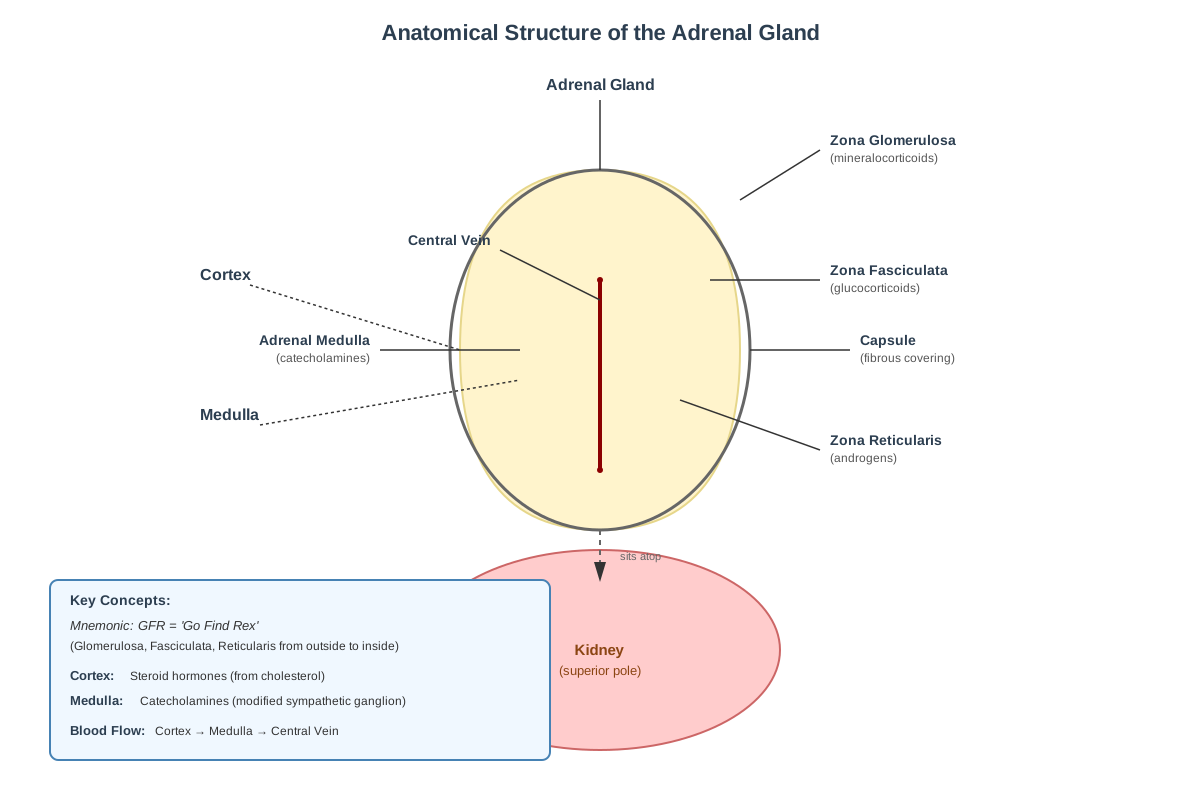
The adrenal glands are pyramid-shaped endocrine organs located superior to each kidney within the retroperitoneal space. Each gland weighs approximately 4-5 grams and receives one of the highest rates of blood flow per gram of tissue in the body, reflecting their high metabolic activity. The glands consist of two embryologically and functionally distinct regions that essentially represent two separate endocrine organs housed in one structure.
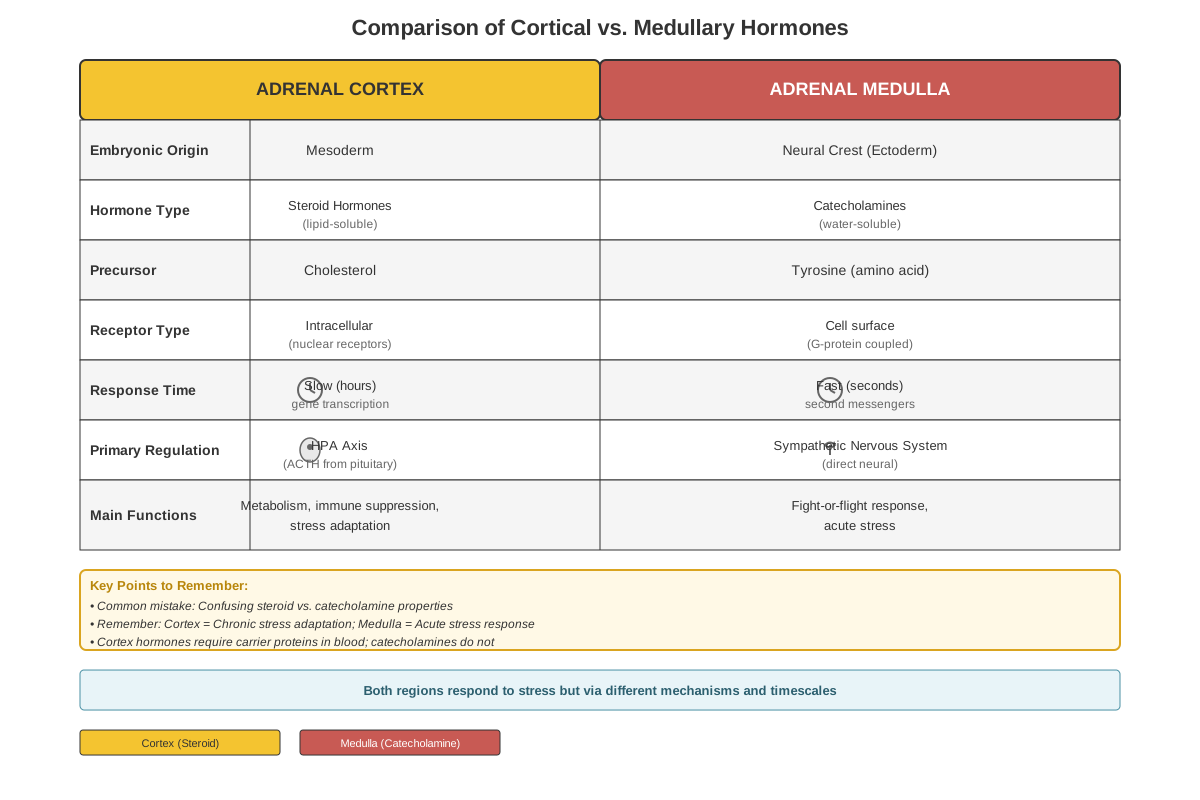
The adrenal cortex comprises approximately 90% of the gland's mass and derives from mesodermal tissue. It produces steroid hormones and is organized into three concentric zones, each synthesizing different hormone classes. The adrenal medulla forms the inner 10% of the gland and originates from neural crest cells (ectoderm), making it essentially a modified sympathetic ganglion. This dual origin explains why the cortex and medulla respond to completely different regulatory signals and produce chemically distinct hormones.
Adrenal Cortex: Zones and Hormones
The adrenal cortex contains three histologically and functionally distinct zones, remembered by the mnemonic "GFR" (from outer to inner):
Zona Glomerulosa (outermost layer):
- Produces mineralocorticoids, primarily aldosterone
- Regulated by the renin-angiotensin-aldosterone system (RAAS) and plasma potassium levels
- Does NOT respond to ACTH for aldosterone production (though ACTH has permissive effects)
- Lacks the enzyme 17α-hydroxylase, preventing glucocorticoid synthesis
Zona Fasciculata (middle and thickest layer):
- Produces glucocorticoids, primarily cortisol (hydrocortisone in humans)
- Regulated by ACTH from the anterior pituitary via the HPA axis
- Contains 17α-hydroxylase, enabling cortisol synthesis
- Cells contain abundant lipid droplets, giving this zone a foamy appearance
Zona Reticularis (innermost cortical layer):
- Produces adrenal androgens, primarily dehydroepiandrosterone (DHEA) and androstenedione
- Also regulated by ACTH
- These weak androgens can be converted to testosterone and estrogen in peripheral tissues
- Becomes more active during adrenarche (around age 6-8 years)
| Zone | Primary Hormone | Main Regulator | Key Function |
|---|---|---|---|
| Glomerulosa | Aldosterone | Angiotensin II, K⁺ | Sodium retention, potassium excretion |
| Fasciculata | Cortisol | ACTH | Glucose metabolism, stress response |
| Reticularis | DHEA, Androstenedione | ACTH | Precursors for sex hormones |
Steroid Hormone Synthesis Pathway
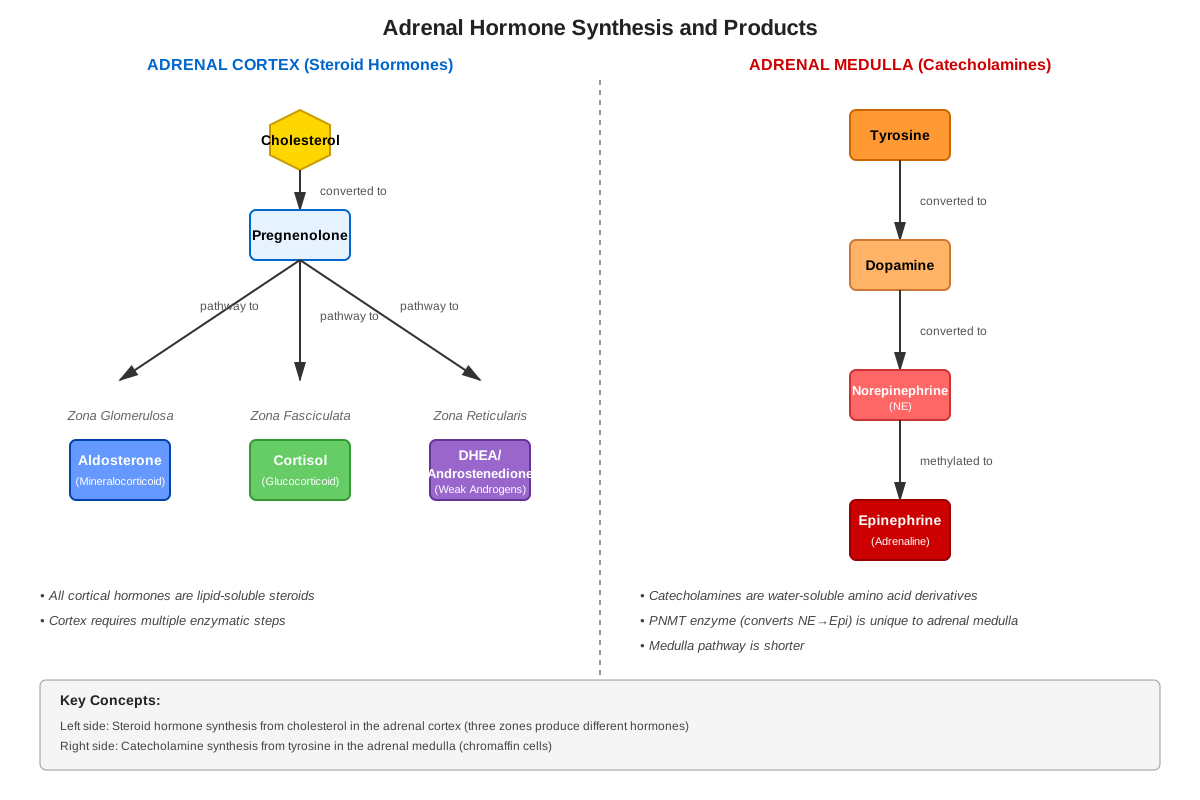
All adrenal cortical hormones derive from cholesterol through a series of enzymatic modifications. Understanding this pathway is high-yield for the MCAT because enzyme deficiencies produce predictable hormone imbalances:
- Cholesterol → Pregnenolone (via cholesterol desmolase/P450scc in mitochondria)
- This is the rate-limiting step stimulated by ACTH
- Occurs in all three cortical zones
- Pregnenolone → Progesterone → Corticosterone → Aldosterone (in zona glomerulosa)
- Requires 21-hydroxylase and 11β-hydroxylase
- Final step (aldosterone synthase) occurs only in zona glomerulosa
- Pregnenolone → 17-hydroxypregnenolone → Cortisol (in zona fasciculata)
- Requires 17α-hydroxylase, 21-hydroxylase, and 11β-hydroxylase
- Cannot occur in zona glomerulosa (lacks 17α-hydroxylase)
- Pregnenolone → DHEA → Androstenedione (in zona reticularis)
- Requires 17α-hydroxylase and 17,20-lyase activity
MCAT Tip: Enzyme deficiencies cause accumulation of precursors and deficiency of products. For example, 21-hydroxylase deficiency (most common congenital adrenal hyperplasia) prevents cortisol and aldosterone synthesis, causing precursors to shunt toward androgen production, resulting in virilization.
Mineralocorticoids: Aldosterone
Aldosterone is the primary mineralocorticoid, regulating sodium and potassium balance and, consequently, blood volume and blood pressure. Its main target is the principal cells of the renal collecting duct.
Mechanism of Action:
- As a steroid hormone, aldosterone crosses cell membranes and binds intracellular mineralocorticoid receptors
- The hormone-receptor complex translocates to the nucleus and acts as a transcription factor
- Increases expression of epithelial sodium channels (ENaC) on the apical membrane
- Increases Na⁺/K⁺-ATPase pumps on the basolateral membrane
- Net effect: increased sodium reabsorption from tubular fluid into blood, increased potassium secretion into urine
Regulation:
- Angiotensin II (primary regulator): Decreased blood pressure → renin release → angiotensin I → angiotensin II → stimulates aldosterone secretion
- Hyperkalemia: Elevated plasma K⁺ directly stimulates zona glomerulosa cells
- ACTH: Has minor, permissive effects but is NOT the primary regulator
Physiological Effects:
- Increases blood volume and blood pressure (by retaining sodium and water)
- Decreases plasma potassium concentration
- Increases plasma sodium concentration (though this is tightly regulated)
Glucocorticoids: Cortisol
Cortisol is the primary glucocorticoid in humans, playing essential roles in metabolism, immune function, and stress response. It exhibits a circadian rhythm with peak levels in early morning and lowest levels around midnight.
Metabolic Effects:
- Increases blood glucose through multiple mechanisms:
- Stimulates gluconeogenesis in liver (increases expression of gluconeogenic enzymes)
- Stimulates protein catabolism in muscle (provides amino acids for gluconeogenesis)
- Stimulates lipolysis in adipose tissue (provides glycerol for gluconeogenesis and fatty acids for energy)
- Decreases glucose uptake in peripheral tissues (insulin antagonist effect)
- Overall effect: cortisol is a catabolic hormone that mobilizes energy stores
Anti-inflammatory and Immunosuppressive Effects:
- Inhibits phospholipase A2, reducing prostaglandin and leukotriene synthesis
- Decreases production of inflammatory cytokines (IL-1, IL-6, TNF-α)
- Reduces T-cell proliferation and function
- Stabilizes lysosomal membranes, preventing enzyme release
- Clinical application: synthetic glucocorticoids (prednisone, dexamethasone) used as anti-inflammatory drugs
Other Effects:
- Maintains vascular responsiveness to catecholamines (permissive effect on vasoconstriction)
- Increases gastric acid secretion
- Affects mood and cognition (excess causes euphoria or anxiety; deficiency causes depression)
- Inhibits bone formation and calcium absorption (chronic excess causes osteoporosis)
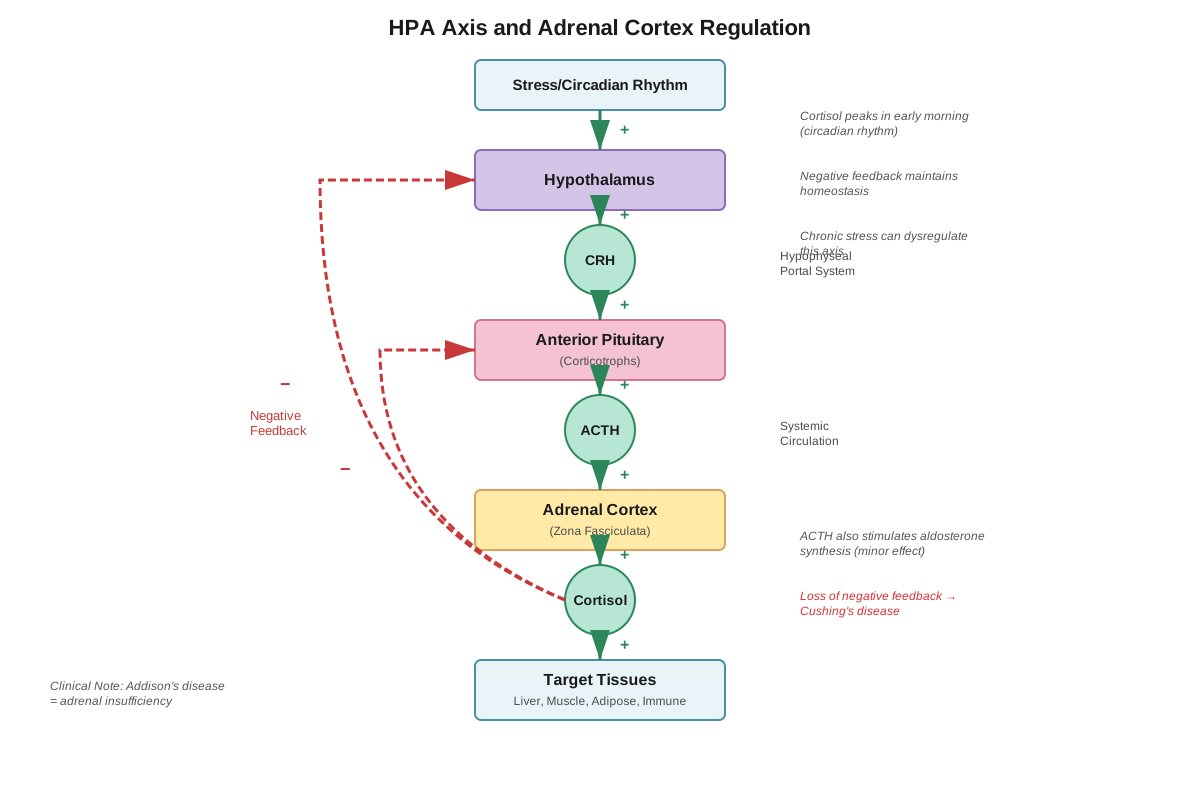
Regulation: The HPA Axis:
- Hypothalamus releases corticotropin-releasing hormone (CRH) in response to stress, circadian rhythm, or low cortisol
- CRH stimulates anterior pituitary to release adrenocorticotropic hormone (ACTH)
- ACTH stimulates zona fasciculata to synthesize and release cortisol
- Cortisol exerts negative feedback on both hypothalamus (decreases CRH) and anterior pituitary (decreases ACTH)
High-Yield: The HPA axis demonstrates classic negative feedback regulation. Exogenous glucocorticoid administration suppresses ACTH release, potentially causing adrenal atrophy. Patients on long-term steroid therapy cannot abruptly discontinue treatment because their atrophied adrenals cannot immediately resume cortisol production.
Adrenal Medulla: Catecholamines
The adrenal medulla functions as a modified sympathetic ganglion, containing chromaffin cells that synthesize and secrete catecholamines: approximately 80% epinephrine (adrenaline) and 20% norepinephrine (noradrenaline). Unlike typical sympathetic postganglionic neurons that release norepinephrine at synapses, chromaffin cells release catecholamines directly into the bloodstream, functioning as an endocrine organ.
Catecholamine Synthesis:
- Tyrosine → L-DOPA (via tyrosine hydroxylase, rate-limiting step)
- L-DOPA → Dopamine (via DOPA decarboxylase)
- Dopamine → Norepinephrine (via dopamine β-hydroxylase)
- Norepinephrine → Epinephrine (via phenylethanolamine N-methyltransferase, PNMT)
The enzyme PNMT is induced by cortisol from the adrenal cortex, explaining why the medulla (bathed in high cortisol concentrations from cortical venous drainage) produces primarily epinephrine while sympathetic neurons produce norepinephrine.
Regulation:
- Chromaffin cells are innervated by preganglionic sympathetic neurons from the thoracic spinal cord
- Acetylcholine released from these neurons binds nicotinic receptors on chromaffin cells
- This triggers catecholamine release via exocytosis
- Represents the fastest endocrine response (seconds), part of the acute stress response
Physiological Effects (Fight-or-Flight Response):
| System | Epinephrine Effect | Receptor Type |
|---|---|---|
| Cardiovascular | Increased heart rate and contractility | β₁ |
| Cardiovascular | Vasodilation in skeletal muscle | β₂ |
| Cardiovascular | Vasoconstriction in skin, GI tract | α₁ |
| Respiratory | Bronchodilation | β₂ |
| Metabolic | Increased glycogenolysis (liver, muscle) | β₂ |
| Metabolic | Increased lipolysis | β₃ |
| Metabolic | Increased glucagon, decreased insulin | β₂ |
| Other | Pupil dilation, decreased GI motility | α₁ |
Key Distinction: Epinephrine has higher affinity for β₂ receptors than norepinephrine, explaining its more pronounced metabolic effects and vasodilation in skeletal muscle. Norepinephrine preferentially activates α₁ receptors, causing more generalized vasoconstriction.
Stress Response Integration
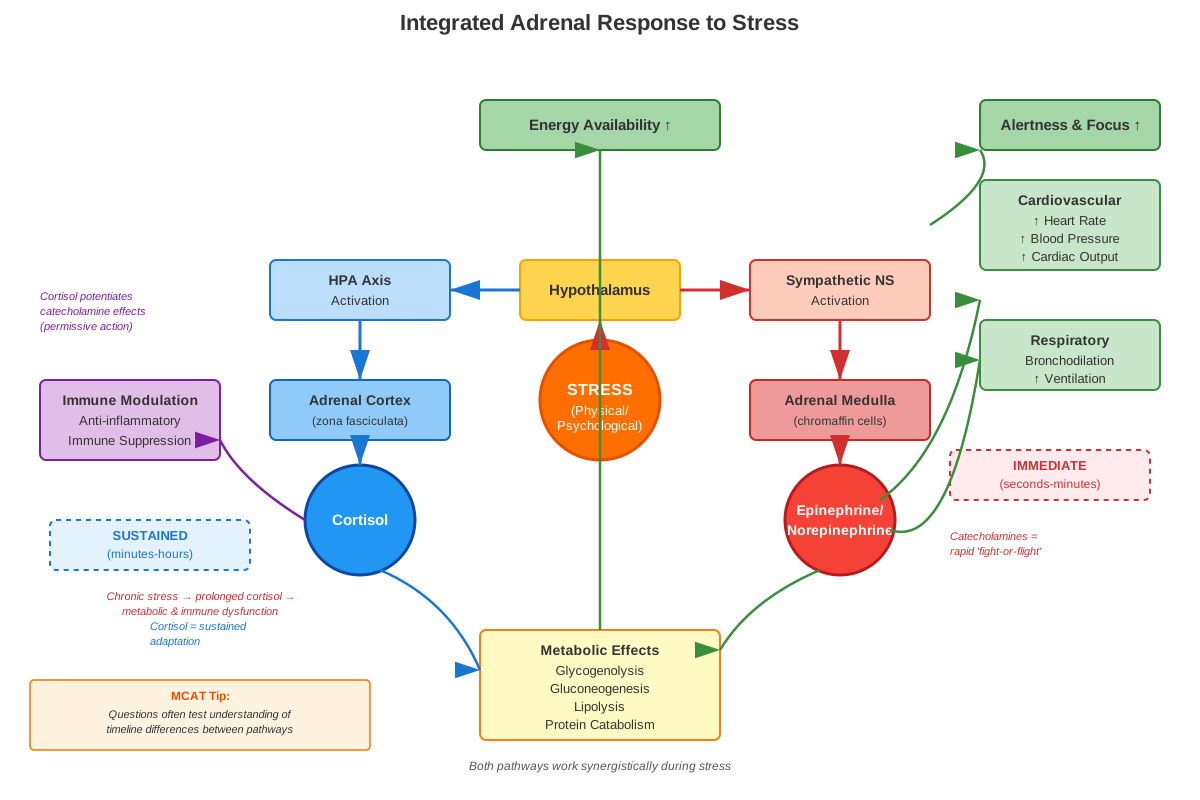
The adrenal glands orchestrate both rapid (seconds to minutes) and sustained (hours to days) responses to stress:
Acute Stress Response (Sympathetic-Adrenal-Medullary Axis):
- Immediate: Sympathetic nervous system activation
- Within seconds: Adrenal medulla releases catecholamines
- Effects: Increased cardiac output, blood glucose, alertness; decreased digestion
- Duration: Minutes to hours
Chronic Stress Response (HPA Axis):
- Within minutes: CRH and ACTH release
- Within hours: Cortisol secretion increases
- Effects: Sustained elevation of blood glucose, immunosuppression, protein catabolism
- Duration: Hours to days (or chronic if stress persists)
This dual system allows immediate mobilization of resources (catecholamines) while preparing for sustained energy demands (cortisol).
Concept Relationships
The adrenal glands serve as a central integration point for multiple physiological systems. The adrenal cortex connects directly to the endocrine system through the HPA axis, demonstrating classic negative feedback regulation: hypothalamus (CRH) → anterior pituitary (ACTH) → adrenal cortex (cortisol) → negative feedback to hypothalamus and pituitary. This exemplifies how the nervous system (hypothalamus) regulates endocrine function.
The adrenal medulla bridges the nervous system and endocrine system, functioning as a neuroendocrine organ. Preganglionic sympathetic neurons directly stimulate catecholamine release, which then acts as hormones throughout the body. This connection illustrates how neural signals can be amplified and prolonged through endocrine mechanisms.
Aldosterone links adrenal function to cardiovascular physiology and renal function through the RAAS. Decreased blood pressure → kidney juxtaglomerular cells release renin → angiotensin II formation → aldosterone secretion → increased sodium/water retention → increased blood volume and pressure. This demonstrates negative feedback at the organ system level.
Cortisol connects to metabolism by antagonizing insulin and promoting catabolism: cortisol → increased gluconeogenesis + decreased glucose uptake → elevated blood glucose. This relationship explains why chronic cortisol excess (Cushing's syndrome) can cause diabetes mellitus.
The synthesis pathway relationships show how enzyme deficiencies create predictable patterns: blocking an enzyme causes accumulation of precursors and deficiency of products, with precursors shunting toward alternative pathways. For example, 21-hydroxylase deficiency → decreased cortisol and aldosterone + increased androgens (because pregnenolone accumulates and diverts to androgen synthesis).
The circadian rhythm connection demonstrates how the suprachiasmatic nucleus (biological clock) regulates CRH release, creating daily cortisol fluctuations. This links adrenal function to neuroscience and explains why cortisol levels must be interpreted in temporal context.
Quick check — test yourself on Adrenal gland so far.
Try Flashcards →High-Yield Facts
⭐ The adrenal cortex produces steroid hormones from cholesterol in three zones: zona glomerulosa (aldosterone), zona fasciculata (cortisol), and zona reticularis (androgens).
⭐ Aldosterone increases sodium reabsorption and potassium secretion in the kidney collecting duct, regulated primarily by angiotensin II and plasma potassium, NOT by ACTH.
⭐ Cortisol is regulated by the HPA axis with negative feedback: CRH → ACTH → cortisol → inhibits CRH and ACTH release.
⭐ Cortisol increases blood glucose through gluconeogenesis, protein catabolism, and lipolysis while decreasing peripheral glucose uptake (insulin antagonist).
⭐ The adrenal medulla releases epinephrine (80%) and norepinephrine (20%) in response to preganglionic sympathetic stimulation, mediating the fight-or-flight response.
- Cortisol exhibits a circadian rhythm with peak levels in early morning (6-8 AM) and lowest levels around midnight.
- All adrenal cortical hormones are lipophilic steroids that bind intracellular receptors and act as transcription factors, causing delayed but prolonged effects.
- 21-hydroxylase deficiency is the most common cause of congenital adrenal hyperplasia, causing cortisol and aldosterone deficiency with androgen excess.
- Chronic exogenous glucocorticoid administration suppresses ACTH release, causing adrenal atrophy; abrupt discontinuation can precipitate adrenal crisis.
- Epinephrine stimulates both α and β adrenergic receptors but has higher affinity for β₂ receptors, causing bronchodilation and vasodilation in skeletal muscle.
- Cortisol has anti-inflammatory effects by inhibiting phospholipase A2 and reducing cytokine production, explaining the therapeutic use of synthetic glucocorticoids.
- The adrenal medulla requires cortisol from the adrenal cortex to convert norepinephrine to epinephrine via PNMT enzyme induction.
- Aldosterone and cortisol both increase blood pressure but through different mechanisms: aldosterone via volume expansion, cortisol via maintaining vascular responsiveness to catecholamines.
Common Misconceptions
Misconception: ACTH regulates aldosterone secretion from the zona glomerulosa.
Correction: While ACTH has minor permissive effects on the zona glomerulosa, aldosterone secretion is primarily regulated by angiotensin II (via RAAS) and plasma potassium levels. ACTH primarily regulates cortisol from the zona fasciculata and androgens from the zona reticularis. This distinction is crucial for understanding why aldosterone levels remain relatively normal in secondary adrenal insufficiency (pituitary ACTH deficiency) but are low in primary adrenal insufficiency (Addison's disease).
Misconception: Cortisol and epinephrine have the same function because both are "stress hormones."
Correction: While both respond to stress, they have distinct mechanisms, timescales, and effects. Epinephrine acts within seconds via membrane receptors to provide immediate energy mobilization and cardiovascular changes. Cortisol acts over hours via nuclear receptors to sustain energy availability through gluconeogenesis and has additional anti-inflammatory effects. Epinephrine mediates acute stress; cortisol mediates chronic stress adaptation.
Misconception: The adrenal medulla and adrenal cortex are functionally related because they're in the same organ.
Correction: Despite their anatomical proximity, the medulla and cortex are embryologically distinct (neural crest vs. mesoderm), produce chemically different hormones (catecholamines vs. steroids), and respond to different regulatory signals (sympathetic neurons vs. ACTH/angiotensin II). They function as two separate endocrine organs that happen to share a location. The only functional connection is that cortisol from the cortex induces PNMT in the medulla.
Misconception: Aldosterone directly increases blood pressure by causing vasoconstriction.
Correction: Aldosterone increases blood pressure indirectly by promoting sodium and water retention in the kidneys, which expands blood volume. It does not directly cause vasoconstriction. The increased blood volume then increases blood pressure according to the relationship: Blood Pressure = Cardiac Output × Peripheral Resistance. Aldosterone affects cardiac output (via increased blood volume) rather than peripheral resistance.
Misconception: Cortisol increases blood glucose only by stimulating glycogenolysis.
Correction: Cortisol's primary mechanism for increasing blood glucose is stimulating gluconeogenesis (synthesis of new glucose from amino acids and glycerol), not glycogenolysis (breakdown of glycogen). Cortisol also promotes protein catabolism to provide amino acid substrates and lipolysis to provide glycerol. Additionally, cortisol decreases peripheral glucose uptake, acting as an insulin antagonist. Epinephrine, not cortisol, is the primary hormone stimulating glycogenolysis.
Misconception: Negative feedback in the HPA axis means cortisol levels remain constant.
Correction: Negative feedback regulates cortisol around a set point that varies with circadian rhythm and stress level. Cortisol levels normally fluctuate throughout the day (highest in morning, lowest at night) and increase during stress. Negative feedback prevents excessive cortisol secretion but doesn't eliminate physiological variation. The feedback maintains homeostasis within a dynamic range rather than at a fixed value.
Misconception: All steroid hormones from the adrenal cortex have the same mechanism of action, so their effects are similar.
Correction: While all adrenal steroids bind intracellular receptors and act as transcription factors (similar mechanism), they bind different receptor types (mineralocorticoid vs. glucocorticoid vs. androgen receptors) in different target tissues, producing distinct physiological effects. Aldosterone primarily affects kidney electrolyte handling, cortisol affects metabolism and immunity, and adrenal androgens contribute to sex hormone effects. The mechanism is similar, but the outcomes are very different.
Worked Examples
Example 1: Clinical Vignette Analysis
Question: A 45-year-old woman presents with fatigue, weight loss, hypotension (90/60 mmHg), and hyperpigmentation of skin creases. Laboratory tests reveal: low cortisol, low aldosterone, elevated ACTH, hyponatremia (low sodium), and hyperkalemia (high potassium). Which of the following best explains her condition?
A) Secondary adrenal insufficiency due to pituitary dysfunction
B) Primary adrenal insufficiency (Addison's disease)
C) Cushing's syndrome
D) Conn's syndrome
Reasoning Process:
- Identify the hormone pattern: Low cortisol + low aldosterone + HIGH ACTH
- Low cortisol and aldosterone indicate adrenal hypofunction
- High ACTH indicates the pituitary is trying to stimulate the adrenals but they're not responding
- This pattern indicates PRIMARY adrenal failure (the problem is in the adrenal glands themselves)
- Rule out alternatives:
- Secondary adrenal insufficiency (A): Would show low cortisol + low ACTH (pituitary can't make ACTH). Aldosterone would be relatively normal because it's not ACTH-dependent. ELIMINATED.
- Cushing's syndrome (C): Would show HIGH cortisol, not low. ELIMINATED.
- Conn's syndrome (D): Would show HIGH aldosterone with hypertension, not low aldosterone with hypotension. ELIMINATED.
- Explain the clinical findings:
- Hypotension: Due to low aldosterone (decreased sodium/water retention) and low cortisol (decreased vascular responsiveness to catecholamines)
- Hyponatremia: Due to low aldosterone (decreased sodium reabsorption)
- Hyperkalemia: Due to low aldosterone (decreased potassium secretion)
- Hyperpigmentation: Due to HIGH ACTH, which shares a precursor (POMC) with melanocyte-stimulating hormone (MSH), causing increased skin pigmentation
- Fatigue and weight loss: Due to low cortisol (impaired gluconeogenesis and stress response)
Answer: B) Primary adrenal insufficiency (Addison's disease)
Key Takeaway: In primary adrenal insufficiency, BOTH cortex zones are affected (low cortisol AND aldosterone), and ACTH is elevated due to loss of negative feedback. Hyperpigmentation is the distinguishing feature that indicates elevated ACTH, pointing to primary rather than secondary insufficiency.
Example 2: Experimental Interpretation
Question: Researchers administer a drug that blocks the enzyme 21-hydroxylase in experimental animals. Which of the following changes would most likely occur?
A) Increased aldosterone and cortisol, decreased androgens
B) Decreased aldosterone and cortisol, increased androgens
C) Increased aldosterone, decreased cortisol and androgens
D) Decreased aldosterone, increased cortisol and androgens
Reasoning Process:
- Identify the enzyme's role: 21-hydroxylase is required for synthesis of BOTH aldosterone and cortisol
- In aldosterone pathway: Progesterone → 11-deoxycorticosterone (requires 21-hydroxylase) → aldosterone
- In cortisol pathway: 17-hydroxyprogesterone → 11-deoxycortisol (requires 21-hydroxylase) → cortisol
- NOT required for androgen synthesis
- Predict direct effects of enzyme blockade:
- Aldosterone synthesis: BLOCKED → decreased aldosterone
- Cortisol synthesis: BLOCKED → decreased cortisol
- Androgen synthesis: NOT BLOCKED → androgens can still be made
- Predict secondary effects:
- Low cortisol → loss of negative feedback → increased ACTH (from pituitary)
- Increased ACTH → stimulates adrenal cortex
- Precursors (pregnenolone, progesterone) accumulate because they can't proceed to cortisol/aldosterone
- Accumulated precursors shunt toward the androgen pathway (the only pathway still functional)
- Result: INCREASED androgen production
- Final prediction: Decreased aldosterone + decreased cortisol + INCREASED androgens
Answer: B) Decreased aldosterone and cortisol, increased androgens
Clinical Correlation: This describes 21-hydroxylase deficiency, the most common form of congenital adrenal hyperplasia (CAH). Affected individuals present with:
- Salt-wasting crisis (low aldosterone → hyponatremia, hyperkalemia, hypotension)
- Hypoglycemia (low cortisol → impaired gluconeogenesis)
- Virilization in females (high androgens → ambiguous genitalia at birth)
- Elevated ACTH causes adrenal hyperplasia (enlarged adrenal glands)
Key Takeaway: Enzyme deficiencies in steroid synthesis pathways cause predictable patterns: products downstream of the blocked enzyme decrease, while precursors accumulate and shunt toward alternative pathways. Understanding the synthesis pathway allows prediction of hormone imbalances.
Exam Strategy
Approaching MCAT Questions on Adrenal Glands:
- Identify the regulatory pathway first: Determine whether the question involves the HPA axis (cortisol), RAAS (aldosterone), or sympathetic nervous system (catecholamines). This immediately narrows the relevant hormones and mechanisms.
- Use hormone levels to localize pathology:
- High ACTH + low cortisol = primary adrenal failure
- Low ACTH + low cortisol = secondary adrenal failure (pituitary problem)
- High ACTH + high cortisol = ectopic ACTH production or pituitary tumor
- This logic applies to any endocrine axis
- Watch for trigger words:
- "Stress response" → think cortisol AND catecholamines
- "Blood pressure regulation" → think aldosterone (volume) or catecholamines (acute)
- "Glucose metabolism" → think cortisol (gluconeogenesis) or epinephrine (glycogenolysis)
- "Fight-or-flight" → think adrenal medulla (catecholamines)
- "Electrolyte imbalance" → think aldosterone
- "Anti-inflammatory" → think cortisol/glucocorticoids
- Process of elimination for hormone identification:
- If the effect involves gene transcription with delayed onset → steroid hormone (cortisol, aldosterone)
- If the effect is immediate (seconds) → catecholamine (epinephrine, norepinephrine)
- If the effect involves sodium/potassium in kidneys → aldosterone
- If the effect involves glucose production → cortisol (or epinephrine for glycogenolysis)
- If the effect involves heart rate/bronchodilation → catecholamines
- Time allocation: Adrenal gland questions typically require 60-90 seconds. Spend time identifying the regulatory pathway and hormone involved (30 seconds), then apply your knowledge to the specific question (30-60 seconds). Don't get bogged down trying to recall every detail—focus on the core concept being tested.
- Common question types:
- Cause-and-effect: "What would happen if...?" → Trace the pathway and predict outcomes
- Diagnosis: "Which condition best explains...?" → Match hormone pattern to disease
- Mechanism: "How does hormone X produce effect Y?" → Recall receptor type and signaling pathway
- Experimental: "What would blocking enzyme Z cause?" → Apply synthesis pathway knowledge
Exam Tip: If a passage describes a patient with multiple symptoms, create a quick table of hormone levels (high/normal/low) and match the pattern to a condition. This systematic approach prevents confusion and ensures you consider all relevant information.
Memory Techniques
Mnemonic for Adrenal Cortex Zones (outer to inner):
"GFR" = Glomerulosa, Fasciculata, Reticularis
Mnemonic for Hormones Produced:
"Salt, Sugar, Sex" = Salt (aldosterone from glomerulosa), Sugar (cortisol from fasciculata), Sex (androgens from reticularis)
Mnemonic for Aldosterone Regulation:
"RAAK" = Renin-Angiotensin, Aldosterone, K⁺ (potassium)
- Helps remember that angiotensin II and K⁺ are the primary regulators, NOT ACTH
Visualization for HPA Axis:
Picture a three-story building with negative feedback loops:
- Top floor: Hypothalamus (releases CRH down)
- Middle floor: Pituitary (releases ACTH down)
- Ground floor: Adrenal cortex (releases cortisol)
- Cortisol travels back UP to inhibit both upper floors (negative feedback)
Mnemonic for Cortisol Effects:
"Cortisol FIGHTS":
- Fat redistribution (central obesity)
- Immune suppression
- Glucose elevation (gluconeogenesis)
- Hypertension (maintains vascular tone)
- Thin skin and striae
- Suppresses inflammation
Catecholamine Synthesis Pathway:
"Try Dialing Norepinephrine's Extension":
- Try = Tyrosine
- Dialing = DOPA
- Norepinephrine's = Norepinephrine
- Extension = Epinephrine
Distinguishing Primary vs. Secondary Adrenal Insufficiency:
"Primary = Pigmented": Primary adrenal insufficiency causes hyperpigmentation due to elevated ACTH (which stimulates melanocytes). Secondary insufficiency has LOW ACTH, so NO hyperpigmentation.
Aldosterone vs. Cortisol Blood Pressure Effects:
"Aldosterone Adds Volume, Cortisol Constricts Vessels": Aldosterone increases BP by expanding blood volume (sodium/water retention). Cortisol maintains BP by preserving vascular responsiveness to vasoconstrictors.
Summary
The adrenal glands are dual-function endocrine organs consisting of the outer cortex (producing steroid hormones from cholesterol) and inner medulla (producing catecholamines from tyrosine). The cortex contains three zones: zona glomerulosa produces aldosterone (regulated by angiotensin II and K⁺) for sodium retention and blood pressure control; zona fasciculata produces cortisol (regulated by ACTH via the HPA axis) for glucose metabolism, stress response, and immune suppression; zona reticularis produces androgens (also ACTH-regulated). The medulla functions as a modified sympathetic ganglion, releasing epinephrine and norepinephrine in response to sympathetic stimulation for acute stress responses. Understanding adrenal physiology requires integrating endocrine regulation (feedback loops), metabolic effects (gluconeogenesis, electrolyte balance), and clinical manifestations of dysfunction (Addison's disease, Cushing's syndrome, pheochromocytoma). For the MCAT, focus on distinguishing hormone functions, tracing regulatory pathways, predicting consequences of enzyme deficiencies, and recognizing clinical patterns of hypo- and hyperfunction.
Key Takeaways
- The adrenal cortex produces three classes of steroid hormones in distinct zones: mineralocorticoids (aldosterone), glucocorticoids (cortisol), and androgens (DHEA)—remembered as "Salt, Sugar, Sex"
- Aldosterone regulates blood pressure through sodium/water retention and is controlled by the RAAS and plasma potassium, NOT by ACTH
- Cortisol is regulated by the HPA axis with negative feedback, increases blood glucose through gluconeogenesis, and has anti-inflammatory effects; it exhibits circadian rhythm with morning peaks
- The adrenal medulla releases catecholamines (80% epinephrine, 20% norepinephrine) in response to sympathetic stimulation, mediating immediate fight-or-flight responses
- Enzyme deficiencies in steroid synthesis (especially 21-hydroxylase) cause predictable hormone imbalances: decreased products downstream of the block and increased precursors that shunt to alternative pathways
- Primary adrenal insufficiency affects both cortisol and aldosterone with elevated ACTH (causing hyperpigmentation), while secondary insufficiency affects only cortisol with low ACTH
- Understanding adrenal pathology requires integrating hormone levels, regulatory feedback loops, and clinical manifestations to distinguish between primary gland failure, secondary regulatory failure, and hormone excess states
Related Topics
Hypothalamic-Pituitary Axis: Mastering adrenal gland physiology provides a foundation for understanding other hypothalamic-pituitary-target organ axes (thyroid, gonads), all of which use similar negative feedback regulation and can be affected by pituitary tumors or hypothalamic dysfunction.
Renin-Angiotensin-Aldosterone System (RAAS): The connection between kidney function, blood pressure regulation, and aldosterone secretion extends to understanding cardiovascular physiology, antihypertensive medications (ACE inhibitors, ARBs), and fluid/electrolyte balance.
Autonomic Nervous System: The adrenal medulla's role as a modified sympathetic ganglion connects to broader understanding of sympathetic and parasympathetic effects throughout the body, receptor pharmacology (α and β adrenergic receptors), and drugs affecting autonomic function.
Glucose Homeostasis: Cortisol's role as an insulin antagonist and epinephrine's effects on glycogenolysis connect to understanding diabetes mellitus, hypoglycemia, and the integrated hormonal control of blood glucose (insulin, glucagon, cortisol, epinephrine, growth hormone).
Steroid Hormone Biochemistry: The synthesis pathways in the adrenal cortex exemplify steroid hormone chemistry and provide a foundation for understanding sex hormone synthesis in gonads, vitamin D metabolism, and bile acid synthesis—all involving modifications of the cholesterol structure.
Immune System Regulation: Cortisol's immunosuppressive effects connect to understanding inflammatory responses, autoimmune diseases, and the therapeutic use of corticosteroids in conditions like asthma, rheumatoid arthritis, and organ transplantation.
Practice CTA
Now that you've mastered the core concepts of adrenal gland anatomy, hormone synthesis, regulation, and clinical significance, it's time to reinforce your learning through active practice. Challenge yourself with MCAT-style practice questions that test your ability to apply these concepts in clinical vignettes and experimental scenarios. Use flashcards to drill the high-yield facts, especially the distinctions between cortex zones, regulatory pathways, and hormone effects. Remember: understanding adrenal physiology isn't just about memorizing facts—it's about integrating multiple systems and predicting physiological outcomes. The more you practice applying this knowledge, the more confident and efficient you'll become on test day. You've got this!
Sign up free to keep reading
Create a free AnvayaPrep account to finish this MCAT guide on Adrenal gland — plus flashcards and practice questions.