Overview
Blood composition is a foundational topic in Biology that examines the cellular and molecular components that make up this vital connective tissue. Blood serves as the body's primary transport medium, carrying oxygen, nutrients, hormones, waste products, and immune cells throughout the circulatory system. Understanding blood composition requires integrating knowledge from multiple biological disciplines, including cell biology, biochemistry, immunology, and physiology. For the MCAT, this topic appears frequently in passages related to cardiovascular physiology, immune function, gas exchange, and clinical scenarios involving blood disorders or laboratory diagnostics.
The MCAT tests blood composition within the broader context of Physiology and Organ Systems, emphasizing how blood's components work together to maintain homeostasis. Test-makers frequently present experimental passages analyzing blood cell counts, plasma protein concentrations, or hemoglobin function under various physiological conditions. Questions may require students to interpret laboratory values, predict physiological responses to blood component changes, or understand disease mechanisms affecting blood composition. This topic bridges multiple MCAT content areas, connecting cellular biology with organ system physiology and biochemical principles.
Mastering Blood composition MCAT content provides essential background for understanding cardiovascular function, immune responses, gas transport, and fluid balance—all high-yield topics that appear across multiple sections of the exam. The topic's clinical relevance makes it particularly valuable for interpreting research passages and applying biological principles to medical scenarios, a core skill the MCAT assesses in its Biological and Biochemical Foundations section.
Learning Objectives
- [ ] Define Blood composition using accurate Biology terminology
- [ ] Explain why Blood composition matters for the MCAT
- [ ] Apply Blood composition to exam-style questions
- [ ] Identify common mistakes related to Blood composition
- [ ] Connect Blood composition to related Biology concepts
- [ ] Quantify and compare the relative proportions of blood components
- [ ] Differentiate between the structural and functional characteristics of each blood cell type
- [ ] Analyze how changes in blood composition affect physiological homeostasis
- [ ] Predict the consequences of blood component abnormalities in clinical scenarios
Prerequisites
- Basic cell biology: Understanding cell structure, organelles, and cellular functions is essential for comprehending blood cell characteristics and activities
- Protein structure and function: Knowledge of protein biochemistry enables understanding of plasma proteins, antibodies, and hemoglobin structure
- pH and buffer systems: Blood's buffering capacity and acid-base balance depend on understanding chemical equilibrium and buffer chemistry
- Basic cardiovascular anatomy: Familiarity with the heart and blood vessels provides context for blood's transport functions
- Cellular respiration: Understanding oxygen utilization and carbon dioxide production explains blood's gas transport role
Why This Topic Matters
Blood composition represents one of the most clinically relevant topics in MCAT Biology. Medical diagnostics rely heavily on blood tests—complete blood counts (CBC), metabolic panels, and coagulation studies form the foundation of clinical assessment. Understanding normal blood composition enables recognition of pathological states, making this knowledge directly applicable to medical practice and frequently tested in clinical vignettes.
On the MCAT, blood composition appears in approximately 3-5% of Biological and Biochemical Foundations questions, with particular emphasis on passages involving experimental hematology, cardiovascular physiology, and immune function. Questions typically present data from blood analyses, requiring students to interpret cell counts, identify abnormalities, or predict physiological consequences. The topic frequently appears in discrete questions testing basic knowledge and in passage-based questions requiring data interpretation and experimental analysis.
Common MCAT presentations include passages describing research on erythropoietin and red blood cell production, studies of immune cell function in disease states, investigations of clotting cascade mechanisms, or clinical scenarios involving anemia, infection, or bleeding disorders. The interdisciplinary nature of blood composition makes it an ideal vehicle for testing integrated knowledge across multiple biological systems, exactly the type of reasoning the MCAT emphasizes.
Core Concepts
Blood as a Connective Tissue
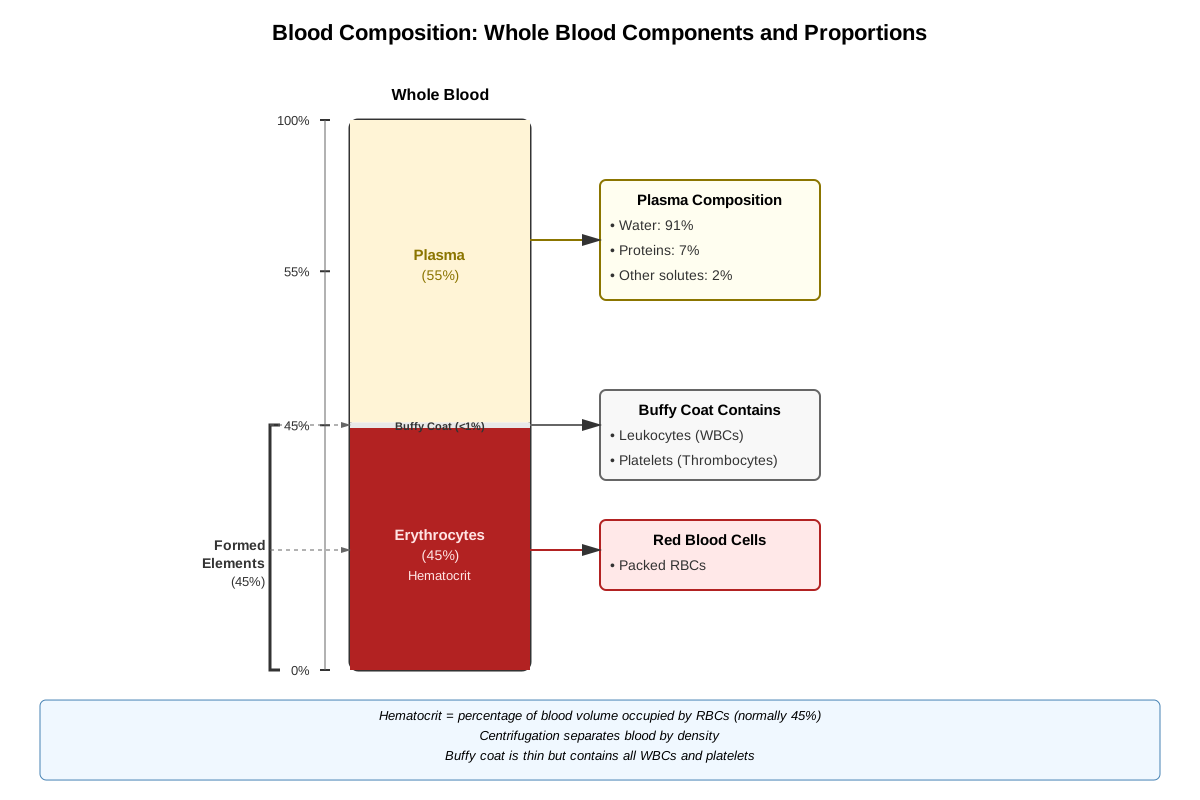
Blood is classified as a specialized connective tissue consisting of cells suspended in a liquid extracellular matrix called plasma. Unlike other connective tissues with solid matrices, blood's fluid nature enables its transport functions. Blood comprises approximately 7-8% of total body weight in adults, with an average volume of 5 liters in males and 4.5 liters in females. When blood is centrifuged, it separates into three distinct layers: the bottom layer of red blood cells (erythrocytes), a thin middle layer called the buffy coat containing white blood cells and platelets, and the top layer of plasma.
The hematocrit represents the percentage of blood volume occupied by red blood cells, typically 42-52% in males and 37-47% in females. This measurement provides crucial diagnostic information about oxygen-carrying capacity and hydration status. The remaining 55-60% consists of plasma, while white blood cells and platelets together comprise less than 1% of total blood volume despite their critical physiological importance.
Plasma Composition
Plasma is the liquid component of blood, consisting of approximately 90% water with dissolved proteins, nutrients, gases, electrolytes, hormones, and waste products. Plasma serves as the transport medium for all blood components and maintains blood volume, pressure, and pH. When clotting factors are removed from plasma, the remaining fluid is called serum, commonly used in laboratory testing.
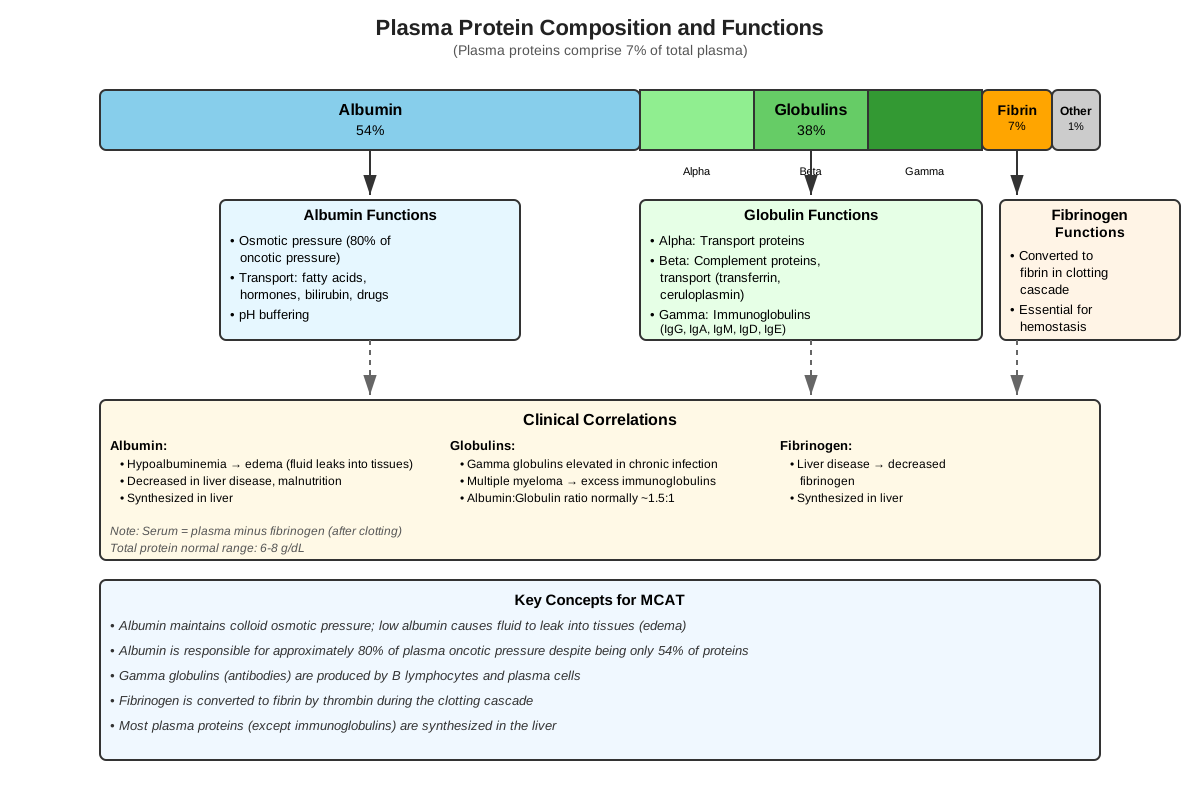
Plasma proteins constitute 7-8% of plasma by weight and perform diverse functions:
| Protein Type | Percentage | Primary Functions |
|---|---|---|
| Albumin | 54-60% | Osmotic pressure maintenance, transport of lipids and hormones |
| Globulins | 35-38% | Immune function (antibodies), transport of lipids and metals |
| Fibrinogen | 4-7% | Blood clotting |
| Regulatory proteins | <1% | Enzymes, hormones, clotting factors |
Albumin, produced exclusively by the liver, maintains colloid osmotic pressure (oncotic pressure), preventing excessive fluid loss from capillaries into tissues. Its concentration directly affects fluid distribution between blood and interstitial spaces, making albumin levels clinically significant in edema and shock states.
Globulins include alpha, beta, and gamma fractions. Gamma globulins (immunoglobulins or antibodies) provide humoral immunity, while alpha and beta globulins transport lipids, fat-soluble vitamins, and metal ions. Fibrinogen, the largest plasma protein, converts to fibrin during clot formation, creating the structural framework for blood clots.
Plasma also contains dissolved nutrients (glucose, amino acids, lipids), electrolytes (sodium, potassium, calcium, chloride, bicarbonate), respiratory gases (oxygen, carbon dioxide), hormones, vitamins, and metabolic waste products (urea, creatinine, bilirubin). The electrolyte composition maintains osmotic balance and enables proper cellular function throughout the body.
Erythrocytes (Red Blood Cells)
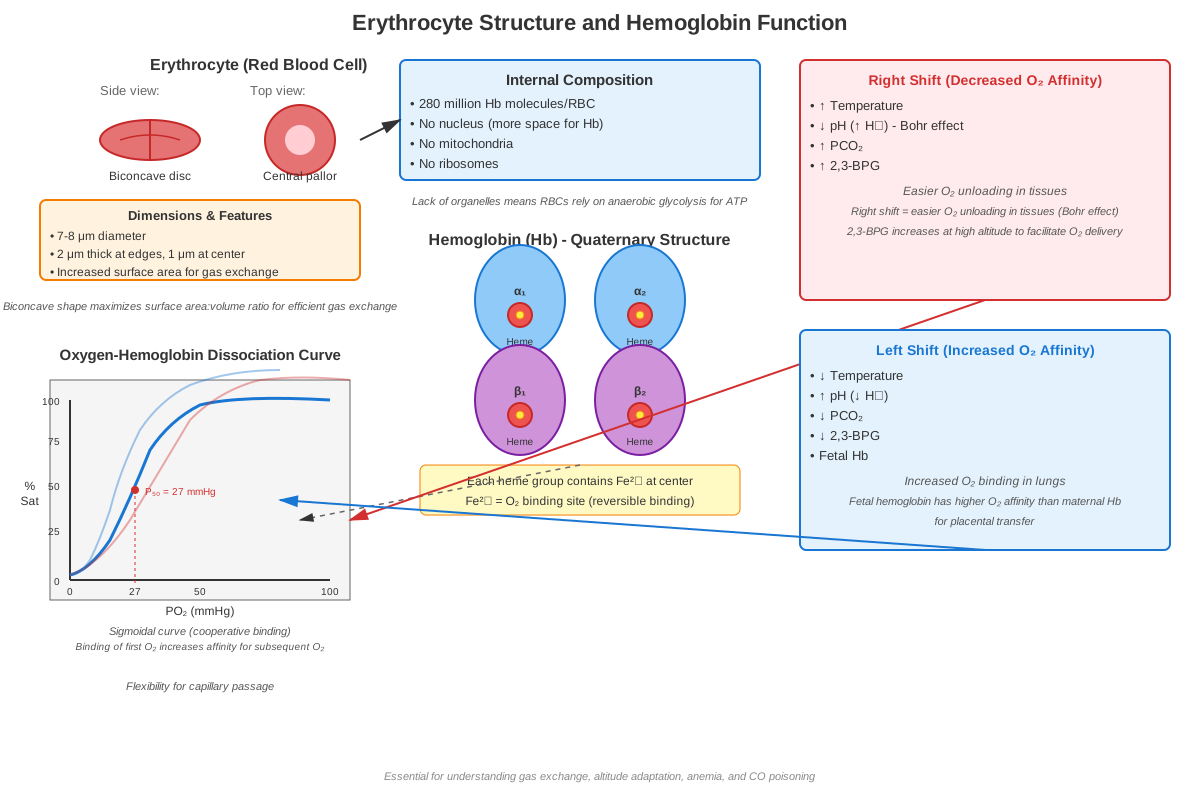
Erythrocytes are the most abundant blood cells, numbering 4.5-6.5 million cells per microliter in males and 4.0-5.5 million per microliter in females. These specialized cells are uniquely adapted for oxygen transport through several structural features. Mature erythrocytes lack nuclei and organelles, maximizing internal space for hemoglobin, the oxygen-carrying protein. Their distinctive biconcave disc shape (approximately 7-8 micrometers in diameter) increases surface area-to-volume ratio, facilitating rapid gas exchange and allowing flexibility to squeeze through narrow capillaries.
Hemoglobin comprises about 95% of erythrocyte protein content, with each cell containing approximately 280 million hemoglobin molecules. Each hemoglobin molecule consists of four polypeptide chains (two alpha and two beta chains in adult hemoglobin A) and four heme groups, each containing an iron ion capable of binding one oxygen molecule. This structure enables cooperative binding, where oxygen binding to one heme group increases affinity for oxygen at the remaining sites, producing the characteristic sigmoidal oxygen-hemoglobin dissociation curve.
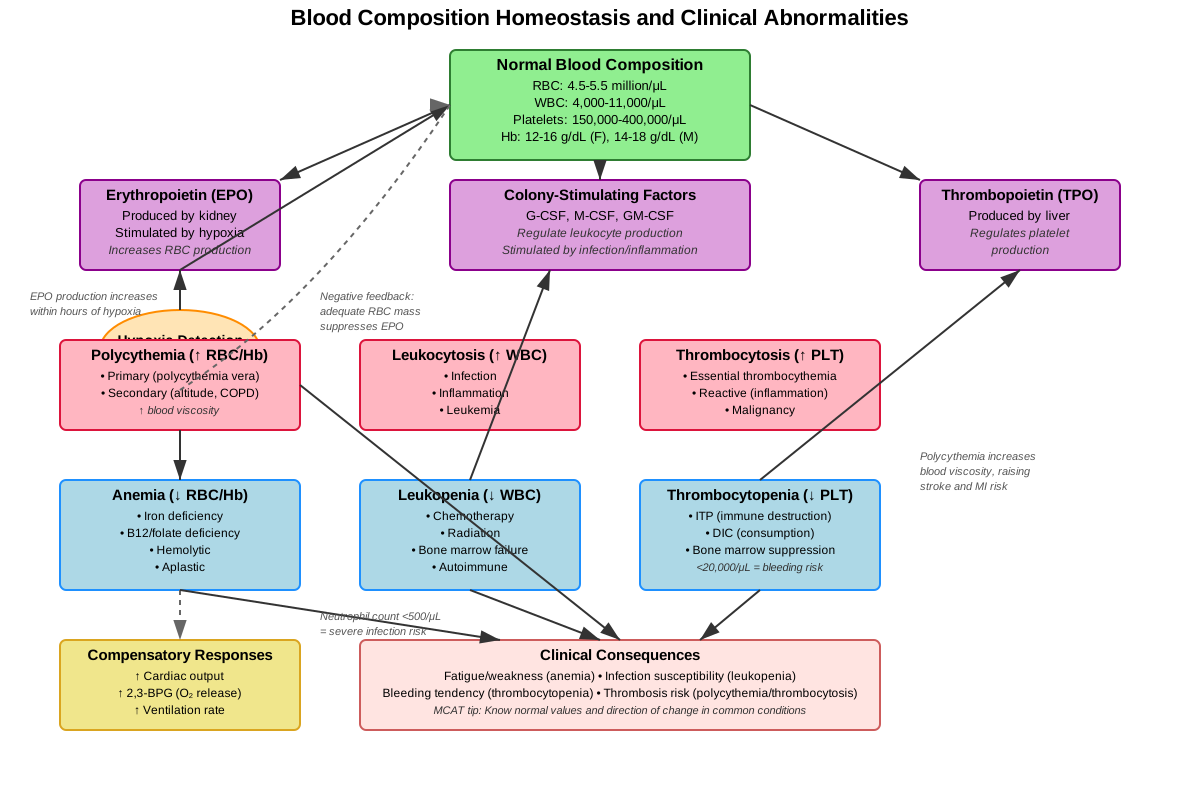
Erythrocytes survive approximately 120 days in circulation before being removed by splenic macrophages. Erythropoiesis (red blood cell production) occurs in red bone marrow under regulation by erythropoietin (EPO), a hormone produced primarily by kidney cells in response to hypoxia. The process requires adequate iron, vitamin B12, and folic acid. Erythrocyte production increases at high altitude, during blood loss, or in response to tissue hypoxia, demonstrating homeostatic regulation of oxygen-carrying capacity.
Leukocytes (White Blood Cells)
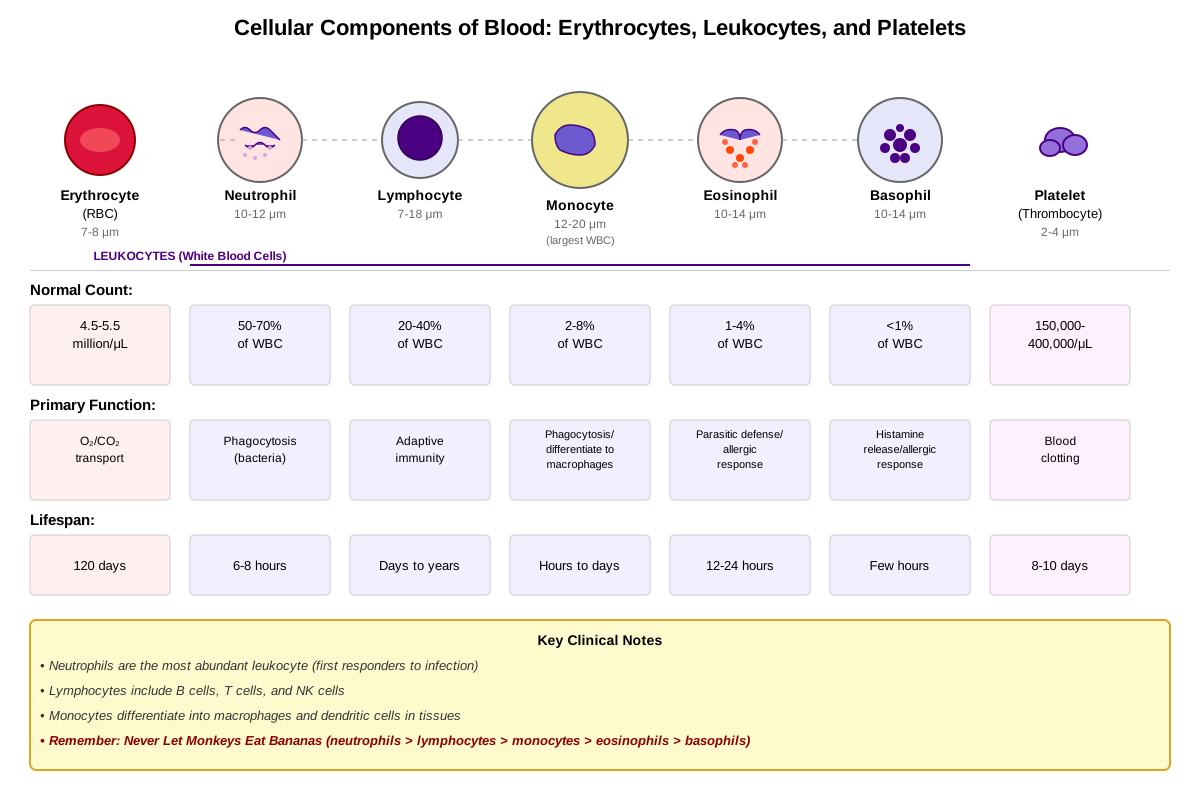
Leukocytes defend against infection and foreign substances, numbering 4,500-11,000 cells per microliter in healthy adults. Unlike erythrocytes, leukocytes retain nuclei and organelles, enabling protein synthesis and active cellular functions. White blood cells are classified into two major categories based on the presence or absence of visible cytoplasmic granules: granulocytes and agranulocytes.
Granulocytes contain prominent cytoplasmic granules and include three types:
- Neutrophils (50-70% of leukocytes): The most abundant white blood cells, neutrophils are the first responders to bacterial infection and tissue injury. They perform phagocytosis, engulfing and destroying bacteria and cellular debris. Neutrophils contain granules with antimicrobial enzymes and can release DNA nets (neutrophil extracellular traps or NETs) to trap pathogens. Their lifespan is short (hours to days), and elevated neutrophil counts (neutrophilia) typically indicate bacterial infection or inflammation.
- Eosinophils (1-4% of leukocytes): These cells combat parasitic infections and modulate allergic responses. Their granules contain enzymes that damage parasitic worms too large for phagocytosis. Eosinophil counts increase (eosinophilia) during parasitic infections and allergic conditions.
- Basophils (<1% of leukocytes): The rarest white blood cells, basophils release histamine and heparin during allergic and inflammatory responses. They function similarly to tissue mast cells, promoting vasodilation and increased vascular permeability.
Agranulocytes lack prominent cytoplasmic granules and include two types:
- Lymphocytes (20-40% of leukocytes): These cells provide specific immunity through two main subtypes. B lymphocytes (B cells) produce antibodies for humoral immunity, while T lymphocytes (T cells) provide cell-mediated immunity by directly attacking infected cells or coordinating immune responses. Natural killer (NK) cells, another lymphocyte type, destroy virus-infected and cancerous cells. Lymphocyte counts increase (lymphocytosis) during viral infections and certain cancers.
- Monocytes (2-8% of leukocytes): The largest white blood cells, monocytes circulate briefly before migrating into tissues and differentiating into macrophages or dendritic cells. Macrophages perform phagocytosis, present antigens to lymphocytes, and secrete cytokines that regulate immune responses. Monocyte counts increase during chronic infections and inflammatory conditions.
Thrombocytes (Platelets)
Thrombocytes or platelets are cell fragments derived from large bone marrow cells called megakaryocytes. Normal platelet counts range from 150,000-400,000 per microliter. Despite lacking nuclei, platelets contain granules with clotting factors, growth factors, and enzymes essential for hemostasis. Platelets survive 8-10 days in circulation before being removed by the spleen.
Platelets perform three critical functions in hemostasis (stopping bleeding):
- Vascular spasm: Damaged blood vessels constrict, reducing blood flow. Platelets release serotonin and thromboxane A2, enhancing vasoconstriction.
- Platelet plug formation: Platelets adhere to exposed collagen at injury sites through surface receptors. They become activated, changing shape and releasing granule contents. Additional platelets aggregate at the site, forming a temporary platelet plug that provides immediate hemostasis for small injuries.
- Coagulation: Platelets provide phospholipid surfaces for assembly of clotting factor complexes, accelerating the coagulation cascade. This series of enzymatic reactions converts soluble fibrinogen to insoluble fibrin threads that reinforce the platelet plug, creating a stable blood clot.
Abnormal platelet counts cause bleeding or clotting disorders. Thrombocytopenia (low platelet count) increases bleeding risk, while thrombocytosis (elevated platelet count) increases clotting risk. Platelet function disorders can cause bleeding despite normal counts.
Hematopoiesis
Hematopoiesis is the process of blood cell formation occurring primarily in red bone marrow of flat bones (sternum, ribs, pelvis, vertebrae) and proximal ends of long bones. All blood cells derive from hematopoietic stem cells (HSCs), which are pluripotent (capable of differentiating into any blood cell type) and self-renewing.
Hematopoiesis follows a hierarchical pathway:
- HSCs differentiate into myeloid or lymphoid progenitor cells
- Myeloid progenitors produce erythrocytes, platelets, and most leukocytes (neutrophils, eosinophils, basophils, monocytes)
- Lymphoid progenitors produce lymphocytes (B cells, T cells, NK cells)
- Committed progenitor cells undergo multiple divisions and maturation stages before entering circulation
Cytokines and growth factors regulate hematopoiesis, including erythropoietin (stimulates erythrocyte production), thrombopoietin (stimulates platelet production), and colony-stimulating factors (stimulate leukocyte production). This regulation ensures appropriate blood cell numbers under varying physiological demands.
Quick check — test yourself on Blood composition so far.
Try Flashcards →Concept Relationships
Blood composition concepts form an integrated system where each component supports overall blood function. Plasma serves as the transport medium for erythrocytes, leukocytes, and platelets, while plasma proteins maintain the osmotic environment necessary for proper cellular function. Albumin in plasma directly affects fluid distribution, which influences blood volume and consequently affects hematocrit measurements.
Erythrocytes depend on plasma for nutrient delivery and waste removal, while their oxygen-carrying function supports leukocyte metabolism and activity. Hemoglobin within erythrocytes interacts with plasma buffers to regulate blood pH through carbon dioxide transport. Platelets require plasma proteins, particularly fibrinogen, to form effective clots, demonstrating the interdependence of cellular and acellular blood components.
Hematopoiesis connects to all blood cell types, representing the common origin of diverse cellular components. Regulatory hormones like erythropoietin travel through plasma to reach bone marrow, illustrating how blood composition both results from and regulates its own production. Leukocytes protect the hematopoietic system from infection, while platelets prevent blood loss that would compromise all blood components.
This topic connects to prerequisite knowledge of cell biology (understanding blood cell structure and function), protein biochemistry (comprehending hemoglobin and plasma proteins), and cardiovascular anatomy (contextualizing blood's transport role). It leads to advanced topics including immune system function (leukocyte activities), gas exchange and transport (erythrocyte function), hemostasis and coagulation (platelet function), and cardiovascular physiology (blood pressure and flow dynamics).
High-Yield Facts
⭐ Plasma comprises 55-60% of blood volume and consists of 90% water with dissolved proteins, nutrients, electrolytes, and waste products
⭐ Albumin is the most abundant plasma protein (54-60%), maintains colloid osmotic pressure, and is produced exclusively by the liver
⭐ Erythrocytes are biconcave discs lacking nuclei and organelles, containing approximately 280 million hemoglobin molecules per cell
⭐ Each hemoglobin molecule contains four heme groups with iron ions, capable of binding four oxygen molecules total
⭐ Neutrophils are the most abundant leukocytes (50-70%), serve as first responders to bacterial infection, and perform phagocytosis
- Normal erythrocyte count ranges from 4.5-6.5 million/μL in males and 4.0-5.5 million/μL in females
- Hematocrit represents the percentage of blood volume occupied by erythrocytes (42-52% males, 37-47% females)
- Erythrocytes survive approximately 120 days before removal by splenic macrophages
- Erythropoietin (EPO), produced by kidneys in response to hypoxia, stimulates erythrocyte production in bone marrow
- Platelets are cell fragments from megakaryocytes, numbering 150,000-400,000/μL, surviving 8-10 days
- Lymphocytes (20-40% of leukocytes) include B cells (antibody production), T cells (cell-mediated immunity), and NK cells
- Fibrinogen converts to fibrin during clotting, forming the structural framework of blood clots
- All blood cells originate from pluripotent hematopoietic stem cells in red bone marrow
- The buffy coat layer after centrifugation contains leukocytes and platelets, comprising <1% of blood volume
- Monocytes differentiate into macrophages and dendritic cells after migrating into tissues
Common Misconceptions
Misconception: Blood is red because it contains iron.
Correction: While hemoglobin does contain iron, blood's red color specifically results from the heme group structure and its interaction with oxygen. Oxygenated blood appears bright red, while deoxygenated blood appears darker red (not blue). The iron ion's oxidation state and the protein conformation around it determine the specific color.
Misconception: White blood cells are more important than red blood cells because they fight disease.
Correction: All blood components are essential for survival. While leukocytes provide immune defense, erythrocytes enable oxygen delivery to all tissues, including immune cells. Severe anemia (low erythrocyte count) is immediately life-threatening, as is severe leukopenia (low leukocyte count). Each component serves irreplaceable functions.
Misconception: Plasma and serum are the same thing.
Correction: Plasma is the liquid component of unclotted blood containing all clotting factors, including fibrinogen. Serum is the liquid remaining after blood has clotted, lacking fibrinogen and other consumed clotting factors. Laboratory tests specify plasma or serum because clotting factor presence affects certain measurements.
Misconception: Platelets are cells.
Correction: Platelets are cell fragments (cytoplasmic pieces) derived from megakaryocytes, not complete cells. They lack nuclei and cannot reproduce, distinguishing them from true cells. However, they contain organelles and granules enabling their hemostatic functions.
Misconception: Increased white blood cell count always indicates bacterial infection.
Correction: Leukocytosis (elevated WBC count) has multiple causes including bacterial infection, viral infection, inflammation, stress, leukemia, and certain medications. The differential count (proportions of each leukocyte type) provides more specific diagnostic information. Neutrophilia suggests bacterial infection, while lymphocytosis suggests viral infection.
Misconception: Erythrocytes can divide and reproduce in circulation.
Correction: Mature erythrocytes lack nuclei and cannot undergo mitosis. All erythrocyte production (erythropoiesis) occurs in bone marrow from stem cells. Circulating erythrocytes have a fixed lifespan of approximately 120 days and cannot regenerate or repair themselves.
Misconception: Blood type refers only to red blood cell antigens.
Correction: While ABO and Rh blood typing focuses on erythrocyte surface antigens, blood type also determines which antibodies are present in plasma. Type A blood has A antigens on erythrocytes and anti-B antibodies in plasma. This reciprocal relationship is crucial for transfusion compatibility.
Worked Examples
Example 1: Interpreting Complete Blood Count Data
Clinical Vignette: A 45-year-old patient presents with fatigue and shortness of breath. Laboratory results show: RBC count 3.2 million/μL (normal: 4.0-5.5 million/μL female), hemoglobin 9.5 g/dL (normal: 12-16 g/dL female), hematocrit 28% (normal: 37-47% female), WBC count 8,500/μL (normal: 4,500-11,000/μL), platelet count 250,000/μL (normal: 150,000-400,000/μL). What is the most likely diagnosis, and what physiological mechanism explains the symptoms?
Analysis:
Step 1: Identify abnormal values. The RBC count, hemoglobin, and hematocrit are all significantly below normal ranges, while WBC and platelet counts are normal.
Step 2: Recognize the pattern. All three erythrocyte-related parameters are proportionally decreased, indicating anemia (reduced oxygen-carrying capacity).
Step 3: Connect to physiology. Erythrocytes contain hemoglobin, which binds oxygen in the lungs and delivers it to tissues. Reduced erythrocyte numbers mean reduced oxygen delivery to tissues, causing tissue hypoxia.
Step 4: Explain symptoms. Fatigue results from inadequate oxygen delivery to muscles and brain. Shortness of breath (dyspnea) represents a compensatory mechanism—increased respiratory rate attempts to increase oxygen intake to compensate for reduced oxygen-carrying capacity.
Step 5: Consider homeostatic response. The kidneys should detect tissue hypoxia and increase erythropoietin production, stimulating bone marrow to increase erythropoiesis. If anemia persists, either EPO production is inadequate, bone marrow response is impaired, or ongoing blood loss/destruction exceeds production capacity.
Answer: The patient has anemia, explaining the fatigue and dyspnea through reduced oxygen delivery to tissues. Normal WBC and platelet counts suggest the problem specifically affects the erythroid lineage rather than general bone marrow failure.
Example 2: Predicting Physiological Responses to Altitude
Question: A healthy individual travels from sea level to a mountain resort at 3,000 meters elevation. Predict the changes in blood composition that will occur over the following weeks, and explain the mechanisms driving these changes.
Analysis:
Step 1: Identify the physiological challenge. At high altitude, atmospheric pressure decreases, reducing the partial pressure of oxygen (PO₂) in inspired air. This decreases oxygen availability despite normal lung function.
Step 2: Determine immediate effects. Lower inspired PO₂ reduces alveolar PO₂, decreasing the oxygen gradient driving diffusion into blood. Arterial oxygen saturation decreases, causing tissue hypoxia.
Step 3: Identify the sensor and signal. Kidney cells detect reduced oxygen delivery and respond by increasing erythropoietin (EPO) synthesis and secretion into blood.
Step 4: Trace the hormonal effect. EPO travels through plasma to red bone marrow, where it binds receptors on erythroid progenitor cells. This stimulates increased proliferation and differentiation of these cells, accelerating erythropoiesis.
Step 5: Predict compositional changes. Over 2-3 weeks, increased erythrocyte production raises RBC count, hemoglobin concentration, and hematocrit. The individual develops polycythemia (elevated erythrocyte count), increasing blood oxygen-carrying capacity.
Step 6: Explain the adaptation. Higher erythrocyte numbers compensate for reduced oxygen availability per breath, maintaining adequate tissue oxygen delivery. This represents acclimatization to high altitude.
Step 7: Consider additional changes. Plasma volume may initially decrease (hemoconcentration), further increasing hematocrit. The 2,3-BPG concentration in erythrocytes increases, shifting the oxygen-hemoglobin dissociation curve rightward to facilitate oxygen unloading at tissues.
Answer: The individual will develop increased RBC count, hemoglobin, and hematocrit over several weeks through EPO-stimulated erythropoiesis. This adaptation increases oxygen-carrying capacity, compensating for reduced atmospheric oxygen availability. This example demonstrates homeostatic regulation of blood composition in response to environmental challenges.
Exam Strategy
When approaching MCAT questions on blood composition, first identify whether the question tests basic knowledge (discrete questions) or requires data interpretation and reasoning (passage-based questions). For discrete questions, recall specific values, cell types, and functions directly. For passage-based questions, carefully analyze presented data before consulting background knowledge.
Trigger words indicating blood composition questions include: "hematocrit," "plasma protein," "complete blood count," "CBC," "erythropoietin," "hemoglobin concentration," "leukocytosis," "thrombocytopenia," and specific cell type names. Questions using "centrifugation" often test understanding of blood component separation and relative proportions.
When interpreting laboratory values, always compare presented values to normal ranges. Identify which parameters are abnormal, then determine whether abnormalities affect one cell line (suggesting specific lineage problem) or multiple lines (suggesting general bone marrow dysfunction). Consider whether changes are proportional (e.g., RBC count, hemoglobin, and hematocrit all decreased proportionally suggests anemia) or disproportionate (suggesting more complex pathology).
For questions about blood cell functions, use the structure-function relationship principle. Erythrocyte biconcave shape and lack of organelles optimize oxygen transport. Neutrophil granules contain antimicrobial enzymes for phagocytosis. Platelet surface receptors enable adhesion to damaged vessels. Connecting structure to function helps eliminate incorrect answer choices.
Process of elimination is particularly effective for blood composition questions. If a question asks about the most abundant plasma protein, immediately eliminate fibrinogen and globulins, leaving albumin. If asked which cell type responds first to bacterial infection, eliminate lymphocytes (adaptive immunity, slower response) and eosinophils (parasites), leaving neutrophils.
Time allocation for blood composition questions should be standard: 1-1.5 minutes for discrete questions, 1.5-2 minutes for passage-based questions. If a question requires complex calculations (e.g., determining oxygen-carrying capacity from hemoglobin concentration), ensure the calculation is necessary—often, qualitative reasoning suffices for MCAT questions.
Memory Techniques
Mnemonic for granulocyte order by abundance: "Never Let Monkeys Eat Bananas" (Neutrophils > Lymphocytes > Monocytes > Eosinophils > Basophils). This represents the typical differential count order from most to least abundant.
Mnemonic for plasma protein functions: "A-T-I" for Albumin (Transport and osmotic pressure), Fibrinogen (Thrombosis/clotting), Immunoglobulins (Immune defense).
Visualization for blood composition: Picture a test tube after centrifugation with three distinct layers—bottom red (erythrocytes, ~45%), thin white band (buffy coat with leukocytes and platelets, <1%), and top yellow (plasma, ~55%). This visual reinforces relative proportions and separation principles.
Acronym for erythrocyte characteristics: "BENCH" - Biconcave shape, Enucleated (no nucleus), No organelles, Contains hemoglobin, Homeostasis regulated by EPO.
Memory aid for platelet functions: "VAP" - Vascular spasm, Adhesion/aggregation (platelet plug), Provide surface for coagulation cascade.
Conceptual framework for leukocyte functions: Granulocytes = immediate responders (neutrophils fight bacteria now, eosinophils attack parasites, basophils release histamine). Agranulocytes = strategic responders (lymphocytes provide specific immunity, monocytes become long-lived macrophages).
Summary
Blood composition encompasses the cellular and molecular components of this vital connective tissue, including plasma (the liquid matrix) and formed elements (erythrocytes, leukocytes, and platelets). Plasma, comprising 55-60% of blood volume, contains water, proteins (albumin, globulins, fibrinogen), nutrients, electrolytes, gases, and waste products. Erythrocytes, the most abundant cells, are specialized for oxygen transport through their biconcave shape, lack of organelles, and high hemoglobin content. Leukocytes provide immune defense through diverse mechanisms—neutrophils perform phagocytosis, lymphocytes provide specific immunity, and other types combat parasites or modulate inflammation. Platelets, derived from megakaryocytes, enable hemostasis through vascular spasm, plug formation, and coagulation support. All blood cells originate from hematopoietic stem cells in bone marrow through regulated processes responding to physiological demands. Understanding blood composition requires integrating knowledge of cell biology, biochemistry, and physiology, making it a high-yield MCAT topic that appears in multiple question formats testing both factual recall and analytical reasoning.
Key Takeaways
- Blood consists of plasma (55-60%, containing water, proteins, nutrients, electrolytes) and formed elements (erythrocytes, leukocytes, platelets)
- Erythrocytes are biconcave, enucleated cells containing ~280 million hemoglobin molecules each, specialized for oxygen transport and regulated by erythropoietin
- Albumin, the most abundant plasma protein, maintains colloid osmotic pressure and transports various molecules
- Leukocytes include granulocytes (neutrophils, eosinophils, basophils) and agranulocytes (lymphocytes, monocytes), each with distinct immune functions
- Platelets are cell fragments essential for hemostasis through vascular spasm, plug formation, and coagulation cascade support
- Hematopoiesis in bone marrow produces all blood cells from pluripotent stem cells under cytokine regulation
- Normal blood values (RBC count, hemoglobin, hematocrit, WBC count, platelet count) provide diagnostic information about physiological status
Related Topics
Cardiovascular Physiology: Blood composition directly affects cardiac output, blood pressure, and tissue perfusion. Understanding how blood components influence viscosity, oxygen delivery, and vascular resistance builds on blood composition knowledge.
Gas Exchange and Transport: Erythrocyte function and hemoglobin biochemistry are essential for understanding oxygen and carbon dioxide transport, including the oxygen-hemoglobin dissociation curve and the Bohr effect.
Immune System Function: Leukocyte activities form the foundation for understanding innate and adaptive immunity, including phagocytosis, antibody production, and cell-mediated immune responses.
Hemostasis and Coagulation: Platelet function and plasma clotting factors enable the coagulation cascade, a complex enzymatic pathway essential for preventing blood loss.
Acid-Base Balance: Blood buffers, particularly the bicarbonate system and hemoglobin, maintain pH homeostasis, connecting blood composition to respiratory and renal physiology.
Hematologic Disorders: Understanding normal blood composition enables recognition of pathological states including anemias, leukemias, thrombocytopenias, and clotting disorders frequently tested in clinical vignettes.
Practice CTA
Now that you've mastered the core concepts of blood composition, reinforce your understanding by attempting practice questions and reviewing flashcards on this topic. Focus on questions requiring data interpretation from complete blood counts and experimental passages analyzing blood component functions. Challenge yourself with clinical vignettes that integrate blood composition with cardiovascular, respiratory, and immune system physiology. The more you apply these concepts to varied question formats, the more confident and efficient you'll become on test day. Your thorough understanding of blood composition provides a strong foundation for excelling on MCAT Biology questions—keep building on this knowledge!
Sign up free to keep reading
Create a free AnvayaPrep account to finish this MCAT guide on Blood composition — plus flashcards and practice questions.