Overview
Blood pressure is a fundamental physiological parameter that reflects the force exerted by circulating blood against the walls of blood vessels, particularly arteries. Understanding blood pressure is essential for MCAT success because it integrates multiple high-yield concepts including cardiovascular physiology, fluid dynamics, homeostatic regulation, and the interplay between the nervous and endocrine systems. The MCAT frequently tests blood pressure through passages involving cardiovascular disease, pharmacological interventions, exercise physiology, and regulatory mechanisms, making it a medium-importance topic that appears across both Biological and Biochemical Foundations sections.
Blood pressure Biology encompasses the mechanical, cellular, and systemic factors that determine how blood flows through the circulatory system. This topic requires students to understand not only the numerical values and measurement techniques but also the underlying physics of fluid flow, the anatomy of blood vessels, and the complex regulatory networks involving baroreceptors, the renin-angiotensin-aldosterone system (RAAS), and autonomic nervous system control. The MCAT expects students to apply these principles to clinical scenarios, interpret experimental data, and predict physiological responses to various perturbations.
Within the broader context of Physiology and Organ Systems, blood pressure serves as a critical link between cardiac function, vascular resistance, blood volume regulation, and tissue perfusion. Mastery of this topic enables students to understand how the cardiovascular system maintains adequate oxygen and nutrient delivery to tissues while responding to changing metabolic demands. Questions on Blood pressure MCAT exams often require integration of concepts from multiple organ systems, making this topic an excellent test of comprehensive biological understanding.
Learning Objectives
- [ ] Define Blood pressure using accurate Biology terminology
- [ ] Explain why Blood pressure matters for the MCAT
- [ ] Apply Blood pressure to exam-style questions
- [ ] Identify common mistakes related to Blood pressure
- [ ] Connect Blood pressure to related Biology concepts
- [ ] Calculate mean arterial pressure (MAP) and pulse pressure from systolic and diastolic values
- [ ] Predict the physiological consequences of changes in cardiac output, peripheral resistance, or blood volume on blood pressure
- [ ] Analyze the mechanisms by which the body regulates blood pressure in both short-term and long-term contexts
Prerequisites
- Basic cardiovascular anatomy: Understanding the structure of the heart, arteries, veins, and capillaries is essential for comprehending where and how blood pressure is generated and regulated
- Cardiac cycle and cardiac output: Blood pressure is directly influenced by the volume of blood pumped by the heart per unit time
- Fluid dynamics and physics: Concepts such as pressure, flow, and resistance from physics apply directly to blood circulation
- Autonomic nervous system: Sympathetic and parasympathetic regulation directly affects heart rate, contractility, and vascular tone
- Basic endocrine function: Hormones like epinephrine, aldosterone, and antidiuretic hormone (ADH) play crucial roles in blood pressure regulation
Why This Topic Matters
Blood pressure is clinically significant because hypertension (high blood pressure) affects approximately one-third of adults in developed countries and is a major risk factor for stroke, myocardial infarction, heart failure, and kidney disease. Hypotension (low blood pressure) can lead to inadequate tissue perfusion, organ damage, and shock. Understanding blood pressure regulation is fundamental to comprehending how the body maintains homeostasis and responds to stressors such as hemorrhage, dehydration, exercise, and postural changes.
On the MCAT, blood pressure appears in approximately 5-8% of Biological and Biochemical Foundations questions, typically integrated into passages about cardiovascular physiology, renal function, endocrine regulation, or pharmacology. Questions may present experimental data showing blood pressure changes under various conditions, clinical vignettes describing patients with cardiovascular disorders, or scenarios requiring students to predict physiological responses to interventions. The topic frequently appears in passages that test multiple concepts simultaneously, such as the relationship between blood pressure and kidney function or the effects of exercise on cardiovascular parameters.
Common MCAT question formats include: interpreting graphs showing blood pressure changes throughout the cardiac cycle; analyzing the effects of medications that alter cardiac output or vascular resistance; predicting compensatory mechanisms following blood loss or dehydration; and explaining the role of various regulatory systems in maintaining blood pressure homeostasis. The interdisciplinary nature of blood pressure makes it an ideal topic for testing integrated scientific reasoning.
Core Concepts
Definition and Measurement of Blood Pressure
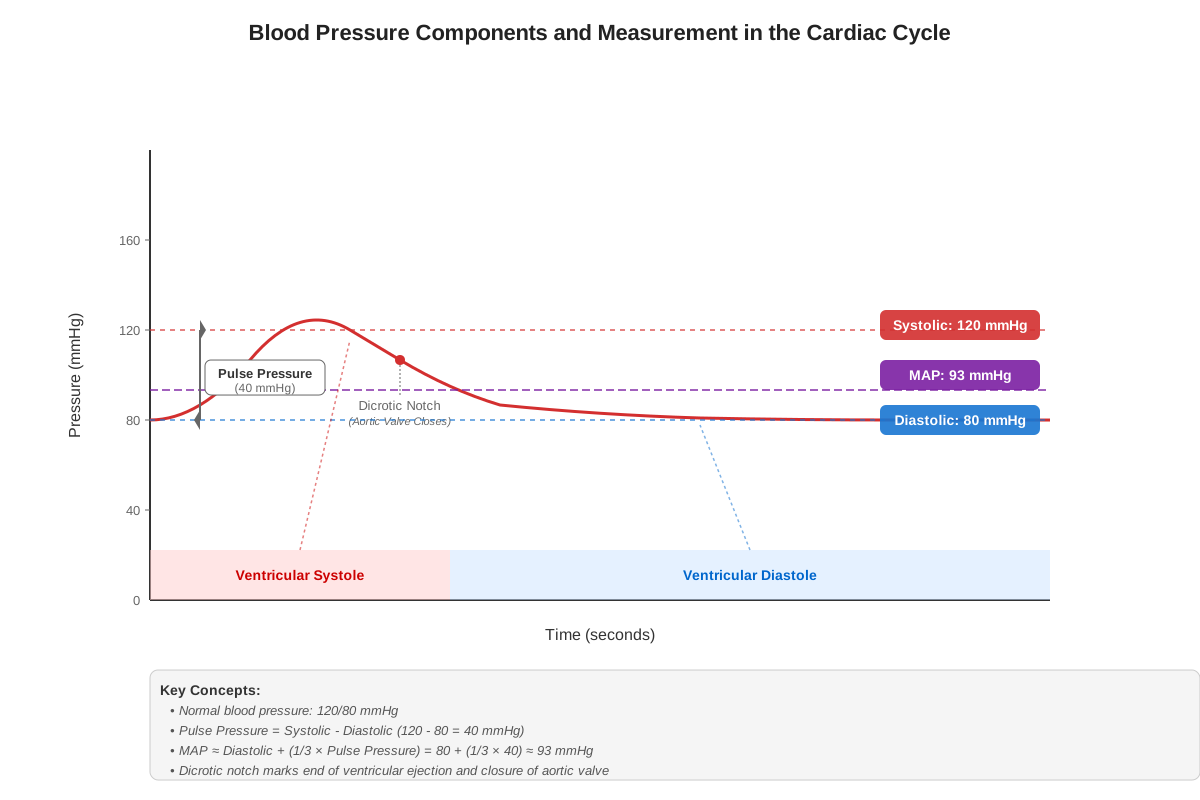
Blood pressure is defined as the force per unit area exerted by blood against the walls of blood vessels, measured in millimeters of mercury (mmHg). In clinical and physiological contexts, blood pressure typically refers to arterial blood pressure, specifically the pressure in large arteries such as the brachial artery. Blood pressure varies cyclically with the cardiac cycle, producing two key measurements: systolic pressure (the maximum pressure during ventricular contraction) and diastolic pressure (the minimum pressure during ventricular relaxation).
Normal blood pressure values for adults are approximately 120 mmHg systolic and 80 mmHg diastolic, commonly written as "120/80 mmHg." Pulse pressure is calculated as the difference between systolic and diastolic pressures (typically 40 mmHg) and reflects stroke volume and arterial compliance. Mean arterial pressure (MAP) represents the average pressure throughout the cardiac cycle and is calculated using the formula:
MAP = Diastolic Pressure + (1/3)(Pulse Pressure)or alternatively:
MAP = Diastolic Pressure + (1/3)(Systolic Pressure - Diastolic Pressure)MAP is physiologically significant because it represents the driving force for blood flow through tissues and must be maintained above approximately 60 mmHg to ensure adequate perfusion of vital organs.
Determinants of Blood Pressure
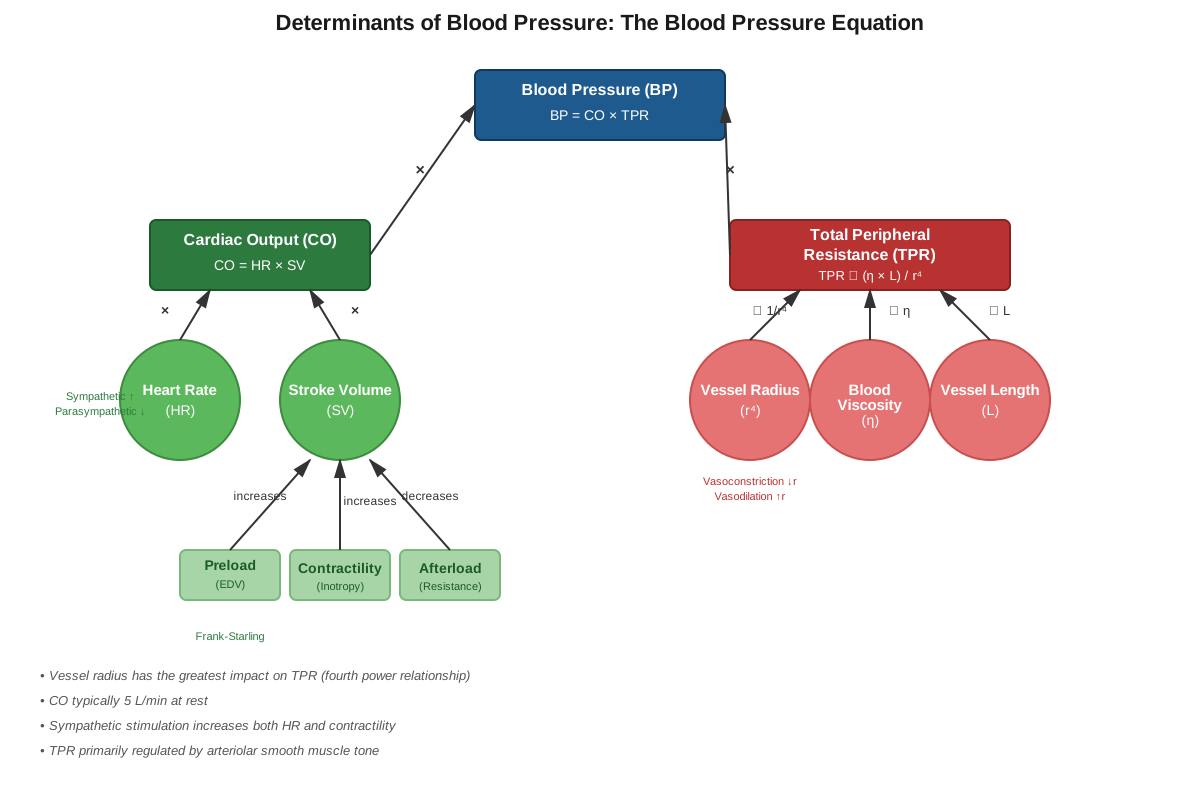
Blood pressure is determined by the interaction of three primary factors: cardiac output (CO), peripheral resistance (PR), and blood volume. The fundamental relationship is expressed as:
Blood Pressure = Cardiac Output × Peripheral ResistanceCardiac output is the volume of blood pumped by the heart per minute, calculated as:
CO = Heart Rate × Stroke VolumeIncreases in either heart rate or stroke volume will increase cardiac output and consequently increase blood pressure, assuming peripheral resistance remains constant. Stroke volume is influenced by preload (venous return), contractility (force of contraction), and afterload (resistance against which the heart pumps).
Peripheral resistance refers to the resistance to blood flow in the systemic circulation, primarily determined by the diameter of arterioles. According to Poiseuille's law, resistance is inversely proportional to the fourth power of vessel radius, meaning small changes in vessel diameter produce dramatic changes in resistance. Vasoconstriction (narrowing of blood vessels) increases peripheral resistance and blood pressure, while vasodilation (widening of blood vessels) decreases both.
Blood volume affects blood pressure through its influence on venous return and cardiac preload. Increased blood volume leads to increased venous return, greater ventricular filling, increased stroke volume (via the Frank-Starling mechanism), and elevated blood pressure. Conversely, decreased blood volume (as in hemorrhage or dehydration) reduces blood pressure.
Blood Pressure Throughout the Vascular System
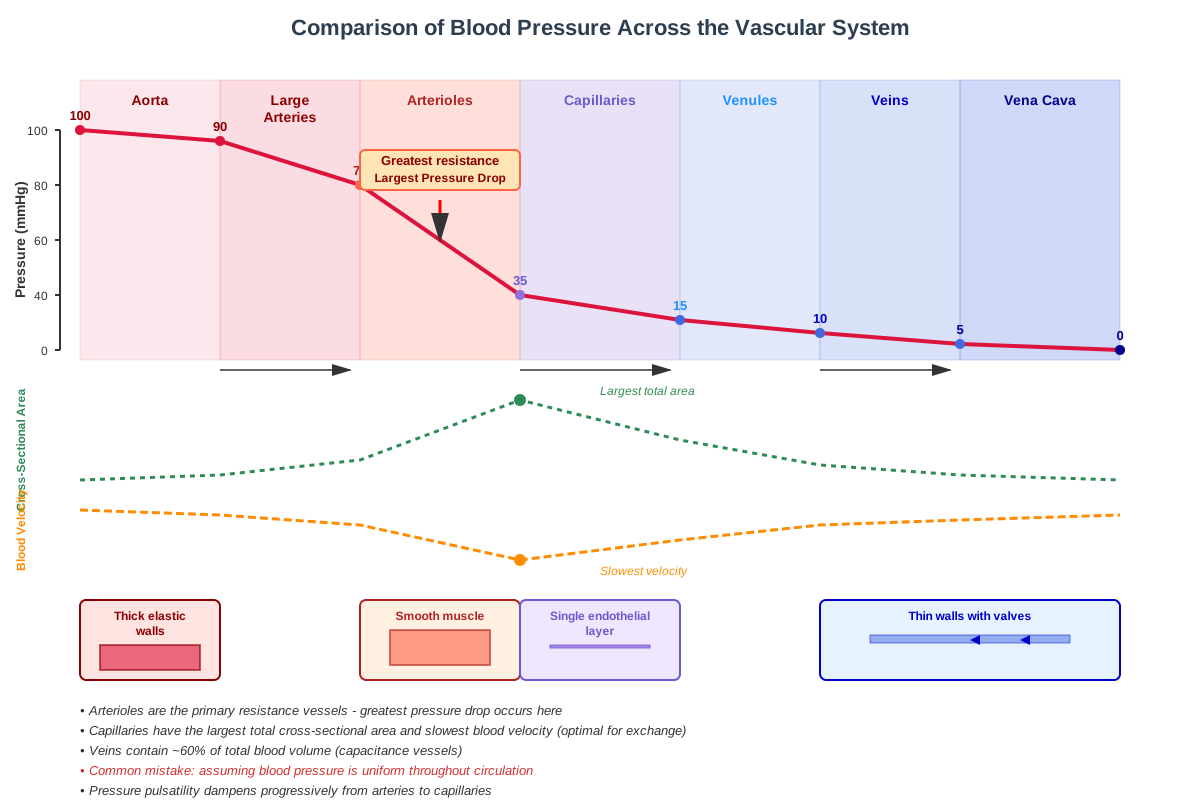
Blood pressure is not uniform throughout the circulatory system; it decreases progressively as blood flows from arteries through capillaries to veins. The highest pressure occurs in the aorta immediately after ventricular ejection (systolic pressure). As blood flows through the arterial tree, pressure decreases due to resistance and the compliance (elasticity) of arterial walls, which absorb some of the pressure energy during systole and release it during diastole, maintaining continuous blood flow.
| Vessel Type | Approximate Pressure (mmHg) | Key Characteristics |
|---|---|---|
| Aorta | 120/80 | Highest pressure; elastic recoil maintains diastolic flow |
| Large arteries | 120/80 | Conduct blood with minimal pressure drop |
| Arterioles | 70-40 | Major site of resistance; regulate blood flow to tissues |
| Capillaries | 35-15 | Low pressure facilitates exchange; pressure drives filtration |
| Venules | 15-10 | Begin collecting blood for return to heart |
| Veins | 10-5 | Low pressure; require valves and muscle pumps for return |
| Vena cava | 0-5 | Lowest pressure; near right atrial pressure |
The dramatic pressure drop across arterioles reflects their role as the primary resistance vessels in the circulation. Capillary pressure is low enough to prevent vessel rupture while still providing sufficient driving force for filtration and exchange of nutrients and wastes.
Short-Term Regulation of Blood Pressure
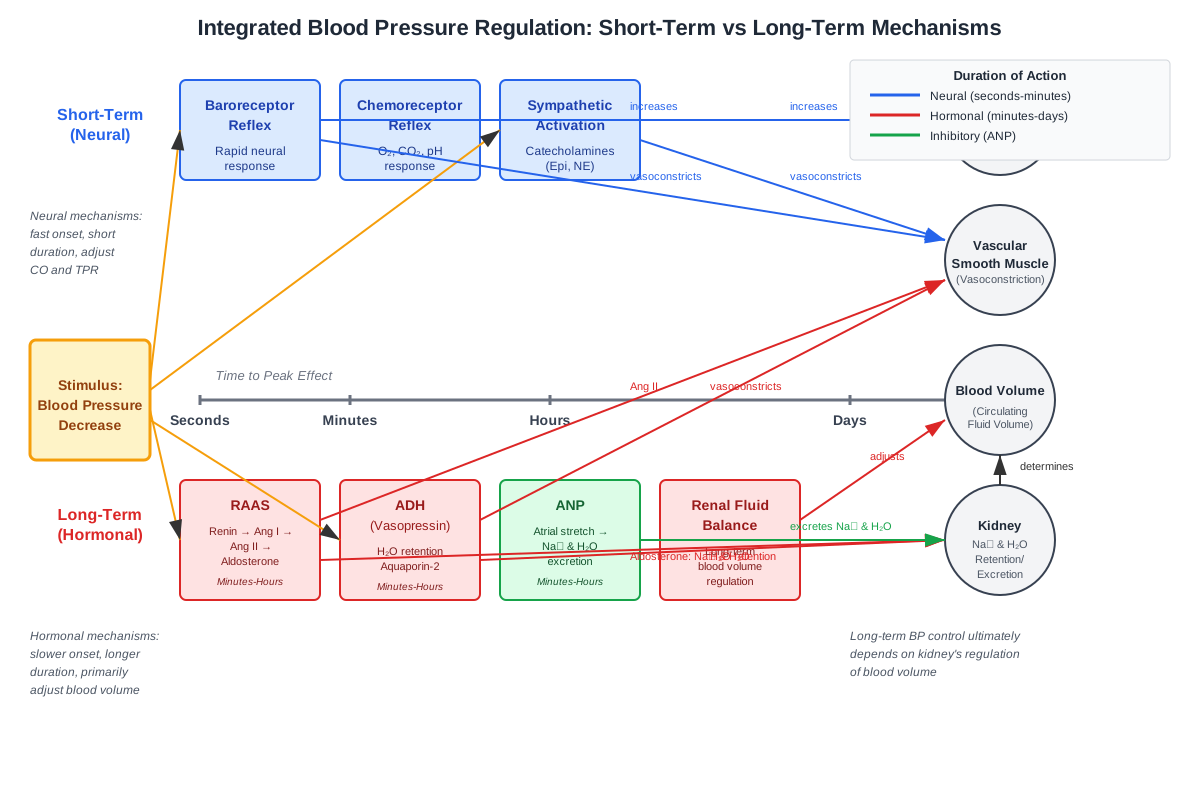
The body employs multiple mechanisms to regulate blood pressure on different time scales. Short-term regulation (seconds to minutes) primarily involves the autonomic nervous system and baroreceptor reflexes.
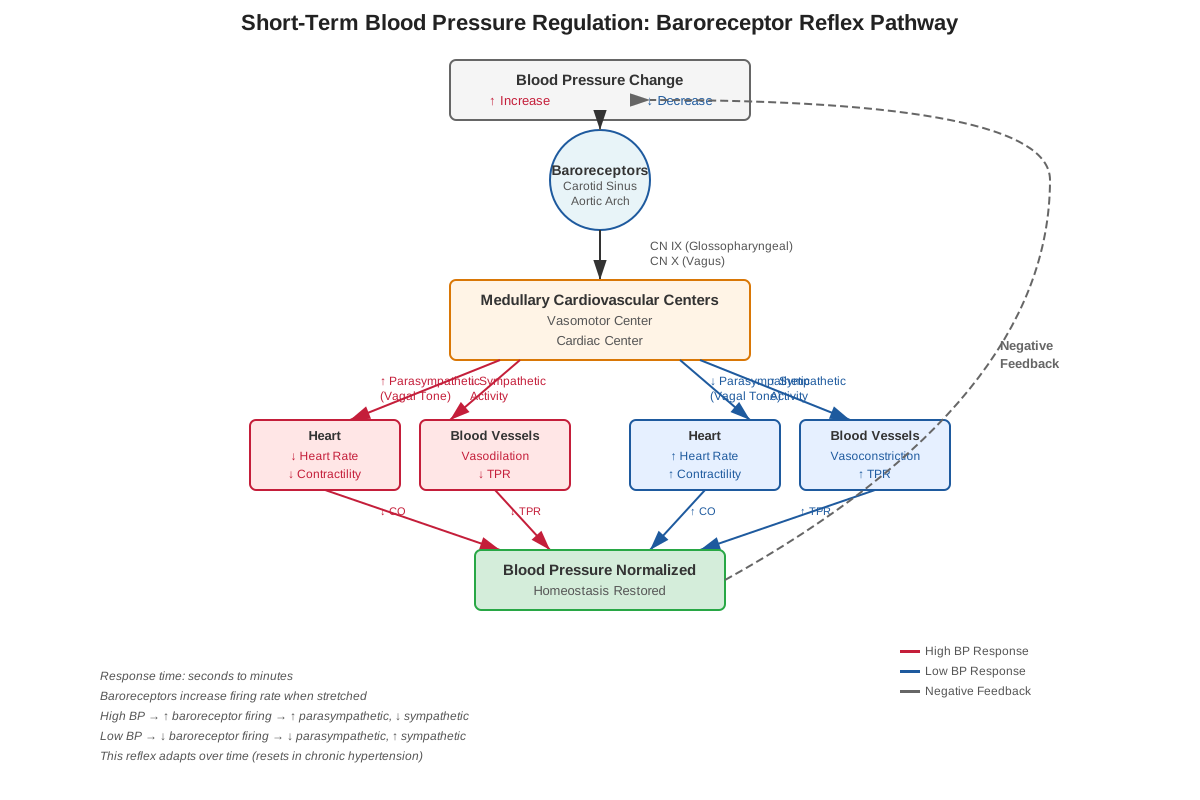
Baroreceptors are stretch-sensitive mechanoreceptors located in the carotid sinuses and aortic arch that detect changes in arterial pressure. When blood pressure increases, baroreceptors increase their firing rate, sending signals to the cardiovascular control center in the medulla oblongata. The medulla responds by:
- Increasing parasympathetic (vagal) output to the heart, decreasing heart rate
- Decreasing sympathetic output to the heart, reducing heart rate and contractility
- Decreasing sympathetic output to blood vessels, causing vasodilation
These changes reduce cardiac output and peripheral resistance, lowering blood pressure back toward normal. Conversely, when blood pressure decreases, baroreceptor firing decreases, leading to increased sympathetic activity and decreased parasympathetic activity, which increases heart rate, contractility, and vasoconstriction to restore blood pressure.
Chemoreceptors in the carotid and aortic bodies detect changes in blood oxygen, carbon dioxide, and pH. Hypoxia, hypercapnia, or acidosis stimulate these receptors, leading to increased sympathetic activity and elevated blood pressure, ensuring adequate perfusion to vital organs.
The sympathetic nervous system can rapidly increase blood pressure through multiple mechanisms:
- Release of norepinephrine at cardiac and vascular targets
- Stimulation of adrenal medulla to release epinephrine
- Increased heart rate and contractility via β1-adrenergic receptors
- Vasoconstriction via α1-adrenergic receptors on vascular smooth muscle
Long-Term Regulation of Blood Pressure
Long-term regulation (hours to days) primarily involves hormonal systems and kidney function, particularly the renin-angiotensin-aldosterone system (RAAS) and antidiuretic hormone (ADH).
The RAAS is activated when blood pressure or blood volume decreases:
- Juxtaglomerular cells in the kidney release renin in response to decreased renal perfusion, sympathetic stimulation, or decreased sodium delivery to the distal tubule
- Renin converts angiotensinogen (produced by the liver) to angiotensin I
- Angiotensin-converting enzyme (ACE), primarily in lung capillaries, converts angiotensin I to angiotensin II
- Angiotensin II produces multiple effects that increase blood pressure:
- Potent vasoconstriction (increases peripheral resistance)
- Stimulates aldosterone release from adrenal cortex
- Stimulates ADH release from posterior pituitary
- Increases sodium reabsorption in proximal tubule
- Stimulates thirst
Aldosterone increases sodium reabsorption in the distal tubule and collecting duct, leading to water retention, increased blood volume, and elevated blood pressure.
Antidiuretic hormone (ADH, vasopressin) is released from the posterior pituitary in response to increased plasma osmolarity or decreased blood volume. ADH increases water reabsorption in the collecting duct by inserting aquaporin-2 channels, concentrating urine and expanding blood volume. At high concentrations, ADH also causes vasoconstriction.
Atrial natriuretic peptide (ANP) is released by atrial myocytes in response to atrial stretch (increased blood volume). ANP antagonizes the RAAS by promoting sodium and water excretion, vasodilation, and inhibition of renin and aldosterone release, thereby decreasing blood pressure.
Factors Affecting Blood Pressure
Multiple physiological and pathological factors influence blood pressure:
Age: Arterial compliance decreases with age due to structural changes in vessel walls, leading to increased systolic pressure and pulse pressure while diastolic pressure may remain stable or decrease.
Exercise: Acute exercise increases cardiac output dramatically, increasing systolic pressure. Peripheral resistance in active muscles decreases due to local metabolic vasodilation, but overall mean arterial pressure increases moderately. Regular exercise training can lower resting blood pressure.
Posture: Standing causes blood to pool in lower extremities due to gravity, temporarily decreasing venous return and blood pressure. Baroreceptor reflexes rapidly compensate by increasing heart rate and vasoconstriction. Failure of this compensation causes orthostatic hypotension.
Stress and emotion: Sympathetic activation during stress increases heart rate, contractility, and vasoconstriction, elevating blood pressure.
Blood viscosity: Increased viscosity (as in polycythemia) increases resistance and blood pressure, while decreased viscosity (as in anemia) has the opposite effect.
Vessel compliance: Stiffer, less compliant vessels (as in atherosclerosis) result in higher systolic pressure and wider pulse pressure.
Concept Relationships
Blood pressure serves as an integrative concept connecting multiple physiological systems. The relationship begins with cardiac function → determines cardiac output → combines with peripheral resistance → produces blood pressure → detected by baroreceptors → triggers autonomic reflexes → modulates cardiac output and resistance → maintains blood pressure homeostasis.
The connection to renal physiology is bidirectional: blood pressure affects kidney perfusion and glomerular filtration rate, while the kidneys regulate blood volume and pressure through the RAAS and fluid balance. Endocrine regulation links blood pressure to aldosterone, ADH, ANP, and catecholamines, each affecting either blood volume or vascular resistance.
Blood pressure connects to respiratory physiology through chemoreceptor reflexes and the mechanical effects of breathing on venous return. The relationship with exercise physiology involves metabolic vasodilation, increased cardiac output, and sympathetic activation. Understanding blood pressure requires integration of physics principles (pressure, flow, resistance) with cellular mechanisms (smooth muscle contraction, receptor signaling) and systems-level regulation (neural and hormonal control).
The prerequisite concept of cardiac output directly determines blood pressure, while understanding autonomic nervous system function is essential for comprehending rapid blood pressure adjustments. Fluid dynamics from physics provides the mathematical framework for understanding the relationships between pressure, flow, and resistance in the cardiovascular system.
Quick check — test yourself on Blood pressure so far.
Try Flashcards →High-Yield Facts
⭐ Mean arterial pressure (MAP) = Diastolic pressure + 1/3(Pulse pressure), and MAP must remain above 60 mmHg for adequate organ perfusion
⭐ Blood pressure = Cardiac output × Peripheral resistance, making these the two primary determinants of blood pressure
⭐ Arterioles are the primary resistance vessels in the circulation and the major site of blood pressure regulation through changes in diameter
⭐ Baroreceptors in the carotid sinus and aortic arch provide rapid, short-term blood pressure regulation through autonomic reflexes
⭐ The renin-angiotensin-aldosterone system (RAAS) provides long-term blood pressure regulation primarily through effects on blood volume and vasoconstriction
- Pulse pressure (systolic - diastolic) reflects stroke volume and arterial compliance
- Angiotensin II is a potent vasoconstrictor and stimulates aldosterone and ADH release
- Aldosterone increases sodium and water reabsorption, expanding blood volume
- ADH (vasopressin) increases water reabsorption in the collecting duct and causes vasoconstriction at high concentrations
- Atrial natriuretic peptide (ANP) decreases blood pressure by promoting sodium and water excretion
- Sympathetic activation increases blood pressure through increased heart rate, contractility, and vasoconstriction
- Resistance is inversely proportional to the fourth power of vessel radius (Poiseuille's law)
- Blood pressure decreases progressively from arteries (120/80) to capillaries (35-15) to veins (5-10 mmHg)
- Orthostatic hypotension results from failure of baroreceptor reflexes to compensate for postural changes
- Increased blood viscosity (polycythemia) or decreased vessel compliance (atherosclerosis) increases blood pressure
Common Misconceptions
Misconception: Blood pressure is the same throughout the entire circulatory system.
Correction: Blood pressure varies dramatically throughout the vascular system, being highest in the aorta (120/80 mmHg) and progressively decreasing through arteries, arterioles, capillaries, and veins, reaching near zero in the vena cava. This pressure gradient drives blood flow through the circulation.
Misconception: Diastolic pressure represents the absence of blood flow or pressure.
Correction: Diastolic pressure is the minimum pressure during ventricular relaxation, not zero pressure. Blood continues to flow during diastole due to elastic recoil of arterial walls that were stretched during systole. This elastic recoil maintains continuous blood flow and prevents pressure from dropping to zero.
Misconception: Mean arterial pressure is simply the average of systolic and diastolic pressures.
Correction: MAP is calculated as diastolic pressure plus one-third of pulse pressure because diastole occupies approximately two-thirds of the cardiac cycle at normal heart rates. Simply averaging systolic and diastolic pressures overestimates MAP because it doesn't account for the longer duration of diastole.
Misconception: The heart directly controls blood pressure.
Correction: While the heart influences blood pressure through cardiac output, blood pressure is determined by the interaction of cardiac output AND peripheral resistance. Changes in vascular resistance (primarily in arterioles) can alter blood pressure independently of cardiac function. Both factors must be considered.
Misconception: Baroreceptors regulate long-term blood pressure.
Correction: Baroreceptors provide rapid, short-term blood pressure regulation (seconds to minutes) but undergo adaptation and cannot maintain long-term control. Long-term blood pressure regulation depends on renal mechanisms, particularly the RAAS and control of blood volume. Baroreceptors reset to new pressure levels over time.
Misconception: Increased blood volume always increases blood pressure proportionally.
Correction: While increased blood volume generally increases blood pressure, the relationship is not linear due to compensatory mechanisms. Vascular compliance, baroreceptor reflexes, and hormonal adjustments (like ANP release) can partially buffer the effects of volume changes. Additionally, the cardiovascular system can accommodate moderate volume changes without dramatic pressure increases.
Misconception: Angiotensin II only causes vasoconstriction.
Correction: Angiotensin II has multiple effects beyond vasoconstriction: it stimulates aldosterone release (increasing sodium and water retention), stimulates ADH release (increasing water retention), increases sodium reabsorption directly in the proximal tubule, stimulates thirst, and promotes sympathetic nervous system activity. These combined effects make it a powerful regulator of blood pressure.
Worked Examples
Example 1: Calculating and Interpreting Blood Pressure Parameters
Scenario: A patient has a blood pressure reading of 140/90 mmHg. Calculate the pulse pressure and mean arterial pressure, and explain the physiological significance of these values.
Solution:
Step 1: Calculate pulse pressure
Pulse Pressure = Systolic Pressure - Diastolic Pressure
Pulse Pressure = 140 mmHg - 90 mmHg = 50 mmHg
Step 2: Calculate mean arterial pressure
MAP = Diastolic Pressure + (1/3)(Pulse Pressure)
MAP = 90 mmHg + (1/3)(50 mmHg)
MAP = 90 mmHg + 16.7 mmHg = 106.7 mmHg
Step 3: Interpret the values
The systolic pressure of 140 mmHg indicates stage 1 hypertension (normal is <120 mmHg). The diastolic pressure of 90 mmHg is at the threshold for hypertension (normal is <80 mmHg). The pulse pressure of 50 mmHg is elevated (normal is approximately 40 mmHg), which could indicate decreased arterial compliance (stiffening of arteries), increased stroke volume, or both. The MAP of 106.7 mmHg is elevated (normal is approximately 93 mmHg), indicating increased driving force for blood flow, which over time can damage blood vessels and organs.
Connection to learning objectives: This example demonstrates the application of blood pressure concepts to clinical data, requiring accurate calculation and interpretation of derived parameters. It connects to the learning objective of calculating MAP and pulse pressure from systolic and diastolic values.
Example 2: Predicting Physiological Responses to Hemorrhage
Scenario: A patient experiences acute blood loss of 1 liter due to trauma. Describe the immediate (seconds to minutes) and longer-term (hours to days) physiological responses that work to restore blood pressure, including the specific mechanisms involved.
Solution:
Immediate responses (seconds to minutes - Neural mechanisms):
Step 1: Identify the primary problem
Blood loss decreases blood volume → decreases venous return → decreases preload → decreases stroke volume → decreases cardiac output → decreases blood pressure
Step 2: Baroreceptor response
Decreased blood pressure → decreased baroreceptor firing → cardiovascular control center in medulla responds by:
- Increasing sympathetic output
- Decreasing parasympathetic output
Step 3: Sympathetic effects
- Increased heart rate (β1-adrenergic receptors on SA node) - compensates for decreased stroke volume
- Increased contractility (β1-adrenergic receptors on ventricular myocardium) - increases stroke volume
- Vasoconstriction (α1-adrenergic receptors on arterioles) - increases peripheral resistance
- Venoconstriction - increases venous return and preload
- Adrenal medulla releases epinephrine - reinforces sympathetic effects
Result: Cardiac output and peripheral resistance increase, partially restoring blood pressure
Longer-term responses (hours to days - Hormonal and renal mechanisms):
Step 4: RAAS activation
Decreased renal perfusion → juxtaglomerular cells release renin → angiotensin I → angiotensin II → multiple effects:
- Vasoconstriction (increases peripheral resistance)
- Aldosterone release (increases sodium and water retention)
- ADH release (increases water retention)
- Increased thirst and sodium appetite
Step 5: Direct ADH effects
Decreased blood volume and increased plasma osmolarity → posterior pituitary releases ADH → increased water reabsorption in collecting duct → increased blood volume
Step 6: Integrated result
Over hours to days, sodium and water retention increases blood volume, restoring venous return, cardiac output, and blood pressure toward normal. Erythropoietin release stimulates red blood cell production to restore oxygen-carrying capacity over weeks.
Connection to learning objectives: This example requires predicting physiological consequences of changes in blood volume on blood pressure and demonstrates understanding of both short-term and long-term regulatory mechanisms. It integrates multiple concepts including cardiac output, peripheral resistance, autonomic control, and hormonal regulation.
Exam Strategy
When approaching MCAT questions on blood pressure, first identify whether the question focuses on mechanisms (how blood pressure is generated or regulated), calculations (MAP, pulse pressure, or relationships between variables), or predictions (physiological responses to perturbations).
Trigger words and phrases to watch for:
- "Immediately after" or "acute" → suggests short-term, neural mechanisms (baroreceptors, sympathetic/parasympathetic)
- "Over several hours" or "chronic" → suggests long-term, hormonal mechanisms (RAAS, ADH, ANP)
- "Cardiac output," "heart rate," "stroke volume" → focus on the heart's contribution to blood pressure
- "Vasoconstriction," "vasodilation," "peripheral resistance" → focus on vascular contributions
- "Blood volume," "fluid retention," "dehydration" → consider renal and hormonal mechanisms
- "Standing up," "orthostatic" → think about gravitational effects and baroreceptor compensation
Process-of-elimination strategies:
- For questions about blood pressure changes, eliminate options that violate the fundamental equation: BP = CO × PR
- When evaluating regulatory mechanisms, eliminate options that confuse short-term (neural) with long-term (hormonal/renal) control
- For calculation questions, eliminate answers that don't make physiological sense (e.g., MAP higher than systolic pressure or lower than diastolic pressure)
- When analyzing experimental data, eliminate options that reverse cause and effect relationships
Time allocation advice:
Blood pressure questions often appear in passages requiring integration of multiple concepts. Spend 30-45 seconds identifying the key variables being manipulated and the time scale of the response. For standalone questions involving calculations, budget 45-60 seconds to perform the calculation and verify the answer makes physiological sense. For passage-based questions requiring analysis of experimental data or clinical scenarios, allocate 60-90 seconds to trace through the physiological mechanisms step-by-step.
Exam Tip: When a question asks about blood pressure regulation, always consider BOTH cardiac output and peripheral resistance. Many incorrect answer choices focus on only one factor. The MCAT frequently tests whether students recognize that blood pressure can be altered by changing either or both determinants.
Memory Techniques
Mnemonic for RAAS sequence: "Really Awesome Angiotensin Activates Aldosterone"
- Renin (released by kidney)
- Angiotensinogen → Angiotensin I
- ACE → Angiotensin II
- Aldosterone (stimulated by angiotensin II)
Mnemonic for angiotensin II effects: "VAST"
- Vasoconstriction
- Aldosterone stimulation
- Sodium reabsorption (proximal tubule)
- Thirst stimulation (also ADH stimulation)
Visualization for baroreceptor reflex: Picture a balloon (artery) with stretch sensors (baroreceptors). When the balloon inflates (high BP), sensors send "slow down" signals. When the balloon deflates (low BP), sensors send "speed up" signals. This helps remember that baroreceptors respond to stretch and trigger opposite responses.
Acronym for factors increasing blood pressure: "CHAMPS"
- Cardiac output increased
- Hormones (angiotensin II, aldosterone, ADH, epinephrine)
- Arteriole constriction (increased resistance)
- More blood volume
- Peripheral resistance increased
- Sympathetic activation
Memory aid for MAP calculation: "Diastole Dominates" - Remember that MAP is closer to diastolic pressure than systolic because diastole lasts longer (approximately 2/3 of the cardiac cycle). This helps you remember the formula weights diastolic pressure more heavily.
Visualization for pressure gradient: Imagine a water slide from high to low. The aorta is the top (highest pressure), arterioles are the steep drop (biggest pressure change), capillaries are the middle section (moderate pressure), and veins are near the bottom (lowest pressure). This spatial visualization helps remember the progressive pressure decrease through the vascular system.
Summary
Blood pressure represents the force exerted by blood against vessel walls and is determined by the product of cardiac output and peripheral resistance. Systolic pressure (approximately 120 mmHg) reflects ventricular contraction, while diastolic pressure (approximately 80 mmHg) represents ventricular relaxation. Mean arterial pressure, calculated as diastolic pressure plus one-third of pulse pressure, represents the average driving force for tissue perfusion and must remain above 60 mmHg for adequate organ function. Blood pressure is regulated through short-term neural mechanisms involving baroreceptors and the autonomic nervous system, which rapidly adjust heart rate, contractility, and vascular resistance. Long-term regulation depends on hormonal and renal mechanisms, particularly the renin-angiotensin-aldosterone system, which controls blood volume through sodium and water retention. Understanding blood pressure requires integration of cardiovascular anatomy, cardiac physiology, vascular function, neural control, endocrine regulation, and renal physiology, making it a high-yield topic for demonstrating comprehensive biological knowledge on the MCAT.
Key Takeaways
- Blood pressure equals cardiac output multiplied by peripheral resistance; changes in either factor alter blood pressure
- Mean arterial pressure (MAP) = diastolic pressure + 1/3(pulse pressure) and represents the average perfusion pressure
- Baroreceptors provide rapid, short-term blood pressure regulation through autonomic reflexes but cannot maintain long-term control
- The renin-angiotensin-aldosterone system (RAAS) provides long-term blood pressure control primarily through blood volume regulation
- Arterioles are the primary resistance vessels and major site of blood pressure regulation
- Blood pressure decreases progressively from arteries to veins, creating the pressure gradient that drives blood flow
- Multiple integrated systems (cardiovascular, nervous, endocrine, renal) work together to maintain blood pressure homeostasis
Related Topics
Cardiac Cycle and Cardiac Output: Understanding the phases of the cardiac cycle and factors affecting stroke volume is essential for comprehending how the heart contributes to blood pressure. Mastering blood pressure enables deeper understanding of how cardiac dysfunction affects systemic perfusion.
Renal Physiology and Fluid Balance: The kidneys play a central role in long-term blood pressure regulation through control of blood volume. Understanding blood pressure regulation provides context for studying glomerular filtration, tubular reabsorption, and hormonal control of kidney function.
Autonomic Nervous System: The sympathetic and parasympathetic divisions directly regulate cardiovascular function. Mastery of blood pressure regulation reinforces understanding of autonomic control and prepares students for topics in neuropharmacology.
Endocrine System: Hormones including aldosterone, ADH, ANP, and catecholamines are critical blood pressure regulators. Understanding these mechanisms connects blood pressure to broader endocrine physiology and homeostatic control.
Shock and Cardiovascular Pathophysiology: Blood pressure regulation provides the foundation for understanding various shock states (hypovolemic, cardiogenic, distributive) and cardiovascular diseases including hypertension, heart failure, and atherosclerosis.
Practice CTA
Now that you've mastered the core concepts of blood pressure regulation, it's time to solidify your understanding through active practice. Attempt the practice questions to test your ability to apply these concepts to MCAT-style scenarios, and use the flashcards to reinforce high-yield facts and relationships. Remember, understanding blood pressure requires integration of multiple physiological systems—practice questions will help you develop the pattern recognition and analytical skills needed to excel on test day. Each question you work through strengthens your ability to think like a physician-scientist, connecting basic science principles to clinical applications. You've built a strong foundation; now apply it with confidence!
Sign up free to keep reading
Create a free AnvayaPrep account to finish this MCAT guide on Blood pressure — plus flashcards and practice questions.