Overview
Blood vessels form an intricate network of tubular structures that transport blood throughout the body, serving as the highways of the cardiovascular system. These vessels include arteries, arterioles, capillaries, venules, and veins, each with distinct structural features and physiological functions optimized for their specific roles. Understanding blood vessel anatomy, physiology, and pathophysiology is fundamental to mastering cardiovascular physiology and organ systems for the MCAT, as questions frequently integrate vessel structure with hemodynamics, blood pressure regulation, and tissue perfusion.
The MCAT tests blood vessels biology through multiple lenses: structural adaptations that correlate with function, the relationship between vessel diameter and resistance, pressure gradients throughout the circulatory system, and regulatory mechanisms controlling blood flow distribution. Test-makers particularly favor questions that require students to apply principles of fluid dynamics to physiological scenarios, interpret experimental data about vascular resistance, or predict consequences of vessel pathology on systemic circulation.
Mastery of blood vessels connects directly to broader biology concepts including cellular respiration (oxygen delivery), homeostasis (blood pressure regulation), endocrine signaling (hormonal effects on vessel tone), and tissue structure-function relationships. This topic serves as a foundation for understanding shock states, hypertension, atherosclerosis, and numerous other clinically relevant conditions that appear in MCAT passages. The integration of physics principles (Poiseuille's law, pressure-flow relationships) with biological structure makes this a high-yield interdisciplinary topic.
Learning Objectives
- [ ] Define blood vessels using accurate Biology terminology, including structural and functional classifications
- [ ] Explain why blood vessels matter for the MCAT, particularly in cardiovascular physiology questions
- [ ] Apply blood vessels concepts to exam-style questions involving hemodynamics and pathophysiology
- [ ] Identify common mistakes related to blood vessels, especially regarding resistance and compliance
- [ ] Connect blood vessels to related Biology concepts including cardiac output, blood pressure, and gas exchange
- [ ] Analyze how structural differences among vessel types correlate with their physiological functions
- [ ] Predict the effects of vessel diameter changes on resistance, flow, and pressure distribution
- [ ] Evaluate the role of endothelial cells in vascular regulation and homeostasis
Prerequisites
- Basic cardiovascular anatomy: Understanding heart chambers, valves, and the pulmonary vs. systemic circulation provides context for where different vessel types are located and their functional roles
- Cell membrane structure: Knowledge of lipid bilayers, membrane proteins, and transport mechanisms is essential for understanding endothelial barrier function and vessel permeability
- Smooth muscle physiology: Familiarity with smooth muscle contraction mechanisms underlies comprehension of vasoconstriction and vasodilation
- Basic physics principles: Understanding pressure, flow, resistance, and their mathematical relationships enables application of hemodynamic principles
- Tissue types: Recognition of epithelial, connective, and muscle tissues helps in understanding the layered structure of vessel walls
Why This Topic Matters
Blood vessels represent a critical intersection of anatomy, physiology, and pathophysiology that appears frequently on the MCAT. Clinically, vascular dysfunction underlies leading causes of morbidity and mortality including hypertension, atherosclerosis, stroke, and myocardial infarction. Understanding how vessel structure determines function allows students to reason through complex scenarios involving blood pressure regulation, tissue perfusion, and cardiovascular responses to exercise, hemorrhage, or disease states.
On the MCAT, blood vessel questions appear in approximately 3-5% of Biology passages, often integrated with cardiac physiology, respiratory gas exchange, or renal function. Common question formats include: (1) experimental passages presenting data on vascular resistance or compliance with questions requiring graph interpretation and application of Poiseuille's law; (2) clinical vignettes describing cardiovascular pathology where students must predict hemodynamic consequences; (3) discrete questions testing knowledge of vessel structure, endothelial function, or blood pressure distribution throughout the circulatory system.
The topic frequently appears in interdisciplinary contexts, requiring integration of physics concepts (fluid dynamics), chemistry (gas solubility and transport), and biochemistry (signaling molecules affecting vessel tone). Test-makers favor this topic because it allows assessment of both memorized knowledge (vessel layers, pressure values) and analytical reasoning (predicting effects of vessel diameter changes on resistance). Students who master blood vessels gain a significant advantage in cardiovascular physiology questions, which constitute a substantial portion of the Physiology and Organ Systems content.
Core Concepts
Classification and Structure of Blood Vessels
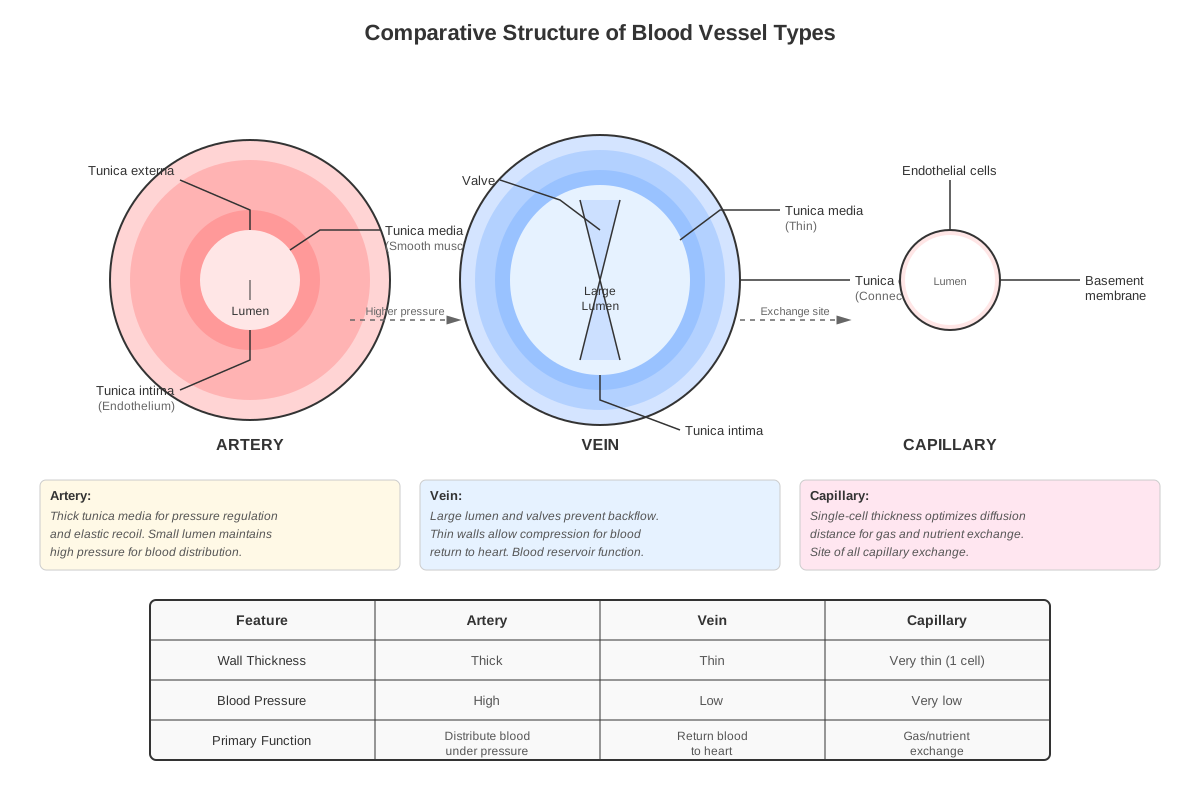
Blood vessels are classified into five major types based on size, structure, and function: arteries, arterioles, capillaries, venules, and veins. All vessels except capillaries share a common three-layered wall structure, though the relative thickness of each layer varies by vessel type.
The tunica intima (innermost layer) consists of a single layer of endothelial cells resting on a basement membrane, with a thin layer of connective tissue. The endothelium forms a selectively permeable barrier, regulates vascular tone through release of vasoactive substances, and prevents inappropriate blood clotting. The tunica media (middle layer) contains smooth muscle cells and elastic fibers; its thickness varies dramatically among vessel types and determines the vessel's ability to vasoconstrict or vasodilate. The tunica externa (outermost layer), also called the tunica adventitia, consists of connective tissue containing collagen and elastic fibers that anchor vessels to surrounding tissues and provide structural support.
Arteries: High-Pressure Distribution Vessels
Arteries carry blood away from the heart under high pressure (systemic arterial pressure averages 90-100 mmHg mean arterial pressure). Large elastic arteries like the aorta and pulmonary artery have thick walls with abundant elastic fibers in the tunica media, allowing them to stretch during ventricular systole and recoil during diastole. This elastic recoil maintains blood flow during diastole and dampens the pulsatile output of the heart, converting it to more continuous flow in downstream vessels—a phenomenon called the Windkessel effect.
Medium-sized muscular arteries (distributing arteries) have proportionally more smooth muscle and less elastic tissue. These vessels actively regulate blood flow distribution to organs through vasoconstriction and vasodilation. The thick tunica media allows these arteries to maintain vessel integrity against high intraluminal pressure while responding to neural and hormonal signals.
Arterioles: Resistance Vessels and Blood Pressure Regulators
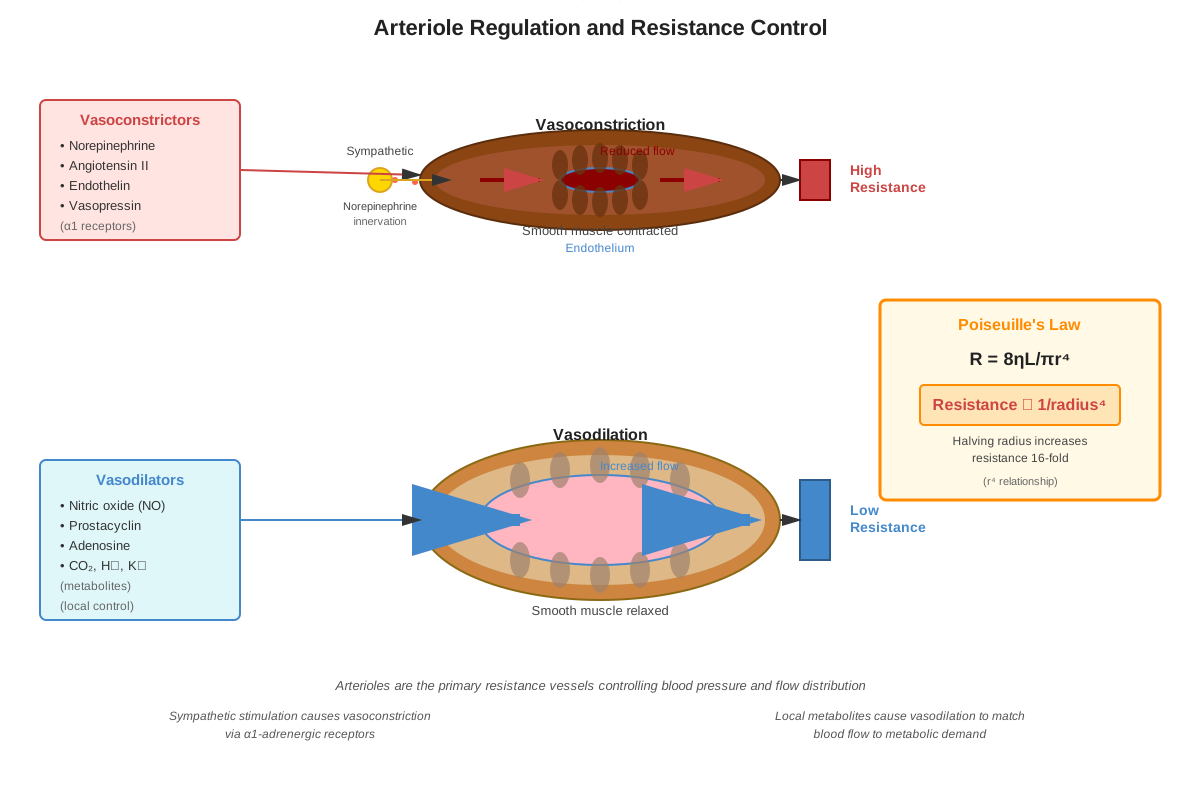
Arterioles are small-diameter vessels (10-100 μm) with thick smooth muscle walls relative to their lumen size. They serve as the primary resistance vessels in the circulatory system, accounting for approximately 60-70% of total peripheral resistance. Because resistance is inversely proportional to the fourth power of radius (R ∝ 1/r⁴, from Poiseuille's law), small changes in arteriolar diameter produce dramatic changes in resistance and blood flow.
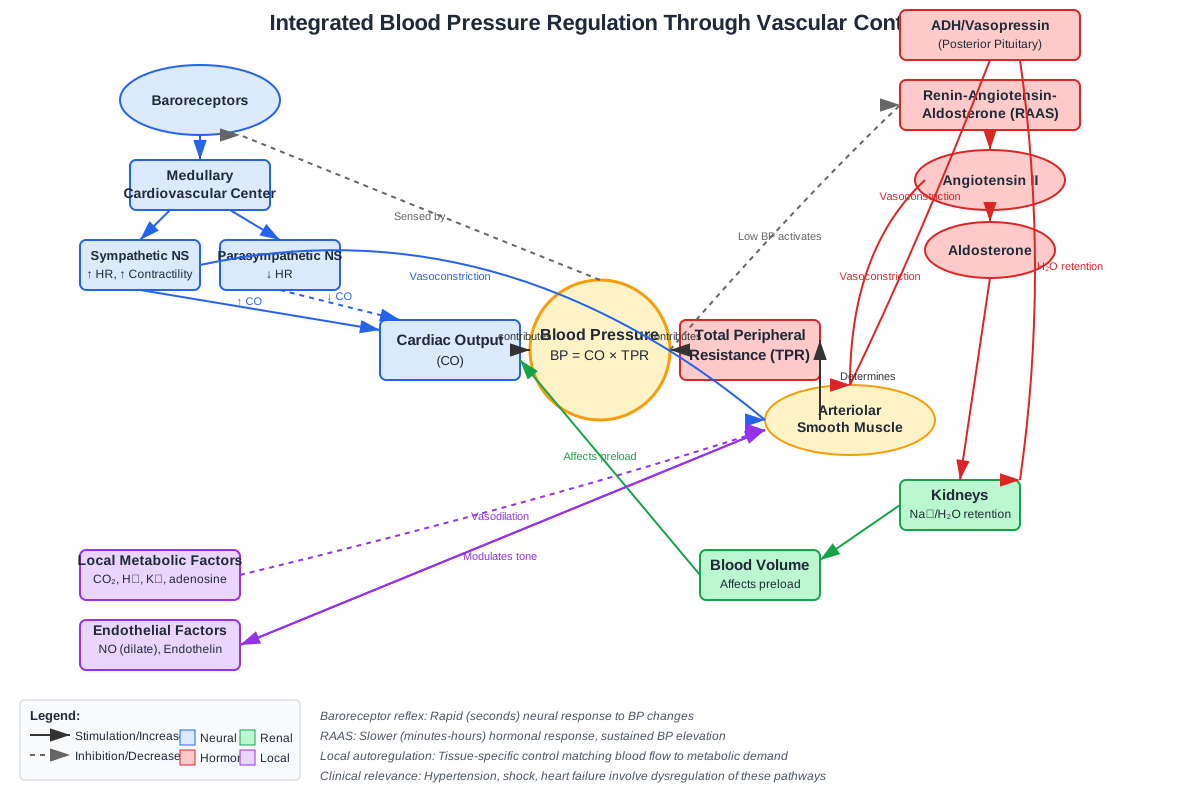
Arterioles regulate blood pressure through coordinated vasoconstriction or vasodilation controlled by sympathetic nervous system activity, local metabolic factors, and circulating hormones. Autoregulation in arterioles maintains constant blood flow to organs despite changes in perfusion pressure through myogenic responses (vessels constrict when stretched) and metabolic mechanisms (accumulation of CO₂, H⁺, adenosine, or K⁺ causes vasodilation).
Capillaries: Exchange Vessels
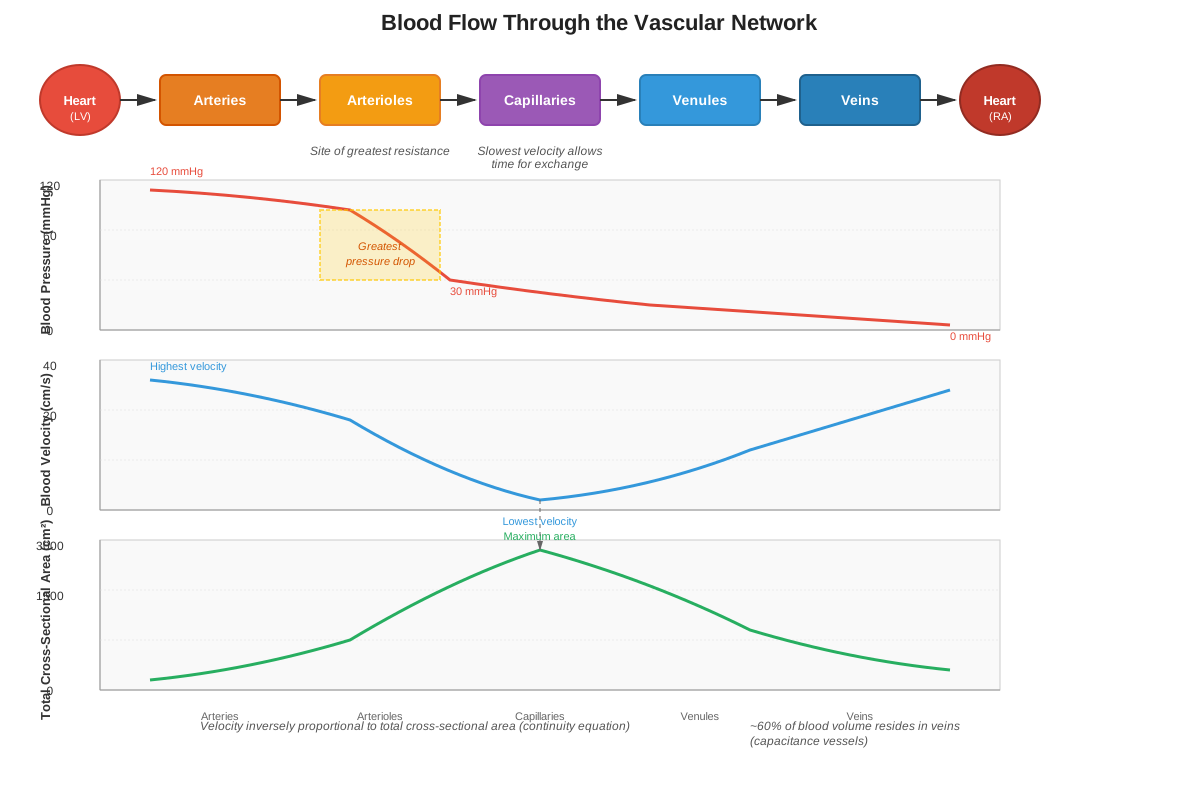
Capillaries are the smallest blood vessels (5-10 μm diameter), consisting only of a single layer of endothelial cells and a basement membrane—no tunica media or externa. This minimal structure maximizes efficiency of exchange between blood and tissues. The total cross-sectional area of all capillaries combined is approximately 2500-3000 cm², roughly 1000 times greater than the aorta, which dramatically slows blood velocity (from ~30 cm/s in the aorta to ~0.03 cm/s in capillaries) and maximizes time for diffusion.
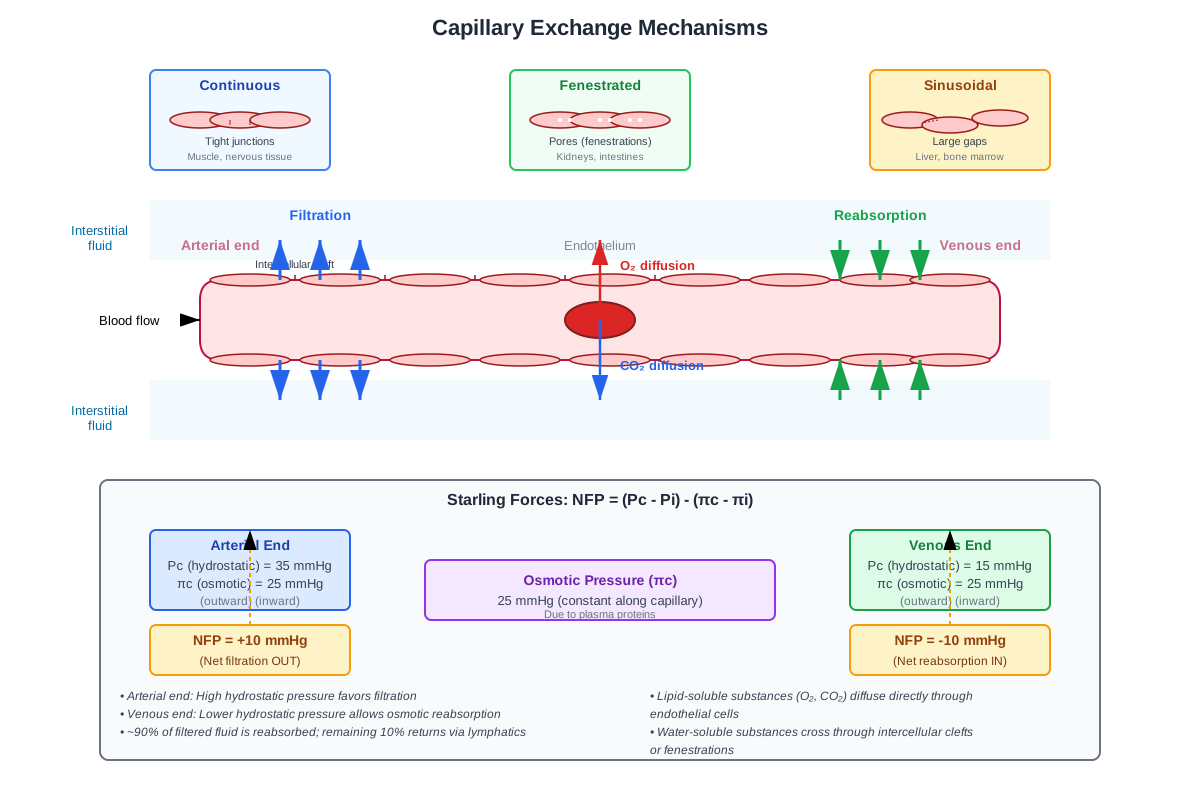
Three types of capillaries exist based on endothelial structure:
| Capillary Type | Structure | Permeability | Location |
|---|---|---|---|
| Continuous | Tight junctions between endothelial cells; small intercellular clefts | Low; restricts large molecules | Brain (blood-brain barrier), muscle, skin, lungs |
| Fenestrated | Pores (fenestrations) through endothelial cells | Moderate; allows small proteins | Kidneys (glomeruli), intestinal villi, endocrine glands |
| Sinusoidal (discontinuous) | Large gaps between cells; incomplete basement membrane | High; allows cells and large proteins to pass | Liver, bone marrow, spleen |
Exchange across capillary walls occurs through multiple mechanisms: (1) diffusion of lipid-soluble substances and gases directly through endothelial cell membranes; (2) filtration and reabsorption driven by hydrostatic and osmotic pressure gradients (Starling forces); (3) passage through intercellular clefts or fenestrations for water and small solutes; (4) transcytosis for larger molecules via vesicular transport.
Venules and Veins: Capacitance Vessels
Venules collect blood from capillaries and converge to form veins. Small venules resemble capillaries structurally and participate in exchange, while larger venules develop thin layers of smooth muscle. Veins return blood to the heart under low pressure (typically 5-15 mmHg in peripheral veins, approaching 0 mmHg in the vena cava near the heart). Veins have thinner walls than arteries of comparable diameter, with less smooth muscle and elastic tissue, and larger lumens.
Veins function as capacitance vessels or blood reservoirs, containing approximately 60-70% of total blood volume at any time. Their high compliance (ability to expand with minimal pressure increase) allows them to accommodate large volume changes. Several mechanisms facilitate venous return against gravity: (1) venous valves (one-way flaps preventing backflow) in limb veins; (2) the skeletal muscle pump (muscle contraction compresses veins, propelling blood toward the heart); (3) the respiratory pump (breathing creates pressure gradients that draw blood toward the thorax); (4) venoconstriction mediated by sympathetic nervous system activation.
Endothelial Function and Vascular Regulation
The endothelium is not merely a passive barrier but an active endocrine organ regulating vascular tone, hemostasis, inflammation, and permeability. Endothelial cells produce numerous vasoactive substances:
- Nitric oxide (NO): Potent vasodilator produced from L-arginine by endothelial nitric oxide synthase (eNOS); diffuses to smooth muscle causing relaxation via cGMP pathway
- Prostacyclin (PGI₂): Vasodilator and platelet aggregation inhibitor
- Endothelin-1: Potent vasoconstrictor released in response to injury or hypoxia
- Endothelium-derived hyperpolarizing factor (EDHF): Causes vasodilation through smooth muscle hyperpolarization
Endothelial dysfunction, characterized by reduced NO bioavailability and increased oxidative stress, contributes to hypertension, atherosclerosis, and other cardiovascular diseases—concepts frequently tested in MCAT passages.
Hemodynamics and Vascular Resistance
Blood flow through vessels follows principles of fluid dynamics. Poiseuille's law describes laminar flow through cylindrical tubes:
Q = (πΔPr⁴)/(8ηL)Where Q = flow rate, ΔP = pressure gradient, r = radius, η = viscosity, L = length
This can be rearranged to show that resistance R = (8ηL)/(πr⁴), demonstrating that resistance is inversely proportional to the fourth power of radius. This relationship explains why arterioles, despite being small, exert enormous control over resistance and flow distribution.
Total peripheral resistance (TPR) represents the sum of resistances in all systemic vessels. For vessels in series (like arteries → arterioles → capillaries), total resistance equals the sum of individual resistances. For parallel vessels (like multiple capillary beds), total resistance is less than any individual resistance: 1/R_total = 1/R₁ + 1/R₂ + 1/R₃...
Mean arterial pressure (MAP) relates to cardiac output (CO) and TPR through: MAP = CO × TPR. This fundamental relationship explains how changes in vessel diameter (affecting TPR) or cardiac function (affecting CO) influence blood pressure.
Blood Pressure Distribution
Blood pressure decreases progressively as blood flows through the circulatory system due to frictional resistance. Systemic circulation pressures approximate:
- Aorta: 120/80 mmHg (systolic/diastolic)
- Large arteries: 120/80 mmHg
- Arterioles: 85/60 mmHg → 35 mmHg
- Capillaries: 35 → 15 mmHg
- Venules: 15 → 10 mmHg
- Veins: 10 → 0 mmHg
The largest pressure drop occurs across arterioles due to their high resistance. Pulse pressure (systolic minus diastolic pressure) diminishes in smaller vessels as the pulsatile flow becomes more continuous. Pulmonary circulation operates at much lower pressures (pulmonary artery ~25/10 mmHg) to prevent fluid filtration into alveoli.
Concept Relationships
Blood vessel structure and function form an integrated system where each component depends on others. Vessel wall structure (thickness and composition of tunica layers) → determines → mechanical properties (compliance, elasticity) → which influence → hemodynamic function (pressure buffering, resistance regulation). The progression from elastic arteries → muscular arteries → arterioles represents a structural gradient optimized for transitioning from pressure buffering to flow regulation.
Arteriolar diameter → directly controls → total peripheral resistance → which determines (along with cardiac output) → mean arterial pressure → which drives → capillary perfusion pressure → enabling → tissue exchange. This cascade demonstrates how arteriolar function integrates with cardiac function to maintain tissue perfusion.
Endothelial cell function → regulates → vascular tone through release of vasoactive substances → affecting → vessel diameter → modulating → local blood flow and systemic blood pressure. Endothelial dysfunction disrupts this regulatory system, connecting to pathophysiology of hypertension and atherosclerosis.
The relationship between capillary structure and exchange mechanisms illustrates structure-function correlation: continuous capillaries with tight junctions → restrict permeability → protecting sensitive tissues like brain; fenestrated capillaries → allow filtration → enabling kidney function and hormone distribution; sinusoidal capillaries → permit cell passage → supporting liver and bone marrow function.
Venous capacitance → affects → venous return → determines → preload (end-diastolic volume) → influences → stroke volume (via Frank-Starling mechanism) → contributing to → cardiac output. This connection links vascular function to cardiac performance, explaining why venoconstriction can increase cardiac output.
Prerequisites connect as follows: smooth muscle physiology enables understanding of vasoconstriction/vasodilation mechanisms; membrane structure underlies endothelial barrier function and transcytosis; basic physics provides the foundation for hemodynamic calculations; cardiovascular anatomy contextualizes where different vessel types function within the circulation.
Quick check — test yourself on Blood vessels so far.
Try Flashcards →High-Yield Facts
⭐ Arterioles account for approximately 60-70% of total peripheral resistance, making them the primary regulators of blood pressure and blood flow distribution
⭐ Resistance is inversely proportional to the fourth power of vessel radius (R ∝ 1/r⁴), meaning halving vessel diameter increases resistance 16-fold
⭐ Veins contain approximately 60-70% of total blood volume, functioning as capacitance vessels that can be mobilized during hemorrhage or exercise
⭐ Capillaries have the largest total cross-sectional area (~2500-3000 cm²), which dramatically slows blood velocity to optimize exchange time
⭐ Mean arterial pressure (MAP) = cardiac output (CO) × total peripheral resistance (TPR), the fundamental relationship governing blood pressure
- Elastic arteries contain abundant elastic fibers that store energy during systole and release it during diastole (Windkessel effect)
- The largest pressure drop in the circulatory system occurs across arterioles due to their high resistance
- Continuous capillaries in the brain form the blood-brain barrier through tight junctions between endothelial cells
- Endothelial cells produce nitric oxide (NO), a potent vasodilator that relaxes smooth muscle via the cGMP pathway
- Venous valves prevent backflow in limb veins, and their failure causes varicose veins
- Pulmonary circulation operates at much lower pressures (~25/10 mmHg) than systemic circulation to prevent pulmonary edema
- Autoregulation maintains constant organ blood flow despite changes in perfusion pressure through myogenic and metabolic mechanisms
- Sympathetic nervous system activation causes vasoconstriction in most vascular beds (except coronary and skeletal muscle during exercise)
- Capillary exchange is governed by Starling forces: hydrostatic pressure favors filtration, oncotic pressure favors reabsorption
Common Misconceptions
Misconception: All arteries carry oxygenated blood and all veins carry deoxygenated blood.
Correction: Arteries are defined as vessels carrying blood away from the heart, while veins carry blood toward the heart, regardless of oxygenation status. Pulmonary arteries carry deoxygenated blood from the right ventricle to lungs, while pulmonary veins carry oxygenated blood from lungs to the left atrium.
Misconception: Capillaries have the highest resistance in the circulatory system because they are the smallest vessels.
Correction: Although individual capillaries have high resistance, their enormous total cross-sectional area (parallel arrangement) results in relatively low total resistance. Arterioles, despite being larger than capillaries, account for most vascular resistance because they have thick smooth muscle walls creating high individual resistance and fewer parallel pathways.
Misconception: Blood pressure is the same throughout the arterial system.
Correction: Blood pressure decreases progressively from the aorta through smaller arteries and arterioles. The most dramatic pressure drop occurs across arterioles (from ~85 mmHg to ~35 mmHg), while pressure in large arteries remains close to aortic pressure. Pulse pressure also diminishes in smaller vessels.
Misconception: Venoconstriction primarily increases blood flow velocity.
Correction: Venoconstriction primarily reduces venous capacitance, mobilizing blood volume and increasing venous return to the heart. This increases cardiac preload and stroke volume (via Frank-Starling mechanism), thereby increasing cardiac output. The effect on velocity is secondary to the volume redistribution.
Misconception: Doubling vessel radius doubles blood flow.
Correction: According to Poiseuille's law, flow is proportional to the fourth power of radius (Q ∝ r⁴). Doubling vessel radius increases flow 16-fold (2⁴ = 16), assuming pressure gradient and other factors remain constant. This dramatic relationship explains the powerful effect of arteriolar vasodilation on blood flow.
Misconception: The endothelium is simply a passive barrier between blood and tissues.
Correction: The endothelium is an active endocrine organ that regulates vascular tone (via NO, prostacyclin, endothelin), controls permeability, prevents thrombosis, modulates inflammation, and participates in angiogenesis. Endothelial dysfunction is a key factor in cardiovascular disease pathogenesis.
Misconception: All capillaries have the same structure and permeability.
Correction: Three distinct capillary types exist: continuous (tight junctions, low permeability, found in brain/muscle), fenestrated (pores allowing filtration, found in kidneys/intestines), and sinusoidal (large gaps permitting cell passage, found in liver/bone marrow). Structure correlates with the specific exchange requirements of each tissue.
Worked Examples
Example 1: Hemodynamic Consequences of Arteriolar Vasodilation
Clinical Vignette: A patient receives a vasodilator medication that selectively dilates arterioles, increasing their radius by 20%. Assuming cardiac output remains constant, predict the effects on total peripheral resistance, mean arterial pressure, and capillary blood flow.
Solution:
Step 1: Determine effect on resistance. According to Poiseuille's law, resistance is inversely proportional to the fourth power of radius: R ∝ 1/r⁴
If radius increases by 20%, the new radius = 1.2 × original radius
New resistance = R/(1.2)⁴ = R/2.07 ≈ 0.48R
Resistance decreases to approximately 48% of original value (a 52% decrease)
Step 2: Determine effect on mean arterial pressure. MAP = CO × TPR
Since cardiac output remains constant and TPR decreased to 0.48 of original:
New MAP = CO × 0.48(TPR) = 0.48 × original MAP
Mean arterial pressure decreases to approximately 48% of original value
Step 3: Determine effect on capillary blood flow. Flow through a vascular bed depends on the pressure gradient and resistance: Q = ΔP/R
The pressure gradient driving flow through capillaries (arterial pressure minus venous pressure) decreased to 0.48 of original, but resistance also decreased to 0.48 of original:
Q = (0.48 ΔP)/(0.48 R) = ΔP/R
Capillary blood flow remains approximately constant despite lower driving pressure because resistance decreased proportionally.
Key Insight: This example demonstrates the powerful effect of small radius changes on resistance (fourth power relationship) and illustrates how the body must adjust cardiac output to maintain blood pressure when peripheral resistance changes. It also shows why local vasodilation can maintain tissue perfusion even when systemic pressure drops.
Example 2: Capillary Exchange and Starling Forces
Experimental Scenario: Researchers measure pressures at the arterial and venous ends of a capillary bed. At the arterial end: capillary hydrostatic pressure = 35 mmHg, interstitial hydrostatic pressure = 0 mmHg, capillary oncotic pressure = 25 mmHg, interstitial oncotic pressure = 5 mmHg. At the venous end: capillary hydrostatic pressure = 15 mmHg (other pressures unchanged). Determine the net filtration pressure at each end and predict fluid movement.
Solution:
Step 1: Apply Starling equation. Net filtration pressure (NFP) = forces favoring filtration - forces favoring reabsorption
Forces favoring filtration: capillary hydrostatic pressure + interstitial oncotic pressure
Forces favoring reabsorption: interstitial hydrostatic pressure + capillary oncotic pressure
Step 2: Calculate NFP at arterial end.
NFP = (P_c + π_i) - (P_i + π_c)
NFP = (35 + 5) - (0 + 25)
NFP = 40 - 25 = +15 mmHg
Positive NFP indicates net filtration (fluid movement from capillary to interstitium)
Step 3: Calculate NFP at venous end.
NFP = (15 + 5) - (0 + 25)
NFP = 20 - 25 = -5 mmHg
Negative NFP indicates net reabsorption (fluid movement from interstitium to capillary)
Step 4: Interpret physiological significance.
At the arterial end, high hydrostatic pressure drives filtration of fluid and nutrients into tissues. At the venous end, decreased hydrostatic pressure allows oncotic pressure (due to plasma proteins) to predominate, drawing fluid back into capillaries. Approximately 90% of filtered fluid is reabsorbed; the remaining 10% returns via lymphatic vessels.
Key Insight: This example illustrates how pressure gradients along capillaries create a dynamic exchange system. Understanding Starling forces is essential for predicting consequences of conditions like hypoproteinemia (reduced oncotic pressure → edema), heart failure (increased venous pressure → edema), or inflammation (increased capillary permeability → edema).
Exam Strategy
When approaching MCAT questions on blood vessels, first identify whether the question tests structural knowledge, hemodynamic principles, or integration with other systems. Questions often present experimental data or clinical scenarios requiring application of Poiseuille's law, Starling forces, or the MAP equation.
Trigger words and phrases to recognize:
- "Resistance" or "diameter changes" → think fourth power relationship (R ∝ 1/r⁴)
- "Blood pressure regulation" → consider arterioles as primary resistance vessels
- "Exchange" or "permeability" → focus on capillary structure and Starling forces
- "Venous return" → think capacitance, skeletal muscle pump, respiratory pump
- "Endothelial function" → consider NO, prostacyclin, endothelin
- "Pulse pressure" or "compliance" → focus on elastic arteries and Windkessel effect
Process-of-elimination strategies:
- Eliminate options confusing arteries with veins based on direction of flow rather than oxygenation
- Rule out answers suggesting linear relationships when fourth-power relationships apply (radius-resistance)
- Eliminate choices that violate the MAP = CO × TPR relationship
- Reject options placing highest resistance in capillaries rather than arterioles
- Eliminate answers suggesting endothelium is purely structural without regulatory functions
Time allocation advice: Straightforward structural questions (vessel layers, capillary types) should take 30-45 seconds. Hemodynamic calculations requiring Poiseuille's law or Starling forces may need 60-90 seconds. Passage-based questions integrating vessel function with experimental data typically warrant 90-120 seconds. Don't get bogged down in complex calculations—the MCAT usually tests conceptual understanding rather than precise numerical answers.
Approach for passage-based questions: Identify the independent variable (often vessel diameter, pressure, or a pharmacological intervention) and systematically trace its effects through the hemodynamic cascade: diameter → resistance → pressure → flow → tissue perfusion. Draw quick diagrams showing pressure gradients or vessel arrangements if helpful.
Memory Techniques
Mnemonic for vessel wall layers (inside to outside): "I Met An Elephant"
- Intima
- Media
- Externa (Adventitia)
Mnemonic for capillary types and locations: "Can't Find Sinuses"
- Continuous → Brain, Muscle (Blood-brain barrier, Most tissues)
- Fenestrated → Kidneys, Intestines (filtration and absorption)
- Sinusoidal → Liver, Bone marrow, Spleen (Large gaps)
Mnemonic for factors causing vasodilation: "LACH"
- Low O₂ (hypoxia)
- Adenosine
- CO₂ / H⁺ (acidosis)
- Heat / Histamine
Visualization for Poiseuille's law: Picture a garden hose—doubling the diameter doesn't just double water flow, it creates a dramatically larger flow (16× for doubling). The "fourth power" relationship means small diameter changes have huge effects.
Acronym for venous return mechanisms: "SRVS"
- Skeletal muscle pump
- Respiratory pump
- Venous valves
- Sympathetic venoconstriction
Memory aid for pressure distribution: Remember "90-60-30-15-5" representing approximate pressures (mmHg) in: large arteries (90 MAP) → arterioles (60) → capillaries arterial end (30) → capillaries venous end (15) → veins (5). The biggest drop (60→30) occurs across arterioles.
Conceptual anchor for MAP equation: Think of blood pressure as determined by two factors: how much blood the heart pumps out (CO) and how hard it is to push through vessels (TPR). MAP = CO × TPR captures this relationship simply.
Summary
Blood vessels form a hierarchical network optimized for specific functions: elastic arteries buffer pressure fluctuations, muscular arteries distribute blood, arterioles regulate resistance and blood pressure, capillaries enable exchange, and veins serve as capacitance vessels returning blood to the heart. The three-layered vessel wall structure (tunica intima, media, and externa) varies among vessel types to support their distinct roles. Arterioles function as the primary resistance vessels, accounting for 60-70% of total peripheral resistance through their thick smooth muscle walls and small diameter. The fourth-power relationship between radius and resistance (R ∝ 1/r⁴) explains why small arteriolar diameter changes dramatically affect blood flow and pressure. Capillaries, with their single-cell-thick walls and enormous total cross-sectional area, optimize conditions for exchange through diffusion, filtration/reabsorption (governed by Starling forces), and transcytosis. Three capillary types (continuous, fenestrated, sinusoidal) exhibit structure-function correlation with tissue-specific exchange requirements. Veins contain most blood volume and facilitate venous return through valves, skeletal muscle pump, respiratory pump, and sympathetic venoconstriction. The endothelium actively regulates vascular tone through nitric oxide, prostacyclin, and endothelin. Mean arterial pressure equals cardiac output times total peripheral resistance (MAP = CO × TPR), the fundamental relationship governing cardiovascular hemodynamics essential for MCAT success.
Key Takeaways
- Arterioles are the primary resistance vessels controlling blood pressure and flow distribution; their small diameter and thick smooth muscle walls enable powerful regulation through the fourth-power radius-resistance relationship
- Vessel structure correlates with function: elastic arteries buffer pressure, muscular arteries distribute flow, capillaries optimize exchange, veins store volume
- Resistance is inversely proportional to the fourth power of radius (R ∝ 1/r⁴), making small diameter changes produce dramatic effects on flow and pressure
- Capillaries have three structural types (continuous, fenestrated, sinusoidal) matched to tissue-specific permeability requirements, with exchange governed by diffusion and Starling forces
- The endothelium is an active regulatory organ producing vasoactive substances (NO, prostacyclin, endothelin) that control vascular tone and maintain homeostasis
- Mean arterial pressure = cardiac output × total peripheral resistance (MAP = CO × TPR) is the fundamental equation linking cardiac function, vascular resistance, and blood pressure
- Veins function as capacitance vessels containing 60-70% of blood volume, with venous return facilitated by valves, muscle pumps, and sympathetic venoconstriction
Related Topics
Cardiac Physiology: Understanding blood vessels enables deeper comprehension of how cardiac output, stroke volume, and heart rate interact with vascular resistance to determine blood pressure. The Frank-Starling mechanism links venous return (determined by venous function) to stroke volume.
Blood Pressure Regulation: Mastery of vessel function is essential for understanding short-term regulation (baroreceptor reflexes affecting arteriolar tone) and long-term regulation (renal mechanisms affecting blood volume and vessel responsiveness).
Respiratory Gas Exchange: Capillary structure and function directly determine efficiency of O₂ and CO₂ exchange in pulmonary and systemic circulations. Understanding capillary hemodynamics explains ventilation-perfusion matching.
Renal Physiology: Fenestrated capillaries in glomeruli enable filtration, while peritubular capillaries facilitate reabsorption. Starling forces govern fluid movement in both locations, connecting vascular principles to kidney function.
Atherosclerosis and Cardiovascular Disease: Endothelial dysfunction, altered vessel compliance, and changes in resistance underlie major pathologies tested on the MCAT, making vessel biology foundational to understanding disease mechanisms.
Practice CTA
Now that you've mastered the structure, function, and hemodynamics of blood vessels, challenge yourself with practice questions to solidify your understanding. Focus on questions requiring application of Poiseuille's law, interpretation of pressure-flow relationships, and prediction of hemodynamic consequences of vessel changes. Use flashcards to memorize high-yield facts like vessel layer composition, capillary types and locations, and pressure values throughout the circulation. The integration of physics principles with biological structure makes this topic ideal for developing the analytical reasoning skills essential for MCAT success. Your thorough understanding of blood vessels will serve as a foundation for mastering cardiovascular physiology and achieving your target score!
Sign up free to keep reading
Create a free AnvayaPrep account to finish this MCAT guide on Blood vessels — plus flashcards and practice questions.