Overview
The distal convoluted tubule (DCT) represents a critical segment of the nephron that plays an essential role in fine-tuning urine composition and maintaining systemic homeostasis. Located in the renal cortex between the thick ascending limb of the loop of Henle and the collecting duct, this tubular structure is responsible for the selective reabsorption and secretion of ions, particularly sodium, potassium, calcium, and hydrogen ions. Understanding the DCT is fundamental to mastering renal physiology, acid-base balance, and electrolyte regulation—all high-yield topics for the MCAT.
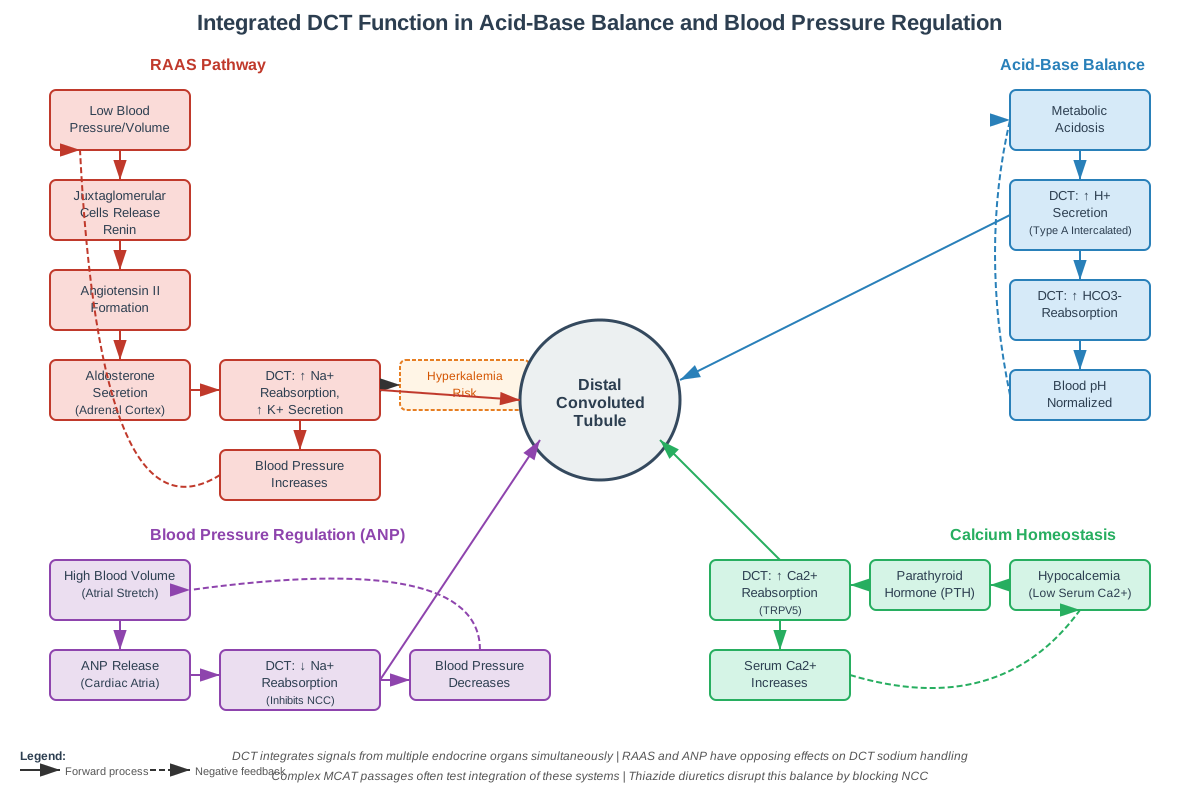
The distal convoluted tubule serves as a major regulatory site where hormones such as aldosterone, parathyroid hormone (PTH), and atrial natriuretic peptide (ANP) exert their effects to maintain blood pressure, electrolyte balance, and calcium homeostasis. Unlike the proximal convoluted tubule, which reabsorbs the majority of filtered substances in a relatively non-selective manner, the DCT performs precision adjustments based on the body's immediate physiological needs. This hormone-responsive nature makes the DCT a frequent target for MCAT questions that integrate endocrine and renal physiology.
From an MCAT perspective, the distal convoluted tubule Biology encompasses not only the anatomical structure and cellular characteristics but also the molecular mechanisms of transport, hormonal regulation, and clinical correlations. Questions often require students to integrate knowledge across multiple organ systems, making the DCT a nexus for testing interdisciplinary understanding within Physiology and Organ Systems. Mastery of this topic enables students to tackle complex passages involving diuretics, electrolyte disorders, hypertension, and acid-base disturbances—all common themes in MCAT Biology sections.
Learning Objectives
- [ ] Define distal convoluted tubule using accurate Biology terminology
- [ ] Explain why distal convoluted tubule matters for the MCAT
- [ ] Apply distal convoluted tubule concepts to exam-style questions
- [ ] Identify common mistakes related to distal convoluted tubule physiology
- [ ] Connect distal convoluted tubule to related Biology concepts
- [ ] Describe the specific transport mechanisms operating in the DCT and their hormonal regulation
- [ ] Analyze the role of the DCT in maintaining acid-base balance and electrolyte homeostasis
- [ ] Predict the physiological consequences of DCT dysfunction or pharmacological manipulation
Prerequisites
- Basic nephron anatomy: Understanding the sequential segments of the nephron (glomerulus, proximal tubule, loop of Henle, distal tubule, collecting duct) provides the structural framework for DCT function
- Membrane transport mechanisms: Knowledge of active transport, secondary active transport, and facilitated diffusion is essential for understanding how the DCT moves ions across epithelial cells
- Hormone signaling pathways: Familiarity with receptor-mediated signaling (particularly G-protein coupled receptors and steroid hormone receptors) enables comprehension of hormonal regulation of DCT function
- Acid-base chemistry: Basic understanding of pH, buffers, and the bicarbonate buffer system is necessary for appreciating the DCT's role in acid-base homeostasis
- Electrolyte physiology: Knowledge of sodium, potassium, calcium, and magnesium roles in cellular function provides context for DCT regulatory mechanisms
Why This Topic Matters
The distal convoluted tubule MCAT content appears regularly in both passage-based and discrete questions, making it a medium-to-high yield topic. MCAT questions frequently test the DCT in the context of hormonal regulation, particularly aldosterone's effects on sodium and potassium balance, and PTH's effects on calcium reabsorption. Understanding DCT physiology is essential for interpreting experimental passages involving diuretic drugs, which are commonly featured in MCAT practice materials and actual exams.
Clinically, DCT dysfunction underlies numerous pathological conditions including Gitelman syndrome (a genetic disorder affecting the sodium-chloride cotransporter), hypertension (often treated with thiazide diuretics that target the DCT), and electrolyte imbalances. The MCAT frequently presents clinical vignettes requiring students to connect molecular mechanisms to physiological outcomes, making the DCT an ideal topic for integrative questions that span multiple organ systems.
From an exam strategy perspective, DCT questions often appear in passages discussing kidney function, blood pressure regulation, or electrolyte disorders. These questions typically require students to: (1) identify the segment of the nephron being described based on functional characteristics, (2) predict the effects of hormonal changes or drug interventions on DCT function, or (3) explain the compensatory mechanisms activated when DCT function is impaired. Approximately 2-4 questions per MCAT exam directly or indirectly test DCT physiology, making thorough understanding of this topic a strategic investment of study time.
Core Concepts
Anatomical Location and Structure
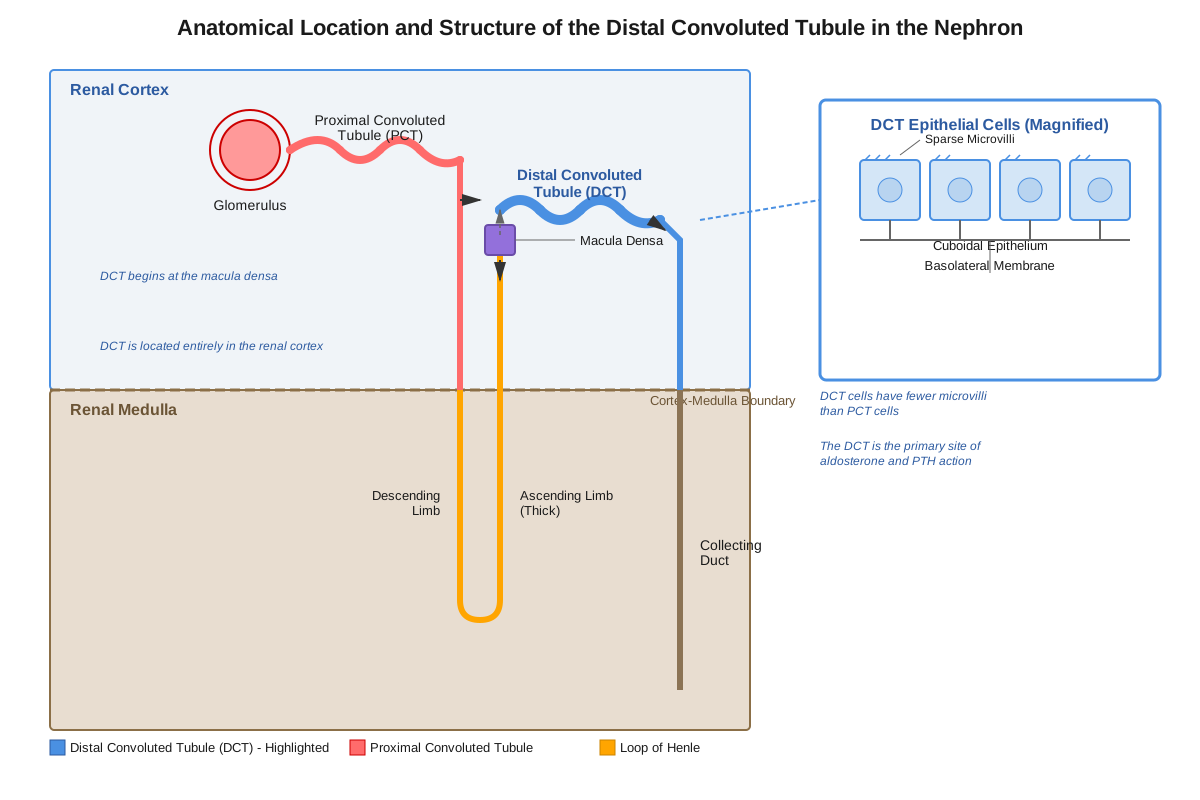
The distal convoluted tubule begins at the macula densa, a specialized region of cells located where the thick ascending limb of the loop of Henle returns to the renal cortex near its parent glomerulus. The DCT extends from this juxtaglomerular apparatus through a tortuous path in the cortex before connecting to the collecting duct system. Histologically, DCT cells are cuboidal epithelial cells that are shorter than proximal tubule cells and contain fewer microvilli, resulting in a less prominent brush border. This structural difference reflects the DCT's role in selective regulation rather than bulk reabsorption.
The DCT is traditionally divided into two functional segments: the early DCT (DCT1) and the late DCT (DCT2). The early DCT is primarily involved in sodium chloride reabsorption and is relatively impermeable to water, while the late DCT begins to show characteristics transitional to the collecting duct, including the presence of principal cells and intercalated cells that respond to aldosterone and participate in acid-base regulation.
Primary Transport Mechanisms
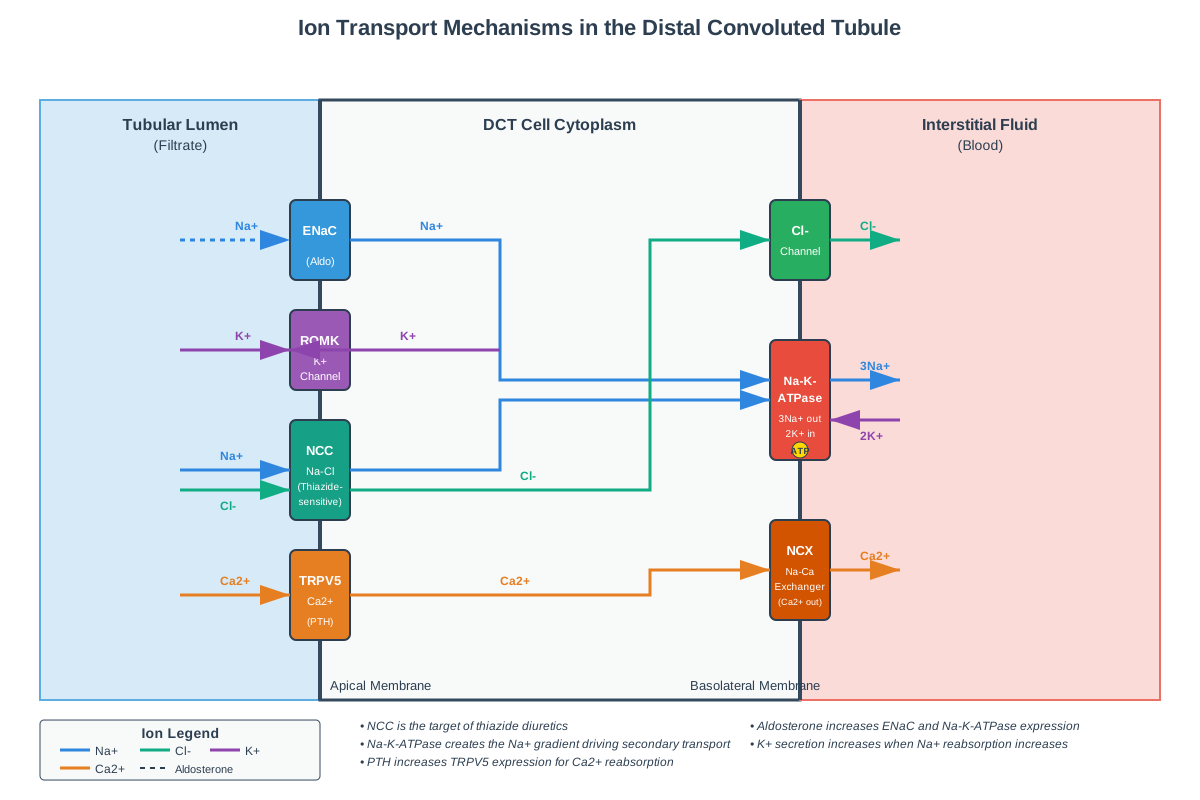
The hallmark transporter of the distal convoluted tubule is the sodium-chloride cotransporter (NCC), also known as the thiazide-sensitive cotransporter. This electroneutral transporter is located on the apical (luminal) membrane of DCT cells and simultaneously moves one sodium ion and one chloride ion from the tubular fluid into the cell. This process is driven by the low intracellular sodium concentration maintained by the basolateral Na⁺/K⁺-ATPase pump, which actively transports three sodium ions out of the cell in exchange for two potassium ions entering the cell.
On the basolateral membrane, chloride exits the cell through chloride channels, while sodium is pumped out by the Na⁺/K⁺-ATPase. This coordinated activity results in net reabsorption of sodium chloride from the tubular fluid into the bloodstream. Because the NCC is electroneutral and the DCT is relatively impermeable to water (lacking aquaporin-2 channels unless stimulated by ADH in the late DCT), sodium chloride reabsorption in the DCT contributes to dilution of the tubular fluid, making the DCT part of the "diluting segment" of the nephron.
Hormonal Regulation: Aldosterone
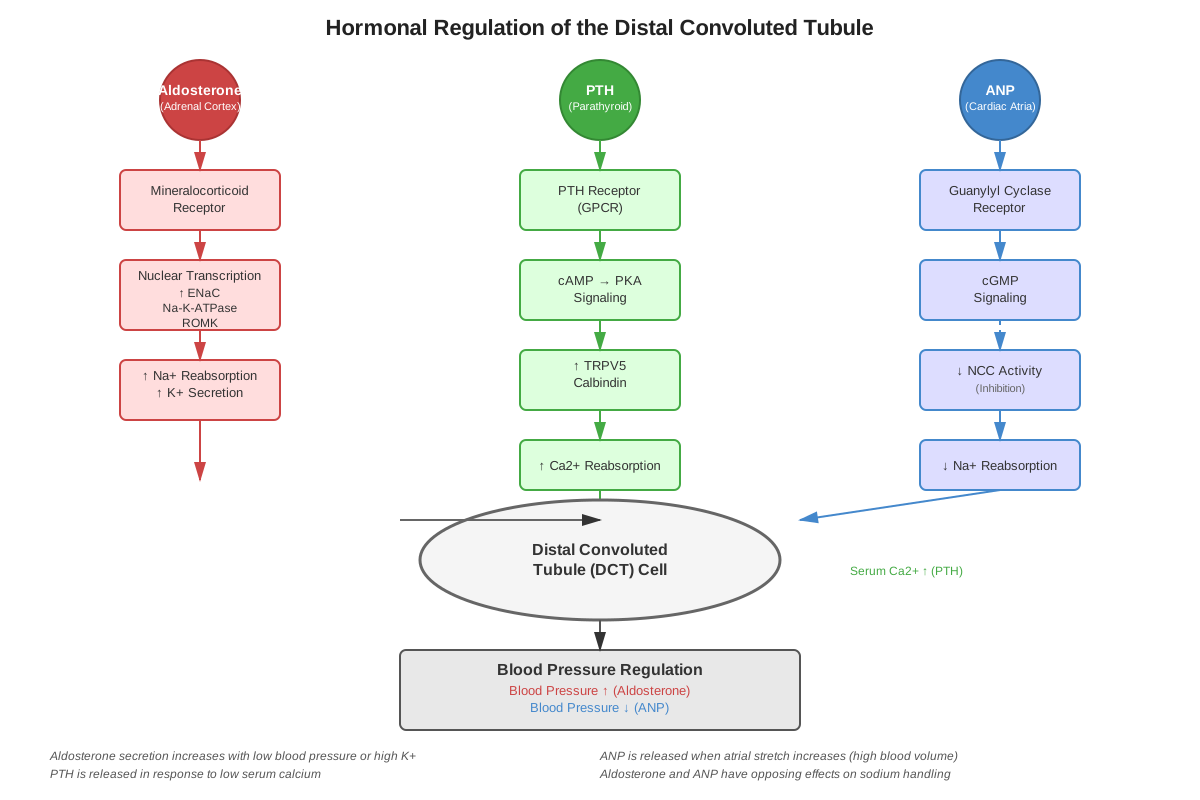
Aldosterone, a mineralocorticoid hormone secreted by the zona glomerulosa of the adrenal cortex, exerts profound effects on the late DCT and collecting duct. As a steroid hormone, aldosterone crosses the cell membrane and binds to intracellular mineralocorticoid receptors (MR). The hormone-receptor complex translocates to the nucleus where it acts as a transcription factor, increasing expression of genes encoding the epithelial sodium channel (ENaC), Na⁺/K⁺-ATPase, and proteins involved in cellular metabolism.
The net effect of aldosterone is increased sodium reabsorption and potassium secretion. In the late DCT and collecting duct, aldosterone increases the number and activity of ENaC channels on the apical membrane, allowing more sodium to enter principal cells from the tubular fluid. This sodium is then pumped out by the basolateral Na⁺/K⁺-ATPase, which simultaneously brings potassium into the cell. The elevated intracellular potassium concentration drives potassium secretion into the tubular lumen through apical potassium channels (ROMK channels). This mechanism explains why hyperaldosteronism causes hypokalemia (low blood potassium) and why aldosterone antagonists like spironolactone are "potassium-sparing" diuretics.
Hormonal Regulation: Parathyroid Hormone
Parathyroid hormone (PTH) plays a crucial role in calcium homeostasis by acting on the DCT to increase calcium reabsorption. PTH binds to PTH receptors (PTH1R) on the basolateral membrane of DCT cells, activating a G-protein coupled receptor pathway that increases intracellular cAMP. This second messenger cascade enhances the expression and activity of the transient receptor potential vanilloid 5 (TRPV5) channel on the apical membrane, which allows calcium to enter the cell from the tubular fluid.
Once inside the DCT cell, calcium is bound by calbindin-D28K, a calcium-binding protein whose expression is also upregulated by PTH (and vitamin D). This protein shuttles calcium across the cell to the basolateral membrane, where calcium is extruded into the bloodstream via the Na⁺/Ca²⁺ exchanger (NCX1) and the plasma membrane Ca²⁺-ATPase (PMCA1b). This PTH-mediated calcium reabsorption in the DCT is critical for maintaining serum calcium levels and represents the primary site of regulated calcium reabsorption in the nephron.
Hormonal Regulation: Atrial Natriuretic Peptide
Atrial natriuretic peptide (ANP), released by atrial myocytes in response to atrial stretch (indicating increased blood volume), acts to decrease sodium reabsorption in the DCT. ANP binds to guanylyl cyclase receptors on DCT cells, increasing intracellular cGMP levels. This second messenger inhibits the activity of the sodium-chloride cotransporter (NCC), reducing sodium reabsorption and promoting natriuresis (sodium excretion in urine). This mechanism contributes to ANP's overall effect of reducing blood volume and blood pressure.
Role in Acid-Base Balance
The late DCT contains intercalated cells that play a vital role in acid-base homeostasis. Type A intercalated cells secrete hydrogen ions into the tubular lumen via H⁺-ATPase pumps and H⁺/K⁺-ATPase exchangers on the apical membrane, while reabsorbing bicarbonate via the Cl⁻/HCO₃⁻ exchanger (AE1) on the basolateral membrane. This process is crucial for eliminating excess acid during metabolic acidosis.
Conversely, Type B intercalated cells secrete bicarbonate into the tubular lumen via pendrin (a Cl⁻/HCO₃⁻ exchanger) on the apical membrane while secreting hydrogen ions into the blood via H⁺-ATPase on the basolateral membrane. This mechanism helps eliminate excess base during metabolic alkalosis. The balance between Type A and Type B intercalated cell activity is regulated by systemic pH and allows the kidney to fine-tune acid-base balance.
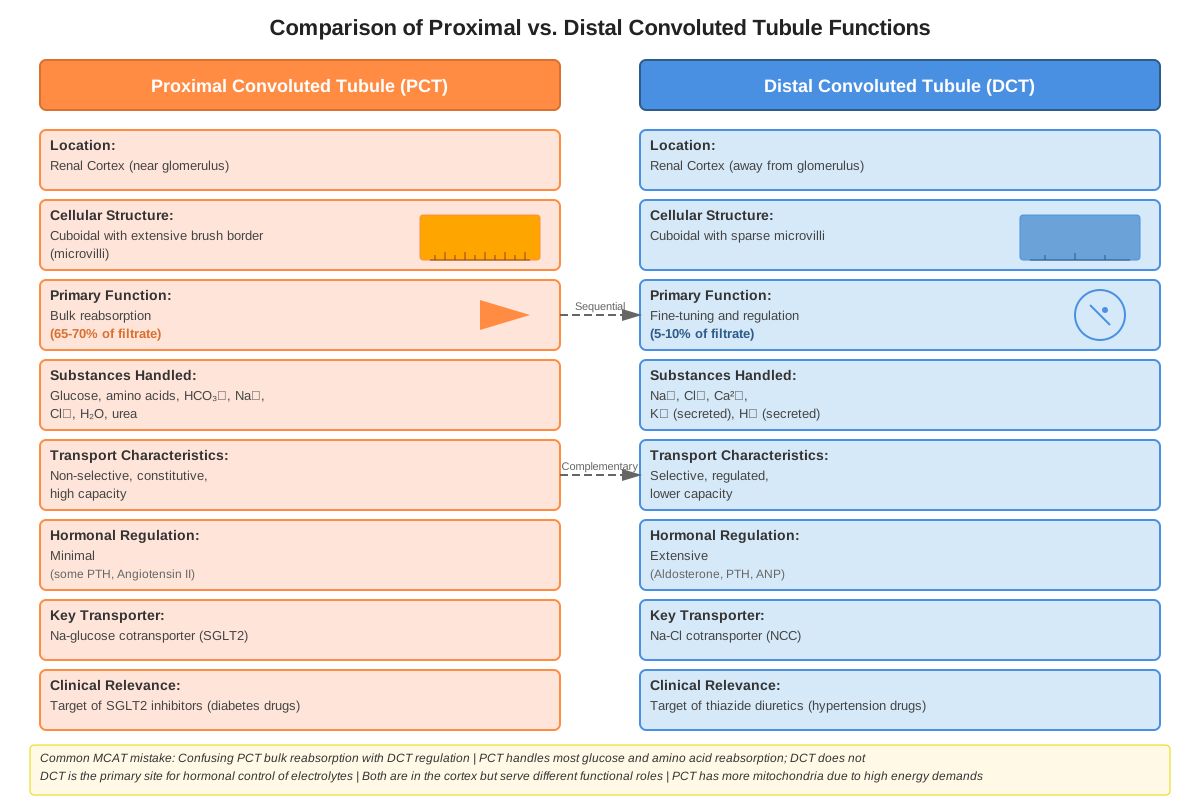
Comparison Table: DCT vs. Other Nephron Segments
| Feature | Proximal Tubule | Loop of Henle | Distal Convoluted Tubule | Collecting Duct |
|---|---|---|---|---|
| Primary function | Bulk reabsorption | Concentration gradient | Fine-tuning/regulation | Final concentration |
| Water permeability | High (constitutive) | Varies by segment | Low (early DCT) | ADH-dependent |
| Major transporter | Na⁺/glucose, Na⁺/amino acid cotransporters | NKCC2 (thick ascending) | NCC (thiazide-sensitive) | ENaC |
| Hormone sensitivity | Angiotensin II, PTH | ADH (thin descending) | Aldosterone, PTH, ANP | Aldosterone, ADH |
| Percentage of filtrate reabsorbed | ~65% | ~25% | ~5% | ~5% (variable) |
| Diuretic target | Carbonic anhydrase inhibitors | Loop diuretics (furosemide) | Thiazide diuretics | K⁺-sparing diuretics |
Concept Relationships
The distal convoluted tubule functions as an integration point for multiple physiological systems. The DCT receives tubular fluid from the thick ascending limb of the loop of Henle, which has already reabsorbed significant amounts of sodium, chloride, and other ions without water (due to impermeability), creating dilute tubular fluid. The DCT continues this dilution process through NCC-mediated sodium chloride reabsorption, further reducing osmolality.
The relationship between DCT function and the renin-angiotensin-aldosterone system (RAAS) is particularly important for MCAT preparation. When the macula densa cells (located at the beginning of the DCT) detect low sodium chloride concentration in the tubular fluid, they signal the juxtaglomerular cells to release renin. Renin initiates the cascade that ultimately produces aldosterone, which then acts on the late DCT to increase sodium reabsorption. This negative feedback loop (low sodium → renin release → aldosterone production → increased sodium reabsorption → normalized sodium levels) represents a classic homeostatic mechanism frequently tested on the MCAT.
The DCT's calcium handling connects directly to bone physiology and vitamin D metabolism. PTH not only acts on the DCT to increase calcium reabsorption but also stimulates the kidney to convert 25-hydroxyvitamin D to its active form, 1,25-dihydroxyvitamin D (calcitriol). Calcitriol then enhances calcium absorption in the intestine and upregulates calbindin expression in the DCT, creating a coordinated response to maintain calcium homeostasis.
Conceptual flow: Decreased blood volume → decreased renal perfusion → macula densa senses low NaCl → renin release → angiotensin II formation → aldosterone secretion → DCT increases Na⁺ reabsorption and K⁺ secretion → increased blood volume and blood pressure → negative feedback to macula densa.
Quick check — test yourself on Distal convoluted tubule so far.
Try Flashcards →High-Yield Facts
⭐ The sodium-chloride cotransporter (NCC) in the DCT is the specific target of thiazide diuretics, which are first-line treatments for hypertension
⭐ Aldosterone increases sodium reabsorption and potassium secretion in the late DCT and collecting duct, explaining why hyperaldosteronism causes hypokalemia
⭐ The DCT is the primary site of PTH-regulated calcium reabsorption via the TRPV5 channel and calbindin-D28K
⭐ The DCT is relatively impermeable to water in its early segment, making it part of the diluting segment of the nephron
⭐ Type A intercalated cells in the late DCT secrete H⁺ and reabsorb HCO₃⁻, helping to correct metabolic acidosis
- The macula densa, located at the beginning of the DCT, serves as the sodium sensor for the juxtaglomerular apparatus and RAAS activation
- ANP inhibits sodium reabsorption in the DCT by decreasing NCC activity, promoting natriuresis and reducing blood pressure
- Gitelman syndrome, caused by mutations in the NCC transporter, presents with hypokalemia, metabolic alkalosis, and hypocalciuria—mimicking chronic thiazide use
- The DCT reabsorbs approximately 5-10% of filtered sodium, making it quantitatively less important than the proximal tubule but qualitatively essential for fine-tuning
- Unlike the proximal tubule, the DCT has minimal capacity for glucose or amino acid reabsorption, as these substances have already been reabsorbed upstream
- The late DCT contains both principal cells (responsive to aldosterone) and intercalated cells (involved in acid-base balance), representing a transition zone to the collecting duct
Common Misconceptions
Misconception: The DCT reabsorbs the majority of filtered sodium.
Correction: The proximal tubule reabsorbs approximately 65% of filtered sodium, while the DCT reabsorbs only 5-10%. However, the DCT's role is critical for fine-tuning sodium balance under hormonal control, making it physiologically essential despite the smaller quantitative contribution.
Misconception: Aldosterone acts directly on the sodium-chloride cotransporter (NCC) in the early DCT.
Correction: Aldosterone primarily acts on the late DCT and collecting duct by increasing expression of ENaC (epithelial sodium channels) and Na⁺/K⁺-ATPase, not the NCC. The early DCT's NCC operates relatively independently of aldosterone, though some evidence suggests aldosterone may have indirect effects on NCC expression.
Misconception: The DCT is permeable to water like the proximal tubule.
Correction: The early DCT is relatively impermeable to water because it lacks aquaporin water channels. This impermeability allows the DCT to reabsorb sodium chloride without water, contributing to the dilution of tubular fluid. The late DCT may gain some water permeability in response to ADH, but this is minimal compared to the collecting duct.
Misconception: PTH decreases calcium reabsorption in the DCT to increase urinary calcium excretion.
Correction: PTH increases calcium reabsorption in the DCT via upregulation of TRPV5 channels and calbindin. This conserves calcium and helps raise serum calcium levels. PTH does increase phosphate excretion (by inhibiting phosphate reabsorption in the proximal tubule), which students often confuse with calcium handling.
Misconception: Loop diuretics and thiazide diuretics work on the same nephron segment.
Correction: Loop diuretics (like furosemide) inhibit the NKCC2 transporter in the thick ascending limb of the loop of Henle, while thiazide diuretics inhibit the NCC transporter in the DCT. This distinction is important because loop diuretics are more potent (the loop reabsorbs more sodium) and can cause hypercalciuria, while thiazides actually decrease calcium excretion.
Misconception: All cells in the DCT are identical in structure and function.
Correction: The DCT contains different cell types with distinct functions. The early DCT consists primarily of DCT cells with NCC transporters, while the late DCT contains principal cells (aldosterone-responsive, involved in sodium/potassium balance) and intercalated cells (involved in acid-base balance). This cellular heterogeneity reflects the DCT's multiple regulatory roles.
Worked Examples
Example 1: Aldosterone and Electrolyte Balance
Question: A patient with primary hyperaldosteronism (Conn's syndrome) presents with hypertension and muscle weakness. Laboratory tests reveal hypokalemia (low serum potassium) and metabolic alkalosis. Explain the mechanism by which excess aldosterone produces these findings, focusing on DCT function.
Solution:
Step 1: Identify aldosterone's primary site of action.
Aldosterone acts on the late DCT and collecting duct, where it binds to mineralocorticoid receptors in principal cells.
Step 2: Describe the molecular mechanism.
The aldosterone-receptor complex increases transcription of genes encoding ENaC (epithelial sodium channels) on the apical membrane and Na⁺/K⁺-ATPase on the basolateral membrane. This increases the number and activity of these transporters.
Step 3: Explain sodium reabsorption.
Increased ENaC activity allows more sodium to enter principal cells from the tubular lumen. The enhanced Na⁺/K⁺-ATPase activity pumps this sodium into the bloodstream while bringing potassium into the cell. The net effect is increased sodium reabsorption, which expands blood volume and increases blood pressure (explaining the hypertension).
Step 4: Explain potassium secretion and hypokalemia.
The Na⁺/K⁺-ATPase brings potassium into the cell, raising intracellular potassium concentration. This drives potassium secretion into the tubular lumen through apical ROMK channels. Excess aldosterone therefore causes excessive urinary potassium loss, leading to hypokalemia. The muscle weakness results from hypokalemia's effects on muscle cell membrane potential and excitability.
Step 5: Explain metabolic alkalosis.
Hypokalemia causes a compensatory shift of hydrogen ions into cells (in exchange for potassium moving out of cells to partially correct the serum deficit). This intracellular shift of H⁺ creates relative alkalosis in the extracellular fluid. Additionally, in the collecting duct, Type A intercalated cells increase H⁺ secretion and HCO₃⁻ reabsorption when aldosterone is elevated, further contributing to metabolic alkalosis.
Connection to learning objectives: This example demonstrates application of DCT physiology to clinical scenarios, integration with endocrine function, and prediction of consequences from altered DCT function—all key MCAT skills.
Example 2: Diuretic Mechanism and Compensation
Question: A patient with heart failure is treated with hydrochlorothiazide, a thiazide diuretic. After several weeks, the patient's blood pressure has improved, but laboratory tests show mild hypokalemia and elevated serum calcium. Explain the mechanism of thiazide action and why these electrolyte changes occur.
Solution:
Step 1: Identify the molecular target.
Hydrochlorothiazide inhibits the sodium-chloride cotransporter (NCC) on the apical membrane of early DCT cells.
Step 2: Explain the immediate effect on sodium balance.
By blocking NCC, thiazides prevent sodium chloride reabsorption in the DCT. This increases sodium delivery to the late DCT and collecting duct, and more sodium is excreted in urine (natriuresis). The loss of sodium and accompanying water reduces blood volume and blood pressure, explaining the therapeutic benefit in heart failure.
Step 3: Explain the development of hypokalemia.
Increased sodium delivery to the late DCT and collecting duct means more sodium is available for reabsorption via ENaC channels in principal cells. This increased sodium reabsorption enhances the electrochemical gradient favoring potassium secretion through ROMK channels. Over time, this leads to excessive urinary potassium loss and hypokalemia. Additionally, the volume contraction from diuresis activates the RAAS, increasing aldosterone levels, which further promotes potassium secretion.
Step 4: Explain the elevated serum calcium (hypercalcemia).
Thiazides paradoxically decrease urinary calcium excretion. The mechanism involves two components: (1) Volume contraction from natriuresis increases proximal tubule reabsorption of sodium, and calcium reabsorption is coupled to sodium reabsorption in this segment. (2) In the DCT, inhibition of NCC decreases intracellular sodium concentration, which enhances the activity of the basolateral Na⁺/Ca²⁺ exchanger (NCX), increasing calcium reabsorption from the DCT cell into the blood. This calcium-sparing effect makes thiazides useful for preventing kidney stones in patients with hypercalciuria.
Step 5: Consider clinical implications.
The hypokalemia may require potassium supplementation or addition of a potassium-sparing diuretic (like spironolactone or amiloride). The elevated calcium is usually mild but should be monitored, especially in patients with conditions predisposing to hypercalcemia.
Connection to learning objectives: This example integrates DCT transport mechanisms, hormonal compensation, and pharmacological manipulation—demonstrating the type of multi-step reasoning required for MCAT passages on renal physiology.
Exam Strategy
When approaching distal convoluted tubule MCAT questions, first identify whether the question is asking about structure, function, or regulation. Structure questions typically require knowledge of DCT location and cellular characteristics. Function questions focus on specific transport mechanisms and their effects on urine composition. Regulation questions involve hormonal control and integration with other organ systems.
Trigger words to watch for:
- "Thiazide diuretic" → immediately think DCT and NCC inhibition
- "Aldosterone" → late DCT/collecting duct, sodium reabsorption, potassium secretion
- "Parathyroid hormone" or "calcium reabsorption" → DCT and TRPV5 channels
- "Diluting segment" → DCT and thick ascending limb (water-impermeable, solute reabsorption)
- "Macula densa" → beginning of DCT, sodium sensing, RAAS activation
- "Gitelman syndrome" → genetic NCC defect, mimics chronic thiazide use
Process-of-elimination strategies:
When a question asks about the site of action of a specific hormone or drug, eliminate options that describe segments with different primary functions. For example, if asked where PTH increases calcium reabsorption, eliminate the proximal tubule (bulk reabsorption, not primary site of regulated calcium reabsorption) and the loop of Henle (primarily involved in concentration gradient generation).
For questions about electrolyte changes with diuretics, remember that loop diuretics cause hypercalciuria (increased calcium excretion) while thiazides cause hypocalciuria (decreased calcium excretion). This opposite effect on calcium is a high-yield distinction.
Time allocation: DCT questions are typically medium difficulty and should take 60-90 seconds for discrete questions and proportionally longer for passage-based questions. If a question requires you to trace through multiple steps of hormonal regulation, quickly sketch the pathway (stimulus → hormone → receptor → cellular effect → physiological outcome) to avoid missing steps.
Memory Techniques
Mnemonic for aldosterone effects: "SALT and SUGAR"
- Sodium reabsorption increases
- Aldosterone acts on late DCT/collecting duct
- Low potassium results (secretion increases)
- Transcription of ENaC and Na⁺/K⁺-ATPase
Mnemonic for DCT hormones: "PAT the DCT"
- PTH increases calcium reabsorption
- Aldosterone increases sodium reabsorption
- Thiazides inhibit NCC (pharmacologic, not hormone, but useful to remember together)
Visualization strategy for NCC function:
Picture a revolving door that only turns when both sodium and chloride enter together (representing the 1:1 stoichiometry of NCC). When thiazides "jam" this door, neither ion can enter the cell, and both remain in the tubular fluid to be excreted.
Acronym for intercalated cell types: "A is for Acid"
- Type A intercalated cells secrete Acid (H⁺) into the lumen
- Type B intercalated cells secrete Base (HCO₃⁻) into the lumen
Memory aid for calcium handling:
"PTH Pulls Calcium" - PTH increases calcium reabsorption in the DCT by upregulating TRPV5 channels, "pulling" calcium from the tubular fluid back into the blood.
Summary
The distal convoluted tubule is a specialized nephron segment located in the renal cortex that performs fine-tuned regulation of electrolyte balance, acid-base homeostasis, and blood pressure. The early DCT utilizes the sodium-chloride cotransporter (NCC) to reabsorb sodium and chloride without water, contributing to urine dilution and serving as the target for thiazide diuretics. The late DCT contains principal cells that respond to aldosterone by increasing sodium reabsorption and potassium secretion, as well as intercalated cells that regulate acid-base balance through hydrogen ion and bicarbonate transport. PTH acts on the DCT to increase calcium reabsorption via TRPV5 channels and calbindin, making this segment the primary site of regulated calcium conservation. ANP opposes these effects by inhibiting sodium reabsorption. Understanding DCT function requires integration of membrane transport mechanisms, hormonal signaling, and systemic physiology—skills essential for success on MCAT questions involving renal, endocrine, and cardiovascular systems. The DCT's role as a regulatory nexus makes it a high-yield topic that frequently appears in passages requiring multi-system integration and clinical application.
Key Takeaways
- The DCT is the primary site of thiazide diuretic action, which inhibit the NCC transporter to promote natriuresis and reduce blood pressure
- Aldosterone acts on the late DCT to increase sodium reabsorption and potassium secretion, explaining why hyperaldosteronism causes hypokalemia and hypertension
- PTH increases calcium reabsorption in the DCT via TRPV5 channels and calbindin, making this the key site for regulated calcium conservation
- The early DCT is relatively water-impermeable, allowing it to dilute tubular fluid by reabsorbing solutes without water
- Type A intercalated cells secrete H⁺ and reabsorb HCO₃⁻ to correct acidosis, while Type B cells do the opposite to correct alkalosis
- The macula densa at the beginning of the DCT senses tubular sodium concentration and regulates renin release, linking DCT function to the RAAS
- Unlike loop diuretics, thiazides decrease urinary calcium excretion, making them useful for preventing calcium-containing kidney stones
Related Topics
Collecting Duct Physiology: The collecting duct receives tubular fluid from the DCT and performs final adjustments to urine concentration under ADH control. Mastering DCT function provides the foundation for understanding how the collecting duct achieves variable water reabsorption and final urine concentration.
Renin-Angiotensin-Aldosterone System (RAAS): The DCT's macula densa serves as the sodium sensor that initiates RAAS activation. Understanding DCT function is essential for comprehending how this system regulates blood pressure, blood volume, and electrolyte balance.
Acid-Base Physiology: The intercalated cells of the late DCT play crucial roles in renal compensation for acid-base disturbances. Mastery of DCT function enables deeper understanding of metabolic acidosis and alkalosis compensation.
Diuretic Pharmacology: Each class of diuretics targets a specific nephron segment. Understanding DCT physiology is essential for predicting the effects and side effects of thiazide diuretics and potassium-sparing diuretics.
Calcium and Bone Homeostasis: The DCT is the primary site where PTH regulates renal calcium handling. This connects to broader topics of bone metabolism, vitamin D physiology, and disorders like hyperparathyroidism and osteoporosis.
Practice CTA
Now that you have thoroughly reviewed the distal convoluted tubule, test your understanding with practice questions and flashcards. Focus on questions that require you to integrate DCT function with hormonal regulation, predict the effects of diuretics, and analyze clinical scenarios involving electrolyte disturbances. The DCT is a high-yield topic that rewards deep understanding—your investment in mastering these concepts will pay dividends on test day. Remember, the MCAT rewards not just memorization but the ability to apply physiological principles to novel situations. Challenge yourself with complex, multi-step problems that mirror the integrative nature of actual MCAT passages. You've got this!
Sign up free to keep reading
Create a free AnvayaPrep account to finish this MCAT guide on Distal convoluted tubule — plus flashcards and practice questions.