Overview
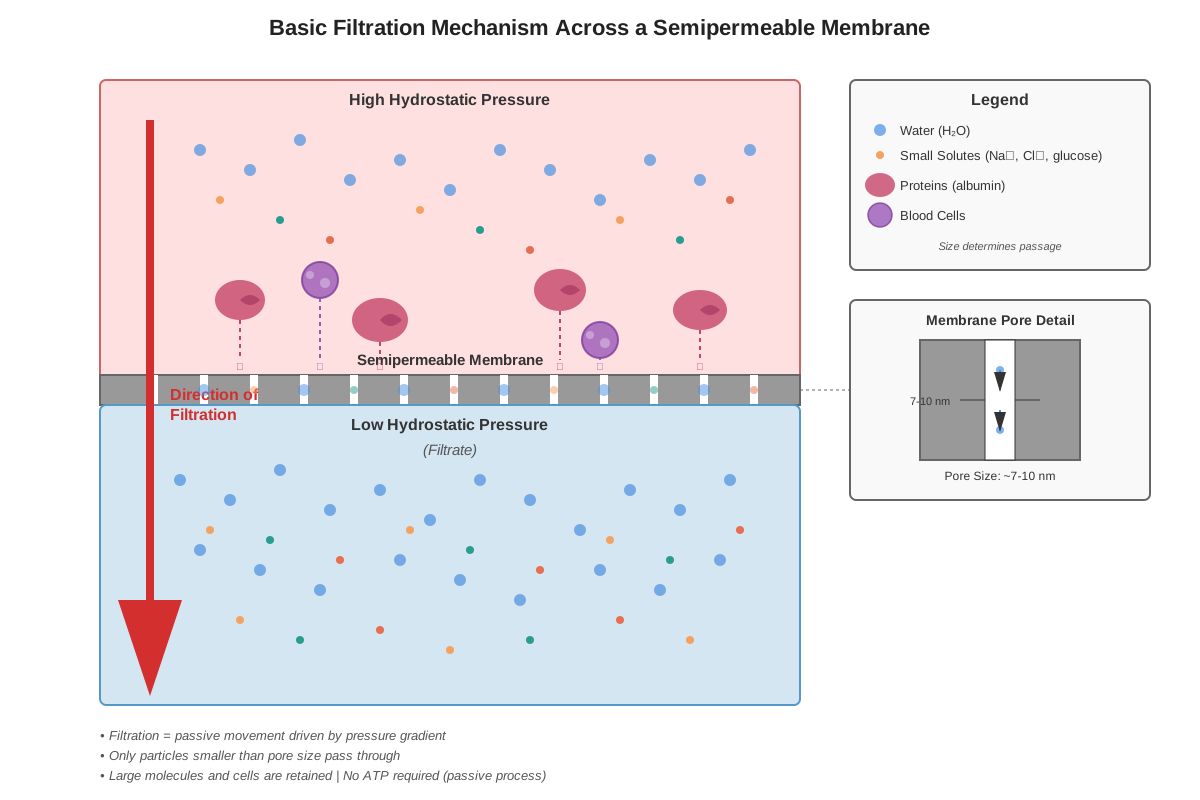
Filtration is a fundamental physiological process that plays a critical role in maintaining homeostasis throughout the human body. In the context of Biology and Physiology and Organ Systems, filtration represents a passive transport mechanism whereby fluid and small solutes are forced through a semipermeable membrane under pressure, while larger molecules and cells are retained. This process is essential for multiple organ systems, most notably the renal system, where it initiates urine formation in the kidneys, and the cardiovascular system, where it governs fluid exchange between capillaries and interstitial spaces.
For the MCAT, understanding filtration extends beyond simple memorization of definitions. Students must grasp the physical principles underlying filtration, including hydrostatic and osmotic pressure gradients, the structural features that enable selective permeability, and the physiological consequences when filtration is impaired. Filtration Biology encompasses the molecular basis of membrane selectivity, the role of pressure differentials in driving fluid movement, and the integration of filtration with other transport mechanisms. This topic frequently appears in passages involving renal physiology, cardiovascular dynamics, and fluid-electrolyte balance, making it a medium-yield but essential component of MCAT preparation.
The concept of filtration bridges multiple biological disciplines tested on the MCAT. It connects to cellular transport mechanisms, cardiovascular physiology, renal function, and the principles of diffusion and osmosis. Understanding filtration provides the foundation for comprehending more complex topics such as glomerular filtration rate (GFR), edema formation, blood pressure regulation, and the countercurrent multiplier system in the nephron. Mastery of this topic enables students to tackle interdisciplinary passages that integrate physics concepts (pressure, flow dynamics) with biological systems, a hallmark of Filtration MCAT questions.
Learning Objectives
- [ ] Define Filtration using accurate Biology terminology
- [ ] Explain why Filtration matters for the MCAT
- [ ] Apply Filtration to exam-style questions
- [ ] Identify common mistakes related to Filtration
- [ ] Connect Filtration to related Biology concepts
- [ ] Calculate net filtration pressure given hydrostatic and osmotic pressure values
- [ ] Distinguish between filtration and other passive transport mechanisms (diffusion, osmosis)
- [ ] Predict the physiological consequences of altered filtration in various organ systems
- [ ] Analyze how structural features of filtration barriers determine selectivity
Prerequisites
- Basic cell membrane structure: Understanding phospholipid bilayers and membrane proteins is essential because filtration occurs across biological membranes with specific permeability characteristics
- Pressure concepts from physics: Familiarity with hydrostatic pressure and the relationship between pressure, force, and area enables comprehension of the driving forces behind filtration
- Osmosis and osmotic pressure: Filtration works in opposition to osmotic forces, so understanding how solute concentration affects water movement is crucial
- Cardiovascular system basics: Knowledge of blood pressure, capillary structure, and circulation provides context for where filtration occurs physiologically
- Kidney anatomy: Basic understanding of nephron structure helps contextualize renal filtration, the most clinically significant application of this process
Why This Topic Matters
Filtration represents a cornerstone concept in human physiology with profound clinical implications. In medical practice, impaired filtration underlies numerous pathological conditions including chronic kidney disease, nephrotic syndrome, heart failure with edema, and hypertension. The kidneys filter approximately 180 liters of plasma daily, yet produce only 1-2 liters of urine, demonstrating the massive scale and efficiency of this process. Understanding filtration mechanisms enables clinicians to interpret laboratory values such as serum creatinine, blood urea nitrogen (BUN), and estimated glomerular filtration rate (eGFR)—all critical markers of renal function.
On the MCAT, filtration appears with moderate frequency across multiple question formats. Approximately 3-5% of Biological and Biochemical Foundations questions involve filtration concepts, either directly or as part of integrated passages. The topic most commonly appears in discrete questions testing renal physiology, passage-based questions involving experimental manipulation of filtration pressures, or interdisciplinary passages that combine cardiovascular and renal systems. Questions may present clinical vignettes describing edema, dehydration, or kidney disease, requiring students to apply filtration principles to predict physiological outcomes.
Exam passages frequently present filtration in several characteristic ways: experimental studies measuring changes in GFR under various conditions, clinical scenarios involving fluid imbalances, comparative physiology examining filtration across species, or research investigating novel filtration barriers. Students must be prepared to interpret graphs showing the relationship between filtration rate and pressure, analyze data tables comparing filtration of different molecules, and evaluate hypotheses about factors affecting filtration efficiency. The interdisciplinary nature of filtration questions—bridging biology, chemistry, and physics—makes this topic particularly valuable for demonstrating integrated scientific reasoning.
Core Concepts
Definition and Mechanism of Filtration
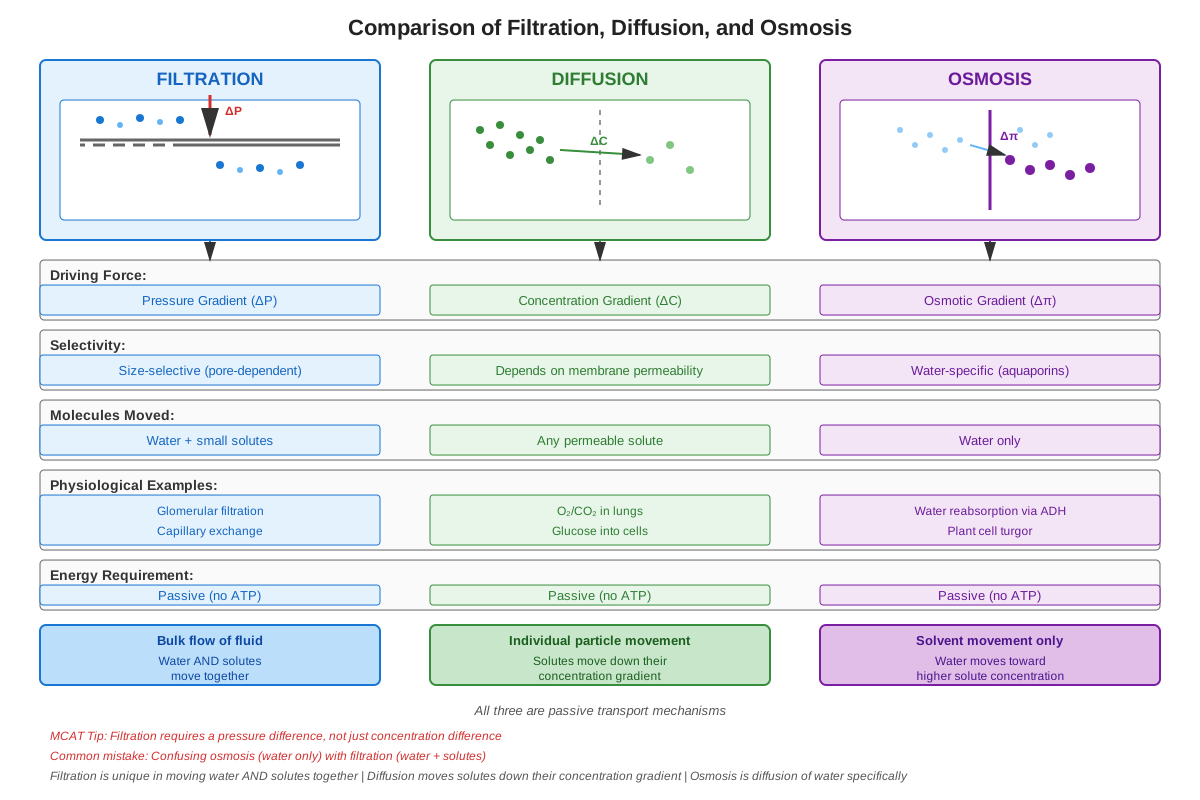
Filtration is a passive transport process in which hydrostatic pressure forces fluid and small solutes through a selectively permeable membrane, separating them from larger molecules, cells, and proteins that cannot pass through the membrane pores. Unlike simple diffusion, which relies solely on concentration gradients, or osmosis, which involves water movement driven by solute concentration differences, filtration is fundamentally a pressure-driven process. The filtration mechanism requires three essential components: a pressure gradient (typically hydrostatic pressure), a semipermeable membrane with defined pore sizes, and a fluid containing dissolved solutes of varying molecular sizes.
The physical basis of filtration follows principles from fluid dynamics. When hydrostatic pressure on one side of a membrane exceeds the opposing pressures (including osmotic pressure and hydrostatic pressure on the opposite side), fluid flows through the membrane. The rate of filtration is proportional to the net filtration pressure and the permeability characteristics of the membrane. Molecules smaller than the membrane pores pass through freely with the fluid (the filtrate), while larger molecules are retained. This size-selective property makes filtration an effective mechanism for separating components based on molecular dimensions.
Starling Forces and Net Filtration Pressure
The direction and magnitude of filtration across capillary walls are determined by Starling forces—four pressure components that either promote or oppose filtration. Understanding these forces is essential for Filtration MCAT questions:
- Capillary hydrostatic pressure (Pc): The blood pressure within capillaries that pushes fluid outward through capillary walls into the interstitial space. This is the primary driving force for filtration, typically around 35 mmHg at the arterial end of capillaries and 15 mmHg at the venous end.
- Interstitial hydrostatic pressure (Pi): The pressure of fluid in the interstitial space that opposes filtration by pushing fluid back toward capillaries. This is normally close to zero or slightly negative (around -3 mmHg).
- Capillary osmotic pressure/oncotic pressure (πc): The osmotic pressure exerted by plasma proteins (primarily albumin) that cannot cross the capillary membrane. This force pulls fluid back into capillaries and opposes filtration, typically around 25 mmHg.
- Interstitial osmotic pressure (πi): The osmotic pressure of proteins in the interstitial fluid that promotes filtration by pulling fluid out of capillaries. This is normally low (around 5 mmHg) because few proteins escape into the interstitial space.
The net filtration pressure (NFP) is calculated using the Starling equation:
NFP = (Pc - Pi) - (πc - πi)Or more simply:
NFP = (Pc + πi) - (Pi + πc)A positive NFP indicates net filtration (fluid movement out of capillaries), while a negative NFP indicates net reabsorption (fluid movement into capillaries). At the arterial end of systemic capillaries, NFP is typically positive (+10 mmHg), favoring filtration. At the venous end, NFP becomes negative (-8 mmHg), favoring reabsorption. This dynamic balance ensures that approximately 90% of filtered fluid is reabsorbed, with the remaining 10% returned to circulation via the lymphatic system.
Renal Filtration and the Glomerular Filtration Barrier
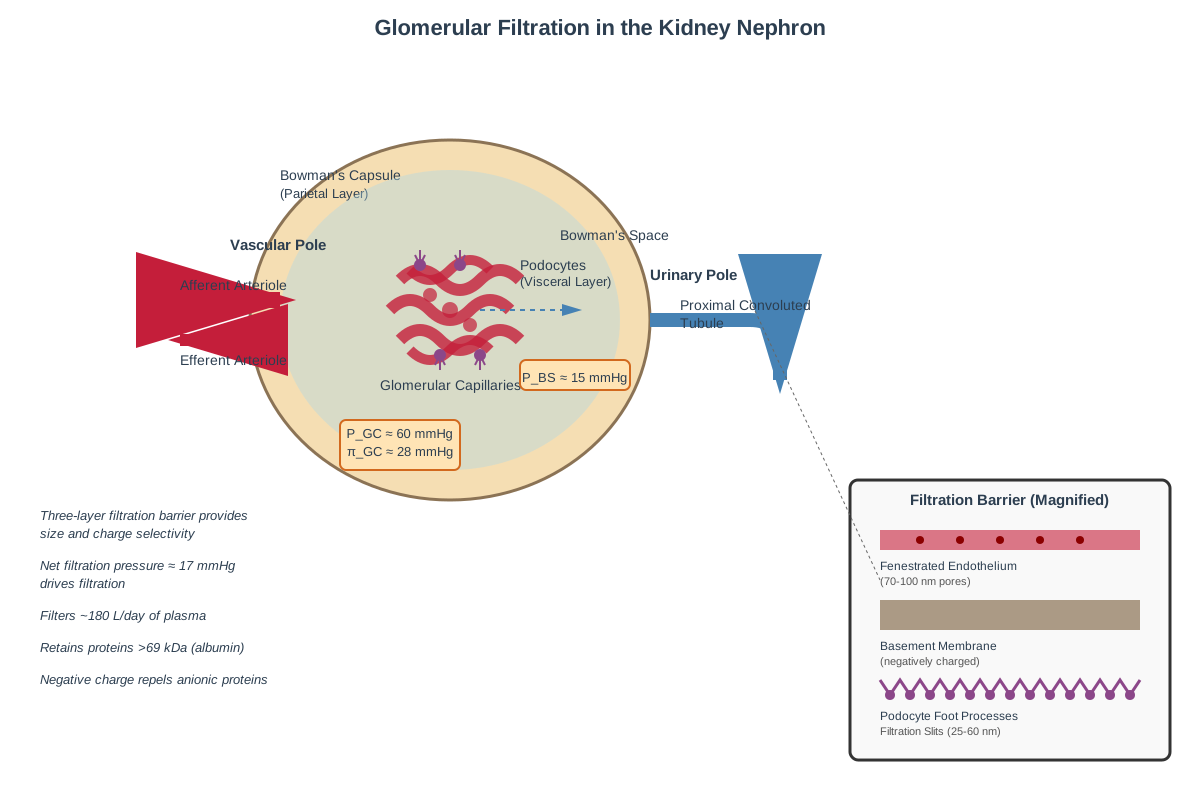
The kidneys represent the most clinically significant site of filtration in the human body. Renal filtration occurs in the glomerulus, a specialized capillary network within each nephron where blood is filtered to form the initial filtrate that will become urine. The glomerular filtration barrier consists of three layers that provide both high filtration capacity and selective permeability:
- Fenestrated capillary endothelium: The innermost layer contains pores (fenestrations) approximately 70-100 nm in diameter that allow passage of water, small solutes, and small proteins while blocking blood cells.
- Basement membrane (basal lamina): The middle layer is a dense extracellular matrix composed of collagen, laminin, and proteoglycans with negative charges. This layer provides size selectivity (blocking molecules >8 nm) and charge selectivity (repelling negatively charged molecules like albumin).
- Podocyte filtration slits: The outer layer consists of specialized epithelial cells (podocytes) with foot processes that create filtration slits approximately 25-60 nm wide, bridged by slit diaphragms. This layer provides the final barrier to protein filtration.
This three-layered structure creates a filtration barrier that is freely permeable to water and small solutes (glucose, amino acids, electrolytes, urea, creatinine) with molecular weights below 7,000 Daltons, but largely impermeable to proteins and completely impermeable to blood cells. The selectivity is based on both molecular size and electrical charge, with negatively charged molecules being more effectively excluded than neutral or positively charged molecules of similar size.
Glomerular Filtration Rate (GFR)
Glomerular filtration rate (GFR) quantifies the volume of fluid filtered from glomerular capillaries into Bowman's capsule per unit time, typically expressed as mL/min. Normal GFR is approximately 125 mL/min or 180 L/day in healthy adults. GFR serves as the primary clinical indicator of kidney function, with decreased GFR indicating impaired renal function. Several factors influence GFR:
| Factor | Effect on GFR | Mechanism |
|---|---|---|
| Increased glomerular hydrostatic pressure | Increases GFR | Greater driving force for filtration |
| Increased Bowman's capsule pressure | Decreases GFR | Opposes filtration (e.g., urinary obstruction) |
| Increased plasma oncotic pressure | Decreases GFR | Greater force opposing filtration (e.g., dehydration) |
| Decreased plasma oncotic pressure | Increases GFR | Reduced opposition to filtration (e.g., hypoalbuminemia) |
| Afferent arteriole dilation | Increases GFR | Increases glomerular blood flow and pressure |
| Afferent arteriole constriction | Decreases GFR | Decreases glomerular blood flow and pressure |
| Efferent arteriole constriction | Increases GFR | Increases glomerular hydrostatic pressure |
| Efferent arteriole dilation | Decreases GFR | Decreases glomerular hydrostatic pressure |
The body regulates GFR through three primary mechanisms: myogenic autoregulation (smooth muscle response to stretch), tubuloglomerular feedback (macula densa sensing of NaCl concentration), and hormonal regulation (renin-angiotensin-aldosterone system, atrial natriuretic peptide). These mechanisms maintain relatively constant GFR despite fluctuations in systemic blood pressure between 80-180 mmHg.
Filtration in Capillary Fluid Exchange
Beyond the kidneys, filtration governs fluid exchange between blood and tissues throughout the body. In systemic capillaries, the balance between filtration and reabsorption maintains proper fluid distribution between intravascular and interstitial compartments. The lymphatic system plays a crucial role by returning excess filtered fluid and any escaped proteins back to the circulation, preventing interstitial fluid accumulation.
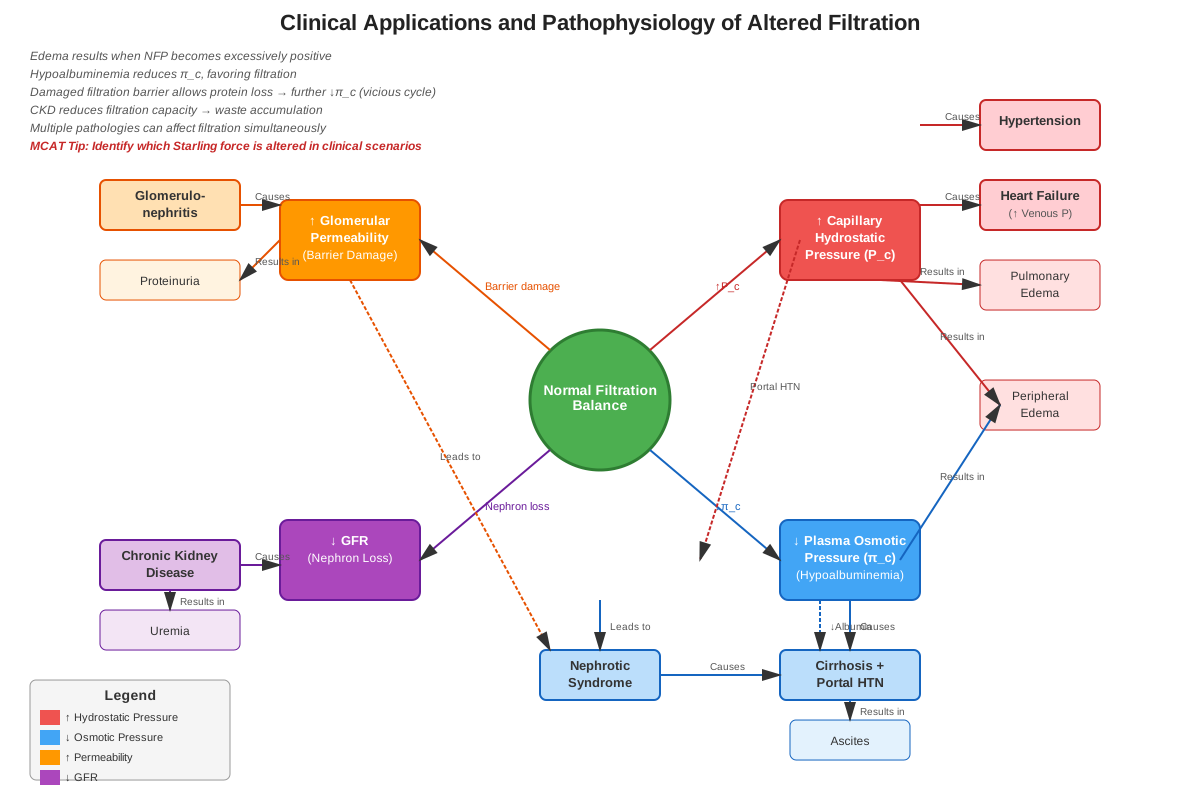
Disruptions in capillary filtration dynamics lead to edema—abnormal accumulation of fluid in interstitial spaces. Edema can result from: increased capillary hydrostatic pressure (heart failure, venous obstruction), decreased plasma oncotic pressure (liver disease reducing albumin synthesis, nephrotic syndrome causing protein loss), increased capillary permeability (inflammation, allergic reactions), or lymphatic obstruction (lymphedema). Understanding these mechanisms is essential for analyzing clinical scenarios on the MCAT.
Filtration Coefficient and Permeability
The filtration coefficient (Kf) quantifies the permeability and surface area available for filtration across a membrane. It represents the volume of fluid filtered per unit time per unit of net filtration pressure. The glomerular filtration coefficient is exceptionally high compared to other capillary beds due to the large surface area of glomerular capillaries and the high permeability of the filtration barrier. Mathematically:
Filtration Rate = Kf × NFPFactors affecting the filtration coefficient include: membrane surface area (increased in glomeruli due to extensive capillary networks), membrane thickness (thinner membranes increase permeability), pore size and density (more and larger pores increase filtration), and membrane composition (charge characteristics affect selectivity). Pathological conditions that damage the filtration barrier (glomerulonephritis, diabetic nephropathy) alter the filtration coefficient, leading to abnormal filtration of proteins (proteinuria) or reduced overall filtration capacity.
Concept Relationships
The concepts within filtration form an interconnected network centered on pressure-driven fluid movement across selective barriers. Net filtration pressure serves as the central determinant, integrating the four Starling forces to establish the magnitude and direction of fluid flow. This pressure differential → drives filtration across membranes → which is modulated by the filtration coefficient → determining the actual filtration rate. In the kidneys specifically, this relationship manifests as: glomerular capillary pressure → creates net filtration pressure → drives fluid across the glomerular filtration barrier → producing the initial filtrate at a rate quantified by GFR.
Filtration connects intimately with prerequisite concepts. The principles of osmosis directly oppose filtration through osmotic pressure gradients, creating the dynamic balance seen in capillary fluid exchange. Hydrostatic pressure from cardiovascular function provides the driving force for filtration, linking cardiac output and blood pressure to filtration rates. Membrane structure determines selectivity, with pore size, charge characteristics, and membrane composition controlling which molecules pass through the filtration barrier.
The topic extends to related physiological concepts in multiple directions. Filtration → produces the initial filtrate → which undergoes tubular reabsorption and secretion → ultimately forming urine. Changes in filtration → alter fluid balance → affecting blood volume and blood pressure → triggering compensatory mechanisms through the renin-angiotensin-aldosterone system. Impaired filtration → causes fluid accumulation → manifesting as edema or uremia → producing clinical symptoms that appear in MCAT passages. Understanding these relationships enables students to predict physiological consequences and analyze experimental manipulations of filtration in exam questions.
Quick check — test yourself on Filtration so far.
Try Flashcards →High-Yield Facts
⭐ Filtration is a passive, pressure-driven process that separates molecules based on size through a selectively permeable membrane.
⭐ Net filtration pressure (NFP) = (Pc - Pi) - (πc - πi), where positive values indicate filtration and negative values indicate reabsorption.
⭐ Normal glomerular filtration rate (GFR) is approximately 125 mL/min or 180 L/day, serving as the primary indicator of kidney function.
⭐ The glomerular filtration barrier consists of three layers: fenestrated endothelium, basement membrane, and podocyte filtration slits.
⭐ Capillary hydrostatic pressure (blood pressure) is the primary force driving filtration, while plasma oncotic pressure (from albumin) is the primary force opposing filtration.
- At the arterial end of systemic capillaries, NFP is positive (+10 mmHg), favoring filtration; at the venous end, NFP is negative (-8 mmHg), favoring reabsorption.
- The glomerular filtration barrier is freely permeable to molecules <7,000 Daltons but blocks most proteins and all blood cells.
- Afferent arteriole constriction decreases GFR by reducing glomerular blood flow, while efferent arteriole constriction increases GFR by increasing glomerular hydrostatic pressure.
- Edema results from disrupted filtration balance: increased capillary pressure, decreased plasma oncotic pressure, increased permeability, or lymphatic obstruction.
- The filtration coefficient (Kf) is highest in glomerular capillaries due to large surface area and high permeability, enabling efficient renal filtration.
- Autoregulation maintains constant GFR despite blood pressure changes between 80-180 mmHg through myogenic and tubuloglomerular feedback mechanisms.
- Proteinuria (protein in urine) indicates damage to the glomerular filtration barrier, allowing abnormal passage of proteins like albumin.
- Approximately 90% of filtered fluid is reabsorbed in capillaries, with the remaining 10% returned via lymphatic vessels.
Common Misconceptions
Misconception: Filtration and diffusion are the same process because both involve movement across membranes.
Correction: Filtration is pressure-driven and moves fluid with dissolved solutes through membrane pores, while diffusion is concentration-driven and involves individual molecule movement down concentration gradients. Filtration is non-selective for small molecules (all pass together with fluid), whereas diffusion is selective based on concentration gradients for each specific solute.
Misconception: Osmotic pressure drives filtration out of capillaries.
Correction: Osmotic pressure (particularly plasma oncotic pressure from albumin) actually opposes filtration by pulling fluid back into capillaries. Hydrostatic pressure (blood pressure) is the force that drives filtration. The balance between these opposing forces determines net fluid movement.
Misconception: The glomerular filtration barrier blocks molecules based solely on size.
Correction: The filtration barrier uses both size and charge selectivity. The negatively charged basement membrane and slit diaphragms repel negatively charged molecules like albumin more effectively than neutral or positively charged molecules of similar size. This charge selectivity is why albumin (69,000 Daltons, negatively charged) is largely excluded despite some smaller proteins passing through.
Misconception: Decreased blood pressure always decreases GFR proportionally.
Correction: Autoregulatory mechanisms maintain relatively constant GFR despite blood pressure fluctuations between 80-180 mmHg. The kidneys accomplish this through afferent arteriole dilation (when pressure drops) and constriction (when pressure rises), plus tubuloglomerular feedback. Only when blood pressure falls below 80 mmHg or rises above 180 mmHg does GFR change significantly.
Misconception: All filtered substances are excreted in urine.
Correction: The initial filtrate contains many valuable substances (glucose, amino acids, most water, electrolytes) that are subsequently reabsorbed in the tubules. Approximately 99% of filtered water, 100% of filtered glucose (in healthy individuals), and variable amounts of electrolytes are reabsorbed. Only waste products like urea and creatinine, plus excess water and electrolytes, are excreted.
Misconception: Increased plasma protein concentration always decreases filtration.
Correction: While increased plasma oncotic pressure does oppose filtration, the effect depends on which compartment is considered. In glomerular capillaries, increased plasma proteins decrease GFR. However, in systemic capillaries, the effect on net filtration also depends on changes in interstitial protein concentration and other Starling forces. Additionally, severe hyperproteinemia can increase blood viscosity and affect blood flow, creating complex effects on filtration.
Misconception: Edema always indicates kidney disease.
Correction: Edema results from any disruption in capillary filtration balance, not just kidney disease. Heart failure (increased capillary hydrostatic pressure), liver disease (decreased albumin production reducing oncotic pressure), inflammation (increased capillary permeability), malnutrition (decreased protein intake), and lymphatic obstruction can all cause edema without primary kidney pathology.
Worked Examples
Example 1: Calculating Net Filtration Pressure
Question: At a particular point along a capillary, the following pressures are measured: capillary hydrostatic pressure = 30 mmHg, interstitial hydrostatic pressure = -2 mmHg, capillary oncotic pressure = 26 mmHg, and interstitial oncotic pressure = 4 mmHg. Calculate the net filtration pressure and determine whether filtration or reabsorption is occurring.
Solution:
Step 1: Identify the relevant equation for net filtration pressure:
NFP = (Pc - Pi) - (πc - πi)
Step 2: Identify the given values:
- Pc (capillary hydrostatic pressure) = 30 mmHg
- Pi (interstitial hydrostatic pressure) = -2 mmHg
- πc (capillary oncotic pressure) = 26 mmHg
- πi (interstitial oncotic pressure) = 4 mmHg
Step 3: Substitute values into the equation:
NFP = (30 - (-2)) - (26 - 4)
NFP = (30 + 2) - (22)
NFP = 32 - 22
NFP = +10 mmHg
Step 4: Interpret the result:
Since NFP is positive (+10 mmHg), the net pressure favors filtration. Fluid will move out of the capillary into the interstitial space at this location.
Connection to learning objectives: This problem applies filtration concepts to quantitative calculations, demonstrating how the Starling forces integrate to determine fluid movement direction. Understanding that positive NFP indicates filtration while negative NFP indicates reabsorption is essential for analyzing capillary dynamics in MCAT passages.
Example 2: Predicting Effects of Pathological Conditions on GFR
Question: A patient presents with severe dehydration following prolonged vomiting. Blood tests reveal elevated plasma protein concentration and hematocrit. Separately, another patient with liver cirrhosis shows decreased plasma albumin levels. Predict how GFR would be affected in each patient and explain the mechanisms.
Solution:
Patient 1 (Dehydration with elevated plasma proteins):
Step 1: Identify the relevant changes:
- Dehydration → decreased blood volume → decreased blood pressure
- Elevated plasma protein concentration → increased plasma oncotic pressure
Step 2: Analyze effects on Starling forces:
- Decreased blood pressure → decreased glomerular capillary hydrostatic pressure (Pc) → decreases the driving force for filtration
- Increased plasma oncotic pressure (πc) → increases the force opposing filtration
Step 3: Predict the net effect:
Both changes oppose filtration, so GFR would decrease significantly. The reduced hydrostatic pressure provides less driving force, while increased oncotic pressure creates greater opposition to filtration.
Step 4: Consider compensatory mechanisms:
The renin-angiotensin-aldosterone system would activate, causing efferent arteriole constriction to help maintain glomerular pressure and partially preserve GFR, though overall GFR would still be reduced.
Patient 2 (Liver cirrhosis with hypoalbuminemia):
Step 1: Identify the relevant change:
- Decreased plasma albumin → decreased plasma oncotic pressure (πc)
Step 2: Analyze effects on Starling forces:
- Decreased plasma oncotic pressure → reduces the force opposing filtration
Step 3: Predict the net effect:
GFR would increase because there is less osmotic force pulling fluid back into glomerular capillaries. However, this patient would also likely develop edema in systemic capillaries due to the same mechanism (reduced oncotic pressure allows more net filtration in tissues).
Step 4: Consider additional complications:
Liver cirrhosis often causes portal hypertension, which can affect renal blood flow through complex mechanisms (hepatorenal syndrome), potentially complicating the GFR changes.
Connection to learning objectives: This example demonstrates application of filtration principles to clinical scenarios, requiring students to predict physiological consequences of altered Starling forces. It connects filtration to pathophysiology and illustrates how the same principles apply across different capillary beds (glomerular vs. systemic).
Exam Strategy
When approaching Filtration MCAT questions, begin by identifying which type of filtration is being discussed—renal (glomerular) or systemic (capillary exchange). This distinction determines which specific concepts and equations are relevant. For renal filtration questions, focus on GFR, the three-layered filtration barrier, and factors affecting glomerular pressure. For systemic capillary questions, emphasize Starling forces, edema mechanisms, and the balance between filtration and reabsorption.
Trigger words and phrases that signal filtration concepts include: "pressure-driven," "hydrostatic pressure," "oncotic pressure," "glomerular filtration rate," "Bowman's capsule," "fenestrated capillaries," "podocytes," "basement membrane," "edema," "fluid exchange," "capillary dynamics," and "net filtration pressure." When you encounter these terms, immediately activate your filtration framework and consider which forces or structures are being manipulated.
For calculation-based questions involving net filtration pressure, systematically identify all four Starling forces before attempting calculations. Create a simple table or list: Pc, Pi, πc, πi. Watch for negative values (especially for interstitial hydrostatic pressure) and be careful with signs when substituting into the equation. Remember that positive NFP means filtration (out of capillaries) and negative NFP means reabsorption (into capillaries). If a question asks about changes in filtration, determine which force(s) changed and in which direction, then predict the effect on NFP.
Process-of-elimination strategies specific to filtration:
- Eliminate answer choices that confuse filtration with diffusion or osmosis (filtration is pressure-driven, not concentration-driven)
- Eliminate options that suggest filtration requires ATP or is an active process (filtration is passive)
- For GFR questions, eliminate choices suggesting that normal autoregulation fails within the 80-180 mmHg blood pressure range
- Eliminate answers that claim the filtration barrier blocks molecules based solely on size without considering charge
- When evaluating edema causes, eliminate options that would actually oppose edema formation (e.g., increased plasma oncotic pressure)
Time allocation: Discrete filtration questions typically require 60-90 seconds—enough time to recall the relevant concept, apply it to the specific scenario, and select an answer. Passage-based questions involving filtration may require 90-120 seconds per question because you must integrate information from the passage with your content knowledge. For calculation questions, budget an additional 30 seconds to perform the arithmetic carefully. If a question requires complex multi-step reasoning about filtration, consider flagging it and returning after completing easier questions, but don't skip it entirely—filtration questions are usually straightforward once you identify the relevant concept.
Memory Techniques
Mnemonic for Starling Forces - "Please Put On Oxygen" represents the four pressures:
- Pc = capillary hydrostatic Pressure (pushes out)
- Pi = interstitial hydrostatic Pressure (pushes in)
- Oc = capillary Oncotic pressure (pulls in)
- Oi = interstitial Oncotic pressure (pulls out)
Mnemonic for the Glomerular Filtration Barrier layers - "Every Basement Protects" (from inside to outside):
- Endothelium (fenestrated)
- Basement membrane
- Podocytes (with filtration slits)
Visualization strategy for NFP: Picture a tug-of-war with four teams. Two teams (Pc and πi) pull fluid OUT of the capillary (filtration), while two teams (Pi and πc) pull fluid INTO the capillary (reabsorption). The strongest side wins, determining the direction of net fluid movement. The difference in strength equals the NFP magnitude.
Acronym for factors that INCREASE GFR - "HIDE":
- Hydrostatic pressure increased (in glomerular capillaries)
- Increased afferent arteriole dilation
- Decreased oncotic pressure (plasma)
- Efferent arteriole constriction
Memory aid for filtration vs. other transport: Create a mental image of a coffee filter. Filtration is like pouring coffee through a filter—pressure (gravity) pushes liquid and small dissolved molecules through, while large particles (coffee grounds) are retained. This is fundamentally different from diffusion (molecules spreading out on their own) or osmosis (water moving toward high solute concentration).
Numerical memory anchor: Remember "125-180-1" for kidney filtration:
- 125 mL/min = normal GFR
- 180 L/day = total daily filtrate volume
- 1-2 L/day = final urine output
This shows that 99% of filtered fluid is reabsorbed, a high-yield fact for the MCAT.
Summary
Filtration is a passive, pressure-driven transport mechanism essential for maintaining fluid balance and eliminating metabolic waste in the human body. The process depends on net filtration pressure, calculated from four Starling forces: capillary and interstitial hydrostatic pressures, and capillary and interstitial oncotic pressures. In the kidneys, specialized glomerular capillaries filter approximately 180 liters of plasma daily through a three-layered barrier (fenestrated endothelium, basement membrane, and podocyte filtration slits) that selectively permits passage of water and small solutes while retaining proteins and blood cells. The glomerular filtration rate (125 mL/min) serves as the primary clinical indicator of kidney function and is regulated through autoregulatory mechanisms that maintain constant filtration despite blood pressure fluctuations. In systemic capillaries, the balance between filtration at the arterial end and reabsorption at the venous end, supplemented by lymphatic drainage, maintains proper fluid distribution between blood and tissues. Disruptions in filtration dynamics lead to clinically significant conditions including edema, kidney disease, and fluid-electrolyte imbalances. For the MCAT, students must understand the physical principles underlying filtration, calculate net filtration pressure, predict physiological consequences of altered filtration, and distinguish filtration from other transport mechanisms.
Key Takeaways
- Filtration is pressure-driven passive transport that separates molecules by size through a selectively permeable membrane, distinct from concentration-driven diffusion and osmosis
- Net filtration pressure integrates four Starling forces: capillary hydrostatic pressure and interstitial oncotic pressure promote filtration, while interstitial hydrostatic pressure and capillary oncotic pressure oppose it
- The glomerular filtration barrier's three layers (fenestrated endothelium, charged basement membrane, podocyte slits) provide both size and charge selectivity, freely filtering molecules <7,000 Daltons while blocking proteins
- Normal GFR of 125 mL/min (180 L/day) is maintained by autoregulation through myogenic and tubuloglomerular feedback mechanisms between blood pressures of 80-180 mmHg
- Capillary filtration dynamics determine fluid distribution: positive NFP at arterial ends causes filtration, negative NFP at venous ends causes reabsorption, with lymphatics returning excess filtered fluid
- Clinical conditions affecting filtration include edema (from increased capillary pressure, decreased oncotic pressure, increased permeability, or lymphatic obstruction) and kidney disease (manifesting as altered GFR or proteinuria)
- Afferent and efferent arteriole regulation provides precise control over glomerular pressure and GFR, with opposite effects on filtration depending on which vessel constricts
Related Topics
- Tubular Reabsorption and Secretion: After filtration produces the initial filtrate, these processes modify its composition through active and passive transport mechanisms to form final urine
- Renin-Angiotensin-Aldosterone System (RAAS): This hormonal cascade regulates blood pressure and fluid balance partly by modulating GFR through effects on arteriolar tone and filtration pressures
- Acid-Base Balance: The kidneys regulate pH through filtration of bicarbonate and hydrogen ions, followed by selective reabsorption and secretion in the tubules
- Cardiovascular Physiology: Blood pressure, cardiac output, and vascular resistance directly influence filtration pressures in both glomerular and systemic capillaries
- Lymphatic System: This parallel circulation returns filtered fluid and proteins from interstitial spaces to the bloodstream, preventing edema
- Osmosis and Osmotic Pressure: Understanding water movement driven by solute concentration gradients is essential for comprehending the oncotic pressure component of filtration
- Membrane Transport Mechanisms: Filtration represents one of several transport processes (along with diffusion, osmosis, facilitated diffusion, and active transport) that move substances across biological membranes
Practice CTA
Now that you've mastered the core concepts of filtration, it's time to solidify your understanding through active practice. Attempt the practice questions and flashcards associated with this topic to test your ability to apply filtration principles to MCAT-style scenarios. Focus particularly on calculation problems involving net filtration pressure and questions requiring you to predict physiological consequences of altered filtration. Remember, the MCAT rewards not just knowledge but the ability to apply concepts to novel situations—practice is where you develop this critical skill. You've built a strong foundation; now strengthen it through deliberate practice!
Sign up free to keep reading
Create a free AnvayaPrep account to finish this MCAT guide on Filtration — plus flashcards and practice questions.