Overview
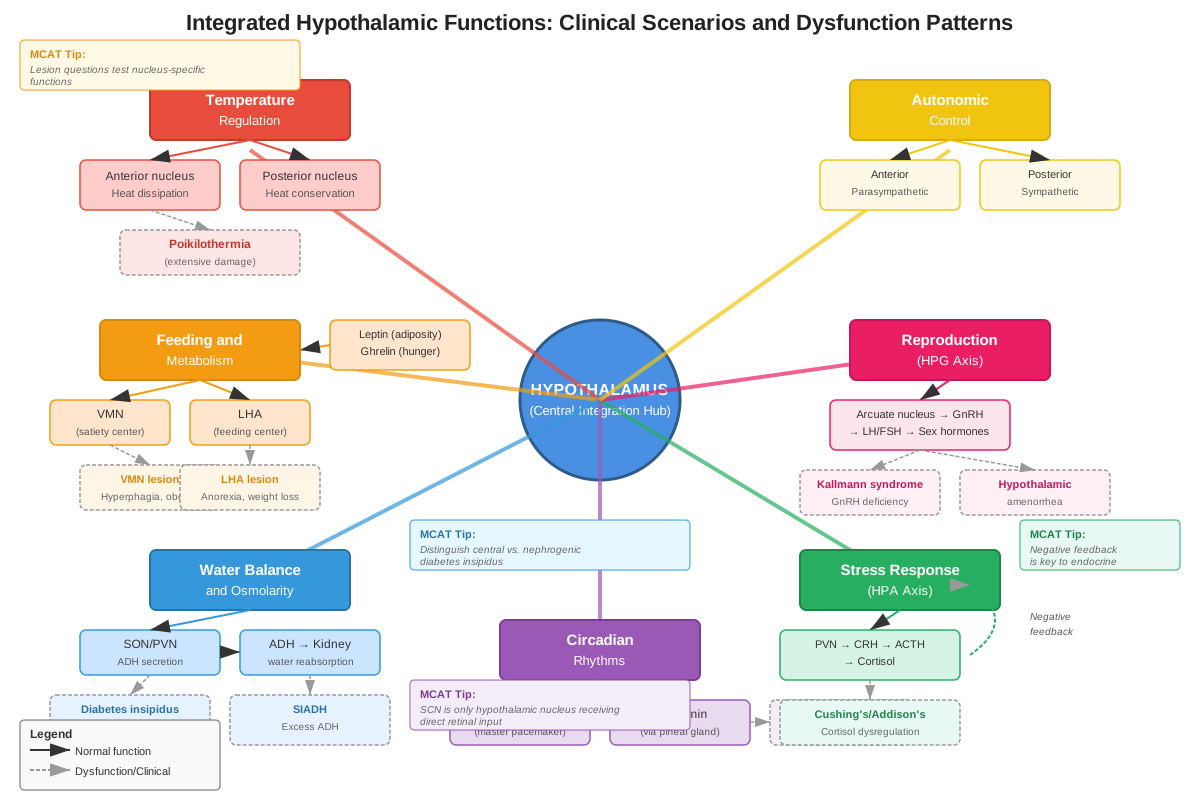
The hypothalamus is a small but extraordinarily powerful region of the brain that serves as the primary integration center between the nervous system and the endocrine system. Located below the thalamus and above the pituitary gland, this almond-sized structure orchestrates critical homeostatic functions including temperature regulation, hunger and satiety, thirst, sleep-wake cycles, and emotional responses. For MCAT preparation, understanding the hypothalamus is essential because it represents a convergence point for multiple high-yield topics: neuroendocrine control, autonomic nervous system regulation, and behavioral physiology. The hypothalamus exemplifies how the body maintains internal equilibrium through negative feedback loops and hormonal cascades.
The hypothalamus appears frequently on the MCAT in questions testing integrated physiology and organ systems, particularly in passages involving endocrine disorders, stress responses, reproductive cycles, and metabolic regulation. Test-makers favor this topic because it requires students to synthesize knowledge across multiple organ systems and understand bidirectional communication pathways. Questions may present clinical vignettes involving pituitary tumors, diabetes insipidus, or circadian rhythm disruptions, all of which trace back to hypothalamic dysfunction.
Mastering hypothalamus biology provides the foundation for understanding the hypothalamic-pituitary axis (HPA), one of the most frequently tested concepts in MCAT Biology. This topic connects directly to the endocrine system, nervous system integration, and behavioral science concepts tested in the Psychological, Social, and Biological Foundations of Behavior section. The hypothalamus serves as a bridge between neural signals and hormonal responses, making it indispensable for answering questions that require understanding how the body coordinates complex physiological responses to internal and external stimuli.
Learning Objectives
- [ ] Define hypothalamus using accurate Biology terminology
- [ ] Explain why hypothalamus matters for the MCAT
- [ ] Apply hypothalamus concepts to exam-style questions
- [ ] Identify common mistakes related to hypothalamus
- [ ] Connect hypothalamus to related Biology concepts
- [ ] Diagram the anatomical relationships between the hypothalamus, pituitary gland, and target organs
- [ ] Distinguish between the functions of different hypothalamic nuclei and their associated hormones
- [ ] Predict the physiological consequences of hypothalamic dysfunction in clinical scenarios
Prerequisites
- Basic neuroanatomy: Understanding brain regions and their general locations is necessary to contextualize where the hypothalamus sits within the diencephalon and its proximity to the pituitary gland
- Endocrine system fundamentals: Knowledge of hormone types (peptide vs. steroid), receptor mechanisms, and feedback loops provides the framework for understanding hypothalamic-pituitary interactions
- Autonomic nervous system: The hypothalamus controls both sympathetic and parasympathetic outputs, so familiarity with these divisions is essential
- Homeostasis principles: Understanding negative feedback, set points, and regulatory mechanisms helps explain how the hypothalamus maintains physiological balance
- Blood-brain barrier concepts: Knowing which substances can cross this barrier contextualizes how the hypothalamus senses and responds to circulating factors
Why This Topic Matters
The hypothalamus represents one of the most clinically relevant structures in medicine, making it a favorite target for MCAT question writers. Disorders of hypothalamic function manifest in diverse ways: patients with hypothalamic tumors may present with obesity, temperature dysregulation, or reproductive dysfunction; damage to specific nuclei can cause diabetes insipidus (excessive urination due to lack of ADH); and disruptions in hypothalamic-pituitary communication underlie many endocrine pathologies including Cushing's disease, hypothyroidism, and growth disorders. Understanding the hypothalamus enables students to reason through complex clinical presentations that integrate multiple organ systems.
From an exam statistics perspective, hypothalamus-related content appears in approximately 3-5% of MCAT Biology questions, with additional appearances in Behavioral Sciences questions addressing circadian rhythms, stress responses, and motivated behaviors. Questions typically fall into three categories: (1) direct anatomy and hormone identification questions, (2) feedback loop tracing questions requiring students to predict hormonal changes following a perturbation, and (3) passage-based questions presenting clinical cases where students must identify the site of dysfunction. The hypothalamus is particularly high-yield because it connects to so many other testable topics—students who master this structure gain leverage across multiple content areas.
In MCAT passages, the hypothalamus commonly appears in contexts involving: stress physiology (cortisol and the HPA axis), reproductive endocrinology (GnRH and the HPG axis), growth and metabolism (growth hormone and thyroid hormone regulation), fluid balance (ADH and osmoreceptors), and thermoregulation. Passages may describe experimental manipulations of hypothalamic nuclei in animal models or present patient cases with pituitary adenomas that disrupt normal hypothalamic control. Recognizing these patterns helps students quickly identify the relevant concepts being tested.
Core Concepts
Anatomical Location and Structure
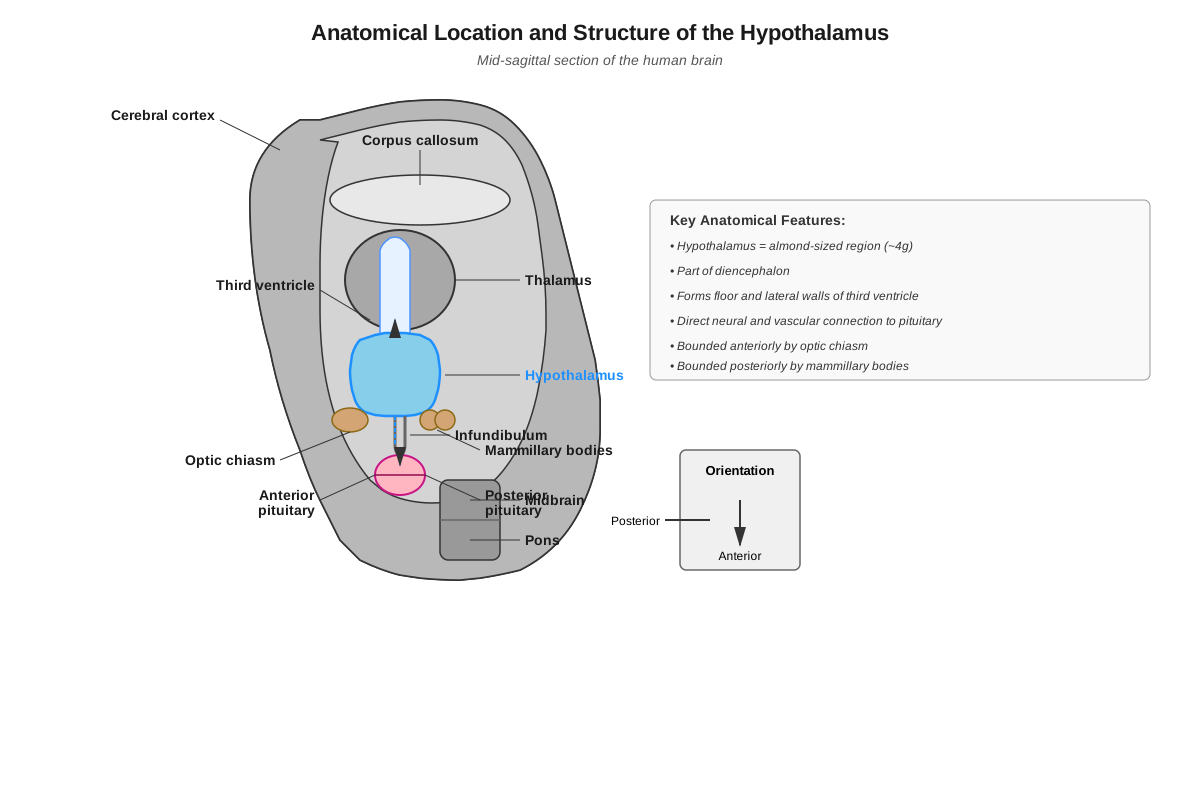
The hypothalamus is a small region of the diencephalon located ventral to the thalamus and forming the floor and lateral walls of the third ventricle. Despite comprising less than 1% of total brain mass, it contains numerous distinct nuclei (clusters of neuronal cell bodies) that perform specialized regulatory functions. The hypothalamus sits directly above the pituitary gland, connected to it via the infundibulum (pituitary stalk), which contains both neural and vascular connections. This anatomical arrangement is crucial for understanding how the hypothalamus exerts control over the endocrine system.
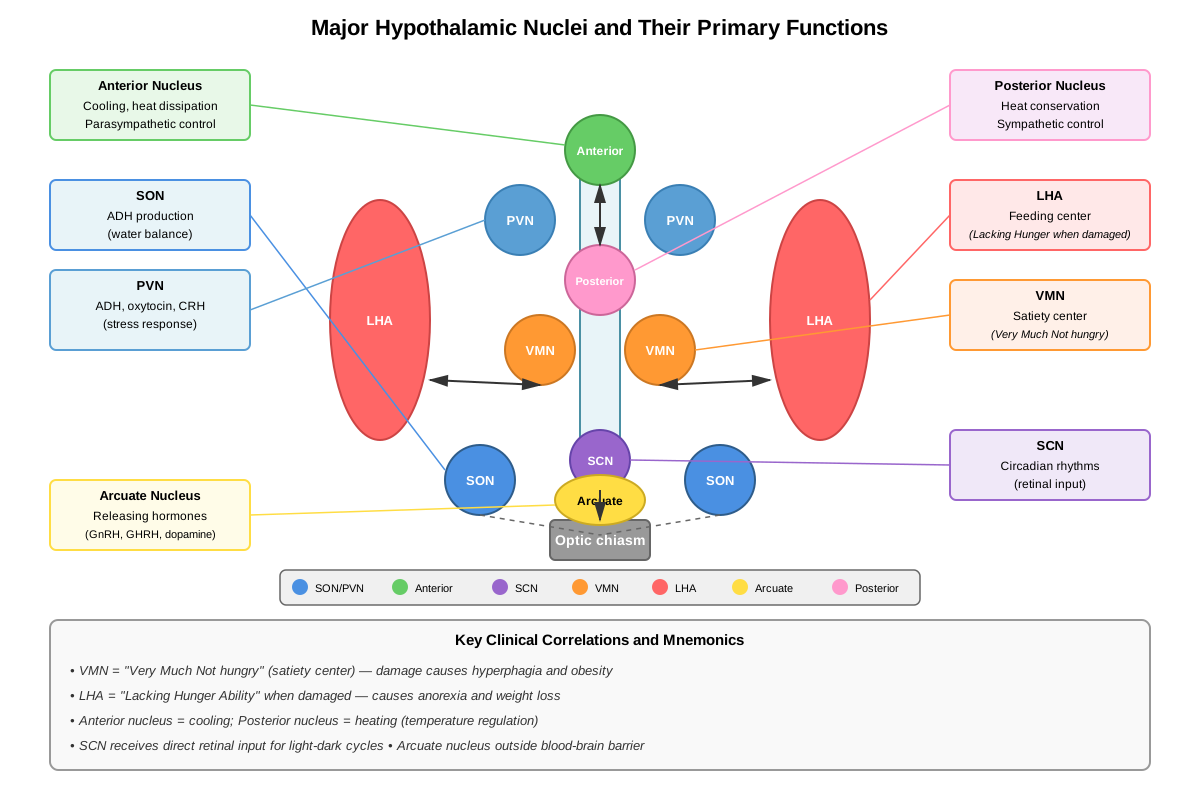
The hypothalamus can be divided into several functional zones: the periventricular zone (closest to the third ventricle), the medial zone (containing most regulatory nuclei), and the lateral zone (involved in feeding behavior). Key nuclei include the supraoptic and paraventricular nuclei (produce ADH and oxytocin), the preoptic area (thermoregulation), the suprachiasmatic nucleus (circadian rhythms), the arcuate nucleus (produces releasing and inhibiting hormones), the ventromedial nucleus (satiety center), and the lateral hypothalamic area (feeding center). Each nucleus has distinct cellular populations and projections that mediate specific physiological functions.
Hypothalamic-Pituitary Connections
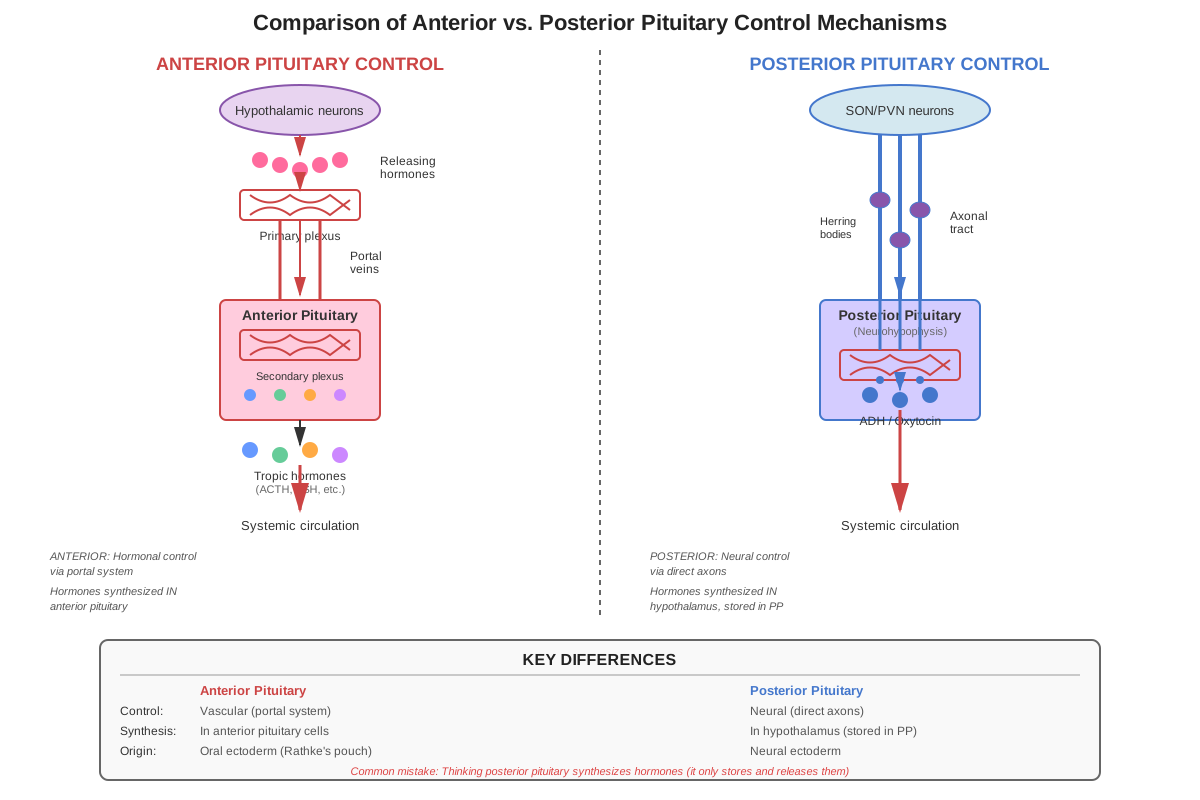
The hypothalamus controls the pituitary gland through two distinct pathways: the hypothalamic-hypophyseal portal system (connecting to the anterior pituitary) and direct neural projections (to the posterior pituitary). Understanding this dual control mechanism is essential for MCAT success.
The hypothalamic-hypophyseal portal system is a specialized vascular network that allows hypothalamic releasing and inhibiting hormones to reach the anterior pituitary without entering systemic circulation. Neurosecretory cells in the hypothalamus release hormones into capillaries in the median eminence; these capillaries converge into portal veins that travel down the pituitary stalk and branch into a second capillary network in the anterior pituitary. This arrangement allows hypothalamic hormones to reach their target cells in high concentrations, enabling precise control of anterior pituitary hormone secretion.
The posterior pituitary (neurohypophysis) is controlled differently. It does not synthesize hormones but rather stores and releases hormones produced by hypothalamic neurons. The supraoptic and paraventricular nuclei contain magnocellular neurons whose axons extend through the infundibulum into the posterior pituitary. These neurons synthesize antidiuretic hormone (ADH, also called vasopressin) and oxytocin, package them into vesicles, transport them down their axons, and release them directly into systemic circulation from nerve terminals in the posterior pituitary.
Hypothalamic Releasing and Inhibiting Hormones
The hypothalamus produces several peptide hormones that regulate anterior pituitary function. These hormones are critical for MCAT questions involving endocrine cascades and feedback loops.
| Hypothalamic Hormone | Effect on Anterior Pituitary | Target Pituitary Hormone |
|---|---|---|
| Thyrotropin-releasing hormone (TRH) | Stimulates | TSH (thyroid-stimulating hormone) |
| Corticotropin-releasing hormone (CRH) | Stimulates | ACTH (adrenocorticotropic hormone) |
| Gonadotropin-releasing hormone (GnRH) | Stimulates | FSH and LH (follicle-stimulating hormone and luteinizing hormone) |
| Growth hormone-releasing hormone (GHRH) | Stimulates | GH (growth hormone) |
| Somatostatin (GHIH) | Inhibits | GH and TSH |
| Dopamine (PIH - prolactin-inhibiting hormone) | Inhibits | Prolactin |
Note that most hypothalamic control is stimulatory (releasing hormones), but two important inhibitory hormones exist: somatostatin (which inhibits growth hormone and TSH) and dopamine (which tonically inhibits prolactin release). This tonic inhibition of prolactin is clinically significant—damage to the pituitary stalk or dopamine-blocking medications can cause hyperprolactinemia because the inhibitory signal is lost.
Homeostatic Functions
The hypothalamus serves as the body's master homeostatic regulator, integrating sensory information and coordinating appropriate responses through both neural and endocrine pathways.
Temperature regulation: The preoptic area contains thermoreceptors that detect blood temperature. When body temperature rises above the set point (approximately 37°C), the hypothalamus activates heat-loss mechanisms including vasodilation of skin blood vessels, sweating, and behavioral responses (seeking shade, removing clothing). When temperature falls below the set point, the hypothalamus triggers heat-conservation and heat-generation mechanisms including vasoconstriction, shivering, and increased metabolic rate through thyroid hormone. This represents a classic negative feedback system where the controlled variable (temperature) influences the control center (hypothalamus) to maintain homeostasis.
Osmolarity and fluid balance: Osmoreceptors in the hypothalamus detect changes in blood osmolarity. When osmolarity increases (indicating dehydration), the supraoptic nucleus releases ADH from the posterior pituitary, which acts on kidney collecting ducts to increase water reabsorption. Simultaneously, the hypothalamus stimulates thirst behavior. When osmolarity decreases, ADH release is suppressed, allowing the kidneys to excrete dilute urine. This dual mechanism (hormonal and behavioral) ensures precise fluid balance.
Feeding behavior and energy balance: The arcuate nucleus contains two populations of neurons with opposing effects on feeding. Neurons producing neuropeptide Y (NPY) and agouti-related peptide (AgRP) are orexigenic (appetite-stimulating), while neurons producing pro-opiomelanocortin (POMC) and cocaine- and amphetamine-regulated transcript (CART) are anorexigenic (appetite-suppressing). These neurons receive input from circulating hormones including leptin (from adipose tissue, signals energy sufficiency) and ghrelin (from stomach, signals hunger). The ventromedial nucleus serves as a satiety center—damage causes hyperphagia and obesity. The lateral hypothalamic area serves as a feeding center—damage causes aphagia and weight loss.
Circadian Rhythm Control
The suprachiasmatic nucleus (SCN) serves as the body's master circadian pacemaker, generating approximately 24-hour rhythms in physiology and behavior. The SCN receives direct input from retinal ganglion cells containing melanopsin, a photopigment that detects ambient light levels. This retinohypothalamic tract allows the SCN to entrain (synchronize) to the external light-dark cycle. The SCN then coordinates circadian rhythms throughout the body by regulating melatonin secretion from the pineal gland, body temperature fluctuations, cortisol release patterns, and sleep-wake cycles. Disruption of SCN function (through shift work, jet lag, or lesions) causes desynchronization of these rhythms with negative health consequences.
Stress Response and the HPA Axis
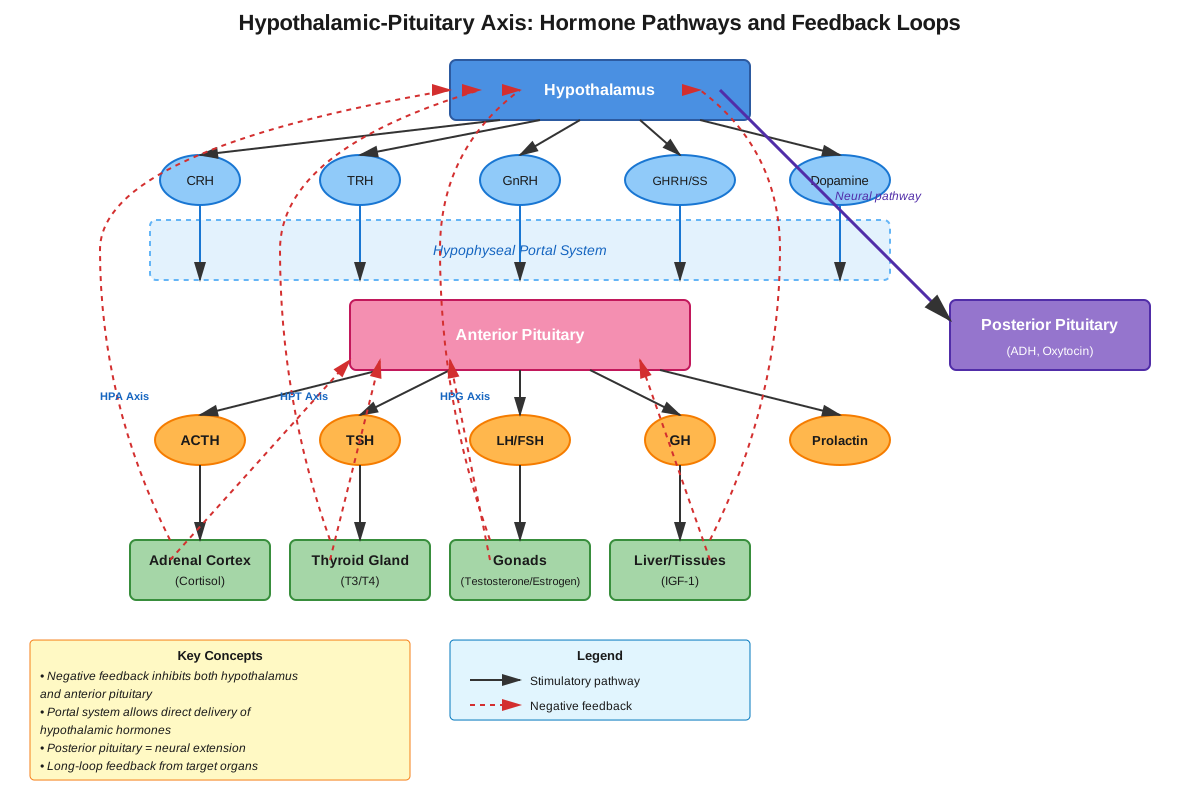
The hypothalamic-pituitary-adrenal (HPA) axis represents one of the body's primary stress response systems and is extremely high-yield for the MCAT. When the brain perceives a stressor, the paraventricular nucleus of the hypothalamus releases corticotropin-releasing hormone (CRH) into the hypothalamic-hypophyseal portal system. CRH stimulates corticotroph cells in the anterior pituitary to secrete adrenocorticotropic hormone (ACTH) into systemic circulation. ACTH travels to the adrenal cortex and stimulates the zona fasciculata to synthesize and release cortisol, a glucocorticoid hormone with widespread metabolic effects including increased gluconeogenesis, protein catabolism, and immune suppression.
Cortisol exerts negative feedback at multiple levels: it inhibits CRH release from the hypothalamus and ACTH release from the pituitary, creating a self-limiting response. Chronic stress can dysregulate this axis, leading to sustained cortisol elevation with pathological consequences. Understanding the HPA axis is essential for questions involving stress physiology, Cushing's syndrome (cortisol excess), Addison's disease (cortisol deficiency), and the effects of exogenous corticosteroid administration.
Reproductive Axis Control
The hypothalamic-pituitary-gonadal (HPG) axis controls reproductive function in both sexes. The hypothalamus releases gonadotropin-releasing hormone (GnRH) in a pulsatile manner—the frequency and amplitude of these pulses determine the pattern of FSH and LH secretion from the anterior pituitary. In females, FSH stimulates follicle development and estrogen production, while LH triggers ovulation and progesterone production from the corpus luteum. In males, FSH supports spermatogenesis and LH stimulates testosterone production from Leydig cells.
Sex steroids (estrogen, progesterone, testosterone) exert negative feedback on the hypothalamus and pituitary under most conditions, but estrogen can exert positive feedback at mid-cycle in females, triggering the LH surge that causes ovulation. This switch from negative to positive feedback is a unique feature of the female reproductive system and a common MCAT question topic. Disruptions in GnRH pulsatility (from stress, low body weight, or hypothalamic dysfunction) can cause reproductive dysfunction and amenorrhea.
Concept Relationships
The hypothalamus functions as a central integration hub, receiving inputs from multiple sources and coordinating outputs through diverse pathways. Sensory information from the body (temperature, osmolarity, glucose levels, hormone concentrations) reaches the hypothalamus through circumventricular organs (brain regions lacking a complete blood-brain barrier) and neural pathways. The hypothalamus processes this information and generates appropriate responses through three main output pathways: (1) releasing/inhibiting hormones that control the anterior pituitary → which controls peripheral endocrine glands → which affect target tissues throughout the body; (2) direct hormone release from the posterior pituitary (ADH and oxytocin) → which act on kidneys, blood vessels, uterus, and mammary glands; and (3) autonomic nervous system activation → which produces rapid physiological changes in heart rate, blood pressure, digestion, and other visceral functions.
The relationship between hypothalamic nuclei and their functions follows a pattern: sensory nuclei (suprachiasmatic, preoptic, arcuate) detect specific stimuli → integrative processing occurs → effector nuclei (paraventricular, supraoptic) generate appropriate responses. For example, in the osmotic regulation pathway: increased blood osmolarity → detected by osmoreceptors in the hypothalamus → triggers ADH release from supraoptic nucleus → ADH acts on kidney collecting ducts → increased water reabsorption → decreased blood osmolarity → negative feedback reduces ADH release.
The hypothalamus connects to prerequisite knowledge of the autonomic nervous system through its control of sympathetic and parasympathetic outflow. The paraventricular nucleus projects to preganglionic sympathetic neurons in the spinal cord, allowing the hypothalamus to activate the "fight or flight" response during stress. This connection explains how psychological stressors (processed by higher brain centers and relayed to the hypothalamus) can produce physical symptoms like increased heart rate and sweating.
Understanding the hypothalamus enables progression to more advanced topics including neuroendocrine disorders, behavioral neuroscience, and systems physiology. The concept of the hypothalamus as an integration center exemplifies how the body maintains homeostasis through coordinated multi-system responses—a fundamental principle that applies across all physiological systems tested on the MCAT.
Quick check — test yourself on Hypothalamus so far.
Try Flashcards →High-Yield Facts
⭐ The hypothalamus controls the anterior pituitary through the hypothalamic-hypophyseal portal system, while it controls the posterior pituitary through direct neural connections (magnocellular neurons from supraoptic and paraventricular nuclei).
⭐ ADH (vasopressin) and oxytocin are synthesized in the hypothalamus (supraoptic and paraventricular nuclei) but stored and released from the posterior pituitary.
⭐ Dopamine is the primary prolactin-inhibiting hormone—damage to the pituitary stalk or dopamine antagonist medications cause hyperprolactinemia because tonic inhibition is lost.
⭐ The suprachiasmatic nucleus (SCN) serves as the master circadian pacemaker and receives direct input from retinal ganglion cells via the retinohypothalamic tract.
⭐ The HPA axis follows the sequence: stress → CRH (hypothalamus) → ACTH (anterior pituitary) → cortisol (adrenal cortex) → negative feedback on hypothalamus and pituitary.
- The ventromedial nucleus is the satiety center (damage causes hyperphagia and obesity), while the lateral hypothalamic area is the feeding center (damage causes aphagia and weight loss).
- GnRH must be released in a pulsatile manner for proper reproductive function—continuous GnRH exposure paradoxically suppresses FSH and LH release (used therapeutically in GnRH agonist treatments).
- The preoptic area contains thermoreceptors that detect blood temperature and coordinate heat-loss or heat-conservation responses to maintain the set point around 37°C.
- Osmoreceptors in the hypothalamus detect changes in blood osmolarity and regulate both ADH release (hormonal response) and thirst (behavioral response) to maintain fluid balance.
- Somatostatin (GHIH) inhibits both growth hormone and TSH release from the anterior pituitary, representing an example of one hypothalamic hormone affecting multiple pituitary hormones.
- The arcuate nucleus produces most hypothalamic releasing and inhibiting hormones and contains neurons that integrate metabolic signals (leptin, ghrelin, insulin) to regulate feeding behavior.
- Cortisol exhibits diurnal variation with peak levels in the early morning (driven by circadian rhythms originating in the SCN) and lowest levels around midnight.
Common Misconceptions
Misconception: The hypothalamus produces all pituitary hormones.
Correction: The hypothalamus produces only releasing/inhibiting hormones that control the anterior pituitary, plus ADH and oxytocin (released from the posterior pituitary). The anterior pituitary synthesizes its own hormones (TSH, ACTH, FSH, LH, GH, prolactin) in response to hypothalamic signals. The posterior pituitary does not synthesize any hormones—it only stores and releases ADH and oxytocin made in the hypothalamus.
Misconception: The posterior pituitary is an endocrine gland that produces hormones.
Correction: The posterior pituitary is actually neural tissue (an extension of the hypothalamus) that serves as a storage and release site for hormones synthesized by hypothalamic neurons. It contains axon terminals and supporting cells but no hormone-synthesizing cells. This is why it's called the neurohypophysis (neural pituitary) rather than the adenohypophysis (glandular pituitary, referring to the anterior pituitary).
Misconception: Damage to the pituitary stalk causes deficiency of all pituitary hormones.
Correction: Pituitary stalk damage causes deficiency of most anterior pituitary hormones (because releasing hormones cannot reach their targets) but causes prolactin excess (hyperprolactinemia) because dopamine's tonic inhibition is lost. Additionally, ADH and oxytocin may be deficient if the stalk damage is severe enough to disrupt the axons from hypothalamic neurons, potentially causing diabetes insipidus.
Misconception: The hypothalamus only controls endocrine functions.
Correction: The hypothalamus integrates endocrine, autonomic, and behavioral responses. It controls autonomic outflow (affecting heart rate, blood pressure, digestion), generates motivated behaviors (feeding, drinking, sexual behavior), regulates sleep-wake cycles, and modulates emotional responses. This multi-modal control is why hypothalamic lesions produce such diverse symptoms.
Misconception: All hypothalamic control of the pituitary is stimulatory.
Correction: While most hypothalamic hormones are releasing hormones (stimulatory), two important inhibitory hormones exist: somatostatin (inhibits GH and TSH) and dopamine (inhibits prolactin). Understanding this tonic inhibition is crucial for predicting the effects of hypothalamic or pituitary stalk damage.
Misconception: The set point for body temperature is fixed at 37°C.
Correction: While 37°C is the average set point, the hypothalamus can adjust this set point in response to certain signals. During infection, pyrogens (fever-inducing substances) cause the hypothalamus to raise the set point, triggering heat-conservation and heat-generation mechanisms that produce fever. The body is not malfunctioning during fever—it's actively defending the new, elevated set point.
Misconception: Leptin directly suppresses appetite.
Correction: Leptin acts on the hypothalamus (particularly the arcuate nucleus) to suppress appetite by inhibiting orexigenic neurons (NPY/AgRP) and stimulating anorexigenic neurons (POMC/CART). Leptin resistance (where the hypothalamus becomes less sensitive to leptin signaling) contributes to obesity because the brain does not receive accurate signals about energy stores.
Worked Examples
Example 1: Diabetes Insipidus Case
Clinical Vignette: A 45-year-old man presents with excessive urination (polyuria) producing 8 liters of dilute urine daily and constant thirst (polydipsia). Laboratory tests reveal elevated serum osmolarity (310 mOsm/kg; normal 275-295) and low urine osmolarity (100 mOsm/kg; normal 500-800). A water deprivation test shows that urine osmolarity remains low despite rising serum osmolarity, but administration of synthetic ADH (desmopressin) causes urine osmolarity to increase dramatically. Where is the lesion?
Analysis:
- Identify the problem: The patient cannot concentrate urine, leading to excessive water loss and compensatory thirst. This suggests a problem with ADH.
- Consider ADH pathway: ADH is synthesized in the hypothalamus (supraoptic and paraventricular nuclei) → transported down axons → stored in posterior pituitary → released into circulation → acts on kidney collecting ducts (V2 receptors) → increases water reabsorption.
- Interpret the water deprivation test: Normally, water deprivation increases serum osmolarity → stimulates ADH release → concentrates urine. This patient's urine remains dilute, indicating insufficient ADH action.
- Interpret the desmopressin response: When synthetic ADH is given, the kidneys respond appropriately by concentrating urine. This indicates the kidneys are functional (ruling out nephrogenic diabetes insipidus, where kidneys cannot respond to ADH).
- Conclusion: The lesion must be in the hypothalamus or posterior pituitary, preventing adequate ADH synthesis or release. This is central (neurogenic) diabetes insipidus. The lesion could be in the supraoptic/paraventricular nuclei (preventing ADH synthesis) or in the pituitary stalk/posterior pituitary (preventing ADH release). Common causes include head trauma, tumors, or infiltrative diseases affecting the hypothalamic-pituitary region.
Key Learning Points: This example demonstrates how to trace a hormone pathway from synthesis to action, use clinical tests to localize lesions, and distinguish between central and peripheral causes of hormone deficiency.
Example 2: HPA Axis Feedback Loop
Question: A patient with rheumatoid arthritis has been taking high-dose prednisone (a synthetic glucocorticoid) for 6 months. The physician wants to discontinue the medication. Why must prednisone be tapered gradually rather than stopped abruptly?
Analysis:
- Understand glucocorticoid feedback: Cortisol (and synthetic glucocorticoids like prednisone) exert negative feedback on the hypothalamus and anterior pituitary, suppressing CRH and ACTH release.
- Trace the normal HPA axis: Hypothalamus releases CRH → anterior pituitary releases ACTH → adrenal cortex produces cortisol → cortisol provides negative feedback.
- Predict effects of chronic exogenous glucocorticoids: When prednisone is taken chronically, it provides strong negative feedback, suppressing CRH and ACTH release. With chronically low ACTH levels, the adrenal cortex atrophies (shrinks) because ACTH normally provides trophic support to adrenal cells.
- Predict effects of abrupt discontinuation: If prednisone is stopped suddenly, the patient has no cortisol source (exogenous prednisone is gone, and the atrophied adrenal glands cannot produce adequate endogenous cortisol). The hypothalamus and pituitary need time to resume CRH and ACTH production, and the adrenal glands need time to regain function. During this period, the patient is at risk for adrenal crisis (acute cortisol deficiency), which can be life-threatening, especially during stress.
- Explain tapering rationale: Gradual dose reduction allows the HPA axis to recover progressively. As exogenous glucocorticoid levels decrease, negative feedback lessens, CRH and ACTH production resume, and the adrenal glands gradually regain their ability to produce cortisol.
Key Learning Points: This example illustrates negative feedback principles, the concept of trophic hormone support, and the clinical consequences of disrupting endocrine axes. It also demonstrates how understanding normal physiology enables prediction of pathophysiological consequences.
Exam Strategy
When approaching MCAT questions about the hypothalamus, first identify whether the question is asking about: (1) anatomical relationships and hormone pathways, (2) feedback loop tracing, or (3) clinical consequences of dysfunction. Each requires a different approach.
For anatomy and pathway questions: Draw a quick diagram showing hypothalamus → pituitary → target organ → end effect. Remember that anterior pituitary control uses the portal system and releasing/inhibiting hormones, while posterior pituitary control uses direct neural connections. Watch for questions that test whether you know which hormones are synthesized where versus where they're released.
For feedback loop questions: Always trace the complete pathway and identify all feedback points. Remember that most feedback is negative (the end product inhibits earlier steps), but estrogen provides positive feedback at mid-cycle. When a question describes administering an exogenous hormone or removing an endocrine gland, systematically predict effects at each level of the axis. Process of elimination: if a choice suggests that removing negative feedback would decrease hormone levels (when it should increase them), eliminate it immediately.
For clinical vignette questions: Identify the presenting symptoms, then work backward to determine which hypothalamic function is disrupted. Key trigger phrases include: "polyuria and polydipsia" (think ADH/diabetes insipidus), "amenorrhea and low body weight" (think GnRH suppression), "inability to regulate temperature" (think preoptic area), "obesity and hyperphagia" (think ventromedial nucleus damage), "elevated cortisol with low ACTH" (think exogenous steroid suppression of HPA axis).
Time allocation: Most hypothalamus questions can be answered in 60-90 seconds if you have the pathways memorized. If a question requires more than 2 minutes, you may be overthinking it—return to the basic pathway and use process of elimination. Passage-based questions may require integrating information from the passage with your background knowledge; budget 1.5-2 minutes for these.
Common trap answers: Watch for choices that confuse anterior and posterior pituitary, reverse the direction of feedback (suggesting positive feedback where negative feedback exists), or confuse synthesis location with release location. Also beware of choices that suggest the hypothalamus directly controls peripheral organs (it works through the pituitary or autonomic nervous system, not directly).
Memory Techniques
Mnemonic for anterior pituitary hormones controlled by the hypothalamus: "FLAT PIG"
- FSH
- LH
- ACTH
- TSH
- Prolactin
- Ignore (placeholder)
- GH
Mnemonic for hypothalamic releasing hormones: "GOAT FROG"
- GnRH (Gonadotropin-releasing hormone)
- Oxytocin (actually released from posterior pituitary, but synthesized in hypothalamus)
- ADH (also called vasopressin)
- TRH (Thyrotropin-releasing hormone)
- Flat (placeholder)
- Releasing (placeholder)
- Other (placeholder)
- GHRH (Growth hormone-releasing hormone) and CRH (Corticotropin-releasing hormone)
Better mnemonic for hypothalamic hormones: "Some Doctors Can Give Terrific Relief"
- Somatostatin (inhibits GH and TSH)
- Dopamine (inhibits prolactin)
- CRH (stimulates ACTH)
- GHRH (stimulates GH)
- TRH (stimulates TSH)
- Releasing (placeholder)
- GnRH (stimulates FSH and LH)
Visualization for HPA axis: Picture a three-story building:
- Top floor (hypothalamus): The "boss" releases CRH when stressed
- Middle floor (anterior pituitary): The "manager" receives orders and releases ACTH
- Ground floor (adrenal cortex): The "worker" produces cortisol
- Feedback loop: Cortisol takes the elevator back up to tell the boss and manager to calm down
Acronym for posterior pituitary hormones: "OAD" (sounds like "owed")
- Oxytocin
- ADH (vasopressin)
- Direct neural control (reminder that these are made in hypothalamus, released from posterior pituitary)
Memory aid for feeding centers: "Lateral = Lack of eating" (lateral hypothalamic damage causes lack of appetite). Conversely, "Ventromedial = Very Much eating" (ventromedial damage causes excessive eating). This helps you remember which lesion causes which feeding disorder.
Visualization for circadian rhythms: Picture the suprachiasmatic nucleus as a "clock" sitting right above the optic chiasm (supra = above, chiasmatic = chiasm), receiving light information directly from the eyes to keep time synchronized with day-night cycles.
Summary
The hypothalamus is a small but critical brain region that serves as the primary integration center linking the nervous and endocrine systems. Located below the thalamus and above the pituitary gland, it controls the anterior pituitary through the hypothalamic-hypophyseal portal system (releasing and inhibiting hormones) and the posterior pituitary through direct neural connections (ADH and oxytocin synthesis and transport). The hypothalamus orchestrates essential homeostatic functions including temperature regulation, osmotic balance, feeding behavior, circadian rhythms, stress responses, and reproductive function. Understanding the hypothalamus requires mastery of hormone pathways, feedback loops, and the functional specialization of different hypothalamic nuclei. For MCAT success, students must be able to trace endocrine axes (particularly the HPA and HPG axes), predict the consequences of hypothalamic dysfunction, and apply this knowledge to clinical vignettes. The hypothalamus exemplifies how the body maintains homeostasis through integrated multi-system responses involving hormonal, neural, and behavioral components.
Key Takeaways
- The hypothalamus controls the anterior pituitary via the portal system (releasing/inhibiting hormones) and the posterior pituitary via direct neural connections (ADH and oxytocin made in hypothalamus, released from posterior pituitary)
- The HPA axis (hypothalamus → CRH → anterior pituitary → ACTH → adrenal cortex → cortisol) is a high-yield stress response pathway with negative feedback at multiple levels
- Dopamine tonically inhibits prolactin—loss of this inhibition (pituitary stalk damage, dopamine antagonists) causes hyperprolactinemia
- The suprachiasmatic nucleus serves as the master circadian pacemaker, receiving direct light input from the retina to synchronize body rhythms with environmental day-night cycles
- Hypothalamic nuclei have specialized functions: ventromedial (satiety center), lateral (feeding center), supraoptic/paraventricular (ADH and oxytocin synthesis), preoptic (thermoregulation), arcuate (releasing/inhibiting hormones and metabolic integration)
- Central diabetes insipidus (hypothalamic/posterior pituitary dysfunction) responds to exogenous ADH, while nephrogenic diabetes insipidus (kidney dysfunction) does not—this distinguishes the two conditions
- Understanding hypothalamic function requires integrating knowledge of neuroanatomy, endocrinology, autonomic nervous system control, and behavioral physiology—making it a high-yield topic that connects multiple MCAT content areas
Related Topics
Anterior Pituitary Hormones: After mastering hypothalamic control, study the specific functions of TSH, ACTH, FSH, LH, GH, and prolactin, including their target organs and physiological effects. Understanding the hypothalamus provides the foundation for comprehending how these hormones are regulated.
Adrenal Gland Physiology: The HPA axis connects directly to adrenal cortex function. Study the zones of the adrenal cortex (zona glomerulosa, fasciculata, reticularis) and their respective hormones (aldosterone, cortisol, androgens) to understand the complete stress response pathway.
Reproductive Endocrinology: The HPG axis extends from the hypothalamus through the gonads. Study the menstrual cycle, spermatogenesis, and sex steroid effects to see how hypothalamic GnRH pulsatility orchestrates reproductive function.
Kidney Physiology and Fluid Balance: ADH's mechanism of action on kidney collecting ducts (V2 receptors, aquaporin-2 insertion) completes the understanding of how the hypothalamus regulates osmolarity and fluid balance.
Autonomic Nervous System: The hypothalamus controls both sympathetic and parasympathetic outflow. Study how hypothalamic activation produces coordinated autonomic responses during stress, temperature changes, and other homeostatic challenges.
Behavioral Neuroscience: The hypothalamus generates motivated behaviors (feeding, drinking, sexual behavior) and modulates emotional responses. This connects to MCAT Behavioral Sciences content on motivation, emotion, and biological bases of behavior.
Practice CTA
Now that you've mastered the core concepts of hypothalamic structure and function, it's time to reinforce your learning through active practice. Test your understanding with MCAT-style practice questions that challenge you to apply these concepts to clinical scenarios, trace hormone pathways, and predict the consequences of hypothalamic dysfunction. Use flashcards to memorize the specific hypothalamic nuclei, their functions, and the releasing/inhibiting hormones. The hypothalamus is a high-yield topic that appears across multiple MCAT sections—investing time in practice now will pay dividends on test day. Remember, understanding the hypothalamus gives you leverage across endocrinology, neuroscience, and behavioral science questions. You've got this!
Sign up free to keep reading
Create a free AnvayaPrep account to finish this MCAT guide on Hypothalamus — plus flashcards and practice questions.