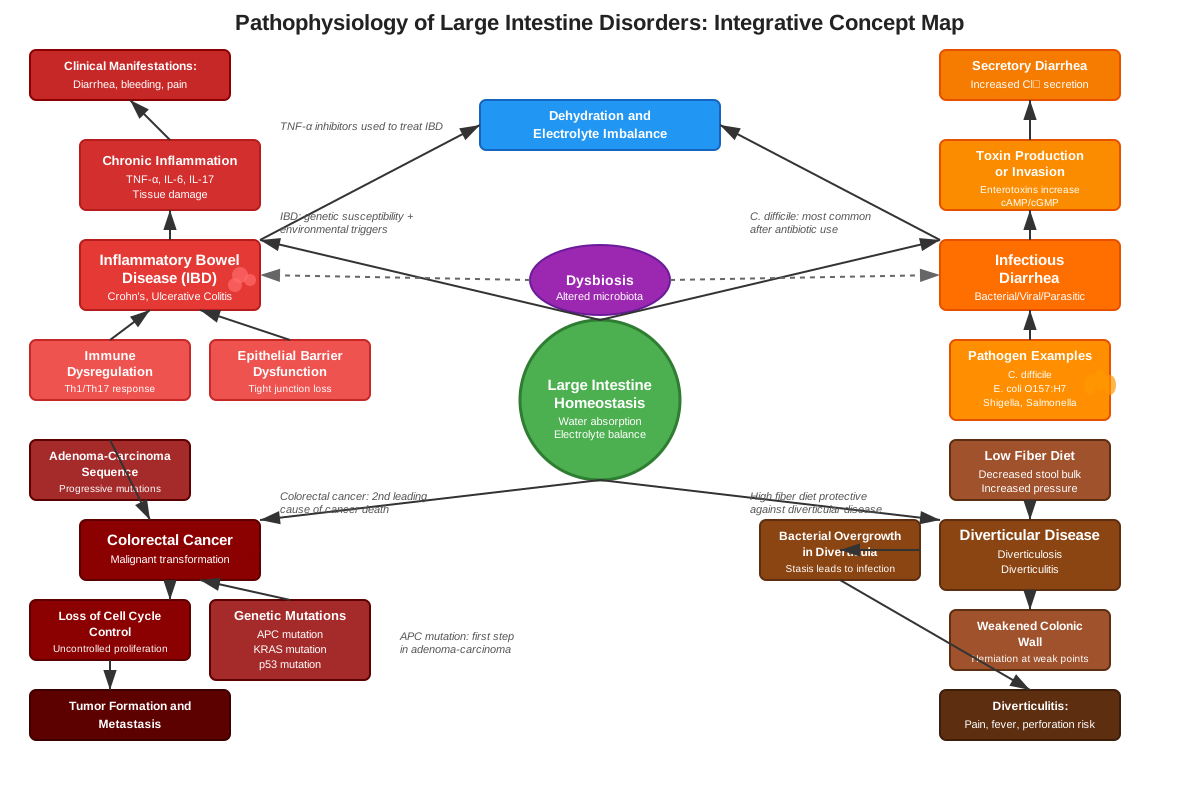
Overview
The large intestine is the terminal portion of the gastrointestinal tract, extending from the ileocecal valve to the anus. This organ plays crucial roles in water and electrolyte absorption, vitamin synthesis, and fecal formation—functions that are frequently tested on the MCAT within the context of Physiology and Organ Systems. Understanding large intestine Biology requires integrating knowledge of epithelial transport mechanisms, microbial symbiosis, and hormonal regulation of digestive processes.
For the MCAT, the large intestine represents a high-yield topic that bridges multiple biological disciplines. Questions may test anatomical knowledge, physiological mechanisms of absorption, the role of the intestinal microbiome, or pathophysiological conditions such as inflammatory bowel disease. The large intestine MCAT content frequently appears in passage-based questions that require students to analyze experimental data about electrolyte transport, interpret clinical vignettes involving diarrheal diseases, or evaluate the effects of pharmacological interventions on colonic function.
The large intestine's relationship to other Biology concepts is extensive. It connects to cellular biology through epithelial cell structure and transport proteins, to biochemistry through bacterial fermentation and vitamin synthesis, to immunology through gut-associated lymphoid tissue (GALT), and to endocrinology through hormonal regulation of water absorption. Mastering this topic provides a foundation for understanding integrated physiological systems and prepares students for interdisciplinary MCAT questions that test multiple knowledge domains simultaneously.
Learning Objectives
- [ ] Define large intestine using accurate Biology terminology
- [ ] Explain why large intestine matters for the MCAT
- [ ] Apply large intestine concepts to exam-style questions
- [ ] Identify common mistakes related to large intestine physiology
- [ ] Connect large intestine to related Biology concepts
- [ ] Describe the mechanisms of water and electrolyte absorption in the colon
- [ ] Explain the role of intestinal microbiota in large intestine function
- [ ] Compare and contrast the structural and functional differences between the small and large intestines
- [ ] Analyze how disruptions in large intestine function lead to disease states
Prerequisites
- Small intestine anatomy and physiology: The large intestine continues the digestive process initiated in the small intestine, and understanding nutrient absorption provides context for the large intestine's specialized functions
- Cell membrane transport mechanisms: Active transport, passive diffusion, and facilitated diffusion are essential for understanding water and electrolyte movement across colonic epithelium
- Epithelial tissue structure: Knowledge of tight junctions, microvilli, and cell polarity is necessary to comprehend absorption mechanisms
- Basic microbiology: Understanding bacterial metabolism and symbiotic relationships is crucial for appreciating the microbiome's role
- Acid-base balance: The large intestine's role in bicarbonate secretion and chloride absorption affects systemic pH regulation
Why This Topic Matters
Clinical Significance: The large intestine is central to numerous common medical conditions that MCAT passages frequently reference. Inflammatory bowel diseases (Crohn's disease and ulcerative colitis) affect millions of people and serve as excellent contexts for testing immunology, genetics, and pharmacology. Colorectal cancer is the third most common cancer worldwide, making it a relevant topic for passages involving cell cycle regulation, tumor suppressor genes, and screening methodologies. Diarrheal diseases, whether infectious or osmotic, demonstrate principles of fluid balance and electrolyte homeostasis that are fundamental to medical practice.
Exam Statistics: Analysis of recent MCAT administrations reveals that digestive system questions appear in approximately 8-12% of Biology/Biochemistry section questions. Within this category, large intestine-specific content appears in roughly 20-25% of digestive system questions, often integrated with questions about water balance, bacterial symbiosis, or immune function. The topic most commonly appears in passage-based questions (60% of occurrences) rather than discrete questions, requiring students to apply knowledge to novel experimental or clinical scenarios.
Common Exam Contexts: MCAT passages featuring the large intestine typically present: (1) experimental studies on ion transport mechanisms in colonic epithelial cells, (2) clinical vignettes describing patients with diarrhea or constipation requiring mechanistic explanation, (3) research on the gut microbiome's metabolic contributions, (4) pharmacological studies of drugs affecting intestinal motility or secretion, or (5) epidemiological data on colorectal cancer screening and risk factors. Questions often require students to integrate multiple concepts, such as connecting bacterial fermentation to short-chain fatty acid production and their effects on colonocyte metabolism.
Core Concepts
Anatomical Structure and Organization
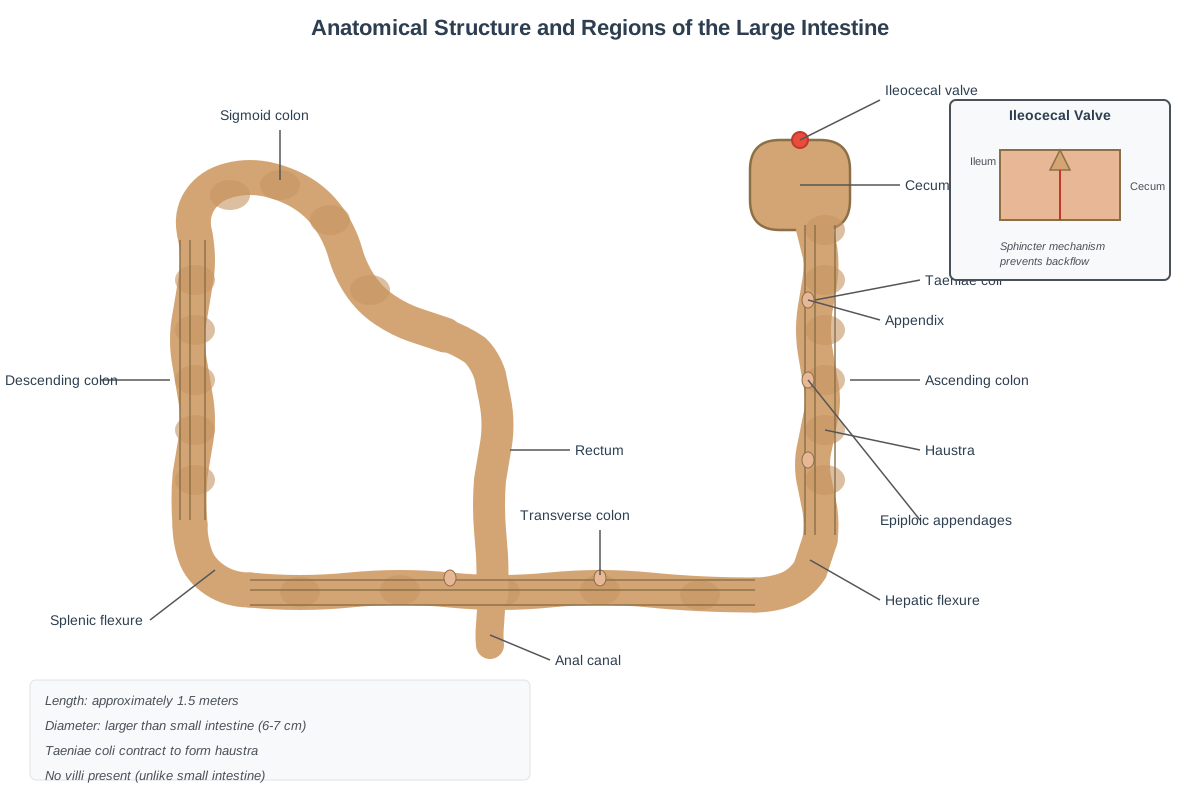
The large intestine is approximately 1.5 meters long and consists of several distinct regions: the cecum, ascending colon, transverse colon, descending colon, sigmoid colon, rectum, and anal canal. Unlike the small intestine, the large intestine lacks villi but contains numerous crypts of Lieberkühn (intestinal glands) that house stem cells, goblet cells, and colonocytes. The external surface features three longitudinal bands of smooth muscle called taeniae coli, which create characteristic pouches called haustra through their tonic contraction.
The ileocecal valve regulates the flow of chyme from the small intestine into the cecum, preventing backflow and bacterial migration into the ileum. The appendix, a small blind-ended tube attached to the cecum, contains abundant lymphoid tissue and may serve immunological functions, though it is not essential for survival. The rectum serves as a temporary storage site for feces before defecation, while the anal canal contains internal (involuntary) and external (voluntary) sphincters that control fecal elimination.
Histological Features
The colonic mucosa consists of simple columnar epithelium with abundant goblet cells that secrete mucus to lubricate fecal material and protect the epithelium from mechanical damage and bacterial invasion. Colonocytes (absorptive cells) dominate the epithelial surface and express specific transport proteins on their apical and basolateral membranes. The lamina propria contains extensive immune cells, including lymphocytes, plasma cells, and macrophages, forming part of the gut-associated lymphoid tissue (GALT).
The submucosa contains blood vessels, lymphatics, and the submucosal (Meissner's) plexus of the enteric nervous system. The muscularis externa consists of inner circular and outer longitudinal layers, with the myenteric (Auerbach's) plexus located between them. The outer longitudinal layer is concentrated into the three taeniae coli rather than forming a continuous sheet as in the small intestine.
Water and Electrolyte Absorption
The primary physiological function of the large intestine is to absorb water and electrolytes from the approximately 1-2 liters of chyme that enters daily from the ileum, reducing fecal water content to about 100-200 mL. This process occurs through several coordinated mechanisms:
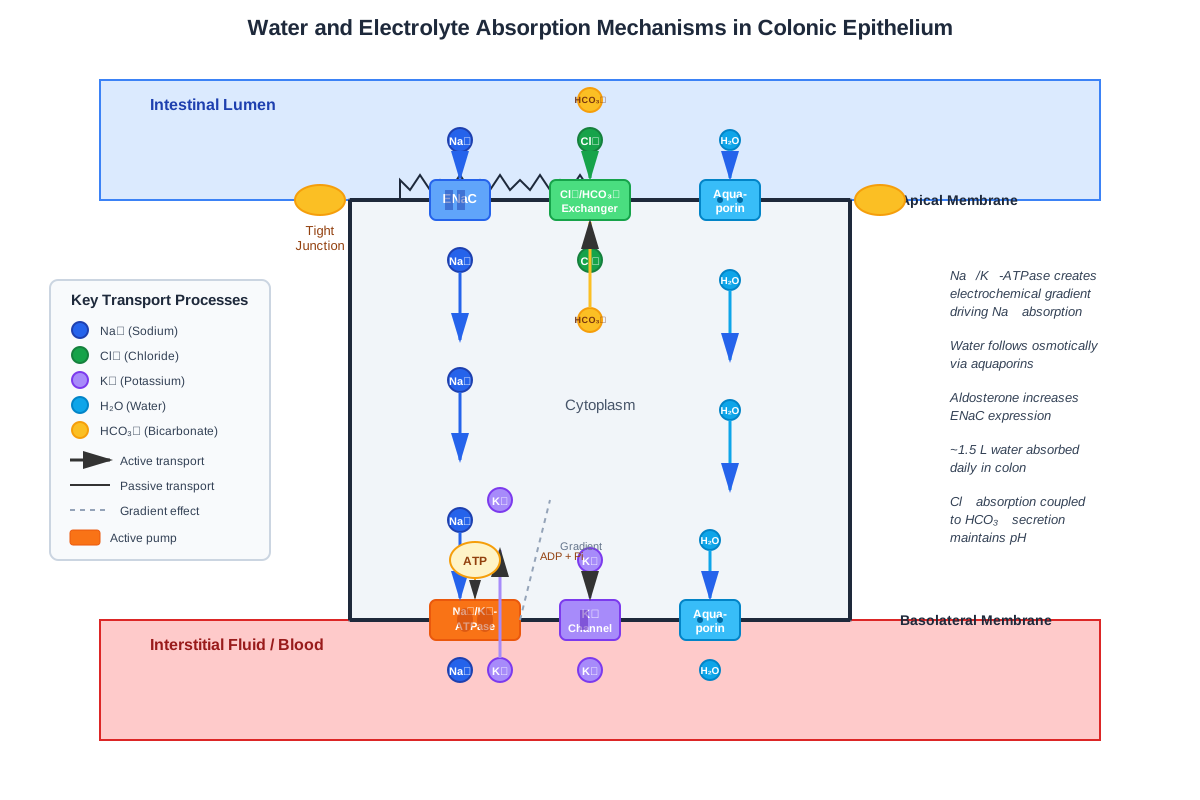
Sodium absorption occurs via three main pathways:
- Electroneutral Na⁺/H⁺ exchange on the apical membrane
- Electrogenic epithelial sodium channels (ENaC) in the distal colon
- Na⁺-K⁺-2Cl⁻ cotransporter (though less prominent than in the small intestine)
The Na⁺-K⁺-ATPase pump on the basolateral membrane maintains the electrochemical gradient driving sodium entry. Aldosterone upregulates both ENaC and Na⁺-K⁺-ATPase expression, enhancing sodium (and therefore water) absorption in response to volume depletion or hyperkalemia.
Chloride absorption occurs through Cl⁻/HCO₃⁻ exchange on the apical membrane, with chloride exiting the cell through basolateral chloride channels. This process simultaneously secretes bicarbonate into the lumen, contributing to the alkaline pH of colonic contents. In secretory diarrhea (such as cholera), excessive activation of the cystic fibrosis transmembrane conductance regulator (CFTR) chloride channel causes net chloride secretion, with water following osmotically.
Water absorption is passive and follows the osmotic gradient created by solute absorption. The large intestine can absorb up to 5-6 liters of water daily if needed, though this capacity can be overwhelmed in severe diarrheal states. Aquaporins (water channels) in colonocyte membranes facilitate water movement across the epithelium.
Potassium Handling
The large intestine both absorbs and secretes potassium, with the net effect depending on dietary intake and hormonal status. Potassium secretion occurs through apical potassium channels driven by the electrochemical gradient created by sodium absorption. Aldosterone increases potassium secretion, which explains why hyperaldosteronism can cause hypokalemia. Chronic diarrhea or laxative abuse can lead to significant potassium depletion through excessive fecal losses.
Intestinal Microbiome
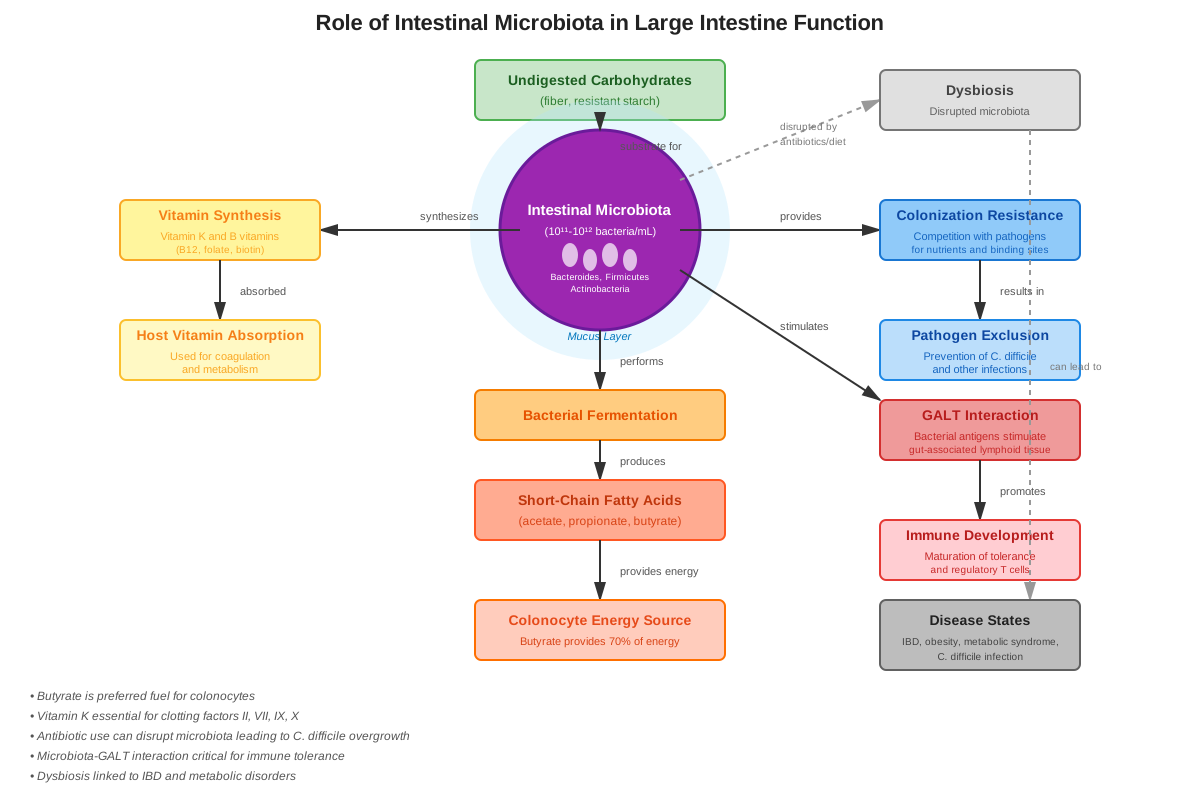
The large intestine harbors approximately 10¹⁴ bacteria representing over 1,000 species, collectively termed the gut microbiota or intestinal microbiome. This microbial community performs several essential functions:
Fermentation of undigested carbohydrates: Dietary fiber and resistant starches that escape small intestinal digestion undergo bacterial fermentation, producing short-chain fatty acids (SCFAs) including acetate, propionate, and butyrate. Butyrate serves as the preferred energy source for colonocytes and has anti-inflammatory properties. SCFAs also lower colonic pH, inhibiting pathogenic bacterial growth.
Vitamin synthesis: Intestinal bacteria synthesize vitamin K (essential for clotting factor production) and several B vitamins (including biotin, folate, and B₁₂). While most B₁₂ absorption occurs in the ileum, bacterial synthesis in the colon can contribute to overall vitamin status.
Bile acid metabolism: Bacteria deconjugate and dehydroxylate primary bile acids, converting them to secondary bile acids (deoxycholic acid and lithocholic acid). These secondary bile acids can be reabsorbed and participate in enterohepatic circulation.
Immune system development: The microbiome trains the immune system, promoting tolerance to commensal organisms while maintaining responsiveness to pathogens. Germ-free animals show impaired immune development, demonstrating the microbiome's critical role.
Colonization resistance: The established microbiome prevents pathogen colonization through competition for nutrients, production of antimicrobial substances (bacteriocins), and stimulation of host immune defenses.
Motility Patterns
Large intestine motility differs significantly from small intestine peristalsis. Three main patterns occur:
- Segmental contractions (haustral churning): Non-propulsive mixing movements that facilitate water absorption
- Peristaltic contractions: Slow propulsive waves that move contents aborally
- Mass movements: Powerful peristaltic waves occurring 1-3 times daily that propel contents over long distances, often triggered by the gastrocolic reflex after meals
The gastrocolic reflex is a neural and hormonal response to gastric distension that increases colonic motility, often prompting defecation after eating. This reflex involves both extrinsic (vagal) and intrinsic (enteric) neural pathways, as well as hormones like gastrin and cholecystokinin (CCK).
Defecation Reflex
Fecal material entering the rectum distends the rectal wall, activating stretch receptors that initiate the defecation reflex. This reflex involves:
- Afferent signals travel via pelvic nerves to the sacral spinal cord
- Efferent parasympathetic signals cause rectal contraction and internal anal sphincter relaxation
- Voluntary control of the external anal sphincter (via pudendal nerve) allows conscious control of defecation timing
- Increased intra-abdominal pressure (Valsalva maneuver) assists fecal expulsion
Comparison: Small Intestine vs. Large Intestine
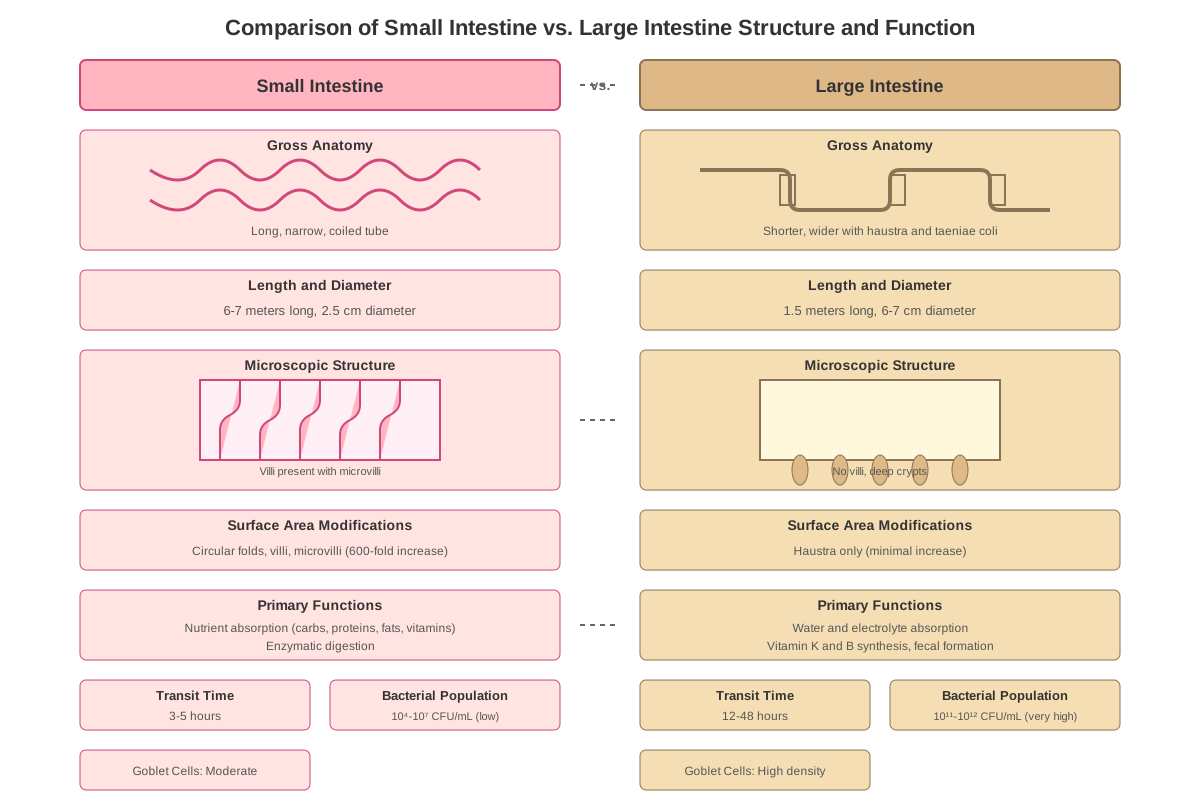
| Feature | Small Intestine | Large Intestine |
|---|---|---|
| Length | ~6 meters | ~1.5 meters |
| Diameter | Smaller (2.5 cm) | Larger (6 cm) |
| Surface modifications | Villi and microvilli | Crypts only, no villi |
| Primary function | Nutrient absorption | Water/electrolyte absorption |
| Bacterial density | 10³-10⁴/mL | 10¹¹-10¹²/mL |
| Goblet cell density | Moderate | High |
| Transit time | 3-5 hours | 12-48 hours |
| pH | 6-7.5 | 5.5-7 |
| Longitudinal muscle | Continuous layer | Concentrated in taeniae coli |
Concept Relationships
The large intestine's functions emerge from the integration of multiple biological systems. Epithelial cell structure (tight junctions, polarized membrane proteins) → enables directional transport → creates osmotic gradients → drives water absorption. This absorption process is regulated by hormonal signals (aldosterone, vasopressin) that respond to systemic volume status, demonstrating the connection between local intestinal function and whole-body homeostasis.
The intestinal microbiome → performs fermentation → produces short-chain fatty acids → which serve as colonocyte fuel and provide anti-inflammatory signals → influencing immune system function. This relationship connects microbiology, biochemistry, and immunology within a single organ system.
Motility patterns are controlled by the enteric nervous system (intrinsic control) and autonomic nervous system (extrinsic control), with hormonal modulation by gastrin and CCK. These neural and hormonal signals → regulate smooth muscle contraction → determine transit time → affect water absorption efficiency and fecal consistency.
The large intestine connects to prerequisite topics through multiple pathways: small intestine function provides the chyme that enters the colon; membrane transport mechanisms learned in cell biology explain ion movement; acid-base balance is affected by bicarbonate secretion; and immune system function is shaped by microbial interactions. Understanding these connections allows students to answer complex, integrative MCAT questions that span multiple knowledge domains.
Quick check — test yourself on Large intestine so far.
Try Flashcards →High-Yield Facts
⭐ The large intestine absorbs approximately 90% of the water entering from the small intestine, reducing 1-2 liters of chyme to 100-200 mL of feces daily
⭐ Aldosterone increases sodium and water absorption in the distal colon by upregulating ENaC and Na⁺-K⁺-ATPase, while simultaneously increasing potassium secretion
⭐ The intestinal microbiome produces short-chain fatty acids (acetate, propionate, butyrate) through fermentation, with butyrate serving as the primary energy source for colonocytes
⭐ The large intestine lacks villi but contains deep crypts of Lieberkühn with abundant goblet cells that secrete protective mucus
⭐ Bacterial synthesis of vitamin K in the colon contributes significantly to meeting daily requirements, which is why broad-spectrum antibiotics can lead to vitamin K deficiency
- The gastrocolic reflex increases colonic motility in response to gastric distension, often triggering defecation after meals
- Mass movements are powerful peristaltic contractions occurring 1-3 times daily that propel fecal material over long distances
- Chloride absorption occurs via Cl⁻/HCO₃⁻ exchange, simultaneously secreting bicarbonate that alkalinizes colonic contents
- The ileocecal valve prevents backflow from the colon into the ileum and limits bacterial migration into the small intestine
- Colonization resistance refers to the microbiome's ability to prevent pathogen establishment through nutrient competition and antimicrobial production
- The internal anal sphincter is smooth muscle (involuntary control), while the external anal sphincter is skeletal muscle (voluntary control)
- Taeniae coli are three longitudinal bands of smooth muscle that create the characteristic haustra (pouches) of the colon
Common Misconceptions
Misconception: The large intestine's primary function is nutrient absorption like the small intestine.
Correction: The large intestine primarily absorbs water and electrolytes, not nutrients. By the time chyme reaches the colon, virtually all nutrients (carbohydrates, proteins, fats, vitamins) have been absorbed in the small intestine. The colon's role is to concentrate waste material and reclaim water.
Misconception: All bacteria in the large intestine are harmful and cause disease.
Correction: The vast majority of intestinal bacteria are commensal or beneficial, performing essential functions including vitamin synthesis, immune system development, and colonization resistance against pathogens. Only a small fraction of bacterial species are pathogenic, and disease typically occurs when the normal microbiome is disrupted (dysbiosis).
Misconception: Diarrhea always results from increased intestinal motility.
Correction: While rapid transit can contribute to diarrhea, the primary mechanisms are usually osmotic (unabsorbed solutes retaining water) or secretory (active chloride secretion exceeding absorption). In cholera, for example, excessive CFTR-mediated chloride secretion causes massive water loss despite normal or even decreased motility.
Misconception: The appendix serves no function and is purely vestigial.
Correction: While the appendix is not essential for survival, it contains abundant lymphoid tissue and may serve as a reservoir for beneficial bacteria that can repopulate the colon after diarrheal illness. It plays a role in immune system development and function, though its removal (appendectomy) does not cause significant long-term health problems.
Misconception: Aldosterone only affects the kidneys.
Correction: Aldosterone acts on multiple epithelial tissues including the distal colon, where it increases sodium and water absorption while promoting potassium secretion. This colonic effect contributes to aldosterone's overall role in volume and electrolyte homeostasis, and explains why hyperaldosteronism can cause hypokalemia through both renal and intestinal potassium losses.
Misconception: The large intestine has the same absorptive surface area as the small intestine.
Correction: The large intestine has a much smaller surface area than the small intestine because it lacks villi and has shorter microvilli. This structural difference reflects its specialized function in water absorption rather than nutrient absorption, which requires the extensive surface area provided by small intestinal villi.
Worked Examples
Example 1: Cholera Pathophysiology
Question: A patient presents with severe watery diarrhea after traveling to an area with poor sanitation. Laboratory analysis reveals that the causative organism produces a toxin that permanently activates adenylyl cyclase in intestinal epithelial cells. Explain the mechanism by which this leads to diarrhea and why oral rehydration solutions containing glucose and sodium are effective treatment.
Solution:
Step 1: Identify the mechanism of toxin action
- Cholera toxin permanently activates adenylyl cyclase → increases intracellular cAMP
- Elevated cAMP activates protein kinase A (PKA)
- PKA phosphorylates and opens CFTR chloride channels on the apical membrane
Step 2: Explain the diarrheal mechanism
- Open CFTR channels cause massive chloride secretion into the intestinal lumen
- Water follows chloride osmotically (water follows salt)
- The secretion rate exceeds the colon's absorptive capacity
- Result: profuse watery diarrhea with severe dehydration and electrolyte loss
Step 3: Explain why oral rehydration therapy works
- Glucose-sodium cotransporter (SGLT1) on the apical membrane remains functional
- Glucose absorption drives sodium absorption through this cotransporter
- Water follows sodium absorption osmotically
- This absorption pathway is independent of the cAMP-mediated secretory pathway
- Therefore, glucose-containing oral rehydration solutions can partially compensate for secretory losses
Key Concept Connection: This example integrates membrane transport mechanisms, signal transduction (cAMP pathway), and clinical pathophysiology, demonstrating how disruption of normal large intestine function leads to disease.
Example 2: Antibiotic-Associated Complications
Question: A patient completing a 10-day course of broad-spectrum antibiotics develops easy bruising and prolonged bleeding from minor cuts. Laboratory tests reveal prolonged prothrombin time (PT). Explain the mechanism connecting antibiotic use to this bleeding disorder and identify which vitamin deficiency is responsible.
Solution:
Step 1: Identify the vitamin deficiency
- Prolonged PT indicates impaired coagulation
- PT specifically tests the extrinsic and common coagulation pathways
- Factors II (prothrombin), VII, IX, and X require vitamin K for synthesis
- Therefore, this patient has vitamin K deficiency
Step 2: Connect antibiotics to vitamin deficiency
- Broad-spectrum antibiotics kill intestinal bacteria
- Intestinal bacteria normally synthesize vitamin K in the large intestine
- Destruction of the microbiome eliminates this vitamin K source
- Dietary vitamin K intake alone may be insufficient to meet requirements
- Result: vitamin K deficiency develops within days to weeks
Step 3: Explain the bleeding mechanism
- Without adequate vitamin K, hepatocytes cannot complete post-translational modification of clotting factors
- Specifically, vitamin K is required for γ-carboxylation of glutamic acid residues
- These carboxylated residues are necessary for calcium binding
- Without calcium binding, clotting factors cannot assemble on phospholipid surfaces
- Result: impaired coagulation cascade and bleeding tendency
Key Concept Connection: This example demonstrates the clinical importance of the intestinal microbiome's metabolic functions and connects large intestine biology to biochemistry (vitamin synthesis), hematology (coagulation), and pharmacology (antibiotic effects).
Exam Strategy
When approaching large intestine MCAT questions, first identify whether the question focuses on structure, function, or pathophysiology. Structure questions typically test anatomical relationships and histological features. Function questions emphasize transport mechanisms, microbial contributions, or motility patterns. Pathophysiology questions require applying normal physiology to disease states.
Trigger words to watch for include:
- "Water absorption" or "dehydration" → think about sodium transport mechanisms and aldosterone
- "Diarrhea" → distinguish between osmotic (unabsorbed solutes), secretory (active chloride secretion), and motility-related causes
- "Microbiome" or "bacterial fermentation" → consider SCFA production, vitamin synthesis, or colonization resistance
- "Electrolyte imbalance" → focus on sodium, chloride, potassium, and bicarbonate handling
- "Inflammatory bowel disease" → integrate immune function, epithelial barrier integrity, and microbiome dysbiosis
Process-of-elimination strategies:
- Eliminate answers that confuse small and large intestine functions (e.g., nutrient absorption in the colon)
- Rule out options that violate basic transport principles (e.g., water moving against osmotic gradients without energy)
- Reject answers that ignore hormonal regulation (e.g., aldosterone effects)
- Eliminate choices that oversimplify microbiome roles (e.g., "all bacteria are harmful")
Time allocation: For passage-based questions, spend 1-2 minutes analyzing any figures or data tables showing transport rates, bacterial populations, or clinical parameters. These visual elements often contain the key information needed to answer questions. For discrete questions, quickly categorize the question type (anatomy, physiology, or pathophysiology) and recall the relevant core concept before evaluating answer choices.
Common question formats:
- Experimental passages showing ion transport rates under different conditions (test understanding of transport mechanisms and hormonal regulation)
- Clinical vignettes describing diarrheal diseases (test ability to distinguish mechanisms and predict consequences)
- Research passages on microbiome composition or function (test knowledge of bacterial metabolism and host-microbe interactions)
- Pharmacology passages describing drugs affecting intestinal function (test understanding of normal physiology and how interventions alter it)
Memory Techniques
Mnemonic for large intestine regions (in order from cecum to anus):
"Can't Afford To Drink Soda Right Away"
- Cecum
- Ascending colon
- Transverse colon
- Descending colon
- Sigmoid colon
- Rectum
- Anal canal
Mnemonic for short-chain fatty acids:
"APB" = Acetate, Propionate, Butyrate
Remember: Butyrate is Best for colonocytes (primary fuel source)
Visualization for water absorption:
Picture sodium as a "water magnet" being actively pumped across the epithelium. Where sodium goes, water follows. Aldosterone acts as a "volume control knob" that turns up sodium (and therefore water) absorption when the body needs to conserve fluid.
Acronym for aldosterone effects:
"SNAP" in the distal colon
- Sodium absorption increases
- Na⁺-K⁺-ATPase upregulated
- Aldosterone-sensitive
- Potassium secretion increases
Memory aid for distinguishing sphincters:
Internal = Involuntary (both start with "In")
External = Extrinsic control (both start with "Ex")
The internal sphincter is smooth muscle (autonomic control), while the external is skeletal muscle (voluntary control via pudendal nerve).
Conceptual framework for diarrhea mechanisms:
Think "OSM" = Osmotic, Secretory, Motility
- Osmotic: unabsorbed solutes hold water (lactose intolerance)
- Secretory: active chloride secretion exceeds absorption (cholera)
- Motility: rapid transit reduces absorption time (IBS)
Summary
The large intestine is a specialized segment of the gastrointestinal tract responsible primarily for water and electrolyte absorption, converting liquid chyme into formed feces. Its unique anatomical features—including haustra, taeniae coli, and abundant goblet cells—reflect its functional specialization. Sodium absorption through multiple transport mechanisms creates the osmotic gradient driving water reabsorption, with aldosterone providing hormonal regulation in response to volume status. The dense intestinal microbiome performs essential metabolic functions including fermentation of undigested carbohydrates to produce short-chain fatty acids, synthesis of vitamins K and B, and maintenance of colonization resistance against pathogens. Motility patterns including segmental contractions, peristalsis, and mass movements, regulated by the enteric and autonomic nervous systems, determine transit time and fecal consistency. Understanding large intestine physiology requires integrating concepts from cell biology (membrane transport), microbiology (host-microbe interactions), endocrinology (hormonal regulation), and immunology (GALT function). For the MCAT, students must be able to apply these concepts to clinical scenarios involving diarrheal diseases, electrolyte imbalances, and microbiome disruption, as well as interpret experimental data on transport mechanisms and bacterial metabolism.
Key Takeaways
- The large intestine's primary function is water and electrolyte absorption, reducing 1-2 liters of chyme to 100-200 mL of feces daily through sodium-driven osmotic water reabsorption
- Aldosterone increases sodium and water absorption in the distal colon while promoting potassium secretion, connecting intestinal function to systemic volume and electrolyte homeostasis
- The intestinal microbiome performs essential functions including SCFA production through fermentation, vitamin K and B synthesis, and colonization resistance against pathogens
- Diarrhea results from osmotic, secretory, or motility-related mechanisms, with cholera exemplifying secretory diarrhea through cAMP-mediated CFTR activation and excessive chloride secretion
- Structural differences from the small intestine—including absence of villi, presence of taeniae coli and haustra, and high goblet cell density—reflect the large intestine's specialized absorptive and protective functions
- The gastrocolic reflex and mass movements coordinate colonic motility with meal intake, while the defecation reflex integrates voluntary and involuntary control of fecal elimination
- Clinical conditions affecting the large intestine (inflammatory bowel disease, colorectal cancer, infectious diarrhea) frequently appear in MCAT passages testing integrated knowledge of physiology, immunology, and pathophysiology
Related Topics
Small Intestine Structure and Function: Understanding nutrient absorption mechanisms, villus structure, and the brush border provides essential context for appreciating how the large intestine's functions differ and complement small intestinal processes.
Kidney Physiology and Fluid Balance: The kidneys and large intestine work together to maintain fluid and electrolyte homeostasis, with aldosterone coordinating responses in both organs. Mastering renal physiology enhances understanding of systemic volume regulation.
Immune System and GALT: The gut-associated lymphoid tissue represents the largest immune organ in the body. Understanding mucosal immunity, tolerance mechanisms, and inflammatory responses connects large intestine biology to immunology.
Autonomic Nervous System: Parasympathetic and sympathetic regulation of intestinal motility, secretion, and blood flow demonstrates how the nervous system coordinates digestive function with whole-body homeostasis.
Acid-Base Balance: The large intestine's role in bicarbonate secretion and its contribution to metabolic acid-base disorders (such as in severe diarrhea) connects intestinal physiology to systemic pH regulation.
Practice CTA
Now that you've mastered the core concepts of large intestine biology and physiology, it's time to reinforce your learning through active practice. Complete the associated practice questions to test your ability to apply these concepts to MCAT-style scenarios. Use the flashcards to drill high-yield facts and ensure rapid recall during the exam. Remember: understanding the large intestine's integrated functions—from molecular transport mechanisms to whole-organ physiology—will prepare you not just for specific questions on this topic, but for the interdisciplinary reasoning that defines MCAT success. Your investment in mastering this material will pay dividends across multiple question types and passages. You've got this!
Sign up free to keep reading
Create a free AnvayaPrep account to finish this MCAT guide on Large intestine — plus flashcards and practice questions.