Overview
The small intestine is a highly specialized organ of the digestive system responsible for the majority of chemical digestion and nutrient absorption in the human body. Measuring approximately 6 meters (20 feet) in length in adults, this coiled tubular structure connects the stomach to the large intestine and represents the primary site where macromolecules are broken down into absorbable units and transported into the bloodstream or lymphatic system. Understanding small intestine Biology is essential for MCAT success because questions frequently test the integration of anatomy, physiology, biochemistry, and cellular biology within the context of this organ system.
For the MCAT, the small intestine serves as a nexus for multiple testable concepts including enzyme kinetics, pH regulation, surface area optimization, membrane transport mechanisms, and hormonal regulation of digestion. The AAMC regularly presents passages involving digestive disorders, nutritional deficiencies, drug absorption, and experimental manipulations of intestinal function. Students must understand not only the structural adaptations that maximize absorptive capacity but also the coordinated physiological processes that regulate digestion and the biochemical transformations that occur within the intestinal lumen and epithelial cells.
The small intestine exemplifies fundamental biological principles tested throughout the Physiology and Organ Systems unit, including structure-function relationships, homeostatic regulation, and cellular specialization. Its study connects directly to concepts in biochemistry (enzyme function, macromolecule digestion), cell biology (membrane transport, epithelial cell structure), and general chemistry (pH, buffer systems). Mastery of small intestine physiology provides the foundation for understanding malabsorption syndromes, metabolic disorders, and pharmacokinetics—all high-yield topics for both the Biological and Biochemical Foundations of Living Systems section and the Chemical and Physical Foundations of Biological Systems section of the MCAT.
Learning Objectives
- [ ] Define small intestine using accurate Biology terminology, including its anatomical divisions and structural features
- [ ] Explain why small intestine matters for the MCAT, identifying specific question types and passage contexts
- [ ] Apply small intestine concepts to exam-style questions involving digestion, absorption, and transport mechanisms
- [ ] Identify common mistakes related to small intestine anatomy, physiology, and biochemistry
- [ ] Connect small intestine function to related Biology concepts including enzyme kinetics, membrane transport, and endocrine regulation
- [ ] Analyze the structural adaptations that maximize surface area and correlate these with absorptive efficiency
- [ ] Predict the physiological consequences of disruptions to small intestine function, including enzyme deficiencies and transport disorders
- [ ] Integrate knowledge of small intestine physiology with biochemical pathways for nutrient processing
Prerequisites
- Basic digestive system anatomy: Understanding the overall organization of the GI tract provides context for the small intestine's position and connections
- Enzyme structure and function: Essential for comprehending how digestive enzymes catalyze macromolecule breakdown
- Cell membrane structure and transport: Required to understand nutrient absorption mechanisms including facilitated diffusion, active transport, and endocytosis
- pH and buffer systems: Necessary for understanding the chemical environment changes from stomach to small intestine
- Basic biochemistry of macromolecules: Knowledge of carbohydrates, proteins, and lipids enables understanding of their digestion and absorption
- Epithelial tissue structure: Foundational for understanding the intestinal lining and its specialized cells
Why This Topic Matters
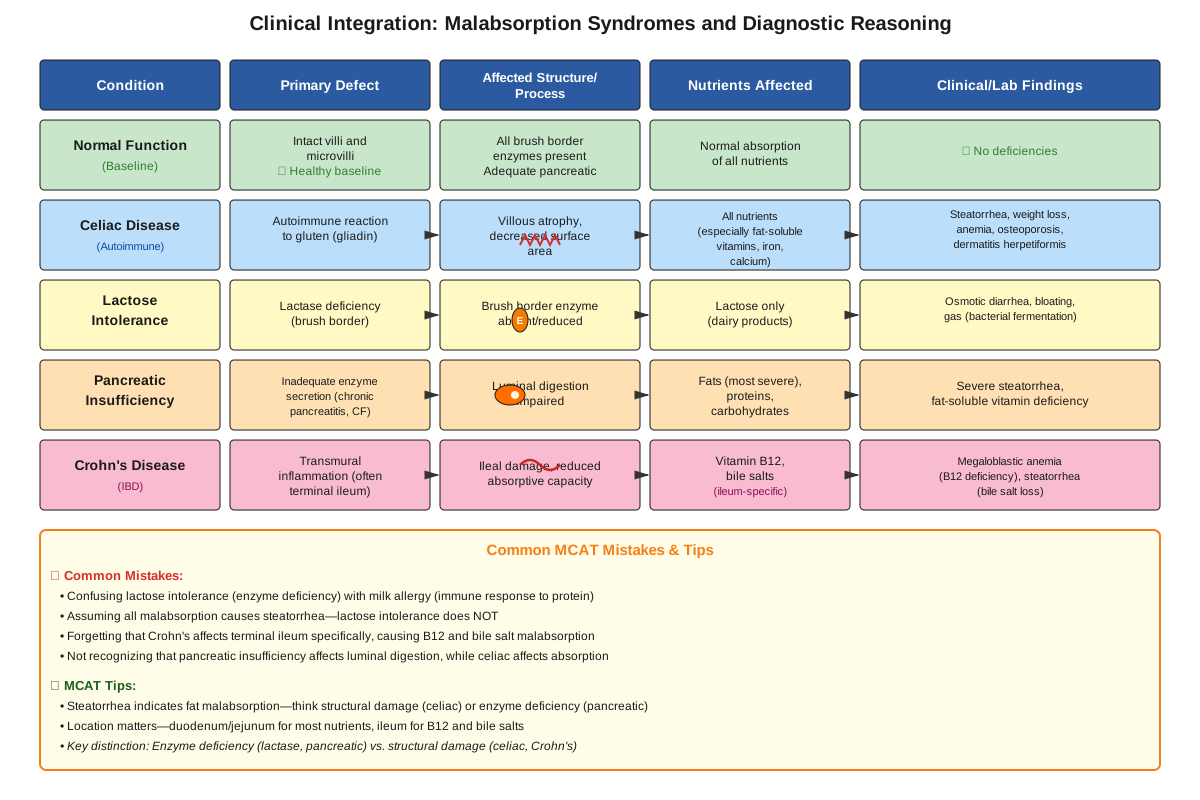
The small intestine represents one of the most clinically relevant and frequently tested organ systems on the MCAT. Malabsorption disorders, celiac disease, lactose intolerance, Crohn's disease, and cystic fibrosis all involve small intestine dysfunction and appear regularly in MCAT passages. Understanding small intestine physiology is essential for interpreting experimental data about nutrient absorption, enzyme activity, and drug delivery systems—common passage themes in the Biological and Biochemical Foundations section.
From an exam statistics perspective, questions involving the small intestine appear in approximately 8-12% of Biology/Biochemistry passages, often integrated with endocrinology (hormonal regulation of digestion), biochemistry (enzyme mechanisms), or cell biology (transport processes). The MCAT frequently presents data-driven passages requiring students to interpret graphs showing absorption rates, enzyme kinetics in the intestinal lumen, or the effects of pH changes on digestive efficiency. Discrete questions commonly test anatomical features, the specific functions of intestinal segments, and the mechanisms of nutrient absorption.
The small intestine appears in MCAT passages in several characteristic ways: experimental manipulations of intestinal pH or enzyme concentrations, clinical vignettes describing malabsorption syndromes, comparative physiology questions contrasting herbivore and carnivore digestive adaptations, and pharmacology passages examining drug absorption and bioavailability. The interdisciplinary nature of small intestine physiology makes it an ideal topic for the MCAT's integrative approach, requiring students to synthesize knowledge across multiple domains simultaneously.
Core Concepts
Anatomical Structure and Divisions
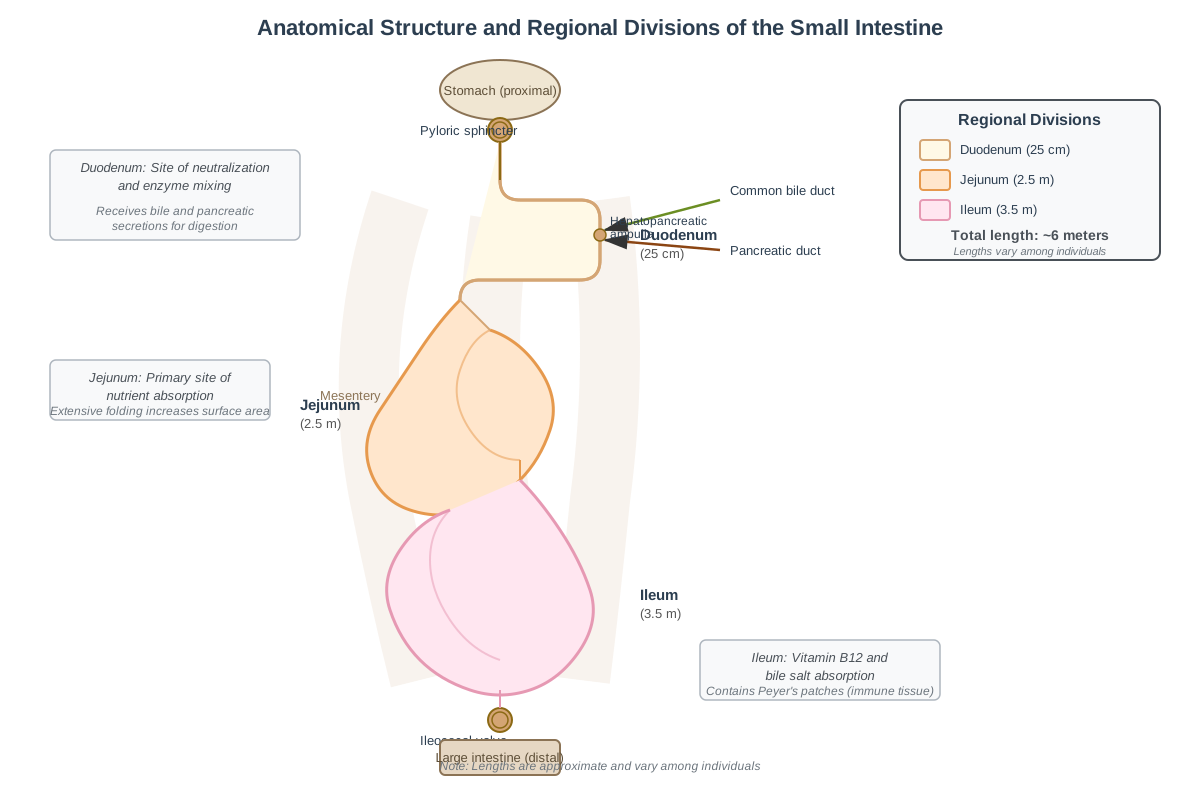
The small intestine consists of three distinct anatomical segments: the duodenum, jejunum, and ileum. The duodenum, approximately 25 cm in length, is the shortest and most proximal segment, receiving chyme from the stomach through the pyloric sphincter and digestive secretions from the pancreas and liver via the hepatopancreatic ampulla (ampulla of Vater). This C-shaped segment is primarily retroperitoneal and serves as the major site for chemical digestion, where acidic chyme is neutralized and enzymes are activated.
The jejunum, comprising approximately 2.5 meters of the small intestine's length, represents the primary site of nutrient absorption. It features a thicker intestinal wall, more prominent circular folds (plicae circulares), and a rich vascular supply compared to the ileum. The ileum, the longest segment at approximately 3.5 meters, continues absorption and contains specialized lymphoid tissue called Peyer's patches that provide immune surveillance. The ileum terminates at the ileocecal valve, which regulates flow into the large intestine and prevents bacterial backflow.
Surface Area Amplification
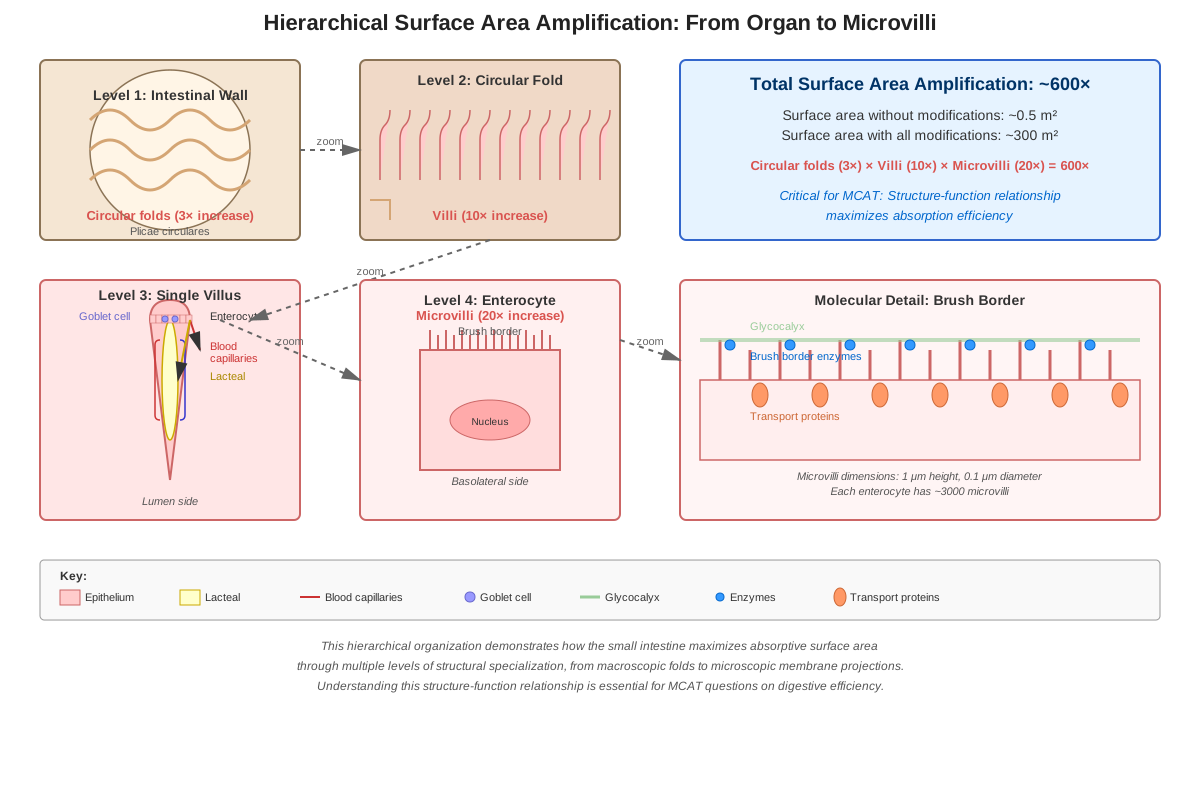
The small intestine demonstrates remarkable structural adaptations that increase its surface area by approximately 600-fold compared to a simple tube. This amplification occurs through three hierarchical levels of organization. First, the plicae circulares (circular folds or valves of Kerckring) are permanent transverse folds of the mucosa and submucosa that increase surface area by approximately 3-fold and create turbulence in the chyme, enhancing mixing.
Second, villi are finger-like projections of the mucosa (0.5-1.5 mm in height) that increase surface area by approximately 10-fold. Each villus contains a central lacteal (lymphatic capillary) for lipid absorption and a network of blood capillaries for water-soluble nutrient absorption. The epithelium covering each villus consists primarily of enterocytes (absorptive cells) interspersed with goblet cells (mucus-secreting) and enteroendocrine cells.
Third, the microvilli forming the brush border on the apical surface of enterocytes increase surface area by an additional 20-fold. These microscopic projections (1 μm in height) contain membrane-bound digestive enzymes called brush border enzymes and transport proteins that complete digestion and facilitate absorption. The glycocalyx coating the microvilli provides additional enzymatic activity and protection.
Chemical Digestion
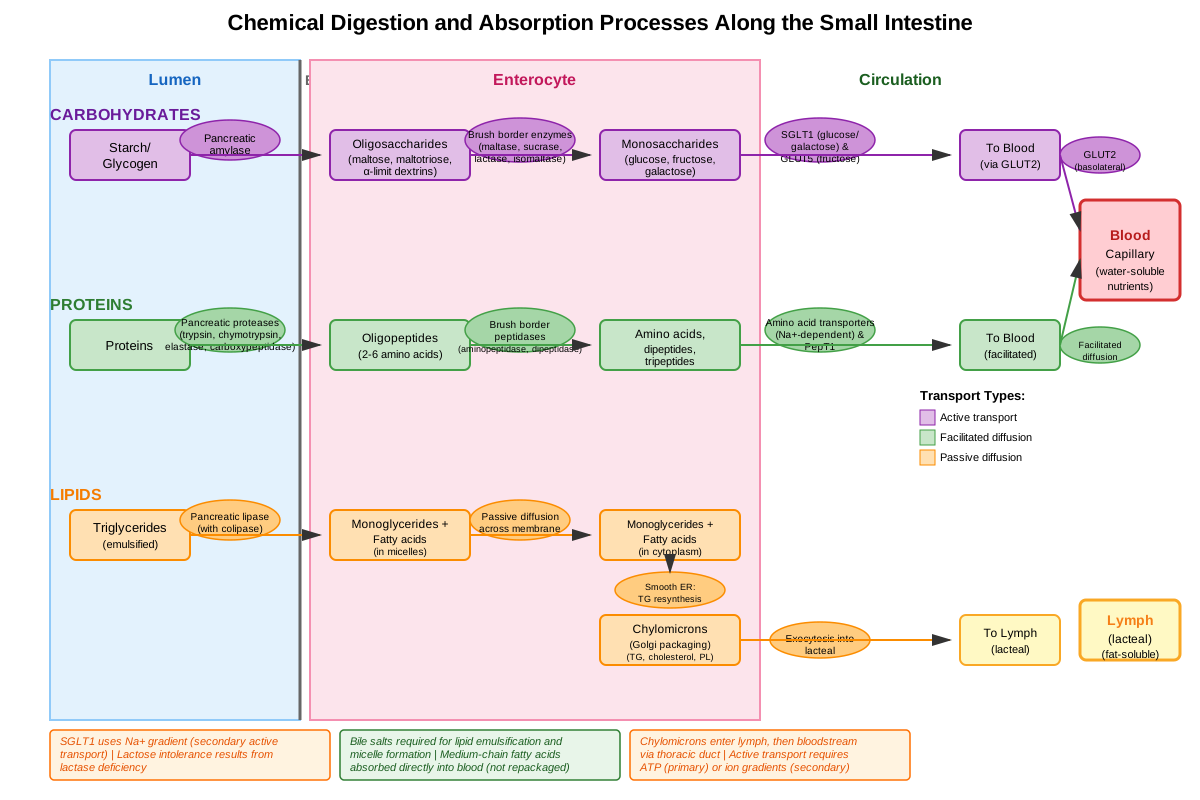
Chemical digestion in the small intestine involves both luminal digestion (occurring in the intestinal lumen) and membrane digestion (occurring at the brush border). Pancreatic enzymes secreted into the duodenum include pancreatic amylase (carbohydrate digestion), pancreatic lipase (triglyceride digestion), trypsin, chymotrypsin, and carboxypeptidase (protein digestion), and ribonuclease and deoxyribonuclease (nucleic acid digestion).
The pancreatic enzymes are secreted as inactive zymogens and activated in the duodenum. Enterokinase (enteropeptidase), a brush border enzyme, converts trypsinogen to active trypsin, which then activates other pancreatic proteases through a cascade mechanism. This activation strategy prevents autodigestion of the pancreas. The optimal pH for pancreatic enzyme activity is 7-8, achieved through bicarbonate secretion from the pancreas and Brunner's glands in the duodenal submucosa.
Brush border enzymes complete the final stages of digestion. Disaccharidases (maltase, sucrase, lactase, isomaltase) hydrolyze disaccharides into monosaccharides. Peptidases (aminopeptidases, dipeptidases) break down oligopeptides into amino acids, dipeptides, and tripeptides. Deficiency of brush border enzymes, such as lactase deficiency, results in malabsorption and osmotic diarrhea when undigested substrates remain in the lumen.
Nutrient Absorption Mechanisms
Carbohydrate absorption occurs primarily in the jejunum after complete digestion to monosaccharides. Glucose and galactose are absorbed via secondary active transport through the sodium-glucose cotransporter (SGLT1) on the apical membrane, utilizing the sodium gradient established by the basolateral Na⁺/K⁺-ATPase. These monosaccharides exit enterocytes through GLUT2 transporters on the basolateral membrane via facilitated diffusion and enter the hepatic portal blood.
Fructose absorption occurs through facilitated diffusion via GLUT5 transporters on the apical membrane and GLUT2 on the basolateral membrane, independent of sodium. This distinction explains why fructose absorption is slower than glucose absorption and why excessive fructose consumption can overwhelm absorptive capacity, leading to osmotic diarrhea.
Protein absorption follows complete digestion to amino acids, dipeptides, and tripeptides. Amino acids are absorbed through various sodium-dependent cotransporters specific for different amino acid classes (neutral, acidic, basic, imino acids). Dipeptides and tripeptides are absorbed via the H⁺-peptide cotransporter (PepT1), then hydrolyzed to amino acids within enterocytes by cytoplasmic peptidases. All amino acids exit through basolateral membrane transporters into the hepatic portal blood.
Lipid absorption is more complex due to the hydrophobic nature of lipids. Bile salts secreted from the gallbladder emulsify dietary lipids, increasing surface area for pancreatic lipase action. Triglycerides are hydrolyzed to 2-monoglycerides and free fatty acids, which form micelles with bile salts, phospholipids, and cholesterol. These micelles transport lipids to the brush border, where lipids diffuse across the apical membrane (bile salts remain in the lumen for recycling).
Within enterocytes, fatty acids and monoglycerides are re-esterified to triglycerides in the smooth endoplasmic reticulum. These triglycerides, along with cholesterol esters, phospholipids, and fat-soluble vitamins, are packaged with apolipoprotein B-48 to form chylomicrons. Chylomicrons are secreted via exocytosis from the basolateral membrane and enter lacteals (lymphatic vessels) rather than blood capillaries due to their large size. They eventually reach the bloodstream via the thoracic duct.
Vitamin and Mineral Absorption
Water-soluble vitamins (B vitamins and vitamin C) are absorbed primarily in the jejunum through specific transporters. Vitamin B₁₂ (cobalamin) requires a unique absorption mechanism: it binds to intrinsic factor (secreted by gastric parietal cells) in the stomach, and the B₁₂-intrinsic factor complex is absorbed in the terminal ileum via receptor-mediated endocytosis. Deficiency of intrinsic factor causes pernicious anemia, while ileal disease or resection can also impair B₁₂ absorption.
Fat-soluble vitamins (A, D, E, K) are incorporated into micelles and absorbed along with dietary lipids. They are packaged into chylomicrons and transported via the lymphatic system. Conditions impairing fat absorption (bile salt deficiency, pancreatic insufficiency, celiac disease) also impair fat-soluble vitamin absorption, potentially causing deficiencies.
Iron absorption occurs primarily in the duodenum and proximal jejunum. Heme iron (from animal sources) is absorbed directly via heme transporters and is more efficiently absorbed than non-heme iron. Non-heme iron must be reduced from Fe³⁺ to Fe²⁺ by duodenal cytochrome b reductase before absorption through divalent metal transporter 1 (DMT1). Iron exits enterocytes through ferroportin on the basolateral membrane and binds to transferrin in the blood. Iron absorption is regulated by hepcidin, which degrades ferroportin when iron stores are adequate.
Calcium absorption occurs throughout the small intestine but is most efficient in the duodenum. Absorption involves both active transcellular transport (predominant when calcium intake is low) and passive paracellular diffusion (predominant when calcium intake is high). Active transport requires vitamin D₃ (calcitriol), which upregulates expression of calcium-binding proteins (calbindin) and calcium channels. Calcium exits enterocytes via Ca²⁺-ATPase and Na⁺/Ca²⁺ exchangers on the basolateral membrane.
Hormonal Regulation
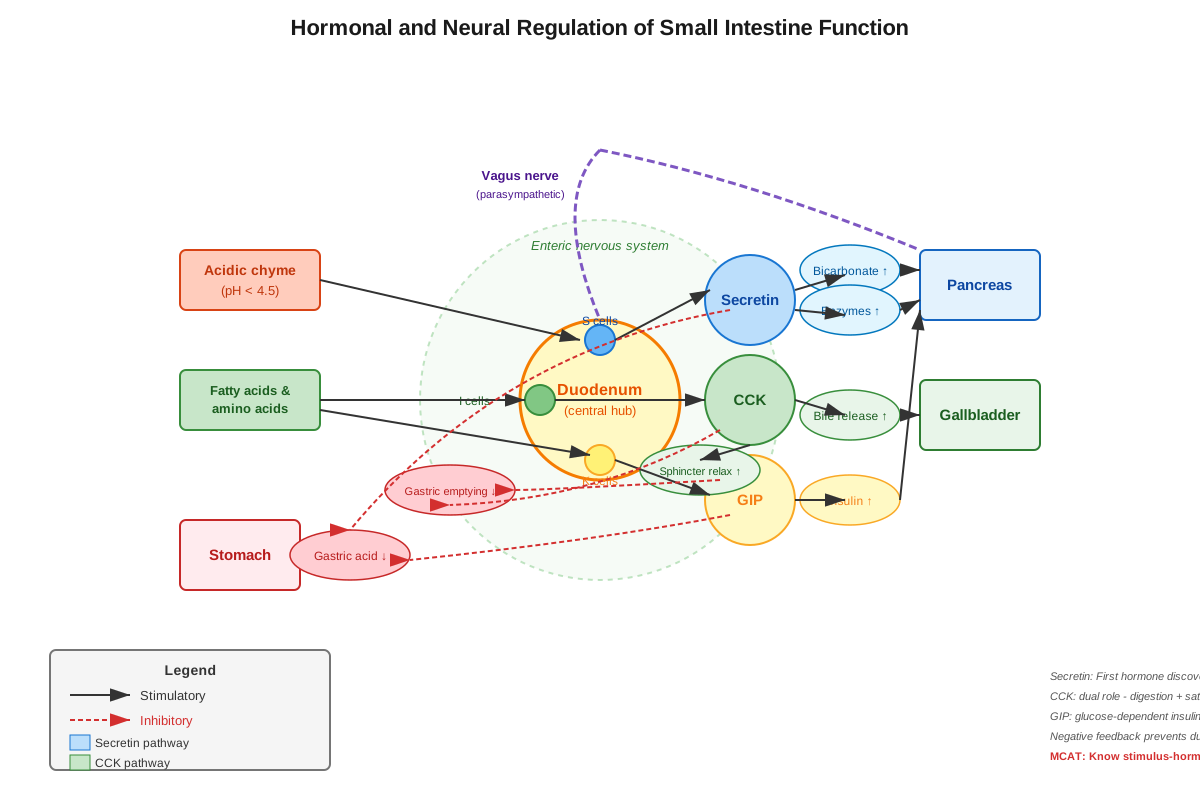
The small intestine secretes multiple hormones that regulate digestive processes. Secretin, released by S cells in the duodenum in response to acidic chyme, stimulates pancreatic bicarbonate secretion to neutralize stomach acid and inhibits gastric acid secretion. Cholecystokinin (CCK), released by I cells in response to fatty acids and amino acids, stimulates pancreatic enzyme secretion, gallbladder contraction (releasing bile), and inhibits gastric emptying.
Gastric inhibitory peptide (GIP), also called glucose-dependent insulinotropic peptide, is released in response to glucose and fatty acids and stimulates insulin secretion while inhibiting gastric acid secretion. Motilin, secreted during fasting, stimulates migrating motor complexes that sweep residual material through the small intestine. These hormones exemplify the integration of endocrine and digestive physiology frequently tested on the MCAT.
Intestinal Motility
Small intestine motility involves two primary patterns: segmentation and peristalsis. Segmentation consists of rhythmic contractions of circular smooth muscle that mix chyme with digestive secretions and bring nutrients into contact with the absorptive surface. These contractions are localized and do not produce net forward movement. Segmentation is the predominant motility pattern during digestion.
Peristalsis involves coordinated waves of circular muscle contraction preceded by relaxation, propelling chyme distally. The migrating motor complex (MMC) is a pattern of peristaltic waves that occurs during fasting, sweeping undigested material and bacteria from the small intestine into the colon every 90-120 minutes. This "intestinal housekeeper" prevents bacterial overgrowth in the small intestine.
Immune Function
The small intestine contains the largest collection of lymphoid tissue in the body, collectively termed gut-associated lymphoid tissue (GALT). Peyer's patches in the ileum contain specialized M cells (microfold cells) that sample antigens from the intestinal lumen and present them to underlying immune cells. This immune surveillance allows the intestine to distinguish between harmless food antigens and commensal bacteria versus pathogenic organisms.
Secretory IgA is produced by plasma cells in the lamina propria and transported across enterocytes to the intestinal lumen, where it neutralizes pathogens and toxins without triggering inflammation. The balance between immune tolerance and immune response in the small intestine is essential for preventing both infections and inappropriate inflammatory responses (as seen in inflammatory bowel disease).
Quick check — test yourself on Small intestine so far.
Try Flashcards →Concept Relationships
The structural adaptations of the small intestine (plicae circulares → villi → microvilli) directly enable its primary function of nutrient absorption by maximizing surface area. This structure-function relationship exemplifies a fundamental biological principle tested throughout the MCAT. The brush border enzymes embedded in microvilli complete digestion immediately adjacent to absorption sites, demonstrating spatial optimization of sequential processes.
Chemical digestion in the small intestine depends on pH regulation, connecting to acid-base chemistry concepts. The transition from acidic gastric chyme (pH 1-3) to the neutral-alkaline environment of the duodenum (pH 7-8) is achieved through bicarbonate secretion, illustrating buffer system function. This pH change is essential because pancreatic enzymes have optimal activity at neutral pH, while gastric pepsin is inactivated, preventing tissue damage.
Nutrient absorption mechanisms connect directly to cell membrane transport concepts from cell biology. The sodium-glucose cotransporter (SGLT1) exemplifies secondary active transport, where the energy stored in the sodium gradient (established by primary active transport via Na⁺/K⁺-ATPase) drives glucose uptake against its concentration gradient. This concept frequently appears in MCAT questions requiring students to predict the effects of Na⁺/K⁺-ATPase inhibition on glucose absorption.
Lipid absorption integrates concepts from biochemistry (lipid structure, enzyme specificity), cell biology (exocytosis, vesicle formation), and physiology (lymphatic versus blood transport). The formation of chylomicrons and their transport through lacteals rather than blood capillaries illustrates how molecular size and properties determine transport routes—a principle applicable to drug delivery and pharmacokinetics questions.
Hormonal regulation of small intestine function connects to endocrinology and demonstrates negative feedback mechanisms. Secretin release in response to low duodenal pH stimulates bicarbonate secretion, which raises pH and reduces further secretin release. This homeostatic regulation exemplifies control systems tested throughout the MCAT's physiology content.
The immune function of the small intestine connects to immunology concepts including antibody structure and function, antigen presentation, and immune tolerance. The distinction between M cells (antigen sampling) and enterocytes (absorption) demonstrates cellular specialization within a single epithelial layer.
High-Yield Facts
⭐ The small intestine is approximately 6 meters long and consists of three segments: duodenum (25 cm), jejunum (2.5 m), and ileum (3.5 m)
⭐ Surface area amplification occurs through three levels: plicae circulares (3×), villi (10×), and microvilli (20×), resulting in approximately 600-fold total increase
⭐ Glucose and galactose are absorbed via sodium-dependent secondary active transport (SGLT1), while fructose uses facilitated diffusion (GLUT5)
⭐ Pancreatic enzymes require neutral pH (7-8) for optimal activity, achieved through bicarbonate secretion stimulated by secretin
⭐ Lipids are absorbed as micelles, re-esterified within enterocytes, packaged into chylomicrons, and transported via lymphatic lacteals
- Brush border enzymes (disaccharidases, peptidases) complete the final stages of digestion at the enterocyte surface
- Vitamin B₁₂ requires intrinsic factor for absorption and is absorbed specifically in the terminal ileum via receptor-mediated endocytosis
- Cholecystokinin (CCK) is released in response to fats and proteins and stimulates pancreatic enzyme secretion and gallbladder contraction
- Iron absorption occurs primarily in the duodenum, with heme iron absorbed more efficiently than non-heme iron
- Peyer's patches in the ileum contain M cells that sample luminal antigens for immune surveillance
- Lactase deficiency results in lactose malabsorption, causing osmotic diarrhea due to undigested lactose remaining in the lumen
- The migrating motor complex (MMC) occurs during fasting and prevents bacterial overgrowth by sweeping material through the small intestine
Common Misconceptions
Misconception: All nutrients are absorbed equally throughout the small intestine.
Correction: Nutrient absorption is regionally specialized. Iron and calcium are absorbed primarily in the duodenum, most nutrients in the jejunum, vitamin B₁₂ and bile salts specifically in the terminal ileum. This regional specialization explains why surgical resection of different intestinal segments causes distinct deficiency patterns.
Misconception: Fructose and glucose are absorbed by the same mechanism.
Correction: Glucose and galactose use sodium-dependent secondary active transport (SGLT1), while fructose uses sodium-independent facilitated diffusion (GLUT5). This explains why fructose absorption is slower and can be overwhelmed by high fructose intake, while glucose absorption is more efficient and coupled to sodium absorption.
Misconception: Lipids are absorbed directly into the bloodstream like other nutrients.
Correction: Lipids are packaged into chylomicrons and enter lacteals (lymphatic vessels) rather than blood capillaries due to their large size. They reach the bloodstream indirectly via the thoracic duct. Only short- and medium-chain fatty acids (fewer than 12 carbons) can enter the hepatic portal blood directly.
Misconception: Pancreatic enzymes are secreted in active form.
Correction: Pancreatic proteases are secreted as inactive zymogens (trypsinogen, chymotrypsinogen, procarboxypeptidase) and activated in the duodenum by enterokinase and trypsin. This prevents autodigestion of the pancreas. Only pancreatic amylase and lipase are secreted in active form because they don't digest proteins.
Misconception: Bile contains digestive enzymes.
Correction: Bile contains bile salts (for emulsification), phospholipids, cholesterol, and bilirubin, but no digestive enzymes. Bile salts emulsify lipids, increasing surface area for pancreatic lipase action, but do not chemically digest lipids themselves. This distinction is important for understanding the different roles of the liver/gallbladder versus the pancreas.
Misconception: Villi and microvilli are the same structure at different magnifications.
Correction: Villi are macroscopic projections of the intestinal mucosa (visible to the naked eye, 0.5-1.5 mm), while microvilli are microscopic projections of the enterocyte apical membrane (1 μm, visible only with electron microscopy). They represent different hierarchical levels of surface area amplification with distinct cellular compositions.
Misconception: The small intestine's primary function is digestion rather than absorption.
Correction: While chemical digestion is completed in the small intestine, its primary function is absorption. The stomach and pancreas contribute more to chemical digestion through acid, pepsin, and pancreatic enzymes. The small intestine's extensive surface area adaptations and specialized transport mechanisms emphasize its role in absorption.
Worked Examples
Example 1: Glucose Absorption Mechanism
Question: A researcher treats isolated intestinal epithelial cells with ouabain, a specific inhibitor of Na⁺/K⁺-ATPase. Which of the following would be the most direct effect on glucose absorption?
Analysis: This question tests understanding of secondary active transport and the relationship between primary and secondary active transport systems.
Step 1: Identify the mechanism of glucose absorption. Glucose is absorbed via SGLT1, a sodium-glucose cotransporter that uses secondary active transport. This transporter moves glucose against its concentration gradient by coupling glucose uptake to sodium movement down its concentration gradient.
Step 2: Identify the role of Na⁺/K⁺-ATPase. This primary active transporter maintains the sodium gradient by pumping sodium out of the cell and potassium into the cell, using ATP. The low intracellular sodium concentration created by this pump is essential for SGLT1 function.
Step 3: Predict the effect of ouabain. Inhibiting Na⁺/K⁺-ATPase would prevent sodium from being pumped out of the cell, causing intracellular sodium concentration to increase. As the sodium gradient dissipates, SGLT1 would lose its driving force, and glucose absorption would decrease.
Step 4: Consider secondary effects. Eventually, the loss of the sodium gradient would also affect other sodium-dependent processes, including amino acid absorption and the Na⁺/H⁺ exchanger involved in pH regulation.
Answer: Glucose absorption would decrease because the sodium gradient required for SGLT1-mediated secondary active transport would be eliminated. This example illustrates how primary active transport (Na⁺/K⁺-ATPase) enables secondary active transport (SGLT1), a relationship frequently tested on the MCAT.
Connection to Learning Objectives: This example applies small intestine concepts to an exam-style question, demonstrates the relationship between transport mechanisms, and illustrates a common experimental manipulation used in MCAT passages.
Example 2: Lipid Malabsorption
Question: A patient with cystic fibrosis experiences steatorrhea (fatty stools) and deficiencies of vitamins A, D, E, and K. Laboratory tests reveal normal bile salt levels but decreased pancreatic enzyme secretion. Explain the biochemical basis for these findings and predict which dietary modification would most improve fat absorption.
Analysis: This clinical vignette integrates small intestine physiology, biochemistry, and pathophysiology.
Step 1: Identify the cause of steatorrhea. Cystic fibrosis causes thick mucus that blocks pancreatic ducts, preventing pancreatic enzyme secretion. Without pancreatic lipase, dietary triglycerides cannot be hydrolyzed to monoglycerides and fatty acids, preventing micelle formation and absorption.
Step 2: Explain the vitamin deficiencies. Vitamins A, D, E, and K are fat-soluble vitamins that are incorporated into micelles and absorbed along with dietary lipids. Impaired fat absorption causes malabsorption of these vitamins. Water-soluble vitamins (B vitamins, vitamin C) would be absorbed normally.
Step 3: Consider why bile salts are normal. The liver produces bile salts normally in cystic fibrosis; the problem is the absence of pancreatic lipase to hydrolyze triglycerides. Bile salts can emulsify lipids but cannot digest them without lipase.
Step 4: Predict effective interventions. Pancreatic enzyme replacement therapy would be most effective. Alternatively, medium-chain triglycerides (MCTs) could be used because they can be absorbed without complete digestion and enter the hepatic portal blood directly rather than requiring chylomicron formation.
Answer: The patient cannot digest triglycerides due to pancreatic lipase deficiency, preventing micelle formation and absorption of both fats and fat-soluble vitamins. Medium-chain triglycerides would improve fat absorption because they require less digestion and can be absorbed directly into the portal blood without forming chylomicrons.
Connection to Learning Objectives: This example connects small intestine function to clinical pathology, demonstrates the relationship between lipid digestion and vitamin absorption, and illustrates how understanding mechanisms enables prediction of therapeutic interventions.
Exam Strategy
When approaching MCAT questions about the small intestine, first identify whether the question focuses on structure, digestion, absorption, or regulation. Structure questions often test surface area adaptations and regional specialization. Digestion questions typically involve enzyme function, pH requirements, or activation mechanisms. Absorption questions focus on transport mechanisms and their energy requirements. Regulation questions involve hormonal control or motility patterns.
Trigger words to watch for include: "brush border" (indicates membrane-bound enzymes or microvilli), "lacteal" (indicates lipid absorption pathway), "portal blood" (indicates water-soluble nutrient absorption), "secondary active transport" (indicates sodium-coupled transport), "micelle" (indicates lipid digestion/absorption), "zymogen" (indicates inactive enzyme precursor), and "intrinsic factor" (indicates vitamin B₁₂ absorption).
For process-of-elimination strategies, remember that glucose and amino acids enter the hepatic portal blood, while lipids enter lacteals. If an answer choice suggests lipids enter blood capillaries directly (except for short- and medium-chain fatty acids), eliminate it. Similarly, if a choice suggests glucose uses facilitated diffusion without mentioning sodium, it's likely incorrect (except for GLUT2 on the basolateral membrane).
When passages present experimental data about absorption rates, look for variables affecting transport: sodium concentration (affects SGLT1), pH (affects enzyme activity), bile salt concentration (affects lipid absorption), or ATP availability (affects primary active transport). Questions often ask you to predict the effect of manipulating one variable while holding others constant.
Time allocation for small intestine questions should be standard (approximately 1.5 minutes for discrete questions, 9 minutes for passages with 6 questions). However, if a passage integrates multiple concepts (e.g., enzyme kinetics, transport mechanisms, and hormonal regulation), budget slightly more time for careful analysis of relationships between variables.
Memory Techniques
For the three segments of the small intestine and their lengths: "Don't Jump In" = Duodenum (shortest, 25 cm), Jejunum (medium, 2.5 m), Ileum (longest, 3.5 m)
For surface area amplification levels: "Please Very Much" = Plicae circulares (3×), Villi (10×), Microvilli (20×)
For pancreatic enzymes: "PLAN" = Protease (trypsin, chymotrypsin), Lipase, Amylase, Nuclease
For brush border disaccharidases: "My Sweet Little Ice cream" = Maltase, Sucrase, Lactase, Isomaltase
For hormones regulating digestion: "Secretin Causes Bicarbonate" (secretin stimulates bicarbonate secretion); "CCK Contracts Gallbladder" (cholecystokinin causes gallbladder contraction)
For distinguishing glucose and fructose absorption: Glucose is "Greedy" and uses Gradient (sodium gradient via SGLT1), while Fructose is "Free" and uses Facilitated diffusion (GLUT5)
Visualization strategy for lipid absorption: Picture a three-stage journey: (1) lipids in a micelle "boat" traveling to the brush border, (2) lipids entering the enterocyte and being repackaged into a chylomicron "cargo ship," (3) the chylomicron ship entering the lymphatic "canal" system rather than the blood "highway." This visualization helps remember that lipids take a different route than other nutrients.
For vitamin B₁₂ absorption: "B₁₂ needs IF in the Ileum" = B₁₂ requires Intrinsic Factor and is absorbed in the Ileum
Summary
The small intestine is a 6-meter tubular organ consisting of the duodenum, jejunum, and ileum, serving as the primary site for chemical digestion and nutrient absorption. Its remarkable surface area amplification through plicae circulares, villi, and microvilli enables efficient absorption of nutrients. Chemical digestion is completed through pancreatic enzymes (requiring neutral pH) and brush border enzymes embedded in enterocyte microvilli. Carbohydrates are absorbed as monosaccharides via sodium-dependent cotransport (glucose, galactose) or facilitated diffusion (fructose). Proteins are absorbed as amino acids, dipeptides, and tripeptides through various sodium-dependent and hydrogen-dependent transporters. Lipids undergo emulsification by bile salts, digestion by pancreatic lipase, micelle formation, absorption, re-esterification within enterocytes, packaging into chylomicrons, and transport via lymphatic lacteals. Vitamins and minerals have specialized absorption mechanisms, including the intrinsic factor-dependent absorption of vitamin B₁₂ in the terminal ileum. Hormonal regulation by secretin, cholecystokinin, and other peptides coordinates digestive processes. Understanding these integrated processes is essential for MCAT success, as questions frequently test the relationships between structure and function, transport mechanisms, enzyme regulation, and clinical applications of small intestine physiology.
Key Takeaways
- The small intestine achieves 600-fold surface area amplification through plicae circulares, villi, and microvilli, maximizing absorptive capacity
- Glucose and galactose use sodium-dependent secondary active transport (SGLT1), while fructose uses facilitated diffusion (GLUT5)—a critical distinction for MCAT questions
- Lipids are absorbed via micelles, re-esterified in enterocytes, packaged into chylomicrons, and transported through lymphatic lacteals rather than blood capillaries
- Pancreatic enzymes require neutral pH (7-8) for optimal activity, achieved through bicarbonate secretion stimulated by secretin in response to acidic chyme
- Regional specialization determines absorption sites: iron and calcium in the duodenum, most nutrients in the jejunum, vitamin B₁₂ and bile salts in the terminal ileum
- Brush border enzymes complete final digestion steps immediately adjacent to absorption sites, demonstrating spatial optimization
- Hormonal regulation (secretin, CCK, GIP) integrates digestive processes and exemplifies endocrine-digestive system interactions frequently tested on the MCAT
Related Topics
Pancreatic Function and Enzyme Secretion: Understanding pancreatic enzyme production, zymogen activation, and bicarbonate secretion provides essential context for small intestine digestion. Mastering small intestine physiology enables deeper understanding of pancreatic disorders.
Liver and Gallbladder Function: Bile production, bile salt metabolism, and enterohepatic circulation connect directly to lipid digestion and absorption in the small intestine. These topics are often integrated in MCAT passages.
Large Intestine and Water Absorption: The transition from small to large intestine involves changes in absorption priorities (nutrients to water and electrolytes) and microbial populations. Understanding small intestine function provides foundation for comparing regional specialization.
Membrane Transport Mechanisms: The various transport processes in the small intestine (primary active transport, secondary active transport, facilitated diffusion, simple diffusion) exemplify general principles of membrane transport applicable throughout cell biology.
Enzyme Kinetics and Regulation: Digestive enzymes in the small intestine provide concrete examples of enzyme specificity, pH dependence, competitive inhibition, and allosteric regulation tested in biochemistry questions.
Endocrine System Integration: The hormonal regulation of digestion demonstrates how the endocrine system coordinates complex physiological processes, connecting to broader endocrinology concepts.
Practice CTA
Now that you've mastered the comprehensive physiology of the small intestine, challenge yourself with practice questions and flashcards to reinforce these concepts. Focus on questions that integrate multiple aspects of small intestine function—structure-function relationships, transport mechanisms, enzyme regulation, and hormonal control. The small intestine exemplifies the MCAT's interdisciplinary approach, so practice applying these concepts to experimental passages and clinical vignettes. Your thorough understanding of this topic will serve as a foundation for related digestive system concepts and provide a framework for approaching complex, multi-step physiological processes throughout your MCAT preparation. Remember, mastery comes through active application—test your knowledge and identify areas for further review!
Sign up free to keep reading
Create a free AnvayaPrep account to finish this MCAT guide on Small intestine — plus flashcards and practice questions.