Overview
Male reproductive anatomy is a fundamental component of the Physiology and Organ Systems unit within Biology for the MCAT. Understanding the structural organization and functional relationships of the male reproductive system is essential for answering questions that integrate anatomy, physiology, endocrinology, and developmental biology. The MCAT frequently tests this topic through passage-based questions involving hormonal regulation, spermatogenesis, fertility issues, and the physiological mechanisms underlying reproduction. A solid grasp of male reproductive anatomy enables students to tackle interdisciplinary questions that connect reproductive physiology with genetics, embryology, and even behavioral science.
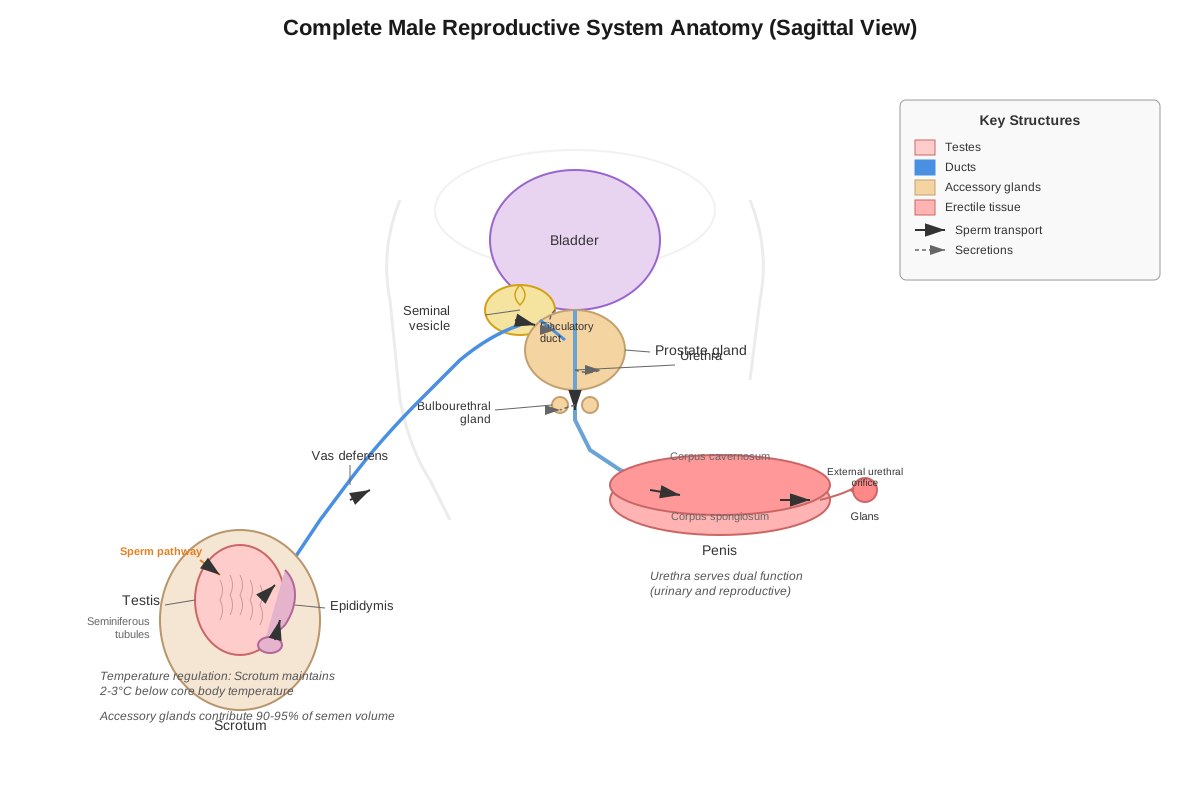
The male reproductive system consists of both internal and external structures that work in concert to produce, mature, store, and deliver sperm while also synthesizing critical hormones, particularly testosterone. These structures include the testes, epididymis, vas deferens, seminal vesicles, prostate gland, bulbourethral glands, and the penis. Each component has distinct anatomical features and physiological roles that contribute to reproductive function. Understanding the pathway of sperm from production to ejaculation, the hormonal feedback loops governing reproductive function, and the accessory glands' contributions to semen composition are all high-yield topics for exam success.
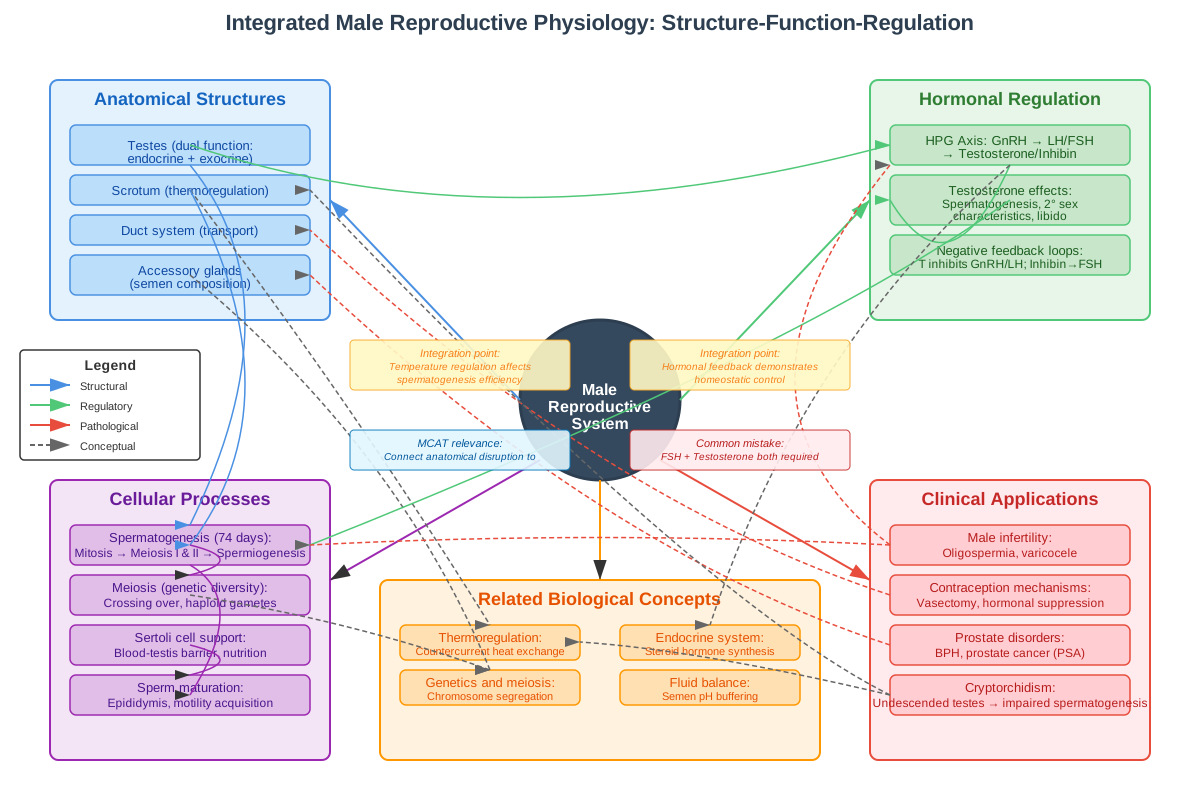
Beyond isolated anatomy questions, male reproductive anatomy connects to broader biological concepts including hormone signaling cascades (hypothalamic-pituitary-gonadal axis), cell division (meiosis during spermatogenesis), temperature regulation (thermoregulation of the scrotum), and fluid dynamics (semen composition and pH buffering). The MCAT expects students to apply anatomical knowledge to clinical scenarios, experimental passages about fertility treatments, and questions involving comparative physiology. Mastery of this topic provides a foundation for understanding reproductive pathology, endocrine disorders, and evolutionary biology concepts related to sexual reproduction.
Learning Objectives
- [ ] Define Male reproductive anatomy using accurate Biology terminology
- [ ] Explain why Male reproductive anatomy matters for the MCAT
- [ ] Apply Male reproductive anatomy to exam-style questions
- [ ] Identify common mistakes related to Male reproductive anatomy
- [ ] Connect Male reproductive anatomy to related Biology concepts
- [ ] Trace the complete pathway of sperm from production through ejaculation, identifying each anatomical structure
- [ ] Describe the hormonal regulation of male reproductive function and the feedback mechanisms involved
- [ ] Analyze the functional contributions of each accessory gland to semen composition and explain their physiological significance
Prerequisites
- Basic cell biology: Understanding cell structure and organelles is necessary to comprehend specialized cells like spermatozoa and Sertoli cells
- Endocrine system fundamentals: Knowledge of hormone signaling, receptors, and feedback loops enables understanding of testosterone regulation and the hypothalamic-pituitary-gonadal axis
- Meiosis and gametogenesis: Familiarity with cell division processes is essential for understanding spermatogenesis
- Basic anatomy terminology: Directional terms (anterior/posterior, superior/inferior) and anatomical planes facilitate precise description of reproductive structures
- pH and buffer systems: Understanding acid-base chemistry helps explain semen composition and the protective functions of accessory gland secretions
Why This Topic Matters
Male reproductive anatomy holds significant clinical and real-world relevance. Infertility affects approximately 15% of couples, with male factors contributing to roughly half of these cases. Understanding the anatomical basis of sperm production, maturation, and transport is essential for comprehending conditions like varicocele, epididymitis, benign prostatic hyperplasia, and testicular cancer. Additionally, the endocrine functions of the testes—particularly testosterone production—influence not only reproduction but also bone density, muscle mass, mood regulation, and secondary sexual characteristics.
On the MCAT, male reproductive anatomy appears with moderate frequency across multiple question formats. Approximately 5-8% of Biology questions involve reproductive physiology, with male anatomy comprising roughly half of these. Questions typically appear in three formats: (1) discrete questions testing anatomical knowledge and hormonal pathways, (2) passage-based questions involving experimental data about fertility or hormone levels, and (3) interdisciplinary questions connecting reproductive anatomy to psychology (sexual behavior), genetics (inheritance patterns), or biochemistry (steroid hormone synthesis). The MCAT particularly favors questions that require students to integrate anatomical knowledge with physiological processes, such as explaining how temperature affects spermatogenesis or how accessory gland secretions create optimal conditions for sperm survival.
Common passage themes include fertility research, hormonal contraception mechanisms, endocrine disruptors affecting reproductive function, and evolutionary perspectives on reproductive strategies. Students must be prepared to interpret graphs showing hormone levels throughout development, analyze experimental manipulations of reproductive structures, and apply anatomical knowledge to novel clinical scenarios. The ability to quickly recall the sequence of structures in the sperm pathway and the specific contributions of each accessory gland provides a significant advantage in time-pressured exam conditions.
Core Concepts
External Structures
The scrotum is a sac-like external structure that houses the testes and maintains them at approximately 2-3°C below core body temperature (around 35°C). This temperature regulation is critical for optimal spermatogenesis, as higher temperatures impair sperm production and quality. The scrotum achieves thermoregulation through the dartos muscle (smooth muscle in the scrotal wall) and the cremaster muscle (skeletal muscle extending from the internal oblique). When ambient temperature decreases, these muscles contract to bring the testes closer to the body; when temperature increases, they relax to lower the testes away from body heat. This reflexive temperature control represents an important example of homeostatic regulation.
The penis serves dual functions: urination and sexual reproduction. It consists of three cylindrical columns of erectile tissue: two dorsal corpora cavernosa and one ventral corpus spongiosum that surrounds the urethra. During sexual arousal, parasympathetic nervous system activation causes vasodilation of arterioles supplying these erectile tissues, leading to engorgement with blood and erection. The corpus spongiosum expands to form the glans penis at the distal end, which contains numerous sensory receptors. The urethra runs through the corpus spongiosum and serves as the common pathway for both urine and semen, though not simultaneously due to sphincter control.
Testes and Spermatogenesis
The testes (singular: testis) are paired oval organs that perform two essential functions: sperm production (spermatogenesis) and hormone synthesis (primarily testosterone). Each testis contains approximately 250 compartments called lobules, and each lobule contains 1-4 highly coiled seminiferous tubules where spermatogenesis occurs. The seminiferous tubules are lined with two critical cell types: spermatogenic cells (developing sperm at various stages) and Sertoli cells (supporting cells that nourish developing sperm, form the blood-testis barrier, and secrete inhibin and androgen-binding protein).
Between the seminiferous tubules lie clusters of Leydig cells (interstitial cells) that synthesize and secrete testosterone in response to luteinizing hormone (LH) from the anterior pituitary. Testosterone is essential for spermatogenesis, development of male secondary sexual characteristics, libido, and maintenance of reproductive structures. The process of spermatogenesis takes approximately 74 days and involves mitotic proliferation of spermatogonia, meiotic division to produce haploid cells, and morphological transformation (spermiogenesis) to create mature spermatozoa with a head containing the nucleus and acrosome, a midpiece packed with mitochondria, and a flagellum for motility.
Sperm Pathway and Duct System
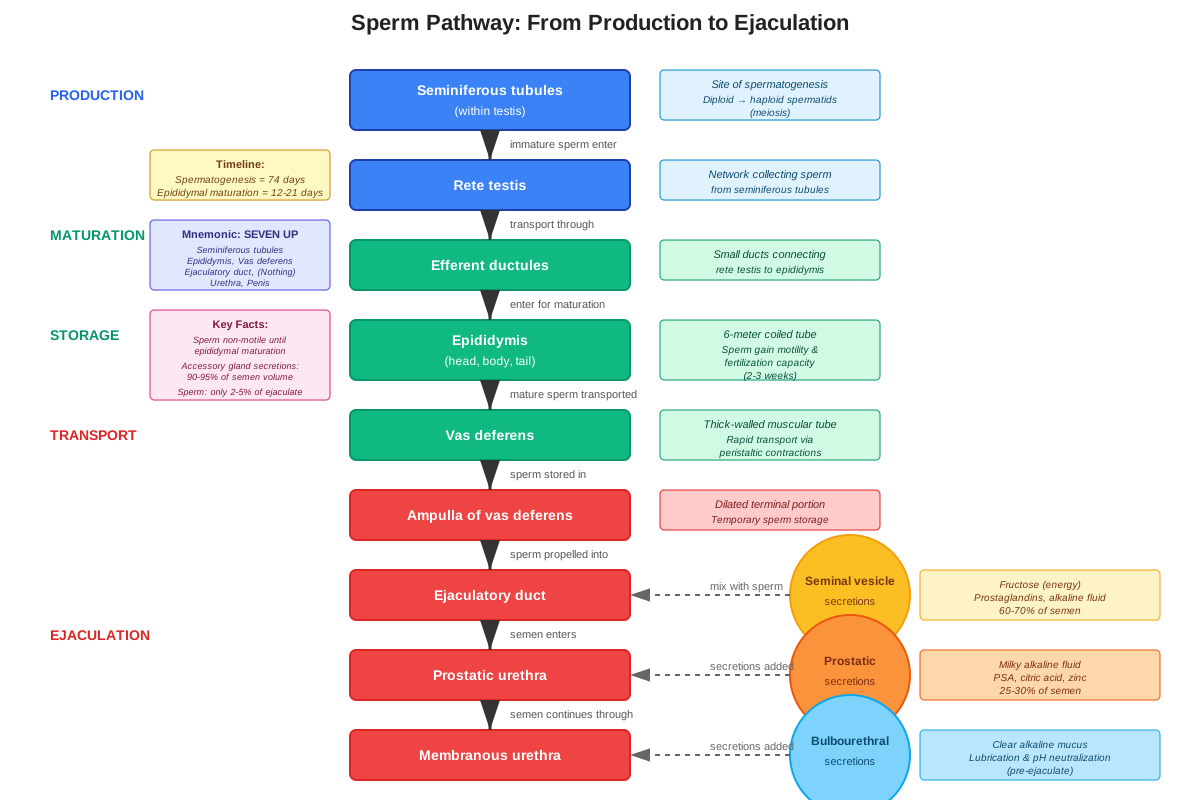
Understanding the complete pathway of sperm from production to ejaculation is high-yield for the MCAT. The sequence follows the mnemonic "SEVEN UP":
- Seminiferous tubules: Site of spermatogenesis within the testes
- Epididymis: A highly coiled tube (approximately 6 meters long when uncoiled) located on the posterior surface of each testis where sperm mature and gain motility over 10-14 days; also serves as a storage site
- Vas deferens (ductus deferens): A muscular tube approximately 45 cm long that transports sperm from the epididymis toward the urethra via peristaltic contractions; passes through the inguinal canal as part of the spermatic cord
- Ejaculatory duct: Formed by the union of the vas deferens and the duct from the seminal vesicle; passes through the prostate gland
- Urethra: The final common pathway divided into three regions—prostatic urethra (through the prostate), membranous urethra (through the urogenital diaphragm), and spongy (penile) urethra (through the corpus spongiosum)
This pathway is essential for understanding how blockages, infections, or surgical interventions at different points affect fertility. For example, a vasectomy involves cutting and sealing the vas deferens to prevent sperm from reaching the ejaculatory duct, while epididymitis (inflammation of the epididymis) can impair sperm maturation.
Accessory Glands and Semen Composition
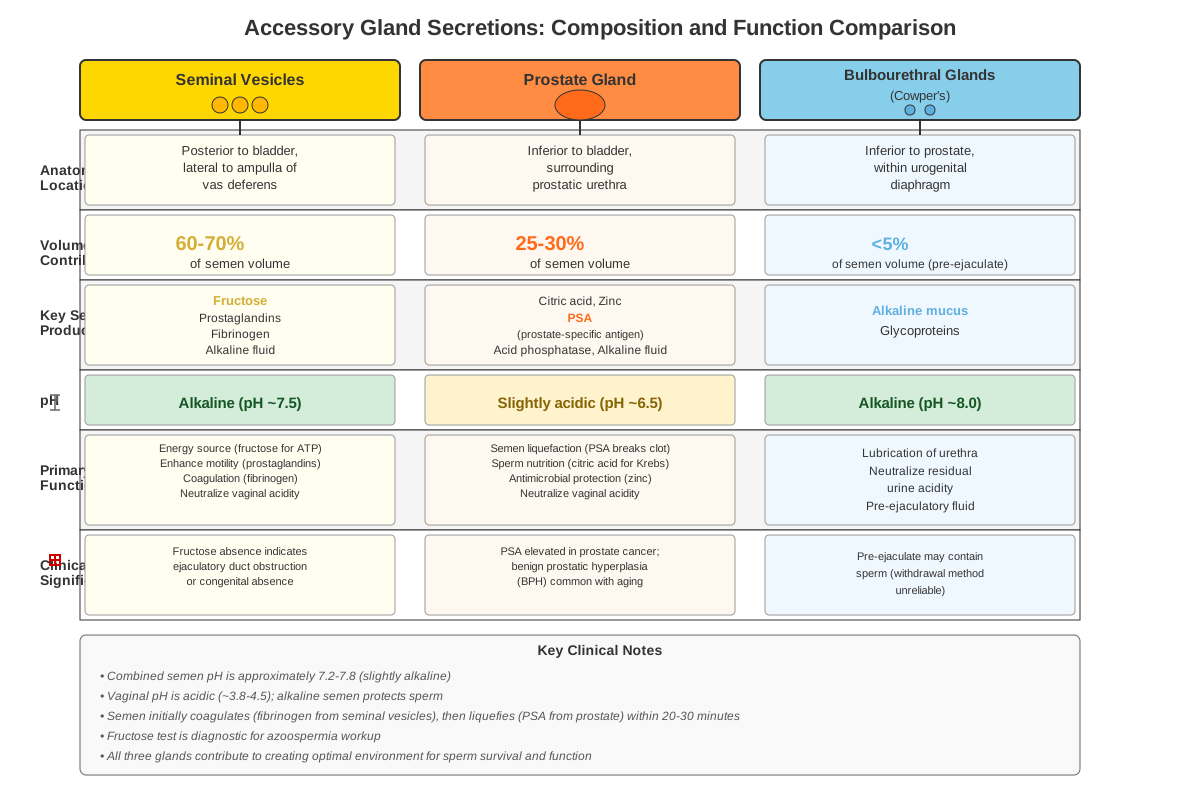
Semen is a complex fluid mixture containing sperm (only 2-5% of total volume) and secretions from three accessory glands. Each gland contributes specific components that optimize sperm survival and function:
| Gland | Location | Secretion Volume | Key Components | Functions |
|---|---|---|---|---|
| Seminal vesicles | Posterior to bladder | ~60-70% of semen | Fructose, prostaglandins, fibrinogen, vitamin C | Fructose provides energy for sperm motility; prostaglandins stimulate uterine contractions; alkaline pH (7.2-7.4) neutralizes vaginal acidity |
| Prostate gland | Inferior to bladder, surrounds prostatic urethra | ~20-30% of semen | Citric acid, proteolytic enzymes, PSA, zinc | Milky, slightly acidic secretion (pH 6.5); enzymes liquefy coagulated semen; PSA breaks down clotting proteins |
| Bulbourethral glands (Cowper's glands) | Below prostate in urogenital diaphragm | <1% of semen | Mucus, alkaline fluid | Pre-ejaculatory secretion that lubricates urethra and neutralizes residual urine acidity |
The sequential contribution of these glands during ejaculation is physiologically significant. Bulbourethral gland secretion occurs first during arousal, followed by prostatic fluid, then sperm-rich fluid from the vas deferens and epididymis, and finally the fructose-rich seminal vesicle secretion. This sequence ensures that sperm are suspended in optimal conditions for survival in the female reproductive tract.
Hormonal Regulation
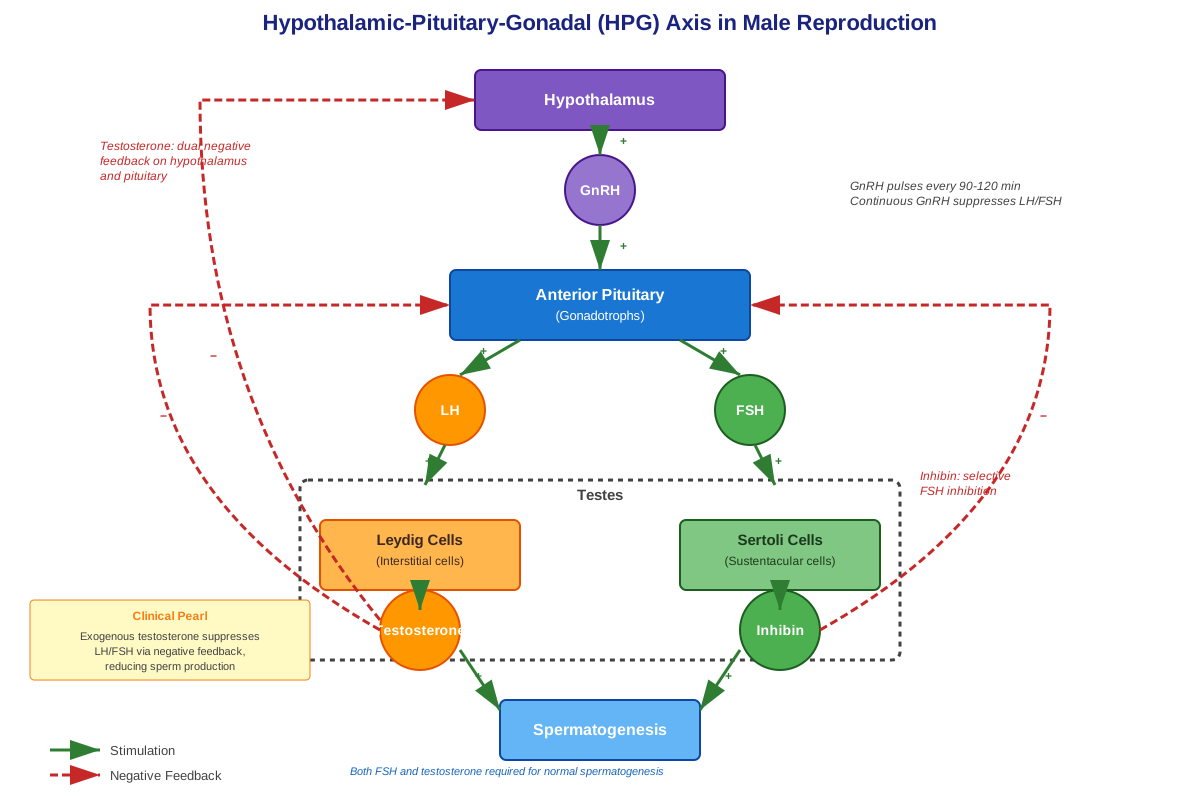
The hypothalamic-pituitary-gonadal (HPG) axis regulates male reproductive function through a classic negative feedback loop. The hypothalamus secretes gonadotropin-releasing hormone (GnRH) in pulsatile fashion, which stimulates the anterior pituitary to release luteinizing hormone (LH) and follicle-stimulating hormone (FSH). LH acts on Leydig cells to stimulate testosterone synthesis, while FSH acts on Sertoli cells to support spermatogenesis and stimulate production of androgen-binding protein (ABP), which concentrates testosterone in the seminiferous tubules.
Testosterone exerts negative feedback on both the hypothalamus (reducing GnRH secretion) and anterior pituitary (reducing LH secretion). Sertoli cells produce inhibin, which selectively inhibits FSH secretion from the anterior pituitary without affecting LH. This dual feedback mechanism allows independent regulation of testosterone production and spermatogenesis. Understanding this axis is crucial for interpreting questions about hypogonadism, anabolic steroid abuse (which suppresses the HPG axis), and fertility treatments.
Blood Supply and Innervation
The testicular arteries branch directly from the abdominal aorta and descend through the inguinal canal as part of the spermatic cord (which also contains the vas deferens, testicular veins, lymphatics, and nerves). The pampiniform plexus is a network of veins surrounding the testicular artery that serves as a countercurrent heat exchanger, cooling arterial blood before it reaches the testes. Dysfunction of this venous network can lead to varicocele (enlarged veins in the scrotum), which raises testicular temperature and impairs spermatogenesis.
The male reproductive system receives both sympathetic and parasympathetic innervation. A useful mnemonic is "Point and Shoot": parasympathetic nerves (pelvic splanchnic nerves, S2-S4) mediate erection ("point") through vasodilation, while sympathetic nerves (hypogastric plexus, T10-L2) mediate emission and ejaculation ("shoot") through smooth muscle contraction in the reproductive ducts and accessory glands. This autonomic control is clinically relevant for understanding erectile dysfunction and the effects of medications on sexual function.
Concept Relationships
The concepts within male reproductive anatomy form an integrated functional system. Spermatogenesis in the seminiferous tubules → requires support from Sertoli cells → which are stimulated by FSH from the anterior pituitary → which is released in response to GnRH from the hypothalamus. Simultaneously, Leydig cells respond to LH by producing testosterone → which is essential for spermatogenesis and also exerts negative feedback on the hypothalamus and pituitary, creating a homeostatic loop.
The anatomical pathway connects directly to function: Immature sperm produced in seminiferous tubules → travel to the epididymis for maturation and storage → are transported through the vas deferens during ejaculation → mix with seminal vesicle secretions (providing energy and alkaline environment) → pass through the prostate (adding enzymes and additional fluid) → receive bulbourethral gland secretions (for lubrication) → exit through the urethra. Each step is essential, and disruption at any point affects fertility.
The relationship to prerequisite topics is equally important. Meiosis provides the cellular mechanism for spermatogenesis, explaining how diploid spermatogonia become haploid spermatids. Endocrine principles explain the HPG axis and steroid hormone synthesis from cholesterol. Thermoregulation connects to the scrotum's temperature control mechanisms. pH and buffers explain why seminal vesicle secretions must neutralize vaginal acidity to protect sperm.
This topic also connects forward to related concepts: female reproductive anatomy (understanding complementary structures and fertilization), embryonic development (how reproductive structures develop from the mesonephric duct system), genetics (sex determination and sex-linked inheritance), and behavioral biology (hormonal influences on behavior and sexual dimorphism).
Quick check — test yourself on Male reproductive anatomy so far.
Try Flashcards →High-Yield Facts
⭐ The seminiferous tubules are the site of spermatogenesis and contain both spermatogenic cells and Sertoli cells; Leydig cells are located between tubules and produce testosterone.
⭐ The complete sperm pathway is: Seminiferous tubules → Epididymis → Vas deferens → Ejaculatory duct → Urethra (mnemonic: SEVEN UP).
⭐ Seminal vesicles contribute 60-70% of semen volume and provide fructose for sperm energy; prostate contributes 20-30% and provides enzymes including PSA.
⭐ The scrotum maintains testicular temperature 2-3°C below body temperature through the dartos and cremaster muscles; this is essential for normal spermatogenesis.
⭐ LH stimulates Leydig cells to produce testosterone; FSH stimulates Sertoli cells to support spermatogenesis and produce inhibin, which selectively inhibits FSH secretion.
- Spermatogenesis takes approximately 74 days from spermatogonium to mature spermatozoon.
- The epididymis is where sperm gain motility and are stored; sperm can remain viable here for several weeks.
- The blood-testis barrier formed by Sertoli cells protects developing sperm from immune system attack and maintains a specialized microenvironment.
- Testosterone is synthesized from cholesterol through a series of enzymatic reactions and is a steroid hormone that can cross cell membranes.
- The pampiniform plexus acts as a countercurrent heat exchanger to cool arterial blood entering the testes.
- Parasympathetic stimulation causes erection (vasodilation), while sympathetic stimulation causes emission and ejaculation (smooth muscle contraction).
- The prostatic urethra contains the openings of the ejaculatory ducts and prostatic ducts; the urethral sphincter prevents simultaneous urination and ejaculation.
- Androgen-binding protein (ABP) produced by Sertoli cells concentrates testosterone in the seminiferous tubules to levels necessary for spermatogenesis.
Common Misconceptions
Misconception: Sperm are fully mature and functional when they leave the seminiferous tubules.
Correction: Sperm are immature and non-motile when they leave the seminiferous tubules; they undergo maturation in the epididymis over 10-14 days, where they gain motility and the ability to fertilize an egg. This distinction is important for understanding fertility issues related to epididymal dysfunction.
Misconception: The prostate gland produces the majority of semen volume.
Correction: The seminal vesicles, not the prostate, contribute the majority (60-70%) of semen volume. The prostate contributes approximately 20-30%. This is testable because questions may ask about the composition of semen or the effects of removing specific glands.
Misconception: Testosterone is produced by Sertoli cells.
Correction: Testosterone is produced by Leydig cells (interstitial cells) located between the seminiferous tubules, not by Sertoli cells. Sertoli cells support spermatogenesis and produce inhibin and androgen-binding protein, but they do not synthesize testosterone. This distinction is crucial for understanding hormonal regulation questions.
Misconception: The vas deferens is the same structure as the urethra.
Correction: The vas deferens and urethra are distinct structures. The vas deferens transports sperm from the epididymis to the ejaculatory duct and never carries urine. The urethra is the final common pathway that carries both urine (at different times) and semen, but sperm enter the urethra only after passing through the vas deferens and ejaculatory duct.
Misconception: FSH and LH have the same target cells in the testes.
Correction: FSH and LH have different target cells: LH acts on Leydig cells to stimulate testosterone production, while FSH acts on Sertoli cells to support spermatogenesis. This differential targeting allows independent regulation of hormone production and sperm production through separate feedback mechanisms (testosterone inhibits LH; inhibin inhibits FSH).
Misconception: The scrotum's temperature regulation is passive and depends only on environmental temperature.
Correction: Scrotal temperature regulation is an active, reflexive process involving the dartos and cremaster muscles. These muscles contract or relax in response to temperature changes to move the testes closer to or farther from the body. This represents an important homeostatic mechanism, not a passive response.
Worked Examples
Example 1: Hormonal Feedback Loop Analysis
Question: A 25-year-old male bodybuilder has been using anabolic steroids (synthetic testosterone derivatives) for six months. Laboratory tests reveal low LH and FSH levels, reduced testicular size, and oligospermia (low sperm count). Explain the physiological mechanism underlying these findings.
Solution:
Step 1: Identify the normal hormonal regulation. The hypothalamic-pituitary-gonadal axis normally functions through negative feedback. The hypothalamus releases GnRH, which stimulates the anterior pituitary to release LH and FSH. LH stimulates Leydig cells to produce testosterone, and FSH stimulates Sertoli cells to support spermatogenesis.
Step 2: Analyze the effect of exogenous steroids. Anabolic steroids are synthetic testosterone derivatives that bind to androgen receptors throughout the body, including in the hypothalamus and anterior pituitary. These exogenous androgens mimic the negative feedback effects of endogenous testosterone.
Step 3: Explain the suppression of LH and FSH. The high circulating levels of synthetic steroids cause strong negative feedback on the hypothalamus (reducing GnRH secretion) and anterior pituitary (reducing LH and FSH secretion). This explains the low LH and FSH levels observed in the laboratory tests.
Step 4: Connect to testicular changes. With reduced LH stimulation, Leydig cells produce less endogenous testosterone. With reduced FSH stimulation, Sertoli cells provide less support for spermatogenesis. The combination of reduced intratesticular testosterone and reduced FSH leads to impaired spermatogenesis, explaining the oligospermia.
Step 5: Explain testicular atrophy. The reduced hormonal stimulation causes the seminiferous tubules to decrease in size and activity, leading to overall testicular atrophy (reduced testicular size).
Key Takeaway: This example demonstrates how understanding the HPG axis and negative feedback mechanisms allows prediction of the consequences of hormonal manipulation. The MCAT frequently tests the ability to trace cause-and-effect relationships through endocrine pathways.
Example 2: Anatomical Pathway and Fertility
Question: A 32-year-old male undergoes a bilateral vasectomy for contraception. Three months post-procedure, semen analysis shows the absence of sperm but normal semen volume and composition. Explain these findings based on male reproductive anatomy.
Solution:
Step 1: Identify the anatomical site of intervention. A vasectomy involves cutting and sealing the vas deferens bilaterally, preventing sperm from traveling from the epididymis to the ejaculatory ducts.
Step 2: Trace the sperm pathway. Sperm are produced in the seminiferous tubules, mature in the epididymis, and are stored there. During ejaculation, sperm normally travel through the vas deferens → ejaculatory duct → urethra. After vasectomy, sperm cannot pass beyond the cut vas deferens.
Step 3: Explain the absence of sperm. Because the vas deferens is blocked, sperm produced in the testes and stored in the epididymis cannot reach the ejaculatory ducts or urethra. Therefore, ejaculated semen contains no sperm (azoospermia). The three-month timeframe allows clearance of any sperm that were downstream of the vasectomy site at the time of the procedure.
Step 4: Explain normal semen volume and composition. The accessory glands (seminal vesicles, prostate, and bulbourethral glands) are located downstream of the vasectomy site and continue to function normally. Since these glands contribute 95-98% of semen volume, the total volume and biochemical composition (fructose, enzymes, pH) remain normal. Only the sperm component (2-5% of volume) is absent.
Step 5: Address what happens to sperm production. Spermatogenesis continues normally in the testes, and sperm accumulate in the epididymis. Eventually, excess sperm are broken down and reabsorbed by the body through a process called spermiophagy.
Key Takeaway: This example illustrates how anatomical knowledge allows prediction of the functional consequences of surgical interventions. Understanding that sperm contribute minimally to semen volume while accessory glands contribute the majority is a high-yield concept for MCAT questions about reproductive anatomy and fertility.
Exam Strategy
When approaching MCAT questions on male reproductive anatomy, begin by identifying whether the question focuses on structure, function, or hormonal regulation. Questions about structure often require tracing the sperm pathway or identifying the location of specific cell types. Questions about function typically involve the contributions of accessory glands or the physiological processes in different anatomical regions. Hormonal questions require understanding the HPG axis and feedback mechanisms.
Trigger words and phrases to recognize:
- "Pathway of sperm" or "sequence of structures" → recall SEVEN UP mnemonic
- "Semen composition" or "contribution to seminal fluid" → think about accessory glands and their specific secretions
- "Temperature regulation" or "thermoregulation" → focus on scrotum, dartos/cremaster muscles
- "Hormonal feedback" or "regulation of testosterone" → map out the HPG axis
- "Maturation of sperm" or "acquisition of motility" → epididymis function
- "Site of spermatogenesis" → seminiferous tubules, Sertoli cells
- "Testosterone production" → Leydig cells, LH stimulation
Process-of-elimination strategies:
- If a question asks about sperm production, eliminate answers mentioning the epididymis (maturation site, not production site)
- If a question involves semen volume, eliminate answers suggesting the prostate contributes the majority (seminal vesicles contribute most)
- For hormonal questions, remember that testosterone inhibits LH (not FSH directly), while inhibin inhibits FSH (not LH)
- When evaluating fertility scenarios, consider whether the issue affects production (testes), maturation (epididymis), transport (vas deferens), or delivery (accessory glands, urethra)
Time allocation: Discrete questions on male reproductive anatomy should take 60-90 seconds. Spend 30 seconds reading and identifying the key concept being tested, 20-30 seconds recalling relevant anatomy or physiology, and 20-30 seconds evaluating answer choices. For passage-based questions, allocate 1.5-2 minutes per question, spending extra time integrating passage information with anatomical knowledge. If a question requires tracing a pathway or mapping a feedback loop, quickly sketch it on your noteboard to avoid errors.
Memory Techniques
SEVEN UP - Pathway of sperm from production to ejaculation:
- Seminiferous tubules
- Epididymis
- Vas deferens
- Ejaculatory duct
- Nothing (placeholder to complete "SEVEN")
- Urethra
- Penis
"Point and Shoot" - Autonomic control of male sexual function:
- Point = Parasympathetic → Erection (vasodilation)
- Shoot = Sympathetic → Emission and ejaculation (smooth muscle contraction)
"Sertoli Supports, Leydig Liberates" - Testicular cell functions:
- Sertoli cells Support spermatogenesis (also produce inhibin and ABP)
- Leydig cells Liberate (produce) testosterone
"FSH Feeds, LH Liberates" - Pituitary hormone functions:
- FSH Feeds spermatogenesis (acts on Sertoli cells)
- LH Liberates testosterone (acts on Leydig cells)
Accessory gland contributions - "SemPro Bulb" (Seminal vesicles are the Pro at volume, Bulbourethral is small):
- Seminal vesicles: 60-70%, fructose, alkaline
- Prostate: 20-30%, enzymes, slightly acidic
- Bulbourethral: <1%, mucus, pre-ejaculatory
Visualization strategy: Picture the male reproductive system as a factory assembly line. The testes are the production facility (making sperm), the epididymis is the training and storage warehouse (maturing and storing sperm), the vas deferens is the highway (transporting sperm), and the accessory glands are the packaging department (adding protective and nutritive fluids). This mental model helps remember both the sequence and the function of each structure.
Summary
Male reproductive anatomy encompasses the structural and functional organization of organs responsible for sperm production, maturation, storage, transport, and delivery, as well as hormone synthesis. The testes contain seminiferous tubules (site of spermatogenesis with Sertoli cells) and interstitial Leydig cells (testosterone production). Sperm follow the pathway: seminiferous tubules → epididymis (maturation) → vas deferens (transport) → ejaculatory duct → urethra. Three accessory glands contribute to semen: seminal vesicles (60-70% volume, fructose, alkaline pH), prostate (20-30% volume, enzymes), and bulbourethral glands (<1% volume, mucus). The hypothalamic-pituitary-gonadal axis regulates reproduction through GnRH, LH (stimulates Leydig cells), and FSH (stimulates Sertoli cells), with negative feedback from testosterone and inhibin. The scrotum maintains optimal testicular temperature through the dartos and cremaster muscles. Understanding these anatomical relationships, the sperm pathway, hormonal regulation, and accessory gland contributions is essential for answering MCAT questions on male reproductive physiology, fertility, and endocrine function.
Key Takeaways
- The sperm pathway (SEVEN UP: Seminiferous tubules → Epididymis → Vas deferens → Ejaculatory duct → Urethra) is a high-yield sequence that appears frequently on the MCAT
- Sertoli cells support spermatogenesis and respond to FSH; Leydig cells produce testosterone and respond to LH—these are distinct cell populations with different functions
- Seminal vesicles contribute the majority of semen volume (60-70%) and provide fructose for energy; the prostate contributes enzymes including PSA
- The HPG axis involves negative feedback: testosterone inhibits GnRH and LH, while inhibin selectively inhibits FSH
- Temperature regulation by the scrotum (2-3°C below body temperature) is essential for normal spermatogenesis and involves active muscle control
- Sperm mature and gain motility in the epididymis, not in the seminiferous tubules where they are produced
- Parasympathetic stimulation causes erection; sympathetic stimulation causes emission and ejaculation ("Point and Shoot")
Related Topics
Female reproductive anatomy: Understanding the complementary structures and functions of the female reproductive system enables comprehension of fertilization, pregnancy, and reproductive physiology as an integrated system. Mastery of male anatomy provides a foundation for comparative analysis.
Spermatogenesis and oogenesis: Detailed study of gametogenesis processes builds on the anatomical foundation by explaining the cellular and molecular mechanisms of sperm and egg production, including meiotic divisions and hormonal regulation.
Endocrine system and hormone signaling: The HPG axis is one example of endocrine regulation; deeper study of hormone synthesis, receptor mechanisms, and feedback loops across multiple organ systems reinforces these concepts.
Embryonic development: Understanding how reproductive structures develop from embryonic tissues (mesonephric and paramesonephric ducts) and how sex determination occurs provides evolutionary and developmental context for adult anatomy.
Reproductive pathology: Clinical conditions affecting male reproductive anatomy (varicocele, benign prostatic hyperplasia, testicular cancer, erectile dysfunction) apply anatomical knowledge to medical scenarios frequently tested on the MCAT.
Practice CTA
Now that you have mastered the core concepts of male reproductive anatomy, reinforce your understanding by attempting practice questions and flashcards. Focus on questions that require you to trace the sperm pathway, analyze hormonal feedback loops, and predict the consequences of anatomical disruptions. Challenge yourself with passage-based questions that integrate reproductive anatomy with experimental data or clinical scenarios. The more you apply this knowledge in exam-style contexts, the more automatic your recall will become, giving you a significant advantage on test day. Remember: understanding the "why" behind anatomical relationships is just as important as memorizing the "what." You've got this!
Sign up free to keep reading
Create a free AnvayaPrep account to finish this MCAT guide on Male reproductive anatomy — plus flashcards and practice questions.