Overview
Spermatogenesis is the complex biological process by which diploid male germ cells develop into mature, motile haploid spermatozoa (sperm cells). This process occurs continuously within the seminiferous tubules of the testes from puberty throughout adult life, producing millions of sperm cells daily. Understanding spermatogenesis requires integration of multiple biological disciplines including cell biology, genetics, endocrinology, and developmental biology, making it a high-yield topic for the MCAT.
For the MCAT, spermatogenesis Biology represents a critical intersection of reproductive physiology, meiotic cell division, and hormonal regulation. The exam frequently tests this topic through passage-based questions that integrate endocrine signaling pathways, particularly the hypothalamic-pituitary-gonadal (HPG) axis, with cellular differentiation and gamete formation. Questions may present experimental scenarios involving hormone disruption, genetic mutations affecting fertility, or comparative analyses between spermatogenesis and oogenesis. The Physiology and Organ Systems unit emphasizes how spermatogenesis exemplifies coordinated tissue-level organization and hormonal control mechanisms.
The broader significance of spermatogenesis MCAT content extends beyond reproductive biology to fundamental concepts in Biology including meiosis, cell cycle regulation, stem cell maintenance, and cellular differentiation. Mastery of this topic enables students to tackle questions involving genetic variation, chromosomal abnormalities, and the cellular basis of inheritance. Additionally, spermatogenesis serves as an excellent model system for understanding how environmental factors, temperature regulation, and endocrine signals coordinate to maintain tissue homeostasis and produce specialized cell types.
Learning Objectives
- [ ] Define spermatogenesis using accurate Biology terminology
- [ ] Explain why spermatogenesis matters for the MCAT
- [ ] Apply spermatogenesis to exam-style questions
- [ ] Identify common mistakes related to spermatogenesis
- [ ] Connect spermatogenesis to related Biology concepts
- [ ] Diagram the complete sequence of cellular stages from spermatogonium to mature spermatozoon
- [ ] Compare and contrast spermatogenesis with oogenesis in terms of timing, yield, and cellular outcomes
- [ ] Analyze the hormonal regulation of spermatogenesis through the HPG axis
- [ ] Predict the consequences of disruptions at specific stages of spermatogenesis
Prerequisites
- Meiosis I and II: Understanding the reduction division process is essential because spermatogenesis involves both meiotic divisions to produce haploid cells from diploid precursors
- Mitosis and cell cycle: Spermatogonial stem cells undergo mitotic divisions to maintain the stem cell pool and produce cells that enter meiosis
- Chromosome structure and ploidy: Recognizing diploid (2n) versus haploid (n) states is critical for tracking cellular transformations throughout spermatogenesis
- Basic endocrinology: Hormonal regulation through FSH, LH, and testosterone drives and maintains spermatogenesis
- Cell differentiation: Spermatogenesis represents a specialized differentiation pathway from stem cells to highly specialized gametes
- Male reproductive anatomy: Knowledge of testicular structure, seminiferous tubules, and supporting cells provides anatomical context
Why This Topic Matters
Clinical and Real-World Significance
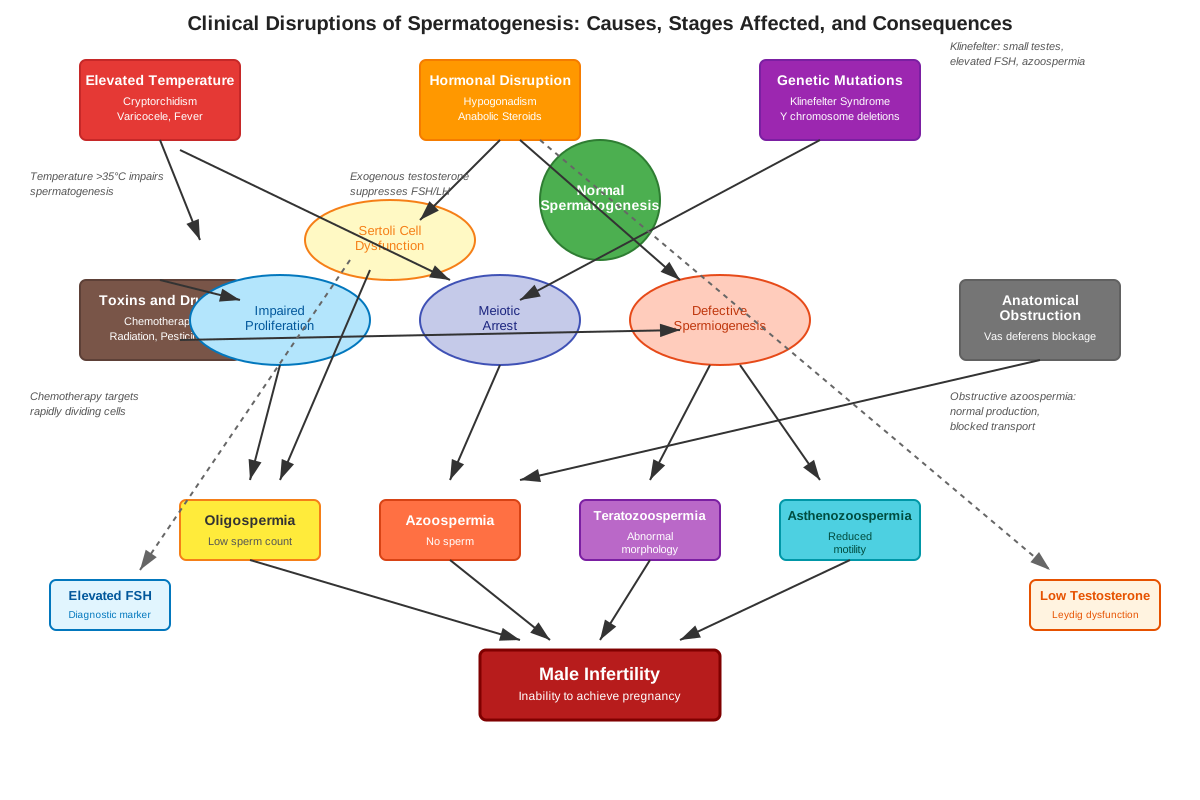
Male infertility affects approximately 7% of men worldwide, with defects in spermatogenesis representing the most common cause. Understanding the cellular and molecular basis of sperm production enables comprehension of conditions such as oligospermia (low sperm count), azoospermia (absence of sperm), and varicocele-related fertility issues. Environmental toxins, heat exposure, hormonal imbalances, and genetic abnormalities can all disrupt spermatogenesis at specific stages, making this knowledge clinically relevant for diagnosing and treating reproductive disorders. Additionally, spermatogenesis serves as a target for male contraceptive development and is affected by cancer treatments, making it relevant to oncology and reproductive medicine.
MCAT Exam Statistics
Spermatogenesis appears on the MCAT with moderate frequency, typically in 2-4 questions per exam either as discrete questions or within biological sciences passages. Questions most commonly test: (1) the sequence and ploidy changes during spermatogenic stages, (2) hormonal regulation through the HPG axis, (3) comparison with oogenesis, (4) the role of Sertoli and Leydig cells, and (5) the timing and location of spermatogenesis. This topic frequently appears in passages discussing reproductive endocrinology, fertility research, genetic inheritance patterns, or experimental manipulations of testicular function.
Common Exam Presentations
MCAT passages may present spermatogenesis through: experimental studies examining hormone effects on sperm production; genetic studies of meiotic mutations; comparative biology questions contrasting male and female gametogenesis; clinical vignettes involving infertility diagnosis; research on environmental toxins affecting reproduction; or developmental biology passages exploring stem cell differentiation. Questions often require integration of multiple concepts, such as predicting how a specific hormone deficiency would affect both spermatogenesis and secondary sexual characteristics, or determining the genetic consequences of meiotic errors during sperm formation.
Core Concepts
Definition and Overview of Spermatogenesis
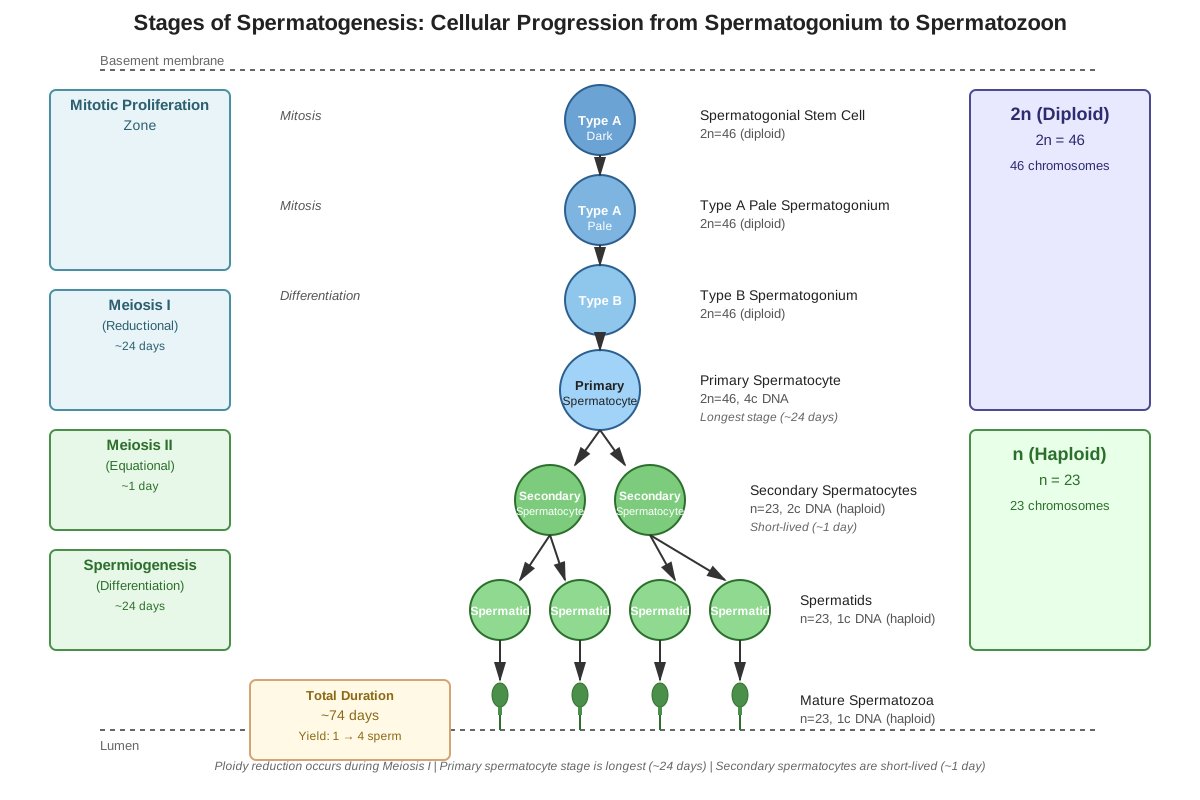
Spermatogenesis is the developmental process through which diploid spermatogonial stem cells differentiate into haploid spermatozoa within the seminiferous tubules of the testes. This process takes approximately 74 days in humans and involves three major phases: (1) spermatocytogenesis (mitotic proliferation), (2) meiosis (reduction division), and (3) spermiogenesis (cellular differentiation and maturation). The entire process occurs in intimate association with Sertoli cells, which provide structural support, nutrients, and regulatory signals essential for sperm development.
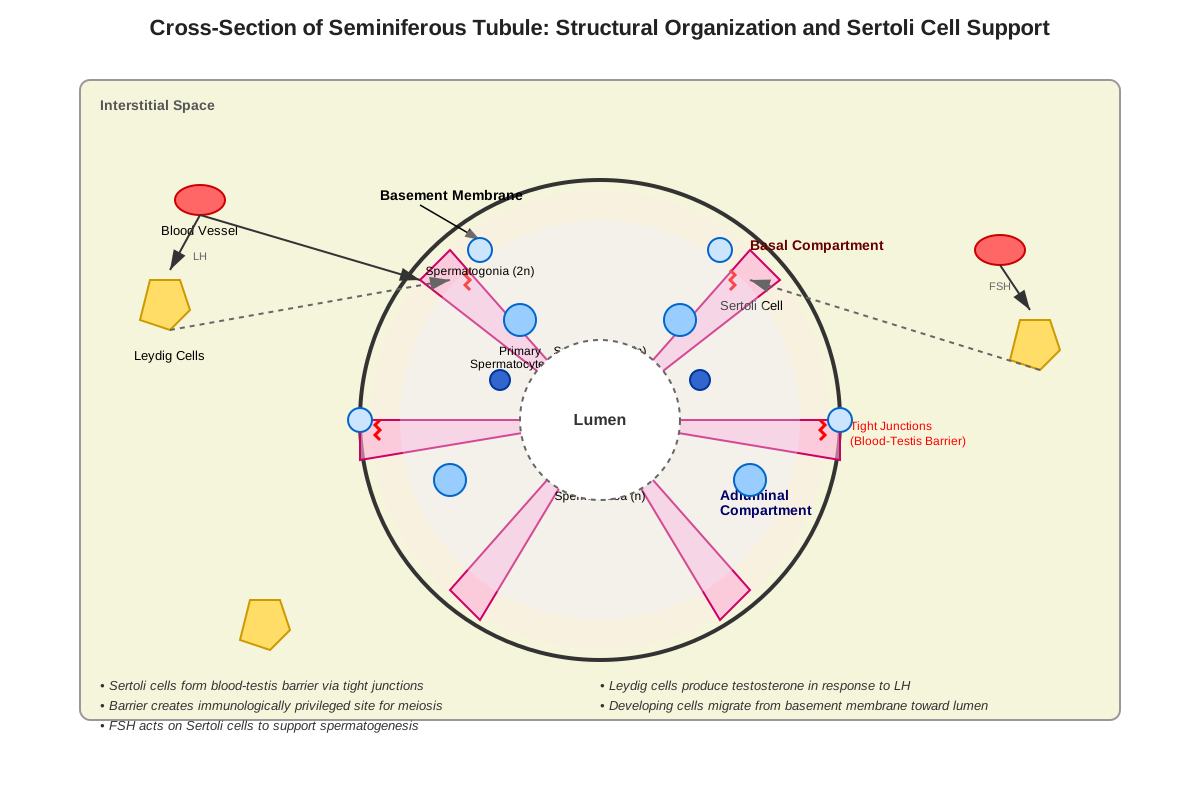
The seminiferous tubules provide the specialized microenvironment necessary for spermatogenesis. Developing germ cells are arranged in layers from the basement membrane (where stem cells reside) toward the lumen (where mature sperm are released). This spatial organization reflects the temporal progression of development, with the most immature cells at the periphery and the most mature cells centrally located.
Stages of Spermatogenesis
Phase 1: Spermatocytogenesis (Mitotic Phase)
Spermatogonia are diploid (2n) stem cells located at the basement membrane of seminiferous tubules. These cells exist in two populations:
- Type A spermatogonia (dark and pale variants): These serve as the stem cell reservoir. Type A dark cells remain quiescent and maintain the stem cell pool through self-renewal. Type A pale cells undergo mitotic division to produce more spermatogonia.
- Type B spermatogonia: These cells differentiate from Type A pale spermatogonia and represent the committed progenitors that will enter meiosis. Type B spermatogonia undergo one final mitotic division to produce primary spermatocytes.
This mitotic phase ensures continuous sperm production throughout adult life by maintaining the stem cell population while simultaneously generating cells that progress through differentiation.
Phase 2: Meiosis
Primary spermatocytes are diploid (2n, 4c DNA content after S phase) cells that enter meiosis I. This is the longest phase of spermatogenesis, lasting approximately 24 days. During meiosis I, homologous chromosomes pair, undergo crossing over (genetic recombination), and then separate. This reductional division produces two secondary spermatocytes, each haploid (n) but still containing sister chromatids (2c DNA content).
Secondary spermatocytes immediately enter meiosis II without an intervening S phase. This equational division separates sister chromatids, producing four spermatids, each haploid (n, 1c DNA content). The meiotic divisions are critical for: (1) reducing chromosome number from diploid to haploid, (2) generating genetic diversity through independent assortment and crossing over, and (3) producing four potential gametes from each primary spermatocyte.
Phase 3: Spermiogenesis
Spermiogenesis is the dramatic morphological transformation of round spermatids into elongated, motile spermatozoa. This process does not involve cell division but rather extensive cellular remodeling:
- Acrosome formation: The Golgi apparatus produces the acrosome, a cap-like structure containing hydrolytic enzymes (hyaluronidase, acrosin) necessary for penetrating the zona pellucida during fertilization.
- Nuclear condensation: Histones are replaced by protamines, small arginine-rich proteins that package DNA into an extremely compact, transcriptionally inactive state, reducing nuclear volume.
- Flagellum development: The centriole migrates to the posterior pole and organizes microtubules into the 9+2 axoneme structure of the flagellum, providing motility.
- Mitochondrial arrangement: Mitochondria migrate to the midpiece and arrange in a helical sheath around the flagellum, providing ATP for movement.
- Cytoplasmic reduction: Excess cytoplasm is shed as a residual body, which is phagocytosed by Sertoli cells, streamlining the sperm cell.
The resulting spermatozoon consists of a head (containing the nucleus and acrosome), midpiece (containing mitochondria), and tail (flagellum). These immature sperm are released into the seminiferous tubule lumen through a process called spermiation.
Cellular Ploidy and DNA Content Throughout Spermatogenesis
| Cell Type | Ploidy | DNA Content | Location | Division Type |
|---|---|---|---|---|
| Spermatogonium (Type A, B) | 2n | 2c (or 4c after S phase) | Basement membrane | Mitosis |
| Primary spermatocyte | 2n | 4c | Near basement membrane | Meiosis I |
| Secondary spermatocyte | n | 2c | Moving toward lumen | Meiosis II |
| Spermatid | n | 1c | Near lumen | None (differentiation) |
| Spermatozoon | n | 1c | Lumen/epididymis | None |
Supporting Cells and Hormonal Regulation
Sertoli Cells
Sertoli cells (also called sustentacular cells) are large, columnar epithelial cells that extend from the basement membrane to the lumen of seminiferous tubules. These cells perform multiple essential functions:
- Physical support: Sertoli cells surround and support developing germ cells, providing structural scaffolding
- Nutrition: They supply nutrients, growth factors, and metabolic substrates to developing sperm
- Blood-testis barrier: Tight junctions between adjacent Sertoli cells create the blood-testis barrier, which isolates developing germ cells from the immune system and creates a specialized microenvironment
- Phagocytosis: Sertoli cells engulf residual bodies and degenerating germ cells
- Hormone production: They secrete inhibin (which provides negative feedback to FSH secretion), androgen-binding protein (ABP) (which concentrates testosterone locally), and anti-Müllerian hormone (AMH) during development
- FSH responsiveness: Sertoli cells express FSH receptors and mediate FSH effects on spermatogenesis
Leydig Cells
Leydig cells (interstitial cells) are located in the interstitial space between seminiferous tubules. These endocrine cells:
- Produce testosterone: In response to LH stimulation, Leydig cells synthesize and secrete testosterone from cholesterol
- Support spermatogenesis: Testosterone acts on Sertoli cells to promote sperm development
- Maintain male characteristics: Testosterone supports secondary sexual characteristics and male reproductive function
Hormonal Regulation: The HPG Axis
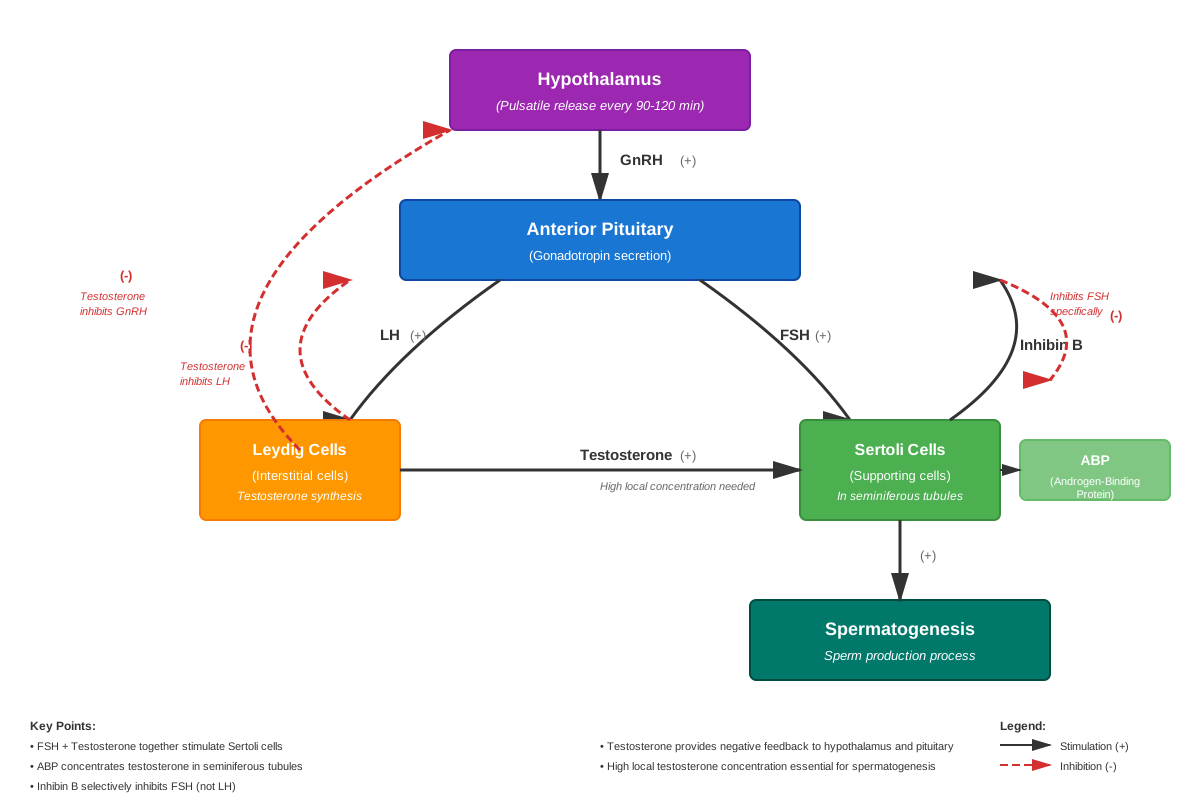
The hypothalamic-pituitary-gonadal (HPG) axis regulates spermatogenesis through coordinated hormone signaling:
- GnRH (Gonadotropin-Releasing Hormone): The hypothalamus secretes GnRH in pulsatile fashion, stimulating the anterior pituitary
- LH (Luteinizing Hormone): The anterior pituitary releases LH, which binds to receptors on Leydig cells, stimulating testosterone production
- FSH (Follicle-Stimulating Hormone): The anterior pituitary releases FSH, which binds to receptors on Sertoli cells, promoting spermatogenesis and stimulating ABP and inhibin production
- Testosterone: Acts on Sertoli cells to support spermatogenesis and provides negative feedback to the hypothalamus and anterior pituitary
- Inhibin: Secreted by Sertoli cells in response to FSH, provides selective negative feedback specifically to FSH secretion from the anterior pituitary
This negative feedback system maintains hormonal homeostasis and regulates sperm production rates.
Temperature Regulation
Spermatogenesis requires temperatures 2-3°C below core body temperature (approximately 34-35°C). The scrotum provides this cooler environment through:
- External positioning: Suspending the testes outside the body cavity
- Countercurrent heat exchange: The pampiniform plexus of veins surrounds the testicular artery, cooling arterial blood before it reaches the testes
- Cremasteric reflex: Smooth muscle in the scrotum contracts or relaxes to move testes closer to or farther from the body
Elevated testicular temperature (from fever, tight clothing, varicocele, or cryptorchidism) impairs spermatogenesis and can cause temporary or permanent infertility.
Sperm Maturation and Capacitation
Spermatozoa released from seminiferous tubules are immature and non-motile. They undergo further maturation during transit through the epididymis (approximately 12-21 days):
- Acquisition of motility
- Biochemical modifications of membrane proteins and lipids
- Completion of nuclear condensation
- Development of fertilization competence
Even after epididymal maturation, sperm must undergo capacitation in the female reproductive tract before they can fertilize an egg. Capacitation involves:
- Removal of cholesterol and glycoproteins from the sperm membrane
- Increased membrane fluidity
- Hyperactivated motility
- Preparation for the acrosome reaction
Concept Relationships
Spermatogenesis integrates multiple biological concepts into a coordinated developmental program. The process begins with stem cell biology, as Type A spermatogonia maintain self-renewal capacity while producing differentiated progeny, exemplifying asymmetric cell division. This leads to mitotic proliferation (spermatocytogenesis), which expands the population of cells entering meiosis.
The mitotic phase transitions into meiosis, connecting spermatogenesis to fundamental genetics concepts including chromosome reduction, independent assortment, and crossing over. Meiosis I produces genetic diversity → which generates variation in offspring → which drives evolution through natural selection. The completion of meiosis II produces haploid spermatids → which undergo spermiogenesis → resulting in specialized, motile gametes.
Endocrine regulation overlays the entire process, with the HPG axis providing hormonal signals → that coordinate Leydig cell testosterone production → which acts on Sertoli cells → which support germ cell development. This demonstrates negative feedback regulation, a fundamental principle in homeostasis and physiology.
The blood-testis barrier formed by Sertoli cells connects to immunology, as it prevents immune recognition of haploid germ cells that express novel antigens not present during immune system development. This barrier also relates to cell biology through tight junction formation and selective transport mechanisms.
Temperature regulation of spermatogenesis connects to thermoregulation and anatomy, demonstrating how structure (scrotal positioning) serves function (optimal temperature for sperm development). Disruption of temperature regulation → impairs spermatogenesis → reduces fertility, illustrating cause-and-effect relationships testable on the MCAT.
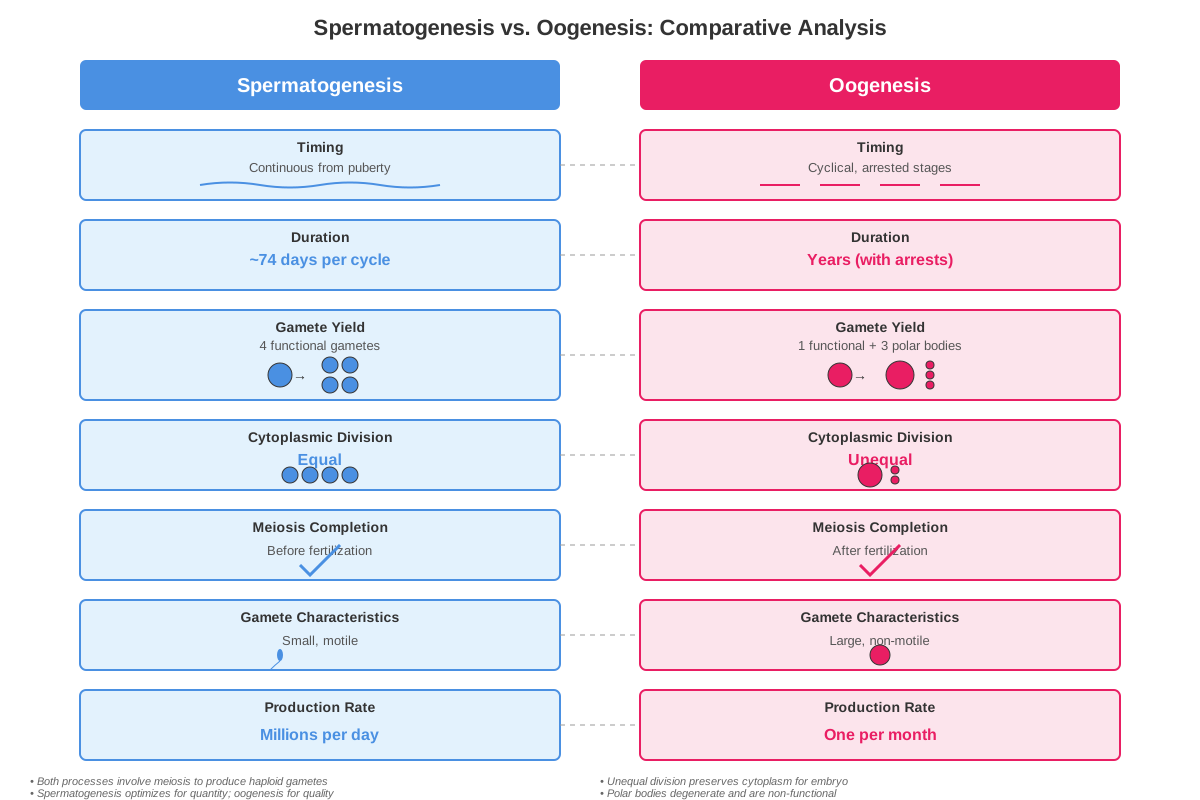
Finally, spermatogenesis connects to oogenesis through comparative analysis, highlighting differences in timing (continuous vs. cyclic), yield (four functional gametes vs. one), duration (74 days vs. years), and initiation (puberty vs. fetal development). Understanding these contrasts strengthens comprehension of both processes.
Quick check — test yourself on Spermatogenesis so far.
Try Flashcards →High-Yield Facts
⭐ Spermatogenesis produces four haploid spermatids from each diploid primary spermatocyte, contrasting with oogenesis which produces one functional ovum and three polar bodies
⭐ The entire process of spermatogenesis takes approximately 74 days in humans, occurring continuously from puberty throughout adult life
⭐ Sertoli cells form the blood-testis barrier through tight junctions, creating an immunologically privileged site and specialized microenvironment for developing sperm
⭐ FSH acts on Sertoli cells to support spermatogenesis, while LH acts on Leydig cells to stimulate testosterone production
⭐ Spermatogenesis requires temperatures 2-3°C below core body temperature; elevated testicular temperature impairs sperm production
- Primary spermatocytes are diploid (2n, 4c) and undergo meiosis I to produce haploid (n, 2c) secondary spermatocytes
- Spermiogenesis involves acrosome formation, nuclear condensation with protamine replacement of histones, flagellum development, and cytoplasmic reduction
- Inhibin, secreted by Sertoli cells, provides selective negative feedback to FSH secretion without affecting LH
- Type A dark spermatogonia serve as the stem cell reservoir, while Type B spermatogonia are committed to entering meiosis
- Sperm acquire motility and fertilization competence during epididymal transit and capacitation in the female reproductive tract
- The acrosome contains hydrolytic enzymes (hyaluronidase, acrosin) necessary for penetrating the zona pellucida during fertilization
- Crossing over during meiosis I generates genetic recombination, contributing to genetic diversity in offspring
- Testosterone acts on Sertoli cells through androgen receptors to promote spermatogenesis and is concentrated locally by androgen-binding protein (ABP)
- Cryptorchidism (undescended testes) impairs spermatogenesis due to elevated temperature in the abdominal cavity
- Varicocele (enlarged veins in the scrotum) can impair spermatogenesis by disrupting temperature regulation and blood flow
Common Misconceptions
Misconception: Spermatogenesis and spermiogenesis are synonyms referring to the same process.
Correction: Spermatogenesis is the entire process from spermatogonium to mature spermatozoon, while spermiogenesis specifically refers to the differentiation phase where round spermatids transform into elongated spermatozoa without cell division.
Misconception: Each spermatogonium produces four sperm cells.
Correction: Each spermatogonium undergoes mitosis to produce two primary spermatocytes. Each primary spermatocyte then undergoes meiosis I and II to produce four spermatids. Therefore, one spermatogonium ultimately yields two primary spermatocytes, which together produce eight spermatids (four from each primary spermatocyte).
Misconception: Secondary spermatocytes are diploid cells.
Correction: Secondary spermatocytes are haploid (n) cells with duplicated chromosomes (2c DNA content). They result from meiosis I, which is a reductional division that separates homologous chromosomes. Meiosis II then separates sister chromatids to produce haploid (n, 1c) spermatids.
Misconception: FSH directly stimulates testosterone production.
Correction: LH (not FSH) stimulates testosterone production by binding to receptors on Leydig cells. FSH acts on Sertoli cells to support spermatogenesis and stimulate production of androgen-binding protein and inhibin. The two gonadotropins have distinct target cells and functions.
Misconception: Sperm are fully mature and capable of fertilization immediately upon release from seminiferous tubules.
Correction: Sperm released from seminiferous tubules are immature and non-motile. They acquire motility and undergo biochemical maturation during 12-21 days of transit through the epididymis. Even after epididymal maturation, sperm must undergo capacitation in the female reproductive tract before they can fertilize an egg.
Misconception: The blood-testis barrier prevents all substances from reaching developing sperm.
Correction: The blood-testis barrier is selectively permeable, not completely impermeable. Sertoli cells actively transport nutrients, hormones, and growth factors across the barrier to support developing germ cells. The barrier specifically prevents large molecules, immune cells, and antibodies from reaching post-meiotic germ cells while allowing essential small molecules through.
Misconception: Spermatogenesis occurs at the same rate throughout the seminiferous tubule.
Correction: Spermatogenesis occurs in waves along the length of seminiferous tubules, with different regions at different stages of the spermatogenic cycle. This ensures continuous sperm production rather than synchronized batches.
Worked Examples
Example 1: Hormonal Disruption Analysis
Question: A 28-year-old male presents with infertility. Laboratory tests reveal elevated FSH and LH levels, but very low testosterone. Testicular biopsy shows absence of Leydig cells but normal Sertoli cells. Which of the following would you expect regarding this patient's spermatogenesis?
A) Normal sperm production with normal sperm count
B) Severely impaired spermatogenesis with very low sperm count
C) Normal spermatogenesis but immotile sperm
D) Absence of primary spermatocytes but normal spermatids
Reasoning Process:
Step 1: Identify the hormonal abnormality. Elevated FSH and LH with low testosterone suggests the pituitary is attempting to stimulate testicular function, but the testes cannot respond adequately. This indicates primary testicular failure.
Step 2: Determine the cellular defect. Absence of Leydig cells means no testosterone production despite LH stimulation. Normal Sertoli cells suggest FSH can still act on its target cells.
Step 3: Connect testosterone to spermatogenesis. Testosterone is essential for spermatogenesis—it acts on Sertoli cells to support germ cell development. Without adequate testosterone, spermatogenesis cannot proceed normally, even if FSH stimulates Sertoli cells.
Step 4: Predict the outcome. Severely impaired spermatogenesis would result in very low or absent sperm production. The elevated FSH and LH represent the pituitary's attempt to compensate for the lack of negative feedback from testosterone and inhibin.
Step 5: Eliminate incorrect answers. (A) is incorrect because testosterone is required for normal spermatogenesis. (C) is incorrect because the problem is production, not motility. (D) is incorrect because the impairment would affect all stages, not selectively preserve later stages.
Answer: B) Severely impaired spermatogenesis with very low sperm count
Connection to Learning Objectives: This example demonstrates application of spermatogenesis concepts to clinical scenarios, integration of endocrine regulation with cellular function, and identification of cause-and-effect relationships in reproductive physiology.
Example 2: Ploidy and Cell Division Analysis
Question: A researcher uses fluorescent markers to track DNA content in cells undergoing spermatogenesis. She identifies a population of cells with n chromosomes and 2c DNA content. These cells are most likely:
A) Spermatogonia after S phase
B) Primary spermatocytes before meiosis I
C) Secondary spermatocytes before meiosis II
D) Spermatids after meiosis II
Reasoning Process:
Step 1: Decode the ploidy notation. "n chromosomes" means haploid (half the normal chromosome number). "2c DNA content" means the DNA has been replicated, so each chromosome consists of two sister chromatids.
Step 2: Trace ploidy changes through spermatogenesis:
- Spermatogonia: 2n, 2c (or 4c after S phase)
- Primary spermatocytes: 2n, 4c (after S phase, before meiosis I)
- Secondary spermatocytes: n, 2c (after meiosis I, before meiosis II)
- Spermatids: n, 1c (after meiosis II)
Step 3: Match the description. The only cells that are haploid (n) with duplicated DNA (2c) are secondary spermatocytes, which exist briefly between meiosis I and meiosis II.
Step 4: Verify by elimination:
- (A) Spermatogonia are diploid (2n), not haploid
- (B) Primary spermatocytes are diploid (2n, 4c), not haploid
- (C) Secondary spermatocytes are n, 2c—this matches!
- (D) Spermatids are n, 1c (sister chromatids have separated)
Answer: C) Secondary spermatocytes before meiosis II
Connection to Learning Objectives: This example requires precise understanding of ploidy changes during meiosis, ability to track DNA content through cell divisions, and application of these concepts to experimental scenarios—all high-yield skills for MCAT passages involving cell biology and genetics.
Exam Strategy
Approaching MCAT Questions on Spermatogenesis
When encountering spermatogenesis questions, first identify the question type: (1) sequence/stage identification, (2) hormonal regulation, (3) comparison with oogenesis, (4) ploidy/genetics, or (5) cellular function. This categorization guides your approach.
For sequence questions, mentally visualize the progression: spermatogonium → primary spermatocyte → secondary spermatocyte → spermatid → spermatozoon. Track ploidy at each stage and remember that meiosis I is reductional (2n → n) while meiosis II is equational (n, 2c → n, 1c).
For hormonal questions, draw the HPG axis: hypothalamus (GnRH) → anterior pituitary (FSH, LH) → testes (Sertoli cells respond to FSH; Leydig cells respond to LH and produce testosterone). Remember negative feedback: testosterone and inhibin suppress the axis. If a question describes hormone levels, determine whether the problem is primary (testicular) or secondary (pituitary/hypothalamic) based on whether gonadotropins are elevated or suppressed.
Trigger Words and Phrases
Watch for these high-yield terms that signal specific concepts:
- "Reductional division" → meiosis I, where homologous chromosomes separate
- "Equational division" → meiosis II, where sister chromatids separate
- "Blood-testis barrier" → Sertoli cell tight junctions, immunological privilege
- "Acrosome" → enzyme-containing cap for zona pellucida penetration
- "Capacitation" → final maturation in female reproductive tract
- "Cryptorchidism" → undescended testes, temperature-related infertility
- "Inhibin" → selective FSH suppression
- "Androgen-binding protein" → concentrates testosterone locally
Process-of-Elimination Tips
When comparing spermatogenesis to oogenesis, remember the "4-1 rule": spermatogenesis produces four functional gametes while oogenesis produces one. If an answer choice suggests equal yields, eliminate it.
For ploidy questions, eliminate any answer suggesting secondary spermatocytes are diploid—they are always haploid (n) after meiosis I.
If a question asks about continuous vs. cyclic processes, remember spermatogenesis is continuous from puberty onward, while oogenesis is cyclic and arrested at specific stages. Eliminate answers that reverse these characteristics.
For hormone questions, if FSH is mentioned with testosterone production, that answer is likely incorrect—LH stimulates testosterone, not FSH.
Time Allocation
Discrete spermatogenesis questions should take 60-90 seconds. Quickly identify the stage or concept being tested, apply your knowledge, and select the answer. Don't overthink straightforward recall questions.
Passage-based questions require 90-120 seconds each. Spend 30 seconds identifying how the passage relates to spermatogenesis (hormonal manipulation? genetic study? temperature effects?), then answer questions by integrating passage information with your foundational knowledge. If a question requires calculation or complex reasoning, flag it and return if time permits.
Memory Techniques
Mnemonic for Spermatogenesis Stages
"Some People Make Silly Sperm"
- Spermatogonium (2n, 2c)
- Primary spermatocyte (2n, 4c)
- Meiosis I occurs
- Secondary spermatocyte (n, 2c)
- Spermatid (n, 1c)
Mnemonic for Sertoli Cell Functions
"Sertoli Supports Sperm Properly, Bringing Immunity Protection"
- Support (physical scaffolding)
- Secretion (inhibin, ABP, AMH)
- Phagocytosis (residual bodies)
- Blood-testis barrier
- Immunological protection
Visualization Strategy for HPG Axis
Picture a three-story building:
- Top floor (hypothalamus): The "control room" releases GnRH pulses
- Middle floor (anterior pituitary): The "dispatch center" releases FSH and LH
- Ground floor (testes): The "factory" with two departments:
- Leydig cells (LH receptors) produce testosterone
- Sertoli cells (FSH receptors) support sperm production
- Feedback elevators: Testosterone and inhibin travel back up to suppress upper floors
Acronym for Spermiogenesis Changes
"ACFM-C" for the major transformations:
- Acrosome formation
- Condensation of nucleus (protamines replace histones)
- Flagellum development
- Mitochondrial arrangement
- Cytoplasm reduction
Number Memory Aids
- 74 days: Total spermatogenesis duration (think "7+4=11, and it takes 11 weeks")
- 2-3°C cooler: Testicular temperature requirement (think "2-3 degrees makes sperm succeed")
- 4 from 1: Four spermatids from one primary spermatocyte (meiosis doubles the output)
Summary
Spermatogenesis is the continuous, temperature-sensitive process by which diploid spermatogonial stem cells develop into haploid spermatozoa within the seminiferous tubules of the testes. The process encompasses three major phases: spermatocytogenesis (mitotic proliferation of spermatogonia), meiosis (two divisions producing four haploid spermatids from each primary spermatocyte), and spermiogenesis (morphological differentiation into mature sperm). Sertoli cells provide essential support, form the blood-testis barrier, and respond to FSH, while Leydig cells produce testosterone in response to LH. The hypothalamic-pituitary-gonadal axis regulates spermatogenesis through coordinated hormone signaling with negative feedback from testosterone and inhibin. Taking approximately 74 days, spermatogenesis requires temperatures 2-3°C below core body temperature and produces millions of sperm daily from puberty throughout adult life. Understanding the sequence of cellular stages, ploidy changes during meiosis, hormonal regulation, and supporting cell functions enables students to answer MCAT questions involving reproductive physiology, endocrinology, genetics, and comparative biology.
Key Takeaways
- Spermatogenesis produces four haploid (n, 1c) spermatids from each diploid (2n, 4c) primary spermatocyte through meiosis I and II, contrasting with oogenesis which yields one functional ovum
- The process takes 74 days, occurs continuously from puberty, and requires testicular temperatures 2-3°C below core body temperature
- Sertoli cells form the blood-testis barrier, support developing germ cells, and respond to FSH by secreting inhibin and androgen-binding protein
- Leydig cells respond to LH by producing testosterone, which acts on Sertoli cells to promote spermatogenesis
- The HPG axis regulates spermatogenesis through GnRH → FSH/LH → testosterone/inhibin, with negative feedback maintaining homeostasis
- Spermiogenesis transforms round spermatids into elongated spermatozoa through acrosome formation, nuclear condensation, flagellum development, and cytoplasmic reduction
- Sperm acquire motility during epididymal transit and must undergo capacitation in the female reproductive tract before fertilization
Related Topics
Oogenesis: Understanding female gametogenesis provides essential comparison points with spermatogenesis, highlighting differences in timing (cyclic vs. continuous), yield (one vs. four functional gametes), and developmental arrest points. Mastering spermatogenesis facilitates learning oogenesis through comparative analysis.
Meiosis and Genetic Variation: Spermatogenesis exemplifies meiotic division in a physiological context, connecting to genetics topics including independent assortment, crossing over, and chromosomal abnormalities. Understanding spermatogenesis deepens comprehension of how genetic diversity is generated.
Endocrine System and HPG Axis: The hormonal regulation of spermatogenesis illustrates negative feedback, hormone-receptor interactions, and coordinated multi-organ signaling. This connects to broader endocrinology topics including other hypothalamic-pituitary axes.
Fertilization and Early Development: Spermatogenesis produces the male gamete that participates in fertilization. Understanding sperm structure (acrosome, nucleus, flagellum) and capacitation prepares students for topics involving the acrosome reaction, sperm-egg fusion, and zygote formation.
Male Reproductive Anatomy: Detailed knowledge of testicular structure, seminiferous tubules, epididymis, and accessory glands provides anatomical context for spermatogenesis and connects to clinical topics involving male reproductive disorders.
Practice CTA
Now that you have mastered the core concepts of spermatogenesis, challenge yourself with practice questions and flashcards to reinforce your understanding. Focus on questions that integrate hormonal regulation with cellular stages, compare spermatogenesis with oogenesis, and present experimental scenarios requiring application of these principles. The more you practice applying this knowledge to MCAT-style questions, the more confident and efficient you will become on test day. Remember: understanding the "why" behind each stage and regulatory mechanism is more valuable than simple memorization. You've built a strong foundation—now strengthen it through active practice and retrieval!
Sign up free to keep reading
Create a free AnvayaPrep account to finish this MCAT guide on Spermatogenesis — plus flashcards and practice questions.