Overview
Neurotransmitters are endogenous chemical messengers that transmit signals across synapses from one neuron to another target cell, which may be another neuron, muscle cell, or gland cell. These molecules are fundamental to all nervous system function, mediating everything from basic reflexes to complex cognitive processes. Understanding neurotransmitters is essential for mastering Physiology and Organ Systems within Biology, as they represent the primary mechanism by which the nervous system communicates both within itself and with other organ systems throughout the body.
For the MCAT, neurotransmitters represent a high-yield topic that bridges multiple disciplines. Questions frequently integrate neurotransmitter function with behavioral science concepts, pharmacology, and disease pathophysiology. The MCAT tests not only the identity and basic function of major neurotransmitters but also their synthesis pathways, mechanisms of action, receptor types, and clinical relevance. Students must understand how neurotransmitters enable synaptic transmission, how they are regulated, and how disruptions in neurotransmitter systems manifest in neurological and psychiatric conditions.
The study of Neurotransmitters Biology connects directly to broader concepts including action potentials, synaptic transmission, the autonomic nervous system, endocrine signaling, muscle contraction, and sensory processing. Neurotransmitters serve as the molecular link between electrical signals within neurons and the diverse physiological responses that characterize nervous system function. Mastery of this topic provides the foundation for understanding pharmacological interventions, neurological diseases, and the biological basis of behavior—all frequently tested areas on the Neurotransmitters MCAT section.
Learning Objectives
- [ ] Define neurotransmitters using accurate Biology terminology
- [ ] Explain why neurotransmitters matter for the MCAT
- [ ] Apply neurotransmitters to exam-style questions
- [ ] Identify common mistakes related to neurotransmitters
- [ ] Connect neurotransmitters to related Biology concepts
- [ ] Classify neurotransmitters by chemical structure and functional category
- [ ] Describe the synthesis, release, receptor binding, and termination mechanisms for major neurotransmitter systems
- [ ] Predict physiological outcomes based on neurotransmitter receptor activation or inhibition
Prerequisites
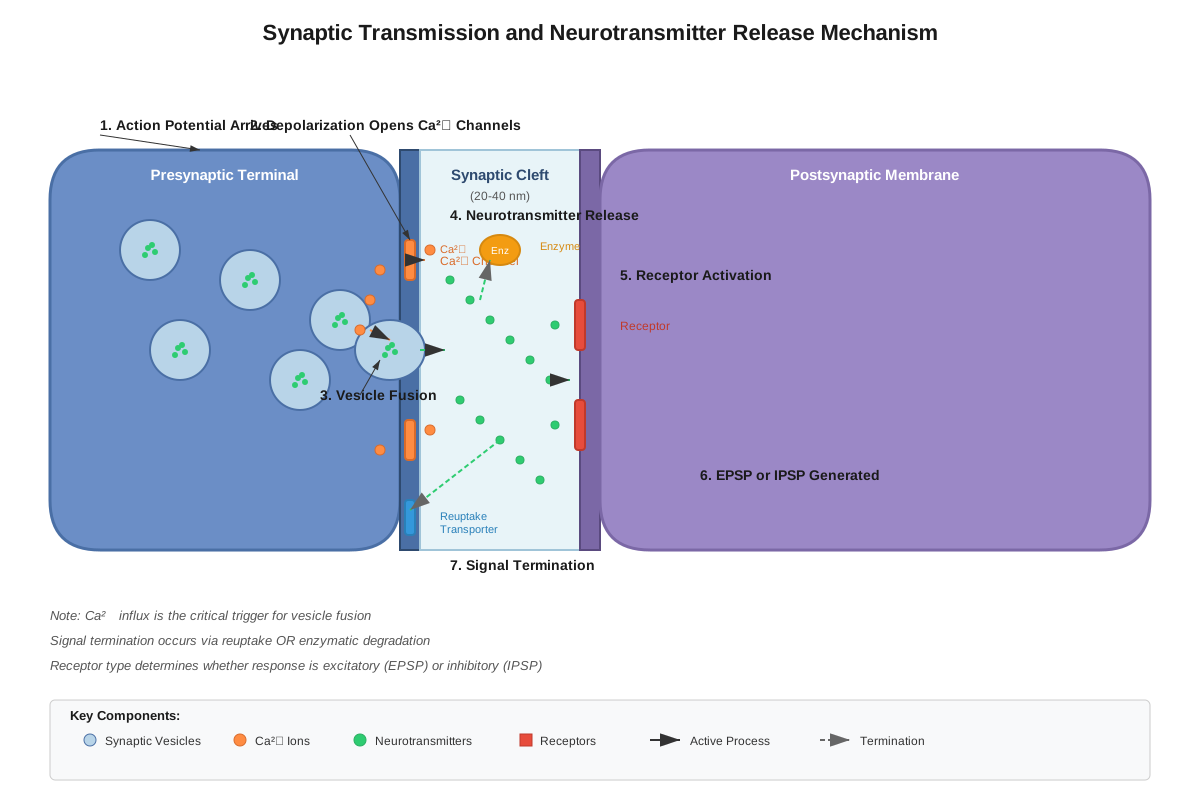
- Action potentials and membrane potential: Understanding electrical signaling in neurons is essential because neurotransmitter release is triggered by depolarization and calcium influx
- Synaptic structure: Knowledge of presynaptic terminals, synaptic clefts, and postsynaptic membranes provides the anatomical context for neurotransmitter function
- Receptor types (ligand-gated vs. G-protein coupled): Neurotransmitters exert effects through specific receptor interactions that determine response speed and duration
- Basic biochemistry of amino acids and amines: Many neurotransmitters are derived from amino acids, requiring familiarity with their structures
- Autonomic nervous system organization: The sympathetic and parasympathetic divisions use specific neurotransmitters that must be distinguished
Why This Topic Matters
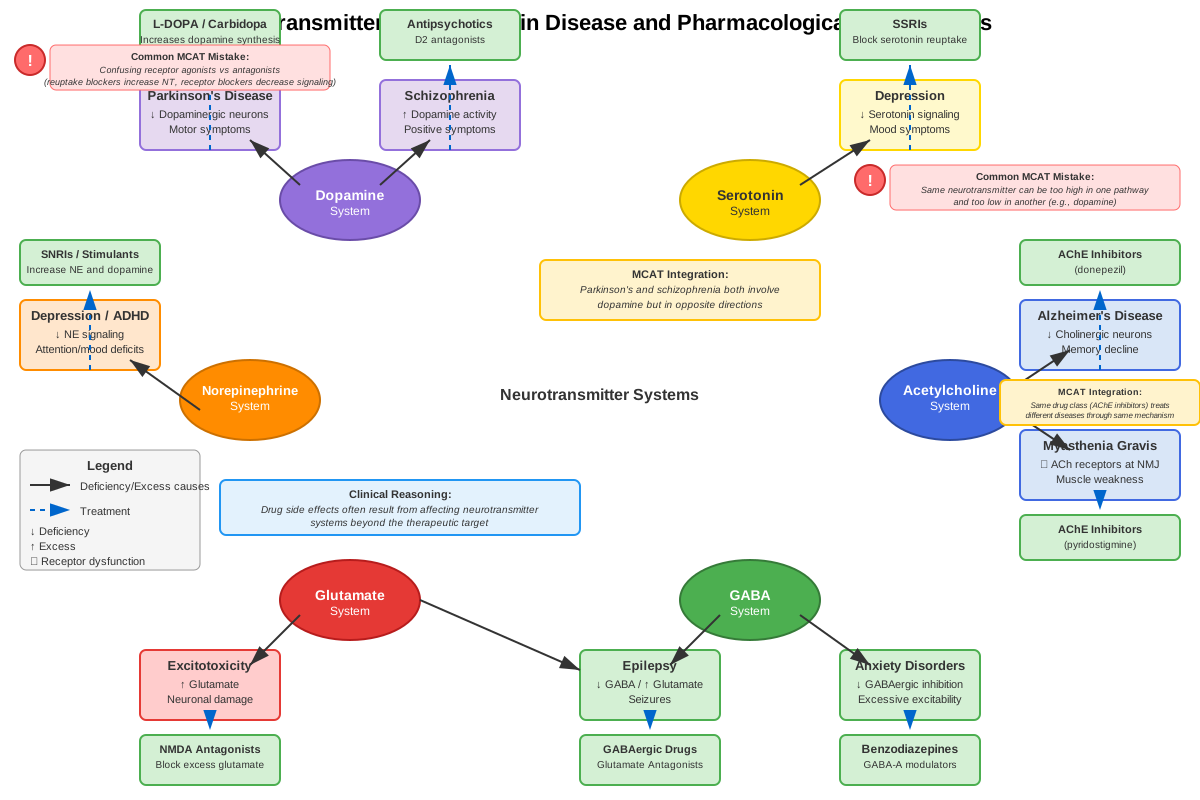
Neurotransmitters represent one of the most clinically relevant topics in basic science education. Virtually every psychiatric medication—from antidepressants to antipsychotics to anxiolytics—works by modulating neurotransmitter systems. Neurological conditions including Parkinson's disease, Alzheimer's disease, myasthenia gravis, and epilepsy all involve neurotransmitter dysfunction. Understanding neurotransmitter pharmacology is essential for interpreting clinical scenarios and predicting drug effects, making this topic highly testable in MCAT passages.
On the MCAT, neurotransmitter questions appear with moderate to high frequency, typically 2-4 questions per exam. These questions most commonly appear in Biology/Biochemistry passages but also frequently integrate with Psychology/Sociology content when addressing behavior, emotion, or psychiatric disorders. Question formats include discrete questions testing neurotransmitter identification and function, passage-based questions requiring application of neurotransmitter principles to experimental data or clinical scenarios, and interdisciplinary questions connecting neurotransmitter systems to behavior or disease states.
Common MCAT passage contexts include: experimental manipulations of neurotransmitter systems in animal models, pharmacological studies of receptor agonists or antagonists, clinical vignettes describing neurological or psychiatric symptoms, and research passages investigating synaptic plasticity or learning mechanisms. The exam frequently tests the ability to predict outcomes when neurotransmitter synthesis is blocked, when receptors are activated or inhibited, or when neurotransmitter degradation is prevented. Students must be prepared to integrate neurotransmitter knowledge with autonomic physiology, muscle physiology, sensory systems, and behavioral neuroscience.
Core Concepts
Definition and Classification of Neurotransmitters
Neurotransmitters are signaling molecules synthesized within neurons, stored in synaptic vesicles, released in response to specific stimuli (typically calcium influx following depolarization), and capable of binding to specific receptors on target cells to produce a biological response. To qualify as a neurotransmitter, a substance must meet several criteria: it must be synthesized in the neuron, present in the presynaptic terminal, released in sufficient quantities to produce an effect, have specific receptors on the postsynaptic cell, and have a mechanism for removal from the synaptic cleft.
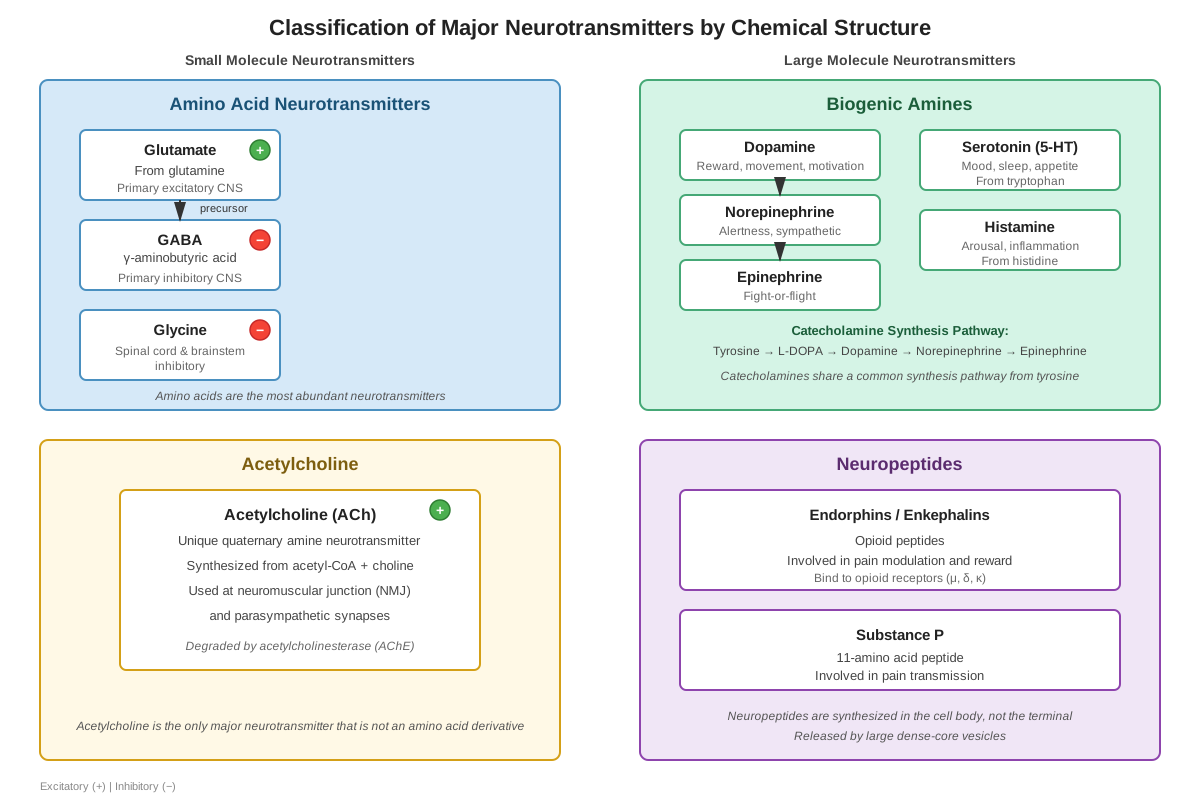
Neurotransmitters can be classified by chemical structure into several major categories:
| Category | Examples | Key Characteristics |
|---|---|---|
| Amino acids | Glutamate, GABA, glycine | Small molecules, fast synaptic transmission, most abundant CNS neurotransmitters |
| Biogenic amines | Dopamine, norepinephrine, epinephrine, serotonin, histamine | Derived from amino acids, modulatory functions, involved in mood and arousal |
| Acetylcholine | Acetylcholine (ACh) | Only major neurotransmitter not an amino acid or derived from one, crucial for PNS and CNS |
| Neuropeptides | Endorphins, enkephalins, substance P | Larger molecules, slower and longer-lasting effects, often co-released with other neurotransmitters |
| Purines | ATP, adenosine | Energy molecules that also function as neurotransmitters |
| Gases | Nitric oxide (NO), carbon monoxide (CO) | Lipid-soluble, diffuse freely across membranes, short-lived |
Acetylcholine (ACh)
Acetylcholine is synthesized from choline and acetyl-CoA by the enzyme choline acetyltransferase (ChAT) in the presynaptic terminal. ACh is the primary neurotransmitter of the parasympathetic nervous system, all preganglionic autonomic neurons (both sympathetic and parasympathetic), somatic motor neurons at the neuromuscular junction, and several CNS pathways involved in attention, learning, and memory.
ACh acts on two major receptor types:
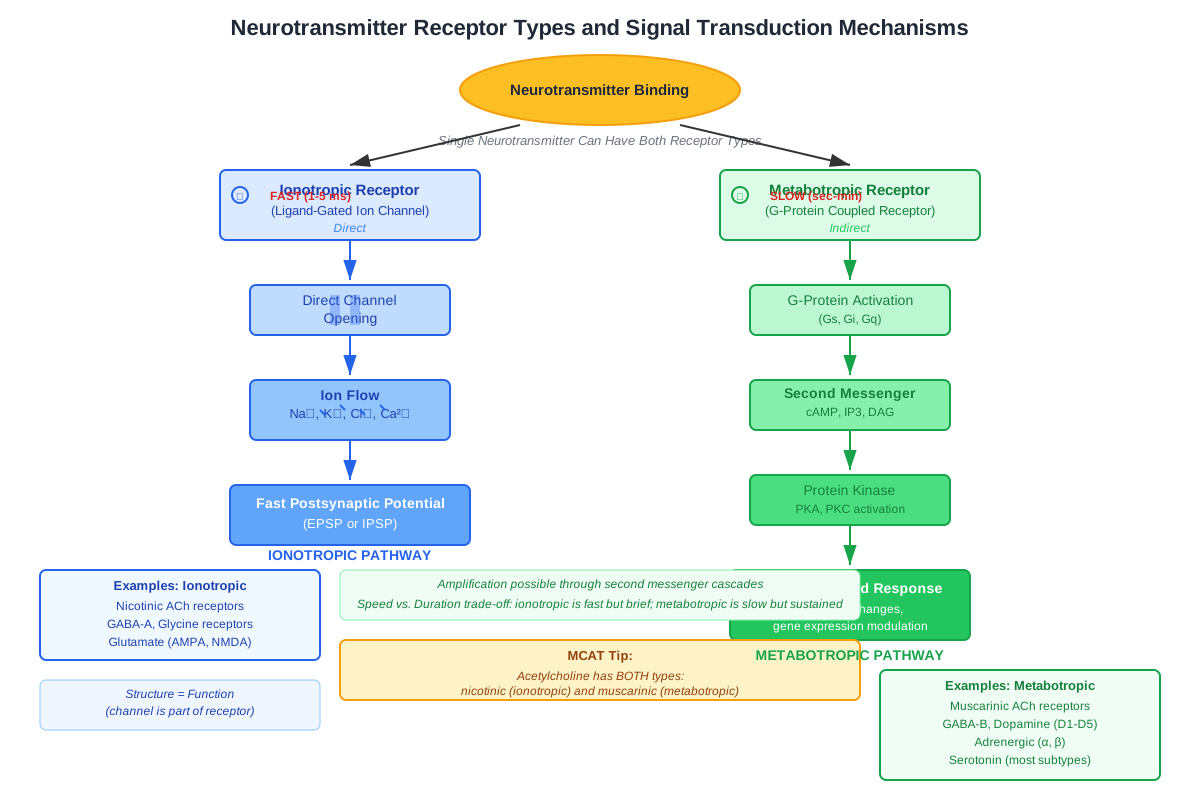
- Nicotinic receptors: Ligand-gated ion channels (ionotropic) that allow sodium and potassium flux, producing fast excitatory responses. Found at the neuromuscular junction, autonomic ganglia, and some CNS locations.
- Muscarinic receptors: G-protein coupled receptors (metabotropic) that produce slower, more sustained responses. Five subtypes (M1-M5) exist with different tissue distributions and effects. M2 receptors in the heart are inhibitory, while M3 receptors cause smooth muscle contraction and glandular secretion.
ACh is rapidly degraded in the synaptic cleft by acetylcholinesterase (AChE), which hydrolyzes it into choline and acetate. The choline is then recycled back into the presynaptic terminal. This rapid degradation ensures precise temporal control of cholinergic signaling. Inhibitors of AChE (such as organophosphate pesticides or drugs like neostigmine) prolong ACh action and can cause excessive cholinergic stimulation.
Catecholamines: Dopamine, Norepinephrine, and Epinephrine
The catecholamines are a group of biogenic amines sharing a common biosynthetic pathway beginning with the amino acid tyrosine:
- Tyrosine → L-DOPA (via tyrosine hydroxylase, rate-limiting step)
- L-DOPA → Dopamine (via DOPA decarboxylase)
- Dopamine → Norepinephrine (via dopamine β-hydroxylase)
- Norepinephrine → Epinephrine (via phenylethanolamine N-methyltransferase, primarily in adrenal medulla)
Dopamine functions primarily in the CNS with four major pathways:
- Mesolimbic pathway: Reward, motivation, and addiction
- Mesocortical pathway: Executive function and cognition
- Nigrostriatal pathway: Motor control (degeneration causes Parkinson's disease)
- Tuberoinfundibular pathway: Inhibits prolactin release from anterior pituitary
Dopamine acts on five receptor subtypes (D1-D5), all G-protein coupled. D1 and D5 are generally excitatory (increase cAMP), while D2, D3, and D4 are inhibitory (decrease cAMP). Dopamine is removed from the synapse primarily by reuptake via the dopamine transporter (DAT), which is blocked by cocaine and amphetamines.
Norepinephrine (NE) serves as the primary neurotransmitter of postganglionic sympathetic neurons (except those innervating sweat glands and some blood vessels). In the CNS, noradrenergic neurons originate primarily in the locus coeruleus and modulate arousal, attention, and stress responses. NE acts on α and β adrenergic receptors, all G-protein coupled:
- α1 receptors: Gq-coupled, increase IP3/DAG, cause vasoconstriction and smooth muscle contraction
- α2 receptors: Gi-coupled, decrease cAMP, presynaptic autoreceptors that inhibit further NE release
- β1 receptors: Gs-coupled, increase cAMP, increase heart rate and contractility
- β2 receptors: Gs-coupled, increase cAMP, cause bronchodilation and vasodilation
Epinephrine functions primarily as a hormone released from the adrenal medulla during stress responses, though it also acts as a neurotransmitter in some CNS regions. It has similar receptor affinities to norepinephrine but generally higher affinity for β2 receptors.
Catecholamines are removed from synapses by reuptake transporters and degraded by two enzymes: monoamine oxidase (MAO), located on mitochondrial membranes, and catechol-O-methyltransferase (COMT), located in the cytoplasm and extracellularly.
Serotonin (5-Hydroxytryptamine, 5-HT)
Serotonin is synthesized from the amino acid tryptophan through hydroxylation (by tryptophan hydroxylase, the rate-limiting step) followed by decarboxylation. Serotonergic neurons are located primarily in the raphe nuclei of the brainstem and project widely throughout the CNS. Serotonin modulates mood, sleep, appetite, pain perception, and numerous other functions. Peripherally, serotonin is found in platelets and enterochromaffin cells of the GI tract.
Serotonin acts on at least 14 receptor subtypes (5-HT1 through 5-HT7), nearly all G-protein coupled except 5-HT3, which is a ligand-gated ion channel. The diversity of receptor subtypes allows serotonin to produce varied effects depending on location and receptor expression. Serotonin is removed from synapses by the serotonin transporter (SERT), which is the target of selective serotonin reuptake inhibitors (SSRIs), a major class of antidepressants. Serotonin is degraded by MAO.
Amino Acid Neurotransmitters: Glutamate and GABA
Glutamate is the primary excitatory neurotransmitter in the CNS, involved in virtually all excitatory signaling including learning, memory, and synaptic plasticity. Glutamate acts on both ionotropic and metabotropic receptors:
Ionotropic glutamate receptors (ligand-gated ion channels):
- AMPA receptors: Mediate fast excitatory transmission, permeable to Na+ and K+
- NMDA receptors: Require both glutamate binding and postsynaptic depolarization (to remove Mg2+ block), permeable to Na+, K+, and Ca2+, critical for long-term potentiation and learning
- Kainate receptors: Similar to AMPA receptors, less well characterized
Metabotropic glutamate receptors (mGluRs): G-protein coupled receptors with modulatory functions. Excessive glutamate signaling causes excitotoxicity, contributing to neuronal damage in stroke, trauma, and neurodegenerative diseases. Glutamate is removed from synapses primarily by uptake into astrocytes via excitatory amino acid transporters (EAATs).
Gamma-aminobutyric acid (GABA) is the primary inhibitory neurotransmitter in the CNS, synthesized from glutamate by glutamic acid decarboxylase (GAD), which requires vitamin B6 (pyridoxine) as a cofactor. GABA acts on two main receptor types:
- GABAA receptors: Ligand-gated chloride channels that produce fast inhibitory postsynaptic potentials (IPSPs) by hyperpolarizing the membrane. These receptors are the target of benzodiazepines (which enhance GABA binding), barbiturates (which prolong channel opening), and alcohol (which potentiates GABA effects).
- GABAB receptors: G-protein coupled receptors that produce slower, longer-lasting inhibition through potassium channel opening and calcium channel closing.
Glycine is another inhibitory amino acid neurotransmitter, functioning primarily in the spinal cord and brainstem. Glycine receptors are ligand-gated chloride channels similar to GABAA receptors. Strychnine, a potent poison, blocks glycine receptors, causing uncontrolled muscle spasms.
Neuropeptides
Neuropeptides are larger molecules (typically 3-40 amino acids) that function as neurotransmitters or neuromodulators. Unlike small-molecule neurotransmitters synthesized in the terminal, neuropeptides are synthesized as larger precursor proteins in the cell body, packaged into vesicles, and cleaved into active forms during transport. Neuropeptides generally produce slower, longer-lasting effects and often modulate the actions of other neurotransmitters.
Important neuropeptide families include:
- Opioid peptides (endorphins, enkephalins, dynorphins): Modulate pain perception, reward, and stress responses by acting on μ, δ, and κ opioid receptors
- Substance P: Involved in pain transmission and inflammation
- Neuropeptide Y: Regulates appetite, stress responses, and circadian rhythms
- Orexins (hypocretins): Regulate wakefulness and appetite; deficiency causes narcolepsy
Quick check — test yourself on Neurotransmitters so far.
Try Flashcards →Concept Relationships
The neurotransmitter systems form an interconnected network where understanding one system facilitates comprehension of others. The biosynthetic relationships are particularly important: the catecholamine pathway shows how dopamine → norepinephrine → epinephrine, meaning drugs or genetic defects affecting early steps impact all downstream products. Similarly, glutamate serves as the precursor for GABA, linking the major excitatory and inhibitory systems.
Receptor mechanisms connect neurotransmitters to broader signal transduction concepts. Ionotropic receptors (nicotinic ACh, GABAA, glutamate AMPA/NMDA, glycine) produce fast responses through direct ion channel opening, linking to concepts of membrane potential and action potential generation. Metabotropic receptors (muscarinic ACh, adrenergic, dopaminergic, serotonergic, GABAB, mGluRs) produce slower responses through G-protein signaling cascades, connecting to second messenger systems, protein kinases, and gene transcription.
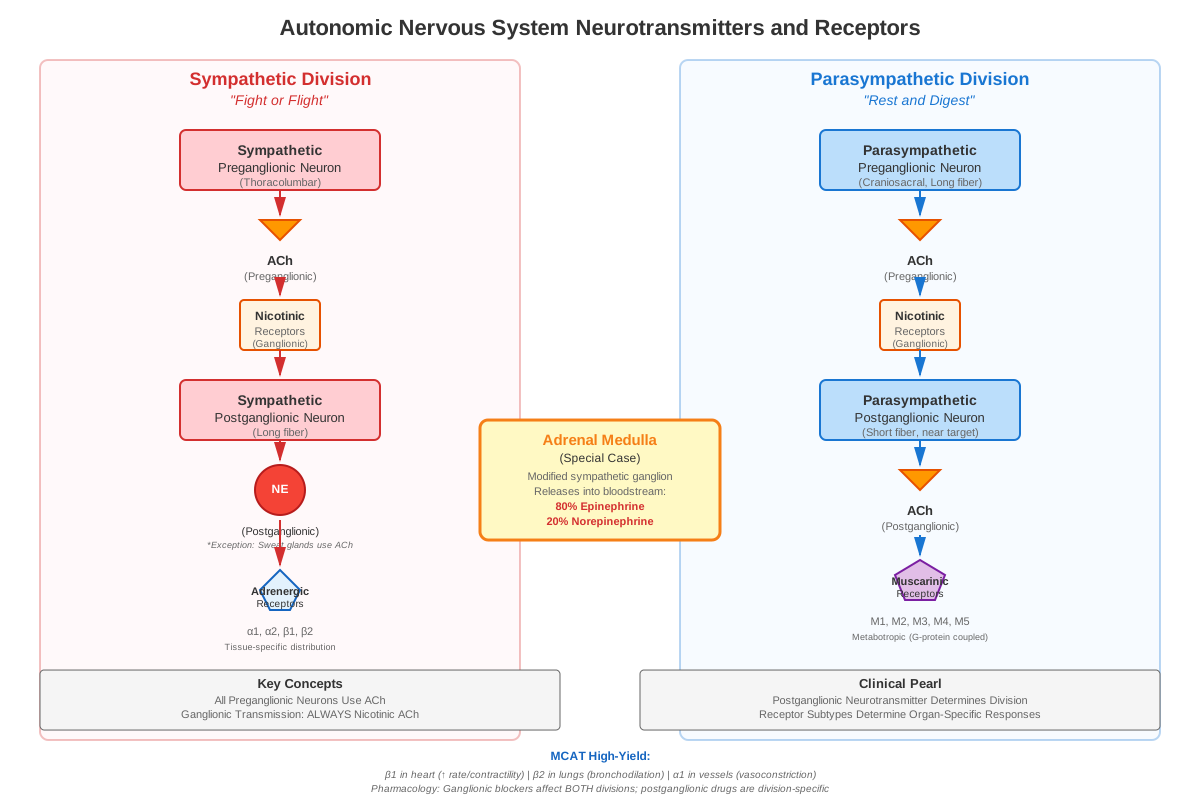
The autonomic nervous system provides a functional framework integrating multiple neurotransmitter systems: preganglionic neurons (both sympathetic and parasympathetic) release ACh acting on nicotinic receptors; postganglionic parasympathetic neurons release ACh acting on muscarinic receptors; postganglionic sympathetic neurons release norepinephrine acting on adrenergic receptors (with exceptions). This organization explains why drugs affecting these systems produce predictable autonomic effects.
Neurotransmitter termination mechanisms reveal important pharmacological targets: acetylcholinesterase inhibitors (treating myasthenia gravis and Alzheimer's), monoamine reuptake inhibitors (SSRIs for depression, SNRIs for depression and pain, cocaine blocking dopamine reuptake), and MAO inhibitors (treating depression and Parkinson's disease) all work by prolonging neurotransmitter action through different mechanisms.
The relationship map: Action potential → triggers calcium influx → causes vesicle fusion → releases neurotransmitter → binds receptors (ionotropic for fast effects OR metabotropic for slow effects) → produces postsynaptic response → terminated by degradation or reuptake → components recycled for next cycle. This cycle connects electrical signaling → chemical signaling → cellular response, integrating neurophysiology with cell biology and biochemistry.
High-Yield Facts
⭐ Acetylcholine is the neurotransmitter at the neuromuscular junction, all preganglionic autonomic neurons, postganglionic parasympathetic neurons, and some postganglionic sympathetic neurons (sweat glands).
⭐ Glutamate is the major excitatory neurotransmitter in the CNS; GABA is the major inhibitory neurotransmitter in the CNS.
⭐ NMDA receptors require both glutamate binding AND postsynaptic depolarization (to remove Mg2+ block) for activation, making them coincidence detectors critical for learning and memory.
⭐ Dopamine depletion in the nigrostriatal pathway causes Parkinson's disease; dopamine excess in the mesolimbic pathway is associated with schizophrenia positive symptoms.
⭐ Norepinephrine is the primary neurotransmitter of postganglionic sympathetic neurons; epinephrine is primarily a hormone from the adrenal medulla.
- Catecholamine synthesis follows the pathway: Tyrosine → L-DOPA → Dopamine → Norepinephrine → Epinephrine, with tyrosine hydroxylase as the rate-limiting enzyme.
- Acetylcholinesterase rapidly degrades ACh in the synaptic cleft; AChE inhibitors cause excessive cholinergic stimulation (salivation, lacrimation, urination, defecation, GI distress, emesis—SLUDGE).
- Nicotinic receptors are ionotropic (ligand-gated ion channels); muscarinic receptors are metabotropic (G-protein coupled).
- SSRIs block the serotonin transporter (SERT), increasing synaptic serotonin availability to treat depression and anxiety disorders.
- Benzodiazepines enhance GABAA receptor function by increasing the frequency of chloride channel opening, producing anxiolytic and sedative effects.
- MAO inhibitors prevent degradation of monoamines (dopamine, norepinephrine, serotonin), increasing their synaptic availability.
- Substance P is released by primary sensory neurons and transmits pain signals to the spinal cord.
- Glycine is the primary inhibitory neurotransmitter in the spinal cord; strychnine poisoning blocks glycine receptors, causing convulsions.
Common Misconceptions
Misconception: All neurotransmitters are excitatory.
Correction: Neurotransmitters can be excitatory (glutamate, ACh at nicotinic receptors), inhibitory (GABA, glycine), or modulatory with varied effects depending on receptor type (dopamine, serotonin, ACh at muscarinic receptors). The effect depends on the receptor, not the neurotransmitter itself.
Misconception: Epinephrine and norepinephrine are the same thing with different names.
Correction: While structurally similar and functionally related, these are distinct molecules. Norepinephrine is synthesized from dopamine and serves primarily as a neurotransmitter in postganglionic sympathetic neurons. Epinephrine is synthesized from norepinephrine (primarily in the adrenal medulla) and functions mainly as a hormone, though it also acts as a neurotransmitter in some CNS regions.
Misconception: Dopamine deficiency causes all symptoms of Parkinson's disease.
Correction: While dopamine depletion in the nigrostriatal pathway causes the motor symptoms of Parkinson's disease (tremor, rigidity, bradykinesia), many non-motor symptoms involve other neurotransmitter systems including norepinephrine, serotonin, and acetylcholine. This is why dopamine replacement therapy (L-DOPA) treats motor symptoms but not all manifestations of the disease.
Misconception: NMDA receptors only need glutamate to activate.
Correction: NMDA receptors are unique in requiring two conditions for activation: glutamate (or NMDA) binding AND postsynaptic depolarization to remove the Mg2+ ion that blocks the channel at resting potential. This dual requirement makes them coincidence detectors, critical for synaptic plasticity and learning.
Misconception: Neurotransmitter reuptake and degradation are the same process.
Correction: These are distinct termination mechanisms. Reuptake involves transporters moving the intact neurotransmitter back into the presynaptic neuron or surrounding glia for recycling (e.g., dopamine transporter, serotonin transporter). Degradation involves enzymatic breakdown of the neurotransmitter into inactive metabolites (e.g., acetylcholinesterase breaking down ACh, MAO degrading monoamines). Some neurotransmitters use primarily one mechanism (ACh uses degradation), while others use both (catecholamines use reuptake and degradation).
Misconception: All G-protein coupled receptors produce the same type of response.
Correction: Different G-protein coupled receptors activate different G-protein subtypes (Gs, Gi, Gq) that produce opposite or distinct effects. For example, β-adrenergic receptors couple to Gs proteins that increase cAMP (excitatory), while α2-adrenergic receptors couple to Gi proteins that decrease cAMP (inhibitory). Understanding which G-protein couples to which receptor is essential for predicting physiological outcomes.
Worked Examples
Example 1: Autonomic Pharmacology
Question: A patient is administered a drug that blocks muscarinic receptors. Which of the following effects would be expected?
A) Decreased heart rate
B) Increased GI motility
C) Pupillary constriction
D) Increased heart rate
Solution:
Step 1: Identify what muscarinic receptors do normally.
- Muscarinic receptors are activated by acetylcholine from postganglionic parasympathetic neurons
- Parasympathetic effects include: decreased heart rate (M2 receptors in SA node), increased GI motility (M3 receptors in smooth muscle), pupillary constriction (M3 receptors in circular muscle of iris), increased secretions
Step 2: Determine the effect of blocking these receptors.
- Blocking muscarinic receptors prevents parasympathetic effects
- This results in unopposed sympathetic tone
Step 3: Predict the outcomes.
- Heart rate: Without parasympathetic inhibition, sympathetic stimulation increases heart rate
- GI motility: Without parasympathetic stimulation, GI motility decreases
- Pupils: Without parasympathetic constriction, sympathetic stimulation causes dilation
Step 4: Select the correct answer.
- Answer: D) Increased heart rate
Key concept: Muscarinic receptor antagonists (like atropine) block parasympathetic effects, resulting in sympathetic predominance. This is why atropine increases heart rate, dilates pupils, decreases secretions, and reduces GI motility—all opposite to parasympathetic effects.
Example 2: Neurotransmitter Synthesis and Disease
Question: A researcher develops a drug that specifically inhibits DOPA decarboxylase. Which neurotransmitter systems would be directly affected by this drug?
Solution:
Step 1: Identify what DOPA decarboxylase does.
- DOPA decarboxylase converts L-DOPA to dopamine in the catecholamine synthesis pathway
- The pathway is: Tyrosine → L-DOPA → Dopamine → Norepinephrine → Epinephrine
Step 2: Determine direct effects.
- Blocking DOPA decarboxylase prevents L-DOPA from being converted to dopamine
- This directly decreases dopamine synthesis
Step 3: Determine downstream effects.
- Since norepinephrine is synthesized from dopamine, blocking dopamine synthesis also decreases norepinephrine
- Since epinephrine is synthesized from norepinephrine, it would also be decreased
- All three catecholamines (dopamine, norepinephrine, epinephrine) would be affected
Step 4: Consider clinical relevance.
- This is actually a problem with Parkinson's disease treatment
- L-DOPA is given to increase brain dopamine, but peripheral DOPA decarboxylase converts it to dopamine before it crosses the blood-brain barrier
- Carbidopa (a DOPA decarboxylase inhibitor that doesn't cross the blood-brain barrier) is given with L-DOPA to prevent peripheral conversion, allowing more L-DOPA to reach the brain
Answer: All catecholamine systems (dopamine, norepinephrine, and epinephrine) would be directly affected because they all require DOPA decarboxylase in their synthesis pathway.
Key concept: Understanding biosynthetic pathways allows prediction of how enzyme inhibitors affect multiple related neurotransmitter systems. Blocking an early step affects all downstream products.
Exam Strategy
When approaching MCAT questions on neurotransmitters, first identify which neurotransmitter system is involved. Look for trigger words: "parasympathetic" or "rest and digest" suggests acetylcholine with muscarinic receptors; "sympathetic" or "fight or flight" suggests norepinephrine with adrenergic receptors; "neuromuscular junction" indicates acetylcholine with nicotinic receptors; "reward" or "movement" suggests dopamine; "mood" or "depression" suggests serotonin; "excitatory" in CNS suggests glutamate; "inhibitory" in CNS suggests GABA.
For receptor questions, determine whether the receptor is ionotropic (fast, direct ion channel) or metabotropic (slow, G-protein coupled). Ionotropic receptors include nicotinic, GABAA, glutamate AMPA/NMDA, and glycine. All others mentioned are metabotropic. This distinction helps predict response speed and duration.
When analyzing drug effects, identify the mechanism: Does it block synthesis (enzyme inhibitors)? Block release (botulinum toxin)? Block receptors (antagonists)? Activate receptors (agonists)? Block reuptake (SSRIs, cocaine)? Block degradation (AChE inhibitors, MAO inhibitors)? Each mechanism produces predictable effects based on whether it increases or decreases neurotransmitter signaling.
For autonomic questions, use the systematic approach: identify the division (sympathetic vs. parasympathetic), identify the neurotransmitter (ACh for parasympathetic and preganglionic; NE for most postganglionic sympathetic), identify the receptor type (nicotinic at ganglia; muscarinic for parasympathetic effects; adrenergic for sympathetic effects), then predict the physiological outcome.
Exam Tip: If a question asks about opposing effects on the same organ, think autonomic nervous system. The heart, pupils, GI tract, and airways all receive dual innervation with opposite effects.
Process of elimination strategies: If a question asks about CNS excitation, eliminate GABA and glycine (inhibitory). If it asks about CNS inhibition, eliminate glutamate (excitatory). If it involves the neuromuscular junction, the answer must involve acetylcholine and nicotinic receptors. If it involves heart rate decrease, think parasympathetic/muscarinic or α2-adrenergic (autoinhibition).
Time allocation: Discrete neurotransmitter questions should take 60-90 seconds. Passage-based questions may require 90-120 seconds if they involve integrating information from the passage with neurotransmitter knowledge. Don't spend excessive time trying to recall minor details; focus on major neurotransmitters, their primary functions, and receptor types.
Memory Techniques
For catecholamine synthesis pathway: "Try To Do Nothing Except" = Tyrosine → (Tyrosine hydroxylase) → DOPA → (DOPA decarboxylase) → Dopamine → (Dopamine β-hydroxylase) → Norepinephrine → (PNMT) → Epinephrine
For cholinergic effects (SLUDGE): Salivation, Lacrimation, Urination, Defecation, GI distress, Emesis—these are the effects of excessive acetylcholine (from AChE inhibitor poisoning)
For sympathetic vs. parasympathetic: "Rest and Digest" (parasympathetic) vs. "Fight or Flight" (sympathetic). Parasympathetic: SLUDD (Salivation, Lacrimation, Urination, Digestion, Defecation). Sympathetic: opposite effects plus increased heart rate, bronchodilation, pupil dilation.
For ionotropic receptors: "Nice GABA Gives Good Anesthesia" = Nicotinic, GABAA, Glutamate (AMPA/NMDA), Glycine—all are ionotropic (ligand-gated ion channels)
For dopamine pathways: "My Neurons Need Treats" = Mesolimbic (reward), Mesocortical (cognition), Nigrostriatal (movement), Tuberoinfundibular (prolactin inhibition)
For adrenergic receptor effects: β1 = "one heart" (increases heart rate and contractility); β2 = "two lungs" (bronchodilation); α1 = vasoconstriction (think "alpha male" = constricted/tense)
Visualization strategy: Picture the synapse as a factory: the presynaptic terminal manufactures and packages neurotransmitter (synthesis and vesicle loading), the action potential is the "ship it" signal (calcium influx triggers release), the synaptic cleft is the delivery zone, receptors are the receiving docks (ionotropic = express delivery, metabotropic = standard shipping), and cleanup crews remove excess product (reuptake transporters and degradative enzymes).
Summary
Neurotransmitters are chemical messengers that enable communication between neurons and target cells throughout the nervous system. The major neurotransmitter systems include acetylcholine (critical for parasympathetic function, neuromuscular transmission, and cognition), catecholamines (dopamine for reward and movement, norepinephrine for sympathetic function and arousal, epinephrine as a stress hormone), serotonin (mood and numerous regulatory functions), glutamate (primary CNS excitatory neurotransmitter), GABA (primary CNS inhibitory neurotransmitter), and various neuropeptides. Each neurotransmitter acts through specific receptors that may be ionotropic (fast, direct ion channel opening) or metabotropic (slower, G-protein coupled signaling). Understanding neurotransmitter synthesis, release, receptor interactions, and termination mechanisms is essential for predicting physiological outcomes and pharmacological effects. For the MCAT, focus on the major neurotransmitters, their primary functions, receptor types, and clinical relevance, particularly in the context of the autonomic nervous system, neuromuscular junction, and common neurological/psychiatric conditions.
Key Takeaways
- Neurotransmitters are classified by chemical structure (amino acids, biogenic amines, acetylcholine, neuropeptides) and function (excitatory, inhibitory, or modulatory)
- Acetylcholine acts on nicotinic receptors (ionotropic, fast) and muscarinic receptors (metabotropic, slow) with distinct physiological roles
- Catecholamines (dopamine, norepinephrine, epinephrine) share a common biosynthetic pathway and are degraded by MAO and COMT
- Glutamate is the major excitatory neurotransmitter in the CNS; GABA is the major inhibitory neurotransmitter; this balance is critical for normal brain function
- Receptor type (ionotropic vs. metabotropic) determines response speed and duration, not the neurotransmitter identity
- The autonomic nervous system uses specific neurotransmitter-receptor combinations: ACh-nicotinic at ganglia, ACh-muscarinic for parasympathetic effects, NE-adrenergic for sympathetic effects
- Neurotransmitter termination occurs through reuptake (via specific transporters) and/or enzymatic degradation, both of which are important pharmacological targets
Related Topics
Synaptic Transmission and Plasticity: Understanding neurotransmitter release mechanisms, vesicle cycling, and calcium-dependent exocytosis builds directly on neurotransmitter knowledge and explains how synaptic strength can be modified.
Autonomic Nervous System Pharmacology: Mastery of neurotransmitters enables understanding of how drugs targeting cholinergic and adrenergic systems produce therapeutic and adverse effects.
Neurological and Psychiatric Disorders: Many conditions (Parkinson's disease, depression, schizophrenia, Alzheimer's disease, myasthenia gravis) involve neurotransmitter dysfunction, making this foundational knowledge essential for clinical reasoning.
Muscle Physiology: The neuromuscular junction represents a specialized cholinergic synapse where understanding ACh release, nicotinic receptor activation, and AChE function explains normal muscle contraction and disorders like myasthenia gravis.
Sensory Systems: Neurotransmitters mediate signal transmission in all sensory pathways, from photoreceptors releasing glutamate in the retina to hair cells releasing glutamate in the cochlea.
Practice CTA
Now that you've mastered the core concepts of neurotransmitters, it's time to test your knowledge with practice questions and flashcards. Focus on applying these concepts to clinical scenarios and experimental passages, as this mirrors how the MCAT will test your understanding. Pay special attention to questions integrating neurotransmitter function with autonomic physiology, pharmacology, and disease states. Remember, understanding the "why" behind neurotransmitter function—not just memorizing facts—will enable you to tackle even unfamiliar question formats confidently. You've built a strong foundation; now reinforce it through active practice!
Sign up free to keep reading
Create a free AnvayaPrep account to finish this MCAT guide on Neurotransmitters — plus flashcards and practice questions.