Overview
The oxygen dissociation curve represents one of the most clinically and physiologically significant relationships in human Biology: the binding affinity between hemoglobin and oxygen across varying partial pressures of oxygen. This sigmoidal curve graphically depicts how hemoglobin saturation changes as oxygen availability fluctuates, a phenomenon critical to understanding gas exchange in the lungs and oxygen delivery to tissues. The curve's characteristic S-shape reflects the cooperative binding of oxygen to hemoglobin's four subunits, where the binding of each successive oxygen molecule increases the affinity for the next. This cooperative binding mechanism ensures efficient oxygen loading in the oxygen-rich environment of the lungs and effective oxygen unloading in the oxygen-poor environment of metabolically active tissues.
For the MCAT, the oxygen dissociation curve serves as a cornerstone concept within Physiology and Organ Systems, integrating principles from biochemistry, respiratory physiology, and cardiovascular physiology. Test-makers frequently use this topic to assess students' ability to interpret graphical data, understand allosteric regulation, and apply physiological principles to clinical scenarios. Questions may present experimental data showing curve shifts, describe pathological conditions affecting oxygen transport, or require students to predict physiological responses to environmental changes such as high altitude or exercise.
Understanding the oxygen dissociation curve extends beyond memorizing its shape; it requires comprehension of the molecular mechanisms underlying hemoglobin function, the physiological factors that modulate oxygen affinity, and the clinical implications of curve shifts. This topic connects directly to acid-base balance, carbon dioxide transport, metabolic regulation, and the Bohr effect, making it a high-yield integration point for multiple MCAT content areas. Mastery of this concept enables students to tackle complex passage-based questions that synthesize respiratory, cardiovascular, and biochemical principles.
Learning Objectives
- [ ] Define the oxygen dissociation curve using accurate Biology terminology
- [ ] Explain why the oxygen dissociation curve matters for the MCAT
- [ ] Apply the oxygen dissociation curve to exam-style questions
- [ ] Identify common mistakes related to the oxygen dissociation curve
- [ ] Connect the oxygen dissociation curve to related Biology concepts
- [ ] Interpret rightward and leftward shifts of the oxygen dissociation curve and predict their physiological consequences
- [ ] Calculate and explain the significance of P50 values in different physiological and pathological states
- [ ] Analyze the molecular basis of cooperative binding and its reflection in the sigmoidal curve shape
Prerequisites
- Hemoglobin structure and function: Understanding the quaternary structure of hemoglobin and its four oxygen-binding sites is essential for comprehending cooperative binding
- Partial pressure and gas exchange: Knowledge of how gases move down concentration gradients and the concept of partial pressure enables interpretation of the x-axis values
- Allosteric regulation: Familiarity with how molecules can bind to proteins at sites other than the active site to modulate function explains curve shifts
- Acid-base chemistry: Understanding pH, buffers, and the Henderson-Hasselbalch equation is necessary for grasping the Bohr effect
- Respiratory anatomy: Basic knowledge of lung structure and the alveolar-capillary interface provides context for oxygen loading
- Cardiovascular physiology: Understanding blood flow and tissue perfusion explains the physiological relevance of oxygen unloading
Why This Topic Matters
The oxygen dissociation curve represents a fundamental physiological principle with direct clinical applications that appear regularly in medical practice. Clinicians use this concept to interpret arterial blood gases, manage patients with respiratory failure, understand the effects of carbon monoxide poisoning, and predict responses to high-altitude exposure. Conditions such as anemia, sickle cell disease, methemoglobinemia, and chronic obstructive pulmonary disease all involve alterations in oxygen transport that can be understood through the lens of the oxygen dissociation curve. The curve also explains why fetal hemoglobin has higher oxygen affinity than adult hemoglobin, facilitating oxygen transfer across the placenta.
On the MCAT, the oxygen dissociation curve appears with moderate frequency across multiple question formats. Approximately 2-4 questions per exam directly or indirectly test this concept, typically within the Biological and Biochemical Foundations of Living Systems section. Questions may appear as discrete items testing factual knowledge, but more commonly, they are embedded within passages describing experimental manipulations, clinical cases, or comparative physiology scenarios. The MCAT frequently tests students' ability to interpret graphical data, predict the effects of physiological changes on curve position, and integrate multiple variables (pH, temperature, 2,3-BPG concentration) simultaneously.
Common exam presentations include passages describing high-altitude adaptation, exercise physiology experiments, genetic variants of hemoglobin, or clinical scenarios involving respiratory or metabolic acidosis. Questions may ask students to identify which curve represents a specific condition, predict oxygen saturation at a given partial pressure, or explain why certain physiological responses occur. The topic also appears in questions testing the Bohr effect, carbon dioxide transport, and the physiological differences between fetal and maternal circulation. Understanding this curve is essential for success on integrated, multi-step reasoning questions that characterize high-scoring MCAT performance.
Core Concepts
The Oxygen Dissociation Curve Definition and Shape
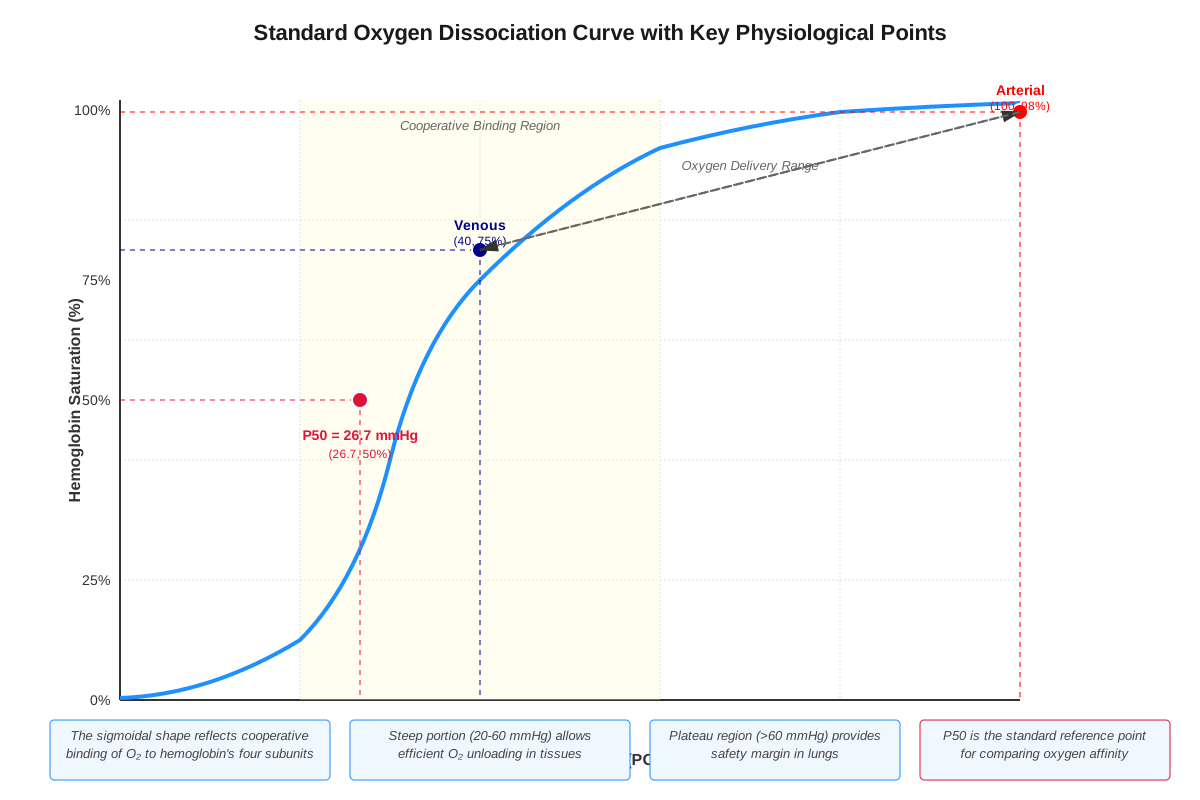
The oxygen dissociation curve (also called the oxyhemoglobin dissociation curve) is a graphical representation plotting the percentage of hemoglobin saturation with oxygen (y-axis) against the partial pressure of oxygen (PO₂) in mmHg (x-axis). The curve's distinctive sigmoidal (S-shaped) appearance reflects the cooperative binding phenomenon of hemoglobin. Unlike myoglobin, which exhibits a hyperbolic binding curve due to its single oxygen-binding site, hemoglobin's four subunits interact allosterically, meaning the binding of oxygen to one subunit increases the affinity of the remaining subunits for oxygen.
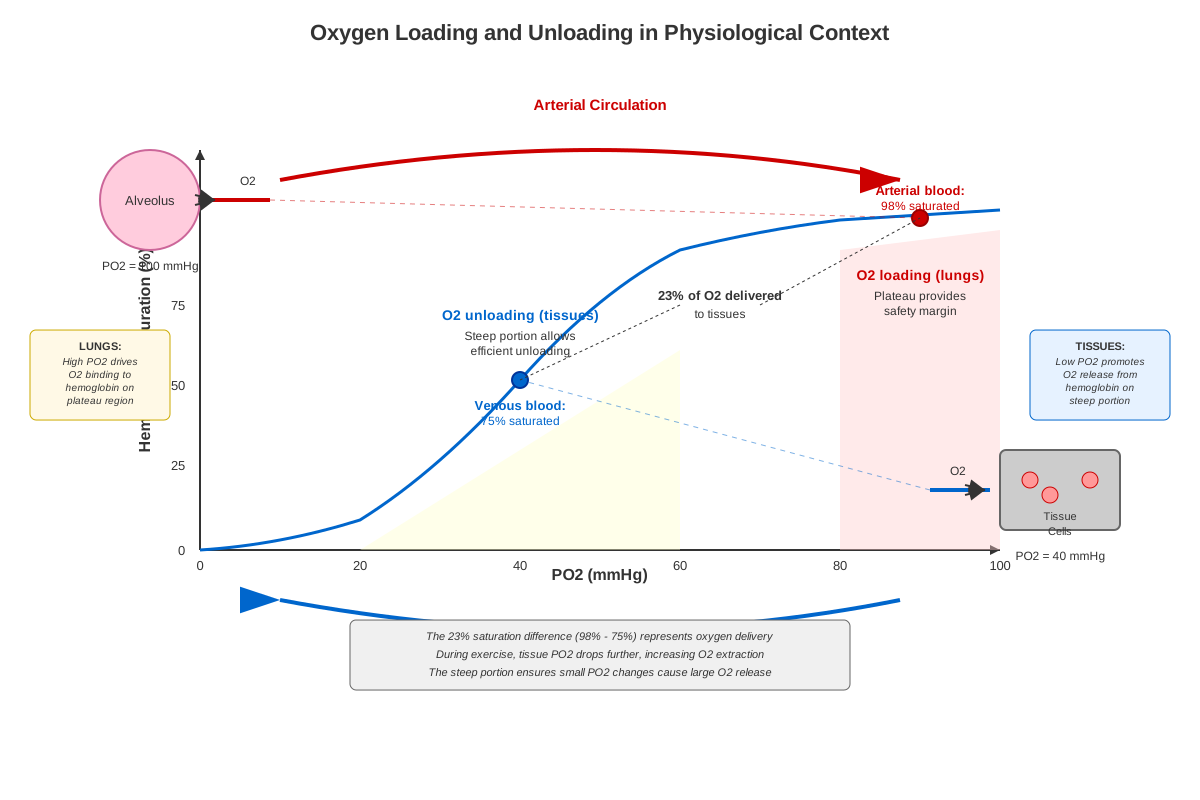
At low partial pressures of oxygen (typical of metabolically active tissues), the curve is relatively flat, indicating that small decreases in PO₂ result in substantial oxygen release from hemoglobin. This characteristic ensures efficient oxygen delivery to tissues. At high partial pressures (typical of the lungs, where PO₂ is approximately 100 mmHg), the curve plateaus near 100% saturation, meaning hemoglobin becomes fully loaded with oxygen. The steep middle portion of the curve (between approximately 20-60 mmHg) represents the physiological range where most oxygen loading and unloading occurs during normal tissue perfusion.
P50: The Critical Reference Point
The P50 value represents the partial pressure of oxygen at which hemoglobin is 50% saturated with oxygen. For normal adult hemoglobin under standard conditions (pH 7.4, temperature 37°C, normal 2,3-BPG levels), the P50 is approximately 27 mmHg. This value serves as a quantitative measure of hemoglobin's oxygen affinity: a lower P50 indicates higher oxygen affinity (hemoglobin holds onto oxygen more tightly), while a higher P50 indicates lower oxygen affinity (hemoglobin releases oxygen more readily).
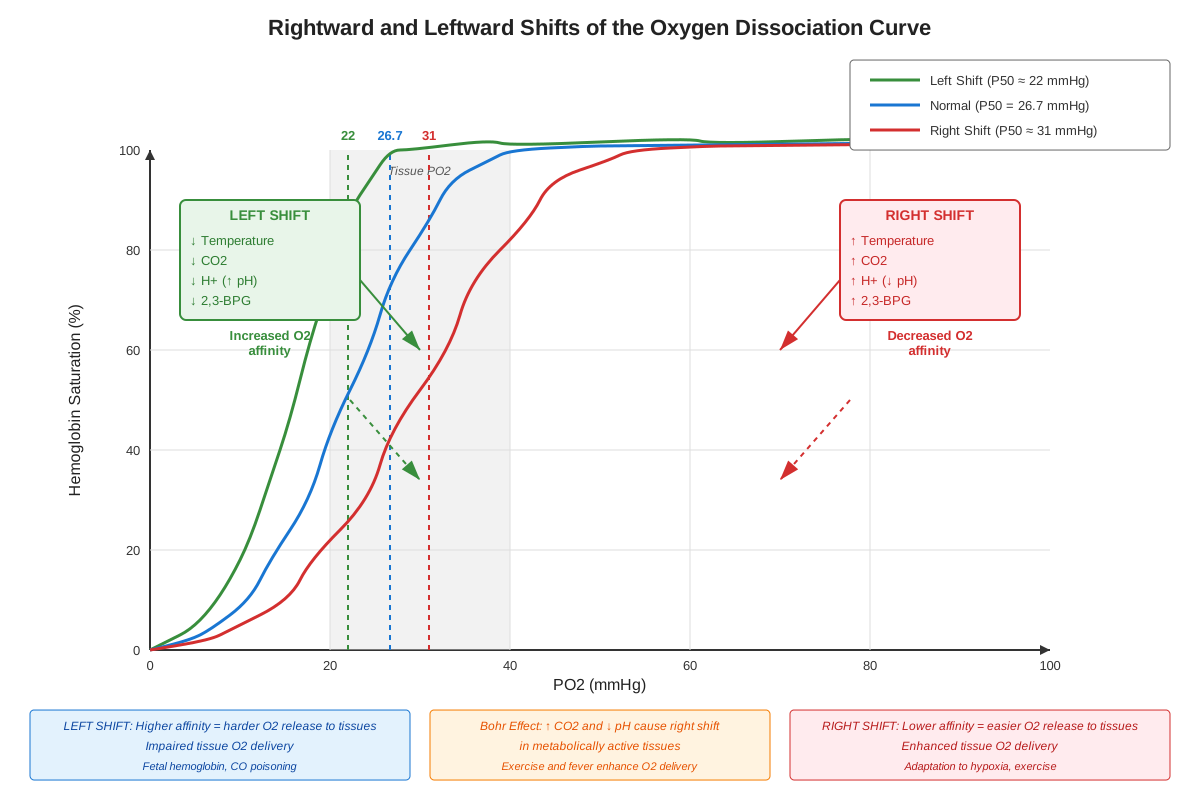
The P50 concept is crucial for understanding curve shifts. When the curve shifts to the right, the P50 increases, meaning more oxygen pressure is required to achieve 50% saturation—hemoglobin has decreased affinity for oxygen and releases it more easily to tissues. Conversely, a leftward shift decreases the P50, indicating increased oxygen affinity and reduced oxygen release to tissues. Clinical conditions and physiological states can be characterized by their effects on P50, making this parameter a high-yield concept for MCAT questions.
Factors Causing Rightward Shifts
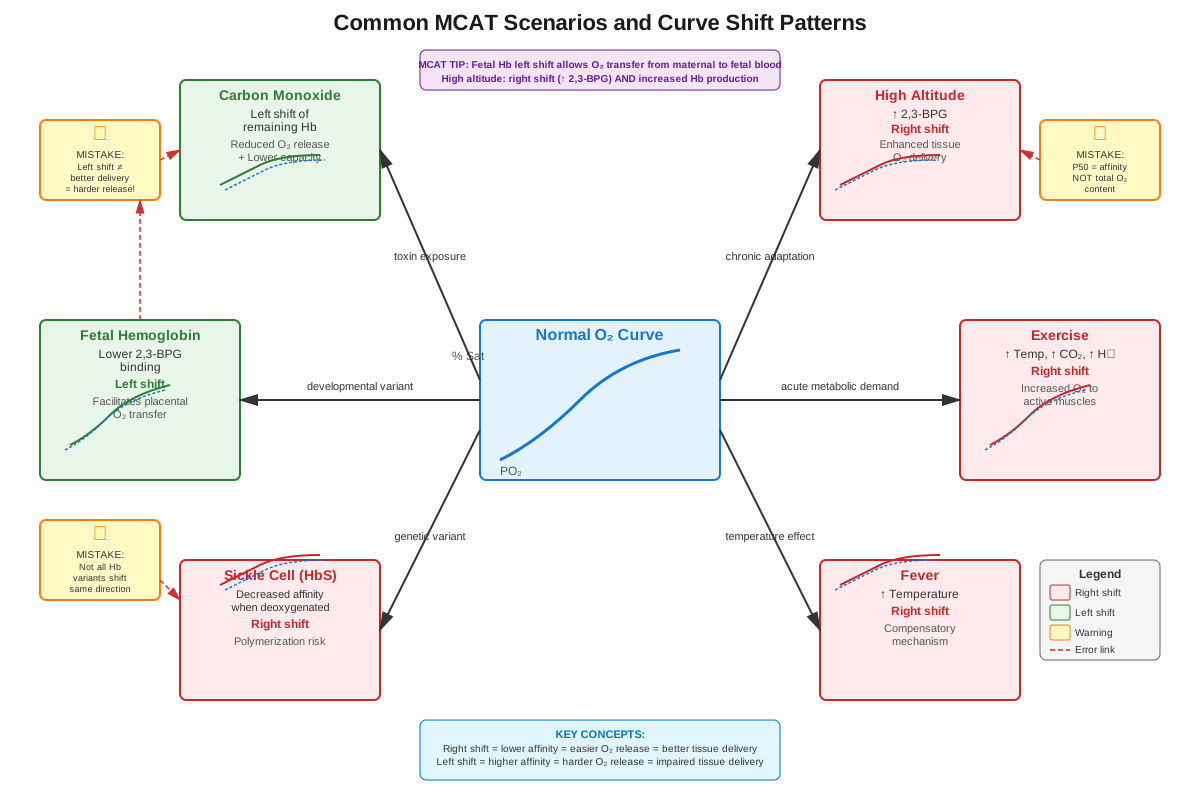
A rightward shift of the oxygen dissociation curve indicates decreased hemoglobin-oxygen affinity, facilitating oxygen release to tissues. This shift is physiologically advantageous in situations where tissues require more oxygen. The mnemonic "CADET, face Right!" helps remember the factors causing rightward shifts:
- CO₂ (increased carbon dioxide)
- Acid (decreased pH/increased H⁺)
- DPG (increased 2,3-diphosphoglycerate, also called 2,3-bisphosphoglycerate or 2,3-BPG)
- Exercise (which increases all of the above)
- Temperature (increased)
Increased CO₂ and decreased pH (the Bohr effect): When tissues metabolize glucose and produce CO₂, the carbon dioxide diffuses into red blood cells where it is converted to carbonic acid (H₂CO₃) by carbonic anhydrase. This dissociates into H⁺ and HCO₃⁻, lowering pH. The increased H⁺ concentration promotes protonation of hemoglobin, stabilizing the deoxygenated (tense or T) state and reducing oxygen affinity. This mechanism ensures that metabolically active tissues producing CO₂ receive more oxygen.
Increased 2,3-BPG: This glycolytic intermediate binds to the central cavity of deoxygenated hemoglobin, stabilizing the T state and decreasing oxygen affinity. 2,3-BPG levels increase during chronic hypoxia (such as high altitude or chronic lung disease) and in response to anemia, representing a compensatory mechanism to enhance oxygen delivery despite reduced oxygen availability or carrying capacity.
Increased temperature: Metabolically active tissues generate heat, and elevated temperature decreases hemoglobin's oxygen affinity by increasing molecular motion and destabilizing the oxygen-hemoglobin bond. This ensures that exercising muscles, which produce heat, receive additional oxygen.
Factors Causing Leftward Shifts
A leftward shift indicates increased hemoglobin-oxygen affinity, meaning hemoglobin binds oxygen more tightly and releases it less readily. While this might seem disadvantageous, leftward shifts are physiologically important in specific contexts:
- Decreased CO₂ (respiratory alkalosis)
- Increased pH (alkalosis)
- Decreased 2,3-BPG
- Decreased temperature (hypothermia)
- Fetal hemoglobin (HbF)
- Carbon monoxide poisoning
Fetal hemoglobin contains two gamma chains instead of the two beta chains found in adult hemoglobin (HbA). The gamma chains have lower affinity for 2,3-BPG, resulting in a leftward-shifted curve compared to maternal hemoglobin. This higher oxygen affinity enables the fetus to extract oxygen from maternal blood across the placental barrier, where PO₂ is relatively low (approximately 30-35 mmHg).
Carbon monoxide (CO) binds to hemoglobin with approximately 200-250 times greater affinity than oxygen, forming carboxyhemoglobin. CO binding not only reduces the oxygen-carrying capacity by occupying binding sites but also causes a leftward shift of the remaining oxygen-binding sites, making it harder for tissues to extract whatever oxygen remains bound. This dual effect explains why CO poisoning is so dangerous and why symptoms can be severe even at relatively low CO concentrations.
Physiological Significance at Key Points
Understanding specific points on the oxygen dissociation curve reveals its physiological elegance:
| Location | PO₂ (mmHg) | Hemoglobin Saturation | Physiological Significance |
|---|---|---|---|
| Pulmonary capillaries | ~100 | ~98% | Nearly complete oxygen loading in lungs |
| Systemic arterial blood | ~95 | ~97% | Oxygen-rich blood delivered to tissues |
| Mixed venous blood | ~40 | ~75% | Average oxygen extraction by tissues at rest |
| Exercising muscle | ~20-30 | ~35-50% | Enhanced oxygen extraction during activity |
The plateau region (PO₂ > 60 mmHg) provides a safety margin: even if alveolar PO₂ drops moderately (as in mild lung disease or moderate altitude), hemoglobin saturation remains relatively high. The steep portion (PO₂ 20-60 mmHg) ensures that small decreases in tissue PO₂ result in substantial oxygen release, matching oxygen delivery to metabolic demand.
Cooperative Binding and the Sigmoidal Shape
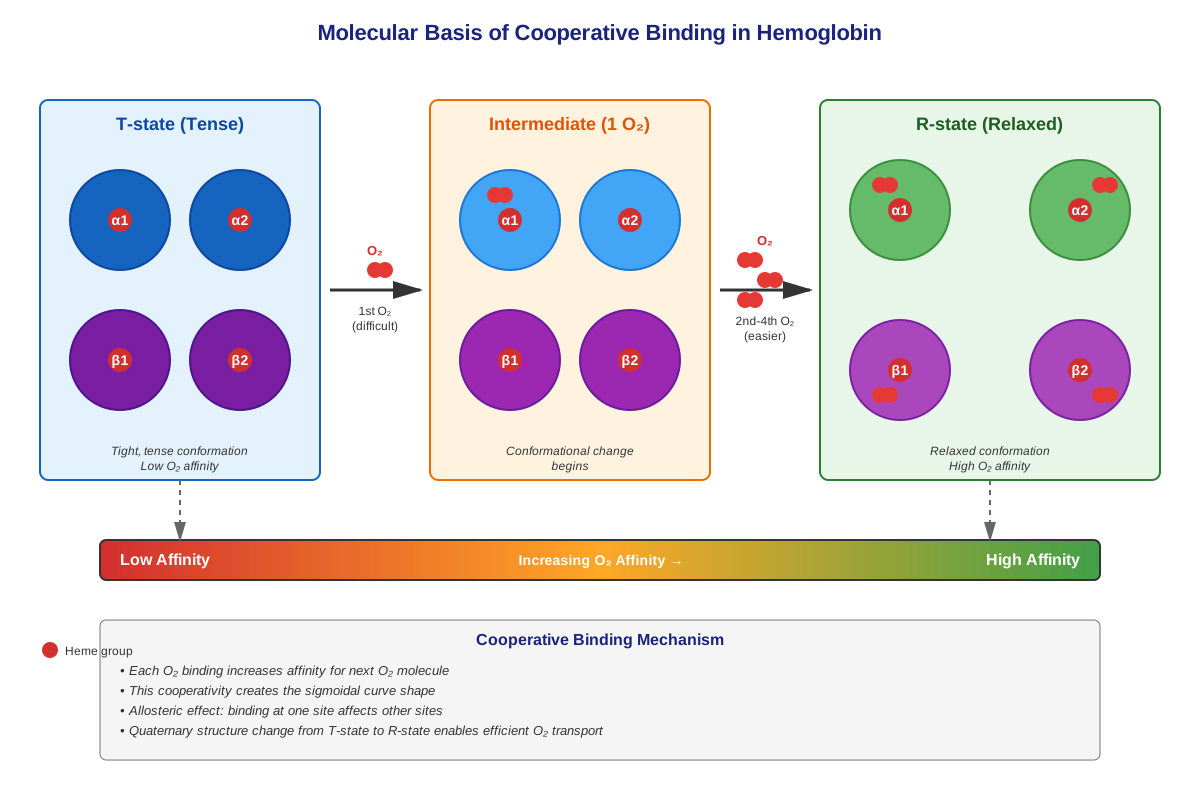
The sigmoidal shape directly reflects cooperative binding, a form of positive cooperativity where substrate binding to one site increases binding affinity at other sites. Hemoglobin exists in two conformational states: the tense (T) state (deoxygenated, low oxygen affinity) and the relaxed (R) state (oxygenated, high oxygen affinity). When the first oxygen molecule binds to a hemoglobin tetramer in the T state, it induces a conformational change that makes it easier for subsequent oxygen molecules to bind, progressively shifting the equilibrium toward the R state.
This mechanism explains why the initial portion of the curve (0-20 mmHg) is relatively flat—the first oxygen molecule binds with difficulty. The middle steep portion reflects the transition from T to R state as the second and third oxygen molecules bind with increasing ease. The plateau represents near-complete saturation where the fourth oxygen molecule has bound. This cooperative mechanism is quantified by the Hill coefficient (n), which for hemoglobin is approximately 2.8, indicating strong positive cooperativity (a value of 1 would indicate no cooperativity, as seen with myoglobin).
Clinical and Comparative Contexts
Myoglobin vs. Hemoglobin: Myoglobin, found in muscle tissue, has a hyperbolic oxygen dissociation curve with higher oxygen affinity than hemoglobin at all partial pressures. This difference is physiologically appropriate: myoglobin serves as an oxygen storage molecule in muscle, accepting oxygen from hemoglobin and releasing it only when muscle PO₂ drops very low during intense contraction.
Sickle cell disease: Hemoglobin S (HbS) has a rightward-shifted curve compared to HbA, meaning decreased oxygen affinity. While this might seem to enhance oxygen delivery, the primary pathology involves polymerization of deoxygenated HbS, causing red blood cell sickling and vaso-occlusive crises.
Methemoglobinemia: When the iron in hemoglobin is oxidized from Fe²⁺ to Fe³⁺, it forms methemoglobin, which cannot bind oxygen. Additionally, methemoglobin causes a leftward shift in the remaining normal hemoglobin subunits, impairing oxygen release to tissues.
Concept Relationships
The oxygen dissociation curve integrates multiple physiological and biochemical concepts into a unified framework. At the molecular level, hemoglobin structure (quaternary protein structure with four subunits) enables cooperative binding, which produces the sigmoidal curve shape. This shape contrasts with myoglobin's hyperbolic curve, illustrating how protein structure determines function.
The curve's position is modulated by allosteric effectors: increased H⁺ (decreased pH), increased CO₂, increased 2,3-BPG, and increased temperature all cause rightward shifts through the Bohr effect and other mechanisms. These factors are interconnected: tissue metabolism produces CO₂, which generates H⁺ through the carbonic acid-bicarbonate buffer system, simultaneously decreasing pH and increasing CO₂. Exercise increases all these factors, creating a coordinated rightward shift that enhances oxygen delivery to working muscles.
The relationship map flows as follows:
Tissue metabolism → increases CO₂ production → carbonic anhydrase converts CO₂ to H₂CO₃ → dissociates to H⁺ + HCO₃⁻ → decreased pH → Bohr effect → rightward shift → enhanced oxygen release → meets increased metabolic demand
Chronic hypoxia → increased erythropoietin → increased red blood cell production AND increased 2,3-BPG synthesis → rightward shift → compensatory enhancement of oxygen delivery
The curve connects to respiratory physiology (gas exchange in alveoli determines arterial PO₂), cardiovascular physiology (cardiac output and blood flow determine oxygen delivery), acid-base balance (pH affects curve position), and renal physiology (kidneys regulate pH and produce erythropoietin). Understanding these connections enables students to answer complex, integrated MCAT questions that span multiple organ systems.
Quick check — test yourself on Oxygen dissociation curve so far.
Try Flashcards →High-Yield Facts
⭐ The oxygen dissociation curve is sigmoidal due to cooperative binding of oxygen to hemoglobin's four subunits
⭐ P50 (normally ~27 mmHg) represents the PO₂ at which hemoglobin is 50% saturated; rightward shifts increase P50, leftward shifts decrease P50
⭐ Rightward shifts (decreased oxygen affinity) are caused by increased CO₂, decreased pH, increased 2,3-BPG, and increased temperature (CADET, face Right!)
⭐ The Bohr effect describes how increased CO₂ and decreased pH cause rightward shifts, enhancing oxygen delivery to metabolically active tissues
⭐ Fetal hemoglobin (HbF) has a leftward-shifted curve compared to adult hemoglobin (HbA), facilitating oxygen transfer from mother to fetus
- At normal alveolar PO₂ (~100 mmHg), hemoglobin is approximately 98% saturated, providing a safety margin for oxygen loading
- The steep portion of the curve (PO₂ 20-60 mmHg) corresponds to the physiological range of tissue oxygen pressures where most oxygen delivery occurs
- Carbon monoxide causes both reduced oxygen-carrying capacity and a leftward shift, creating a dual mechanism of toxicity
- 2,3-BPG binds to the central cavity of deoxygenated hemoglobin, stabilizing the T (tense) state and promoting oxygen release
- Myoglobin has a hyperbolic dissociation curve with higher oxygen affinity than hemoglobin, serving as an oxygen storage molecule in muscle
- Mixed venous blood (PO₂ ~40 mmHg) has approximately 75% hemoglobin saturation, indicating that only about 25% of oxygen is extracted during a single pass through tissues at rest
- During exercise, tissue PO₂ can drop to 20-30 mmHg, increasing oxygen extraction to 50-65% of available oxygen
- Chronic hypoxia (high altitude, chronic lung disease) increases 2,3-BPG levels as a compensatory mechanism to enhance oxygen delivery
- The Hill coefficient for hemoglobin is approximately 2.8, quantifying the degree of positive cooperativity
- Methemoglobin (Fe³⁺) cannot bind oxygen and causes a leftward shift in remaining normal hemoglobin subunits
Common Misconceptions
Misconception: A rightward shift means less oxygen is bound to hemoglobin at all partial pressures, so tissues receive less oxygen.
Correction: While a rightward shift does decrease hemoglobin saturation at any given PO₂, this actually enhances oxygen delivery to tissues. The key is understanding that in the lungs (high PO₂ ~100 mmHg), hemoglobin still achieves near-complete saturation even with a rightward shift due to the plateau region. However, at tissue PO₂ levels (20-40 mmHg), the rightward shift causes significantly more oxygen release, which is physiologically beneficial.
Misconception: The oxygen dissociation curve represents the amount of oxygen dissolved in plasma.
Correction: The curve specifically represents oxygen bound to hemoglobin, not dissolved oxygen. Dissolved oxygen follows Henry's Law and contributes only about 1.5% of total oxygen content in arterial blood. The vast majority (98.5%) is bound to hemoglobin. The curve's y-axis shows hemoglobin saturation percentage, not total oxygen content.
Misconception: P50 is always 27 mmHg regardless of physiological conditions.
Correction: The P50 of 27 mmHg applies only to normal adult hemoglobin under standard conditions (pH 7.4, 37°C, normal 2,3-BPG). Any factor causing a curve shift changes the P50. A rightward shift increases P50 (might become 30-35 mmHg), while a leftward shift decreases P50 (might become 20-25 mmHg). P50 is a variable parameter that quantifies oxygen affinity under specific conditions.
Misconception: Carbon monoxide poisoning is dangerous only because it reduces oxygen-carrying capacity by occupying hemoglobin binding sites.
Correction: CO poisoning has a dual mechanism of toxicity. First, CO occupies binding sites, reducing capacity. Second, and equally important, CO binding causes a leftward shift of the remaining oxygen-binding sites, increasing their affinity and making it harder for tissues to extract whatever oxygen remains bound. This leftward shift can cause tissue hypoxia even when oxygen saturation appears relatively preserved.
Misconception: Fetal hemoglobin has higher oxygen affinity because it binds oxygen more strongly than adult hemoglobin.
Correction: Fetal hemoglobin's higher oxygen affinity results from its lower affinity for 2,3-BPG, not from inherently stronger oxygen binding. The gamma chains in HbF have fewer positively charged amino acids in the 2,3-BPG binding pocket compared to the beta chains in HbA. With less 2,3-BPG binding, HbF remains more in the R (relaxed) state, shifting the curve leftward. The intrinsic oxygen-binding properties of the heme groups are similar.
Misconception: The sigmoidal shape is unique to hemoglobin and has no broader significance in biochemistry.
Correction: The sigmoidal binding curve is a hallmark of cooperative binding and allosteric regulation, concepts that apply to many proteins and enzymes. Understanding cooperative binding in hemoglobin provides insight into enzyme kinetics (cooperative enzymes), receptor binding, and regulatory mechanisms throughout biochemistry. The MCAT may test whether students recognize cooperative binding patterns in other contexts.
Misconception: At high altitude, the oxygen dissociation curve shifts leftward to help hemoglobin bind more oxygen in the oxygen-poor environment.
Correction: Acute high-altitude exposure initially causes hyperventilation (respiratory alkalosis), which does cause a leftward shift, but this is counterproductive for oxygen delivery to tissues. The beneficial adaptation to chronic high altitude includes increased 2,3-BPG production, which causes a rightward shift. This rightward shift facilitates oxygen release to tissues, compensating for the reduced oxygen availability. The body also increases red blood cell production (polycythemia) to enhance oxygen-carrying capacity.
Worked Examples
Example 1: Interpreting Curve Shifts in Exercise
Question: During intense exercise, a muscle cell's PO₂ drops from 40 mmHg to 25 mmHg, while pH decreases from 7.4 to 7.2, temperature increases from 37°C to 39°C, and 2,3-BPG levels rise. Using the oxygen dissociation curve, explain how these changes affect oxygen delivery to the exercising muscle.
Solution:
Step 1: Identify the factors and their effects on the curve.
- Decreased pH (7.4 → 7.2): causes rightward shift (Bohr effect)
- Increased temperature (37°C → 39°C): causes rightward shift
- Increased 2,3-BPG: causes rightward shift
- All three factors work synergistically to shift the curve rightward
Step 2: Understand what a rightward shift means.
A rightward shift decreases hemoglobin's oxygen affinity, meaning at any given PO₂, hemoglobin saturation is lower, facilitating oxygen release.
Step 3: Analyze the specific PO₂ change.
At rest, tissue PO₂ of 40 mmHg corresponds to approximately 75% hemoglobin saturation (25% oxygen extraction). During exercise, PO₂ drops to 25 mmHg. On a normal curve, 25 mmHg corresponds to approximately 50% saturation. However, with the rightward shift, saturation at 25 mmHg might drop to 35-40%, meaning 60-65% of oxygen is extracted.
Step 4: Synthesize the physiological significance.
The combination of decreased tissue PO₂ (due to increased oxygen consumption) and rightward curve shift (due to metabolic byproducts) creates a powerful mechanism for enhanced oxygen delivery. The rightward shift is not merely a consequence of exercise—it's an adaptive response that ensures metabolically active tissues receive adequate oxygen despite increased demand. This represents elegant physiological integration where metabolic byproducts (CO₂, H⁺, heat) signal increased oxygen need and simultaneously trigger mechanisms to meet that need.
Connection to learning objectives: This example demonstrates application of the oxygen dissociation curve to a physiological scenario, integration of multiple factors affecting curve position, and understanding of the Bohr effect's functional significance.
Example 2: Fetal-Maternal Oxygen Transfer
Question: At the placental interface, maternal blood has a PO₂ of 35 mmHg and fetal blood has a PO₂ of 30 mmHg. Explain how oxygen transfers from mother to fetus despite the small PO₂ gradient, using the oxygen dissociation curves of maternal (HbA) and fetal (HbF) hemoglobin.
Solution:
Step 1: Recognize the challenge.
The PO₂ gradient is only 5 mmHg (35 → 30 mmHg), which seems insufficient for adequate oxygen transfer, especially considering the fetus's high metabolic demands.
Step 2: Compare the two curves.
Fetal hemoglobin (HbF) has a leftward-shifted curve compared to maternal hemoglobin (HbA). This means at any given PO₂, HbF has higher saturation than HbA.
Step 3: Apply specific values.
At PO₂ = 35 mmHg:
- Maternal HbA: approximately 65-70% saturated
- Fetal HbF: approximately 80-85% saturated (due to leftward shift)
At PO₂ = 30 mmHg:
- Maternal HbA: approximately 55-60% saturated
- Fetal HbF: approximately 75-80% saturated
Step 4: Explain the mechanism.
The leftward shift of HbF results from its lower affinity for 2,3-BPG (gamma chains instead of beta chains). This higher oxygen affinity means that even at the relatively low PO₂ of the placental interface, fetal hemoglobin can achieve high saturation while maternal hemoglobin releases oxygen. The saturation difference (not just the PO₂ difference) drives oxygen transfer.
Step 5: Calculate the functional advantage.
Even though both maternal and fetal blood are at low PO₂ values, the difference in saturation (maternal ~60% vs. fetal ~80% at their respective PO₂ values) creates an effective oxygen gradient. This allows the fetus to extract oxygen from maternal blood despite the small PO₂ difference. After birth, when the infant breathes air and arterial PO₂ rises to ~100 mmHg, HbF's high affinity is no longer necessary, and gradual replacement with HbA occurs over the first 6-12 months of life.
Connection to learning objectives: This example demonstrates understanding of curve shifts, comparison of different hemoglobin types, application to a clinical/developmental scenario, and integration of molecular mechanisms (2,3-BPG binding) with physiological function (fetal oxygenation).
Exam Strategy
When approaching MCAT questions on the oxygen dissociation curve, begin by identifying what the question is actually asking: curve interpretation, factor identification, or physiological prediction. Many students lose points by rushing to answer before fully understanding the question stem.
Trigger words and phrases to watch for:
- "Shift to the right/left" → immediately think about factors (CADET for right, opposite for left)
- "P50" → focus on the 50% saturation point and what changes mean for oxygen affinity
- "Increased/decreased oxygen affinity" → translate to curve shifts (increased affinity = leftward, decreased affinity = rightward)
- "Bohr effect" → specifically refers to pH and CO₂ effects
- "Cooperative binding" → relates to sigmoidal shape and hemoglobin's quaternary structure
- "Fetal hemoglobin" → leftward shift, 2,3-BPG, placental transfer
- "High altitude" or "chronic hypoxia" → think about compensatory mechanisms (increased 2,3-BPG, increased RBC production)
Process-of-elimination strategies:
- When presented with multiple curves, first identify the normal curve (P50 ~27 mmHg, sigmoidal shape)
- Eliminate answer choices that confuse rightward/leftward shifts—this is the most common error in answer choices
- Watch for answers that correctly identify a shift but incorrectly explain its physiological consequence
- Be suspicious of answers suggesting that rightward shifts are always pathological or leftward shifts are always beneficial—context matters
- Eliminate choices that ignore the plateau region's significance (claiming that small PO₂ changes at high PO₂ dramatically affect saturation)
Time allocation advice:
Discrete questions on this topic should take 60-90 seconds. If a question includes a graph, spend 15-20 seconds analyzing the axes, curve shapes, and any labeled points before reading answer choices. For passage-based questions, the oxygen dissociation curve often appears in physiology or biochemistry passages; budget 2-3 minutes for curve-related questions within these passages, as they typically require integration of passage information with prior knowledge.
Common question patterns:
- Experimental manipulation: Passage describes changing pH, temperature, or CO₂; question asks about predicted curve shift
- Clinical scenario: Patient with respiratory disease, carbon monoxide exposure, or at high altitude; question asks about oxygen delivery or curve position
- Comparative physiology: Comparing fetal vs. adult, or hemoglobin vs. myoglobin curves
- Graph interpretation: Multiple curves shown; identify which represents a specific condition
- Mechanistic explanation: Why does a particular factor cause a specific shift?
Exam Tip: If you're unsure about a curve shift direction, think about the physiological purpose. Metabolically active tissues need more oxygen, so factors produced by metabolism (CO₂, H⁺, heat) should facilitate oxygen release (rightward shift). This teleological reasoning can help you remember shift directions.
Memory Techniques
CADET, face Right! - Mnemonic for factors causing rightward shifts:
- CO₂ (increased)
- Acid (increased H⁺, decreased pH)
- DPG (increased 2,3-DPG/2,3-BPG)
- Exercise (increases all of the above)
- Temperature (increased)
"Right is Right for Release" - Rightward shifts facilitate oxygen release to tissues (decreased affinity)
"Left Loves to Latch" - Leftward shifts indicate hemoglobin holds onto oxygen more tightly (increased affinity)
Visualization strategy for cooperative binding:
Imagine hemoglobin as a four-person team doing a trust fall. The first person (oxygen molecule) is hesitant and falls slowly (difficult binding, flat curve). Once the first person commits, the second person gains confidence and falls faster (easier binding, curve steepens). The third person, seeing two successful falls, commits quickly (even easier binding, steep curve). The fourth person has complete confidence and falls immediately (easiest binding, curve plateaus). This visualization captures the progressive increase in binding affinity.
P50 memory aid:
"P50 = Pressure for 50%" - The partial pressure at 50% saturation
"Higher P50 = Harder to Hold" - Higher P50 means lower affinity (rightward shift)
"Lower P50 = Loves to Latch" - Lower P50 means higher affinity (leftward shift)
Fetal hemoglobin mnemonic:
"Fetus Favors Fetching oxygen From mom" - Fetal hemoglobin has higher affinity (leftward shift) to extract oxygen from maternal blood
Bohr effect memory:
"Bohr was BORED with oxygen" - Increased CO₂ and H⁺ (Bohr effect) cause hemoglobin to "get bored" with oxygen and release it (rightward shift)
Myoglobin vs. Hemoglobin:
"Myoglobin is a Miser" - Holds onto oxygen tightly (hyperbolic curve, high affinity)
"Hemoglobin is Helpful" - Cooperatively loads and unloads oxygen (sigmoidal curve)
Summary
The oxygen dissociation curve represents the fundamental relationship between oxygen partial pressure and hemoglobin saturation, displaying a characteristic sigmoidal shape that reflects cooperative binding among hemoglobin's four subunits. This curve is essential for understanding how oxygen is efficiently loaded in the lungs at high PO₂ and unloaded in tissues at low PO₂. The curve's position is modulated by physiological factors: rightward shifts (caused by increased CO₂, decreased pH, increased 2,3-BPG, and increased temperature) decrease oxygen affinity and enhance tissue oxygen delivery, while leftward shifts (caused by opposite conditions, fetal hemoglobin, or carbon monoxide) increase oxygen affinity and impair oxygen release. The P50 value (normally 27 mmHg) quantifies oxygen affinity and changes with curve shifts. Understanding this curve requires integrating concepts from biochemistry (protein structure, allosteric regulation), physiology (gas exchange, tissue perfusion, acid-base balance), and clinical medicine (high altitude adaptation, carbon monoxide poisoning, fetal-maternal oxygen transfer). For the MCAT, students must be able to interpret graphical data, predict curve shifts based on physiological changes, and apply these principles to experimental and clinical scenarios.
Key Takeaways
- The oxygen dissociation curve's sigmoidal shape results from cooperative binding of oxygen to hemoglobin's four subunits, enabling efficient oxygen loading in lungs and unloading in tissues
- Rightward shifts (increased CO₂, decreased pH, increased 2,3-BPG, increased temperature) decrease oxygen affinity and enhance oxygen delivery to metabolically active tissues
- The Bohr effect describes how increased CO₂ and decreased pH cause rightward shifts, creating a self-regulating system where metabolic byproducts signal and facilitate increased oxygen delivery
- P50 (normally ~27 mmHg) represents the PO₂ at 50% hemoglobin saturation; rightward shifts increase P50, leftward shifts decrease P50
- Fetal hemoglobin has a leftward-shifted curve due to lower 2,3-BPG affinity, facilitating oxygen extraction from maternal blood across the placenta
- Carbon monoxide poisoning causes both reduced oxygen-carrying capacity and a leftward shift, creating a dual mechanism of tissue hypoxia
- The plateau region (PO₂ > 60 mmHg) provides a safety margin for oxygen loading, while the steep portion (PO₂ 20-60 mmHg) ensures responsive oxygen delivery matching tissue metabolic demand
Related Topics
Hemoglobin Structure and Function: Deep dive into quaternary protein structure, heme groups, and the molecular basis of cooperative binding builds directly on oxygen dissociation curve concepts and explains the mechanistic basis for the curve's shape.
Carbon Dioxide Transport: CO₂ is carried in blood as dissolved gas, carbonic acid/bicarbonate, and carbaminohemoglobin; understanding the Haldane effect (how oxygenation affects CO₂ binding) complements the Bohr effect and completes the picture of gas exchange.
Acid-Base Balance: The relationship between pH, PCO₂, and bicarbonate (Henderson-Hasselbalch equation) directly affects the oxygen dissociation curve position and integrates respiratory and metabolic acid-base disorders.
Respiratory Physiology: Ventilation-perfusion matching, alveolar gas exchange, and control of breathing provide the context for understanding how arterial PO₂ is maintained and how the oxygen dissociation curve functions in vivo.
Cardiovascular Physiology: Cardiac output, blood flow distribution, and tissue perfusion determine oxygen delivery, which depends on both oxygen content (influenced by the dissociation curve) and flow rate.
Comparative Physiology: Examining oxygen transport in different species (diving mammals, high-altitude birds) and different life stages (fetal vs. adult) reveals evolutionary adaptations and reinforces understanding of curve shifts.
Hematologic Disorders: Anemia, sickle cell disease, thalassemias, and methemoglobinemia all involve alterations in oxygen transport that can be understood through the oxygen dissociation curve framework.
Practice CTA
Now that you've mastered the oxygen dissociation curve, it's time to solidify your understanding through active practice. Attempt the practice questions and flashcards associated with this topic, focusing on graph interpretation, curve shift prediction, and integration with clinical scenarios. Challenge yourself with passage-based questions that require synthesizing multiple concepts. Remember, understanding the oxygen dissociation curve opens doors to mastering respiratory physiology, cardiovascular integration, and acid-base balance—all high-yield MCAT topics. Your investment in truly comprehending this concept will pay dividends across multiple sections of the exam. Keep pushing forward; you're building the foundation for MCAT success!
Sign up free to keep reading
Create a free AnvayaPrep account to finish this MCAT guide on Oxygen dissociation curve — plus flashcards and practice questions.