Overview
The pancreas exocrine function represents one of the most critical digestive processes tested on the MCAT, bridging concepts in physiology and organ systems, biochemistry, and gastrointestinal regulation. The pancreas serves dual roles as both an endocrine and exocrine organ, but its exocrine function—the secretion of digestive enzymes and bicarbonate-rich fluid into the duodenum—is essential for the chemical breakdown of macronutrients. Understanding pancreas exocrine function Biology requires mastery of enzyme specificity, pH regulation, hormonal control mechanisms, and the integration of multiple organ systems during digestion.
For the MCAT, pancreas exocrine function MCAT questions frequently appear in passages involving digestive disorders, enzyme kinetics, pH homeostasis, and hormonal regulation. Test-makers favor this topic because it allows integration of multiple biological concepts: enzyme structure-function relationships, negative feedback loops, acid-base chemistry, and clinical pathology. Questions may present clinical vignettes involving pancreatitis, cystic fibrosis, or malabsorption syndromes, requiring students to apply mechanistic understanding rather than simple memorization.
The pancreas exocrine system exemplifies how Biology concepts interconnect across organ systems. Its secretions depend on neural and hormonal signals from the gastrointestinal tract, its enzymes require specific pH conditions maintained by bicarbonate buffering, and its dysfunction affects nutrient absorption in the small intestine. Mastering this topic provides a foundation for understanding digestive physiology, enzyme regulation, and the pathophysiology of metabolic disorders—all high-yield areas for MCAT success.
Learning Objectives
- [ ] Define pancreas exocrine function using accurate Biology terminology
- [ ] Explain why pancreas exocrine function matters for the MCAT
- [ ] Apply pancreas exocrine function to exam-style questions
- [ ] Identify common mistakes related to pancreas exocrine function
- [ ] Connect pancreas exocrine function to related Biology concepts
- [ ] Describe the specific digestive enzymes secreted by pancreatic acinar cells and their substrates
- [ ] Explain the hormonal and neural regulation of pancreatic secretion, including the roles of secretin and cholecystokinin (CCK)
- [ ] Analyze how pancreatic bicarbonate secretion maintains optimal pH for enzyme activity in the duodenum
Prerequisites
- Basic enzyme structure and function: Understanding active sites, substrate specificity, and enzyme kinetics is essential for comprehending how pancreatic enzymes catalyze macronutrient breakdown
- Digestive system anatomy: Knowledge of the stomach, duodenum, and pancreatic duct system provides the structural context for pancreatic secretion delivery
- Acid-base chemistry: Familiarity with pH, buffers, and neutralization reactions is necessary to understand bicarbonate's role in duodenal pH regulation
- Hormone signaling mechanisms: Basic understanding of peptide hormones and receptor-mediated signaling explains how secretin and CCK regulate pancreatic function
- Macronutrient structure: Knowledge of proteins, carbohydrates, and lipids enables understanding of enzyme-substrate specificity
Why This Topic Matters
Clinical Significance
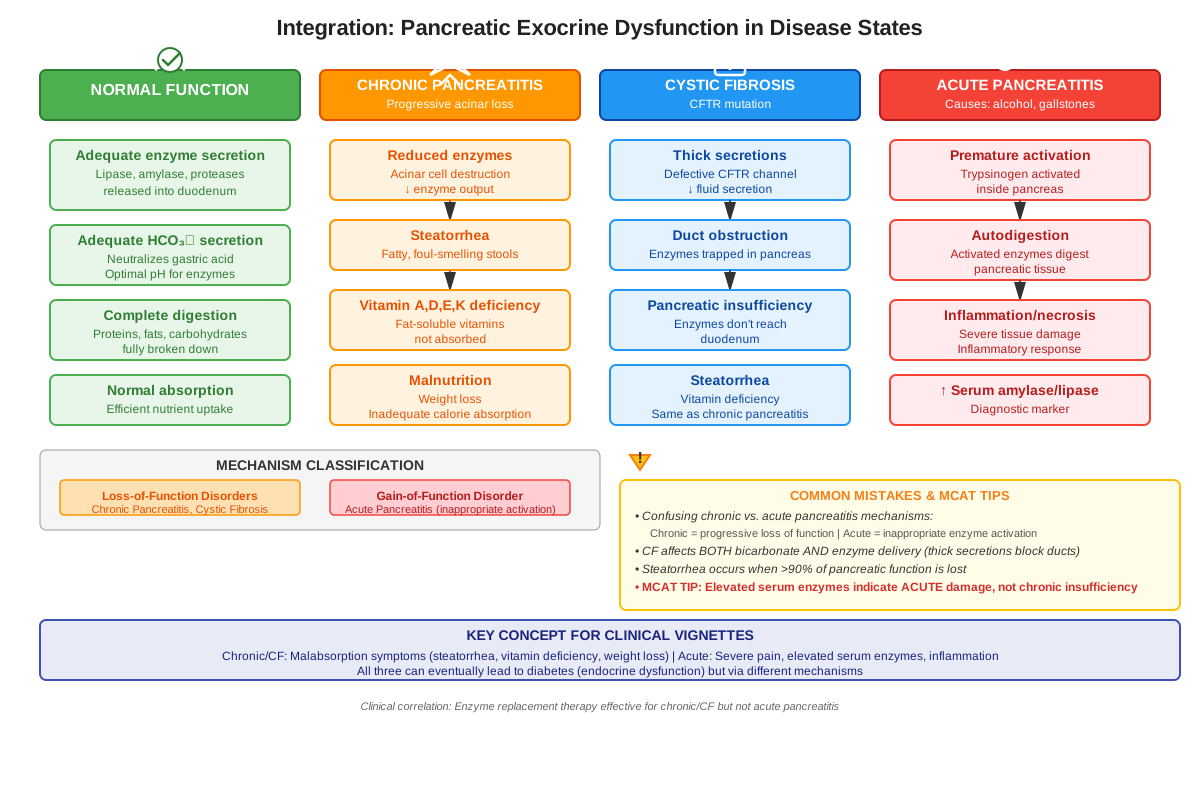
Pancreatic exocrine dysfunction underlies numerous clinically significant conditions. Chronic pancreatitis results in progressive loss of enzyme-secreting acinar cells, leading to malabsorption of fats, proteins, and fat-soluble vitamins (A, D, E, K). Cystic fibrosis, caused by mutations in the CFTR chloride channel, produces thick pancreatic secretions that obstruct ducts and prevent enzyme delivery to the intestine. Acute pancreatitis can result from premature activation of digestive enzymes within the pancreas itself, causing autodigestion and severe inflammation. Understanding normal exocrine function provides the foundation for recognizing how these pathologies disrupt digestion and nutrient absorption.
MCAT Exam Statistics
Pancreas exocrine function appears in approximately 3-5% of MCAT Biology questions, typically integrated into passages about digestive physiology, enzyme regulation, or metabolic disorders. Questions most commonly test: (1) identification of specific pancreatic enzymes and their substrates, (2) understanding of hormonal regulation by secretin and CCK, (3) the role of bicarbonate in pH neutralization, and (4) consequences of pancreatic dysfunction on nutrient absorption. This topic frequently appears in discrete questions testing enzyme specificity or in passage-based questions requiring integration of multiple physiological systems.
Common Exam Presentations
MCAT passages featuring pancreatic exocrine function typically present: (1) clinical vignettes describing patients with malabsorption symptoms requiring diagnosis of pancreatic insufficiency, (2) experimental studies investigating enzyme activity at different pH levels, (3) research on hormonal regulation of digestive secretions, or (4) genetic disorders affecting pancreatic duct function. Questions often require students to predict the effects of enzyme deficiencies, explain why bicarbonate secretion is necessary, or identify which hormone stimulates specific pancreatic responses.
Core Concepts
Pancreatic Anatomy and Exocrine Structure
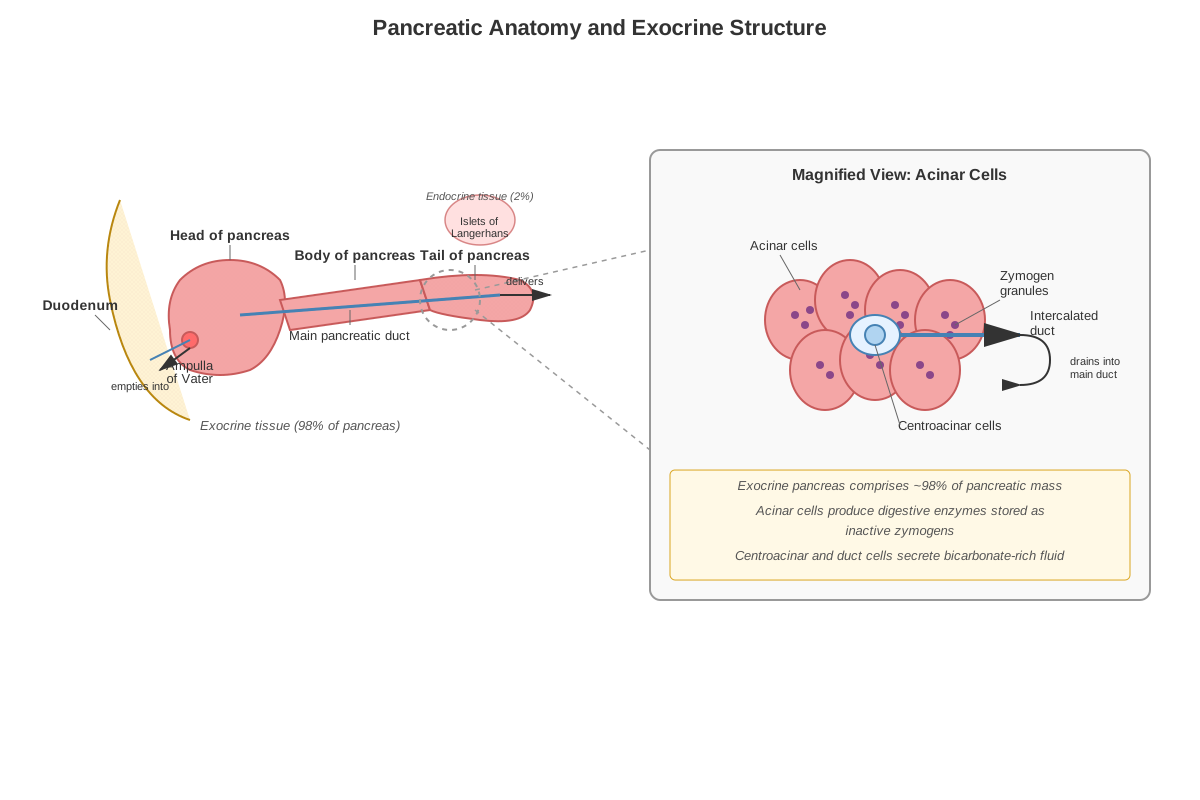
The pancreas is a retroperitoneal organ located posterior to the stomach, consisting of approximately 98% exocrine tissue and 2% endocrine tissue (islets of Langerhans). The exocrine pancreas comprises acinar cells organized into grape-like clusters that secrete digestive enzymes, and ductal cells that line the pancreatic duct system and secrete bicarbonate-rich fluid. Acinar cells contain abundant rough endoplasmic reticulum and zymogen granules storing inactive enzyme precursors called zymogens or proenzymes. The main pancreatic duct (duct of Wirsung) merges with the common bile duct to form the hepatopancreatic ampulla (ampulla of Vater), which empties into the duodenum through the sphincter of Oddi.
This anatomical arrangement allows coordinated delivery of pancreatic enzymes, bicarbonate, and bile into the duodenum precisely when chyme enters from the stomach. The sphincter of Oddi regulates flow, preventing reflux and controlling the timing of secretion. Understanding this anatomy is crucial for recognizing how obstruction (gallstones, tumors) or sphincter dysfunction can cause pancreatitis by preventing normal enzyme drainage.
Pancreatic Digestive Enzymes
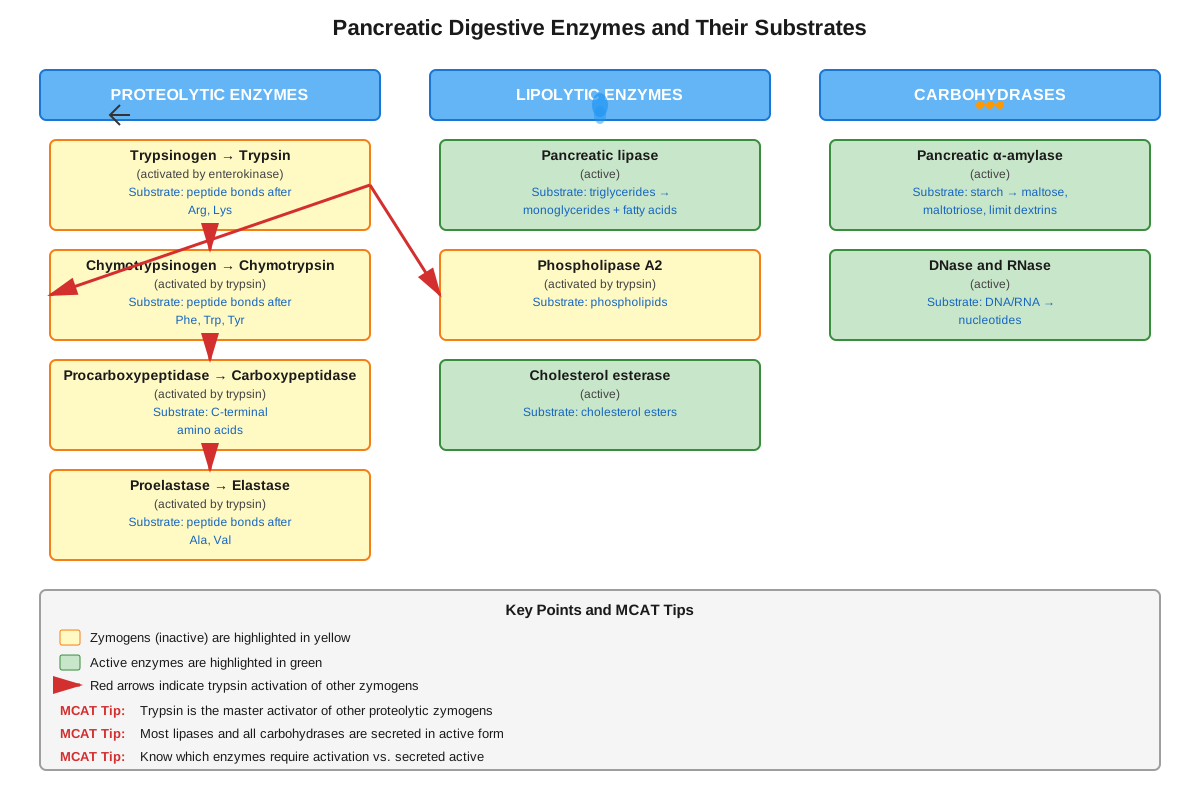
The pancreas secretes a comprehensive array of enzymes capable of digesting all three macronutrient classes:
Proteolytic Enzymes
Proteases break peptide bonds in proteins and are secreted as inactive zymogens to prevent pancreatic autodigestion:
- Trypsinogen → activated to trypsin by enterokinase (enteropeptidase) on the duodenal brush border; trypsin then activates other pancreatic zymogens
- Chymotrypsinogen → activated to chymotrypsin by trypsin; cleaves peptide bonds adjacent to aromatic amino acids (Phe, Trp, Tyr)
- Procarboxypeptidase → activated to carboxypeptidase by trypsin; removes amino acids from the C-terminus of peptides
- Proelastase → activated to elastase by trypsin; cleaves bonds adjacent to small, uncharged amino acids
The activation cascade beginning with trypsin represents a critical regulatory mechanism. Trypsin serves as the "master activator," converting all other proteolytic zymogens to their active forms. This ensures that protein digestion occurs only in the intestinal lumen, not within pancreatic tissue.
Lipolytic Enzymes
Pancreatic lipase is the primary enzyme for triglyceride digestion, hydrolyzing ester bonds at the 1 and 3 positions of glycerol to produce two fatty acids and one 2-monoacylglycerol. Colipase, a cofactor secreted by the pancreas, binds to lipase and anchors it to the lipid-water interface, overcoming the inhibitory effects of bile salts. Phospholipase A2 (secreted as prophospholipase A2) cleaves fatty acids from phospholipids, particularly at the sn-2 position. Cholesterol esterase hydrolyzes cholesterol esters to free cholesterol and fatty acids.
Carbohydrate-Digesting Enzymes
Pancreatic α-amylase continues the starch digestion initiated by salivary amylase, cleaving α-1,4-glycosidic bonds in polysaccharides to produce maltose, maltotriose, and α-limit dextrins (branched oligosaccharides containing α-1,6 bonds). Unlike salivary amylase, pancreatic amylase functions optimally at the neutral pH of the duodenum. Final digestion to monosaccharides occurs at the brush border by disaccharidases.
Nucleases
Ribonuclease (RNase) and deoxyribonuclease (DNase) digest RNA and DNA respectively into nucleotides, which are further broken down by brush border enzymes into nucleosides and free bases for absorption.
| Enzyme Class | Specific Enzymes | Substrates | Products |
|---|---|---|---|
| Proteases | Trypsin, chymotrypsin, elastase, carboxypeptidase | Proteins, polypeptides | Oligopeptides, amino acids |
| Lipases | Pancreatic lipase, phospholipase A2, cholesterol esterase | Triglycerides, phospholipids, cholesterol esters | Fatty acids, monoacylglycerols, lysophospholipids |
| Carbohydrases | Pancreatic α-amylase | Starch, glycogen | Maltose, maltotriose, α-limit dextrins |
| Nucleases | RNase, DNase | RNA, DNA | Nucleotides |
Bicarbonate Secretion and pH Regulation
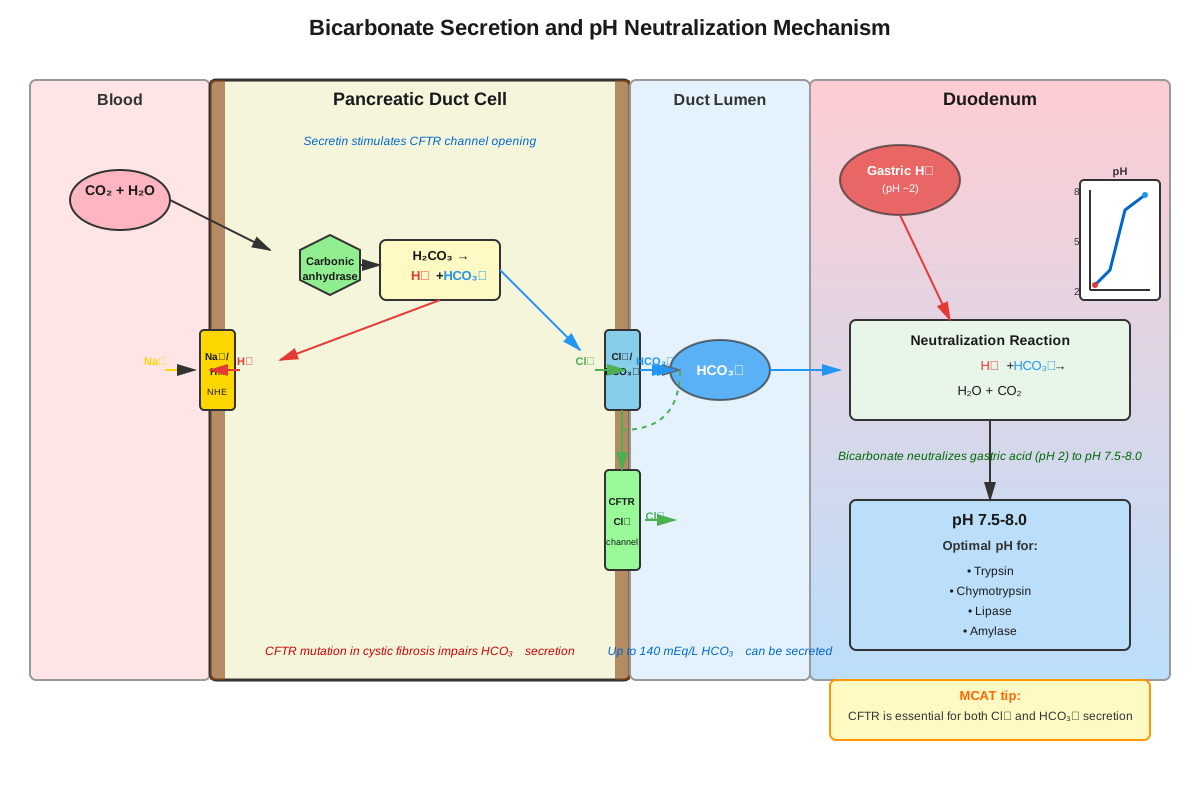
Pancreatic ductal cells secrete approximately 1-2 liters per day of bicarbonate-rich fluid (HCO₃⁻ concentration up to 140 mM, compared to 25 mM in plasma). This alkaline secretion serves two critical functions: (1) neutralizing acidic chyme entering the duodenum from the stomach, and (2) creating the optimal pH (7.5-8.5) for pancreatic enzyme activity.
The mechanism of bicarbonate secretion involves:
- Carbonic anhydrase in ductal cells catalyzes: CO₂ + H₂O ⇌ H₂CO₃ ⇌ H⁺ + HCO₃⁻
- HCO₃⁻ is secreted into the duct lumen via the CFTR chloride channel (which also conducts HCO₃⁻) and the Cl⁻/HCO₃⁻ exchanger on the apical membrane
- H⁺ is removed from the cell via the Na⁺/H⁺ exchanger on the basolateral membrane
- Water follows osmotically, creating the aqueous component of pancreatic juice
MCAT High-Yield: The CFTR channel is defective in cystic fibrosis, resulting in thick, viscous pancreatic secretions that obstruct ducts and prevent enzyme delivery. This explains why CF patients develop pancreatic insufficiency and malabsorption.
The neutralization reaction in the duodenum is:
HCl (from stomach) + NaHCO₃ (from pancreas) → NaCl + H₂O + CO₂This reaction raises duodenal pH from approximately 2 (gastric chyme) to 7-8, protecting the duodenal mucosa from acid damage and optimizing conditions for enzyme activity. Most pancreatic enzymes are irreversibly denatured at acidic pH, making bicarbonate secretion essential for digestion.
Hormonal Regulation of Pancreatic Secretion
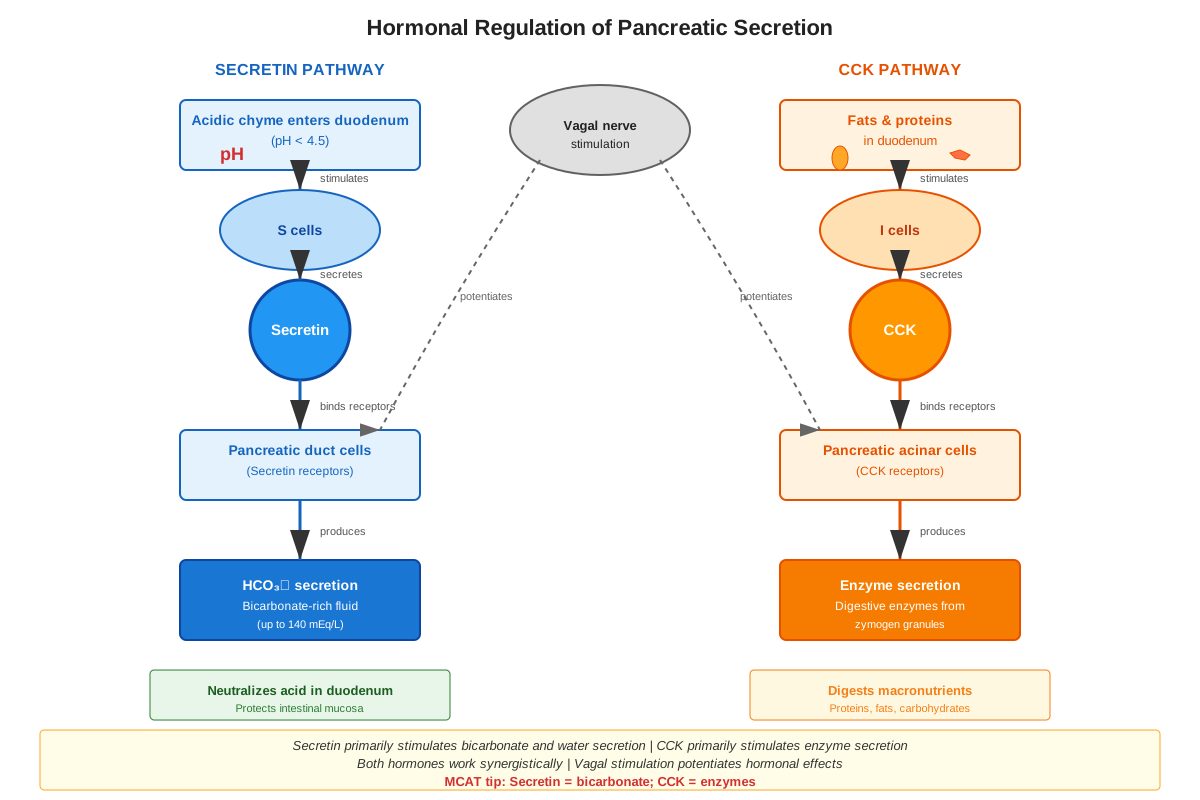
Pancreatic exocrine function is regulated by both neural (vagal) and hormonal mechanisms, with hormones playing the dominant role:
Secretin
Secretin is a peptide hormone released by S cells in the duodenal mucosa in response to acidic chyme (pH < 4.5). Secretin primarily stimulates ductal cells to secrete bicarbonate-rich fluid with minimal enzyme content. The mechanism involves:
- Secretin binds to receptors on pancreatic ductal cells
- Activation of adenylyl cyclase increases cAMP
- cAMP activates protein kinase A (PKA)
- PKA phosphorylates and activates CFTR and other ion channels
- Increased HCO₃⁻ and water secretion
Secretin represents a classic negative feedback loop: acid in the duodenum stimulates secretin release → secretin stimulates bicarbonate secretion → bicarbonate neutralizes acid → reduced acid decreases secretin release.
Cholecystokinin (CCK)
Cholecystokinin is released by I cells in the duodenal and jejunal mucosa in response to fatty acids and amino acids in the intestinal lumen. CCK primarily stimulates acinar cells to secrete enzyme-rich pancreatic juice. The mechanism involves:
- CCK binds to CCK-A receptors on acinar cells
- Activation of phospholipase C generates IP₃ and DAG
- IP₃ triggers Ca²⁺ release from intracellular stores
- Increased intracellular Ca²⁺ stimulates exocytosis of zymogen granules
CCK also potentiates the effects of secretin on bicarbonate secretion, demonstrating hormonal synergy in digestive regulation.
Vagal (Parasympathetic) Stimulation
The vagus nerve (cranial nerve X) stimulates both acinar and ductal cells through acetylcholine release. Vagal stimulation occurs during the cephalic phase (sight, smell, taste of food) and gastric phase (stomach distension) of digestion, preparing the pancreas for incoming nutrients. Vagal stimulation is less potent than hormonal regulation but provides important anticipatory secretion.
| Stimulus | Hormone/Signal | Primary Target | Main Secretion | Mechanism |
|---|---|---|---|---|
| Acid in duodenum (pH < 4.5) | Secretin | Ductal cells | Bicarbonate-rich fluid | cAMP → PKA → CFTR activation |
| Fatty acids, amino acids | CCK | Acinar cells | Enzyme-rich fluid | IP₃/DAG → Ca²⁺ → exocytosis |
| Cephalic/gastric phase | Vagus nerve (ACh) | Acinar and ductal cells | Moderate enzyme and bicarbonate | Multiple pathways |
Enzyme Activation and Regulation
The secretion of proteolytic enzymes as inactive zymogens prevents pancreatic autodigestion—a critical protective mechanism. The activation cascade in the duodenum proceeds as follows:
- Enterokinase (enteropeptidase), a brush border enzyme, cleaves trypsinogen to active trypsin
- Trypsin activates all other pancreatic zymogens: chymotrypsinogen → chymotrypsin, proelastase → elastase, procarboxypeptidase → carboxypeptidase
- Trypsin also activates more trypsinogen (positive feedback amplification)
Additional protective mechanisms prevent premature activation:
- Trypsin inhibitor (pancreatic secretory trypsin inhibitor, PSTI) is co-secreted with zymogens and inactivates any trypsin that forms prematurely within the pancreas
- Zymogens are packaged in membrane-bound granules, physically separating them from cellular components
- Low calcium concentration in acinar cells prevents premature activation (many proteases require Ca²⁺)
Clinical Connection: Acute pancreatitis can result from premature trypsinogen activation within the pancreas due to alcohol, gallstones, or trauma. Once trypsin is activated intracellularly, it triggers a cascade of enzyme activation leading to pancreatic autodigestion, inflammation, and potentially life-threatening complications.
Concept Relationships
The concepts within pancreatic exocrine function form an integrated physiological system. Bicarbonate secretion by ductal cells creates the optimal pH environment → enabling pancreatic enzyme activity in the duodenum → facilitating macronutrient digestion into absorbable units. This process is coordinated by hormonal regulation: acidic chyme triggers secretin release → stimulating bicarbonate secretion, while nutrients trigger CCK release → stimulating enzyme secretion. The zymogen activation cascade ensures that proteolytic enzymes become active only in the intestinal lumen, preventing pancreatic damage.
Connections to prerequisite topics include: enzyme kinetics (understanding how pH affects enzyme activity explains why bicarbonate is necessary), acid-base chemistry (neutralization reactions in the duodenum), and hormone signaling (G-protein coupled receptors and second messenger systems for secretin and CCK). Related topics that build on this foundation include: small intestine absorption (pancreatic digestion products must be absorbed), liver and gallbladder function (bile works synergistically with pancreatic lipase), and metabolic disorders (pancreatic insufficiency affects whole-body metabolism).
Relationship Map:
Nutrient entry into duodenum → Acid and nutrients detected by duodenal cells → Secretin and CCK release → Pancreatic ductal cells secrete bicarbonate + Acinar cells secrete enzymes → Bicarbonate neutralizes acid → Optimal pH achieved → Enterokinase activates trypsinogen → Trypsin activates other zymogens → Active enzymes digest macronutrients → Absorption of digestion products → Negative feedback reduces hormone secretion
Quick check — test yourself on Pancreas exocrine function so far.
Try Flashcards →High-Yield Facts
⭐ Secretin is released in response to duodenal acid (pH < 4.5) and primarily stimulates bicarbonate-rich fluid secretion from pancreatic ductal cells via cAMP signaling.
⭐ CCK is released in response to fatty acids and amino acids in the duodenum and primarily stimulates enzyme-rich secretion from pancreatic acinar cells via IP₃/Ca²⁺ signaling.
⭐ Trypsinogen is activated to trypsin by enterokinase (brush border enzyme), and trypsin then activates all other pancreatic proteolytic zymogens, serving as the "master activator."
⭐ Pancreatic lipase requires colipase as a cofactor to function effectively in the presence of bile salts, hydrolyzing triglycerides at the 1 and 3 positions to produce fatty acids and 2-monoacylglycerol.
⭐ Bicarbonate secretion neutralizes gastric acid in the duodenum, raising pH from ~2 to 7-8, which is essential for optimal pancreatic enzyme activity and protection of the duodenal mucosa.
- Pancreatic α-amylase cleaves α-1,4-glycosidic bonds in starch but cannot cleave α-1,6 bonds at branch points, producing maltose, maltotriose, and α-limit dextrins.
- The CFTR chloride channel, defective in cystic fibrosis, is essential for bicarbonate secretion; its dysfunction leads to thick pancreatic secretions, duct obstruction, and pancreatic insufficiency.
- Trypsin inhibitor (PSTI) is co-secreted with pancreatic zymogens to inactivate any trypsin that forms prematurely within the pancreas, preventing autodigestion.
- Chymotrypsin preferentially cleaves peptide bonds adjacent to large aromatic amino acids (phenylalanine, tryptophan, tyrosine), while trypsin cleaves after basic amino acids (lysine, arginine).
- Carboxypeptidase is an exopeptidase that removes amino acids sequentially from the C-terminus of peptides, complementing the endopeptidase activity of trypsin and chymotrypsin.
Common Misconceptions
Misconception: The pancreas secretes only digestive enzymes.
Correction: The pancreas secretes both digestive enzymes (from acinar cells) and bicarbonate-rich fluid (from ductal cells). The bicarbonate component is equally important, neutralizing gastric acid and creating optimal pH for enzyme function. Secretin primarily stimulates bicarbonate secretion, while CCK primarily stimulates enzyme secretion.
Misconception: Pancreatic enzymes are secreted in their active forms.
Correction: Proteolytic enzymes (trypsin, chymotrypsin, elastase, carboxypeptidase) are secreted as inactive zymogens to prevent pancreatic autodigestion. They are activated only after reaching the duodenum, beginning with enterokinase activation of trypsinogen. Lipase, amylase, and nucleases are secreted in active form because they do not digest pancreatic tissue.
Misconception: Secretin and CCK have the same effects on the pancreas.
Correction: Secretin and CCK have distinct primary effects. Secretin (released in response to acid) primarily stimulates ductal cells to secrete bicarbonate-rich, enzyme-poor fluid via cAMP signaling. CCK (released in response to fats and proteins) primarily stimulates acinar cells to secrete enzyme-rich fluid via IP₃/Ca²⁺ signaling. They work synergistically but target different cell types with different mechanisms.
Misconception: Pancreatic lipase can digest fats without any assistance.
Correction: Pancreatic lipase requires colipase as an essential cofactor. Bile salts, while necessary for fat emulsification, actually inhibit lipase activity by coating lipid droplets. Colipase binds to both lipase and the lipid surface, anchoring lipase to its substrate and overcoming bile salt inhibition. Without colipase, lipase cannot access triglycerides effectively.
Misconception: Trypsin can digest all proteins completely to amino acids.
Correction: Trypsin is an endopeptidase that cleaves internal peptide bonds (specifically after lysine and arginine residues), producing smaller peptides but not free amino acids. Complete digestion to amino acids requires the combined action of multiple enzymes: endopeptidases (trypsin, chymotrypsin, elastase) break proteins into oligopeptides, exopeptidases (carboxypeptidase) remove terminal amino acids, and brush border peptidases complete digestion to absorbable di/tripeptides and amino acids.
Misconception: The pancreas secretes continuously at a constant rate.
Correction: Pancreatic secretion is highly regulated and varies dramatically based on digestive state. Basal secretion is minimal during fasting. Secretion increases dramatically during and after meals through three phases: cephalic (vagal stimulation from sight/smell/taste), gastric (vagal stimulation from stomach distension), and intestinal (hormonal stimulation by secretin and CCK). The intestinal phase accounts for 70-80% of total secretion.
Worked Examples
Example 1: Enzyme Deficiency Analysis
Question: A patient presents with steatorrhea (fatty stools), weight loss, and deficiencies in fat-soluble vitamins (A, D, E, K). Laboratory analysis reveals normal pancreatic amylase and trypsin levels but severely reduced pancreatic lipase activity. Which of the following would most likely improve this patient's symptoms?
A) Increasing dietary carbohydrate intake
B) Administering pancreatic enzyme replacement containing lipase and colipase
C) Prescribing proton pump inhibitors to reduce gastric acid
D) Supplementing with water-soluble vitamins
Analysis:
Step 1: Identify the primary problem. The patient has steatorrhea and fat-soluble vitamin deficiencies, indicating fat malabsorption. Normal amylase and trypsin suggest carbohydrate and protein digestion are intact, but reduced lipase indicates impaired triglyceride digestion.
Step 2: Understand the mechanism. Pancreatic lipase, working with colipase, hydrolyzes dietary triglycerides into fatty acids and 2-monoacylglycerol. Without adequate lipase activity, fats cannot be digested and absorbed, leading to steatorrhea. Fat-soluble vitamins (A, D, E, K) require fat absorption for their own absorption, explaining the vitamin deficiencies.
Step 3: Evaluate each option:
- A) Increasing carbohydrates doesn't address the fat digestion problem and won't improve fat-soluble vitamin absorption
- B) Directly replaces the missing enzyme and its cofactor, enabling fat digestion
- C) Reducing acid might help bicarbonate-related issues but doesn't replace missing lipase
- D) The deficiency is in fat-soluble vitamins, not water-soluble ones; supplementing the wrong type won't help
Step 4: Select the answer. B is correct. Pancreatic enzyme replacement therapy containing lipase and colipase directly addresses the enzymatic deficiency, restoring fat digestion and enabling absorption of both fats and fat-soluble vitamins.
Learning Objective Connection: This question requires applying knowledge of pancreatic enzyme specificity (lipase for fats) and understanding the clinical consequences of enzyme deficiency—both key MCAT skills.
Example 2: Hormonal Regulation Scenario
Question: A researcher conducts an experiment measuring pancreatic secretions in response to different stimuli. In Trial 1, acidified saline (pH 3) is infused into the duodenum. In Trial 2, a solution containing amino acids and fatty acids (pH 7) is infused. Which of the following best describes the expected results?
| Trial | Bicarbonate Secretion | Enzyme Secretion | Primary Hormone |
|---|---|---|---|
| 1 | High | Low | Secretin |
| 2 | Low | High | CCK |
A) Trial 1 results are correct; Trial 2 results are incorrect
B) Trial 2 results are correct; Trial 1 results are incorrect
C) Both trials' results are correct
D) Both trials' results are incorrect
Analysis:
Step 1: Analyze Trial 1. Acidified saline (pH 3) in the duodenum represents the primary stimulus for secretin release from duodenal S cells. Secretin acts on pancreatic ductal cells via cAMP signaling to stimulate bicarbonate-rich, enzyme-poor secretion. Therefore, Trial 1 should show high bicarbonate, low enzyme secretion, with secretin as the primary hormone. Trial 1 results are correct.
Step 2: Analyze Trial 2. Amino acids and fatty acids in the duodenum are the primary stimuli for CCK release from duodenal I cells. CCK acts on pancreatic acinar cells via IP₃/Ca²⁺ signaling to stimulate enzyme-rich secretion. Therefore, Trial 2 should show high enzyme secretion. However, CCK also potentiates secretin's effects on bicarbonate secretion, and even at neutral pH, some bicarbonate secretion occurs. The table shows "low" bicarbonate for Trial 2, which is relatively accurate compared to the high bicarbonate in Trial 1, though some bicarbonate would still be secreted. Trial 2 results are essentially correct (enzyme secretion is definitely high, bicarbonate is relatively lower than in Trial 1).
Step 3: Evaluate the answer choices. Both trials show the expected pattern: acid stimulates secretin and bicarbonate secretion; nutrients stimulate CCK and enzyme secretion.
Answer: C is correct. Both trials accurately reflect the differential regulation of pancreatic secretion by secretin (responding to acid, stimulating bicarbonate) and CCK (responding to nutrients, stimulating enzymes).
Learning Objective Connection: This question requires understanding hormonal regulation mechanisms, distinguishing between secretin and CCK effects, and applying this knowledge to predict experimental outcomes—all essential MCAT skills for pancreas exocrine function.
Exam Strategy
Question Approach
When encountering MCAT questions on pancreatic exocrine function:
- Identify the stimulus: Is the question describing acid in the duodenum (think secretin, bicarbonate) or nutrients like fats/proteins (think CCK, enzymes)?
- Determine the cell type: Ductal cells secrete bicarbonate; acinar cells secrete enzymes. Many questions hinge on this distinction.
- Consider the activation state: For proteases, remember they're secreted as zymogens and activated in the duodenum. Questions may ask about premature activation (pancreatitis) or the activation sequence.
- Check pH requirements: Pancreatic enzymes require neutral-to-alkaline pH. If a question mentions acidic conditions, consider whether bicarbonate secretion is adequate.
Trigger Words and Phrases
- "Steatorrhea" or "fatty stools": Indicates lipase deficiency or fat malabsorption
- "Acidic chyme enters the duodenum": Think secretin release and bicarbonate secretion
- "Fatty meal" or "protein-rich meal": Think CCK release and enzyme secretion
- "Cystic fibrosis" or "CFTR mutation": Impaired bicarbonate secretion, thick pancreatic secretions
- "Premature enzyme activation" or "autodigestion": Acute pancreatitis, failure of protective mechanisms
- "Enterokinase" or "enteropeptidase": Initiates the zymogen activation cascade by activating trypsinogen
- "Colipase": Essential cofactor for pancreatic lipase function
Process of Elimination Tips
- If a question asks about bicarbonate secretion, eliminate answers mentioning acinar cells (they secrete enzymes, not bicarbonate)
- If a question describes enzyme secretion in response to acid, be suspicious—acid stimulates bicarbonate, not enzymes
- For enzyme specificity questions, remember: trypsin cleaves after basic amino acids (Lys, Arg); chymotrypsin cleaves after aromatic amino acids (Phe, Trp, Tyr)
- If an answer suggests pancreatic enzymes work well at acidic pH, eliminate it—they require neutral-to-alkaline conditions
Time Allocation
For discrete questions on pancreatic function, spend 60-90 seconds. For passage-based questions, allocate 1.5-2 minutes per question, using the passage to identify whether the scenario involves hormonal regulation, enzyme deficiency, or pH-related issues. Don't get bogged down in memorizing every enzyme detail—focus on the major patterns (secretin vs. CCK, bicarbonate vs. enzymes, zymogen activation).
Memory Techniques
Mnemonics
"Secretin Secretes Solution": Secretin stimulates secretion of bicarbonate solution (fluid) from ductal cells.
"CCK Causes Chewing Chemicals": CCK causes release of digestive chemicals (enzymes) from acinar cells.
"Try To Chew Everything Carefully": The activation sequence—Trypsinogen (activated by enterokinase) → Trypsin → Chymotrypsinogen → Elastase → Carboxypeptidase (all activated by trypsin).
"Trypsin Tries Basic": Trypsin cleaves after basic amino acids (lysine, arginine).
"Chymotrypsin Chews Fancy": Chymotrypsin cleaves after fancy (aromatic) amino acids (phenylalanine, tryptophan, tyrosine).
Visualization Strategy
Picture the duodenum as a "pH control center" with two sensors:
- Acid sensor (S cells) → releases secretin → "fire extinguisher" sprays bicarbonate to neutralize acid
- Nutrient sensor (I cells) → releases CCK → "enzyme factory" releases digestive enzymes
Visualize the pancreas as having two compartments: ducts (plumbing that carries bicarbonate solution) and acini (factories that produce enzyme packages). Secretin opens the plumbing; CCK activates the factories.
Acronym
PANCREAS for major enzyme categories:
- Proteases (trypsin, chymotrypsin)
- Amylase (starch digestion)
- Nucleases (DNA/RNA digestion)
- Colipase (lipase cofactor)
- Ribonuclease (RNA specific)
- Elastase (protease)
- Acinar cells (enzyme source)
- Secretin (bicarbonate stimulus)
Summary
Pancreas exocrine function encompasses the secretion of digestive enzymes and bicarbonate-rich fluid essential for macronutrient breakdown in the small intestine. Acinar cells produce enzyme-rich secretions containing proteases (trypsin, chymotrypsin, elastase, carboxypeptidase), pancreatic lipase with colipase, α-amylase, and nucleases. Ductal cells secrete bicarbonate to neutralize gastric acid and optimize duodenal pH for enzyme activity. Hormonal regulation is paramount: secretin (released in response to duodenal acid) stimulates bicarbonate secretion via cAMP signaling, while CCK (released in response to fats and amino acids) stimulates enzyme secretion via IP₃/Ca²⁺ signaling. Proteolytic enzymes are secreted as inactive zymogens and activated in the duodenum by enterokinase and trypsin, preventing pancreatic autodigestion. Understanding these mechanisms enables prediction of clinical consequences when pancreatic function is impaired, such as in pancreatitis, cystic fibrosis, or enzyme deficiencies, making this topic essential for MCAT success in physiology and organ systems.
Key Takeaways
- Pancreatic exocrine function involves two cell types: acinar cells secrete digestive enzymes, while ductal cells secrete bicarbonate-rich fluid
- Secretin (released by duodenal acid) primarily stimulates bicarbonate secretion; CCK (released by fats/proteins) primarily stimulates enzyme secretion
- Trypsinogen is activated by enterokinase to trypsin, which then activates all other pancreatic proteolytic zymogens—the "master activator" concept
- Pancreatic lipase requires colipase as a cofactor to function effectively in the presence of bile salts
- Bicarbonate secretion neutralizes gastric acid in the duodenum, creating optimal pH (7-8) for pancreatic enzyme activity
- Zymogen secretion and trypsin inhibitor prevent premature protease activation and pancreatic autodigestion
- CFTR channel dysfunction in cystic fibrosis impairs bicarbonate secretion, causing thick pancreatic secretions and pancreatic insufficiency
Related Topics
Small Intestine Absorption: Understanding how the products of pancreatic digestion (amino acids, fatty acids, monosaccharides) are absorbed by enterocytes builds directly on pancreatic exocrine function knowledge.
Liver and Gallbladder Function: Bile secretion works synergistically with pancreatic enzymes, particularly in fat digestion, where bile salts emulsify fats and facilitate lipase action.
Endocrine Pancreas Function: The islets of Langerhans secrete insulin and glucagon, regulating metabolism of the nutrients digested by pancreatic exocrine secretions.
Gastrointestinal Hormones: Secretin and CCK are part of a larger family of GI hormones (including gastrin, GIP, motilin) that coordinate digestive processes across multiple organs.
Enzyme Kinetics and Regulation: Deeper understanding of how pH, cofactors, and inhibitors affect enzyme activity applies directly to pancreatic enzyme function.
Acid-Base Physiology: The bicarbonate buffer system in pancreatic secretions exemplifies broader principles of pH regulation throughout the body.
Practice CTA
Now that you've mastered the core concepts of pancreas exocrine function, it's time to solidify your understanding through active practice. Work through the practice questions to test your ability to apply these concepts in MCAT-style scenarios, and use the flashcards to reinforce high-yield facts and enzyme specificities. Remember, understanding the "why" behind pancreatic secretion—the hormonal triggers, the pH requirements, the activation cascades—will enable you to tackle any question format the MCAT presents. Your investment in mastering this topic will pay dividends not only in digestive physiology questions but also in integrated passages requiring multi-system thinking. You've got this!
Sign up free to keep reading
Create a free AnvayaPrep account to finish this MCAT guide on Pancreas exocrine function — plus flashcards and practice questions.