Overview
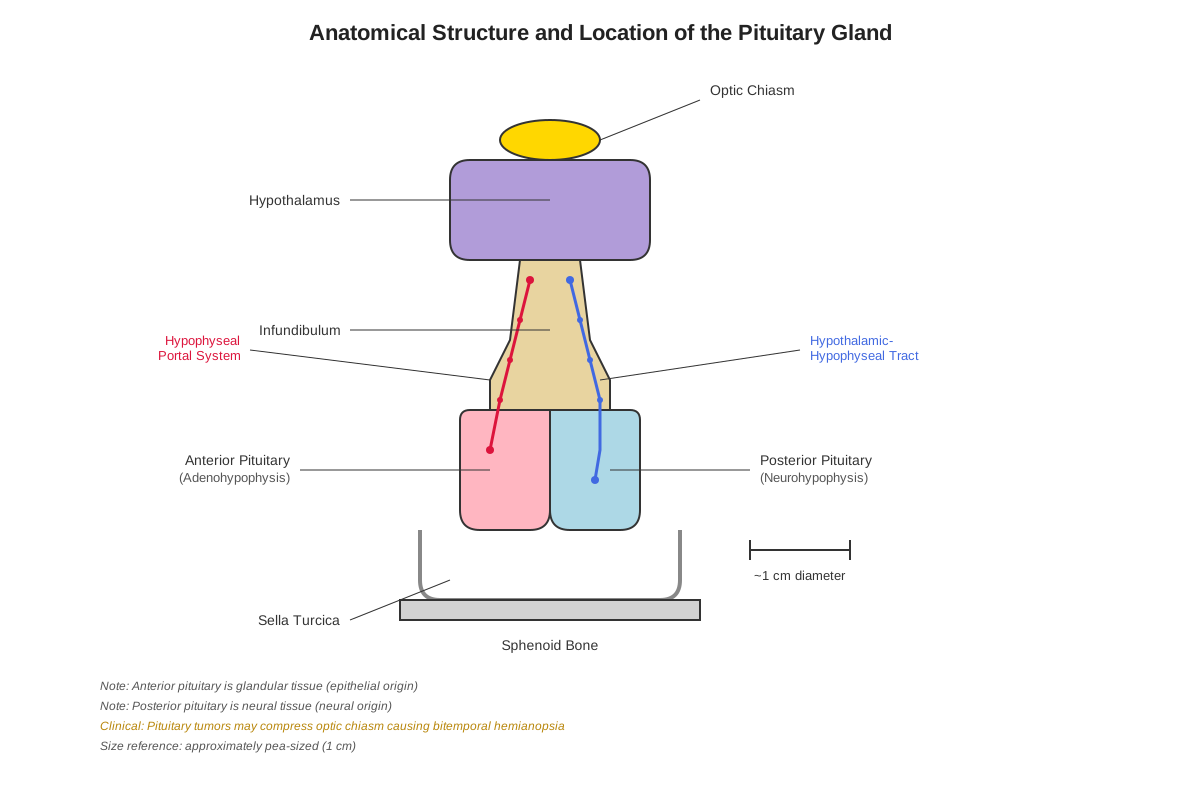
The pituitary gland stands as one of the most critical endocrine structures in human physiology and organ systems, earning its designation as the "master gland" of the body. This pea-sized structure, nestled in the sella turcica of the sphenoid bone at the base of the brain, orchestrates a vast array of physiological processes through its secretion of multiple hormones. Understanding pituitary gland biology requires mastery of both anatomical organization and functional integration with the hypothalamus, peripheral endocrine glands, and target tissues throughout the body.
For the MCAT, the pituitary gland represents a high-yield integration point where biology concepts intersect with clinical reasoning and experimental passage interpretation. Questions frequently test the hierarchical nature of endocrine feedback loops, the distinction between anterior and posterior pituitary function, and the downstream effects of pituitary hormone dysregulation. The pituitary gland MCAT content appears not only in dedicated endocrine passages but also in questions addressing reproduction, metabolism, stress responses, and homeostatic regulation.
The pituitary's central role in coordinating multiple organ systems makes it an essential bridge concept connecting the nervous system (through hypothalamic control), the endocrine system (through hormone secretion), and various target organs (through hormone action). Mastery of pituitary function enables deeper understanding of reproductive physiology, growth and development, fluid balance, stress adaptation, and metabolic regulation—all frequently tested domains on the MCAT.
Learning Objectives
- [ ] Define the pituitary gland using accurate Biology terminology, including its anatomical location and structural divisions
- [ ] Explain why the pituitary gland matters for the MCAT, particularly in endocrine integration questions
- [ ] Apply pituitary gland concepts to exam-style questions involving feedback loops and hormone cascades
- [ ] Identify common mistakes related to pituitary gland function, particularly anterior versus posterior distinctions
- [ ] Connect pituitary gland function to related Biology concepts including hypothalamic control and target organ responses
- [ ] Differentiate between tropic and non-tropic hormones secreted by the anterior pituitary
- [ ] Analyze the consequences of pituitary hyper- and hyposecretion on target organ function
- [ ] Predict the effects of hypothalamic releasing/inhibiting factors on pituitary hormone secretion
Prerequisites
- Basic endocrine system organization: Understanding hormone classification (peptide, steroid, amino acid derivatives) and general mechanisms of hormone action is essential for comprehending pituitary hormone function
- Negative feedback loops: The pituitary operates within multiple negative feedback systems; familiarity with feedback regulation is crucial for predicting hormone level changes
- Hypothalamic function: The hypothalamus directly controls pituitary secretion, making basic knowledge of hypothalamic nuclei and their functions necessary
- Cell signaling mechanisms: Pituitary hormones utilize various signaling pathways (cAMP, IP3/DAG, receptor tyrosine kinases) that require foundational understanding
- Basic neuroanatomy: Understanding the anatomical relationship between the brain, hypothalamus, and pituitary helps contextualize the hypothalamic-pituitary axis
Why This Topic Matters
Clinical Significance
Pituitary disorders affect millions of patients worldwide and represent some of the most dramatic endocrine pathologies. Pituitary adenomas can cause hormone excess syndromes like acromegaly (excess growth hormone) or Cushing's disease (excess ACTH), while pituitary infarction or trauma can lead to life-threatening hormone deficiencies. Diabetes insipidus, resulting from inadequate ADH secretion or action, demonstrates the critical role of posterior pituitary function in fluid homeostasis. Understanding pituitary physiology provides the foundation for recognizing these clinical presentations in MCAT passages.
MCAT Relevance
The pituitary gland appears in approximately 3-5% of MCAT questions, with particular emphasis on:
- Feedback loop analysis: Questions requiring students to predict hormone level changes following gland removal or hormone administration
- Experimental passages: Studies investigating hormone secretion patterns, receptor binding, or therapeutic interventions
- Reproductive physiology: The hypothalamic-pituitary-gonadal axis is heavily tested in both Biology/Biochemistry and Psychology/Sociology sections
- Integrated physiology: Questions connecting pituitary function to stress responses, growth, metabolism, or fluid balance
Common Exam Contexts
MCAT passages frequently present pituitary content through:
- Research studies on hormone replacement therapy or receptor antagonists
- Clinical vignettes describing patients with endocrine disorders
- Experimental manipulations of the hypothalamic-pituitary axis in animal models
- Graphs showing hormone level fluctuations across the menstrual cycle or circadian rhythms
- Comparative physiology examining endocrine regulation across species
Core Concepts
Anatomical Organization and Embryological Origin
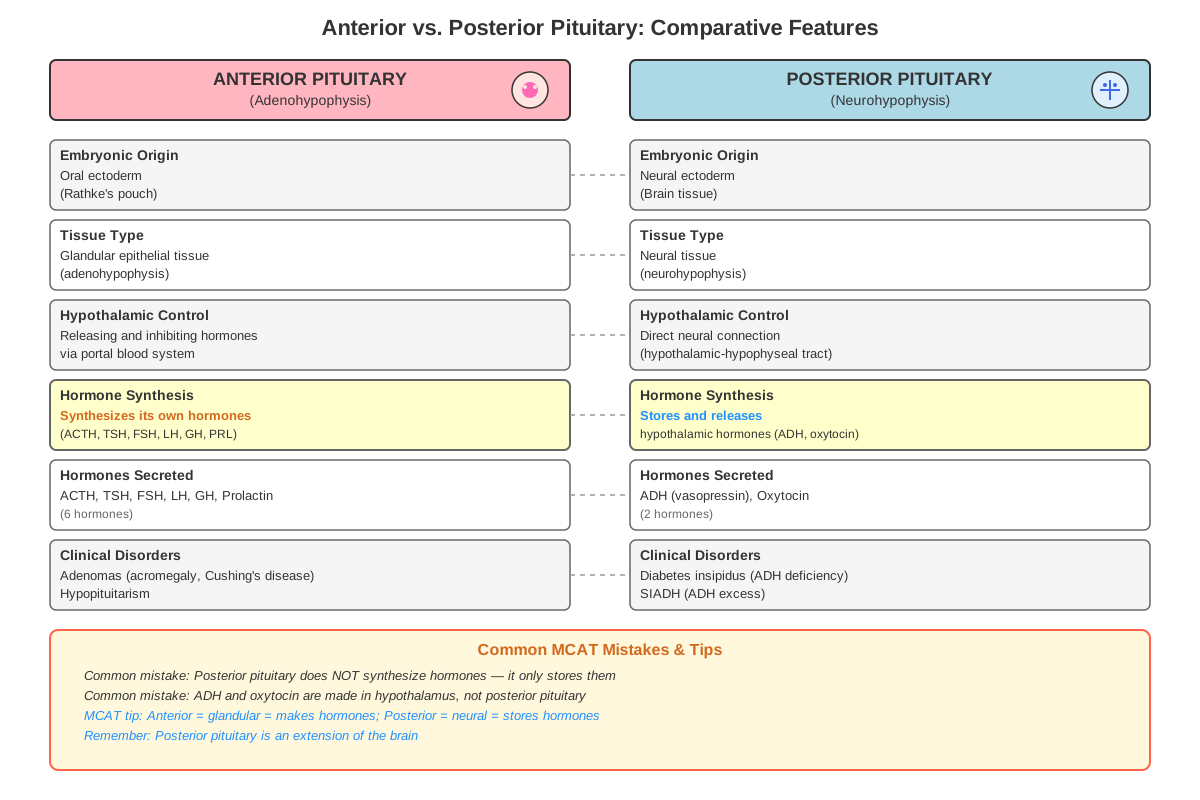
The pituitary gland (hypophysis) consists of two functionally and embryologically distinct regions: the adenohypophysis (anterior pituitary) and the neurohypophysis (posterior pituitary). This dual nature reflects their different developmental origins and mechanisms of hormone release.
The anterior pituitary derives from Rathke's pouch, an ectodermal evagination of the oral cavity that migrates upward during embryonic development. This epithelial origin explains why the anterior pituitary consists of glandular tissue containing multiple hormone-secreting cell types. The anterior pituitary connects to the hypothalamus through the hypophyseal portal system, a specialized vascular network that carries hypothalamic releasing and inhibiting hormones directly to anterior pituitary cells without entering systemic circulation.
The posterior pituitary originates from a downward extension of the hypothalamus itself, making it neural tissue rather than glandular tissue. The posterior pituitary consists primarily of axon terminals from hypothalamic neurons whose cell bodies reside in the supraoptic nucleus and paraventricular nucleus. These neurons synthesize hormones that travel down axons to be stored and released from the posterior pituitary. This direct neural connection allows for rapid hormone release in response to neural stimuli.
Anterior Pituitary Hormones and Regulation
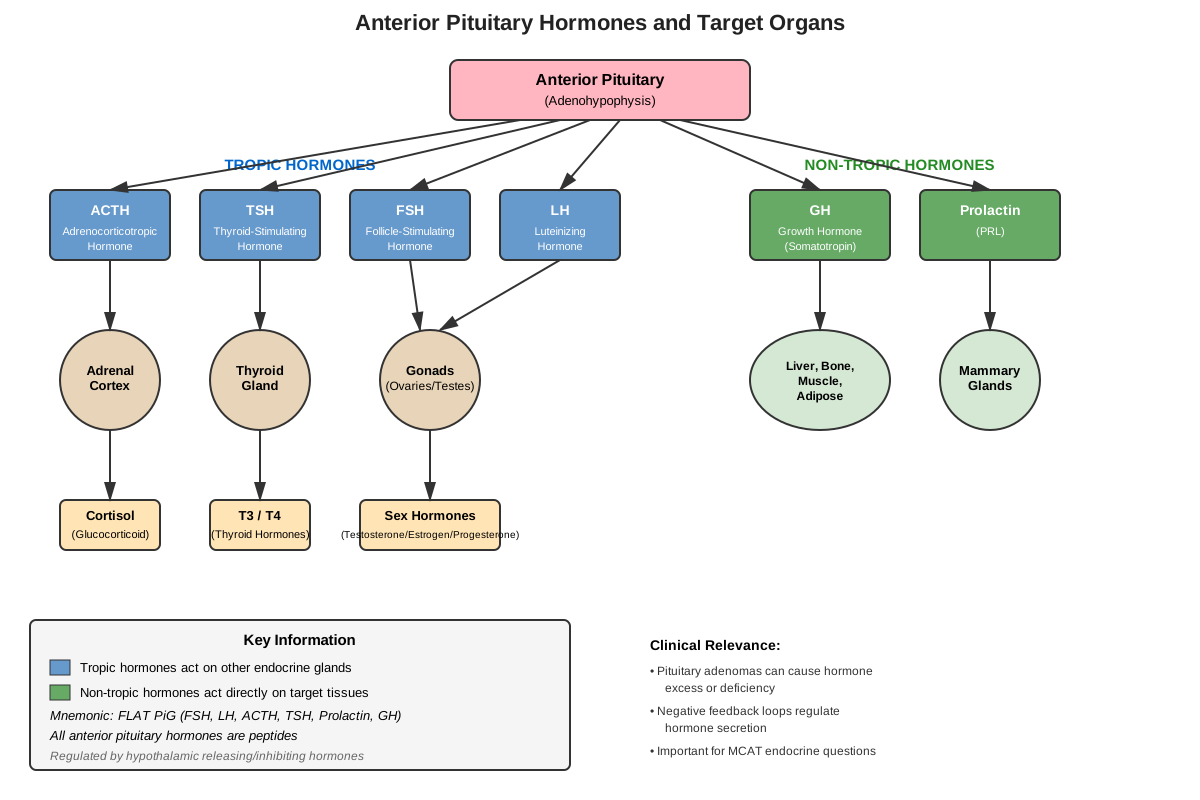
The anterior pituitary secretes six major hormones, which can be categorized as either tropic hormones (acting on other endocrine glands) or direct-acting hormones (acting on non-endocrine target tissues).
Tropic Hormones
Thyroid-stimulating hormone (TSH) or thyrotropin stimulates the thyroid gland to synthesize and secrete thyroid hormones (T3 and T4). TSH secretion is stimulated by hypothalamic thyrotropin-releasing hormone (TRH) and inhibited by negative feedback from circulating thyroid hormones. TSH binds to receptors on thyroid follicular cells, activating the cAMP second messenger system to increase iodine uptake, thyroglobulin synthesis, and hormone release.
Adrenocorticotropic hormone (ACTH) or corticotropin targets the adrenal cortex, specifically the zona fasciculata, to stimulate cortisol synthesis and secretion. ACTH release is controlled by hypothalamic corticotropin-releasing hormone (CRH), with secretion following a circadian rhythm (highest in early morning) and increasing dramatically during stress. ACTH is cleaved from a larger precursor molecule called pro-opiomelanocortin (POMC), which also yields melanocyte-stimulating hormone (MSH) and endorphins.
Follicle-stimulating hormone (FSH) and luteinizing hormone (LH) are gonadotropins that regulate reproductive function in both sexes. Both are stimulated by hypothalamic gonadotropin-releasing hormone (GnRH), which is secreted in pulsatile fashion. In females, FSH stimulates ovarian follicle development and estrogen production, while LH triggers ovulation and stimulates progesterone production by the corpus luteum. In males, FSH acts on Sertoli cells to support spermatogenesis, while LH stimulates Leydig cells to produce testosterone. The gonadotropins are regulated by complex feedback involving sex steroids (estrogen, progesterone, testosterone) and peptides (inhibin, activin).
Direct-Acting Hormones
Growth hormone (GH) or somatotropin promotes growth and has widespread metabolic effects. GH secretion is stimulated by hypothalamic growth hormone-releasing hormone (GHRH) and inhibited by somatostatin (also called growth hormone-inhibiting hormone). GH secretion is pulsatile, with the largest pulse occurring during deep sleep. GH acts directly on many tissues but also stimulates the liver to produce insulin-like growth factor 1 (IGF-1) or somatomedin C, which mediates many of GH's growth-promoting effects. GH promotes protein synthesis, lipolysis, and gluconeogenesis while antagonizing insulin's effects on glucose uptake (diabetogenic effect).
Prolactin (PRL) stimulates milk production in mammary glands and has immunomodulatory effects. Unlike other anterior pituitary hormones, prolactin is under predominantly inhibitory control by hypothalamic dopamine (also called prolactin-inhibiting factor). During pregnancy and lactation, elevated estrogen levels increase prolactin secretion, while suckling stimulates prolactin release through a neuroendocrine reflex that inhibits dopamine secretion. Prolactin also inhibits GnRH secretion, explaining lactational amenorrhea.
| Hormone | Target | Primary Action | Hypothalamic Control | Feedback Signal |
|---|---|---|---|---|
| TSH | Thyroid gland | T3/T4 secretion | TRH (+) | T3/T4 (−) |
| ACTH | Adrenal cortex | Cortisol secretion | CRH (+) | Cortisol (−) |
| FSH | Gonads | Gamete development | GnRH (+) | Sex steroids (−), Inhibin (−) |
| LH | Gonads | Sex steroid production | GnRH (+) | Sex steroids (−/+) |
| GH | Multiple tissues, liver | Growth, metabolism | GHRH (+), Somatostatin (−) | IGF-1 (−) |
| Prolactin | Mammary glands | Milk production | Dopamine (−), TRH (+) | Dopamine (−) |
Posterior Pituitary Hormones
The posterior pituitary stores and releases two hormones synthesized in hypothalamic neurons: antidiuretic hormone (ADH) and oxytocin. Both are nonapeptides (nine amino acids) that differ by only two amino acids, reflecting their evolutionary relationship.
Antidiuretic hormone (ADH), also called vasopressin, regulates water balance by increasing water reabsorption in the kidney collecting ducts. ADH is synthesized in the supraoptic and paraventricular nuclei and released in response to increased plasma osmolarity (detected by hypothalamic osmoreceptors) or decreased blood volume/pressure (detected by baroreceptors). ADH binds to V2 receptors on collecting duct principal cells, activating a cAMP pathway that increases insertion of aquaporin-2 channels into the apical membrane, allowing water reabsorption. At high concentrations, ADH also binds to V1 receptors on vascular smooth muscle, causing vasoconstriction (hence the name vasopressin).
Oxytocin has two primary functions: stimulating uterine contractions during labor and milk ejection during lactation. Oxytocin is synthesized primarily in the paraventricular nucleus. During labor, cervical stretch stimulates oxytocin release through a positive feedback loop—oxytocin causes uterine contractions, which increase cervical stretch, which stimulates more oxytocin release. During lactation, suckling stimulates sensory neurons that activate oxytocin-secreting neurons, causing milk ejection from mammary alveoli into ducts. Oxytocin also plays roles in social bonding, trust, and maternal behavior.
Feedback Regulation and the Hypothalamic-Pituitary Axis
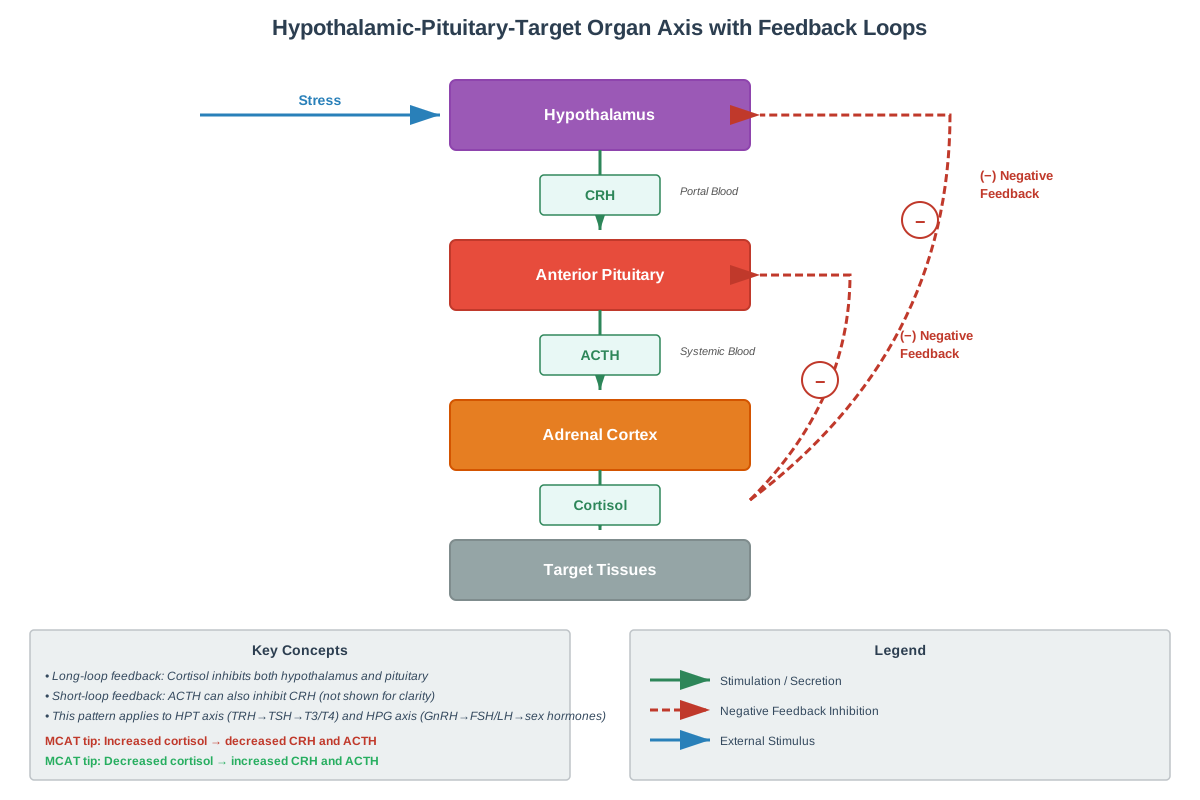
The pituitary operates within multiple negative feedback loops that maintain hormone homeostasis. Understanding these feedback mechanisms is crucial for predicting hormone level changes in pathological states or experimental manipulations.
Long-loop feedback occurs when peripheral endocrine gland hormones (thyroid hormones, cortisol, sex steroids) inhibit both hypothalamic releasing hormone secretion and pituitary tropic hormone secretion. For example, elevated cortisol inhibits both CRH release from the hypothalamus and ACTH release from the anterior pituitary.
Short-loop feedback occurs when pituitary hormones inhibit hypothalamic releasing hormone secretion. For instance, GH can inhibit GHRH secretion from the hypothalamus.
Ultra-short-loop feedback occurs when hypothalamic hormones inhibit their own secretion through local feedback mechanisms.
For GH specifically, negative feedback operates through IGF-1 rather than GH itself. Elevated IGF-1 inhibits GHRH secretion and stimulates somatostatin secretion, reducing GH release. This indirect feedback explains why GH levels can remain elevated even when IGF-1 levels are high.
The set point of feedback loops can be altered by various factors. Chronic stress can reset the hypothalamic-pituitary-adrenal (HPA) axis to maintain higher baseline cortisol levels. Puberty involves a decrease in sensitivity to negative feedback by sex steroids, allowing higher gonadotropin secretion and increased sex steroid production.
Pituitary Pathophysiology
Understanding normal pituitary function enables prediction of pathological states. Hypersecretion typically results from pituitary adenomas (benign tumors), while hyposecretion can result from pituitary infarction, trauma, or autoimmune destruction.
Acromegaly results from excess GH secretion in adults (after epiphyseal plate closure). Patients develop enlarged hands, feet, and facial features, along with metabolic disturbances including insulin resistance. In children before epiphyseal plate closure, excess GH causes gigantism with excessive linear growth.
Cushing's disease (distinct from Cushing's syndrome) specifically refers to excess ACTH secretion from a pituitary adenoma, leading to bilateral adrenal hyperplasia and cortisol excess. Patients develop central obesity, muscle wasting, skin changes, and metabolic abnormalities.
Prolactinoma is the most common functional pituitary adenoma. Excess prolactin causes galactorrhea (inappropriate milk production) and hypogonadism (through inhibition of GnRH). In women, this manifests as amenorrhea and infertility; in men, as decreased libido and erectile dysfunction.
Diabetes insipidus results from inadequate ADH secretion (central diabetes insipidus) or renal resistance to ADH (nephrogenic diabetes insipidus). Patients produce large volumes of dilute urine and experience severe thirst. This condition is distinct from diabetes mellitus, which involves glucose metabolism rather than water balance.
Syndrome of inappropriate ADH (SIADH) causes excessive water retention, leading to hyponatremia (low blood sodium) and concentrated urine despite low plasma osmolarity. SIADH can result from ectopic ADH production by tumors, certain medications, or CNS disorders.
Concept Relationships
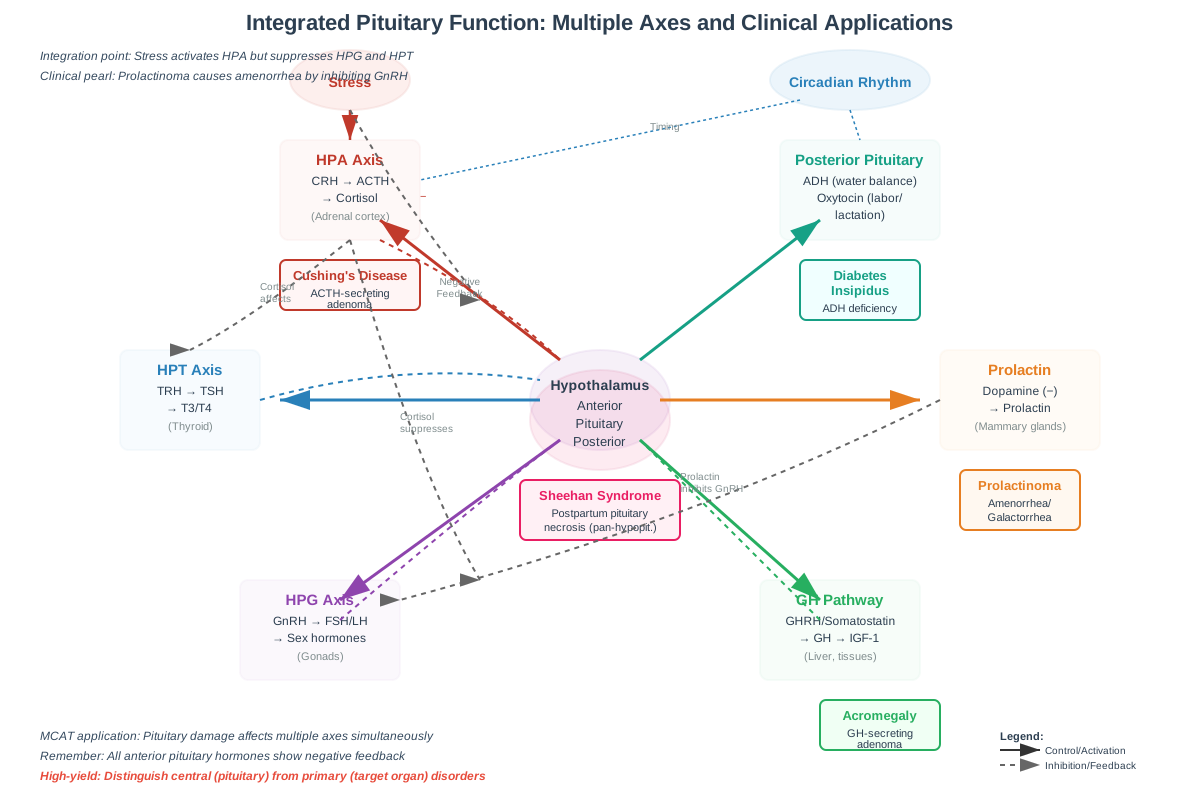
The pituitary gland functions as a central integration point connecting multiple physiological systems. The hypothalamus → pituitary → target gland → target tissue axis represents the fundamental organizational principle of endocrine regulation.
Hypothalamic neurons integrate neural inputs (stress, circadian rhythms, sensory stimuli) and hormonal signals (feedback from peripheral hormones) to regulate pituitary secretion. This integration allows the endocrine system to respond to both internal physiological states and external environmental challenges.
The anterior pituitary's tropic hormones create hierarchical cascades: hypothalamic releasing hormone → pituitary tropic hormone → peripheral gland hormone → target tissue effect. Each level provides opportunity for regulation and amplification of the signal. For example: TRH → TSH → T3/T4 → increased metabolic rate in target cells.
The posterior pituitary represents a more direct neuroendocrine pathway: neural stimulus → hypothalamic neuron activation → hormone release from posterior pituitary → target tissue effect. This direct connection allows for rapid responses to acute stimuli like dehydration or parturition.
Pituitary function connects to reproductive physiology through the hypothalamic-pituitary-gonadal (HPG) axis, to stress physiology through the hypothalamic-pituitary-adrenal (HPA) axis, to metabolism through GH and TSH, and to fluid balance through ADH. These connections make the pituitary a frequent integration point in MCAT passages that span multiple organ systems.
The relationship between GH and IGF-1 illustrates an important principle: pituitary hormones often work through intermediate mediators rather than acting directly on all target tissues. Similarly, thyroid hormones require peripheral conversion of T4 to the more active T3, adding another layer of regulation beyond pituitary control.
Quick check — test yourself on Pituitary gland so far.
Try Flashcards →High-Yield Facts
⭐ The anterior pituitary is glandular tissue derived from oral ectoderm, while the posterior pituitary is neural tissue derived from the hypothalamus.
⭐ The hypophyseal portal system carries hypothalamic releasing/inhibiting hormones directly to the anterior pituitary without entering systemic circulation.
⭐ Prolactin is unique among anterior pituitary hormones in being under predominantly inhibitory control by dopamine.
⭐ ADH increases water reabsorption by inserting aquaporin-2 channels into collecting duct principal cells via V2 receptor activation.
⭐ GH has diabetogenic effects (opposes insulin action) and stimulates IGF-1 production, which mediates most growth-promoting effects.
- TSH, ACTH, FSH, and LH are all tropic hormones that act on other endocrine glands, while GH and prolactin are direct-acting hormones.
- Oxytocin release during labor represents positive feedback, unlike the negative feedback governing most endocrine axes.
- ACTH is cleaved from POMC, which also yields MSH and endorphins, explaining why excess ACTH can cause hyperpigmentation.
- The largest GH pulse occurs during deep sleep, making sleep deprivation potentially growth-limiting in children.
- Negative feedback from peripheral hormones acts on both the hypothalamus and anterior pituitary (long-loop feedback).
- Diabetes insipidus involves water balance and ADH, while diabetes mellitus involves glucose metabolism and insulin—they are completely distinct conditions.
- Suckling stimulates both oxytocin (milk ejection) and prolactin (milk production) through separate neuroendocrine reflexes.
Common Misconceptions
Misconception: The posterior pituitary synthesizes ADH and oxytocin.
Correction: The posterior pituitary only stores and releases these hormones; they are synthesized in hypothalamic neurons (supraoptic and paraventricular nuclei) and transported down axons to the posterior pituitary for storage.
Misconception: All pituitary hormones are regulated by hypothalamic releasing hormones.
Correction: Only anterior pituitary hormones are regulated by hypothalamic releasing/inhibiting hormones delivered through the portal system. Posterior pituitary hormone release is controlled by direct neural stimulation of hypothalamic neurons.
Misconception: Negative feedback always involves the same hormone that was initially secreted.
Correction: Feedback often involves downstream products rather than the hormone itself. For example, GH secretion is inhibited by IGF-1 (not GH), and ACTH secretion is inhibited by cortisol (not ACTH). This allows the body to respond to the physiological effect rather than just the hormone level.
Misconception: The pituitary gland controls all endocrine function in the body.
Correction: While the pituitary regulates many endocrine glands, several important hormones operate independently of pituitary control, including insulin, glucagon, parathyroid hormone, calcitonin, and atrial natriuretic peptide. The "master gland" designation refers to its control over other endocrine glands, not all hormones.
Misconception: Removing the pituitary would cause immediate death.
Correction: While pituitary removal (hypophysectomy) causes severe endocrine deficiencies, patients can survive with hormone replacement therapy. The most immediately life-threatening consequence would be cortisol deficiency (secondary adrenal insufficiency), but this can be managed with glucocorticoid replacement.
Misconception: High levels of a pituitary hormone always indicate a pituitary tumor.
Correction: Elevated pituitary hormones can result from loss of negative feedback rather than autonomous pituitary hypersecretion. For example, primary hypothyroidism (thyroid gland failure) causes elevated TSH because the pituitary is responding appropriately to low thyroid hormone levels. Distinguishing primary (peripheral gland) from secondary (pituitary) disorders requires measuring both pituitary and target gland hormones.
Worked Examples
Example 1: Feedback Loop Analysis
Question: A patient undergoes bilateral adrenalectomy (surgical removal of both adrenal glands) for treatment of adrenal cancer. Predict the changes in CRH, ACTH, and cortisol levels following surgery, and explain the physiological basis for these changes.
Solution:
Step 1: Identify the normal feedback relationships.
- Cortisol (from adrenal cortex) normally exerts negative feedback on both CRH (hypothalamus) and ACTH (anterior pituitary)
- CRH stimulates ACTH secretion
- ACTH stimulates cortisol secretion
Step 2: Determine the immediate effect of adrenalectomy.
- Cortisol levels will drop to zero (or near-zero) because the adrenal cortex, which produces cortisol, has been removed
- The patient will require lifelong cortisol replacement therapy
Step 3: Predict the response to loss of negative feedback.
- With cortisol levels very low, negative feedback on the hypothalamus and pituitary is removed
- CRH secretion will increase above normal levels
- ACTH secretion will increase dramatically above normal levels
Step 4: Explain why ACTH cannot restore cortisol levels.
- Despite elevated ACTH, cortisol levels remain low because the target tissue (adrenal cortex) is absent
- This represents a "primary" adrenal insufficiency (the problem is in the adrenal gland itself)
- The elevated ACTH is an appropriate physiological response to low cortisol, but it cannot be effective without adrenal tissue
Final Answer: Cortisol ↓↓ (near zero), ACTH ↑↑ (markedly elevated), CRH ↑ (elevated). This pattern of low target hormone with high tropic hormone indicates primary target gland failure.
MCAT Connection: This question type tests understanding of feedback loops and the ability to distinguish primary (peripheral gland) from secondary (pituitary) endocrine disorders. Watch for similar questions involving thyroid removal, gonadectomy, or pituitary damage.
Example 2: Experimental Interpretation
Question: Researchers develop a drug that blocks V2 receptors in the kidney. They administer this drug to healthy volunteers and measure urine output, urine osmolarity, and plasma ADH levels. Predict the results and explain the mechanism.
Solution:
Step 1: Identify the normal function of V2 receptors.
- V2 receptors are located on collecting duct principal cells
- ADH binding to V2 receptors activates cAMP signaling
- This leads to insertion of aquaporin-2 channels into the apical membrane
- Water reabsorption increases, producing concentrated urine
Step 2: Predict the effect of V2 receptor blockade.
- Blocking V2 receptors prevents ADH from increasing water reabsorption
- This mimics nephrogenic diabetes insipidus (kidney cannot respond to ADH)
- Urine output will increase dramatically (polyuria)
- Urine osmolarity will decrease (dilute urine)
Step 3: Predict the compensatory response.
- Increased urine output causes increased plasma osmolarity
- Hypothalamic osmoreceptors detect increased osmolarity
- ADH secretion increases in an attempt to restore water balance
- However, the increased ADH cannot be effective because V2 receptors are blocked
Step 4: Consider the clinical parallel.
- This drug effect mimics nephrogenic diabetes insipidus
- In nephrogenic DI, ADH levels are normal or elevated, but the kidney cannot respond
- This contrasts with central diabetes insipidus, where ADH secretion is impaired
Final Answer: Urine output ↑↑ (increased), urine osmolarity ↓↓ (decreased/dilute), plasma ADH ↑ (increased as compensation). The drug creates a state of ADH resistance, similar to nephrogenic diabetes insipidus.
MCAT Connection: This question tests understanding of hormone mechanism of action, compensatory responses, and the distinction between hormone deficiency and hormone resistance. Similar questions might involve receptor antagonists for other pituitary hormones or mutations affecting hormone receptors.
Exam Strategy
Question Recognition
MCAT questions on pituitary function typically present in several formats:
Feedback loop questions provide information about one hormone level and ask you to predict others. Key trigger phrases include "following removal of," "after administration of," or "in a patient with deficiency of." Always map out the complete feedback loop before answering.
Mechanism questions describe a drug, mutation, or experimental manipulation and ask about physiological consequences. Look for receptor names (V2, TSH receptor), second messengers (cAMP, IP3), or specific cellular processes (aquaporin insertion, iodine uptake).
Clinical vignette questions describe patient symptoms and ask you to identify the underlying disorder or predict lab findings. Recognize classic presentations: acromegaly (enlarged extremities), Cushing's disease (central obesity, moon facies), prolactinoma (galactorrhea, amenorrhea), diabetes insipidus (polyuria, polydipsia).
Systematic Approach
- Identify the axis: Determine which hypothalamic-pituitary-target organ axis is involved (HPG, HPA, HPT, etc.)
- Map the feedback loop: Write out the complete pathway including negative feedback signals
- Locate the disruption: Identify where in the pathway the problem or manipulation occurs
- Predict compensatory responses: Determine which hormone levels will increase or decrease based on feedback
- Consider timing: Distinguish acute effects (immediate hormone release) from chronic effects (receptor upregulation, gland hypertrophy)
Process of Elimination
Eliminate answers that violate feedback principles: If a question describes primary hypothyroidism (thyroid gland failure), eliminate any answer showing low TSH—TSH must be elevated due to loss of negative feedback.
Eliminate answers confusing anterior and posterior pituitary: If a question involves ADH or oxytocin, eliminate answers mentioning hypothalamic releasing hormones or the portal system—these hormones are released by direct neural stimulation.
Eliminate answers confusing tropic and direct-acting hormones: If a question asks about GH effects, eliminate answers describing stimulation of another endocrine gland—GH acts directly on target tissues (and liver to produce IGF-1), not on another gland.
Time Management
Pituitary questions often require drawing out feedback loops or pathways. Budget 90-120 seconds for complex feedback questions. If a question seems to require extensive calculations or multiple steps, consider flagging it and returning after completing more straightforward questions. The time invested in carefully mapping feedback loops pays off in accuracy.
Exam Tip: When facing a question about hormone levels, always ask: "Is this a primary (peripheral gland) or secondary (pituitary) disorder?" The pattern of tropic hormone and target hormone levels immediately distinguishes these: primary disorders show high tropic hormone with low target hormone; secondary disorders show low tropic hormone with low target hormone.
Memory Techniques
Anterior Pituitary Hormones: "FLAT PEG"
FSH
LH
ACTH
TSH
Prolactin
Endorphins (from POMC)
GH
This mnemonic covers all major anterior pituitary hormones. Remember that the first four (FLAT) are all tropic hormones acting on other endocrine glands, while PEG includes direct-acting hormones and peptides.
Hypothalamic Releasing Hormones
For remembering which hypothalamic hormones stimulate which pituitary hormones, use parallel structure:
- TRH → TSH (Thyroid)
- CRH → Corticotropin/ACTH (Cortisol)
- GnRH → Gonadotropins/FSH & LH (Gonads)
- GHRH → GH (Growth)
The exception is prolactin, which is inhibited by dopamine (think: "Dopamine Dampens" prolactin).
ADH Functions: "ADH Holds Water"
Antidiuretic
Decreases urine output
Holds water in the body
This simple phrase captures ADH's primary function. For the mechanism, visualize: "V2 receptors → 2 much water reabsorbed" (V2 receptors increase water reabsorption).
Distinguishing Diabetes Types
Diabetes Insipidus: "Insipid" means tasteless/bland → dilute urine → water problem → ADH
Diabetes Mellitus: "Mellitus" means honey-sweet → glucose in urine → sugar problem → insulin
Feedback Loop Direction
Use arrows to visualize: Target hormone ↑ → Pituitary hormone ↓ (negative feedback)
Exception: Oxytocin during labor shows positive feedback: Cervical stretch ↑ → Oxytocin ↑ → Contractions ↑ → Cervical stretch ↑ (cycle continues)
Summary
The pituitary gland serves as the central coordinator of endocrine function, integrating neural and hormonal signals to regulate growth, reproduction, metabolism, stress responses, and fluid balance. The anatomical and functional distinction between anterior and posterior pituitary is fundamental: the anterior pituitary consists of glandular tissue controlled by hypothalamic releasing/inhibiting hormones delivered through the portal system, while the posterior pituitary consists of neural tissue that stores and releases hormones synthesized in hypothalamic neurons. The six anterior pituitary hormones include four tropic hormones (TSH, ACTH, FSH, LH) that regulate other endocrine glands and two direct-acting hormones (GH, prolactin) that act on non-endocrine targets. The two posterior pituitary hormones (ADH and oxytocin) are released in response to specific physiological stimuli and act rapidly on target tissues. Understanding negative feedback loops is essential for predicting hormone level changes in pathological states and experimental manipulations. MCAT questions frequently test the ability to distinguish primary (peripheral gland) from secondary (pituitary) endocrine disorders, predict compensatory responses to hormone excess or deficiency, and explain mechanisms of hormone action at the cellular level.
Key Takeaways
- The anterior pituitary (glandular tissue) and posterior pituitary (neural tissue) have distinct embryological origins, anatomical connections to the hypothalamus, and mechanisms of hormone release
- Tropic hormones (TSH, ACTH, FSH, LH) act on other endocrine glands and operate within negative feedback loops involving peripheral gland hormones
- GH promotes growth through IGF-1 and has diabetogenic metabolic effects; prolactin stimulates milk production and is uniquely under inhibitory control by dopamine
- ADH increases water reabsorption via V2 receptors and aquaporin-2 insertion; oxytocin stimulates uterine contractions and milk ejection through positive feedback mechanisms
- Negative feedback typically involves downstream products (cortisol, thyroid hormones, sex steroids, IGF-1) rather than the pituitary hormone itself
- Primary endocrine disorders (peripheral gland failure) show elevated tropic hormones with low target hormones; secondary disorders (pituitary failure) show low tropic hormones with low target hormones
- The hypothalamic-pituitary axes (HPG, HPA, HPT) represent hierarchical cascades that allow signal amplification and multiple points of regulation
Related Topics
Hypothalamic function and nuclei: Understanding the specific hypothalamic nuclei that produce releasing hormones and synthesize posterior pituitary hormones deepens comprehension of pituitary regulation and provides context for neuroanatomical integration.
Thyroid gland physiology: The hypothalamic-pituitary-thyroid axis represents a classic endocrine cascade; mastering thyroid function reinforces understanding of feedback regulation and tropic hormone action.
Adrenal gland physiology: The HPA axis and cortisol's effects on metabolism, immune function, and stress responses connect pituitary function to multiple physiological systems frequently tested on the MCAT.
Reproductive endocrinology: The HPG axis, menstrual cycle regulation, and sex steroid effects represent high-yield MCAT content that builds directly on pituitary hormone knowledge.
Renal physiology and fluid balance: ADH's mechanism of action in the collecting duct connects pituitary function to kidney physiology, osmolarity regulation, and acid-base balance.
Growth and development: GH's effects on bone growth, protein metabolism, and glucose homeostasis link pituitary function to developmental biology and metabolic regulation.
Practice CTA
Now that you've mastered the core concepts of pituitary gland function, it's time to reinforce your understanding through active practice. Work through the accompanying practice questions to test your ability to apply feedback loop principles, distinguish anterior from posterior pituitary function, and analyze experimental scenarios. Use the flashcards to drill high-yield facts and hormone pathways until they become automatic. Remember that pituitary function serves as an integration point for multiple organ systems—mastering this topic will strengthen your understanding of endocrine, reproductive, and metabolic physiology. The time you invest in truly understanding pituitary regulation will pay dividends across numerous MCAT questions. You've got this!
Sign up free to keep reading
Create a free AnvayaPrep account to finish this MCAT guide on Pituitary gland — plus flashcards and practice questions.