Overview
The thyroid gland is a butterfly-shaped endocrine organ located in the anterior neck that plays a critical role in regulating metabolism, growth, and development throughout the body. As part of the Physiology and Organ Systems curriculum, understanding thyroid gland Biology requires integration of endocrine signaling, negative feedback mechanisms, and the physiological effects of hormones on target tissues. The thyroid produces two primary hormones—triiodothyronine (T3) and thyroxine (T4)—along with calcitonin, each serving distinct physiological functions that maintain homeostasis.
For the MCAT, the thyroid gland represents a high-yield topic that bridges multiple biological systems. Questions frequently test the hypothalamic-pituitary-thyroid (HPT) axis, the mechanism of thyroid hormone synthesis and action, and the clinical manifestations of thyroid dysfunction. Understanding thyroid physiology requires knowledge of iodine metabolism, receptor-mediated signaling, and the concept of negative feedback loops—all fundamental principles in Biology that appear across various MCAT passages.
The thyroid gland connects to broader concepts in endocrinology, including hormone transport via binding proteins, intracellular receptor mechanisms, and metabolic regulation. Its study provides an excellent framework for understanding how the endocrine system coordinates long-term physiological changes, contrasting with the rapid responses of the nervous system. Mastery of thyroid gland MCAT content enables students to tackle complex passages involving metabolic disorders, developmental biology, and pharmacological interventions targeting endocrine pathways.
Learning Objectives
- [ ] Define thyroid gland using accurate Biology terminology
- [ ] Explain why thyroid gland matters for the MCAT
- [ ] Apply thyroid gland concepts to exam-style questions
- [ ] Identify common mistakes related to thyroid gland physiology
- [ ] Connect thyroid gland to related Biology concepts
- [ ] Describe the complete pathway of thyroid hormone synthesis from iodine uptake to hormone release
- [ ] Analyze the negative feedback mechanisms regulating the hypothalamic-pituitary-thyroid axis
- [ ] Compare and contrast the mechanisms of action and physiological effects of T3 and T4
- [ ] Predict the physiological consequences of hyper- and hypothyroidism based on hormone function
Prerequisites
- Basic endocrine system organization: Understanding hormone classification (peptide vs. steroid vs. amino acid derivatives) is essential because thyroid hormones are tyrosine derivatives with unique lipophilic properties
- Negative feedback loops: The HPT axis exemplifies classic negative feedback regulation, requiring familiarity with this homeostatic mechanism
- Cell membrane transport: Thyroid hormone synthesis requires active transport of iodide against concentration gradients via the sodium-iodide symporter
- Receptor-mediated signaling: Thyroid hormones act through nuclear receptors, necessitating understanding of intracellular receptor mechanisms
- Basic metabolism concepts: Thyroid hormones regulate basal metabolic rate, requiring foundational knowledge of cellular respiration and energy expenditure
Why This Topic Matters
The thyroid gland holds significant clinical relevance as thyroid disorders affect approximately 20 million Americans, making them among the most common endocrine pathologies. Hypothyroidism, hyperthyroidism, goiter, and thyroid cancer represent conditions that medical professionals encounter regularly. Understanding thyroid physiology provides the foundation for comprehending diagnostic approaches (TSH testing, radioactive iodine uptake) and therapeutic interventions (levothyroxine replacement, antithyroid medications).
On the MCAT, thyroid-related content appears in approximately 2-4% of Biology questions, typically within passages discussing endocrine disorders, metabolic regulation, or developmental biology. The exam frequently tests the HPT axis through experimental scenarios involving hormone measurements, feedback disruption, or pharmacological manipulation. Questions may present clinical vignettes describing patients with weight changes, temperature sensitivity, or developmental delays—all requiring application of thyroid physiology principles.
Common MCAT passage formats include: (1) research studies investigating thyroid hormone effects on metabolism, (2) clinical cases describing patients with thyroid dysfunction and laboratory findings, (3) developmental biology passages exploring thyroid hormone's role in metamorphosis or neural development, and (4) pharmacology passages examining drugs affecting thyroid function. The interdisciplinary nature of thyroid physiology makes it an ideal topic for integrating biochemistry, physiology, and clinical reasoning—skills the MCAT explicitly assesses.
Core Concepts
Thyroid Gland Anatomy and Structure
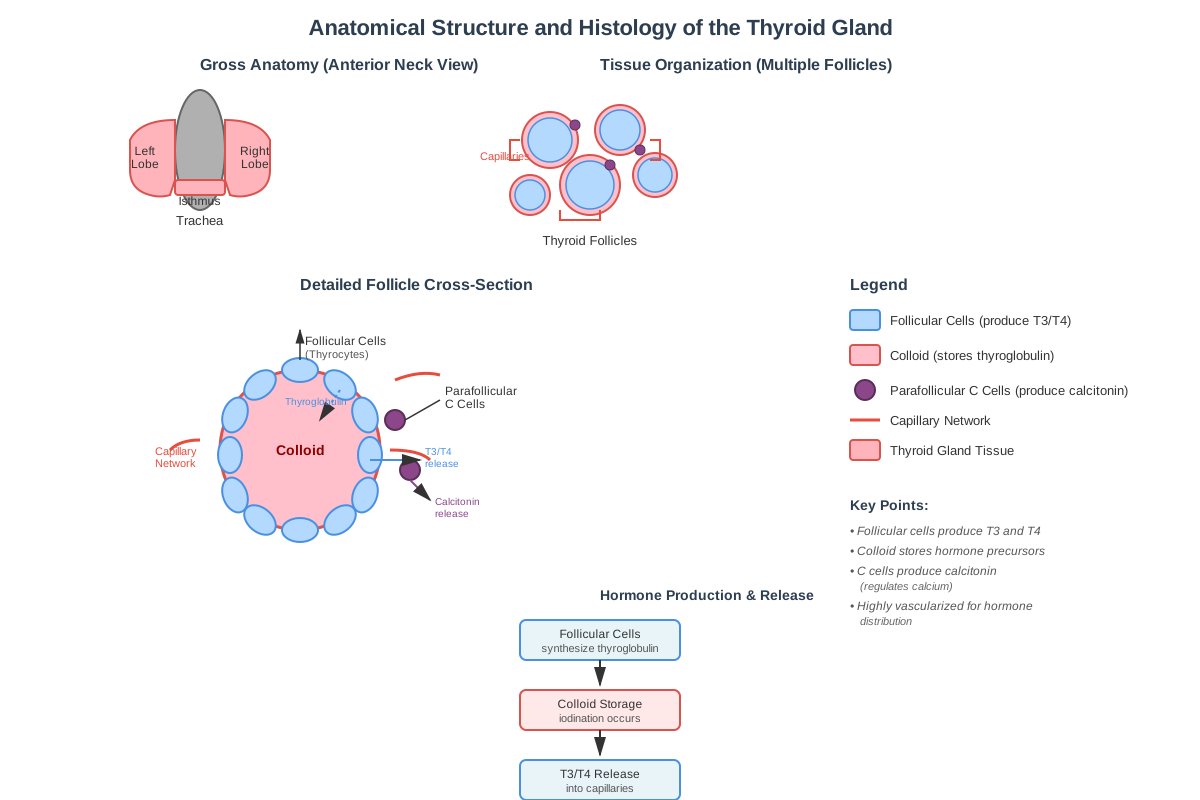
The thyroid gland is a bilobed endocrine organ positioned anterior to the trachea, just inferior to the larynx. Each lobe connects via an isthmus, creating the characteristic butterfly shape. Histologically, the thyroid consists of spherical structures called follicles, which serve as the functional units for thyroid hormone synthesis and storage. Each follicle comprises a single layer of follicular cells (thyrocytes) surrounding a central cavity filled with colloid, a protein-rich substance containing thyroglobulin.
The thyroid receives rich vascular supply from the superior and inferior thyroid arteries, reflecting its high metabolic activity and hormone secretion demands. Between follicles reside parafollicular cells (C cells), which produce calcitonin—a hormone involved in calcium homeostasis but functionally distinct from thyroid hormones. This anatomical organization enables efficient iodine uptake, hormone synthesis, storage, and release in response to physiological demands.
Thyroid Hormone Synthesis
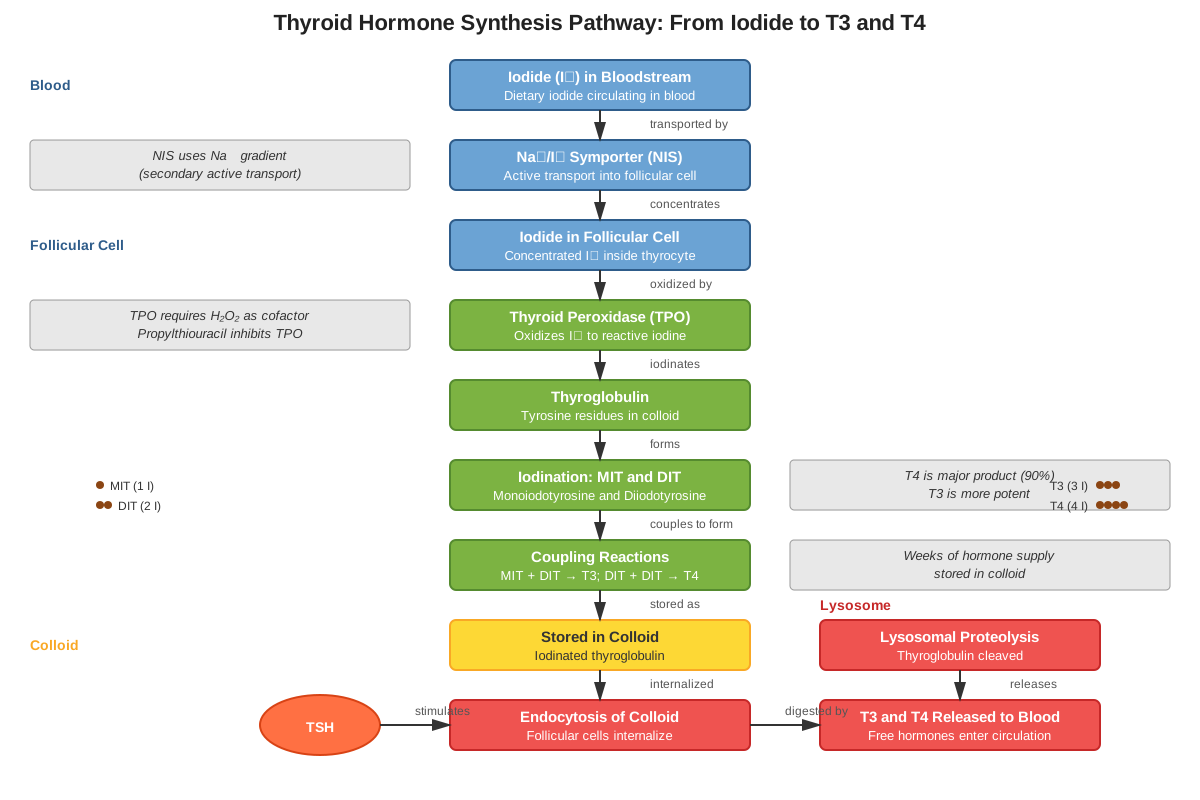
Thyroid hormone synthesis represents a complex, multi-step process occurring within follicular cells and the colloid space. The pathway begins with iodide uptake from the bloodstream via the sodium-iodide symporter (NIS), an active transport mechanism that concentrates iodide 20-40 fold above plasma levels. This energy-dependent process couples iodide transport to the sodium gradient maintained by Na+/K+-ATPase.
Once inside follicular cells, iodide moves to the apical membrane facing the colloid, where the enzyme pendrin facilitates its transport into the colloid space. Simultaneously, follicular cells synthesize thyroglobulin, a large glycoprotein containing numerous tyrosine residues, which is secreted into the colloid via exocytosis. The enzyme thyroid peroxidase (TPO), located at the apical membrane, catalyzes two critical reactions:
- Oxidation of iodide to reactive iodine species
- Iodination of tyrosine residues on thyroglobulin (organification)
TPO catalyzes the addition of iodine to tyrosine residues, forming monoiodotyrosine (MIT) and diiodotyrosine (DIT). Subsequently, TPO facilitates coupling reactions where two iodinated tyrosines combine:
- MIT + DIT → triiodothyronine (T3)
- DIT + DIT → thyroxine (T4)
These iodinated compounds remain attached to thyroglobulin and stored in the colloid until hormone release is required. This storage capacity allows the thyroid to maintain several weeks' supply of thyroid hormones.
Thyroid Hormone Release and Transport
When thyroid hormone secretion is needed, follicular cells undergo endocytosis of colloid droplets containing iodinated thyroglobulin. Within the cell, lysosomes fuse with these droplets, and proteolytic enzymes cleave T3 and T4 from thyroglobulin. The free hormones then diffuse across the basolateral membrane into the bloodstream, while MIT and DIT are deiodinated by deiodinase enzymes, allowing iodine recycling for future hormone synthesis.
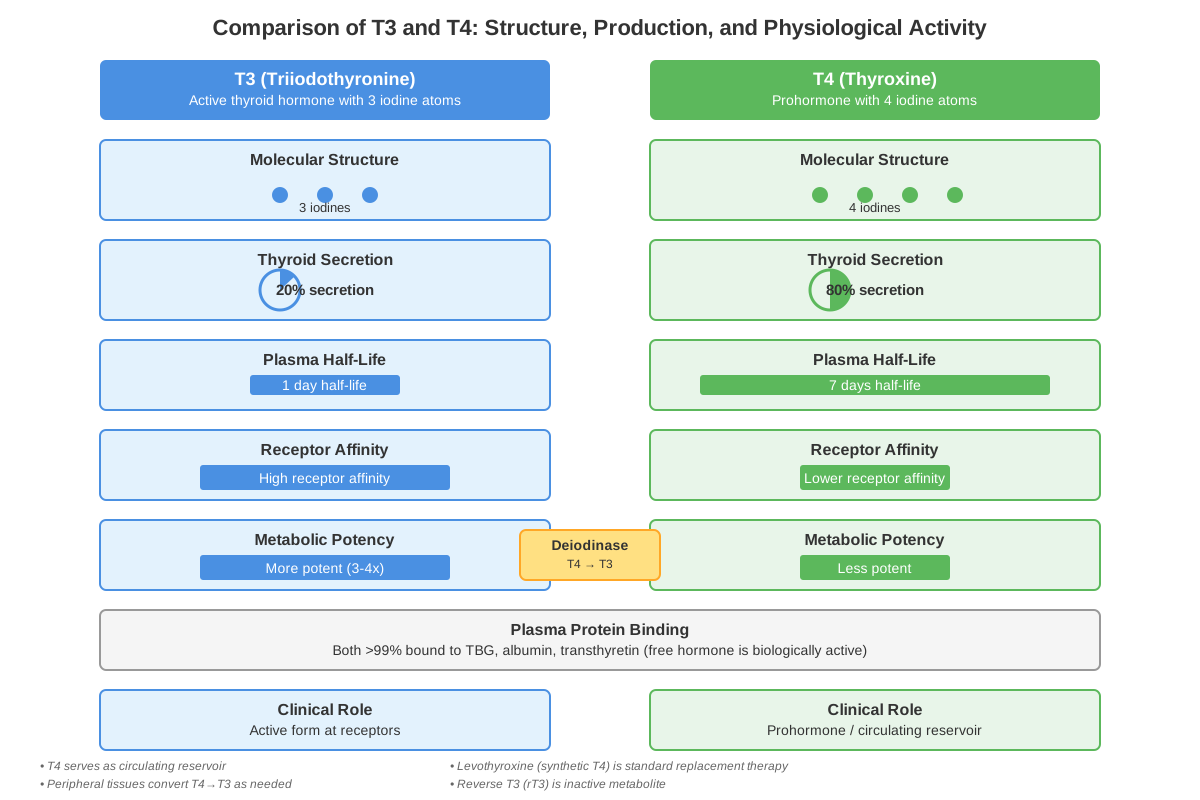
In circulation, over 99% of thyroid hormones bind to plasma proteins, primarily thyroxine-binding globulin (TBG), with smaller amounts binding to transthyretin and albumin. Only the small fraction of free (unbound) hormone is biologically active and available to enter target cells. T4 represents approximately 90% of secreted thyroid hormone, while T3 comprises about 10%. However, T3 is 3-4 times more potent than T4 because it binds thyroid hormone receptors with greater affinity.
Peripheral tissues, particularly the liver and kidneys, contain deiodinase enzymes that convert T4 to T3 by removing one iodine atom. This peripheral conversion produces most circulating T3, making T4 essentially a prohormone that requires activation. Type 1 and Type 2 deiodinases generate active T3, while Type 3 deiodinase produces reverse T3 (rT3), an inactive metabolite, providing a mechanism to regulate thyroid hormone activity at the tissue level.
Mechanism of Thyroid Hormone Action
Thyroid hormones exert their effects through nuclear receptor-mediated transcription. Due to their lipophilic nature (derived from tyrosine but extensively modified), T3 and T4 readily cross cell membranes via passive diffusion and specific transporters. Inside target cells, T3 (the more active form) binds to thyroid hormone receptors (TRs), which are members of the nuclear receptor superfamily.
TRs exist as heterodimers with retinoid X receptors (RXRs) and bind to specific DNA sequences called thyroid hormone response elements (TREs) in the promoter regions of target genes. In the absence of T3, TR-RXR complexes often recruit corepressor proteins that inhibit transcription. When T3 binds, conformational changes cause corepressor release and coactivator recruitment, initiating transcription of thyroid hormone-responsive genes.
This genomic mechanism explains the delayed onset (hours to days) but prolonged duration of thyroid hormone effects. Target genes encode proteins involved in metabolism, growth, and development, including enzymes for glucose and lipid metabolism, mitochondrial proteins, and growth factors.
Physiological Effects of Thyroid Hormones
Thyroid hormones influence virtually every tissue in the body, with effects broadly categorized as metabolic, cardiovascular, and developmental:
Metabolic Effects:
- Increase basal metabolic rate (BMR) by stimulating oxygen consumption and heat production
- Enhance glucose absorption from the intestine and increase gluconeogenesis
- Stimulate lipolysis and increase lipid turnover
- Increase protein synthesis at physiological levels but cause protein catabolism at excessive levels
- Elevate mitochondrial number and activity in target cells
Cardiovascular Effects:
- Increase heart rate and cardiac contractility
- Enhance cardiac output and blood flow
- Increase expression of β-adrenergic receptors, potentiating catecholamine effects
- Decrease systemic vascular resistance
Developmental Effects:
- Essential for normal brain development during fetal and early postnatal periods
- Required for skeletal growth and maturation
- Necessary for normal sexual maturation and reproductive function
- Critical for amphibian metamorphosis (classic experimental model)
Regulation: The Hypothalamic-Pituitary-Thyroid Axis
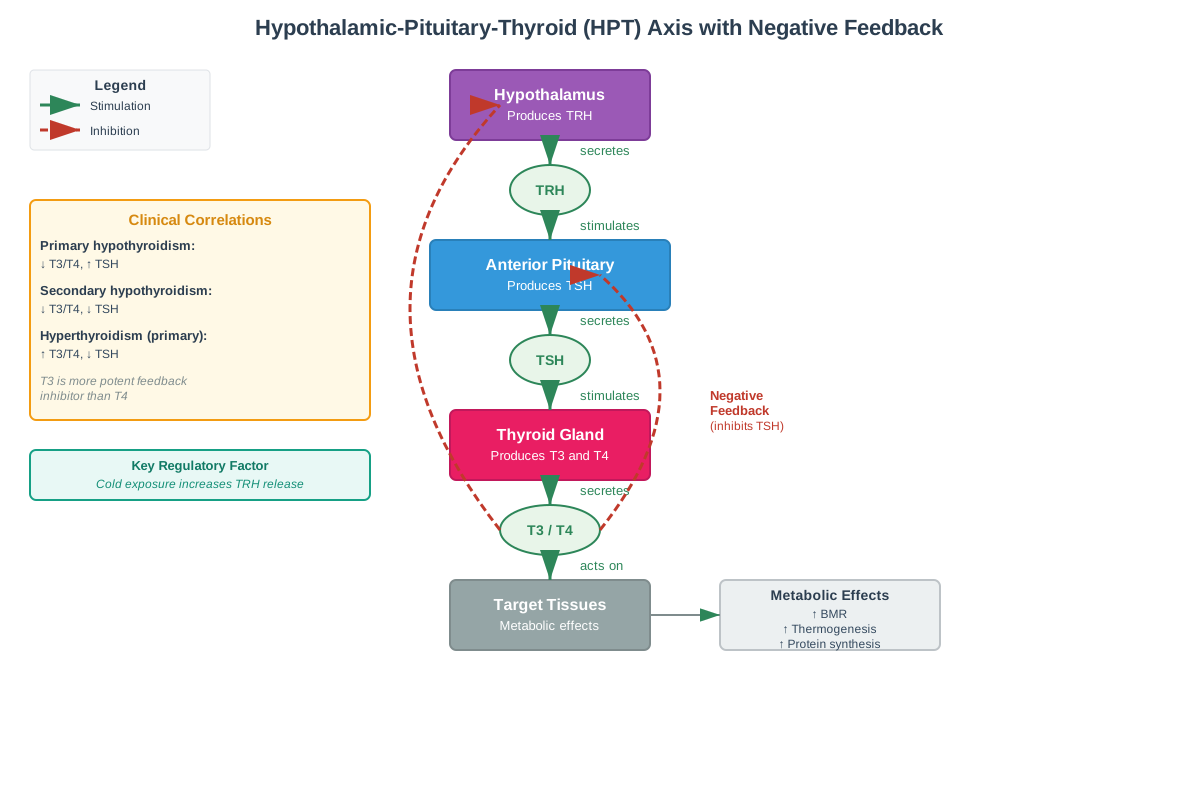
Thyroid hormone secretion is regulated by the hypothalamic-pituitary-thyroid (HPT) axis, exemplifying classic endocrine negative feedback. The hypothalamus secretes thyrotropin-releasing hormone (TRH), a tripeptide that travels through the hypothalamic-hypophyseal portal system to the anterior pituitary. TRH stimulates thyrotroph cells to synthesize and release thyroid-stimulating hormone (TSH), also called thyrotropin.
TSH, a glycoprotein hormone, binds to TSH receptors on thyroid follicular cells, activating the cAMP-PKA signaling pathway. TSH stimulation produces multiple effects:
- Increased iodide uptake via NIS upregulation
- Enhanced thyroid peroxidase activity
- Increased thyroglobulin synthesis
- Stimulated endocytosis of colloid and hormone release
- Increased blood flow to the thyroid
- Thyroid gland growth (chronic stimulation)
Circulating thyroid hormones, particularly free T3 and T4, exert negative feedback at both the pituitary and hypothalamic levels. Elevated thyroid hormones suppress TSH and TRH secretion, while decreased levels remove this inhibition, increasing TSH and TRH release. This feedback loop maintains thyroid hormone levels within a narrow physiological range.
| Hormone | Source | Target | Primary Action |
|---|---|---|---|
| TRH | Hypothalamus | Anterior pituitary | Stimulates TSH release |
| TSH | Anterior pituitary | Thyroid gland | Stimulates T3/T4 synthesis and release |
| T3/T4 | Thyroid gland | Multiple tissues | Increase metabolism, growth, development |
Calcitonin
While follicular cells produce thyroid hormones, parafollicular cells (C cells) secrete calcitonin, a peptide hormone involved in calcium homeostasis. Calcitonin is released in response to elevated plasma calcium levels and acts to decrease blood calcium by:
- Inhibiting osteoclast activity, reducing bone resorption
- Increasing renal calcium excretion
- Decreasing intestinal calcium absorption (minor effect)
Calcitonin's physiological importance in humans is limited compared to parathyroid hormone (PTH), which is the primary regulator of calcium homeostasis. However, calcitonin serves as a tumor marker for medullary thyroid carcinoma, a cancer arising from parafollicular cells.
Thyroid Disorders
Understanding normal thyroid physiology enables prediction of clinical manifestations in disease states:
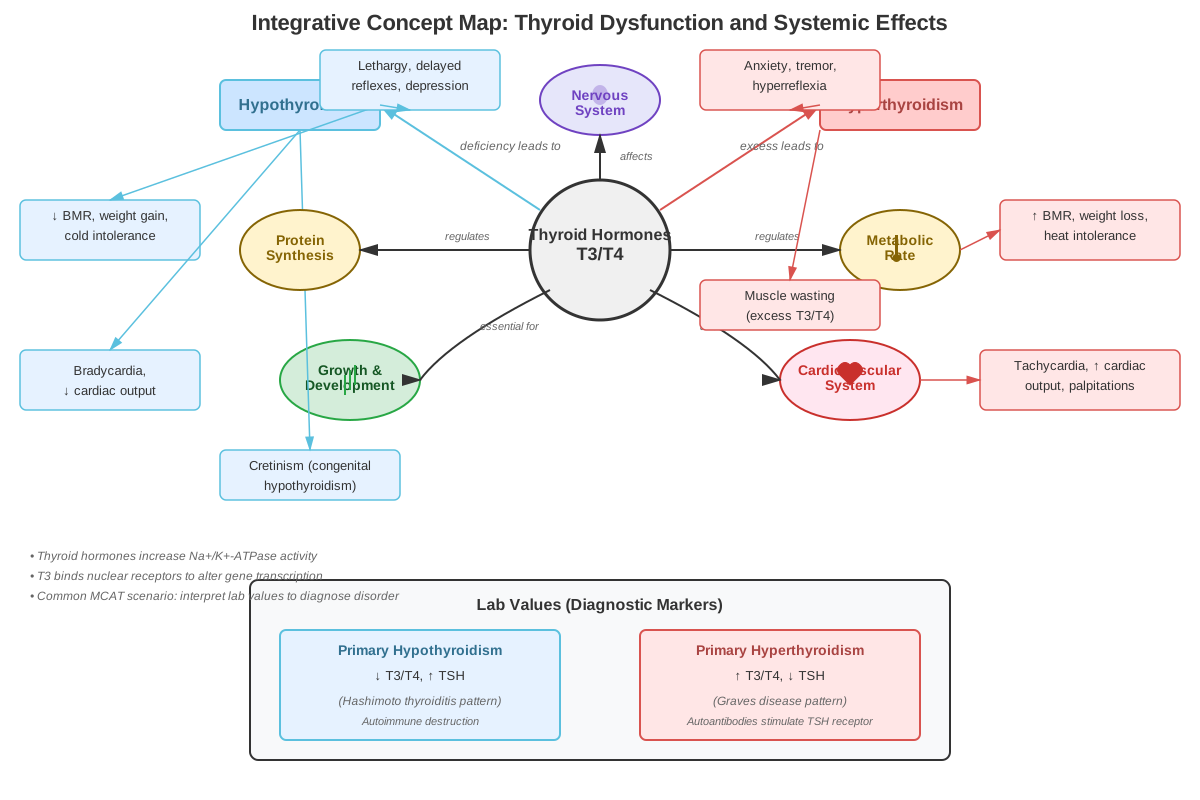
Hypothyroidism results from insufficient thyroid hormone production, causing:
- Decreased metabolic rate, weight gain, cold intolerance
- Bradycardia, decreased cardiac output
- Fatigue, lethargy, mental sluggishness
- In infants: cretinism (severe mental and physical developmental delays)
- Elevated TSH (primary hypothyroidism) or low TSH (secondary/tertiary)
Hyperthyroidism results from excessive thyroid hormone, causing:
- Increased metabolic rate, weight loss, heat intolerance
- Tachycardia, increased cardiac output, palpitations
- Nervousness, tremor, hyperactivity
- Decreased TSH (negative feedback from elevated T3/T4)
- Graves' disease: autoantibodies stimulate TSH receptors
Goiter represents thyroid gland enlargement, occurring in both hypo- and hyperthyroidism. Iodine deficiency causes goiter because inadequate hormone synthesis triggers compensatory TSH elevation, stimulating thyroid growth.
Concept Relationships
The thyroid gland concepts form an integrated physiological system. Iodide uptake via the sodium-iodide symporter initiates the synthesis pathway, which depends on thyroid peroxidase to catalyze both iodination and coupling reactions. These processes occur within the unique follicular architecture, where colloid serves as a storage depot for hormone precursors attached to thyroglobulin. Upon stimulation by TSH, follicular cells retrieve stored hormone through endocytosis, completing the synthesis-storage-release cycle.
The HPT axis connects thyroid function to central nervous system control, demonstrating how negative feedback maintains homeostasis. TRH from the hypothalamus stimulates TSH release, which in turn drives thyroid hormone synthesis. Elevated T3 and T4 feed back to suppress both TRH and TSH, creating a self-regulating loop. This relationship explains why measuring TSH provides the most sensitive indicator of thyroid function—even small changes in thyroid hormone levels produce amplified, opposite changes in TSH.
The conversion of T4 to T3 by peripheral deiodinases represents a crucial regulatory point, allowing tissues to control local thyroid hormone activity independent of circulating levels. This peripheral activation connects to the mechanism of action through nuclear receptors, as T3's greater receptor affinity makes this conversion physiologically significant. The genomic effects of thyroid hormones then produce the diverse physiological outcomes affecting metabolism, cardiovascular function, and development.
Calcitonin production by parafollicular cells represents a parallel but independent function of the thyroid gland, connecting thyroid anatomy to calcium homeostasis rather than metabolic regulation. Understanding this distinction prevents confusion about thyroid hormone effects on calcium levels.
These concepts connect to prerequisite knowledge of endocrine signaling (hormone classification, receptor types), negative feedback (homeostatic regulation), and cellular metabolism (BMR, mitochondrial function). They also link forward to related topics including parathyroid hormone (calcium regulation), adrenal hormones (metabolic regulation), and growth hormone (developmental effects).
Quick check — test yourself on Thyroid gland so far.
Try Flashcards →High-Yield Facts
⭐ The thyroid gland produces T3 and T4 from iodinated tyrosine residues on thyroglobulin, with T4 being the predominant secreted form but T3 being 3-4 times more potent.
⭐ TSH stimulates all aspects of thyroid hormone synthesis and release; elevated TSH indicates primary hypothyroidism, while decreased TSH indicates hyperthyroidism or secondary hypothyroidism.
⭐ Thyroid hormones act through nuclear receptors to alter gene transcription, explaining their delayed onset but prolonged duration of action.
⭐ The sodium-iodide symporter (NIS) actively transports iodide into follicular cells against its concentration gradient, making iodine deficiency a cause of hypothyroidism and goiter.
⭐ Negative feedback in the HPT axis occurs at both the pituitary (suppressing TSH) and hypothalamus (suppressing TRH) when T3/T4 levels rise.
- Thyroid peroxidase catalyzes both iodination of tyrosine residues and coupling of iodinated tyrosines to form T3 and T4.
- Over 99% of circulating thyroid hormones are bound to plasma proteins (primarily TBG), with only free hormone being biologically active.
- Peripheral deiodinases convert T4 to T3 in target tissues, making most circulating T3 derived from peripheral conversion rather than direct thyroid secretion.
- Thyroid hormones increase basal metabolic rate by stimulating oxygen consumption, heat production, and mitochondrial activity in target cells.
- Calcitonin is produced by parafollicular C cells (not follicular cells) and decreases blood calcium by inhibiting osteoclasts, but has limited physiological importance in humans.
- Graves' disease involves autoantibodies that stimulate TSH receptors, causing hyperthyroidism with suppressed TSH levels.
- Congenital hypothyroidism causes cretinism if untreated, emphasizing thyroid hormone's critical role in brain development.
- Thyroid hormones potentiate catecholamine effects by increasing β-adrenergic receptor expression, explaining cardiovascular symptoms in hyperthyroidism.
Common Misconceptions
Misconception: T3 and T4 are steroid hormones because they act through nuclear receptors.
Correction: Thyroid hormones are amino acid derivatives (tyrosine-based), not steroids. While they do act through nuclear receptors like steroid hormones, their chemical structure is fundamentally different. They are lipophilic due to iodination but derived from a single amino acid, making them unique among hormone classes.
Misconception: The thyroid gland directly responds to blood calcium levels by releasing thyroid hormones.
Correction: Thyroid hormones (T3 and T4) do not regulate calcium homeostasis. Calcitonin, produced by parafollicular C cells in the thyroid, responds to elevated calcium, but this is a separate function from thyroid hormone production. Thyroid hormones primarily regulate metabolism, not calcium levels.
Misconception: Low TSH always indicates hyperthyroidism.
Correction: While low TSH typically indicates hyperthyroidism (negative feedback from elevated T3/T4), it can also indicate secondary or tertiary hypothyroidism, where the pituitary or hypothalamus fails to produce adequate TSH despite low thyroid hormone levels. Always interpret TSH in context with T3/T4 levels.
Misconception: T4 is less important than T3 because it's less potent.
Correction: T4 serves as a crucial prohormone and reservoir. The thyroid secretes primarily T4, which has a longer half-life than T3, providing stable circulating levels. Peripheral tissues then convert T4 to T3 as needed, allowing tissue-specific regulation of thyroid hormone activity. T4 is essential for maintaining adequate T3 levels.
Misconception: Iodide enters thyroid follicular cells by passive diffusion.
Correction: Iodide uptake requires active transport via the sodium-iodide symporter (NIS), which uses the sodium gradient to concentrate iodide 20-40 fold above plasma levels. This energy-dependent process is essential for adequate thyroid hormone synthesis and is stimulated by TSH.
Misconception: Thyroid hormones increase metabolism only by directly stimulating cellular respiration.
Correction: Thyroid hormones increase metabolism through multiple mechanisms: increasing mitochondrial number and activity, stimulating Na+/K+-ATPase (which consumes ATP), enhancing nutrient absorption and turnover, and altering gene expression of metabolic enzymes. The effect is genomic and multifaceted, not simply a direct stimulation of respiration.
Misconception: Goiter only occurs in hypothyroidism.
Correction: Goiter (thyroid enlargement) can occur in both hypothyroidism and hyperthyroidism. In iodine deficiency hypothyroidism, elevated TSH stimulates thyroid growth. In Graves' disease (hyperthyroidism), autoantibodies stimulating TSH receptors cause gland enlargement. Goiter indicates abnormal thyroid stimulation, not necessarily hormone deficiency.
Worked Examples
Example 1: Interpreting Laboratory Values in Thyroid Dysfunction
Clinical Vignette: A 45-year-old woman presents with fatigue, weight gain, and cold intolerance. Laboratory tests reveal: TSH = 12.5 mIU/L (normal: 0.4-4.0), Free T4 = 0.6 ng/dL (normal: 0.8-1.8), Free T3 = 1.8 pg/mL (normal: 2.3-4.2). What is the most likely diagnosis, and what is the physiological explanation?
Solution:
Step 1: Analyze TSH level. TSH is elevated (12.5 vs. normal 0.4-4.0), indicating the pituitary is attempting to stimulate the thyroid gland.
Step 2: Analyze thyroid hormone levels. Both Free T4 and Free T3 are below normal ranges, indicating insufficient thyroid hormone production.
Step 3: Apply HPT axis physiology. In the negative feedback loop, low thyroid hormones remove inhibition of TSH secretion, causing TSH elevation. The elevated TSH attempts to compensate for inadequate thyroid hormone production.
Step 4: Determine the site of dysfunction. Because TSH is elevated (pituitary responding appropriately) but thyroid hormones are low (thyroid not responding adequately to TSH), the problem lies at the thyroid gland level.
Diagnosis: Primary hypothyroidism—the thyroid gland itself is dysfunctional and cannot produce adequate hormones despite appropriate TSH stimulation.
Physiological explanation: The patient's symptoms (fatigue, weight gain, cold intolerance) result from decreased metabolic rate due to insufficient thyroid hormone. The thyroid gland's inability to respond to TSH could result from autoimmune destruction (Hashimoto's thyroiditis), iodine deficiency, or thyroid gland damage. The elevated TSH represents the pituitary's appropriate compensatory response to low circulating T3 and T4, demonstrating intact negative feedback sensing but inadequate thyroid response.
Connection to learning objectives: This example applies thyroid gland concepts to clinical interpretation, demonstrates understanding of the HPT axis and negative feedback, and illustrates how thyroid hormone deficiency produces predictable physiological consequences.
Example 2: Predicting Effects of Thyroid Peroxidase Inhibition
Experimental Scenario: Researchers administer propylthiouracil (PTU), a thyroid peroxidase inhibitor, to experimental animals. Predict the sequence of physiological changes over the following weeks, explaining the mechanism at each step.
Solution:
Step 1: Immediate effect (hours to days). PTU inhibits thyroid peroxidase, blocking both iodination of tyrosine residues on thyroglobulin and coupling of iodinated tyrosines. This prevents new T3 and T4 synthesis, though stored hormone in colloid remains available for release.
Step 2: Early changes (days to 1-2 weeks). As stored thyroid hormone depletes through normal release and metabolism, circulating T3 and T4 levels begin declining. The half-life of T4 (approximately 7 days) means levels decrease gradually rather than precipitously.
Step 3: HPT axis response (1-2 weeks). Declining T3 and T4 remove negative feedback inhibition at the hypothalamus and pituitary. TRH secretion increases, stimulating greater TSH release. Elevated TSH attempts to stimulate the thyroid gland, but TPO inhibition prevents effective hormone synthesis.
Step 4: Thyroid gland changes (2-4 weeks). Chronic TSH elevation stimulates thyroid follicular cell proliferation and increased blood flow. The gland enlarges (goiter formation) as it attempts to compensate for impaired hormone synthesis. However, without functional TPO, increased gland size cannot restore normal hormone production.
Step 5: Systemic effects (weeks to months). Progressive thyroid hormone deficiency produces hypothyroid symptoms: decreased metabolic rate, weight gain, cold intolerance, bradycardia, and lethargy. The severity depends on the degree of TPO inhibition and remaining thyroid function.
Additional consideration: PTU also inhibits peripheral conversion of T4 to T3 by Type 1 deiodinase, further reducing active T3 levels beyond the effect on thyroid synthesis alone.
Predicted laboratory findings:
- Decreased Free T4 and Free T3
- Markedly elevated TSH
- Thyroid gland enlargement on imaging
- Decreased radioactive iodine uptake (impaired organification)
Connection to learning objectives: This example demonstrates understanding of thyroid hormone synthesis mechanisms, the temporal sequence of HPT axis responses, negative feedback regulation, and the ability to predict physiological consequences of pathway disruption—all essential skills for MCAT passage analysis.
Exam Strategy
When approaching MCAT questions on thyroid physiology, begin by identifying whether the question focuses on synthesis, regulation, or effects. Trigger phrases include "iodine deficiency" (think synthesis pathway and goiter), "TSH levels" (think HPT axis and feedback), "metabolic rate" (think thyroid hormone effects), and "nuclear receptors" (think mechanism of action).
For questions presenting laboratory values, use this systematic approach:
- Evaluate TSH first—it's the most sensitive indicator
- Determine if TSH and thyroid hormones move in opposite directions (primary thyroid disorder) or the same direction (secondary/tertiary disorder)
- Match the hormone pattern to clinical symptoms
- Consider the anatomical site of dysfunction
Process of elimination tips: If a question asks about thyroid hormone mechanism, eliminate options suggesting cell surface receptors or rapid (seconds to minutes) effects—thyroid hormones act through nuclear receptors with delayed genomic effects. If asked about calcium regulation, eliminate options involving T3/T4 and focus on calcitonin or parathyroid hormone. When evaluating feedback loops, eliminate options that suggest positive feedback—the HPT axis uses negative feedback exclusively.
Time allocation: Thyroid passages typically require 8-9 minutes. Spend 3-4 minutes reading and annotating the passage, identifying the experimental manipulation or clinical scenario. Use 1 minute per question, returning to the passage only for specific data points. If a question requires complex calculations or multiple steps, flag it and return after completing straightforward questions.
Common question types:
- Mechanism questions: "How do thyroid hormones increase metabolic rate?" (Look for genomic/transcriptional mechanisms)
- Prediction questions: "What would happen to TSH if T4 levels increased?" (Apply negative feedback)
- Clinical correlation: "Which symptoms are consistent with hypothyroidism?" (Match to decreased metabolic effects)
- Experimental interpretation: "Why did radioactive iodine uptake decrease?" (Consider synthesis pathway steps)
Watch for questions that test understanding of T4 as a prohormone—passages may describe peripheral deiodinase activity or tissue-specific T3 levels. Recognize that the MCAT often tests the distinction between primary (thyroid gland), secondary (pituitary), and tertiary (hypothalamus) disorders through TSH and thyroid hormone patterns.
Memory Techniques
Mnemonic for thyroid hormone synthesis steps: "I Can't Properly Couple Thyroid Hormones"
- Iodide uptake (via NIS)
- Colloid entry (via pendrin)
- Peroxidase oxidizes iodide
- Coupling of MIT and DIT
- Thyroglobulin storage
- Hormone release (endocytosis and proteolysis)
Mnemonic for T3/T4 effects: "Thyroid Makes Metabolism Go"
- Temperature regulation (heat production)
- Metabolic rate increase
- Maturation and growth
- Glucose and lipid metabolism
Visualization strategy for HPT axis: Picture a thermostat system. The hypothalamus is the temperature sensor, the pituitary is the control unit, and the thyroid is the furnace. When the "temperature" (T3/T4) drops, the sensor (hypothalamus) signals the control unit (pituitary via TRH), which activates the furnace (thyroid via TSH). When temperature rises, the sensor turns off the signal (negative feedback).
Acronym for hyperthyroidism symptoms: "SWEATING"
- Sweating and heat intolerance
- Weight loss
- Emotional lability/nervousness
- Atrial fibrillation/tachycardia
- Tremor
- Increased appetite
- Nervousness
- Goiter (in Graves' disease)
Memory aid for TSH interpretation: "TSH and thyroid hormones are like a seesaw"—when one goes up, the other goes down (in primary thyroid disorders). If they move together, think pituitary/hypothalamus problem.
Visualization for follicular structure: Imagine follicles as water balloons (colloid-filled spheres) surrounded by a single layer of cells (follicular epithelium). TSH signals these cells to "pop" the balloon (endocytosis), releasing the contents (thyroglobulin) for processing into hormones.
Summary
The thyroid gland is an essential endocrine organ that produces T3 and T4 through a complex synthesis pathway involving iodide uptake, thyroid peroxidase-catalyzed iodination and coupling reactions, and storage in colloid-filled follicles. These lipophilic hormones act through nuclear receptors to alter gene transcription, producing widespread effects on metabolism, cardiovascular function, and development. The hypothalamic-pituitary-thyroid axis regulates hormone production through negative feedback, with TRH stimulating TSH release, which in turn drives thyroid hormone synthesis and secretion. Elevated T3 and T4 suppress both TRH and TSH, maintaining homeostasis. T4 serves as a prohormone that peripheral deiodinases convert to the more potent T3, allowing tissue-specific regulation. Understanding thyroid physiology enables prediction of clinical manifestations in hypo- and hyperthyroidism, interpretation of laboratory values (particularly TSH as the most sensitive indicator), and analysis of experimental manipulations affecting the synthesis pathway or regulatory axis. Mastery of these concepts is essential for MCAT success, as thyroid-related questions integrate endocrinology, metabolism, and clinical reasoning.
Key Takeaways
- The thyroid gland synthesizes T3 and T4 from iodinated tyrosine residues on thyroglobulin, with thyroid peroxidase catalyzing critical iodination and coupling reactions
- TSH from the anterior pituitary stimulates all aspects of thyroid hormone synthesis and release, while T3/T4 exert negative feedback on both TSH and TRH secretion
- Thyroid hormones act through nuclear receptors to alter gene transcription, producing delayed but prolonged effects on metabolism, cardiovascular function, and development
- T4 is the predominant secreted form but functions as a prohormone; peripheral deiodinases convert it to the more potent T3 in target tissues
- TSH levels provide the most sensitive indicator of thyroid function: elevated TSH indicates primary hypothyroidism, while decreased TSH indicates hyperthyroidism or central hypothyroidism
- Thyroid hormone deficiency decreases metabolic rate (causing weight gain, cold intolerance, bradycardia), while excess increases metabolic rate (causing weight loss, heat intolerance, tachycardia)
- The sodium-iodide symporter actively transports iodide into follicular cells, making iodine deficiency a cause of hypothyroidism and compensatory goiter formation
Related Topics
Parathyroid Hormone and Calcium Homeostasis: Understanding PTH regulation complements knowledge of calcitonin and provides a complete picture of calcium homeostasis. PTH is the primary calcium regulator, contrasting with calcitonin's limited role.
Adrenal Cortex and Metabolic Regulation: Cortisol and thyroid hormones both regulate metabolism but through different mechanisms and time courses. Comparing these systems deepens understanding of metabolic control.
Growth Hormone and IGF-1 Axis: Like the HPT axis, the growth hormone axis demonstrates hypothalamic-pituitary regulation and negative feedback. Both thyroid hormones and growth hormone are essential for normal development.
Diabetes and Glucose Homeostasis: Thyroid hormones affect glucose metabolism, and thyroid disorders can complicate diabetes management. Understanding both systems enables integration of metabolic pathways.
Autonomic Nervous System: Thyroid hormones potentiate catecholamine effects by increasing β-adrenergic receptors, connecting endocrine and nervous system regulation of cardiovascular function.
Nuclear Receptor Superfamily: Thyroid hormone receptors belong to this family along with steroid hormone receptors, vitamin D receptors, and others. Understanding common mechanisms across receptor types strengthens comprehension of intracellular signaling.
Practice CTA
Now that you've mastered thyroid gland physiology, test your understanding with practice questions and flashcards. Focus on applying these concepts to clinical vignettes and experimental scenarios—the MCAT rarely asks for simple recall but instead requires integration and analysis. Challenge yourself with questions involving laboratory interpretation, prediction of physiological changes, and mechanism-based reasoning. Each practice question you complete strengthens your ability to think like a physician-scientist, the core skill the MCAT assesses. Your thorough understanding of thyroid physiology provides a strong foundation for tackling complex endocrine passages. Keep building on this knowledge—you're developing the expertise needed for MCAT success!
Sign up free to keep reading
Create a free AnvayaPrep account to finish this MCAT guide on Thyroid gland — plus flashcards and practice questions.