Overview
Red blood cells (RBCs), also known as erythrocytes, represent one of the most specialized cell types in the human body and serve as a cornerstone topic in Physiology and Organ Systems for the MCAT. These biconcave, anucleate cells are uniquely adapted for their primary function: oxygen transport from the lungs to peripheral tissues and facilitation of carbon dioxide removal. Understanding RBC structure, function, production, and pathology is essential for success on the MCAT Biology section, as questions frequently integrate RBC physiology with biochemistry, cardiovascular function, and clinical scenarios.
The study of Red blood cells extends beyond simple memorization of structure and function. MCAT questions often require students to apply knowledge of hemoglobin biochemistry, oxygen-binding curves, genetic disorders affecting RBCs, and the physiological responses to altered oxygen availability. This topic bridges multiple disciplines: the molecular biology of hemoglobin synthesis, the biochemistry of oxygen binding and the Bohr effect, the physiology of erythropoiesis, and the pathophysiology of anemias and hemoglobinopathies. Questions may appear as discrete items testing specific facts or embedded within passages describing clinical cases, high-altitude physiology, or experimental manipulations of oxygen transport.
Mastery of Red blood cells MCAT content provides the foundation for understanding broader concepts in hematology, cardiovascular physiology, respiratory physiology, and acid-base balance. The topic connects directly to kidney function (erythropoietin production), bone marrow physiology (hematopoiesis), and metabolic adaptations to hypoxia. Students who thoroughly understand RBC biology can efficiently tackle complex passages involving gas exchange, tissue perfusion, and systemic responses to blood loss or chronic disease.
Learning Objectives
- [ ] Define Red blood cells using accurate Biology terminology
- [ ] Explain why Red blood cells matters for the MCAT
- [ ] Apply Red blood cells to exam-style questions
- [ ] Identify common mistakes related to Red blood cells
- [ ] Connect Red blood cells to related Biology concepts
- [ ] Describe the structural adaptations of RBCs that optimize oxygen transport
- [ ] Explain the process of erythropoiesis and its hormonal regulation
- [ ] Analyze oxygen-hemoglobin dissociation curves and predict shifts based on physiological conditions
- [ ] Compare and contrast different types of anemia based on RBC morphology and underlying mechanisms
Prerequisites
- Basic cell biology: Understanding of cell membrane structure, organelles, and cellular metabolism is necessary to appreciate RBC specializations and limitations
- Protein structure: Knowledge of primary through quaternary protein structure enables comprehension of hemoglobin function and cooperative binding
- Cardiovascular anatomy: Familiarity with blood circulation pathways contextualizes where and how RBCs perform their transport functions
- Basic biochemistry: Understanding of pH, buffers, and allosteric regulation is essential for grasping hemoglobin's oxygen-binding properties
- Genetics fundamentals: Knowledge of inheritance patterns and mutations provides the foundation for understanding hemoglobinopathies like sickle cell disease
Why This Topic Matters
Clinical and Real-World Significance
Red blood cells are clinically significant in numerous contexts that frequently appear in MCAT passages. Anemia affects approximately 1.6 billion people globally and represents the most common blood disorder. Sickle cell disease, a genetic RBC disorder, affects millions and serves as a classic example of molecular disease—a single amino acid substitution with profound physiological consequences. High-altitude physiology, blood doping in athletics, and carbon monoxide poisoning all involve RBC function and provide rich material for MCAT passages. Understanding RBCs is also essential for interpreting complete blood counts (CBCs), one of the most commonly ordered laboratory tests in clinical medicine.
MCAT Exam Statistics and Question Types
RBC-related content appears in approximately 3-5% of MCAT Biology questions, with higher representation when considering integrated questions involving cardiovascular and respiratory physiology. Questions typically fall into several categories: (1) discrete questions testing specific facts about RBC structure or hemoglobin biochemistry, (2) passage-based questions requiring interpretation of oxygen-hemoglobin dissociation curves, (3) clinical vignettes describing patients with anemia or hemoglobinopathies, and (4) experimental passages investigating factors affecting oxygen transport. The topic frequently appears in interdisciplinary contexts, requiring integration of biology, biochemistry, and sometimes physics concepts.
Common Exam Passage Contexts
MCAT passages commonly present RBC content through: high-altitude adaptation studies examining erythropoietin and RBC production; clinical cases of patients with fatigue, pallor, or abnormal blood counts; research on hemoglobin variants and their oxygen-binding properties; investigations of factors affecting the oxygen-hemoglobin dissociation curve; studies of blood storage and transfusion medicine; and evolutionary comparisons of oxygen transport mechanisms across species. Recognizing these contexts helps students quickly identify relevant knowledge and approach questions strategically.
Core Concepts
Structure and Morphology of Red Blood Cells
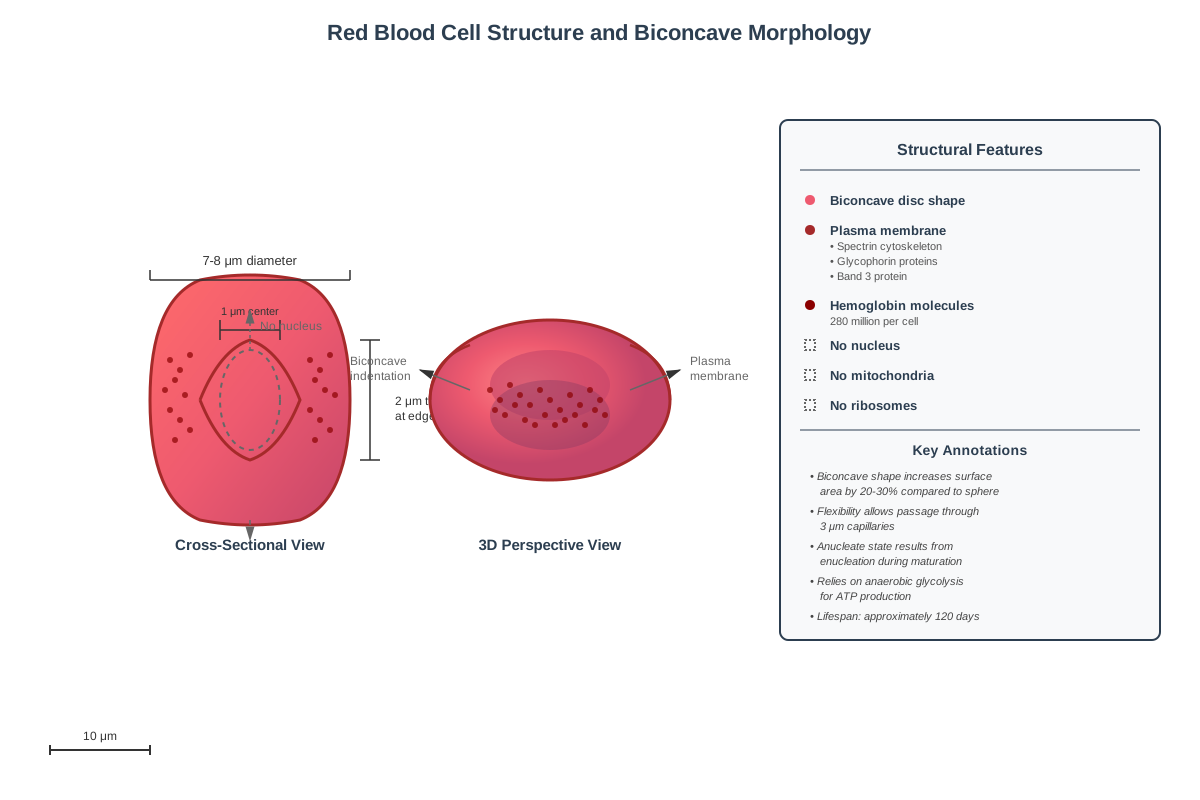
Red blood cells are highly specialized cells with a distinctive biconcave disc shape, measuring approximately 7-8 micrometers in diameter. This unique morphology maximizes surface area relative to volume, facilitating efficient gas exchange. The biconcave shape also provides flexibility, allowing RBCs to deform as they squeeze through capillaries as narrow as 3-4 micrometers in diameter—smaller than the RBC itself.
Mature RBCs are anucleate (lacking a nucleus) and contain no mitochondria, endoplasmic reticulum, or ribosomes. This absence of organelles maximizes internal space for hemoglobin and prevents the cell from consuming the oxygen it transports. Without mitochondria, RBCs rely exclusively on anaerobic glycolysis for ATP production, generating energy through the conversion of glucose to lactate. The pentose phosphate pathway also operates in RBCs, producing NADPH necessary for maintaining reduced glutathione, which protects against oxidative damage.
The RBC membrane consists of a lipid bilayer anchored to a flexible cytoskeletal network of spectrin, ankyrin, and other proteins. This cytoskeleton provides structural support while maintaining deformability. Membrane proteins include Band 3 (anion exchanger facilitating chloride-bicarbonate exchange), glycophorins (providing negative charge that prevents RBC aggregation), and various antigens determining blood type (ABO and Rh systems).
Hemoglobin Structure and Function
Hemoglobin (Hb) comprises approximately 95% of RBC protein content, with each RBC containing roughly 280 million hemoglobin molecules. Adult hemoglobin (HbA) consists of four polypeptide chains—two alpha (α) chains and two beta (β) chains—each associated with a heme group containing an iron atom in the ferrous (Fe²⁺) state. Each iron atom can reversibly bind one oxygen molecule, allowing each hemoglobin molecule to transport four oxygen molecules.
Hemoglobin exhibits cooperative binding, meaning that oxygen binding to one heme group increases the affinity of the remaining heme groups for oxygen. This property produces the characteristic sigmoidal (S-shaped) oxygen-hemoglobin dissociation curve, contrasting with the hyperbolic curve of myoglobin, which lacks cooperative binding. Cooperative binding ensures efficient oxygen loading in the lungs (where PO₂ is high) and efficient unloading in tissues (where PO₂ is lower).
The quaternary structure of hemoglobin exists in two conformational states: the tense (T) state, which has lower oxygen affinity, and the relaxed (R) state, which has higher oxygen affinity. Deoxygenated hemoglobin predominantly exists in the T state, while oxygenated hemoglobin shifts to the R state. This conformational change underlies cooperative binding and allosteric regulation.
Oxygen-Hemoglobin Dissociation Curve
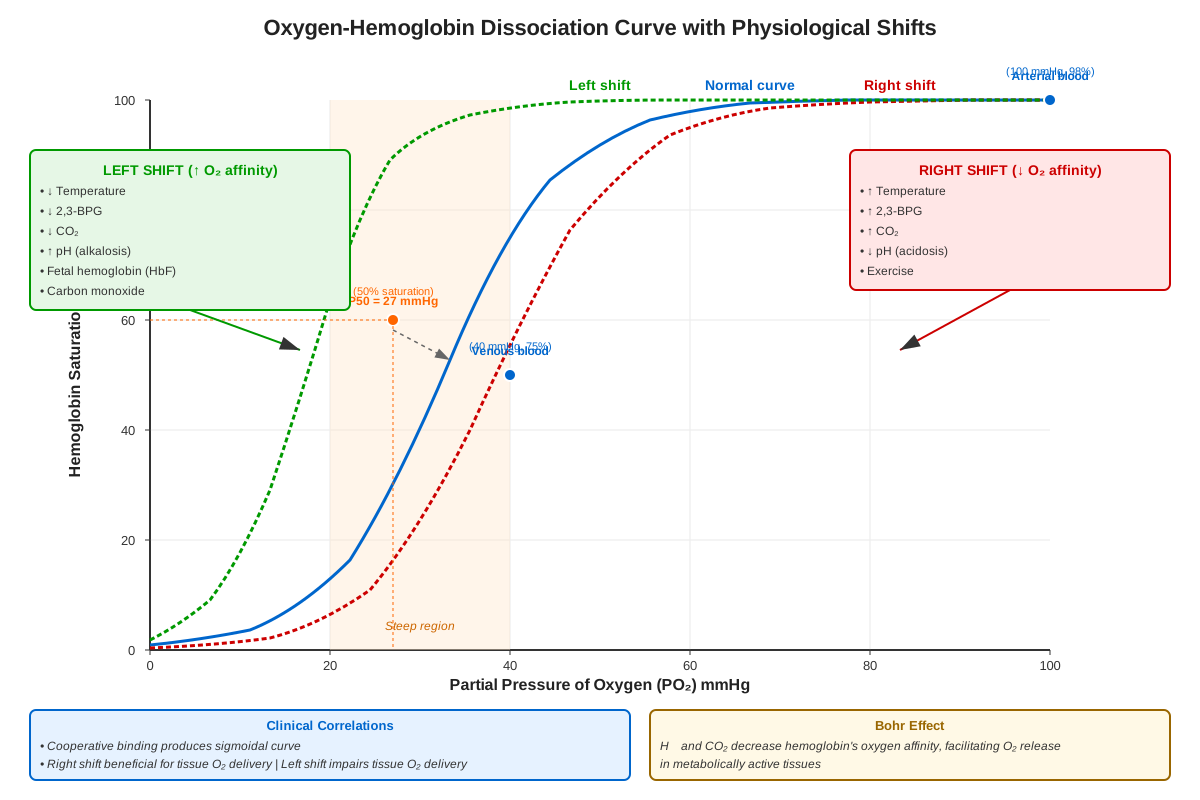
The oxygen-hemoglobin dissociation curve graphically represents the relationship between partial pressure of oxygen (PO₂) and hemoglobin saturation. At the normal arterial PO₂ of approximately 100 mmHg, hemoglobin is about 97-98% saturated. At the normal venous PO₂ of approximately 40 mmHg, hemoglobin is about 75% saturated, meaning that roughly 25% of bound oxygen is released to tissues under resting conditions.
Several factors cause rightward shifts of the curve (decreased oxygen affinity, promoting oxygen unloading):
- Increased temperature (fever, exercising muscle)
- Decreased pH (increased H⁺ concentration)
- Increased PCO₂
- Increased 2,3-bisphosphoglycerate (2,3-BPG)
These factors reflect the Bohr effect—the phenomenon whereby increased CO₂ and decreased pH reduce hemoglobin's oxygen affinity. This physiological adaptation ensures that metabolically active tissues (which produce CO₂ and H⁺) receive more oxygen. The mechanism involves H⁺ and CO₂ binding to hemoglobin, stabilizing the T state and promoting oxygen release.
Leftward shifts (increased oxygen affinity, reduced oxygen unloading) occur with:
- Decreased temperature
- Increased pH (decreased H⁺)
- Decreased PCO₂
- Decreased 2,3-BPG
- Fetal hemoglobin (HbF)
- Carbon monoxide binding
2,3-BPG (2,3-bisphosphoglycerate), produced during glycolysis in RBCs, binds to the central cavity of deoxygenated hemoglobin, stabilizing the T state and decreasing oxygen affinity. Chronic hypoxia (high altitude, chronic lung disease) increases 2,3-BPG levels, facilitating oxygen delivery to tissues despite reduced arterial oxygen content.
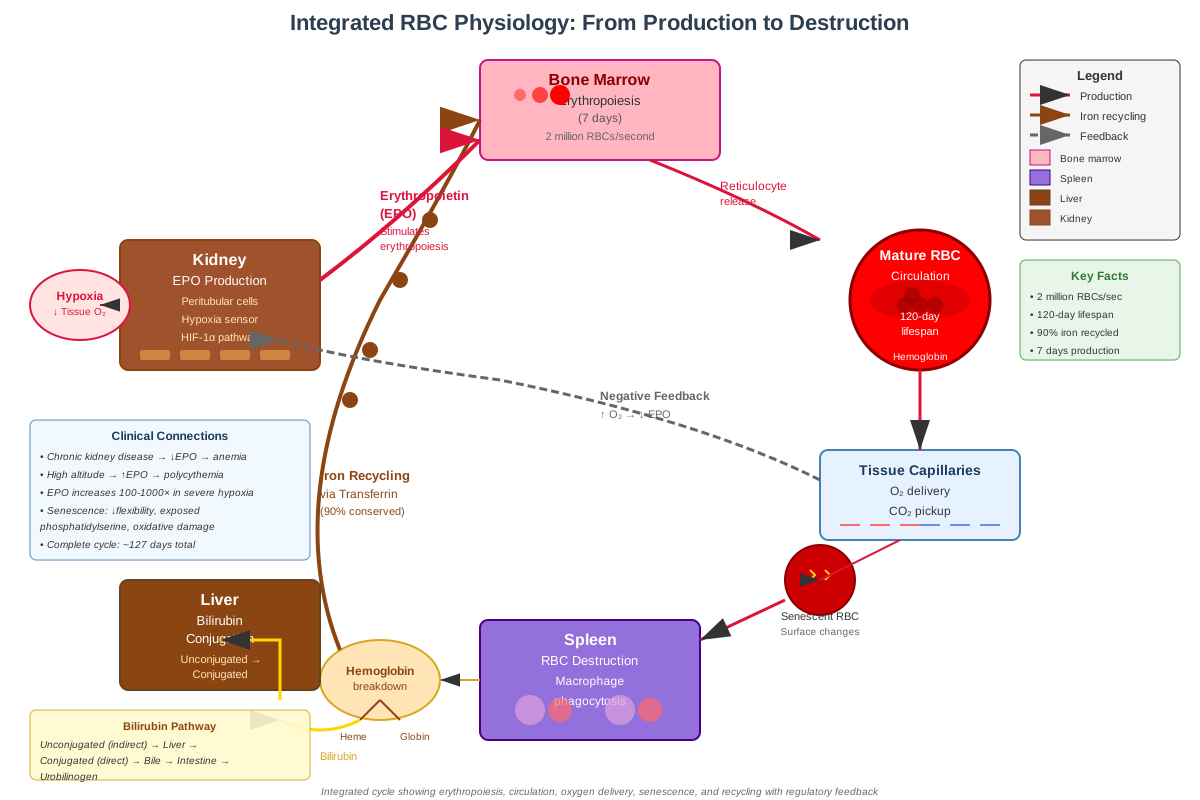
Erythropoiesis
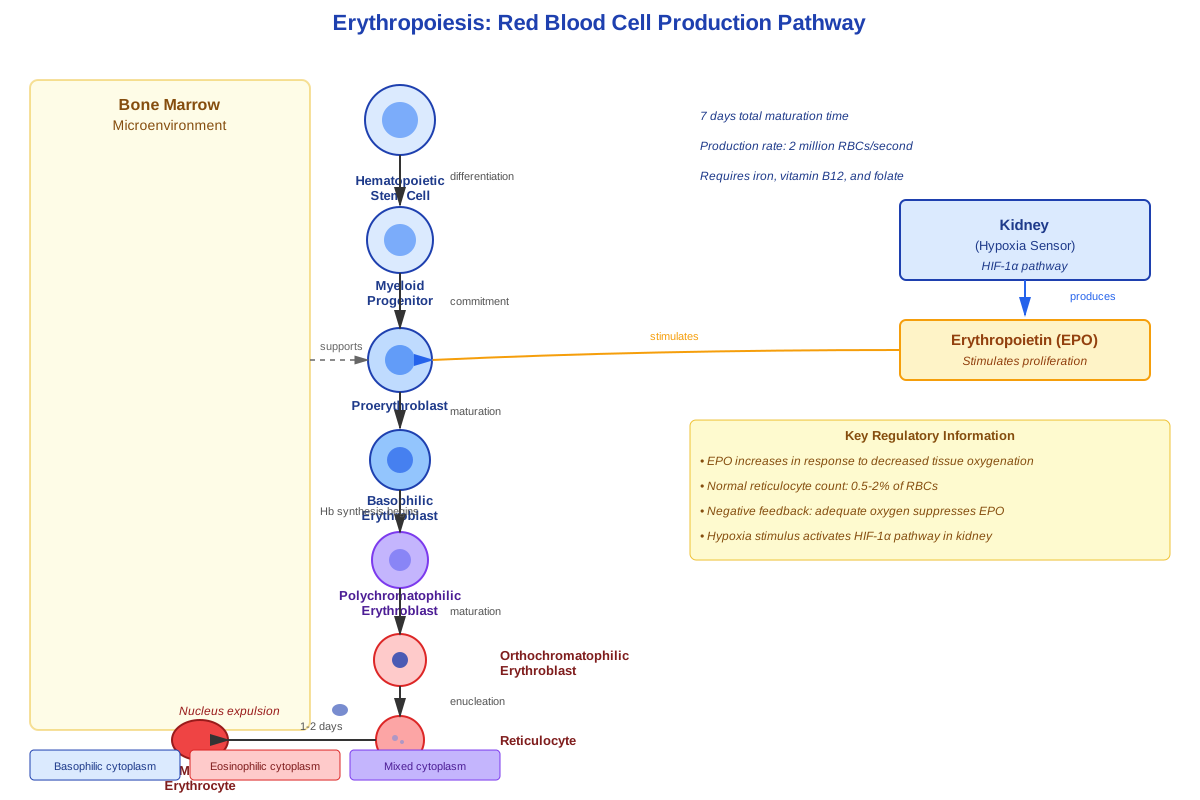
Erythropoiesis refers to the production of red blood cells, occurring primarily in the bone marrow in adults. The process begins with pluripotent hematopoietic stem cells that differentiate through several stages: proerythroblast → basophilic erythroblast → polychromatic erythroblast → orthochromatic erythroblast → reticulocyte → mature erythrocyte. During maturation, cells progressively accumulate hemoglobin, decrease in size, and eventually extrude their nucleus.
Erythropoietin (EPO), a glycoprotein hormone produced primarily by the kidneys (90%) and liver (10%), serves as the primary regulator of erythropoiesis. Hypoxia stimulates EPO production through hypoxia-inducible factor (HIF) signaling. EPO binds to receptors on erythroid progenitor cells, promoting their survival, proliferation, and differentiation. The feedback loop ensures that RBC production matches oxygen delivery needs.
Erythropoiesis requires several essential nutrients:
- Iron: Necessary for heme synthesis; deficiency causes microcytic, hypochromic anemia
- Vitamin B12 (cobalamin): Required for DNA synthesis; deficiency causes megaloblastic anemia
- Folate: Required for DNA synthesis; deficiency causes megaloblastic anemia
- Vitamin B6 (pyridoxine): Cofactor in heme synthesis
Reticulocytes are immature RBCs that still contain residual ribosomal RNA, appearing slightly larger and bluer than mature RBCs when stained. They normally comprise 0.5-2% of circulating RBCs. The reticulocyte count serves as an important clinical indicator of bone marrow activity and erythropoietic response.
RBC Lifespan and Destruction
Mature RBCs circulate for approximately 120 days before being removed from circulation. Without a nucleus or ribosomes, RBCs cannot synthesize new proteins to replace damaged ones, leading to progressive membrane damage and loss of deformability. Senescent RBCs are recognized and phagocytosed by macrophages in the spleen, liver, and bone marrow—a process called extravascular hemolysis.
During RBC breakdown, hemoglobin is catabolized: the globin chains are recycled as amino acids, iron is recovered and recycled for new RBC production, and the porphyrin ring is converted to bilirubin. Unconjugated (indirect) bilirubin is transported to the liver bound to albumin, where it is conjugated with glucuronic acid to form conjugated (direct) bilirubin, which is excreted in bile. Excessive RBC destruction (hemolysis) can cause elevated bilirubin levels, leading to jaundice.
Hemoglobin Variants and Hemoglobinopathies
Several hemoglobin variants exist naturally:
| Hemoglobin Type | Chain Composition | Significance |
|---|---|---|
| HbA (adult) | α₂β₂ | Predominant form in adults (>95%) |
| HbA₂ | α₂δ₂ | Minor adult form (2-3%) |
| HbF (fetal) | α₂γ₂ | Predominant in fetus; higher O₂ affinity than HbA |
Fetal hemoglobin (HbF) has higher oxygen affinity than adult hemoglobin because it binds 2,3-BPG less effectively, facilitating oxygen transfer from maternal to fetal blood across the placenta. HbF levels normally decline after birth, reaching adult levels by 6-12 months.
Sickle cell disease results from a point mutation in the β-globin gene (glutamic acid → valine at position 6), producing hemoglobin S (HbS). When deoxygenated, HbS polymerizes, causing RBCs to assume a rigid, sickle shape. Sickled cells obstruct small vessels (causing vaso-occlusive crises and pain), are prone to hemolysis (causing anemia), and have reduced lifespan. The heterozygous condition (sickle cell trait) provides protection against severe malaria, explaining the allele's persistence in populations from malaria-endemic regions.
Thalassemias are genetic disorders characterized by reduced synthesis of α or β globin chains. β-thalassemia results from mutations affecting β-chain production, while α-thalassemia results from deletions of α-globin genes. The imbalance in globin chain production leads to ineffective erythropoiesis and hemolysis, causing microcytic, hypochromic anemia.
Types of Anemia
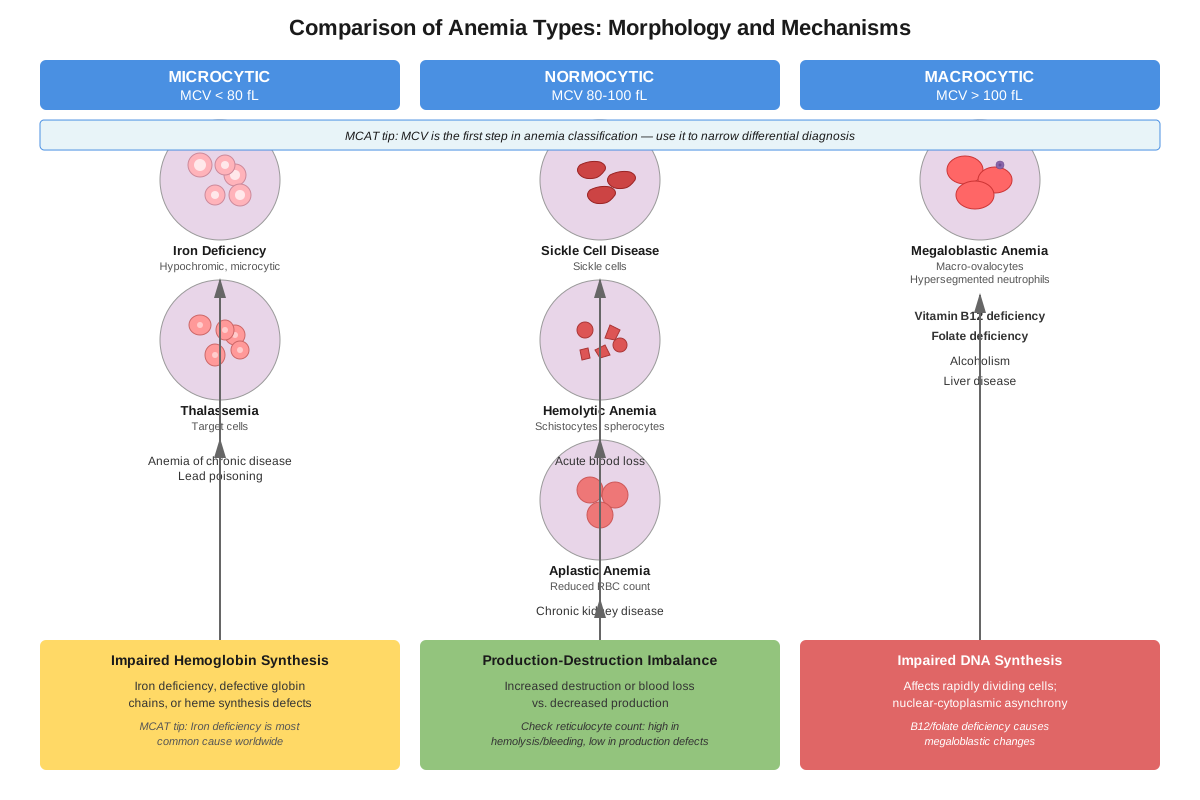
Anemia is defined as reduced hemoglobin concentration, hematocrit, or RBC count below normal ranges. Anemias can be classified by RBC size (mean corpuscular volume, MCV):
Microcytic anemias (MCV < 80 fL):
- Iron deficiency anemia (most common cause worldwide)
- Thalassemias
- Anemia of chronic disease (sometimes)
- Sideroblastic anemia
Normocytic anemias (MCV 80-100 fL):
- Acute blood loss
- Hemolytic anemias
- Anemia of chronic disease
- Aplastic anemia
Macrocytic anemias (MCV > 100 fL):
- Vitamin B12 deficiency (pernicious anemia)
- Folate deficiency
- Liver disease
- Hypothyroidism
Anemias can also be classified by mechanism: decreased production (nutritional deficiencies, bone marrow failure), increased destruction (hemolytic anemias), or blood loss (acute or chronic hemorrhage).
Concept Relationships
The concepts within RBC biology form an interconnected network. RBC structure (biconcave shape, lack of organelles) → enables → efficient oxygen transport and flexibility → which allows → passage through narrow capillaries. The absence of mitochondria → necessitates → anaerobic glycolysis → which produces → 2,3-BPG → which regulates → hemoglobin oxygen affinity.
Hemoglobin structure (quaternary protein with heme groups) → determines → cooperative oxygen binding → which produces → sigmoidal dissociation curve → enabling → efficient loading in lungs and unloading in tissues. The Bohr effect (pH and CO₂ effects on oxygen affinity) → represents → allosteric regulation → connecting → metabolic activity to oxygen delivery.
Erythropoiesis (RBC production) → is regulated by → erythropoietin → which responds to → tissue hypoxia → creating → negative feedback loop maintaining oxygen homeostasis. This process → requires → iron, B12, and folate → deficiencies of which → cause → specific anemia types with characteristic RBC morphology.
RBC destruction → produces → bilirubin → connecting RBC biology to → liver function and jaundice. Excessive hemolysis → increases → bilirubin production → potentially causing → hyperbilirubinemia.
These concepts connect to broader physiology: RBC function links to cardiovascular physiology (oxygen delivery = cardiac output × oxygen content), respiratory physiology (gas exchange and oxygen loading), renal physiology (EPO production), and acid-base balance (hemoglobin as buffer, CO₂ transport).
Quick check — test yourself on Red blood cells so far.
Try Flashcards →High-Yield Facts
⭐ RBCs are anucleate and lack mitochondria, relying exclusively on anaerobic glycolysis for ATP production
⭐ Each hemoglobin molecule contains four heme groups and can bind four oxygen molecules; cooperative binding produces a sigmoidal dissociation curve
⭐ The Bohr effect describes how increased CO₂, increased H⁺ (decreased pH), and increased temperature shift the oxygen-hemoglobin curve rightward, promoting oxygen unloading in metabolically active tissues
⭐ 2,3-BPG binds to deoxygenated hemoglobin, stabilizing the T state and decreasing oxygen affinity; levels increase with chronic hypoxia
⭐ Erythropoietin (EPO), produced primarily by the kidneys in response to hypoxia, is the primary regulator of erythropoiesis
- RBCs have a lifespan of approximately 120 days and are removed by splenic macrophages through extravascular hemolysis
- Fetal hemoglobin (HbF, α₂γ₂) has higher oxygen affinity than adult hemoglobin (HbA, α₂β₂) due to reduced 2,3-BPG binding
- Sickle cell disease results from a point mutation (Glu→Val) in β-globin, causing HbS polymerization when deoxygenated
- Iron deficiency causes microcytic, hypochromic anemia, while B12/folate deficiency causes macrocytic, megaloblastic anemia
- The reticulocyte count indicates bone marrow erythropoietic activity; elevated counts suggest appropriate response to anemia
- Carbon monoxide binds hemoglobin with 200× greater affinity than oxygen, shifting the dissociation curve leftward and reducing oxygen delivery
- Hemoglobin also transports CO₂ (as carbaminohemoglobin) and serves as a blood buffer
Common Misconceptions
Misconception: RBCs carry oxygen by dissolving it in their cytoplasm.
Correction: RBCs transport oxygen through reversible binding to iron atoms in hemoglobin's heme groups. Dissolved oxygen in plasma contributes minimally (<2%) to total oxygen content; hemoglobin-bound oxygen accounts for >98%.
Misconception: A rightward shift of the oxygen-hemoglobin curve is always pathological.
Correction: Rightward shifts are often physiological adaptations that enhance oxygen delivery to tissues. Increased temperature, decreased pH, and increased 2,3-BPG in metabolically active tissues represent beneficial responses that ensure adequate oxygen supply where needed most.
Misconception: Fetal hemoglobin has higher oxygen affinity because it binds oxygen more tightly at the molecular level.
Correction: Fetal hemoglobin has higher oxygen affinity because it binds 2,3-BPG less effectively than adult hemoglobin. Since 2,3-BPG normally decreases oxygen affinity, reduced 2,3-BPG binding results in relatively higher oxygen affinity, facilitating placental oxygen transfer.
Misconception: Anemia always means low iron levels.
Correction: Anemia has multiple causes beyond iron deficiency, including vitamin B12 or folate deficiency, chronic disease, hemolysis, bone marrow failure, and blood loss. Iron deficiency is one specific type of anemia (microcytic, hypochromic), but many anemias occur with normal or even elevated iron stores.
Misconception: Sickle cell disease causes problems because sickled RBCs cannot bind oxygen.
Correction: Sickled RBCs can bind oxygen; in fact, oxygenated HbS does not polymerize. Problems arise when HbS deoxygenates and polymerizes, causing RBCs to become rigid and sickle-shaped. These cells obstruct vessels (vaso-occlusion) and undergo hemolysis, but the fundamental oxygen-binding capacity remains intact when oxygenated.
Misconception: Erythropoietin directly increases hemoglobin production.
Correction: Erythropoietin stimulates the proliferation and differentiation of erythroid progenitor cells in bone marrow, increasing RBC production. The increase in hemoglobin is secondary to increased RBC numbers. EPO does not directly affect hemoglobin synthesis within individual cells.
Misconception: The spleen destroys only abnormal or damaged RBCs.
Correction: The spleen removes both senescent normal RBCs (after ~120 days) and abnormal RBCs. All RBCs eventually age and lose deformability, triggering recognition and phagocytosis by splenic macrophages. The spleen also removes RBCs with membrane abnormalities, inclusions, or other defects.
Worked Examples
Example 1: Oxygen-Hemoglobin Curve Interpretation
Question: A researcher studies oxygen transport in two groups of mice. Group A lives at sea level, while Group B has been acclimated to high altitude (low PO₂) for several weeks. When RBCs from both groups are tested in vitro at identical conditions, Group B shows a rightward-shifted oxygen-hemoglobin dissociation curve compared to Group A. Which of the following best explains this observation?
A) Group B RBCs have decreased hemoglobin concentration
B) Group B RBCs have increased 2,3-BPG levels
C) Group B RBCs have increased oxygen affinity
D) Group B RBCs have mutated hemoglobin with altered structure
Reasoning Process:
- Identify the key observation: Group B (high-altitude acclimated) shows a rightward-shifted curve compared to Group A (sea level).
- Recall what rightward shift means: Decreased oxygen affinity, promoting oxygen unloading to tissues. At any given PO₂, hemoglobin saturation is lower.
- Consider the physiological context: High altitude means chronic hypoxia. The body must adapt to deliver adequate oxygen despite reduced arterial PO₂.
- Evaluate each option:
- A) Decreased hemoglobin concentration would reduce oxygen-carrying capacity but wouldn't shift the curve (the curve represents saturation percentage, not absolute amount). Incorrect.
- B) Chronic hypoxia stimulates increased 2,3-BPG production. 2,3-BPG binds deoxygenated hemoglobin, stabilizing the T state and decreasing oxygen affinity, causing rightward shift. This is a known adaptation. Likely correct.
- C) Rightward shift indicates decreased, not increased, oxygen affinity. Contradicts the observation. Incorrect.
- D) While possible, genetic mutations are unlikely to occur uniformly in all Group B mice within weeks. Adaptation through 2,3-BPG is more plausible and well-documented. Incorrect.
- Key insight: The question specifies "tested in vitro at identical conditions," meaning temperature, pH, and PCO₂ are controlled. The persistent rightward shift must be due to an intrinsic difference in the RBCs themselves—specifically, elevated 2,3-BPG levels that persist in the cells.
Answer: B) Group B RBCs have increased 2,3-BPG levels
Connection to learning objectives: This example demonstrates application of RBC physiology to experimental scenarios, requiring understanding of the oxygen-hemoglobin curve, factors causing shifts, and physiological adaptations to hypoxia.
Example 2: Clinical Vignette Analysis
Question: A 45-year-old woman presents with fatigue, pallor, and shortness of breath on exertion. Laboratory studies reveal:
- Hemoglobin: 8.5 g/dL (normal: 12-16 g/dL)
- MCV: 68 fL (normal: 80-100 fL)
- Serum iron: Low
- Total iron-binding capacity (TIBC): Elevated
- Ferritin: Low
Which of the following best describes the expected appearance of this patient's RBCs on peripheral blood smear?
A) Large RBCs with hypersegmented neutrophils
B) Small, pale RBCs with increased central pallor
C) Sickle-shaped RBCs
D) RBCs with basophilic stippling
Reasoning Process:
- Identify the clinical presentation: Anemia symptoms (fatigue, pallor, dyspnea on exertion) with specific laboratory findings.
- Analyze laboratory values:
- Low hemoglobin confirms anemia
- Low MCV (68 fL) indicates microcytic anemia
- Low serum iron, elevated TIBC, and low ferritin indicate iron deficiency
- Recall RBC morphology in iron deficiency:
- Iron is essential for heme synthesis
- Insufficient iron → reduced hemoglobin production → less hemoglobin per cell
- Cells are smaller (microcytic) and paler (hypochromic) due to reduced hemoglobin content
- Increased central pallor reflects the reduced hemoglobin concentration
- Evaluate each option:
- A) Large RBCs (macrocytic) with hypersegmented neutrophils characterize megaloblastic anemia (B12/folate deficiency). The MCV is low, not high. Incorrect.
- B) Small (microcytic), pale (hypochromic) RBCs with increased central pallor perfectly match iron deficiency anemia. Correct.
- C) Sickle-shaped RBCs indicate sickle cell disease. No mention of hemoglobin electrophoresis or sickling. The laboratory pattern fits iron deficiency, not hemoglobinopathy. Incorrect.
- D) Basophilic stippling (residual ribosomal RNA) appears in lead poisoning, thalassemia, and other conditions, but is not the primary finding in simple iron deficiency. Incorrect.
- Confirm the diagnosis: The combination of low MCV, low iron, elevated TIBC, and low ferritin definitively indicates iron deficiency anemia, which produces microcytic, hypochromic RBCs.
Answer: B) Small, pale RBCs with increased central pallor
Connection to learning objectives: This example requires applying knowledge of RBC morphology, anemia classification, and the relationship between iron availability and hemoglobin synthesis to interpret clinical data and predict blood smear findings.
Exam Strategy
Approaching MCAT Questions on Red Blood Cells
When encountering RBC questions, first determine the question type: (1) structural/functional (RBC adaptations, hemoglobin structure), (2) regulatory (erythropoiesis, EPO), (3) pathological (anemias, hemoglobinopathies), or (4) physiological (oxygen transport, dissociation curves). This categorization guides which knowledge to activate.
For oxygen-hemoglobin dissociation curve questions, immediately identify whether the question asks about shifts (factors affecting affinity) or specific points on the curve (saturation at given PO₂). Remember the mnemonic for rightward shifts: "CADET, face Right!" (CO₂, Acid, 2,3-DPG, Exercise, Temperature). Rightward = decreased affinity = enhanced unloading.
Trigger Words and Phrases
Watch for these high-yield triggers:
- "High altitude," "chronic hypoxia" → Think increased EPO, increased RBC production, increased 2,3-BPG, rightward curve shift
- "Fatigue, pallor, dyspnea" → Anemia; check MCV to classify
- "Microcytic, hypochromic" → Iron deficiency or thalassemia
- "Macrocytic, megaloblastic" → B12 or folate deficiency
- "Vaso-occlusive crisis," "dactylitis" → Sickle cell disease
- "Jaundice with elevated indirect bilirubin" → Hemolysis
- "Reticulocyte count" → Assessing bone marrow response
Process-of-Elimination Tips
For anemia questions, use MCV as the primary discriminator. Eliminate options inconsistent with the stated MCV. For curve-shift questions, eliminate options that would shift the curve in the wrong direction. If a question describes metabolically active tissue (exercising muscle, inflamed tissue), eliminate options suggesting increased oxygen affinity—tissues need oxygen unloading, not tighter binding.
When evaluating hemoglobin variants, remember that structural changes affecting oxygen affinity will alter the curve position, while changes affecting stability or solubility (like HbS) cause different problems. Don't confuse oxygen-binding capacity with oxygen affinity.
Time Allocation
Discrete RBC questions typically require 60-90 seconds. Passage-based questions may require 90-120 seconds, especially those involving curve interpretation or clinical data integration. If a question requires complex curve analysis, quickly sketch the curve and mark the shift direction before evaluating options. Don't spend excessive time on memorized facts; if you don't immediately recall a specific detail, use reasoning from first principles.
Memory Techniques
Mnemonics
"CADET, face Right!" - Factors causing rightward shift of oxygen-hemoglobin curve:
- CO₂ (increased)
- Acid (increased H⁺, decreased pH)
- DPG (2,3-DPG increased)
- Exercise (increased temperature)
- Temperature (increased)
"No Mito, No Problem" - RBCs lack mitochondria, so they:
- Don't consume the oxygen they carry
- Rely on anaerobic glycolysis
- Produce 2,3-BPG as glycolysis byproduct
"Iron Deficiency = Small and Pale" - Microcytic (small), hypochromic (pale) RBCs
"B12 and Folate = Big and Blast" - Macrocytic (big), megaloblastic anemia
Visualization Strategies
For the oxygen-hemoglobin curve: Visualize the sigmoidal curve with three key regions: (1) steep middle portion (physiological range, 40-100 mmHg) where small PO₂ changes cause large saturation changes, (2) flat upper portion (>100 mmHg) where curve plateaus near 100% saturation, and (3) steep lower portion (<40 mmHg) where oxygen unloading accelerates. Mentally place "lungs" at the top right (high PO₂, high saturation) and "tissues" at the middle (moderate PO₂, moderate saturation).
For RBC structure: Picture a deflated basketball (biconcave disc) filled with hemoglobin molecules (no other organelles), surrounded by a flexible membrane with spectrin scaffolding underneath. This image reinforces the structural adaptations for oxygen transport and deformability.
For erythropoiesis: Visualize a production line in bone marrow: stem cells → progressively smaller cells → nucleus ejected → reticulocyte (still has some ribosomes) → mature RBC (smooth, no internal structures). EPO acts as the "factory manager" responding to oxygen demand.
Summary
Red blood cells represent highly specialized oxygen transport vehicles, uniquely adapted through their biconcave shape, lack of organelles, and high hemoglobin content. Hemoglobin's quaternary structure enables cooperative oxygen binding, producing a sigmoidal dissociation curve that ensures efficient loading in lungs and unloading in tissues. The Bohr effect and 2,3-BPG provide allosteric regulation, matching oxygen delivery to metabolic demand. Erythropoiesis, regulated primarily by erythropoietin in response to hypoxia, maintains RBC homeostasis and requires adequate iron, B12, and folate. RBCs circulate for approximately 120 days before removal by splenic macrophages, with hemoglobin catabolism producing bilirubin. Pathological conditions affecting RBCs include various anemias (classified by size and mechanism) and hemoglobinopathies like sickle cell disease. MCAT questions frequently test understanding of oxygen transport physiology, curve shifts, erythropoiesis regulation, and anemia classification, often within clinical or experimental passage contexts requiring integration of multiple concepts.
Key Takeaways
- RBCs are anucleate, lack mitochondria, and rely on anaerobic glycolysis, maximizing space for hemoglobin and preventing oxygen consumption
- Hemoglobin exhibits cooperative binding due to quaternary structure, producing a sigmoidal oxygen-hemoglobin dissociation curve
- Rightward curve shifts (decreased oxygen affinity) result from increased CO₂, H⁺, temperature, and 2,3-BPG—adaptations promoting oxygen unloading in metabolically active tissues
- Erythropoietin, produced by kidneys in response to hypoxia, regulates RBC production through negative feedback
- Anemias are classified by MCV: microcytic (iron deficiency, thalassemia), normocytic (hemolysis, acute blood loss), and macrocytic (B12/folate deficiency)
- Sickle cell disease results from HbS polymerization when deoxygenated, causing vaso-occlusion and hemolysis
- Fetal hemoglobin has higher oxygen affinity than adult hemoglobin due to reduced 2,3-BPG binding, facilitating placental oxygen transfer
Related Topics
Hemoglobin biochemistry and protein structure: Deep dive into quaternary structure, allosteric regulation, and cooperative binding mechanisms provides molecular-level understanding of oxygen transport. Mastering RBC physiology enables better comprehension of protein structure-function relationships.
Cardiovascular physiology: RBC function integrates with cardiac output and vascular resistance to determine tissue oxygen delivery. Understanding RBCs is essential for comprehending oxygen delivery equations and cardiovascular responses to anemia or hypoxia.
Respiratory physiology and gas exchange: RBC oxygen loading in lungs and CO₂ transport mechanisms connect directly to alveolar gas exchange and ventilation-perfusion matching. RBC knowledge enables understanding of complete oxygen transport pathway.
Acid-base balance: Hemoglobin serves as an important blood buffer, and the relationship between pH and oxygen affinity (Bohr effect) links RBC function to acid-base homeostasis. Understanding RBCs enhances comprehension of buffer systems.
Renal physiology: Erythropoietin production by kidneys connects RBC biology to renal function. Chronic kidney disease commonly causes anemia due to reduced EPO production, illustrating the kidney-RBC axis.
Genetics and inheritance patterns: Hemoglobinopathies like sickle cell disease and thalassemias provide classic examples of autosomal recessive disorders, molecular disease, and natural selection (heterozygote advantage in malaria-endemic regions).
Practice CTA
Now that you've mastered the core concepts of red blood cell biology, it's time to reinforce your understanding through active practice. Challenge yourself with MCAT-style practice questions covering oxygen-hemoglobin curves, anemia classification, and erythropoiesis regulation. Use flashcards to drill high-yield facts like curve shift factors, hemoglobin variants, and RBC morphology in different anemias. The more you apply this knowledge to varied question formats, the more automatic your recall will become on test day. Remember: understanding RBC physiology provides a foundation for multiple MCAT topics—your investment in mastering this material will pay dividends across cardiovascular, respiratory, and renal physiology questions. You've got this!
Sign up free to keep reading
Create a free AnvayaPrep account to finish this MCAT guide on Red blood cells — plus flashcards and practice questions.