Overview
Reflex arcs represent one of the most fundamental and clinically relevant concepts in neurobiology, forming the structural and functional basis for rapid, involuntary responses to stimuli. A reflex arc is the neural pathway that mediates a reflex action, consisting of a sensory receptor, afferent (sensory) neuron, integration center, efferent (motor) neuron, and effector organ. Understanding reflex arcs is essential for mastering the nervous system's organization and function, as these pathways demonstrate how the body can respond to potentially harmful stimuli without requiring conscious thought or higher brain processing.
For the MCAT, reflex arcs Biology concepts appear frequently in both passage-based and discrete questions within the Biological and Biochemical Foundations of Living Systems section. The MCAT tests not only the anatomical components of reflex pathways but also their physiological significance, evolutionary advantages, and clinical applications. Questions often integrate reflex arc knowledge with broader topics such as neural transmission, muscle physiology, sensory systems, and autonomic nervous system function. The ability to trace a stimulus through each component of a reflex arc and predict the resulting response is a high-yield skill that distinguishes top-scoring students.
Within the broader context of Physiology and Organ Systems, reflex arcs serve as an excellent model for understanding how the nervous system coordinates rapid responses to maintain homeostasis and protect the body from injury. These pathways connect directly to concepts including action potential propagation, synaptic transmission, muscle contraction mechanisms, and the hierarchical organization of the nervous system. Mastery of reflex arcs provides a foundation for understanding more complex neural circuits and serves as a bridge between cellular neuroscience and integrated organ system physiology.
Learning Objectives
- [ ] Define reflex arcs using accurate Biology terminology, including all five essential components
- [ ] Explain why reflex arcs matters for the MCAT, including typical question formats and integration with other topics
- [ ] Apply reflex arcs concepts to exam-style questions, including passage-based scenarios and experimental data interpretation
- [ ] Identify common mistakes related to reflex arcs, particularly regarding monosynaptic versus polysynaptic pathways
- [ ] Connect reflex arcs to related Biology concepts, including neural transmission, muscle physiology, and autonomic function
- [ ] Distinguish between somatic and autonomic reflex arcs and predict their respective effector responses
- [ ] Trace the complete pathway of a reflex arc from stimulus detection through effector response, identifying each neural component
- [ ] Analyze the evolutionary and survival advantages of reflex pathways compared to voluntary responses
Prerequisites
- Action potential generation and propagation: Essential for understanding how signals travel along neurons within the reflex arc
- Synaptic transmission: Required to comprehend how information transfers between neurons at the integration center
- Basic nervous system organization: Necessary to distinguish between central and peripheral nervous system components in reflex pathways
- Muscle contraction mechanisms: Important for understanding effector responses in somatic reflexes
- Sensory receptor types: Foundational for recognizing how different stimuli initiate reflex responses
Why This Topic Matters
Reflex arcs MCAT questions appear with moderate to high frequency on the exam, typically 2-4 questions per test administration. These questions assess both conceptual understanding and the ability to apply reflex arc principles to novel scenarios. Clinically, reflex testing remains a cornerstone of neurological examination, allowing physicians to assess the integrity of specific spinal cord segments, peripheral nerves, and neural pathways. Abnormal or absent reflexes can indicate serious conditions including spinal cord injury, peripheral neuropathy, or neurodegenerative diseases.
From an evolutionary perspective, reflex arcs represent an elegant solution to the problem of response time. When a harmful stimulus is detected—such as touching a hot surface or stepping on a sharp object—the time required for sensory information to reach the brain, undergo conscious processing, and generate a motor command would result in significant tissue damage. Reflex arcs bypass this lengthy pathway by processing information at the spinal cord level, reducing response time from hundreds of milliseconds to as little as 30-50 milliseconds for the fastest reflexes.
On the MCAT, reflex arc concepts commonly appear in several contexts: passage-based questions describing experimental manipulations of neural pathways, discrete questions testing anatomical knowledge, and integrated questions connecting reflexes to homeostatic mechanisms or disease states. Questions may present clinical vignettes describing patients with altered reflexes and ask students to identify the site of neural damage, or they may provide experimental data showing reflex responses under various conditions and require interpretation of results. Understanding reflex arcs also enables students to answer questions about related topics including proprioception, motor control, and autonomic regulation.
Core Concepts
Components of a Reflex Arc
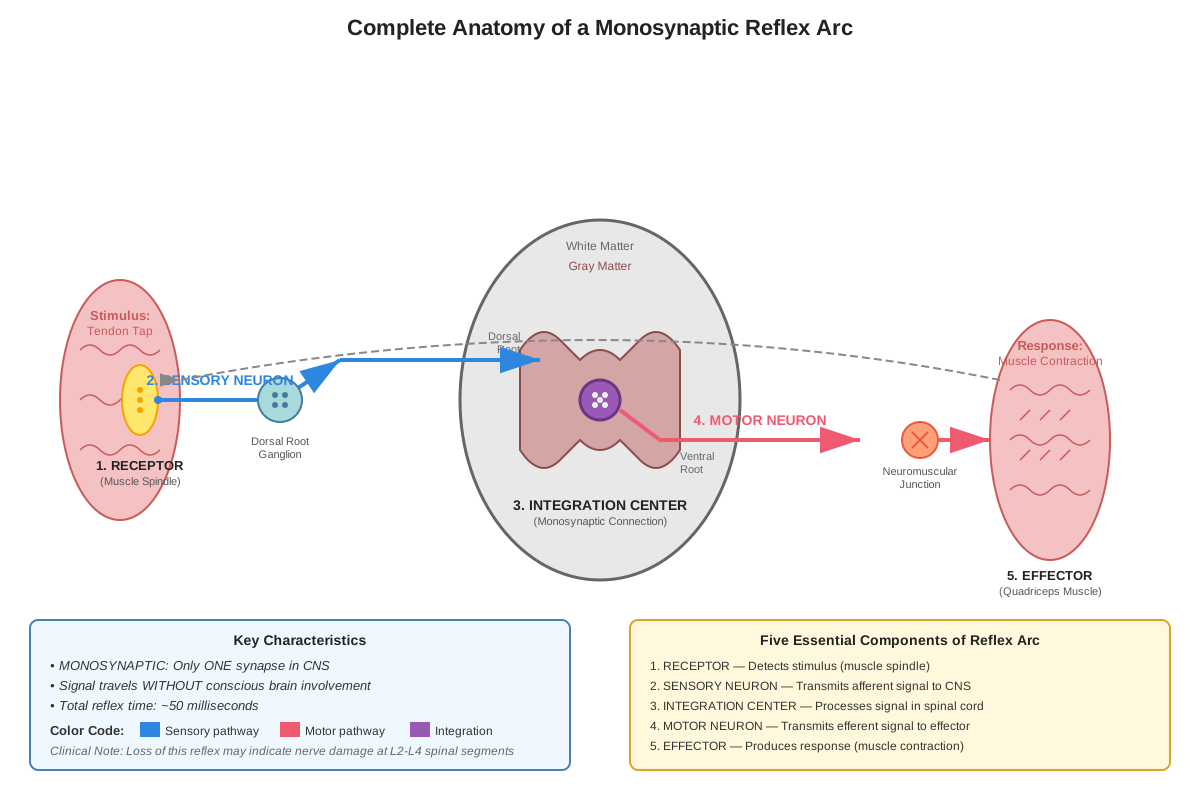
A complete reflex arc consists of five essential components that work sequentially to produce a rapid, involuntary response. Each component plays a specific role in the pathway:
- Sensory receptor: Specialized structures that detect specific stimuli (mechanical, thermal, chemical, or nociceptive) and convert them into electrical signals. Examples include muscle spindles, Golgi tendon organs, nociceptors, and thermoreceptors.
- Afferent (sensory) neuron: Carries the sensory information from the receptor toward the central nervous system (CNS). The cell body of these neurons typically resides in the dorsal root ganglion for spinal reflexes.
- Integration center: The location within the CNS (usually the spinal cord or brainstem) where sensory information is processed and an appropriate motor response is determined. This may involve a single synapse (monosynaptic) or multiple interneurons (polysynaptic).
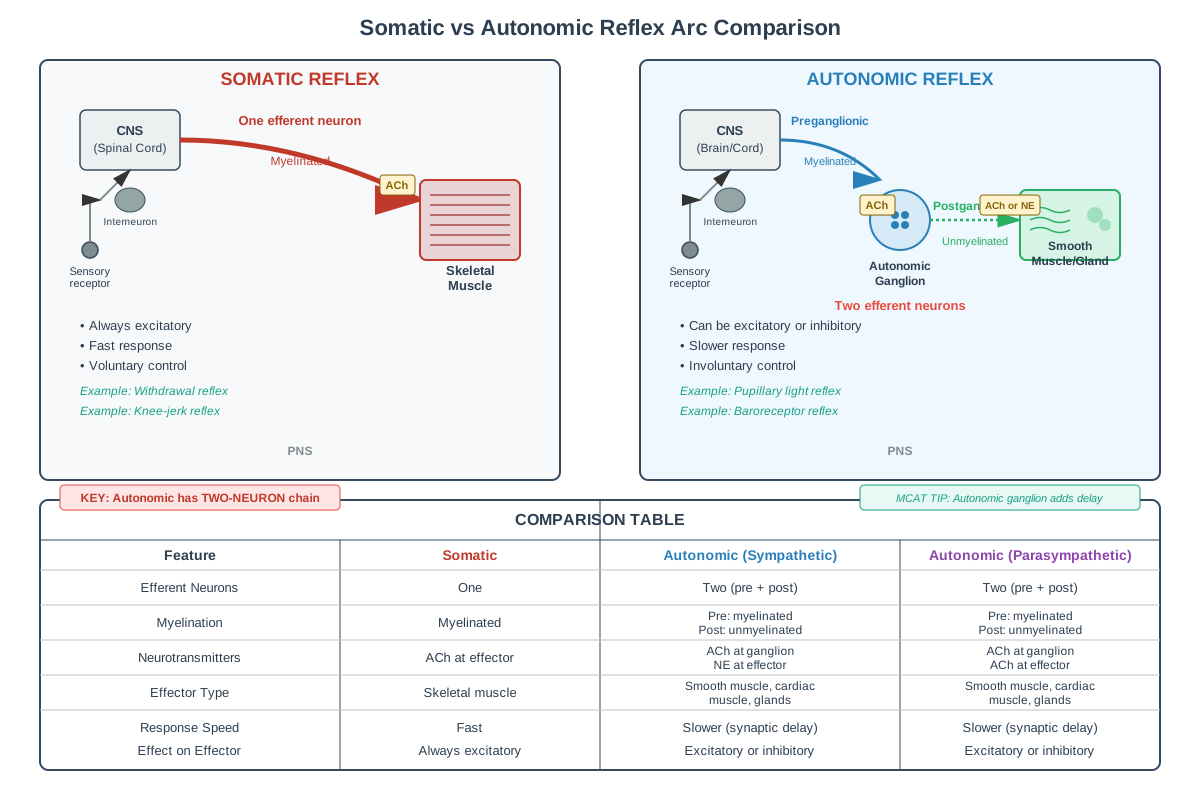
- Efferent (motor) neuron: Carries the motor command from the CNS to the effector organ. For somatic reflexes, this is a motor neuron innervating skeletal muscle; for autonomic reflexes, this involves preganglionic and postganglionic neurons.
- Effector: The tissue or organ that produces the response, typically skeletal muscle (somatic reflexes) or smooth muscle, cardiac muscle, or glands (autonomic reflexes).
Monosynaptic versus Polysynaptic Reflex Arcs
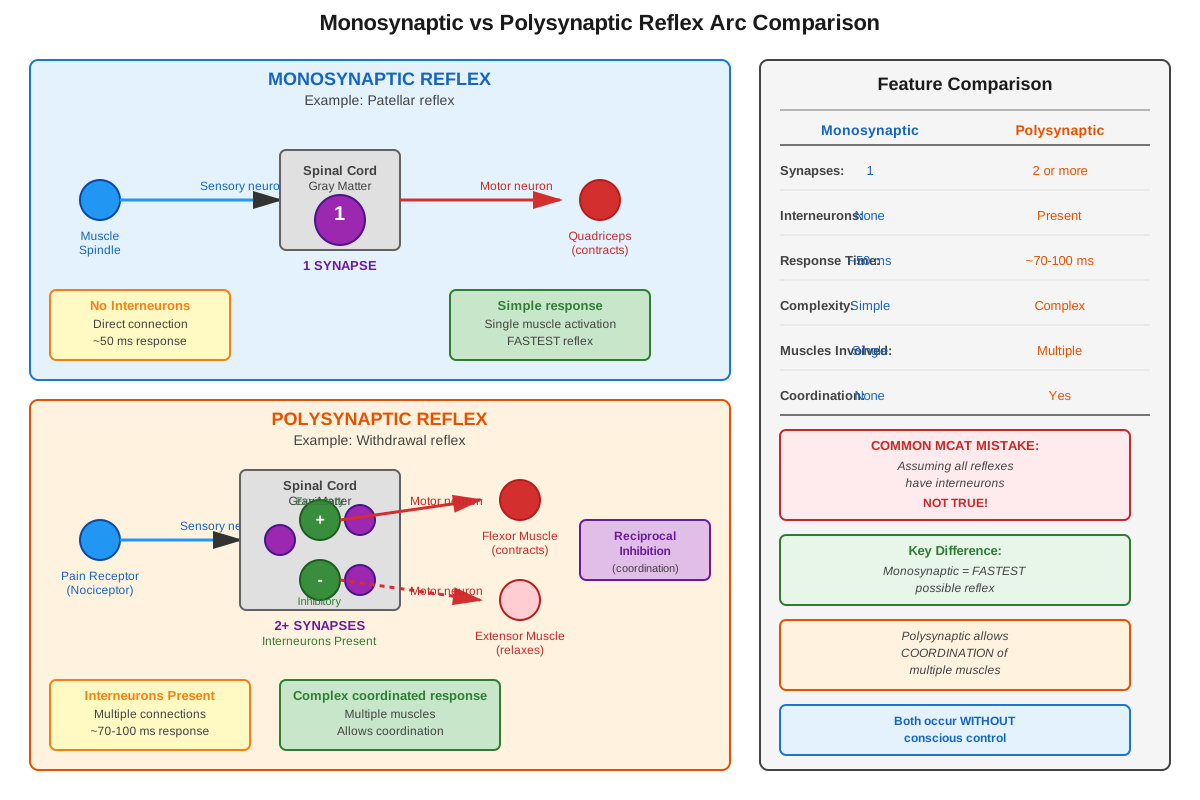
Reflex arcs can be classified based on the number of synapses within the integration center:
| Feature | Monosynaptic Reflex | Polysynaptic Reflex |
|---|---|---|
| Number of synapses | One (direct sensory-motor connection) | Two or more (involves interneurons) |
| Speed | Fastest (minimal synaptic delay) | Slower (cumulative synaptic delays) |
| Complexity | Simple, stereotyped response | More complex, modifiable response |
| Example | Patellar (knee-jerk) reflex | Withdrawal (flexor) reflex |
| Neural pathway | Sensory neuron → Motor neuron | Sensory neuron → Interneuron(s) → Motor neuron |
The monosynaptic reflex exemplified by the stretch reflex represents the simplest neural circuit in the human body. When a muscle is stretched (detected by muscle spindles), the sensory neuron directly synapses onto the motor neuron innervating the same muscle, causing immediate contraction. This pathway contains only one synapse within the spinal cord, minimizing response time.
Polysynaptic reflexes involve one or more interneurons between the sensory and motor neurons, allowing for more complex processing and coordinated responses. The withdrawal reflex demonstrates this complexity: when a painful stimulus is detected, interneurons coordinate contraction of flexor muscles (to withdraw the limb) while simultaneously inhibiting extensor muscles through reciprocal inhibition. Additional interneurons may activate contralateral extensors to maintain balance (crossed-extensor reflex).
The Stretch Reflex (Myotatic Reflex)
The stretch reflex serves as the prototypical monosynaptic reflex and is clinically tested as the deep tendon reflex. When a tendon is tapped with a reflex hammer, the sudden stretch of the muscle activates muscle spindles (specialized sensory receptors sensitive to muscle length changes). The sensory neuron from the muscle spindle enters the spinal cord through the dorsal root and directly synapses onto alpha motor neurons in the ventral horn. These motor neurons innervate the same muscle that was stretched, causing it to contract and resist the stretch.
The stretch reflex serves multiple physiological functions:
- Maintains muscle tone: Continuous low-level activation helps maintain posture
- Protects against overstretching: Prevents muscle damage from excessive lengthening
- Provides proprioceptive feedback: Contributes to body position awareness
- Enables rapid postural adjustments: Allows quick corrections to maintain balance
Importantly, the stretch reflex also demonstrates reciprocal inhibition: while the stretched muscle contracts, antagonist muscles are simultaneously inhibited through inhibitory interneurons. This coordination prevents opposing muscles from fighting each other and allows smooth, efficient movement.
The Withdrawal Reflex (Flexor Reflex)
The withdrawal reflex represents a protective polysynaptic reflex that removes a body part from a harmful stimulus. When nociceptors (pain receptors) detect tissue damage or potentially damaging stimuli, sensory neurons transmit this information to the spinal cord. Within the integration center, multiple interneurons coordinate a complex response:
- Flexor muscles contract to withdraw the affected limb
- Extensor muscles in the same limb are inhibited (reciprocal inhibition)
- Contralateral extensors contract to support body weight (crossed-extensor reflex)
- Ascending pathways carry pain information to the brain for conscious perception
This reflex demonstrates several important principles:
- Ipsilateral flexion: The affected side flexes away from the stimulus
- Contralateral extension: The opposite side extends to maintain balance
- Temporal coordination: Multiple muscle groups activate in precise sequence
- Conscious awareness follows reflex: The limb withdraws before pain is consciously perceived
Autonomic Reflex Arcs
While somatic reflexes involve skeletal muscle effectors, autonomic reflex arcs regulate involuntary functions including heart rate, blood pressure, digestion, and pupil diameter. These reflexes follow the same five-component structure but involve autonomic motor pathways with preganglionic and postganglionic neurons.
Examples of autonomic reflexes include:
- Baroreceptor reflex: Regulates blood pressure by adjusting heart rate and vessel diameter
- Pupillary light reflex: Constricts pupils in response to bright light
- Micturition reflex: Controls bladder emptying
- Defecation reflex: Coordinates bowel movements
- Salivary reflex: Increases saliva production in response to food
Autonomic reflexes typically involve integration centers in the brainstem or spinal cord and may be modulated by higher brain centers, though they function automatically without conscious control.
Reflex Modulation and Plasticity
Although reflexes are involuntary, they can be modulated by descending pathways from higher brain centers. The brain can enhance or suppress reflex responses depending on context and behavioral goals. For example:
- Voluntary override: Conscious effort can partially suppress certain reflexes (e.g., maintaining grip on a hot object)
- Anticipatory modulation: The nervous system can adjust reflex sensitivity based on expected demands
- Habituation: Repeated non-threatening stimuli may lead to decreased reflex responses
- Sensitization: Injury or inflammation can enhance reflex sensitivity (hyperreflexia)
This modulation occurs through descending pathways that synapse onto interneurons or motor neurons within the reflex arc, altering their excitability without eliminating the basic reflex circuit.
Concept Relationships
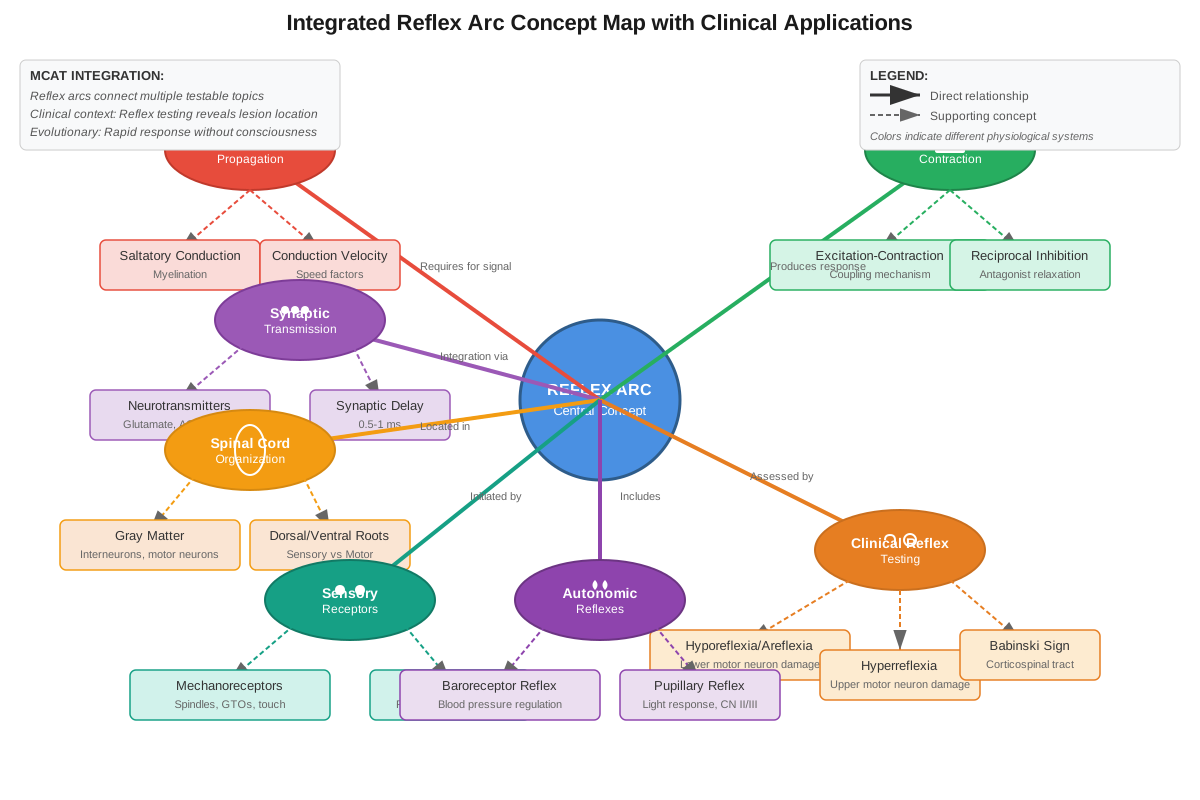
The components of a reflex arc are functionally connected in a unidirectional pathway: Sensory receptor → Afferent neuron → Integration center → Efferent neuron → Effector. This linear organization ensures rapid, predictable responses to specific stimuli. Within this framework, the distinction between monosynaptic and polysynaptic reflexes represents a trade-off between speed and complexity, with monosynaptic reflexes providing the fastest responses and polysynaptic reflexes enabling more sophisticated, coordinated actions.
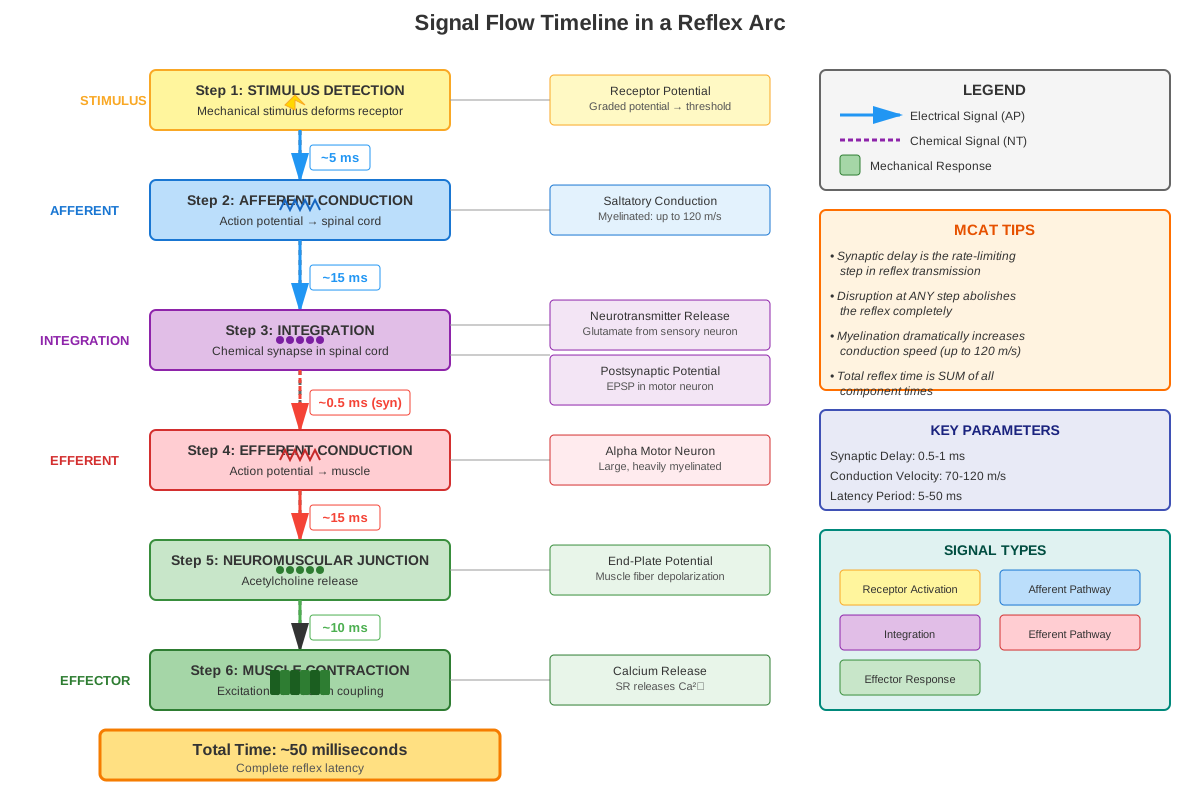
Reflex arcs connect to prerequisite concepts through multiple pathways. Action potential propagation enables signal transmission along afferent and efferent neurons, with the speed of conduction affecting overall reflex response time. Synaptic transmission mechanisms determine how quickly and effectively signals transfer between neurons at the integration center, with neurotransmitter release, receptor binding, and postsynaptic potential generation all contributing to synaptic delay. Muscle contraction mechanisms explain how motor neuron activation leads to effector responses, connecting the neural components of the reflex to the mechanical output.
Reflex arcs also relate to broader nervous system organization. The distinction between somatic and autonomic reflexes parallels the division of the motor nervous system into somatic (voluntary) and autonomic (involuntary) branches. Spinal cord anatomy determines the specific pathways reflexes follow, with dorsal roots carrying sensory information and ventral roots carrying motor commands. Sensory systems provide the input that initiates reflexes, with different receptor types detecting specific stimulus modalities.
Looking forward, understanding reflex arcs enables comprehension of more complex topics including motor control hierarchies (how reflexes interact with voluntary movement), central pattern generators (rhythmic motor patterns built on reflex-like circuits), and neural plasticity (how reflex pathways can be modified through learning or injury). The concept of reciprocal inhibition in reflexes extends to understanding muscle coordination and movement disorders where this coordination breaks down.
Quick check — test yourself on Reflex arcs so far.
Try Flashcards →High-Yield Facts
⭐ A complete reflex arc contains exactly five components: sensory receptor, afferent neuron, integration center, efferent neuron, and effector organ.
⭐ Monosynaptic reflexes contain only one synapse (between sensory and motor neurons) and represent the fastest reflex responses in the body.
⭐ The stretch reflex is the only monosynaptic reflex in humans and is clinically tested as deep tendon reflexes (patellar, Achilles, biceps, triceps).
⭐ Polysynaptic reflexes involve interneurons within the integration center, allowing for more complex, coordinated responses but with longer response times.
⭐ Reciprocal inhibition ensures that when agonist muscles contract during a reflex, antagonist muscles are simultaneously inhibited, preventing opposing muscle groups from fighting each other.
- The withdrawal reflex demonstrates ipsilateral flexion (affected limb withdraws) and contralateral extension (opposite limb supports weight) simultaneously.
- Reflex response time is significantly faster than voluntary response time because reflexes are processed at the spinal cord level, bypassing cortical processing.
- Autonomic reflex arcs follow the same five-component structure as somatic reflexes but involve autonomic motor pathways with preganglionic and postganglionic neurons.
- The integration center for most spinal reflexes is located in the gray matter of the spinal cord, specifically in the dorsal and ventral horns.
- Muscle spindles detect muscle stretch and initiate the stretch reflex, while Golgi tendon organs detect muscle tension and initiate the inverse stretch reflex (autogenic inhibition).
- Reflex arcs can function independently of the brain, as demonstrated by spinal reflexes that persist even after spinal cord transection above the reflex level.
- Hyperreflexia (exaggerated reflexes) often indicates upper motor neuron damage, while hyporeflexia or areflexia (diminished or absent reflexes) suggests lower motor neuron or peripheral nerve damage.
Common Misconceptions
Misconception: All reflexes are processed in the brain.
Correction: Most reflexes are processed at the spinal cord level (spinal reflexes) or in the brainstem (cranial reflexes), allowing for rapid responses without cortical involvement. The brain receives information about the reflex after it has already occurred, which is why you withdraw your hand from a hot surface before consciously feeling pain.
Misconception: Monosynaptic reflexes involve only one neuron.
Correction: Monosynaptic reflexes involve at least two neurons (sensory and motor) with one synapse between them. The term "monosynaptic" refers to the number of synapses in the CNS integration center, not the total number of neurons in the pathway.
Misconception: Reflexes are completely involuntary and cannot be modified.
Correction: While reflexes occur automatically without conscious initiation, they can be modulated by descending pathways from higher brain centers. Voluntary effort can partially suppress or enhance reflex responses, and reflex sensitivity can change through habituation, sensitization, or pathological conditions.
Misconception: The integration center is always located in the brain.
Correction: For spinal reflexes, the integration center is located in the spinal cord gray matter. Only certain reflexes (such as pupillary light reflex and some autonomic reflexes) have integration centers in the brainstem. The location of the integration center is a defining characteristic of different reflex types.
Misconception: Sensory neurons synapse directly onto muscle fibers in monosynaptic reflexes.
Correction: Even in monosynaptic reflexes, sensory neurons synapse onto motor neurons in the spinal cord, and these motor neurons then innervate muscle fibers. The "monosynaptic" designation refers only to the single synapse within the CNS, not to the neuromuscular junction, which is always present as a separate synapse.
Misconception: All reflex arcs involve skeletal muscle as the effector.
Correction: Somatic reflex arcs involve skeletal muscle effectors, but autonomic reflex arcs involve smooth muscle, cardiac muscle, or glands as effectors. Examples include the pupillary reflex (smooth muscle in the iris), baroreceptor reflex (cardiac muscle and smooth muscle in blood vessels), and salivary reflex (salivary glands).
Worked Examples
Example 1: Analyzing the Patellar Reflex Pathway
Question: A physician taps a patient's patellar tendon with a reflex hammer, causing the quadriceps muscle to contract and the lower leg to extend. Trace the complete pathway of this reflex, identifying each component and explaining why this reflex is classified as monosynaptic.
Solution:
Step 1 - Identify the stimulus and receptor: The reflex hammer striking the patellar tendon causes a sudden stretch of the quadriceps muscle. This stretch is detected by muscle spindles (the sensory receptors) embedded within the quadriceps muscle fibers.
Step 2 - Trace the afferent pathway: Sensory neurons with cell bodies in the dorsal root ganglion carry action potentials from the muscle spindles into the spinal cord through the dorsal root. These are the afferent (sensory) neurons of the reflex arc.
Step 3 - Identify the integration center: Within the spinal cord gray matter (specifically the ventral horn), the sensory neuron directly synapses onto alpha motor neurons that innervate the quadriceps muscle. This is the integration center, and it contains only ONE synapse between the sensory and motor neurons.
Step 4 - Trace the efferent pathway: The alpha motor neurons (efferent neurons) exit the spinal cord through the ventral root and travel via peripheral nerves to the quadriceps muscle.
Step 5 - Identify the effector and response: The quadriceps muscle (effector) receives the motor signal and contracts, causing extension of the lower leg at the knee joint.
Step 6 - Explain monosynaptic classification: This reflex is classified as monosynaptic because there is only one synapse within the CNS integration center—the direct connection between the sensory neuron and the motor neuron. This minimal synaptic delay makes the stretch reflex the fastest reflex in the human body.
Additional consideration: Simultaneously with quadriceps contraction, inhibitory interneurons suppress motor neurons innervating the hamstring muscles (antagonists), demonstrating reciprocal inhibition. However, this inhibitory pathway does not change the monosynaptic classification of the primary reflex arc.
Example 2: Comparing Reflex Response Times
Question: An experiment measures response times for three different scenarios: (A) a subject voluntarily flexes their arm when they see a light turn on, (B) the subject's arm flexes reflexively when they touch a hot surface, and (C) the subject's quadriceps contracts when their patellar tendon is tapped. Rank these responses from fastest to slowest and explain the physiological basis for the differences.
Solution:
Step 1 - Analyze scenario C (patellar reflex): This is a monosynaptic stretch reflex. The pathway involves: muscle spindle → sensory neuron → one synapse in spinal cord → motor neuron → muscle contraction. Response time: approximately 30-50 milliseconds. This is the fastest because it involves the minimum number of synapses and the shortest neural pathway, with processing occurring entirely at the spinal cord level.
Step 2 - Analyze scenario B (withdrawal reflex): This is a polysynaptic reflex. The pathway involves: nociceptor → sensory neuron → multiple interneurons in spinal cord → motor neuron → muscle contraction. Response time: approximately 70-100 milliseconds. This is slower than the stretch reflex because it involves multiple synapses (each adding synaptic delay of 0.5-1 millisecond) and more complex neural processing to coordinate flexor contraction and extensor inhibition.
Step 3 - Analyze scenario A (voluntary response): This involves conscious processing. The pathway includes: photoreceptor → optic nerve → visual cortex → motor cortex → descending motor pathways → motor neuron → muscle contraction. Response time: approximately 150-300 milliseconds. This is the slowest because the signal must travel to the brain, undergo conscious processing in the cortex, and then descend through long motor pathways to reach the spinal motor neurons.
Step 4 - Rank the responses: Fastest to slowest: C (patellar reflex, ~30-50 ms) > B (withdrawal reflex, ~70-100 ms) > A (voluntary response, ~150-300 ms).
Step 5 - Explain the physiological basis: The key factors determining response time are: (1) pathway length (spinal reflexes have shorter pathways than responses requiring cortical processing), (2) number of synapses (each synapse adds delay), and (3) processing complexity (simple reflexes require less neural computation than voluntary movements). Reflexes evolved to provide rapid protective responses to potentially harmful stimuli, bypassing the slower cortical processing required for voluntary actions.
Clinical relevance: This explains why reflex testing is valuable in neurological examination—abnormally slow or absent reflexes can indicate damage to specific components of the reflex arc, while preserved reflexes in a patient with paralysis suggest that the lesion is above the level of the reflex integration center (upper motor neuron lesion).
Exam Strategy
When approaching reflex arcs MCAT questions, begin by identifying which component of the reflex arc the question is testing. Questions often present scenarios where one component is damaged or experimentally manipulated, then ask students to predict the outcome. A systematic approach involves mentally tracing the complete pathway from stimulus to response, identifying each of the five components in sequence.
Trigger words and phrases to recognize:
- "Involuntary response" or "automatic response" → indicates reflex rather than voluntary action
- "Spinal cord transection" or "spinal injury" → consider which reflexes remain intact below the lesion
- "Stretch" or "tendon tap" → suggests stretch reflex (monosynaptic)
- "Painful stimulus" or "withdrawal" → suggests withdrawal reflex (polysynaptic)
- "Reciprocal inhibition" → involves coordination between agonist and antagonist muscles
- "Dorsal root" → sensory (afferent) pathway
- "Ventral root" → motor (efferent) pathway
Process-of-elimination strategies:
For questions asking about reflex classification, eliminate answers that confuse monosynaptic with polysynaptic reflexes. Remember that only the stretch reflex is monosynaptic in humans—all other reflexes involve interneurons and are polysynaptic.
When questions describe lesions or damage, eliminate answers that suggest reflexes requiring intact pathways through the damaged area. For example, if the dorsal root is severed, both sensory input and the reflex are lost; if the ventral root is severed, sensory input reaches the spinal cord but motor output is blocked.
For questions comparing reflex and voluntary response times, eliminate answers suggesting reflexes are slower than voluntary responses—reflexes are always faster because they bypass cortical processing.
Time allocation advice: Reflex arc questions are typically straightforward if you understand the basic pathway. Allocate 60-90 seconds for discrete questions and up to 2 minutes for passage-based questions requiring integration with experimental data. If a question asks you to trace a complete pathway, quickly sketch the five components to avoid missing any steps.
Exam Tip: When a passage describes an experimental manipulation of a reflex, pay close attention to whether the manipulation affects the afferent pathway, integration center, or efferent pathway. The location of the manipulation determines which aspects of the reflex are preserved versus disrupted.
Memory Techniques
Mnemonic for the five components of a reflex arc (in order):
"Some Afferent Interneurons Exit Everywhere"
- Sensory receptor
- Afferent neuron
- Integration center
- Efferent neuron
- Effector
Mnemonic for distinguishing dorsal and ventral roots:
"SAME DAVE"
- Sensory Afferent Motor Efferent
- Dorsal Afferent Ventral Efferent
This helps remember that sensory (afferent) neurons enter through the dorsal root, while motor (efferent) neurons exit through the ventral root.
Visualization strategy for monosynaptic vs. polysynaptic:
Picture a monosynaptic reflex as a simple two-person relay race (sensory runner hands directly to motor runner), while a polysynaptic reflex is a relay with multiple runners between the sensory and motor neurons (sensory runner → interneuron runner(s) → motor runner). The more runners (neurons) and handoffs (synapses), the longer the total time.
Acronym for stretch reflex functions:
"MPPR" - Maintains muscle tone, Protects against overstretching, Provides proprioception, enables Rapid postural adjustments
Memory aid for reciprocal inhibition:
Think "opposite muscles do opposite things"—when the stretch reflex contracts the stretched muscle (agonist), it simultaneously inhibits the opposing muscle (antagonist). This prevents the muscles from fighting each other, like having one person push a door open while another person stops pulling it closed.
Summary
Reflex arcs represent fundamental neural circuits that enable rapid, involuntary responses to stimuli without requiring conscious processing. Every reflex arc consists of five essential components arranged in sequence: sensory receptor, afferent neuron, integration center, efferent neuron, and effector organ. The classification of reflexes as monosynaptic (one synapse, exemplified by the stretch reflex) or polysynaptic (multiple synapses involving interneurons, exemplified by the withdrawal reflex) determines response speed and complexity. Reflex arcs demonstrate key principles including reciprocal inhibition, where agonist muscle contraction is coordinated with antagonist muscle relaxation, and the hierarchical organization of the nervous system, where spinal-level processing enables faster responses than cortical processing. For the MCAT, students must be able to trace complete reflex pathways, distinguish between somatic and autonomic reflexes, predict outcomes of pathway disruptions, and explain the evolutionary and clinical significance of reflex responses. Understanding reflex arcs provides essential foundation for comprehending motor control, sensory integration, and nervous system organization.
Key Takeaways
- A complete reflex arc always contains five components in sequence: sensory receptor → afferent neuron → integration center → efferent neuron → effector
- Monosynaptic reflexes (stretch reflex only) are faster than polysynaptic reflexes because they contain only one synapse in the CNS integration center
- Reflexes are processed at the spinal cord or brainstem level, making them significantly faster than voluntary responses that require cortical processing
- Reciprocal inhibition ensures coordinated muscle action by contracting agonists while simultaneously inhibiting antagonists during reflex responses
- Reflex testing provides clinical information about the integrity of specific neural pathways, with hyperreflexia suggesting upper motor neuron damage and hyporeflexia suggesting lower motor neuron or peripheral nerve damage
- Both somatic reflexes (skeletal muscle effectors) and autonomic reflexes (smooth muscle, cardiac muscle, or gland effectors) follow the same five-component structure
- Understanding reflex arcs requires integration of concepts including action potential propagation, synaptic transmission, muscle contraction, and nervous system organization
Related Topics
Motor control hierarchies: Building on reflex arc knowledge, explore how reflexes interact with voluntary motor commands and how the brain modulates reflex sensitivity to achieve coordinated movement. Understanding reflexes as the lowest level of motor control enables comprehension of more complex motor planning and execution.
Autonomic nervous system: Extend reflex arc concepts to autonomic reflexes that regulate involuntary functions including cardiovascular, respiratory, and digestive processes. Mastering somatic reflexes provides a foundation for understanding autonomic reflex regulation of homeostasis.
Sensory systems and receptors: Deepen understanding of how different sensory receptor types (mechanoreceptors, nociceptors, thermoreceptors, proprioceptors) initiate specific reflex responses. The sensory component of reflex arcs connects directly to broader sensory physiology.
Spinal cord anatomy and function: Explore the detailed organization of spinal cord gray and white matter, including the specific locations where reflex integration occurs and how ascending and descending pathways modulate reflex responses.
Neuromuscular junction and muscle contraction: Examine the detailed mechanisms by which motor neuron signals are converted into muscle contraction at the effector level, completing the understanding of how reflex arcs produce mechanical responses.
Practice CTA
Now that you have mastered the core concepts of reflex arcs, challenge yourself with practice questions and flashcards to reinforce your understanding. Focus on tracing complete reflex pathways, distinguishing between monosynaptic and polysynaptic reflexes, and predicting outcomes when specific components are disrupted. The ability to quickly and accurately analyze reflex arc scenarios will serve you well on test day and demonstrates true mastery of this high-yield topic. Remember that understanding reflexes provides essential foundation for more advanced neuroscience concepts—your investment in mastering this topic will pay dividends throughout your MCAT preparation and medical education. You've got this!
Sign up free to keep reading
Create a free AnvayaPrep account to finish this MCAT guide on Reflex arcs — plus flashcards and practice questions.