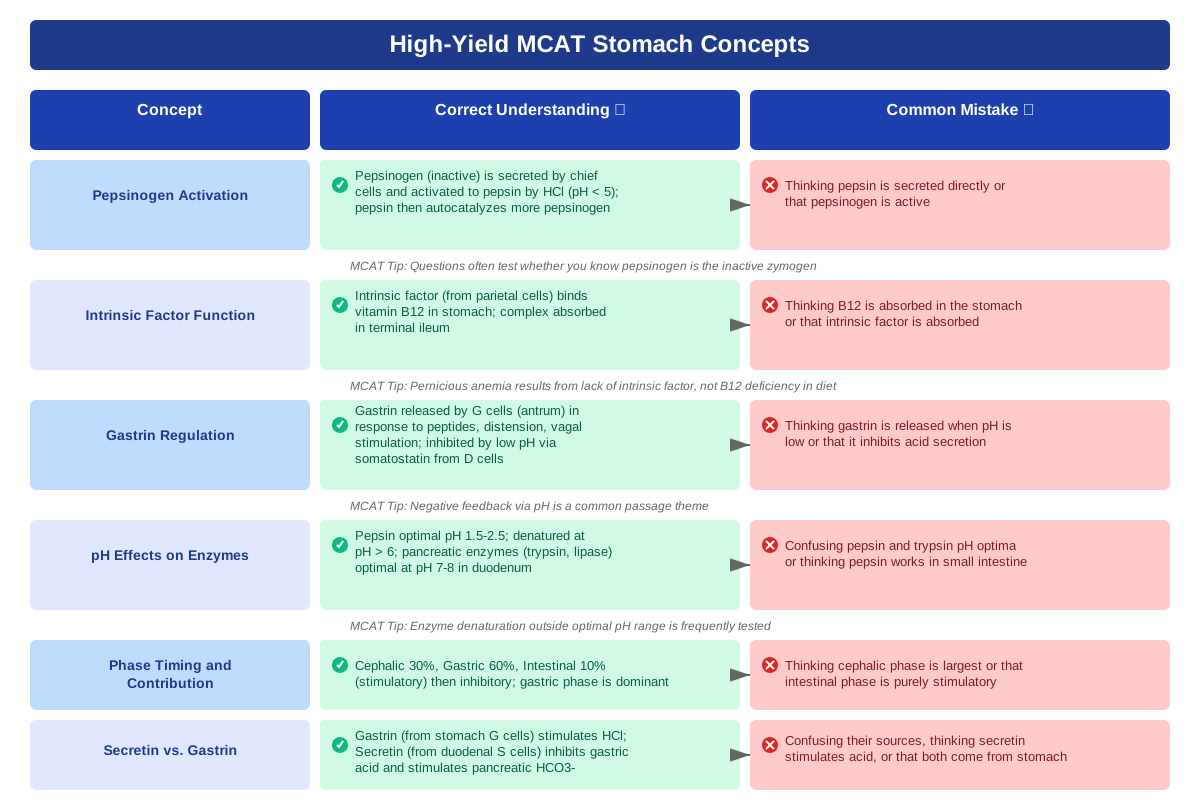
Overview
The stomach is a critical organ within the digestive system that serves as a temporary storage site and initial processing center for ingested food. As a muscular, J-shaped sac located between the esophagus and the small intestine, the stomach performs both mechanical and chemical digestion while regulating the rate at which partially digested food (chyme) enters the duodenum. Understanding stomach biology is essential for MCAT success because questions frequently test the integration of anatomy, physiology, biochemistry, and regulation of digestive processes.
For the MCAT, the stomach represents a high-yield topic within physiology and organ systems that connects multiple disciplines. Test-makers commonly present passages involving gastric secretions, pH regulation, enzyme function, hormonal control, and clinical conditions such as peptic ulcers or gastroesophageal reflux disease (GERD). The stomach's role in protein digestion, its unique cellular specializations, and its integration with the nervous and endocrine systems make it a frequent subject for both discrete questions and passage-based items.
Mastery of stomach MCAT content requires understanding not just the organ's structure, but also the regulatory mechanisms controlling secretion, the biochemical transformations occurring within the gastric lumen, and how the stomach interfaces with upstream (esophagus) and downstream (duodenum) structures. This topic bridges concepts in cell biology (parietal and chief cells), biochemistry (enzyme kinetics and pH effects), physiology (neural and hormonal regulation), and pathophysiology (ulcers, reflux, and malabsorption).
Learning Objectives
- [ ] Define stomach using accurate Biology terminology
- [ ] Explain why stomach matters for the MCAT
- [ ] Apply stomach concepts to exam-style questions
- [ ] Identify common mistakes related to stomach physiology
- [ ] Connect stomach to related Biology concepts
- [ ] Describe the cellular specializations of gastric epithelium and their secretory products
- [ ] Analyze the regulatory mechanisms controlling gastric secretion through cephalic, gastric, and intestinal phases
- [ ] Predict the physiological consequences of disrupted gastric function
Prerequisites
- Basic digestive system anatomy: Understanding the gastrointestinal tract organization provides context for the stomach's position and connections
- Cell membrane transport mechanisms: Essential for understanding how parietal cells secrete HCl against concentration gradients
- Enzyme structure and function: Necessary to comprehend pepsin activation and activity
- Autonomic nervous system: The parasympathetic and sympathetic divisions regulate gastric secretion and motility
- Basic endocrinology: Hormones like gastrin, secretin, and cholecystokinin (CCK) modulate stomach function
- Acid-base chemistry: Critical for understanding the extremely low pH environment of the gastric lumen
Why This Topic Matters
The stomach appears regularly on the MCAT because it exemplifies integrated physiological regulation. Approximately 2-4 questions per exam directly or indirectly test stomach-related concepts, appearing in both the Biological and Biochemical Foundations of Living Systems section and occasionally in passages involving experimental design or clinical scenarios.
Clinically, stomach dysfunction affects millions worldwide. Peptic ulcer disease, GERD, gastritis, and stomach cancer represent significant health burdens. Understanding normal stomach physiology provides the foundation for comprehending these pathological states, which frequently appear in MCAT clinical vignettes. The discovery that Helicobacter pylori causes most peptic ulcers revolutionized gastroenterology and exemplifies how basic science translates to clinical practice—a theme the MCAT emphasizes.
Common MCAT question formats include: experimental passages analyzing gastric secretion under various conditions, clinical vignettes describing patients with ulcers or reflux requiring mechanistic explanations, discrete questions about cellular specializations or regulatory hormones, and biochemistry passages examining pepsin activity at different pH levels. The stomach's integration of neural, hormonal, and paracrine signaling makes it ideal for testing higher-order thinking about physiological regulation.
Core Concepts
Anatomical Structure and Regions
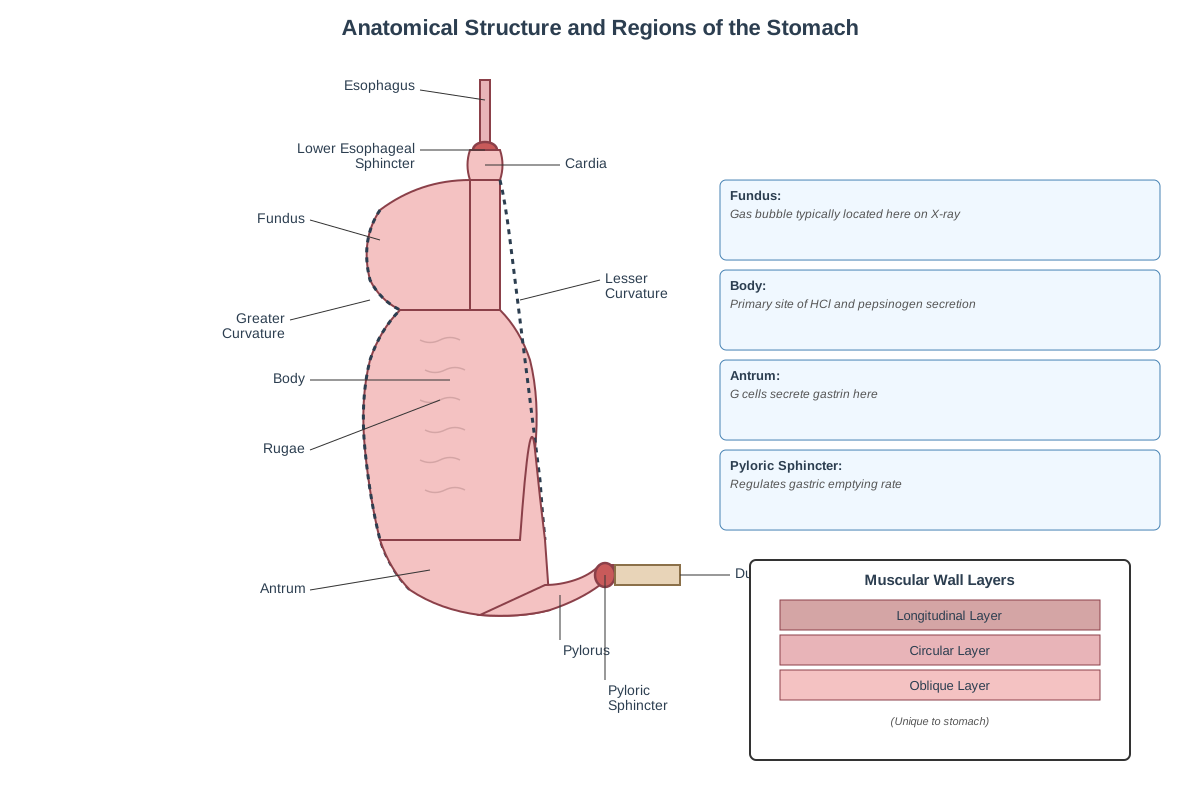
The stomach is a dilated portion of the gastrointestinal tract located in the upper left quadrant of the abdomen. It consists of four main anatomical regions, each with distinct functions:
- Cardia: The region immediately surrounding the lower esophageal sphincter (gastroesophageal junction)
- Fundus: The dome-shaped upper portion that extends above the level of the cardiac orifice
- Body (corpus): The largest central region where most secretion and mixing occurs
- Pylorus: The distal region that connects to the duodenum via the pyloric sphincter
The stomach wall comprises four layers from innermost to outermost: mucosa (epithelium, lamina propria, muscularis mucosae), submucosa (connective tissue with blood vessels and nerves), muscularis externa (three layers of smooth muscle: oblique, circular, and longitudinal), and serosa (outer connective tissue covering). The three-layered muscularis externa distinguishes the stomach from other GI organs and enables powerful churning contractions.
Gastric Epithelium and Cellular Specializations
The gastric mucosa contains specialized epithelial cells organized into gastric pits and gastric glands. Different stomach regions contain different cell types:
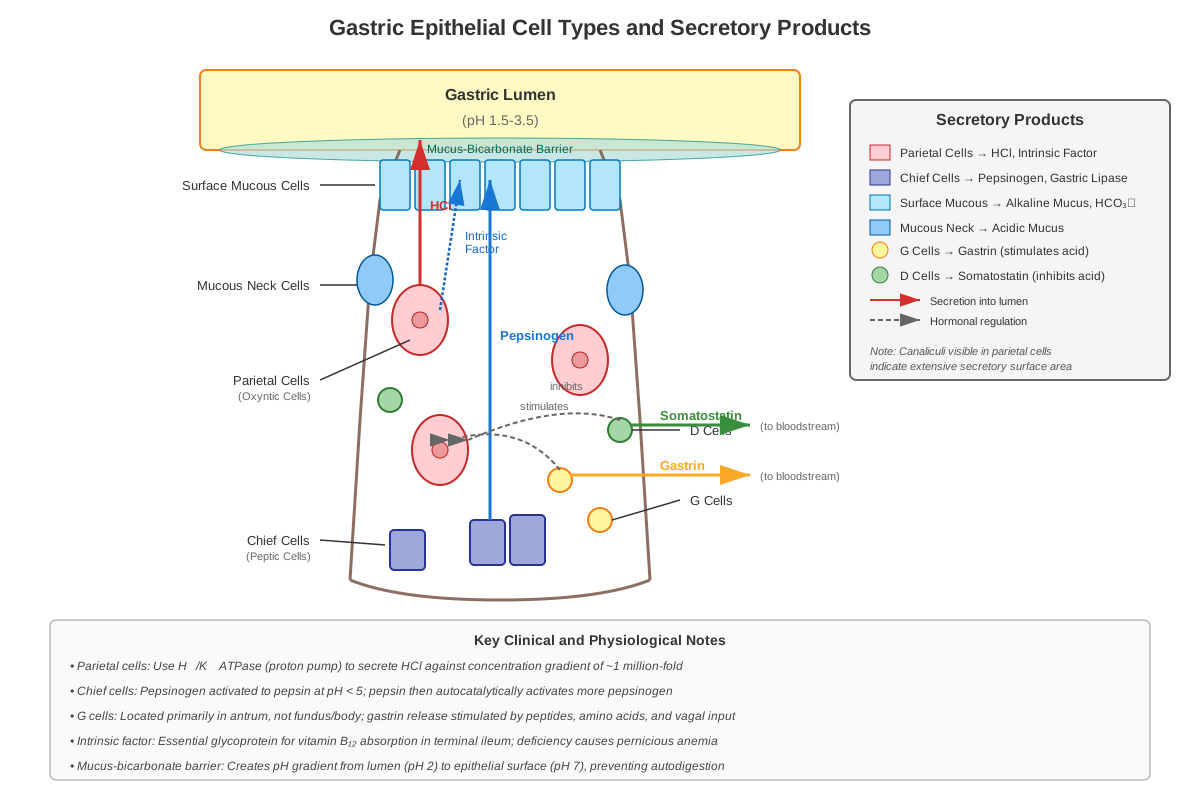
Surface mucous cells line the stomach lumen and gastric pits, secreting alkaline mucus containing bicarbonate and mucin glycoproteins. This mucus layer protects the epithelium from the harsh acidic environment and pepsin activity, creating a pH gradient from ~2 in the lumen to ~7 at the epithelial surface.
Gastric glands in the fundus and body contain four major cell types:
| Cell Type | Secretory Product | Function |
|---|---|---|
| Parietal cells (oxyntic cells) | Hydrochloric acid (HCl) and intrinsic factor | Acidify stomach contents; enable B12 absorption |
| Chief cells (peptic cells) | Pepsinogen and gastric lipase | Protein digestion precursor; limited fat digestion |
| Mucous neck cells | Acidic mucus | Protection and lubrication |
| Enteroendocrine cells | Various hormones (gastrin, histamine, somatostatin) | Regulate secretion and motility |
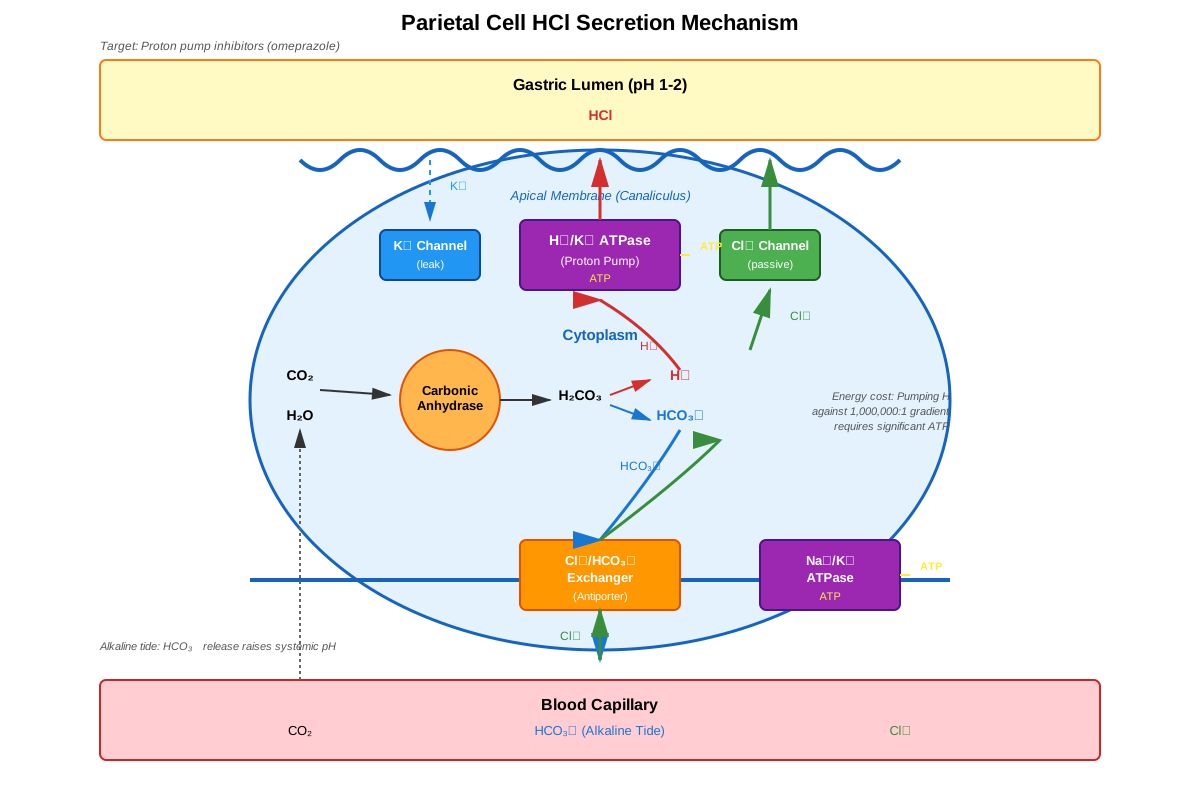
Parietal cells are particularly important for the MCAT. These cells use the H⁺/K⁺-ATPase (proton pump) to secrete hydrogen ions into the gastric lumen, creating an extremely acidic environment (pH 1.5-3.5). The mechanism involves:
- Carbonic anhydrase catalyzes: CO₂ + H₂O → H₂CO₃ → H⁺ + HCO₃⁻
- H⁺/K⁺-ATPase pumps H⁺ into the lumen in exchange for K⁺
- Cl⁻ follows through chloride channels to form HCl
- HCO₃⁻ exits the basolateral membrane via Cl⁻/HCO₃⁻ exchanger (creating the "alkaline tide")
Chief cells secrete pepsinogen, the inactive zymogen of pepsin. Pepsinogen is activated to pepsin by the acidic pH, and pepsin itself can autocatalytically activate more pepsinogen. Pepsin functions as an endopeptidase that cleaves peptide bonds, particularly those involving aromatic amino acids, initiating protein digestion.
Functions of the Stomach
The stomach performs five major functions essential for digestion:
- Storage: The stomach can expand to hold 1-1.5 liters of food, allowing intermittent eating rather than continuous feeding
- Mechanical digestion: Powerful contractions mix food with gastric secretions, creating chyme (semi-liquid mixture)
- Chemical digestion: HCl denatures proteins and activates pepsinogen; pepsin begins protein hydrolysis
- Secretion: Produces 2-3 liters of gastric juice daily containing HCl, pepsinogen, mucus, and intrinsic factor
- Regulation: Controls the rate of chyme delivery to the duodenum, preventing intestinal overload
The acidic environment serves multiple purposes: it denatures proteins (unfolding them for enzymatic access), activates pepsinogen to pepsin, kills most ingested bacteria, and facilitates mineral absorption (particularly iron and calcium).
Regulation of Gastric Secretion
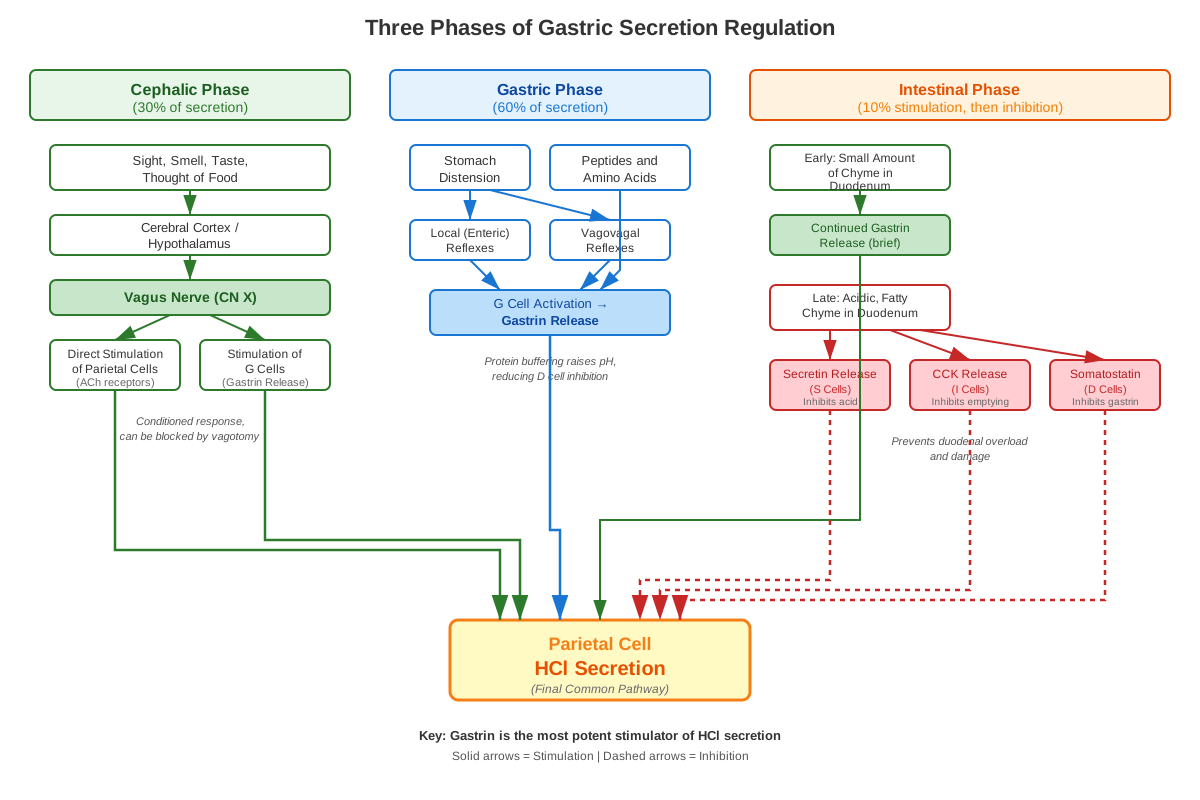
Gastric secretion is regulated through three overlapping phases that integrate neural, hormonal, and paracrine signals:
Cephalic Phase (30% of secretion)
The cephalic phase begins before food enters the stomach, triggered by sight, smell, taste, or thought of food. The vagus nerve (parasympathetic) stimulates:
- Parietal cells directly via acetylcholine (ACh) binding to muscarinic receptors
- G cells to release gastrin into the bloodstream
- Enterochromaffin-like (ECL) cells to release histamine (paracrine signal)
Gastric Phase (60% of secretion)
The gastric phase is triggered by stomach distension and chemical composition of stomach contents. Three mechanisms operate:
- Distension: Stretch receptors activate vagal reflexes and local (enteric) reflexes, stimulating secretion
- Chemical stimuli: Peptides and amino acids directly stimulate G cells to release gastrin
- Gastrin effects: Gastrin (from G cells in pyloric antrum) travels via bloodstream to stimulate parietal cells and ECL cells
Intestinal Phase (10% of secretion, primarily inhibitory)
The intestinal phase begins when chyme enters the duodenum. This phase is predominantly inhibitory, preventing excessive acid delivery to the small intestine:
- Secretin: Released by duodenal S cells in response to low pH; inhibits gastric acid secretion and stimulates pancreatic bicarbonate release
- Cholecystokinin (CCK): Released in response to fats and proteins; inhibits gastric emptying
- Gastric inhibitory peptide (GIP): Inhibits acid secretion
- Enterogastric reflex: Neural signals from duodenum inhibit gastric activity
Stimulation Pathways for Acid Secretion
Parietal cells integrate three major stimulatory signals, each binding to different receptors:
- Acetylcholine (ACh): From vagal nerve endings and enteric neurons; binds muscarinic M₃ receptors
- Histamine: From ECL cells; binds H₂ receptors (most potent direct stimulator)
- Gastrin: From G cells; binds CCK-B receptors
These signals work synergistically through different second messenger pathways (ACh and gastrin via IP₃/Ca²⁺; histamine via cAMP), producing greater combined effects than any single signal alone. This explains why H₂-receptor antagonists (like ranitidine) effectively reduce acid secretion even when other pathways remain active.
Somatostatin from D cells provides negative feedback, inhibiting gastrin release, histamine release, and parietal cell secretion when pH drops too low.
Gastric Motility and Emptying
Stomach motility involves two patterns:
Mixing waves: Weak peristaltic contractions in the body and fundus that mix food with gastric secretions every 15-25 seconds
Peristaltic contractions: Stronger waves beginning in the body and intensifying toward the pylorus, forcing small amounts of chyme through the pyloric sphincter
Gastric emptying rate depends on chyme composition:
- Liquids: Empty rapidly (half-time ~10-20 minutes)
- Carbohydrates: Empty relatively quickly
- Proteins: Empty more slowly
- Fats: Empty most slowly (trigger CCK release, which inhibits emptying)
The duodenum regulates emptying through feedback mechanisms that match delivery rate to digestive capacity, preventing osmotic imbalances and pH extremes in the small intestine.
Concept Relationships
The stomach functions as an integration point for multiple physiological systems. Anatomical structure determines cellular specialization, which produces specific secretions that enable chemical and mechanical digestion. These processes are controlled by regulatory mechanisms that coordinate with upstream (esophagus) and downstream (duodenum) organs.
The relationship flows: Neural and hormonal signals → cellular secretion → luminal environment → digestive processes → feedback regulation. For example, food arrival triggers vagal stimulation (cephalic phase) → ACh release → parietal cell activation → HCl secretion → low pH activates pepsinogen → protein digestion begins → peptides stimulate gastrin release (gastric phase) → amplified secretion → chyme enters duodenum → secretin and CCK release (intestinal phase) → inhibition of gastric activity.
Connections to prerequisite topics include: cell membrane transport (H⁺/K⁺-ATPase mechanism), enzyme kinetics (pepsin pH optimum and substrate specificity), autonomic nervous system (vagal stimulation of secretion), and endocrinology (gastrin, secretin, CCK signaling cascades).
Related topics that build on stomach physiology include: small intestine function (receives and further processes chyme), pancreatic secretions (neutralize acid and continue digestion), liver and gallbladder (bile emulsifies fats), and nutrient absorption (depends on proper gastric processing). Understanding stomach dysfunction connects to pathophysiology (ulcers, GERD, gastritis) and pharmacology (proton pump inhibitors, H₂ antagonists, antacids).
Quick check — test yourself on Stomach so far.
Try Flashcards →High-Yield Facts
⭐ Parietal cells secrete both HCl and intrinsic factor; intrinsic factor is essential for vitamin B12 absorption in the terminal ileum
⭐ Pepsinogen is activated to pepsin by low pH (below 3.5); pepsin then autocatalytically activates more pepsinogen
⭐ Three stimulators of parietal cells are ACh, histamine, and gastrin; they work synergistically through different receptor pathways
⭐ Gastrin is released by G cells in the pyloric antrum in response to peptides, amino acids, and vagal stimulation
⭐ Secretin (released by duodenal S cells in response to acid) inhibits gastric acid secretion and stimulates pancreatic bicarbonate secretion
- Chief cells secrete pepsinogen and gastric lipase; they are located primarily in the fundus and body
- The stomach's three-layer muscularis externa (oblique, circular, longitudinal) enables powerful churning and mixing
- Surface mucous cells secrete alkaline mucus containing bicarbonate, creating a protective pH gradient
- Somatostatin from D cells provides negative feedback inhibition when gastric pH becomes too low
- H₂-receptor antagonists block histamine binding to parietal cells, reducing acid secretion by ~70%
- The cephalic phase accounts for ~30% of gastric secretion and is mediated entirely by the vagus nerve
- Gastric emptying is slowest for fats, which trigger CCK release that inhibits gastric motility
- The alkaline tide refers to the increase in blood pH caused by bicarbonate entering the bloodstream during HCl secretion
- Enterochromaffin-like (ECL) cells release histamine in response to gastrin and vagal stimulation
- Pepsin has optimal activity at pH 1.5-2.5 and is irreversibly denatured above pH 6
Common Misconceptions
Misconception: The stomach is the primary site of nutrient absorption.
Correction: The stomach performs minimal absorption (only water, alcohol, and some lipid-soluble drugs). The small intestine is responsible for >95% of nutrient absorption. The stomach's role is storage, initial digestion, and controlled delivery of chyme to the duodenum.
Misconception: Pepsin directly digests all proteins to amino acids.
Correction: Pepsin is an endopeptidase that cleaves internal peptide bonds, producing smaller polypeptides and oligopeptides, not free amino acids. Complete protein digestion to amino acids requires pancreatic proteases (trypsin, chymotrypsin, carboxypeptidase) and intestinal brush border peptidases.
Misconception: Gastrin directly stimulates parietal cells to secrete acid.
Correction: While gastrin does bind receptors on parietal cells, its primary mechanism is indirect: gastrin stimulates ECL cells to release histamine, which then potently stimulates parietal cells via H₂ receptors. This explains why H₂ antagonists are so effective despite continued gastrin signaling.
Misconception: The stomach's acidic environment kills all bacteria, preventing infection.
Correction: While gastric acid kills most bacteria, some species (notably Helicobacter pylori) have evolved mechanisms to survive. H. pylori produces urease, which generates ammonia from urea, creating a localized alkaline microenvironment that protects the bacterium from acid.
Misconception: Increased stomach acid always causes ulcers.
Correction: Peptic ulcers result from an imbalance between aggressive factors (acid, pepsin) and protective factors (mucus, bicarbonate, prostaglandins, blood flow). Most ulcers are caused by H. pylori infection or NSAID use, which compromise mucosal defense rather than simply increasing acid production.
Misconception: The vagus nerve only stimulates gastric secretion.
Correction: While vagal (parasympathetic) stimulation increases secretion and motility, the vagus also carries sensory information from the stomach to the brain. Additionally, vagal tone maintains baseline secretion; vagotomy (cutting the vagus) dramatically reduces acid secretion.
Worked Examples
Example 1: Analyzing Gastric Secretion Regulation
Question: A researcher administers a drug that selectively blocks H₂ receptors on parietal cells. Despite continued vagal stimulation and elevated gastrin levels, acid secretion decreases by approximately 70%. Which of the following best explains this observation?
A) H₂ receptors are the only receptors on parietal cells that stimulate acid secretion
B) Histamine is the most potent direct stimulator of parietal cells, and gastrin primarily acts by stimulating histamine release
C) The drug also blocks muscarinic receptors on parietal cells
D) Vagal stimulation and gastrin cannot stimulate parietal cells without histamine present
Solution:
Step 1: Recall that parietal cells have three major stimulatory pathways: ACh (from vagus), histamine (from ECL cells), and gastrin (from G cells).
Step 2: Recognize that the question states vagal stimulation and gastrin levels remain elevated, yet acid secretion drops 70%. This indicates histamine signaling is disproportionately important.
Step 3: Understand the mechanism: Gastrin's primary effect is stimulating ECL cells to release histamine, which then acts on parietal cells. Blocking H₂ receptors prevents both direct histamine effects and the amplification of gastrin's effects.
Step 4: Evaluate options:
- A is incorrect: Parietal cells have multiple receptor types
- B is correct: Explains both the 70% reduction and why gastrin effects are diminished
- C is incorrect: The question specifies H₂-selective blockade
- D is incorrect: ACh and gastrin can stimulate parietal cells directly, just less effectively
Answer: B
This question tests understanding of the integrated regulation of gastric secretion and the synergistic relationships between stimulatory pathways—a high-yield MCAT concept.
Example 2: Clinical Vignette Analysis
Question: A 45-year-old patient undergoes total gastrectomy (complete stomach removal) due to gastric cancer. Several years later, the patient develops megaloblastic anemia despite adequate dietary intake of all vitamins. Laboratory tests reveal low serum vitamin B12 levels. Which of the following best explains this finding?
A) Loss of pepsin prevents dietary protein digestion, reducing amino acid availability for red blood cell production
B) Loss of intrinsic factor prevents vitamin B12 absorption in the terminal ileum
C) Loss of gastric acid prevents activation of pancreatic enzymes needed for B12 absorption
D) Loss of gastrin prevents stimulation of bone marrow red blood cell production
Solution:
Step 1: Identify the key clinical finding: megaloblastic anemia with low B12 despite adequate dietary intake. This indicates an absorption problem, not a dietary deficiency.
Step 2: Recall that parietal cells secrete both HCl and intrinsic factor. Total gastrectomy eliminates all parietal cells.
Step 3: Remember that intrinsic factor is essential for vitamin B12 absorption. B12 binds to intrinsic factor in the stomach, and the B12-IF complex is absorbed via specific receptors in the terminal ileum.
Step 4: Evaluate options:
- A is incorrect: While pepsin loss affects protein digestion, this doesn't specifically explain B12 deficiency, and pancreatic proteases can compensate
- B is correct: Directly explains the absorption defect
- C is incorrect: Pancreatic enzymes are activated by enterokinase and trypsin, not gastric acid
- D is incorrect: Gastrin doesn't regulate erythropoiesis
Answer: B
This question integrates stomach physiology with clinical pathophysiology and hematology, demonstrating how the MCAT tests connections between organ systems. The key is recognizing that parietal cells have dual secretory functions, and losing intrinsic factor has long-term consequences for B12 absorption.
Exam Strategy
When approaching MCAT questions about the stomach, use this systematic approach:
1. Identify the phase of digestion: Determine whether the question involves cephalic (before eating), gastric (during stomach processing), or intestinal (after chyme enters duodenum) phases. Each has distinct regulatory mechanisms.
2. Track the signal cascade: For secretion questions, identify the stimulus → cell type → secretory product → target → effect pathway. For example: protein in stomach → G cells → gastrin → ECL cells → histamine → parietal cells → HCl secretion.
3. Watch for trigger words:
- "Vagal stimulation," "sight of food," "cephalic" → parasympathetic/ACh pathway
- "Distension," "peptides in stomach" → gastrin release
- "Acid in duodenum" → secretin release and inhibition
- "Fat in duodenum" → CCK release and slowed emptying
- "Intrinsic factor" → parietal cells and B12 absorption
4. Apply process of elimination:
- Eliminate options confusing cell types (e.g., chief cells secreting acid)
- Eliminate options reversing cause and effect (e.g., secretin stimulating gastric acid)
- Eliminate options confusing locations (e.g., gastrin from duodenum instead of stomach)
5. Consider pH effects: Many stomach questions involve pH. Remember that pepsin requires low pH for activity, gastric acid denatures proteins, and duodenal acid triggers inhibitory feedback via secretin.
6. Time allocation: Stomach questions typically require 60-90 seconds. If a passage involves gastric physiology, spend extra time understanding the experimental setup, as questions often test application rather than pure recall.
7. Integration questions: The MCAT loves questions connecting stomach to other systems. Be prepared to link gastric function to: nervous system (vagal control), endocrine system (hormonal regulation), immune system (acid as barrier), and cardiovascular system (blood flow and ulcer formation).
Memory Techniques
Mnemonic for parietal cell stimulators - "HAG":
- Histamine (from ECL cells, via H₂ receptors)
- Acetylcholine (from vagus nerve, via muscarinic receptors)
- Gastrin (from G cells, via CCK-B receptors)
Mnemonic for gastric cell types and products - "Please Make Chili Everyday":
- Parietal cells → HCl and Intrinsic Factor
- Mucous cells → Mucus
- Chief cells → Pepsinogen
- Enteroendocrine cells → Hormones (gastrin, histamine, somatostatin)
Visualization for phases of gastric secretion:
Imagine three waves approaching a beach (the stomach):
- First wave (Cephalic): Comes from far away (brain/senses) before food arrives - 30%
- Second wave (Gastric): The big wave when food is actually in the stomach - 60%
- Third wave (Intestinal): Pulls back (inhibitory) when chyme enters duodenum - 10%
Acronym for duodenal inhibitory hormones - "SCC":
- Secretin (inhibits acid, stimulates bicarbonate)
- CCK (inhibits emptying)
- Cholecystokinin (same as CCK, reinforces memory)
Memory aid for pepsinogen activation:
"Pepsinogen needs to be ZAPPED by acid to become pepsin" (Zymogen → Activated by Protons → Pepsin Enzyme Digests)
Summary
The stomach is a muscular, J-shaped organ that serves as a temporary storage site and initial processing center for ingested food. Its specialized epithelium contains parietal cells (secreting HCl and intrinsic factor), chief cells (secreting pepsinogen), mucous cells (secreting protective mucus), and enteroendocrine cells (secreting regulatory hormones). Gastric secretion is regulated through three phases: cephalic (vagal/neural, 30%), gastric (distension and chemical stimuli, 60%), and intestinal (primarily inhibitory, 10%). Parietal cells are stimulated synergistically by acetylcholine, histamine, and gastrin, while secretin and CCK from the duodenum provide negative feedback. The stomach's acidic environment (pH 1.5-3.5) denatures proteins, activates pepsinogen to pepsin, and kills most bacteria. Pepsin initiates protein digestion by cleaving internal peptide bonds. The stomach regulates the rate of chyme delivery to the duodenum, with fats emptying most slowly. Understanding stomach physiology requires integrating anatomy, cellular specialization, biochemistry, and multi-level regulation—making it a high-yield MCAT topic that frequently appears in both discrete questions and passage-based items.
Key Takeaways
- The stomach performs mechanical and chemical digestion through churning and secretion of HCl and pepsin, while regulating chyme delivery to the duodenum
- Parietal cells secrete HCl (via H⁺/K⁺-ATPase) and intrinsic factor (essential for B12 absorption); chief cells secrete pepsinogen
- Three synergistic stimulators of parietal cells are acetylcholine (vagal), histamine (ECL cells), and gastrin (G cells)
- Gastric secretion occurs in three phases: cephalic (30%, neural), gastric (60%, distension and chemical), and intestinal (10%, inhibitory)
- Pepsinogen is activated to pepsin by low pH; pepsin functions optimally at pH 1.5-2.5 and autocatalytically activates more pepsinogen
- Secretin (released by duodenal S cells in response to acid) inhibits gastric secretion and stimulates pancreatic bicarbonate release
- Protective mechanisms include mucus-bicarbonate barrier, prostaglandins, and adequate blood flow; disruption leads to ulcers
Related Topics
Small Intestine Structure and Function: Builds directly on stomach physiology by examining how chyme is further processed, how pancreatic and biliary secretions are regulated, and how nutrients are absorbed. Mastering stomach function is essential for understanding duodenal feedback mechanisms.
Pancreatic Secretions: The pancreas responds to gastric chyme delivery by secreting bicarbonate (neutralizing acid) and digestive enzymes (continuing protein, carbohydrate, and fat digestion). Understanding gastric regulation helps explain pancreatic secretion triggers.
Autonomic Nervous System: The vagus nerve's role in gastric regulation exemplifies parasympathetic function. Deeper study of autonomic control reveals how the enteric nervous system integrates with central control.
Endocrine System and Hormone Signaling: Gastrin, secretin, and CCK exemplify peptide hormone function, receptor-mediated signaling, and feedback regulation—concepts that apply throughout endocrinology.
Acid-Base Physiology: The stomach's extreme pH and the alkaline tide during acid secretion connect to broader concepts of pH regulation, buffer systems, and metabolic alkalosis/acidosis.
Practice CTA
Now that you've mastered the core concepts of stomach physiology, it's time to reinforce your learning through active practice. Challenge yourself with MCAT-style practice questions that test your ability to apply these concepts in novel contexts, analyze experimental data, and integrate stomach function with other organ systems. Use flashcards to drill high-yield facts, especially the regulatory pathways and cellular specializations that appear frequently on the exam. Remember: understanding the stomach's integrated regulation demonstrates the type of systems-level thinking the MCAT rewards. Your investment in mastering this topic will pay dividends not only in direct stomach questions but also in passages involving digestion, pH regulation, and physiological control mechanisms. You've got this!
Sign up free to keep reading
Create a free AnvayaPrep account to finish this MCAT guide on Stomach — plus flashcards and practice questions.