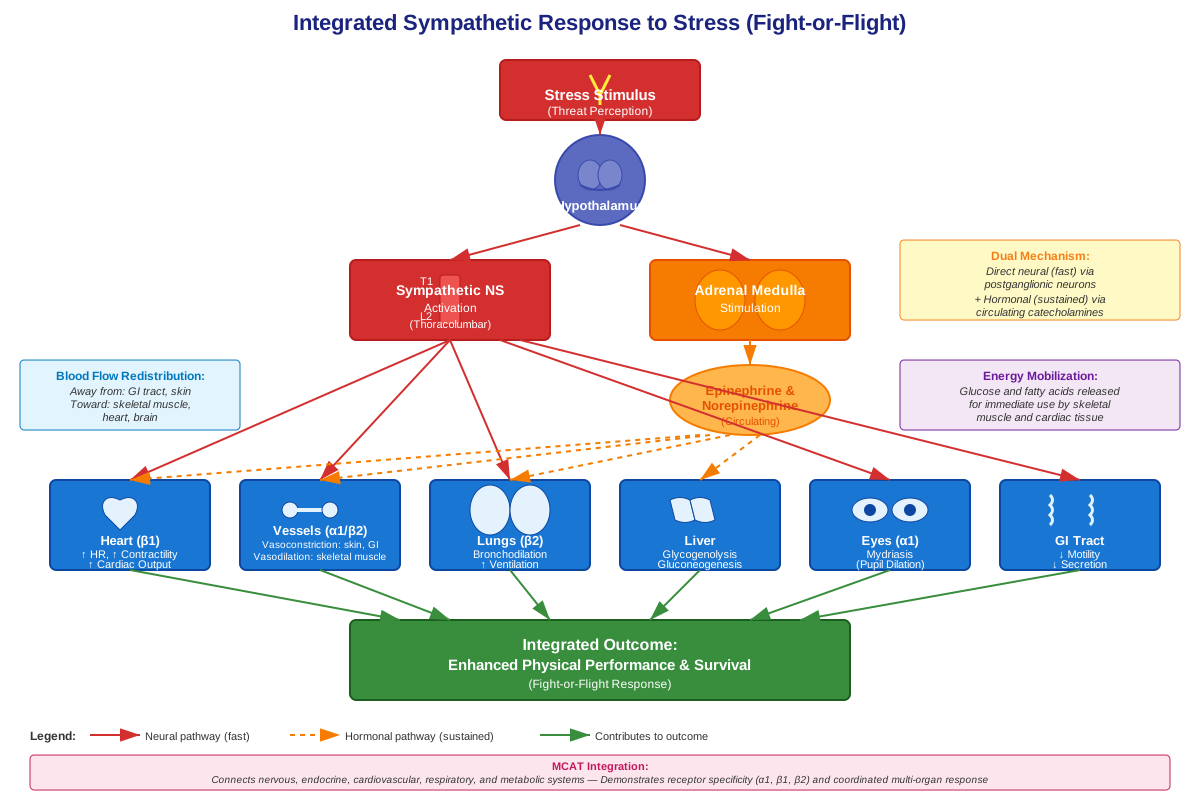
Overview
The sympathetic nervous system is a critical division of the autonomic nervous system that orchestrates the body's rapid involuntary response to dangerous or stressful situations—commonly known as the "fight-or-flight" response. This system prepares the body for immediate action by increasing heart rate, dilating pupils, redirecting blood flow to skeletal muscles, and mobilizing energy stores. Understanding the sympathetic nervous system is fundamental to mastering Physiology and Organ Systems within Biology, as it integrates neuroanatomy, neurotransmitter biochemistry, receptor pharmacology, and whole-body physiological responses.
For the MCAT, the sympathetic nervous system represents a high-yield topic that bridges multiple disciplines. Questions frequently test the anatomical organization of sympathetic pathways, the distinction between preganglionic and postganglionic neurons, neurotransmitter release patterns, receptor subtypes (particularly adrenergic receptors), and the physiological consequences of sympathetic activation on various organ systems. The sympathetic nervous system MCAT content appears in both passage-based and discrete questions, often integrated with cardiovascular physiology, endocrinology (especially the adrenal medulla), and pharmacology.
The sympathetic nervous system functions in concert with its counterpart, the parasympathetic nervous system, to maintain homeostasis through dynamic balance. While the parasympathetic system promotes "rest-and-digest" activities, the sympathetic system dominates during stress, exercise, or perceived threats. This antagonistic yet complementary relationship exemplifies the principle of dual innervation in autonomic control. Mastery of sympathetic nervous system function provides the foundation for understanding stress responses, blood pressure regulation, thermoregulation, and the mechanism of action for numerous medications tested on the MCAT.
Learning Objectives
- [ ] Define the sympathetic nervous system using accurate Biology terminology
- [ ] Explain why the sympathetic nervous system matters for the MCAT
- [ ] Apply sympathetic nervous system concepts to exam-style questions
- [ ] Identify common mistakes related to the sympathetic nervous system
- [ ] Connect the sympathetic nervous system to related Biology concepts
- [ ] Distinguish between preganglionic and postganglionic sympathetic neurons in terms of neurotransmitters, fiber length, and anatomical location
- [ ] Predict the physiological effects of sympathetic activation on specific organ systems
- [ ] Compare and contrast alpha and beta adrenergic receptor functions and their tissue distribution
Prerequisites
- Basic neuroanatomy: Understanding of the central nervous system (brain and spinal cord) and peripheral nervous system divisions is essential for locating sympathetic structures
- Neurotransmitter function: Knowledge of synaptic transmission, including neurotransmitter release, receptor binding, and signal termination, provides the mechanistic foundation
- Cell signaling: Familiarity with G-protein coupled receptors and second messenger systems (cAMP, IP3/DAG) is necessary to understand adrenergic receptor mechanisms
- Cardiovascular physiology basics: Understanding heart rate, blood pressure, and vascular resistance helps contextualize sympathetic effects on circulation
- Endocrine system fundamentals: Knowledge of hormone function and the hypothalamic-pituitary axis connects sympathetic responses to broader stress physiology
Why This Topic Matters
The sympathetic nervous system holds substantial clinical and real-world significance. Dysregulation of sympathetic activity contributes to hypertension, cardiac arrhythmias, anxiety disorders, and metabolic syndrome. Many commonly prescribed medications—including beta-blockers, alpha-blockers, and sympathomimetics—target components of this system. Understanding sympathetic function is essential for comprehending how the body responds to hemorrhage, exercise, temperature extremes, and psychological stress.
On the MCAT, sympathetic nervous system content appears with moderate-to-high frequency across multiple question formats. Approximately 3-5% of Biology/Biochemistry section questions directly test autonomic nervous system concepts, with the sympathetic division being the more commonly tested component. Questions typically appear as:
- Passage-based scenarios involving pharmacological interventions (e.g., administering a beta-blocker and predicting cardiovascular changes)
- Experimental analysis requiring interpretation of sympathetic stimulation effects on measured physiological parameters
- Discrete questions testing anatomical organization, neurotransmitter identity, or receptor classification
- Integrated physiology questions connecting sympathetic activation to endocrine responses (catecholamine release) or metabolic changes (glycogenolysis, lipolysis)
Common passage contexts include exercise physiology studies, cardiovascular drug trials, stress response experiments, and clinical vignettes involving autonomic dysfunction. The MCAT frequently tests the ability to predict cascading physiological effects from a single sympathetic stimulus, requiring integration of multiple organ system responses.
Core Concepts
Anatomical Organization of the Sympathetic Nervous System
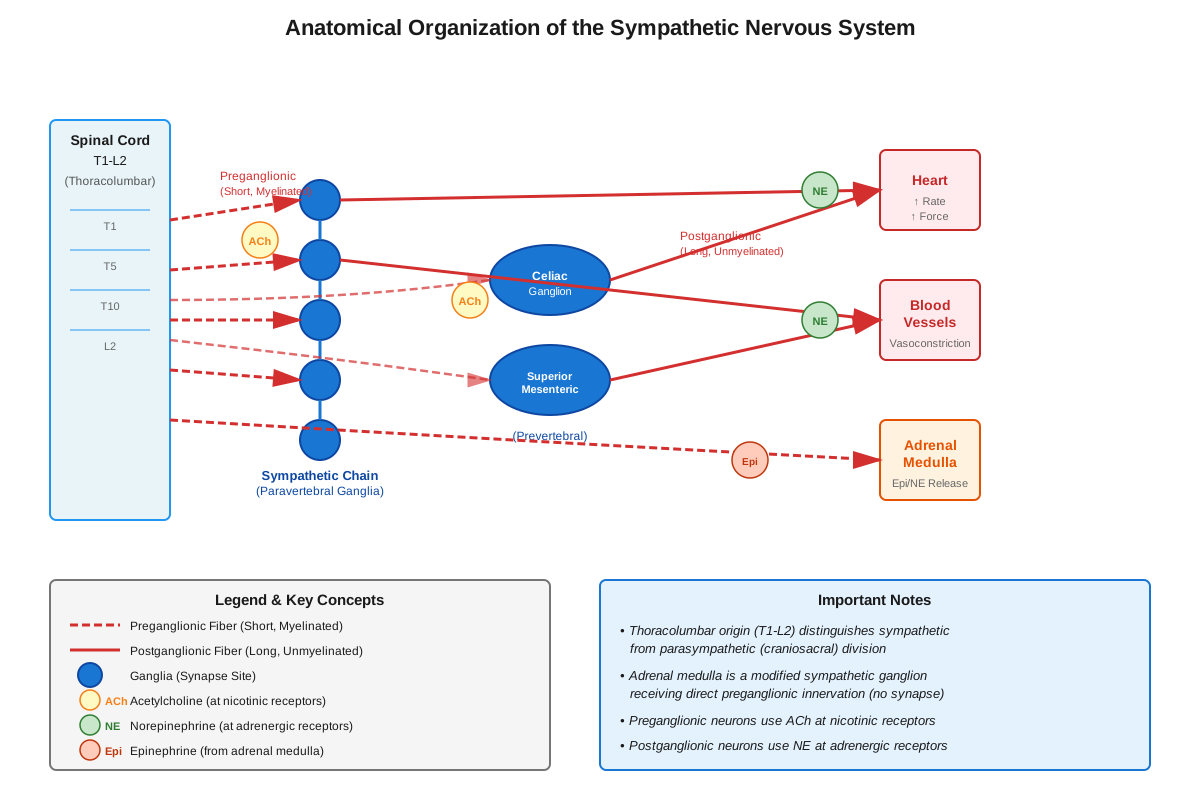
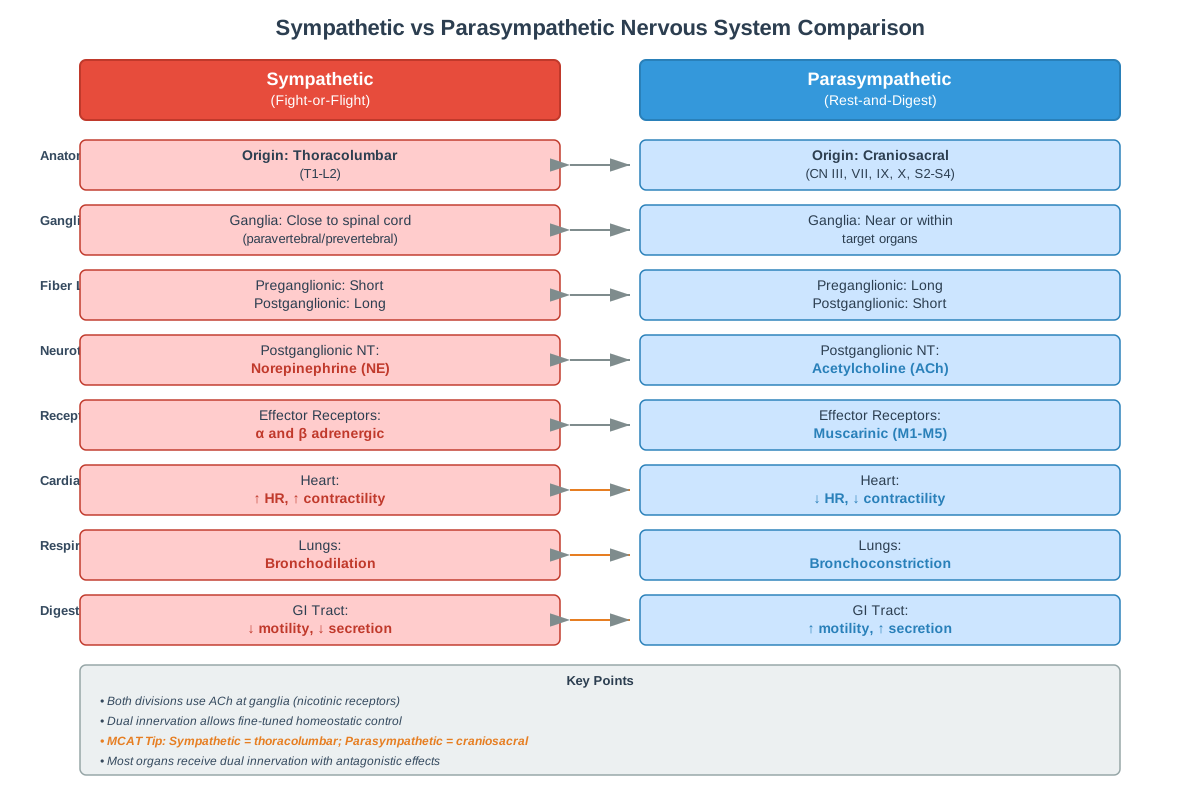
The sympathetic nervous system originates from the thoracolumbar region of the spinal cord, specifically from spinal segments T1 through L2 or L3. This anatomical origin distinguishes it from the parasympathetic system, which arises from craniosacral regions. The sympathetic pathway consists of a two-neuron chain: a preganglionic neuron with its cell body in the lateral horn of the spinal cord gray matter, and a postganglionic neuron with its cell body in a peripheral ganglion.
Preganglionic sympathetic fibers are relatively short and exit the spinal cord through the ventral root, joining the spinal nerve briefly before branching off as white rami communicantes (myelinated, appearing white). These fibers synapse in one of three locations:
- Paravertebral ganglia (sympathetic chain ganglia) running alongside the vertebral column
- Prevertebral ganglia (collateral ganglia) located in the abdomen, including the celiac, superior mesenteric, and inferior mesenteric ganglia
- Adrenal medulla, a specialized structure that functions as a modified sympathetic ganglion
Postganglionic sympathetic fibers are long and extend from the ganglia to target organs throughout the body. Gray rami communicantes (unmyelinated, appearing gray) carry postganglionic fibers back to spinal nerves for distribution to blood vessels, sweat glands, and arrector pili muscles in the skin.
Neurotransmitters and Receptors
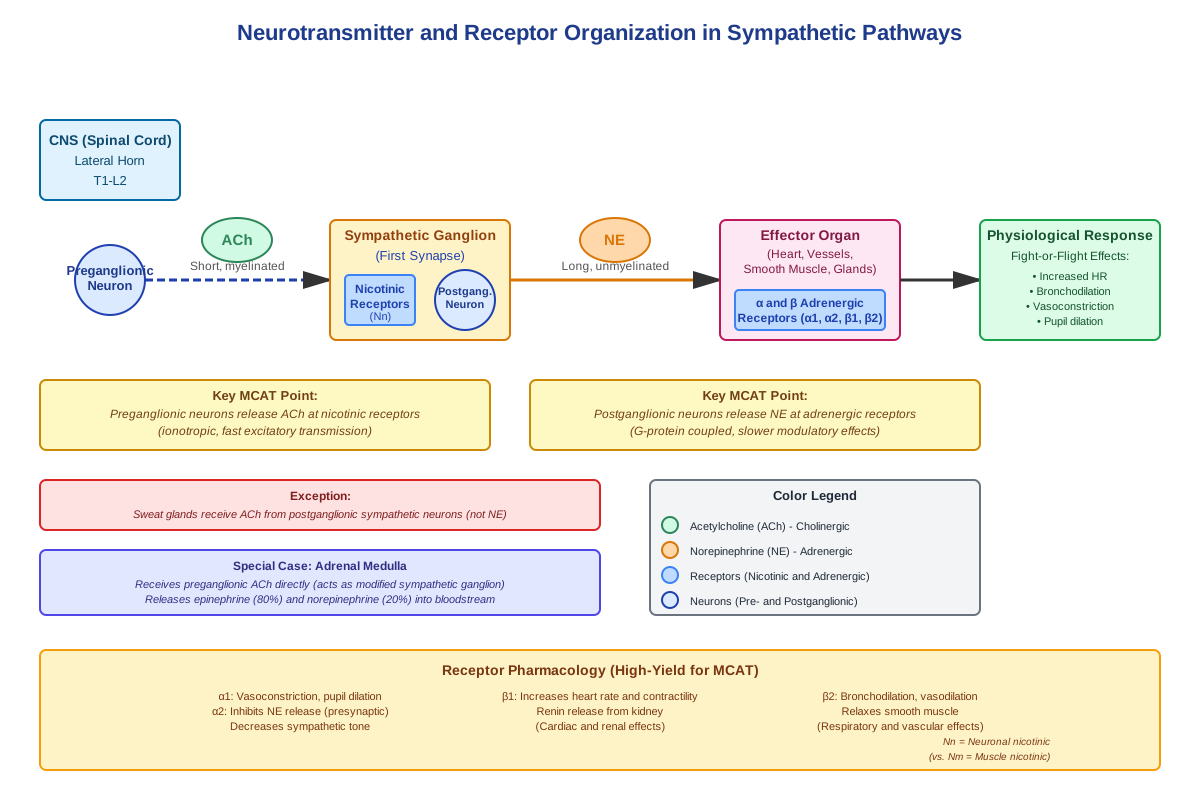
The sympathetic nervous system employs a characteristic neurotransmitter pattern. Preganglionic neurons release acetylcholine (ACh), which binds to nicotinic receptors on postganglionic neurons. This cholinergic transmission at the ganglion is identical to parasympathetic ganglionic transmission and represents a key similarity between the two autonomic divisions.
Postganglionic neurons predominantly release norepinephrine (noradrenaline), making them adrenergic fibers. Norepinephrine binds to adrenergic receptors on target organs, classified into two main families:
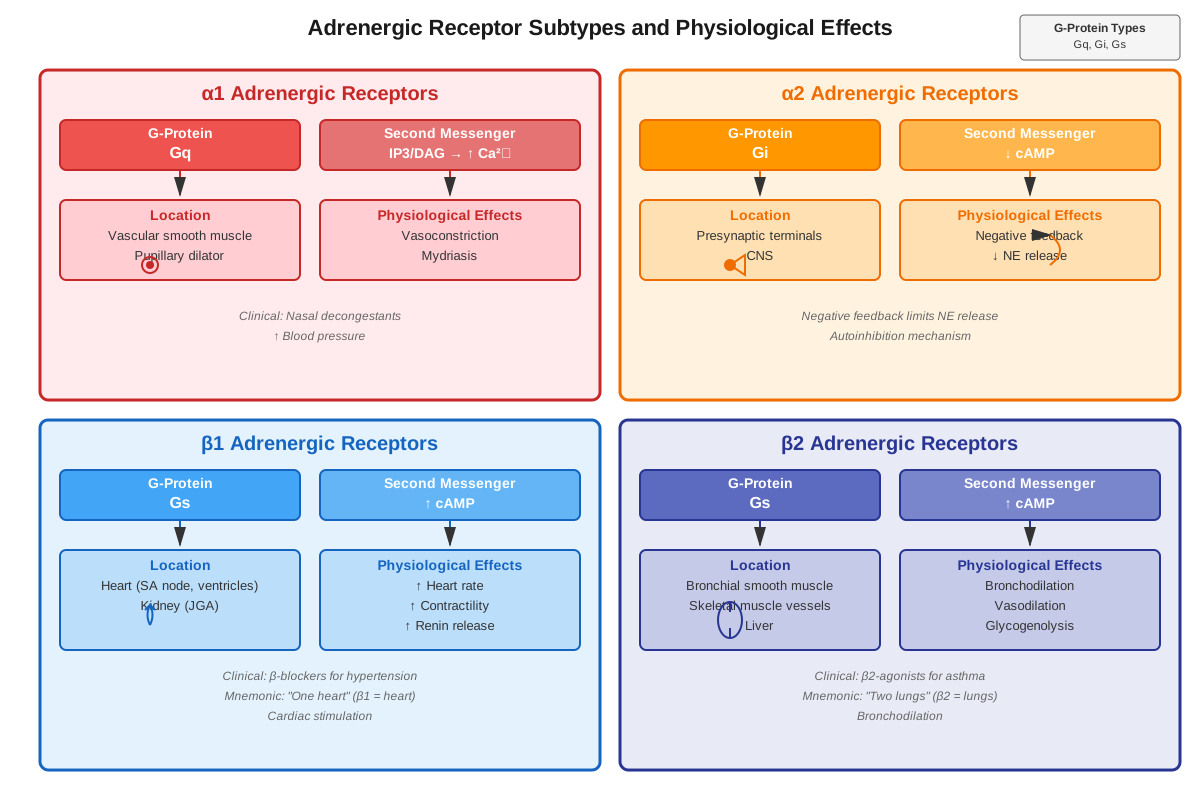
Alpha (α) adrenergic receptors:
- α₁ receptors: Gq-coupled, increase IP3/DAG and intracellular calcium; cause vasoconstriction in most vascular beds, contraction of sphincters, and pupillary dilation (mydriasis)
- α₂ receptors: Gi-coupled, decrease cAMP; primarily function as presynaptic autoreceptors providing negative feedback on norepinephrine release; also mediate some smooth muscle effects
Beta (β) adrenergic receptors:
- β₁ receptors: Gs-coupled, increase cAMP; predominant in cardiac tissue, increasing heart rate (positive chronotropy), contractility (positive inotropy), and conduction velocity
- β₂ receptors: Gs-coupled, increase cAMP; cause bronchodilation, vasodilation in skeletal muscle and liver, uterine relaxation, and metabolic effects including glycogenolysis and lipolysis
- β₃ receptors: Gs-coupled; primarily mediate lipolysis in adipose tissue and thermogenesis in brown fat
Important exception: Postganglionic sympathetic fibers innervating sweat glands and some blood vessels in skeletal muscle release acetylcholine rather than norepinephrine, binding to muscarinic receptors. This represents a critical exception to the general rule.
The Adrenal Medulla Connection
The adrenal medulla represents a unique component of the sympathetic system. Preganglionic sympathetic fibers travel directly to the adrenal medulla without synapsing in a ganglion. The chromaffin cells of the adrenal medulla function as modified postganglionic neurons that release hormones directly into the bloodstream rather than into a synaptic cleft.
Upon stimulation by preganglionic acetylcholine, chromaffin cells secrete approximately 80% epinephrine (adrenaline) and 20% norepinephrine into circulation. These catecholamines act as hormones, producing widespread and prolonged sympathetic effects throughout the body. Epinephrine has a higher affinity for β₂ receptors than norepinephrine, explaining some differential effects. This endocrine component amplifies and sustains the neural sympathetic response during stress.
Physiological Effects by Organ System
| Organ System | Sympathetic Effect | Receptor Type | Mechanism |
|---|---|---|---|
| Cardiovascular | ↑ Heart rate, ↑ contractility, ↑ conduction velocity | β₁ | Increased cAMP → enhanced Ca²⁺ influx |
| Vasoconstriction (most vessels) | α₁ | Increased IP3/Ca²⁺ → smooth muscle contraction | |
| Vasodilation (skeletal muscle, liver) | β₂ | Increased cAMP → smooth muscle relaxation | |
| Respiratory | Bronchodilation | β₂ | Smooth muscle relaxation in airways |
| Gastrointestinal | ↓ Motility, ↓ secretions | α₁, β₂ | Smooth muscle relaxation, sphincter contraction |
| Urinary | Bladder wall relaxation, sphincter contraction | β₂, α₁ | Promotes urine retention |
| Ocular | Pupil dilation (mydriasis) | α₁ | Contraction of radial muscle |
| Metabolic | ↑ Glycogenolysis, ↑ gluconeogenesis | β₂ | Increased glucose availability |
| ↑ Lipolysis | β₃ | Increased free fatty acid release | |
| Glandular | ↑ Sweat production | Muscarinic (ACh) | Exception to adrenergic rule |
| ↓ Salivary secretion (thick, viscous) | α₁ | Reduced blood flow to glands |
Integration with the Stress Response
Sympathetic activation forms the neural component of the comprehensive stress response, working in concert with the hypothalamic-pituitary-adrenal (HPA) axis. When the hypothalamus perceives a threat, it simultaneously activates sympathetic outflow and triggers corticotropin-releasing hormone (CRH) release. The rapid sympathetic response (seconds to minutes) provides immediate physiological adjustments, while the slower HPA axis response (minutes to hours) sustains the stress state through cortisol release.
The integrated stress response produces coordinated changes:
- Cardiovascular: Increased cardiac output and blood pressure ensure adequate perfusion of vital organs
- Respiratory: Enhanced ventilation increases oxygen availability
- Metabolic: Mobilization of energy substrates (glucose, fatty acids) fuels increased cellular activity
- Sensory: Pupil dilation and heightened alertness improve threat detection
- Thermoregulatory: Increased metabolic rate and altered blood flow patterns
- Immune: Redistribution of immune cells and modulation of inflammatory responses
Concept Relationships
The sympathetic nervous system concepts form an interconnected network of anatomical, biochemical, and physiological relationships. The anatomical organization (thoracolumbar origin, two-neuron chain) → determines the neurotransmitter pattern (preganglionic ACh, postganglionic norepinephrine) → which dictates receptor activation (nicotinic at ganglia, adrenergic at targets) → producing organ-specific physiological effects → that collectively generate the integrated stress response.
Within the sympathetic system, the adrenal medulla represents a specialized modification where preganglionic fibers directly stimulate hormone release, creating an endocrine amplification of neural signals. This hormonal component extends and intensifies the effects of direct neural innervation.
The sympathetic nervous system connects to prerequisite knowledge through multiple pathways. Neurotransmitter function provides the mechanistic basis for understanding synaptic transmission at both ganglionic and neuroeffector junctions. Cell signaling concepts explain how adrenergic receptor subtypes produce different effects through distinct G-protein coupling and second messenger systems. Cardiovascular physiology contextualizes the hemodynamic consequences of sympathetic activation.
The sympathetic system also connects forward to advanced topics. Understanding sympathetic function is essential for pharmacology, as numerous drug classes (beta-blockers, alpha-blockers, sympathomimetics) target this system. Endocrinology builds on the adrenal medulla connection and the integration of neural and hormonal stress responses. Pathophysiology of conditions like hypertension, heart failure, and anxiety disorders involves sympathetic dysregulation.
The antagonistic relationship between sympathetic and parasympathetic divisions exemplifies the principle of homeostatic balance through dual innervation. Most organs receive input from both divisions, with the dominant system varying based on physiological demands. This dynamic balance → enables fine-tuned regulation → supporting optimal function across diverse conditions.
Quick check — test yourself on Sympathetic nervous system so far.
Try Flashcards →High-Yield Facts
⭐ The sympathetic nervous system originates from the thoracolumbar region (T1-L2/L3) of the spinal cord, distinguishing it from the craniosacral parasympathetic system.
⭐ Preganglionic sympathetic neurons release acetylcholine at nicotinic receptors; postganglionic neurons release norepinephrine at adrenergic receptors (except sweat glands, which use ACh at muscarinic receptors).
⭐ β₁ receptors predominate in cardiac tissue and increase heart rate and contractility; β₂ receptors cause bronchodilation and vasodilation in skeletal muscle.
⭐ α₁ receptors cause vasoconstriction in most vascular beds and contraction of sphincters; α₂ receptors primarily provide negative feedback on norepinephrine release.
⭐ The adrenal medulla functions as a modified sympathetic ganglion, releasing 80% epinephrine and 20% norepinephrine directly into the bloodstream.
- Preganglionic sympathetic fibers are short and myelinated; postganglionic fibers are long and unmyelinated.
- All adrenergic receptors are G-protein coupled receptors (GPCRs): α₁ uses Gq, α₂ uses Gi, and all β receptors use Gs.
- Sympathetic activation redirects blood flow away from the gastrointestinal tract and toward skeletal muscles, heart, and brain.
- Pupil dilation (mydriasis) results from α₁ receptor activation on the radial muscle of the iris.
- Sympathetic stimulation increases metabolic rate through enhanced glycogenolysis, gluconeogenesis, and lipolysis.
- The sympathetic nervous system has no direct effect on the adrenal cortex; cortisol release is controlled by the HPA axis.
- Norepinephrine reuptake by the presynaptic neuron (via NET transporter) is the primary mechanism for terminating sympathetic signaling.
Common Misconceptions
Misconception: All postganglionic sympathetic neurons release norepinephrine.
Correction: While most postganglionic sympathetic neurons are adrenergic, those innervating sweat glands and some skeletal muscle blood vessels release acetylcholine and are therefore cholinergic, binding to muscarinic receptors.
Misconception: The sympathetic nervous system always causes vasoconstriction.
Correction: Sympathetic effects on blood vessels depend on receptor type and location. α₁ activation causes vasoconstriction in most beds, but β₂ activation causes vasodilation in skeletal muscle and liver vasculature, redirecting blood flow during exercise or stress.
Misconception: Epinephrine and norepinephrine have identical effects on all tissues.
Correction: While both are catecholamines, epinephrine has higher affinity for β₂ receptors than norepinephrine, making epinephrine more potent at causing bronchodilation and vasodilation in certain vascular beds. Norepinephrine has relatively higher α-receptor activity.
Misconception: The adrenal medulla is part of the endocrine system and unrelated to the nervous system.
Correction: The adrenal medulla is developmentally and functionally part of the sympathetic nervous system, consisting of modified postganglionic neurons (chromaffin cells) that receive direct preganglionic innervation and release catecholamines as hormones.
Misconception: Sympathetic ganglia are located within target organs.
Correction: Sympathetic ganglia are located either in the paravertebral chain near the spinal cord or in prevertebral locations in the abdomen, always distant from target organs. This contrasts with parasympathetic ganglia, which are located near or within target organs, resulting in long preganglionic and short postganglionic fibers for parasympathetic pathways.
Misconception: The sympathetic nervous system only activates during emergencies.
Correction: While sympathetic activity increases dramatically during stress, the system maintains baseline tone continuously, contributing to resting heart rate, vascular tone, and metabolic regulation. The balance between sympathetic and parasympathetic tone shifts dynamically based on physiological demands.
Worked Examples
Example 1: Pharmacological Intervention
Question: A patient with hypertension is prescribed a medication that selectively blocks β₁ adrenergic receptors. Predict the cardiovascular effects of this medication and explain the mechanism.
Solution:
Step 1: Identify the receptor and its normal function.
β₁ receptors are Gs-coupled GPCRs that predominate in cardiac tissue. When activated by norepinephrine from sympathetic neurons or circulating catecholamines, they increase cAMP levels, leading to enhanced calcium influx into cardiac myocytes.
Step 2: Determine the physiological effects of β₁ activation.
β₁ receptor activation produces three primary cardiac effects:
- Positive chronotropy (increased heart rate)
- Positive inotropy (increased contractility/force of contraction)
- Positive dromotropy (increased conduction velocity through the AV node)
Step 3: Predict the effects of blocking β₁ receptors.
A selective β₁ blocker will:
- Decrease heart rate (negative chronotropy) by reducing the rate of spontaneous depolarization in SA node pacemaker cells
- Decrease contractility (negative inotropy) by reducing calcium availability for cross-bridge cycling
- Decrease cardiac output (CO = HR × SV) due to reduced heart rate and stroke volume
- Decrease blood pressure as a consequence of reduced cardiac output (BP = CO × TPR)
Step 4: Consider why this treats hypertension.
By reducing cardiac output without significantly affecting β₂-mediated vasodilation (since the blocker is selective for β₁), the medication lowers blood pressure. Additionally, β₁ blockade reduces renin release from juxtaglomerular cells in the kidney, decreasing activation of the renin-angiotensin-aldosterone system and further lowering blood pressure.
Connection to learning objectives: This example demonstrates application of sympathetic nervous system knowledge to predict pharmacological effects, integrating receptor function, signal transduction, and organ-level physiology.
Example 2: Integrated Stress Response
Question: A student encounters a threatening situation and experiences the "fight-or-flight" response. Trace the neural pathway from perception of threat to increased blood glucose availability, identifying all neurons, neurotransmitters, receptors, and organs involved.
Solution:
Step 1: Identify the initiating structure.
The hypothalamus perceives the threat through input from higher cortical centers and the amygdala, initiating sympathetic outflow.
Step 2: Trace the neural pathway to the adrenal medulla.
- Preganglionic sympathetic neurons with cell bodies in the intermediolateral cell column of spinal segments T10-L1 send axons directly to the adrenal medulla (no intervening ganglion)
- These preganglionic fibers release acetylcholine
- ACh binds to nicotinic receptors on chromaffin cells
Step 3: Describe the hormonal response.
- Chromaffin cells (modified postganglionic neurons) release epinephrine (80%) and norepinephrine (20%) into the bloodstream
- These catecholamines circulate systemically as hormones
Step 4: Trace the metabolic effects in the liver.
- Epinephrine binds to β₂ adrenergic receptors on hepatocytes
- β₂ receptors are Gs-coupled, activating adenylyl cyclase
- Increased cAMP activates protein kinase A (PKA)
- PKA phosphorylates and activates phosphorylase kinase
- Phosphorylase kinase activates glycogen phosphorylase
- Glycogen phosphorylase catalyzes glycogenolysis, breaking down glycogen to glucose-1-phosphate
- Glucose-1-phosphate is converted to glucose-6-phosphate, then to free glucose by glucose-6-phosphatase
- Glucose is released into the bloodstream, increasing blood glucose availability
Step 5: Identify parallel pathways.
Simultaneously, epinephrine binding to β₂ receptors on adipocytes activates hormone-sensitive lipase, promoting lipolysis and releasing free fatty acids as an additional energy source. In skeletal muscle, β₂ activation promotes glycogenolysis for local glucose use (though muscle lacks glucose-6-phosphatase and cannot release free glucose).
Connection to learning objectives: This example integrates anatomical organization, neurotransmitter identity, receptor function, signal transduction, and metabolic consequences, demonstrating how sympathetic activation produces coordinated systemic effects.
Exam Strategy
When approaching MCAT questions on the sympathetic nervous system, employ a systematic strategy:
1. Identify the anatomical level: Determine whether the question addresses preganglionic neurons, ganglia, postganglionic neurons, or target organs. This immediately narrows the relevant neurotransmitters and receptors.
2. Watch for trigger words:
- "Fight-or-flight," "stress response," "emergency" → sympathetic activation
- "Thoracolumbar" → sympathetic origin
- "Adrenergic," "norepinephrine," "epinephrine" → sympathetic postganglionic or adrenal medulla
- "Beta-blocker," "propranolol" → β-adrenergic antagonist
- "Vasoconstriction" → likely α₁ activation (but consider location)
- "Bronchodilation" → β₂ activation
3. Apply the receptor-effect framework: When given a receptor type, immediately recall its G-protein coupling, second messenger, and primary tissue distribution. This allows rapid prediction of physiological effects.
4. Consider exceptions: If a question seems too straightforward, check for the sweat gland exception (cholinergic sympathetic innervation) or differential effects of epinephrine versus norepinephrine.
5. Use process of elimination for receptor questions:
- If the effect involves the heart (rate or contractility), prioritize β₁
- If the effect involves smooth muscle relaxation (bronchi, blood vessels), consider β₂
- If the effect involves smooth muscle contraction (blood vessels, sphincters, pupils), consider α₁
- If the question mentions presynaptic regulation, consider α₂
6. Integrate multiple organ systems: Sympathetic questions often require predicting cascading effects. For example, increased heart rate (β₁) + vasoconstriction (α₁) → increased blood pressure → potential baroreceptor reflex activation.
7. Time allocation: Discrete sympathetic questions typically require 45-60 seconds. Passage-based questions involving experimental data or pharmacology may require 90-120 seconds. Don't get bogged down in memorizing every receptor subtype location—focus on the high-yield β₁, β₂, and α₁ receptors.
Exam Tip: If a passage describes an experimental manipulation of the autonomic nervous system, create a quick table comparing sympathetic versus parasympathetic effects on the relevant organ system before reading the questions. This prevents confusion and speeds up question answering.
Memory Techniques
Mnemonic for Sympathetic Origin: "Thoroughly Loud" = Thoracolumbar (T1-L2)
Mnemonic for Adrenergic Receptor Effects:
- "β₁ for the 1 heart" (β₁ receptors predominate in cardiac tissue)
- "β₂ for the 2 lungs" (β₂ receptors cause bronchodilation)
- "α₁ makes vessels tight" (α₁ causes vasoconstriction)
Visualization Strategy for Fiber Length: Picture a short fuse (preganglionic) connected to a long wire (postganglionic) for sympathetic pathways. This contrasts with parasympathetic pathways, which have a long fuse connected to a short wire.
Acronym for Sympathetic Effects - DILATES:
- Dilates pupils (mydriasis)
- Increases heart rate
- Liberates glucose (glycogenolysis)
- Activates sweat glands
- Tenses muscles (increased blood flow)
- Elevates blood pressure
- Suppresses digestion
Memory Palace Technique: Visualize walking through a "stress scenario" building:
- Entrance (spinal cord): Short preganglionic neurons exit from the thoracolumbar region
- Lobby (ganglia): Acetylcholine activates nicotinic receptors
- Long hallways (postganglionic fibers): Extend to distant rooms (organs)
- Rooms (target organs): Norepinephrine activates adrenergic receptors, producing specific effects in each room (heart rate in the cardiac room, bronchodilation in the lung room, etc.)
- Basement (adrenal medulla): Special direct connection releasing hormones into the bloodstream
Summary
The sympathetic nervous system constitutes the thoracolumbar division of the autonomic nervous system, orchestrating the body's fight-or-flight response through a two-neuron pathway. Preganglionic neurons originating from T1-L2/L3 release acetylcholine at nicotinic receptors in peripheral ganglia or the adrenal medulla. Postganglionic neurons predominantly release norepinephrine at adrenergic receptors on target organs, with critical exceptions including cholinergic innervation of sweat glands. The system employs multiple receptor subtypes—α₁, α₂, β₁, β₂, and β₃—each coupled to distinct G-proteins and producing specific physiological effects. β₁ receptors increase cardiac rate and contractility, β₂ receptors cause bronchodilation and metabolic activation, and α₁ receptors produce vasoconstriction and sphincter contraction. The adrenal medulla functions as a modified sympathetic ganglion, releasing catecholamines into circulation to amplify and sustain the stress response. Mastery of sympathetic anatomy, neurotransmission, receptor pharmacology, and integrated physiological effects is essential for success on MCAT questions involving autonomic function, cardiovascular regulation, stress physiology, and pharmacological interventions.
Key Takeaways
- The sympathetic nervous system originates from the thoracolumbar spinal cord (T1-L2/L3) and uses a two-neuron pathway with short preganglionic and long postganglionic fibers
- Preganglionic neurons release acetylcholine at nicotinic receptors; postganglionic neurons release norepinephrine at adrenergic receptors (except sweat glands)
- β₁ receptors (cardiac) increase heart rate and contractility; β₂ receptors cause bronchodilation, vasodilation, and metabolic activation; α₁ receptors cause vasoconstriction
- The adrenal medulla is a modified sympathetic ganglion that releases epinephrine and norepinephrine as hormones into the bloodstream
- Sympathetic activation produces coordinated fight-or-flight responses: increased cardiovascular function, enhanced respiration, metabolic mobilization, and suppressed digestion
- All adrenergic receptors are GPCRs with distinct G-protein coupling determining their effects
- Understanding receptor subtypes and their distribution is essential for predicting pharmacological effects and answering MCAT questions
Related Topics
Parasympathetic Nervous System: The complementary division of the autonomic nervous system with craniosacral origin, long preganglionic fibers, and rest-and-digest functions. Mastering sympathetic function provides the foundation for understanding autonomic balance.
Adrenergic Pharmacology: Detailed study of sympathomimetic drugs (epinephrine, albuterol, phenylephrine) and sympatholytic drugs (beta-blockers, alpha-blockers) builds directly on sympathetic receptor knowledge.
Cardiovascular Regulation: Integration of sympathetic control with baroreceptor reflexes, renin-angiotensin-aldosterone system, and local metabolic factors provides comprehensive understanding of blood pressure regulation.
Stress Physiology and the HPA Axis: The neuroendocrine stress response combines rapid sympathetic activation with sustained cortisol release, representing integration of nervous and endocrine systems.
Autonomic Dysfunction: Clinical conditions including orthostatic hypotension, Horner's syndrome, and dysautonomia illustrate the consequences of impaired sympathetic function.
Practice CTA
Now that you've mastered the core concepts of the sympathetic nervous system, it's time to reinforce your knowledge through active practice. Challenge yourself with MCAT-style practice questions that test your ability to apply these concepts in novel contexts, analyze experimental data, and predict physiological outcomes. Use flashcards to drill receptor subtypes, neurotransmitter patterns, and organ-specific effects until recall becomes automatic. Remember: understanding the sympathetic nervous system isn't just about memorizing facts—it's about building an integrated framework that allows you to reason through complex physiological scenarios. Your investment in mastering this topic will pay dividends across multiple MCAT sections and in your future medical education. You've got this!
Sign up free to keep reading
Create a free AnvayaPrep account to finish this MCAT guide on Sympathetic nervous system — plus flashcards and practice questions.