Overview
T cells are a critical component of the adaptive immune system and represent one of the most clinically and academically significant topics within Biology and Physiology and Organ Systems. These specialized lymphocytes originate from hematopoietic stem cells in the bone marrow but undergo their maturation process in the thymus gland—hence the designation "T" cell. Unlike B cells, which produce antibodies for humoral immunity, T cells mediate cell-mediated immunity by directly interacting with infected or abnormal cells, coordinating immune responses, and maintaining immunological memory.
Understanding T cells Biology is essential for MCAT success because these cells bridge multiple high-yield concepts including cell signaling, gene expression, immune system organization, and disease pathology. The MCAT frequently tests T cell function through passage-based questions involving autoimmune disorders, transplant rejection, HIV/AIDS pathophysiology, and cancer immunotherapy. Questions may require students to analyze experimental data about T cell activation, interpret flow cytometry results identifying T cell subsets, or predict outcomes of immune system dysfunction.
The study of T cells MCAT content connects fundamentally to broader biological principles including receptor-ligand interactions, signal transduction cascades, cellular differentiation, and homeostatic regulation. T cells exemplify how the body distinguishes self from non-self through major histocompatibility complex (MHC) recognition, how cells communicate through cytokine networks, and how genetic recombination generates receptor diversity. Mastery of T cell biology provides the foundation for understanding immunology questions while reinforcing core concepts in molecular biology, genetics, and cellular physiology that appear throughout the MCAT Biology/Biochemistry section.
Learning Objectives
- [ ] Define T cells using accurate Biology terminology
- [ ] Explain why T cells matters for the MCAT
- [ ] Apply T cells to exam-style questions
- [ ] Identify common mistakes related to T cells
- [ ] Connect T cells to related Biology concepts
- [ ] Distinguish between the functions of CD4+ helper T cells and CD8+ cytotoxic T cells
- [ ] Describe the process of T cell maturation in the thymus, including positive and negative selection
- [ ] Explain the mechanism of T cell activation through the two-signal model
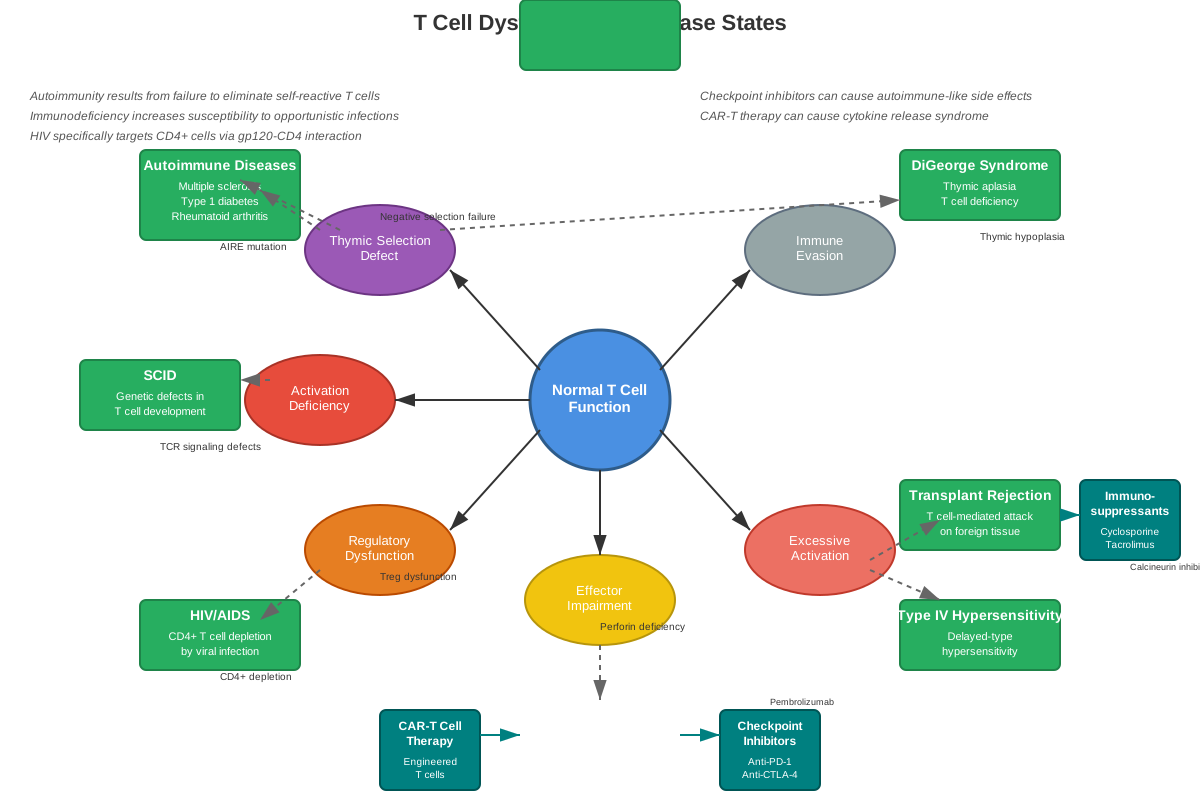
- [ ] Analyze how T cell dysfunction leads to specific disease states
Prerequisites
- Basic cell biology: Understanding cellular organelles, membrane structure, and receptor function is essential for comprehending T cell activation and signaling
- Immune system overview: Familiarity with innate versus adaptive immunity provides context for where T cells fit within the broader immune response
- Protein structure and function: Knowledge of antibodies and receptor proteins helps explain T cell receptor (TCR) structure and MHC molecules
- Gene expression and regulation: Understanding transcription and translation is necessary for grasping how T cells produce cytokines and express surface markers
- Cell signaling pathways: Basic knowledge of signal transduction enables comprehension of T cell activation cascades
Why This Topic Matters
T cells represent a cornerstone of immunology that appears consistently across MCAT administrations. Clinically, T cell dysfunction underlies numerous pathological conditions including HIV/AIDS (which specifically targets CD4+ T cells), autoimmune diseases like multiple sclerosis and type 1 diabetes, immunodeficiency syndromes, and transplant rejection. Modern cancer immunotherapy, including checkpoint inhibitors and CAR-T cell therapy, directly manipulates T cell function—making this topic increasingly relevant to contemporary medical practice.
From an exam perspective, T cells appear in approximately 15-20% of immunology-related passages on the MCAT, often integrated with experimental design questions. The MCAT favors questions that test conceptual understanding rather than rote memorization, frequently presenting novel research scenarios where students must apply T cell principles to interpret data. Common question formats include analyzing flow cytometry plots showing T cell populations, predicting immune responses to pathogens based on T cell subset activation, evaluating experimental manipulations of T cell signaling pathways, and connecting T cell dysfunction to disease phenotypes.
Passages commonly present T cells in contexts such as vaccine development studies, autoimmune disease mechanisms, transplantation immunology, or infectious disease pathogenesis. The interdisciplinary nature of T cell biology allows the MCAT to integrate concepts from molecular biology, genetics, physiology, and even psychology (stress effects on immune function), making this a high-yield topic for demonstrating comprehensive scientific reasoning.
Core Concepts
T Cell Definition and Origin
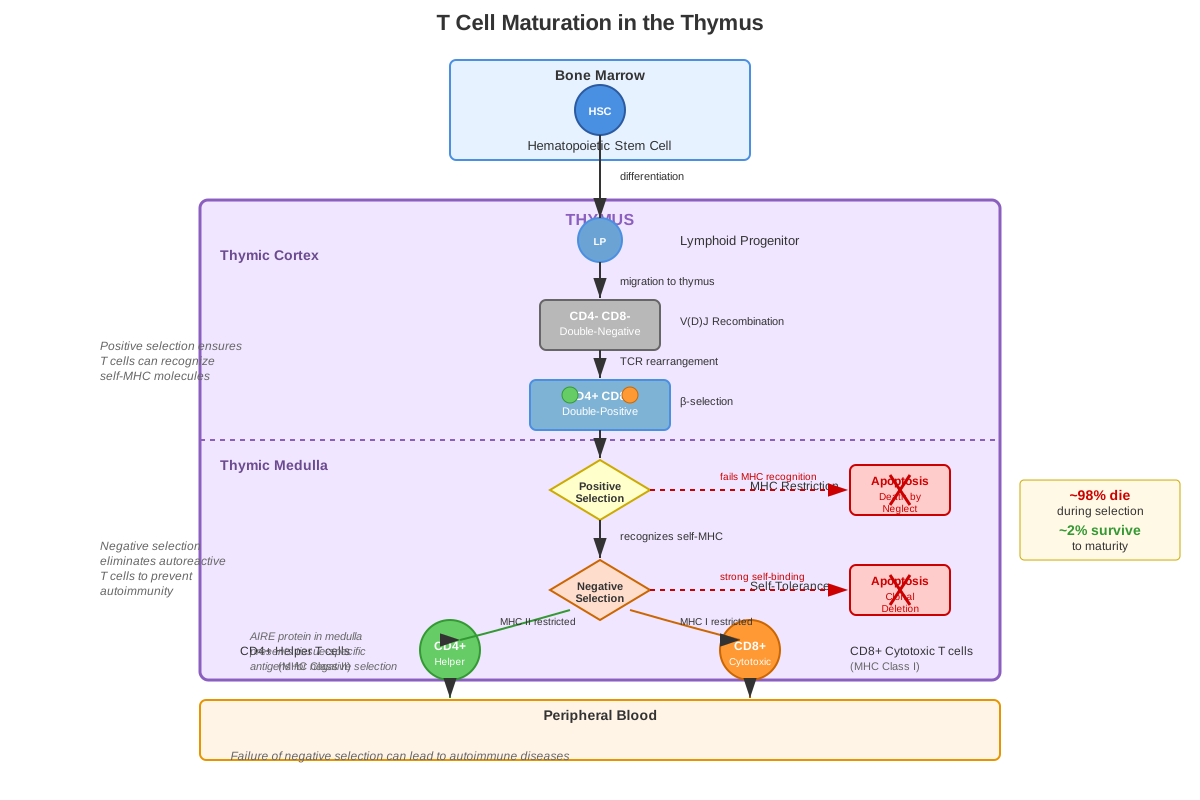
T cells (also called T lymphocytes) are a class of white blood cells that play central roles in cell-mediated immunity and immune system regulation. These cells originate from pluripotent hematopoietic stem cells in the bone marrow but migrate to the thymus for maturation—a defining characteristic that distinguishes them from B cells, which mature in the bone marrow. The thymic maturation process is critical for establishing self-tolerance and generating a diverse repertoire of T cells capable of recognizing countless potential antigens.
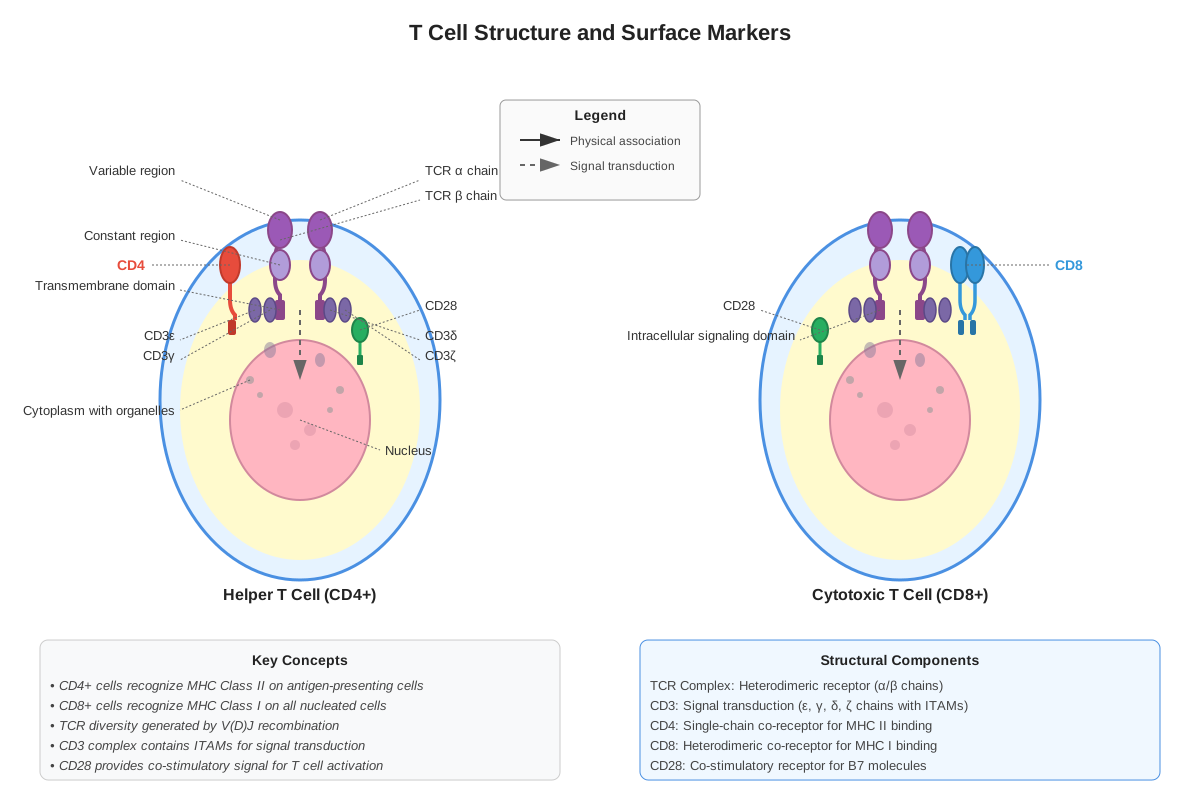
T cells express a unique T cell receptor (TCR) on their surface, which recognizes antigens only when presented by major histocompatibility complex (MHC) molecules on the surface of other cells. This MHC restriction is fundamental to T cell function and represents a key distinction from B cell receptors (antibodies), which can bind free-floating antigens directly. The TCR is composed of two polypeptide chains (typically α and β chains) that undergo genetic recombination during T cell development, generating enormous diversity through V(D)J recombination—similar to antibody diversity generation.
T Cell Subsets and Functions
T cells differentiate into several functionally distinct subsets, each identified by characteristic surface markers and specialized roles:
| T Cell Subset | Surface Marker | Primary Function | Key Cytokines Produced |
|---|---|---|---|
| Helper T cells | CD4 | Coordinate immune responses; activate other immune cells | IL-2, IL-4, IFN-γ |
| Cytotoxic T cells | CD8 | Directly kill infected or cancerous cells | Perforin, granzymes |
| Regulatory T cells | CD4, CD25, FoxP3 | Suppress immune responses; maintain tolerance | IL-10, TGF-β |
| Memory T cells | CD4 or CD8 | Provide long-lasting immunity; rapid response upon re-exposure | Varies by subset |
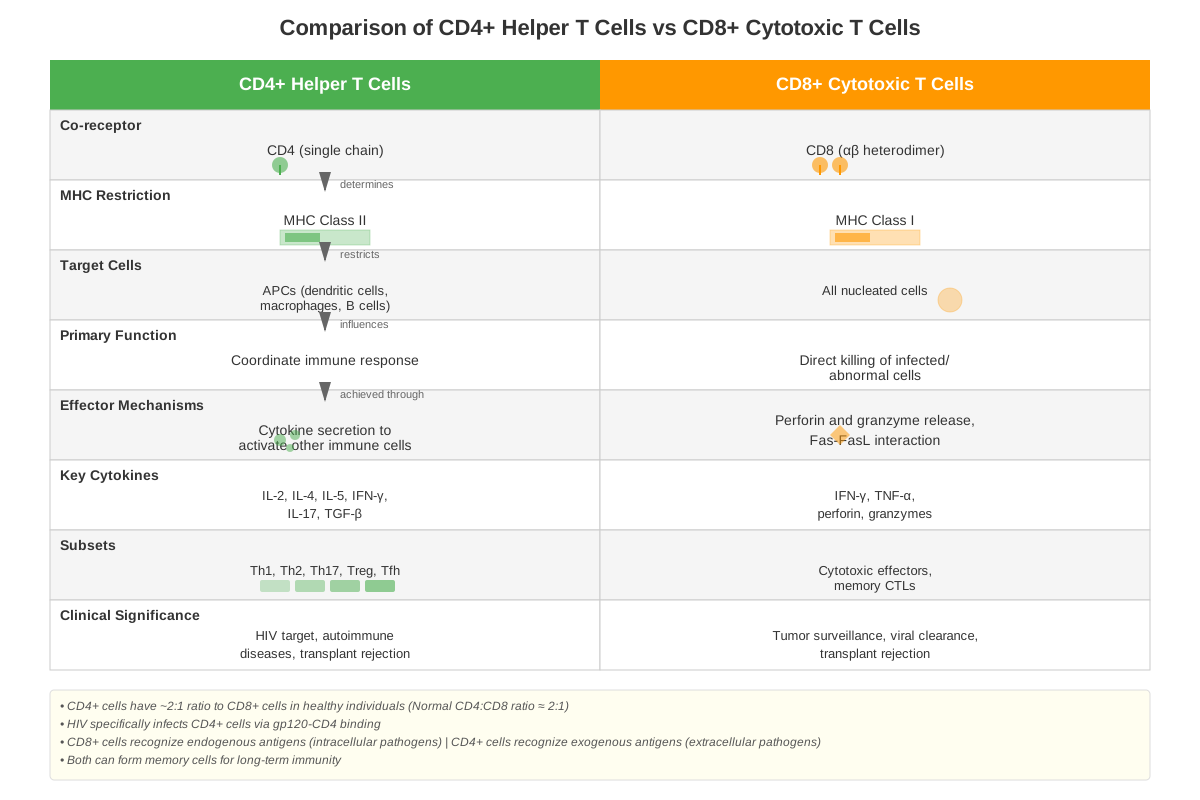
CD4+ helper T cells (Th cells) function as the coordinators of adaptive immunity. Upon activation, they differentiate into specialized subsets including Th1 cells (which promote cell-mediated immunity against intracellular pathogens), Th2 cells (which support humoral immunity and combat parasites), and Th17 cells (which defend against extracellular bacteria and fungi). Helper T cells activate other immune cells through direct cell-cell contact and by secreting cytokines—signaling proteins that modulate immune cell behavior.
CD8+ cytotoxic T cells (CTLs or Tc cells) directly eliminate cells displaying foreign or abnormal antigens. They recognize antigens presented on MHC class I molecules, which are expressed on virtually all nucleated cells. Upon recognizing their target, CTLs release cytotoxic granules containing perforin (which forms pores in target cell membranes) and granzymes (proteases that trigger apoptosis). This mechanism is crucial for eliminating virus-infected cells and tumor cells.
MHC Restriction and Antigen Presentation
T cells exhibit MHC restriction, meaning they only recognize antigens when presented by appropriate MHC molecules. This fundamental principle has critical implications for T cell function:
- MHC class I molecules are expressed on all nucleated cells and present intracellular antigens (typically 8-10 amino acids long) to CD8+ T cells. These antigens derive from proteins synthesized within the cell, including viral proteins in infected cells or abnormal proteins in cancer cells.
- MHC class II molecules are expressed primarily on antigen-presenting cells (APCs)—including dendritic cells, macrophages, and B cells—and present extracellular antigens (typically 13-25 amino acids long) to CD4+ T cells. These antigens come from pathogens or proteins that have been endocytosed and processed.
This division of labor ensures that CD4+ helper T cells coordinate responses against extracellular threats while CD8+ cytotoxic T cells eliminate compromised host cells. The MCAT frequently tests understanding of which T cell subset responds to which MHC class.
T Cell Maturation and Selection in the Thymus
T cell precursors migrate from bone marrow to the thymus, where they undergo a rigorous selection process that ensures functional competence and self-tolerance:
- Positive selection (in the thymic cortex): Developing T cells (thymocytes) that can successfully bind to self-MHC molecules receive survival signals and continue maturation. Thymocytes that cannot recognize self-MHC undergo apoptosis. This process ensures that mature T cells are MHC-restricted and capable of functioning in the host's body.
- Negative selection (in the thymic medulla): Thymocytes that bind too strongly to self-antigens presented on self-MHC are eliminated through apoptosis. This prevents autoimmunity by removing T cells that would attack the body's own tissues. The transcription factor AIRE (Autoimmune Regulator) enables thymic epithelial cells to express tissue-specific antigens, facilitating comprehensive negative selection.
Approximately 98% of developing thymocytes fail these selection processes and die by apoptosis—a seemingly wasteful but essential mechanism for generating a safe and effective T cell repertoire. Defects in thymic selection contribute to autoimmune diseases and immunodeficiency disorders.
T Cell Activation: The Two-Signal Model
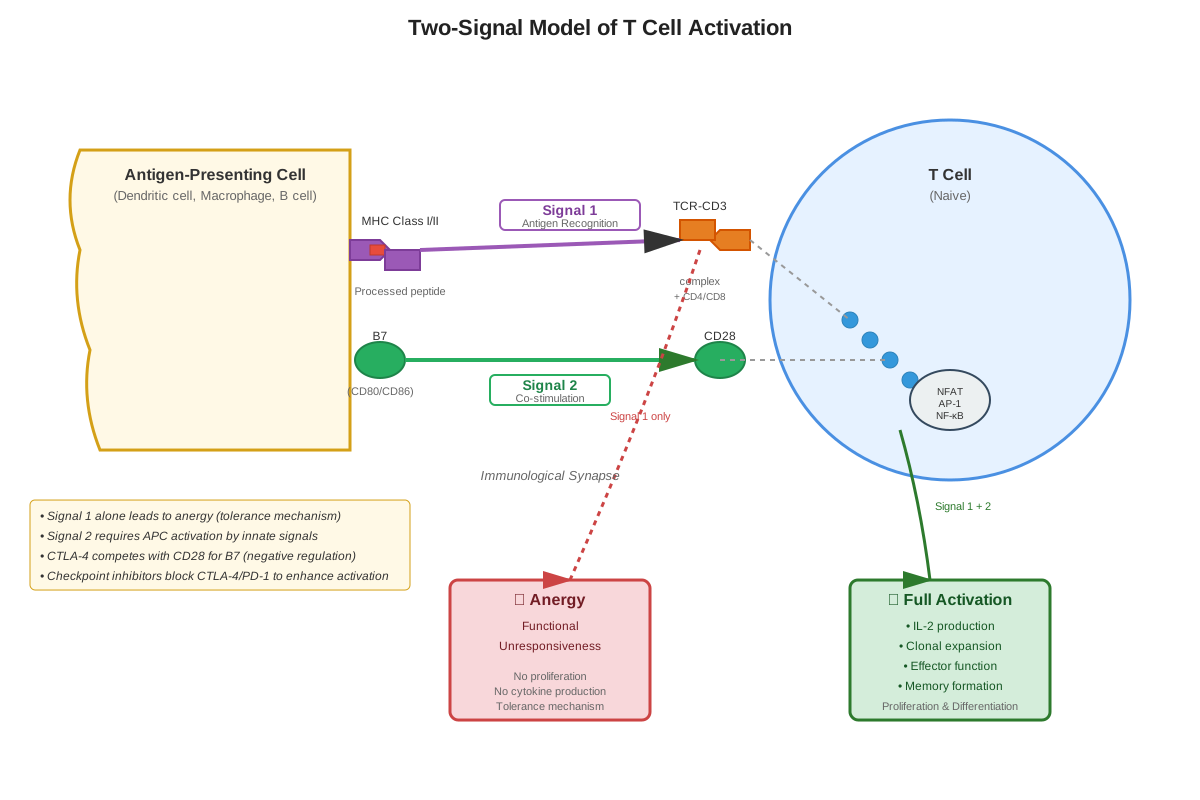
T cell activation requires two distinct signals, preventing inappropriate immune responses:
Signal 1 (Antigen recognition): The TCR binds to an antigen-MHC complex on an APC. This interaction is stabilized by co-receptors—CD4 binds to MHC class II, while CD8 binds to MHC class I. Signal 1 alone is insufficient for full activation and may lead to anergy (functional unresponsiveness).
Signal 2 (Co-stimulation): Co-stimulatory molecules on the APC (such as B7 proteins CD80/CD86) bind to receptors on the T cell (such as CD28). This second signal confirms that activation is appropriate and prevents autoimmunity. Co-stimulation typically occurs when APCs have been activated by pathogen-associated molecular patterns (PAMPs) through pattern recognition receptors.
Following successful two-signal activation, T cells undergo:
- Clonal expansion: Rapid proliferation producing thousands of identical daughter cells
- Differentiation: Development into effector cells (which perform immediate immune functions) and memory cells (which provide long-term immunity)
- Cytokine production: Secretion of signaling molecules that amplify and coordinate immune responses
The cytokine interleukin-2 (IL-2) plays a particularly important role in T cell proliferation, acting in an autocrine manner to drive clonal expansion.
T Cell Effector Functions
Activated T cells execute diverse effector functions depending on their subset:
Helper T cell functions:
- Activate macrophages to enhance phagocytosis and microbial killing
- Stimulate B cells to produce antibodies
- Recruit and activate other immune cells through cytokine secretion
- Provide "help" to CD8+ T cells, enhancing their cytotoxic activity
Cytotoxic T cell functions:
- Recognize and bind to target cells displaying foreign antigens on MHC class I
- Release perforin and granzymes to induce target cell apoptosis
- Express Fas ligand (FasL), which binds Fas on target cells to trigger apoptosis
- Secrete cytokines like IFN-γ that have antiviral effects
Regulatory T cell functions:
- Suppress excessive immune responses to prevent tissue damage
- Maintain tolerance to self-antigens and commensal microorganisms
- Secrete immunosuppressive cytokines (IL-10, TGF-β)
- Directly inhibit other T cells through cell-contact-dependent mechanisms
Memory T Cells and Immunological Memory
Following pathogen clearance, most effector T cells undergo apoptosis, but a subset persists as memory T cells. These long-lived cells provide the basis for immunological memory and vaccine efficacy. Memory T cells exhibit several advantageous properties:
- Lower activation threshold (require less co-stimulation)
- Faster response kinetics upon antigen re-encounter
- Greater proliferative capacity
- Enhanced effector functions
- Ability to migrate to peripheral tissues where pathogens typically enter
Memory T cells exist in multiple subsets including central memory T cells (which reside in lymphoid organs) and effector memory T cells (which patrol peripheral tissues). This distribution ensures rapid response regardless of where a pathogen is re-encountered.
Concept Relationships
T cell biology integrates multiple interconnected concepts that build upon one another hierarchically. The foundational concept of hematopoiesis in bone marrow generates T cell precursors → these precursors migrate to the thymus where genetic recombination creates TCR diversity → positive and negative selection ensure MHC restriction and self-tolerance → mature T cells circulate through secondary lymphoid organs (lymph nodes, spleen) where they encounter antigens → antigen presentation by APCs via MHC molecules provides Signal 1 → co-stimulation provides Signal 2 → T cell activation triggers clonal expansion and differentiation → effector T cells execute immune functions while memory T cells persist for future protection.
Within the immune system hierarchy, T cells connect intimately with other components. Dendritic cells serve as the primary APCs that activate naive T cells, bridging innate and adaptive immunity. B cells depend on helper T cells for optimal antibody production, particularly for class switching and affinity maturation. Macrophages are activated by Th1 cells to enhance their antimicrobial capabilities. Natural killer (NK) cells share some functional similarities with CD8+ T cells but operate through innate mechanisms without antigen specificity.
T cell dysfunction connects to pathology through multiple mechanisms: HIV specifically infects CD4+ T cells, progressively depleting them and causing AIDS; autoimmune diseases result from failure of self-tolerance mechanisms during thymic selection or breakdown of peripheral tolerance; immunodeficiency syndromes like DiGeorge syndrome involve thymic aplasia, preventing T cell maturation; transplant rejection occurs when recipient T cells recognize donor MHC molecules as foreign; cancer may evade immune surveillance by downregulating MHC class I or expressing checkpoint molecules that inhibit T cell function.
The molecular biology of T cells connects to broader biological principles: signal transduction pathways (TCR signaling involves kinase cascades similar to growth factor receptors) → gene expression changes (transcription factors like NFAT and NF-κB activate cytokine genes) → cell cycle regulation (IL-2 drives proliferation through cyclin-dependent kinases) → apoptosis (both in thymic selection and in target cell killing) → cell adhesion (integrins and selectins enable T cell migration).
High-Yield Facts
⭐ CD4+ T cells recognize antigens presented on MHC class II molecules (found on APCs), while CD8+ T cells recognize antigens presented on MHC class I molecules (found on all nucleated cells).
⭐ T cell activation requires two signals: (1) TCR binding to antigen-MHC complex, and (2) co-stimulation through CD28-B7 interaction; Signal 1 alone leads to anergy.
⭐ Positive selection in the thymus ensures T cells can recognize self-MHC; negative selection eliminates T cells that bind too strongly to self-antigens, preventing autoimmunity.
⭐ Helper T cells (CD4+) coordinate immune responses by secreting cytokines and activating other immune cells; cytotoxic T cells (CD8+) directly kill infected or abnormal cells using perforin and granzymes.
⭐ HIV specifically targets CD4+ T cells by binding to CD4 and CCR5/CXCR4 co-receptors, progressively depleting helper T cells and causing immunodeficiency.
- T cells mature in the thymus (hence "T" cell), unlike B cells which mature in bone marrow.
- Regulatory T cells (Tregs) express CD4, CD25, and the transcription factor FoxP3; they suppress immune responses and maintain self-tolerance.
- Memory T cells provide long-lasting immunity and respond more rapidly upon pathogen re-exposure compared to naive T cells.
- Th1 cells produce IFN-γ and promote cell-mediated immunity against intracellular pathogens; Th2 cells produce IL-4 and support humoral immunity against extracellular parasites.
- Cytotoxic T cells induce apoptosis in target cells through two main mechanisms: perforin/granzyme release and Fas-FasL interaction.
- The TCR undergoes V(D)J recombination similar to antibodies, generating enormous diversity in antigen recognition capability.
- Superantigens (like toxic shock syndrome toxin) bypass normal antigen processing and directly cross-link TCRs with MHC molecules, causing massive non-specific T cell activation.
- Checkpoint molecules like CTLA-4 and PD-1 on T cells provide inhibitory signals that prevent excessive immune responses; cancer cells exploit these pathways to evade immunity.
Quick check — test yourself on T cells so far.
Try Flashcards →Common Misconceptions
Misconception: T cells produce antibodies to fight infections.
Correction: B cells, not T cells, produce antibodies. T cells mediate cell-mediated immunity through direct cellular interactions and cytokine secretion. Helper T cells do assist B cells in antibody production, but T cells themselves do not synthesize or secrete antibodies.
Misconception: All T cells kill infected cells directly.
Correction: Only CD8+ cytotoxic T cells directly kill target cells. CD4+ helper T cells coordinate immune responses by activating other immune cells and secreting cytokines but do not directly kill infected cells. This functional distinction between CD4+ and CD8+ T cells is critical for MCAT questions.
Misconception: T cells can recognize free-floating antigens in blood or tissue fluid.
Correction: T cells exhibit MHC restriction and can only recognize antigens when presented on MHC molecules on cell surfaces. This contrasts with B cell receptors (antibodies), which can bind soluble antigens. This fundamental difference explains why T cells require antigen-presenting cells.
Misconception: Positive selection eliminates self-reactive T cells to prevent autoimmunity.
Correction: Negative selection, not positive selection, eliminates self-reactive T cells. Positive selection ensures T cells can recognize self-MHC molecules (necessary for function), while negative selection removes T cells that bind self-antigens too strongly (preventing autoimmunity). Students frequently confuse these opposing processes.
Misconception: CD4 and CD8 are different types of T cell receptors.
Correction: CD4 and CD8 are co-receptors that stabilize TCR-MHC interactions, not the primary antigen receptors themselves. The TCR (composed of α and β chains) recognizes the antigen-MHC complex, while CD4 or CD8 binds to the MHC molecule itself, strengthening the interaction and facilitating signal transduction.
Misconception: Memory T cells are simply long-lived effector T cells.
Correction: Memory T cells are functionally distinct from effector T cells. While both derive from activated T cells, memory cells are quiescent (not actively performing effector functions), have different surface marker expression, require lower activation thresholds, and can persist for decades. Effector cells are short-lived and actively performing immune functions.
Misconception: T cell activation occurs immediately upon encountering any pathogen.
Correction: Naive T cell activation requires specific antigen recognition plus co-stimulation, typically occurring in secondary lymphoid organs (lymph nodes, spleen) where APCs present antigens. This process takes several days for initial activation. The requirement for co-stimulation prevents inappropriate activation and autoimmunity.
Worked Examples
Example 1: HIV Pathogenesis and T Cell Depletion
Clinical Vignette: A 35-year-old patient presents with recurrent opportunistic infections including Pneumocystis pneumonia and oral candidiasis. Laboratory analysis reveals a CD4+ T cell count of 180 cells/μL (normal: 500-1500 cells/μL) and a CD8+ T cell count of 900 cells/μL (normal: 300-1000 cells/μL). The CD4:CD8 ratio is 0.2 (normal: >1.0). HIV antibody test is positive.
Question: Explain why this patient is susceptible to opportunistic infections despite having a normal CD8+ T cell count.
Analysis:
Step 1: Identify the key immunological defect. HIV specifically targets CD4+ T cells by binding to the CD4 molecule and CCR5 or CXCR4 co-receptors. The patient's CD4+ count is severely depleted (180 vs. normal 500-1500), while CD8+ cells remain relatively normal.
Step 2: Recall the function of CD4+ helper T cells. These cells coordinate adaptive immune responses by:
- Activating macrophages to kill intracellular pathogens
- Providing help to B cells for antibody production
- Supporting CD8+ T cell responses
- Secreting cytokines that orchestrate immune responses
Step 3: Connect CD4+ depletion to opportunistic infections. Without adequate CD4+ T cell help:
- Macrophages cannot effectively kill intracellular pathogens like Pneumocystis jirovecii
- B cells produce suboptimal antibody responses
- Cell-mediated immunity against fungi (Candida) is impaired
- The immune system cannot mount coordinated responses against pathogens that healthy immune systems easily control
Step 4: Explain why normal CD8+ counts don't compensate. CD8+ cytotoxic T cells kill infected cells but cannot coordinate broader immune responses or activate other immune cells. They also function suboptimally without CD4+ T cell help. The loss of immune coordination, not just cell-killing capacity, explains the susceptibility to opportunistic infections.
Answer: The patient is susceptible to opportunistic infections because CD4+ helper T cells coordinate adaptive immune responses. Despite normal CD8+ T cell numbers, the severe CD4+ depletion prevents proper activation of macrophages (needed to kill Pneumocystis), impairs B cell antibody production, and eliminates the cytokine-mediated coordination essential for controlling opportunistic pathogens. CD8+ cells alone cannot compensate for the loss of immune system coordination provided by CD4+ cells.
MCAT Connection: This example integrates T cell subset functions, HIV pathogenesis, and immune system coordination—all high-yield topics. MCAT passages often present clinical scenarios requiring students to connect cellular immunology to disease manifestations.
Example 2: Transplant Rejection Mechanism
Experimental Scenario: Researchers transplant skin grafts between mice with different MHC haplotypes. In Group A, mice receive grafts from MHC-matched donors; in Group B, mice receive grafts from MHC-mismatched donors. Group B mice show graft rejection within 10-14 days, with histological analysis revealing extensive T cell infiltration. When researchers deplete CD8+ T cells before transplantation, rejection still occurs but is delayed. When they deplete CD4+ T cells, rejection is significantly reduced.
Question: Explain the immunological basis for these observations and predict what would happen if both CD4+ and CD8+ T cells were depleted.
Analysis:
Step 1: Identify why MHC mismatch causes rejection. Recipient T cells recognize donor MHC molecules as foreign because T cells are selected in the thymus to recognize self-MHC. Donor MHC molecules (allogeneic MHC) appear foreign, triggering an immune response.
Step 2: Explain the role of CD8+ T cells in rejection. CD8+ cytotoxic T cells recognize donor MHC class I molecules (expressed on all nucleated cells including graft tissue) as foreign. They directly kill graft cells through perforin/granzyme release and Fas-FasL interaction. The observation that CD8+ depletion delays but doesn't prevent rejection indicates CD8+ cells contribute to but aren't solely responsible for rejection.
Step 3: Explain the role of CD4+ T cells in rejection. CD4+ helper T cells recognize donor MHC class II molecules on APCs within the graft. More importantly, CD4+ cells:
- Activate CD8+ T cells, enhancing their cytotoxic function
- Activate macrophages that infiltrate and damage the graft
- Produce inflammatory cytokines that recruit additional immune cells
- Provide help for antibody-mediated rejection
The observation that CD4+ depletion significantly reduces rejection indicates helper T cells play a central coordinating role.
Step 4: Predict the effect of depleting both subsets. Depleting both CD4+ and CD8+ T cells would eliminate adaptive cell-mediated immunity against the graft. Rejection would be prevented or severely delayed, though innate immune responses (NK cells, macrophages) might cause some graft damage. This prediction aligns with clinical use of immunosuppressive drugs that target T cell function in transplant recipients.
Step 5: Consider why Group A (MHC-matched) grafts aren't rejected. When donor and recipient share MHC molecules, recipient T cells recognize donor MHC as "self" because they were selected in the thymus to tolerate those specific MHC molecules. Minor histocompatibility antigens might still cause slow rejection, but the major barrier is removed.
Answer: MHC-mismatched grafts are rejected because recipient T cells recognize donor MHC molecules as foreign. CD8+ T cells directly kill graft cells expressing foreign MHC class I, while CD4+ T cells coordinate the rejection response by activating CD8+ cells, macrophages, and inflammatory pathways. CD4+ depletion is more effective than CD8+ depletion because helper T cells orchestrate the overall immune response. Depleting both CD4+ and CD8+ T cells would prevent adaptive cell-mediated rejection, explaining why transplant patients receive immunosuppressive therapy targeting T cell function.
MCAT Connection: This example requires integrating MHC restriction, T cell subset functions, and experimental interpretation—skills frequently tested on the MCAT. Students must analyze data, apply immunological principles, and make predictions based on mechanistic understanding.
Exam Strategy
When approaching MCAT questions about T cells, employ these strategic approaches:
Identify the T cell subset first: Determine whether the question involves CD4+ helper T cells, CD8+ cytotoxic T cells, or regulatory T cells. This immediately narrows the possible answers because each subset has distinct functions. Watch for trigger phrases like "coordinates immune responses" (CD4+), "directly kills infected cells" (CD8+), or "suppresses immune activation" (Tregs).
Apply MHC restriction rules: Remember that CD4+ T cells recognize MHC class II (on APCs), while CD8+ T cells recognize MHC class I (on all nucleated cells). Many MCAT questions test this distinction by asking which T cell subset would respond to a particular scenario. If the question mentions intracellular pathogens or virus-infected cells, think CD8+ and MHC class I. If it mentions extracellular pathogens or immune coordination, think CD4+ and MHC class II.
Use the two-signal model for activation questions: When questions ask about T cell activation or anergy, recall that both antigen recognition (Signal 1) and co-stimulation (Signal 2) are required. Questions may present scenarios where co-stimulation is blocked, predicting anergy rather than activation. Conversely, superantigen questions involve bypassing normal antigen processing.
Connect T cell dysfunction to specific diseases: The MCAT loves clinically-relevant questions. HIV → CD4+ depletion → opportunistic infections. Autoimmune diseases → failure of negative selection or regulatory T cell dysfunction. Immunodeficiency → thymic defects or T cell signaling defects. Transplant rejection → recognition of foreign MHC. Cancer immune evasion → checkpoint molecule upregulation.
Watch for experimental manipulation questions: Passages often describe experiments where researchers deplete specific T cell subsets, block co-stimulation, or manipulate cytokine signaling. Predict outcomes by systematically considering what function is lost. If CD4+ cells are depleted, expect impaired immune coordination, reduced antibody responses, and decreased macrophage activation. If CD8+ cells are depleted, expect reduced killing of infected cells but maintained immune coordination.
Time allocation: Spend 30-45 seconds identifying the T cell subset and mechanism being tested, then 60-90 seconds applying that knowledge to eliminate wrong answers. Don't get bogged down in excessive detail—the MCAT tests conceptual understanding, not memorization of every cytokine or surface marker.
Process of elimination tips:
- Eliminate answers that confuse B cell and T cell functions (T cells don't make antibodies)
- Eliminate answers that ignore MHC restriction (T cells can't recognize free antigens)
- Eliminate answers that confuse positive and negative selection
- Eliminate answers that attribute CD8+ functions to CD4+ cells or vice versa
- Eliminate answers that ignore the two-signal requirement for activation
Memory Techniques
"Class I = 8 letters, Class II = 4 letters": MHC class I presents to CD8+ T cells; MHC class II presents to CD4+ T cells. This mnemonic helps remember which MHC class pairs with which T cell subset.
"Helper T cells HELP others; Killer T cells KILL directly": CD4+ helper T cells coordinate by helping other immune cells; CD8+ cytotoxic T cells directly kill target cells. This simple phrase captures the fundamental functional distinction.
"Positive = Passes, Negative = Nixed": In thymic selection, positive selection allows T cells that recognize self-MHC to pass (survive), while negative selection nixes (eliminates) T cells that bind self-antigens too strongly.
"Two Signals or Anergy": T cell activation requires two signals (antigen recognition + co-stimulation). One signal alone leads to anergy. This phrase emphasizes the critical two-signal model.
"1-2-3-4, CD4 needs more": CD4+ T cells need to interact with MHC class II molecules, which are expressed on specialized APCs (more selective). CD8+ T cells interact with MHC class I, which is on all nucleated cells (less selective). The "needs more" refers to the more specialized expression pattern.
Visualization strategy for MHC restriction: Picture a lock-and-key system where CD4 is a key that only fits MHC class II locks, and CD8 is a key that only fits MHC class I locks. The TCR is like a master key that must also fit the specific antigen "tumbler" within the lock. This three-part interaction (TCR-antigen-MHC plus CD4/CD8-MHC) reinforces the specificity of T cell recognition.
Acronym for helper T cell functions - "MACS":
- Macrophage activation
- Antibody production (by helping B cells)
- Cytokine secretion
- Support for CD8+ T cells
Thymic selection sequence - "CPM": T cells develop in the thymic Cortex (positive selection), then migrate to the thymic Medulla (negative selection), with Positive selection occurring first. This helps remember both the location and sequence of selection events.
Summary
T cells are specialized lymphocytes that mediate cell-mediated immunity and coordinate adaptive immune responses. Originating from bone marrow stem cells, T cells mature in the thymus through positive selection (ensuring MHC recognition) and negative selection (eliminating self-reactive cells). The two major subsets—CD4+ helper T cells and CD8+ cytotoxic T cells—exhibit MHC restriction, recognizing antigens only when presented on MHC class II and MHC class I molecules, respectively. T cell activation requires two signals: TCR binding to antigen-MHC complex and co-stimulatory molecule interaction. Helper T cells coordinate immune responses through cytokine secretion and activation of other immune cells, while cytotoxic T cells directly kill infected or abnormal cells using perforin and granzymes. Regulatory T cells suppress excessive immune responses to maintain tolerance. T cell dysfunction underlies numerous pathological conditions including HIV/AIDS, autoimmune diseases, immunodeficiencies, and transplant rejection. Memory T cells provide long-lasting immunity following initial antigen exposure. Understanding T cell biology is essential for MCAT success because these concepts integrate immunology, cell biology, and clinical medicine while appearing frequently in passage-based questions requiring mechanistic reasoning and experimental interpretation.
Key Takeaways
- T cells mediate cell-mediated immunity and undergo maturation in the thymus, where positive and negative selection establish MHC restriction and self-tolerance
- CD4+ helper T cells recognize antigens on MHC class II (on APCs) and coordinate immune responses; CD8+ cytotoxic T cells recognize antigens on MHC class I (on all nucleated cells) and directly kill target cells
- T cell activation requires two signals: antigen recognition via TCR-MHC interaction (Signal 1) and co-stimulation via CD28-B7 interaction (Signal 2); Signal 1 alone causes anergy
- Helper T cells activate other immune cells through cytokine secretion and cell-cell contact; cytotoxic T cells kill targets using perforin, granzymes, and Fas-FasL pathways
- T cell dysfunction causes specific diseases: HIV depletes CD4+ cells causing immunodeficiency; autoimmune diseases result from failed self-tolerance; transplant rejection occurs when T cells recognize foreign MHC
- Memory T cells provide rapid, enhanced responses upon pathogen re-exposure, forming the basis for long-lasting immunity and vaccine efficacy
- MHC restriction is fundamental to T cell function—T cells cannot recognize free antigens and require antigen presentation on MHC molecules, distinguishing them from B cells
Related Topics
B Cells and Humoral Immunity: Understanding B cell function, antibody production, and the interaction between helper T cells and B cells during antibody responses complements T cell biology and completes the adaptive immunity picture.
Innate Immunity and Pattern Recognition: Studying how innate immune cells recognize pathogens through pattern recognition receptors and activate adaptive immunity provides context for how T cells are initially activated by APCs.
Cytokines and Immune Signaling: Detailed study of cytokine networks, including interleukins, interferons, and tumor necrosis factors, explains how T cells coordinate complex immune responses and communicate with other immune cells.
Autoimmune Diseases: Exploring specific autoimmune conditions (multiple sclerosis, type 1 diabetes, rheumatoid arthritis) demonstrates clinical consequences of T cell dysfunction and failed self-tolerance mechanisms.
Immunotherapy and Cancer Biology: Modern cancer immunotherapy manipulates T cell function through checkpoint inhibitors and CAR-T cells, representing a cutting-edge application of T cell biology that increasingly appears on the MCAT.
Transplantation Immunology: Understanding HLA matching, graft rejection mechanisms, and immunosuppressive therapies builds directly on T cell MHC restriction and activation principles.
Mastering T cell biology provides the foundation for understanding these advanced topics and demonstrates the interconnected nature of immunology, making it a high-yield investment of study time.
Practice CTA
Now that you've mastered the core concepts of T cell biology, it's time to solidify your understanding through active practice. Challenge yourself with MCAT-style practice questions that test your ability to apply these concepts to novel scenarios, interpret experimental data, and analyze clinical vignettes. Use flashcards to reinforce high-yield facts like MHC restriction rules, T cell subset functions, and the two-signal activation model. Remember, understanding T cells isn't just about memorizing facts—it's about developing the mechanistic reasoning skills that will help you excel on passage-based questions throughout the MCAT. Your investment in mastering this topic will pay dividends across immunology, cell biology, and clinical reasoning questions. You've got this!
Sign up free to keep reading
Create a free AnvayaPrep account to finish this MCAT guide on T cells — plus flashcards and practice questions.