Overview
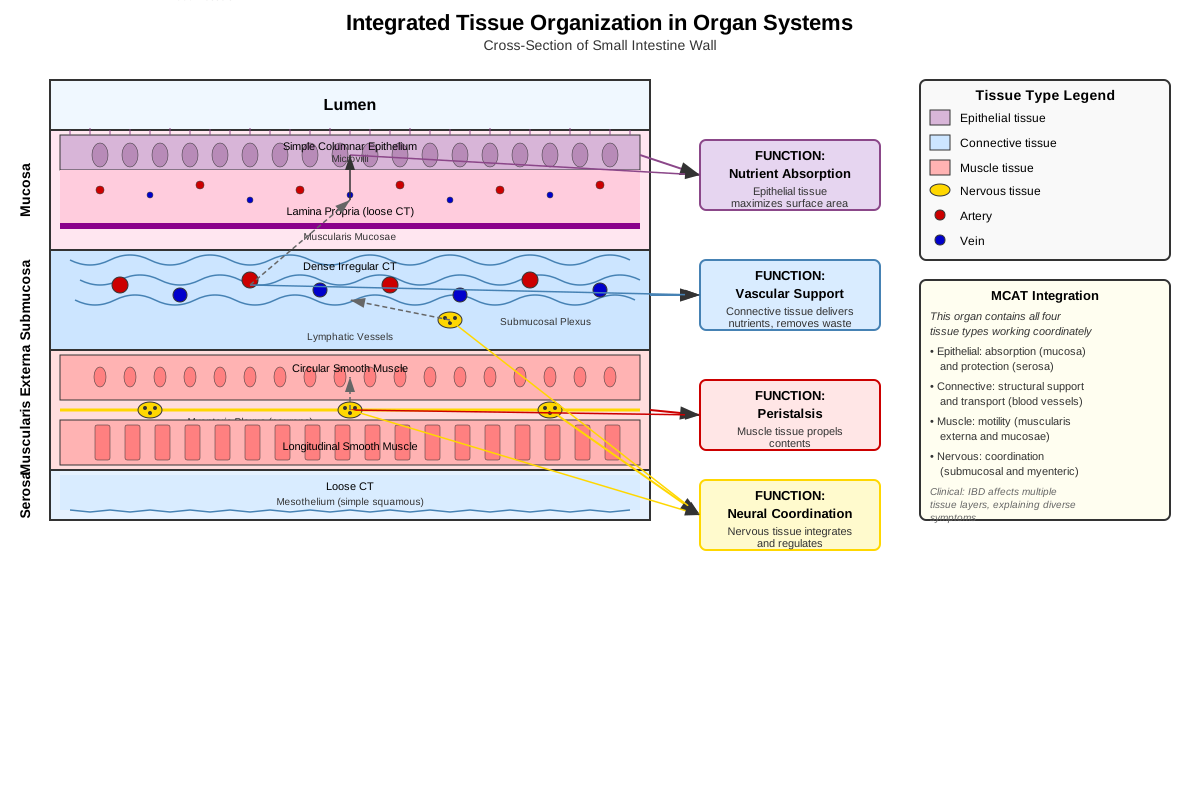
Tissue types represent one of the fundamental organizational levels in multicellular organisms, bridging the gap between individual cells and complex organ systems. In Biology, tissues are defined as groups of similar cells that work together to perform a specific function. Understanding the four primary tissue types—epithelial, connective, muscle, and nervous—is essential for comprehending how organs function and how the body maintains homeostasis. Each tissue type exhibits unique structural characteristics, cellular compositions, and physiological roles that directly impact organ system function.
For the MCAT, mastery of tissue types is critical because questions frequently integrate tissue structure with function, requiring students to predict physiological outcomes based on tissue organization or identify tissue types from histological descriptions. The Physiology and Organ Systems section of the MCAT regularly tests tissue identification, functional relationships, and pathological changes at the tissue level. Questions may present microscopic descriptions, ask students to predict functional consequences of tissue damage, or require integration of tissue properties with broader physiological concepts like gas exchange, nutrient absorption, or signal transmission.
The study of tissue types MCAT content connects directly to embryology (germ layer origins), cell biology (cell junctions and specializations), anatomy (organ composition), and pathology (disease processes). Understanding how tissues organize into organs and organ systems provides the foundation for analyzing complex physiological scenarios presented in MCAT passages. This topic serves as a conceptual bridge between molecular/cellular biology and whole-organism physiology, making it indispensable for integrated reasoning questions that characterize the modern MCAT examination.
Learning Objectives
- [ ] Define tissue types using accurate Biology terminology
- [ ] Explain why tissue types matters for the MCAT
- [ ] Apply tissue types to exam-style questions
- [ ] Identify common mistakes related to tissue types
- [ ] Connect tissue types to related Biology concepts
- [ ] Distinguish between the four primary tissue types based on structural and functional characteristics
- [ ] Predict tissue function from histological descriptions and vice versa
- [ ] Analyze how tissue organization contributes to organ-level physiology
- [ ] Evaluate the embryonic origins of different tissue types and their developmental significance
Prerequisites
- Cell structure and organelles: Understanding cellular components is essential because tissues are composed of specialized cells with specific organelle distributions
- Cell junctions (tight junctions, gap junctions, desmosomes): These structures determine how cells within tissues communicate and maintain structural integrity
- Basic embryology and germ layers: Tissues derive from ectoderm, mesoderm, or endoderm, which helps predict tissue location and function
- Cellular differentiation: The process by which cells become specialized into tissue-specific cell types
- Basic anatomy terminology: Directional terms and body organization facilitate understanding of tissue location and relationships
Why This Topic Matters
Tissue types appear in approximately 8-12% of MCAT Biology questions, making them a medium-yield but consistently tested topic. Questions typically appear in two formats: discrete questions asking for tissue identification or function, and passage-based questions integrating tissue properties with experimental scenarios or clinical vignettes. The MCAT frequently tests tissue types within contexts such as wound healing, cancer metastasis, barrier function, signal transmission, and mechanical support.
Clinically, understanding tissue organization is fundamental to comprehending disease processes. Carcinomas arise from epithelial tissues, sarcomas from connective tissues, and understanding these origins helps predict tumor behavior and metastatic patterns. Tissue damage and repair processes—such as scar formation, inflammation, and regeneration—depend entirely on tissue-specific properties. Physicians must understand tissue characteristics to interpret biopsies, predict healing outcomes, and understand drug distribution patterns.
Common MCAT passage contexts include: experimental manipulations of tissue barriers (testing epithelial permeability), studies of extracellular matrix components (connective tissue), electrophysiology experiments (nervous and muscle tissue), and comparative anatomy passages requiring tissue identification. The exam particularly favors questions that require students to integrate tissue structure with function, such as predicting how epithelial cell junction disruption would affect organ function or explaining why certain tissues regenerate while others form scar tissue.
Core Concepts
The Four Primary Tissue Types
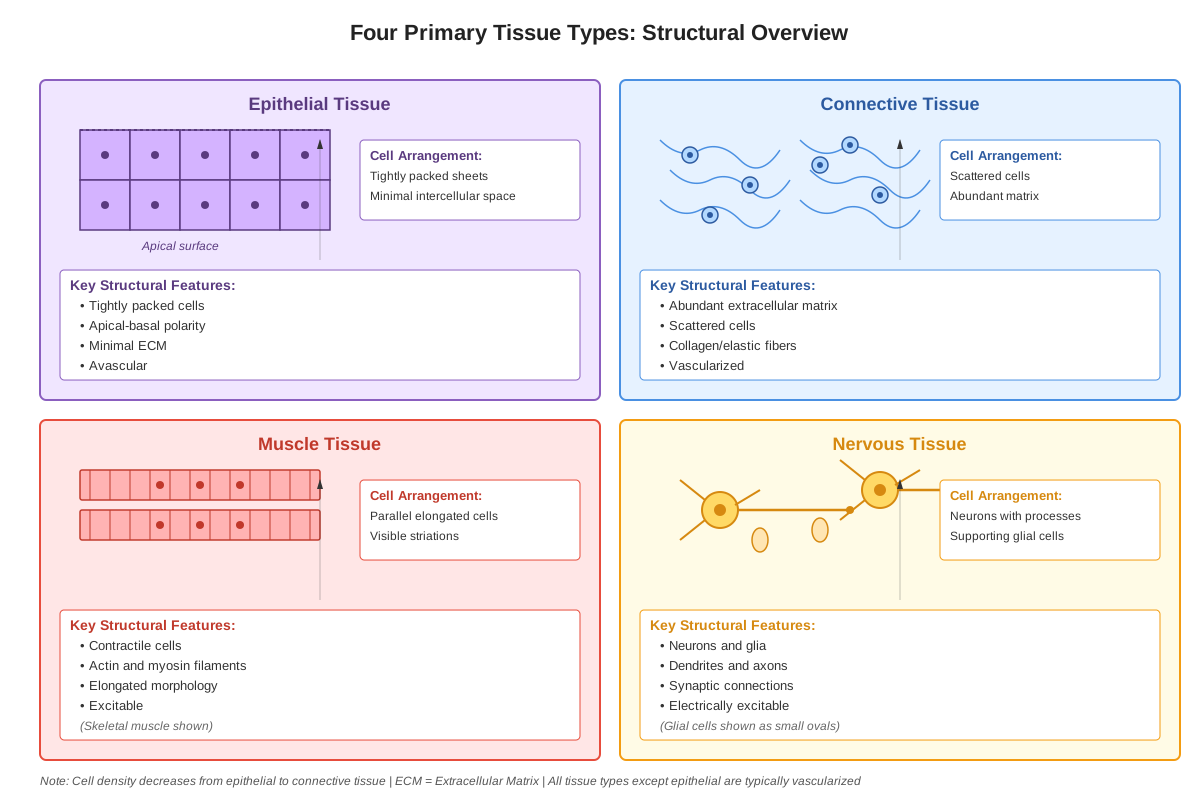
Tissue types in animals are classified into four major categories based on structure, function, and embryonic origin. This classification system provides a framework for understanding all organ systems, as every organ contains combinations of these fundamental tissue types working in coordination.
Epithelial Tissue
Epithelial tissue forms continuous sheets of cells that cover body surfaces, line internal cavities, and form glands. This tissue type is characterized by several defining features: cells are closely packed with minimal extracellular matrix, tissues are avascular (lack blood vessels) but innervated, cells exhibit polarity with distinct apical and basal surfaces, and tissues rest on a basement membrane (a specialized extracellular matrix layer).
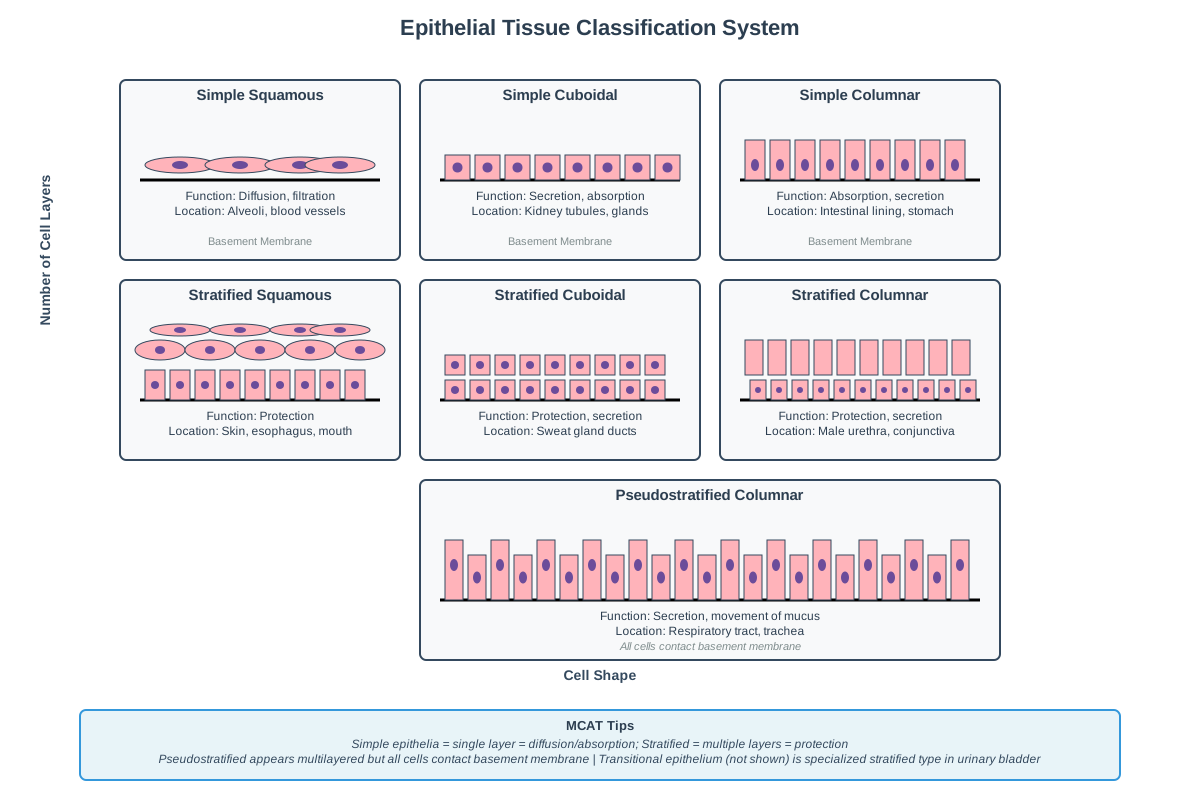
Epithelial tissues are classified by two criteria: the number of cell layers and the shape of cells at the apical surface.
Classification by layers:
- Simple epithelium: Single layer of cells; functions in absorption, secretion, and filtration where thinness facilitates exchange
- Stratified epithelium: Multiple layers of cells; functions in protection against mechanical stress and abrasion
- Pseudostratified epithelium: Appears multilayered but all cells contact the basement membrane; nuclei at different heights create false appearance of stratification
Classification by cell shape:
- Squamous: Flat, scale-like cells; optimized for diffusion and filtration
- Cuboidal: Cube-shaped cells; specialized for secretion and absorption
- Columnar: Tall, column-like cells; specialized for absorption and secretion with room for extensive organelles
| Epithelial Type | Location Examples | Primary Function |
|---|---|---|
| Simple squamous | Alveoli, blood vessel lining (endothelium), kidney glomeruli | Rapid diffusion, filtration |
| Simple cuboidal | Kidney tubules, thyroid follicles, small gland ducts | Secretion, absorption |
| Simple columnar | Intestinal lining, stomach lining, uterine tubes | Absorption, secretion, mucus production |
| Stratified squamous | Skin (keratinized), esophagus, vagina (non-keratinized) | Protection from abrasion |
| Pseudostratified columnar | Respiratory tract (with cilia) | Mucus secretion, particle trapping |
| Transitional | Urinary bladder, ureters | Stretch accommodation |
Glandular epithelium forms secretory structures classified as either exocrine glands (secrete through ducts to body surfaces or cavities) or endocrine glands (ductless, secrete hormones directly into bloodstream). This distinction is critical for MCAT questions about hormone delivery and signaling mechanisms.
Connective Tissue
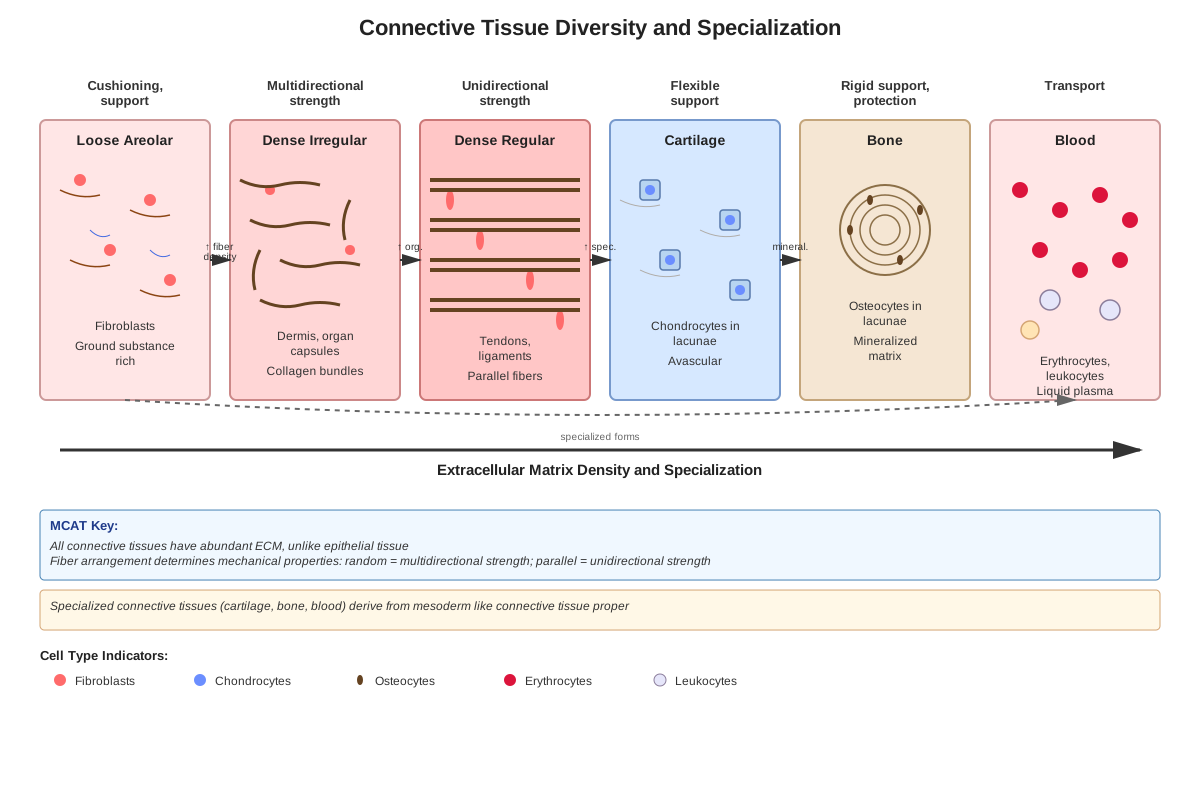
Connective tissue is the most diverse and abundant tissue type, characterized by cells separated by extensive extracellular matrix (ECM) composed of protein fibers and ground substance. Unlike epithelial tissue, connective tissues are typically vascular (contain blood vessels) and serve functions including support, protection, binding, energy storage, and immune defense.
The extracellular matrix composition determines connective tissue properties:
Fiber types:
- Collagen fibers: Provide tensile strength; most abundant protein in the body; resist pulling forces
- Elastic fibers: Contain elastin protein; allow stretch and recoil; abundant in arteries, lungs, and skin
- Reticular fibers: Thin collagen fibers forming supportive networks; found in lymphoid organs and bone marrow
Ground substance: Gel-like material containing water, proteoglycans, and glycoproteins; fills spaces between cells and fibers; resists compressive forces
Major connective tissue types:
Loose connective tissue (areolar, adipose, reticular):
- Areolar tissue: Most widely distributed; contains all fiber types; cushions organs; found beneath epithelia
- Adipose tissue: Specialized for fat storage; provides insulation, cushioning, and energy reserves; exists as white adipose (energy storage) and brown adipose (thermogenesis)
- Reticular tissue: Forms supportive framework of lymphoid organs (spleen, lymph nodes, bone marrow)
Dense connective tissue (regular, irregular, elastic):
- Dense regular: Collagen fibers aligned in parallel; found in tendons (muscle to bone) and ligaments (bone to bone); maximizes tensile strength in one direction
- Dense irregular: Collagen fibers arranged in multiple directions; found in dermis of skin and organ capsules; resists tension from multiple directions
- Dense elastic: Abundant elastic fibers; found in large artery walls and vocal cords
Specialized connective tissues:
- Cartilage: Firm but flexible; cells (chondrocytes) in lacunae surrounded by extensive ECM; avascular; three types (hyaline, elastic, fibrocartilage)
- Bone: Rigid connective tissue; cells (osteocytes) in lacunae; extensive mineralized ECM with calcium phosphate; highly vascular
- Blood: Fluid connective tissue; cells suspended in liquid ECM (plasma); functions in transport, immunity, and homeostasis
Muscle Tissue
Muscle tissue is specialized for contraction and force generation, enabling movement, maintaining posture, and moving substances through body systems. All muscle cells (also called muscle fibers) contain contractile proteins actin and myosin organized into functional units.
| Muscle Type | Location | Striation | Nuclei | Control | Gap Junctions |
|---|---|---|---|---|---|
| Skeletal | Attached to bones | Yes | Multiple, peripheral | Voluntary | No |
| Cardiac | Heart wall | Yes | Single, central | Involuntary | Yes (intercalated discs) |
| Smooth | Walls of hollow organs, blood vessels | No | Single, central | Involuntary | Yes |
Skeletal muscle features:
- Long, cylindrical, multinucleated fibers formed by fusion of myoblasts
- Highly organized sarcomeres create striated appearance
- Under voluntary (somatic) nervous system control
- Rapid, powerful contractions
- Fatigues relatively quickly
- Limited regeneration capacity via satellite cells
Cardiac muscle features:
- Branched, striated cells connected by intercalated discs (containing desmosomes and gap junctions)
- Gap junctions allow electrical coupling, enabling coordinated contraction
- Intrinsic rhythmicity (pacemaker cells)
- Resistant to fatigue
- Essentially no regeneration capacity (damaged tissue replaced by scar)
Smooth muscle features:
- Spindle-shaped cells with single central nucleus
- Lacks organized sarcomeres (no striations)
- Contracts slowly but can maintain tension for extended periods
- Found in walls of hollow organs (digestive tract, blood vessels, bladder, uterus)
- Can undergo significant regeneration
- Regulated by autonomic nervous system and hormones
Nervous Tissue
Nervous tissue is specialized for receiving stimuli, processing information, and transmitting electrical signals. This tissue type is found in the brain, spinal cord, and peripheral nerves, forming the body's primary communication and control system.
Nervous tissue contains two main cell types:
Neurons (nerve cells):
- Specialized for electrical signal transmission
- Composed of cell body (soma), dendrites (receive signals), and axon (transmits signals)
- Post-mitotic (do not divide after maturity)
- Communicate via synapses using neurotransmitters
- Classified by structure (unipolar, bipolar, multipolar) and function (sensory, motor, interneurons)
Neuroglia (glial cells):
- Support cells that outnumber neurons
- Maintain homeostasis, form myelin, provide structural support
- Central nervous system glia: astrocytes, oligodendrocytes, microglia, ependymal cells
- Peripheral nervous system glia: Schwann cells, satellite cells
- Unlike neurons, many glial cells retain mitotic capacity
The functional unit of nervous tissue is the neuron, but glial cells are essential for proper neuronal function. Astrocytes regulate the chemical environment around neurons, oligodendrocytes and Schwann cells form myelin sheaths that increase conduction velocity, and microglia serve immune functions in the central nervous system.
Concept Relationships
The four tissue types are interconnected through both structural and functional relationships. Epithelial tissue always rests on connective tissue via the basement membrane, creating an essential structural partnership. The basement membrane is produced by both epithelial cells and underlying connective tissue, representing a collaborative interface between tissue types.
Connective tissue provides the structural framework and vascular supply for all other tissues. Since epithelial tissue is avascular, it depends entirely on diffusion from blood vessels in underlying connective tissue for nutrients and oxygen. Similarly, nervous tissue requires extensive connective tissue support (meninges, endoneurium, perineurium, epineurium) and vascular supply from connective tissue-rich regions.
Muscle tissue function depends on nervous tissue for activation (neuromuscular junctions in skeletal muscle, autonomic innervation in cardiac and smooth muscle). The relationship flows: nervous tissue → generates action potential → muscle tissue → produces contraction → movement or force generation. Additionally, muscle tissue requires connective tissue sheaths (epimysium, perimysium, endomysium) for structural organization and force transmission.
Nervous tissue integrates information from epithelial tissue (sensory receptors in skin epithelium) and regulates muscle tissue and glandular epithelium (secretion control). This creates a feedback loop: sensory input (often through specialized epithelial cells) → nervous tissue processing → motor output (to muscle) or secretory output (to glands).
The embryonic origins create another relationship layer: epithelial tissue derives from all three germ layers (ectoderm, mesoderm, endoderm), connective tissue and muscle tissue primarily from mesoderm, and nervous tissue from ectoderm. Understanding these origins helps predict tissue location and regenerative capacity.
Relationship map: Embryonic germ layers → differentiation → four tissue types → organization into organs → integration into organ systems → whole organism function. Each level depends on proper tissue organization and interaction.
Quick check — test yourself on Tissue types so far.
Try Flashcards →High-Yield Facts
⭐ Epithelial tissue is avascular but innervated; it receives nutrients by diffusion from underlying connective tissue capillaries
⭐ All epithelial tissues rest on a basement membrane composed of the basal lamina (epithelial-produced) and reticular lamina (connective tissue-produced)
⭐ Connective tissue is characterized by abundant extracellular matrix with relatively few cells, opposite to epithelial tissue organization
⭐ Cardiac muscle cells are connected by intercalated discs containing gap junctions (electrical coupling) and desmosomes (mechanical coupling)
⭐ Only skeletal muscle is under voluntary control; cardiac and smooth muscle are involuntary
- Simple squamous epithelium is found wherever rapid diffusion is required (alveoli, blood vessel endothelium, kidney glomeruli)
- Stratified squamous epithelium provides protection against abrasion and is found in high-wear areas (skin, esophagus, vagina)
- Collagen provides tensile strength while elastic fibers provide stretch and recoil properties in connective tissue
- Cartilage is avascular and receives nutrients by diffusion, explaining its slow healing rate
- Neurons are post-mitotic and cannot divide after maturity, while many glial cells retain regenerative capacity
- Smooth muscle lacks organized sarcomeres, explaining the absence of striations despite containing actin and myosin
- Adipose tissue exists in two forms: white adipose (energy storage) and brown adipose (thermogenesis via uncoupling protein)
- Transitional epithelium in the bladder can stretch significantly, with cells changing from cuboidal to squamous appearance
- Dense regular connective tissue has collagen fibers aligned parallel to tension direction (tendons, ligaments)
- The extracellular matrix of connective tissue consists of protein fibers (collagen, elastic, reticular) embedded in ground substance
Common Misconceptions
Misconception: All muscle tissue is striated.
Correction: Only skeletal and cardiac muscle are striated due to organized sarcomere arrangement. Smooth muscle contains actin and myosin but lacks the regular sarcomere organization that creates visible striations under microscopy.
Misconception: Epithelial tissue always forms external body coverings.
Correction: Epithelial tissue forms both external coverings (skin epidermis) and internal linings (digestive tract, respiratory tract, blood vessels). Additionally, epithelial tissue forms all glands, both exocrine and endocrine, which are internal structures.
Misconception: Connective tissue only provides structural support.
Correction: While support is a major function, connective tissue also performs immune defense (lymphoid tissues), energy storage (adipose), transport (blood), insulation (adipose), and produces the extracellular matrix that regulates cell behavior and tissue properties.
Misconception: Blood is not a true tissue because it's liquid.
Correction: Blood is classified as a specialized connective tissue with a liquid extracellular matrix (plasma). It meets all criteria for tissue classification: composed of similar cells (blood cells) working together for specific functions (transport, immunity, hemostasis) with characteristic extracellular matrix.
Misconception: Cardiac muscle cells contract independently without coordination.
Correction: Cardiac muscle cells are electrically coupled through gap junctions in intercalated discs, allowing action potentials to spread rapidly from cell to cell. This creates a functional syncytium where the heart contracts as a coordinated unit despite being composed of individual cells.
Misconception: Nervous tissue consists only of neurons.
Correction: Nervous tissue contains both neurons and neuroglia (glial cells), with glial cells actually outnumbering neurons. Glial cells are essential for nervous tissue function, providing structural support, maintaining homeostasis, forming myelin, and performing immune functions.
Misconception: All epithelial cells are the same shape throughout a stratified epithelium.
Correction: Stratified epithelia are classified by the shape of cells at the apical (surface) layer only. For example, stratified squamous epithelium has squamous cells at the surface, but deeper layers contain cuboidal or columnar cells. The basal cells are typically cuboidal regardless of the surface cell shape.
Worked Examples
Example 1: Tissue Identification from Histological Description
Question: A tissue sample shows cells arranged in a single layer with a cube-like shape. The cells contain numerous mitochondria and microvilli on their apical surface. The tissue rests on a thin basement membrane and is surrounded by blood vessels, though none penetrate the tissue itself. What tissue type is this, and what is its likely function?
Step 1 - Identify key structural features:
- Single layer of cells → simple epithelium
- Cube-like shape → cuboidal cells
- Rests on basement membrane → confirms epithelial tissue
- Avascular but surrounded by vessels → characteristic of epithelium
- Numerous mitochondria → high metabolic activity
- Microvilli on apical surface → increased surface area
Step 2 - Combine classification criteria:
Single layer + cuboidal shape = simple cuboidal epithelium
Step 3 - Predict function from structure:
- High mitochondrial content suggests active transport requiring ATP
- Microvilli indicate absorption or secretion requiring increased surface area
- Simple (single layer) suggests location where barrier thickness is not critical
Step 4 - Identify likely locations:
Simple cuboidal epithelium with these features is found in:
- Kidney tubules (absorption and secretion)
- Thyroid follicles (hormone secretion)
- Small gland ducts (secretion)
Answer: This is simple cuboidal epithelium, likely functioning in active absorption and/or secretion. The structural specializations (numerous mitochondria for ATP production, microvilli for surface area) support active transport processes. Most likely location is kidney tubules where selective reabsorption and secretion occur.
Connection to learning objectives: This example demonstrates tissue identification from structural features and prediction of function from structure, integrating multiple tissue characteristics to reach a conclusion.
Example 2: Predicting Functional Consequences of Tissue Damage
Question: A patient suffers a myocardial infarction (heart attack) that damages a portion of the left ventricle. After healing, an echocardiogram shows a non-contractile region in the previously damaged area. Explain the tissue-level basis for this permanent loss of function.
Step 1 - Identify the tissue type:
The heart wall (myocardium) is composed primarily of cardiac muscle tissue.
Step 2 - Recall regenerative capacity:
Cardiac muscle cells (cardiomyocytes) are post-mitotic and have essentially no regenerative capacity after maturity. When cardiac muscle cells die, they cannot be replaced by new cardiac muscle cells.
Step 3 - Identify replacement tissue:
When cardiac muscle tissue is damaged and cannot regenerate, the body repairs the injury with dense irregular connective tissue (scar tissue). This is composed primarily of collagen fibers produced by fibroblasts.
Step 4 - Explain functional consequences:
- Scar tissue (connective tissue) lacks the contractile proteins (actin and myosin) found in muscle tissue
- Scar tissue cannot generate force or respond to electrical stimulation
- The damaged region becomes a non-contractile, fibrous patch
- This permanently reduces the heart's pumping efficiency
Step 5 - Contrast with other muscle types:
If this were skeletal muscle, satellite cells could provide limited regeneration. If this were smooth muscle, significant regeneration could occur. The poor regenerative capacity is specific to cardiac muscle tissue.
Answer: Cardiac muscle tissue has no significant regenerative capacity because cardiomyocytes are post-mitotic. The damaged tissue is replaced by dense irregular connective tissue (scar), which lacks contractile proteins and cannot contribute to heart contraction. This explains the permanent non-contractile region visible on echocardiogram.
Connection to learning objectives: This example applies tissue type knowledge to predict clinical outcomes, demonstrates understanding of tissue-specific properties (regenerative capacity), and connects tissue structure to organ-level function.
Exam Strategy
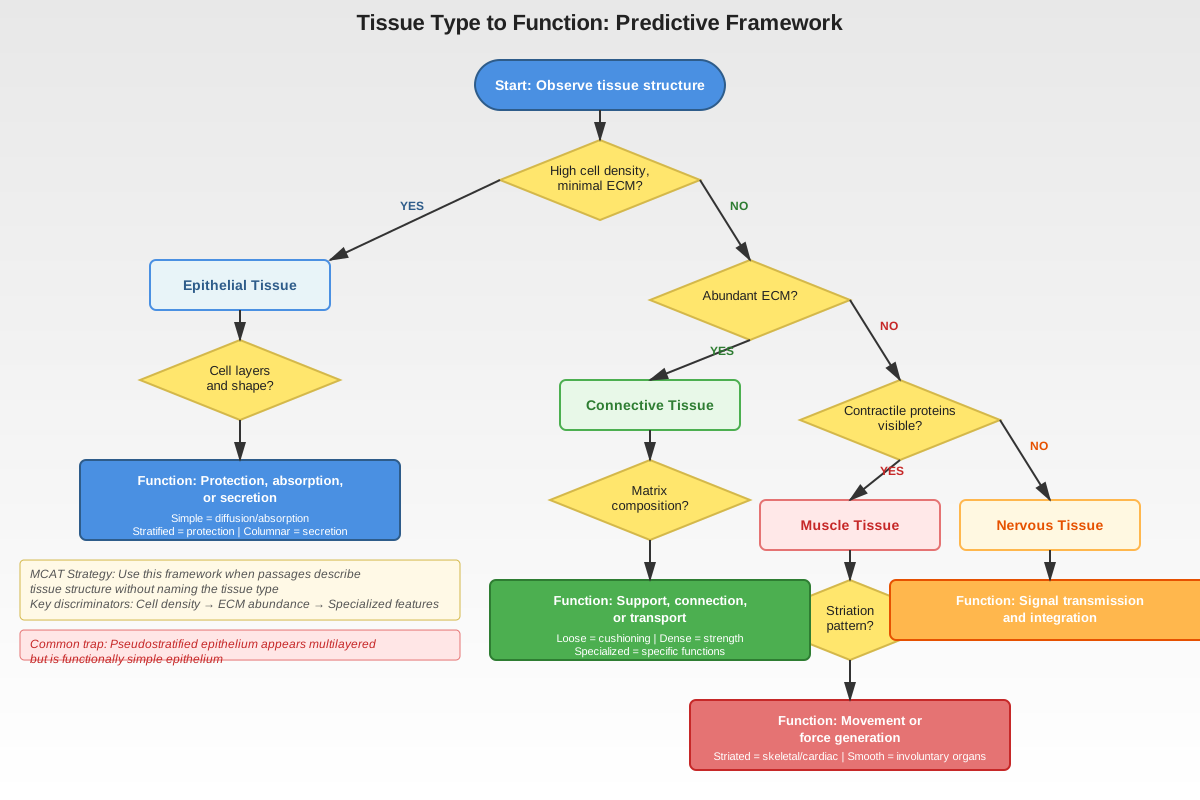
When approaching tissue types MCAT questions, employ a systematic identification strategy. First, determine whether the question provides structural information (histological description) or functional information (physiological role), then work toward the other aspect. The MCAT frequently requires bidirectional reasoning: structure → function or function → structure.
Trigger words for epithelial tissue:
- "Covering," "lining," "barrier," "absorption," "secretion," "gland"
- "Avascular," "basement membrane," "apical surface," "polarity"
- "Simple," "stratified," "squamous," "cuboidal," "columnar"
- "Tight junctions" (epithelial barrier function)
Trigger words for connective tissue:
- "Support," "framework," "matrix," "fibers," "ground substance"
- "Collagen," "elastic," "reticular," "extracellular"
- "Vascular," "adipose," "cartilage," "bone," "blood"
- "Fibroblasts," "chondrocytes," "osteocytes"
Trigger words for muscle tissue:
- "Contraction," "movement," "force generation," "actin," "myosin"
- "Striated" (skeletal or cardiac), "non-striated" (smooth)
- "Voluntary" (skeletal only), "involuntary" (cardiac and smooth)
- "Intercalated discs," "gap junctions" (cardiac)
- "Sarcomere" (skeletal and cardiac)
Trigger words for nervous tissue:
- "Signal transmission," "electrical," "action potential," "synapse"
- "Neurons," "axon," "dendrite," "neurotransmitter"
- "Glial cells," "myelin," "astrocytes," "oligodendrocytes"
Process-of-elimination strategy:
- Eliminate based on cellular organization: abundant ECM (connective) vs. tightly packed cells (epithelial)
- Eliminate based on control mechanism: voluntary (skeletal muscle only) vs. involuntary (all others)
- Eliminate based on location: external/internal lining (epithelial) vs. structural framework (connective)
- Eliminate based on vascularization: avascular (epithelial, cartilage) vs. vascular (most others)
Time allocation: Discrete tissue identification questions should take 30-45 seconds. Passage-based questions integrating tissue properties with experimental data may require 60-90 seconds. If a question requires detailed tissue comparison, quickly create a mental or scratch-paper table comparing key features rather than trying to hold all information in working memory.
Common question formats:
- Direct identification: "Which tissue type is described?"
- Functional prediction: "What would happen if this tissue were damaged?"
- Comparative: "How does tissue X differ from tissue Y?"
- Integration: "Which tissue property explains this experimental result?"
For passage-based questions, identify the tissue type early in passage reading, then predict what properties will be relevant to the experiments or clinical scenario described.
Memory Techniques
Mnemonic for epithelial tissue classification - "SSCP":
- Simple
- Stratified
- Cuboidal
- Pseudostratified
(Remember: Simple = Single layer, Stratified = Stacked layers)
Mnemonic for epithelial cell shapes - "SCC":
- Squamous (flat and Scaly)
- Cuboidal (Cube-shaped)
- Columnar (Column-like, tall)
Mnemonic for connective tissue fibers - "CER":
- Collagen (strength)
- Elastic (stretch)
- Reticular (network)
Mnemonic for muscle tissue types - "SSC":
- Skeletal (Striated, Somatic control)
- Smooth (no Striations, Slow)
- Cardiac (striated, Connected by intercalated discs)
Visualization for tissue organization:
Picture a building: Epithelial tissue is the wallpaper (covers surfaces), connective tissue is the structural framework (beams, supports), muscle tissue is the mechanical systems (elevators, moving parts), and nervous tissue is the electrical wiring and control systems (communication and coordination).
Acronym for epithelial tissue characteristics - "PAIN":
- Polarity (apical vs. basal surfaces)
- Avascular (no blood vessels)
- Innervated (has nerve supply)
- Next to basement membrane
Memory aid for cardiac vs. skeletal muscle:
"Cardiac has ONE nucleus and is connected by intercalated discs (ONE heart works as ONE unit). Skeletal has MANY nuclei and works in MANY independent units."
Visualization for connective tissue diversity:
Imagine connective tissue as "packing material" that comes in different forms: loose packing peanuts (loose connective tissue), dense rope (dense regular), woven fabric (dense irregular), rigid foam (cartilage), hard plastic (bone), and liquid (blood).
Summary
Tissue types represent the fundamental organizational level between cells and organs, with four primary categories each exhibiting distinct structural and functional characteristics. Epithelial tissue forms protective barriers and secretory structures, characterized by tightly packed cells, avascularity, and basement membrane attachment. Connective tissue, the most diverse type, provides support and contains abundant extracellular matrix with collagen, elastic, and reticular fibers embedded in ground substance. Muscle tissue specializes in contraction through actin-myosin interactions, existing as skeletal (voluntary, striated, multinucleated), cardiac (involuntary, striated, intercalated discs), or smooth (involuntary, non-striated) varieties. Nervous tissue enables communication through neurons and supporting neuroglia. For MCAT success, students must master bidirectional reasoning between structure and function, recognize tissue types from histological descriptions, predict functional consequences of tissue damage, and understand how tissues integrate to form organs. The regenerative capacity, vascular supply, cellular organization, and embryonic origins of each tissue type provide high-yield distinguishing features frequently tested in both discrete questions and passage-based scenarios.
Key Takeaways
- The four primary tissue types—epithelial, connective, muscle, and nervous—each have unique structural organizations and physiological functions that determine organ system capabilities
- Epithelial tissue is always avascular, rests on a basement membrane, and exhibits cellular polarity; it functions in protection, absorption, secretion, and sensation
- Connective tissue is characterized by abundant extracellular matrix (fibers plus ground substance) with relatively few cells; it provides support, protection, and transport functions
- Muscle tissue exists in three forms with distinct properties: skeletal (voluntary, striated, multinucleated), cardiac (involuntary, striated, intercalated discs), and smooth (involuntary, non-striated)
- Nervous tissue contains neurons (signal transmission) and neuroglia (support functions), with neurons being post-mitotic and glial cells retaining some regenerative capacity
- Tissue regenerative capacity varies dramatically: smooth muscle and epithelium regenerate well, skeletal muscle has limited regeneration, cardiac muscle and neurons have essentially no regenerative capacity
- Understanding tissue structure enables prediction of function, and understanding function enables prediction of structure—bidirectional reasoning is essential for MCAT success
Related Topics
Cell Junctions and Adhesion: Explores tight junctions, gap junctions, desmosomes, and adherens junctions that connect cells within tissues, particularly important for epithelial barrier function and cardiac muscle coordination. Mastering tissue types provides the foundation for understanding why specific junction types predominate in different tissues.
Extracellular Matrix and Cell Signaling: Examines how ECM components (collagen, fibronectin, laminin, proteoglycans) influence cell behavior, differentiation, and migration. Understanding connective tissue structure enables deeper comprehension of how matrix composition regulates cellular processes.
Embryonic Development and Germ Layers: Details how ectoderm, mesoderm, and endoderm give rise to specific tissue types and organs. Tissue type knowledge connects directly to developmental biology and helps predict tissue location and properties.
Organ System Histology: Applies tissue type knowledge to specific organs (digestive system, respiratory system, cardiovascular system), showing how tissues combine to create functional organs. Each organ system integrates multiple tissue types in characteristic arrangements.
Wound Healing and Tissue Repair: Examines inflammation, regeneration, and scar formation processes that depend on tissue-specific regenerative capacities. Understanding which tissues regenerate versus form scars requires mastery of basic tissue properties.
Cancer Biology and Tumor Classification: Explores how tumors are classified by tissue of origin (carcinomas from epithelium, sarcomas from connective tissue, etc.) and how tissue properties influence metastatic patterns. Tissue type knowledge is fundamental to understanding oncology.
Practice CTA
Now that you've mastered the foundational concepts of tissue types, it's time to reinforce your understanding through active practice. Challenge yourself with MCAT-style practice questions that require you to identify tissues from descriptions, predict functional consequences of tissue damage, and integrate tissue properties with physiological scenarios. Use flashcards to drill the distinguishing characteristics of each tissue type until recognition becomes automatic. Remember: the MCAT rewards not just knowledge, but the ability to apply that knowledge rapidly and accurately under time pressure. Your investment in mastering tissue types will pay dividends across multiple Biology topics, from physiology to pathology. You've built a strong foundation—now strengthen it through deliberate practice!
Sign up free to keep reading
Create a free AnvayaPrep account to finish this MCAT guide on Tissue types — plus flashcards and practice questions.