Overview
Veins are blood vessels that form a critical component of the cardiovascular system, responsible for returning deoxygenated blood from the body's tissues back to the heart. Understanding veins and their unique structural and functional characteristics is essential for MCAT success, as questions frequently test the distinctions between vessel types, the mechanisms of venous return, and the physiological adaptations that enable blood flow against gravity. Unlike arteries that carry blood away from the heart under high pressure, veins operate in a low-pressure system and possess specialized features including valves, thinner walls, and larger lumens that facilitate their function.
The study of veins Biology encompasses not only their anatomical structure but also the physiological principles governing venous return, including the skeletal muscle pump, respiratory pump, and the role of sympathetic innervation in venous tone. These concepts integrate seamlessly with broader cardiovascular physiology, connecting to topics such as blood pressure regulation, cardiac output, and the distribution of blood volume throughout the circulatory system. Approximately 60-70% of total blood volume resides in the venous system at any given time, making veins crucial blood reservoirs that can be mobilized during physiological stress.
For the MCAT, veins MCAT questions appear regularly in both passage-based and discrete questions within the Physiology and Organ Systems section of Biology. Test-makers frequently assess understanding of venous structure-function relationships, the mechanisms preventing backflow, pathological conditions like varicose veins and deep vein thrombosis, and the integration of venous function with overall cardiovascular dynamics. Mastery of this topic provides the foundation for understanding venous return as a determinant of cardiac preload, connecting directly to the Frank-Starling mechanism and cardiac output calculations that appear frequently on the exam.
Learning Objectives
- [ ] Define veins using accurate Biology terminology
- [ ] Explain why veins matter for the MCAT
- [ ] Apply veins to exam-style questions
- [ ] Identify common mistakes related to veins
- [ ] Connect veins to related Biology concepts
- [ ] Compare and contrast the structural features of veins, arteries, and capillaries
- [ ] Explain the mechanisms of venous return and their physiological importance
- [ ] Analyze how venous dysfunction contributes to pathological conditions
- [ ] Calculate changes in venous return given alterations in physiological parameters
Prerequisites
- Basic cardiovascular anatomy: Understanding the heart's chambers and the general circulation pathway is necessary to contextualize where veins fit in the circulatory loop
- Blood pressure fundamentals: Knowledge of pressure gradients drives comprehension of why veins require special mechanisms for blood return
- Smooth muscle physiology: Veins contain smooth muscle in their walls, and understanding its contraction is essential for grasping venous tone
- Diffusion and fluid dynamics: Basic principles of fluid flow and pressure-volume relationships underpin venous function
- Autonomic nervous system: Sympathetic and parasympathetic control of vascular smooth muscle directly affects venous capacity and return
Why This Topic Matters
Clinical Significance
Venous pathology represents some of the most common cardiovascular conditions encountered in clinical practice. Varicose veins affect approximately 25% of adults, resulting from valve incompetence and chronic venous insufficiency. Deep vein thrombosis (DVT) poses serious health risks, potentially leading to pulmonary embolism—a life-threatening condition. Understanding venous structure and function enables comprehension of these pathologies and their underlying mechanisms. Additionally, veins serve as the primary access points for intravenous medication administration, blood draws, and central line placement, making their anatomy clinically relevant for all healthcare providers.
MCAT Examination Statistics
Questions involving veins appear in approximately 8-12% of MCAT Biology passages, particularly within cardiovascular physiology sections. The exam frequently tests venous return mechanisms, structural comparisons between vessel types, and the integration of venous function with cardiac output. Passage-based questions often present experimental scenarios manipulating venous return (such as changes in body position, exercise, or hemorrhage) and ask students to predict cardiovascular responses. Discrete questions commonly assess anatomical knowledge, valve function, and the distribution of blood volume across vascular compartments.
Common Exam Presentations
MCAT passages involving veins typically appear in several formats: experimental passages describing cardiovascular responses to physiological challenges (exercise, postural changes, Valsalva maneuver), clinical vignettes presenting patients with venous pathology, or research passages investigating novel treatments for venous disorders. Questions may ask students to interpret graphs showing pressure changes throughout the circulatory system, predict the effects of valve dysfunction, or calculate changes in cardiac output resulting from altered venous return. Understanding veins also appears in questions about blood volume distribution, shock states, and compensatory cardiovascular mechanisms.
Core Concepts
Definition and Basic Structure of Veins
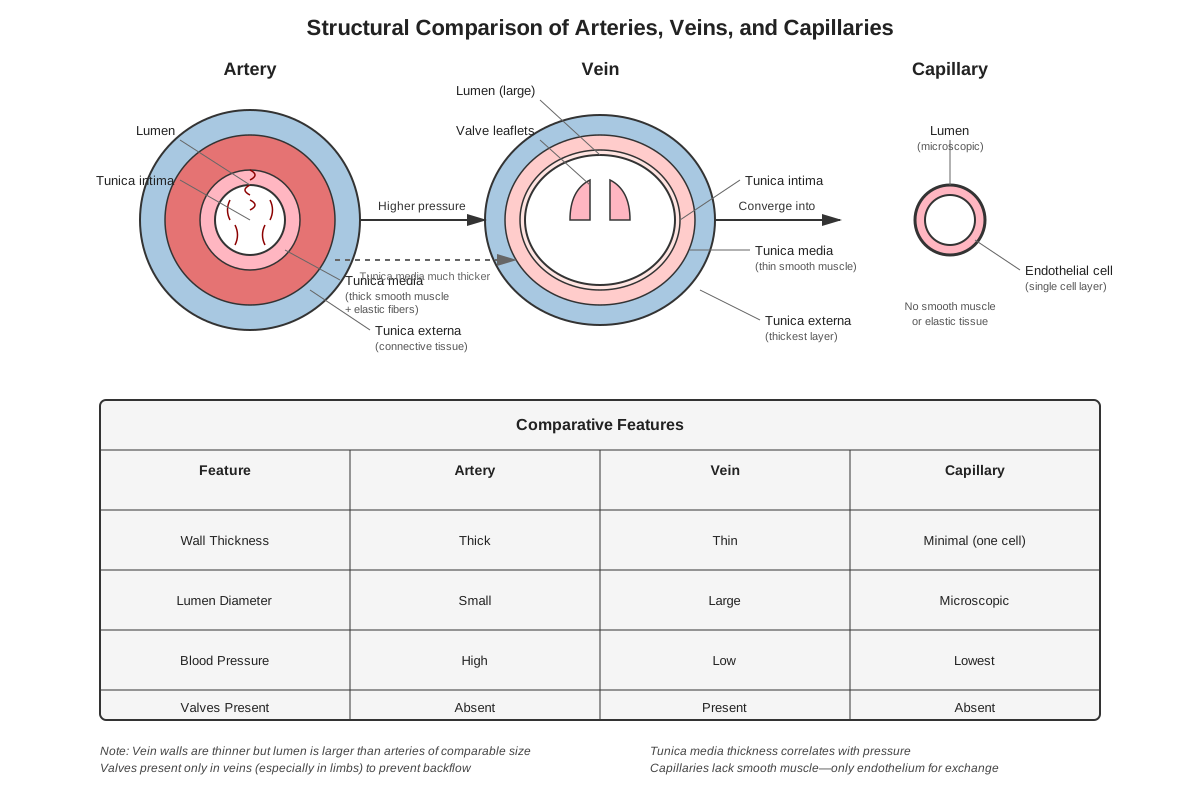
Veins are blood vessels that carry blood toward the heart, typically containing deoxygenated blood (with notable exceptions including pulmonary veins and umbilical veins in fetal circulation). The defining structural characteristics of veins include three distinct layers, similar to arteries but with important differences in thickness and composition:
- Tunica intima: The innermost layer consisting of endothelial cells providing a smooth surface for blood flow, supported by a thin basement membrane and minimal connective tissue
- Tunica media: The middle layer containing smooth muscle cells and elastic fibers, significantly thinner than in arteries
- Tunica externa (adventitia): The outermost layer composed of connective tissue, collagen, and elastic fibers, which is proportionally thicker in veins than arteries
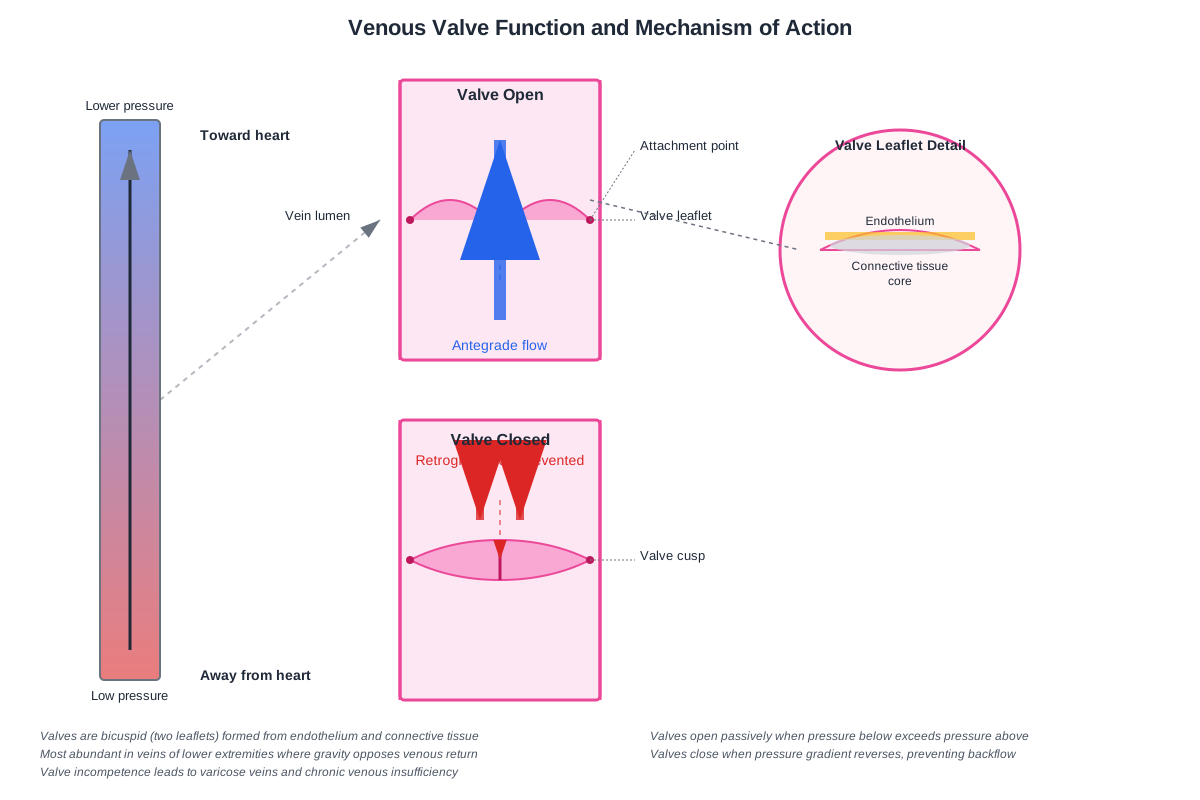
The most distinctive structural feature of many veins is the presence of one-way valves—thin, semilunar flaps of endothelium that project into the lumen. These valves prevent backflow of blood, ensuring unidirectional flow toward the heart despite the low-pressure environment. Valves are most numerous in veins of the extremities, particularly the legs, where blood must travel against gravity.
Structural Comparison: Veins vs. Arteries
| Feature | Veins | Arteries |
|---|---|---|
| Wall thickness | Thin (1-1.5 mm) | Thick (1-2 mm) |
| Lumen diameter | Large, irregular when empty | Smaller, remains circular |
| Tunica media | Thin, less smooth muscle | Thick, abundant smooth muscle |
| Elastic tissue | Minimal | Abundant (especially elastic arteries) |
| Valves | Present in most veins | Absent (except semilunar valves at heart) |
| Blood pressure | Low (2-18 mmHg) | High (systolic 90-120 mmHg) |
| Blood oxygen content | Low (except pulmonary/umbilical) | High (except pulmonary/umbilical) |
| Compliance | High (easily distensible) | Lower (more rigid) |
| Percentage of blood volume | 60-70% | 10-15% |
This structural comparison reveals the fundamental principle that structure follows function: veins operate in a low-pressure system and serve as capacitance vessels (blood reservoirs), while arteries must withstand high pulsatile pressures and serve as resistance vessels.
Mechanisms of Venous Return
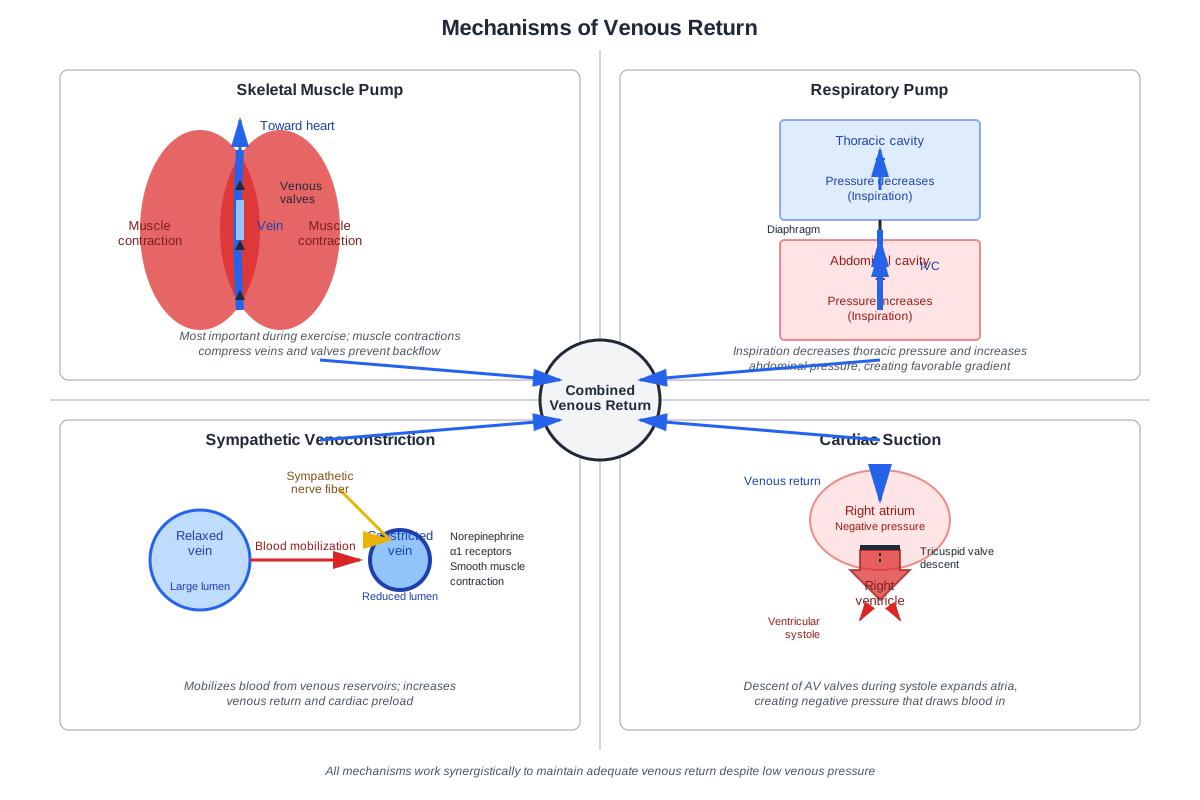
Venous return—the volume of blood returning to the right atrium per unit time—equals cardiac output in steady state and represents a critical determinant of cardiac preload. Since venous pressure is low (typically 2-8 mmHg in peripheral veins), several mechanisms facilitate blood return to the heart:
1. Skeletal Muscle Pump (Musculovenous Pump)
Contraction of skeletal muscles, particularly in the legs, compresses veins and propels blood toward the heart. Venous valves ensure unidirectional flow, preventing backflow when muscles relax. This mechanism is especially important during exercise and standing, when gravitational forces oppose venous return from the lower extremities. The calf muscles function as a "peripheral heart," generating pressures up to 200 mmHg during contraction.
2. Respiratory Pump
During inspiration, the diaphragm descends, increasing abdominal pressure while decreasing thoracic pressure. This pressure gradient compresses abdominal veins while creating negative pressure in the thorax, facilitating blood flow from the abdomen toward the right atrium. The respiratory pump contributes significantly to venous return, with each breath drawing blood centrally.
3. Cardiac Suction Effect
During ventricular systole, the atrioventricular valves are pulled downward, expanding the atria and creating negative pressure that draws blood from the venae cavae. During diastole, the pressure gradient between peripheral veins and the right atrium continues to drive flow.
4. Sympathetic Venoconstriction
Sympathetic nervous system activation causes smooth muscle contraction in venous walls, reducing venous capacity and mobilizing blood from the venous reservoir toward the heart. This mechanism is crucial during hemorrhage, exercise, and other stress states requiring increased cardiac output.
5. Gravity
While gravity opposes venous return from regions below the heart, it assists return from regions above the heart (head, neck, upper extremities when arms are raised).
Venous Pressure and Blood Volume Distribution
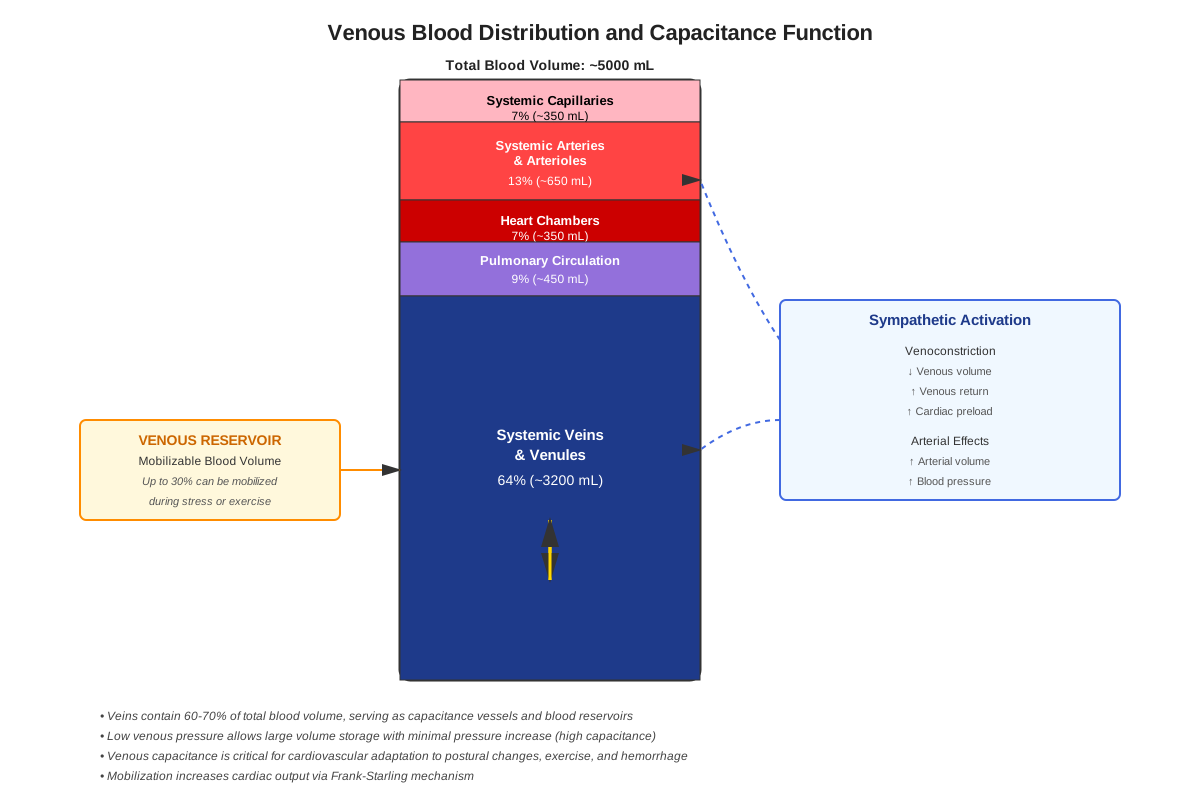
The venous system contains approximately 60-70% of total blood volume at rest, functioning as a capacitance system or blood reservoir. This high compliance (ability to accommodate volume changes with minimal pressure changes) allows veins to buffer changes in blood volume and serve as a readily mobilizable reserve during physiological stress.
Venous pressure varies by location:
- Central venous pressure (CVP): 2-8 mmHg (right atrium)
- Peripheral venous pressure: 8-15 mmHg
- Venous pressure in feet (standing): 90-100 mmHg due to gravitational hydrostatic pressure
The relationship between venous pressure, blood volume, and venous return is described by the venous return curve, which shows that venous return increases as right atrial pressure decreases (up to a point where veins collapse). Mean systemic filling pressure (approximately 7 mmHg) represents the pressure throughout the circulatory system when the heart stops and pressures equilibrate—this pressure reflects the stressed blood volume and venous compliance.
Venous Valve Function and Pathology
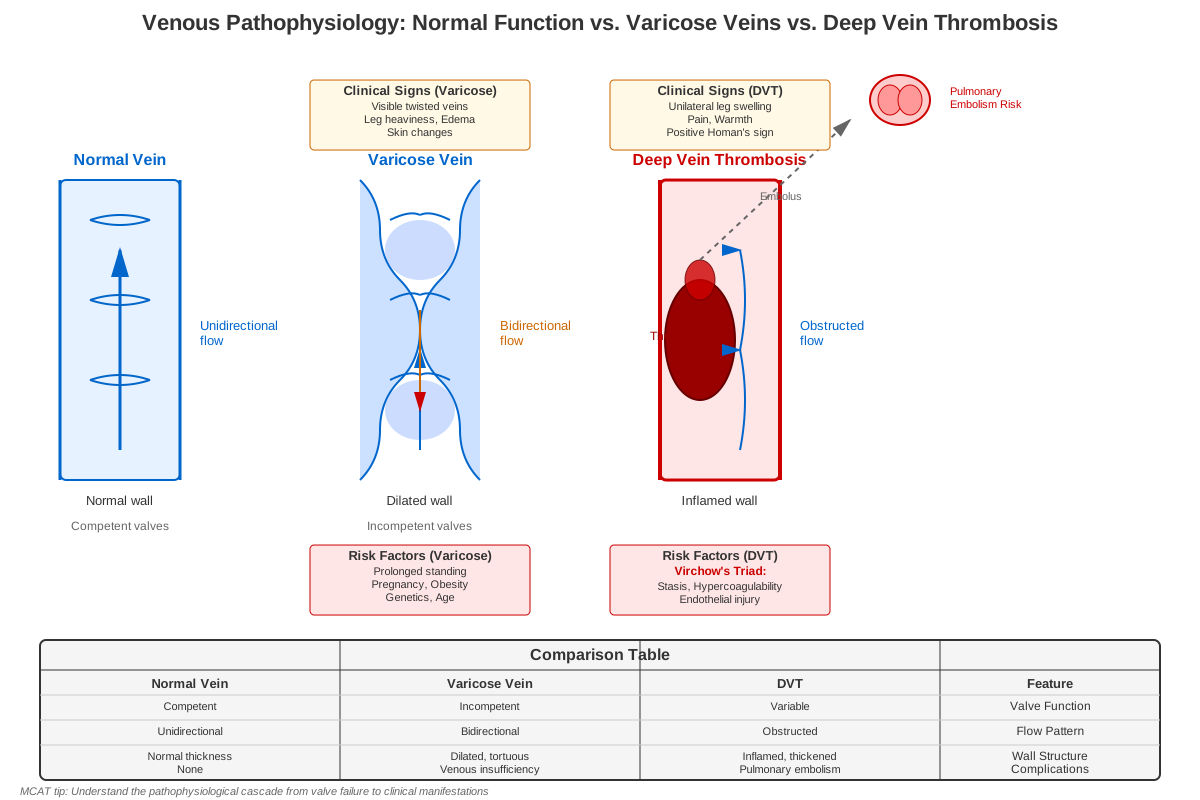
Venous valves consist of two cusps (bicuspid) that open when blood flows toward the heart and close when flow reverses. The competence of these valves is essential for preventing venous pooling and maintaining adequate venous return, particularly in the lower extremities.
Valve dysfunction leads to several pathological conditions:
- Varicose veins: Chronic valve incompetence allows blood to pool in superficial veins, causing them to become dilated, tortuous, and visible beneath the skin. Risk factors include prolonged standing, pregnancy, obesity, and genetic predisposition.
- Chronic venous insufficiency: Progressive valve failure leads to sustained venous hypertension, causing edema, skin changes (hyperpigmentation, lipodermatosclerosis), and potentially venous ulcers.
- Deep vein thrombosis (DVT): Blood clots forming in deep veins (commonly in the legs) can damage valves and obstruct flow. Virchow's triad describes three factors promoting thrombosis: venous stasis, endothelial injury, and hypercoagulability.
Types of Veins
Veins are classified by size and location:
1. Venules: The smallest veins (8-100 μm diameter) that receive blood from capillaries. Postcapillary venules are particularly important sites for leukocyte extravasation during inflammation.
2. Medium veins: Most named veins in the body, characterized by prominent valves and well-developed tunica externa. Examples include the cephalic, basilic, and saphenous veins.
3. Large veins: Include the venae cavae, pulmonary veins, and portal vein. These vessels have thick tunica externa with longitudinal smooth muscle and minimal valves.
4. Venous sinuses: Specialized veins in the brain (dural sinuses) and spleen that lack smooth muscle and have walls formed by surrounding tissue.
Special Venous Circulations
Portal Venous System: The hepatic portal vein carries nutrient-rich, deoxygenated blood from the gastrointestinal tract, spleen, and pancreas to the liver before returning to systemic circulation. This arrangement allows the liver to process absorbed nutrients and toxins before they reach systemic circulation.
Pulmonary Veins: Unique among veins, pulmonary veins carry oxygenated blood from the lungs to the left atrium. They lack valves and have thicker walls than systemic veins of comparable size.
Coronary Sinus: The main venous drainage of the heart, collecting blood from cardiac veins and emptying into the right atrium.
Concept Relationships
The study of veins integrates multiple physiological concepts into a cohesive understanding of cardiovascular function. Venous structure (thin walls, large lumens, valves) → enables → high compliance and capacitance function → which determines → blood volume distribution → affecting → venous return → which serves as a primary determinant of → cardiac preload → influencing → stroke volume via the Frank-Starling mechanism → ultimately affecting → cardiac output.
The mechanisms of venous return connect directly to other physiological systems: the skeletal muscle pump links veins to musculoskeletal physiology, the respiratory pump connects to pulmonary mechanics, and sympathetic venoconstriction integrates with autonomic nervous system function and cardiovascular regulation. Understanding these connections allows prediction of cardiovascular responses to various physiological challenges.
Venous pathology relates to broader concepts in hemostasis and thrombosis. Virchow's triad (venous stasis, endothelial injury, hypercoagulability) → leads to → deep vein thrombosis → which can cause → pulmonary embolism → connecting veins to pulmonary circulation and gas exchange. Similarly, valve incompetence → causes → venous pooling → leading to → increased capillary hydrostatic pressure → resulting in → edema formation → linking veins to fluid balance and Starling forces.
The concept of veins as capacitance vessels connects to cardiovascular responses during hemorrhage: blood loss → triggers → sympathetic activation → causing → venoconstriction → mobilizing → venous blood reserves → maintaining → venous return and cardiac output → representing a compensatory mechanism that delays the onset of shock.
High-Yield Facts
⭐ Veins contain 60-70% of total blood volume at rest, functioning as capacitance vessels and blood reservoirs
⭐ Venous valves are bicuspid structures that ensure unidirectional blood flow toward the heart and are most numerous in the extremities
⭐ The skeletal muscle pump is the primary mechanism for venous return from the lower extremities during standing and exercise
⭐ Veins have thinner walls, larger lumens, and less smooth muscle than arteries of comparable size
⭐ Sympathetic stimulation causes venoconstriction, reducing venous capacity and increasing venous return
- Venous pressure in the feet while standing can reach 90-100 mmHg due to gravitational hydrostatic pressure
- The respiratory pump facilitates venous return by creating a pressure gradient between the abdomen (high pressure during inspiration) and thorax (low pressure)
- Pulmonary veins are unique in carrying oxygenated blood and lacking valves
- Central venous pressure (CVP) normally ranges from 2-8 mmHg and reflects right atrial pressure
- Varicose veins result from chronic valve incompetence, allowing blood pooling and venous dilation
- Deep vein thrombosis follows Virchow's triad: venous stasis, endothelial injury, and hypercoagulability
- The hepatic portal vein carries blood from the GI tract to the liver before returning to systemic circulation
- Venous return equals cardiac output in steady state and is a primary determinant of cardiac preload
- The tunica externa is proportionally thicker in veins than in arteries
- Postcapillary venules are important sites for leukocyte extravasation during inflammation
Quick check — test yourself on Veins so far.
Try Flashcards →Common Misconceptions
Misconception: All veins carry deoxygenated blood and all arteries carry oxygenated blood.
Correction: While most veins carry deoxygenated blood, pulmonary veins carry oxygenated blood from the lungs to the left atrium, and umbilical veins in fetal circulation carry oxygenated blood from the placenta. The defining characteristic of veins is that they carry blood toward the heart, not the oxygen content of the blood.
Misconception: Veins are simply passive conduits that return blood to the heart.
Correction: Veins are active participants in cardiovascular regulation. They contain smooth muscle that responds to sympathetic stimulation, can actively constrict to mobilize blood reserves, and work with skeletal muscles and respiratory movements to facilitate venous return. Their high compliance allows them to function as dynamic blood reservoirs.
Misconception: Venous pressure is uniform throughout the venous system.
Correction: Venous pressure varies significantly by location and body position. Central venous pressure is 2-8 mmHg, peripheral venous pressure is higher (8-15 mmHg), and venous pressure in the feet while standing can exceed 90 mmHg due to gravitational hydrostatic pressure. This pressure gradient is essential for understanding venous return and pathology.
Misconception: Valves are present in all veins throughout the body.
Correction: While valves are common in medium-sized veins, especially in the extremities, they are absent or minimal in large veins (venae cavae), pulmonary veins, cerebral veins, and veins in the thorax and abdomen. The distribution of valves reflects functional requirements—they are most numerous where blood must travel against gravity.
Misconception: The primary function of veins is to transport blood, similar to arteries.
Correction: While transport is important, the primary functional distinction of veins is their role as capacitance vessels. Their high compliance allows them to accommodate large changes in blood volume with minimal pressure changes, serving as a blood reservoir that can be mobilized during physiological stress. This capacitance function is equally important as their transport function.
Misconception: Venous return is primarily driven by residual pressure from arterial blood flow.
Correction: While the pressure gradient from capillaries to the right atrium contributes to venous return, this residual pressure is minimal (only 10-15 mmHg in peripheral veins). The skeletal muscle pump, respiratory pump, cardiac suction, and sympathetic venoconstriction are far more important mechanisms, especially during standing and exercise when venous return must overcome gravitational forces.
Worked Examples
Example 1: Predicting Cardiovascular Response to Postural Change
Question: A healthy individual moves from a supine (lying down) position to standing upright. Immediately upon standing, approximately 500 mL of blood pools in the lower extremities due to gravity. Predict the immediate cardiovascular responses and explain the mechanisms that restore normal venous return and cardiac output.
Solution:
Step 1: Identify the initial problem
When standing, gravitational forces cause blood to pool in the veins of the lower extremities. This reduces venous return to the heart, decreasing right atrial pressure (preload).
Step 2: Apply the Frank-Starling mechanism
Decreased venous return → decreased preload → decreased end-diastolic volume → decreased stroke volume (via Frank-Starling mechanism) → decreased cardiac output → decreased mean arterial pressure.
Step 3: Identify compensatory mechanisms
The decrease in blood pressure is detected by baroreceptors in the carotid sinus and aortic arch, triggering a baroreceptor reflex:
- Increased sympathetic activity:
- Venoconstriction reduces venous capacity, mobilizing pooled blood and increasing venous return
- Increased heart rate (positive chronotropy) helps maintain cardiac output despite reduced stroke volume
- Increased contractility (positive inotropy) increases stroke volume
- Arteriolar vasoconstriction increases total peripheral resistance, helping maintain blood pressure
- Skeletal muscle pump activation:
- Small postural adjustments and muscle contractions compress leg veins, propelling blood toward the heart
- Venous valves prevent backflow, ensuring unidirectional flow
- Respiratory adjustments:
- Slight increase in respiratory rate enhances the respiratory pump effect
Step 4: Predict the outcome
Within 30-60 seconds, these compensatory mechanisms restore venous return, cardiac output, and blood pressure to near-normal levels. Failure of these mechanisms results in orthostatic hypotension, potentially causing dizziness or syncope.
Connection to learning objectives: This example demonstrates the application of venous physiology to predict cardiovascular responses, integrating knowledge of venous return mechanisms, blood volume distribution, and cardiovascular regulation—all high-yield concepts for the MCAT.
Example 2: Analyzing Venous Pathology
Question: A 55-year-old woman presents with visible, tortuous, dilated veins in her lower legs that worsen after prolonged standing. She reports leg heaviness and mild ankle swelling by the end of the day. Explain the underlying pathophysiology, identify the condition, and describe why symptoms worsen with standing.
Solution:
Step 1: Identify the condition
The clinical presentation describes varicose veins—dilated, tortuous superficial veins resulting from chronic venous valve incompetence.
Step 2: Explain the pathophysiology
Normal venous function in the legs depends on competent valves that prevent backflow. The pathophysiological sequence is:
- Initial valve damage: Caused by genetic factors, prolonged standing, pregnancy, obesity, or aging
- Valve incompetence: Damaged valves fail to close completely, allowing retrograde blood flow
- Venous pooling: Blood accumulates in superficial veins due to gravity and failed valve function
- Venous dilation: Chronic volume overload stretches vein walls, causing visible tortuosity
- Increased venous pressure: Sustained high pressure in superficial veins
- Capillary effects: Elevated venous pressure transmits to capillaries, increasing capillary hydrostatic pressure
- Edema formation: Increased capillary hydrostatic pressure drives fluid filtration into interstitial space (per Starling forces), causing ankle swelling
Step 3: Explain positional effects
Symptoms worsen with standing because:
- Gravitational hydrostatic pressure adds to venous pressure (can reach 90+ mmHg in foot veins while standing vs. minimal when supine)
- Incompetent valves cannot prevent this gravitational column of blood from increasing venous pressure
- The skeletal muscle pump is less active during static standing compared to walking
- Prolonged standing maximizes venous pooling and capillary filtration
Symptoms improve with leg elevation because:
- Gravity assists venous return when legs are elevated above heart level
- Reduced venous pressure decreases capillary hydrostatic pressure
- Interstitial fluid is reabsorbed as the balance of Starling forces shifts
Step 4: Connect to broader concepts
This example integrates:
- Venous valve function and pathology
- Mechanisms of venous return (skeletal muscle pump, gravity)
- Starling forces and edema formation
- The relationship between venous pressure and capillary dynamics
MCAT relevance: Questions about venous pathology often require students to connect structural abnormalities (valve incompetence) to functional consequences (impaired venous return) and downstream effects (edema), demonstrating integrated understanding of cardiovascular and fluid balance physiology.
Exam Strategy
Approaching MCAT Questions on Veins
1. Identify the vessel type immediately: When a passage or question mentions blood vessels, quickly determine whether it involves veins, arteries, or capillaries. Look for keywords like "return to heart," "valves," "low pressure," or "capacitance" that signal venous involvement.
2. Apply structure-function relationships: MCAT questions frequently test whether students understand why veins have specific structural features. Always connect structure (thin walls, large lumens, valves) to function (capacitance, low-pressure system, preventing backflow).
3. Consider body position and gravity: Many questions manipulate body position (supine vs. standing, leg elevation, head-down tilt). Always consider how gravity affects venous pressure and return, particularly in the lower extremities.
4. Track the pressure gradient: Venous return depends on the pressure gradient from peripheral veins to the right atrium. Questions may alter this gradient through changes in right atrial pressure, peripheral venous pressure, or venous resistance.
Trigger Words and Phrases
- "Return to the heart" → signals venous function
- "Capacitance" or "reservoir" → refers to venous blood volume storage
- "Valves prevent backflow" → venous valve function
- "Standing" or "upright position" → consider gravitational effects on venous return
- "Muscle contraction" in context of circulation → skeletal muscle pump
- "Inspiration" or "breathing" affecting circulation → respiratory pump
- "Sympathetic activation" with vessels → likely includes venoconstriction
- "Pooling" of blood → venous pooling, often in lower extremities
- "Tortuous, dilated vessels" → varicose veins
- "Deep vein" with "clot" or "thrombosis" → DVT
Process-of-Elimination Tips
When comparing vessels: If a question asks to identify veins vs. arteries, eliminate options that:
- Describe thick walls with abundant smooth muscle (arteries)
- Mention high pressure or pulsatile flow (arteries)
- State blood flows away from the heart (arteries)
- Describe small lumens that remain circular when empty (arteries)
When analyzing venous return: Eliminate answer choices that:
- Ignore the role of skeletal muscle pump or respiratory pump
- Suggest veins are passive conduits without active regulation
- Fail to account for gravitational effects in upright positions
- Confuse venous return with arterial blood flow mechanisms
When evaluating pathology: Eliminate options that:
- Attribute arterial characteristics to venous conditions
- Ignore the role of valve dysfunction in venous pathology
- Fail to connect venous pressure changes to capillary dynamics and edema
Time Allocation Advice
For discrete questions on veins (typically 60-90 seconds):
- Spend 15-20 seconds identifying the specific concept being tested
- Spend 30-40 seconds applying relevant principles
- Spend 10-15 seconds eliminating wrong answers
- Spend 5-10 seconds confirming the correct answer
For passage-based questions (typically 90-120 seconds per question):
- Spend 20-30 seconds locating relevant information in the passage
- Spend 40-50 seconds integrating passage information with content knowledge
- Spend 20-30 seconds evaluating answer choices
- Spend 10 seconds confirming and moving on
Memory Techniques
Mnemonic for Mechanisms of Venous Return
"Some Really Cool Skeletons Gather"
- Sympathetic venoconstriction
- Respiratory pump
- Cardiac suction
- Skeletal muscle pump
- Gravity (assists from above heart)
Mnemonic for Virchow's Triad (DVT Risk Factors)
"SHE"
- Stasis (venous stasis)
- Hypercoagulability
- Endothelial injury
Visualization Strategy for Venous Valves
Imagine venous valves as one-way swinging doors in a hallway that only open in one direction (toward the heart). When blood tries to flow backward, the "doors" slam shut. When muscles contract around the vein, they squeeze the hallway, pushing blood through the open doors. This visualization helps remember that valves ensure unidirectional flow and work with the skeletal muscle pump.
Acronym for Vein Wall Layers (Inside to Outside)
"TIM"
- Tunica intima (innermost)
- Intermedia (tunica media)
- Most external (tunica externa/adventitia)
Memory Aid for Blood Volume Distribution
"The Veins Hold Most" → Remember that veins contain 60-70% of blood volume, making them the primary blood reservoir. Visualize veins as large storage tanks compared to the narrow pipes of arteries.
Comparative Memory Table
Create a mental table comparing veins and arteries using the acronym "WLVP":
- Walls: Veins = thin, Arteries = thick
- Lumen: Veins = large, Arteries = small
- Valves: Veins = yes, Arteries = no
- Pressure: Veins = low, Arteries = high
Summary
Veins are thin-walled, large-lumen blood vessels that return blood to the heart, operating in a low-pressure system and containing approximately 60-70% of total blood volume. Their structural features—including thin tunica media, prominent tunica externa, and one-way valves—reflect their dual function as transport vessels and capacitance reservoirs. Venous return, the volume of blood returning to the heart per unit time, depends on multiple mechanisms: the skeletal muscle pump, respiratory pump, cardiac suction, sympathetic venoconstriction, and gravitational effects. These mechanisms are essential because venous pressure is low (2-18 mmHg) and insufficient alone to drive adequate return, especially from the lower extremities against gravity. Venous valve competence is critical for preventing backflow and maintaining unidirectional flow; valve dysfunction leads to conditions like varicose veins and chronic venous insufficiency. The venous system's high compliance allows it to buffer blood volume changes and serve as a mobilizable reserve during physiological stress. Understanding veins requires integrating structural anatomy, hemodynamic principles, regulatory mechanisms, and pathophysiology—all frequently tested concepts on the MCAT that connect to broader cardiovascular physiology, including cardiac output, preload, and the Frank-Starling mechanism.
Key Takeaways
- Veins are capacitance vessels containing 60-70% of total blood volume, with thin walls, large lumens, and one-way valves that ensure blood flow toward the heart
- Venous return depends on five key mechanisms: skeletal muscle pump, respiratory pump, cardiac suction, sympathetic venoconstriction, and gravity
- Venous valves prevent backflow and are most numerous in the extremities; valve incompetence causes varicose veins and chronic venous insufficiency
- Veins have significantly lower pressure (2-18 mmHg) than arteries and require active mechanisms to facilitate blood return, especially against gravity
- Sympathetic stimulation causes venoconstriction, mobilizing venous blood reserves and increasing venous return—a critical compensatory mechanism during hemorrhage and exercise
- Venous return equals cardiac output in steady state and serves as a primary determinant of cardiac preload, directly affecting stroke volume via the Frank-Starling mechanism
- Understanding structure-function relationships in veins (thin walls enable high compliance, valves prevent backflow, large lumens accommodate high volume) is essential for MCAT success
Related Topics
Cardiac Output and the Frank-Starling Mechanism: Venous return serves as the primary determinant of cardiac preload, making it essential to understand how changes in venous return affect stroke volume and cardiac output. Mastering veins provides the foundation for understanding preload manipulation and cardiovascular responses to physiological challenges.
Capillary Dynamics and Starling Forces: Venous pressure directly affects capillary hydrostatic pressure, influencing fluid exchange between capillaries and interstitial space. Understanding veins enables comprehension of how venous pathology (like valve incompetence) leads to edema formation.
Blood Pressure Regulation: The baroreceptor reflex includes venoconstriction as a key compensatory mechanism. Understanding venous function is essential for predicting cardiovascular responses to blood pressure changes, hemorrhage, and postural alterations.
Arterial Structure and Function: Comparing veins to arteries reinforces structure-function relationships and helps distinguish between resistance vessels (arteries) and capacitance vessels (veins), a common MCAT comparison.
Hemostasis and Thrombosis: Deep vein thrombosis and Virchow's triad connect venous physiology to coagulation cascades, platelet function, and anticoagulation therapy—topics that frequently appear together on the MCAT.
Practice CTA
Now that you have mastered the core concepts of venous structure and function, it's time to reinforce your understanding through active practice. Attempt the practice questions and flashcards associated with this topic to test your ability to apply these concepts in exam-style scenarios. Focus on questions that integrate venous return mechanisms with cardiovascular responses, compare vessel types, and analyze venous pathology. Remember that understanding veins provides essential foundation for broader cardiovascular physiology—every minute spent mastering this topic strengthens your ability to tackle complex passage-based questions on the MCAT. Challenge yourself to explain concepts aloud, draw diagrams of venous return mechanisms, and predict cardiovascular responses to various physiological challenges. Your thorough preparation on this medium-yield topic will pay dividends on test day!
Sign up free to keep reading
Create a free AnvayaPrep account to finish this MCAT guide on Veins — plus flashcards and practice questions.