Overview
White blood cells (WBCs), also known as leukocytes, represent a critical component of the immune system and are essential for defending the body against infectious agents, foreign substances, and abnormal cells. Unlike red blood cells, which are primarily concerned with oxygen transport, white blood cells are specialized for immune surveillance and response. These nucleated cells circulate through the bloodstream and lymphatic system, migrating into tissues when needed to combat threats. Understanding white blood cells is fundamental to Biology and specifically to Physiology and Organ Systems, as they integrate multiple body systems including the circulatory, lymphatic, and immune systems.
For the MCAT, white blood cells represent a medium-yield topic that appears regularly in both passage-based and discrete questions. The exam tests not only the classification and functions of different WBC types but also their roles in immune responses, inflammatory processes, and disease states. Questions often integrate White blood cells Biology with concepts from immunology, hematology, and pathophysiology, requiring students to apply knowledge across multiple domains. The MCAT particularly emphasizes the functional differences between innate and adaptive immune cells, the mechanisms of cell-mediated versus humoral immunity, and the clinical significance of abnormal WBC counts.
The study of white blood cells connects to broader biological principles including cell differentiation, signal transduction, cell-to-cell communication, and homeostasis. WBCs originate from hematopoietic stem cells in the bone marrow through a process called leukopoiesis, demonstrating principles of cellular development and specialization. Their function involves receptor-ligand interactions, phagocytosis, cytokine signaling, and antibody production—all high-yield concepts for the MCAT. Mastering White blood cells MCAT content provides a foundation for understanding immunology, infectious disease, cancer biology, and autoimmune disorders, making this topic a cornerstone of medical education.
Learning Objectives
- [ ] Define White blood cells using accurate Biology terminology
- [ ] Explain why White blood cells matters for the MCAT
- [ ] Apply White blood cells to exam-style questions
- [ ] Identify common mistakes related to White blood cells
- [ ] Connect White blood cells to related Biology concepts
- [ ] Differentiate between the five major types of white blood cells based on structure and function
- [ ] Describe the process of leukocyte extravasation (diapedesis) and its role in immune response
- [ ] Analyze clinical scenarios involving abnormal WBC counts and predict underlying pathologies
- [ ] Compare and contrast innate versus adaptive immune cells among white blood cell populations
Prerequisites
- Basic cell biology: Understanding of cell structure, organelles, and cellular processes is essential because WBCs are specialized cells with unique organelle compositions that determine their functions
- Hematopoiesis fundamentals: Knowledge of blood cell formation from stem cells provides context for WBC development and differentiation pathways
- Basic immunology concepts: Familiarity with antigens, antibodies, and the general concept of immune response helps contextualize WBC functions
- Circulatory system anatomy: Understanding blood composition and circulation is necessary to comprehend how WBCs travel throughout the body
- Protein synthesis and secretion: Knowledge of how cells produce and release proteins is critical for understanding antibody production and cytokine signaling
Why This Topic Matters
White blood cells are clinically significant because abnormalities in WBC count or function indicate numerous disease states. Leukocytosis (elevated WBC count) commonly signals infection, inflammation, or leukemia, while leukopenia (decreased WBC count) may indicate bone marrow suppression, autoimmune destruction, or immunodeficiency. Complete blood counts (CBCs) with differential are among the most frequently ordered laboratory tests in medicine, making WBC knowledge directly applicable to clinical practice. Understanding WBC function is essential for comprehending how the body fights infections, why immunocompromised patients are vulnerable to opportunistic infections, and how vaccines stimulate protective immunity.
On the MCAT, white blood cells appear in approximately 3-5% of Biology/Biochemistry section questions, with particular emphasis in passages involving immunology, infectious disease, and hematology. Questions typically present in three formats: (1) discrete questions testing classification and basic functions, (2) passage-based questions requiring interpretation of experimental data about immune responses, and (3) clinical vignettes requiring students to connect WBC abnormalities to disease states. The exam frequently integrates WBC content with other topics such as inflammation, fever, antibody structure, complement system, and cell signaling pathways.
Common MCAT passage themes include experiments measuring WBC responses to pathogens, studies of cytokine effects on leukocyte behavior, clinical cases presenting with abnormal differential counts, and research on immune system dysfunction. The exam particularly favors questions that require distinguishing between innate and adaptive immunity, understanding the temporal sequence of immune responses, and predicting which WBC types would predominate in specific infections. Students must be prepared to interpret graphs showing WBC counts over time, analyze flow cytometry data identifying cell populations, and evaluate experimental designs testing immune function.
Core Concepts
Definition and General Characteristics
White blood cells (leukocytes) are nucleated cells of the immune system that circulate in blood and lymph, defending the body against infectious agents and foreign substances. Unlike erythrocytes, WBCs retain their nuclei and organelles throughout their lifespan, enabling them to synthesize proteins, respond to signals, and perform complex functions. Normal WBC counts range from 4,000 to 11,000 cells per microliter of blood, representing less than 1% of total blood volume but playing disproportionately critical roles in health and disease.
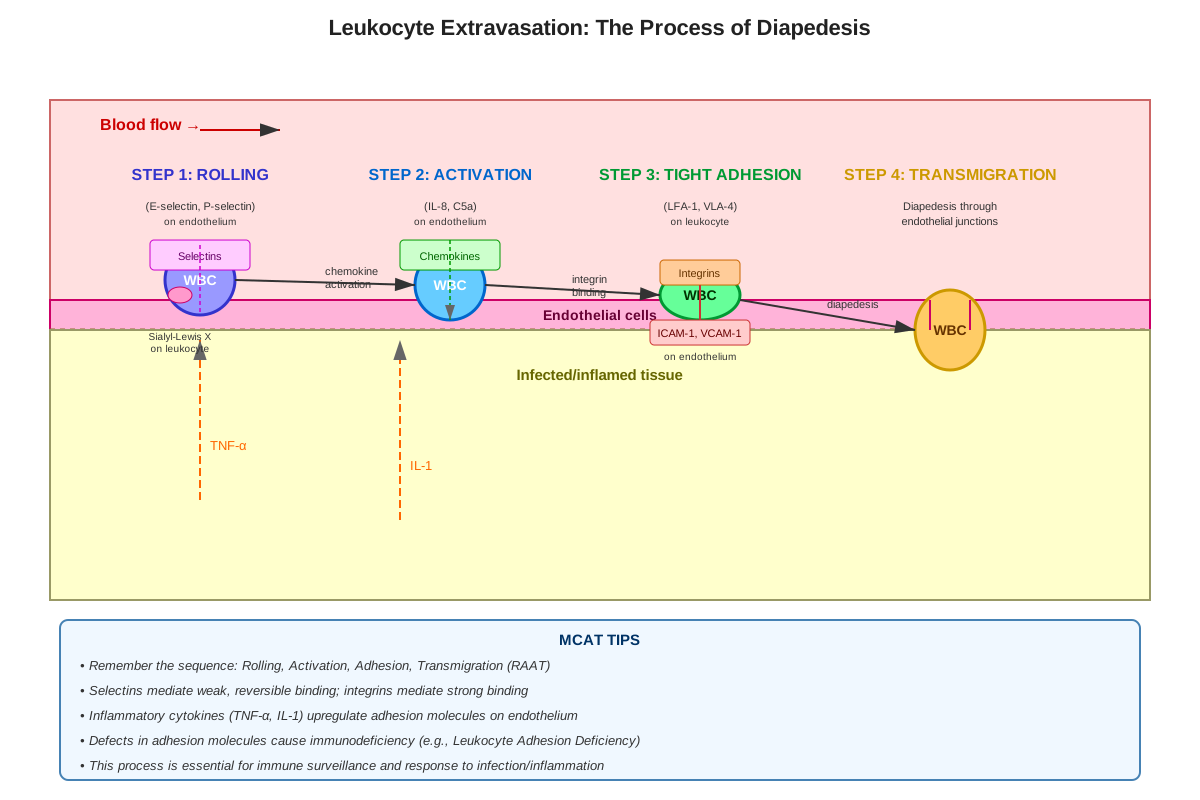
WBCs are characterized by their ability to perform diapedesis (extravasation), the process of squeezing between endothelial cells to exit blood vessels and enter tissues where they are needed. This process involves selectin-mediated rolling, integrin-mediated firm adhesion, and transmigration through vessel walls. WBCs also exhibit chemotaxis, the directed movement toward chemical signals such as cytokines, complement fragments, and bacterial products. These properties enable WBCs to patrol the body and rapidly concentrate at sites of infection or injury.
Classification of White Blood Cells
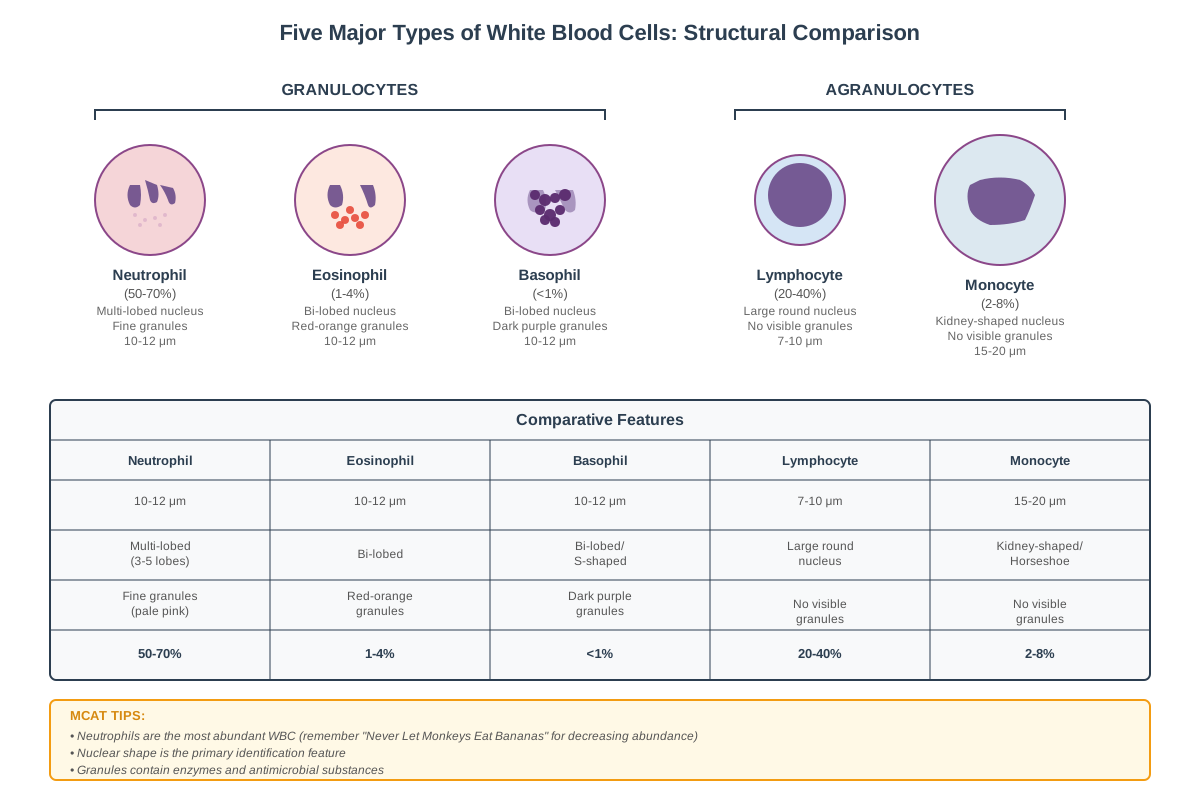
White blood cells are classified into five major types based on morphology, staining characteristics, and function. These are divided into two main categories: granulocytes (containing prominent cytoplasmic granules) and agranulocytes (lacking prominent granules).
| WBC Type | Category | Percentage of WBCs | Primary Functions | Key Characteristics |
|---|---|---|---|---|
| Neutrophils | Granulocyte | 50-70% | Phagocytosis of bacteria; first responders | Multi-lobed nucleus; fine granules; short-lived (hours to days) |
| Lymphocytes | Agranulocyte | 20-40% | Adaptive immunity; antibody production | Large nucleus; minimal cytoplasm; includes B, T, and NK cells |
| Monocytes | Agranulocyte | 2-8% | Phagocytosis; differentiate into macrophages | Largest WBC; kidney-shaped nucleus; become tissue macrophages |
| Eosinophils | Granulocyte | 1-4% | Combat parasites; modulate allergic responses | Bi-lobed nucleus; red-orange granules with eosin stain |
| Basophils | Granulocyte | 0.5-1% | Release histamine; mediate allergic reactions | Dark purple granules; least common WBC |
Neutrophils: The First Responders
Neutrophils are the most abundant WBCs and serve as the primary cellular defense against bacterial and fungal infections. These cells are part of the innate immune system, responding rapidly (within hours) to infection without requiring prior exposure to the pathogen. Neutrophils contain two types of granules: primary (azurophilic) granules containing myeloperoxidase, defensins, and proteases, and secondary (specific) granules containing lactoferrin, collagenase, and lysozyme.
The neutrophil life cycle demonstrates several high-yield concepts. These cells are produced in bone marrow, circulate for 6-8 hours, and survive in tissues for 1-2 days before undergoing apoptosis. During acute bacterial infections, the bone marrow releases immature neutrophils called band cells into circulation, producing a "left shift" on differential counts—a classic clinical finding indicating acute infection. Neutrophils kill pathogens through multiple mechanisms: (1) phagocytosis with phagolysosome formation, (2) respiratory burst producing reactive oxygen species via NADPH oxidase, and (3) NETosis, releasing neutrophil extracellular traps (NETs) composed of DNA and antimicrobial proteins.
Lymphocytes: Adaptive Immunity Specialists
Lymphocytes are the central cells of adaptive immunity, providing specific, long-lasting protection against pathogens. The three main lymphocyte subtypes—B cells, T cells, and natural killer (NK) cells—have distinct origins, functions, and mechanisms of action.
B lymphocytes mature in bone marrow and are responsible for humoral immunity through antibody production. When activated by antigen presentation, B cells differentiate into plasma cells that secrete large quantities of immunoglobulins (antibodies) specific to the triggering antigen. Some activated B cells become memory B cells, providing rapid response upon re-exposure to the same antigen—the basis of vaccination. B cells express B cell receptors (BCRs) on their surface, which are membrane-bound antibodies that recognize specific antigens.
T lymphocytes mature in the thymus and mediate cell-mediated immunity. The two major T cell subtypes are CD4+ helper T cells and CD8+ cytotoxic T cells. CD4+ T cells coordinate immune responses by secreting cytokines that activate other immune cells; they recognize antigens presented on MHC class II molecules. CD8+ T cells directly kill infected or cancerous cells by releasing perforin and granzymes; they recognize antigens on MHC class I molecules. T cells express T cell receptors (TCRs) that recognize processed antigens presented by major histocompatibility complex (MHC) molecules.
Natural killer (NK) cells are large granular lymphocytes that function in innate immunity by killing virus-infected cells and tumor cells without prior sensitization. NK cells recognize cells lacking MHC class I molecules (which are often downregulated by viruses and cancer cells) through "missing self" recognition. They kill targets by releasing perforin and granzymes, similar to cytotoxic T cells but without requiring antigen-specific recognition.
Monocytes and Macrophages: Professional Phagocytes
Monocytes are the largest circulating WBCs and serve as precursors to tissue macrophages and dendritic cells. After circulating for 1-3 days, monocytes migrate into tissues where they differentiate into macrophages or dendritic cells depending on local signals. This differentiation demonstrates cellular plasticity and tissue-specific specialization.
Macrophages are long-lived tissue-resident cells that perform multiple functions: (1) phagocytosis of pathogens, dead cells, and debris, (2) antigen presentation to T cells via MHC class II molecules, making them professional antigen-presenting cells (APCs), and (3) cytokine secretion to coordinate immune responses. Tissue-specific macrophages have specialized names: Kupffer cells (liver), alveolar macrophages (lungs), microglia (brain), and osteoclasts (bone). Macrophages can be polarized into M1 (classically activated) phenotype, which is pro-inflammatory and microbicidal, or M2 (alternatively activated) phenotype, which promotes tissue repair and resolution of inflammation.
Eosinophils: Parasite Fighters and Allergy Mediators
Eosinophils are specialized granulocytes that combat parasitic infections, particularly helminths (worms), and modulate allergic responses. Their characteristic red-orange granules contain major basic protein (MBP), eosinophil peroxidase, eosinophil cationic protein, and eosinophil-derived neurotoxin—all toxic to parasites. Eosinophils bind to antibody-coated parasites (IgE or IgG) and degranulate, releasing these toxic proteins in a process called antibody-dependent cell-mediated cytotoxicity (ADCC).
Elevated eosinophil counts (eosinophilia) occur in parasitic infections, allergic conditions (asthma, hay fever), and certain drug reactions. Eosinophils also contribute to tissue damage in allergic diseases by releasing inflammatory mediators and cytotoxic proteins. They are recruited to sites of allergic inflammation by eotaxin and other chemokines, where they interact with mast cells and basophils to amplify allergic responses.
Basophils and Mast Cells: Mediators of Immediate Hypersensitivity
Basophils are the least common WBCs, characterized by large dark purple granules that contain histamine, heparin, and other inflammatory mediators. Basophils express high-affinity IgE receptors (FcεRI) on their surface. When cross-linked by antigen binding to IgE, basophils rapidly degranulate, releasing histamine that causes vasodilation, increased vascular permeability, and smooth muscle contraction—the hallmarks of immediate hypersensitivity (Type I allergic reactions).
While basophils circulate in blood, mast cells are tissue-resident cells with similar functions. Both cell types play central roles in allergic reactions, anaphylaxis, and defense against parasites. The rapid release of preformed mediators from basophils and mast cells explains why allergic reactions can occur within minutes of allergen exposure. These cells also synthesize and release leukotrienes and prostaglandins, lipid mediators that prolong and amplify inflammatory responses.
Leukocyte Development and Regulation
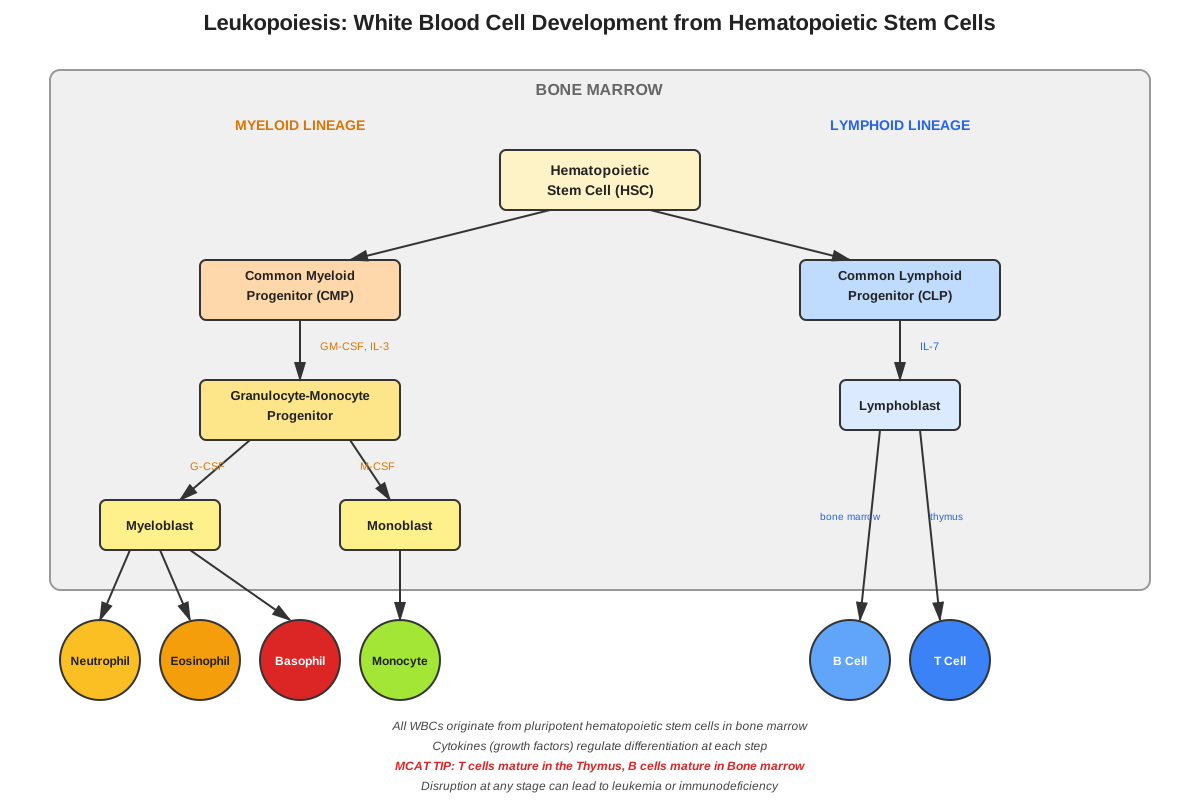
All white blood cells originate from hematopoietic stem cells in bone marrow through leukopoiesis. The developmental pathway diverges early into myeloid and lymphoid lineages. Myeloid progenitors give rise to granulocytes (neutrophils, eosinophils, basophils) and monocytes, while lymphoid progenitors produce lymphocytes. This process is regulated by colony-stimulating factors (CSFs) and interleukins that promote proliferation and differentiation of specific lineages.
Granulocyte colony-stimulating factor (G-CSF) specifically stimulates neutrophil production and is used clinically to treat neutropenia. Granulocyte-macrophage colony-stimulating factor (GM-CSF) promotes both granulocyte and monocyte production. Understanding these regulatory factors is important for interpreting how the body responds to infection (increasing WBC production) and how certain medications or diseases affect WBC counts.
Quick check — test yourself on White blood cells so far.
Try Flashcards →Concept Relationships
The five types of white blood cells function as an integrated system rather than independent entities. Neutrophils and monocytes/macrophages both perform phagocytosis but operate on different timescales: neutrophils respond rapidly (hours) as first responders, while monocytes arrive later (days) and differentiate into long-lived macrophages that continue surveillance and cleanup. This temporal relationship creates a biphasic cellular response to infection.
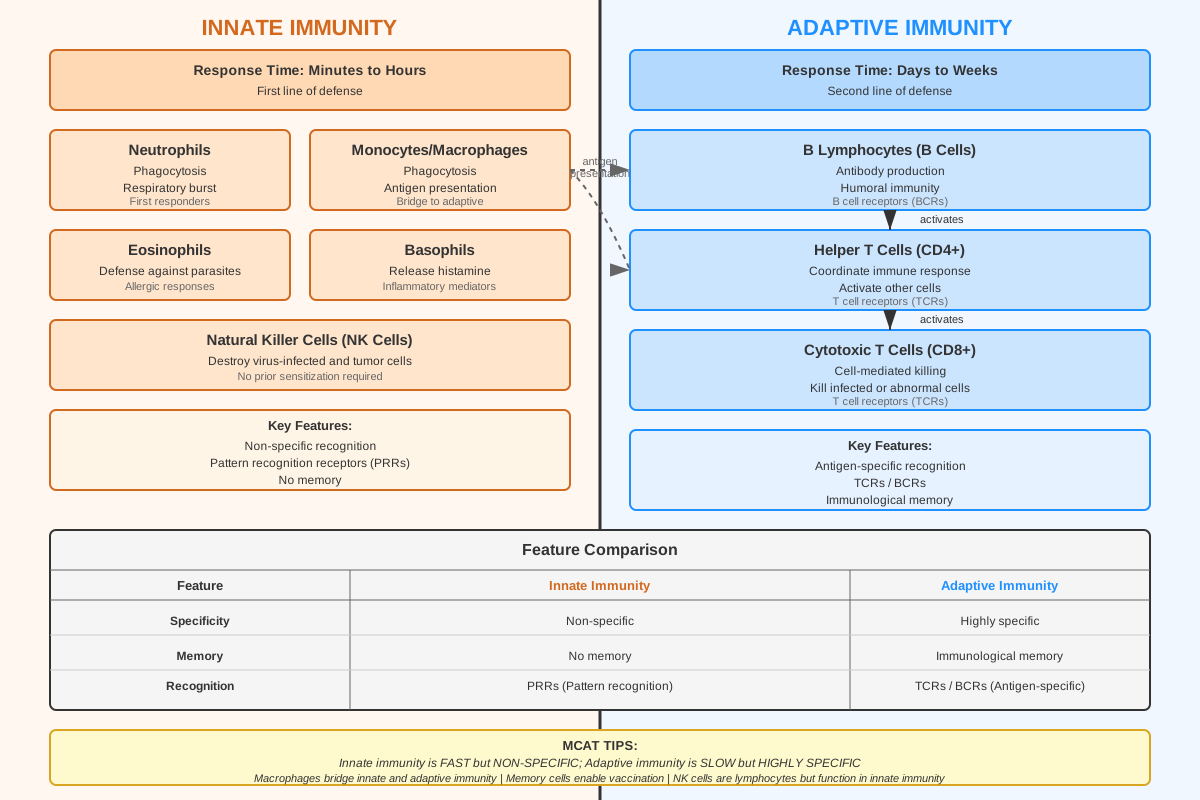
The innate-adaptive immunity connection is mediated by antigen-presenting cells (macrophages and dendritic cells derived from monocytes) that bridge these two arms of immunity. These cells phagocytose pathogens, process their proteins, and present antigenic peptides to T lymphocytes, initiating adaptive immune responses. This relationship demonstrates how innate immunity (monocytes/macrophages) → activates → adaptive immunity (lymphocytes).
Eosinophils and basophils work synergistically in allergic responses and antiparasitic immunity. Basophils release histamine that increases vascular permeability, allowing eosinophils to exit blood vessels and reach tissue sites where parasites are located. Both cell types express IgE receptors, linking them to B lymphocyte function (which produces IgE antibodies). This illustrates: B cells produce IgE → IgE binds to basophils/eosinophils → antigen cross-linking triggers degranulation → inflammatory response.
The relationship between lymphocyte subtypes demonstrates cellular cooperation in adaptive immunity. B cells produce antibodies, but most B cell responses require help from CD4+ T cells, which provide co-stimulatory signals and cytokines. CD8+ T cells kill infected cells, but their activation often requires CD4+ T cell help. NK cells provide innate immunity but also interact with adaptive immunity through antibody-dependent cellular cytotoxicity. This creates a network: CD4+ T cells → help → B cells and CD8+ T cells → coordinate → humoral and cellular immunity.
White blood cells connect to prerequisite knowledge of hematopoiesis (all WBCs derive from common stem cells), cell biology (specialized organelles enable specific functions), and immunology (WBCs are the cellular effectors of immune responses). They also connect forward to topics including inflammation (WBCs are recruited to inflammatory sites), infection (different pathogens elicit different WBC responses), autoimmunity (aberrant WBC activity attacks self-tissues), and cancer (leukemias involve uncontrolled WBC proliferation).
High-Yield Facts
⭐ Neutrophils are the most abundant WBCs (50-70%) and are the first responders to bacterial infections, arriving within hours through chemotaxis.
⭐ Lymphocytes include B cells (antibody production), T cells (cell-mediated immunity), and NK cells (innate killing of infected/tumor cells).
⭐ Monocytes differentiate into macrophages in tissues, where they perform phagocytosis and serve as antigen-presenting cells for T cell activation.
⭐ Eosinophils combat parasitic infections and mediate allergic responses; elevated eosinophil counts suggest parasites or allergies.
⭐ Basophils release histamine during allergic reactions and are the least common WBCs (0.5-1% of total).
- A "left shift" in differential count (increased band cells) indicates acute bacterial infection with increased neutrophil production.
- CD4+ T cells recognize antigens on MHC class II molecules (on APCs), while CD8+ T cells recognize antigens on MHC class I molecules (on all nucleated cells).
- Neutrophils kill bacteria through phagocytosis, respiratory burst (NADPH oxidase producing reactive oxygen species), and NET formation.
- Plasma cells are differentiated B cells specialized for antibody secretion, producing thousands of antibody molecules per second.
- Macrophages can be polarized to M1 (pro-inflammatory, microbicidal) or M2 (anti-inflammatory, tissue repair) phenotypes depending on signals.
- Leukocytosis (elevated WBC count) commonly indicates infection, inflammation, or leukemia, while leukopenia (decreased WBC count) suggests immunosuppression or bone marrow failure.
- Diapedesis (extravasation) involves selectin-mediated rolling, integrin-mediated adhesion, and transmigration through endothelial cells.
- Memory B cells and memory T cells provide rapid, enhanced responses upon re-exposure to antigens, forming the basis of vaccination.
Common Misconceptions
Misconception: All white blood cells directly kill pathogens through phagocytosis.
Correction: Only neutrophils, monocytes/macrophages, and eosinophils perform phagocytosis. B lymphocytes produce antibodies but don't directly kill pathogens. CD4+ T helper cells coordinate immune responses through cytokine secretion without directly killing pathogens. Only CD8+ T cells and NK cells among lymphocytes directly kill target cells, and they do so through cytotoxic mechanisms (perforin/granzymes), not phagocytosis.
Misconception: Lymphocytes are only involved in adaptive immunity.
Correction: While B cells and T cells mediate adaptive immunity, natural killer (NK) cells are lymphocytes that function in innate immunity. NK cells respond rapidly without prior sensitization and don't require antigen-specific recognition, distinguishing them from B and T cells. This demonstrates that cell classification (lymphocyte) doesn't always predict immune function (innate vs. adaptive).
Misconception: A high white blood cell count always indicates infection.
Correction: While infection is a common cause of leukocytosis, many other conditions elevate WBC counts including physiologic stress, corticosteroid use, inflammatory diseases, and leukemia. Conversely, some severe infections (particularly viral or overwhelming bacterial infections) can cause leukopenia. The differential count (which specific WBC types are elevated) provides more diagnostic information than total WBC count alone.
Misconception: Monocytes and macrophages are different cell types with unrelated functions.
Correction: Monocytes are circulating precursors that differentiate into tissue macrophages upon migration from blood into tissues. They represent different developmental stages of the same cell lineage, not distinct cell types. This differentiation is induced by tissue-specific signals and demonstrates cellular plasticity. Understanding this relationship is essential for comprehending how the mononuclear phagocyte system functions.
Misconception: Eosinophils only function in parasitic infections.
Correction: While eosinophils are specialized for antiparasitic defense, they also play significant roles in allergic diseases (asthma, allergic rhinitis), where they contribute to tissue damage and inflammation. Eosinophils also participate in tissue remodeling and have immunoregulatory functions. Elevated eosinophil counts (eosinophilia) can indicate parasites, allergies, drug reactions, or certain malignancies.
Misconception: All granulocytes have similar functions because they all contain granules.
Correction: The three granulocyte types (neutrophils, eosinophils, basophils) have distinct granule contents and completely different functions. Neutrophils fight bacteria, eosinophils combat parasites and mediate allergic responses, and basophils release histamine in allergic reactions. The presence of granules is a morphological classification feature, not a functional one. The specific contents of those granules determine each cell's unique role.
Worked Examples
Example 1: Interpreting a Clinical Vignette with Differential Count
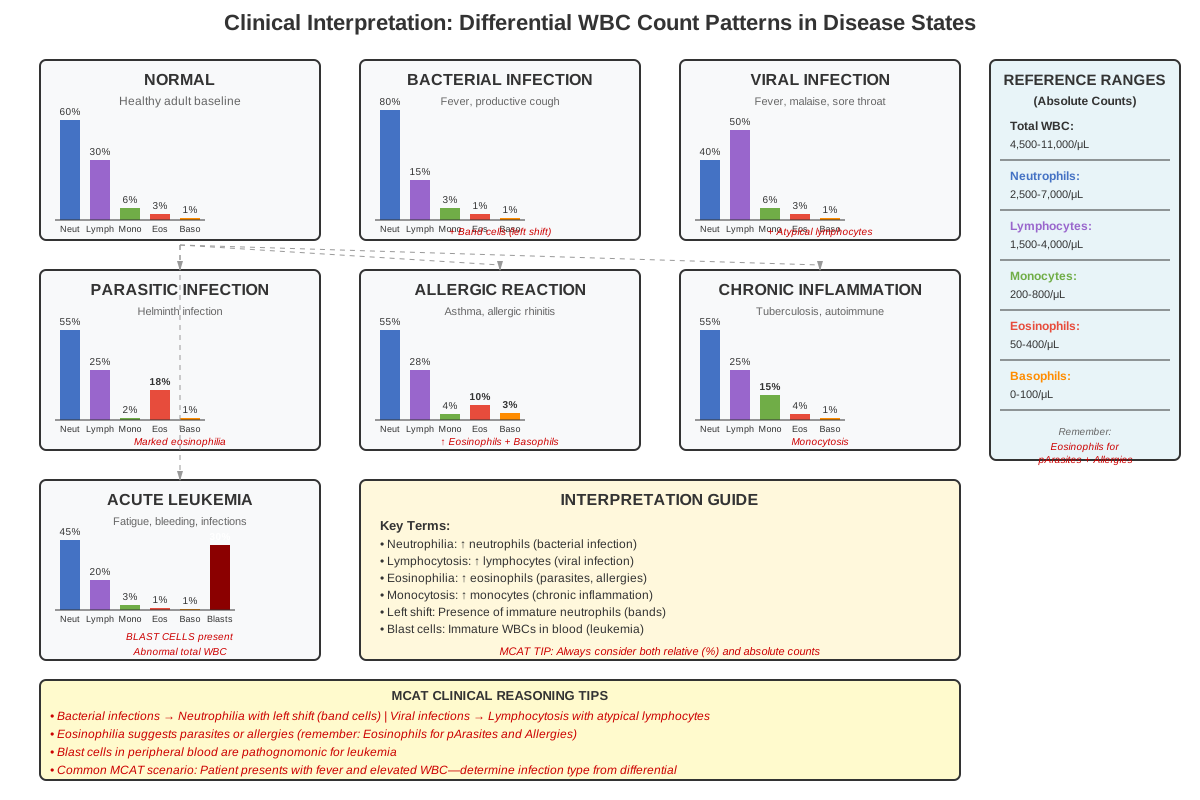
Question: A 25-year-old patient presents with fever, productive cough, and chest pain. Laboratory results show: Total WBC count: 18,000/μL (elevated), Neutrophils: 85% (elevated), Lymphocytes: 10% (decreased), Monocytes: 4% (normal), Eosinophils: 1% (normal), Basophils: 0% (normal). Band cells are present. Which of the following best explains these findings?
A) Viral respiratory infection
B) Acute bacterial pneumonia
C) Parasitic infection
D) Allergic reaction
Solution:
Step 1: Analyze the total WBC count. The count of 18,000/μL represents leukocytosis (normal is 4,000-11,000/μL), indicating an active immune response.
Step 2: Examine the differential count. The key finding is neutrophilia (85% neutrophils, which is elevated from the normal 50-70%). Neutrophils are the primary responders to bacterial infections.
Step 3: Note the presence of band cells. Band cells are immature neutrophils released from bone marrow during acute bacterial infections, creating a "left shift." This is a classic sign of acute bacterial infection.
Step 4: Consider the clinical presentation. Fever, productive cough, and chest pain are consistent with bacterial pneumonia.
Step 5: Eliminate incorrect answers:
- (A) Viral infections typically cause lymphocytosis (elevated lymphocytes), not neutrophilia
- (C) Parasitic infections would show eosinophilia (elevated eosinophils)
- (D) Allergic reactions would show eosinophilia and possibly basophilia
Answer: B) Acute bacterial pneumonia
This example demonstrates how to integrate clinical presentation with laboratory findings, apply knowledge of which WBC types respond to different pathogens, and recognize the significance of a left shift in differential counts.
Example 2: Analyzing an Experimental Design Question
Question: Researchers are studying the immune response to a helminth (parasitic worm) infection in mice. They measure different WBC populations at various time points after infection. Which of the following findings would be most consistent with an effective antiparasitic immune response?
A) Elevated neutrophils and decreased eosinophils
B) Elevated eosinophils and increased IgE antibodies
C) Elevated CD8+ T cells and decreased B cells
D) Elevated basophils and decreased monocytes
Solution:
Step 1: Identify the pathogen type. Helminths are parasitic worms, which are too large for phagocytosis by neutrophils or macrophages.
Step 2: Recall which WBC type specializes in antiparasitic defense. Eosinophils are specifically adapted to combat parasites through antibody-dependent cell-mediated cytotoxicity (ADCC).
Step 3: Consider the antibody class involved. IgE antibodies bind to eosinophil Fc receptors and coat parasites, facilitating eosinophil recognition and degranulation.
Step 4: Understand the mechanism. Eosinophils release toxic proteins (major basic protein, eosinophil peroxidase) from their granules that damage parasite surfaces.
Step 5: Evaluate each answer:
- (A) Neutrophils fight bacteria, not parasites; decreased eosinophils would be ineffective
- (B) Correct: elevated eosinophils and IgE represent the classic antiparasitic response
- (C) CD8+ T cells kill infected host cells, not extracellular parasites
- (D) While basophils have IgE receptors, they primarily mediate allergic responses, not direct antiparasitic immunity
Answer: B) Elevated eosinophils and increased IgE antibodies
This example illustrates how to approach experimental questions by identifying the pathogen type, matching it to the appropriate immune response, understanding the cellular and molecular mechanisms involved, and systematically eliminating incorrect answers based on functional knowledge of different WBC types.
Exam Strategy
When approaching MCAT questions about white blood cells, first identify whether the question asks about cell classification, function, or clinical correlation. Classification questions require memorizing the five WBC types and their characteristics. Function questions test understanding of mechanisms (phagocytosis, antibody production, cytotoxicity). Clinical questions require connecting WBC abnormalities to disease states.
Trigger words to watch for include: "first responder" or "acute bacterial infection" (suggests neutrophils), "antibody production" or "humoral immunity" (suggests B lymphocytes), "cell-mediated immunity" or "MHC recognition" (suggests T lymphocytes), "parasitic infection" or "allergic response" (suggests eosinophils), "immediate hypersensitivity" or "histamine release" (suggests basophils), and "antigen presentation" or "tissue macrophage" (suggests monocytes/macrophages).
For process-of-elimination, remember that neutrophils and monocytes/macrophages are the only phagocytic cells among WBCs. If a question describes phagocytosis but the answer choices include lymphocytes, eliminate those options. Similarly, if a question describes antibody production, only B lymphocytes (plasma cells) perform this function—eliminate all other WBC types. For questions about immediate responses (hours), favor neutrophils over monocytes; for sustained responses (days), favor macrophages.
When interpreting differential counts in clinical vignettes, use this systematic approach: (1) determine if total WBC count is elevated (leukocytosis) or decreased (leukopenia), (2) identify which specific cell type is abnormal, (3) match the abnormal cell type to likely causes (neutrophilia → bacterial infection, lymphocytosis → viral infection, eosinophilia → parasites/allergies), and (4) integrate with clinical presentation to select the best answer.
Time allocation for WBC questions should be approximately 1-1.5 minutes for discrete questions and 1.5-2 minutes for passage-based questions. These questions rarely require complex calculations, so if you find yourself spending more time, you may be overthinking. Trust your foundational knowledge about which WBC types perform which functions, and apply that knowledge directly to the question stem.
Exam Tip: If a question presents a patient with recurrent bacterial infections, immediately consider neutrophil dysfunction (chronic granulomatous disease, neutropenia) or antibody deficiency (B cell dysfunction). If it presents recurrent viral or fungal infections, consider T cell dysfunction. This pattern recognition can quickly narrow answer choices.
Memory Techniques
Mnemonic for WBC differential percentages (in order of abundance): "Never Let Monkeys Eat Bananas"
- Neutrophils: 50-70% (most abundant)
- Lymphocytes: 20-40%
- Monocytes: 2-8%
- Eosinophils: 1-4%
- Basophils: 0.5-1% (least abundant)
Mnemonic for granulocytes: "BEN has granules"
- Basophils
- Eosinophils
- Neutrophils
Visualization strategy for lymphocyte functions: Picture three specialized soldiers:
- B cells = "Bullet factories" producing antibody bullets
- T cells = "Tactical coordinators" (CD4+) and "Terminators" (CD8+)
- NK cells = "Night watchmen" patrolling for abnormal cells
Acronym for neutrophil killing mechanisms: "PRN" (as needed—appropriate since neutrophils respond when needed)
- Phagocytosis
- Respiratory burst (reactive oxygen species)
- NETs (neutrophil extracellular traps)
Memory aid for MHC restriction: "8 ate 1, 4 ate 2"
- CD8 cells recognize MHC class I (8 sounds like "ate")
- CD4 cells recognize MHC class II (4 ate 2)
Visualization for eosinophils: Picture a red-orange cell (eosin stain) with a pitchfork (bi-lobed nucleus) attacking a worm (parasite). The red color also suggests "E" for "E"osinophil and "E"rythema (redness in allergic reactions).
Summary
White blood cells represent the cellular components of the immune system, comprising five distinct types with specialized functions. Neutrophils serve as first responders to bacterial infections through phagocytosis and respiratory burst mechanisms. Lymphocytes mediate adaptive immunity, with B cells producing antibodies (humoral immunity), T cells coordinating and executing cell-mediated immunity, and NK cells providing innate cytotoxicity. Monocytes circulate briefly before differentiating into tissue macrophages that perform phagocytosis and antigen presentation. Eosinophils combat parasitic infections and mediate allergic responses through degranulation of toxic proteins. Basophils release histamine during immediate hypersensitivity reactions. Understanding WBC classification, functions, and clinical significance is essential for MCAT success, as questions frequently test the ability to connect specific WBC types to appropriate immune responses, interpret differential counts in clinical scenarios, and explain mechanisms of immune function. The integration of innate immunity (neutrophils, monocytes/macrophages, NK cells) with adaptive immunity (B and T lymphocytes) demonstrates how the immune system provides both rapid, nonspecific defense and slower, highly specific, long-lasting protection against pathogens.
Key Takeaways
- White blood cells are classified into five types: neutrophils (50-70%), lymphocytes (20-40%), monocytes (2-8%), eosinophils (1-4%), and basophils (0.5-1%), each with distinct morphology and function
- Neutrophils are first responders to bacterial infections, using phagocytosis, respiratory burst, and NET formation to kill pathogens within hours of infection
- Lymphocytes include B cells (antibody production/humoral immunity), CD4+ T cells (immune coordination), CD8+ T cells (killing infected cells), and NK cells (innate cytotoxicity)
- Monocytes differentiate into tissue macrophages that perform phagocytosis and serve as antigen-presenting cells, bridging innate and adaptive immunity
- Eosinophils combat parasites and mediate allergic responses; basophils release histamine in immediate hypersensitivity reactions
- Differential WBC counts provide diagnostic information: neutrophilia suggests bacterial infection, lymphocytosis suggests viral infection, and eosinophilia suggests parasites or allergies
- Understanding the temporal sequence (neutrophils respond in hours, monocytes/macrophages in days, adaptive lymphocyte responses in days to weeks) is crucial for interpreting immune responses
Related Topics
Innate vs. Adaptive Immunity: Mastering white blood cells provides the cellular foundation for understanding the broader distinction between innate (rapid, nonspecific) and adaptive (slower, specific, memory-forming) immune responses. This topic expands on how neutrophils, monocytes, and NK cells function in innate immunity while B and T lymphocytes mediate adaptive immunity.
Antibody Structure and Function: B lymphocytes produce antibodies, making detailed knowledge of immunoglobulin structure, classes (IgG, IgM, IgA, IgE, IgD), and effector functions a natural progression from understanding B cell biology.
Cell-Mediated Immunity and MHC: T lymphocyte function depends on MHC molecules presenting antigens, requiring deeper study of MHC class I and II structure, antigen processing pathways, and T cell receptor recognition mechanisms.
Inflammation and Wound Healing: White blood cells are recruited to sites of inflammation through chemotaxis, making the inflammatory response (acute and chronic) and wound healing processes important related topics that build on WBC knowledge.
Hematopoiesis and Bone Marrow Disorders: Understanding how WBCs develop from hematopoietic stem cells enables study of leukemias, lymphomas, and other hematologic malignancies where WBC production or function is abnormal.
Immunodeficiency Disorders: Knowledge of normal WBC function provides the foundation for understanding primary immunodeficiencies (genetic defects in WBC development or function) and secondary immunodeficiencies (acquired defects such as HIV/AIDS).
Practice CTA
Now that you've mastered the fundamentals of white blood cells, it's time to reinforce your knowledge through active practice. Complete the practice questions and flashcards associated with this topic to test your ability to apply these concepts in MCAT-style scenarios. Focus particularly on questions requiring you to interpret differential counts, distinguish between innate and adaptive immune cells, and connect WBC abnormalities to clinical presentations. Remember that understanding white blood cells provides the foundation for more advanced immunology topics, so solidifying this knowledge now will accelerate your mastery of related concepts. You've built a strong foundation—now demonstrate your competence through deliberate practice!
Sign up free to keep reading
Create a free AnvayaPrep account to finish this MCAT guide on White blood cells — plus flashcards and practice questions.