Overview
Nucleic acid chemistry is a cornerstone of both Organic Chemistry and biochemistry on the MCAT, bridging molecular structure with biological function. This topic encompasses the chemical composition, structure, and reactivity of DNA and RNA—the molecules responsible for storing, transmitting, and expressing genetic information. Understanding nucleic acid chemistry requires mastery of carbohydrate chemistry, phosphate ester bonds, aromatic heterocycles, and hydrogen bonding patterns. The MCAT tests this material extensively across multiple sections, particularly in Biological and Biochemical Foundations passages where nucleic acid structure directly relates to replication, transcription, and translation mechanisms.
The chemical principles underlying nucleic acids connect directly to Biologically Relevant Organic Chemistry, as these macromolecules exemplify how simple organic building blocks assemble into complex functional structures. Students must understand not only the individual components—pentose sugars, nitrogenous bases, and phosphate groups—but also how these units link through phosphodiester bonds to form polynucleotide chains. The three-dimensional structure of nucleic acids, stabilized by hydrogen bonding and base stacking interactions, demonstrates fundamental organic chemistry principles including resonance stabilization, tautomerization, and non-covalent interactions.
Mastery of nucleic acid chemistry MCAT content enables students to tackle questions spanning multiple disciplines: organic reaction mechanisms (hydrolysis, esterification), biochemical processes (DNA replication fidelity, RNA processing), and molecular biology techniques (PCR, sequencing, hybridization). This topic frequently appears in passage-based questions that require integration of structural knowledge with functional understanding, making it one of the highest-yield areas for comprehensive MCAT preparation.
Learning Objectives
- [ ] Define Nucleic acid chemistry using accurate Organic Chemistry terminology
- [ ] Explain why Nucleic acid chemistry matters for the MCAT
- [ ] Apply Nucleic acid chemistry to exam-style questions
- [ ] Identify common mistakes related to Nucleic acid chemistry
- [ ] Connect Nucleic acid chemistry to related Organic Chemistry concepts
- [ ] Distinguish between the structural and chemical differences of DNA and RNA at the molecular level
- [ ] Predict the products of nucleic acid hydrolysis under acidic and basic conditions
- [ ] Analyze hydrogen bonding patterns between complementary base pairs and explain their thermodynamic stability
- [ ] Evaluate how chemical modifications to nucleotides affect nucleic acid structure and function
Prerequisites
- Carbohydrate chemistry: Understanding pentose sugar structure is essential since ribose and deoxyribose form the backbone of nucleic acids
- Aromatic chemistry and heterocycles: Nitrogenous bases are aromatic heterocycles with specific electronic properties affecting hydrogen bonding
- Phosphate chemistry and ester bonds: Phosphodiester linkages connect nucleotides and undergo characteristic hydrolysis reactions
- Acid-base chemistry: Nucleotides contain multiple ionizable groups that affect their behavior at physiological pH
- Hydrogen bonding: Non-covalent interactions stabilize secondary and tertiary nucleic acid structures
- Resonance and tautomerization: These concepts explain base pairing specificity and rare mutation events
Why This Topic Matters
Nucleic acid chemistry appears in approximately 8-12% of MCAT questions across the Chemical and Physical Foundations and Biological and Biochemical Foundations sections. This topic bridges pure organic chemistry with molecular biology, making it essential for integrated passage analysis. Clinical applications include understanding how antiviral and anticancer drugs target nucleic acid synthesis (e.g., nucleoside analogs like AZT or 5-fluorouracil), how mutations arise from tautomeric shifts in bases, and how diagnostic techniques like PCR and DNA sequencing exploit base pairing chemistry.
The MCAT frequently presents nucleic acid chemistry in experimental passages describing novel techniques, drug mechanisms, or genetic engineering applications. Questions may ask students to predict the products of chemical degradation, explain why certain base modifications prevent proper pairing, or analyze how pH changes affect nucleic acid stability. Understanding the organic chemistry foundation allows students to reason through unfamiliar scenarios rather than relying solely on memorization.
Real-world significance extends to personalized medicine, where understanding nucleotide chemistry enables comprehension of genetic testing, CRISPR gene editing, and RNA therapeutics. The COVID-19 mRNA vaccines exemplify how nucleic acid chemistry translates to clinical applications—modified nucleosides in the vaccine RNA prevent immune recognition while maintaining translational capacity.
Core Concepts
Nucleotide Structure and Components
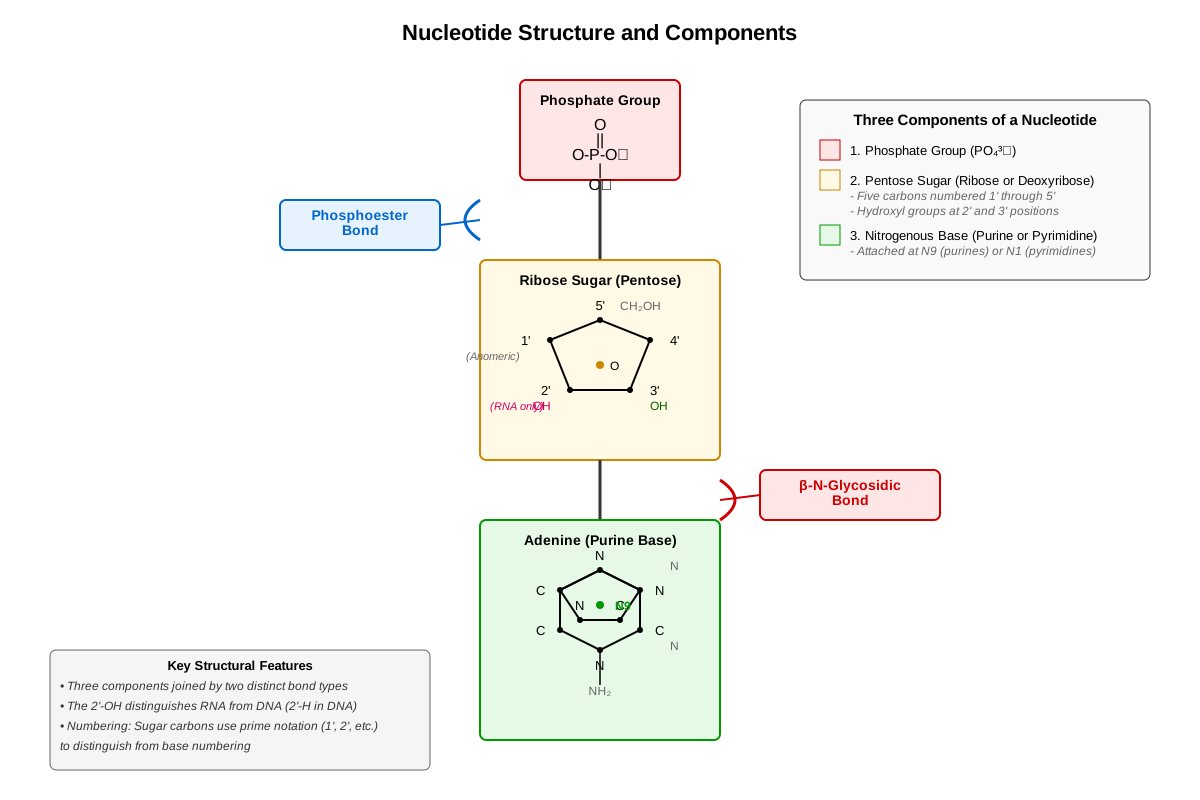
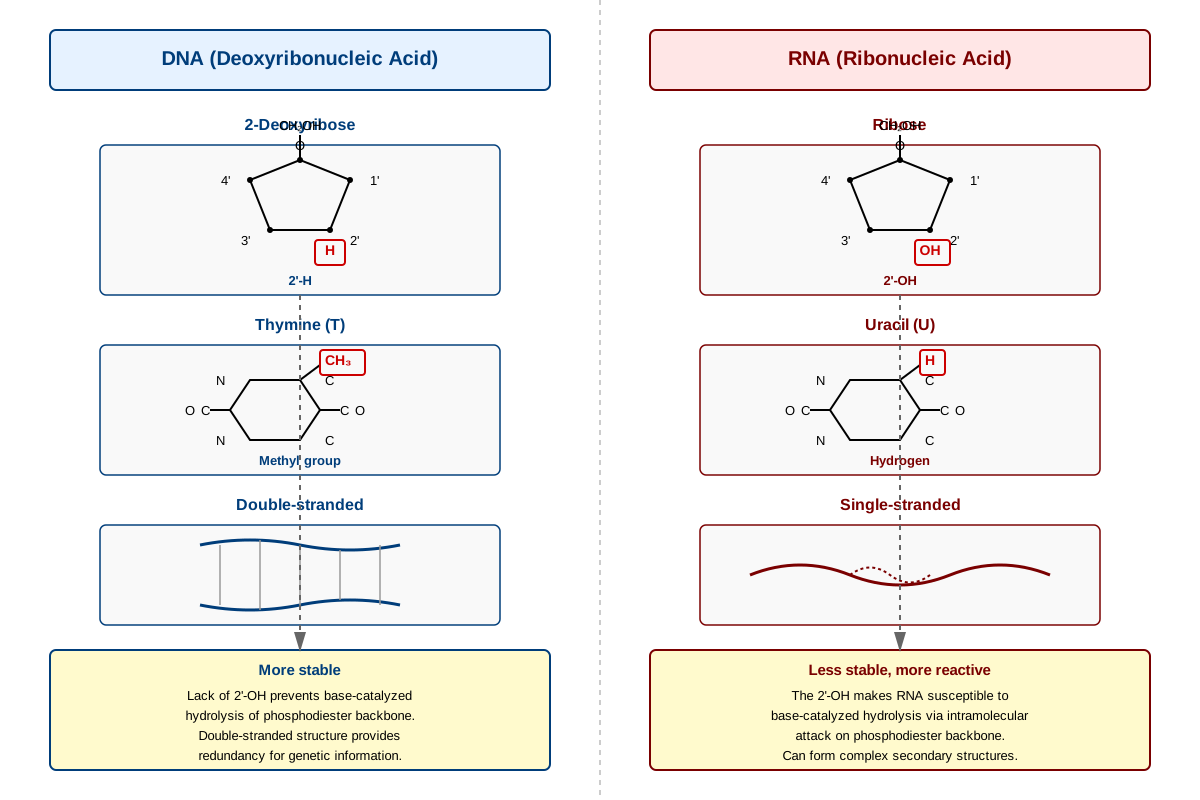
A nucleotide, the monomeric unit of nucleic acids, consists of three components: a pentose sugar, a nitrogenous base, and one or more phosphate groups. The pentose sugar is either ribose (in RNA) or 2'-deoxyribose (in DNA), where the 2' position lacks a hydroxyl group in DNA. This seemingly minor difference has profound structural and functional consequences—the 2'-OH in RNA makes it more susceptible to hydrolysis and prevents B-form helix formation.
The nitrogenous bases divide into two categories: purines (adenine and guanine) and pyrimidines (cytosine, thymine, and uracil). Purines contain fused six-membered and five-membered rings, while pyrimidines have a single six-membered ring. The bases attach to the 1' carbon of the pentose sugar through an N-glycosidic bond—specifically, N9 for purines and N1 for pyrimidines. This bond forms through a condensation reaction and can be cleaved under acidic conditions, a reaction exploited in certain analytical techniques.
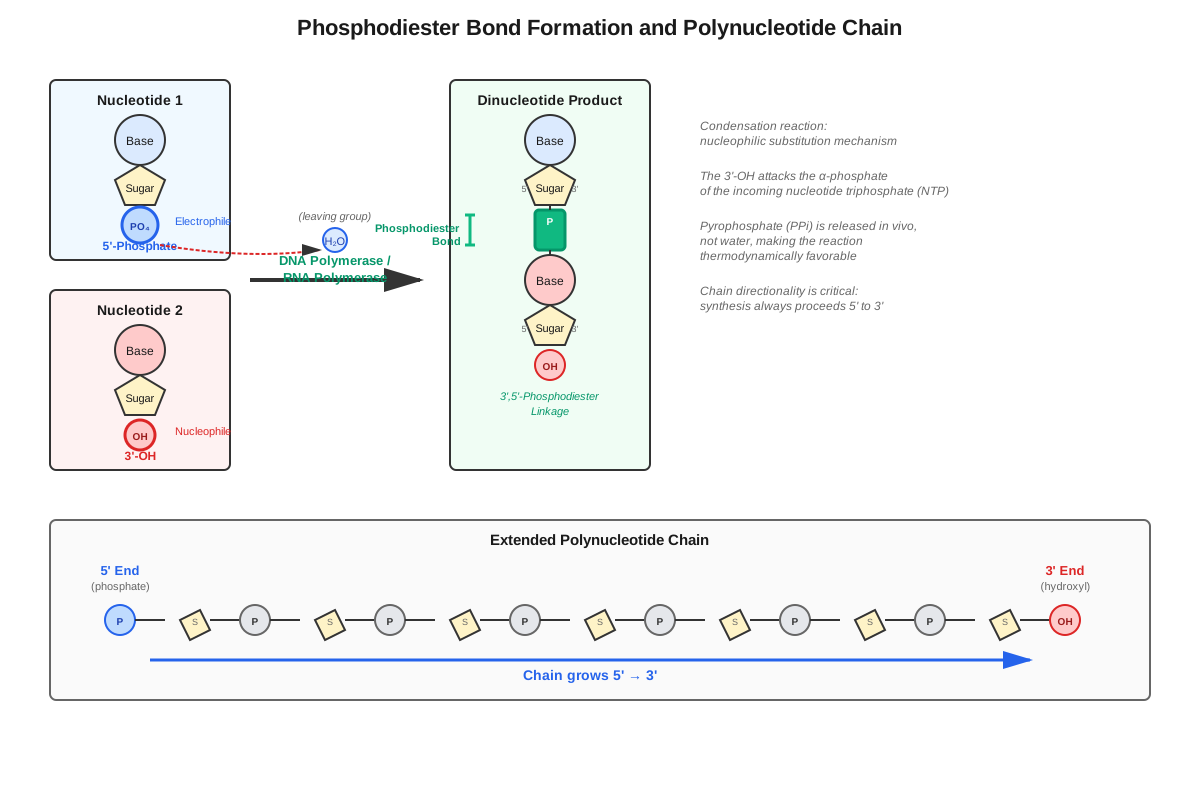
The phosphate group attaches to the 5' carbon of the pentose sugar through a phosphoester bond. In nucleic acid polymers, a second phosphoester bond forms between the phosphate and the 3'-OH of the adjacent nucleotide, creating the characteristic phosphodiester backbone. This backbone carries a negative charge at physiological pH, making nucleic acids polyanions that interact with positively charged proteins and metal ions.
DNA vs. RNA: Chemical Distinctions
| Feature | DNA | RNA |
|---|---|---|
| Sugar | 2'-deoxyribose | Ribose |
| Pyrimidines | Cytosine, Thymine | Cytosine, Uracil |
| Stability | More stable (lacks 2'-OH) | Less stable (2'-OH enables hydrolysis) |
| Typical structure | Double helix (B-form) | Single strand (can fold) |
| Susceptibility to base | Resistant | Undergoes base-catalyzed hydrolysis |
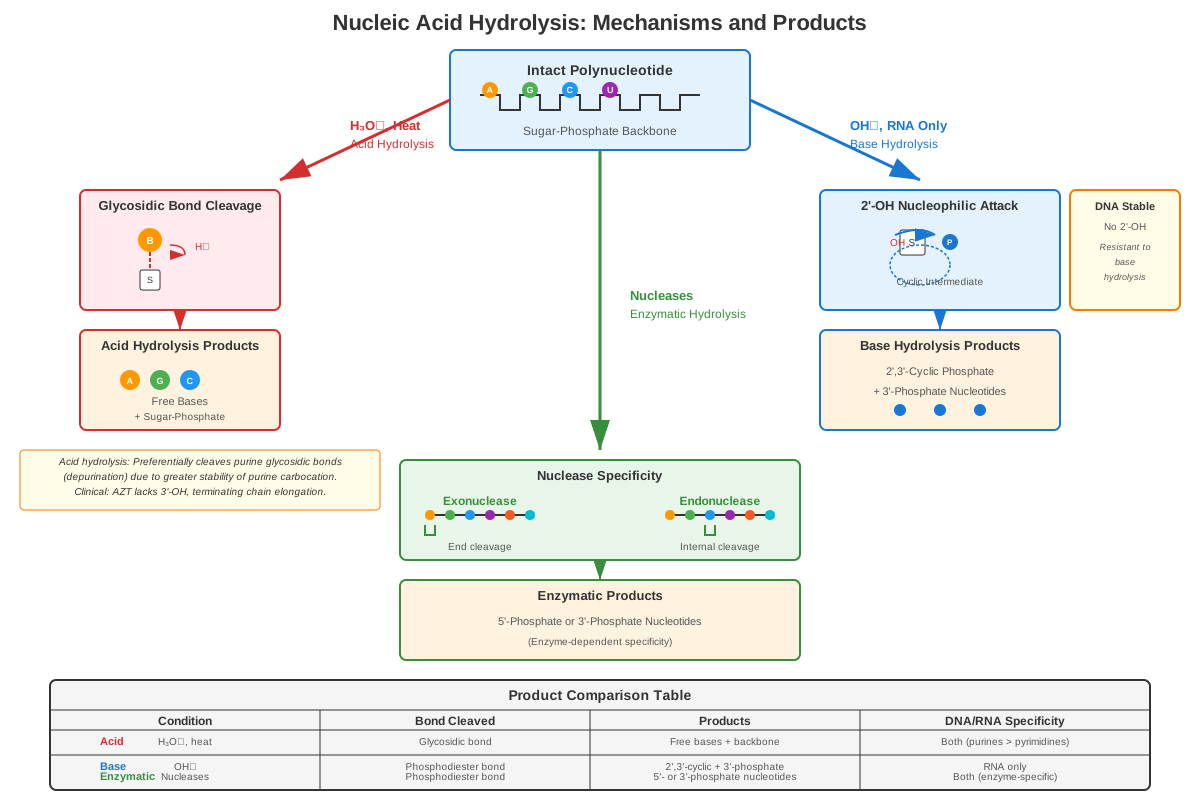
The presence of the 2'-hydroxyl group in RNA creates a vulnerability: under basic conditions, the 2'-OH can act as a nucleophile, attacking the adjacent phosphorus atom in the backbone and causing intramolecular cleavage. This mechanism proceeds through a cyclic 2',3'-phosphate intermediate, ultimately breaking the RNA chain. DNA lacks this 2'-OH and therefore resists base-catalyzed hydrolysis, contributing to its role as the stable, long-term genetic storage molecule.
Thymine in DNA versus uracil in RNA represents another key distinction. Thymine is 5-methyluracil, and this methylation serves a critical function: cytosine spontaneously deaminates to uracil over time. In DNA, uracil is recognized as abnormal and removed by repair enzymes. If DNA used uracil naturally, this repair mechanism would fail. RNA uses uracil because RNA molecules are temporary and don't require the same long-term stability.
Base Pairing and Hydrogen Bonding
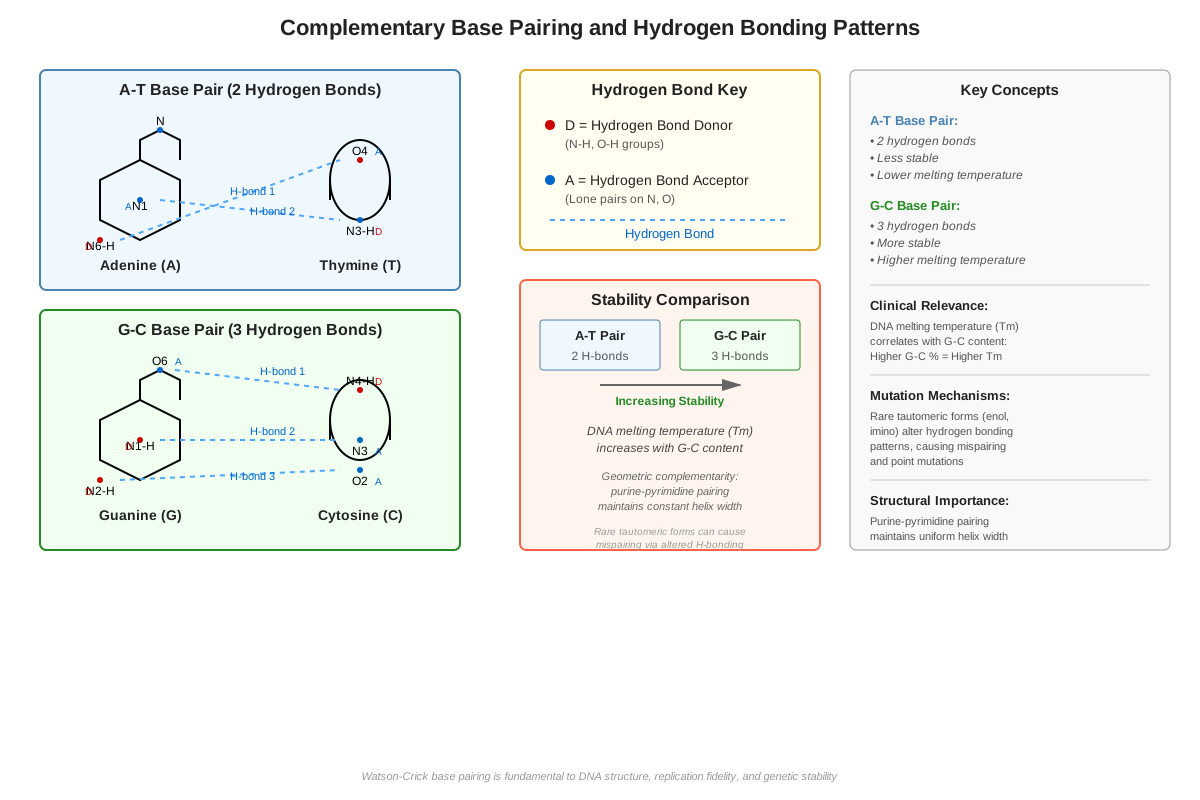
Complementary base pairing follows Watson-Crick rules: adenine pairs with thymine (or uracil in RNA) through two hydrogen bonds, while guanine pairs with cytosine through three hydrogen bonds. The specific hydrogen bonding pattern arises from the arrangement of hydrogen bond donors (N-H groups) and acceptors (C=O and N atoms) on each base.
The A-T (or A-U) pair forms hydrogen bonds between:
- N6-H of adenine to O4 of thymine
- N1 of adenine to N3-H of thymine
The G-C pair forms three hydrogen bonds between:
- O6 of guanine to N4-H of cytosine
- N1-H of guanine to N3 of cytosine
- N2-H of guanine to O2 of cytosine
The extra hydrogen bond in G-C pairs makes them thermodynamically more stable than A-T pairs, requiring more energy to denature. DNA regions rich in G-C content have higher melting temperatures (Tm), a principle used in primer design for PCR and in predicting DNA stability.
Tautomerization and Rare Base Pairing
Nitrogenous bases exist primarily in their keto and amino forms under physiological conditions, but can undergo tautomerization to rare enol and imino forms. These rare tautomers have altered hydrogen bonding patterns, potentially causing mispairing during DNA replication. For example, if cytosine exists in its rare imino form, it can pair with adenine instead of guanine, leading to point mutations.
The equilibrium between tautomeric forms is pH-dependent and influenced by the local chemical environment. While rare tautomers exist only transiently (approximately 1 in 10,000 bases at any moment), their occurrence explains spontaneous mutation rates and emphasizes the importance of DNA proofreading mechanisms.
Phosphodiester Bond Formation and Hydrolysis
The phosphodiester bond forms through a condensation reaction between the 3'-OH of one nucleotide and the 5'-phosphate of another, releasing pyrophosphate (PPi). This reaction requires enzymatic catalysis in biological systems (DNA/RNA polymerases) and is thermodynamically unfavorable without the subsequent hydrolysis of pyrophosphate, which drives the reaction forward.
Phosphodiester bonds can be cleaved through hydrolysis under various conditions:
- Acidic hydrolysis: Preferentially cleaves N-glycosidic bonds, releasing free bases
- Basic hydrolysis: Cleaves phosphodiester bonds in RNA (via 2'-OH mechanism), but DNA resists
- Enzymatic hydrolysis: Nucleases cleave phosphodiester bonds with high specificity—exonucleases remove terminal nucleotides, while endonucleases cleave internal bonds
Understanding these hydrolysis mechanisms is crucial for interpreting experimental techniques like restriction enzyme digestion, RNA degradation studies, and chemical sequencing methods.
Nucleic Acid Stability and Denaturation
Nucleic acid stability depends on multiple factors:
- Hydrogen bonding between complementary bases
- Base stacking interactions (π-π interactions between aromatic bases)
- Ionic interactions between the negatively charged backbone and cations (Mg²⁺, Na⁺)
- Hydrophobic effects that favor base stacking in aqueous solution
Denaturation (melting) occurs when these stabilizing forces are disrupted by heat, extreme pH, or chemical denaturants (urea, formamide). The melting temperature (Tm) is defined as the temperature at which 50% of DNA molecules are denatured. Tm increases with:
- Higher G-C content (three hydrogen bonds vs. two)
- Longer DNA length
- Higher salt concentration (shields negative charges)
The hyperchromic effect describes the increase in UV absorbance at 260 nm upon denaturation, as base stacking is disrupted and bases become more exposed to UV light. This phenomenon enables spectroscopic monitoring of DNA melting curves.
Chemical Modifications and Analogs
Nucleotides can undergo various chemical modifications that affect function:
- Methylation: 5-methylcytosine in DNA serves as an epigenetic mark; N6-methyladenine occurs in bacteria
- Deamination: Cytosine → uracil; adenine → hypoxanthine (pairs with cytosine)
- Oxidation: 8-oxoguanine is a common oxidative damage product that mispairs with adenine
Nucleoside analogs are synthetic compounds that mimic natural nucleosides but contain modifications that disrupt nucleic acid synthesis:
- AZT (azidothymidine): Lacks 3'-OH, terminates DNA chain (HIV treatment)
- Acyclovir: Lacks complete sugar ring, terminates viral DNA synthesis
- 5-Fluorouracil: Thymine analog that inhibits thymidylate synthase (cancer chemotherapy)
These analogs demonstrate how subtle structural changes dramatically alter chemical reactivity and biological function, a common MCAT question theme.
Concept Relationships
The chemistry of nucleotides builds directly on carbohydrate chemistry (pentose sugars) and heterocyclic aromatic chemistry (nitrogenous bases), demonstrating how Organic Chemistry principles apply to biological macromolecules. The phosphodiester backbone connects to phosphate ester chemistry and hydrolysis mechanisms studied in general organic chemistry.
Within nucleic acid chemistry, the relationship flows: Individual nucleotide structure → Phosphodiester bond formation → Polynucleotide chains → Complementary base pairing → Secondary structure (double helix) → Tertiary structure and function. Each level depends on the chemical properties established at lower levels.
The distinction between DNA and RNA chemistry (presence/absence of 2'-OH) determines their respective biological roles: DNA's stability suits long-term storage, while RNA's reactivity enables catalytic function (ribozymes) and temporary information transfer. This structure-function relationship exemplifies a core MCAT theme.
Nucleic acid chemistry connects forward to molecular biology topics (replication, transcription, translation) and biotechnology applications (PCR, cloning, sequencing). Understanding the chemical basis of base pairing explains the specificity of these processes and the mechanisms of techniques that exploit complementarity.
Quick check — test yourself on Nucleic acid chemistry so far.
Try Flashcards →High-Yield Facts
⭐ DNA contains 2'-deoxyribose; RNA contains ribose with a 2'-OH group that makes RNA susceptible to base-catalyzed hydrolysis
⭐ Purines (adenine, guanine) have two rings; pyrimidines (cytosine, thymine, uracil) have one ring
⭐ G-C base pairs have three hydrogen bonds; A-T (A-U) pairs have two hydrogen bonds, making G-C pairs more thermodynamically stable
⭐ Phosphodiester bonds connect the 3'-OH of one nucleotide to the 5'-phosphate of the next, creating a directional backbone
⭐ The N-glycosidic bond connects bases to sugars at N9 (purines) or N1 (pyrimidines) and is susceptible to acid hydrolysis
- Thymine in DNA is 5-methyluracil; this methylation allows cells to distinguish cytosine deamination products (uracil) as abnormal
- Tautomerization of bases to rare forms can cause mispairing and spontaneous mutations during replication
- The hyperchromic effect (increased UV absorbance at 260 nm) occurs upon DNA denaturation due to disrupted base stacking
- Higher G-C content increases DNA melting temperature (Tm) due to the extra hydrogen bond
- Nucleoside analogs lacking 3'-OH groups (like AZT) act as chain terminators in DNA synthesis
- Base stacking interactions (π-π interactions) contribute significantly to nucleic acid stability, sometimes more than hydrogen bonding
- At physiological pH (~7.4), the phosphate backbone is fully deprotonated and negatively charged
- RNA can catalyze reactions (ribozymes) partly due to the 2'-OH group's ability to participate in chemistry
- Depurination (loss of purine bases) occurs spontaneously in DNA at a rate of thousands per cell per day
- The major and minor grooves of the DNA double helix arise from the asymmetric attachment of bases to the sugar-phosphate backbone
Common Misconceptions
Misconception: DNA and RNA differ only in the presence of thymine versus uracil.
Correction: The primary chemical difference is the 2'-OH group on ribose (RNA) versus its absence in 2'-deoxyribose (DNA). This structural difference affects stability, susceptibility to hydrolysis, and the types of secondary structures each can form. The thymine/uracil difference is secondary and relates to DNA repair mechanisms.
Misconception: Hydrogen bonds are the primary stabilizing force in the DNA double helix.
Correction: While hydrogen bonding between complementary bases is important for specificity, base stacking interactions (hydrophobic effects and π-π interactions between aromatic bases) contribute more to overall helix stability. This is why DNA doesn't completely denature when a few base pairs are disrupted.
Misconception: The phosphodiester bond connects two bases together.
Correction: The phosphodiester bond connects the sugar molecules of adjacent nucleotides (specifically, the 3'-OH of one sugar to the 5'-phosphate of the next). Bases are attached to sugars via N-glycosidic bonds and interact with bases on the complementary strand through hydrogen bonds, not covalent bonds.
Misconception: All nucleotides contain three phosphate groups.
Correction: Free nucleotides can exist as monophosphates (NMP), diphosphates (NDP), or triphosphates (NTP). In polynucleotide chains (DNA/RNA), each nucleotide residue has only one phosphate group as part of the backbone. Nucleoside triphosphates (like ATP) serve as the substrates for polymerization, with two phosphates released as pyrophosphate.
Misconception: RNA is always single-stranded and DNA is always double-stranded.
Correction: While this is generally true, RNA can form extensive secondary structures through intramolecular base pairing (e.g., tRNA, rRNA), and DNA can exist as single strands during replication, transcription, or in certain viruses. The chemical properties of each molecule favor certain structures but don't absolutely require them.
Misconception: Acidic conditions hydrolyze the phosphodiester backbone of DNA.
Correction: Acidic conditions preferentially cleave the N-glycosidic bond between the base and sugar (depurination/depyrimidination), leaving the sugar-phosphate backbone intact. Basic conditions are required to cleave the phosphodiester bonds of RNA (via the 2'-OH mechanism), while DNA's phosphodiester bonds resist both acid and base hydrolysis.
Worked Examples
Example 1: Predicting Hydrolysis Products
Question: A researcher treats a sample of RNA with 0.1 M NaOH at room temperature for 30 minutes, then neutralizes the solution. What products would be expected, and why doesn't the same treatment affect DNA?
Solution:
Step 1: Identify the reactive site. RNA contains a 2'-hydroxyl group on the ribose sugar that DNA lacks.
Step 2: Recognize the mechanism. Under basic conditions, the 2'-OH is deprotonated to 2'-O⁻, which acts as a nucleophile. This alkoxide attacks the adjacent phosphorus atom in the phosphodiester backbone.
Step 3: Describe the intermediate. The nucleophilic attack forms a cyclic 2',3'-phosphate intermediate, breaking the 3'-5' phosphodiester bond.
Step 4: Identify the products. The RNA chain is cleaved into smaller fragments, each terminated with either a 2',3'-cyclic phosphate or a 3'-phosphate (after the cyclic intermediate opens). The other fragment has a free 5'-OH group.
Step 5: Explain DNA resistance. DNA lacks the 2'-OH group, so this intramolecular nucleophilic attack cannot occur. The phosphodiester backbone remains intact under basic conditions.
Answer: RNA is hydrolyzed into oligonucleotide fragments with 2',3'-cyclic phosphate and 5'-OH termini. DNA is unaffected because it lacks the 2'-OH nucleophile required for the base-catalyzed cleavage mechanism.
Example 2: Analyzing Melting Temperature
Question: Two DNA samples of equal length are analyzed. Sample A has a Tm of 75°C, while Sample B has a Tm of 85°C. Both are in the same buffer. A student suggests that Sample B must have higher G-C content. Evaluate this hypothesis and describe what additional information would confirm it.
Solution:
Step 1: Recall factors affecting Tm. Melting temperature increases with: (1) higher G-C content (three H-bonds vs. two), (2) longer DNA length, (3) higher salt concentration, and (4) lower pH extremes.
Step 2: Apply the given constraints. The problem states both samples are equal length and in the same buffer (same salt concentration and pH), eliminating factors 2, 3, and 4.
Step 3: Evaluate the hypothesis. With length and buffer conditions controlled, the 10°C difference in Tm most likely results from different base composition. Sample B's higher Tm suggests higher G-C content, as each G-C pair requires more thermal energy to denature due to the third hydrogen bond.
Step 4: Quantitative relationship. As a rough approximation, Tm increases by about 2-4°C for every 10% increase in G-C content (exact values depend on length and conditions). A 10°C difference suggests Sample B has approximately 25-50% more G-C content than Sample A.
Step 5: Propose confirmation methods. Sequence both samples and calculate G-C percentage, or use UV spectroscopy to monitor the hyperchromic effect during melting—the sharpness of the transition and the exact Tm can be correlated with base composition.
Answer: The hypothesis is well-supported given the controlled conditions. Sample B likely has significantly higher G-C content (approximately 25-50% more). This could be confirmed by DNA sequencing or by analyzing the melting curve profile, as G-C-rich DNA shows sharper, higher-temperature transitions.
Exam Strategy
When approaching MCAT questions on nucleic acid chemistry, first identify whether the question focuses on structure (components, bonds, differences between DNA/RNA), stability (hydrogen bonding, Tm, denaturation), or reactivity (hydrolysis, modifications, analogs). This categorization helps activate the relevant knowledge.
Trigger words to recognize:
- "Melting temperature" or "Tm" → Think G-C content, hydrogen bonding, stability factors
- "Base-catalyzed" or "alkaline conditions" → RNA hydrolysis via 2'-OH mechanism
- "Acid treatment" → N-glycosidic bond cleavage (depurination)
- "Chain terminator" or "lacks 3'-OH" → Nucleoside analog mechanism
- "Hyperchromic effect" → UV absorbance increase upon denaturation
- "Complementary" → Base pairing rules, hydrogen bonding patterns
Process of elimination strategies:
- If a question asks about DNA stability under basic conditions, eliminate answers suggesting backbone cleavage (DNA resists base hydrolysis)
- For questions about base pairing, eliminate options that violate hydrogen bonding patterns (e.g., purine-purine or pyrimidine-pyrimidine pairs don't fit the helix geometry)
- When comparing DNA and RNA, eliminate answers that ignore the 2'-OH difference, as this is the fundamental chemical distinction
Time allocation: Nucleic acid chemistry questions often appear in passages with experimental data (melting curves, hydrolysis studies, drug mechanisms). Spend 1-2 minutes understanding the experimental setup, then 30-45 seconds per discrete question. If a question requires detailed mechanism knowledge, sketch the structure quickly to visualize reactive sites.
Exam Tip: When uncertain about nucleic acid stability or reactivity, always consider the 2'-OH group in RNA as the key reactive site. Most RNA-specific chemistry involves this group.
Memory Techniques
Mnemonic for purines vs. pyrimidines: "PURe As Gold" (PURines are Adenine and Guanine). Pyrimidines are the rest (CUT: Cytosine, Uracil, Thymine).
Mnemonic for hydrogen bond numbers: "Three's Company, Two's a Crowd" (G-C has three H-bonds, A-T has two). Alternatively: "CG = 3" (both have three letters/bonds).
Visualization for DNA vs. RNA: Picture RNA with a "handle" (the 2'-OH) that makes it easier to grab and break. DNA is smooth (no 2'-OH), making it harder to break—suitable for long-term storage.
Acronym for nucleotide components: "SPB" (Sugar, Phosphate, Base) - the three essential components of every nucleotide.
Memory aid for phosphodiester bond direction: "3' to 5' phosphate" - the phosphate connects FROM the 5' carbon TO the 3'-OH of the next nucleotide. DNA polymerase adds to the 3' end (remember: "3' is free" for addition).
Tautomerization memory: "Rare pairs cause errors" - rare tautomeric forms cause rare mispairing events during replication.
Summary
Nucleic acid chemistry encompasses the structure, bonding, and reactivity of DNA and RNA, the biological macromolecules responsible for genetic information storage and transfer. Nucleotides consist of a pentose sugar (ribose or 2'-deoxyribose), a nitrogenous base (purine or pyrimidine), and phosphate groups connected through phosphoester bonds. The key chemical distinction between DNA and RNA is the 2'-hydroxyl group in RNA, which makes RNA susceptible to base-catalyzed hydrolysis while enabling catalytic functions. Complementary base pairing through Watson-Crick hydrogen bonding (A-T/U with two bonds, G-C with three bonds) provides specificity and stability to nucleic acid structures. The phosphodiester backbone, formed through 3'-5' linkages, creates directional polynucleotide chains with distinct chemical properties at each end. Understanding nucleic acid stability factors—hydrogen bonding, base stacking, G-C content effects on melting temperature—enables prediction of behavior under various conditions. Chemical modifications and nucleoside analogs demonstrate how structural changes affect function, a principle exploited in antiviral and anticancer therapies. Mastery of these organic chemistry principles provides the foundation for understanding molecular biology processes and biotechnology applications frequently tested on the MCAT.
Key Takeaways
- DNA contains 2'-deoxyribose and is chemically stable; RNA contains ribose with a reactive 2'-OH that enables base-catalyzed hydrolysis
- Nucleotides connect via phosphodiester bonds between the 3'-OH and 5'-phosphate, creating a directional, negatively charged backbone
- G-C base pairs (three hydrogen bonds) are more stable than A-T/U pairs (two hydrogen bonds), directly affecting DNA melting temperature
- Purines (A, G) have two rings and pair with single-ring pyrimidines (C, T, U) to maintain consistent helix geometry
- Acid hydrolysis cleaves N-glycosidic bonds (depurination), while base hydrolysis cleaves RNA phosphodiester bonds via the 2'-OH mechanism
- Base stacking interactions contribute significantly to nucleic acid stability, often more than hydrogen bonding alone
- Nucleoside analogs lacking 3'-OH groups terminate DNA synthesis, forming the basis for antiviral and anticancer drugs
Related Topics
DNA Replication and Repair: Understanding nucleic acid chemistry enables comprehension of how DNA polymerases form phosphodiester bonds, why proofreading mechanisms exist, and how repair enzymes recognize damaged bases. The chemical basis of semiconservative replication and the directionality of synthesis (5' to 3') directly follows from nucleotide structure.
RNA Structure and Function: The chemical reactivity of RNA's 2'-OH group explains RNA's catalytic capabilities (ribozymes), its role in splicing, and why RNA serves as temporary genetic material. Understanding RNA chemistry is essential for comprehending transcription, translation, and RNA processing.
Protein-Nucleic Acid Interactions: The negatively charged phosphate backbone and the major/minor grooves of DNA determine how proteins recognize and bind specific sequences. This chemistry underlies transcription factor binding, restriction enzyme specificity, and chromatin structure.
Biotechnology Techniques: PCR, DNA sequencing, restriction enzyme digestion, and hybridization techniques all exploit the chemical properties of nucleic acids—particularly base pairing specificity and the stability of complementary strands under various conditions.
Epigenetics and Chemical Modifications: Methylation, acetylation, and other chemical modifications of nucleotides alter gene expression without changing sequence. Understanding the chemistry of these modifications connects to gene regulation and cellular differentiation.
Practice CTA
Now that you've mastered the core concepts of nucleic acid chemistry, test your understanding with practice questions that mirror MCAT-style passages and discrete items. Focus on applying these principles to experimental scenarios, predicting products of chemical reactions, and analyzing structure-function relationships. The flashcards will help reinforce high-yield facts and common question patterns. Remember: nucleic acid chemistry bridges organic chemistry and molecular biology, making it one of the most integrative and frequently tested topics on the MCAT. Your investment in understanding these concepts will pay dividends across multiple exam sections. Stay focused on the chemical principles—structure determines function, and every biological process involving nucleic acids ultimately depends on the organic chemistry you've learned here.
Sign up free to keep reading
Create a free AnvayaPrep account to finish this MCAT guide on Nucleic acid chemistry — plus flashcards and practice questions.