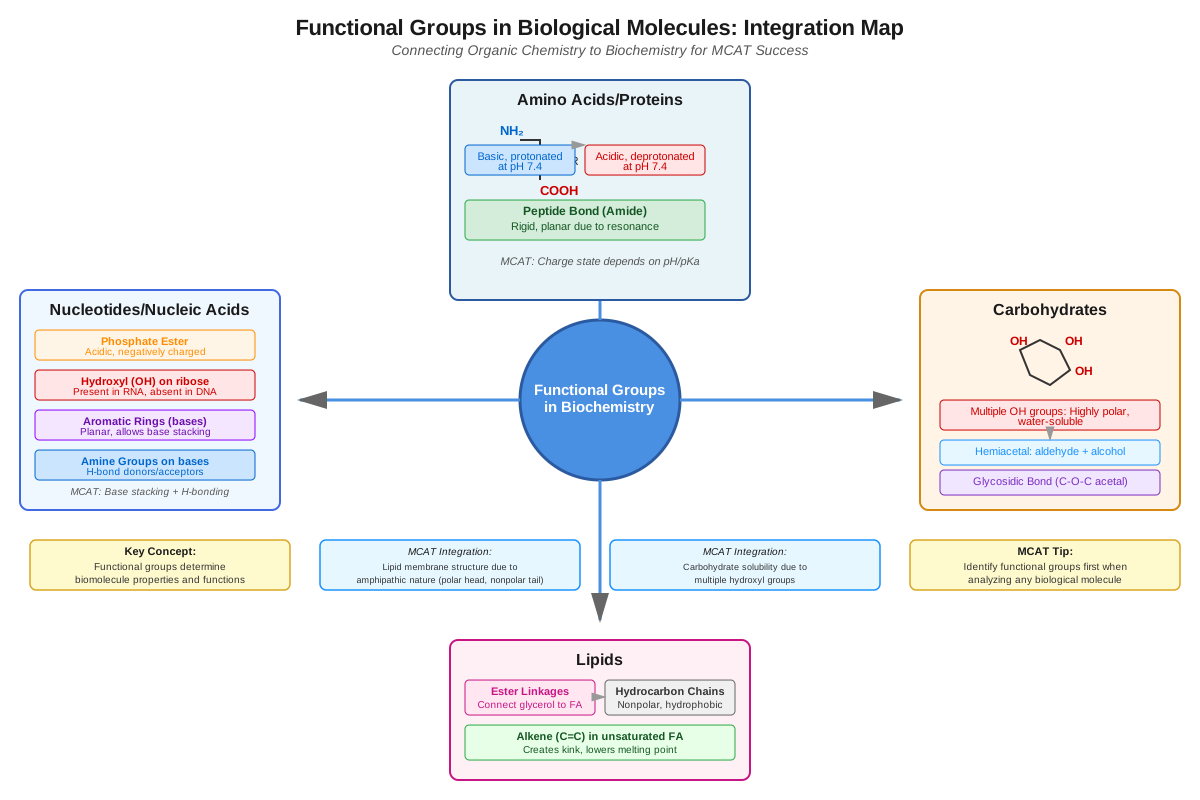
Overview
Functional groups overview represents one of the foundational pillars of Organic Chemistry and is absolutely essential for MCAT success. A functional group is a specific arrangement of atoms within a molecule that determines the characteristic chemical reactions and properties of that molecule. Understanding functional groups allows students to predict reactivity patterns, physical properties, and biological behavior of organic compounds—skills that are tested extensively throughout the Chemical and Physical Foundations section and the Biological and Biochemical Foundations section of the MCAT.
Mastery of functional groups is critical because the MCAT does not simply test rote memorization; rather, it requires students to recognize functional groups within complex biological molecules, predict their behavior in physiological conditions, and understand how structural modifications affect drug activity, enzyme mechanisms, and metabolic pathways. The ability to quickly identify and categorize functional groups enables efficient problem-solving across multiple disciplines tested on the MCAT, including biochemistry, general chemistry, and even physiology.
Within the broader context of Structure and Bonding in Organic Chemistry, functional groups serve as the bridge between molecular structure and chemical behavior. They provide the organizational framework for understanding why molecules behave the way they do, how they interact with biological systems, and how small structural changes can produce dramatically different pharmacological effects. This topic connects directly to nomenclature, stereochemistry, reaction mechanisms, spectroscopy, and biochemical pathways—making it an indispensable component of comprehensive MCAT preparation.
Learning Objectives
- [ ] Define Functional groups overview using accurate Organic Chemistry terminology
- [ ] Explain why Functional groups overview matters for the MCAT
- [ ] Apply Functional groups overview to exam-style questions
- [ ] Identify common mistakes related to Functional groups overview
- [ ] Connect Functional groups overview to related Organic Chemistry concepts
- [ ] Recognize and draw the structural formulas of at least 15 major functional groups
- [ ] Predict relative reactivity and physical properties based on functional group identity
- [ ] Classify functional groups by their acid-base behavior and polarity characteristics
Prerequisites
- Basic atomic structure and bonding: Understanding of covalent bonds, electronegativity, and Lewis structures is essential for recognizing how atoms arrange themselves within functional groups
- Molecular geometry and hybridization: Knowledge of sp³, sp², and sp hybridization helps predict the three-dimensional arrangement and reactivity of functional groups
- Acid-base chemistry fundamentals: Familiarity with Brønsted-Lowry acid-base theory enables understanding of functional group behavior in different pH environments
- Polarity and intermolecular forces: Recognition of polar versus nonpolar interactions explains physical properties like solubility and boiling point
- Basic nomenclature principles: Foundational understanding of how organic molecules are named facilitates learning systematic functional group nomenclature
Why This Topic Matters
Functional groups appear in approximately 15-20% of all Organic Chemistry questions on the MCAT and are indirectly tested in nearly every biochemistry passage. The MCAT frequently presents complex biological molecules—such as amino acids, nucleotides, carbohydrates, and lipids—and expects students to identify reactive sites, predict behavior under physiological conditions, and understand structure-function relationships. Questions may ask students to identify which functional group is responsible for a particular property, predict the outcome of a reaction based on functional groups present, or explain why a drug molecule interacts with a specific biological target.
In clinical and real-world contexts, functional groups determine drug efficacy, toxicity, and metabolism. For example, the hydroxyl groups in morphine versus the acetyl ester groups in heroin dramatically alter blood-brain barrier permeability and potency. Aspirin's acetyl group makes it an effective anti-inflammatory by acetylating cyclooxygenase enzymes. Understanding these relationships is not only high-yield for the MCAT but also foundational for medical practice.
Common MCAT question formats include: discrete questions asking for functional group identification in complex structures; passage-based questions requiring prediction of reactivity or solubility based on functional groups; and experimental analysis questions where students must interpret how functional group modifications affect biological activity. The exam particularly favors questions that integrate functional group knowledge with biochemistry, such as understanding enzyme active sites, post-translational modifications, or metabolic transformations.
Core Concepts
Definition and Significance of Functional Groups
A functional group is a specific group of atoms within a molecule that is responsible for the characteristic chemical reactions of that molecule. Regardless of the size or complexity of the organic molecule, the presence of a particular functional group confers predictable chemical and physical properties. This concept is fundamental to Organic Chemistry because it allows chemists and biochemists to organize the vast diversity of organic compounds into manageable categories with similar reactivity patterns.
The Structure and Bonding of functional groups determines their behavior. Key factors include the electronegativity of atoms within the group, the hybridization states of carbon atoms, the presence of π bonds or lone pairs, and the overall geometry. These structural features dictate whether a functional group acts as an acid or base, nucleophile or electrophile, and how it participates in chemical reactions.
Major Functional Groups Classification
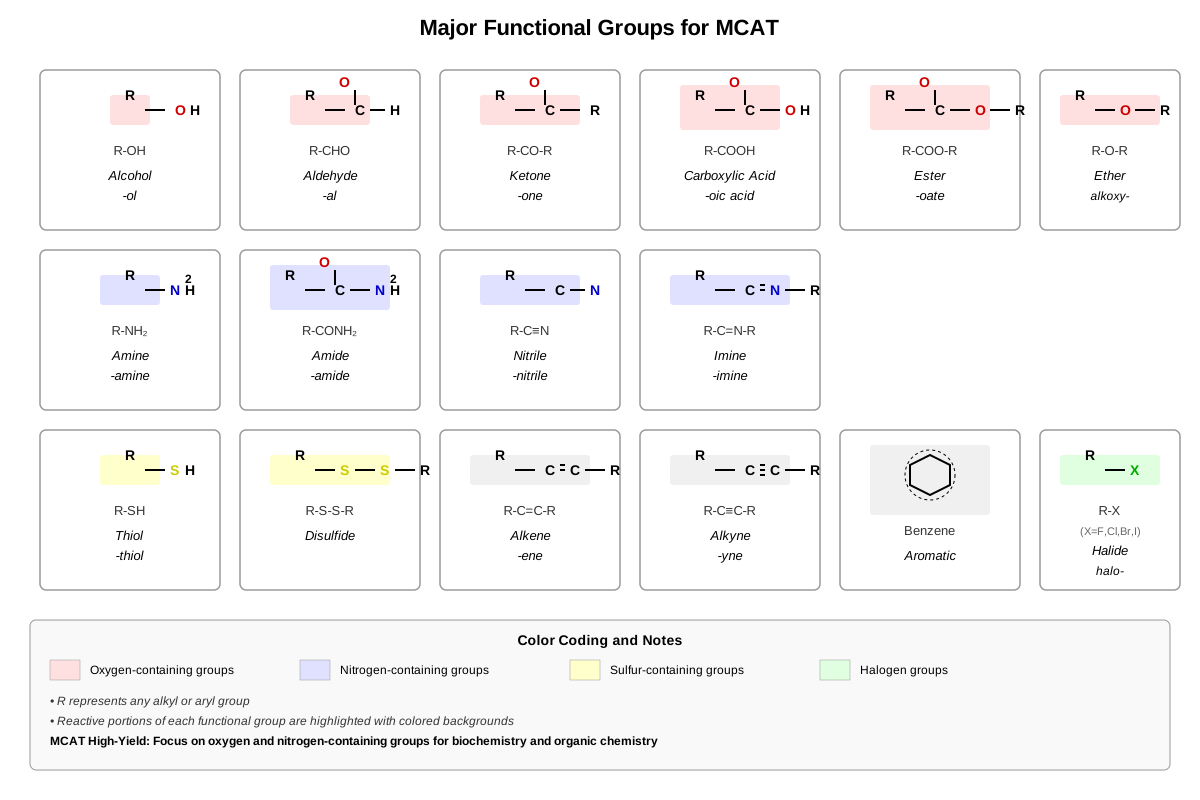
Functional groups can be systematically organized into several major categories based on the heteroatoms present and the bonding patterns:
Hydrocarbons
Alkanes contain only single C-C and C-H bonds (sp³ hybridized carbons) and are generally unreactive under physiological conditions. Alkenes contain C=C double bonds (sp² hybridized) and can undergo addition reactions. Alkynes contain C≡C triple bonds (sp hybridized) and are highly reactive, though less common in biological systems. Aromatic compounds contain benzene rings with delocalized π electrons, providing exceptional stability and unique reactivity patterns.
Oxygen-Containing Functional Groups
Alcohols (R-OH) contain a hydroxyl group bonded to a saturated carbon. They can act as weak acids or bases, form hydrogen bonds, and undergo substitution or elimination reactions. Primary, secondary, and tertiary alcohols differ in their oxidation susceptibility.
Ethers (R-O-R') contain an oxygen atom bonded to two carbon groups. They are relatively unreactive, making them useful as solvents, but can be cleaved under acidic conditions.
Aldehydes (R-CHO) and ketones (R-CO-R') both contain a carbonyl group (C=O). The carbonyl carbon is electrophilic and susceptible to nucleophilic attack. Aldehydes are more reactive than ketones and can be easily oxidized to carboxylic acids.
Carboxylic acids (R-COOH) contain both a carbonyl and hydroxyl group. They are weak acids (pKa typically 4-5) and can form hydrogen bonds extensively. They are crucial in metabolism (fatty acids, amino acids) and drug design.
Esters (R-COO-R') are derivatives of carboxylic acids where the acidic hydrogen is replaced by a carbon group. They are common in lipids and can undergo hydrolysis.
Amides (R-CO-NH₂) contain a carbonyl bonded to nitrogen. The peptide bond in proteins is an amide linkage. Amides are less reactive than esters due to resonance stabilization.
Nitrogen-Containing Functional Groups
Amines (R-NH₂, R₂NH, R₃N) are organic bases that can accept protons. Primary, secondary, and tertiary amines differ in their basicity and nucleophilicity. Amines are found in neurotransmitters, amino acids, and many drugs.
Nitriles (R-C≡N) contain a carbon-nitrogen triple bond and can be hydrolyzed to carboxylic acids.
Sulfur and Phosphorus-Containing Groups
Thiols (R-SH) are sulfur analogs of alcohols and are more acidic. They can form disulfide bonds (R-S-S-R'), which are critical for protein structure.
Phosphate esters (R-O-PO₃²⁻) are essential in biochemistry, appearing in ATP, DNA, RNA, and phospholipids. They can undergo hydrolysis and phosphoryl transfer reactions.
Functional Group Priority and Nomenclature
When multiple functional groups are present in a molecule, IUPAC nomenclature rules establish a priority order for naming. The highest priority functional group determines the suffix of the name, while others are named as substituents. The general priority order (highest to lowest) is:
- Carboxylic acids (-oic acid)
- Esters (-oate)
- Amides (-amide)
- Aldehydes (-al)
- Ketones (-one)
- Alcohols (-ol)
- Amines (-amine)
- Alkenes (-ene)
- Alkynes (-yne)
- Alkanes (-ane)
Physical Properties and Functional Groups
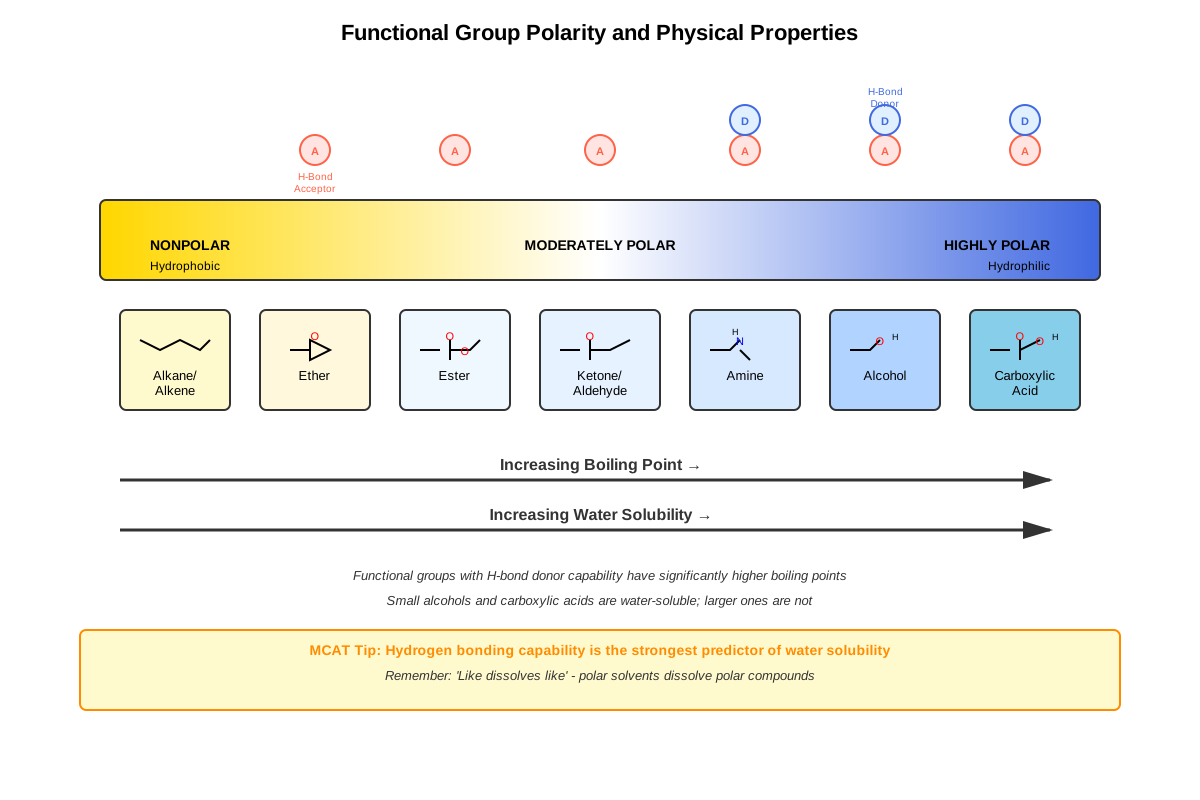
Functional groups dramatically influence physical properties through their effects on intermolecular forces:
| Property | Functional Group Effect | Example |
|---|---|---|
| Boiling Point | Hydrogen bonding groups (OH, NH, COOH) increase BP significantly | Ethanol (78°C) vs. ethane (-89°C) |
| Water Solubility | Polar groups increase solubility; hydrocarbons decrease it | Glucose (very soluble) vs. hexane (insoluble) |
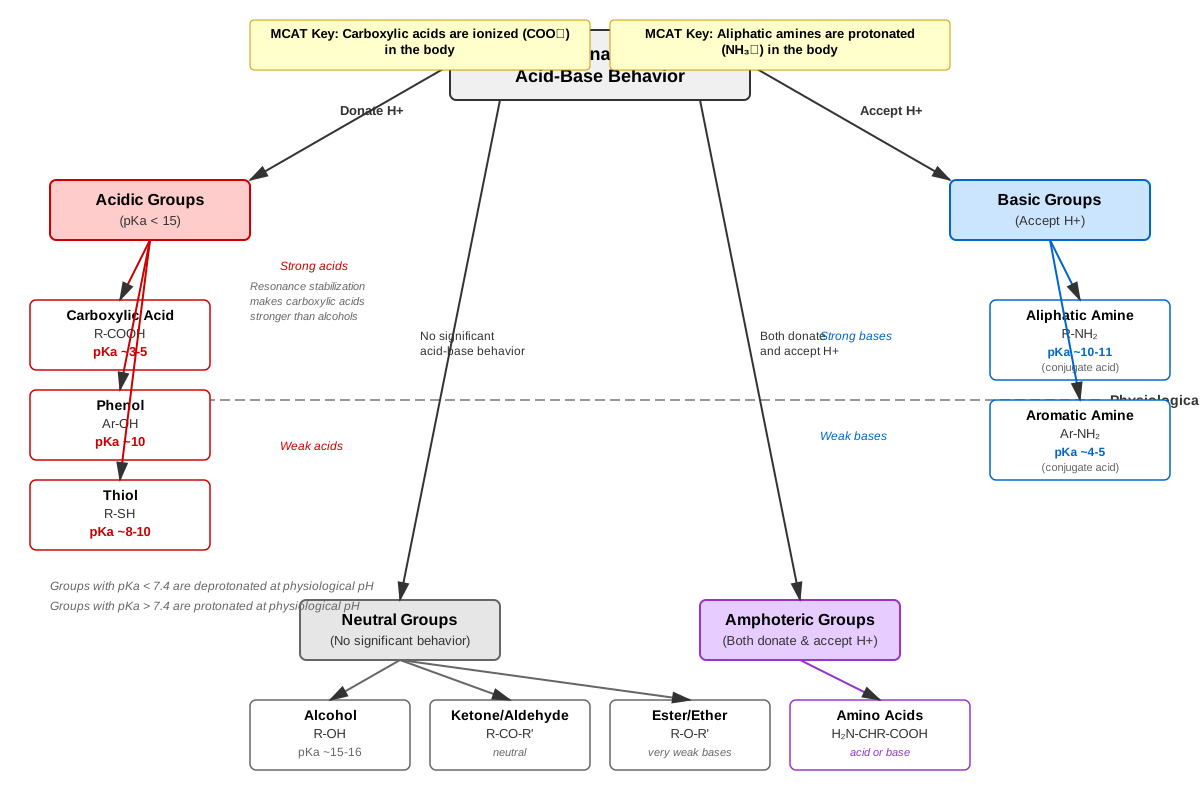
| Acidity | Carboxylic acids > phenols > alcohols > alkanes | Acetic acid (pKa 4.8) vs. ethanol (pKa 16) |
| Basicity | Amines are basic; carbonyl oxygen weakly basic | Methylamine (pKb 3.4) |
Reactivity Patterns
Each functional group exhibits characteristic reactivity:
- Carbonyl groups (aldehydes, ketones, carboxylic acids, esters, amides) undergo nucleophilic addition or substitution
- Alcohols can be oxidized, dehydrated, or converted to leaving groups
- Alkenes undergo electrophilic addition reactions
- Aromatic rings undergo electrophilic aromatic substitution
- Amines act as nucleophiles and bases
- Carboxylic acids can be deprotonated or converted to derivatives
Concept Relationships
The relationships among functional groups form a hierarchical network of oxidation states and interconversions. Alkanes represent the most reduced form of carbon, while carboxylic acids represent highly oxidized carbon. Between these extremes lie alcohols, aldehydes, and ketones, connected by oxidation-reduction reactions.
Functional group interconversions follow predictable patterns: Primary alcohols → aldehydes → carboxylic acids (oxidation sequence). Carboxylic acids → esters (esterification) or → amides (amidation). Alkenes → alcohols (hydration) or → alkanes (hydrogenation). These transformation pathways are fundamental to both synthetic organic chemistry and biochemical metabolism.
The concept map flows as follows: Structure and Bonding → determines → Functional Group Identity → predicts → Physical Properties (solubility, boiling point) and Chemical Reactivity → enables → Biological Function and Drug Design → tested through → MCAT questions on mechanism prediction, property comparison, and structure-function analysis.
Functional groups also connect to stereochemistry (chiral centers often occur at functional groups), spectroscopy (each functional group has characteristic IR and NMR signals), and biochemistry (enzyme mechanisms target specific functional groups). Understanding these connections transforms functional group knowledge from isolated facts into an integrated framework for problem-solving.
High-Yield Facts
⭐ Carboxylic acids are the highest priority functional group for nomenclature and have pKa values typically between 4-5
⭐ Aldehydes can be oxidized to carboxylic acids, but ketones cannot be easily oxidized without breaking C-C bonds
⭐ Primary and secondary amines can form hydrogen bonds as both donors and acceptors; tertiary amines can only accept
⭐ Esters are less reactive than aldehydes/ketones but more reactive than amides due to differences in resonance stabilization
⭐ Phenols are more acidic than aliphatic alcohols (pKa ~10 vs. ~16) due to resonance stabilization of the phenoxide anion
- Ethers are relatively unreactive under basic and neutral conditions but can be cleaved by strong acids
- Thiols are more acidic than alcohols and can be oxidized to disulfides reversibly
- Aromatic rings are stabilized by resonance and resist addition reactions that would disrupt aromaticity
- Amides have restricted rotation around the C-N bond due to partial double bond character from resonance
- Phosphate groups are highly charged at physiological pH and make molecules very water-soluble
- Nitriles can be hydrolyzed to carboxylic acids through amide intermediates
- Carbonyl groups make adjacent α-hydrogens acidic (pKa ~20) due to resonance stabilization of the enolate anion
- Quaternary ammonium ions (R₄N⁺) are permanently charged and highly water-soluble
- Anhydrides are highly reactive acylating agents, more reactive than esters but less than acid chlorides
Quick check — test yourself on Functional groups overview so far.
Try Flashcards →Common Misconceptions
Misconception: All oxygen-containing functional groups are equally polar and water-soluble.
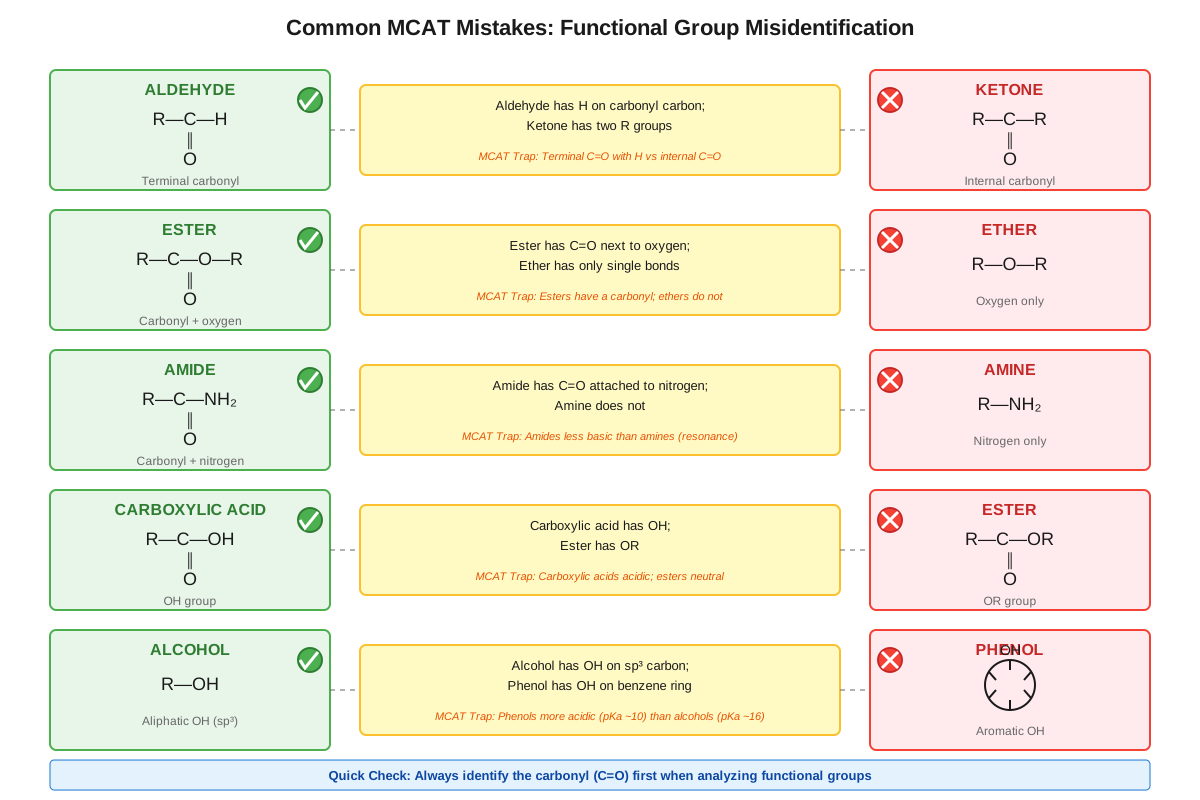
Correction: While oxygen increases polarity, the overall structure matters significantly. Ethers are much less polar than alcohols because they lack hydrogen bond donors. Long hydrocarbon chains can make even hydroxyl-containing molecules hydrophobic (e.g., fatty acids).
Misconception: Aldehydes and ketones have the same reactivity because both contain carbonyl groups.
Correction: Aldehydes are significantly more reactive than ketones toward nucleophilic attack because they have less steric hindrance and less electron donation from alkyl groups. Additionally, aldehydes can be oxidized to carboxylic acids, while ketones resist oxidation.
Misconception: The carbonyl oxygen in amides is a good hydrogen bond acceptor like in ketones.
Correction: The carbonyl oxygen in amides is less basic and a weaker hydrogen bond acceptor than in ketones due to resonance delocalization of the nitrogen lone pair into the carbonyl, which reduces the partial negative charge on oxygen.
Misconception: All amines are equally basic.
Correction: Amine basicity depends on the availability of the nitrogen lone pair and the stability of the resulting ammonium ion. Aromatic amines (anilines) are much weaker bases than aliphatic amines because the nitrogen lone pair is delocalized into the aromatic ring. Amide nitrogens are not basic at all for the same resonance reason.
Misconception: Functional groups always react independently in multifunctional molecules.
Correction: Functional groups can influence each other through inductive effects, resonance, and steric interactions. For example, electron-withdrawing groups increase the acidity of nearby carboxylic acids, and intramolecular hydrogen bonding can affect reactivity and physical properties.
Misconception: Esters and ethers are essentially the same because both contain C-O-C linkages.
Correction: Esters contain a carbonyl group (R-CO-O-R') while ethers do not (R-O-R'). This makes esters much more reactive, particularly toward hydrolysis, and gives them different physical properties and biological roles.
Worked Examples
Example 1: Functional Group Identification and Property Prediction
Question: Consider the molecule aspirin (acetylsalicylic acid), which contains a benzene ring with a carboxylic acid group at position 1 and an ester group at position 2. Identify all functional groups present and predict: (a) which site is most acidic, (b) which functional group is most susceptible to hydrolysis under basic conditions, and (c) the relative water solubility compared to benzoic acid.
Solution:
Step 1: Identify functional groups
- Aromatic ring (benzene)
- Carboxylic acid (-COOH)
- Ester (-COO-)
Step 2: Determine most acidic site
The carboxylic acid group is most acidic (pKa ~4) because it can lose a proton to form a resonance-stabilized carboxylate anion. The ester group is not acidic under normal conditions. The aromatic ring hydrogens are not acidic.
Step 3: Identify hydrolysis susceptibility
Under basic conditions, the ester group is most susceptible to hydrolysis (saponification). The mechanism involves nucleophilic attack by hydroxide ion on the carbonyl carbon of the ester, forming a tetrahedral intermediate that collapses to yield a carboxylate and an alcohol. The carboxylic acid group would be deprotonated under basic conditions but would not undergo hydrolysis.
Step 4: Compare water solubility
Aspirin is less water-soluble than benzoic acid despite having an additional oxygen-containing group. This is because the ester group is less polar than a carboxylic acid group (no hydrogen bond donor), and the overall molecule is larger and more hydrophobic. However, in basic solution, both the carboxylic acid and the hydrolyzed ester (forming another carboxylate) would be deprotonated, making aspirin's metabolite (salicylic acid) more water-soluble.
Connection to Learning Objectives: This example demonstrates functional group identification, property prediction based on structure, and understanding of reactivity patterns—all essential skills for MCAT success.
Example 2: Comparing Reactivity in Biological Context
Question: An enzyme active site contains a serine residue (with a hydroxyl group) and a histidine residue (with an imidazole ring containing two nitrogens). A substrate containing an ester functional group binds to the active site. Explain which functional groups are likely to participate in catalyzing ester hydrolysis and why.
Solution:
Step 1: Identify relevant functional groups
- Serine: primary alcohol (-CH₂OH)
- Histidine: imidazole (aromatic ring with two nitrogens, one with a lone pair)
- Substrate: ester (R-COO-R')
Step 2: Analyze functional group properties
The serine hydroxyl group can act as a nucleophile if activated. The histidine imidazole can act as a general base (accepting a proton) or general acid (donating a proton) because it has a pKa near physiological pH (~6-7), allowing it to exist in both protonated and deprotonated forms.
Step 3: Predict mechanism
The histidine likely acts as a general base, abstracting a proton from the serine hydroxyl group, making it a stronger nucleophile (alkoxide-like). The activated serine then performs nucleophilic attack on the carbonyl carbon of the ester, forming a tetrahedral intermediate. This is the classic mechanism of serine proteases and esterases.
Step 4: Explain biological significance
This mechanism demonstrates how functional groups in enzyme active sites work cooperatively. The alcohol alone would be too weak a nucleophile, and the ester alone would be too unreactive. The histidine's ability to accept and donate protons (amphoteric behavior) makes it ideal for catalysis at physiological pH.
Connection to Learning Objectives: This example integrates functional group reactivity with biochemistry, demonstrating how MCAT questions test understanding of mechanisms in biological contexts rather than isolated organic chemistry reactions.
Exam Strategy
When approaching Functional groups overview questions on the MCAT, employ a systematic identification strategy. First, scan the molecule for heteroatoms (O, N, S, P) as these almost always indicate functional groups. Then, examine the bonding pattern around each heteroatom—is it single, double, or triple bonded? Is it bonded to carbon, hydrogen, or another heteroatom?
Trigger words to watch for include: "most acidic," "most basic," "most reactive," "most soluble," "highest boiling point," and "most likely to undergo [specific reaction]." These comparative questions require ranking functional groups by a specific property. Create mental hierarchies: acidity (COOH > phenol > alcohol > alkane), basicity (aliphatic amine > aromatic amine > amide), reactivity toward nucleophiles (acid chloride > anhydride > ester > amide).
For passage-based questions, pay attention to experimental modifications of molecules. If a passage describes converting an alcohol to an ester, recognize that this changes hydrogen bonding capability and likely affects solubility and biological activity. If a drug molecule is modified by adding a phosphate group, predict increased water solubility and negative charge at physiological pH.
Process of elimination is particularly effective for functional group questions. If asked which functional group is present, eliminate options that would require atoms not shown in the structure. If asked about reactivity, eliminate options that describe reactions the functional groups present cannot undergo. For example, if no carbonyl is present, eliminate options describing nucleophilic addition to a carbonyl.
Time allocation: Discrete functional group identification questions should take 30-45 seconds. More complex questions requiring property prediction or mechanism understanding may take 60-90 seconds. Don't spend excessive time drawing out full mechanisms unless explicitly asked—focus on identifying the functional groups involved and predicting the outcome based on known reactivity patterns.
Memory Techniques
Mnemonic for functional group priority in nomenclature: "Careful Elephants Always Avoid Kicking Angry Ants Away Anywhere" (Carboxylic acid, Ester, Amide, Aldehyde, Ketone, Alcohol, Amine, Alkene, Alkyne, Alkane)
Mnemonic for oxidation states of carbon: "All Alcoholics Are Keen Consumers" represents the oxidation sequence: Alkane → Alcohol → Aldehyde → Ketone (branched path) → Carboxylic acid
Visualization strategy: Create a mental "functional group tree" with hydrocarbons as the trunk, oxygen-containing groups as major branches, and nitrogen/sulfur/phosphorus groups as smaller branches. When you see a complex molecule, mentally "prune" the tree to identify which branches are present.
Acronym for hydrogen bonding groups: "CHON" (Carboxylic acids, Hydroxyl groups, Oxygen in carbonyls as acceptors only, Nitrogen in amines) reminds you which functional groups participate in hydrogen bonding.
Reactivity ranking visualization: Picture a "reactivity ladder" for carbonyl-containing groups with acid chlorides at the top (most reactive) descending through anhydrides, esters, and amides at the bottom (least reactive). The more stable the leaving group, the higher on the ladder.
Summary
Functional groups overview is a cornerstone of MCAT Organic Chemistry that enables students to predict molecular behavior, understand biochemical processes, and solve complex problems efficiently. Functional groups are specific arrangements of atoms that confer characteristic chemical and physical properties to organic molecules, regardless of molecular size or complexity. The major categories include hydrocarbons (alkanes, alkenes, alkynes, aromatics), oxygen-containing groups (alcohols, ethers, aldehydes, ketones, carboxylic acids, esters, amides), nitrogen-containing groups (amines, nitriles), and other heteroatom groups (thiols, phosphates). Each functional group has predictable reactivity patterns, acid-base behavior, and effects on physical properties like solubility and boiling point. Success on MCAT questions requires rapid functional group identification, understanding of relative reactivity and property trends, and ability to apply this knowledge to biological contexts including enzyme mechanisms, drug design, and metabolic pathways. Mastery of functional groups provides the foundation for understanding more advanced topics in organic chemistry and biochemistry.
Key Takeaways
- Functional groups are specific atomic arrangements that determine the chemical and physical properties of organic molecules, enabling prediction of reactivity and behavior
- Major functional group categories include hydrocarbons, oxygen-containing groups (alcohols, carbonyls, carboxylic acids and derivatives), nitrogen-containing groups (amines), and other heteroatom groups
- Carboxylic acids are the highest priority for nomenclature and are weak acids (pKa 4-5); aldehydes are more reactive than ketones and can be oxidized further
- Functional groups dramatically affect physical properties through hydrogen bonding, polarity, and intermolecular forces, determining solubility and boiling points
- MCAT questions test functional group identification in complex biological molecules, property prediction, reactivity comparison, and understanding of biochemical mechanisms
- Systematic identification strategies (scan for heteroatoms, examine bonding patterns) and mental hierarchies (acidity, basicity, reactivity rankings) enable efficient problem-solving
- Understanding functional group interconversions and how groups influence each other in multifunctional molecules is essential for passage-based questions
Related Topics
Nomenclature of Organic Compounds: Building on functional group identification, systematic IUPAC naming requires understanding priority rules and how to name complex multifunctional molecules. Mastering functional groups makes nomenclature significantly easier.
Stereochemistry and Chirality: Many functional groups (alcohols, amines, carboxylic acids) commonly occur at or near chiral centers. Understanding functional groups enables prediction of how stereochemistry affects biological activity.
Spectroscopy (IR, NMR, Mass Spec): Each functional group produces characteristic signals in spectroscopic analysis. Functional group knowledge is prerequisite for interpreting spectra to determine molecular structure.
Reaction Mechanisms: All organic reactions involve functional group transformations. Understanding functional group reactivity patterns is essential for learning substitution, elimination, addition, and other reaction types.
Biochemistry of Amino Acids, Proteins, and Enzymes: Amino acid side chains contain various functional groups that determine protein structure and enzyme catalysis. This topic directly applies functional group knowledge to biological systems.
Practice CTA
Now that you have mastered the fundamentals of functional groups, it's time to reinforce your knowledge through active practice. Attempt the practice questions and flashcards associated with this topic to test your ability to identify functional groups rapidly, predict properties accurately, and apply your knowledge to MCAT-style scenarios. Remember, functional group mastery is not just about memorization—it's about developing pattern recognition skills that will serve you throughout organic chemistry and biochemistry. Each practice question you complete strengthens the neural pathways that enable quick, confident problem-solving on test day. You've built the foundation; now build the speed and accuracy that lead to top scores!
Sign up free to keep reading
Create a free AnvayaPrep account to finish this MCAT guide on Functional groups overview — plus flashcards and practice questions.