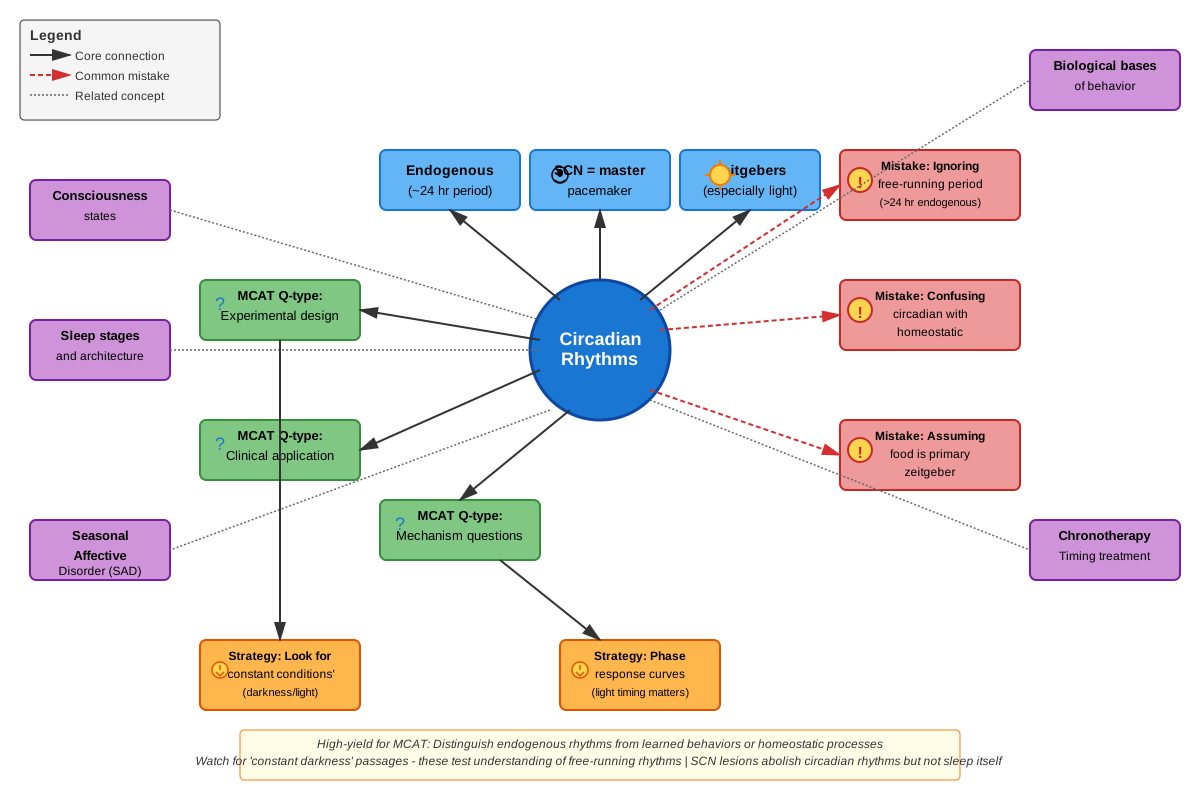
Overview
Circadian rhythms are endogenous biological cycles that regulate physiological and behavioral processes over approximately 24-hour periods. These internal timekeeping mechanisms govern critical functions including sleep-wake cycles, hormone secretion, body temperature fluctuation, and cognitive performance. The term "circadian" derives from the Latin circa (about) and dies (day), reflecting the roughly 24-hour periodicity of these rhythms. Understanding circadian rhythms is fundamental to Psychology and the broader study of Cognition and Consciousness, as these biological clocks profoundly influence mental processes, alertness, memory consolidation, and overall psychological functioning.
For the MCAT, circadian rhythms represent a high-yield intersection of biological psychology, neuroscience, and behavioral science. The exam frequently tests students' understanding of how these rhythms are generated, regulated, and disrupted, particularly in the context of sleep disorders, jet lag, shift work, and their impact on health outcomes. Questions may appear in both Psychological, Social, and Biological Foundations of Behavior passages and standalone items, often requiring integration of neuroanatomical knowledge (particularly the suprachiasmatic nucleus), hormonal regulation (melatonin and cortisol), and environmental influences (light exposure and zeitgebers).
The study of circadian rhythms connects multiple domains within Psychology and related sciences. These rhythms exemplify how biological processes underpin psychological phenomena, demonstrating the biopsychosocial model in action. Circadian regulation affects cognitive performance, mood disorders, learning efficiency, and decision-making—all topics central to MCAT content. Furthermore, understanding circadian disruption provides insight into various pathological conditions, from seasonal affective disorder to metabolic syndrome, making this topic clinically relevant and frequently tested in medical school admissions examinations.
Learning Objectives
- [ ] Define circadian rhythms using accurate Psychology terminology
- [ ] Explain why circadian rhythms matter for the MCAT
- [ ] Apply circadian rhythms to exam-style questions
- [ ] Identify common mistakes related to circadian rhythms
- [ ] Connect circadian rhythms to related Psychology concepts
- [ ] Describe the neuroanatomical basis of circadian rhythm generation and regulation
- [ ] Analyze the effects of circadian disruption on cognitive and physiological functioning
- [ ] Distinguish between endogenous circadian rhythms and exogenous environmental influences (zeitgebers)
Prerequisites
- Basic neuroanatomy: Understanding brain structures, particularly the hypothalamus, is essential because the suprachiasmatic nucleus (SCN) serves as the master circadian pacemaker
- Hormone function: Knowledge of endocrine signaling helps explain how melatonin and cortisol mediate circadian effects throughout the body
- Sleep stages: Familiarity with sleep architecture provides context for how circadian rhythms interact with homeostatic sleep drive
- Sensory pathways: Understanding visual processing explains how light information reaches the SCN via the retinohypothalamic tract
- Basic evolutionary biology: Recognizing adaptive advantages helps explain why circadian rhythms are conserved across species
Why This Topic Matters
Circadian rhythms have profound clinical significance across multiple medical specialties. Disrupted circadian function contributes to cardiovascular disease, metabolic disorders (obesity and diabetes), mood disorders (depression and bipolar disorder), and cognitive decline. Shift workers experience increased rates of accidents, cancer, and gastrointestinal problems due to chronic circadian misalignment. Understanding these mechanisms enables physicians to provide better patient counseling regarding sleep hygiene, light exposure, and medication timing (chronotherapy). The growing field of circadian medicine recognizes that treatment efficacy often depends on when interventions are administered relative to the body's internal clock.
On the MCAT, circadian rhythms appear with moderate frequency but high importance. Approximately 2-4% of Psychology/Sociology section questions directly or indirectly test this content. Questions typically fall into three categories: (1) mechanism-based items testing knowledge of the SCN, melatonin, and zeitgebers; (2) application questions requiring students to predict consequences of circadian disruption (jet lag, shift work); and (3) experimental passage questions presenting research on circadian influences on behavior or physiology. The AAMC particularly favors questions that integrate biological and psychological perspectives, making circadian rhythms an ideal testing ground for interdisciplinary reasoning.
Common exam presentations include passages describing sleep studies with actigraphy data, experiments manipulating light exposure, correlational studies linking shift work to health outcomes, or clinical vignettes featuring patients with delayed sleep phase disorder or seasonal affective disorder. Students must recognize trigger words like "biological clock," "entrainment," "free-running period," and "phase shift" to activate their circadian rhythm knowledge framework. The topic frequently appears alongside questions about consciousness states, attention, memory consolidation during sleep, and stress physiology.
Core Concepts
Definition and Characteristics of Circadian Rhythms
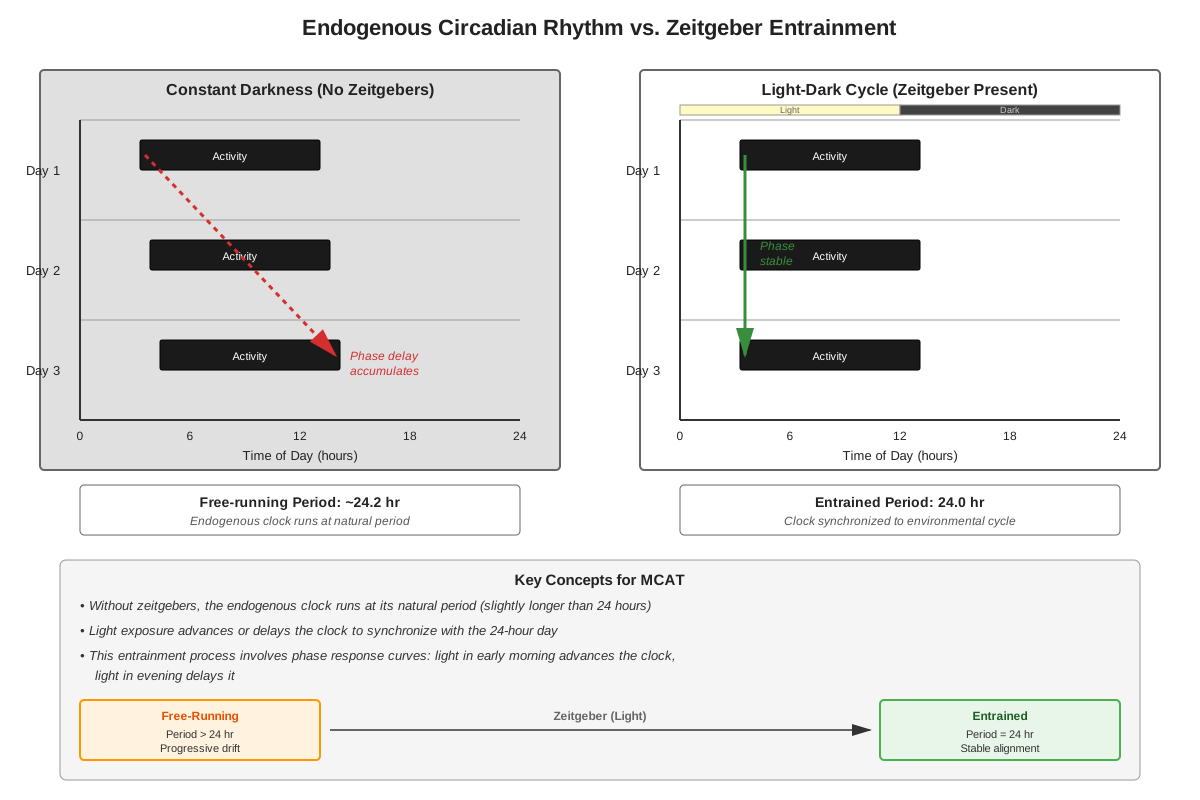
Circadian rhythms are internally generated biological oscillations with periods of approximately 24 hours that persist even in the absence of external time cues. The key defining features include: (1) endogenous generation—the rhythm originates from within the organism rather than being merely a response to environmental cycles; (2) persistence in constant conditions—when isolated from time cues, organisms maintain rhythmic behavior with a "free-running period" typically close to but not exactly 24 hours (usually 24.2-24.8 hours in humans); (3) entrainment to environmental cues—the rhythm can be synchronized to external cycles through zeitgebers (German for "time-givers"), with light being the most powerful; and (4) temperature compensation—unlike most biological processes, circadian rhythms maintain consistent periods across a range of physiological temperatures, ensuring reliable timekeeping.
These rhythms are not learned behaviors but rather genetically programmed through clock genes (CLOCK, BMAL1, PER, CRY) that create transcription-translation feedback loops at the cellular level. This molecular machinery exists in virtually every cell, though the suprachiasmatic nucleus (SCN) of the hypothalamus serves as the master pacemaker, coordinating peripheral oscillators throughout the body.
Neuroanatomical Basis: The Suprachiasmatic Nucleus
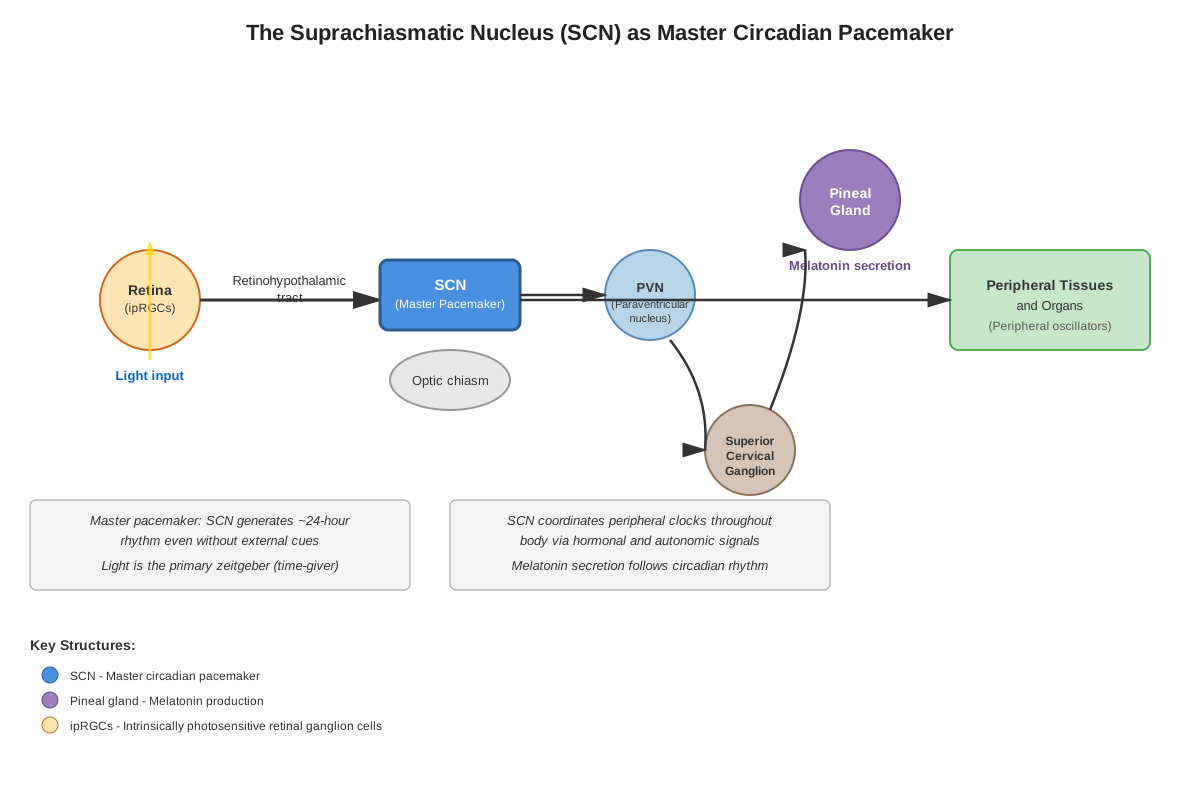
The suprachiasmatic nucleus is a bilateral structure located in the anterior hypothalamus, directly above the optic chiasm. Comprising approximately 20,000 neurons in humans, the SCN generates circadian rhythms through intrinsic electrical activity and gene expression cycles. Even when surgically isolated from the rest of the brain, SCN neurons continue rhythmic firing patterns, demonstrating their autonomous pacemaker properties.
Light information reaches the SCN via the retinohypothalamic tract, a direct neural pathway from specialized photoreceptive retinal ganglion cells containing the photopigment melanopsin. These intrinsically photosensitive retinal ganglion cells (ipRGCs) are most sensitive to blue wavelengths (460-480 nm) and function independently of rods and cones used for image-forming vision. This explains why even blind individuals with intact ipRGCs can maintain entrained circadian rhythms, while those with complete retinal damage often experience free-running rhythms.
The SCN coordinates circadian timing throughout the body through multiple output pathways: (1) neural projections to other hypothalamic nuclei controlling autonomic function and hormone release; (2) regulation of the pineal gland's melatonin secretion via a polysynaptic pathway through the paraventricular nucleus and superior cervical ganglion; and (3) diffusible signals that synchronize peripheral oscillators in organs like the liver, heart, and kidneys.
Zeitgebers and Entrainment
Zeitgebers are environmental time cues that synchronize endogenous circadian rhythms to the external 24-hour day. The most potent zeitgeber is the light-dark cycle, but others include:
- Social cues: Meal times, social interactions, and scheduled activities
- Temperature cycles: Ambient temperature fluctuations
- Exercise timing: Physical activity patterns
- Feeding schedules: Particularly important for peripheral oscillators in metabolic organs
Entrainment refers to the process by which circadian rhythms align with zeitgebers. When the endogenous period differs from 24 hours (as it typically does), daily exposure to zeitgebers produces phase shifts—advances (earlier timing) or delays (later timing)—that maintain synchronization. The direction and magnitude of phase shifts depend on when the zeitgeber is encountered relative to the circadian cycle, described by a phase response curve (PRC).
For light exposure, the PRC shows that:
- Light in the early biological night (evening) causes phase delays (later sleep/wake times)
- Light in the late biological night (pre-dawn) causes phase advances (earlier sleep/wake times)
- Light during the biological day produces minimal phase shifts
This explains why eastward travel (requiring phase advances) typically causes more severe jet lag than westward travel (requiring phase delays)—our endogenous period slightly exceeds 24 hours, making delays easier to achieve.
Melatonin: The Hormone of Darkness
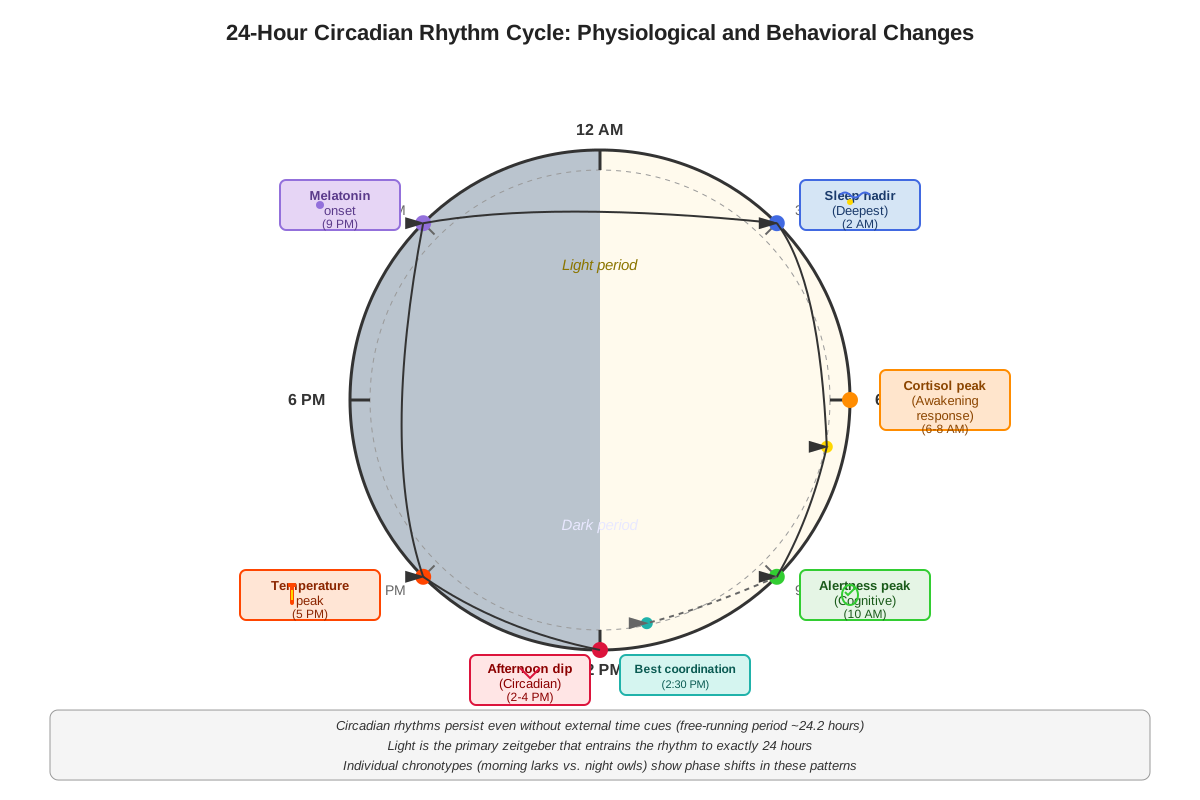
Melatonin is a hormone synthesized by the pineal gland that serves as the body's internal signal of darkness. Its secretion follows a robust circadian pattern controlled by the SCN, with levels rising in the evening (typically 2-3 hours before habitual bedtime), peaking during the biological night (2-4 AM), and declining before awakening. This pattern occurs even in constant darkness, demonstrating its endogenous nature, but light exposure—especially blue wavelengths—acutely suppresses melatonin production.
Melatonin functions include:
- Promoting sleep onset: Through effects on thermoregulation (lowering core body temperature) and direct soporific effects on sleep-promoting brain regions
- Circadian phase shifting: When administered exogenously, melatonin can shift circadian timing (opposite to light's PRC—evening melatonin advances rhythms, morning melatonin delays them)
- Antioxidant activity: Protecting cells from oxidative damage
- Immune modulation: Enhancing certain immune functions
The dim light melatonin onset (DLMO)—the time when melatonin levels begin rising in dim light conditions—serves as the gold standard marker for assessing circadian phase in research and clinical settings.
Circadian Influence on Physiology and Behavior
Circadian rhythms regulate numerous physiological processes beyond sleep-wake cycles:
| Physiological Variable | Circadian Pattern | Peak Time |
|---|---|---|
| Core body temperature | ~1°C daily variation | Late afternoon/early evening |
| Cortisol secretion | Morning surge | 30-45 min after awakening |
| Growth hormone | Pulsatile with sleep-linked surge | Early night, slow-wave sleep |
| Alertness/cognitive performance | Bimodal pattern | Mid-morning and early evening |
| Reaction time | Varies inversely with temperature | Slowest in early morning |
| Pain sensitivity | Varies throughout day | Lowest in afternoon |
| Blood pressure | Morning surge | Shortly after awakening |
These rhythms reflect the body's anticipatory preparation for daily challenges. The morning cortisol surge mobilizes energy resources for the active day ahead. The evening decline in core body temperature facilitates sleep onset. The afternoon peak in cognitive performance and physical coordination aligns with historical patterns of human activity.
Circadian Disruption and Consequences
Circadian misalignment occurs when internal biological time conflicts with external demands or environmental time cues. Common causes include:
- Jet lag: Rapid travel across time zones creates temporary misalignment between the endogenous circadian system and the new local time
- Shift work: Working during biological night and sleeping during biological day chronically opposes circadian signals
- Social jet lag: Discrepancy between biological and social timing, common when individuals sleep later on weekends than weekdays
- Delayed sleep phase disorder: Circadian rhythm sleep disorder where the sleep-wake cycle is delayed relative to societal norms
- Advanced sleep phase disorder: Opposite pattern with abnormally early sleep and wake times
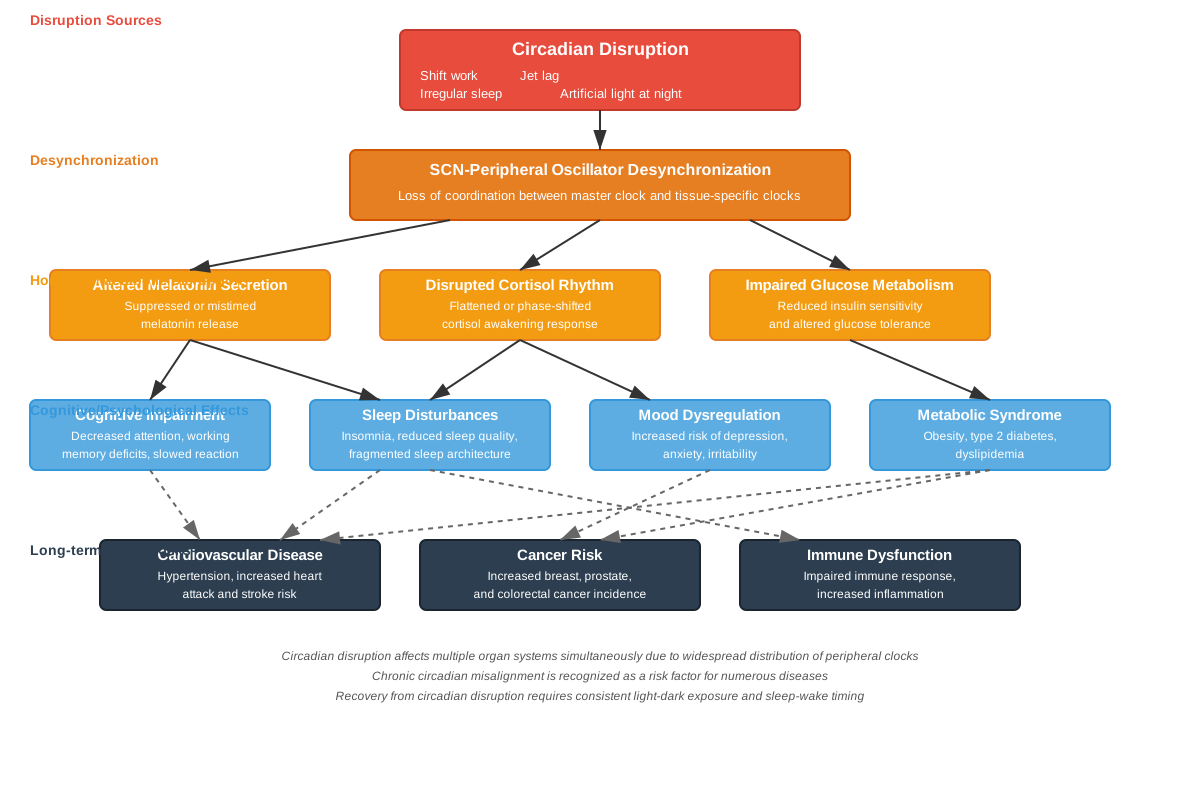
Consequences of chronic circadian disruption include:
- Cognitive impairment: Reduced attention, working memory deficits, impaired decision-making
- Mood disorders: Increased risk of depression, anxiety, and bipolar disorder exacerbations
- Metabolic dysfunction: Obesity, insulin resistance, type 2 diabetes
- Cardiovascular disease: Hypertension, increased myocardial infarction risk
- Cancer: Elevated rates of breast, prostate, and colorectal cancers in shift workers
- Gastrointestinal problems: Peptic ulcers, irritable bowel syndrome
- Immune suppression: Increased infection susceptibility
These effects result from both direct consequences of performing activities at inappropriate circadian phases (e.g., eating when metabolic systems are prepared for fasting) and chronic activation of stress response systems attempting to override circadian signals.
Individual Differences: Chronotypes
Chronotype refers to individual differences in circadian timing preferences, commonly described as "morning larks" (early chronotypes) versus "night owls" (late chronotypes). These differences reflect variations in:
- Endogenous circadian period length (shorter periods associate with morning preference)
- Phase angle of entrainment (relationship between circadian phase and sleep timing)
- Genetic polymorphisms in clock genes (particularly PER3 and CLOCK)
Chronotype shows age-related changes: children tend toward earlier chronotypes, adolescents shift dramatically later (biological basis for teenage sleep difficulties with early school start times), and adults gradually shift earlier again with aging. Understanding chronotype has practical implications for optimizing work schedules, academic performance, and treatment timing.
Concept Relationships
The core concepts within circadian rhythms form an integrated regulatory system. The SCN generates endogenous rhythms → which are entrained by zeitgebers (primarily light) → leading to coordinated physiological rhythms including melatonin secretion → which collectively optimize behavior and cognition for appropriate times of day. When this system experiences disruption (jet lag, shift work), negative health consequences emerge across multiple domains.
Circadian rhythms connect to prerequisite knowledge of neuroanatomy (hypothalamic function, visual pathways), endocrinology (hormone signaling, feedback regulation), and sleep architecture (circadian process C interacts with homeostatic process S in the two-process model of sleep regulation). The topic bridges to related concepts including consciousness states (circadian influence on alertness and attention), memory consolidation (sleep-dependent memory processing occurs at circadian-appropriate times), stress physiology (cortisol's circadian pattern), and mood disorders (circadian disruption in depression and seasonal affective disorder).
Understanding circadian rhythms also illuminates evolutionary psychology—these conserved mechanisms reflect adaptation to Earth's light-dark cycle, providing survival advantages through temporal organization of physiology and behavior. This connects to broader themes of biological preparedness and adaptive behavior patterns tested throughout the MCAT Psychology section.
Quick check — test yourself on Circadian rhythms so far.
Try Flashcards →High-Yield Facts
⭐ The suprachiasmatic nucleus (SCN) of the hypothalamus serves as the master circadian pacemaker, generating endogenous ~24-hour rhythms even in isolation from external cues.
⭐ Light is the most powerful zeitgeber, reaching the SCN via the retinohypothalamic tract from melanopsin-containing intrinsically photosensitive retinal ganglion cells.
⭐ Melatonin secretion from the pineal gland follows a circadian pattern controlled by the SCN, rising in evening darkness and suppressed by light exposure, particularly blue wavelengths.
⭐ The free-running period of human circadian rhythms averages 24.2-24.8 hours, requiring daily entrainment to maintain 24-hour synchronization.
⭐ Phase response curves describe how zeitgeber timing affects circadian phase: evening light delays rhythms, late-night/early-morning light advances rhythms.
- Circadian rhythms are temperature-compensated, maintaining consistent periods across physiological temperature ranges unlike most biological processes.
- Core body temperature follows a circadian rhythm with a nadir in early morning (4-6 AM) and peak in late afternoon/early evening, inversely correlating with sleep propensity.
- Cortisol secretion shows a robust circadian pattern with peak levels 30-45 minutes after awakening (cortisol awakening response), declining throughout the day.
- Chronic circadian disruption (shift work, jet lag) increases risk for metabolic syndrome, cardiovascular disease, mood disorders, and certain cancers.
- Chronotype (morning/evening preference) reflects individual differences in circadian timing, influenced by genetics, age, and environmental factors.
- Adolescents experience a biological phase delay in circadian timing, explaining difficulty with early school start times and representing normal developmental changes.
- Seasonal affective disorder (SAD) involves circadian rhythm disruption related to reduced light exposure during winter months, often treated with bright light therapy.
Common Misconceptions
Misconception: Circadian rhythms are simply responses to environmental light-dark cycles rather than internally generated. → Correction: Circadian rhythms are endogenous, persisting with approximately 24-hour periods even in constant darkness or isolation from time cues. The free-running period demonstrates their internal generation, though external zeitgebers normally entrain them to exactly 24 hours.
Misconception: All biological rhythms with daily patterns are circadian rhythms. → Correction: True circadian rhythms must meet specific criteria: endogenous generation, persistence in constant conditions, entrainability, and temperature compensation. Many daily patterns are simply responses to environmental cycles (like increased activity when it's light) rather than internally driven circadian rhythms.
Misconception: Melatonin is a "sleeping pill" that directly causes sleep. → Correction: Melatonin is a circadian signal of darkness that facilitates sleep onset through indirect mechanisms (lowering body temperature, timing sleep propensity) but has relatively weak direct soporific effects compared to true hypnotics. Its primary role is circadian phase regulation rather than sleep induction.
Misconception: The SCN is the only location where circadian rhythms are generated. → Correction: While the SCN serves as the master pacemaker coordinating system-wide timing, virtually all cells contain molecular clock machinery capable of generating circadian oscillations. The SCN's critical role is synchronizing these peripheral oscillators, not being the sole source of rhythmicity.
Misconception: Adjusting to new time zones requires exactly one day per time zone crossed. → Correction: Adjustment rates vary by direction (eastward travel is harder), individual differences in circadian flexibility, light exposure patterns, and other zeitgebers. Typical adjustment rates are 1-1.5 hours per day for westward travel and 0.5-1 hour per day for eastward travel, but strategic light exposure can accelerate adaptation.
Misconception: Blue-blocking glasses worn in the evening will completely prevent circadian disruption from artificial light. → Correction: While blue wavelengths are most effective for circadian entrainment and melatonin suppression, other wavelengths also contribute. Blue-blocking glasses reduce but don't eliminate light's circadian effects, and very bright light of any wavelength can still influence circadian timing.
Misconception: Everyone's circadian rhythm is exactly 24 hours. → Correction: The endogenous free-running period varies between individuals, typically ranging from 24.2-24.8 hours in humans. This individual variation contributes to chronotype differences and explains why some people more easily adapt to phase delays versus advances.
Worked Examples
Example 1: Jet Lag Analysis
Vignette: A researcher travels from New York (EST) to Tokyo (JST), crossing 13 time zones eastward. Upon arrival at 3 PM Tokyo time, she experiences difficulty concentrating during afternoon meetings and cannot fall asleep until 5 AM local time despite feeling exhausted. After one week, she still feels misaligned with local time.
Question: Which physiological mechanism best explains her prolonged adjustment difficulty?
Analysis:
- Identify the circadian challenge: Eastward travel requires phase advances (earlier sleep/wake times). The 13-hour time difference means her circadian system must shift to align with Tokyo time.
- Apply knowledge of endogenous period: Human circadian rhythms have free-running periods averaging 24.2-24.8 hours (slightly longer than 24 hours), making phase delays (westward travel) easier than phase advances (eastward travel).
- Consider phase response curves: To advance her rhythm, she needs light exposure in the late biological night/early biological morning. However, if she's exposed to light at the wrong circadian phase (her biological evening), this will cause further delays rather than advances.
- Calculate adjustment rate: Phase advances typically occur at 0.5-1 hour per day, meaning full adjustment to a 13-hour shift could require nearly two weeks.
- Explain symptoms: Her 5 AM sleep time suggests her circadian system still reflects New York time (5 AM Tokyo = 4 PM New York, when alertness is still high). Afternoon meeting difficulty (3 PM Tokyo = 2 AM New York) occurs during her biological night when cognitive performance is impaired.
Answer: Her prolonged difficulty results from the combination of (1) eastward travel requiring phase advances that oppose the natural tendency toward phase delays given the >24-hour endogenous period, (2) slow adjustment rates for phase advances (~0.5-1 hour/day), and (3) potential mistimed light exposure that may cause further delays if occurring during her biological evening. The SCN requires consistent appropriately-timed light exposure to gradually shift the circadian phase forward.
Learning objective connection: This example applies circadian rhythm concepts to predict real-world consequences of circadian disruption and demonstrates understanding of entrainment mechanisms and phase response curves.
Example 2: Shift Work Experiment
Vignette: Researchers study two groups of night-shift workers (12 AM - 8 AM shifts). Group A works in standard lighting (~500 lux). Group B works under bright light (~5000 lux) during the first half of their shift (12 AM - 4 AM) and dim red light during the second half, then wears dark sunglasses during their morning commute home. After two weeks, Group B shows better adaptation to the night schedule with improved alertness during work and better daytime sleep quality compared to Group A.
Question: Explain the physiological basis for Group B's superior adaptation using circadian rhythm principles.
Analysis:
- Identify the intervention: Group B receives bright light during early night shift hours and darkness during late shift hours and morning commute, while Group A receives constant moderate lighting.
- Apply phase response curve knowledge:
- For night workers, the goal is phase delay (shifting sleep/wake cycle later)
- Light exposure during biological evening/early night (12 AM - 4 AM for someone attempting to adapt to night work) causes phase delays
- Light exposure during late biological night/early morning (4 AM - 8 AM and morning commute) would cause phase advances, opposing the desired adaptation
- Explain the strategic timing:
- Group B's bright light during 12 AM - 4 AM falls during their biological evening (if partially adapted), promoting phase delays
- Dim red light during 4 AM - 8 AM and sunglasses during commute prevent phase-advancing light exposure
- This creates a "skeleton photoperiod" that mimics a delayed light-dark cycle
- Connect to melatonin: The bright light during early shift hours suppresses melatonin, promoting alertness. Avoiding bright light during late shift and commute allows melatonin levels to rise appropriately for the new delayed schedule.
- Explain outcomes: Better alertness during work results from appropriately timed circadian phase of alertness. Better daytime sleep results from circadian sleep propensity occurring during daytime hours rather than fighting against circadian wake signals.
Answer: Group B's superior adaptation results from strategically timed light exposure that leverages phase response curve principles. Bright light during early shift hours (biological evening) causes phase delays aligning circadian rhythms with the night schedule, while avoiding bright light during late shift hours and morning commute prevents phase-advancing signals that would oppose adaptation. This allows the SCN to entrain to a delayed schedule, aligning melatonin secretion, core body temperature rhythms, and alertness patterns with the night-work/day-sleep schedule.
Learning objective connection: This example demonstrates application of zeitgeber principles, phase response curves, and entrainment mechanisms to solve a practical problem, integrating multiple circadian concepts.
Exam Strategy
When approaching MCAT questions on circadian rhythms, employ these strategic approaches:
Trigger word recognition: Immediately activate circadian rhythm knowledge when encountering terms like "biological clock," "jet lag," "shift work," "SCN," "suprachiasmatic," "melatonin," "zeitgeber," "entrainment," "free-running period," "phase shift," "chronotype," or "light-dark cycle." These signal that circadian mechanisms are relevant to the question.
Mechanism-first approach: For questions asking about circadian disruption consequences, first identify the underlying mechanism (SCN function, melatonin patterns, phase response curves) before predicting outcomes. The MCAT rewards mechanistic reasoning over memorized associations.
Integration strategy: Circadian rhythm questions often require integrating multiple knowledge domains. Be prepared to connect:
- Neuroanatomy (hypothalamus, visual pathways) with behavior
- Endocrine function (melatonin, cortisol) with sleep-wake patterns
- Evolutionary adaptation with physiological mechanisms
- Research methodology (experimental design) with circadian principles
Directional thinking: For phase shift questions, carefully track direction:
- Eastward travel = phase advance needed = harder adjustment
- Westward travel = phase delay needed = easier adjustment
- Evening light = phase delay
- Morning light = phase advance
- This directional reasoning eliminates wrong answers efficiently
Elimination strategies:
- Eliminate options suggesting circadian rhythms are purely environmental responses (they're endogenous)
- Eliminate options confusing circadian (~24 hr) with ultradian (<24 hr) or infradian (>24 hr) rhythms
- Eliminate options suggesting the SCN is unnecessary for rhythm generation (it's the master pacemaker)
- Eliminate options claiming melatonin is a powerful hypnotic (it's primarily a circadian signal)
Time management: Circadian rhythm questions typically require 60-90 seconds. Spend 20-30 seconds identifying the core circadian principle being tested, 20-30 seconds applying it to the specific scenario, and 20-30 seconds eliminating wrong answers and confirming the correct choice.
Passage approach: In passages presenting circadian research, focus on:
- Experimental manipulations of light exposure, timing, or SCN function
- Dependent variables measuring circadian phase (melatonin onset, temperature nadir, sleep timing)
- Control conditions demonstrating endogenous rhythm persistence
- Individual differences (age, chronotype) affecting results
Memory Techniques
SCN Functions Mnemonic - "MASTER":
- Master pacemaker
- Above optic chiasm (anatomical location)
- Synchronizes peripheral clocks
- Timing signal generator
- Entrainable by light
- Rhythmic even when isolated
Phase Response Curve - "Evening Delays, Morning Advances":
Visualize a clock: light hitting the clock in the evening (left side) pushes the hands backward (delay), while light in the morning (right side) pushes hands forward (advance). The afternoon (top of clock) does nothing.
Melatonin Pattern - "Darkness Hormone":
Remember melatonin as "Dracula's hormone"—it rises when darkness falls, peaks during the night, and disappears with dawn. Blue light is its "kryptonite," immediately suppressing it.
Jet Lag Direction - "East is Beast, West is Best":
Eastward travel is harder (requires phase advances opposing natural tendency), westward travel is easier (requires phase delays matching natural tendency).
Circadian Criteria - "EPET":
- Endogenous (internally generated)
- Persistent (continues in constant conditions)
- Entrainable (synchronized by zeitgebers)
- Temperature compensated (stable across temperature ranges)
Chronotype Age Changes - "Young Early, Teen Late, Old Early":
Children wake early (parents know this!), teenagers shift dramatically late (biological basis for sleeping in), older adults shift early again (early-bird seniors).
Visualization for SCN pathway: Picture a "superhighway" from the eye directly to the hypothalamus (retinohypothalamic tract), bypassing the visual cortex. Special "melanopsin sensors" detect brightness and send "time-of-day" signals to the SCN "control center," which then broadcasts timing signals throughout the body via neural and hormonal routes.
Summary
Circadian rhythms are endogenous biological oscillations with approximately 24-hour periods that regulate sleep-wake cycles, hormone secretion, body temperature, and cognitive performance. The suprachiasmatic nucleus of the hypothalamus serves as the master pacemaker, generating these rhythms through intrinsic cellular mechanisms and coordinating timing throughout the body. Light, the most powerful zeitgeber, entrains circadian rhythms to the 24-hour day via the retinohypothalamic tract and melanopsin-containing retinal ganglion cells. Melatonin secretion from the pineal gland provides an internal darkness signal, rising in the evening and suppressed by light exposure. Phase response curves describe how zeitgeber timing affects circadian phase, with evening light causing delays and morning light causing advances. Circadian disruption from jet lag, shift work, or sleep disorders produces cognitive impairment, mood disturbances, and increased disease risk. Understanding these mechanisms is essential for MCAT success, as questions frequently test knowledge of circadian regulation, entrainment principles, and consequences of circadian misalignment across biological and psychological domains.
Key Takeaways
- Circadian rhythms are endogenous ~24-hour biological cycles generated by the SCN that persist even without environmental time cues, distinguishing them from simple responses to light-dark cycles
- The suprachiasmatic nucleus (SCN) functions as the master circadian pacemaker, receiving light information via the retinohypothalamic tract and coordinating timing throughout the body through neural and hormonal signals
- Light is the primary zeitgeber that entrains circadian rhythms, with blue wavelengths being most effective; phase response curves show evening light delays rhythms while morning light advances them
- Melatonin serves as the body's darkness signal, with secretion controlled by the SCN, rising in evening darkness and suppressed by light exposure, facilitating sleep onset through indirect mechanisms
- Circadian disruption from jet lag, shift work, or sleep disorders produces widespread negative consequences including cognitive impairment, mood disorders, metabolic dysfunction, and increased disease risk
- Eastward travel requires phase advances and is more difficult than westward travel requiring phase delays, because the endogenous human circadian period exceeds 24 hours, making delays easier to achieve
- Individual differences in chronotype reflect variations in circadian timing preferences influenced by genetics, age, and environmental factors, with adolescents showing characteristic phase delays
Related Topics
Sleep Architecture and Stages: Understanding REM and NREM sleep stages builds on circadian rhythm knowledge, as the two-process model describes interaction between circadian process C and homeostatic process S in regulating sleep timing and structure.
Consciousness and Attention: Circadian rhythms profoundly influence alertness, attention, and consciousness states, with cognitive performance varying systematically across the 24-hour cycle in predictable patterns.
Mood Disorders: Depression and bipolar disorder involve circadian rhythm disturbances, with seasonal affective disorder directly linked to light exposure changes and circadian misalignment.
Stress and the HPA Axis: Cortisol secretion follows a robust circadian pattern, and understanding circadian regulation of the hypothalamic-pituitary-adrenal axis connects to stress physiology and health outcomes.
Neurotransmitter Systems: Serotonin, dopamine, and other neurotransmitter systems show circadian variation in synthesis and release, connecting circadian rhythms to broader neurochemical regulation of behavior.
Chronopharmacology: The emerging field studying how drug efficacy and toxicity vary with circadian timing, relevant for understanding optimal medication administration schedules.
Practice CTA
Now that you've mastered the core concepts of circadian rhythms, it's time to solidify your understanding through active practice. Challenge yourself with MCAT-style practice questions that test your ability to apply circadian principles to novel scenarios, analyze experimental designs, and integrate this knowledge with related psychological and biological concepts. Use flashcards to reinforce high-yield facts, particularly the functions of the SCN, melatonin patterns, and phase response curve principles. Remember: understanding circadian rhythms provides a powerful framework for answering questions across multiple MCAT topics, from sleep disorders to cognitive performance to evolutionary adaptations. Your investment in mastering this material will pay dividends not only on test day but throughout your medical career as you counsel patients on sleep hygiene, shift work challenges, and chronotherapy approaches. You've got this!
Sign up free to keep reading
Create a free AnvayaPrep account to finish this MCAT guide on Circadian rhythms — plus flashcards and practice questions.