Overview
Consciousness altering drugs, also known as psychoactive substances, represent a critical topic within the MCAT Psychology section that bridges neuroscience, behavior, and social psychology. These substances modify perception, mood, consciousness, cognition, or behavior by acting on the central nervous system. Understanding how these drugs function mechanistically and their effects on human consciousness is essential for medical students, as they will encounter patients affected by substance use throughout their careers.
The MCAT frequently tests consciousness altering drugs within the broader context of Cognition and Consciousness, requiring students to understand not only the pharmacological mechanisms but also the psychological, social, and behavioral implications of drug use. Questions may appear as discrete items testing classification and effects, or embedded within passages discussing addiction neuroscience, social determinants of substance use, or clinical case studies. The topic intersects with neurotransmitter systems, reward pathways, memory formation, and altered states of consciousness—all high-yield areas for the exam.
From a Psychology perspective, consciousness altering drugs provide a window into understanding normal brain function by examining what happens when chemical balance is disrupted. The study of these substances illuminates fundamental concepts including neurotransmission, tolerance, dependence, withdrawal, and the biological basis of behavior. Mastery of this topic enables students to connect molecular-level changes to observable behavioral outcomes, a critical skill for both the MCAT and clinical practice.
Learning Objectives
- [ ] Define consciousness altering drugs using accurate Psychology terminology
- [ ] Explain why consciousness altering drugs matters for the MCAT
- [ ] Apply consciousness altering drugs to exam-style questions
- [ ] Identify common mistakes related to consciousness altering drugs
- [ ] Connect consciousness altering drugs to related Psychology concepts
- [ ] Classify major categories of psychoactive substances based on their primary effects on consciousness
- [ ] Analyze the neurobiological mechanisms by which different drug classes alter neurotransmission
- [ ] Distinguish between physical dependence, psychological dependence, tolerance, and withdrawal
- [ ] Evaluate the relationship between drug use and altered states of consciousness in clinical scenarios
Prerequisites
- Neurotransmitter systems: Understanding dopamine, serotonin, GABA, glutamate, and norepinephrine is essential because consciousness altering drugs primarily work by modifying these chemical messenger systems
- Synaptic transmission: Knowledge of how neurons communicate through synapses provides the foundation for understanding drug mechanisms of action
- Brain anatomy: Familiarity with structures like the limbic system, prefrontal cortex, and reward pathways helps contextualize where and how drugs exert their effects
- Basic pharmacology concepts: Understanding agonists, antagonists, and receptor binding enables comprehension of how drugs interact with neural systems
- States of consciousness: Prior knowledge of normal consciousness, sleep, and attention provides a baseline for understanding altered states
Why This Topic Matters
Clinical Significance: Substance use disorders affect millions of individuals worldwide and represent one of the most common conditions physicians encounter across all specialties. Understanding consciousness altering drugs is fundamental to recognizing signs of intoxication, withdrawal, and chronic use patterns. Medical professionals must be able to identify drug-related presentations in emergency settings, manage withdrawal syndromes safely, and understand the neurobiological basis of addiction to provide evidence-based treatment.
Exam Statistics: Consciousness altering drugs appears regularly on the MCAT, typically in 2-4 questions per exam. Questions may be discrete (testing direct knowledge of drug classifications and effects) or passage-based (requiring application to research studies, clinical vignettes, or social psychology contexts). The topic frequently appears alongside questions about neurotransmitter systems, reward pathways, and behavioral psychology, making it a high-yield area for integrated understanding.
Common Exam Contexts: The MCAT presents this topic through multiple lenses: (1) research passages describing studies on drug effects and addiction mechanisms, (2) clinical vignettes requiring identification of drug class based on symptoms, (3) social psychology passages examining substance use patterns and risk factors, (4) neuroscience passages exploring receptor mechanisms and neural pathways, and (5) questions linking drug effects to theories of consciousness and cognition. Students must be prepared to apply knowledge flexibly across these diverse contexts.
Core Concepts
Definition and Classification of Consciousness Altering Drugs
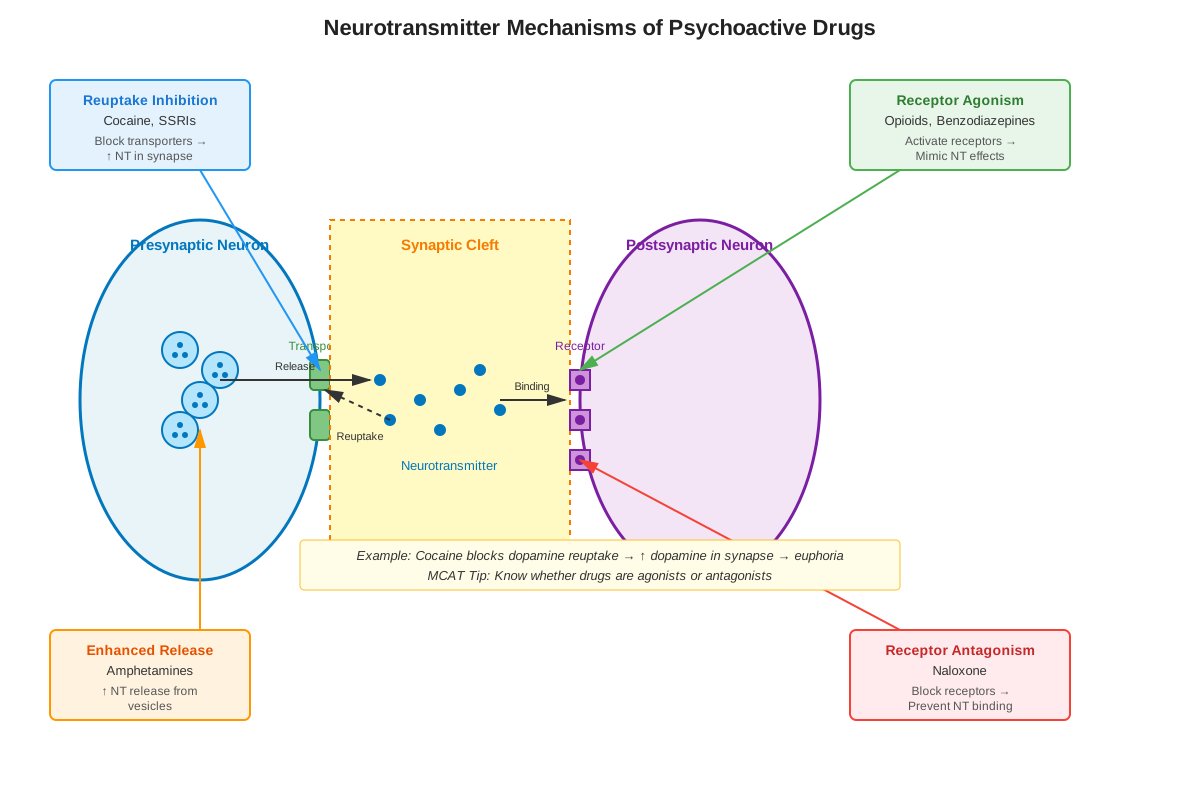
Consciousness altering drugs (psychoactive substances) are chemical compounds that cross the blood-brain barrier and modify brain function, resulting in changes to perception, mood, consciousness, cognition, or behavior. These substances work primarily by altering neurotransmitter activity in the central nervous system through various mechanisms including receptor agonism, antagonism, reuptake inhibition, or enhanced neurotransmitter release.
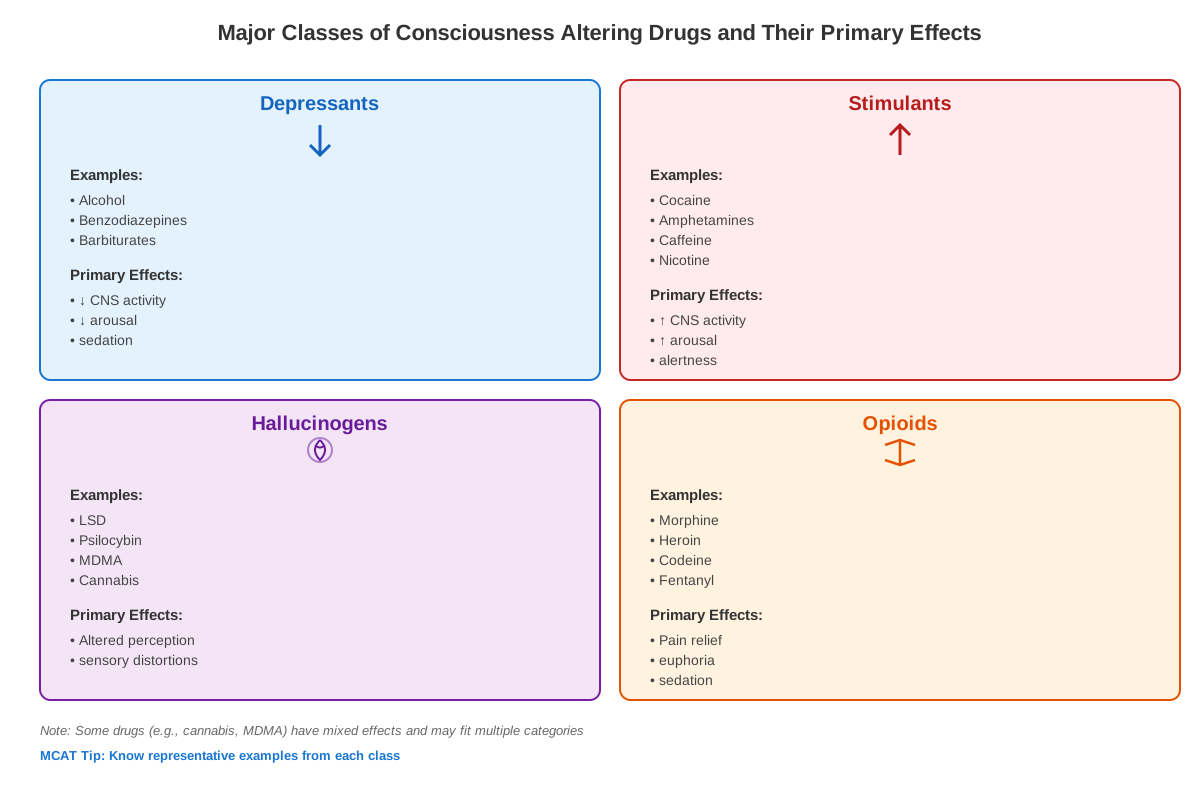
Psychoactive drugs are classified into several major categories based on their primary effects on the central nervous system:
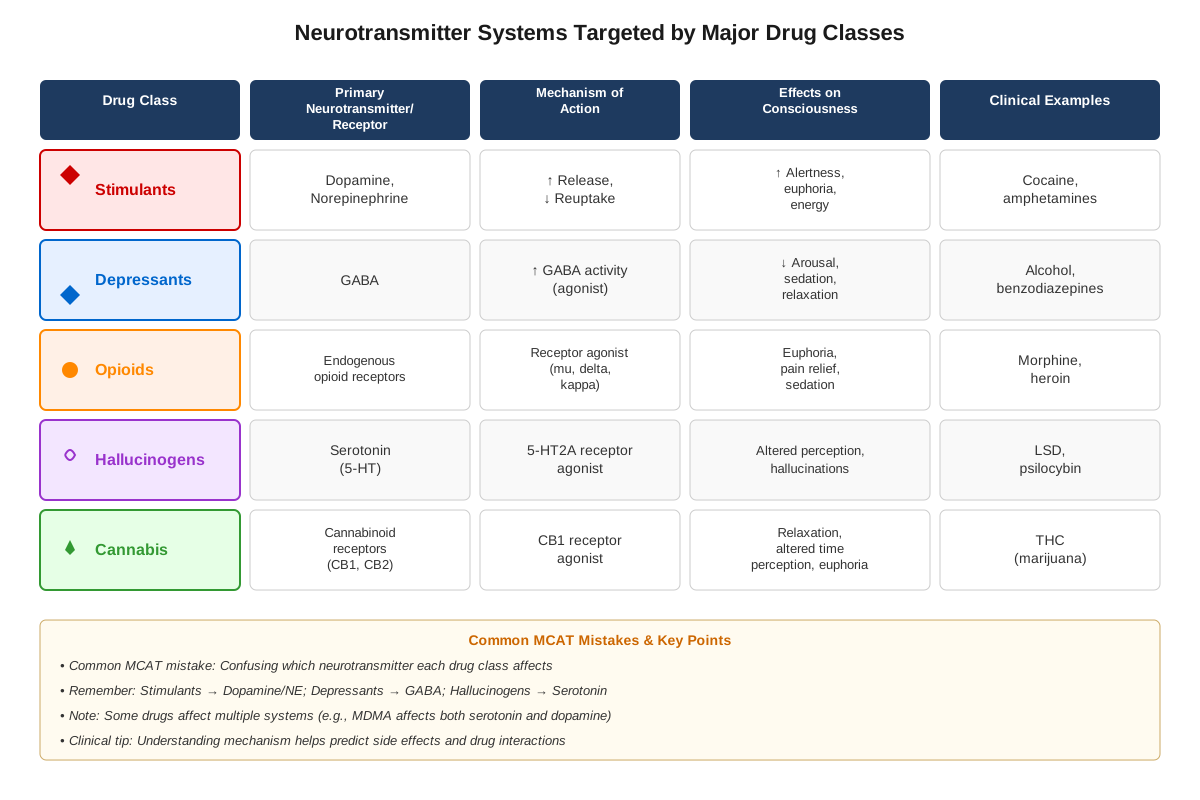
| Drug Category | Primary Effect | Key Examples | Primary Neurotransmitter Systems |
|---|---|---|---|
| Depressants | Decrease CNS activity, reduce arousal | Alcohol, benzodiazepines, barbiturates, opioids | GABA (enhancement), glutamate (inhibition) |
| Stimulants | Increase CNS activity, enhance alertness | Cocaine, amphetamines, caffeine, nicotine | Dopamine, norepinephrine (increase) |
| Hallucinogens | Alter perception, cause sensory distortions | LSD, psilocybin, mescaline | Serotonin (5-HT2A receptor agonism) |
| Cannabinoids | Mixed effects on perception and cognition | Marijuana (THC), synthetic cannabinoids | Endocannabinoid system |
| Dissociatives | Produce feelings of detachment from reality | Ketamine, PCP | NMDA glutamate receptors (antagonism) |
Depressants: Mechanisms and Effects
Depressants reduce neural activity and slow body functions. The primary mechanism involves enhancing GABAergic transmission (GABA being the brain's main inhibitory neurotransmitter) or blocking excitatory glutamate signaling.
Alcohol (ethanol) acts through multiple mechanisms: it enhances GABA-A receptor function, inhibits NMDA glutamate receptors, and affects dopamine release in reward pathways. Effects progress from disinhibition and euphoria at low doses to motor impairment, cognitive dysfunction, and potentially fatal respiratory depression at high doses. Chronic alcohol use leads to neuroadaptation, requiring higher doses to achieve the same effect (tolerance) and producing severe withdrawal symptoms including tremors, seizures, and delirium tremens.
Benzodiazepines (e.g., diazepam, alprazolam) bind to specific sites on GABA-A receptors, enhancing the receptor's affinity for GABA and increasing chloride ion influx, which hyperpolarizes neurons. These drugs produce anxiolytic (anti-anxiety), sedative, muscle relaxant, and anticonvulsant effects. They carry significant risks of physical dependence and dangerous withdrawal syndromes.
Opioids (morphine, heroin, oxycodone) bind to mu, delta, and kappa opioid receptors throughout the brain and spinal cord. While technically depressants, they work through a distinct mechanism involving endogenous opioid systems. They produce analgesia, euphoria, and respiratory depression. Opioids are highly addictive due to their powerful effects on the mesolimbic dopamine reward pathway.
Stimulants: Mechanisms and Effects
Stimulants increase neural activity, alertness, energy, and arousal. They primarily work by increasing catecholamine neurotransmission (dopamine, norepinephrine, and sometimes serotonin).
Cocaine blocks the reuptake of dopamine, norepinephrine, and serotonin by binding to their respective transporters, causing these neurotransmitters to accumulate in the synaptic cleft. This produces intense euphoria, increased energy, heightened alertness, and confidence. The rapid onset and short duration of cocaine's effects contribute to its high addiction potential. Chronic use can lead to paranoia, cardiovascular complications, and severe psychological dependence.
Amphetamines (including methamphetamine and prescription medications like Adderall) not only block catecholamine reuptake but also increase their release from presynaptic terminals and can reverse transporter function. Effects include increased focus, decreased appetite, elevated mood, and enhanced physical performance. Medical uses include treatment of ADHD and narcolepsy, but abuse potential is significant.
Caffeine, the world's most widely consumed psychoactive substance, works primarily as an adenosine receptor antagonist. Adenosine normally promotes sleep and suppresses arousal; by blocking its receptors, caffeine increases alertness and reduces fatigue. It also indirectly affects dopamine transmission.
Nicotine acts as an agonist at nicotinic acetylcholine receptors, producing increased alertness, improved concentration, and dopamine release in reward pathways. Its rapid delivery to the brain (especially when smoked) and short half-life contribute to its highly addictive nature.
Hallucinogens and Dissociatives
Hallucinogens (also called psychedelics) profoundly alter perception, thought, and mood. Classic hallucinogens like LSD (lysergic acid diethylamide), psilocybin (found in "magic mushrooms"), and mescaline primarily act as agonists at serotonin 5-HT2A receptors, particularly in the prefrontal cortex and other areas involved in cognition and perception. Effects include visual and auditory distortions, synesthesia (mixing of sensory modalities), altered sense of time, and profound changes in thought patterns. These substances typically do not produce physical dependence but can cause psychological distress and, rarely, persistent perceptual changes.
Dissociative drugs like ketamine and PCP (phencyclidine) produce feelings of detachment from one's body and environment. They work primarily as NMDA glutamate receptor antagonists, blocking excitatory neurotransmission. At lower doses, they produce altered perceptions and mild dissociation; at higher doses, they can cause complete anesthesia, out-of-body experiences, and profound disconnection from reality. Ketamine has legitimate medical uses as an anesthetic and is being investigated for treatment-resistant depression.
Cannabis and the Endocannabinoid System
Marijuana contains delta-9-tetrahydrocannabinol (THC), which acts as a partial agonist at CB1 and CB2 cannabinoid receptors. These receptors are part of the endocannabinoid system, which normally regulates appetite, pain sensation, mood, and memory. THC produces euphoria, relaxation, altered time perception, increased appetite, and impaired short-term memory and motor coordination. Unlike most other drug classes, cannabinoid receptors are distributed differently in the brain, with high concentrations in the hippocampus (affecting memory), cerebellum (affecting coordination), and basal ganglia (affecting movement).
Cannabis occupies a unique position among consciousness altering drugs because it produces effects that don't fit neatly into other categories—it has some depressant properties, some mild hallucinogenic effects, and some stimulant-like qualities depending on strain and dose.
Tolerance, Dependence, and Withdrawal
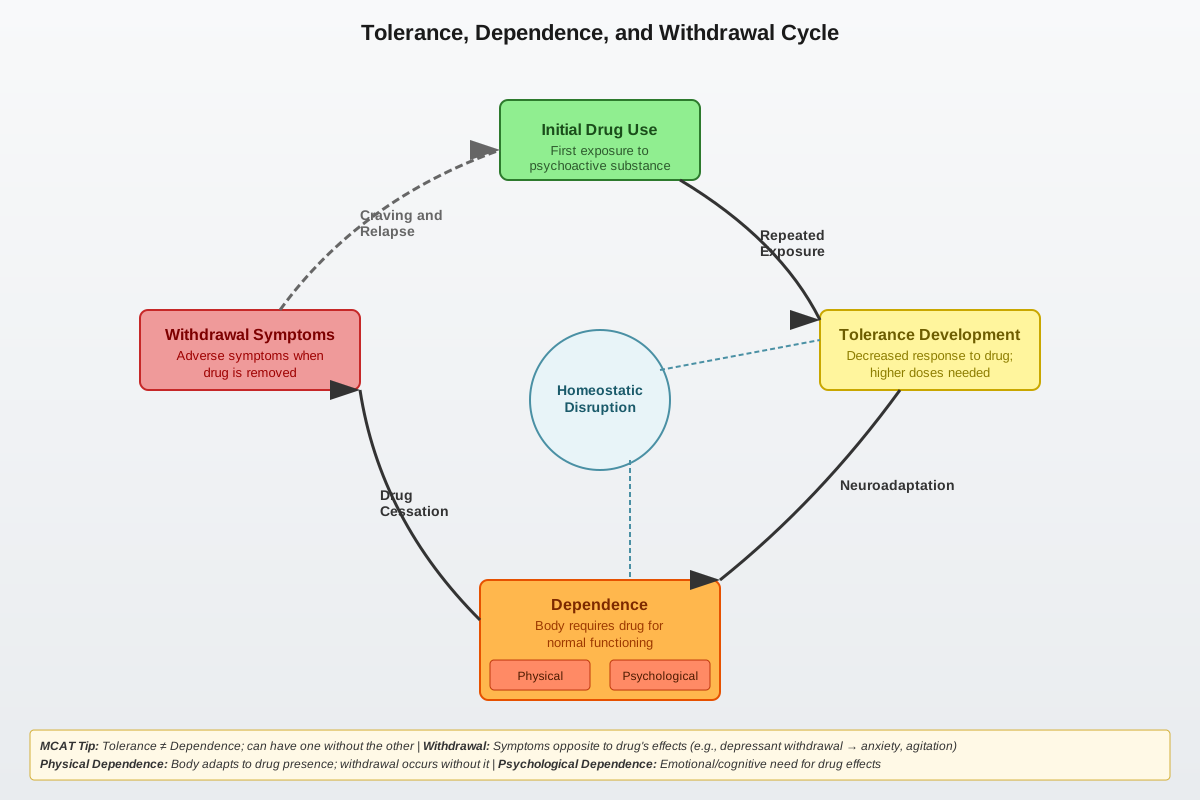
Tolerance refers to the diminished response to a drug after repeated use, requiring higher doses to achieve the same effect. This occurs through neuroadaptation—the brain adjusts to the drug's presence by altering receptor density, sensitivity, or downstream signaling pathways. Different drugs produce tolerance through different mechanisms and at different rates.
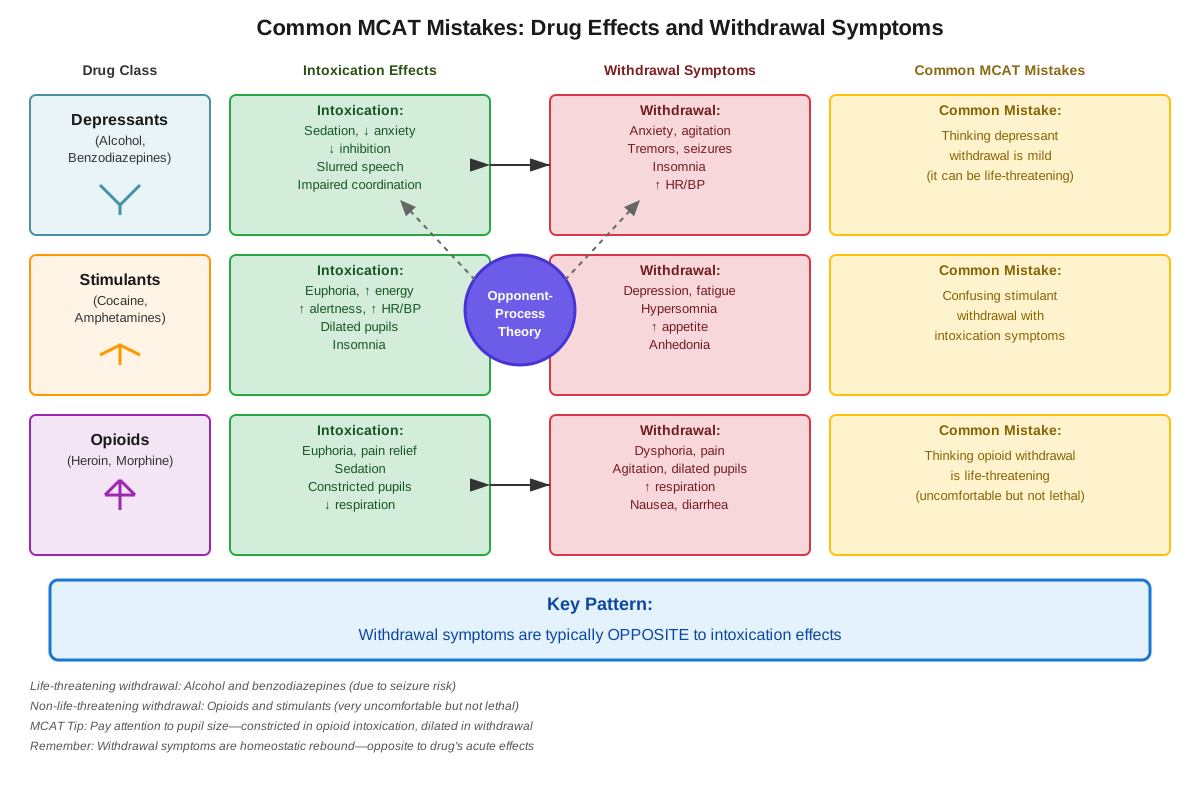
Physical dependence occurs when the body adapts to a drug's presence such that discontinuation produces withdrawal symptoms—physical signs and symptoms that occur when drug use stops. Withdrawal represents a rebound effect as the brain attempts to regain homeostasis. For example, because alcohol enhances GABA (inhibitory) and suppresses glutamate (excitatory), chronic use leads to compensatory decreases in GABA function and increases in glutamate function. When alcohol is removed, the result is hyperexcitability, potentially causing seizures.
Psychological dependence involves craving and compulsive drug-seeking behavior driven by the drug's effects on reward pathways, particularly the mesolimbic dopamine system. This can occur even without physical dependence and often persists long after physical withdrawal symptoms resolve.
Withdrawal syndromes vary by drug class:
- Depressant withdrawal: Anxiety, tremors, seizures, potentially fatal (alcohol, benzodiazepines)
- Stimulant withdrawal: Depression, fatigue, increased appetite, anhedonia (inability to feel pleasure)
- Opioid withdrawal: Flu-like symptoms, pain, anxiety, insomnia (extremely uncomfortable but rarely fatal)
- Cannabis withdrawal: Irritability, sleep disturbances, decreased appetite (mild compared to other drugs)
Neurobiology of Addiction
The mesolimbic dopamine pathway (reward pathway) extends from the ventral tegmental area (VTA) to the nucleus accumbens and is central to understanding addiction. Nearly all addictive drugs increase dopamine transmission in this pathway, either directly or indirectly. This dopamine surge signals "reward" and reinforces drug-seeking behavior.
With repeated drug use, the brain undergoes neuroplastic changes:
- Sensitization of drug-related cues (environmental triggers become strongly associated with drug effects)
- Downregulation of dopamine receptors and reduced baseline dopamine function (leading to anhedonia when not using)
- Strengthening of neural circuits linking drug cues to compulsive behavior
- Weakening of prefrontal cortex control over impulses and decision-making
These changes help explain why addiction is considered a chronic brain disease characterized by compulsive drug seeking despite negative consequences.
Concept Relationships
The concepts within consciousness altering drugs form an interconnected network. Drug classification (depressants, stimulants, hallucinogens) → determines → mechanism of action (which neurotransmitter systems are affected) → produces → acute effects (immediate changes in consciousness, perception, and behavior) → with repeated use leads to → neuroadaptation (tolerance and dependence) → which upon cessation causes → withdrawal syndromes → all of which are mediated by → reward pathway activation → contributing to → addiction and compulsive use.
This topic connects to prerequisite knowledge of neurotransmitter systems: understanding how GABA, glutamate, dopamine, and serotonin normally function is essential for comprehending how drugs alter these systems. The concept links to states of consciousness by demonstrating how chemical changes produce altered awareness, perception, and cognition. It connects to learning and memory through understanding how drugs affect hippocampal function and how addiction involves learned associations between cues and drug effects.
Related topics include stress and coping (substance use as maladaptive coping), social psychology (peer influence on drug use, stigma), motivation and emotion (reward pathways, mood alterations), and psychological disorders (comorbidity between substance use disorders and mental illness). Understanding consciousness altering drugs also provides insight into pharmacological treatments for various conditions, as many therapeutic medications work on the same neurotransmitter systems.
Quick check — test yourself on Consciousness altering drugs so far.
Try Flashcards →High-Yield Facts
⭐ All major addictive drugs increase dopamine transmission in the mesolimbic reward pathway, either directly or indirectly, which reinforces drug-seeking behavior.
⭐ Depressants enhance GABA (inhibitory) transmission or block glutamate (excitatory) transmission, producing sedation, reduced anxiety, and at high doses, respiratory depression.
⭐ Stimulants increase catecholamine (dopamine, norepinephrine) activity through reuptake inhibition, increased release, or both, producing increased alertness and energy.
⭐ Alcohol and benzodiazepine withdrawal can be life-threatening due to seizure risk, while opioid withdrawal is extremely uncomfortable but rarely fatal.
⭐ Tolerance requires increasing doses to achieve the same effect and results from neuroadaptation including receptor downregulation and altered signaling pathways.
- Hallucinogens primarily act as serotonin 5-HT2A receptor agonists, particularly affecting the prefrontal cortex and producing altered perception and cognition.
- Physical dependence is characterized by withdrawal symptoms upon discontinuation, while psychological dependence involves craving and compulsive use.
- Cross-tolerance occurs between drugs in the same class (e.g., between different benzodiazepines or between alcohol and benzodiazepines).
- THC acts on CB1 cannabinoid receptors concentrated in the hippocampus, cerebellum, and basal ganglia, affecting memory, coordination, and movement.
- Dissociative drugs like ketamine and PCP are NMDA glutamate receptor antagonists, producing feelings of detachment from body and environment.
- Nicotine acts as an acetylcholine receptor agonist and has one of the highest addiction rates of any substance due to rapid brain delivery and short duration of effects.
- Cocaine blocks monoamine reuptake transporters, causing accumulation of dopamine, norepinephrine, and serotonin in synapses.
- Opioids bind to mu, delta, and kappa receptors throughout the CNS, producing analgesia, euphoria, and respiratory depression.
Common Misconceptions
Misconception: All consciousness altering drugs work through the same mechanism.
Correction: Different drug classes work through distinct mechanisms—depressants enhance GABA or block glutamate, stimulants increase catecholamines, hallucinogens activate serotonin receptors, and opioids bind to opioid receptors. Understanding these distinct mechanisms is crucial for predicting effects and interactions.
Misconception: Psychological dependence is less serious than physical dependence.
Correction: Psychological dependence often persists long after physical withdrawal resolves and is a primary driver of relapse. The compulsive drug-seeking behavior and craving associated with psychological dependence can be more challenging to treat than physical symptoms.
Misconception: Tolerance and dependence are the same thing.
Correction: Tolerance refers to needing higher doses to achieve the same effect (a pharmacological adaptation), while dependence refers to the body's adaptation such that withdrawal occurs upon discontinuation. A person can develop tolerance without dependence, and vice versa, though they often occur together.
Misconception: Marijuana is a hallucinogen because it can alter perception.
Correction: While cannabis can produce mild perceptual changes, it works through the endocannabinoid system (CB1/CB2 receptors) rather than serotonin 5-HT2A receptors like true hallucinogens. It's best classified in its own category due to its unique mechanism and mixed effects.
Misconception: Stimulants create dopamine in the brain.
Correction: Stimulants don't create neurotransmitters; they increase the availability of existing dopamine and norepinephrine by blocking reuptake, increasing release, or both. With chronic use, the brain's natural production may actually decrease, contributing to the "crash" when the drug wears off.
Misconception: All drugs that produce euphoria work by directly releasing dopamine.
Correction: While most addictive drugs ultimately increase dopamine in reward pathways, they do so through various mechanisms. Cocaine blocks dopamine reuptake, amphetamines increase release and block reuptake, opioids disinhibit dopamine neurons by suppressing GABAergic interneurons, and alcohol has multiple indirect effects on dopamine.
Misconception: Withdrawal from any drug is medically dangerous.
Correction: Only withdrawal from certain depressants (alcohol, benzodiazepines, barbiturates) poses significant medical risk, primarily due to seizure potential. Opioid withdrawal is extremely uncomfortable but rarely life-threatening in otherwise healthy individuals. Stimulant withdrawal primarily involves psychological symptoms.
Worked Examples
Example 1: Drug Classification from Clinical Presentation
Scenario: A patient presents to the emergency department with dilated pupils, elevated heart rate and blood pressure, increased energy and talkativeness, and reports not sleeping for two days. The patient appears agitated and paranoid. Which drug class is most likely responsible?
Analysis:
- Identify key symptoms: Dilated pupils, increased heart rate/blood pressure, increased energy, decreased sleep need, agitation, paranoia
- Match to physiological effects: These symptoms indicate increased sympathetic nervous system activity and CNS stimulation
- Consider neurotransmitter systems: Elevated catecholamines (dopamine, norepinephrine) would produce these effects
- Determine drug class: These are classic signs of stimulant intoxication
- Narrow to specific drugs: The prolonged wakefulness and paranoia particularly suggest amphetamines or cocaine
Answer: This presentation is most consistent with stimulant use, likely amphetamines given the extended duration of effects (cocaine's effects are shorter-lived). The mechanism involves increased dopamine and norepinephrine through reuptake inhibition and/or increased release.
Connection to learning objectives: This example demonstrates application of consciousness altering drugs knowledge to clinical scenarios, requiring integration of drug classification, mechanisms, and observable effects—a common MCAT question format.
Example 2: Distinguishing Tolerance, Dependence, and Withdrawal
Scenario: A research study follows individuals prescribed benzodiazepines for anxiety. After 6 months, participants report needing higher doses to control anxiety (Observation A). When attempting to discontinue the medication, participants experience increased anxiety, tremors, and insomnia (Observation B). Some participants continue taking the medication at stable doses without needing increases but still experience symptoms when missing doses (Observation C). Identify the phenomena described in each observation.
Analysis:
Observation A: "Needing higher doses to control anxiety"
- This describes tolerance—diminished response to the drug requiring dose escalation
- Mechanism: Downregulation of GABA-A receptors and compensatory changes in neural excitability
- This is a pharmacological adaptation to chronic drug presence
Observation B: "Increased anxiety, tremors, and insomnia when discontinuing"
- This describes withdrawal syndrome—physical and psychological symptoms upon drug cessation
- Mechanism: The brain has adapted to enhanced GABAergic tone; removal causes rebound hyperexcitability
- These symptoms indicate physical dependence has developed
Observation C: "Symptoms when missing doses despite stable dosing"
- This demonstrates physical dependence without progressive tolerance
- Shows that dependence can exist independently of tolerance
- The body requires the drug to maintain homeostasis even without needing dose increases
Key distinction: Tolerance (needing more drug for same effect) ≠ Dependence (experiencing withdrawal without the drug). Both often co-occur but are distinct phenomena with different underlying mechanisms.
Connection to learning objectives: This example clarifies common misconceptions about tolerance versus dependence and demonstrates how to apply these concepts to research scenarios, a frequent MCAT passage type.
Exam Strategy
Approaching MCAT Questions on Consciousness Altering Drugs:
- Identify the drug class first: Most questions hinge on knowing whether a substance is a depressant, stimulant, hallucinogen, or other category. This immediately narrows down mechanisms and effects.
- Think neurotransmitter systems: Once you know the class, recall which neurotransmitter system is primarily affected (GABA for depressants, dopamine/norepinephrine for stimulants, serotonin for hallucinogens).
- Predict effects from mechanism: Use your understanding of neurotransmitter function to predict drug effects. If GABA is enhanced, expect sedation and reduced anxiety; if dopamine is increased, expect euphoria and increased energy.
Trigger Words and Phrases:
- "Reuptake inhibition" → Think stimulants (cocaine, amphetamines) or antidepressants
- "Receptor agonist" → The drug mimics a neurotransmitter (opioids at opioid receptors, nicotine at ACh receptors)
- "Receptor antagonist" → The drug blocks a receptor (dissociatives block NMDA receptors)
- "Withdrawal symptoms" → Indicates physical dependence has developed
- "Tolerance" → Requires higher doses for same effect; think receptor downregulation
- "Mesolimbic pathway" or "reward pathway" → Relates to addiction potential and dopamine
Process of Elimination Tips:
- If a question describes sedation and reduced anxiety, eliminate stimulants and hallucinogens
- If describing increased energy and alertness, eliminate depressants
- If describing perceptual distortions without sedation or stimulation, think hallucinogens
- For mechanism questions, match the neurotransmitter system to the drug class
- Remember that alcohol and benzodiazepines have dangerous withdrawal; opioids have uncomfortable but rarely fatal withdrawal
Time Allocation:
- Discrete questions on this topic should take 60-90 seconds—they typically test straightforward classification or mechanism knowledge
- Passage-based questions may require 90-120 seconds as you integrate information from the passage with your background knowledge
- Don't overthink: MCAT questions on consciousness altering drugs usually test core concepts rather than obscure details
Memory Techniques
Mnemonic for Drug Classes and Primary Neurotransmitters:
"Drunk Guys Shouldn't Drive Cars"
- Depressants → GABA (enhanced)
- Stimulants → Dopamine (increased)
- Hallucinogens → Serotonin (5-HT2A agonism)
- Cannabis → Cannabinoid receptors (CB1/CB2)
Mnemonic for Dangerous Withdrawal:
"BAD withdrawal"
- Benzodiazepines
- Alcohol
- (Barbiturates - less common but same mechanism)
These are the only common drug classes with potentially fatal withdrawal due to seizure risk.
Visualization for Stimulant Mechanism:
Picture a synapse as a swimming pool. Neurotransmitters are swimmers. Normally, lifeguards (reuptake transporters) pull swimmers out of the pool. Cocaine is like tying up the lifeguards—swimmers accumulate in the pool. Amphetamines not only tie up lifeguards but also push more swimmers into the pool. More swimmers = more signal = stimulation.
Acronym for Opioid Effects:
"MORPHINE"
- Miosis (pupil constriction)
- Out of it (sedation)
- Respiratory depression
- Pain relief (analgesia)
- Hypotension
- Infrequent bowel movements (constipation)
- Nausea
- Euphoria
Memory Palace for Drug Classifications:
Create a mental house with four rooms:
- Basement (down/depressed) = Depressants (alcohol, benzodiazepines, opioids)
- Attic (up/elevated) = Stimulants (cocaine, amphetamines, caffeine)
- Kaleidoscope Room (distorted perception) = Hallucinogens (LSD, psilocybin)
- Hazy Room (mixed effects) = Cannabis
Summary
Consciousness altering drugs are psychoactive substances that modify brain function by acting on neurotransmitter systems, producing changes in perception, mood, cognition, and behavior. The major categories—depressants, stimulants, hallucinogens, and cannabinoids—each work through distinct mechanisms targeting different neural systems. Depressants enhance GABA or block glutamate to reduce CNS activity; stimulants increase catecholamines to enhance arousal; hallucinogens activate serotonin receptors to alter perception; and cannabis acts on the endocannabinoid system. Understanding these mechanisms enables prediction of acute effects, tolerance development, dependence patterns, and withdrawal syndromes. Nearly all addictive drugs ultimately increase dopamine in the mesolimbic reward pathway, explaining their reinforcing properties. For the MCAT, students must be able to classify drugs, explain mechanisms, predict effects, distinguish tolerance from dependence, and apply this knowledge to clinical vignettes and research scenarios. This topic integrates neuroscience, psychology, and behavioral science, making it a high-yield area that connects to broader concepts in cognition, consciousness, and psychological disorders.
Key Takeaways
- Consciousness altering drugs modify brain function through specific neurotransmitter systems, with each drug class having characteristic mechanisms and effects
- Depressants enhance GABA or block glutamate (sedation), stimulants increase catecholamines (arousal), hallucinogens activate serotonin receptors (altered perception), and cannabis acts on cannabinoid receptors (mixed effects)
- All major addictive drugs increase mesolimbic dopamine, either directly or indirectly, which reinforces drug-seeking behavior and contributes to addiction
- Tolerance (needing higher doses) and dependence (withdrawal upon cessation) are distinct phenomena resulting from neuroadaptation to chronic drug exposure
- Only alcohol and benzodiazepine withdrawal are potentially fatal due to seizure risk; opioid withdrawal is uncomfortable but rarely life-threatening
- Understanding drug mechanisms enables prediction of effects, interactions, and clinical presentations—essential for MCAT passage analysis and discrete questions
- This topic integrates with neuroscience, behavior, social psychology, and clinical medicine, making it a high-yield area for comprehensive MCAT preparation
Related Topics
Neurotransmitter Systems and Synaptic Transmission: Deep dive into how GABA, glutamate, dopamine, serotonin, and other neurotransmitters function normally—essential foundation for understanding drug mechanisms.
Addiction and Reward Pathways: Detailed exploration of the mesolimbic dopamine system, ventral tegmental area, nucleus accumbens, and the neurobiology of addiction beyond drug effects.
Sleep and Consciousness: How consciousness altering drugs affect sleep architecture, circadian rhythms, and various states of consciousness including REM and non-REM sleep.
Psychological Disorders and Comorbidity: The relationship between substance use disorders and mental illness, including self-medication hypotheses and shared neurobiological vulnerabilities.
Pharmacological Treatments: How therapeutic medications (antidepressants, anxiolytics, antipsychotics) work on similar neurotransmitter systems as drugs of abuse, with different therapeutic goals.
Social Psychology of Substance Use: Peer influence, social norms, stigma, and cultural factors affecting drug use patterns—frequently tested in MCAT social science passages.
Mastering consciousness altering drugs provides a foundation for understanding both normal brain function and pathological states, enabling progression to more advanced topics in neuroscience, psychiatry, and behavioral medicine.
Practice CTA
Now that you've mastered the core concepts of consciousness altering drugs, it's time to solidify your understanding through active practice. Challenge yourself with MCAT-style practice questions that test your ability to classify drugs, explain mechanisms, and apply concepts to clinical scenarios. Use flashcards to drill the high-yield facts, especially drug classifications and neurotransmitter systems. Remember: understanding how drugs alter consciousness provides insight into normal brain function—knowledge that will serve you throughout medical school and your career. The more you practice applying these concepts, the more automatic your recall will become on test day. You've got this!
Sign up free to keep reading
Create a free AnvayaPrep account to finish this MCAT guide on Consciousness altering drugs — plus flashcards and practice questions.