Overview
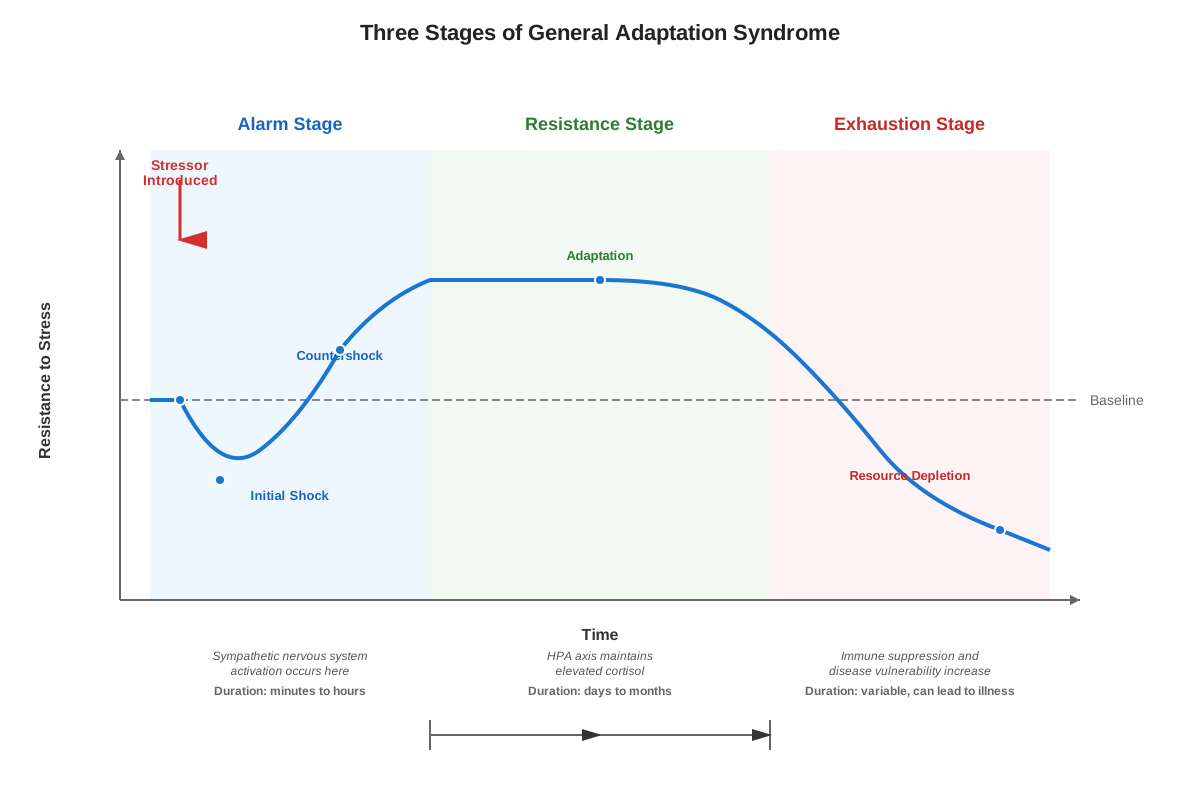
General adaptation syndrome (GAS) is a foundational model in stress physiology and Psychology that describes the body's universal, three-stage response to prolonged stressors. Developed by endocrinologist Hans Selye in the 1930s, this model revolutionized understanding of how chronic stress affects both physical and psychological health. The syndrome progresses through three distinct phases: alarm, resistance, and exhaustion. Each phase involves specific physiological changes mediated primarily by the hypothalamic-pituitary-adrenal (HPA) axis and the sympathetic nervous system. Understanding GAS is critical for comprehending how acute stress transitions to chronic stress and why prolonged exposure to stressors can lead to serious health consequences including immune suppression, cardiovascular disease, and psychological disorders.
For the MCAT, General adaptation syndrome represents a high-yield integration point between biological psychology, health psychology, and the broader topic of Emotion Motivation and Stress. The exam frequently tests students' ability to identify which stage of GAS is described in a passage, predict physiological outcomes based on stressor duration, and connect stress responses to disease processes. Questions may present clinical vignettes describing patients under various stressors and ask students to apply GAS principles to explain symptoms or predict outcomes. The model also serves as a bridge concept connecting autonomic nervous system function, endocrine signaling, immune function, and psychological adaptation.
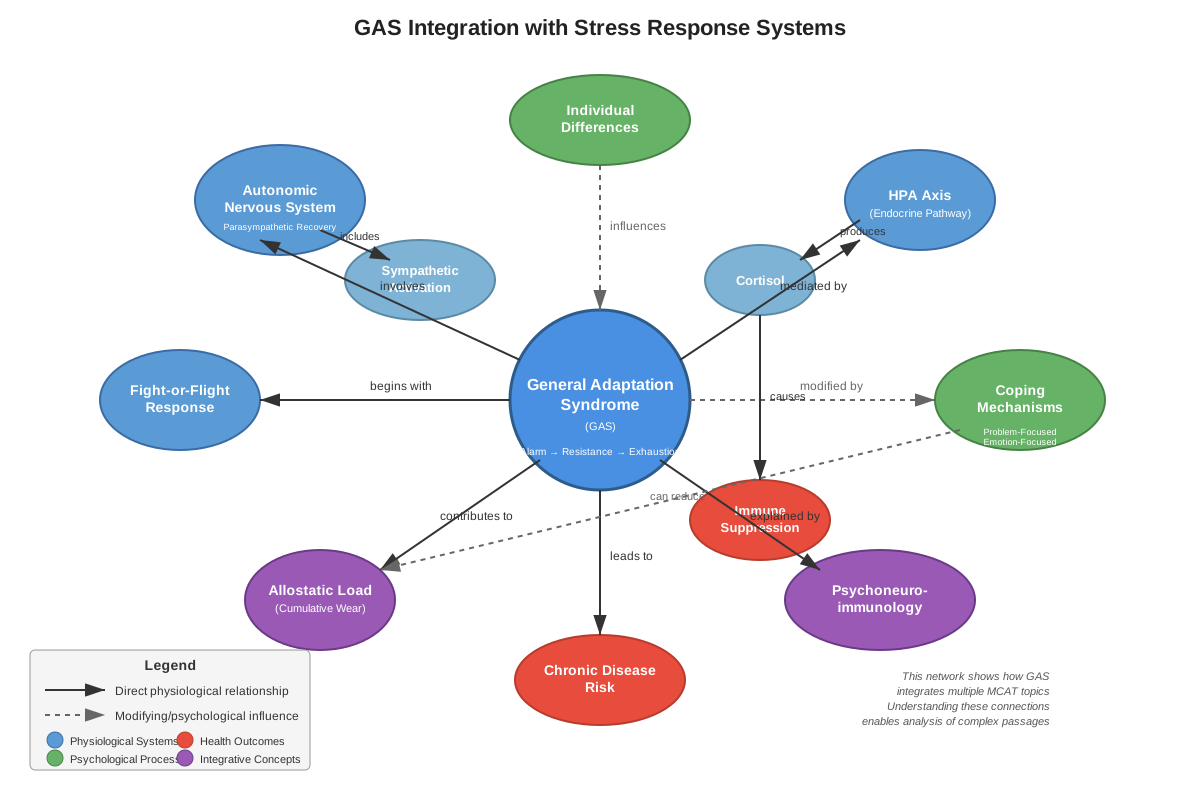
The General adaptation syndrome MCAT content integrates seamlessly with related topics including the fight-or-flight response, cortisol and stress hormones, psychoneuroimmunology, and coping mechanisms. Mastery of this topic enables students to approach complex passages that discuss stress-related pathology, understand experimental designs studying stress responses, and analyze how different interventions might modify progression through GAS stages. This topic exemplifies the MCAT's emphasis on understanding processes over memorizing isolated facts, making it essential for achieving competitive scores in the Psychology and Biological Sciences sections.
Learning Objectives
- [ ] Define General adaptation syndrome using accurate Psychology terminology
- [ ] Explain why General adaptation syndrome matters for the MCAT
- [ ] Apply General adaptation syndrome to exam-style questions
- [ ] Identify common mistakes related to General adaptation syndrome
- [ ] Connect General adaptation syndrome to related Psychology concepts
- [ ] Distinguish between the three stages of GAS based on physiological markers and duration
- [ ] Predict health outcomes based on the stage and duration of stress exposure
- [ ] Analyze experimental data or clinical vignettes to determine which GAS stage is operative
- [ ] Evaluate how individual differences and coping strategies might modify GAS progression
Prerequisites
- Autonomic nervous system structure and function: Understanding sympathetic and parasympathetic divisions is essential because the alarm stage involves sympathetic activation
- Endocrine system basics: Knowledge of hormone signaling, particularly the HPA axis, cortisol, and epinephrine, underlies the physiological mechanisms of all GAS stages
- Homeostasis and allostasis: These concepts provide the framework for understanding how the body attempts to maintain stability during stress
- Basic immune system function: The exhaustion stage involves immune suppression, requiring foundational immunology knowledge
- Stress definition and types: Distinguishing between acute and chronic stressors helps contextualize when and why GAS occurs
Why This Topic Matters
General adaptation syndrome has profound clinical significance because it explains the mechanistic pathway from psychological stress to physical disease. Chronic stress, processed through the GAS framework, contributes to hypertension, atherosclerosis, diabetes, depression, anxiety disorders, and autoimmune conditions. Healthcare providers use GAS principles to understand why patients experiencing prolonged life stressors (caregiving, job loss, chronic illness) develop seemingly unrelated physical symptoms. The model also informs stress management interventions—by understanding that the body's adaptive resources can become depleted, clinicians can better time interventions to prevent progression to exhaustion.
On the MCAT, GAS appears with moderate frequency but high integration potential. Approximately 2-4 questions per exam directly or indirectly test GAS concepts, typically within passages discussing stress research, health psychology, or psychoneuroimmunology. The topic appears in several question formats: discrete questions asking for stage identification, passage-based questions requiring application to experimental scenarios, and pseudo-discrete questions connecting GAS to disease processes. Notably, GAS often appears in passages that seem primarily biological but require psychological interpretation, making it a key integration topic.
Common MCAT passage contexts include: longitudinal studies tracking cortisol levels in stressed populations, animal research on chronic stress and disease, clinical descriptions of patients with stress-related disorders, and experimental manipulations of stressor duration. Questions frequently ask students to identify which physiological measurements would distinguish between stages, predict outcomes if a stressor continues or is removed, or explain why certain symptoms emerge at specific timepoints. The MCAT particularly favors questions that require understanding the transition between stages and the consequences of prolonged resistance phase activation.
Core Concepts
Definition and Historical Context
General adaptation syndrome (GAS) is a three-stage physiological response pattern that occurs when an organism is exposed to prolonged or intense stressors. Hans Selye first described this syndrome after observing that rats exposed to various noxious stimuli (cold, surgical injury, excessive exercise) all exhibited similar physiological changes: enlarged adrenal glands, shrunken thymus and lymph nodes, and stomach ulcers. This observation led Selye to propose that the body has a nonspecific response to any demand placed upon it, which he termed "stress." The syndrome is "general" because it occurs regardless of the specific stressor type, and "adaptation" because it represents the body's attempt to cope with ongoing demands.
The model emphasizes that stress responses, while initially adaptive, become maladaptive when prolonged. This insight transformed stress from a purely psychological concept into a biopsychosocial phenomenon with measurable physiological correlates. For the General adaptation syndrome MCAT, students must understand that GAS describes the body's response to chronic or severe acute stressors, not the brief activation seen in momentary stress.
Stage 1: Alarm Reaction
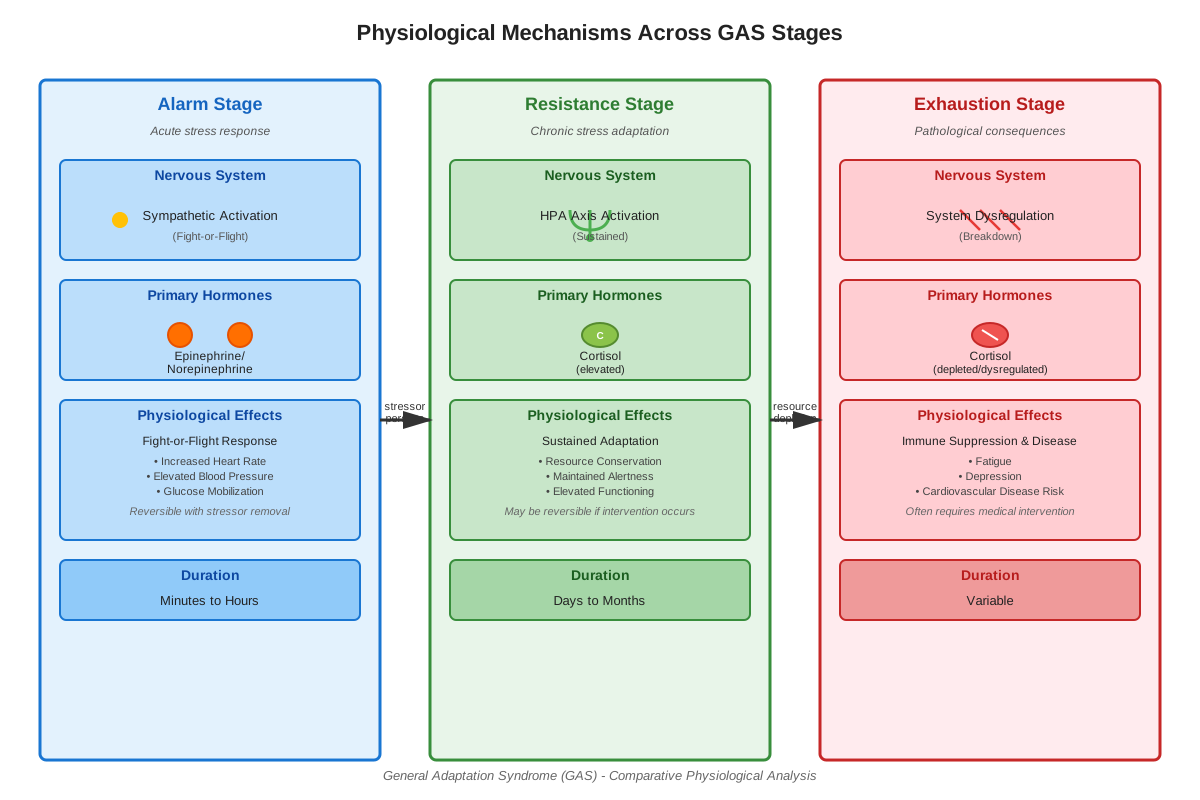
The alarm reaction is the initial stage of GAS, occurring immediately when a stressor is first encountered. This stage is essentially equivalent to the fight-or-flight response and involves rapid activation of the sympathetic nervous system and the sympathetic-adrenal-medullary (SAM) axis. Within seconds to minutes of stressor exposure, the hypothalamus activates sympathetic preganglionic neurons, which stimulate the adrenal medulla to release epinephrine (adrenaline) and norepinephrine (noradrenaline) into the bloodstream.
Physiological changes during the alarm stage include:
- Increased heart rate and cardiac output
- Elevated blood pressure
- Bronchodilation for increased oxygen intake
- Pupil dilation
- Increased blood glucose through glycogenolysis
- Redistribution of blood flow from digestive organs to skeletal muscles
- Heightened alertness and sensory sensitivity
- Decreased digestive and immune function (temporarily)
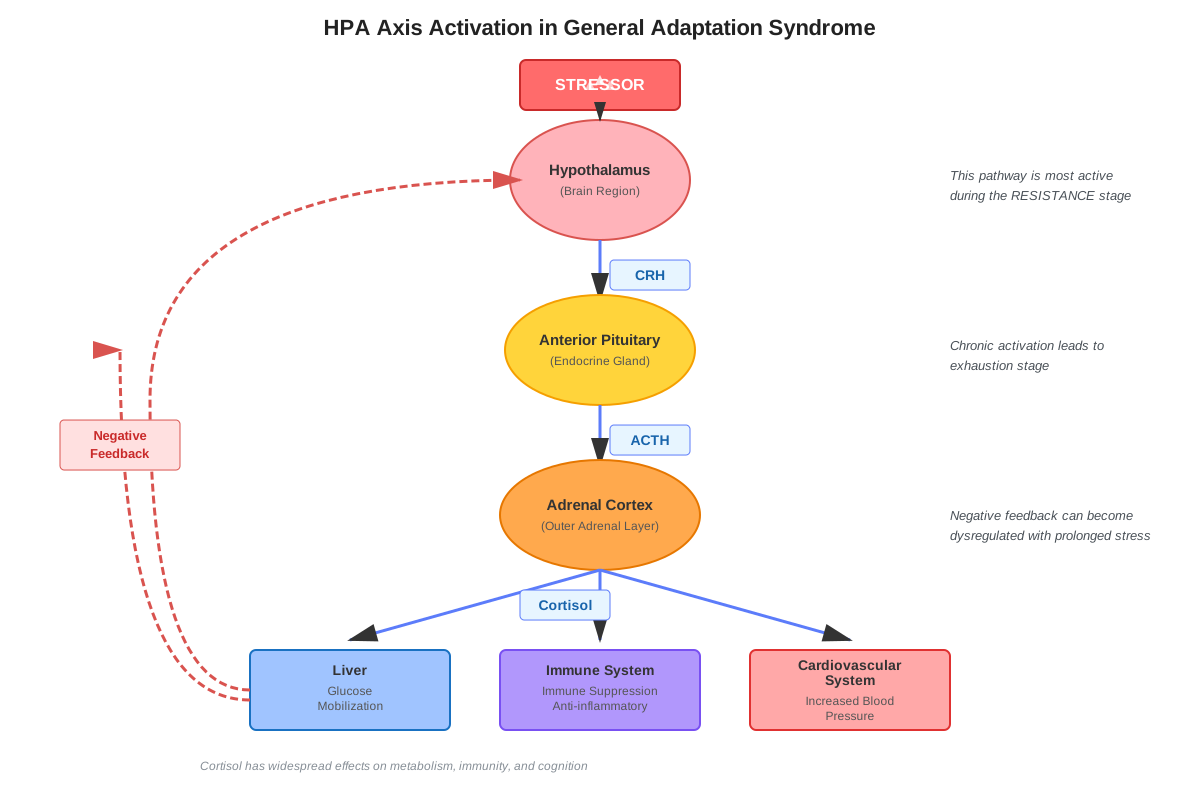
The alarm stage also initiates the slower HPA axis response. The hypothalamus releases corticotropin-releasing hormone (CRH), which stimulates the anterior pituitary to secrete adrenocorticotropic hormone (ACTH), which in turn causes the adrenal cortex to release cortisol. This hormonal cascade takes minutes to hours to reach peak levels, bridging the alarm and resistance stages.
During alarm, the body mobilizes energy resources and prepares for immediate action. However, this state cannot be maintained indefinitely—metabolic demands are too high, and essential functions like digestion and immune surveillance are suppressed. If the stressor persists beyond the initial alarm, the body transitions to the resistance stage.
Stage 2: Resistance
The resistance stage represents the body's attempt to adapt to continued stressor presence while maintaining functionality. This stage can last days, weeks, months, or even years depending on stressor intensity and individual factors. During resistance, the initial shock response subsides, and the body attempts to repair damage while continuing to cope with the ongoing demand.
Key characteristics of the resistance stage include:
- Sustained cortisol elevation: Unlike the brief cortisol spike in alarm, resistance involves chronically elevated cortisol levels. Cortisol maintains elevated blood glucose, suppresses inflammation, and modulates immune function.
- Apparent adaptation: Outwardly, the organism may appear to function normally. Heart rate and blood pressure may normalize somewhat, though they remain elevated above baseline. The individual may report feeling "used to" the stressor.
- Resource depletion: Despite apparent adaptation, the body is continuously expending resources. Glucose stores are mobilized, proteins are catabolized for energy, and adaptive reserves gradually diminish.
- Selective resistance: The body becomes more resistant to the specific stressor but paradoxically more vulnerable to other stressors. For example, a person adapting to chronic work stress might handle work demands better but become more susceptible to illness.
- Physiological costs: Chronic cortisol elevation leads to multiple negative effects including immune suppression, bone density loss, muscle wasting, insulin resistance, hypertension, and impaired memory formation (hippocampal effects).
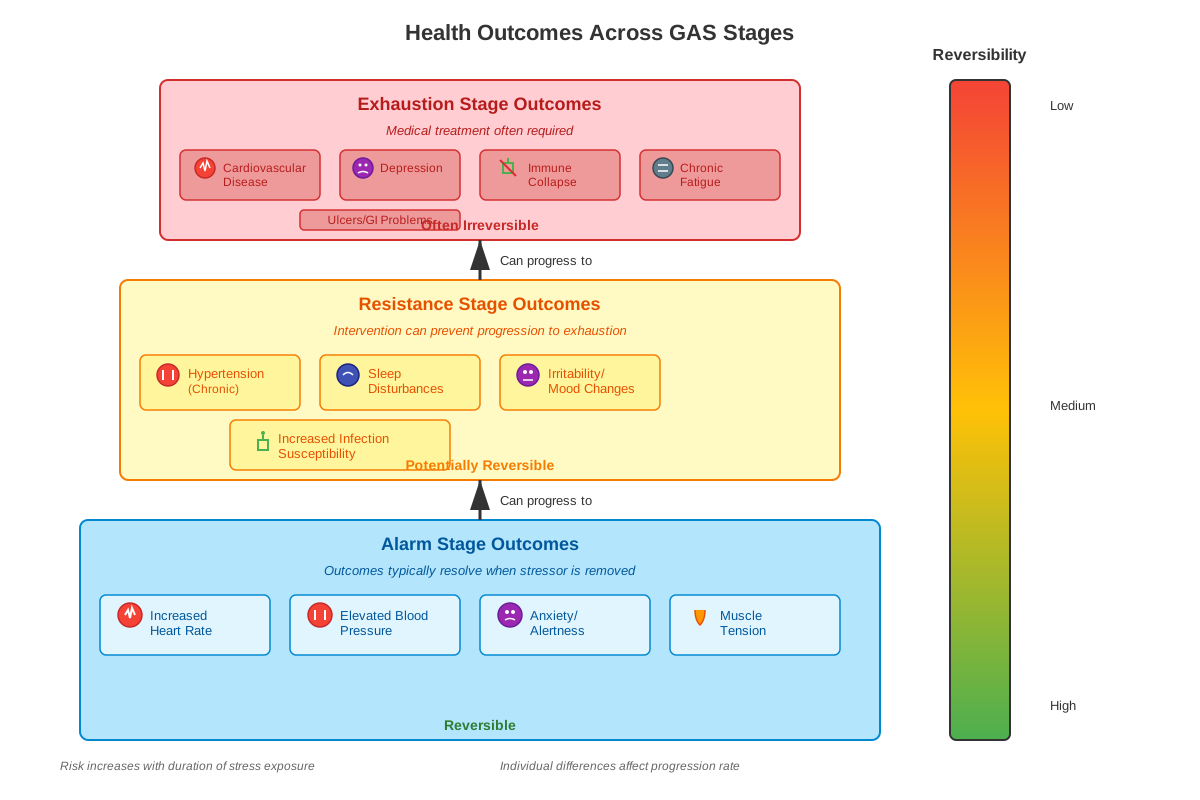
The resistance stage represents a critical period where intervention can prevent progression to exhaustion. If the stressor is removed or effective coping mechanisms are implemented, the body can recover without permanent damage. However, if demands continue to exceed adaptive capacity, exhaustion becomes inevitable.
Stage 3: Exhaustion
The exhaustion stage occurs when the body's adaptive resources are depleted and it can no longer maintain resistance. This stage represents the failure of homeostatic mechanisms and the onset of stress-related pathology. Exhaustion does not necessarily mean complete collapse; rather, it indicates that specific systems have exceeded their adaptive capacity.
Characteristics of the exhaustion stage include:
- Adrenal insufficiency: The adrenal glands become less responsive to ACTH, and cortisol production may actually decline below normal levels in some cases (though it often remains elevated but less effective)
- Immune system dysfunction: Prolonged cortisol exposure causes thymic atrophy, reduced lymphocyte production, and impaired immune responses, increasing susceptibility to infections and potentially cancer
- Cardiovascular pathology: Chronic hypertension damages blood vessels, contributing to atherosclerosis, heart disease, and stroke risk
- Metabolic disorders: Insulin resistance may progress to type 2 diabetes; chronic inflammation contributes to metabolic syndrome
- Psychological symptoms: Depression, anxiety, burnout, and cognitive impairment become prominent
- Gastrointestinal problems: Stress ulcers, irritable bowel syndrome, and other GI disorders may develop
- Increased mortality risk: The exhaustion stage is associated with significantly elevated all-cause mortality
The exhaustion stage demonstrates why chronic stress is a major public health concern. Many modern chronic diseases—cardiovascular disease, diabetes, autoimmune disorders, depression—have stress as a significant contributing factor, mediated through the mechanisms described by GAS.
Physiological Mechanisms Underlying GAS
Understanding the biological basis of GAS requires integrating multiple systems:
HPA Axis: The hypothalamic-pituitary-adrenal axis is the primary endocrine pathway mediating GAS. Chronic activation leads to glucocorticoid receptor downregulation, altered negative feedback, and eventual axis dysregulation. This explains why some individuals in exhaustion show paradoxically low cortisol (hypocortisolism) while others maintain high levels.
Sympathetic Nervous System: While most active during alarm, sympathetic tone remains elevated throughout resistance. Chronic sympathetic activation contributes to hypertension, cardiac remodeling, and metabolic changes.
Immune System: Cortisol is immunosuppressive, inhibiting inflammatory cytokine production and lymphocyte proliferation. Short-term suppression is adaptive (preventing autoimmune damage during stress), but chronic suppression increases infection risk and may impair cancer surveillance.
Metabolic Effects: Cortisol promotes gluconeogenesis, lipolysis, and protein catabolism to maintain energy availability. Chronically, this leads to central obesity, muscle wasting, and insulin resistance.
Individual Differences in GAS
Not everyone progresses through GAS identically. Factors influencing GAS progression include:
- Genetic factors: Variations in glucocorticoid receptor genes, catecholamine synthesis enzymes, and stress-related neurotransmitter systems affect stress reactivity
- Early life experiences: Childhood adversity can program HPA axis hyperreactivity, accelerating GAS progression
- Coping strategies: Problem-focused coping and social support can prevent progression to exhaustion; avoidant coping accelerates it
- Perceived control: Believing one has control over a stressor reduces its physiological impact
- Social support: Strong social networks buffer stress effects and slow GAS progression
- Physical health: Pre-existing health conditions may accelerate exhaustion
Concept Relationships
General adaptation syndrome integrates multiple psychological and biological concepts into a unified framework. The alarm stage directly connects to the fight-or-flight response and sympathetic nervous system activation—these are essentially the same phenomenon viewed at different timescales. The alarm reaction also initiates the HPA axis cascade, linking GAS to endocrine system function and cortisol physiology.
The resistance stage connects to concepts of allostasis (maintaining stability through change) and allostatic load (the cumulative wear-and-tear from chronic stress). Resistance demonstrates how the body prioritizes immediate survival over long-term health, connecting to evolutionary psychology concepts about adaptive trade-offs. This stage also relates to coping mechanisms—effective coping can maintain resistance indefinitely, while ineffective coping accelerates progression to exhaustion.
The exhaustion stage links GAS to psychoneuroimmunology (the study of mind-immune system interactions), health psychology, and stress-related disease. Exhaustion explains mechanisms underlying stress-related disorders including depression (via hippocampal damage and neurotransmitter depletion), cardiovascular disease (via chronic hypertension and inflammation), and immune disorders (via chronic immunosuppression).
Conceptual flow: Stressor exposure → Alarm (sympathetic activation + HPA axis initiation) → Resistance (chronic cortisol elevation + apparent adaptation) → Exhaustion (resource depletion + system failure) → Disease outcomes. This progression can be modified by individual differences, coping strategies, and social support, which act as moderating variables throughout the process.
GAS also connects to motivation concepts—chronic stress depletes motivational resources, explaining stress-related anhedonia and amotivation. The syndrome relates to emotion through the bidirectional relationship between emotional states and physiological stress responses. Understanding GAS enhances comprehension of stress appraisal (primary and secondary appraisal determine whether GAS is initiated), locus of control (internal locus may slow GAS progression), and learned helplessness (which may accelerate exhaustion).
Quick check — test yourself on General adaptation syndrome so far.
Try Flashcards →High-Yield Facts
⭐ General adaptation syndrome consists of three sequential stages: alarm, resistance, and exhaustion
⭐ The alarm stage involves immediate sympathetic nervous system activation and is equivalent to the fight-or-flight response
⭐ The resistance stage is characterized by chronically elevated cortisol levels and apparent adaptation to the stressor
⭐ The exhaustion stage occurs when adaptive resources are depleted, leading to increased disease susceptibility and potential system failure
⭐ Cortisol is the primary hormone mediating the resistance and exhaustion stages, released via HPA axis activation
- Hans Selye developed the GAS model in the 1930s based on observations of rats exposed to various stressors showing similar physiological changes
- The syndrome is "general" because it occurs regardless of stressor type (physical, psychological, environmental)
- During resistance, the body becomes more resistant to the specific stressor but more vulnerable to other stressors
- Chronic cortisol elevation during resistance causes immune suppression, bone loss, muscle wasting, and hippocampal damage
- The exhaustion stage is associated with adrenal insufficiency, severe immune dysfunction, and significantly elevated mortality risk
- Individual differences in genetics, early life experiences, coping strategies, and social support significantly influence GAS progression
- Effective stress management interventions work by preventing progression from resistance to exhaustion
- The transition from alarm to resistance typically occurs within hours to days; resistance to exhaustion may take months to years
- GAS explains why chronic stress is a risk factor for cardiovascular disease, diabetes, depression, and autoimmune disorders
- Removing the stressor during the resistance stage allows recovery; removal during exhaustion may not fully reverse damage
Common Misconceptions
Misconception: All stress is harmful and should be avoided.
Correction: The alarm stage and brief resistance periods are adaptive and necessary for survival. Only chronic, uncontrolled stress that progresses to exhaustion is pathological. Acute stress can enhance performance and immune function.
Misconception: The three stages of GAS always occur in strict sequence with clear boundaries.
Correction: While conceptually sequential, the stages overlap and transition gradually. Some physiological markers of alarm (elevated catecholamines) may persist into resistance, and exhaustion may affect some systems while others remain in resistance.
Misconception: Everyone exposed to the same stressor will progress through GAS identically.
Correction: Individual differences in genetics, prior experiences, coping skills, social support, and perceived control create substantial variability in GAS progression. Some individuals may never reach exhaustion despite significant stressors, while others may progress rapidly.
Misconception: Cortisol is always elevated throughout all stages of GAS.
Correction: Cortisol rises during alarm, remains elevated during resistance, but may actually decline below normal in some cases of exhaustion (hypocortisolism) due to HPA axis dysregulation and adrenal insufficiency.
Misconception: The exhaustion stage means complete physical collapse or death.
Correction: Exhaustion indicates that specific adaptive systems have exceeded capacity, not total system failure. Many people in exhaustion continue functioning but with significantly impaired health, increased disease susceptibility, and reduced quality of life.
Misconception: GAS only applies to psychological stressors.
Correction: Selye's original research used physical stressors (cold, injury, toxins). GAS applies to any prolonged demand on the body—physical, psychological, environmental, or social. The response pattern is similar regardless of stressor type.
Misconception: Once in the exhaustion stage, recovery is impossible.
Correction: While exhaustion may cause some irreversible damage (e.g., cardiovascular changes), removing stressors and implementing effective interventions can allow partial or substantial recovery in many cases, though recovery time is prolonged.
Worked Examples
Example 1: Identifying GAS Stages in a Clinical Vignette
Vignette: A 45-year-old executive begins a high-stress job requiring 80-hour work weeks. After two weeks, she reports feeling "wired," has difficulty sleeping, experiences heart palpitations, and has lost her appetite. Six months later, she reports feeling "adjusted" to the demands, though she has gained 15 pounds around her midsection, catches colds frequently, and has developed hypertension. Two years into the job, she is diagnosed with clinical depression, type 2 diabetes, and takes medical leave for exhaustion.
Analysis:
Initial two weeks (Alarm Stage): The symptoms of feeling "wired," heart palpitations, sleep difficulty, and appetite loss indicate acute sympathetic nervous system activation. This represents the alarm reaction with elevated catecholamines (epinephrine and norepinephrine) causing cardiovascular stimulation and metabolic changes. The HPA axis is initiating cortisol release.
Six months later (Resistance Stage): Her report of feeling "adjusted" indicates apparent adaptation characteristic of resistance. However, the physiological costs are evident: central obesity (from chronic cortisol promoting visceral fat deposition), frequent infections (from cortisol-mediated immune suppression), and hypertension (from sustained sympathetic tone and cortisol effects on blood pressure). These signs indicate she is maintaining function but depleting adaptive resources.
Two years later (Exhaustion Stage): The development of depression (possibly from hippocampal damage and neurotransmitter depletion), type 2 diabetes (from chronic insulin resistance caused by elevated cortisol), and need for medical leave indicate progression to exhaustion. Her adaptive systems have failed to maintain homeostasis, resulting in multiple stress-related pathologies.
Key MCAT Insight: This example demonstrates how to map temporal progression and symptom patterns to GAS stages. Note that each stage has characteristic timeframes (days for alarm, months for resistance, years for exhaustion) and distinct symptom profiles (acute activation vs. apparent adaptation vs. system failure).
Example 2: Experimental Design and GAS
Experimental Scenario: Researchers expose three groups of rats to different stressor protocols: Group A receives a single 30-minute restraint stress session; Group B receives daily 30-minute restraint stress for 21 days; Group C receives daily restraint stress for 21 days followed by 14 days of recovery. Researchers measure serum cortisol, thymus weight, and immune cell counts at the end of each protocol.
Predictions Based on GAS:
Group A (Single acute stress): These rats experience only the alarm stage. Predictions:
- Elevated cortisol immediately after stress, returning to baseline within hours
- Normal thymus weight (insufficient time for atrophy)
- Temporarily reduced immune cell counts during stress, rapid recovery
- No long-term pathology
Group B (Chronic stress, no recovery): These rats progress through alarm into resistance, possibly approaching exhaustion by day 21. Predictions:
- Chronically elevated cortisol throughout the 21 days
- Reduced thymus weight (thymic atrophy from chronic cortisol exposure)
- Significantly reduced immune cell counts (chronic immunosuppression)
- Possible signs of early exhaustion: weight loss, behavioral changes, increased disease susceptibility
Group C (Chronic stress with recovery): These rats experience resistance but are removed from stress before exhaustion. Predictions:
- Elevated cortisol during the 21-day stress period
- Partial recovery of cortisol to baseline during the 14-day recovery period
- Some thymic atrophy during stress, partial regeneration during recovery
- Immune cell counts reduced during stress, significant recovery during the 14-day period
- Better outcomes than Group B, demonstrating that resistance-stage damage is partially reversible
MCAT Application: This example shows how to apply GAS principles to predict experimental outcomes. Key reasoning involves matching stressor duration to GAS stages, understanding that cortisol mediates resistance-stage effects, and recognizing that intervention timing determines reversibility. MCAT passages often present similar experimental designs and ask students to predict results or explain observed data using stress models.
Exam Strategy
When approaching General adaptation syndrome MCAT questions, employ these strategic approaches:
Trigger Word Recognition: Watch for temporal indicators that signal specific stages. Words like "immediate," "acute," "sudden," or "initial" suggest alarm stage. Terms like "chronic," "prolonged," "adapted," "months," or "continued" indicate resistance. Words like "depleted," "exhausted," "failed," "breakdown," or "years" point to exhaustion. Physiological markers also serve as triggers: "elevated catecholamines" suggests alarm; "chronically elevated cortisol" indicates resistance; "immune suppression" or "disease development" suggests late resistance or exhaustion.
Process of Elimination: When identifying GAS stages, eliminate options systematically. If the vignette describes immediate responses (seconds to minutes), eliminate resistance and exhaustion. If chronic disease is present, eliminate alarm. If the person appears to be functioning normally despite ongoing stress, eliminate alarm (too acute) and exhaustion (involves dysfunction), leaving resistance. If multiple systems are failing, eliminate alarm and early resistance.
Time-Based Reasoning: Create a mental timeline when reading passages. Mark when the stressor began, how long it has continued, and when symptoms appeared. This temporal mapping often directly reveals the GAS stage. Remember typical timeframes: alarm (minutes to hours), resistance (days to months), exhaustion (months to years), though these vary with stressor intensity.
Mechanism-Based Prediction: If a question asks what would happen next or what intervention would help, reason through mechanisms. During alarm, interventions targeting sympathetic activation (beta-blockers, relaxation) would be most relevant. During resistance, interventions preventing cortisol-mediated damage (stress management, social support) are key. During exhaustion, medical treatment of developed pathologies becomes necessary.
Integration with Other Topics: GAS questions often integrate multiple concepts. Be prepared to connect GAS to immune function (resistance stage immunosuppression), cardiovascular physiology (hypertension development), endocrine disorders (diabetes from insulin resistance), and psychological disorders (depression from hippocampal damage). The MCAT favors questions requiring multi-system integration.
Common Question Formats:
- Stage identification from symptom description
- Predicting physiological measurements at different timepoints
- Explaining why certain interventions would or wouldn't be effective
- Interpreting experimental data showing stress effects over time
- Connecting GAS to disease development
Time Allocation: GAS questions typically require 60-90 seconds. Spend 30 seconds identifying the stage based on temporal and symptom clues, then 30-60 seconds applying that knowledge to answer the specific question. Don't overthink—if you've correctly identified the stage, the answer usually follows directly from stage characteristics.
Memory Techniques
Mnemonic for GAS Stages - "ARE":
- Alarm: Acute, Adrenaline, Activation
- Resistance: Resources depleting, Really high cortisol, Relatively adapted
- Exhaustion: Energy gone, Everything failing, Elevated disease risk
Visualization Strategy: Picture a person running from a bear (alarm—immediate, intense, sympathetic activation), then imagine them continuing to run for months, looking tired but still moving (resistance—chronic effort, wearing down), finally collapsing unable to continue (exhaustion—system failure). This narrative structure helps recall the progression and characteristics of each stage.
Cortisol Timeline Mnemonic - "Up, Up, Down":
- Alarm: Cortisol going Up (initiating)
- Resistance: Cortisol stays Up (chronically elevated)
- Exhaustion: Cortisol may go Down (adrenal insufficiency) or stay up but ineffective
Stage Characteristics Table (memorize this structure):
| Stage | Duration | Primary Hormone | Key Feature | Outcome |
|---|---|---|---|---|
| Alarm | Minutes-Hours | Epinephrine | Sympathetic activation | Mobilization |
| Resistance | Days-Months | Cortisol | Apparent adaptation | Resource depletion |
| Exhaustion | Months-Years | Dysregulated | System failure | Disease |
Acronym for Resistance Stage Effects - "CLIMB":
- Cortisol chronically elevated
- Lymphoid tissue shrinking (thymus, lymph nodes)
- Immune suppression
- Metabolic changes (insulin resistance, central obesity)
- Blood pressure elevated
Selye's Original Triad (helps remember exhaustion pathology):
- Enlarged adrenal glands (from chronic ACTH stimulation)
- Shrunken thymus and lymph nodes (from cortisol-induced atrophy)
- Stomach ulcers (from reduced mucosal protection during stress)
Summary
General adaptation syndrome is a three-stage model describing the body's universal response to prolonged stress, progressing through alarm, resistance, and exhaustion phases. The alarm stage involves immediate sympathetic nervous system activation with elevated catecholamines, preparing the body for fight-or-flight. If stress continues, the resistance stage begins, characterized by chronically elevated cortisol as the body attempts to adapt while maintaining function. This apparent adaptation comes at significant cost—immune suppression, metabolic dysfunction, and gradual resource depletion. When adaptive capacity is exceeded, the exhaustion stage ensues, marked by system failures including adrenal insufficiency, severe immune dysfunction, and development of stress-related diseases. The syndrome is mediated primarily through the HPA axis and sympathetic nervous system, with cortisol serving as the key hormone in resistance and exhaustion stages. Individual differences in genetics, coping strategies, and social support significantly influence GAS progression. Understanding this model is essential for the MCAT because it integrates biological, psychological, and social factors in explaining how chronic stress leads to disease, and it frequently appears in passages requiring multi-system reasoning about stress effects.
Key Takeaways
- General adaptation syndrome describes three sequential stages of stress response: alarm (immediate sympathetic activation), resistance (chronic adaptation with elevated cortisol), and exhaustion (resource depletion and system failure)
- The alarm stage is equivalent to the fight-or-flight response, mediated by epinephrine and norepinephrine from sympathetic activation
- The resistance stage involves chronically elevated cortisol, apparent adaptation to the stressor, but progressive depletion of adaptive resources and increased vulnerability to other stressors
- The exhaustion stage results from prolonged resistance, leading to immune suppression, cardiovascular disease, metabolic disorders, and psychological pathology
- Cortisol is the primary mediator of resistance and exhaustion stages, causing both adaptive responses (maintaining blood glucose, modulating inflammation) and pathological effects (immune suppression, bone loss, hippocampal damage) when chronically elevated
- Individual differences in coping strategies, social support, perceived control, and genetics significantly influence the rate of GAS progression and whether exhaustion occurs
- GAS explains the mechanistic pathway from psychological stress to physical disease, making it a critical integration point for MCAT questions connecting psychology, physiology, and health outcomes
Related Topics
Stress Appraisal and Coping: Understanding how individuals evaluate stressors (primary appraisal) and their resources to handle them (secondary appraisal) explains why the same stressor produces different GAS progressions in different people. Mastering GAS provides the physiological foundation for understanding why effective coping prevents exhaustion.
Psychoneuroimmunology: This field studies mind-immune system interactions, with GAS serving as a primary model for how psychological stress affects immune function. Understanding GAS mechanisms (especially cortisol-mediated immunosuppression) is prerequisite for advanced psychoneuroimmunology concepts.
Health Psychology and Stress-Related Disease: GAS provides the mechanistic explanation for how stress contributes to cardiovascular disease, diabetes, depression, and other conditions studied in health psychology. Mastery enables deeper understanding of stress-disease relationships.
Autonomic Nervous System: The sympathetic and parasympathetic divisions mediate the alarm stage and recovery from stress. Understanding autonomic function enhances comprehension of GAS physiological mechanisms.
Endocrine System and HPA Axis: The hypothalamic-pituitary-adrenal axis is the primary pathway mediating GAS. Detailed knowledge of this system deepens understanding of how stress hormones coordinate the body's response.
Practice CTA
Now that you've mastered the core concepts of General adaptation syndrome, it's time to solidify your understanding through active practice. Challenge yourself with MCAT-style practice questions that require you to identify GAS stages from clinical vignettes, predict experimental outcomes, and integrate stress physiology with other psychological and biological concepts. Use flashcards to drill the temporal progression, hormonal mediators, and characteristic features of each stage until you can instantly recognize them in any context. Remember, the MCAT rewards not just knowledge but application—practice translating these concepts into answers under timed conditions. Your investment in understanding GAS will pay dividends across multiple Psychology and Biological Sciences passages. You've got this!
Sign up free to keep reading
Create a free AnvayaPrep account to finish this MCAT guide on General adaptation syndrome — plus flashcards and practice questions.