Overview
Antidepressants represent a cornerstone of psychopharmacological treatment for mood disorders and constitute a critical topic within the MCAT Psychology curriculum. These medications work by modulating neurotransmitter systems in the brain, primarily targeting serotonin, norepinephrine, and dopamine pathways to alleviate symptoms of depression, anxiety, and related conditions. Understanding antidepressants requires integration of biological psychology, neuroscience, and clinical psychiatry—making this topic an excellent vehicle for testing interdisciplinary knowledge on the MCAT.
For the MCAT, Antidepressants Psychology extends beyond simple memorization of drug classes. Test-makers expect students to understand mechanisms of action, differentiate between medication classes based on their neurochemical effects, recognize side effect profiles, and apply this knowledge to clinical vignettes. Questions may present patient scenarios requiring selection of appropriate treatments, interpretation of research studies examining antidepressant efficacy, or analysis of how these medications interact with psychological and social factors in treatment outcomes.
The study of Antidepressants MCAT content connects directly to broader themes in Psychological Disorders and Treatment, including the biopsychosocial model of mental illness, the monoamine hypothesis of depression, neurotransmitter function, and evidence-based treatment approaches. Mastery of this topic enables deeper understanding of how biological interventions interface with psychological therapies, the importance of treatment adherence, and the complex interplay between brain chemistry and behavior that defines modern psychiatric practice.
Learning Objectives
- [ ] Define Antidepressants using accurate Psychology terminology
- [ ] Explain why Antidepressants matters for the MCAT
- [ ] Apply Antidepressants to exam-style questions
- [ ] Identify common mistakes related to Antidepressants
- [ ] Connect Antidepressants to related Psychology concepts
- [ ] Compare and contrast the mechanisms of action for major antidepressant classes
- [ ] Analyze the timeline of antidepressant therapeutic effects and clinical implications
- [ ] Evaluate the role of antidepressants within comprehensive treatment plans that include psychotherapy
Prerequisites
- Neurotransmitter systems: Understanding of serotonin, norepinephrine, and dopamine function is essential for comprehending how antidepressants modify synaptic transmission
- Synaptic transmission: Knowledge of presynaptic release, receptor binding, and reuptake mechanisms provides the foundation for understanding drug mechanisms
- Major depressive disorder: Familiarity with diagnostic criteria and symptom profiles helps contextualize when and why antidepressants are prescribed
- Basic pharmacology principles: Understanding of agonists, antagonists, and enzyme inhibition enables comprehension of how medications produce therapeutic effects
Why This Topic Matters
Clinical and Real-World Significance: Antidepressants are among the most commonly prescribed medications worldwide, with approximately 13% of Americans taking antidepressant medication. These drugs have revolutionized psychiatric treatment since their introduction in the 1950s, transforming previously debilitating conditions into manageable illnesses. Understanding antidepressants is crucial for any future healthcare provider, as depression affects approximately 1 in 6 people during their lifetime and represents a leading cause of disability globally.
Exam Statistics: Antidepressants appear regularly on the MCAT within the Psychological, Social, and Biological Foundations of Behavior section. Questions typically emerge in 2-4% of psychology passages, often integrated with neuroscience content. The MCAT favors questions that test mechanistic understanding rather than rote memorization—students must explain why a medication works, not just that it works.
Common Exam Presentations: The MCAT presents antidepressant content through multiple formats: research passages examining treatment efficacy studies, clinical vignettes requiring treatment selection, questions about side effects and their neurochemical basis, and items testing understanding of the monoamine hypothesis. Passages may describe experimental manipulations of neurotransmitter systems, requiring students to predict outcomes based on antidepressant mechanisms. Questions frequently integrate antidepressants with psychotherapy, testing understanding of combined treatment approaches and the biopsychosocial model.
Core Concepts
Definition and Classification of Antidepressants
Antidepressants are psychotropic medications designed to alleviate symptoms of depressive disorders by modulating neurotransmitter activity in the central nervous system. These medications primarily target monoamine neurotransmitters—serotonin (5-HT), norepinephrine (NE), and dopamine (DA)—based on the monoamine hypothesis of depression, which posits that depression results from deficiencies in one or more of these neurotransmitter systems.
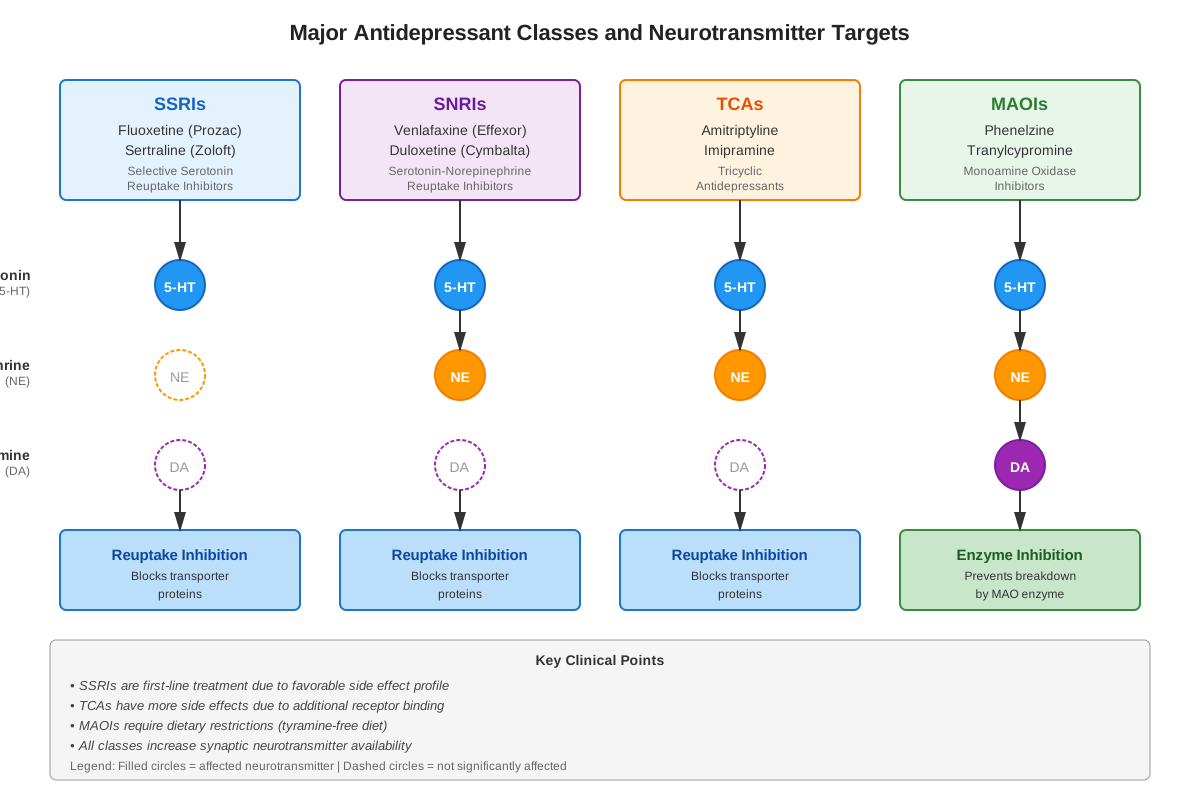
Antidepressants are classified into several major categories based on their mechanisms of action:
- Selective Serotonin Reuptake Inhibitors (SSRIs)
- Serotonin-Norepinephrine Reuptake Inhibitors (SNRIs)
- Tricyclic Antidepressants (TCAs)
- Monoamine Oxidase Inhibitors (MAOIs)
- Atypical Antidepressants
Selective Serotonin Reuptake Inhibitors (SSRIs)
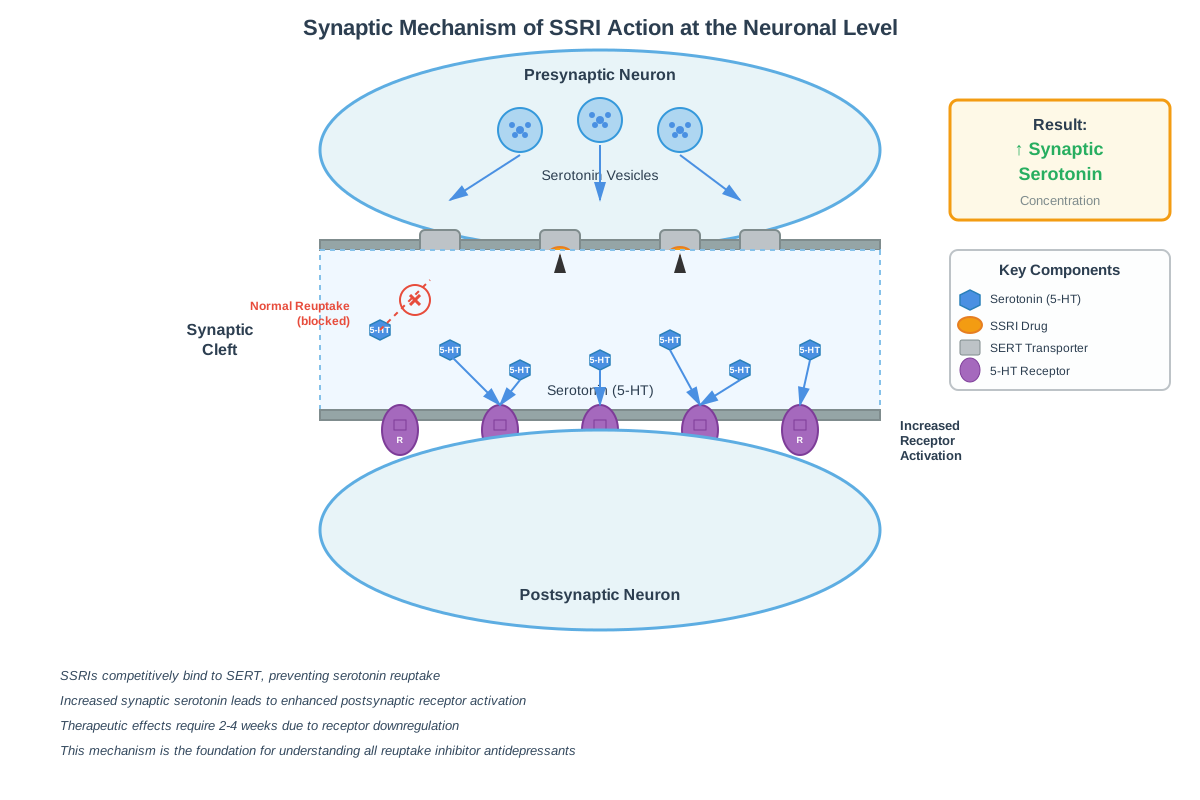
SSRIs represent the first-line treatment for major depressive disorder and several anxiety disorders. These medications selectively block the serotonin transporter (SERT) on presynaptic neurons, preventing reuptake of serotonin from the synaptic cleft. This blockade increases serotonin availability at postsynaptic receptors, enhancing serotonergic neurotransmission.
Common SSRIs include fluoxetine (Prozac), sertraline (Zoloft), paroxetine (Paxil), citalopram (Celexa), and escitalopram (Lexapro). These medications share similar mechanisms but differ in half-life, side effect profiles, and drug interactions.
Key characteristics of SSRIs:
- High selectivity for serotonin over other neurotransmitters
- Relatively favorable side effect profile compared to older antidepressants
- Common side effects include gastrointestinal disturbances, sexual dysfunction, and initial anxiety
- Therapeutic effects typically emerge after 2-4 weeks of consistent use
- Risk of serotonin syndrome when combined with other serotonergic agents
Serotonin-Norepinephrine Reuptake Inhibitors (SNRIs)
SNRIs block reuptake of both serotonin and norepinephrine, providing dual-action neurotransmitter enhancement. By inhibiting both SERT and the norepinephrine transporter (NET), these medications may offer advantages for patients who don't respond adequately to SSRIs alone.
Common SNRIs include venlafaxine (Effexor), duloxetine (Cymbalta), and desvenlafaxine (Pristiq). These medications are particularly effective for depression with prominent fatigue, pain syndromes, and certain anxiety disorders.
Distinguishing features of SNRIs:
- Dual mechanism targeting two neurotransmitter systems
- May be more effective for severe depression than SSRIs
- Can increase blood pressure due to norepinephrine effects
- Useful for treating both depression and chronic pain conditions
- Similar onset of action to SSRIs (2-4 weeks)
Tricyclic Antidepressants (TCAs)
Tricyclic antidepressants were among the first antidepressants developed and remain effective, though they're now typically reserved for treatment-resistant cases due to their side effect burden. TCAs block reuptake of serotonin and norepinephrine but also interact with multiple other receptor systems, including histamine, acetylcholine, and alpha-adrenergic receptors.
Common TCAs include amitriptyline, nortriptyline, imipramine, and desipramine. The name "tricyclic" refers to their three-ring chemical structure.
Important TCA characteristics:
- Effective but limited by anticholinergic side effects (dry mouth, constipation, urinary retention, blurred vision)
- Antihistaminic effects cause sedation and weight gain
- Alpha-adrenergic blockade can cause orthostatic hypotension
- Dangerous in overdose due to cardiac toxicity
- Therapeutic drug monitoring often required
Monoamine Oxidase Inhibitors (MAOIs)
MAOIs work through a fundamentally different mechanism than reuptake inhibitors. These medications inhibit monoamine oxidase, the enzyme responsible for breaking down monoamine neurotransmitters (serotonin, norepinephrine, dopamine) in the synaptic cleft and presynaptic neuron. By preventing degradation, MAOIs increase neurotransmitter availability.
Common MAOIs include phenelzine (Nardil), tranylcypromine (Parnate), and selegiline. These medications are typically reserved for treatment-resistant depression due to dietary restrictions and drug interactions.
Critical MAOI considerations:
- Require strict dietary restrictions avoiding tyramine-rich foods (aged cheeses, cured meats, fermented products)
- Risk of hypertensive crisis when tyramine is consumed
- Cannot be combined with other antidepressants due to serotonin syndrome risk
- Require washout period when switching medications
- Most effective for atypical depression with hypersomnia and increased appetite
Atypical Antidepressants
Atypical antidepressants encompass medications with unique mechanisms that don't fit into the major categories. Important examples include:
- Bupropion (Wellbutrin): Inhibits reuptake of dopamine and norepinephrine; useful for depression with low energy; does not cause sexual dysfunction; contraindicated in seizure disorders
- Mirtazapine (Remeron): Blocks specific serotonin and norepinephrine receptors; causes sedation and increased appetite; useful for depression with insomnia and weight loss
- Trazodone: Primarily used for insomnia; blocks serotonin reuptake and certain serotonin receptors
Mechanism Comparison Table
| Drug Class | Primary Mechanism | Neurotransmitters Affected | First-Line Use | Major Side Effects |
|---|---|---|---|---|
| SSRIs | Block SERT | Serotonin ↑ | Yes | GI upset, sexual dysfunction |
| SNRIs | Block SERT and NET | Serotonin ↑, Norepinephrine ↑ | Yes | Similar to SSRIs, hypertension |
| TCAs | Block SERT and NET, multiple receptors | Serotonin ↑, Norepinephrine ↑ | No | Anticholinergic, sedation, cardiac |
| MAOIs | Inhibit MAO enzyme | Serotonin ↑, NE ↑, Dopamine ↑ | No | Dietary restrictions, hypertensive crisis |
| Bupropion | Block DAT and NET | Dopamine ↑, Norepinephrine ↑ | Sometimes | Seizure risk, agitation |
Therapeutic Timeline and Clinical Considerations
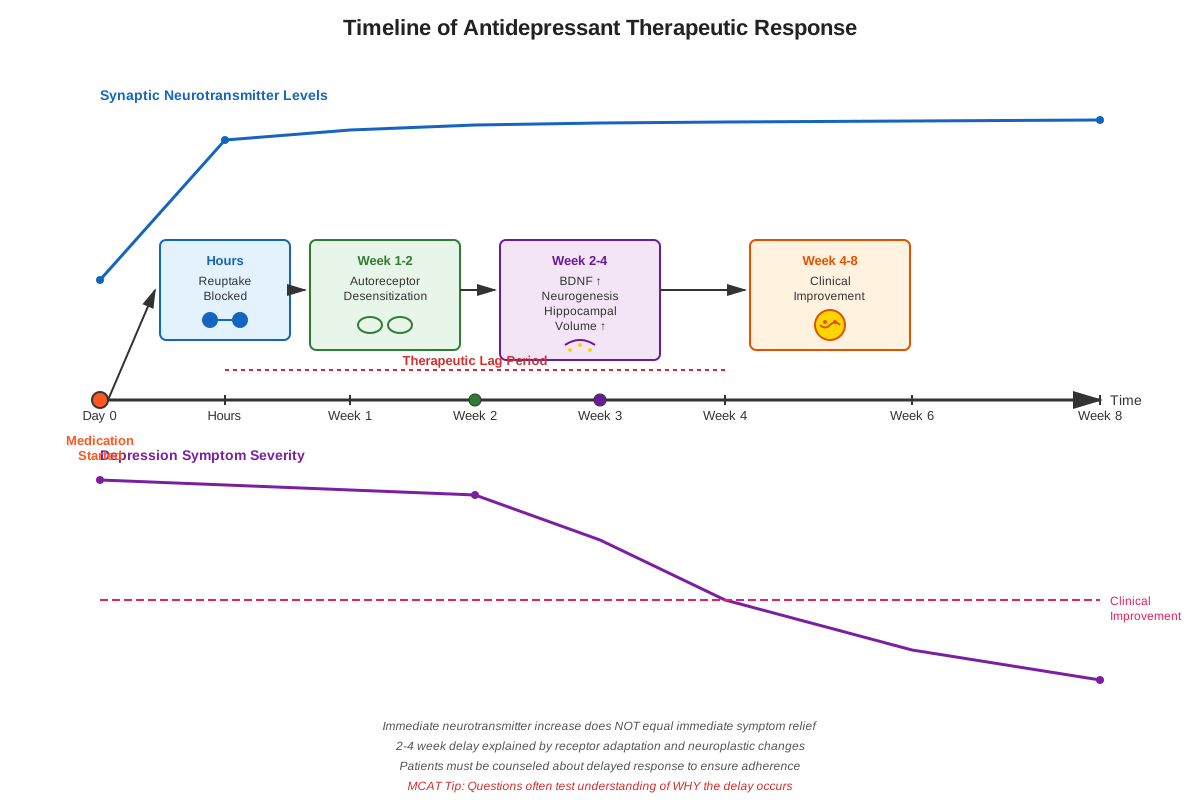
A critical concept for MCAT questions involves the delayed therapeutic effect of antidepressants. While these medications begin altering neurotransmitter levels immediately, clinical improvement typically requires 2-4 weeks of consistent use. This delay likely reflects the time needed for neuroplastic changes, including receptor downregulation, increased neurogenesis in the hippocampus, and enhanced brain-derived neurotrophic factor (BDNF) expression.
This timeline has important clinical implications:
- Patients must be counseled about delayed effects to maintain adherence
- Early discontinuation is a common cause of treatment failure
- Side effects often emerge before therapeutic benefits
- Suicide risk may temporarily increase as energy improves before mood
- Medication trials should last at least 4-6 weeks before concluding ineffectiveness
Side Effects and Safety Considerations
Understanding side effects through their neurochemical basis is high-yield for the MCAT:
Serotonergic effects: Gastrointestinal disturbances (nausea, diarrhea), sexual dysfunction (delayed orgasm, decreased libido), initial anxiety or agitation
Noradrenergic effects: Increased blood pressure, tachycardia, tremor, sweating
Anticholinergic effects (primarily TCAs): Dry mouth, constipation, urinary retention, blurred vision, confusion (remember: "can't see, can't pee, can't spit, can't shit")
Antihistaminic effects: Sedation, weight gain, drowsiness
Serotonin syndrome: A potentially life-threatening condition resulting from excessive serotonergic activity, characterized by altered mental status, autonomic instability, and neuromuscular abnormalities. Risk increases when combining multiple serotonergic agents.
Concept Relationships
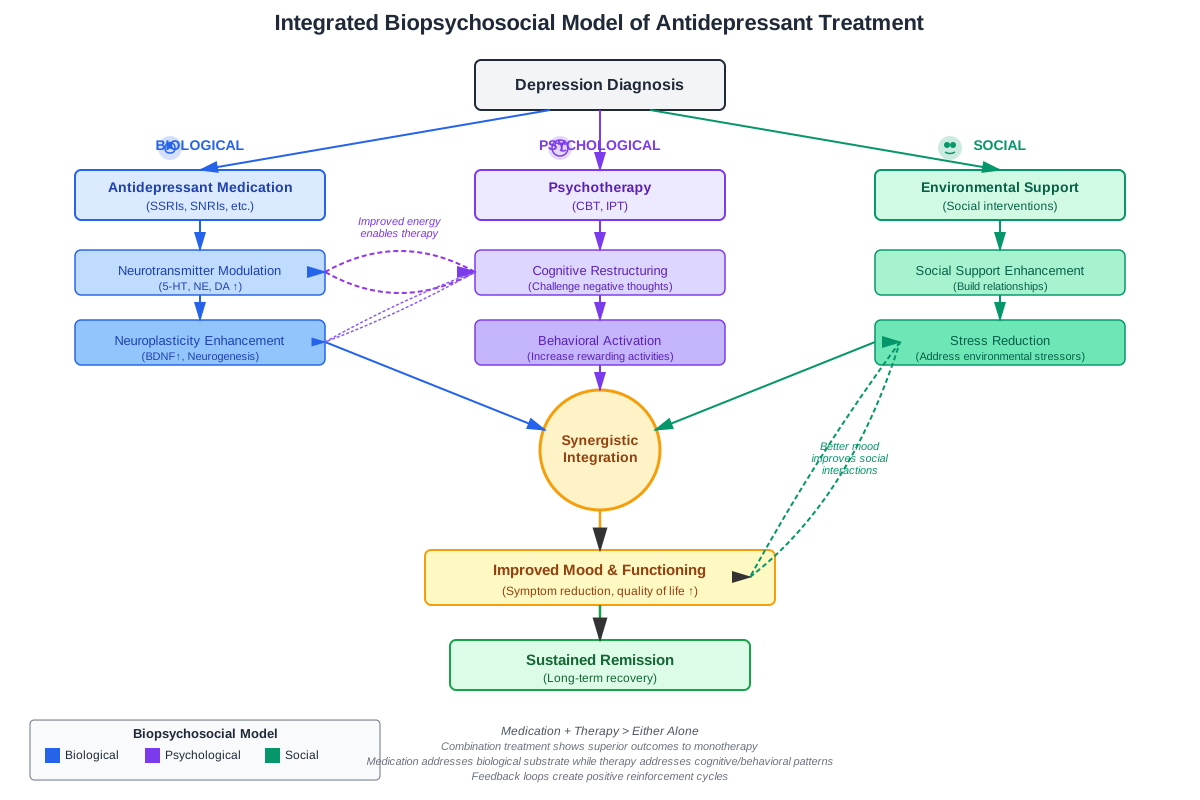
The study of antidepressants integrates multiple levels of psychological and biological understanding. At the foundation lies neurotransmitter function → which is modified by antidepressant mechanisms → producing neuroplastic changes → resulting in symptom improvement in major depressive disorder.
Antidepressants connect directly to the monoamine hypothesis of depression, which proposes that depression results from deficient monoamine neurotransmission. This hypothesis, while oversimplified, provides the theoretical framework for understanding why medications that increase monoamine availability produce therapeutic effects. The delayed therapeutic response challenges simple monoamine deficiency models and points toward more complex neuroplastic mechanisms involving receptor sensitivity changes, neurogenesis, and synaptic remodeling.
Within the broader context of Psychological Disorders and Treatment, antidepressants represent the biological component of the biopsychosocial model. Effective treatment typically combines pharmacotherapy with psychotherapy (particularly cognitive-behavioral therapy), addressing biological, psychological, and social factors simultaneously. This integration appears frequently on MCAT passages examining treatment efficacy.
Antidepressants also connect to neuroscience topics including synaptic transmission, receptor pharmacology, and brain structure-function relationships. The hippocampus, prefrontal cortex, and amygdala—regions implicated in depression—show structural and functional changes with antidepressant treatment, linking medication effects to neuroanatomy.
Quick check — test yourself on Antidepressants so far.
Try Flashcards →High-Yield Facts
⭐ SSRIs are first-line antidepressants due to their favorable side effect profile and safety in overdose compared to TCAs and MAOIs
⭐ Therapeutic effects of antidepressants require 2-4 weeks to emerge, despite immediate neurochemical changes, reflecting time needed for neuroplastic adaptations
⭐ Serotonin syndrome is a potentially fatal condition caused by excessive serotonergic activity, presenting with altered mental status, autonomic instability, and neuromuscular abnormalities
⭐ MAOIs require dietary tyramine restrictions to prevent hypertensive crisis; tyramine-rich foods include aged cheeses, cured meats, and fermented products
⭐ Bupropion affects dopamine and norepinephrine (not serotonin), making it useful for patients with sexual dysfunction from SSRIs but contraindicated in seizure disorders
- TCAs cause anticholinergic side effects due to muscarinic receptor blockade: dry mouth, constipation, urinary retention, and blurred vision
- SNRIs can increase blood pressure through norepinephrine effects and require monitoring in hypertensive patients
- Sexual dysfunction (decreased libido, delayed orgasm) is a common side effect of SSRIs and SNRIs, affecting treatment adherence
- Antidepressants increase neurogenesis in the hippocampus and enhance BDNF expression, contributing to therapeutic effects
- Abrupt discontinuation of antidepressants, particularly those with short half-lives, can cause discontinuation syndrome with flu-like symptoms, dizziness, and mood changes
Common Misconceptions
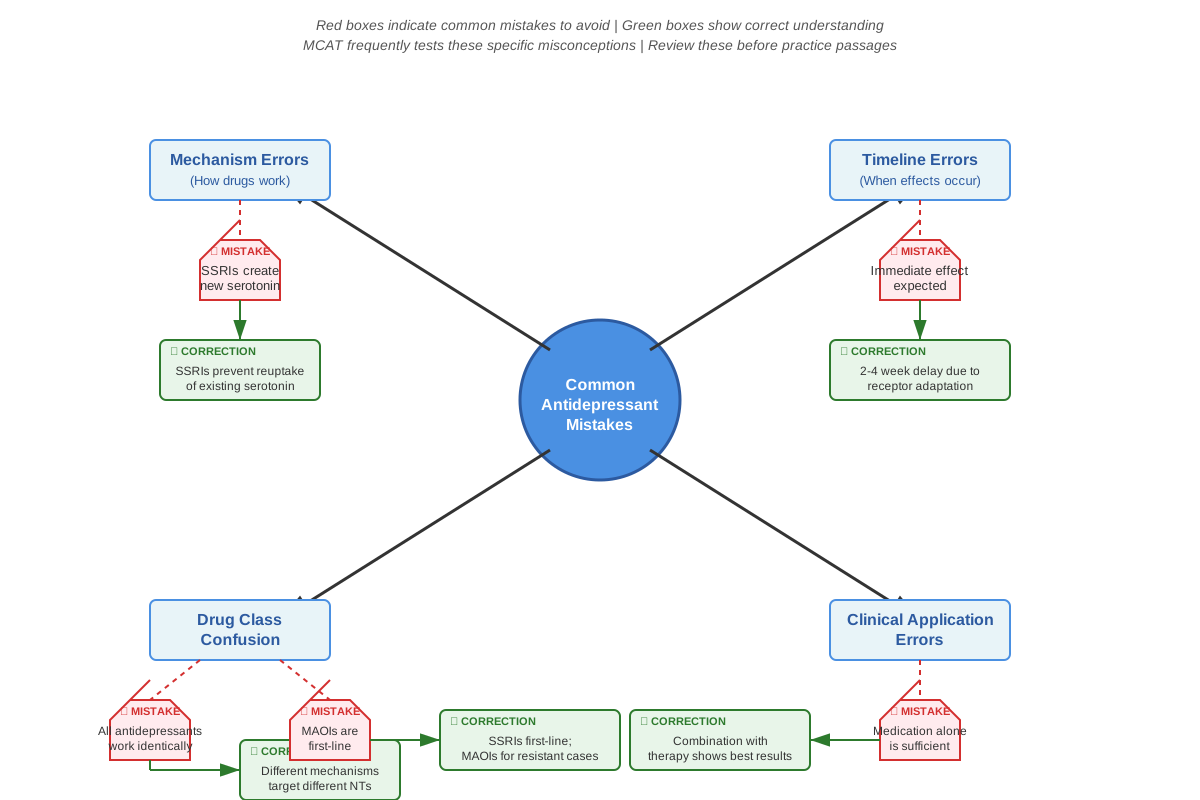
Misconception: Antidepressants work immediately like pain relievers or anxiolytics
Correction: Antidepressants require 2-4 weeks for therapeutic effects because they work through neuroplastic changes (receptor downregulation, neurogenesis, BDNF enhancement) rather than simple neurotransmitter increases. While synaptic neurotransmitter levels increase immediately, clinical improvement requires time for adaptive brain changes.
Misconception: All antidepressants work through the same mechanism
Correction: Antidepressants employ diverse mechanisms. SSRIs selectively block serotonin reuptake, SNRIs block both serotonin and norepinephrine reuptake, MAOIs inhibit the enzyme that breaks down monoamines, and atypical antidepressants like bupropion affect dopamine and norepinephrine. Understanding these distinct mechanisms is crucial for predicting effects and side effects.
Misconception: The monoamine hypothesis fully explains depression and antidepressant action
Correction: The monoamine hypothesis is oversimplified. While antidepressants do increase monoamine availability, the delayed therapeutic response and incomplete treatment response in many patients suggest more complex mechanisms. Current understanding emphasizes neuroplasticity, neurogenesis, inflammatory processes, and circuit-level brain changes beyond simple neurotransmitter deficiency.
Misconception: Antidepressants are addictive like benzodiazepines or opioids
Correction: Antidepressants do not produce euphoria, tolerance, or addiction. However, they should not be discontinued abruptly due to discontinuation syndrome (withdrawal-like symptoms). This represents physiological adaptation rather than addiction. Patients can successfully discontinue antidepressants through gradual tapering.
Misconception: SSRIs only affect serotonin and have no other effects
Correction: While SSRIs are selective for serotonin reuptake inhibition, increased serotonin affects multiple downstream systems. Serotonin interacts with dopamine and norepinephrine systems, influences the HPA axis, affects neurogenesis, and modulates inflammatory responses. This explains why SSRIs have effects beyond simple mood elevation, including anxiety reduction and pain modulation.
Worked Examples
Example 1: Clinical Vignette Analysis
Question: A 45-year-old woman with major depressive disorder begins treatment with fluoxetine (an SSRI). After one week, she reports that her symptoms have not improved and wants to discontinue the medication. She also mentions mild nausea. What is the most appropriate response?
Analysis:
- Identify the drug class and mechanism: Fluoxetine is an SSRI that blocks serotonin reuptake
- Recall the therapeutic timeline: SSRIs require 2-4 weeks for therapeutic effects despite immediate neurochemical changes
- Consider the side effect profile: Nausea is a common early side effect of SSRIs due to serotonin effects on GI tract
- Apply clinical reasoning: One week is insufficient time to assess therapeutic efficacy
Answer: The patient should be counseled that antidepressants require 2-4 weeks for therapeutic effects to emerge, even though the medication is already affecting brain chemistry. The nausea is a common early side effect that typically improves with continued use. Discontinuing after one week would prevent the patient from experiencing potential benefits. The medication trial should continue for at least 4-6 weeks before concluding it is ineffective.
Connection to Learning Objectives: This example demonstrates application of antidepressant knowledge to clinical scenarios, understanding of therapeutic timelines, and recognition of common side effects—all high-yield for MCAT questions.
Example 2: Mechanism-Based Prediction
Question: A research study examines the effects of a novel antidepressant that selectively blocks the norepinephrine transporter (NET) without affecting serotonin or dopamine systems. Based on this mechanism, which of the following side effects would be most likely?
A) Sexual dysfunction
B) Increased blood pressure
C) Severe dietary restrictions
D) Anticholinergic effects
Analysis:
- Identify the mechanism: Selective NET blockade increases synaptic norepinephrine
- Recall norepinephrine's physiological effects: Norepinephrine is the neurotransmitter of the sympathetic nervous system, increasing heart rate, blood pressure, and arousal
- Evaluate each option:
- Sexual dysfunction: Primarily associated with serotonergic effects (SSRIs/SNRIs)
- Increased blood pressure: Direct result of increased norepinephrine activity
- Dietary restrictions: Required only for MAOIs due to tyramine interactions
- Anticholinergic effects: Result from muscarinic receptor blockade (TCAs), not NET inhibition
- Apply mechanistic reasoning: Increased norepinephrine would activate sympathetic responses
Answer: B) Increased blood pressure. Blocking NET increases synaptic norepinephrine, which activates adrenergic receptors in the cardiovascular system, potentially elevating blood pressure. This is why SNRIs (which block both SERT and NET) require blood pressure monitoring.
Connection to Learning Objectives: This example demonstrates mechanistic understanding of antidepressant action, ability to predict effects based on neurotransmitter systems, and integration of pharmacology with physiology—exactly what the MCAT tests.
Exam Strategy
Approaching MCAT Antidepressant Questions:
- Identify the drug class first: Determine whether the question involves SSRIs, SNRIs, TCAs, MAOIs, or atypical antidepressants. Each class has distinct mechanisms and side effect profiles.
- Map mechanism to neurotransmitter effects: Connect the medication's mechanism (reuptake blockade, enzyme inhibition, receptor antagonism) to specific neurotransmitter changes, then predict physiological and psychological effects.
- Consider the timeline: Questions often test understanding of delayed therapeutic effects. If a vignette describes early treatment (< 2 weeks), expect questions about side effects, adherence, or patient education rather than therapeutic efficacy.
- Watch for combination scenarios: MCAT passages may describe patients taking multiple medications or switching between antidepressants. Be alert for drug interactions, particularly serotonin syndrome risk.
Trigger Words and Phrases:
- "First-line treatment" → Think SSRIs
- "Treatment-resistant depression" → Consider TCAs, MAOIs, or augmentation strategies
- "Dietary restrictions" → MAOIs and tyramine
- "Sexual dysfunction" → Serotonergic medications (SSRIs/SNRIs)
- "Immediate effects" vs. "therapeutic effects" → Distinguish neurochemical changes from clinical improvement
- "Discontinuation syndrome" → Abrupt cessation of antidepressants
- "Atypical depression" → MAOIs particularly effective
Process of Elimination Tips:
- Eliminate options suggesting immediate therapeutic effects (antidepressants require weeks)
- Rule out answers confusing drug classes (e.g., attributing MAOI characteristics to SSRIs)
- Eliminate options suggesting addiction or euphoria (antidepressants are not addictive)
- Watch for answers that oversimplify the monoamine hypothesis without acknowledging neuroplastic mechanisms
Time Allocation: Antidepressant questions typically appear in passages requiring 8-10 minutes total. Spend 30-45 seconds per discrete question, using mechanism-based reasoning rather than pure recall. For passage-based questions, identify the drug class and mechanism early to guide interpretation of experimental results or clinical scenarios.
Memory Techniques
SSRI Side Effects Mnemonic - "SSRI SIDE":
- Sexual dysfunction
- Stomach upset (GI effects)
- Restlessness/anxiety (initial)
- Insomnia (or sedation)
- Serotonin syndrome (with combinations)
- Increased bleeding risk
- Discontinuation syndrome
- Early worsening (before improvement)
Anticholinergic Effects - "Can't See, Can't Pee, Can't Spit, Can't Shit":
- Can't See: Blurred vision (cycloplegia)
- Can't Pee: Urinary retention
- Can't Spit: Dry mouth
- Can't Shit: Constipation
(Helps remember TCA side effects from muscarinic receptor blockade)
MAOI Tyramine Foods - "MAOI = Must Avoid Old Items":
- Old/aged cheeses
- Liver and organ meats
- Dried/fermented meats
- Imported beers
- Tapas (fermented foods)
- Excess wine
- Marinated items
- Sauerkraut and pickled foods
Antidepressant Timeline Visualization:
Picture a graph with two lines:
- Red line (neurotransmitter levels): Shoots up immediately
- Blue line (mood improvement): Gradually rises over 2-4 weeks
The gap between these lines represents neuroplastic changes (receptor downregulation, neurogenesis, BDNF increase)
Drug Class Mechanism - "SSRI SNRIs TCA MAOI":
- Serotonin Selective Reuptake Inhibitor
- Serotonin Norepinephrine Reuptake Inhibitor
- Tricyclic Antidepressant (blocks reuptake + multiple receptors)
- Monoamine oxidase Inhibitor (blocks breakdown enzyme)
Summary
Antidepressants represent a diverse class of psychotropic medications that alleviate depressive symptoms by modulating monoamine neurotransmitter systems. The major classes—SSRIs, SNRIs, TCAs, and MAOIs—differ in their mechanisms of action, side effect profiles, and clinical applications. SSRIs selectively block serotonin reuptake and serve as first-line treatment due to favorable safety profiles. SNRIs provide dual-action by blocking both serotonin and norepinephrine reuptake. TCAs and MAOIs remain effective but are reserved for treatment-resistant cases due to significant side effects and safety concerns. A critical concept for MCAT success is understanding that therapeutic effects require 2-4 weeks despite immediate neurochemical changes, reflecting the time needed for neuroplastic adaptations including receptor downregulation, neurogenesis, and BDNF enhancement. Side effects can be predicted from neurotransmitter effects: serotonergic medications cause GI upset and sexual dysfunction, noradrenergic effects include increased blood pressure, and anticholinergic effects produce dry mouth and constipation. MCAT questions test mechanistic understanding, ability to predict effects from mechanisms, recognition of appropriate clinical applications, and integration with the biopsychosocial model of treatment.
Key Takeaways
- SSRIs are first-line antidepressants that selectively block serotonin reuptake, offering favorable safety profiles compared to older medications
- Therapeutic effects require 2-4 weeks to emerge due to neuroplastic changes (receptor adaptation, neurogenesis, BDNF enhancement), not simple neurotransmitter increases
- Each antidepressant class has distinct mechanisms: SSRIs (block SERT), SNRIs (block SERT and NET), TCAs (block reuptake plus multiple receptors), MAOIs (inhibit breakdown enzyme)
- Side effects are predictable from neurotransmitter effects: serotonergic (GI upset, sexual dysfunction), noradrenergic (hypertension), anticholinergic (dry mouth, constipation)
- MAOIs require dietary tyramine restrictions to prevent hypertensive crisis, limiting their use to treatment-resistant cases
- Serotonin syndrome is a potentially fatal condition from excessive serotonergic activity, requiring recognition of risk factors and symptoms
- Antidepressants exemplify the biological component of the biopsychosocial model and are most effective when combined with psychotherapy
Related Topics
Neurotransmitter Systems: Deep understanding of serotonin, norepinephrine, and dopamine synthesis, release, reuptake, and degradation provides the foundation for comprehending antidepressant mechanisms and predicting effects.
Major Depressive Disorder: Mastering diagnostic criteria, symptom profiles, epidemiology, and the biopsychosocial model of depression contextualizes when and why antidepressants are prescribed.
Anxiety Disorders: Many antidepressants, particularly SSRIs and SNRIs, serve as first-line treatments for anxiety disorders, requiring understanding of shared neurobiological mechanisms.
Psychotherapy: Cognitive-behavioral therapy and other evidence-based psychotherapies often combine with antidepressants for optimal outcomes, illustrating integrated treatment approaches.
Neuroplasticity: Understanding how experience and medications modify brain structure and function explains the delayed therapeutic effects of antidepressants and connects to broader neuroscience concepts.
Pharmacology Principles: Concepts including agonists, antagonists, reuptake inhibition, enzyme inhibition, receptor downregulation, and drug interactions apply across psychopharmacology.
Practice CTA
Now that you've mastered the core concepts of antidepressants, it's time to solidify your understanding through active practice. Challenge yourself with MCAT-style practice questions that test your ability to apply these concepts to clinical vignettes and research scenarios. Use flashcards to reinforce high-yield facts, particularly drug mechanisms, side effects, and timelines. Remember: understanding why antidepressants work the way they do will serve you far better on test day than memorizing isolated facts. Your ability to reason through novel scenarios using mechanistic knowledge is exactly what the MCAT rewards. You've got this!
Sign up free to keep reading
Create a free AnvayaPrep account to finish this MCAT guide on Antidepressants — plus flashcards and practice questions.