Overview
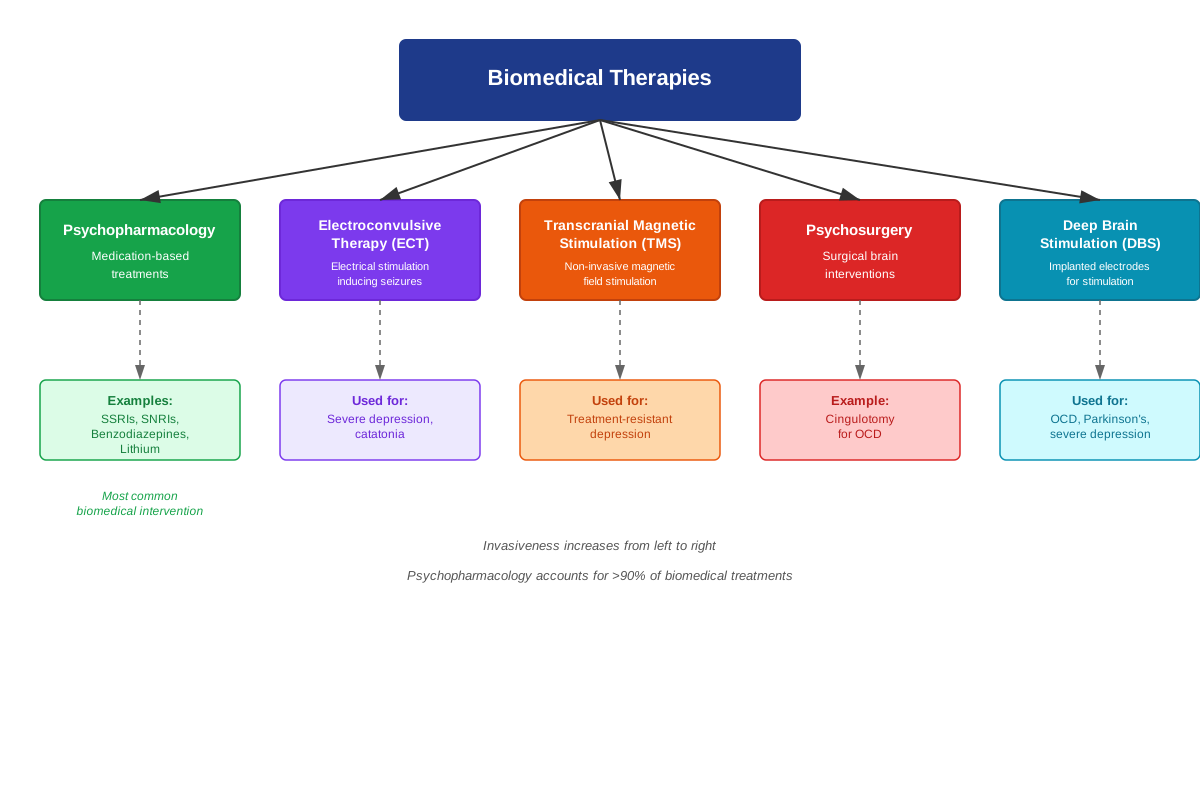
Biomedical therapies represent a cornerstone approach in modern psychiatric treatment, utilizing biological interventions to address psychological disorders. These therapies operate on the fundamental principle that mental health conditions have underlying biological components—including neurochemical imbalances, structural brain abnormalities, or genetic predispositions—that can be targeted through medical interventions. The primary categories of biomedical therapies include psychopharmacology (medication-based treatments), electroconvulsive therapy (ECT), transcranial magnetic stimulation (TMS), psychosurgery, and deep brain stimulation. Understanding these interventions is crucial for MCAT success, as questions frequently require students to differentiate between biological and psychological treatment approaches, understand mechanisms of action for various drug classes, and evaluate the appropriateness of different interventions for specific disorders.
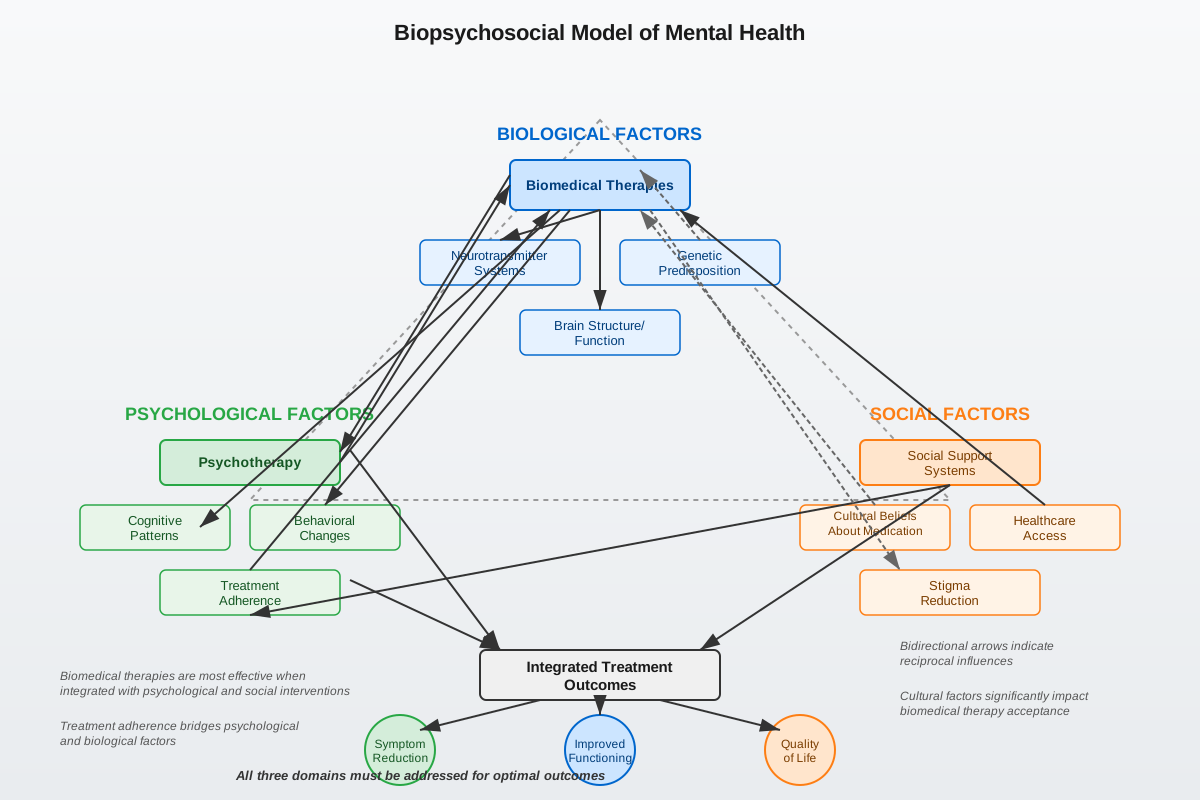
For the MCAT Psychology section, biomedical therapies appear regularly in passages discussing Psychological Disorders and Treatment, often requiring integration of knowledge from biological psychology, neuroscience, and clinical psychology. Test-makers favor questions that assess understanding of how medications affect neurotransmitter systems, the rationale for selecting specific treatments based on disorder etiology, and the comparative effectiveness of biomedical versus psychotherapeutic approaches. Students must recognize that biomedical therapies are frequently combined with psychotherapy in real-world clinical practice, reflecting the biopsychosocial model of mental health.
The relationship between Biomedical therapies Psychology concepts and broader MCAT content extends beyond the psychology section. Questions may integrate pharmacology principles from the biological sciences, ethical considerations regarding informed consent and treatment selection, and sociocultural factors affecting treatment access and adherence. Mastery of this topic enables students to approach complex passages that present clinical scenarios, research studies comparing treatment outcomes, or discussions of healthcare policy related to mental health treatment.
Learning Objectives
- [ ] Define Biomedical therapies using accurate Psychology terminology
- [ ] Explain why Biomedical therapies matters for the MCAT
- [ ] Apply Biomedical therapies to exam-style questions
- [ ] Identify common mistakes related to Biomedical therapies
- [ ] Connect Biomedical therapies to related Psychology concepts
- [ ] Compare and contrast the major classes of psychotropic medications and their mechanisms of action
- [ ] Evaluate the appropriateness of different biomedical interventions for specific psychological disorders
- [ ] Analyze the biological basis for why certain biomedical therapies are effective for particular disorders
Prerequisites
- Basic neurotransmitter systems: Understanding dopamine, serotonin, norepinephrine, GABA, and glutamate is essential because psychotropic medications primarily work by modulating these neurotransmitter systems
- Major psychological disorders: Familiarity with depression, anxiety disorders, schizophrenia, and bipolar disorder enables comprehension of which biomedical therapies are indicated for specific conditions
- Synaptic transmission: Knowledge of how neurons communicate through synapses is necessary to understand medication mechanisms involving reuptake inhibition, receptor binding, and neurotransmitter degradation
- Brain structure and function: Basic neuroanatomy helps contextualize where biomedical interventions exert their effects and why certain brain regions are targeted in procedures like psychosurgery
Why This Topic Matters
Biomedical therapies MCAT questions appear with moderate frequency across both discrete questions and passage-based items in the Psychological, Social, and Biological Foundations of Behavior section. Approximately 8-12% of psychology questions involve treatment modalities, with biomedical therapies representing roughly half of these items. The clinical significance of this topic cannot be overstated—millions of individuals worldwide rely on psychotropic medications and other biomedical interventions to manage debilitating mental health conditions. Understanding these treatments bridges the gap between theoretical knowledge of psychological disorders and practical therapeutic applications.
From an exam perspective, biomedical therapy questions typically appear in several formats. Passage-based questions may present research studies comparing medication efficacy, case vignettes requiring treatment selection, or discussions of neurotransmitter systems that require students to predict which medications would be most appropriate. Discrete questions often test knowledge of specific drug classes, side effects, mechanisms of action, or the biological rationale for particular interventions. The MCAT frequently integrates biomedical therapy content with ethical considerations, such as informed consent for ECT or the controversy surrounding psychosurgery, requiring students to synthesize information across multiple domains.
Real-world clinical practice increasingly emphasizes evidence-based treatment selection, and the MCAT reflects this by testing whether students can apply biological knowledge to clinical decision-making. Questions may ask students to identify why SSRIs are first-line treatments for depression (based on their mechanism and side effect profile), or why antipsychotics are essential for schizophrenia management (due to the dopamine hypothesis). Understanding biomedical therapies also prepares students for medical school, where pharmacological knowledge becomes immediately applicable in clinical rotations and patient care.
Core Concepts
Definition and Scope of Biomedical Therapies
Biomedical therapies are treatment approaches that address psychological disorders through direct biological intervention, targeting the physiological mechanisms believed to underlie mental health conditions. These therapies are grounded in the medical model of mental illness, which conceptualizes psychological disorders as diseases with biological etiologies that can be treated through medical procedures or medications. The scope of biomedical therapies encompasses pharmacological interventions (psychotropic medications), brain stimulation techniques, and surgical procedures, each operating through distinct mechanisms to alter brain function and alleviate psychiatric symptoms.
Psychopharmacology: Medication-Based Treatments
Antidepressants
Antidepressants constitute the most widely prescribed class of psychotropic medications, primarily used to treat major depressive disorder, anxiety disorders, and certain other conditions. The major categories include:
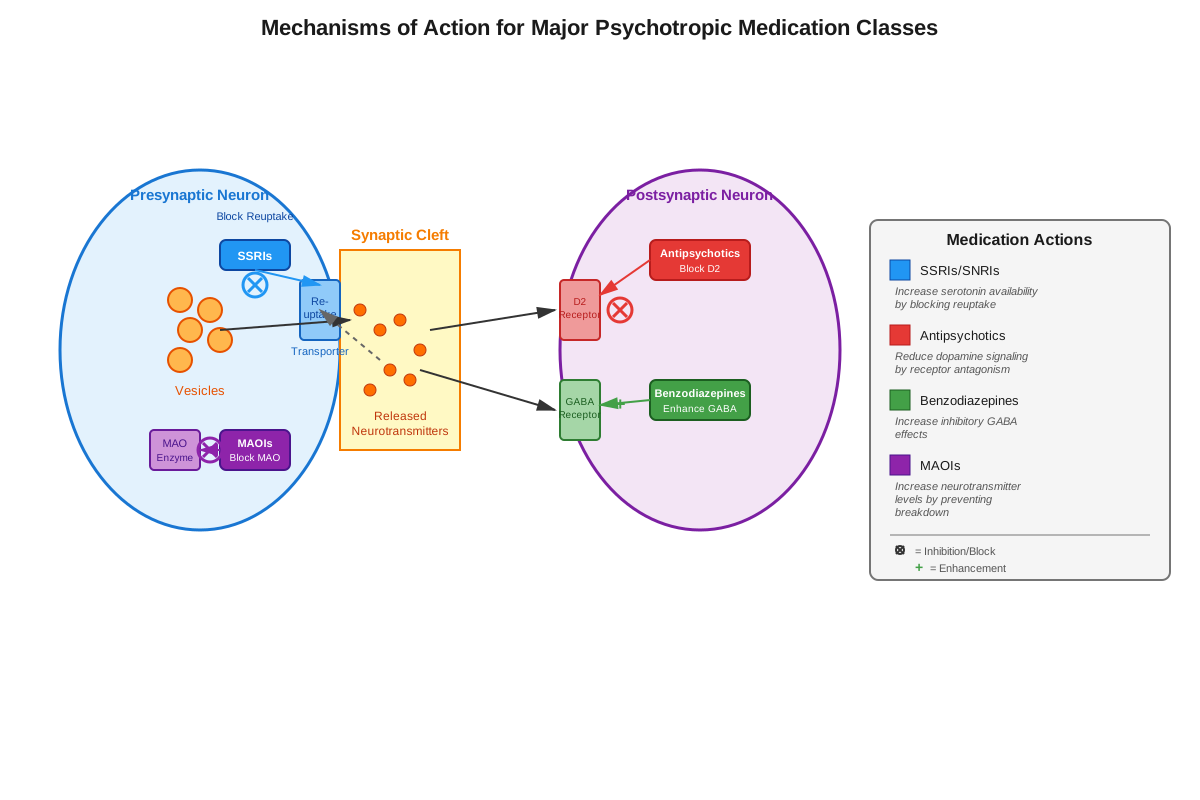
Selective Serotonin Reuptake Inhibitors (SSRIs) represent the first-line treatment for depression and most anxiety disorders. These medications work by blocking the reuptake of serotonin at the presynaptic neuron, increasing serotonin availability in the synaptic cleft. Common examples include fluoxetine (Prozac), sertraline (Zoloft), and escitalopram (Lexapro). SSRIs are preferred due to their relatively favorable side effect profile compared to older antidepressants, though they can cause sexual dysfunction, gastrointestinal disturbances, and initial anxiety increase.
Serotonin-Norepinephrine Reuptake Inhibitors (SNRIs) block reuptake of both serotonin and norepinephrine, providing dual neurotransmitter modulation. Examples include venlafaxine (Effexor) and duloxetine (Cymbalta). These medications may be more effective for patients who don't respond to SSRIs and are particularly useful for depression with comorbid chronic pain.
Tricyclic antidepressants (TCAs) were among the first antidepressants developed and work by blocking reuptake of serotonin and norepinephrine, though less selectively than SNRIs. While effective, TCAs like amitriptyline and imipramine have significant side effects including anticholinergic effects (dry mouth, constipation, blurred vision), sedation, and cardiac risks, limiting their current use to treatment-resistant cases.
Monoamine Oxidase Inhibitors (MAOIs) prevent the breakdown of monoamine neurotransmitters (serotonin, norepinephrine, dopamine) by inhibiting the enzyme monoamine oxidase. Due to dangerous interactions with tyramine-containing foods and other medications, MAOIs like phenelzine are reserved for treatment-resistant depression.
Anxiolytics (Anti-Anxiety Medications)
Benzodiazepines enhance the effect of GABA (gamma-aminobutyric acid), the brain's primary inhibitory neurotransmitter, by increasing the frequency of chloride channel opening when GABA binds to GABA-A receptors. This produces rapid anxiolytic, sedative, and muscle-relaxant effects. Common benzodiazepines include alprazolam (Xanax), lorazepam (Ativan), and diazepam (Valium). While highly effective for acute anxiety, benzodiazepines carry risks of tolerance, dependence, and withdrawal, limiting their appropriateness for long-term use.
Buspirone represents a non-benzodiazepine anxiolytic that acts as a partial agonist at serotonin 5-HT1A receptors. Unlike benzodiazepines, buspirone doesn't cause sedation or carry addiction risk, but requires several weeks to achieve therapeutic effects, making it unsuitable for acute anxiety management.
Antipsychotics
Antipsychotic medications are essential for managing schizophrenia and other psychotic disorders, working primarily through dopamine system modulation based on the dopamine hypothesis of schizophrenia.
Typical (first-generation) antipsychotics like haloperidol and chlorpromazine function as dopamine D2 receptor antagonists, blocking dopamine transmission particularly in the mesolimbic pathway. While effective for positive symptoms (hallucinations, delusions), these medications cause significant extrapyramidal side effects (EPS) including tardive dyskinesia, akathisia, and parkinsonism due to dopamine blockade in the nigrostriatal pathway.
Atypical (second-generation) antipsychotics such as risperidone, olanzapine, quetiapine, and clozapine block both dopamine and serotonin receptors, providing broader symptom relief with reduced EPS risk. Atypical antipsychotics address both positive and negative symptoms (flat affect, social withdrawal, avolition) more effectively than typical antipsychotics. However, they carry metabolic side effects including weight gain, diabetes risk, and lipid abnormalities. Clozapine, while highly effective for treatment-resistant schizophrenia, requires regular blood monitoring due to agranulocytosis risk.
Mood Stabilizers
Mood stabilizers are primarily used to treat bipolar disorder, preventing both manic and depressive episodes. Lithium, the prototypical mood stabilizer, has multiple proposed mechanisms including effects on second messenger systems and neuroprotective properties. Lithium requires careful monitoring due to its narrow therapeutic window and potential for toxicity affecting kidneys and thyroid. Anticonvulsant medications like valproate (Depakote), carbamazepine (Tegretol), and lamotrigine (Lamictal) also serve as mood stabilizers, though their precise mechanisms in bipolar disorder remain incompletely understood.
Stimulants
Stimulant medications like methylphenidate (Ritalin) and amphetamine salts (Adderall) are first-line treatments for attention-deficit/hyperactivity disorder (ADHD). These medications increase dopamine and norepinephrine availability in the prefrontal cortex, enhancing attention, impulse control, and executive function. The paradoxical calming effect in ADHD patients results from improved prefrontal cortex regulation of behavior and attention.
Electroconvulsive Therapy (ECT)
Electroconvulsive therapy involves inducing a brief seizure through electrical stimulation of the brain while the patient is under anesthesia and muscle relaxation. Modern ECT is highly refined compared to historical practices, with precise electrode placement (unilateral or bilateral) and controlled electrical dosing. ECT is most effective for severe, treatment-resistant depression, particularly when rapid response is needed (such as with suicidal ideation or catatonia). The mechanism of action likely involves neurotransmitter system reset, increased neuroplasticity, and enhanced connectivity in mood-regulating brain circuits. Side effects primarily include temporary memory impairment, particularly for events surrounding treatment sessions, though most cognitive effects resolve within weeks to months post-treatment.
Transcranial Magnetic Stimulation (TMS)
Transcranial magnetic stimulation uses magnetic fields to induce electrical currents in specific brain regions, typically targeting the dorsolateral prefrontal cortex for depression treatment. Unlike ECT, TMS doesn't require anesthesia, doesn't induce seizures, and has minimal cognitive side effects. Repetitive TMS (rTMS) involves multiple sessions over several weeks and has FDA approval for treatment-resistant depression. The mechanism involves modulating neural activity in targeted regions and their connected networks, potentially normalizing activity patterns associated with depression.
Psychosurgery and Deep Brain Stimulation
Psychosurgery refers to surgical interventions that lesion or alter brain tissue to treat psychological disorders. Historical procedures like prefrontal lobotomy have been abandoned due to severe side effects and ethical concerns. Modern psychosurgery is extremely rare and reserved for the most severe, treatment-resistant cases of obsessive-compulsive disorder or depression, using precise stereotactic techniques to create small lesions in specific circuits.
Deep brain stimulation (DBS) represents a reversible alternative to psychosurgery, involving surgical implantation of electrodes that deliver continuous electrical stimulation to targeted brain regions. DBS has shown promise for treatment-resistant depression and OCD, with ongoing research exploring applications for other conditions. The advantage over traditional psychosurgery is that DBS is adjustable and reversible, though it still requires invasive neurosurgery for electrode placement.
Comparison of Biomedical Therapies
| Therapy Type | Primary Mechanism | Common Applications | Onset of Action | Key Advantages | Major Limitations |
|---|---|---|---|---|---|
| SSRIs | Serotonin reuptake inhibition | Depression, anxiety disorders | 2-6 weeks | Favorable side effect profile, safe in overdose | Sexual dysfunction, initial anxiety increase |
| Benzodiazepines | GABA-A receptor enhancement | Acute anxiety, panic attacks | Minutes to hours | Rapid onset, highly effective | Dependence risk, sedation, cognitive impairment |
| Atypical antipsychotics | Dopamine/serotonin antagonism | Schizophrenia, bipolar mania | Days to weeks | Treats positive and negative symptoms | Metabolic side effects, weight gain |
| Lithium | Multiple mechanisms | Bipolar disorder | 1-2 weeks | Reduces suicide risk, well-established efficacy | Narrow therapeutic window, requires monitoring |
| ECT | Induced seizure | Severe depression, catatonia | After 1-2 sessions | Rapid, highly effective | Memory side effects, requires anesthesia |
| TMS | Magnetic field stimulation | Treatment-resistant depression | 2-4 weeks | Non-invasive, minimal side effects | Multiple sessions required, limited applications |
Concept Relationships
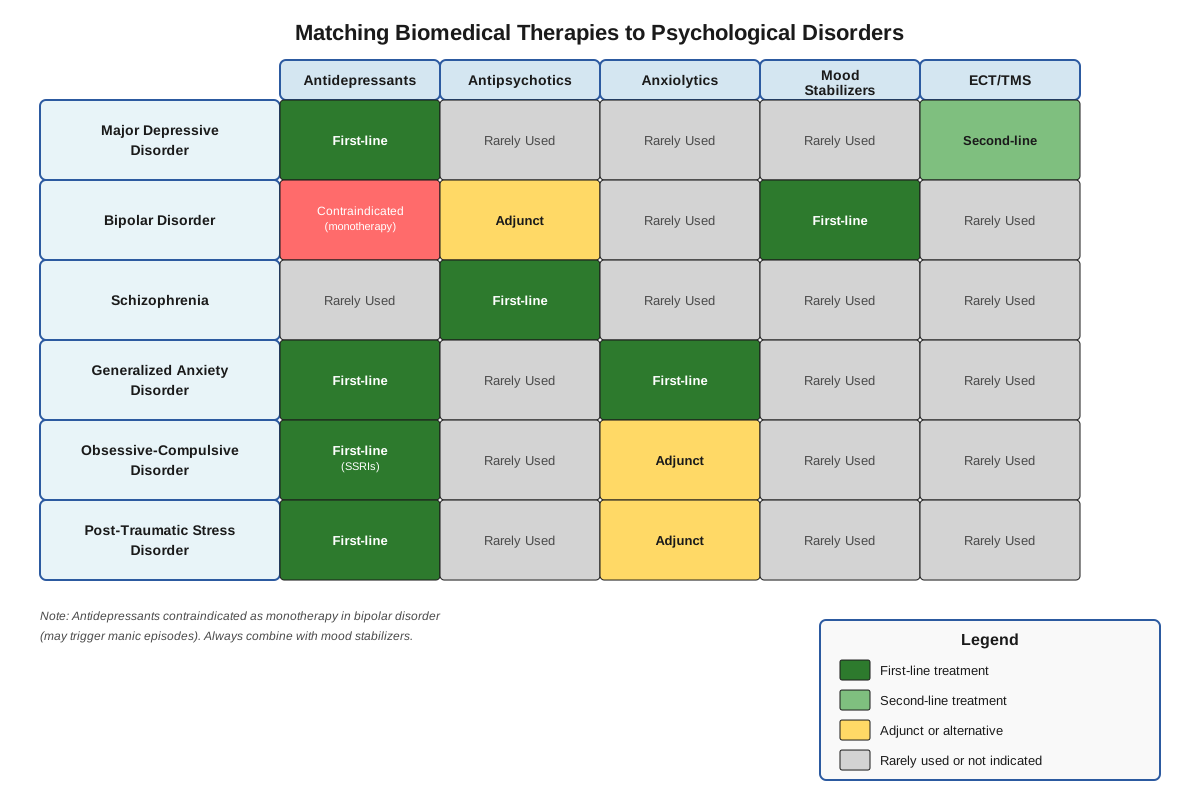
The various biomedical therapies are interconnected through their shared foundation in the biological basis of psychological disorders. Understanding neurotransmitter systems serves as the central hub connecting most pharmacological interventions: SSRIs and SNRIs both target monoamine neurotransmitters implicated in depression, while antipsychotics address dopamine dysregulation in schizophrenia, and benzodiazepines enhance GABA function to reduce anxiety. This neurotransmitter-focused approach reflects the monoamine hypothesis of depression and the dopamine hypothesis of schizophrenia, which are prerequisite concepts for understanding medication selection.
The relationship between biomedical therapies and psychological disorders follows a diagnostic-to-treatment pathway: accurate diagnosis → understanding underlying neurobiology → selecting appropriate biomedical intervention → monitoring response and adjusting treatment. For example, recognizing that major depressive disorder involves serotonin and norepinephrine deficiency leads to selection of SSRIs or SNRIs as first-line treatments, while understanding that schizophrenia involves excessive dopamine activity in mesolimbic pathways explains why dopamine antagonists (antipsychotics) are essential.
Within biomedical therapies, a hierarchy of intervention intensity exists: medication trials → brain stimulation techniques (TMS, ECT) → invasive procedures (DBS, psychosurgery). This progression reflects both increasing invasiveness and the principle of using least restrictive, most evidence-based treatments first. The concept of treatment resistance connects these levels—patients who don't respond to multiple medication trials may be candidates for ECT or TMS, while only the most severe, refractory cases warrant consideration of DBS or psychosurgery.
Biomedical therapies also connect to psychotherapy through the biopsychosocial model and combination treatment approaches. Research consistently demonstrates that combining medication with psychotherapy (particularly cognitive-behavioral therapy) produces superior outcomes for many disorders compared to either intervention alone. This synergy reflects that biological interventions address neurochemical imbalances while psychotherapy targets maladaptive thought patterns and behaviors, working through complementary mechanisms.
Quick check — test yourself on Biomedical therapies so far.
Try Flashcards →High-Yield Facts
⭐ SSRIs are first-line treatment for both depression and most anxiety disorders due to their efficacy and favorable side effect profile compared to older antidepressants
⭐ Antipsychotics work primarily by blocking dopamine D2 receptors, with atypical antipsychotics also blocking serotonin receptors to reduce extrapyramidal side effects
⭐ Benzodiazepines enhance GABA-A receptor function, producing rapid anxiolytic effects but carrying significant dependence and tolerance risks
⭐ ECT is the most effective treatment for severe, treatment-resistant depression and works faster than medications, though it causes temporary memory impairment
⭐ Lithium remains the gold standard mood stabilizer for bipolar disorder and uniquely reduces suicide risk, but requires monitoring due to narrow therapeutic window
- Tricyclic antidepressants and MAOIs are effective but relegated to second-line status due to dangerous side effects and drug/food interactions
- Atypical antipsychotics treat both positive symptoms (hallucinations, delusions) and negative symptoms (flat affect, avolition) of schizophrenia, while typical antipsychotics primarily address positive symptoms
- Stimulant medications for ADHD increase dopamine and norepinephrine in the prefrontal cortex, improving executive function and attention
- TMS is non-invasive and targets specific brain regions using magnetic fields, making it appropriate for treatment-resistant depression without the cognitive side effects of ECT
- The therapeutic effects of most antidepressants require 2-6 weeks to manifest, reflecting the time needed for neuroplastic changes rather than immediate neurotransmitter effects
- Clozapine is the most effective antipsychotic for treatment-resistant schizophrenia but requires regular blood monitoring due to agranulocytosis risk
- Buspirone provides anxiolytic effects without sedation or dependence risk but takes weeks to work, unlike benzodiazepines which work within hours
Common Misconceptions
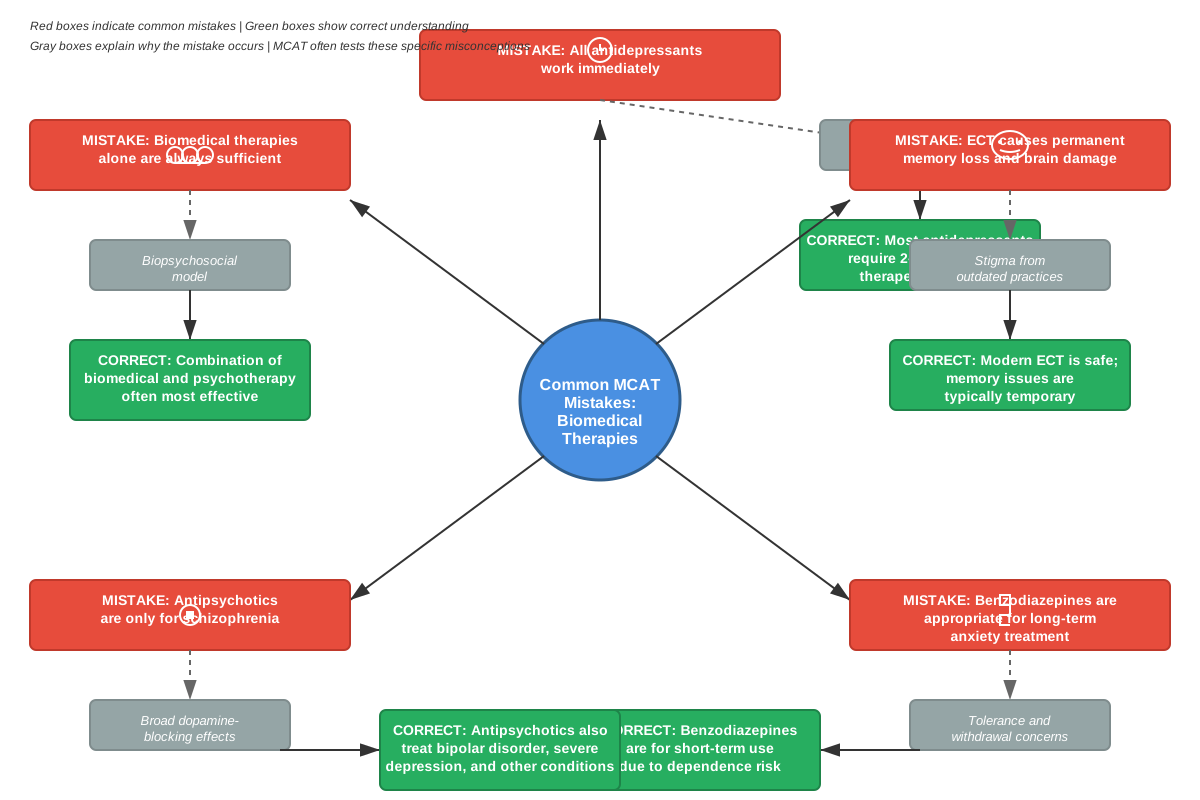
Misconception: Antidepressants work immediately by increasing neurotransmitter levels in the synapse
Correction: While SSRIs block serotonin reuptake within hours, therapeutic effects require 2-6 weeks because clinical improvement depends on downstream neuroplastic changes including receptor sensitivity modifications, neurogenesis in the hippocampus, and altered gene expression—not just acute neurotransmitter increases
Misconception: ECT is a dangerous, outdated treatment that causes permanent brain damage
Correction: Modern ECT is highly refined, performed under anesthesia with muscle relaxation, and represents the most effective treatment for severe depression with response rates of 70-90%. While temporary memory impairment occurs, permanent brain damage is not a recognized consequence of properly administered ECT, and it can be life-saving for suicidal patients
Misconception: Benzodiazepines are appropriate long-term treatments for generalized anxiety disorder
Correction: Benzodiazepines are indicated for short-term or as-needed use for acute anxiety due to rapid tolerance development, dependence risk, and cognitive impairment with chronic use. SSRIs or SNRIs are preferred for long-term GAD management despite their delayed onset, with benzodiazepines potentially used as a bridge during the initial weeks
Misconception: Atypical antipsychotics are called "atypical" because they're rarely used or experimental
Correction: The term "atypical" refers to their pharmacological profile (blocking both dopamine and serotonin receptors) and reduced risk of extrapyramidal side effects compared to "typical" first-generation antipsychotics. Atypical antipsychotics are now the standard first-line treatment for schizophrenia and are more commonly prescribed than typical antipsychotics
Misconception: Lithium works by correcting a lithium deficiency in the brain
Correction: Lithium is not a naturally required nutrient that becomes deficient in bipolar disorder. Instead, it's a therapeutic agent that modulates multiple cellular signaling pathways, affects neurotransmitter systems, and has neuroprotective properties. Its mechanism in bipolar disorder involves complex effects on second messenger systems and gene expression, not replacement of a deficiency
Misconception: Stimulant medications for ADHD work by sedating hyperactive children
Correction: Stimulants increase dopamine and norepinephrine in the prefrontal cortex, enhancing executive function and attention control. The apparent "calming" effect results from improved self-regulation and impulse control, not sedation. The same medications increase alertness and focus in individuals without ADHD
Misconception: All antidepressants work through the same mechanism and are interchangeable
Correction: Different antidepressant classes have distinct mechanisms: SSRIs selectively block serotonin reuptake, SNRIs block both serotonin and norepinephrine reuptake, TCAs non-selectively block multiple neurotransmitter systems, MAOIs prevent neurotransmitter breakdown, and atypical antidepressants like bupropion work through unique mechanisms (dopamine/norepinephrine reuptake inhibition). These mechanistic differences affect side effect profiles, efficacy for specific symptoms, and appropriate patient selection
Worked Examples
Example 1: Medication Selection for Major Depressive Disorder
Clinical Vignette: A 35-year-old woman presents with a 3-month history of depressed mood, anhedonia, insomnia, poor concentration, and significant weight loss. She has no history of mania, no current suicidal ideation, and no previous psychiatric treatment. She is concerned about medication side effects affecting her work performance and sexual function. Which biomedical therapy would be most appropriate as first-line treatment?
Analysis Process:
- Identify the disorder: Symptoms meet criteria for major depressive disorder (depressed mood, anhedonia, neurovegetative symptoms lasting >2 weeks)
- Consider treatment hierarchy: For first-episode depression without severe features, medication is appropriate, starting with first-line agents
- Evaluate medication classes:
- SSRIs: First-line for depression, favorable side effect profile, though sexual dysfunction is common
- SNRIs: Also first-line, may have slightly more side effects than SSRIs
- TCAs: Effective but significant anticholinergic and cardiac side effects make them second-line
- MAOIs: Dietary restrictions and drug interactions make them third-line
- ECT: Reserved for severe, treatment-resistant, or psychotic depression
- Consider patient-specific factors: Patient is concerned about side effects affecting work and sexual function. SSRIs have minimal cognitive impairment but do cause sexual dysfunction. However, they remain first-line due to overall favorable profile
- Consider alternatives: Bupropion (atypical antidepressant) might be considered as it has lower sexual dysfunction rates and can improve concentration, though SSRIs have more robust evidence for first-line use
Answer: An SSRI would be the most appropriate first-line treatment, with patient education about the 2-6 week onset of therapeutic effects and common side effects. Bupropion could be considered as an alternative if sexual dysfunction becomes problematic. The patient should be monitored for treatment response and side effects, with therapy adjustments made after adequate trial duration (typically 4-6 weeks at therapeutic dose).
Connection to Learning Objectives: This example demonstrates application of biomedical therapy knowledge to clinical decision-making, requiring understanding of medication mechanisms, side effect profiles, and treatment hierarchies—all essential for MCAT passages presenting clinical scenarios.
Example 2: Distinguishing Antipsychotic Mechanisms and Side Effects
Exam-Style Question: A patient with schizophrenia has been taking haloperidol for 6 months and develops involuntary facial movements and tongue protrusion. His physician switches him to risperidone. Which of the following best explains why this medication change might reduce these side effects?
A) Risperidone has less dopamine antagonism in all brain pathways
B) Risperidone's serotonin antagonism modulates dopamine activity and reduces extrapyramidal effects
C) Risperidone doesn't cross the blood-brain barrier as readily as haloperidol
D) Risperidone enhances GABA activity to counteract dopamine blockade
Analysis Process:
- Identify the side effect: Involuntary facial movements and tongue protrusion after 6 months of antipsychotic use suggests tardive dyskinesia, a movement disorder caused by chronic dopamine D2 receptor blockade in the nigrostriatal pathway
- Classify the medications:
- Haloperidol: Typical (first-generation) antipsychotic—primarily D2 antagonist
- Risperidone: Atypical (second-generation) antipsychotic—blocks both D2 and 5-HT2A receptors
- Understand the mechanism of reduced EPS with atypical antipsychotics: The key difference is that atypical antipsychotics block serotonin 5-HT2A receptors in addition to dopamine D2 receptors. Serotonin antagonism in certain pathways actually increases dopamine release in the nigrostriatal pathway, partially offsetting the dopamine blockade that causes movement disorders
- Evaluate each answer choice:
- A) Incorrect—atypical antipsychotics still block dopamine receptors; they don't have uniformly less dopamine antagonism
- B) Correct—this accurately describes the mechanism by which serotonin antagonism reduces EPS risk
- C) Incorrect—both medications cross the blood-brain barrier; this isn't the relevant difference
- D) Incorrect—antipsychotics don't work through GABA enhancement (that's the mechanism of benzodiazepines)
Answer: B is correct. The serotonin antagonism characteristic of atypical antipsychotics modulates dopamine activity in the nigrostriatal pathway, reducing the risk of extrapyramidal side effects including tardive dyskinesia compared to typical antipsychotics.
Key Takeaway: Understanding the dual receptor antagonism of atypical antipsychotics explains both their broader efficacy (treating negative symptoms through prefrontal dopamine modulation) and reduced movement disorder risk. This mechanistic knowledge is frequently tested on the MCAT through questions comparing typical and atypical antipsychotics.
Exam Strategy
When approaching MCAT questions on biomedical therapies, begin by identifying the specific disorder being discussed, as this immediately narrows appropriate treatment options. The MCAT frequently tests whether students can match disorders to first-line treatments: depression → SSRIs, schizophrenia → atypical antipsychotics, bipolar disorder → mood stabilizers, anxiety disorders → SSRIs or benzodiazepines (depending on acuity), ADHD → stimulants.
Trigger words and phrases to watch for include:
- "First-line treatment" or "initial pharmacotherapy" → indicates the question wants the standard, evidence-based first choice, not experimental or last-resort options
- "Treatment-resistant" → suggests the patient has failed multiple medication trials, making ECT, TMS, or clozapine more likely answers
- "Rapid onset" or "immediate relief needed" → points toward benzodiazepines for anxiety or ECT for severe depression rather than medications requiring weeks to work
- "Mechanism of action" → requires specific knowledge of neurotransmitter systems and receptor interactions
- "Side effect profile" → tests knowledge of common adverse effects associated with each medication class
For process-of-elimination strategies, remember that:
- Answers suggesting medications work instantly (except benzodiazepines) are typically incorrect—most psychotropic medications require days to weeks for therapeutic effects
- Options proposing that medications "cure" psychological disorders are wrong—biomedical therapies manage symptoms but don't cure most conditions
- Choices indicating that newer medications are always better than older ones oversimplify—while atypical antipsychotics have advantages over typical ones, and SSRIs over TCAs, the relationship isn't universal
- Answers mixing up neurotransmitter systems (e.g., suggesting SSRIs work on dopamine) can be quickly eliminated with solid foundational knowledge
Time allocation: Biomedical therapy questions typically don't require lengthy calculations or complex reasoning, so aim to answer discrete questions in 60-90 seconds. For passage-based questions, spend time understanding the experimental design or clinical scenario presented, as the passage often provides clues about which treatment approach is being studied. Don't get bogged down in memorizing every medication name—the MCAT focuses on drug classes and mechanisms rather than specific brand names.
When passages present research studies comparing treatments, pay attention to:
- Study design (randomized controlled trial vs. observational study)
- Outcome measures (symptom reduction, side effects, quality of life)
- Statistical significance vs. clinical significance
- Potential confounding variables or limitations
Memory Techniques
Mnemonic for SSRI side effects - "SSRI SADS":
- Sexual dysfunction
- Stomach upset (GI disturbances)
- Restlessness/anxiety (initial increase)
- Insomnia
- Serotonin syndrome (with drug interactions)
- Appetite changes
- Drowsiness
- Suicidal ideation increase (in adolescents/young adults initially)
Mnemonic for typical antipsychotic side effects - "ADAPT":
- Anticholinergic effects
- Dystonia
- Akathisia
- Parkinsonism
- Tardive dyskinesia
Visualization for medication mechanisms: Picture neurotransmitters as cars in traffic:
- SSRIs: Blocking the exit ramp (reuptake) so more serotonin "cars" stay on the highway (synaptic cleft)
- MAOIs: Disabling the wrecking yard (monoamine oxidase) so neurotransmitter "cars" don't get destroyed
- Benzodiazepines: Opening more lanes (chloride channels) when GABA "traffic cops" signal, allowing more flow
- Antipsychotics: Blocking parking spots (dopamine receptors) so dopamine "cars" can't park and deliver their message
Acronym for first-line treatments - "SAD BATS":
- Schizophrenia → Atypical antipsychotics
- Depression → Best treated with SSRIs
- Anxiety (chronic) → Treat with SSRIs
- Stimulants for ADHD
Memory palace technique: Imagine walking through a hospital with different departments:
- Emergency Room (acute care): Benzodiazepines for panic attacks, ECT for severe suicidal depression—fast-acting interventions
- Outpatient Clinic (chronic management): SSRIs, atypical antipsychotics, mood stabilizers—long-term treatments
- Intensive Care Unit (severe cases): ECT, clozapine, DBS—reserved for treatment-resistant or severe presentations
- Pharmacy (medication classes): Organized by neurotransmitter systems—serotonin aisle, dopamine aisle, GABA aisle
Summary
Biomedical therapies represent essential medical interventions for psychological disorders, operating through direct biological mechanisms to address underlying neurochemical imbalances and brain dysfunction. The major categories include psychopharmacology (antidepressants, anxiolytics, antipsychotics, mood stabilizers, and stimulants), brain stimulation techniques (ECT and TMS), and invasive procedures (psychosurgery and DBS). Understanding these therapies requires knowledge of neurotransmitter systems, as most medications work by modulating serotonin, norepinephrine, dopamine, or GABA activity through mechanisms like reuptake inhibition, receptor antagonism, or enzyme inhibition. For MCAT success, students must recognize first-line treatments for major disorders (SSRIs for depression and anxiety, atypical antipsychotics for schizophrenia, mood stabilizers for bipolar disorder, stimulants for ADHD), understand medication mechanisms and side effects, and appreciate when more intensive interventions like ECT are warranted. The integration of biomedical therapies with psychotherapy reflects the biopsychosocial model, acknowledging that optimal treatment often combines biological interventions with psychological and social approaches.
Key Takeaways
- Biomedical therapies target the biological underpinnings of psychological disorders through medications, brain stimulation, or surgical interventions, based on the medical model of mental illness
- SSRIs are first-line treatment for both depression and most anxiety disorders due to their mechanism of selectively blocking serotonin reuptake and favorable side effect profile compared to older antidepressants
- Atypical antipsychotics block both dopamine and serotonin receptors, providing superior efficacy for negative symptoms and reduced extrapyramidal side effects compared to typical antipsychotics that only block dopamine
- Most psychotropic medications require 2-6 weeks for therapeutic effects despite immediate neurochemical changes, reflecting the time needed for neuroplastic adaptations
- ECT remains the most effective and fastest-acting treatment for severe, treatment-resistant depression, though it causes temporary memory impairment
- Treatment selection follows a hierarchy from least to most invasive: first-line medications → alternative medications → brain stimulation (TMS, ECT) → invasive procedures (DBS, psychosurgery)
- Understanding neurotransmitter systems (serotonin, norepinephrine, dopamine, GABA) is essential for predicting medication mechanisms, therapeutic effects, and side effects
Related Topics
- Psychotherapy approaches: Understanding cognitive-behavioral therapy, psychodynamic therapy, and humanistic therapy enables comparison with biomedical approaches and appreciation of combination treatment strategies
- Neurotransmitter systems and synaptic transmission: Deeper knowledge of neurotransmitter synthesis, release, receptor subtypes, and degradation enhances understanding of medication mechanisms
- Specific psychological disorders: Detailed study of major depressive disorder, schizophrenia, bipolar disorder, anxiety disorders, and ADHD provides context for why particular biomedical therapies are indicated
- Pharmacokinetics and pharmacodynamics: Understanding drug absorption, distribution, metabolism, and excretion explains onset of action, drug interactions, and individual variation in treatment response
- Research methods in psychology: Knowledge of randomized controlled trials, meta-analyses, and evidence-based medicine principles enables critical evaluation of treatment efficacy studies
- Ethics in treatment: Exploring informed consent, involuntary treatment, and the history of psychiatric interventions provides important context for current biomedical therapy practices
Mastering biomedical therapies creates a foundation for understanding the biological basis of behavior and mental health treatment, essential for both MCAT success and future medical practice. This knowledge integrates seamlessly with psychological, social, and biological concepts tested throughout the exam.
Practice CTA
Now that you've mastered the core concepts of biomedical therapies, it's time to solidify your understanding through active practice. Challenge yourself with MCAT-style practice questions that test your ability to apply this knowledge to clinical scenarios, research studies, and mechanism-based reasoning. Use flashcards to reinforce medication classes, mechanisms of action, and side effects until you can rapidly recall this information under test conditions. Remember that understanding biomedical therapies isn't just about memorization—it's about developing the clinical reasoning skills that will serve you throughout medical school and your career. Each practice question you work through strengthens the neural pathways that will help you excel on test day. You've got this!
Sign up free to keep reading
Create a free AnvayaPrep account to finish this MCAT guide on Biomedical therapies — plus flashcards and practice questions.