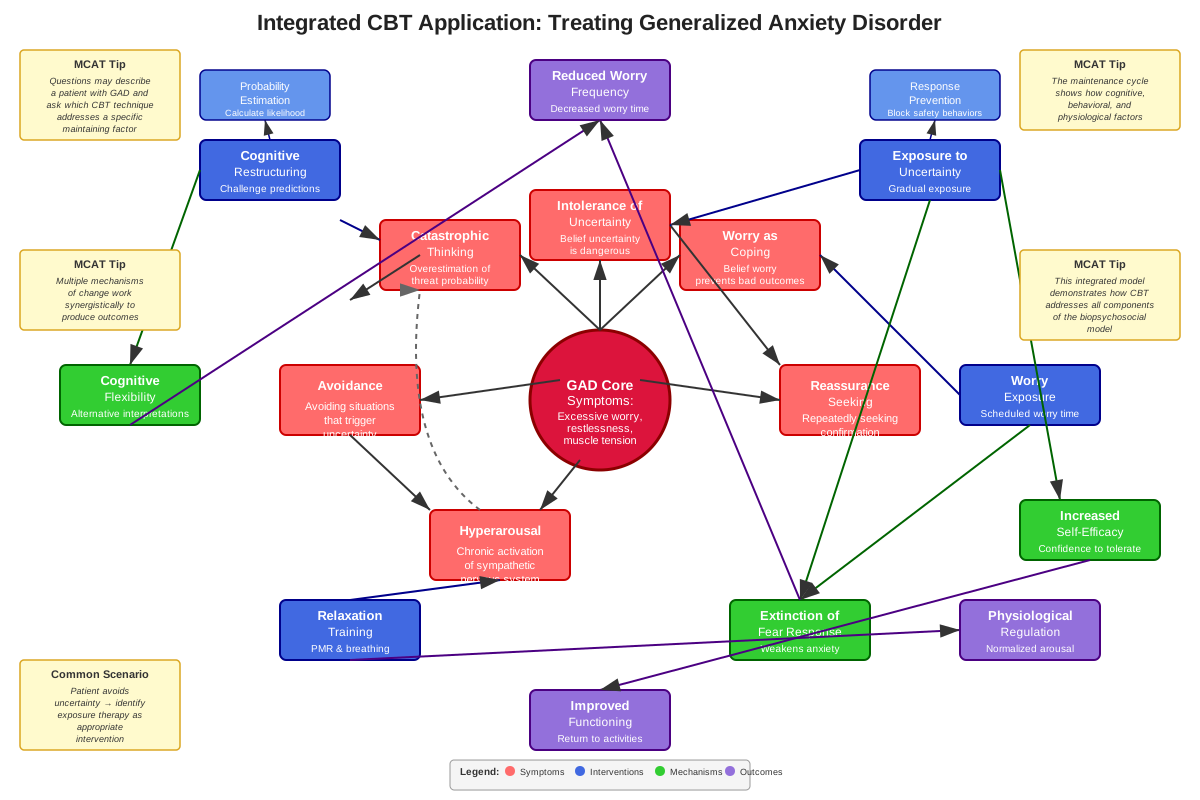
Overview
Cognitive behavioral therapy (CBT) represents one of the most empirically validated and widely practiced forms of psychotherapy in modern clinical psychology. This evidence-based treatment approach operates on the fundamental premise that psychological distress arises from maladaptive thought patterns and behaviors, and that by systematically identifying and modifying these patterns, individuals can achieve significant symptom relief and improved functioning. CBT integrates principles from both cognitive therapy (which focuses on identifying and restructuring distorted thinking) and behavioral therapy (which emphasizes changing maladaptive behaviors through conditioning principles), creating a comprehensive treatment framework that addresses both mental processes and observable actions.
For the MCAT, Cognitive behavioral therapy serves as a critical bridge between theoretical understanding of psychological disorders and treatment and practical clinical applications. The exam frequently tests students' ability to recognize CBT techniques in clinical vignettes, distinguish CBT from other therapeutic modalities, and understand the theoretical foundations that make this approach effective for various mental health conditions. Questions may present patient scenarios requiring identification of specific CBT interventions, or ask students to predict treatment outcomes based on CBT principles. Understanding CBT also requires integration of knowledge from learning theory, memory, social cognition, and neurobiological foundations of behavior change.
Within the broader landscape of Psychology content on the MCAT, CBT connects to multiple high-yield domains including classical and operant conditioning, cognitive distortions, the biopsychosocial model of health, and various psychological disorders (particularly anxiety disorders, depressive disorders, and obsessive-compulsive disorder). Mastery of this topic enables students to answer questions spanning multiple psychological frameworks and demonstrates understanding of how theoretical principles translate into therapeutic interventions. The MCAT particularly emphasizes CBT because it exemplifies the scientific approach to mental health treatment, with measurable outcomes and clearly defined mechanisms of action.
Learning Objectives
- [ ] Define Cognitive behavioral therapy using accurate Psychology terminology
- [ ] Explain why Cognitive behavioral therapy matters for the MCAT
- [ ] Apply Cognitive behavioral therapy to exam-style questions
- [ ] Identify common mistakes related to Cognitive behavioral therapy
- [ ] Connect Cognitive behavioral therapy to related Psychology concepts
- [ ] Distinguish between cognitive and behavioral components of CBT and explain their integration
- [ ] Analyze clinical vignettes to identify specific CBT techniques and predict their therapeutic mechanisms
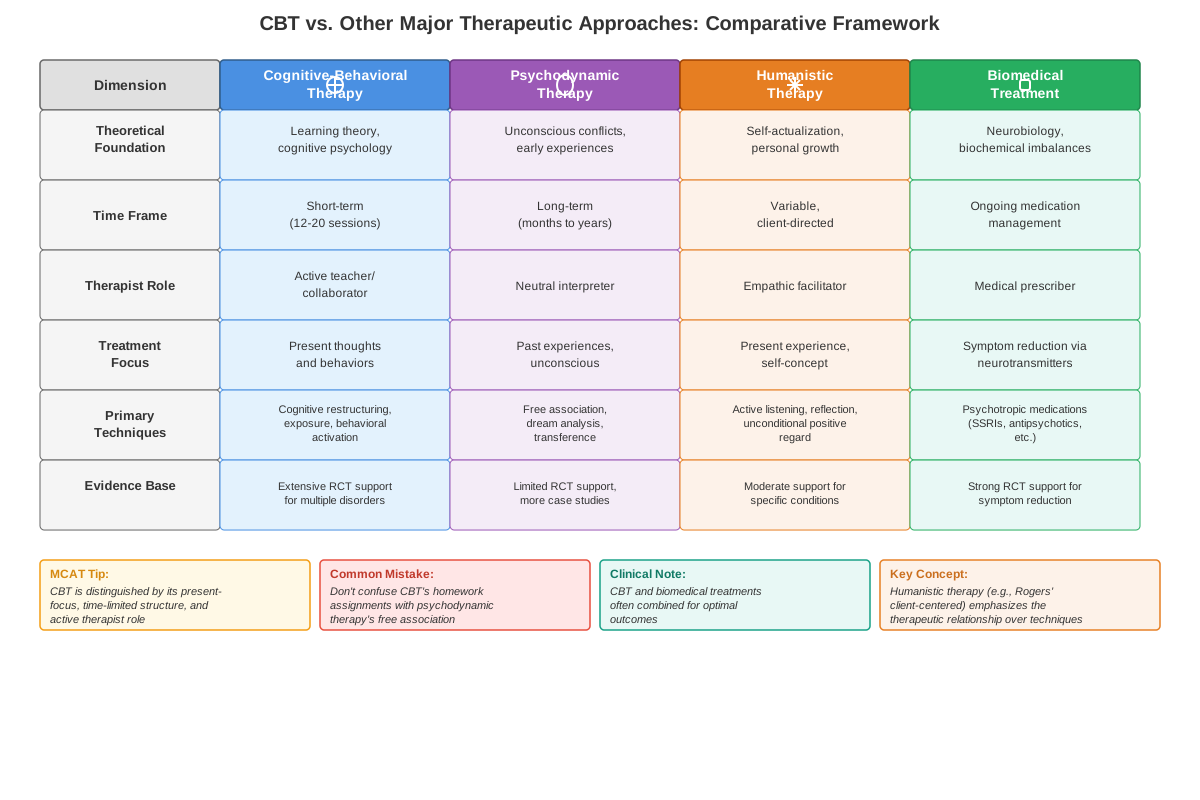
- [ ] Compare and contrast CBT with other major therapeutic approaches (psychodynamic, humanistic, biomedical)
Prerequisites
- Classical and operant conditioning: CBT's behavioral component relies heavily on extinction, reinforcement schedules, and systematic desensitization principles
- Cognitive processes (attention, memory, thinking): Understanding how thoughts influence emotions and behaviors requires knowledge of information processing and schema formation
- Major psychological disorders: CBT applications vary by disorder; familiarity with diagnostic criteria for depression, anxiety, OCD, and PTSD is essential
- Basic neurobiology of emotion and stress: The biological underpinnings of anxiety and mood regulation help explain why cognitive and behavioral changes produce physiological effects
- Social cognitive theory: Concepts like self-efficacy and observational learning inform CBT's approach to behavior change
Why This Topic Matters
Cognitive behavioral therapy represents the gold standard treatment for numerous psychological conditions, making it clinically indispensable. Research consistently demonstrates CBT's efficacy for major depressive disorder, generalized anxiety disorder, panic disorder, social anxiety disorder, obsessive-compulsive disorder, post-traumatic stress disorder, eating disorders, and substance use disorders. Unlike many therapeutic approaches that lack empirical validation, CBT's effectiveness has been established through hundreds of randomized controlled trials, making it a cornerstone of evidence-based practice in mental health. Clinicians across diverse settings—from private practice to hospital emergency departments—employ CBT techniques, and many insurance companies preferentially cover CBT due to its demonstrated cost-effectiveness and relatively brief treatment duration compared to long-term psychodynamic approaches.
For the MCAT, CBT appears with moderate to high frequency across multiple question formats. Approximately 2-4 questions per exam directly or indirectly assess CBT knowledge, typically within the Psychological, Social, and Biological Foundations of Behavior section. Questions commonly present clinical vignettes describing patient symptoms followed by therapeutic interventions, requiring students to identify the treatment modality or predict outcomes. Discrete questions may ask students to distinguish CBT from other approaches or identify specific techniques like cognitive restructuring, exposure therapy, or behavioral activation. Passage-based questions often embed CBT within broader discussions of treatment efficacy, requiring integration with research methodology concepts like randomized controlled trials, effect sizes, and treatment adherence.
Common exam presentations include: (1) patient scenarios where a therapist helps identify automatic negative thoughts and challenges their validity; (2) descriptions of gradual exposure to feared stimuli with anxiety measurement; (3) behavioral experiments testing the accuracy of catastrophic predictions; (4) homework assignments involving thought records or activity scheduling; and (5) comparative effectiveness studies contrasting CBT with medication or other psychotherapies. The MCAT particularly favors questions requiring students to recognize the collaborative, structured, present-focused nature of CBT and its emphasis on skill-building rather than insight into unconscious conflicts.
Core Concepts
Theoretical Foundations of CBT
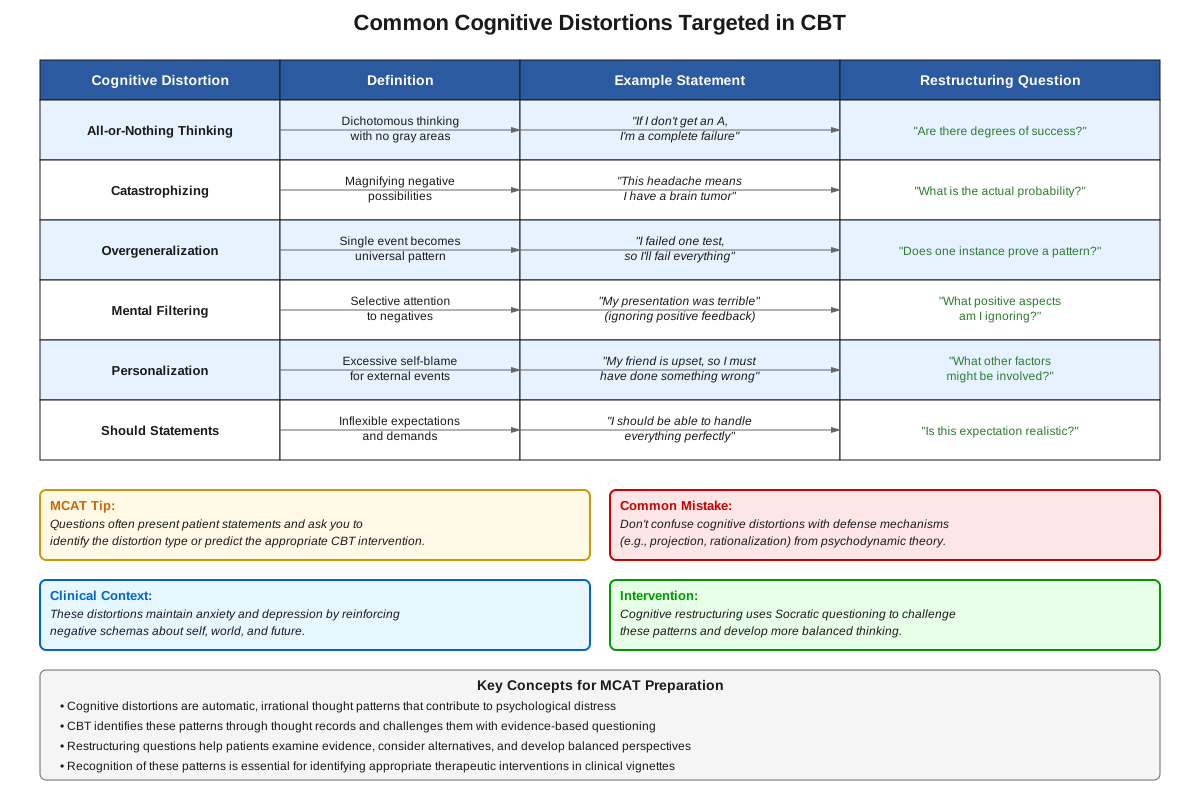
Cognitive behavioral therapy emerged from the integration of two distinct therapeutic traditions: cognitive therapy developed by Aaron Beck and behavioral therapy rooted in learning theory. The cognitive component posits that psychological distress results not from external events themselves, but from individuals' interpretations and evaluations of those events. This principle, often summarized as "thoughts influence feelings and behaviors," forms the cornerstone of CBT's cognitive restructuring techniques. Beck identified systematic errors in thinking—cognitive distortions—that maintain psychological disorders. These include all-or-nothing thinking (viewing situations in black-and-white categories), overgeneralization (drawing broad conclusions from single events), catastrophizing (expecting the worst possible outcome), and personalization (assuming excessive responsibility for negative events).
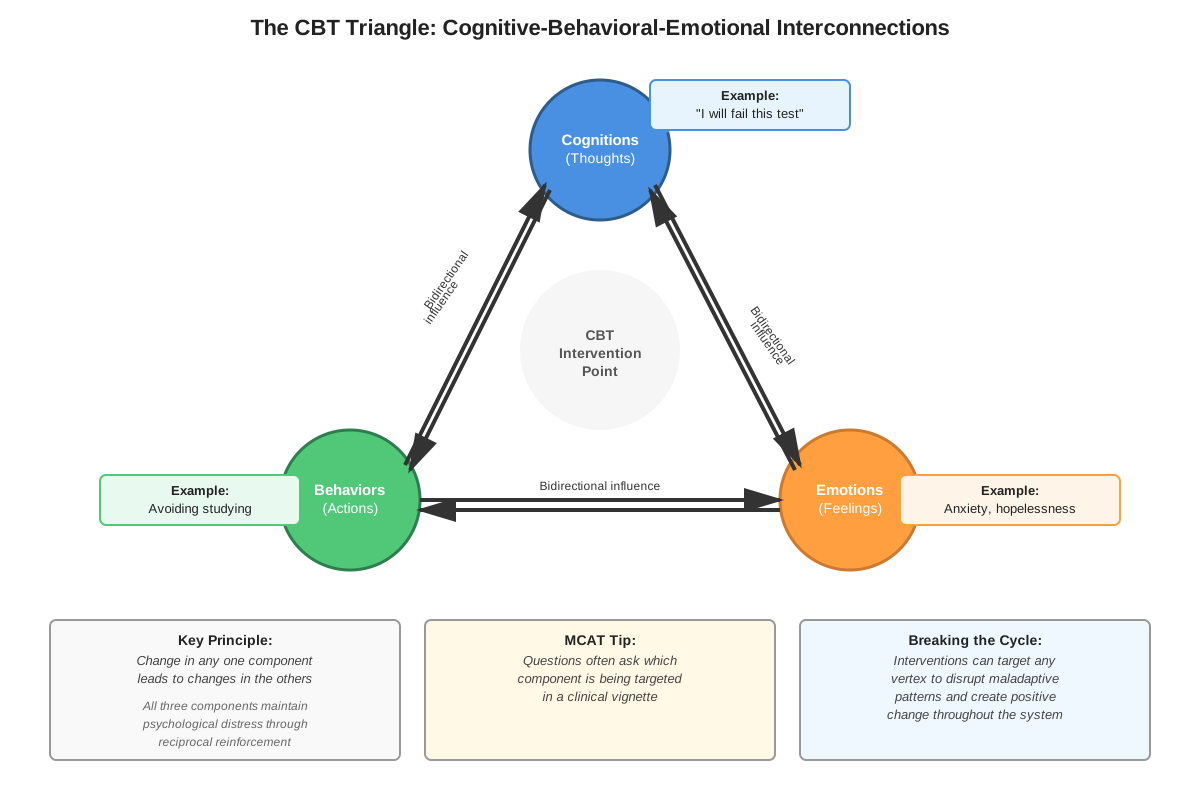
The behavioral component derives from classical conditioning (Pavlov), operant conditioning (Skinner), and social learning theory (Bandura). Behavioral principles explain how maladaptive responses become learned through association, reinforcement, and modeling, and how they can be unlearned through extinction, counterconditioning, and new learning experiences. The synthesis of cognitive and behavioral approaches recognizes that thoughts, emotions, behaviors, and physiological responses form an interconnected system where change in any component influences the others. This reciprocal determinism means that modifying thought patterns can alter behaviors, while changing behaviors can shift cognitive patterns—providing multiple intervention points for therapeutic change.
Core Components and Structure
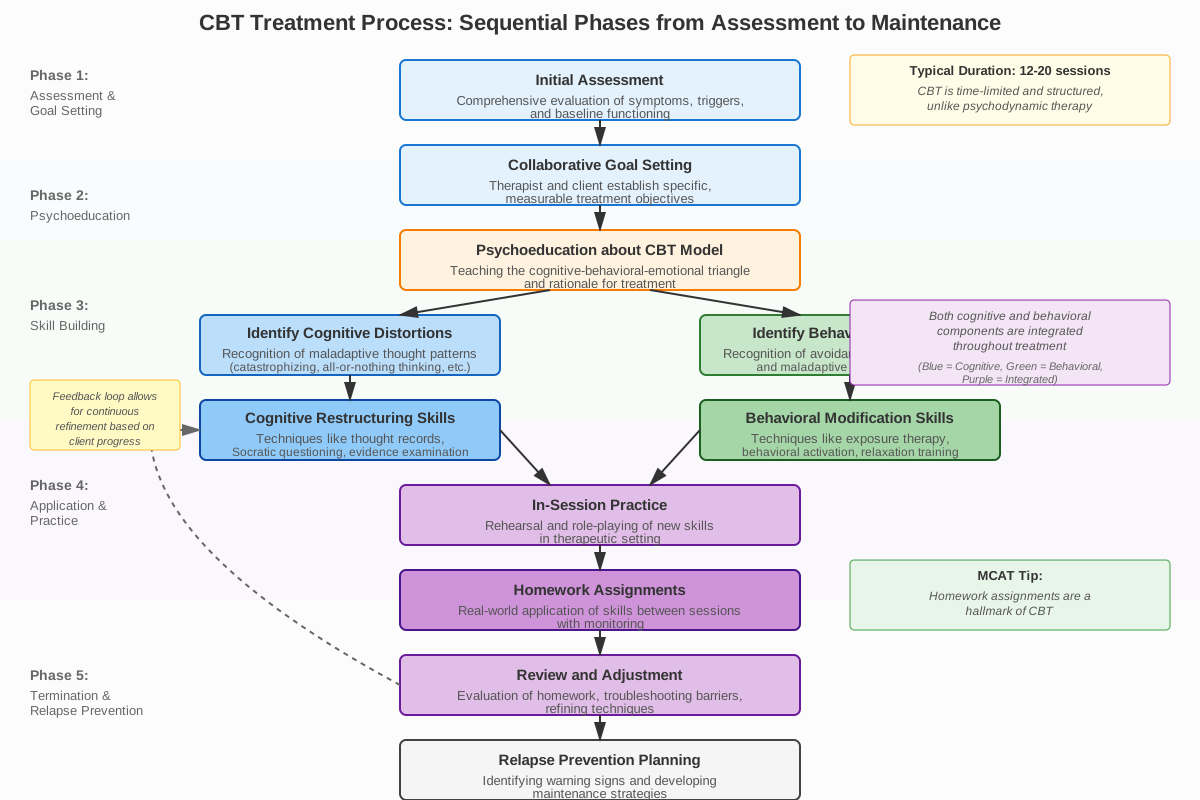
CBT operates through several defining characteristics that distinguish it from other therapeutic modalities. First, it is time-limited and structured, typically consisting of 12-20 sessions with clear agendas, specific goals, and measurable outcomes. Each session follows a predictable format: mood check-in, agenda setting, homework review, introduction of new concepts or skills, assignment of new homework, and session summary. This structure contrasts sharply with the open-ended, client-directed format of humanistic therapies or the long-term exploration characteristic of psychodynamic approaches.
Second, CBT is collaborative and psychoeducational. The therapist and client work as a team, with the therapist serving as a guide who teaches specific skills rather than an expert who provides interpretations. Clients learn the CBT model and become their own therapists, acquiring tools they can apply independently after treatment ends. This emphasis on skill acquisition and self-efficacy promotes lasting change beyond the therapy relationship.
Third, CBT is present-focused and problem-oriented. While acknowledging that past experiences shape current patterns, CBT concentrates on current thoughts, feelings, and behaviors maintaining distress. Treatment targets specific, concrete problems identified collaboratively, with interventions designed to produce measurable symptom reduction. This pragmatic focus makes CBT particularly amenable to empirical validation through controlled research.
Key Cognitive Techniques
Cognitive restructuring (also called cognitive reframing) represents the central cognitive intervention in CBT. This process involves identifying automatic negative thoughts, examining evidence for and against these thoughts, and developing more balanced, realistic alternatives. The technique follows a systematic sequence:
- Identifying automatic thoughts: Clients learn to notice thoughts that arise spontaneously in distressing situations, often recorded in thought logs documenting the situation, emotion, and associated thought
- Examining evidence: Therapist and client collaboratively evaluate whether thoughts are supported by objective evidence or represent cognitive distortions
- Generating alternatives: Developing more balanced thoughts that acknowledge complexity rather than extreme interpretations
- Behavioral testing: Conducting experiments to test the accuracy of predictions, gathering real-world data about feared outcomes
Socratic questioning serves as the primary method for cognitive restructuring, with therapists asking guided questions that help clients discover inconsistencies in their thinking rather than directly challenging beliefs. Questions might include: "What evidence supports this thought?" "What evidence contradicts it?" "What would you tell a friend in this situation?" "What's the worst that could happen, and how would you cope?"
Downward arrow technique helps identify core beliefs underlying automatic thoughts by repeatedly asking "What would that mean about you?" until reaching fundamental assumptions about self, others, or the world. For example, the thought "I made a mistake at work" might reveal core beliefs like "I'm incompetent" or "I must be perfect to be valued."
Key Behavioral Techniques
Exposure therapy represents the most powerful behavioral intervention for anxiety disorders, operating through extinction of conditioned fear responses. The technique involves systematic, repeated contact with feared stimuli in the absence of actual danger, allowing anxiety to naturally decrease through habituation. Exposure can be:
- In vivo exposure: Direct contact with real feared situations (e.g., a person with social anxiety giving presentations)
- Imaginal exposure: Vivid mental imagery of feared scenarios (e.g., imagining traumatic memories in PTSD treatment)
- Interoceptive exposure: Deliberately inducing feared physical sensations (e.g., hyperventilating to trigger panic-like symptoms)
Exposure typically follows a fear hierarchy or anxiety hierarchy, ranking feared situations from least to most anxiety-provoking. Treatment progresses systematically through this hierarchy, with each exposure repeated until anxiety significantly decreases before advancing to more challenging situations. The critical therapeutic mechanism is inhibitory learning—developing new, non-threatening associations that compete with original fear memories rather than erasing them.
Behavioral activation addresses depression by increasing engagement in rewarding activities, counteracting the withdrawal and avoidance that maintain depressive symptoms. The technique recognizes that depression creates a vicious cycle: low mood reduces motivation and activity, decreased activity eliminates sources of positive reinforcement, and absence of reinforcement deepens depression. Behavioral activation breaks this cycle by scheduling activities based on their potential for mastery (accomplishment) and pleasure, regardless of current motivation. Activity monitoring and scheduling help clients recognize connections between behavior and mood, demonstrating that "action precedes motivation" rather than waiting to "feel like" doing things.
Relaxation training and breathing retraining provide physiological regulation skills, particularly valuable for anxiety disorders. Techniques include progressive muscle relaxation (systematically tensing and releasing muscle groups), diaphragmatic breathing (slow, deep breathing engaging the diaphragm rather than chest), and applied relaxation (using relaxation as a coping skill in anxiety-provoking situations). These techniques directly counter the physiological arousal of anxiety, providing clients with concrete tools for symptom management.
Disorder-Specific Applications
| Disorder | Primary CBT Techniques | Therapeutic Targets | Typical Duration |
|---|---|---|---|
| Major Depressive Disorder | Behavioral activation, cognitive restructuring, activity scheduling | Negative automatic thoughts, behavioral withdrawal, rumination | 12-16 sessions |
| Generalized Anxiety Disorder | Cognitive restructuring, worry exposure, relaxation training | Intolerance of uncertainty, overestimation of threat, worry as avoidance | 12-15 sessions |
| Panic Disorder | Interoceptive exposure, cognitive restructuring, breathing retraining | Catastrophic misinterpretation of bodily sensations, safety behaviors | 10-12 sessions |
| Social Anxiety Disorder | In vivo exposure, cognitive restructuring, social skills training | Fear of negative evaluation, self-focused attention, safety behaviors | 12-16 sessions |
| Obsessive-Compulsive Disorder | Exposure and response prevention (ERP), cognitive restructuring | Compulsive rituals, overestimation of threat, inflated responsibility | 15-20 sessions |
| Post-Traumatic Stress Disorder | Prolonged exposure, cognitive processing therapy, trauma-focused CBT | Avoidance, trauma-related cognitions, re-experiencing symptoms | 12-16 sessions |
Mechanisms of Change
CBT produces therapeutic effects through multiple interconnected mechanisms. Cognitive change occurs as clients develop more accurate, flexible thinking patterns, reducing the frequency and intensity of cognitive distortions. This cognitive flexibility allows for more adaptive responses to stressors and challenges. Behavioral change happens through new learning experiences that disconfirm maladaptive beliefs and establish healthier response patterns. Exposure therapy, for instance, provides corrective information that feared outcomes rarely occur, while behavioral activation demonstrates that activity improves mood.
Neurobiological changes accompany psychological improvements, with neuroimaging studies demonstrating that successful CBT alters activity in brain regions associated with emotion regulation, including decreased amygdala reactivity and increased prefrontal cortex activation. These changes reflect enhanced top-down cognitive control over emotional responses. Self-efficacy enhancement represents another crucial mechanism, as clients develop confidence in their ability to manage symptoms and cope with challenges, reducing helplessness and promoting active problem-solving.
The therapeutic relationship in CBT, while less emphasized than in psychodynamic or humanistic approaches, still contributes significantly to outcomes. The collaborative, validating nature of the therapist-client relationship provides a safe context for exploring difficult thoughts and emotions, while the therapist's expertise and encouragement support clients through challenging exposure exercises and cognitive work.
Concept Relationships
The cognitive and behavioral components of CBT form a synergistic relationship where each enhances the other's effectiveness. Cognitive restructuring → prepares clients for behavioral experiments by identifying predictions to test, while behavioral changes → provide evidence that challenges maladaptive cognitions. For example, a client with social anxiety might identify the thought "If I speak up in meetings, everyone will think I'm stupid" (cognitive component), then test this prediction by actually speaking in a meeting (behavioral component), gathering evidence that contradicts the original catastrophic belief.
CBT connects directly to learning theory through its behavioral techniques. Classical conditioning explains how neutral stimuli become associated with fear responses (the basis for anxiety disorders), while extinction through exposure therapy represents the unlearning of these associations. Operant conditioning principles underlie behavioral activation, where increasing rewarding activities provides positive reinforcement that shapes continued engagement. Observational learning informs role-playing and modeling techniques used to develop new behavioral skills.
The relationship between CBT and cognitive psychology is equally fundamental. Concepts like schemas (organized knowledge structures), attention bias (preferential processing of threat-relevant information), and memory bias (enhanced recall of mood-congruent information) explain how psychological disorders maintain themselves through information processing distortions. CBT interventions directly target these cognitive processes, training attention toward neutral or positive information and challenging schema-driven interpretations.
CBT also connects to the biopsychosocial model, recognizing that biological vulnerabilities (genetic predispositions, neurochemical imbalances), psychological factors (cognitive patterns, coping skills), and social influences (life stressors, social support) interact to produce psychological disorders. While CBT primarily targets psychological mechanisms, it acknowledges biological and social factors, often combining with medication (biological intervention) and addressing interpersonal problems (social intervention) for comprehensive treatment.
The relationship map: Maladaptive thoughts ↔ Negative emotions ↔ Avoidant behaviors → Maintenance of disorder → CBT interventions → Cognitive restructuring + Behavioral experiments → New learning → Symptom reduction → Increased self-efficacy → Sustained improvement
Quick check — test yourself on Cognitive behavioral therapy so far.
Try Flashcards →High-Yield Facts
⭐ Cognitive behavioral therapy is based on the principle that thoughts, feelings, and behaviors are interconnected, and changing thoughts and behaviors can modify emotional responses
⭐ CBT is time-limited (typically 12-20 sessions), structured, present-focused, and collaborative, distinguishing it from psychodynamic and humanistic approaches
⭐ Cognitive restructuring involves identifying automatic negative thoughts, examining evidence for and against them, and developing more balanced alternatives
⭐ Exposure therapy is the most effective treatment for anxiety disorders, working through extinction of conditioned fear responses via repeated contact with feared stimuli without negative consequences
⭐ Behavioral activation treats depression by increasing engagement in rewarding activities, breaking the cycle of withdrawal and reduced positive reinforcement
- CBT demonstrates strong empirical support across multiple disorders, particularly anxiety disorders, depression, OCD, and PTSD
- Cognitive distortions include all-or-nothing thinking, overgeneralization, catastrophizing, personalization, mental filtering, and emotional reasoning
- Exposure and response prevention (ERP) specifically treats OCD by exposing clients to obsession triggers while preventing compulsive rituals
- Homework assignments are essential to CBT, allowing clients to practice skills between sessions and generalize learning to real-world contexts
- CBT can be effectively combined with medication, with combination treatment often superior to either intervention alone for moderate to severe disorders
- The therapeutic mechanism of exposure involves inhibitory learning—creating new, safe associations that compete with fear memories rather than erasing original learning
- Socratic questioning is the primary method for cognitive restructuring, using guided questions rather than direct challenges to help clients discover thinking errors
Common Misconceptions
Misconception: CBT ignores emotions and focuses only on thoughts and behaviors → Correction: CBT explicitly addresses emotions as a core component of the thought-feeling-behavior triangle. Emotional awareness and regulation are central to treatment, with cognitive and behavioral changes serving as pathways to emotional change. CBT helps clients understand and modify emotional responses rather than ignoring them.
Misconception: CBT is just "positive thinking" or telling people to "think happy thoughts" → Correction: CBT emphasizes realistic thinking, not positive thinking. The goal is to identify distorted, inaccurate thoughts and replace them with balanced, evidence-based alternatives that may be neutral or even somewhat negative but are more accurate. CBT teaches critical evaluation of thoughts rather than forced optimism.
Misconception: Exposure therapy works by having anxiety decrease during each exposure session → Correction: While within-session anxiety reduction (habituation) was historically emphasized, current understanding recognizes that inhibitory learning is the key mechanism. Exposure is effective even when anxiety doesn't fully decrease during sessions, as long as clients learn that feared outcomes don't occur and they can tolerate distress. The focus is on violating expectancies rather than achieving complete calm.
Misconception: CBT is superficial because it doesn't address unconscious conflicts or childhood experiences → Correction: CBT addresses the maintaining factors of current distress, which is often more efficient and effective than exploring historical causes. Research demonstrates that CBT produces lasting changes in brain function and symptom reduction comparable to or exceeding insight-oriented therapies. Additionally, CBT can address core beliefs formed in childhood when clinically relevant, but does so through structured techniques rather than free association.
Misconception: Homework in CBT is optional or just supplementary → Correction: Homework is essential to CBT effectiveness, not optional. Research shows that homework completion strongly predicts treatment outcomes. CBT sessions introduce concepts and skills, but real learning and change occur through between-session practice. Homework allows generalization from therapy office to real life and provides opportunities to test new thoughts and behaviors in authentic contexts.
Worked Examples
Example 1: Identifying CBT Techniques in a Clinical Vignette
Vignette: A 28-year-old woman with social anxiety disorder meets with her therapist. The therapist asks her to describe a recent situation where she felt anxious. The patient reports feeling terrified before a work presentation, thinking "Everyone will notice I'm nervous and think I'm incompetent." The therapist asks, "What evidence do you have that people will notice your anxiety?" and "Even if someone notices, what evidence suggests they'll think you're incompetent rather than sympathetic?" Together, they review past presentations where colleagues gave positive feedback. The therapist then suggests the patient give a brief presentation in their next session while deliberately showing some signs of nervousness to test her predictions.
Question: Which CBT techniques is the therapist employing?
Analysis:
- Identifying the cognitive component: The therapist helps the patient identify her automatic negative thought ("Everyone will notice I'm nervous and think I'm incompetent"), which is the first step in cognitive restructuring
- Socratic questioning: The therapist uses guided questions ("What evidence...?") rather than directly telling the patient her thoughts are wrong, helping her examine evidence herself
- Examining evidence: They review past experiences (positive feedback) that contradict the catastrophic prediction
- Behavioral experiment: The planned in-session presentation represents a behavioral test of the patient's prediction, gathering real-world data about whether showing nervousness leads to negative evaluation
Answer: The therapist is using cognitive restructuring through Socratic questioning and examining evidence, followed by planning a behavioral experiment. This exemplifies the integration of cognitive and behavioral techniques characteristic of CBT. The approach is collaborative (working together to examine thoughts), present-focused (addressing current anxiety about presentations), and structured (systematic progression from thought identification to evidence examination to behavioral testing).
Connection to learning objectives: This example demonstrates applying CBT to exam-style questions by identifying specific techniques within a clinical scenario, a common MCAT question format.
Example 2: Distinguishing CBT from Other Therapeutic Approaches
Vignette: A 35-year-old man seeks treatment for depression characterized by low mood, loss of interest in activities, and social withdrawal. Four different therapists propose different treatment approaches:
- Therapist A suggests exploring how his relationship with his parents during childhood created unconscious conflicts affecting his current relationships
- Therapist B proposes creating a warm, accepting therapeutic relationship where he can explore his feelings without judgment, trusting his innate capacity for growth
- Therapist C recommends starting an antidepressant medication to correct the neurochemical imbalance underlying his symptoms
- Therapist D suggests monitoring his daily activities and mood, then systematically scheduling rewarding activities while identifying and challenging negative thoughts about himself
Question: Which therapist is proposing a CBT approach, and what distinguishes it from the others?
Analysis:
Therapist A represents a psychodynamic approach: focus on unconscious conflicts, childhood experiences, and insight into historical causes of current problems. This contrasts with CBT's present focus and emphasis on current maintaining factors.
Therapist B represents a humanistic/person-centered approach: emphasis on the therapeutic relationship, unconditional positive regard, and the client's inherent growth potential. This differs from CBT's structured, directive, skill-teaching approach.
Therapist C represents a biomedical approach: focus on biological mechanisms (neurochemistry) and biological interventions (medication). While CBT can be combined with medication, this approach alone doesn't address psychological factors.
Therapist D represents CBT: specifically using behavioral activation (activity monitoring and scheduling) and cognitive restructuring (challenging negative thoughts). Key CBT features present include:
- Present-focused (current activities and thoughts)
- Structured intervention (systematic scheduling)
- Collaborative (monitoring together)
- Skill-building (learning to identify and challenge thoughts)
- Addresses both behavioral (activity) and cognitive (thoughts) components
Answer: Therapist D is proposing CBT. The approach is distinguished by its structured, present-focused, skill-building nature that addresses both thoughts and behaviors, contrasting with the historical focus of psychodynamic therapy, the relationship-centered approach of humanistic therapy, and the purely biological focus of medication alone.
Connection to learning objectives: This example addresses the objective of connecting CBT to related psychology concepts by explicitly comparing and contrasting therapeutic modalities, a high-yield MCAT skill.
Exam Strategy
When approaching MCAT questions about Cognitive behavioral therapy, first identify whether the question asks about (1) theoretical foundations, (2) specific techniques, (3) distinguishing CBT from other approaches, or (4) predicting treatment outcomes. Questions about theoretical foundations typically require understanding the thought-feeling-behavior connection and the role of cognitive distortions. Technique-identification questions present clinical vignettes requiring recognition of specific interventions like exposure, cognitive restructuring, or behavioral activation.
Trigger words and phrases that signal CBT include: "challenging thoughts," "examining evidence," "thought records," "behavioral experiments," "exposure," "activity scheduling," "homework assignments," "collaborative," "structured sessions," "time-limited," "present-focused," and "skill-building." Phrases like "exploring childhood experiences," "unconscious conflicts," or "free association" suggest psychodynamic therapy, while "unconditional positive regard," "genuine," and "client-directed" indicate humanistic approaches. "Medication," "neurochemical," or "brain imaging" point toward biomedical interventions.
For process-of-elimination, remember that CBT is:
- NOT primarily focused on the past (eliminate psychodynamic options)
- NOT non-directive or unstructured (eliminate humanistic options)
- NOT purely biological (eliminate medication-only options)
- NOT focused on unconscious processes (eliminate psychoanalytic options)
When questions present treatment scenarios, look for the collaborative, structured, present-focused nature of CBT. If a therapist is teaching specific skills, assigning homework, or helping a client test predictions through behavioral experiments, CBT is likely the correct answer. If the therapist is primarily listening, reflecting feelings, and allowing the client to direct the session, consider humanistic approaches instead.
Time allocation: Most CBT questions can be answered in 60-90 seconds. Spend 20-30 seconds carefully reading the vignette, identifying key features (time frame, structure, specific techniques mentioned), then 20-30 seconds evaluating answer choices, and 10-20 seconds confirming your selection by eliminating clearly incorrect options. Don't overthink—MCAT questions about CBT typically have clear correct answers once you identify the key features.
For passage-based questions, pay attention to study designs comparing CBT to other treatments. Understand that CBT typically shows comparable efficacy to medication for many disorders, with lower relapse rates after treatment discontinuation. Be prepared to interpret effect sizes, treatment adherence rates, and follow-up data in the context of CBT research.
Memory Techniques
Mnemonic for CBT's defining characteristics: "SPECT"
- Structured (clear agendas, specific format)
- Present-focused (current thoughts and behaviors)
- Empirical (evidence-based, testable)
- Collaborative (therapist and client as team)
- Time-limited (typically 12-20 sessions)
Mnemonic for major cognitive distortions: "COPE-MAD"
- Catastrophizing (expecting worst outcomes)
- Overgeneralization (broad conclusions from single events)
- Personalization (excessive personal responsibility)
- Emotional reasoning (feelings as facts)
- Mental filtering (focusing only on negatives)
- All-or-nothing thinking (black-and-white categories)
- Disqualifying the positive (rejecting positive experiences)
Visualization for the CBT triangle: Picture a triangle with "THOUGHTS" at the top vertex, "FEELINGS" at the bottom-left vertex, and "BEHAVIORS" at the bottom-right vertex. Draw bidirectional arrows connecting all three points, emphasizing that change in any component affects the others. This visual reinforces that CBT can intervene at multiple points in the system.
Acronym for exposure therapy steps: "FEAR"
- Fear hierarchy creation (ranking feared situations)
- Exposure to feared stimulus (systematic contact)
- Anxiety monitoring (tracking distress levels)
- Repetition until habituation (continued exposure until anxiety decreases)
Memory aid for distinguishing therapies: Create a mental table with columns for CBT, psychodynamic, humanistic, and biomedical approaches. For each, memorize one key phrase: CBT = "change thoughts and behaviors," psychodynamic = "unconscious conflicts from past," humanistic = "unconditional positive regard," biomedical = "medication and brain chemistry." This quick reference helps eliminate wrong answers efficiently.
Summary
Cognitive behavioral therapy represents an evidence-based, structured psychotherapeutic approach that treats psychological disorders by modifying maladaptive thought patterns and behaviors. Built on the foundational principle that thoughts, feelings, and behaviors are interconnected, CBT integrates cognitive techniques (identifying and restructuring distorted thinking through Socratic questioning and examining evidence) with behavioral interventions (exposure therapy, behavioral activation, and skills training). The approach is distinguished by its time-limited, present-focused, collaborative nature, with therapists serving as guides who teach specific skills rather than providing interpretations of unconscious conflicts. CBT demonstrates strong empirical support for treating anxiety disorders, depression, OCD, PTSD, and other conditions, making it a gold standard in evidence-based mental health treatment. For the MCAT, students must recognize CBT techniques in clinical vignettes, distinguish CBT from psychodynamic, humanistic, and biomedical approaches, and understand the theoretical mechanisms (extinction, inhibitory learning, cognitive restructuring) underlying therapeutic change. Mastery requires integrating knowledge of learning theory, cognitive psychology, and the biopsychosocial model while applying this understanding to predict treatment outcomes and identify appropriate interventions for specific disorders.
Key Takeaways
- Cognitive behavioral therapy integrates cognitive restructuring (changing maladaptive thoughts) with behavioral interventions (modifying problematic behaviors) based on the principle that thoughts, feelings, and behaviors are interconnected
- CBT is characterized by being time-limited, structured, present-focused, collaborative, and empirically supported, distinguishing it from psychodynamic and humanistic approaches
- Exposure therapy treats anxiety disorders through extinction of conditioned fear responses via repeated contact with feared stimuli, working through inhibitory learning rather than erasure of fear memories
- Cognitive restructuring uses Socratic questioning to help clients identify automatic negative thoughts, examine evidence, and develop more balanced, realistic alternatives
- Behavioral activation addresses depression by systematically increasing engagement in rewarding activities, breaking the cycle of withdrawal and reduced positive reinforcement
- CBT demonstrates strong efficacy across multiple disorders (anxiety, depression, OCD, PTSD) with effects comparable to medication and lower relapse rates after treatment ends
- On the MCAT, recognize CBT through trigger words like "challenging thoughts," "behavioral experiments," "homework," "structured," and "collaborative," while distinguishing from past-focused psychodynamic and relationship-focused humanistic approaches
Related Topics
Psychodynamic Therapy: Understanding psychodynamic approaches (focus on unconscious conflicts, defense mechanisms, transference, and childhood experiences) provides essential contrast for distinguishing therapeutic modalities on the MCAT. Mastering CBT enables clearer recognition of psychodynamic features.
Humanistic and Person-Centered Therapy: Carl Rogers' approach emphasizing unconditional positive regard, genuineness, and empathy represents another major therapeutic tradition. Understanding CBT's structured, directive nature clarifies how humanistic therapy's non-directive, client-centered approach differs.
Biomedical Treatments: Knowledge of psychopharmacology (antidepressants, anxiolytics, antipsychotics) and their mechanisms complements CBT understanding, as combination treatment is common. Understanding both psychological and biological interventions enables comprehensive treatment planning.
Learning Theory and Conditioning: Deep understanding of classical conditioning, operant conditioning, and observational learning provides the theoretical foundation for CBT's behavioral techniques, particularly exposure therapy and behavioral activation.
Cognitive Psychology and Information Processing: Exploring schemas, attention bias, memory bias, and cognitive distortions deepens understanding of how CBT's cognitive techniques produce change by modifying information processing patterns.
Practice CTA
Now that you've mastered the theoretical foundations, techniques, and clinical applications of cognitive behavioral therapy, it's time to solidify your understanding through active practice. Challenge yourself with MCAT-style practice questions that present clinical vignettes requiring identification of CBT techniques, comparison with other therapeutic approaches, and prediction of treatment outcomes. Use flashcards to reinforce key concepts like cognitive distortions, exposure therapy mechanisms, and distinguishing features of different therapeutic modalities. The more you practice applying CBT principles to realistic scenarios, the more automatic your recognition will become on test day. Remember: understanding CBT isn't just about memorizing techniques—it's about developing the clinical reasoning skills to analyze therapeutic interactions and predict their effects. You've built a strong foundation; now apply it with confidence!
Sign up free to keep reading
Create a free AnvayaPrep account to finish this MCAT guide on Cognitive behavioral therapy — plus flashcards and practice questions.