Overview
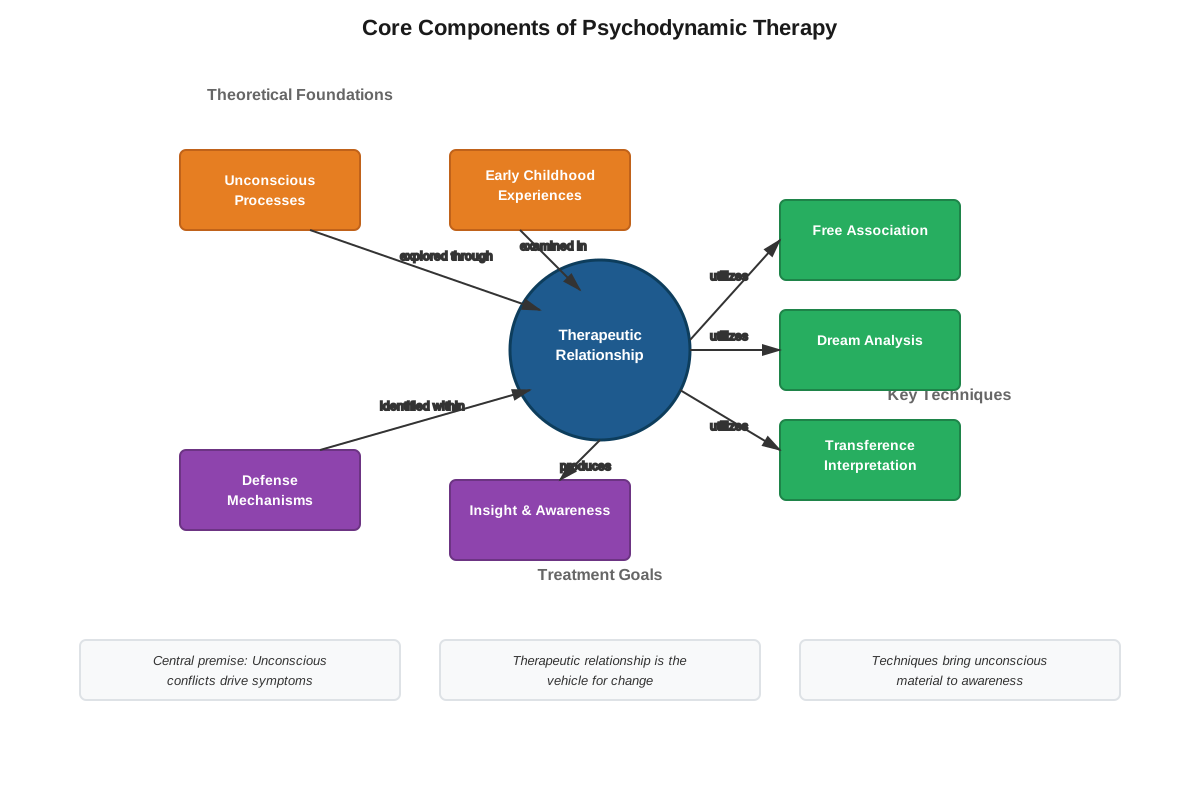
Psychodynamic therapy represents one of the foundational approaches to psychological treatment, rooted in the pioneering work of Sigmund Freud and his psychoanalytic theory. This therapeutic modality operates on the fundamental premise that unconscious processes, early childhood experiences, and unresolved internal conflicts significantly influence current behavior, emotions, and psychological symptoms. Unlike behavioral or cognitive approaches that focus primarily on observable symptoms and conscious thought patterns, psychodynamic therapy delves into the deeper layers of the psyche to uncover hidden motivations, defense mechanisms, and repressed memories that may be contributing to psychological distress. The therapy emphasizes the therapeutic relationship itself as a vehicle for change, utilizing techniques such as free association, dream analysis, and interpretation of transference to bring unconscious material into conscious awareness.
For the MCAT, understanding psychodynamic therapy is essential because it represents a major theoretical framework within Psychology and appears regularly in questions about Psychological Disorders and Treatment. The exam frequently tests students' ability to distinguish between different therapeutic approaches, identify appropriate treatment modalities for specific disorders, and understand the theoretical underpinnings that guide clinical practice. Questions may present clinical vignettes requiring students to recognize psychodynamic techniques, compare psychodynamic approaches with cognitive-behavioral or humanistic therapies, or analyze the role of unconscious processes in symptom formation and treatment.
The study of psychodynamic therapy connects to broader psychological concepts including personality development, defense mechanisms, the structure of personality (id, ego, superego), and theories of motivation. It also relates to neuroscience concepts regarding memory formation and emotional processing, as well as sociological perspectives on how early social relationships shape psychological functioning. Mastering this topic provides a foundation for understanding not only treatment approaches but also fundamental theories about human behavior and mental processes that appear throughout the Psychology section of the MCAT.
Learning Objectives
- [ ] Define Psychodynamic therapy using accurate Psychology terminology
- [ ] Explain why Psychodynamic therapy matters for the MCAT
- [ ] Apply Psychodynamic therapy to exam-style questions
- [ ] Identify common mistakes related to Psychodynamic therapy
- [ ] Connect Psychodynamic therapy to related Psychology concepts
- [ ] Compare and contrast psychodynamic therapy with other major therapeutic approaches (cognitive-behavioral, humanistic, biomedical)
- [ ] Analyze clinical vignettes to identify psychodynamic techniques and theoretical principles in action
- [ ] Evaluate the strengths and limitations of psychodynamic therapy for different psychological disorders
Prerequisites
- Freudian psychoanalytic theory: Understanding the id, ego, and superego is essential because psychodynamic therapy aims to resolve conflicts between these personality structures
- Defense mechanisms: Knowledge of repression, projection, displacement, and other defenses is necessary because identifying and working through these mechanisms is central to psychodynamic treatment
- Stages of psychosexual development: Familiarity with Freud's developmental stages helps explain how psychodynamic therapists conceptualize the origins of current psychological problems
- Unconscious processes: Understanding that mental activity occurs outside conscious awareness provides the theoretical foundation for psychodynamic interventions
- Basic therapeutic terminology: Knowledge of terms like therapist, client, treatment modality, and therapeutic alliance enables comprehension of clinical concepts
Why This Topic Matters
Psychodynamic therapy holds significant clinical and real-world importance as one of the oldest and most influential approaches to mental health treatment. Despite the rise of evidence-based therapies like cognitive-behavioral therapy (CBT), psychodynamic approaches continue to be widely practiced and have evolved into modern forms such as brief psychodynamic therapy and mentalization-based treatment. Research demonstrates effectiveness for conditions including depression, anxiety disorders, personality disorders, and relationship difficulties. The therapy's emphasis on self-understanding, emotional insight, and the therapeutic relationship has influenced virtually all subsequent therapeutic approaches, even those that differ theoretically.
For the MCAT, psychodynamic therapy MCAT questions appear with moderate frequency in the Psychological Disorders and Treatment content category. Exam statistics indicate that approximately 5-8% of Psychology/Sociology section questions involve therapeutic approaches, with psychodynamic therapy representing a significant portion of these items. Questions typically appear in three formats: (1) discrete questions asking students to identify characteristics or techniques of psychodynamic therapy, (2) passage-based questions presenting research studies comparing therapeutic approaches, and (3) clinical vignettes requiring students to match therapeutic techniques to theoretical orientations.
Common ways this topic appears in MCAT passages include: research studies examining therapy outcomes across different modalities, case studies describing therapeutic interactions where students must identify the approach being used, discussions of the historical development of psychological treatment, and passages exploring the role of unconscious processes in behavior and mental health. The exam frequently tests the ability to distinguish psychodynamic concepts (unconscious conflicts, early experiences, defense mechanisms) from cognitive concepts (automatic thoughts, cognitive distortions) and behavioral concepts (reinforcement, conditioning). Understanding these distinctions is crucial for success on comparative questions.
Core Concepts
Definition and Theoretical Foundation
Psychodynamic therapy is a depth-oriented therapeutic approach that seeks to reveal unconscious content of a client's psyche to alleviate psychological distress and promote insight into how past experiences, particularly from childhood, influence current functioning. The term "psychodynamic" refers to the dynamic interplay of forces within the mind—specifically the conflicts between conscious and unconscious processes, between different personality structures, and between internal drives and external reality. This approach evolved from Freud's psychoanalysis but has been modified and adapted by numerous theorists including Carl Jung, Alfred Adler, Melanie Klein, and contemporary practitioners who have integrated research findings and shortened treatment duration.
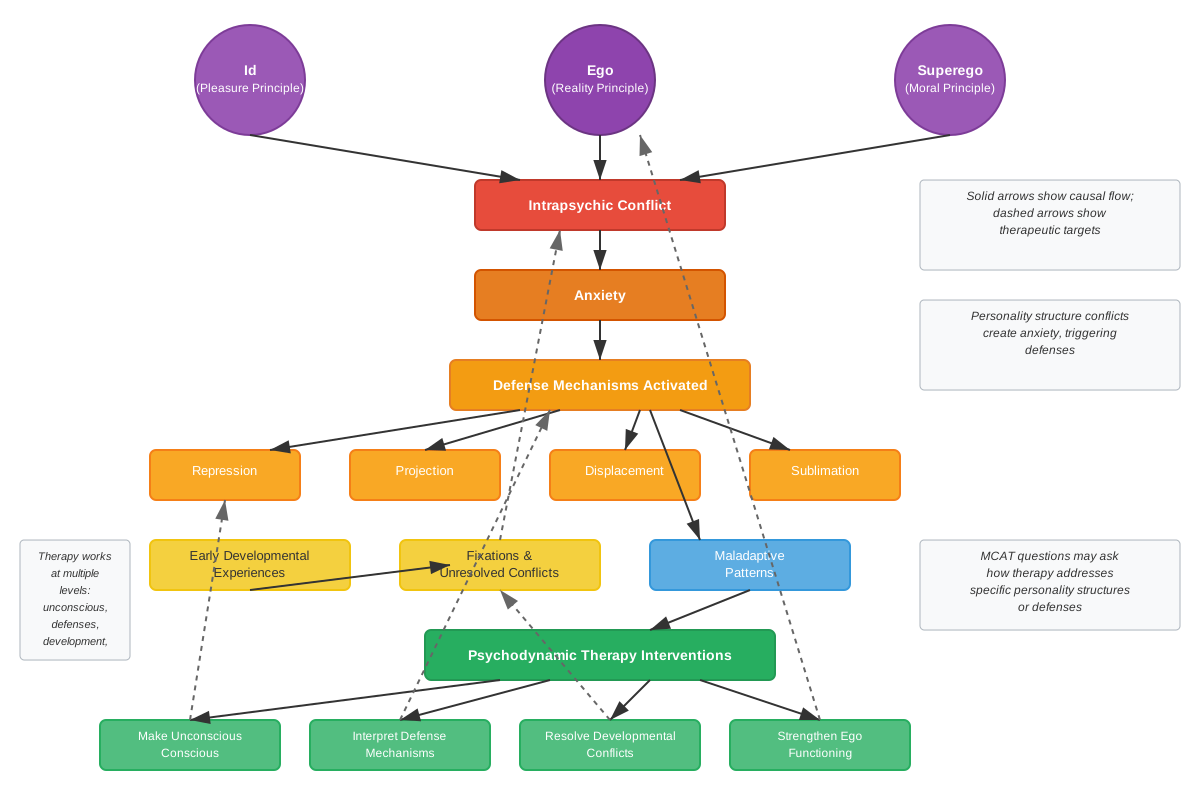
The fundamental assumption underlying psychodynamic therapy is that psychological symptoms represent compromises between conflicting mental forces. For example, anxiety might result from the ego's struggle to manage unacceptable id impulses while satisfying superego demands and adapting to reality. Depression might stem from anger turned inward against the self. By making these unconscious conflicts conscious through therapeutic exploration, clients can develop more adaptive ways of managing internal tensions and relating to others.
Key Techniques and Methods
Free association represents the cornerstone technique of psychodynamic therapy. Clients are encouraged to say whatever comes to mind without censorship or editing, allowing unconscious material to emerge. The therapist listens for patterns, themes, and connections that the client may not consciously recognize. When clients experience difficulty with free association—becoming silent, changing subjects abruptly, or expressing resistance—these moments are considered clinically significant, potentially indicating that unconscious defenses are protecting against threatening material.
Dream analysis serves as another primary technique, based on Freud's assertion that dreams represent "the royal road to the unconscious." The manifest content (what the dreamer remembers) is analyzed to uncover the latent content (the unconscious wishes and conflicts symbolically represented). Through interpretation, the therapist helps the client understand how dreams express disguised fulfillments of repressed wishes or reveal unresolved conflicts.
Interpretation involves the therapist offering explanations about the unconscious meaning of the client's thoughts, feelings, behaviors, or symptoms. Effective interpretations connect current difficulties to past experiences, link symptoms to underlying conflicts, or reveal how defense mechanisms are operating. Timing is crucial—interpretations offered before the client is ready may be rejected or cause increased resistance.
Analysis of resistance focuses on the ways clients unconsciously avoid or oppose therapeutic progress. Resistance manifests as missed appointments, silence during sessions, intellectualization, or dismissal of interpretations. Rather than viewing resistance as problematic, psychodynamic therapists see it as valuable clinical material revealing the defenses the client uses to protect against anxiety-provoking insights.
Transference analysis examines how clients unconsciously redirect feelings and attitudes from past relationships (especially with parents) onto the therapist. For example, a client who experienced a critical father might perceive the therapist as judgmental even when the therapist is neutral. Countertransference refers to the therapist's emotional reactions to the client, which can provide insights into how the client affects others. Working through transference allows clients to recognize and modify problematic relationship patterns.
Therapeutic Goals and Process
The primary goals of psychodynamic therapy include:
- Increasing self-awareness: Bringing unconscious material into conscious awareness
- Developing insight: Understanding how past experiences influence current functioning
- Resolving internal conflicts: Reducing tensions between personality structures
- Modifying defense mechanisms: Replacing maladaptive defenses with healthier coping strategies
- Improving relationships: Recognizing and changing problematic interpersonal patterns
- Promoting psychological growth: Facilitating maturation and integration of personality
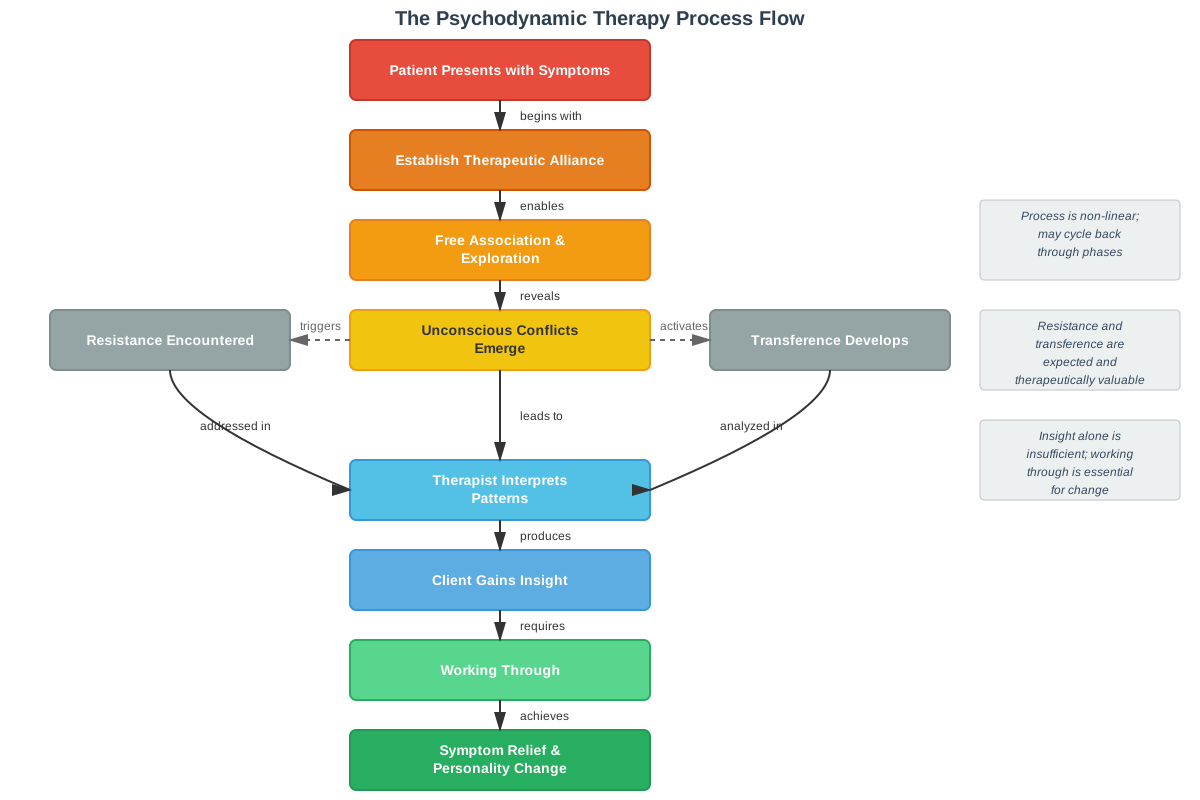
The therapeutic process typically unfolds gradually over months or years (though brief psychodynamic therapy has been developed for shorter timeframes). Early sessions focus on establishing the therapeutic alliance and exploring presenting problems. Middle phases involve deeper exploration of unconscious material, working through resistance, and analyzing transference. Later stages emphasize integration of insights, application to daily life, and preparation for termination. The therapy relationship itself serves as both the context for exploration and a vehicle for change, as clients experience new ways of relating within the safety of the therapeutic environment.
Comparison with Other Therapeutic Approaches
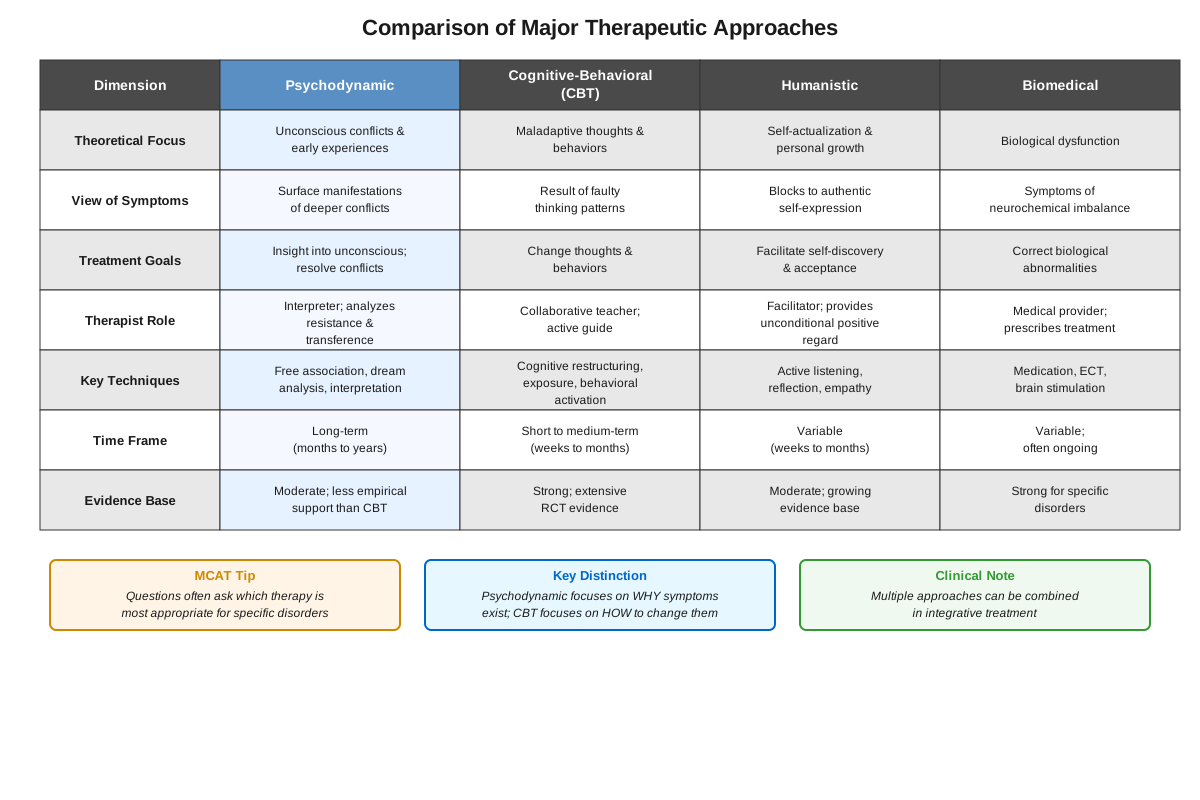
| Feature | Psychodynamic Therapy | Cognitive-Behavioral Therapy | Humanistic Therapy | Biomedical Approach |
|---|---|---|---|---|
| Focus | Unconscious conflicts, past experiences | Current thoughts and behaviors | Present experience, self-actualization | Biological factors, neurotransmitters |
| Time orientation | Past → Present | Present → Future | Present moment | Variable |
| Therapist role | Interpreter, analyst | Teacher, collaborator | Facilitator, empathic listener | Medical expert |
| Primary techniques | Free association, interpretation, transference analysis | Cognitive restructuring, exposure, behavioral experiments | Active listening, unconditional positive regard | Medication, procedures |
| Duration | Long-term (months-years) | Short-term (weeks-months) | Variable | Ongoing management |
| Mechanism of change | Insight, working through conflicts | Learning new patterns | Self-acceptance, growth | Biological correction |
Modern Developments and Variations
Contemporary psychodynamic therapy has evolved significantly from classical psychoanalysis. Brief psychodynamic therapy (also called short-term psychodynamic psychotherapy) typically lasts 12-40 sessions and focuses on specific focal conflicts rather than comprehensive personality restructuring. Interpersonal therapy (IPT), while technically distinct, shares psychodynamic roots and emphasizes current relationship patterns. Mentalization-based treatment helps clients develop the capacity to understand mental states in themselves and others, particularly useful for borderline personality disorder. These modern variations maintain core psychodynamic principles while incorporating research findings and adapting to practical constraints of contemporary healthcare delivery.
Evidence Base and Effectiveness
Research on psychodynamic therapy effectiveness has grown substantially in recent decades. Meta-analyses demonstrate efficacy for major depressive disorder, anxiety disorders, some personality disorders, and somatic symptom disorders. Effect sizes are comparable to other established treatments, with some evidence suggesting psychodynamic therapy produces lasting benefits that continue after treatment ends. However, the evidence base is less extensive than for CBT, partly due to methodological challenges in studying insight-oriented, relationship-based interventions. The MCAT may present research findings comparing therapeutic approaches, requiring students to interpret study designs and outcomes.
Concept Relationships
The concepts within psychodynamic therapy form an interconnected system. Unconscious processes serve as the foundation → these processes are protected by defense mechanisms → which create resistance in therapy → requiring interpretation and free association to access → revealing transference patterns → which reflect early childhood experiences → leading to insight → producing symptom relief and personality change.
Psychodynamic therapy connects to prerequisite topics through multiple pathways. Freudian theory provides the structural model (id, ego, superego) that explains internal conflicts addressed in therapy. Defense mechanisms learned in personality psychology become the focus of therapeutic work. Psychosexual development stages help therapists understand fixations and developmental origins of current problems. Memory processes from cognitive psychology relate to how early experiences are encoded and later influence behavior, even when not consciously remembered.
The topic also connects forward to related concepts. Understanding psychodynamic therapy enables comprehension of therapeutic alliance across all treatment modalities, as the importance of the therapy relationship was first emphasized in psychodynamic work. It relates to attachment theory, which evolved from psychodynamic concepts and explains relationship patterns. The emphasis on emotional processing in psychodynamic therapy connects to neuroscience research on emotion regulation and the limbic system. Finally, psychodynamic concepts about unconscious influences on behavior relate to social psychology topics like implicit attitudes and automatic processing.
High-Yield Facts
⭐ Psychodynamic therapy focuses on unconscious processes, early childhood experiences, and internal conflicts as the primary causes of psychological symptoms
⭐ The therapeutic relationship and analysis of transference (redirecting feelings from past relationships onto the therapist) are central to psychodynamic treatment
⭐ Free association is the primary technique, where clients say whatever comes to mind to allow unconscious material to emerge
⭐ Resistance (unconscious opposition to therapeutic progress) is viewed as clinically valuable information about defense mechanisms rather than as an obstacle
⭐ Psychodynamic therapy emphasizes insight and self-understanding as the mechanism of change, rather than skill-building or symptom reduction alone
- Dream analysis examines manifest content (remembered dream) to uncover latent content (unconscious wishes and conflicts)
- Interpretation involves the therapist offering explanations about unconscious meanings of thoughts, feelings, or behaviors
- Psychodynamic therapy typically requires longer duration (months to years) compared to cognitive-behavioral approaches
- The approach assumes that making unconscious conflicts conscious allows for more adaptive resolution and symptom relief
- Modern variations include brief psychodynamic therapy, interpersonal therapy, and mentalization-based treatment
- Countertransference (therapist's emotional reactions to the client) provides information about how the client affects others
- Defense mechanisms like repression, projection, and displacement are identified and worked through in psychodynamic therapy
Quick check — test yourself on Psychodynamic therapy so far.
Try Flashcards →Common Misconceptions
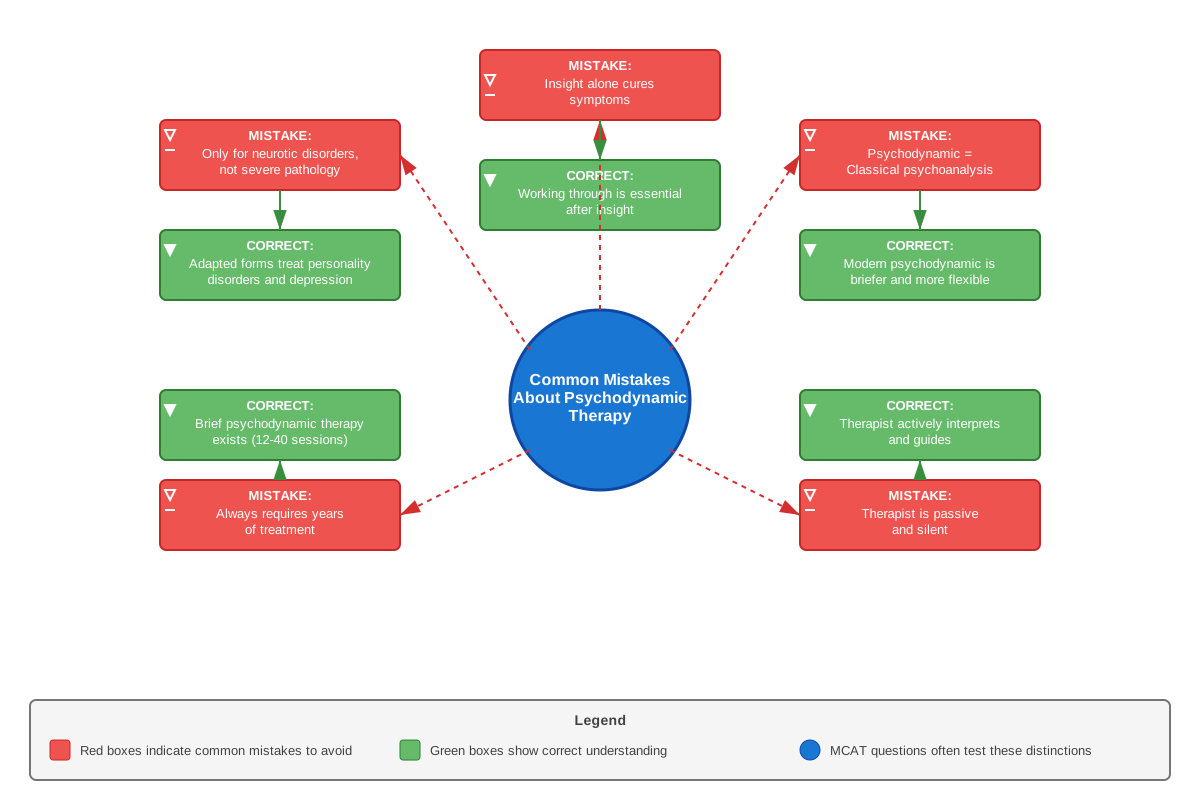
Misconception: Psychodynamic therapy and psychoanalysis are identical terms that can be used interchangeably.
Correction: Psychodynamic therapy is a broader category that evolved from psychoanalysis but includes many modern variations. Classical psychoanalysis involves multiple sessions per week for years with the patient on a couch, while psychodynamic therapy typically involves once-weekly face-to-face sessions and may be brief or long-term. All psychoanalysis is psychodynamic, but not all psychodynamic therapy is psychoanalysis.
Misconception: Psychodynamic therapy focuses exclusively on childhood experiences and ignores current problems.
Correction: While psychodynamic therapy explores how past experiences influence current functioning, it actively addresses present-day symptoms, relationships, and difficulties. The goal is understanding connections between past and present, not dwelling on the past for its own sake. Therapists help clients apply insights to current life situations.
Misconception: The therapist in psychodynamic therapy tells the client what their problems mean and what to do about them.
Correction: Psychodynamic therapists offer interpretations as hypotheses for the client to consider, not as definitive truths. The collaborative exploration of meaning is central, with the client's responses to interpretations being as important as the interpretations themselves. Effective therapy involves the client developing their own insights, facilitated but not dictated by the therapist.
Misconception: Psychodynamic therapy has no scientific evidence supporting its effectiveness.
Correction: While historically less researched than CBT, substantial evidence now supports psychodynamic therapy's effectiveness for various conditions including depression, anxiety, and personality disorders. Meta-analyses show effect sizes comparable to other established treatments, with some evidence of lasting benefits after treatment ends.
Misconception: Resistance means the client doesn't want to get better or isn't trying hard enough.
Correction: Resistance is an unconscious defense mechanism, not a conscious choice or lack of motivation. It represents the psyche's attempt to protect against anxiety-provoking material. Analyzing resistance provides valuable information about the client's defenses and the conflicts being avoided. Skilled therapists work with resistance rather than against it.
Misconception: Transference only occurs in psychodynamic therapy and is a problem to be eliminated.
Correction: Transference occurs in all relationships, including all forms of therapy, though it may not be explicitly addressed in non-psychodynamic approaches. In psychodynamic therapy, transference is not a problem but a valuable therapeutic tool. Analyzing transference helps clients recognize and modify problematic relationship patterns that extend beyond the therapy relationship.
Worked Examples
Example 1: Identifying Psychodynamic Techniques in a Clinical Vignette
Question: A 35-year-old woman in therapy frequently arrives late to sessions and often falls silent for long periods. When the therapist gently points out these patterns, the client becomes defensive and says the therapist is being critical "just like my mother always was." The therapist responds by exploring how the client's perception of criticism might relate to her childhood experiences and current relationships. Which psychodynamic concepts are illustrated in this scenario?
Step 1 - Identify the behaviors and patterns: The client arrives late and becomes silent (observable behaviors), becomes defensive when patterns are noted, and makes a comparison to her mother.
Step 2 - Recognize resistance: Arriving late and falling silent represent forms of resistance—unconscious ways of avoiding therapeutic work or anxiety-provoking material. Rather than viewing these as problems, the psychodynamic therapist sees them as clinically meaningful.
Step 3 - Identify transference: The client's statement "just like my mother always was" reveals transference—she is redirecting feelings and perceptions from her relationship with her mother onto the therapist. She perceives the therapist as critical even when the therapist is being neutral and observational.
Step 4 - Note the therapeutic approach: The therapist's response of exploring connections between past (childhood experiences with mother), present therapy relationship (perception of therapist as critical), and other current relationships exemplifies psychodynamic technique. The therapist is using interpretation to help the client develop insight.
Answer: This vignette illustrates three key psychodynamic concepts: (1) resistance (lateness and silence as unconscious avoidance), (2) transference (redirecting feelings about mother onto therapist), and (3) interpretation (therapist connecting past and present patterns). The therapeutic approach focuses on understanding unconscious processes and developing insight rather than directly modifying behaviors.
Connection to learning objectives: This example demonstrates how to apply psychodynamic therapy concepts to exam-style clinical vignettes and identify specific techniques in practice.
Example 2: Comparing Therapeutic Approaches
Question: A patient with social anxiety disorder is seeking treatment. Compare how a psychodynamic therapist versus a cognitive-behavioral therapist would conceptualize and treat this condition.
Step 1 - Psychodynamic conceptualization: A psychodynamic therapist would view social anxiety as potentially stemming from unconscious conflicts, perhaps related to early experiences of criticism, rejection, or shame. The anxiety might represent a defense against deeper fears about self-worth or unacceptable impulses. The therapist would explore the patient's developmental history, relationship patterns, and unconscious meanings attached to social situations.
Step 2 - Psychodynamic treatment approach: Treatment would involve free association to explore thoughts and feelings about social situations, analysis of dreams that might reveal underlying conflicts, examination of the therapeutic relationship (does the patient fear judgment from the therapist?), and interpretation of how past experiences influence current social fears. The goal would be insight into unconscious roots of anxiety and resolution of underlying conflicts.
Step 3 - Cognitive-behavioral conceptualization: A CBT therapist would view social anxiety as resulting from maladaptive thought patterns (cognitive distortions like mind-reading or catastrophizing) and avoidance behaviors that prevent disconfirmation of feared outcomes. The focus would be on current maintaining factors rather than historical origins.
Step 4 - Cognitive-behavioral treatment approach: Treatment would involve identifying and challenging automatic negative thoughts about social situations, conducting behavioral experiments to test feared predictions, gradual exposure to anxiety-provoking social situations, and teaching specific skills like relaxation techniques. The goal would be symptom reduction through learning new patterns of thinking and behaving.
Step 5 - Key distinctions:
| Dimension | Psychodynamic | Cognitive-Behavioral |
|---|---|---|
| Time focus | Past → Present | Present → Future |
| Mechanism | Unconscious conflicts | Thoughts and behaviors |
| Techniques | Free association, interpretation | Cognitive restructuring, exposure |
| Goals | Insight, conflict resolution | Symptom reduction, skill-building |
| Duration | Longer-term | Shorter-term |
Answer: The psychodynamic approach would explore unconscious roots and past experiences contributing to social anxiety, using insight-oriented techniques over a longer timeframe. The CBT approach would focus on current thought patterns and avoidance behaviors, using structured techniques to directly reduce symptoms in a shorter timeframe. Both can be effective, but they differ fundamentally in conceptualization and method.
Connection to learning objectives: This example demonstrates how to compare psychodynamic therapy with other approaches, a common MCAT question type, and shows the ability to apply theoretical knowledge to clinical situations.
Exam Strategy
When approaching psychodynamic therapy MCAT questions, begin by identifying key trigger words and phrases that signal a psychodynamic approach. Look for terms like "unconscious," "childhood experiences," "insight," "transference," "defense mechanisms," "free association," or "interpretation." These words indicate that the question involves psychodynamic concepts rather than other therapeutic approaches.
For comparison questions asking you to distinguish between therapeutic modalities, create a mental framework based on three dimensions: (1) time orientation (past vs. present vs. future), (2) focus (unconscious vs. thoughts vs. behaviors vs. biology), and (3) mechanism of change (insight vs. learning vs. acceptance vs. medication). Psychodynamic therapy emphasizes past→present, unconscious processes, and insight as the mechanism of change. This framework allows rapid elimination of incorrect options.
When analyzing clinical vignettes, pay attention to what the therapist does and says. Psychodynamic therapists typically:
- Ask open-ended questions encouraging exploration
- Offer interpretations connecting past and present
- Point out patterns the client may not consciously recognize
- Explore the therapy relationship itself
- View resistance as meaningful rather than problematic
In contrast, CBT therapists assign homework, teach specific skills, and challenge thought patterns directly. Humanistic therapists emphasize acceptance and present experience. Biomedical approaches focus on medication or procedures.
Exam Tip: If a question describes a therapist exploring "why" something happens or connecting current problems to past experiences, think psychodynamic. If the therapist is teaching "how" to do something differently or assigning practice exercises, think cognitive-behavioral.
For process-of-elimination, remember that psychodynamic therapy is NOT characterized by:
- Structured homework assignments (more CBT)
- Direct advice-giving (not typical of most therapies)
- Focus solely on present moment without exploring history (more humanistic)
- Emphasis on conscious thought patterns alone (more cognitive)
- Medication as primary intervention (biomedical)
Time allocation for psychodynamic therapy questions should be standard—approximately 1 minute for discrete questions, 1.5 minutes for passage-based questions. These questions rarely involve complex calculations but do require careful reading to distinguish between similar-sounding therapeutic approaches. Don't rush through the answer choices; the differences between options may be subtle.
Memory Techniques
FIDT - Remember the four core psychodynamic techniques:
- Free association
- Interpretation
- Dream analysis
- Transference analysis
"TRIP to the Unconscious" - Key elements of psychodynamic therapy:
- Transference (redirecting feelings onto therapist)
- Resistance (unconscious avoidance)
- Insight (understanding unconscious influences)
- Past experiences (childhood origins of current problems)
Visualization strategy: Picture an iceberg to remember the unconscious focus of psychodynamic therapy. The small visible portion above water represents conscious awareness, while the massive underwater portion represents the unconscious—the primary focus of psychodynamic work. This image helps distinguish psychodynamic (exploring beneath the surface) from cognitive approaches (working with what's visible).
Time orientation mnemonic: "Psychodynamic looks to the Past, CBT works in the Current/present, Humanistic focuses on the Here-and-now." This helps quickly categorize therapeutic approaches on comparison questions.
For defense mechanisms in therapy: Remember "RAPID work" - psychodynamic therapy works with:
- Repression
- Anxiety
- Projection
- Internal conflicts
- Displacement
These are common defense mechanisms that psychodynamic therapists help clients recognize and modify.
Summary
Psychodynamic therapy represents a depth-oriented approach to psychological treatment that emphasizes unconscious processes, early childhood experiences, and internal conflicts as the primary determinants of current psychological functioning and symptoms. Evolved from Freudian psychoanalysis, this therapeutic modality utilizes techniques including free association, dream analysis, interpretation, and analysis of transference and resistance to bring unconscious material into conscious awareness. The fundamental goal is developing insight—understanding how past experiences and unconscious conflicts influence present behavior, emotions, and relationships. Unlike cognitive-behavioral approaches that focus on modifying current thoughts and behaviors, or humanistic approaches that emphasize present experience and self-actualization, psychodynamic therapy explores the historical and unconscious roots of psychological difficulties. The therapeutic relationship itself serves as both the context for exploration and a vehicle for change, with transference patterns revealing and allowing modification of problematic relationship templates. While traditionally long-term, modern variations include brief psychodynamic therapy adapted to contemporary practice constraints. For the MCAT, students must be able to identify psychodynamic techniques in clinical vignettes, distinguish this approach from other therapeutic modalities, and understand the theoretical principles underlying psychodynamic interventions.
Key Takeaways
- Psychodynamic therapy focuses on unconscious processes, early experiences, and internal conflicts as causes of psychological symptoms, distinguishing it from approaches emphasizing conscious thoughts or observable behaviors
- Core techniques include free association, interpretation, dream analysis, and analysis of transference (redirecting feelings from past relationships onto the therapist) and resistance (unconscious opposition to therapeutic progress)
- The mechanism of change is insight—bringing unconscious material into conscious awareness to allow more adaptive resolution of conflicts and modification of defense mechanisms
- Psychodynamic therapy typically requires longer duration than cognitive-behavioral approaches and emphasizes the therapeutic relationship as central to treatment
- For MCAT questions, distinguish psychodynamic approaches by their focus on past→present connections, exploration of unconscious meanings, and emphasis on understanding "why" rather than teaching "how"
- Modern evidence supports psychodynamic therapy effectiveness for depression, anxiety, personality disorders, and relationship difficulties, with effect sizes comparable to other established treatments
- The approach connects to broader psychological concepts including personality structure (id, ego, superego), defense mechanisms, psychosexual development, and theories of motivation and emotion
Related Topics
Cognitive-Behavioral Therapy (CBT): Understanding CBT enables comparison with psychodynamic approaches, highlighting different conceptualizations of psychological problems and mechanisms of change. Mastering psychodynamic therapy provides the foundation for understanding how CBT developed partly in reaction to psychodynamic limitations.
Humanistic Therapy: Client-centered therapy and other humanistic approaches share psychodynamic therapy's emphasis on the therapeutic relationship but differ in theoretical assumptions and techniques. Comparing these approaches deepens understanding of both.
Defense Mechanisms: Detailed study of specific defense mechanisms (repression, projection, displacement, sublimation, etc.) builds on the psychodynamic therapy foundation, as identifying and working through defenses is central to treatment.
Attachment Theory: This developmental framework evolved from psychodynamic concepts and explains relationship patterns that psychodynamic therapy addresses. Understanding attachment styles enhances comprehension of transference and interpersonal difficulties.
Personality Disorders: Psychodynamic therapy has particular relevance for treating personality disorders, especially borderline personality disorder. Studying these conditions illustrates psychodynamic principles in action.
Research Methods in Psychology: Understanding how therapy outcome research is conducted enables critical evaluation of evidence supporting different therapeutic approaches, including psychodynamic therapy.
Practice CTA
Now that you've mastered the core concepts of psychodynamic therapy, it's time to solidify your understanding through active practice. Attempt the practice questions and flashcards associated with this topic to test your ability to identify psychodynamic techniques in clinical vignettes, distinguish this approach from other therapeutic modalities, and apply theoretical principles to exam-style scenarios. Remember that the MCAT rewards not just knowledge but the ability to apply concepts to novel situations—practice questions develop this critical skill. Each question you work through strengthens your neural pathways for rapid retrieval during the actual exam. You've built a strong foundation; now reinforce it through deliberate practice. Your investment in understanding psychodynamic therapy will pay dividends not only on test day but throughout your medical career as you work with patients whose current difficulties reflect complex interactions between past experiences, unconscious processes, and present circumstances.
Sign up free to keep reading
Create a free AnvayaPrep account to finish this MCAT guide on Psychodynamic therapy — plus flashcards and practice questions.