Overview
Eating disorders represent a critical category of psychological disorders characterized by persistent disturbances in eating behaviors, thoughts, and emotions that significantly impair physical health and psychosocial functioning. These conditions—primarily anorexia nervosa, bulimia nervosa, and binge-eating disorder—involve complex interactions between biological, psychological, and sociocultural factors. Understanding eating disorders is essential for MCAT success because they exemplify how cognitive distortions, emotional dysregulation, and maladaptive behaviors converge to create serious medical and psychiatric conditions. The MCAT frequently tests eating disorders within the context of Psychological Disorders and Treatment, requiring students to recognize diagnostic criteria, differentiate between subtypes, and understand the biopsychosocial model of disease.
From a broader Psychology perspective, eating disorders illuminate fundamental concepts including body image distortion, perfectionism, control issues, and the influence of societal standards on individual behavior. These conditions demonstrate how cognitive schemas about self-worth become pathologically linked to weight and shape, creating self-perpetuating cycles of restriction, binging, and compensatory behaviors. The neurobiological underpinnings—involving serotonin dysregulation, reward pathway alterations, and hypothalamic dysfunction—connect eating disorders to biological psychology topics tested on the MCAT.
For the MCAT, eating disorders appear in multiple question formats: passage-based questions analyzing research studies on treatment efficacy, discrete questions testing diagnostic criteria, and psychology/sociology passages exploring cultural influences on body image. Students must be prepared to apply DSM-5 criteria, distinguish between similar presentations, and understand both the medical complications and evidence-based treatments. Mastery of this topic strengthens understanding of broader themes in abnormal psychology, including the stress-diathesis model, comorbidity patterns, and the integration of biological and psychological treatment approaches.
Learning Objectives
- [ ] Define eating disorders using accurate Psychology terminology
- [ ] Explain why eating disorders matters for the MCAT
- [ ] Apply eating disorders to exam-style questions
- [ ] Identify common mistakes related to eating disorders
- [ ] Connect eating disorders to related Psychology concepts
- [ ] Differentiate between anorexia nervosa, bulimia nervosa, and binge-eating disorder using DSM-5 criteria
- [ ] Analyze the biopsychosocial factors contributing to eating disorder development
- [ ] Evaluate the medical complications and treatment approaches for each eating disorder subtype
Prerequisites
- Basic understanding of DSM-5 diagnostic framework: Eating disorders are classified as mental disorders with specific diagnostic criteria that students must apply
- Knowledge of neurotransmitter systems: Serotonin, dopamine, and other neurotransmitters play crucial roles in appetite regulation and mood
- Familiarity with cognitive distortions: Eating disorders involve characteristic thinking patterns that maintain disordered behaviors
- Understanding of the biopsychosocial model: This framework is essential for comprehending the multifactorial etiology of eating disorders
- Basic endocrinology concepts: Hormonal systems (leptin, ghrelin, cortisol) are disrupted in eating disorders and contribute to medical complications
Why This Topic Matters
Clinical and Real-World Significance
Eating disorders have the highest mortality rate of any psychiatric condition, with anorexia nervosa carrying a mortality rate approximately 12 times higher than the annual death rate for all causes in females aged 15-24. These disorders affect approximately 9% of the global population and result in severe medical complications including cardiac arrhythmias, electrolyte imbalances, osteoporosis, and gastrointestinal dysfunction. Beyond physical health, eating disorders profoundly impact quality of life, academic and occupational functioning, and interpersonal relationships. Understanding these conditions is crucial for future physicians who will encounter patients with eating disorders across multiple specialties—not just psychiatry, but also primary care, cardiology, endocrinology, and gastroenterology.
MCAT Exam Statistics and Question Types
Eating disorders appear on approximately 3-5% of MCAT Psychology/Sociology section questions, making them a medium-yield topic that students cannot afford to neglect. Questions typically fall into three categories: (1) diagnostic differentiation questions requiring students to match clinical presentations with specific disorders, (2) passage-based questions analyzing research on risk factors, treatment outcomes, or neurobiological mechanisms, and (3) questions testing understanding of comorbidities and medical complications. The MCAT particularly favors questions that integrate biological and psychological perspectives, such as asking how serotonin dysregulation relates to both mood symptoms and eating behaviors.
Common Exam Passage Contexts
Eating disorders frequently appear in MCAT passages discussing: sociocultural influences on body image and the "thin ideal," neuroimaging studies showing altered brain activity in reward centers, longitudinal studies tracking risk factors from adolescence to adulthood, treatment comparison studies (cognitive-behavioral therapy vs. medication), and passages exploring the relationship between perfectionism, anxiety disorders, and eating pathology. Students should be prepared to analyze experimental designs, interpret data tables showing treatment outcomes, and apply psychological theories to explain eating disorder phenomena.
Core Concepts
Definition and Classification of Eating Disorders
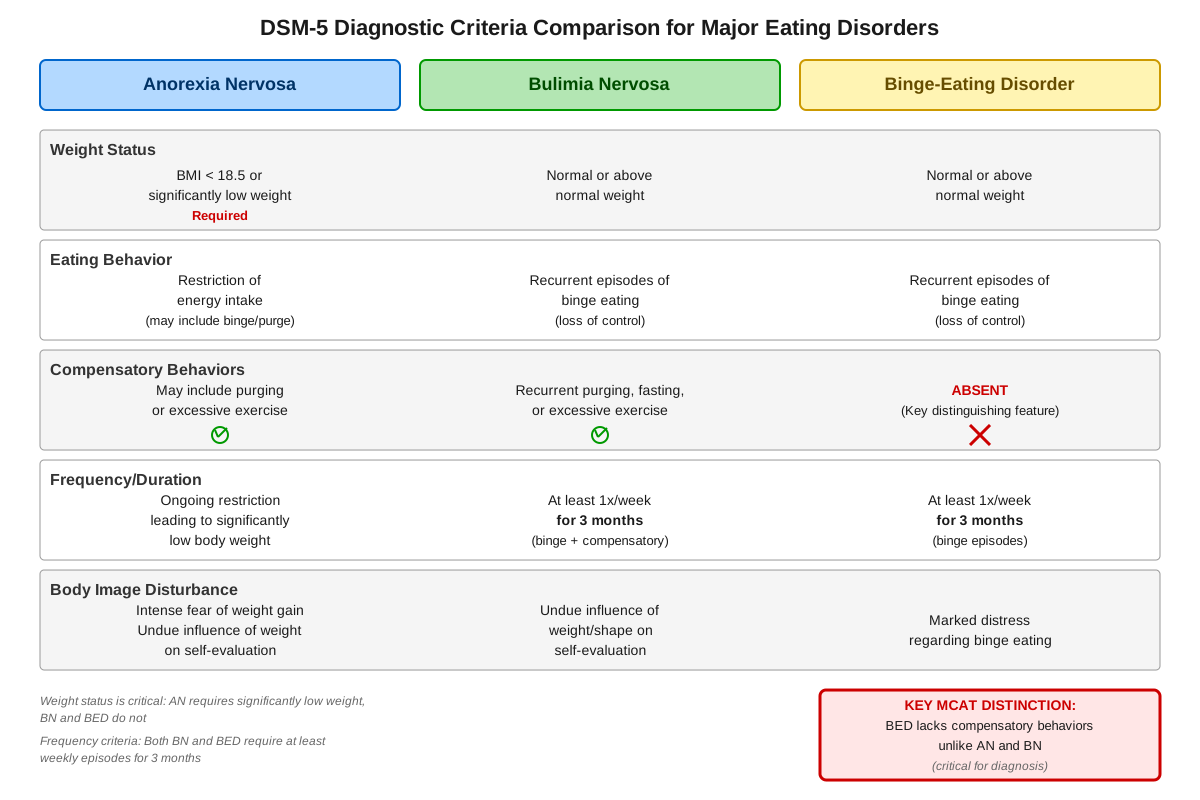
Eating disorders are serious mental health conditions characterized by persistent disturbances in eating or eating-related behavior that result in altered consumption or absorption of food and significantly impair physical health or psychosocial functioning. The DSM-5 recognizes several distinct eating disorders, each with specific diagnostic criteria. These disorders exist on a spectrum of severity and often share common underlying features including preoccupation with food, weight, and body shape, but differ in their behavioral manifestations and medical consequences.
The three primary eating disorders tested on the MCAT are anorexia nervosa, bulimia nervosa, and binge-eating disorder. Understanding the precise diagnostic criteria for each is essential because MCAT questions frequently present clinical vignettes requiring students to differentiate between these conditions based on subtle distinctions in behavior patterns, cognitions, and physical findings.
Anorexia Nervosa
Anorexia nervosa is characterized by restriction of energy intake relative to requirements, leading to significantly low body weight in the context of age, sex, developmental trajectory, and physical health. The disorder involves three core features that must all be present for diagnosis:
- Restriction of energy intake leading to significantly low body weight (typically defined as less than minimally normal or expected)
- Intense fear of gaining weight or becoming fat, or persistent behavior that interferes with weight gain, even though at a significantly low weight
- Disturbance in the way one's body weight or shape is experienced, undue influence of body weight or shape on self-evaluation, or persistent lack of recognition of the seriousness of the current low body weight
The DSM-5 recognizes two subtypes of anorexia nervosa:
- Restricting type: Weight loss is accomplished primarily through dieting, fasting, and/or excessive exercise without regular binge-eating or purging episodes
- Binge-eating/purging type: Regular episodes of binge eating or purging behavior (self-induced vomiting or misuse of laxatives, diuretics, or enemas) occur during the episode
MCAT Exam Tip: Questions may present patients with low body weight who engage in purging. The key distinction is whether binge eating occurs—if purging happens without binge eating in a low-weight individual, the diagnosis is anorexia nervosa (binge-eating/purging type), not bulimia nervosa.
Bulimia Nervosa
Bulimia nervosa is characterized by recurrent episodes of binge eating followed by inappropriate compensatory behaviors to prevent weight gain. The diagnostic criteria include:
- Recurrent episodes of binge eating characterized by both:
- Eating an amount of food that is definitely larger than what most individuals would eat in a similar period under similar circumstances
- A sense of lack of control over eating during the episode
- Recurrent inappropriate compensatory behaviors to prevent weight gain (self-induced vomiting, misuse of laxatives/diuretics/other medications, fasting, or excessive exercise)
- The binge eating and compensatory behaviors both occur, on average, at least once a week for 3 months
- Self-evaluation is unduly influenced by body shape and weight
- The disturbance does not occur exclusively during episodes of anorexia nervosa
A critical distinction is that individuals with bulimia nervosa typically maintain body weight at or above minimally normal levels, unlike those with anorexia nervosa. The compensatory behaviors distinguish bulimia from binge-eating disorder.
Binge-Eating Disorder
Binge-eating disorder (BED) is characterized by recurrent episodes of binge eating without the regular use of inappropriate compensatory behaviors seen in bulimia nervosa. Diagnostic criteria include:
- Recurrent episodes of binge eating with the same characteristics as in bulimia nervosa (large amount of food and sense of lack of control)
- Binge-eating episodes are associated with three or more of the following:
- Eating much more rapidly than normal
- Eating until feeling uncomfortably full
- Eating large amounts of food when not feeling physically hungry
- Eating alone because of feeling embarrassed by how much one is eating
- Feeling disgusted with oneself, depressed, or very guilty afterward
- Marked distress regarding binge eating is present
- Binge eating occurs, on average, at least once a week for 3 months
- The binge eating is not associated with recurrent use of inappropriate compensatory behavior and does not occur exclusively during anorexia or bulimia nervosa
Individuals with BED are often overweight or obese, though this is not a diagnostic requirement. The absence of compensatory behaviors is the key feature distinguishing BED from bulimia nervosa.
Comparison Table of Major Eating Disorders
| Feature | Anorexia Nervosa | Bulimia Nervosa | Binge-Eating Disorder |
|---|---|---|---|
| Body Weight | Significantly low | Normal to above normal | Often overweight/obese |
| Binge Eating | May occur (B/P subtype) | Required | Required |
| Compensatory Behaviors | May occur (B/P subtype) | Required | Absent |
| Body Image Disturbance | Severe, with lack of illness recognition | Present, influences self-evaluation | Variable |
| Fear of Weight Gain | Intense and persistent | Present | Less prominent |
| Frequency Criterion | None specified | ≥1x/week for 3 months | ≥1x/week for 3 months |
| Medical Complications | Severe (cardiac, endocrine, bone) | Moderate (electrolyte, dental, GI) | Metabolic (diabetes, cardiovascular) |
Biopsychosocial Etiology
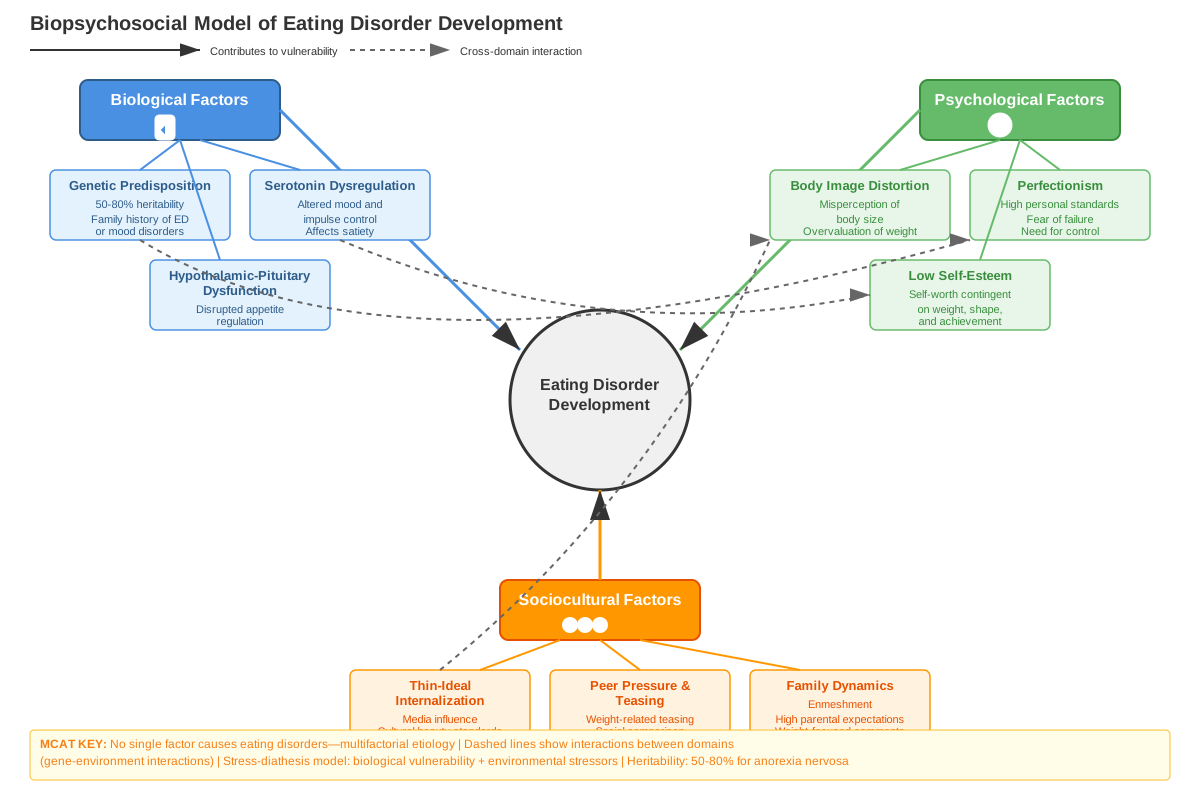
The development of eating disorders involves complex interactions between biological, psychological, and social factors—a model frequently tested on the MCAT.
Biological factors include:
- Genetic predisposition: Twin studies show heritability estimates of 50-80% for anorexia nervosa
- Neurotransmitter dysregulation: Serotonin abnormalities affect mood, impulse control, and satiety; dopamine alterations impact reward processing
- Neurobiological changes: Altered activity in the insula (interoceptive awareness), striatum (reward), and prefrontal cortex (cognitive control)
- Hormonal factors: Disruptions in leptin, ghrelin, cortisol, and reproductive hormones
Psychological factors include:
- Perfectionism: Setting unrealistically high standards and being overly critical of performance
- Cognitive distortions: All-or-nothing thinking, catastrophizing, and overgeneralization about food, weight, and body shape
- Low self-esteem: Self-worth becomes pathologically linked to weight and shape
- Difficulty with emotion regulation: Using eating behaviors to cope with negative emotions
- Control issues: Restricting food intake provides a sense of control when other life areas feel uncontrollable
Social and cultural factors include:
- Societal emphasis on thinness: Media portrayal of the "thin ideal" and weight-based discrimination
- Family dynamics: Enmeshment, high parental expectations, or critical comments about weight
- Peer influences: Weight-related teasing, social comparison, and peer dieting behaviors
- Cultural values: Cultures emphasizing appearance, achievement, and self-control show higher eating disorder rates
- Trauma and stress: History of abuse, bullying, or major life transitions
Medical Complications
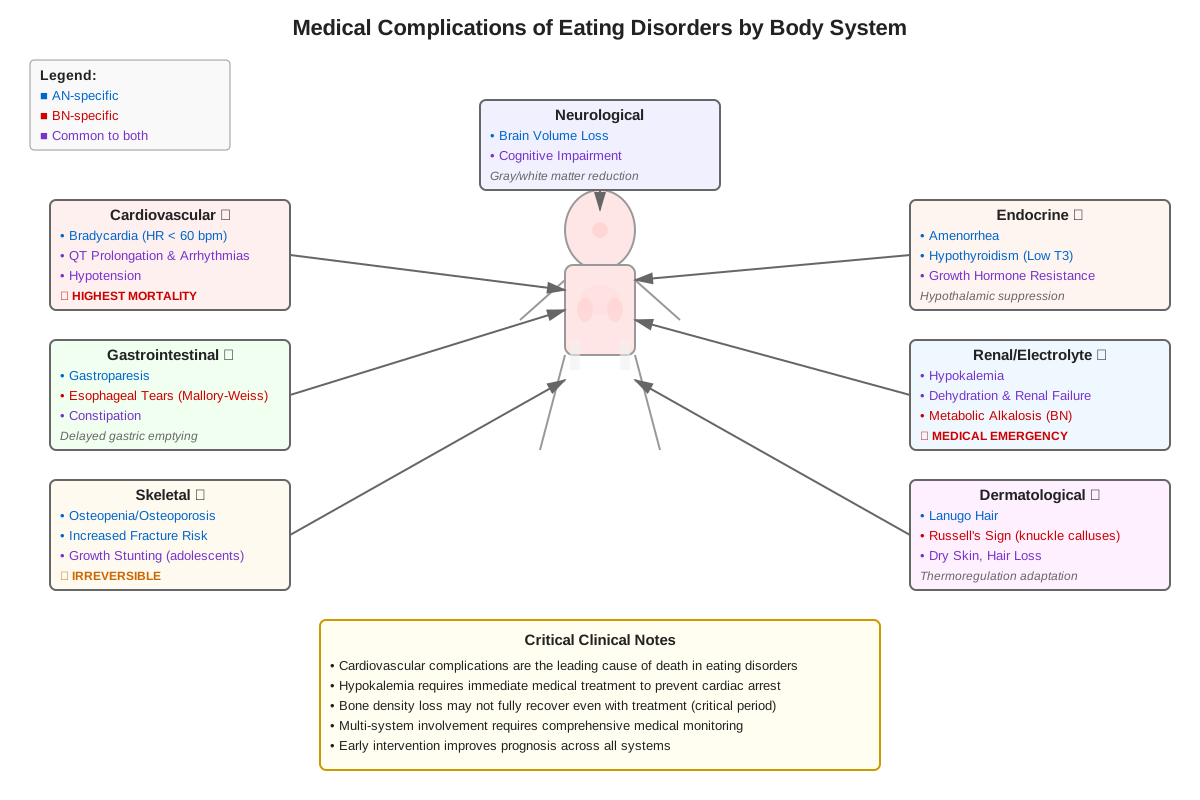
Understanding the medical complications of eating disorders is high-yield for the MCAT because questions may present clinical scenarios requiring students to connect eating behaviors with physiological consequences.
Anorexia nervosa complications:
- Cardiovascular: Bradycardia, hypotension, arrhythmias (prolonged QT interval), mitral valve prolapse, sudden cardiac death
- Endocrine: Amenorrhea, low thyroid function (euthyroid sick syndrome), elevated cortisol, growth hormone resistance
- Skeletal: Osteopenia and osteoporosis due to estrogen deficiency and malnutrition
- Hematologic: Anemia, leukopenia, thrombocytopenia
- Gastrointestinal: Delayed gastric emptying, constipation, superior mesenteric artery syndrome
- Neurological: Brain volume loss (partially reversible with refeeding), cognitive impairment
- Dermatologic: Lanugo (fine body hair), dry skin, hair loss
Bulimia nervosa complications:
- Electrolyte imbalances: Hypokalemia, hypochloremia, metabolic alkalosis (from vomiting) or acidosis (from laxative abuse)
- Dental: Enamel erosion, cavities, periodontal disease from stomach acid exposure
- Gastrointestinal: Esophagitis, gastroesophageal reflux, esophageal tears (Mallory-Weiss), parotid gland enlargement
- Cardiac: Arrhythmias secondary to electrolyte disturbances
- Dermatologic: Russell's sign (calluses on knuckles from inducing vomiting)
Binge-eating disorder complications:
- Metabolic: Type 2 diabetes, metabolic syndrome, dyslipidemia
- Cardiovascular: Hypertension, coronary artery disease
- Gastrointestinal: Gastroesophageal reflux disease
- Musculoskeletal: Osteoarthritis, joint problems from excess weight
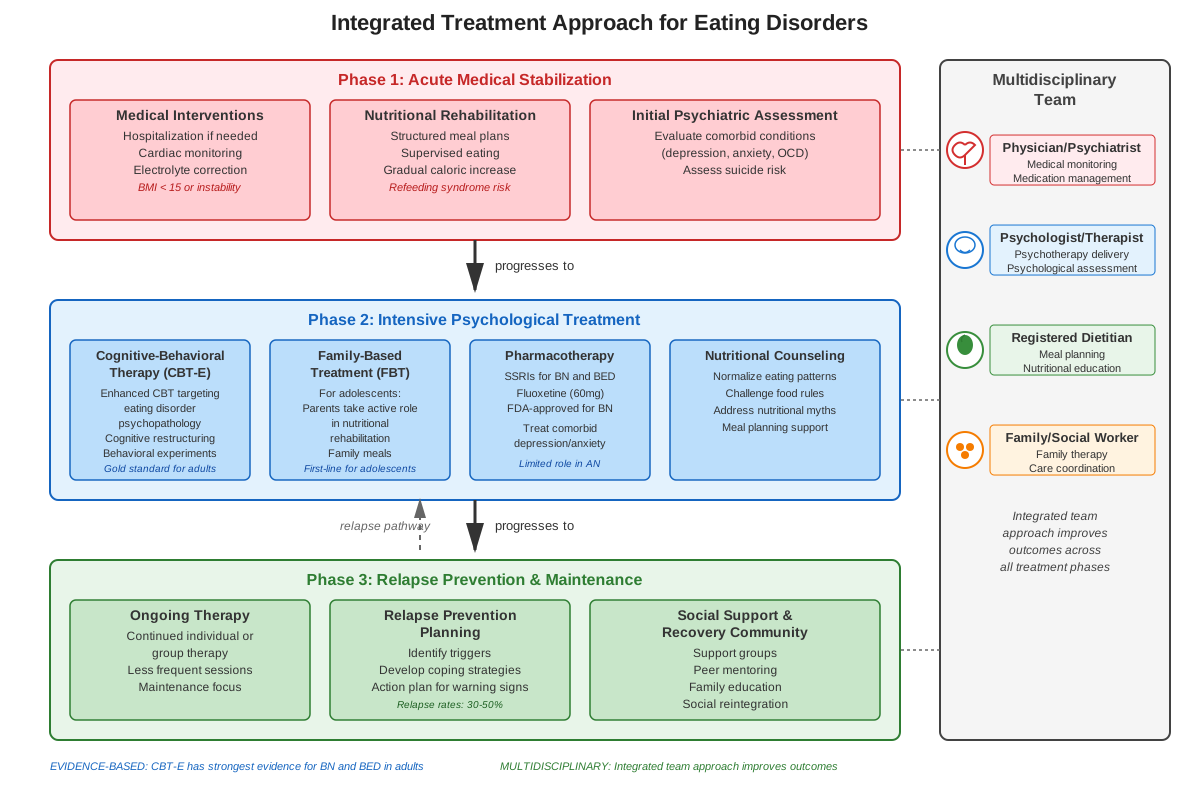
Treatment Approaches
The MCAT tests understanding of evidence-based treatments for eating disorders, particularly the integration of psychological and medical interventions.
Anorexia nervosa treatment:
- Medical stabilization: Hospitalization may be required for severe malnutrition, cardiac instability, or electrolyte imbalances
- Nutritional rehabilitation: Gradual refeeding with monitoring for refeeding syndrome (potentially fatal shifts in fluids and electrolytes)
- Psychotherapy: Family-based treatment (FBT/Maudsley approach) is first-line for adolescents; cognitive-behavioral therapy (CBT) and enhanced CBT (CBT-E) for adults
- Medication: Limited efficacy; SSRIs may help prevent relapse after weight restoration
Bulimia nervosa treatment:
- Psychotherapy: CBT is the gold-standard treatment, focusing on normalizing eating patterns and challenging cognitive distortions
- Medication: Fluoxetine (SSRI) is FDA-approved and shows efficacy in reducing binge-purge frequency
- Nutritional counseling: Establishing regular eating patterns to reduce binge triggers
Binge-eating disorder treatment:
- Psychotherapy: CBT, interpersonal therapy (IPT), and dialectical behavior therapy (DBT) all show efficacy
- Medication: Lisdexamfetamine (stimulant) is FDA-approved; SSRIs and topiramate also show benefit
- Weight management: Addressing obesity-related health concerns while treating the eating disorder
Concept Relationships
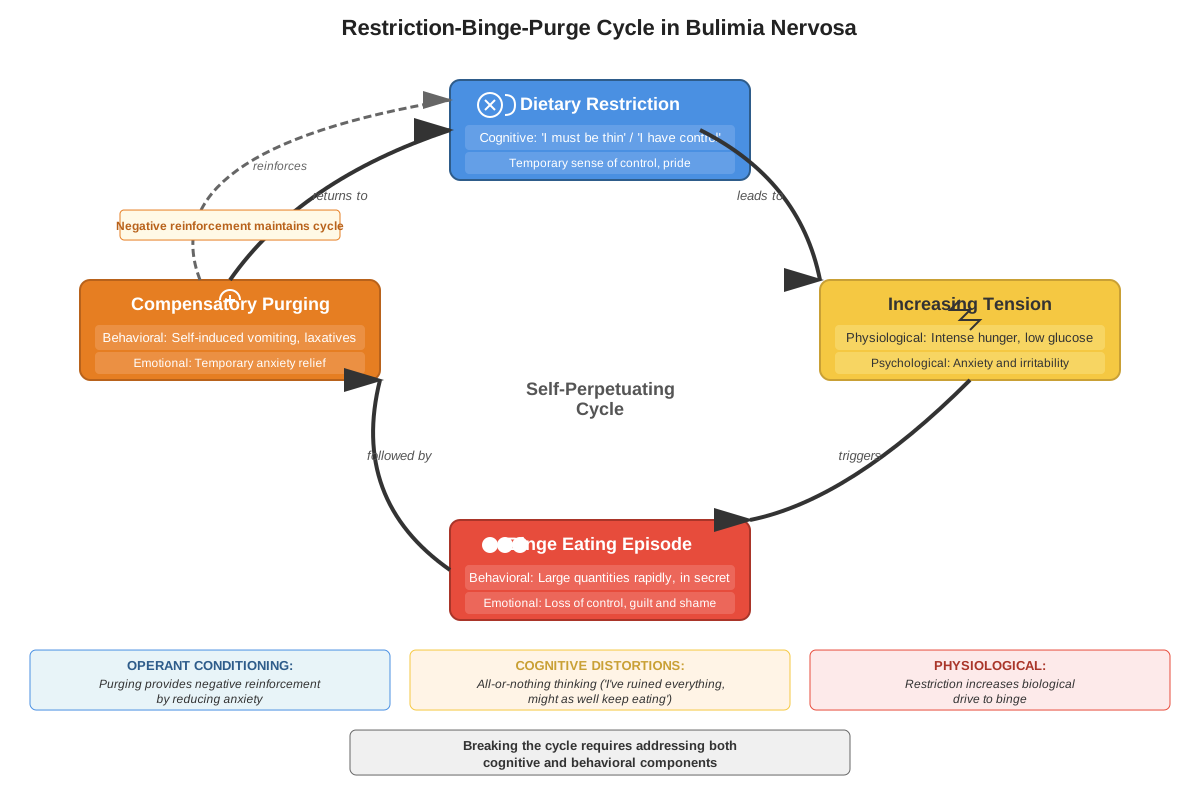
The three major eating disorders exist on a continuum and share underlying features while differing in behavioral manifestations. Body image disturbance and overvaluation of weight and shape serve as core cognitive features across all eating disorders, creating the psychological foundation for disordered eating behaviors. From this cognitive base, individuals develop different behavioral patterns: restriction (anorexia nervosa restricting type) → binge eating (triggered by restriction) → compensatory behaviors (purging in anorexia nervosa binge-purging type or bulimia nervosa) or no compensation (binge-eating disorder).
The relationship between eating disorders and other psychological concepts is extensive. Anxiety disorders frequently co-occur with eating disorders, with obsessive-compulsive features manifesting as rigid food rules and rituals. Depression both predisposes to and results from eating disorders, creating bidirectional relationships. Perfectionism and cognitive distortions (from cognitive psychology) drive the maintenance of eating disorder symptoms. Social comparison theory and sociocultural influences explain how cultural beauty standards become internalized, leading to body dissatisfaction.
Neurobiologically, eating disorders connect to reward pathway dysfunction (dopamine system), mood regulation (serotonin system), and stress response (HPA axis activation). The hypothalamus plays a central role in appetite regulation, and its dysfunction in eating disorders links to broader endocrine abnormalities. Understanding these connections allows students to answer MCAT questions that integrate multiple psychological and biological concepts.
The progression between eating disorder subtypes is also important: individuals may transition from anorexia nervosa restricting type → anorexia nervosa binge-purge type → bulimia nervosa as weight increases, or from any eating disorder to another over time. This diagnostic crossover emphasizes that these are related conditions with shared underlying psychopathology.
Quick check — test yourself on Eating disorders so far.
Try Flashcards →High-Yield Facts
⭐ Anorexia nervosa has the highest mortality rate of any psychiatric disorder, with death resulting from medical complications or suicide.
⭐ The key distinction between anorexia nervosa binge-purge type and bulimia nervosa is body weight: both involve binge eating and purging, but anorexia nervosa patients are significantly underweight.
⭐ Bulimia nervosa and binge-eating disorder both require binge eating at least once weekly for 3 months, but only bulimia involves regular compensatory behaviors.
⭐ Refeeding syndrome is a potentially fatal complication when nutritional rehabilitation is initiated too rapidly in severely malnourished patients, causing dangerous electrolyte shifts (particularly hypophosphatemia).
⭐ Cognitive-behavioral therapy (CBT) is the first-line psychotherapy for bulimia nervosa and binge-eating disorder, while family-based treatment is first-line for adolescent anorexia nervosa.
- Amenorrhea is no longer required for anorexia nervosa diagnosis in DSM-5, but it remains a common feature resulting from hypothalamic dysfunction.
- Electrolyte imbalances in bulimia nervosa typically include hypokalemia and metabolic alkalosis from recurrent vomiting, which can cause cardiac arrhythmias.
- Lanugo (fine body hair) develops in anorexia nervosa as a physiological response to maintain body temperature when fat stores are depleted.
- Binge-eating disorder is the most common eating disorder, affecting approximately 3.5% of women and 2% of men in the United States.
- Eating disorders show strong genetic components, with heritability estimates of 50-80%, indicating substantial biological vulnerability.
- Perfectionism, anxiety, and obsessive-compulsive traits are common premorbid personality features that increase eating disorder risk.
- The "thin ideal" internalization mediates the relationship between media exposure and eating disorder symptoms, explaining sociocultural influences.
Common Misconceptions
Misconception: Eating disorders only affect young, white, affluent females.
Correction: While eating disorders are more common in females, they affect individuals across all ages, races, ethnicities, socioeconomic statuses, and genders. Males account for approximately 25% of anorexia and bulimia cases and 40% of binge-eating disorder cases. Recognition of eating disorders in diverse populations is often delayed due to this stereotype.
Misconception: You can tell if someone has an eating disorder by their appearance.
Correction: Individuals with bulimia nervosa and binge-eating disorder typically have normal or above-normal body weight, making the disorders invisible based on appearance alone. Even with anorexia nervosa, individuals may not appear severely underweight in early stages. Eating disorders are psychiatric conditions diagnosed based on behaviors, cognitions, and psychological distress, not appearance alone.
Misconception: Anorexia nervosa patients never eat or are never hungry.
Correction: Individuals with anorexia nervosa experience normal hunger signals but actively suppress them through cognitive control and restrictive behaviors. Many are preoccupied with food, may cook for others, or engage in food-related activities while restricting their own intake. The disorder involves overriding biological hunger cues, not their absence.
Misconception: Bulimia nervosa and binge-eating disorder are less serious than anorexia nervosa because patients aren't underweight.
Correction: All eating disorders carry serious medical and psychiatric risks. Bulimia nervosa can cause life-threatening electrolyte imbalances and cardiac complications. Binge-eating disorder is associated with significant metabolic and cardiovascular disease risk. Psychological distress and functional impairment are severe across all eating disorder types.
Misconception: Eating disorders are primarily about food and weight.
Correction: While eating behaviors are the observable symptoms, eating disorders fundamentally involve psychological issues including control, perfectionism, emotion regulation, self-esteem, and identity. Food restriction or binge eating serves as a maladaptive coping mechanism for underlying emotional distress. Effective treatment must address these psychological factors, not just eating behaviors.
Misconception: Once someone reaches a healthy weight, anorexia nervosa is cured.
Correction: Weight restoration is necessary but not sufficient for recovery. The cognitive distortions, body image disturbance, and psychological factors that maintain the disorder must be addressed through psychotherapy. Relapse rates are high if only weight is targeted without addressing underlying psychopathology.
Misconception: Purging through vomiting effectively prevents calorie absorption.
Correction: Self-induced vomiting typically eliminates only 30-50% of calories consumed during a binge, making it an ineffective weight control method. However, the belief that purging "undoes" binge eating maintains the binge-purge cycle in bulimia nervosa.
Worked Examples
Example 1: Diagnostic Differentiation
Clinical Vignette: A 19-year-old female college student presents with a BMI of 16.5 kg/m² (significantly below normal). She reports restricting her food intake to approximately 800 calories daily and exercising 2-3 hours per day. She denies binge eating but admits to occasionally taking laxatives "to feel less bloated." She expresses intense fear of gaining weight and believes she looks "fat" despite being visibly underweight. Her menstrual periods stopped six months ago. What is the most likely diagnosis?
Analysis:
Step 1: Identify the key diagnostic features present:
- Significantly low body weight (BMI 16.5)
- Restriction of energy intake
- Intense fear of weight gain
- Body image disturbance (sees herself as "fat" when underweight)
- Amenorrhea (though no longer required for diagnosis, supports the clinical picture)
- Use of laxatives (compensatory behavior)
- No binge eating reported
Step 2: Consider differential diagnoses:
- Anorexia nervosa: All core criteria are met (low weight, fear of weight gain, body image disturbance)
- Bulimia nervosa: Ruled out because patient is significantly underweight
- Binge-eating disorder: Ruled out because no binge eating occurs
Step 3: Determine anorexia nervosa subtype:
- The patient uses laxatives (a purging behavior) but denies binge eating
- When purging occurs without binge eating in the context of anorexia nervosa, this is classified as binge-eating/purging type
- Note: This is a common MCAT trap—purging without binge eating in a low-weight individual is still anorexia nervosa, not bulimia nervosa
Answer: Anorexia nervosa, binge-eating/purging type
Key Learning Point: The presence of significantly low body weight is the critical factor distinguishing anorexia nervosa from bulimia nervosa, regardless of whether purging behaviors occur. The subtype classification depends on whether binge eating occurs, not just whether purging occurs.
Example 2: Understanding Medical Complications
Clinical Vignette: A 22-year-old female with a 4-year history of bulimia nervosa presents to the emergency department with muscle weakness, fatigue, and palpitations. She reports self-induced vomiting 2-3 times daily for the past month. Physical examination reveals parotid gland enlargement and dental enamel erosion. ECG shows flattened T waves and prominent U waves. Laboratory studies would most likely reveal which electrolyte abnormality?
Analysis:
Step 1: Identify the clinical context:
- Diagnosis: Bulimia nervosa with frequent purging via vomiting
- Symptoms: Muscle weakness, fatigue, palpitations (suggest electrolyte disturbance)
- Physical findings: Parotid enlargement and dental erosion (consistent with chronic vomiting)
- ECG changes: Flattened T waves and prominent U waves (classic for hypokalemia)
Step 2: Connect purging mechanism to electrolyte effects:
- Self-induced vomiting causes loss of gastric contents
- Gastric fluid contains hydrochloric acid (HCl) and potassium (K+)
- Loss of HCl → metabolic alkalosis (loss of acid)
- Loss of K+ → hypokalemia (low potassium)
- The kidneys attempt to compensate for alkalosis by excreting bicarbonate, but this causes further potassium loss
Step 3: Link hypokalemia to clinical presentation:
- Hypokalemia causes muscle weakness (affects muscle cell membrane potential)
- Cardiac effects include arrhythmias and characteristic ECG changes (flattened T waves, prominent U waves, ST depression)
- This explains the patient's palpitations and is potentially life-threatening
Step 4: Consider other possible findings:
- Hypochloremia (chloride loss in gastric acid)
- Metabolic alkalosis (elevated serum bicarbonate)
- Possible hypomagnesemia and hypocalcemia
Answer: Hypokalemia (low potassium) with metabolic alkalosis
Key Learning Point: Understanding the physiological mechanism of purging allows prediction of medical complications. Vomiting → loss of gastric acid and potassium → metabolic alkalosis and hypokalemia → cardiac arrhythmias. This exemplifies how the MCAT integrates psychological disorders with physiological consequences, requiring students to apply knowledge across domains.
Exam Strategy
Approaching MCAT Questions on Eating Disorders
Step 1: Identify the question type
- Diagnostic differentiation: Focus on body weight and presence/absence of compensatory behaviors
- Medical complications: Connect eating behaviors to physiological mechanisms
- Treatment: Match evidence-based interventions to specific disorders
- Etiology: Apply the biopsychosocial model
Step 2: Extract key information from vignettes
- Body weight status (underweight, normal, overweight)
- Eating patterns (restriction, binge eating, or both)
- Compensatory behaviors (purging, excessive exercise, fasting)
- Psychological features (body image, fear of weight gain, sense of control)
- Duration and frequency of behaviors
Step 3: Apply diagnostic criteria systematically
Use this decision tree:
- Is body weight significantly low? → If YES, consider anorexia nervosa
- Does binge eating occur? → If YES with low weight, consider AN binge-purge type
- Are compensatory behaviors present? → If YES with normal weight, consider bulimia nervosa
- Binge eating without compensation? → Consider binge-eating disorder
Trigger Words and Phrases
Anorexia nervosa indicators:
- "Significantly underweight," "BMI < 17.5," "refuses to maintain minimal normal weight"
- "Intense fear of gaining weight," "terrified of becoming fat"
- "Sees herself as overweight despite being thin," "distorted body image"
- "Amenorrhea," "stopped menstruating"
- "Lanugo," "fine body hair"
Bulimia nervosa indicators:
- "Normal weight," "weight fluctuates but stays in normal range"
- "Episodes of eating large amounts," "loss of control over eating"
- "Self-induced vomiting," "uses laxatives," "excessive exercise to compensate"
- "Dental problems," "enamel erosion," "parotid swelling"
- "At least once weekly for three months"
Binge-eating disorder indicators:
- "Overweight" or "obese"
- "Eating rapidly," "eating until uncomfortably full"
- "Eating when not hungry," "eating alone due to embarrassment"
- "Feels guilty and disgusted after eating"
- "No purging," "doesn't use compensatory behaviors"
Process-of-Elimination Tips
When differentiating anorexia nervosa from bulimia nervosa:
- Eliminate bulimia nervosa if body weight is significantly low (even if purging occurs)
- Eliminate anorexia nervosa if body weight is normal or above normal
- Remember: Both can involve binge eating and purging; weight is the distinguishing factor
When differentiating bulimia nervosa from binge-eating disorder:
- Eliminate BED if regular compensatory behaviors are present
- Eliminate bulimia nervosa if no compensatory behaviors occur
- Both require binge eating; compensation is the distinguishing factor
For treatment questions:
- Eliminate medication-only options for anorexia nervosa (psychotherapy is essential)
- Choose CBT for bulimia nervosa and BED (highest evidence base)
- Choose family-based treatment for adolescent anorexia nervosa
- Eliminate options suggesting rapid refeeding (risk of refeeding syndrome)
Time Allocation Advice
Eating disorder questions typically require 60-90 seconds:
- 20-30 seconds: Read vignette and identify key diagnostic features
- 20-30 seconds: Apply diagnostic criteria or relevant concepts
- 20-30 seconds: Evaluate answer choices and eliminate incorrect options
For passage-based questions, spend 30-40 seconds per question after understanding the passage. Focus on connecting passage information (research findings, theoretical frameworks) to the specific question stem rather than relying solely on outside knowledge.
Memory Techniques
Mnemonic for Anorexia Nervosa Core Features: "FEAR"
- Fear of weight gain (intense and persistent)
- Energy intake restriction (leading to low weight)
- Altered body image (disturbance in self-perception)
- Refusal to recognize seriousness (lack of illness insight)
Mnemonic for Binge-Eating Episode Features: "RAPID"
- Rapidly eating (much faster than normal)
- Alone eating (due to embarrassment)
- Physically full (uncomfortably so)
- Independent of hunger (eating when not hungry)
- Distress afterward (guilt, disgust, depression)
Visualization Strategy for Diagnostic Differentiation
Picture a weight spectrum:
- Left side (low weight): Anorexia nervosa territory
- Restricting type: Only restriction, no binge/purge
- Binge-purge type: Binge and/or purge behaviors present
- Middle (normal weight): Bulimia nervosa territory
- Must have both binge eating AND compensation
- Right side (often elevated weight): Binge-eating disorder territory
- Binge eating WITHOUT compensation
Acronym for Medical Complications of Anorexia: "BONES"
- Bradycardia and cardiac complications
- Osteoporosis and bone density loss
- Neurological changes (brain volume loss)
- Endocrine dysfunction (amenorrhea, thyroid, cortisol)
- Skeletal muscle wasting
Memory Aid for Treatment Approaches
"Family First for Adolescent AN": Family-based treatment is first-line for adolescent anorexia nervosa
"CBT Conquers Bulimia and Binge": Cognitive-behavioral therapy is the gold-standard psychotherapy for bulimia nervosa and binge-eating disorder
"Fluoxetine Fights Bulimia": Fluoxetine (SSRI) is FDA-approved for bulimia nervosa
Summary
Eating disorders represent serious psychiatric conditions characterized by persistent disturbances in eating behaviors and associated cognitions about weight, shape, and body image. The three primary disorders—anorexia nervosa, bulimia nervosa, and binge-eating disorder—differ in body weight status, presence of binge eating, and use of compensatory behaviors. Anorexia nervosa involves significantly low body weight with restriction and possible binge-purge behaviors; bulimia nervosa involves normal-weight individuals with binge eating and regular compensation; binge-eating disorder involves binge eating without compensation, often in overweight individuals. All eating disorders arise from complex biopsychosocial interactions involving genetic vulnerability, neurotransmitter dysregulation, psychological factors like perfectionism and cognitive distortions, and sociocultural influences emphasizing thinness. Medical complications range from life-threatening cardiac and electrolyte abnormalities to metabolic and dental problems. Evidence-based treatments integrate medical stabilization, nutritional rehabilitation, and psychotherapy (particularly CBT and family-based treatment), with limited roles for medication. For MCAT success, students must master diagnostic differentiation based on weight and behavioral patterns, understand the physiological mechanisms underlying medical complications, and recognize the biopsychosocial framework that explains eating disorder development and maintenance.
Key Takeaways
- Body weight is the critical factor distinguishing anorexia nervosa from bulimia nervosa—both can involve binge eating and purging, but anorexia nervosa patients are significantly underweight while bulimia nervosa patients maintain normal or above-normal weight
- The presence or absence of compensatory behaviors distinguishes bulimia nervosa from binge-eating disorder—both involve recurrent binge eating, but only bulimia includes regular purging, fasting, or excessive exercise
- Eating disorders have the highest mortality rate among psychiatric conditions, primarily due to medical complications (cardiac arrhythmias, electrolyte imbalances) and suicide risk
- The biopsychosocial model is essential for understanding eating disorder etiology—genetic factors, neurotransmitter dysregulation, perfectionism, cognitive distortions, and sociocultural pressures all contribute to disorder development
- Cognitive-behavioral therapy is the first-line psychotherapy for bulimia nervosa and binge-eating disorder, while family-based treatment is first-line for adolescent anorexia nervosa
- Medical complications directly result from eating behaviors—vomiting causes hypokalemia and metabolic alkalosis, starvation causes bradycardia and amenorrhea, and binge eating contributes to metabolic syndrome
- Refeeding syndrome is a potentially fatal complication when nutritional rehabilitation proceeds too rapidly in severely malnourished patients, emphasizing the need for careful medical management
Related Topics
Mood Disorders: Depression frequently co-occurs with eating disorders, sharing neurobiological features (serotonin dysregulation) and psychological factors (negative self-evaluation, hopelessness). Understanding comorbidity patterns strengthens diagnostic reasoning.
Anxiety Disorders: Obsessive-compulsive disorder and generalized anxiety disorder show high comorbidity with eating disorders. Obsessive thoughts about food and compulsive rituals around eating connect these conditions.
Personality Disorders: Borderline personality disorder commonly co-occurs with bulimia nervosa and binge-eating disorder, while obsessive-compulsive personality traits are associated with anorexia nervosa. Understanding personality factors enhances treatment planning.
Neurotransmitter Systems: Deep knowledge of serotonin, dopamine, and norepinephrine function explains both the etiology and pharmacological treatment of eating disorders, connecting to broader biological psychology topics.
Body Image and Self-Concept: Eating disorders exemplify how self-schemas become pathologically focused on appearance, connecting to social psychology concepts of self-perception and identity formation.
Cognitive Distortions and Cognitive-Behavioral Therapy: Eating disorders demonstrate how maladaptive thought patterns maintain psychopathology, illustrating core principles of cognitive therapy applicable across psychological disorders.
Practice CTA
Now that you've mastered the core concepts of eating disorders, it's time to solidify your understanding through active practice. Complete the practice questions to test your ability to differentiate between eating disorder subtypes, apply diagnostic criteria to clinical vignettes, and connect eating behaviors to medical complications. Use the flashcards to reinforce high-yield facts and diagnostic criteria that frequently appear on the MCAT. Remember, the key to MCAT success is not just understanding concepts but being able to apply them rapidly and accurately under exam conditions. Your investment in mastering eating disorders will pay dividends not only on test day but throughout your medical career as you encounter patients struggling with these serious conditions. You've got this!
Sign up free to keep reading
Create a free AnvayaPrep account to finish this MCAT guide on Eating disorders — plus flashcards and practice questions.