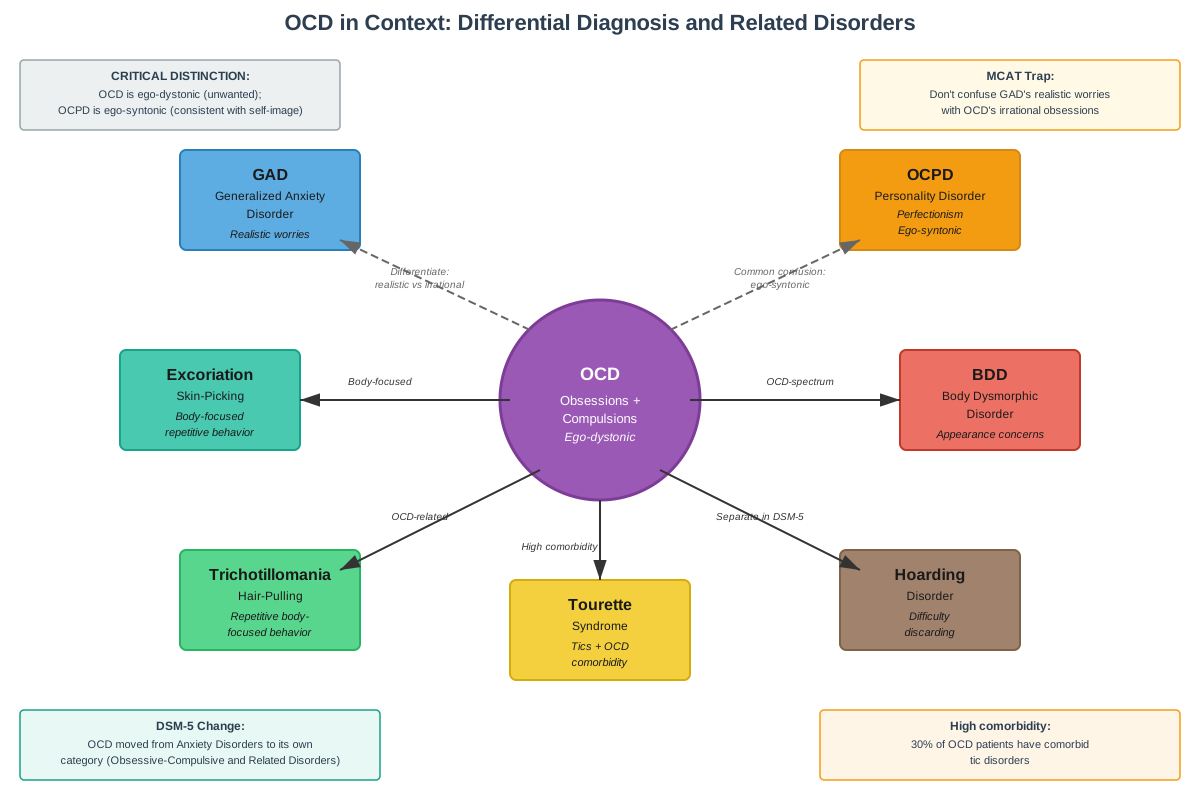
Overview
Obsessive-compulsive disorder (OCD) represents a significant psychological disorder characterized by persistent, intrusive thoughts (obsessions) and repetitive behaviors or mental acts (compulsions) that individuals feel driven to perform. Within the MCAT Psychology curriculum, OCD serves as a critical example of anxiety-related disorders and demonstrates the complex interplay between cognitive processes, behavioral patterns, and neurobiological substrates. Understanding OCD is essential for the Psychological Disorders and Treatment unit, as it illustrates how maladaptive thought patterns can manifest in debilitating behavioral symptoms that significantly impair daily functioning.
For the MCAT, Obsessive compulsive disorder appears frequently in passages and discrete questions that test students' ability to distinguish between different psychological disorders, identify appropriate treatment modalities, and understand the theoretical frameworks underlying symptom development. The disorder provides an excellent case study for examining the biopsychosocial model of mental illness, as OCD has well-documented genetic, neurological, cognitive, and environmental components. Questions may present clinical vignettes requiring differential diagnosis, ask about neurotransmitter systems involved in OCD pathophysiology, or test knowledge of evidence-based treatments.
The study of Obsessive compulsive disorder Psychology connects to broader themes in abnormal psychology, including the distinction between ego-syntonic and ego-dystonic symptoms, the role of anxiety in maintaining maladaptive behaviors, and the application of learning theory to understand symptom perpetuation. OCD also bridges multiple MCAT content areas, linking psychological concepts to biological foundations (particularly serotonin systems and cortico-striato-thalamo-cortical circuits) and sociocultural factors that influence symptom expression and help-seeking behaviors. Mastering this topic enables students to demonstrate sophisticated understanding of how psychological disorders are conceptualized, diagnosed, and treated within contemporary clinical practice.
Learning Objectives
- [ ] Define Obsessive compulsive disorder using accurate Psychology terminology
- [ ] Explain why Obsessive compulsive disorder matters for the MCAT
- [ ] Apply Obsessive compulsive disorder to exam-style questions
- [ ] Identify common mistakes related to Obsessive compulsive disorder
- [ ] Connect Obsessive compulsive disorder to related Psychology concepts
- [ ] Distinguish between obsessions and compulsions with clinical examples
- [ ] Analyze the neurobiological basis of OCD including relevant brain structures and neurotransmitter systems
- [ ] Evaluate the effectiveness of different treatment approaches for OCD, including both pharmacological and psychotherapeutic interventions
Prerequisites
- Basic anxiety concepts: Understanding general anxiety mechanisms helps contextualize how OCD involves anxiety reduction through compulsive behaviors
- Learning theory fundamentals: Knowledge of classical and operant conditioning is essential for understanding how compulsions are reinforced through negative reinforcement
- Neurotransmitter systems: Familiarity with serotonin, dopamine, and glutamate function provides foundation for understanding OCD neurobiology
- DSM diagnostic criteria framework: General understanding of how psychological disorders are classified enables proper contextualization of OCD diagnostic criteria
- Cognitive behavioral principles: Basic CBT concepts are necessary to understand exposure and response prevention therapy
Why This Topic Matters
Obsessive compulsive disorder affects approximately 1-2% of the population globally, making it one of the more common psychological disorders students will encounter in clinical contexts. The disorder typically emerges in late adolescence or early adulthood and, without treatment, follows a chronic course that significantly impairs occupational, social, and personal functioning. Understanding OCD is clinically significant because it represents a highly treatable condition when appropriate interventions are applied, yet it often goes undiagnosed or misdiagnosed for years before individuals receive proper care.
On the MCAT, OCD-related content appears with moderate frequency across multiple question formats. Approximately 3-5% of psychology and sociology questions involve anxiety-related disorders, with OCD being one of the most commonly tested specific conditions. Questions typically appear as clinical vignettes requiring students to identify diagnostic features, distinguish OCD from related disorders (particularly generalized anxiety disorder, specific phobias, or obsessive-compulsive personality disorder), or identify appropriate treatment approaches. Passage-based questions may present research studies examining OCD neurobiology, treatment efficacy, or cognitive models of symptom maintenance.
Common exam scenarios include: (1) differential diagnosis questions presenting symptoms that could indicate OCD versus other anxiety disorders or psychotic disorders; (2) treatment selection questions requiring knowledge of first-line interventions; (3) neurobiological questions about brain regions or neurotransmitter systems implicated in OCD; (4) questions about the theoretical mechanisms underlying exposure and response prevention therapy; and (5) questions distinguishing between ego-dystonic symptoms (characteristic of OCD) and ego-syntonic symptoms (characteristic of obsessive-compulsive personality disorder). The topic frequently appears in passages discussing research on anxiety disorders, neuroimaging studies, or treatment outcome research.
Core Concepts
Definition and Diagnostic Criteria
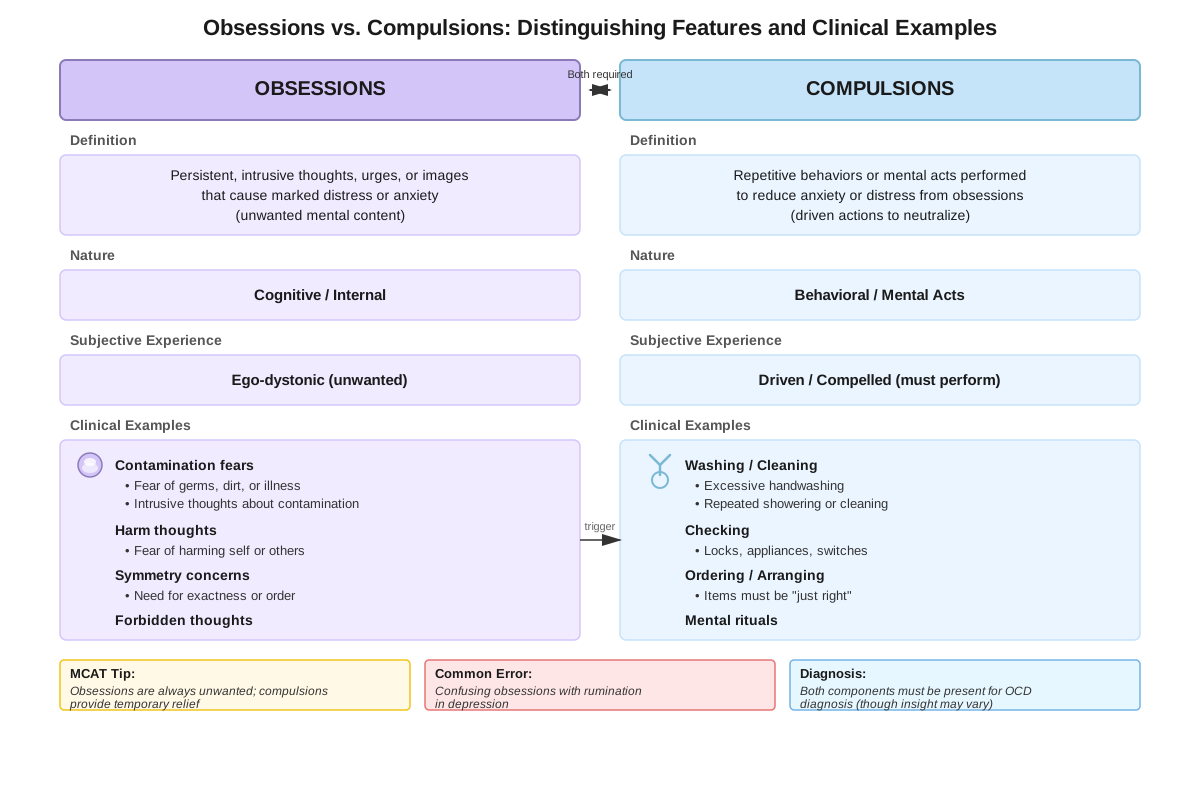
Obsessive-compulsive disorder is a psychological disorder characterized by the presence of obsessions, compulsions, or both, that are time-consuming (taking more than one hour per day) or cause clinically significant distress or impairment in social, occupational, or other important areas of functioning. Obsessions are recurrent and persistent thoughts, urges, or images that are experienced as intrusive and unwanted, causing marked anxiety or distress. The individual attempts to ignore, suppress, or neutralize these obsessions with some other thought or action (a compulsion).
Compulsions are repetitive behaviors (such as hand washing, ordering, checking) or mental acts (such as praying, counting, repeating words silently) that the individual feels driven to perform in response to an obsession or according to rules that must be applied rigidly. These compulsions are aimed at preventing or reducing anxiety or distress, or preventing some dreaded event or situation; however, these behaviors or mental acts are not connected in a realistic way with what they are designed to neutralize or prevent, or they are clearly excessive.
A critical diagnostic feature is that the obsessions or compulsions are ego-dystonic, meaning they are recognized by the individual as inconsistent with their self-concept and are experienced as unwanted or distressing. This distinguishes OCD from psychotic disorders (where individuals may lack insight into the irrationality of their thoughts) and from obsessive-compulsive personality disorder (where rigid perfectionism is ego-syntonic and viewed as desirable).
Common Symptom Presentations
OCD symptoms cluster into several common themes, though individual presentations vary considerably:
| Symptom Dimension | Obsession Examples | Compulsion Examples |
|---|---|---|
| Contamination | Fear of germs, bodily fluids, environmental contaminants | Excessive hand washing, showering rituals, avoiding "contaminated" objects |
| Harm/Responsibility | Intrusive thoughts about causing harm to self or others, fear of being responsible for terrible events | Checking behaviors (locks, stoves, switches), seeking reassurance, mental review of actions |
| Symmetry/Ordering | Need for things to be "just right," symmetrical, or in perfect order | Arranging objects repeatedly, performing actions until they feel "right," counting rituals |
| Forbidden Thoughts | Unwanted sexual, religious, or aggressive thoughts that violate personal values | Mental rituals (praying, counting), thought suppression attempts, avoidance of triggers |
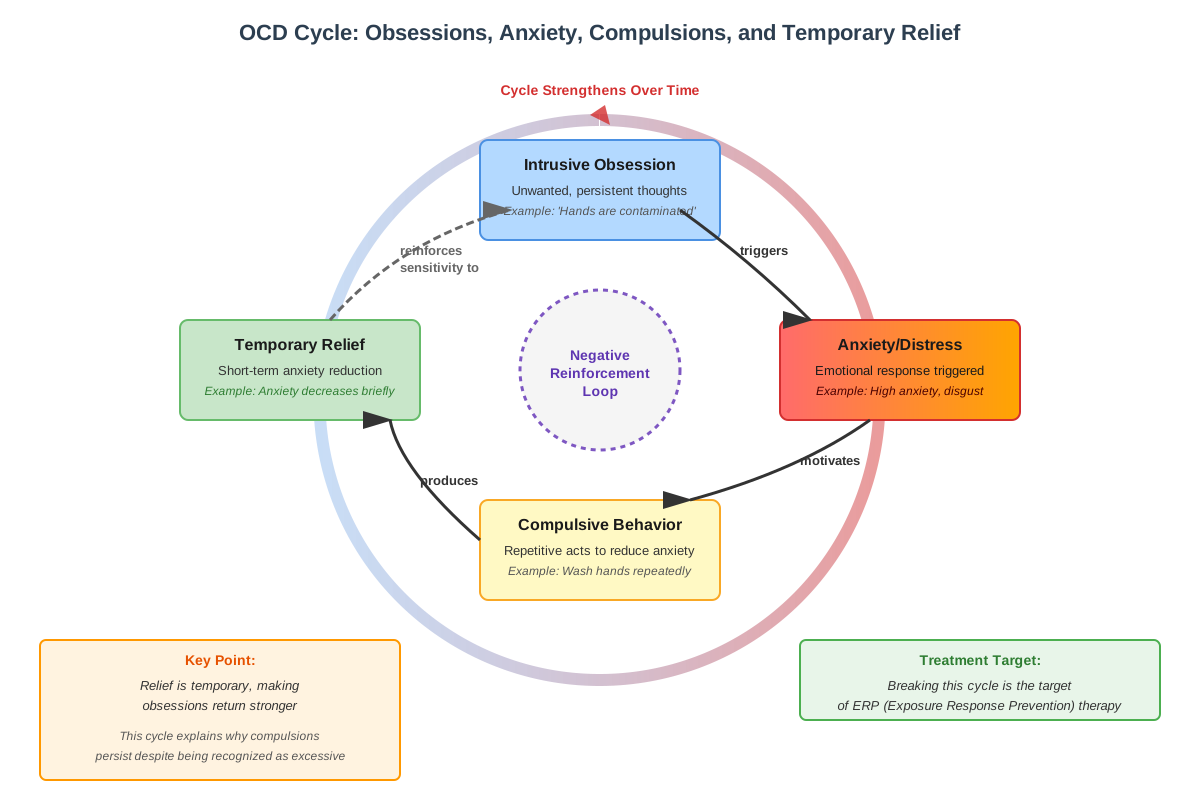
The obsessive-compulsive cycle follows a predictable pattern: (1) an intrusive obsession triggers anxiety or distress; (2) the individual experiences mounting tension and urge to perform a compulsion; (3) the compulsion temporarily reduces anxiety through negative reinforcement; (4) the anxiety reduction reinforces the compulsive behavior, making it more likely to occur in the future; (5) the obsession returns, perpetuating the cycle. This cycle demonstrates how operant conditioning principles maintain OCD symptoms even though individuals recognize the irrationality of their behaviors.
Neurobiological Basis
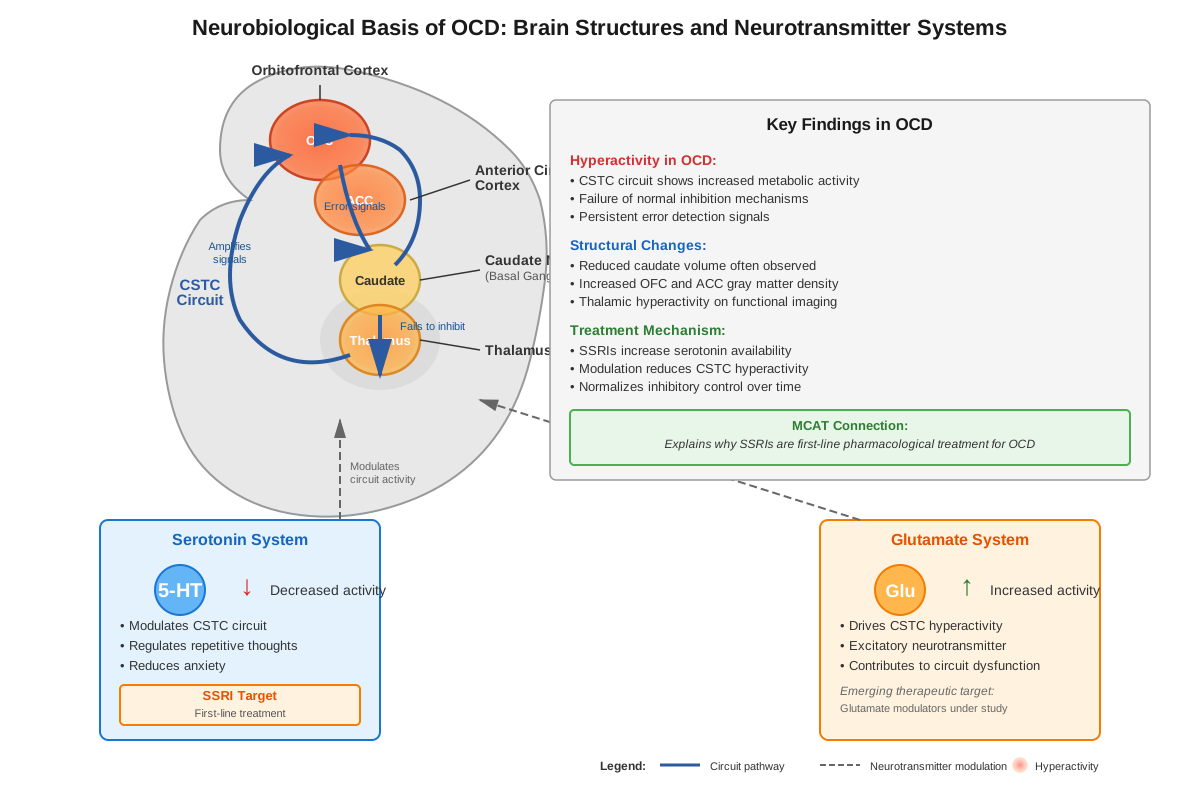
The neurobiology of OCD involves dysfunction in the cortico-striato-thalamo-cortical (CSTC) circuit, a neural pathway connecting the orbital frontal cortex, anterior cingulate cortex, striatum (caudate nucleus and putamen), globus pallidus, and thalamus. In individuals with OCD, neuroimaging studies reveal hyperactivity in the orbitofrontal cortex (involved in error detection and worry about potential threats) and the anterior cingulate cortex (involved in conflict monitoring and emotional regulation). This hyperactivity leads to excessive signaling that something is wrong or dangerous, generating the persistent doubt and anxiety characteristic of obsessions.
The serotonin system plays a central role in OCD pathophysiology. Serotonergic dysfunction, particularly involving the 5-HT2A and 5-HT1D receptor subtypes, contributes to symptom expression. This is evidenced by the effectiveness of selective serotonin reuptake inhibitors (SSRIs) in treating OCD, though typically at higher doses and with longer treatment duration than required for depression. The dopamine system also contributes, particularly in the striatum, where dopaminergic hyperactivity may contribute to repetitive behaviors. Additionally, emerging research implicates glutamate dysregulation in OCD, with some studies showing elevated glutamate levels in the caudate nucleus.
Theoretical Models
The cognitive-behavioral model of OCD proposes that individuals with OCD misinterpret normal intrusive thoughts (which occur in approximately 90% of the general population) as highly significant, dangerous, or revealing something terrible about themselves. This misinterpretation leads to inflated responsibility beliefs ("If I think about harm coming to someone, I'm responsible for preventing it"), thought-action fusion ("Having a thought about something bad is morally equivalent to doing it"), and overestimation of threat. These cognitive distortions increase anxiety, which is temporarily reduced through compulsions, thereby reinforcing the maladaptive cycle.
Learning theory explains OCD maintenance through two-factor theory: classical conditioning creates associations between neutral stimuli and anxiety (e.g., doorknobs become associated with contamination fears), while operant conditioning maintains compulsions through negative reinforcement (anxiety reduction following compulsive behavior increases the likelihood of future compulsions). This framework explains why compulsions persist despite individuals recognizing their irrationality—the immediate anxiety relief powerfully reinforces the behavior, overriding rational understanding.
Treatment Approaches
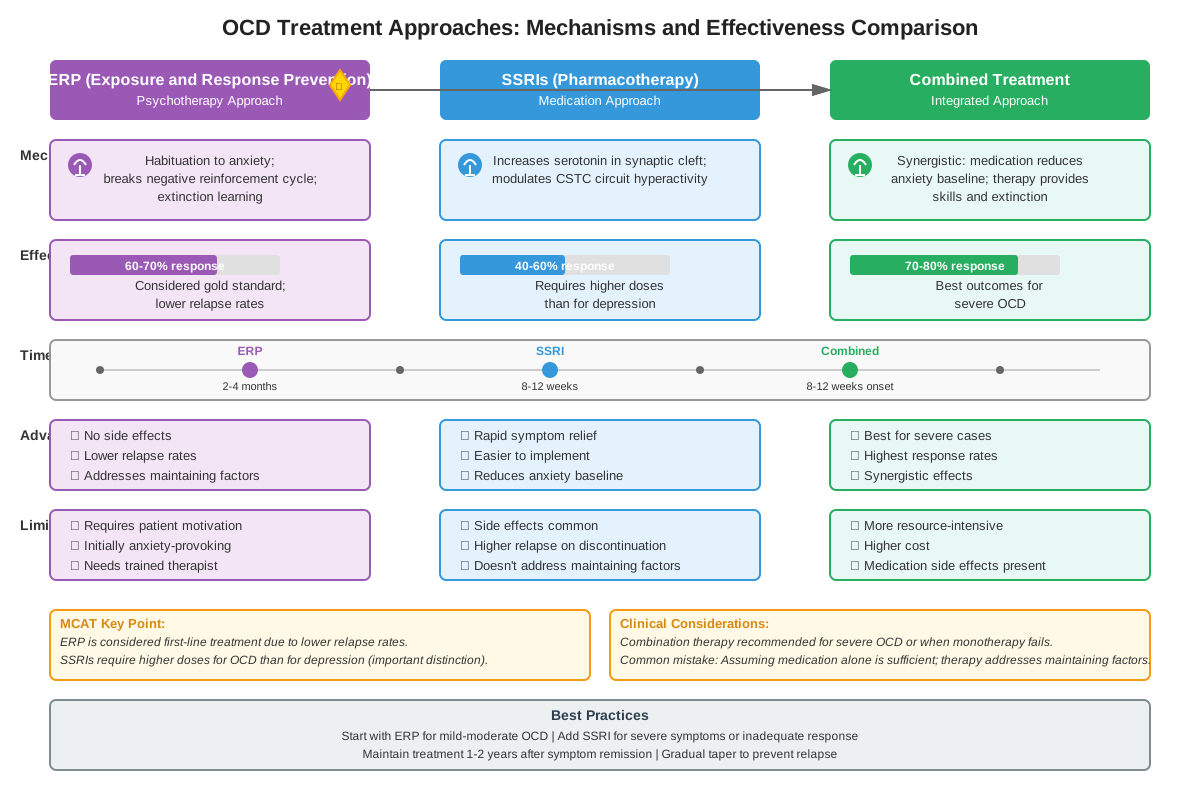
Exposure and Response Prevention (ERP), a specific form of cognitive-behavioral therapy, represents the gold-standard psychotherapeutic treatment for OCD. ERP involves: (1) systematic exposure to anxiety-provoking obsessional triggers while (2) preventing the performance of compulsive responses. Through repeated exposure without engaging in compulsions, patients experience habituation—the natural decrease in anxiety that occurs when feared stimuli are encountered without catastrophic consequences. This process demonstrates that anxiety naturally decreases without compulsions, breaking the reinforcement cycle. ERP typically achieves 60-70% symptom reduction in treatment completers.
Pharmacological treatment primarily involves SSRIs (fluoxetine, sertraline, paroxetine, fluvoxamine) or the tricyclic antidepressant clomipramine, which has strong serotonergic properties. OCD typically requires higher SSRI doses and longer treatment duration (10-12 weeks) before therapeutic effects emerge compared to depression treatment. For treatment-resistant cases, augmentation strategies include adding low-dose antipsychotics (particularly those with dopamine-blocking properties) or combining medication with ERP. Approximately 40-60% of patients show significant improvement with SSRI monotherapy.
Cognitive therapy components address the maladaptive beliefs underlying OCD, including inflated responsibility, thought-action fusion, and overestimation of threat. Patients learn to identify and challenge these cognitive distortions, reducing the significance attributed to intrusive thoughts. Combined cognitive therapy and ERP often produces superior outcomes compared to either approach alone.
Concept Relationships
The core concepts of OCD are interconnected through multiple pathways. Obsessions trigger anxiety, which motivates compulsions that provide temporary relief through negative reinforcement, thereby strengthening the obsessive-compulsive cycle. This behavioral cycle is maintained by cognitive distortions (inflated responsibility, thought-action fusion) that amplify the perceived significance of intrusive thoughts. The neurobiological substrate (CSTC circuit hyperactivity and serotonergic dysfunction) creates vulnerability to developing these symptoms when combined with environmental stressors or learning experiences.
The relationship map flows as follows: Neurobiological vulnerability (CSTC circuit dysfunction, serotonin dysregulation) → Misinterpretation of intrusive thoughts (cognitive distortions) → Obsessions (intrusive, anxiety-provoking thoughts) → Anxiety/distress → Compulsions (anxiety-reducing behaviors) → Temporary anxiety relief (negative reinforcement) → Strengthening of compulsive behavior → Return of obsessions (cycle perpetuation).
Treatment approaches target different points in this cycle: SSRIs address the neurobiological substrate by enhancing serotonergic function; ERP breaks the behavioral cycle by preventing compulsions and allowing habituation; cognitive therapy addresses the cognitive distortions that amplify obsession significance. Understanding these relationships enables prediction of treatment mechanisms and outcomes.
OCD connects to prerequisite concepts through learning theory (negative reinforcement maintains compulsions), anxiety mechanisms (obsessions trigger anxiety that compulsions temporarily reduce), and neurotransmitter systems (serotonin dysfunction contributes to symptom expression). The disorder also relates to broader psychological concepts including ego-dystonic versus ego-syntonic symptoms, the biopsychosocial model of mental illness, and the distinction between anxiety disorders and psychotic disorders based on insight and reality testing.
Quick check — test yourself on Obsessive compulsive disorder so far.
Try Flashcards →High-Yield Facts
⭐ Obsessions are ego-dystonic (experienced as inconsistent with self-concept and unwanted), distinguishing OCD from psychotic disorders and obsessive-compulsive personality disorder
⭐ Compulsions are maintained through negative reinforcement—the temporary reduction in anxiety following compulsive behavior strengthens the likelihood of future compulsions
⭐ The cortico-striato-thalamo-cortical (CSTC) circuit shows hyperactivity in OCD, particularly in the orbitofrontal cortex and anterior cingulate cortex
⭐ Exposure and Response Prevention (ERP) is the gold-standard psychotherapeutic treatment, achieving 60-70% symptom reduction through habituation
⭐ SSRIs require higher doses and longer treatment duration (10-12 weeks) for OCD compared to depression treatment
- OCD affects approximately 1-2% of the population with typical onset in late adolescence or early adulthood
- Approximately 90% of people experience intrusive thoughts; OCD develops when these thoughts are misinterpreted as highly significant or dangerous
- Common OCD symptom dimensions include contamination, harm/responsibility, symmetry/ordering, and forbidden thoughts
- Serotonin, dopamine, and glutamate systems all contribute to OCD neurobiology
- Cognitive distortions in OCD include inflated responsibility, thought-action fusion, and overestimation of threat
- Clomipramine (a tricyclic antidepressant with strong serotonergic properties) is effective for OCD but has more side effects than SSRIs
- Treatment-resistant OCD may respond to augmentation with low-dose antipsychotics or combination therapy (medication plus ERP)
Common Misconceptions
Misconception: OCD is simply being very organized or perfectionistic → Correction: True OCD involves ego-dystonic obsessions causing significant distress and time-consuming compulsions that impair functioning; being organized or perfectionistic without distress or impairment does not constitute OCD and may actually reflect obsessive-compulsive personality disorder (OCPD), which is ego-syntonic
Misconception: People with OCD can just stop their compulsions if they try hard enough → Correction: Compulsions are maintained by powerful negative reinforcement (anxiety reduction) and neurobiological factors; attempting to simply stop compulsions without proper treatment (ERP) typically results in overwhelming anxiety and symptom return, which is why structured therapeutic intervention is necessary
Misconception: Obsessions in OCD are the same as rumination in depression → Correction: Obsessions are intrusive, unwanted thoughts that trigger anxiety and are resisted by the individual, while rumination involves repetitive thinking about depressive themes that, though negative, is not experienced as intrusive or actively resisted; obsessions typically focus on specific fears (contamination, harm) while rumination focuses on past failures or hopelessness
Misconception: OCD is caused by childhood trauma or poor parenting → Correction: While environmental factors may influence symptom expression, OCD has strong neurobiological underpinnings involving CSTC circuit dysfunction and serotonergic dysregulation; genetic factors contribute significantly (heritability estimates of 40-50%), and the disorder can develop without any identifiable trauma or adverse childhood experiences
Misconception: Providing reassurance helps people with OCD feel better → Correction: Reassurance-seeking is actually a compulsion that temporarily reduces anxiety but reinforces the obsessive-compulsive cycle; repeatedly providing reassurance strengthens the maladaptive pattern and prevents habituation, which is why ERP specifically involves response prevention including withholding reassurance
Misconception: All intrusive thoughts indicate OCD → Correction: Approximately 90% of people experience occasional intrusive thoughts; OCD develops only when these thoughts are misinterpreted as highly significant, dangerous, or revealing something terrible about oneself, leading to marked distress, time-consuming responses, and functional impairment
Misconception: OCD always involves visible compulsions like hand washing → Correction: Many individuals with OCD perform primarily mental compulsions (counting, praying, mental reviewing, thought suppression) that are not observable to others; these "pure obsessional" presentations are equally valid OCD diagnoses and respond to the same treatments
Worked Examples
Example 1: Differential Diagnosis Vignette
Clinical Vignette: A 24-year-old graduate student reports that for the past 8 months, he has been experiencing intrusive thoughts that he might have accidentally hit someone while driving. These thoughts occur multiple times daily and cause significant anxiety. He has begun checking his rearview mirror excessively while driving and retracing his route to ensure he hasn't caused an accident. He recognizes these thoughts are "probably irrational" but cannot stop them. The behaviors take approximately 2 hours daily and have caused him to be late to class repeatedly. He reports no history of actually hitting anyone or causing an accident.
Analysis Process:
- Identify key diagnostic features: Intrusive, unwanted thoughts (obsessions) about causing harm; repetitive checking behaviors (compulsions); recognition that thoughts are irrational (intact insight/ego-dystonic); time-consuming (2 hours daily); causing functional impairment (late to class)
- Apply diagnostic criteria: Presence of obsessions (intrusive thoughts about hitting someone) and compulsions (checking mirrors, retracing route); time-consuming (>1 hour daily); causing distress and impairment; ego-dystonic (recognizes irrationality)
- Consider differential diagnoses:
- Generalized Anxiety Disorder: Would involve excessive worry about multiple domains, not focused intrusive thoughts with specific compulsive responses
- Specific Phobia: Would involve fear of driving itself, not intrusive thoughts about having caused harm
- Psychotic Disorder: Would lack insight into irrationality of thoughts; would be ego-syntonic
- OCPD: Would involve ego-syntonic perfectionism without intrusive thoughts or anxiety-driven compulsions
- Conclusion: This presentation is most consistent with OCD, harm/responsibility subtype. The ego-dystonic nature, specific obsession-compulsion pairing, and intact insight distinguish it from other disorders.
- Treatment recommendation: First-line treatment would be ERP (exposure to driving without checking/retracing) combined with cognitive therapy addressing inflated responsibility beliefs, potentially augmented with SSRI pharmacotherapy.
Example 2: Treatment Mechanism Question
Question: A patient with contamination-focused OCD undergoes exposure and response prevention therapy. During treatment, she touches a doorknob (exposure) and is prevented from washing her hands (response prevention). Initially, her anxiety is rated 8/10. After 45 minutes without washing, her anxiety decreases to 3/10. Which psychological process best explains this anxiety reduction?
Analysis Process:
- Identify the phenomenon: Anxiety decreases over time despite continued exposure to the feared stimulus and without performing the compulsion
- Consider relevant psychological processes:
- Negative reinforcement: Would explain why compulsions are maintained (anxiety reduction following compulsion strengthens behavior), but doesn't explain anxiety reduction WITHOUT the compulsion
- Habituation: Natural decrease in response to a stimulus with repeated or prolonged exposure without negative consequences
- Extinction: Reduction in conditioned response when conditioned stimulus is presented without unconditioned stimulus
- Systematic desensitization: Gradual exposure paired with relaxation, but this scenario doesn't mention relaxation training
- Apply to the scenario: The patient experiences prolonged exposure to the feared stimulus (doorknob) without performing the compulsion (hand washing) and without any actual negative consequence (contamination/illness). The anxiety naturally decreases through habituation—the nervous system's natural adaptation to sustained stimulation without harmful outcomes.
- Therapeutic mechanism: This habituation process demonstrates to the patient that (a) anxiety decreases naturally without compulsions, (b) feared consequences don't occur, and (c) compulsions are unnecessary for anxiety management. This breaks the negative reinforcement cycle maintaining OCD.
- Answer: Habituation best explains the anxiety reduction, which is the core therapeutic mechanism of ERP treatment.
Exam Strategy
When approaching MCAT questions about Obsessive compulsive disorder, begin by identifying whether the question asks about diagnosis, etiology, neurobiology, or treatment. For diagnostic questions, immediately look for the presence of both obsessions (intrusive, unwanted thoughts) and compulsions (repetitive behaviors or mental acts), along with evidence that symptoms are ego-dystonic and cause significant distress or impairment.
Trigger words indicating OCD include: "intrusive thoughts," "repetitive behaviors," "checking," "washing," "counting," "arranging," "recognizes as irrational but cannot stop," "ego-dystonic," "time-consuming rituals," and "anxiety-reducing behaviors." Be alert for descriptions of the obsessive-compulsive cycle: intrusive thought → anxiety → compulsion → temporary relief → return of intrusive thought.
For differential diagnosis questions, use process of elimination by checking for distinguishing features:
- OCD vs. GAD: OCD has specific obsessions with paired compulsions; GAD has diffuse worry across multiple domains without ritualistic responses
- OCD vs. Psychotic Disorder: OCD maintains insight (ego-dystonic); psychotic disorders lack insight (ego-syntonic delusions)
- OCD vs. OCPD: OCD is ego-dystonic with anxiety-driven compulsions; OCPD is ego-syntonic with pervasive perfectionism viewed as desirable
- OCD vs. Specific Phobia: OCD involves intrusive thoughts and compulsions; phobias involve fear of specific objects/situations with avoidance but not ritualistic compulsions
For treatment questions, remember the hierarchy: ERP is first-line psychotherapy (60-70% response rate); SSRIs are first-line pharmacotherapy (40-60% response rate, requiring higher doses and 10-12 weeks); combination therapy is most effective for moderate-to-severe OCD. Eliminate answers suggesting psychodynamic therapy or benzodiazepines as first-line treatments.
Time allocation: Spend 60-70 seconds on discrete OCD questions, ensuring you identify all diagnostic criteria before selecting an answer. For passage-based questions, allocate 90-100 seconds, carefully matching passage details to answer options. If a question presents a complex vignette, quickly note obsessions, compulsions, and functional impairment before reviewing answer choices.
Memory Techniques
Mnemonic for OCD diagnostic criteria - "OCDI-TIME":
- Obsessions (intrusive thoughts)
- Compulsions (repetitive behaviors)
- Distress (significant anxiety)
- Insight (ego-dystonic, recognizes irrationality)
- Time-consuming (>1 hour daily)
- Impairment (functional disruption)
- Mental acts count (not just observable behaviors)
- Ego-dystonic (unwanted, inconsistent with self-concept)
Mnemonic for common OCD themes - "CHEFS":
- Contamination (washing, cleaning)
- Harm/responsibility (checking, reassurance-seeking)
- Exactness/symmetry (ordering, arranging)
- Forbidden thoughts (sexual, religious, aggressive)
- Somatic obsessions (health concerns, bodily sensations)
Visualization for CSTC circuit: Picture a LOOP connecting four structures: Orbitofrontal cortex (worry center) → Striatum (action selection) → Thalamus (relay station) → back to Cortex. In OCD, this loop is "stuck" in hyperactive mode, like a broken record repeating the same track.
Acronym for ERP mechanism - "HERO":
- Habituation (anxiety naturally decreases)
- Exposure (to feared stimulus)
- Response prevention (blocking compulsions)
- Outcome learning (feared consequences don't occur)
Memory aid for OCD vs OCPD: "OCD is Distressing (ego-Dystonic), OCPD is Perfect (ego-syntonic Perfectionism)"
Summary
Obsessive-compulsive disorder is a psychological disorder characterized by intrusive, unwanted thoughts (obsessions) that trigger anxiety and repetitive behaviors or mental acts (compulsions) performed to reduce that anxiety. The disorder affects 1-2% of the population and is maintained through negative reinforcement—compulsions temporarily reduce anxiety, strengthening the likelihood of future compulsive behavior. Neurobiologically, OCD involves hyperactivity in the cortico-striato-thalamo-cortical circuit and dysfunction in serotonergic systems. Diagnostically, OCD is distinguished by ego-dystonic symptoms (recognized as irrational and unwanted), time-consuming rituals (>1 hour daily), and significant functional impairment. Common symptom dimensions include contamination fears, harm/responsibility concerns, symmetry needs, and forbidden thoughts. Treatment involves exposure and response prevention therapy (gold-standard psychotherapy achieving 60-70% symptom reduction through habituation) and SSRIs at higher doses than used for depression. For the MCAT, students must distinguish OCD from related disorders (GAD, specific phobias, psychotic disorders, OCPD), understand the neurobiological basis, recognize the obsessive-compulsive cycle maintained by negative reinforcement, and identify appropriate evidence-based treatments.
Key Takeaways
- Obsessive-compulsive disorder involves ego-dystonic obsessions (intrusive thoughts) and compulsions (repetitive behaviors) that are time-consuming and cause significant distress or impairment
- The obsessive-compulsive cycle is maintained through negative reinforcement—compulsions temporarily reduce anxiety, strengthening the behavior despite recognition of its irrationality
- Neurobiologically, OCD involves CSTC circuit hyperactivity (particularly orbitofrontal cortex and anterior cingulate) and serotonergic dysfunction
- Exposure and Response Prevention (ERP) is the gold-standard psychotherapy, working through habituation by exposing patients to feared stimuli while preventing compulsive responses
- OCD is distinguished from OCPD by being ego-dystonic (unwanted, distressing) rather than ego-syntonic (viewed as desirable perfectionism)
- SSRIs are first-line pharmacotherapy but require higher doses and longer treatment duration (10-12 weeks) compared to depression treatment
- Common MCAT scenarios involve differential diagnosis (distinguishing OCD from GAD, phobias, psychotic disorders, OCPD), treatment selection, and understanding the neurobiological basis
Related Topics
Anxiety Disorders: Understanding generalized anxiety disorder, panic disorder, and specific phobias provides context for distinguishing OCD from other anxiety-related conditions and recognizing shared features like excessive worry and avoidance behaviors.
Obsessive-Compulsive Personality Disorder (OCPD): Mastering the distinction between OCD (ego-dystonic, anxiety-driven compulsions) and OCPD (ego-syntonic, pervasive perfectionism) is essential for differential diagnosis questions.
Learning Theory and Conditioning: Deep understanding of classical conditioning, operant conditioning, and particularly negative reinforcement is crucial for explaining how OCD symptoms are maintained and how ERP works.
Neurotransmitter Systems: Comprehensive knowledge of serotonin, dopamine, and glutamate function enables understanding of OCD neurobiology and pharmacological treatment mechanisms.
Cognitive-Behavioral Therapy: Broader understanding of CBT principles, cognitive distortions, and behavioral interventions provides context for ERP and cognitive therapy approaches to OCD.
Neuroanatomy of Emotion and Behavior: Knowledge of limbic system structures, basal ganglia, and frontal cortex function supports understanding of the CSTC circuit dysfunction in OCD.
Practice CTA
Now that you've mastered the core concepts of obsessive-compulsive disorder, reinforce your learning by attempting practice questions and reviewing flashcards focused on this topic. Challenge yourself with clinical vignettes requiring differential diagnosis, questions about treatment mechanisms, and scenarios testing your understanding of the neurobiological basis of OCD. Active retrieval through practice questions is one of the most effective ways to consolidate knowledge and prepare for MCAT success. Focus particularly on distinguishing OCD from related disorders and understanding the mechanisms underlying both symptom maintenance and treatment efficacy—these are high-yield areas that frequently appear on the exam. Your thorough understanding of OCD will serve as a foundation for mastering related psychological disorders and treatment approaches!
Sign up free to keep reading
Create a free AnvayaPrep account to finish this MCAT guide on Obsessive compulsive disorder — plus flashcards and practice questions.